




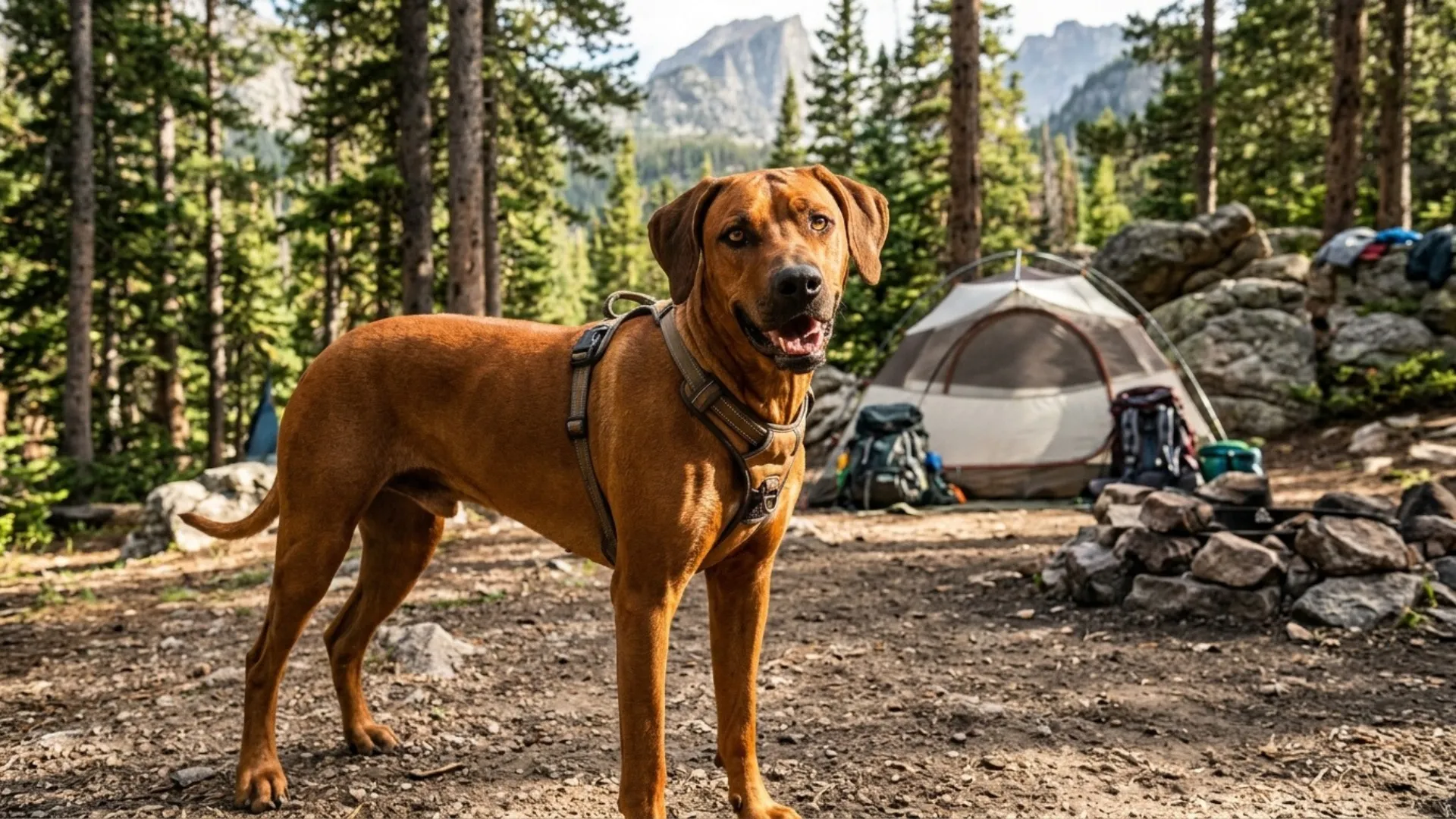
Some dogs seem ready for an adventure the moment they see a hiking backpack come out of the closet. They are eager to follow trails, explore unfamiliar surroundings, and spend hours outside without losing interest.
Others may enjoy a short walk but struggle with the physical demands of a proper camping trip. The difference often comes down to stamina, physical build, working instincts, and individual temperament. Dogs originally bred for herding, hunting, and other outdoor tasks frequently have the endurance and activity levels that suit an adventurous lifestyle.
However, there are other qualities worth considering before taking a dog into the wilderness. Paw strength, coat type, recall training, and comfort around unfamiliar environments can all influence how well a dog handles an outdoor excursion. Some breeds also have surprising abilities that make them particularly interesting trail companions.
Let’s look at nine energetic dog breeds that bring plenty of enthusiasm to camping and outdoor adventures.
Key Takeaways
One dog on this list has reportedly kept pace with a running horse, which gives you an idea of the stamina hiding behind these breeds.
That dog is the Rhodesian Ridgeback, a powerful trail companion capable of extended runs and hikes reaching around 10 miles.
The Toller brings a completely different outdoor talent, using its white-tipped tail and playful movements in a centuries-old waterfowl hunting technique.
And those are only two of the unusual abilities waiting further down the trail.
Energetic Dog Breeds Suitable for Camping and Outdoor Excursions
1. Rhodesian Ridgeback
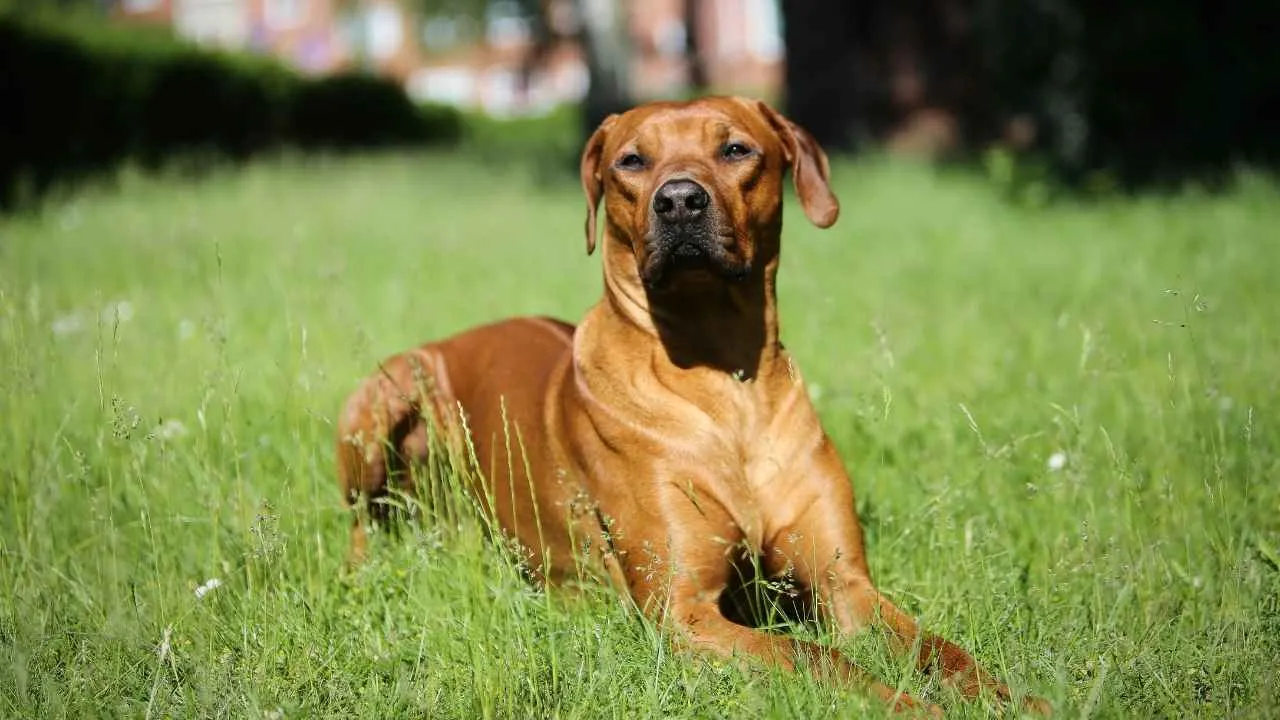
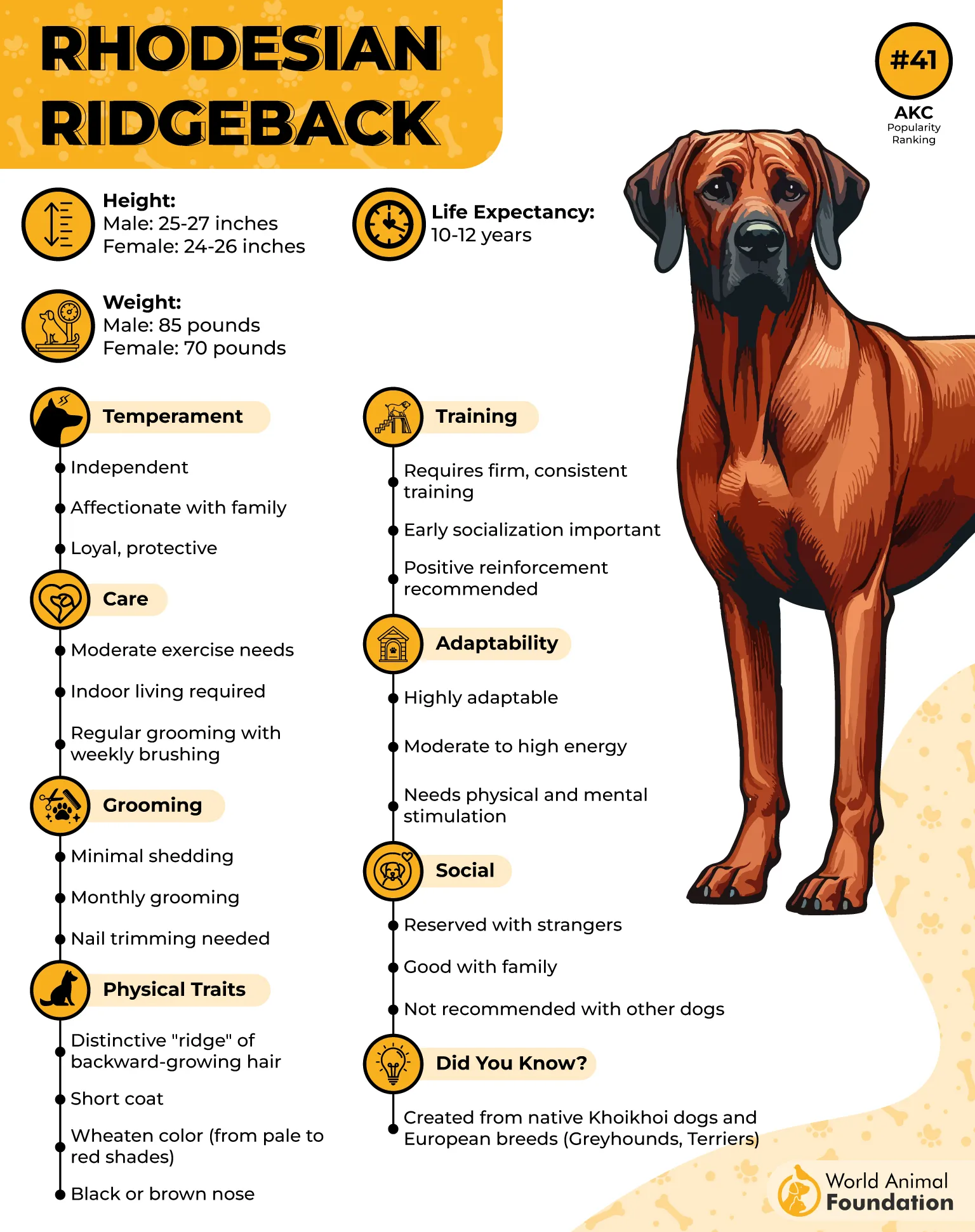
The Rhodesian Ridgeback traces its ancestry to European dogs brought to southern Africa by settlers during the 16th and 17th centuries. These dogs were crossed with native hunting dogs, producing a powerful breed with a distinctive ridge of backward-growing hair along its spine.
Built for Long Distances
The Rhodesian Ridgeback has impressive stamina and endurance, making it well-suited for demanding outdoor life. A healthy, well-conditioned dog can accompany its person on extended runs and challenging hikes, with enough endurance for long days on the trail.
Its physical abilities are particularly impressive:
Can run approximately 6 to 8 miles.
May manage hikes of up to 10 miles.
Has been reported to keep pace with a running horse.
An Outdoor Enthusiast With Indoor Habits
A short, single coat makes grooming relatively straightforward, while the breed’s preference for family company means it needs a place indoors too, as PetMD claims. After an active day outside, a Rhodesian Ridgeback often prefers relaxing on a comfortable couch rather than sleeping outdoors.
2. German Wirehaired Pointer
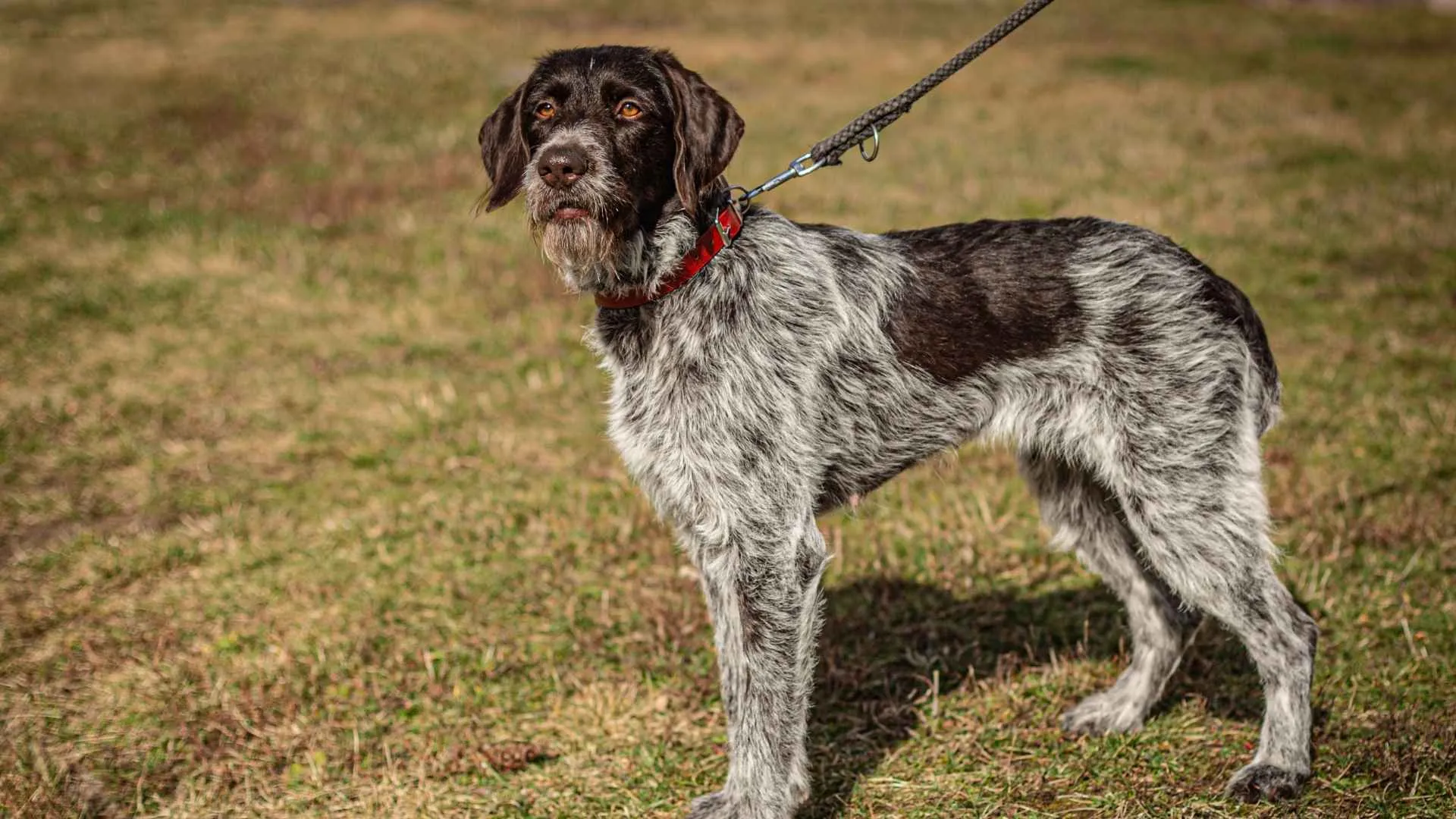
The German Wirehaired Pointer originated in Germany in the late 1800s, when hunters wanted a versatile dog for pursuing game across different terrain. Crosses involving the Griffon, Pudelpointer, and Deutsche Kurzhaar helped produce a medium-sized hunting dog with a wiry coat suited to dense undergrowth.
Adventure Comes Naturally
A German Wirehaired Pointer is happiest when an outing involves plenty of ground to cover. Bred to work from morning until evening, this excellent companion has the stamina for lengthy hikes, extended runs, and outdoor activities on land or in water, as reported by Orvis.
Its physical abilities make several activities worth considering:
Can run five miles or more.
Webbed feet make it a capable swimmer.
Enjoys day-long hiking trips.
A Hunter’s Instincts
At home, this Pointer is loyal, affectionate, and eager to spend time with its family. It generally gets along with children and other dogs, while cats can become familiar companions when introduced early. Squirrels, rabbits, and other small animals may trigger its strong chasing and retrieving instincts.
3. English Springer Spaniel
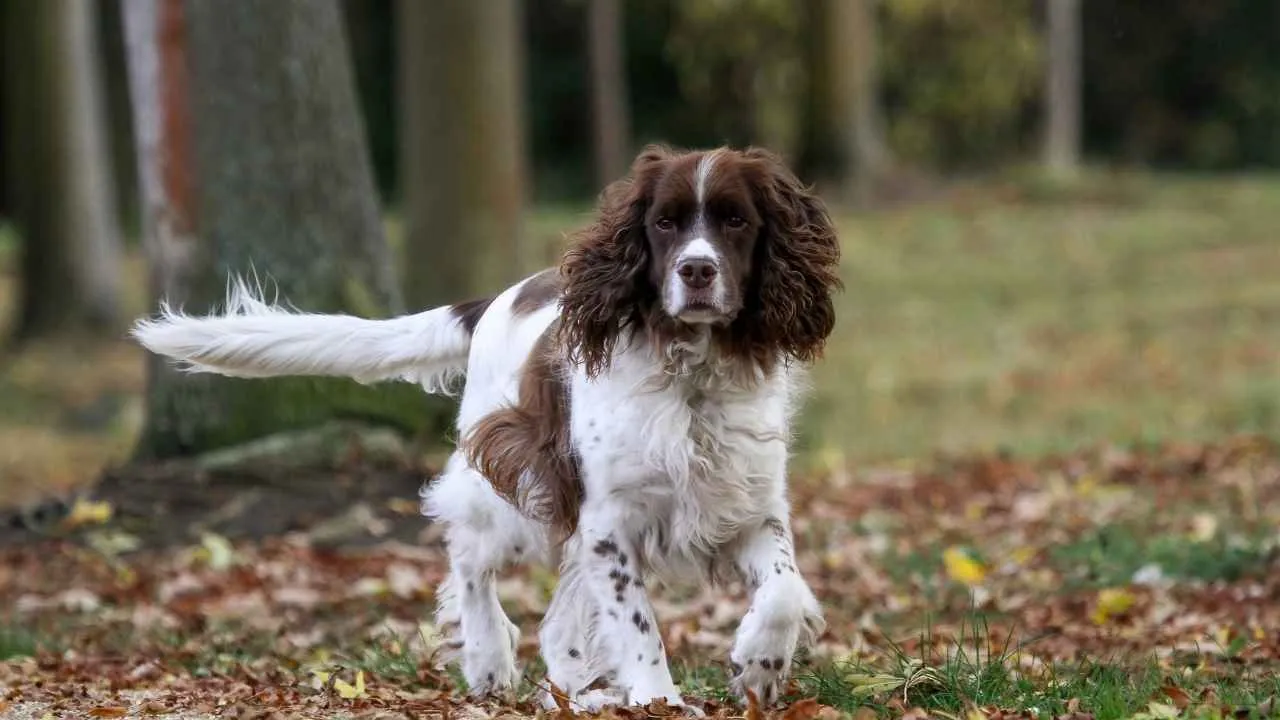
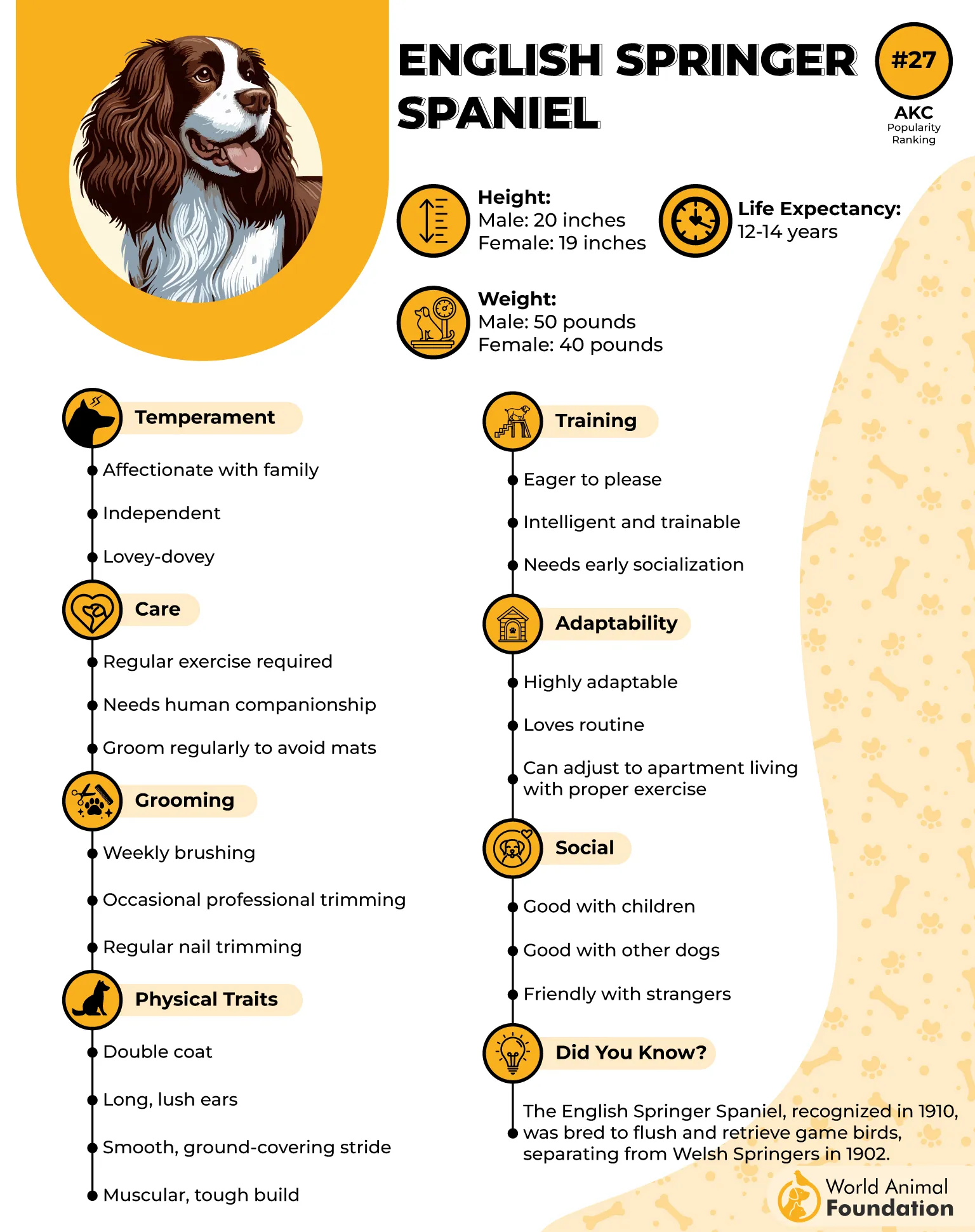
The English Springer Spaniel earned its place in British hunting fields by flushing game from cover so hunters could take their shot. During the 1800s, breeders began selecting dogs specifically for this work, and the English Kennel Club officially recognized the breed in 1902.
Can Spend Long Days Outside
Long walks, outdoor adventures, and plenty of time exploring can make an English Springer Spaniel’s day more enjoyable. Bred for demanding work in the field, this energetic dog can keep going for hours, including on lengthy walks and half-day hiking trips.
The athletic abilities of this furry friend bring a few more possibilities:
Can run alongside you for three to four miles.
Enjoys agility trials and flyball.
Has a natural interest in scent-tracking activities.
A Coat Made for Rough Conditions
Wet weather and thick undergrowth are familiar outdoor settings for this high-energy dog. Its dense coat offers useful protection against cooler climates and rainy conditions and helps shield its body from sharp thorns and prickly vegetation encountered in the field.
4. Brittany
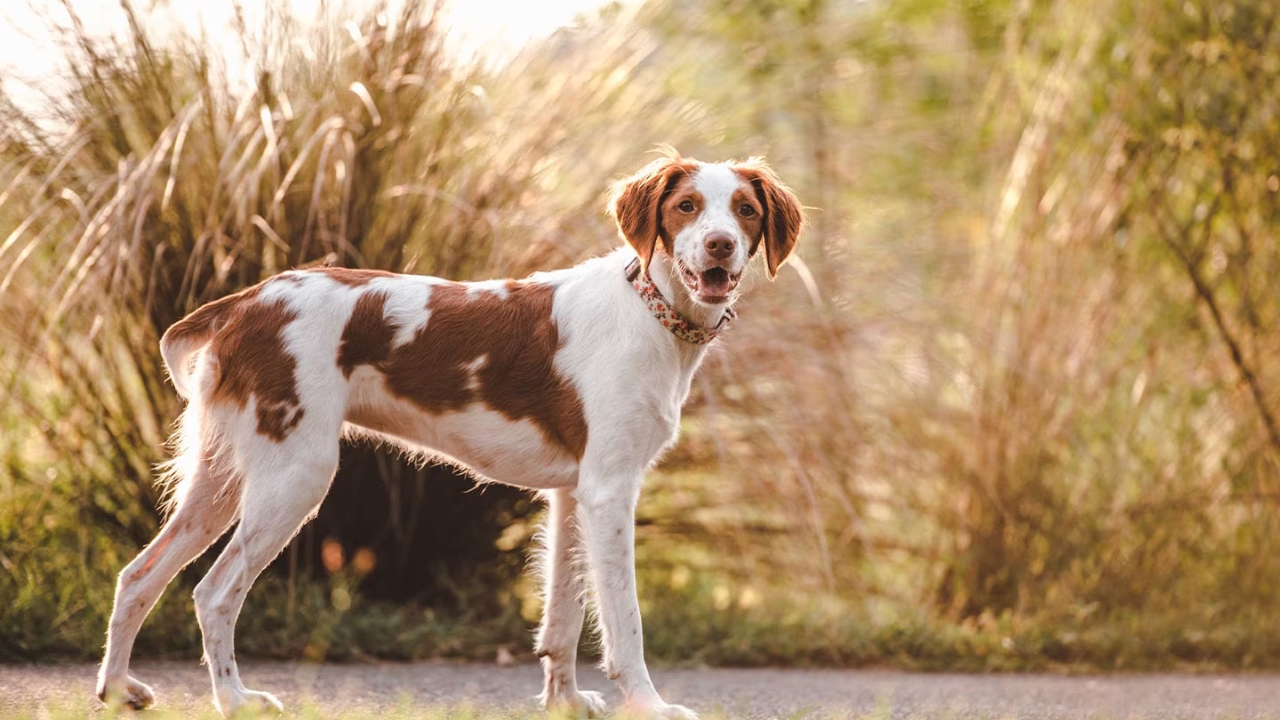
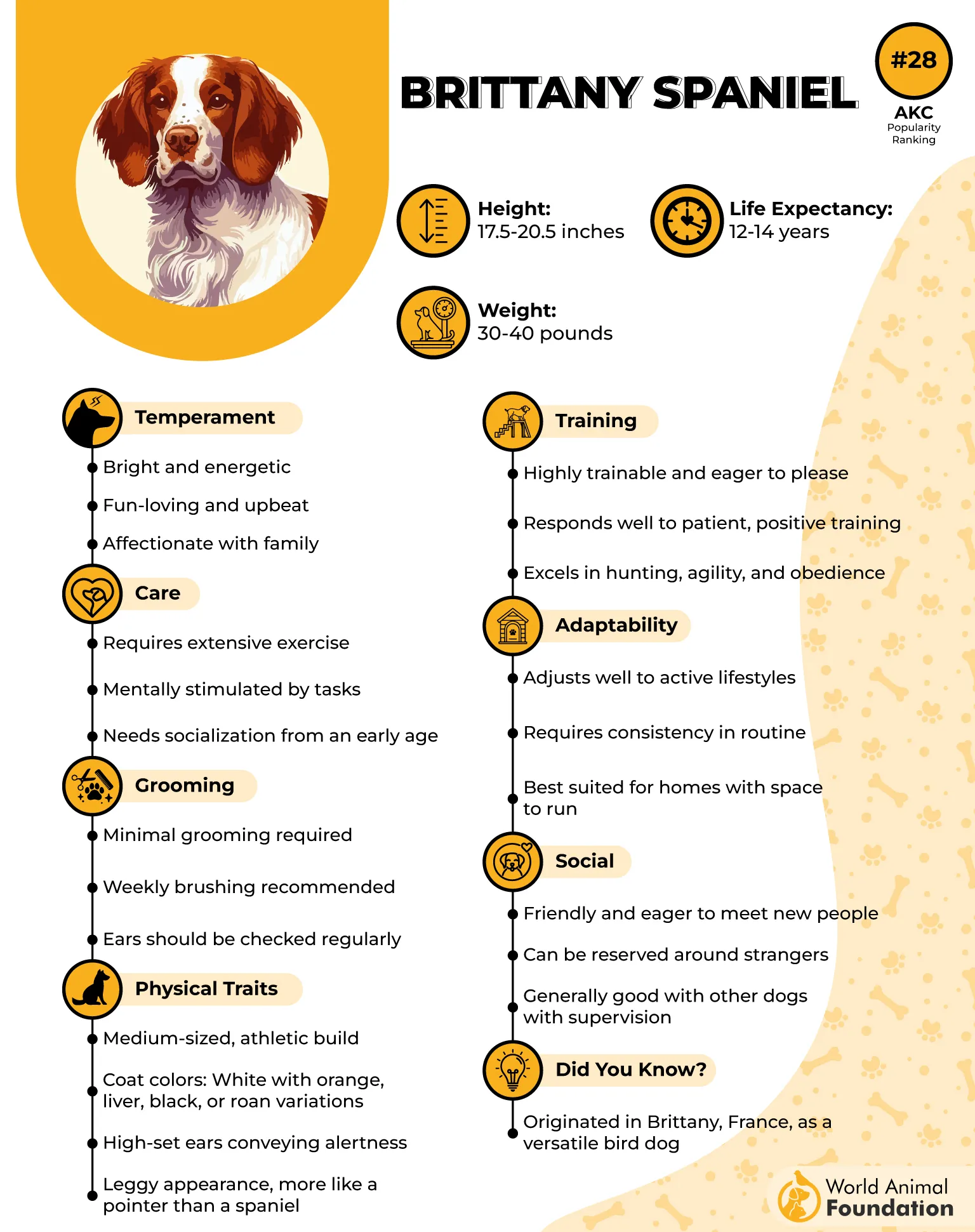
The Brittany was originally bred in northwestern France, where hunters valued a compact gun dog with strong pointing and retrieving abilities. Its ancestry includes small field spaniels crossed with English Setters, and early breeders also selected dogs born with naturally short or absent tails.
Ready to Enjoy Outdoor Adventures
Long trails and several-mile runs give a Brittany plenty of room to put its energy to work. Just remember that its hunting background is never far away, and a passing bird or intriguing scent may suddenly become more interesting than the route ahead.
A few practical details matter on the trail:
Comfortable in cool weather while active outdoors.
Enjoys brisk hikes of five miles or more
Needs a secure yard because it may follow an interesting scent.
A Nose That Finds Trouble
Small wildlife can easily catch a Brittany’s attention because of its strong prey drive, as noted by the AKC. Keep it separated from unfamiliar small animals, although it can get along well with cats it has grown up with. It also enjoys lively canine companions, provided their play styles are compatible.
5. Nova Scotia Duck Tolling Retriever
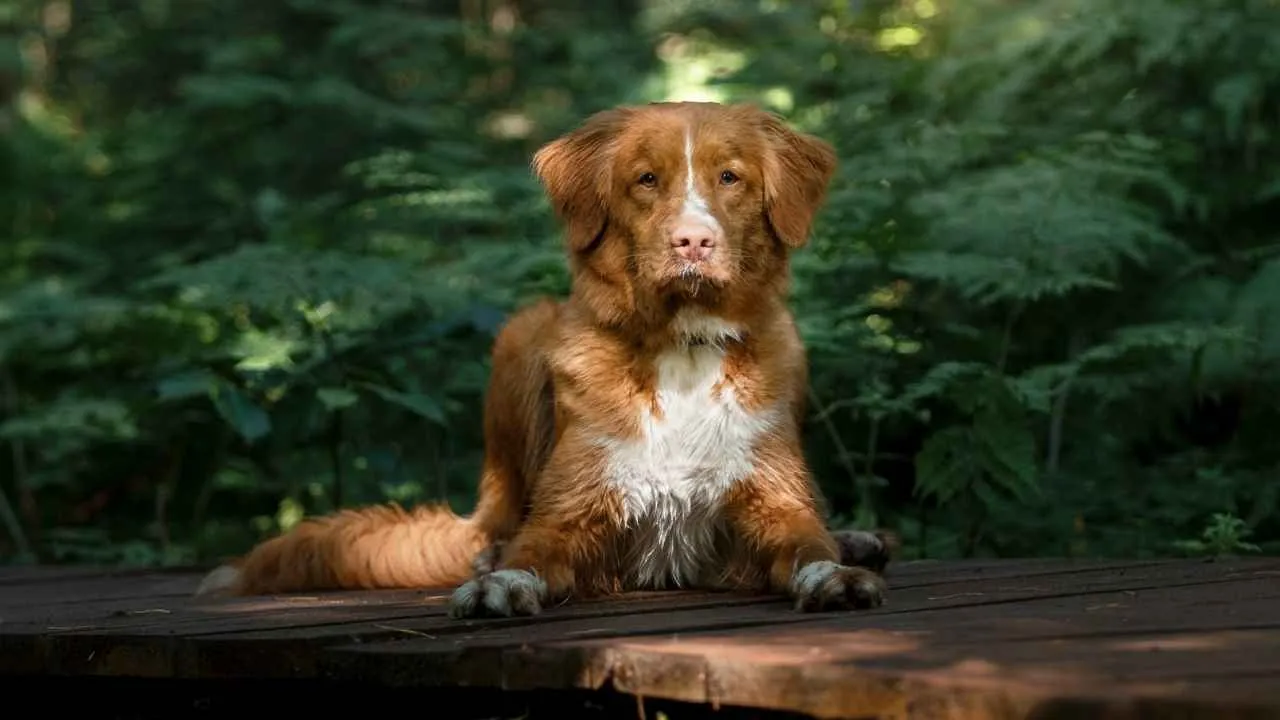
The Nova Scotia Duck Tolling Retriever developed in Little River, Nova Scotia, Canada, where hunters used its playful movements to attract waterfowl toward the shore.
Its white-tipped tail helped catch the birds’ attention, while the word tolling refers to this method of enticing them closer before retrieving the shot birds.
Always Up for Exploring
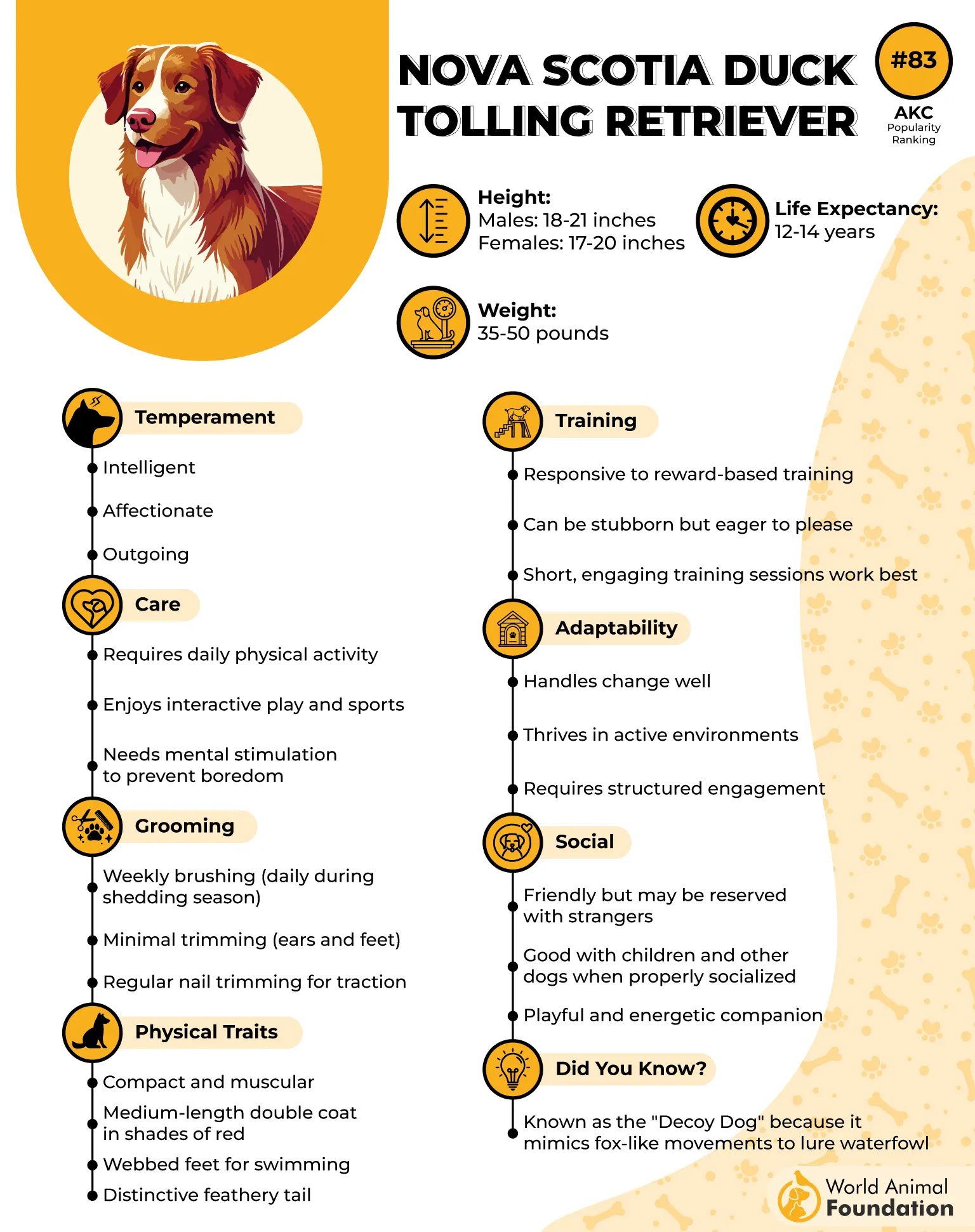
Often called a Toller, this furry companion is the smallest member of the retriever group, yet it has plenty of energy for demanding outdoor days.
Long hikes, beach visits, and road trips suit its adventurous nature, especially when its human companion enjoys an equally active routine.
Water and sporting activities give this retriever even more ways to use its abilities:
Swimming and dock diving.
Fetch and flyball.
Agility and tracking activities.
An Athlete With a Soft Side
A healthy Toller may run up to five miles, while a full-grown dog can enjoy spending an entire day on the trail. It needs at least an hour of daily exercise, with opportunities for more demanding activities, and is equally happy to curl up beside its favorite person after an active day.
6. Dutch Shepherd

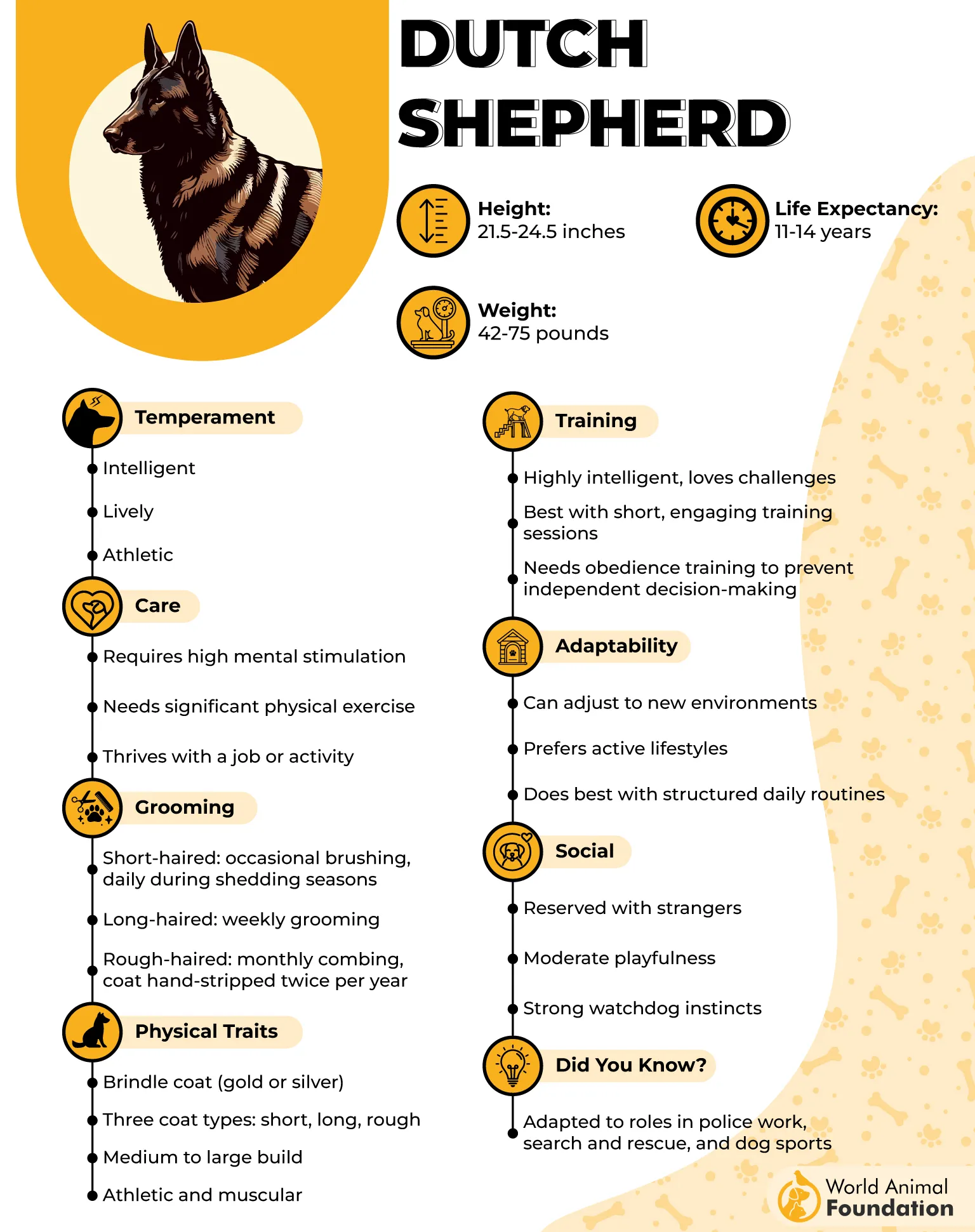
Dutch Shepherds were working alongside farmers in the Dutch countryside by the 18th century, taking on whatever duties were needed around farms.
These capable dogs moved and managed livestock, watched over homes and property, and sometimes hauled loaded carts, proving valuable in a wide range of practical daily tasks.
A Companion for Long Outings
A Dutch Shepherd rarely runs out of interest when a day takes you outside. On hikes, every new scent can become worth checking out, while runs and brisk walks keep those busy legs moving. When warmer weather arrives, a refreshing swim can add another activity to the day.
There are plenty of other ways to keep this dog busy outside:
Following scent trails through nose work.
Chasing discs in frisbee games.
Tackling agility courses and herding trials.
More Than an Outdoor Athlete
Dutch Shepherds are intelligent, determined dogs with a strong work ethic. Their dedication has also made them suitable for military and K9 duties. At home, they are affectionate with their families, although they can be cautious around unfamiliar people and benefit from early socialization.
7. Gordon Setter
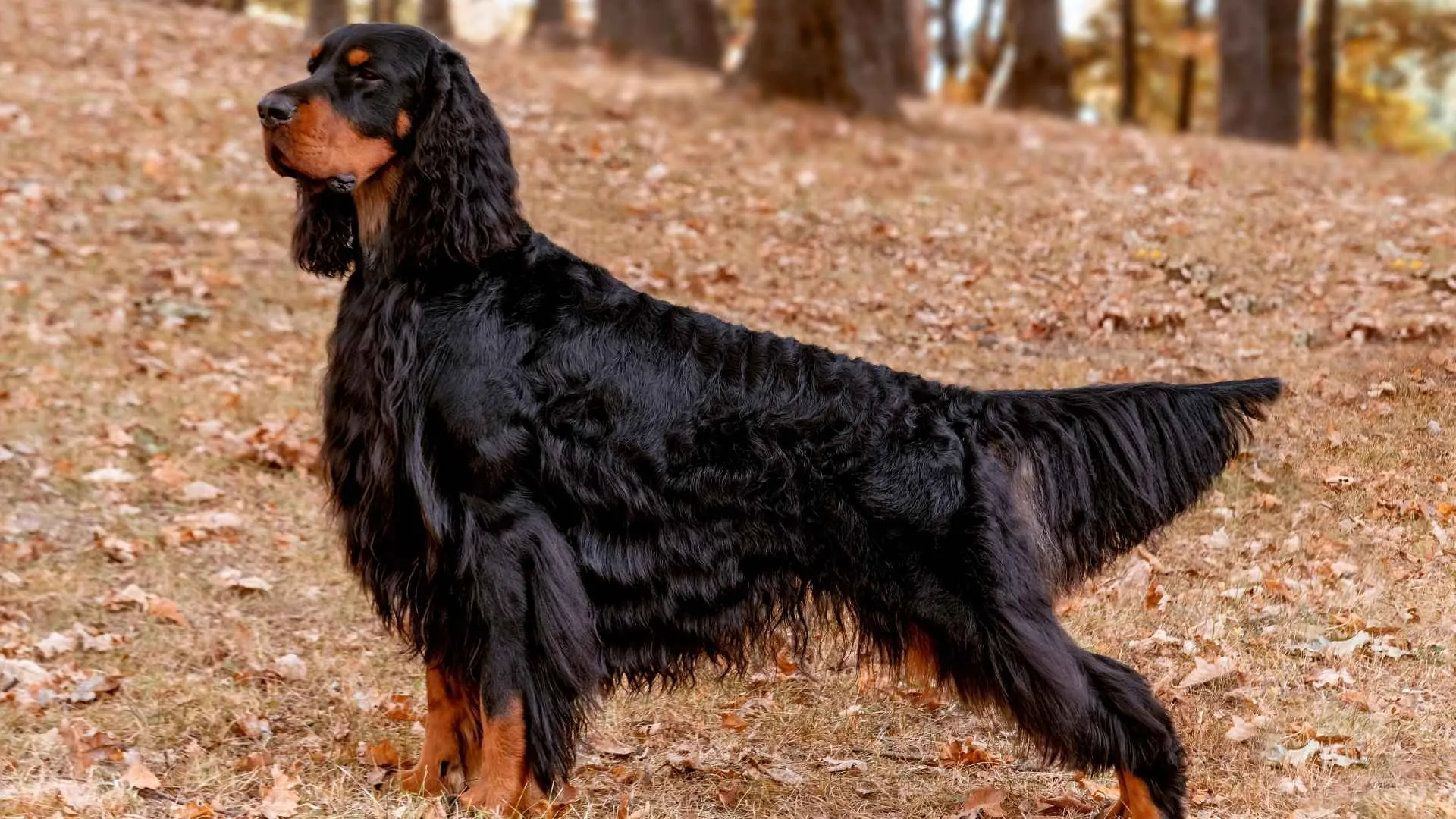
The Gordon Setter belongs to the same family as Irish and English Setters, with its likely origins dating to 17th-century crosses involving Old Land Spaniels and Pointers. Bred to track, point, and retrieve game birds such as partridges, pheasants, and grouse, it became a skilled companion in the field.
Always Ready to Head Outdoors
Long days outside can be especially enjoyable for a Gordon Setter when the family is part of the fun. Hiking and biking keep this active dog moving, while its affectionate nature makes sharing those outdoor hours with favorite people even better.
Its working instincts bring a few other interesting qualities:
Follows bird scents with strong determination.
Can remain focused while searching for game.
Takes well to agility, rally, and obedience sports.
A Friendly Nature
For a large hunting breed, the Gordon Setter has a notably sweet and sociable temperament. It is generally gentle with children, welcoming toward strangers, and happy to interact with other dogs. Its playful side also makes it an enjoyable companion during family activities.
8. Irish Setter
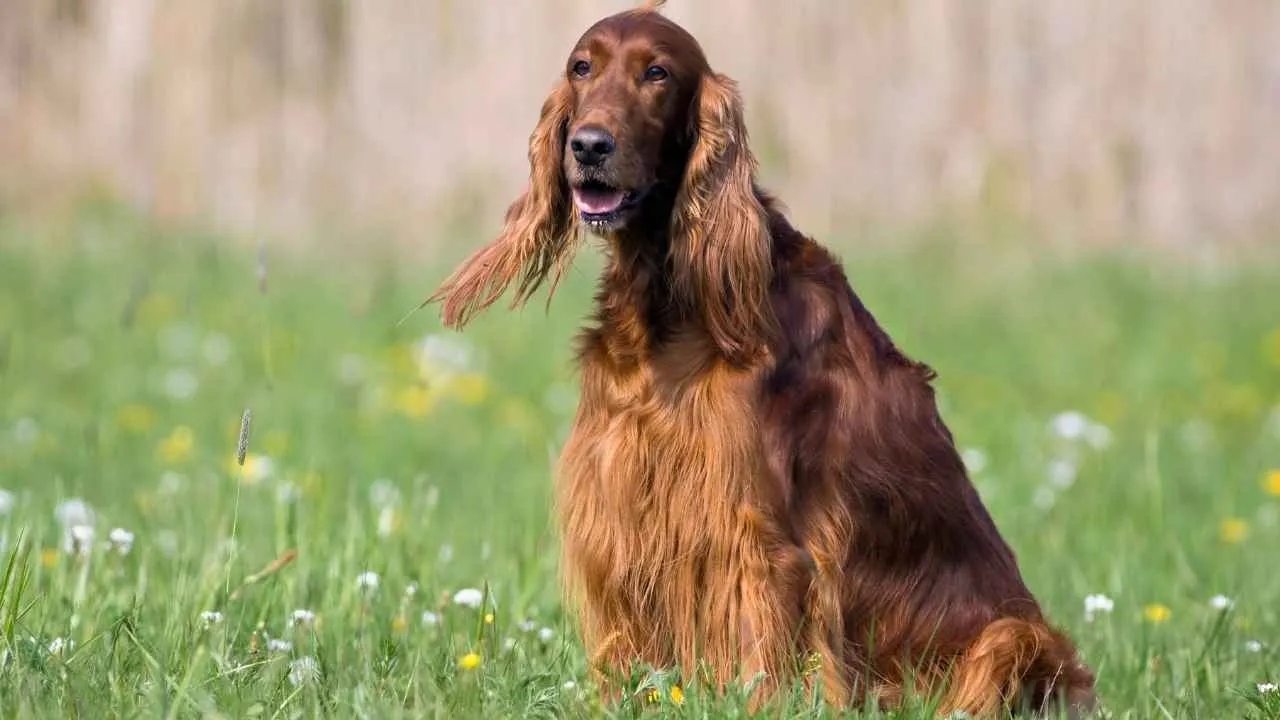
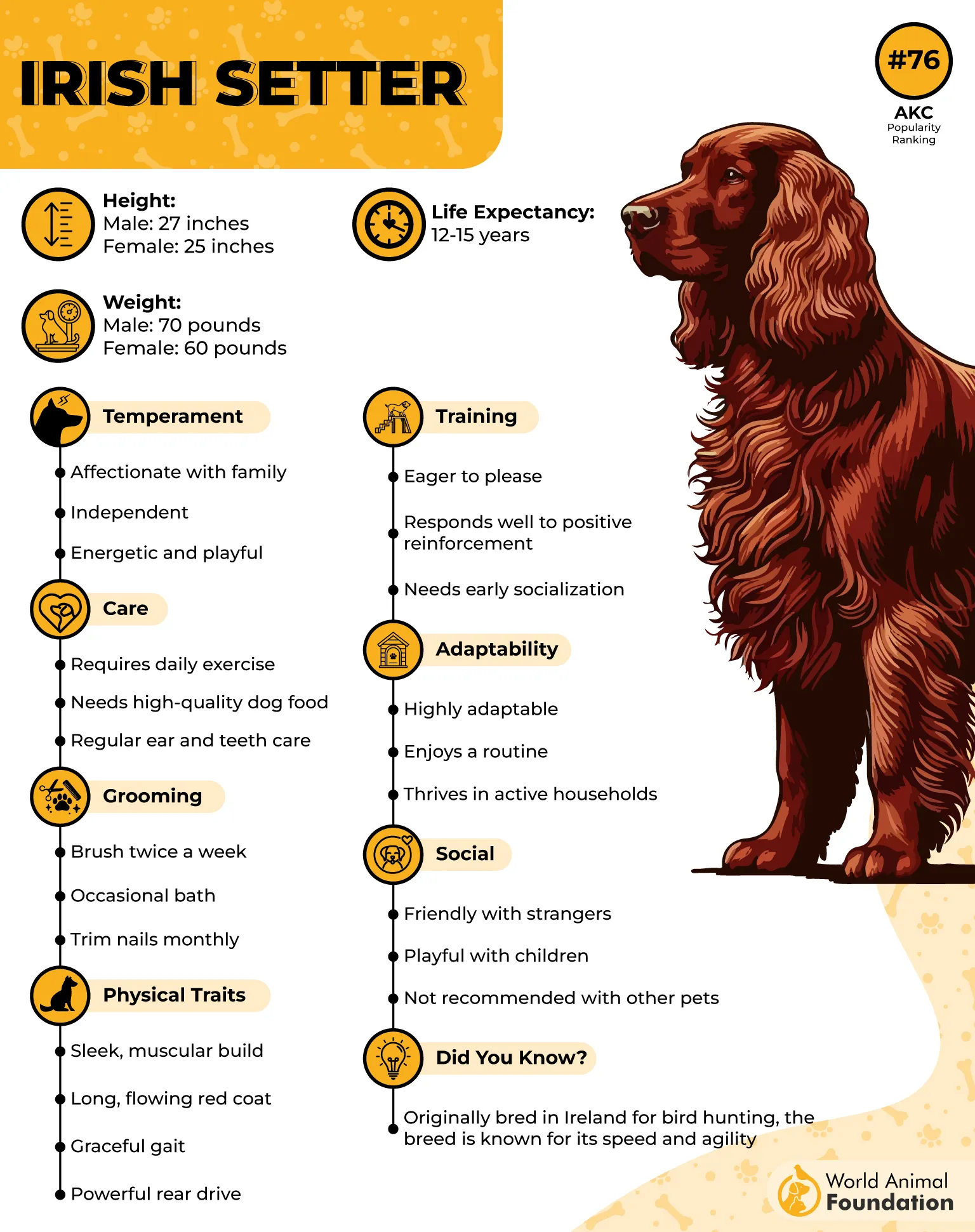
The Irish Setter’s exact ancestry remains uncertain, although the breed is believed to descend from English Setters, Spaniels, and Pointers. Around 1800, early breeding kennels began producing the rich mahogany-red dogs that hunters could easily spot across open hunting grounds.
Eager to Explore Outside
This adventurous spirit needs plenty of exercise, making long outdoor outings a natural part of its routine. Around two hours of daily exercise is recommended, and hiking, jogging, and longer walks give this energetic dog more variety than a game of fetch alone.
Its interests extend well beyond the walking trail:
Enjoys swimming in open water.
Takes part in flyball and agility trials.
Uses its keen tracking instincts during nose work.
A Playful Side and a Sensitive Heart
Irish Setters have a cheerful, mischievous personality and often bring plenty of fun to everyday life. They enjoy attention and affection, yet they can be sensitive, so harsh handling can affect their confidence. Their playful antics often make them entertaining companions around the house.
9. Alaskan Klee Kai
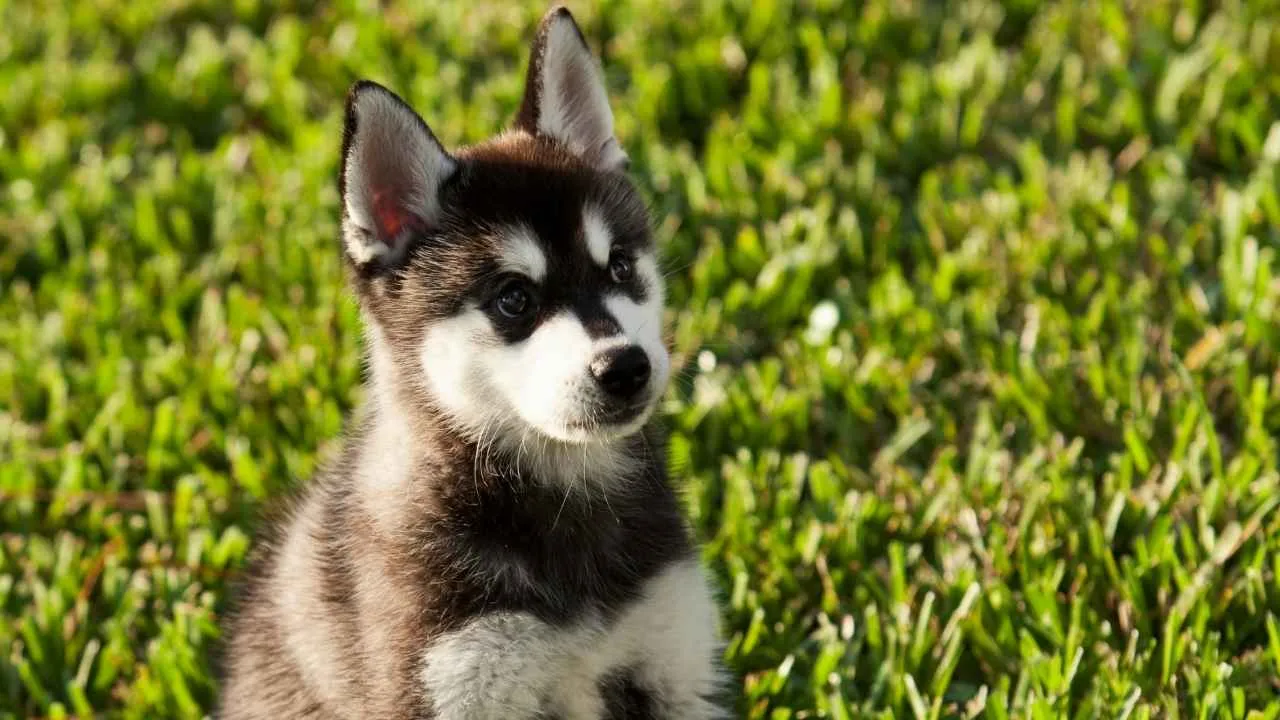
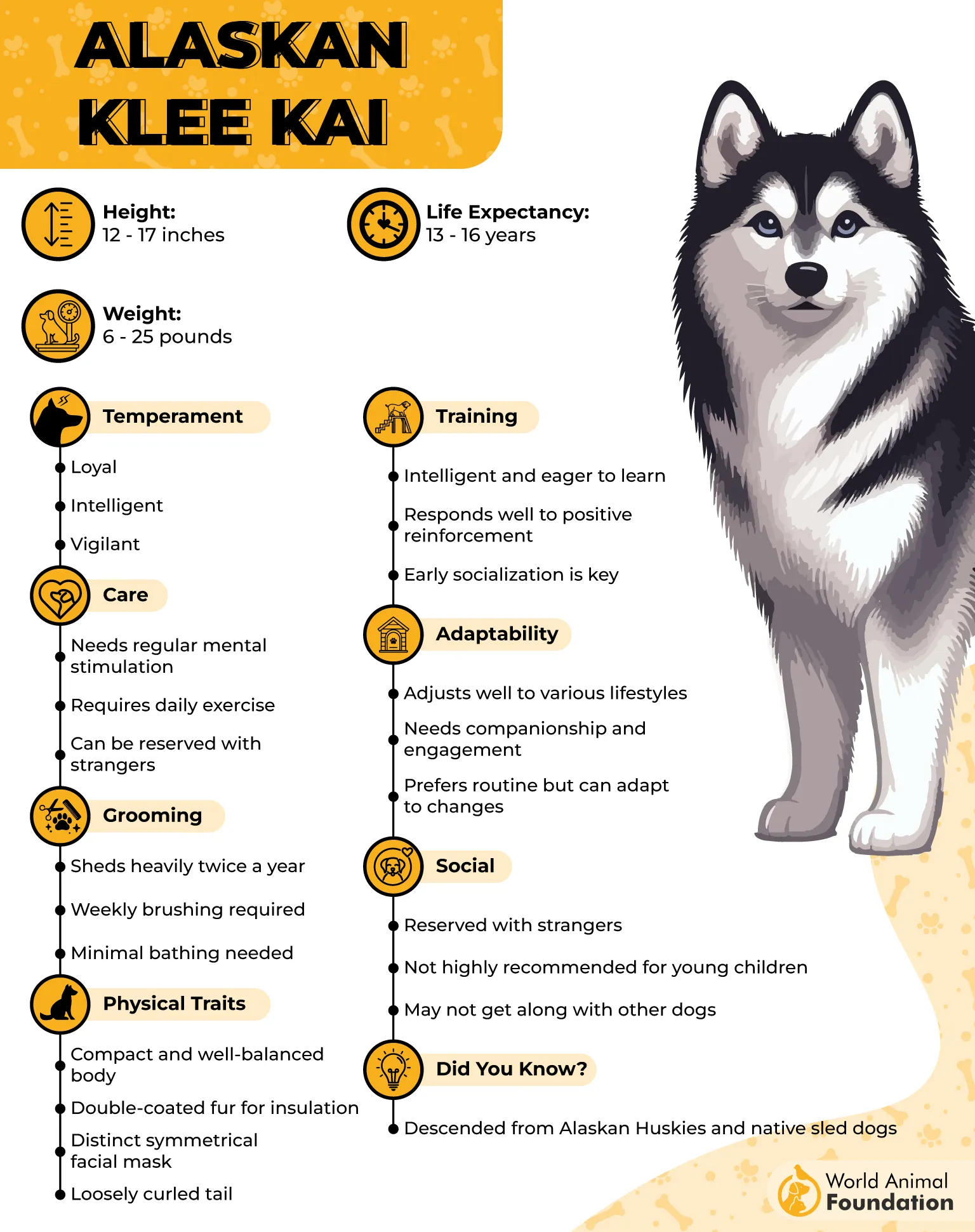
The Alaskan Klee Kai was first bred in Alaska during the 1970s, when Linda S. Spurlin wanted a smaller companion that shared the Husky’s appearance. Careful breeding with smaller dogs eventually produced a compact, intelligent breed with the distinctive look of a northern dog.
Ready for the Trail
An Alaskan Klee Kai can make an enthusiastic hiking companion, especially for people who enjoy brisk walks and active days outdoors.
This energetic breed needs around an hour of daily activity, and a camping trip with plenty of opportunities to explore can fit well into its routine.

Its interests extend to several other activities:
Agility courses and racing.
Dock diving and carting.
Fetch and interactive games.
A Clever, Curious Mind
Quick to learn and sometimes mischievous, the Alaskan Klee Kai needs mental challenges alongside physical activity. Puzzle toys, scent-based games, and new training skills give its sharp mind something to work on, while a predictable daily routine helps prevent boredom-related vocalizing and destructive behavior.
Conclusion
Outdoor adventures offer dogs plenty of opportunities for physical and mental stimulation, exercise, and meaningful time with their families. However, a long hike or camping trip can be demanding, even for an energetic companion.
Physical fitness, weather conditions, training, and comfort around unfamiliar places all deserve attention before setting out. A well-trained dog with suitable energy levels can handle these experiences more comfortably.
A dog that enjoys running may also need mental stimulation and time to adjust to longer distances, rough trails, or overnight stays. Even a compact dog can enjoy outdoor excursions when its needs are considered. Plan suitable activities, carry enough water, and allow regular breaks along the way. With proper preparation, an active dog can make camping trips more rewarding in the dog world and beyond.
