




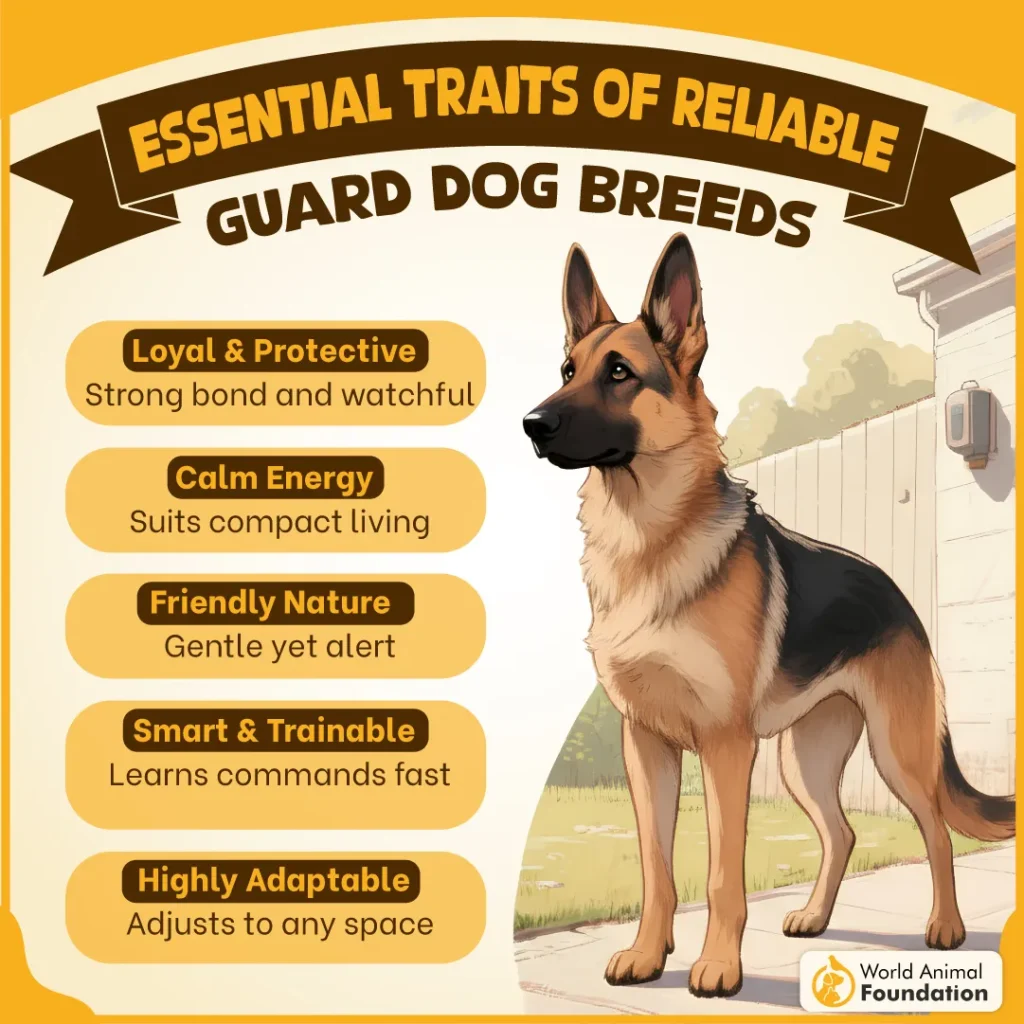
Not every guard dog needs to be intimidating, overly protective, or constantly on alert. Some dogs have a naturally calm and easygoing temperament while still being attentive to their surroundings.
Easygoing guard dogs strike a balance between being watchful and relaxed. They may notice unfamiliar visitors, stay close to their families, and respond to unusual activity without displaying unnecessary aggression.
Their personalities make them appealing to owners who want a dog that can provide a sense of security while remaining friendly and manageable in daily life.
Finding the right breed means looking beyond size and appearance. Temperament, alertness, trainability, and how comfortably a dog settles into family life all matter. Let’s look at the breeds that combine a relaxed personality with the qualities of a dependable watchdog.
Easygoing Dog Breeds for a Relaxed Guard Presence
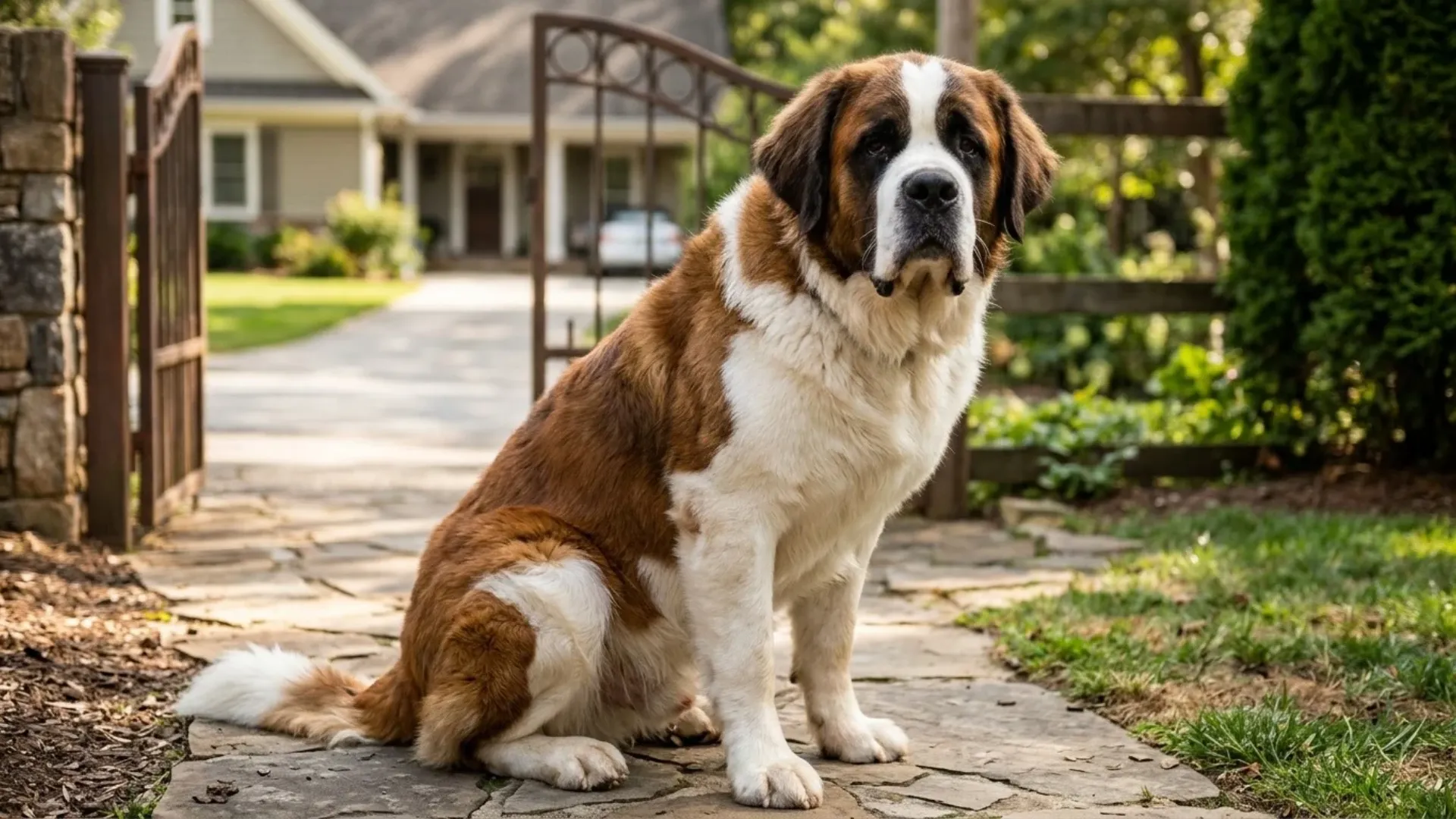
1. Saint Bernard
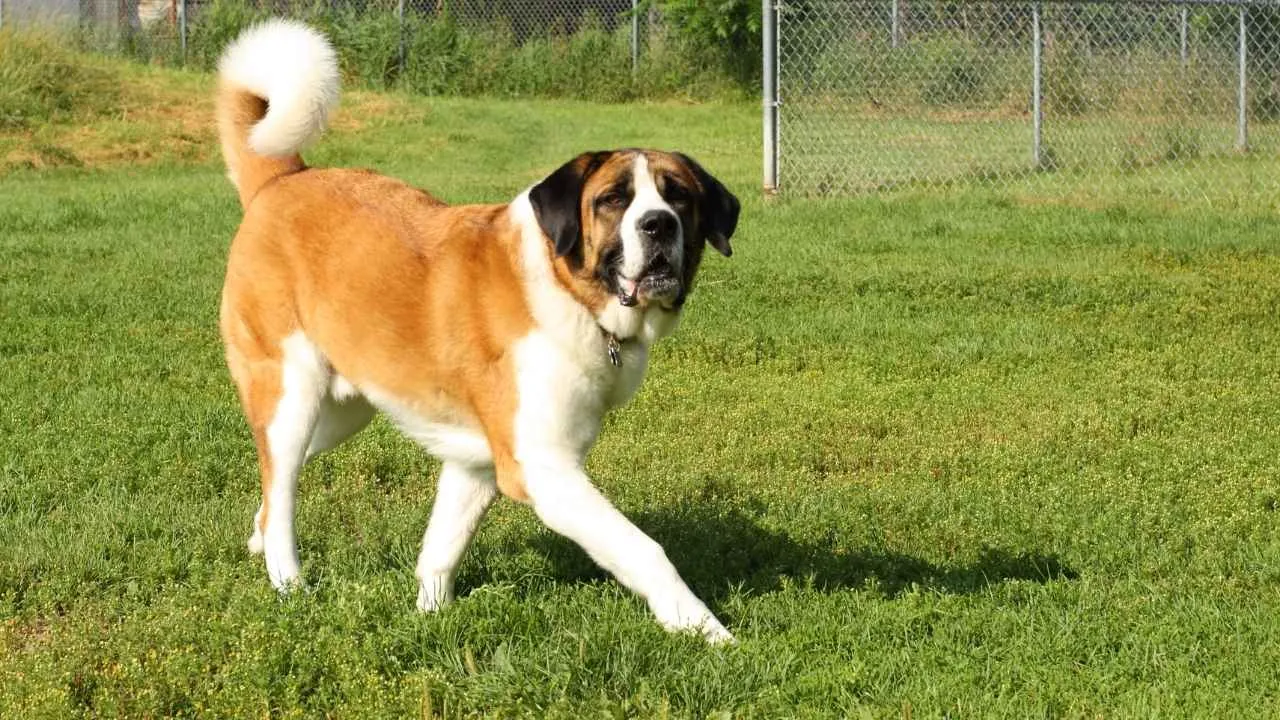
Saint Bernards are famous for their massive build, gentle nature, and strong devotion to their families. Originally bred by monks in the Swiss Alps to rescue lost and injured travelers, these dogs used their powerful sense of smell to locate people trapped under snow, according to Hill’s Pet.
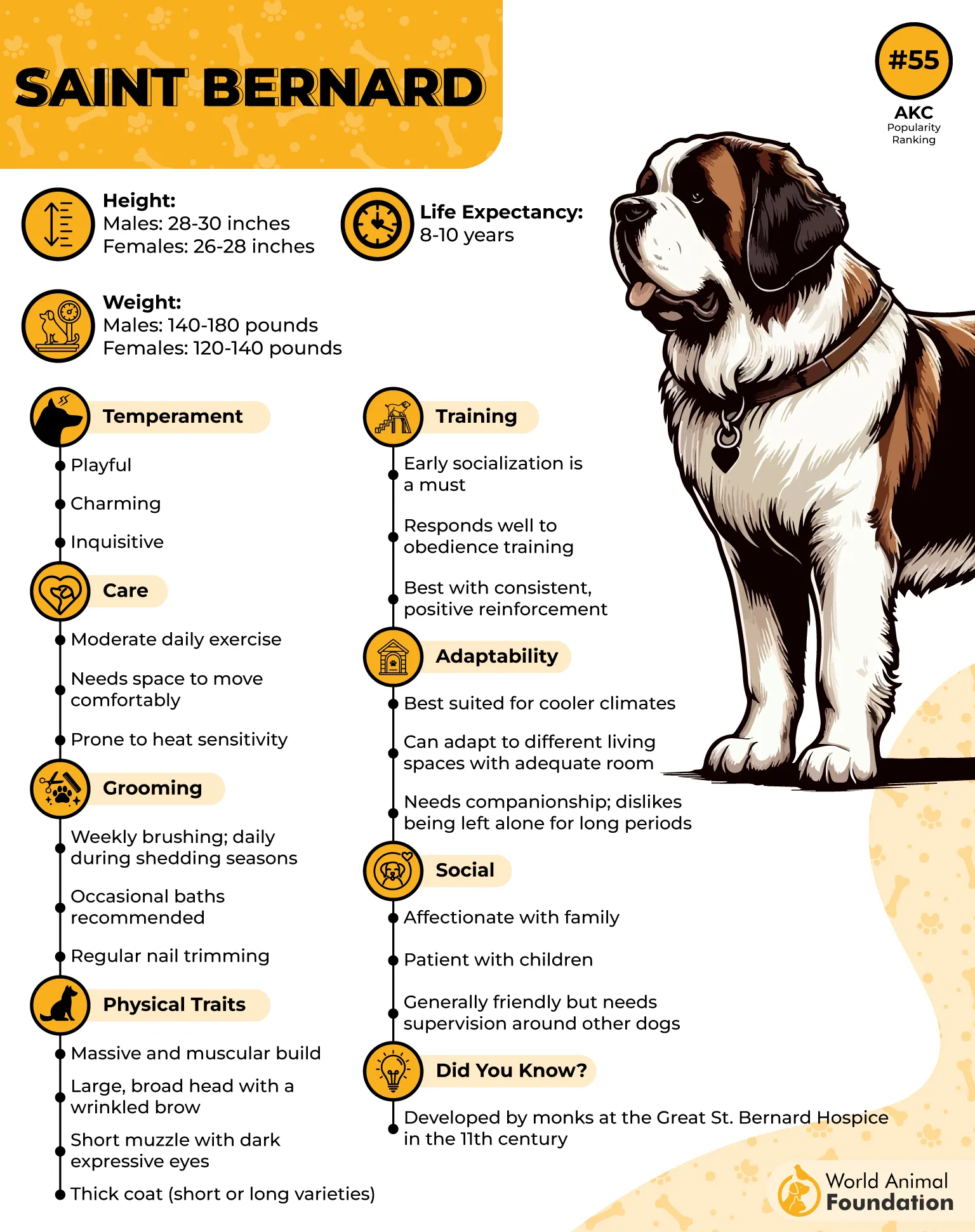
Despite their imposing appearance, St. Bernards are friendly, affectionate, and rarely aggressive. They are naturally protective of their families, especially children, and may bark loudly when they sense a genuine threat.
Their size alone can discourage unwanted visitors. However, they are more likely to welcome familiar people and even warm up to strangers than behave aggressively.
Temperament and Care
Family Companionship: Saint Bernards are patient with children and enjoy being involved in family activities. They love human company and can struggle when left alone for long periods.
Training: They can be playful and stubborn, so early socialization and consistent training are important. Patience helps bring out their best behavior.
Exercise and Grooming: These easygoing dogs enjoy relaxing at home but still need daily walks. They shed heavily, drool frequently, and need regular grooming.
2. Boxer
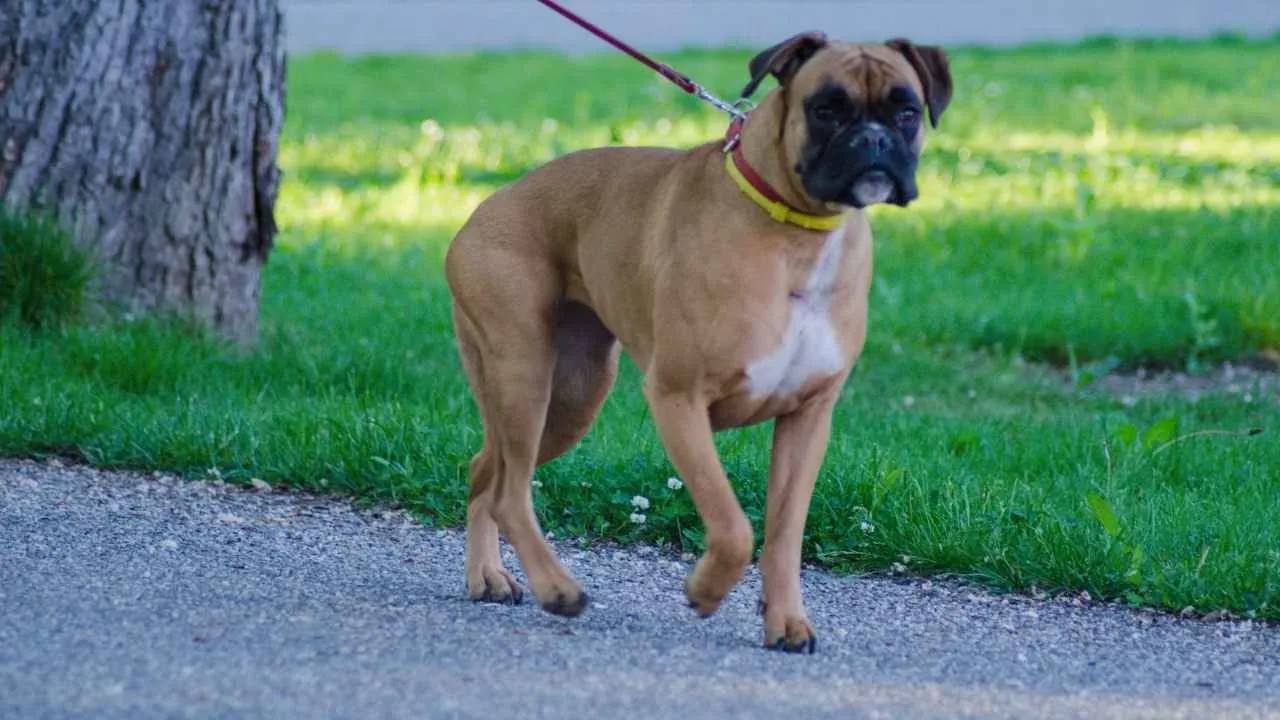
Boxers are loyal, intelligent, and playful dogs with a natural instinct to protect their families. Originally developed from the smaller Bullenbeisser, they were used for hunting, escorting, and protection work.
Their history as working dogs has shaped their alert nature and strong protective instincts. Despite their serious appearance, Boxers are affectionate companions who love being part of family life.
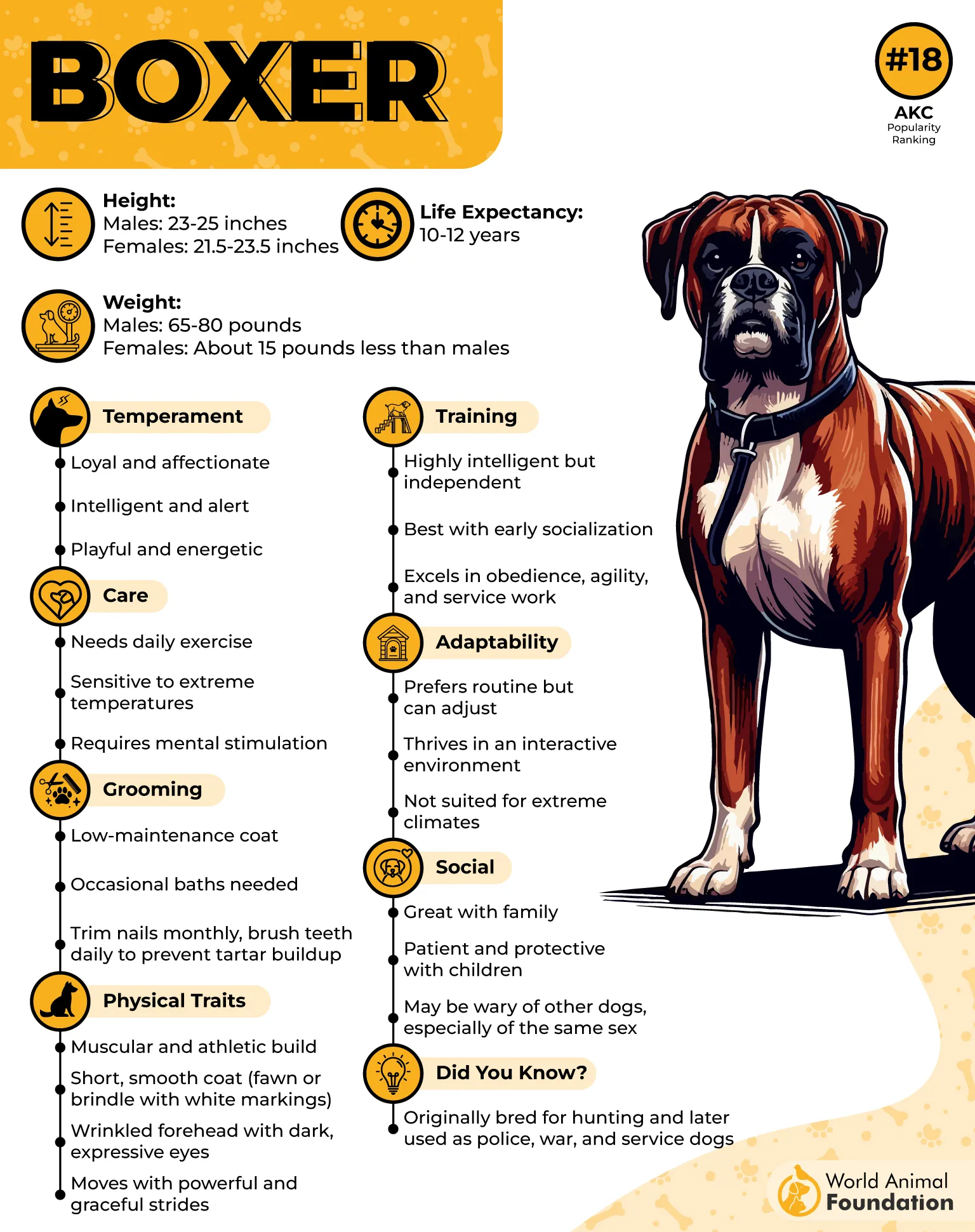
These dogs make excellent watchdogs and family guardians. They are naturally courageous and take their protective role seriously, often barking only when something catches their attention. Boxers are particularly patient with children and enjoy joining their games.
They are generally calm and self-assured, but their energetic and playful personalities mean they need active families who can keep them engaged.
Temperament and Care
Family Companionship: Boxers are deeply devoted to their families and enjoy being involved in everyday activities.
Training and Exercise: They are intelligent and generally easy to teach, although occasional stubbornness can make consistency important. Daily exercise and mental stimulation help manage their high energy levels.
Grooming: Their short, smooth coats require little grooming. Common colors include fawn and brindle, often with white markings.
3. Bernese Mountain Dog
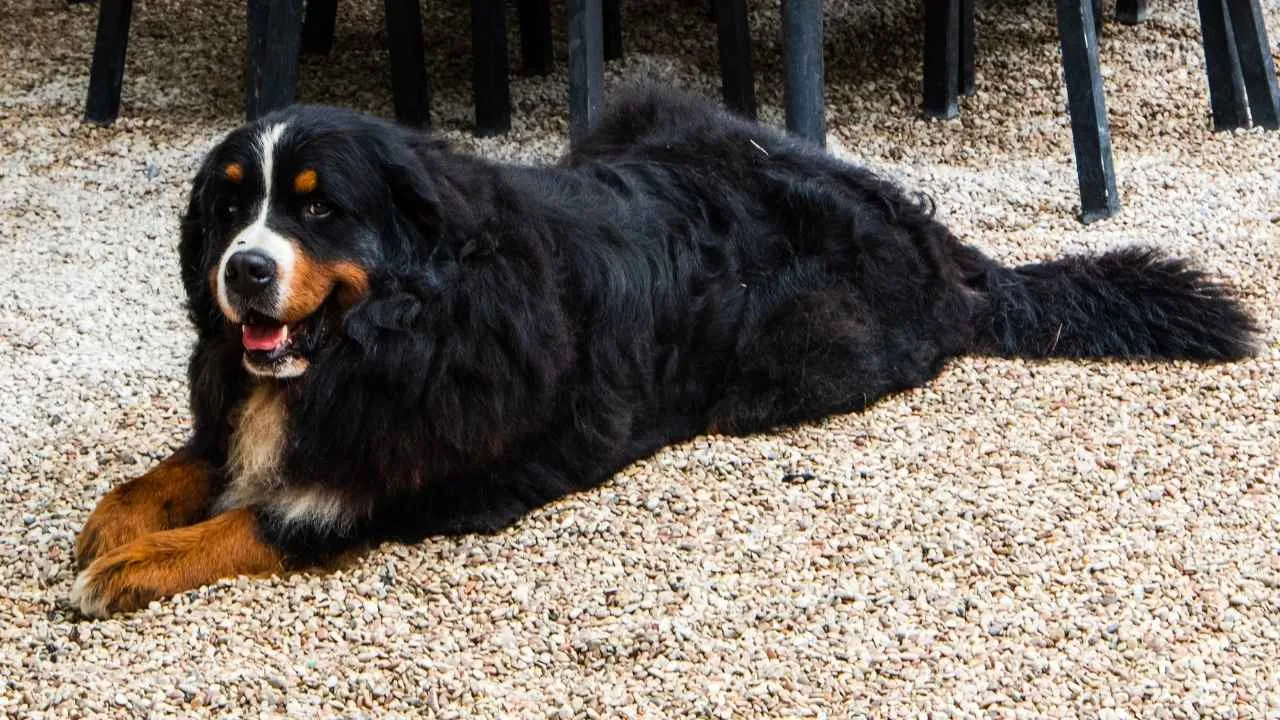
Bernese Mountain Dogs are gentle giants known for their affectionate nature, calm temperament, and strong devotion to their families.
Originally developed as farm and working dogs in Switzerland, they used their strength and intelligence to handle different tasks around farms and pastures.
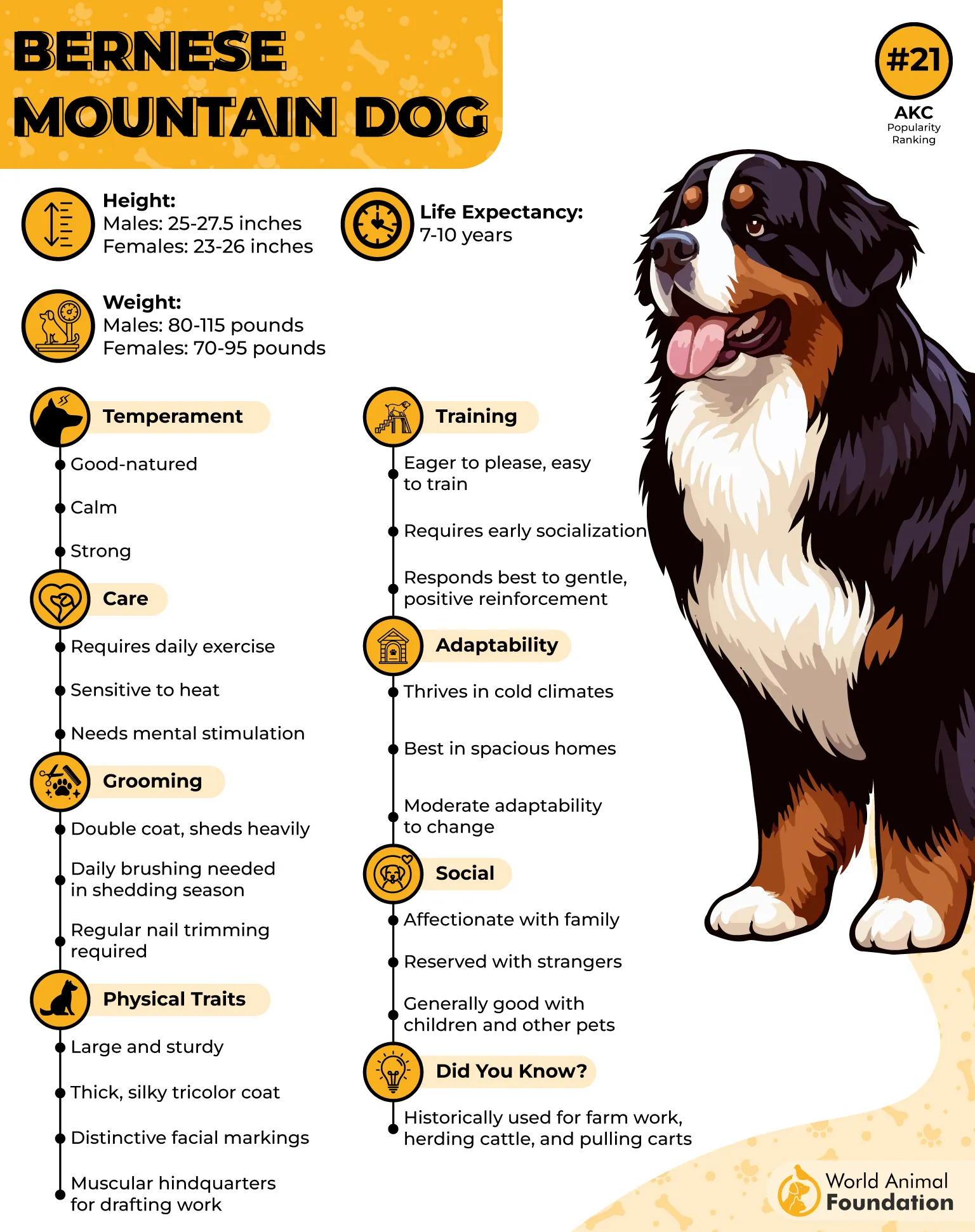
Despite their imposing appearance, Bernese Mountain Dogs are generally placid and rarely threatening. They make reliable watchdogs, using their deep bark to announce visitors without becoming overly vocal.
They are naturally patient with children and usually get along well with other pets when introduced at a young age. Although they may remain reserved around strangers at first, they are affectionate and eager to please their families.
Temperament and Care
Family Companionship: Bernese Mountain Dogs love being around people and enjoy taking part in family activities. They often form a particularly close bond with one family member.
Training and Exercise: They are intelligent and easy to train. Although relatively low-energy compared with many dogs, they still enjoy playtime and outdoor activities.
Grooming: Their thick, silky coats need regular grooming. They also drool, so they may not suit owners who prefer a very tidy home.
4. Doberman Pinscher
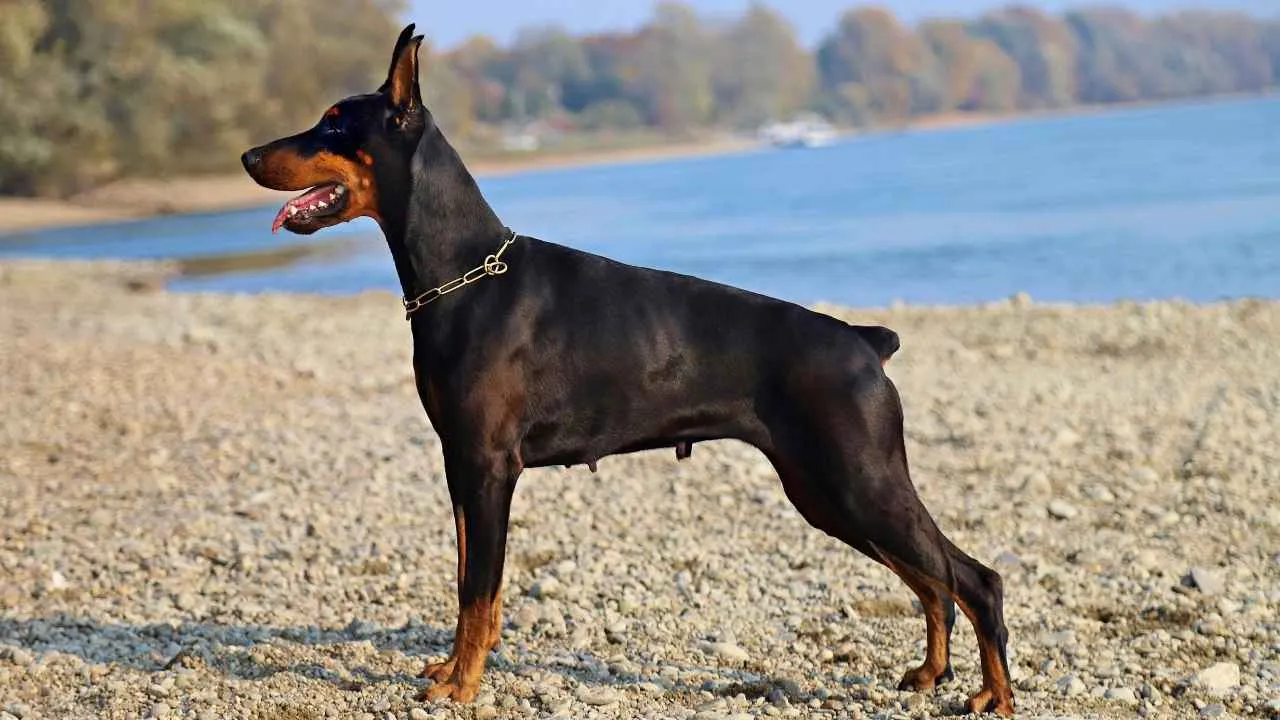
Doberman Pinschers are intelligent, loyal, and alert dogs with a natural instinct to protect their families. They were originally developed in Germany by Louis Dobermann, a tax collector who wanted a dependable guard dog to accompany him during his work.
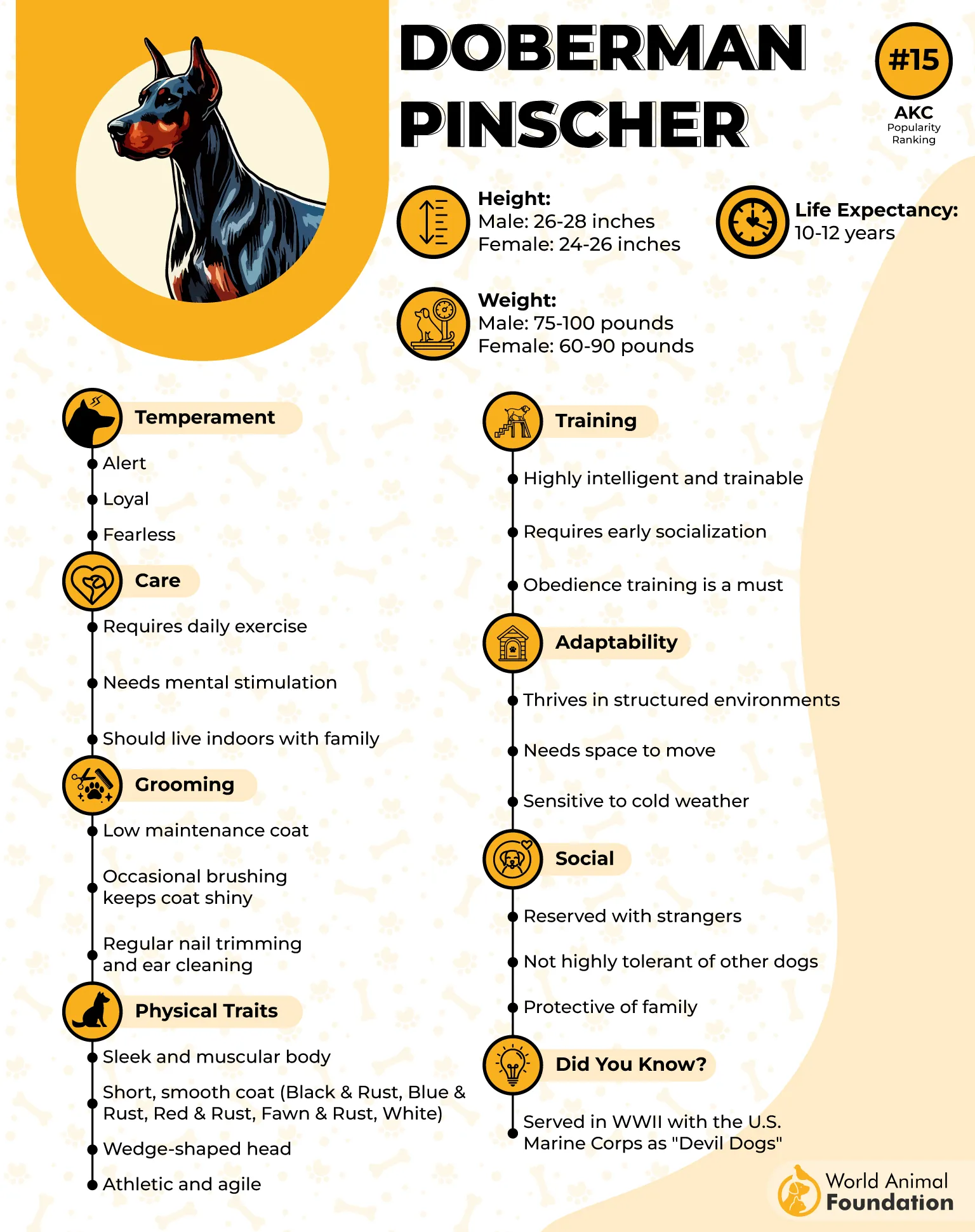
According to Omlet, the breed was created by crossing several dogs, including Old German Shepherds, German Pinschers, and Manchester Terriers. Today, Dobermans are widely known for their roles in security, police work, and search and rescue.
Despite their fearless appearance, Doberman Pinschers can be affectionate and sensitive family companions. They are naturally watchful and may be wary of strangers, but their loyalty makes them devoted to their owners. They are also intelligent and respond well to obedience training.
Temperament and Care
Family Companionship: Dobermans form strong bonds with their families and enjoy affection and cuddles. They can be good with children and other pets when properly socialized.
Training and Exercise: These energetic dogs need regular walks, runs, and mental stimulation. Early obedience training and positive reinforcement help manage their protective instincts.
Grooming: Their short, glossy coats need minimal care, with occasional brushing to keep them tidy.
5. Bullmastiff
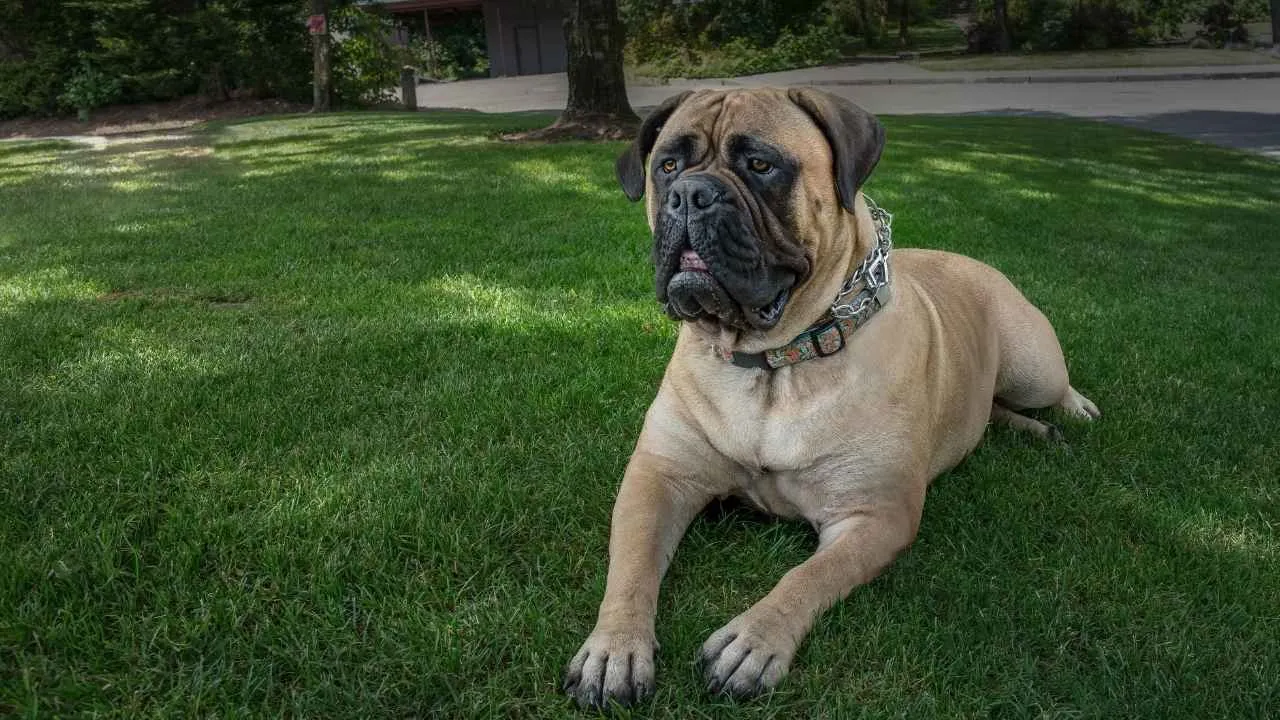
Bullmastiffs are powerful, confident dogs with a surprisingly gentle and affectionate side. They were developed in 19th-century England by crossing Bulldogs with Mastiffs.
Originally known as the “Gamekeeper’s Night Dog,” they were bred to guard estates and catch poachers. Rather than attacking or killing, they were trained to track and overpower intruders. Today, their strong protective instincts make them dependable family guardians.
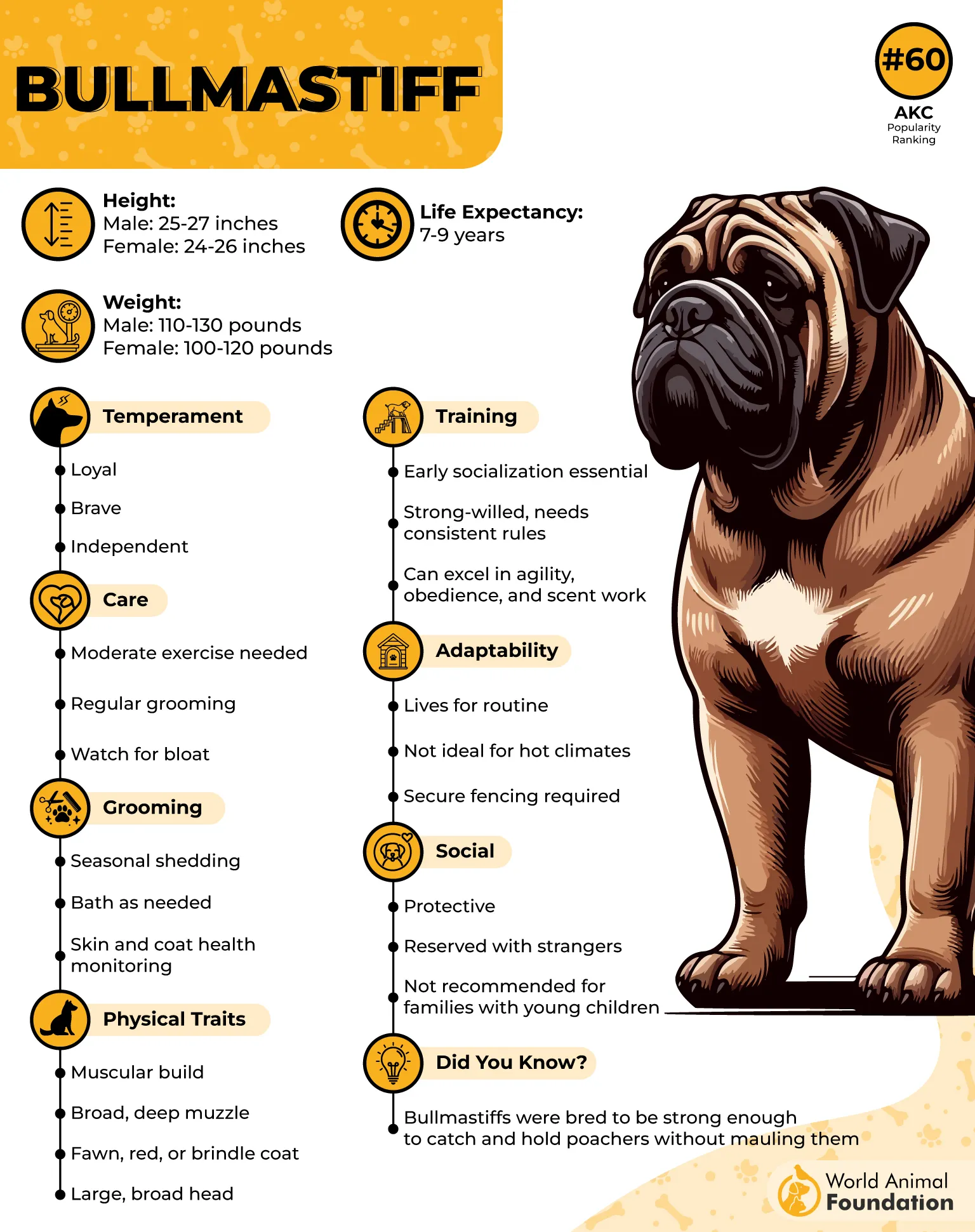
Despite their imposing appearance, Bullmastiffs are generally docile and loving at home. They are deeply loyal to their families and can be patient with children and other household pets.
However, they may take time to accept unfamiliar visitors and are naturally protective of their homes. Their size and strength make early training and socialization essential, especially since they can be stubborn and difficult for inexperienced owners to manage.
Temperament and Care
Family Companionship: Bullmastiffs are affectionate with their families and enjoy spending time with them. They can be good with children, but interactions should always be supervised.
Training and Exercise: Early obedience training helps them respond to commands and remain calm around visitors and other dogs. Adult Bullmastiffs need daily walks and family playtime, but they are not suited to long-distance running.
Health and Care: They can be prone to bloating, joint problems, and certain hereditary eye conditions. Smaller, frequent meals and careful weight management can help support their health.
6. Great Dane
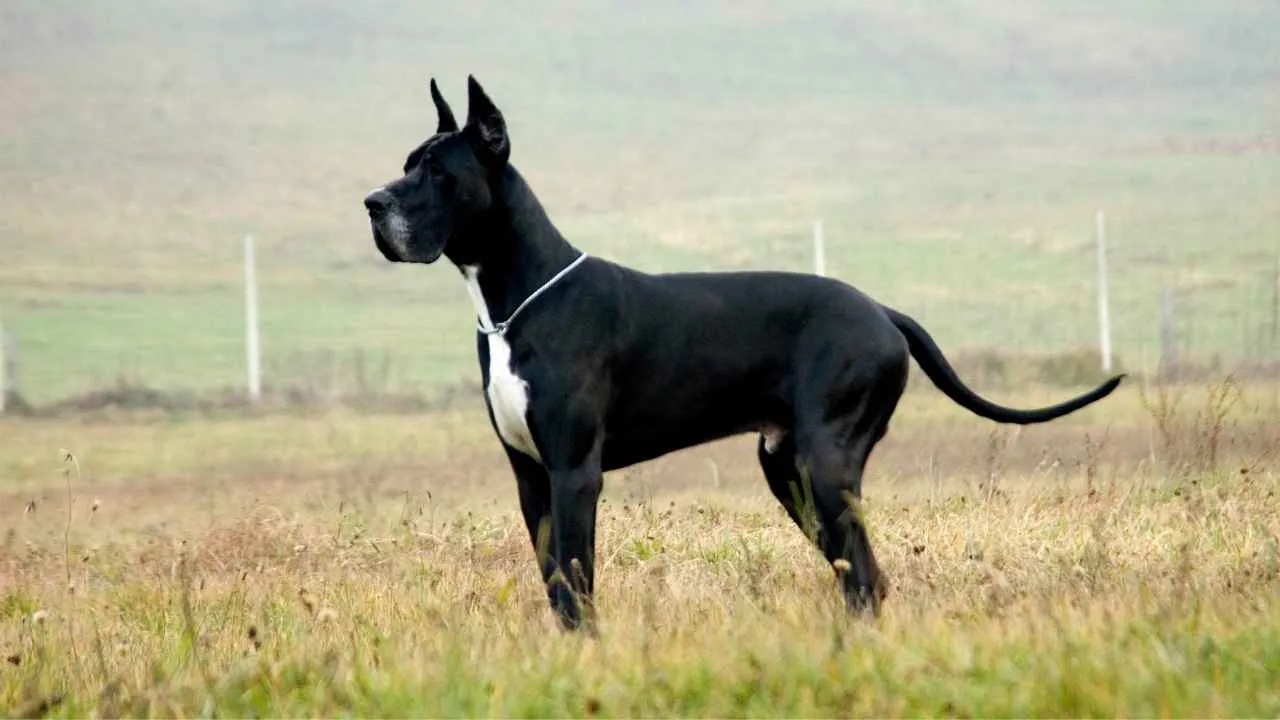
Great Danes are gentle giants known for their impressive appearance, affectionate nature, and calm temperament. Originally bred in Germany during the 1800s, they were used to hunt wild boar and guard estates, as PetMD notes.
Despite their hunting background, these dogs have developed a reputation as loving family companions. Often called the “Apollo of Dogs,” they combine an elegant appearance with a friendly and people-oriented personality.
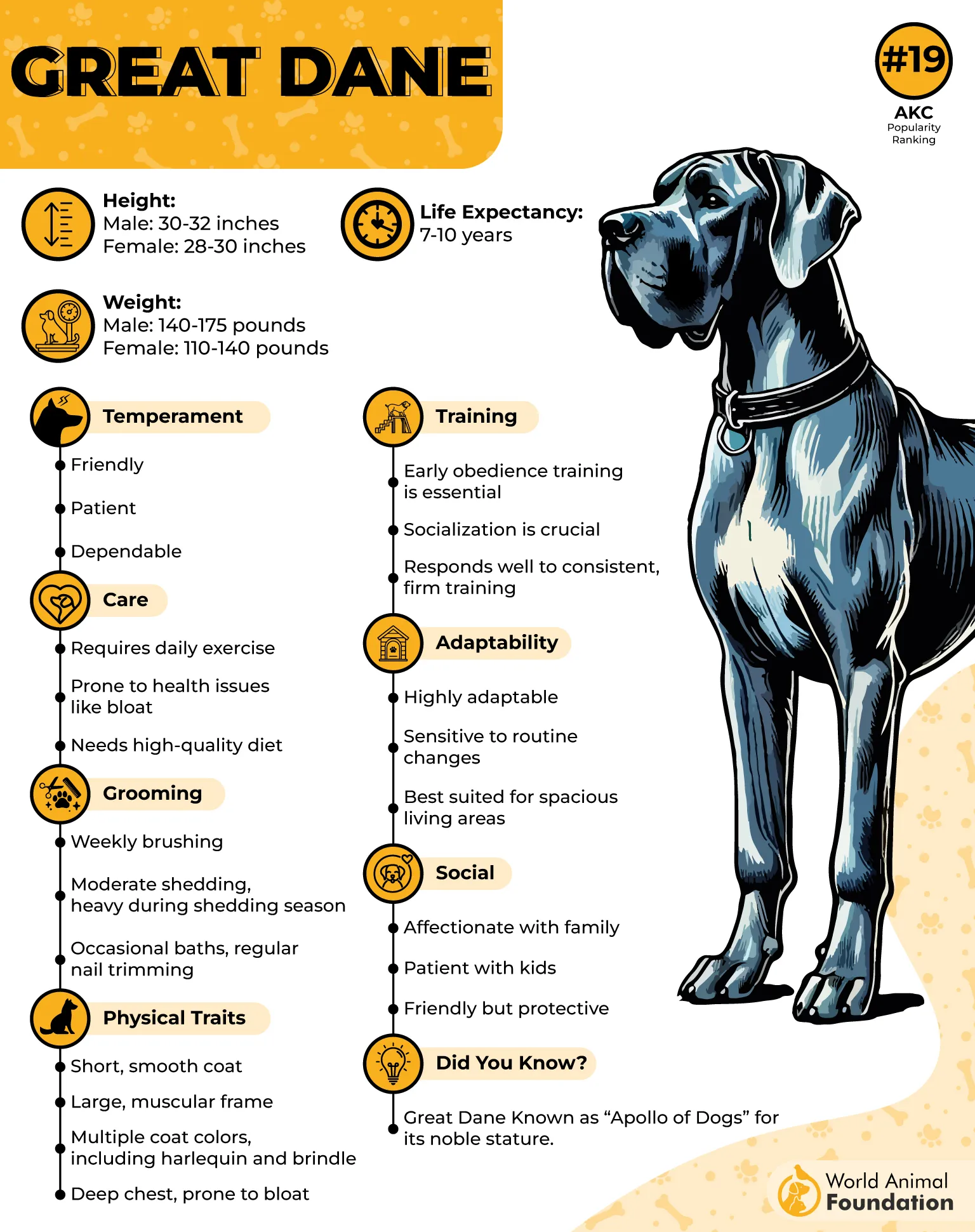
Despite their commanding presence, Great Danes are generally sweet, patient, and welcoming. They are alert home guardians and may become protective if they sense an intruder. However, they usually greet familiar visitors and enjoy meeting new people.
Temperament and Care
Family Companionship: Great Danes are affectionate and enjoy being involved in family activities. They are generally patient with children and can get along with other pets.
Training and Socialization: They are intelligent people-pleasers who respond well to training. Early socialization and obedience training help prevent territorial or dominant behavior.
Grooming and Health: Their short coats need weekly brushing and relatively little grooming. They can be prone to hip dysplasia, bloating, and heart conditions.
7. Great Pyrenees
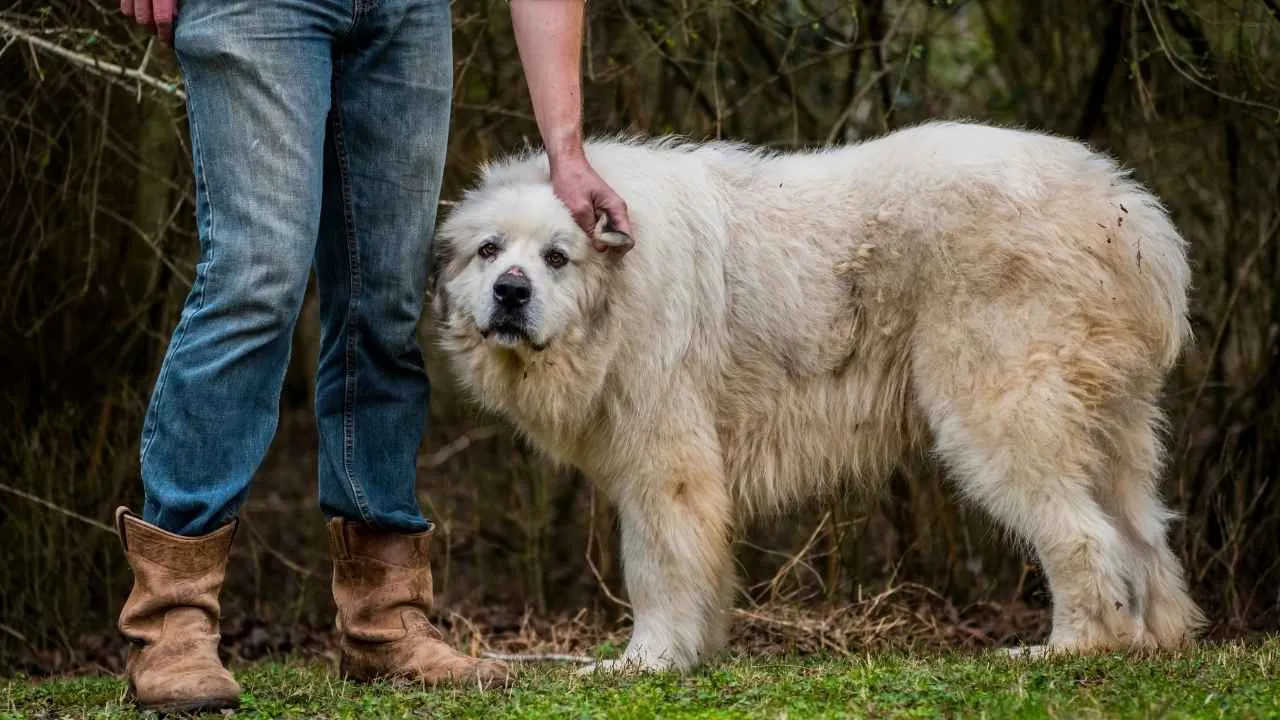
Great Pyrenees dogs are powerful livestock guardians known for their calm temperament, independence, and strong protective instincts. Originally bred in the Pyrenees Mountains between France and Spain, they protected sheep from predators such as wolves and bears.
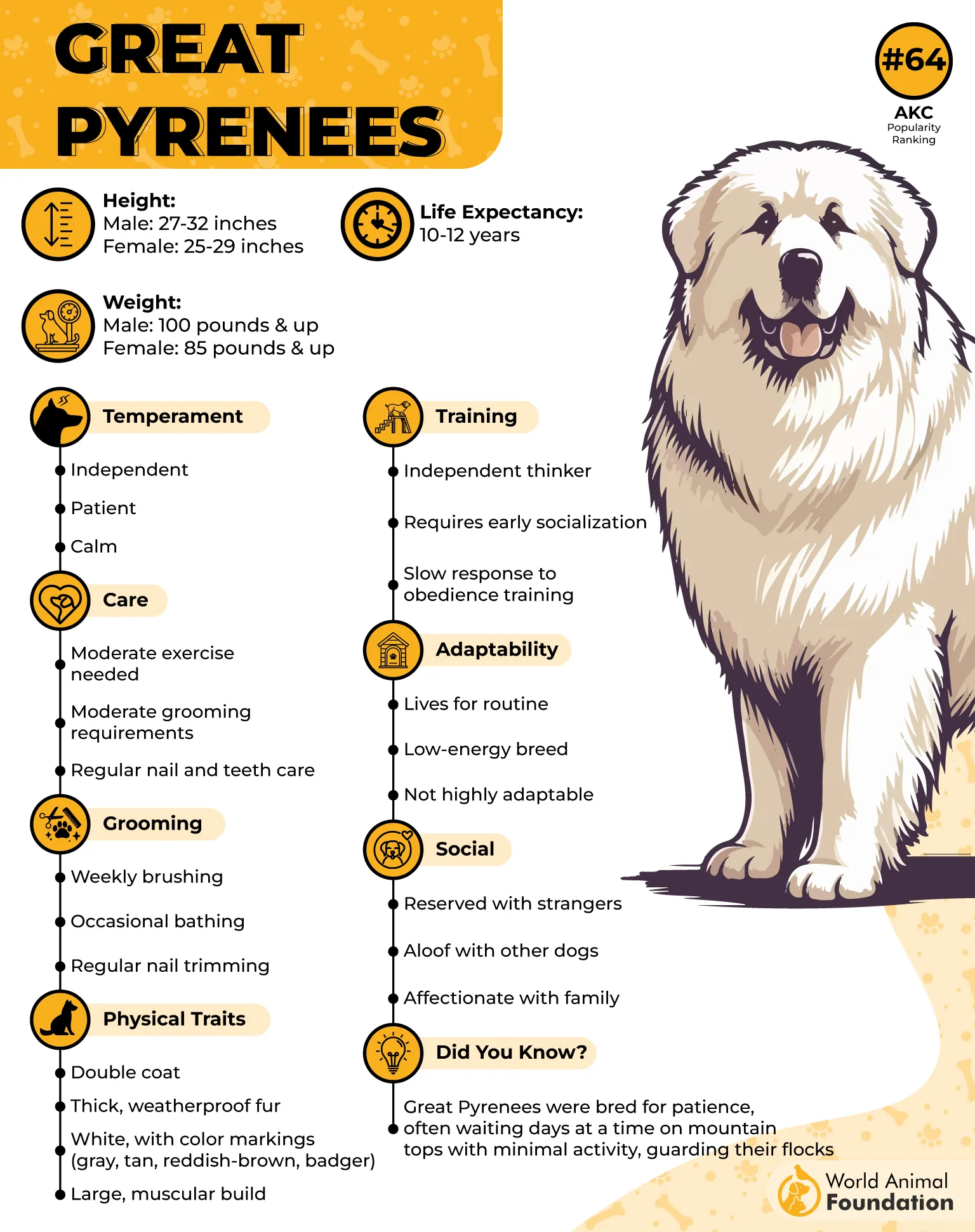
Their thick, weather-resistant white coats helped them blend into snowy surroundings. Despite their impressive strength, Great Pyrenees dogs are generally gentle and relaxed at home.
They are naturally watchful and prefer to observe their surroundings before reacting to potential threats. Their guarding instincts allow them to protect their families without being overly excitable.
Temperament and Care
Family Companionship: Great Pyrenees dogs are gentle with their families and enjoy a peaceful home environment. They are independent and can also be comfortable spending time alone.
Training and Exercise: They have relatively low exercise needs but are strong-willed because of their independent nature. Consistent training is important.
Grooming: Their thick outer coats are naturally resistant to dirt and tangles. Weekly brushing helps maintain the undercoat and reduce shedding around the home.
Conclusion
Easygoing guard dogs prove that a protective companion doesn’t have to be aggressive or constantly alert. With the right training and socialization, they can provide a reassuring presence while remaining loving family companions.
Before choosing a breed, consider your living space, activity level, grooming needs, and experience with dogs. Take time to understand each breed’s personality and protective instincts before bringing one home.
The best guard dog isn’t necessarily the most intimidating one, but the one who makes your family feel safe while fitting naturally into your everyday life.
