




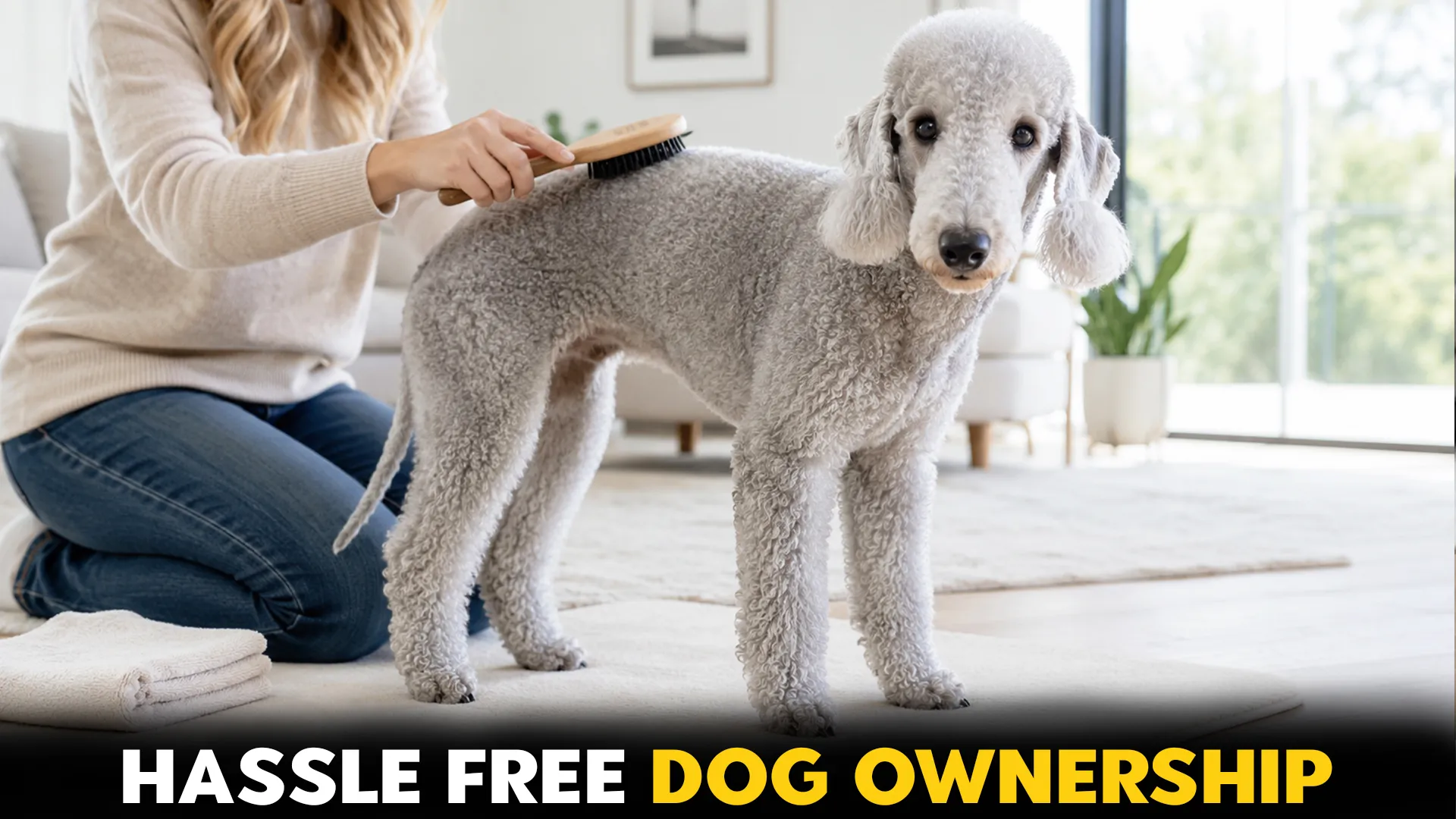
Having a busy schedule doesn’t mean you don’t deserve a little unconditional love in your life. It just means making a smart, well-researched choice.
Picture this: you’re an allergy sufferer coming home after a long, hectic day, and there’s a beautiful dog wagging its tail, waiting eagerly for you. It curls up in your lap, cuddles close, and even joins you for a weekend hike, all without leaving fur all over the couch or your clothes.
This article covers 7 breeds that come in both coated and non-coated varieties. All of them are great options for allergy sufferers, though they do differ a bit when it comes to exercise and grooming needs. Let’s dive in and help you find the perfect breed for you.
Top Easy Maintenance Dog Breeds With Little to No Shedding
1. Dandie Dinmont Terrier
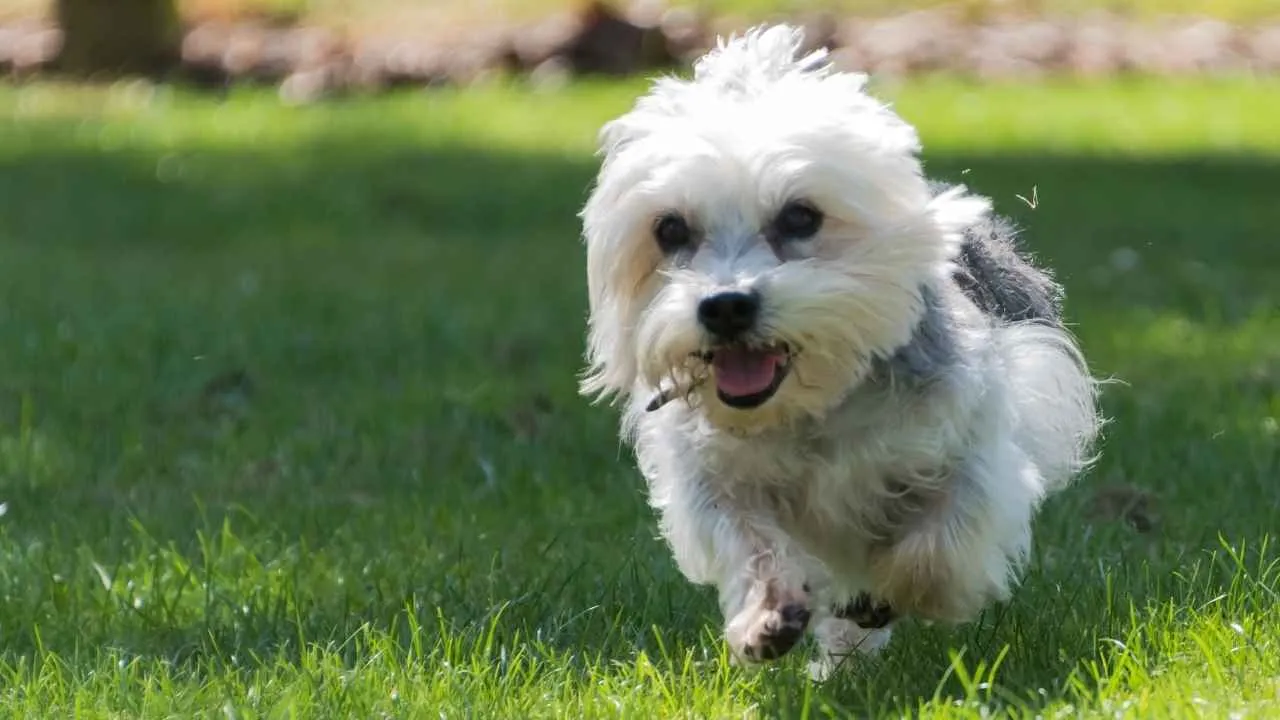
This Scottish dog breed was named after a fictional character, ‘Sir Walter Scott.’ The character is based on the life of James Davidson, who is credited with developing the modern breed. It has short legs and an elongated body with a topknot of hair on the head, according to Wikipedia.
It has a thick, silky, and long coat and comes in two color ranges: mustard and pepper. The deeper coat reaches up to 2 inches. The coat has 2 parts: the pencil coat (long coat, hand-stripped) and the soft coat (short coat, found on the legs, belly, and the head).
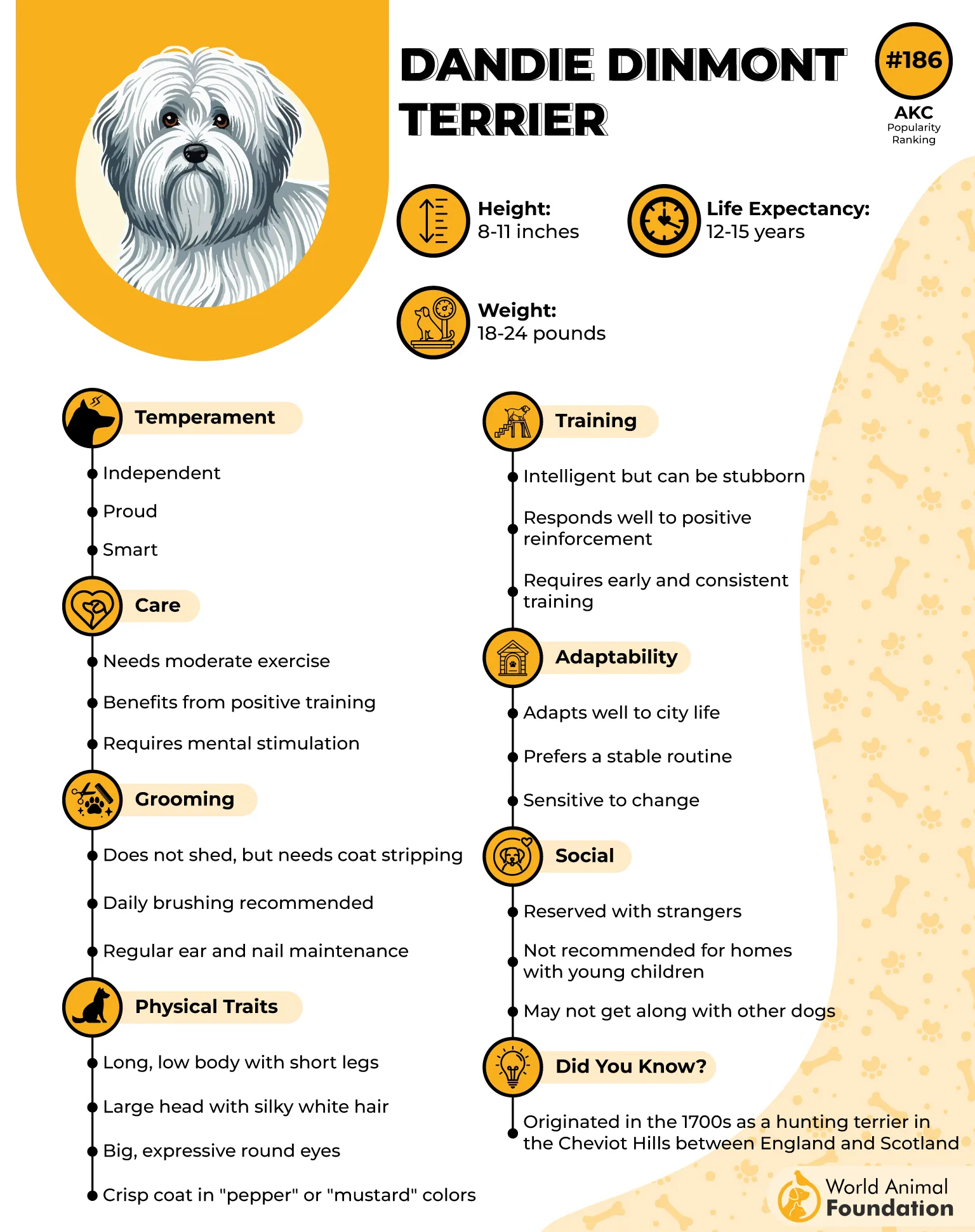
It needs daily brushing to prevent matting. Professional grooming consists of shaping and stripping. Never use a clipper, as it can change the texture of the coat (and even color).
2. Bedlington Terrier
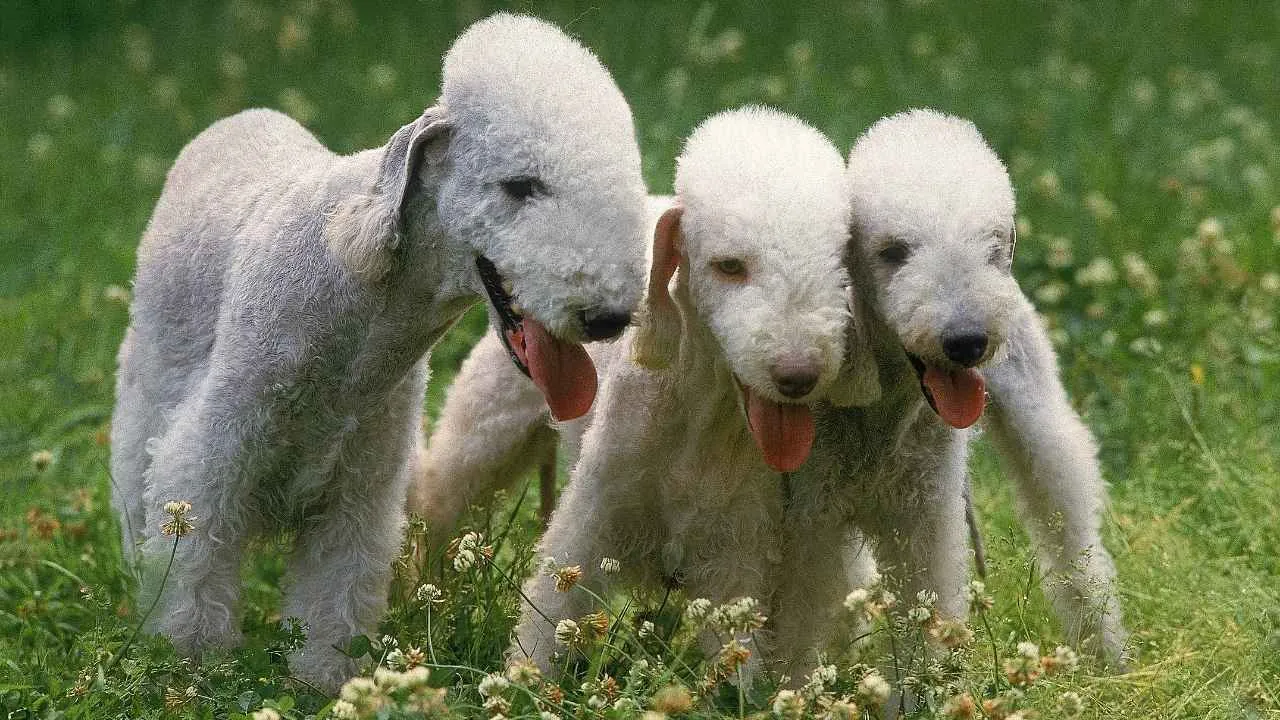
This dog was originally bred in England and was called the ‘Rothbury Terrier.’ The primary purpose of the breed was to participate in ‘pit fighting,’ a famous dog sport in the 19th century. It has natural hunting instincts that make it ideal for vermin hunting.
This small dog breed has a strip-textured hard coat that lacks an undercoat and is considered ‘linty.’ It comes in three distinct colors: blue, sandy, or liver. It is a hypoallergenic dog breed with less dander production. Regular nail trimming is suggested to prevent painful splitting, cracking, or breaking a nail.
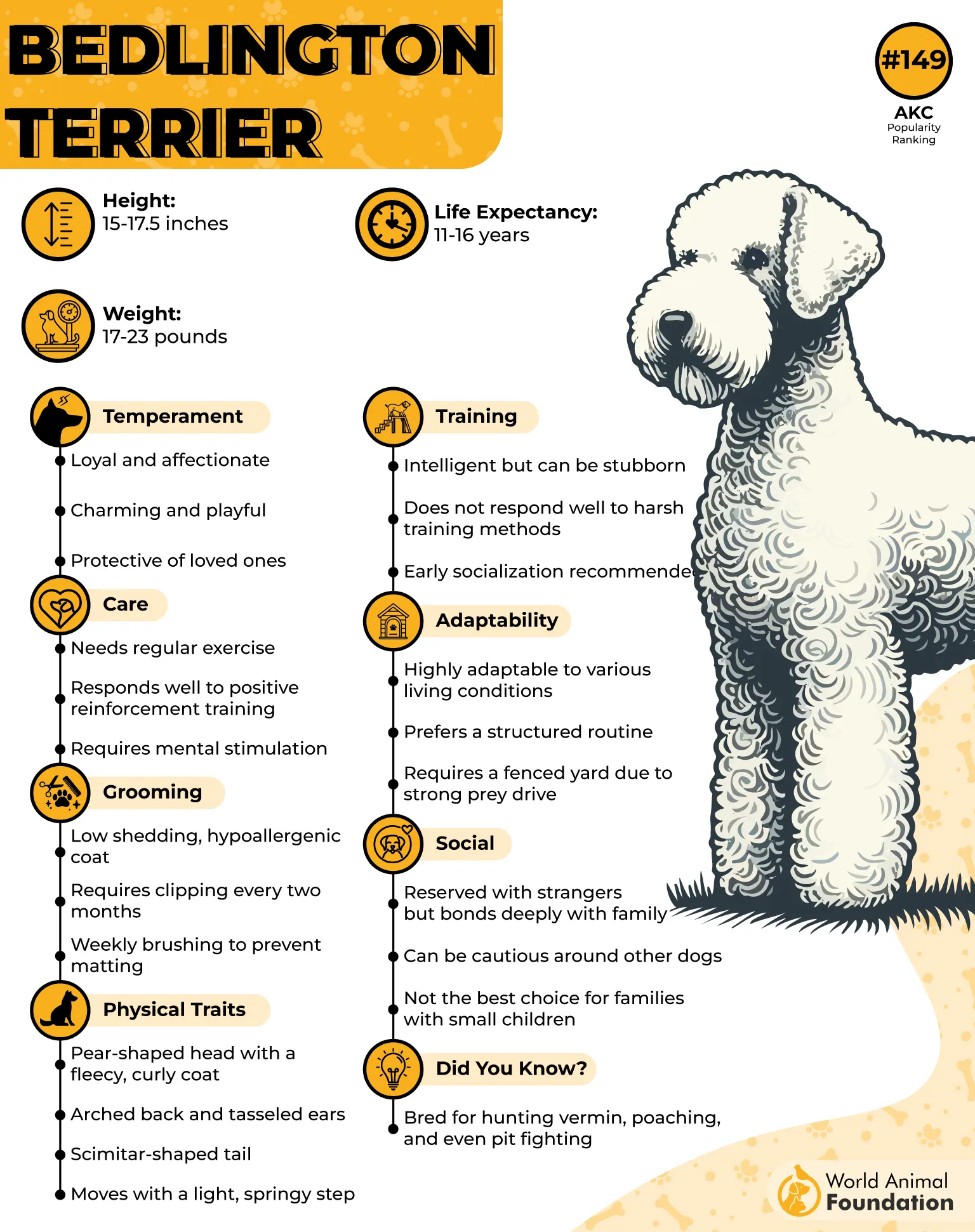
This dog’s hair requires daily brushing to avoid tangles and mats. Visit a professional groomer to achieve the Bedlington style. An all-over puppy clip must be used for the dogs who participate in dog shows.
3. American Hairless Terrier
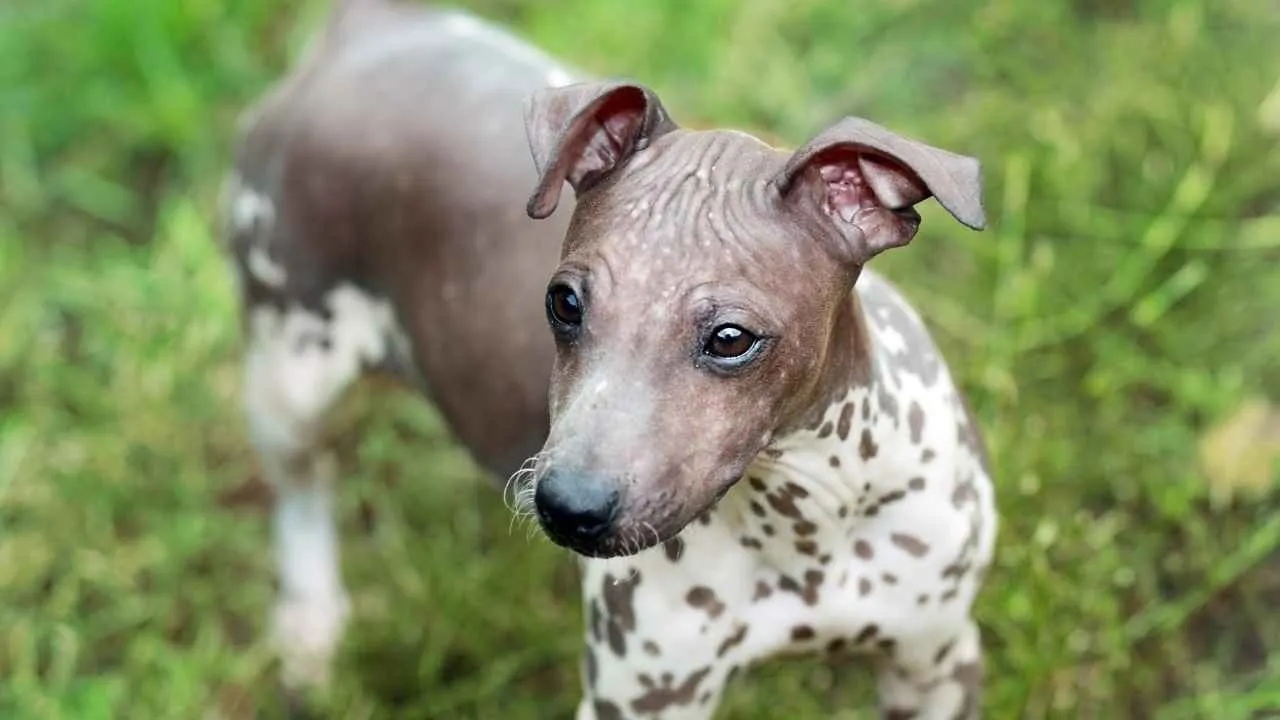
This hairless dog breed is native to the United States, and the traces date back to 1972. Edwin Scott developed more hairless breeds from a female hairless dog named ‘Josephine.’ It was originally named the ratting dog. Some are born with a thin coat (coated AHT), as reported by CKC.
Despite being hairless, it has side whiskers and guard hair on the eyebrows and the muzzle. It has a dense, soft, and short coat. The coat does not need extensive grooming. However, the exposed skin needs special attention as it is prone to sunburn and allergies.
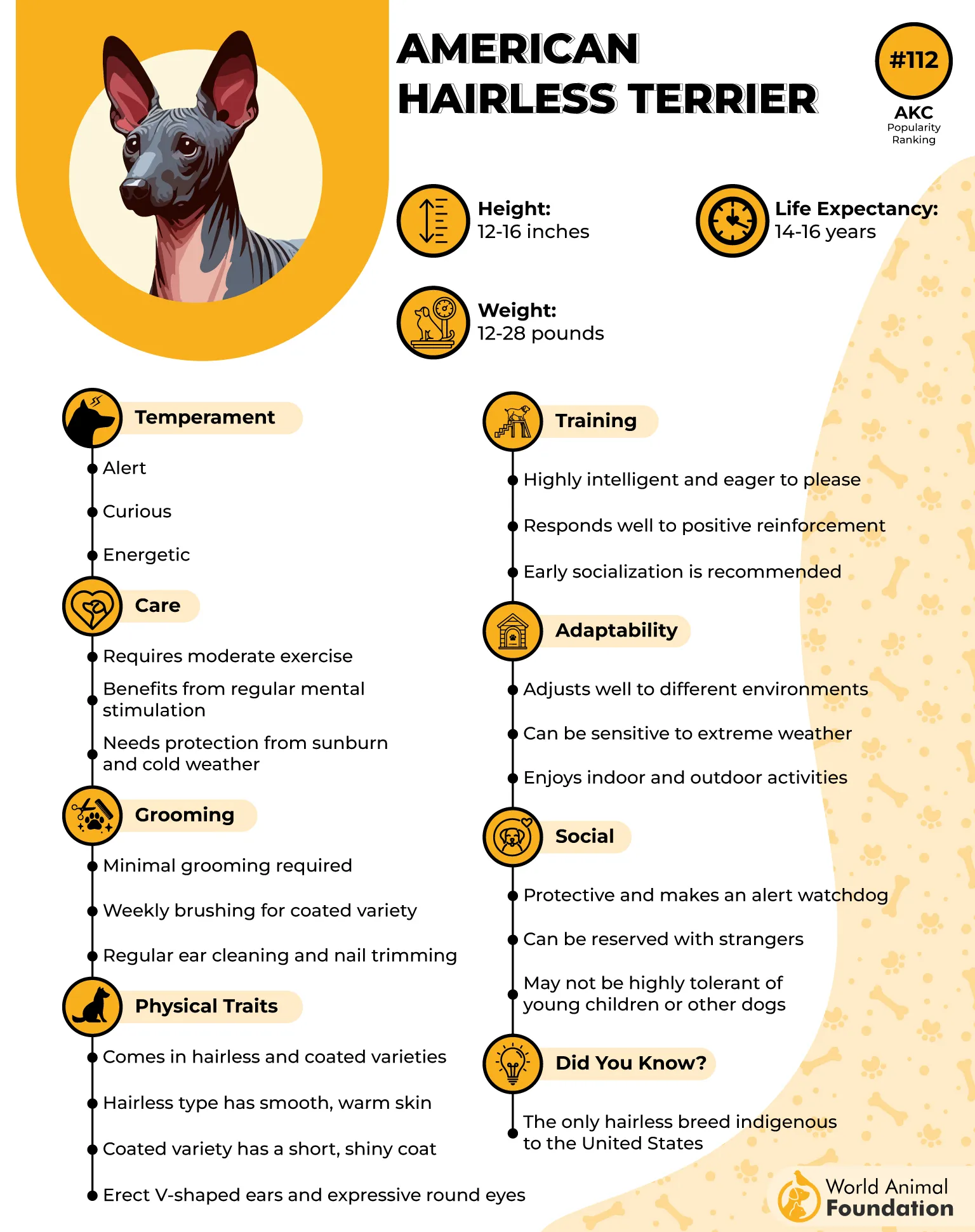
The breed needs occasional brushing and bathing once a week using a mild dog shampoo. Use a moisturizing sunscreen in hot weather. It needs regular teeth brushing, ear cleaning, and nail trimming.
4. Boston Terrier
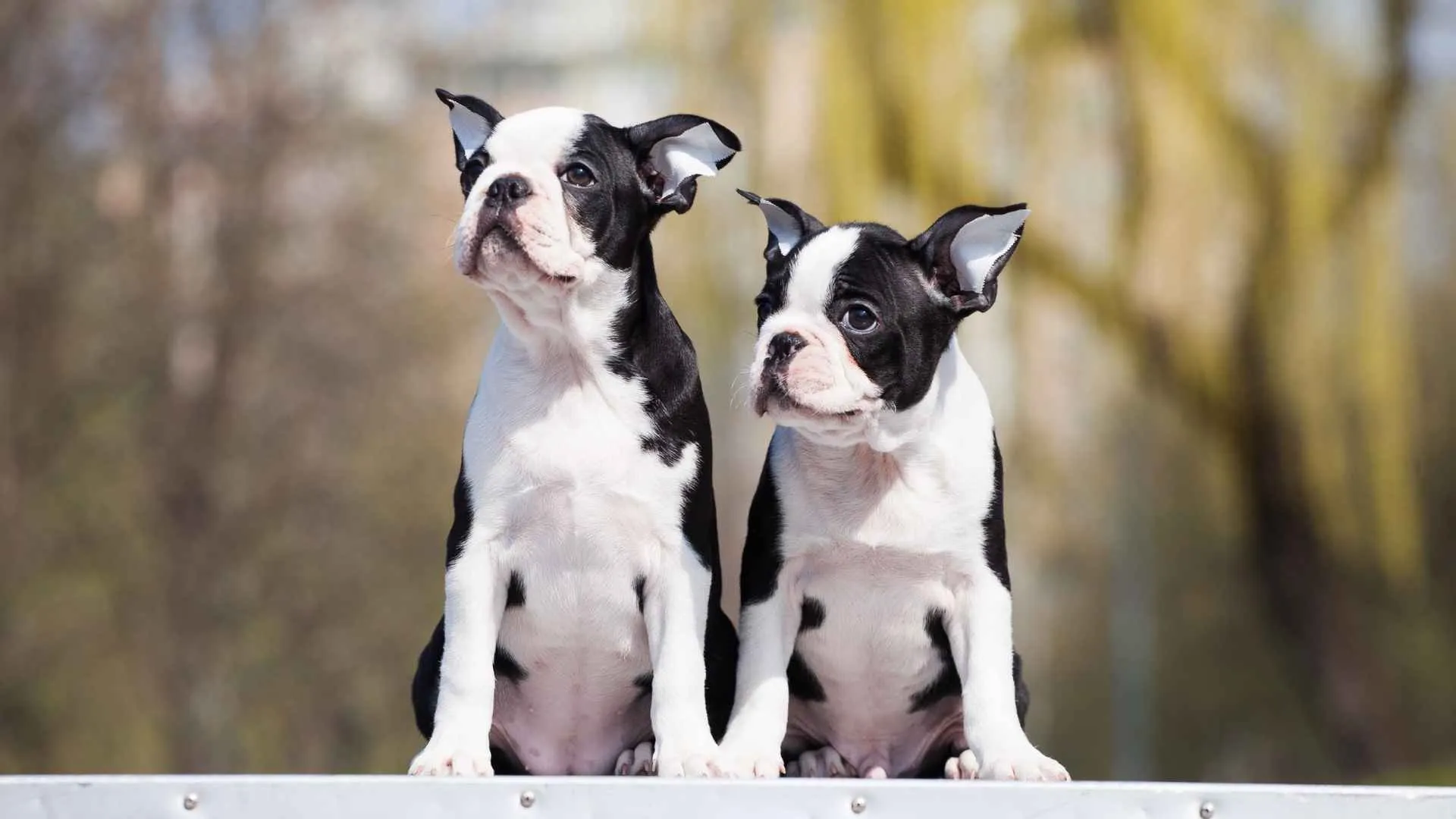
The history of this medium-sized dog dates back to the 1860s. William O’Brien brought a mixed breed Judge (a cross of the Bulldog and the English Terrier). It then went through selective breeding, resulting in the Boston Terrier, also known as the American Terrier.
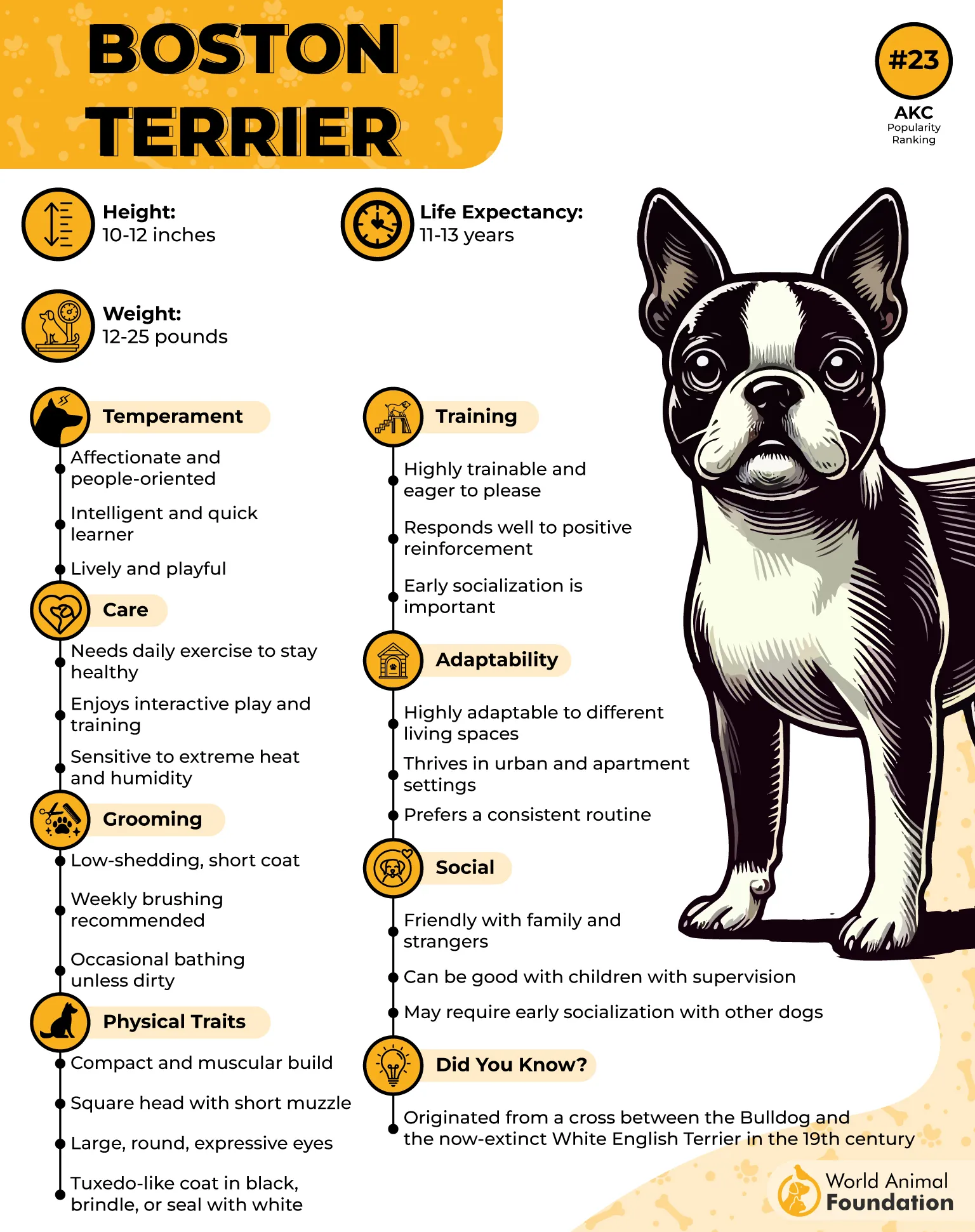
It has a short and smooth white coat that resembles a ‘tuxedo.’ The coat comes in black and white; black, white, and brindle; brindle and white; seal and white; seal, brindle, and white. This is a low-shedding dog breed. It has two types: required (a white chest) and desired coat.
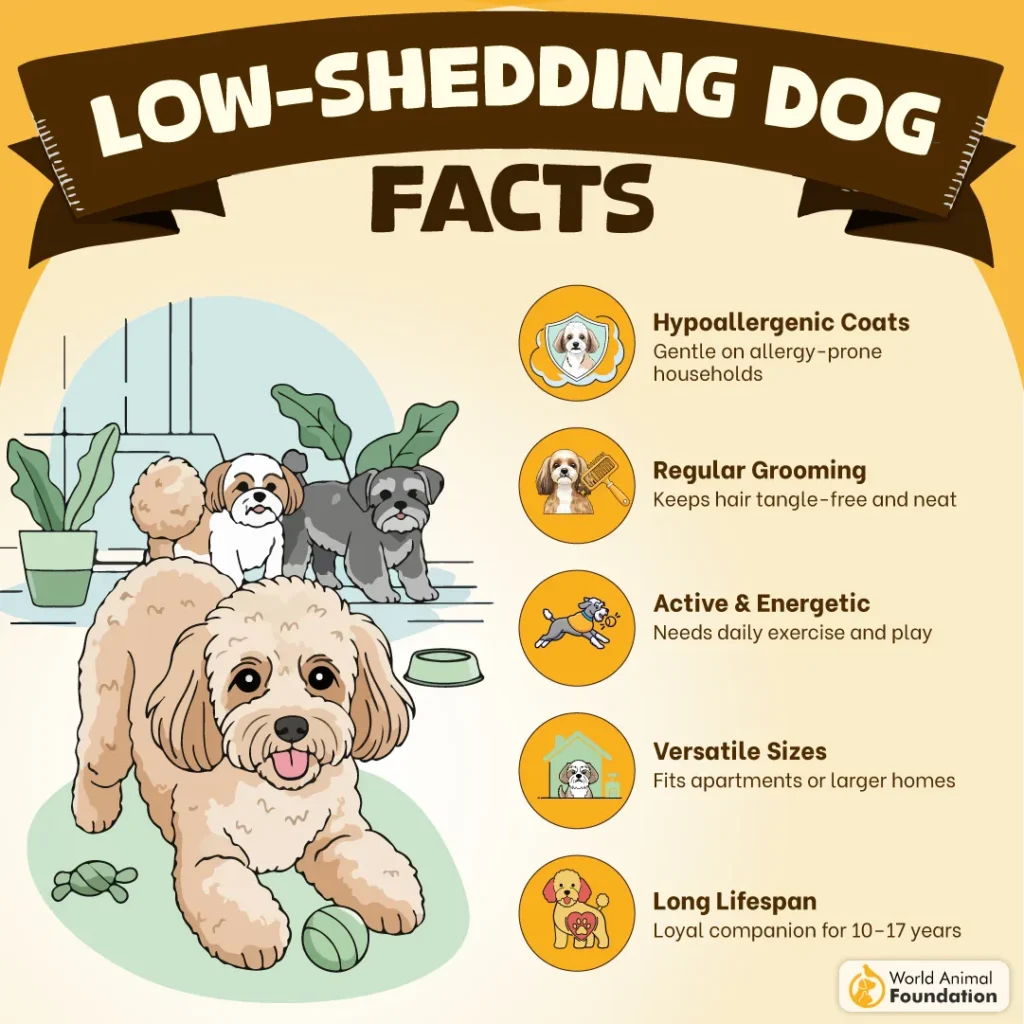
It has basic grooming needs because of the less-shedding coat. Use a grooming mitt and a soft-bristle brush for weekly brushing to remove loose hair and evenly distribute natural oils. Monthly baths are suggested.
5. Xoloitzcuintli
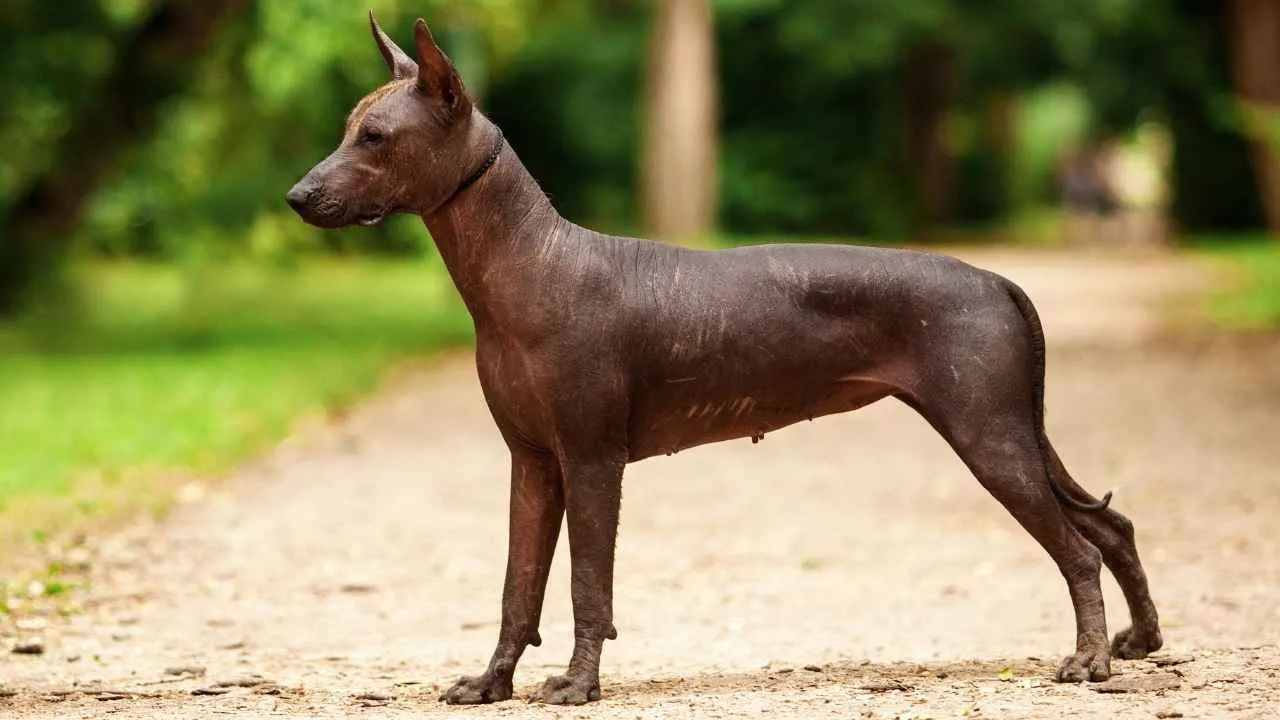
This breed was developed some 3,500 years ago. It is named after an ancient Aztec god, Xolotl. That god was associated with lightning, fire, and death. It was considered a sacred companion and was thought to have healing powers, as per Orvis.
The coat comes in two distinct varieties: hairless and coated. The hairless breed has coarse hair on the tail and the head, and has thick and solid-colored warm skin. The coated breed has a short and flat coat. There are fewer chances of triggering allergic reactions.
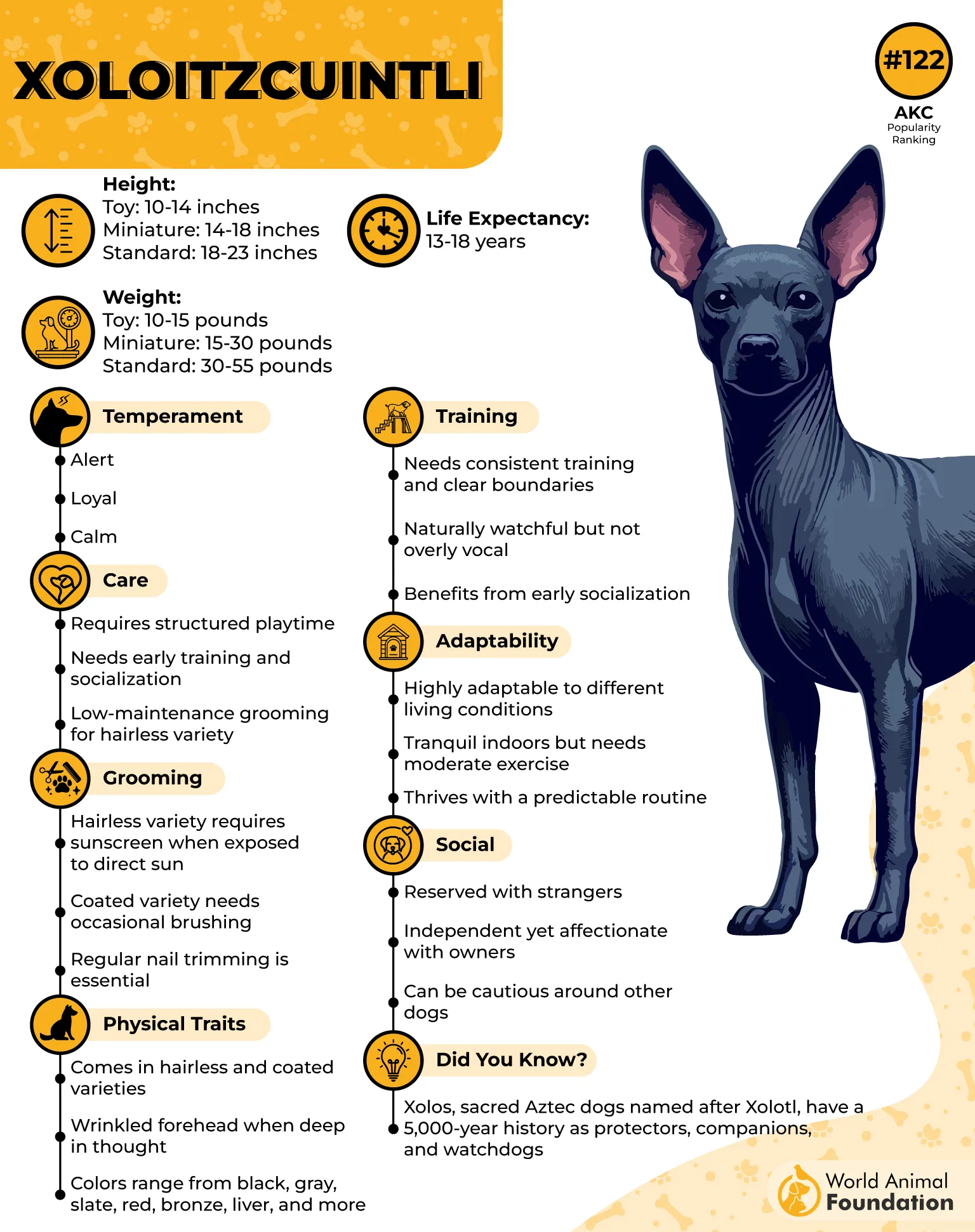
The hairless breed does not require brushing, while the coated breed requires weekly brushing. A vet-recommended sunscreen must be applied to the breed before going outdoors. Plenty of quick baths are recommended.
6. Basenji
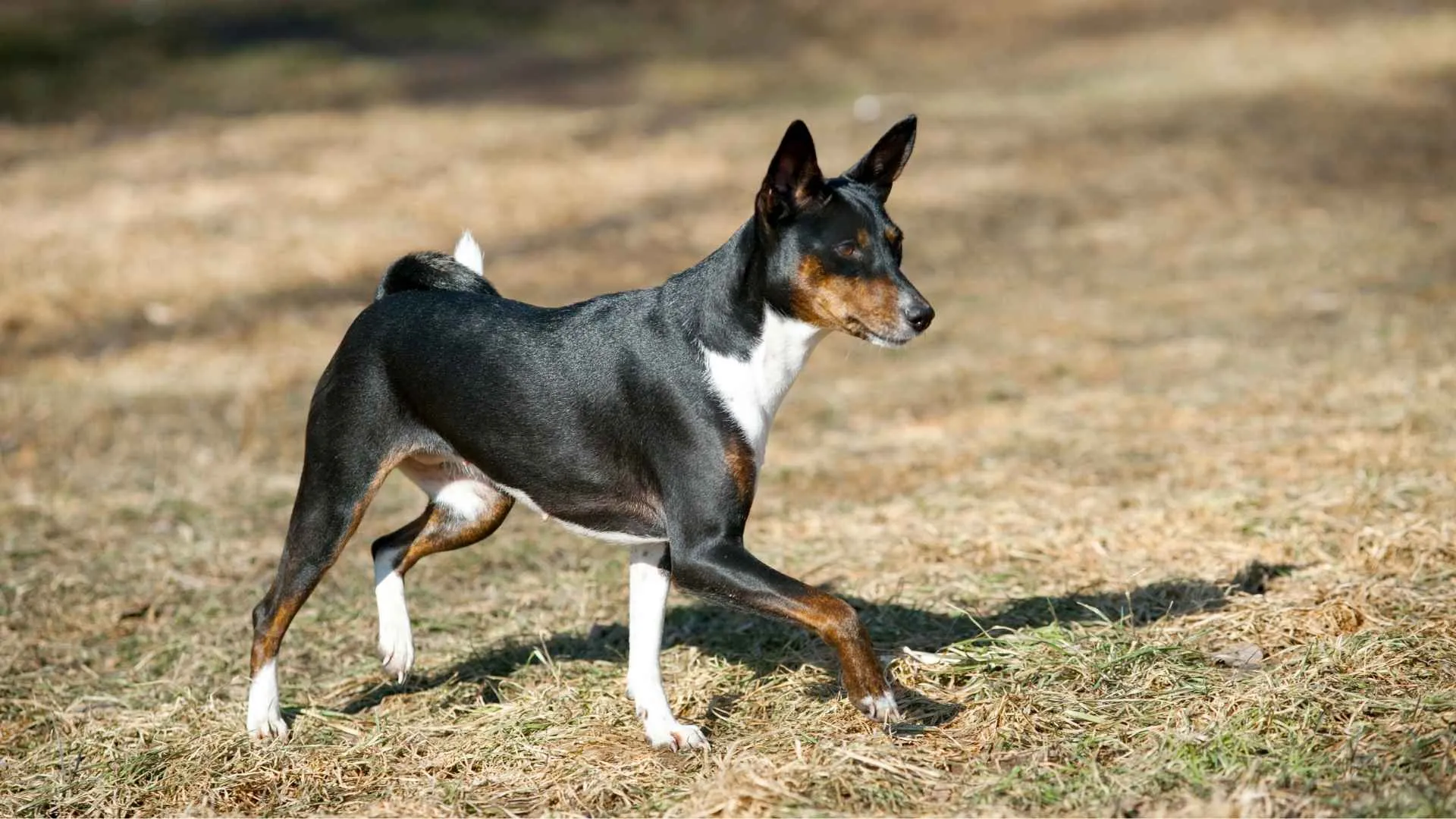
This ancient dog breed was originally bred in the Congo region of Africa and used to live among Pygmy hunters and was used as a pack hunter to herd and flush wild game into nets. Some of these dogs were imported to England in the 1930s, where they became popular as a family pet and a show dog.
It has a short coat with a tightly curled tail. It is sometimes known as a ‘barkless dog’ because of its calm nature. Though it has fewer health problems, it is prone to Hypothyroidism that may lead to a dull coat and an increase in skin folds. Because of self-grooming traits like a cat, it tends to lick its paws and coat.
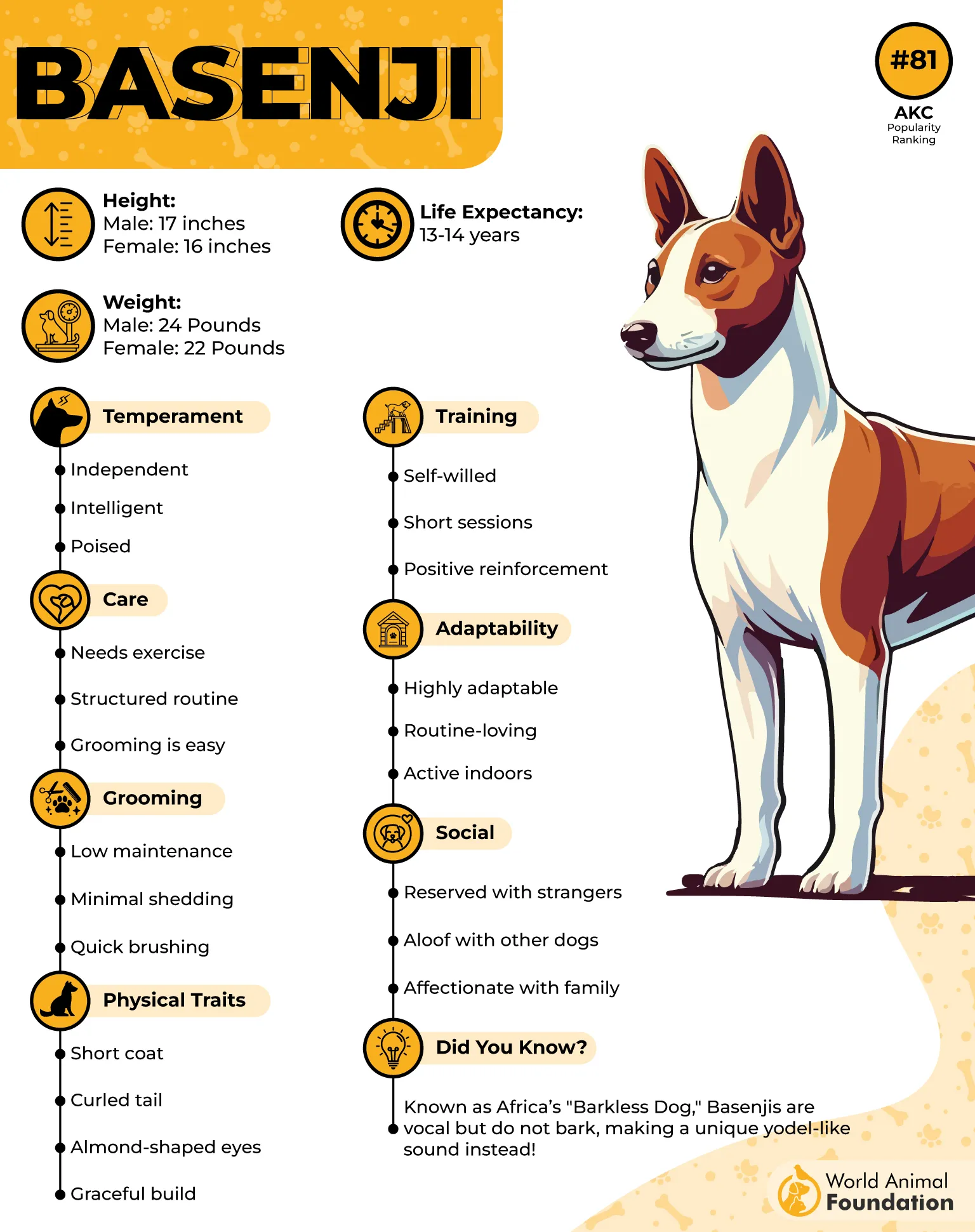
The skin requires special attention since it is prone to skin infections (red, bleeding, or scabby skin; sores). It needs weekly brushing and bathing only when the coat gets dirty.
7. Chinese Crested
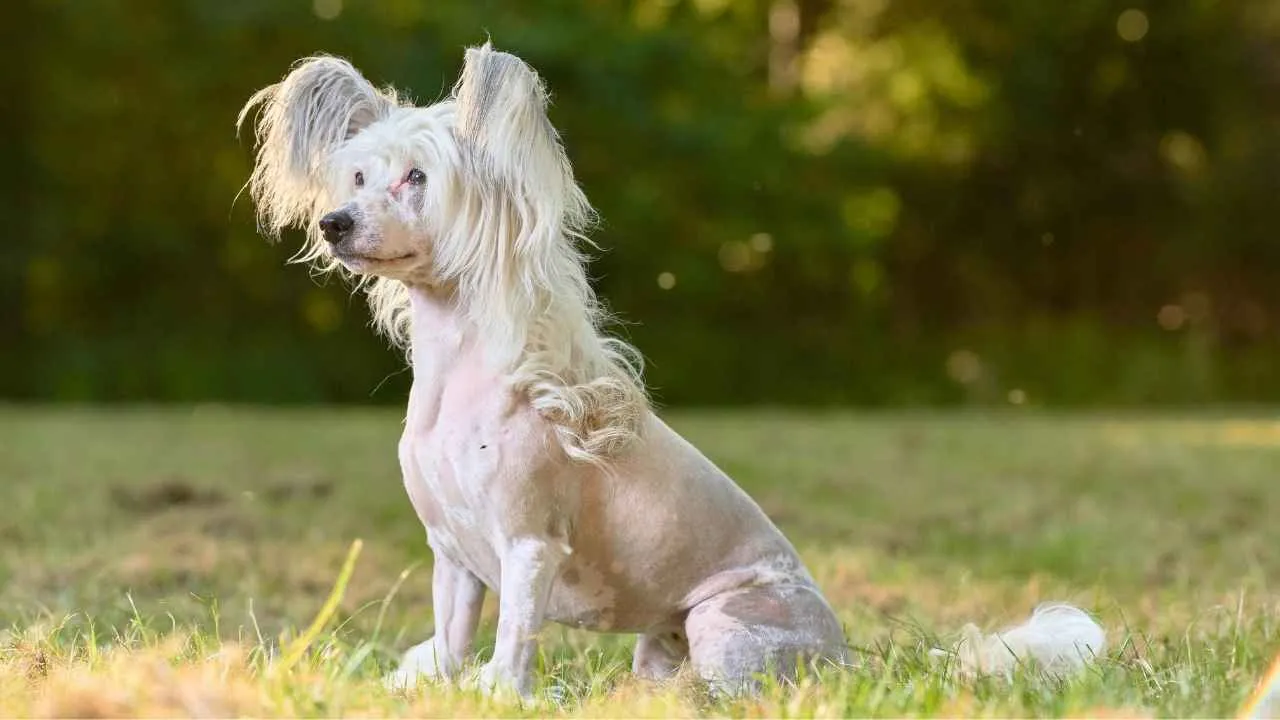
This dog was not originally developed in China. The roots are found in the hairless dogs of Africa and the Mexican hairless dogs. It was selectively bred to be a smaller breed when it arrived in China. It was once known as the ‘Chinese Ship Dog.’
It comes in two types: the hairless and the powder-puff. The hairless breed has fur on the head, front and back legs, and the tail. It has a soft and silky texture. It may or may not have hair on the face and around the ears. The powder-puff coat has a silky double coat.
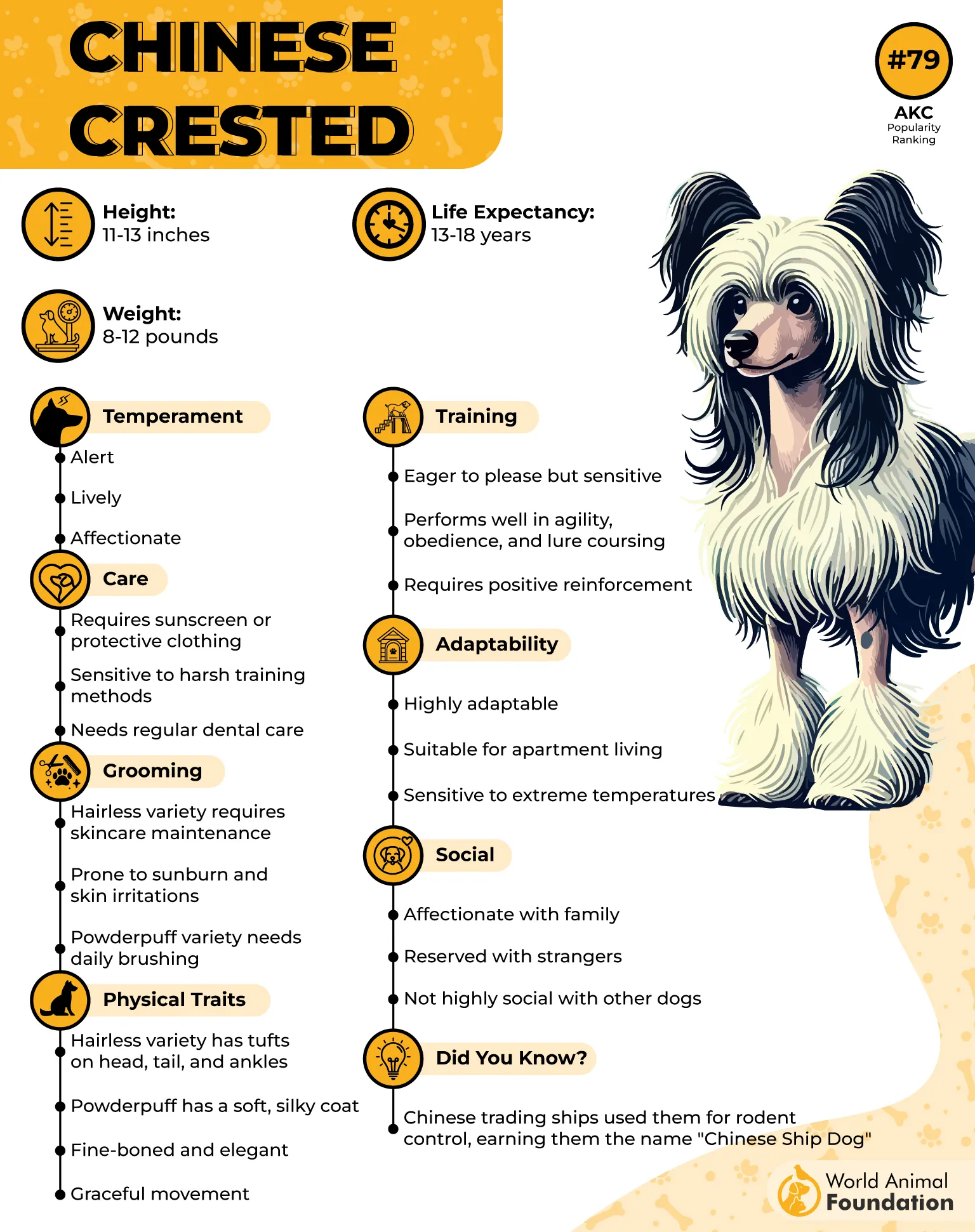
The powder-puff coat needs brushing several times a week to prevent painful matting. Go for professional grooming 2-3 times a year. Nail trimming must be done weekly.
Conclusion
Low-shedding dogs can make daily life easier, but every breed still needs proper care, exercise, and regular health checks. Some require occasional grooming instead of frequent brushing, while others need skin care because they have little or no coat. The key is finding a dog whose personality, activity level, and maintenance needs fit your lifestyle rather than choosing based on shedding alone.
A well-matched companion will bring far more happiness than the easiest coat ever could. Whether you prefer the playful Boston Terrier, the elegant Xoloitzcuintli, or the clever Basenji, each breed offers something unique. Take your time, learn about their needs, and you will gain a loyal friend who leaves lasting memories instead of piles of loose hair.
