




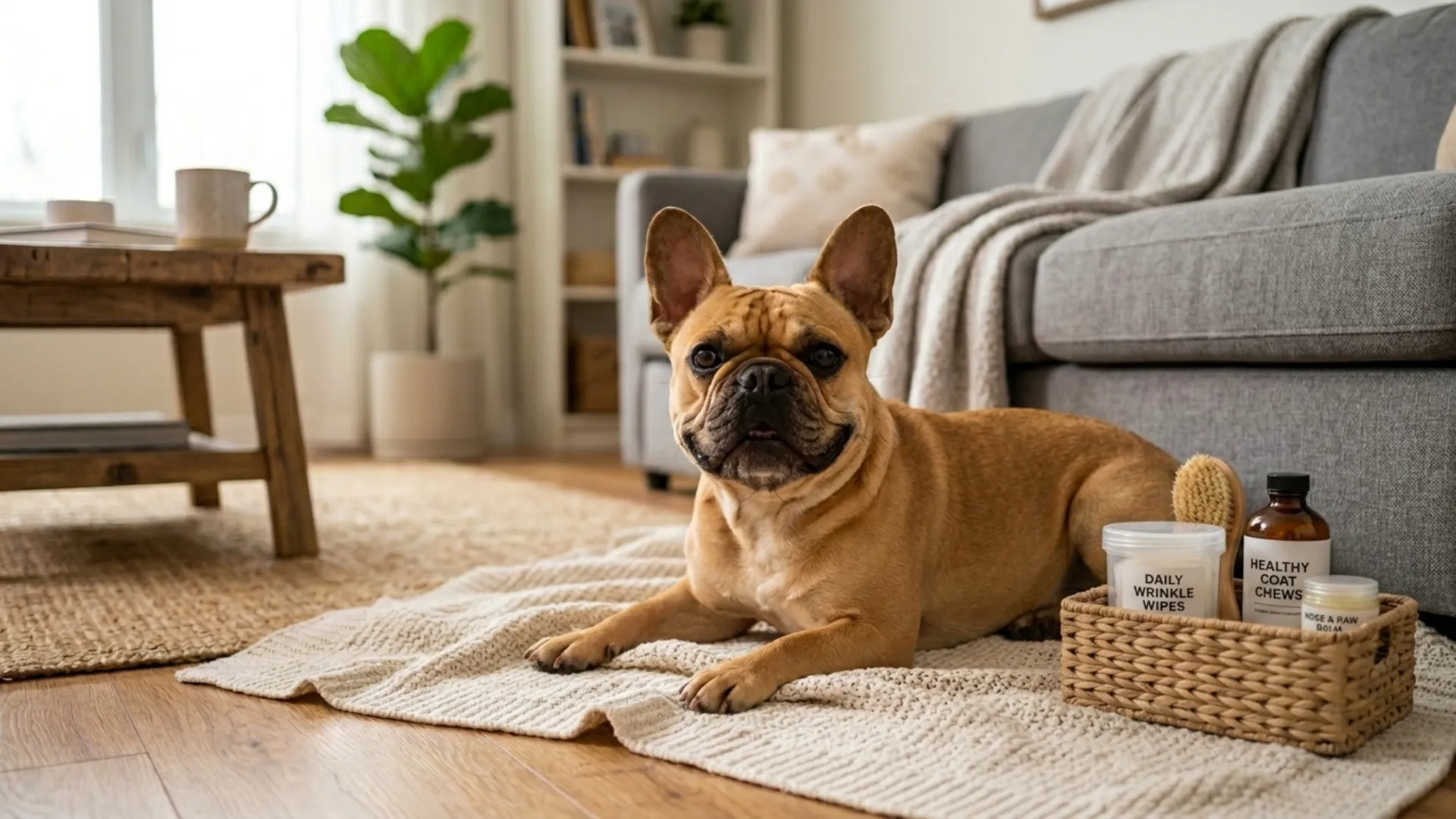
From tiny apartment companions to larger, laid-back family dogs, low-maintenance dog breeds come in surprisingly different shapes, sizes, and personalities. The easiest dog to care for isn’t always the smallest—what matters is how well its grooming, exercise, training, and temperament fit your lifestyle.
Dog breeds for a busy family may prefer a dog with moderate energy, while a first-time owner might value straightforward training and simple coat care. Even so, every breed needs proper nutrition, regular exercise, veterinary care, and plenty of affection to stay happy and healthy.
If you want the companionship of a dog without an overwhelming routine, these ten breeds offer a diverse range of personalities and care needs worth considering.
FACT: No dog is completely maintenance-free; low-maintenance simply means its everyday care is generally more manageable.
Top Easiest Dog Breeds to Care For: Low Maintenance
1. French Bulldog
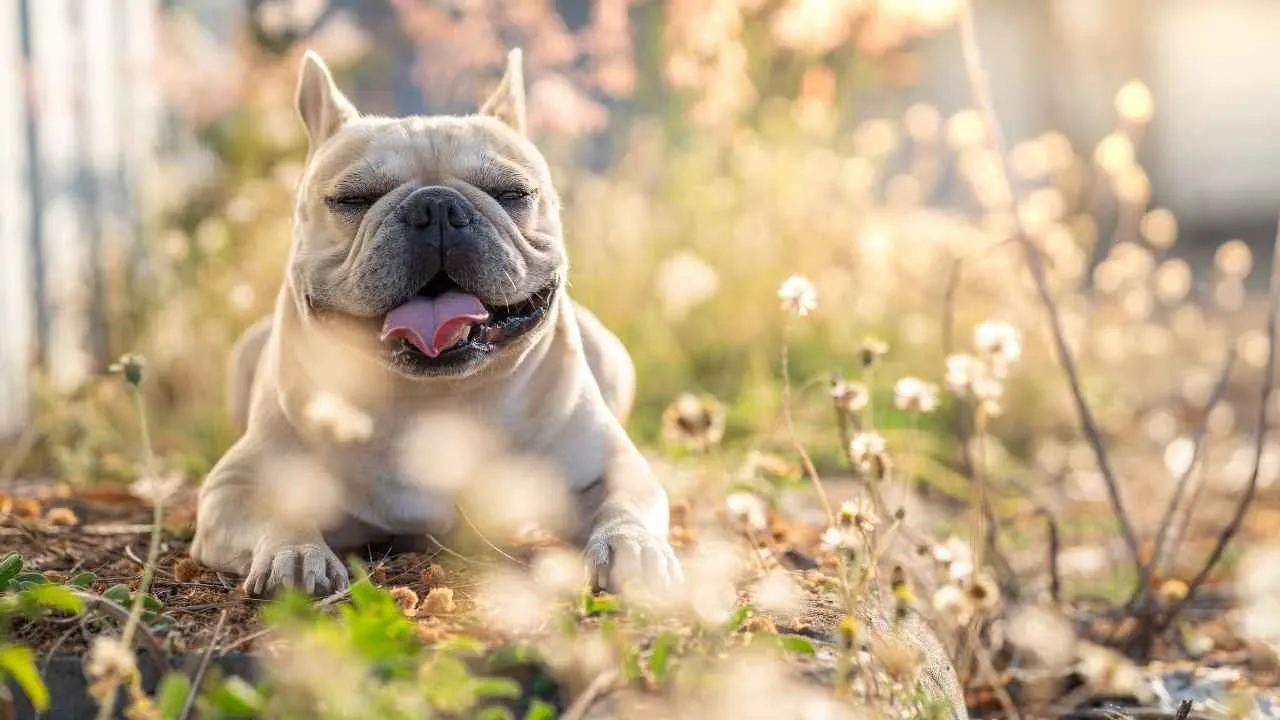
French Bulldogs are well suited to indoor living, especially for owners who prefer a calm companion. Their modest exercise needs mean a daily walk and some playful bursts are usually enough to keep them content.
With their short, single coat, Frenchies have relatively simple grooming needs and only low to moderate shedding. Occasional brushing can help keep their coat tidy without requiring an elaborate grooming routine. According to AKC, A French Bulldog’s facial folds should be kept clean and dry.
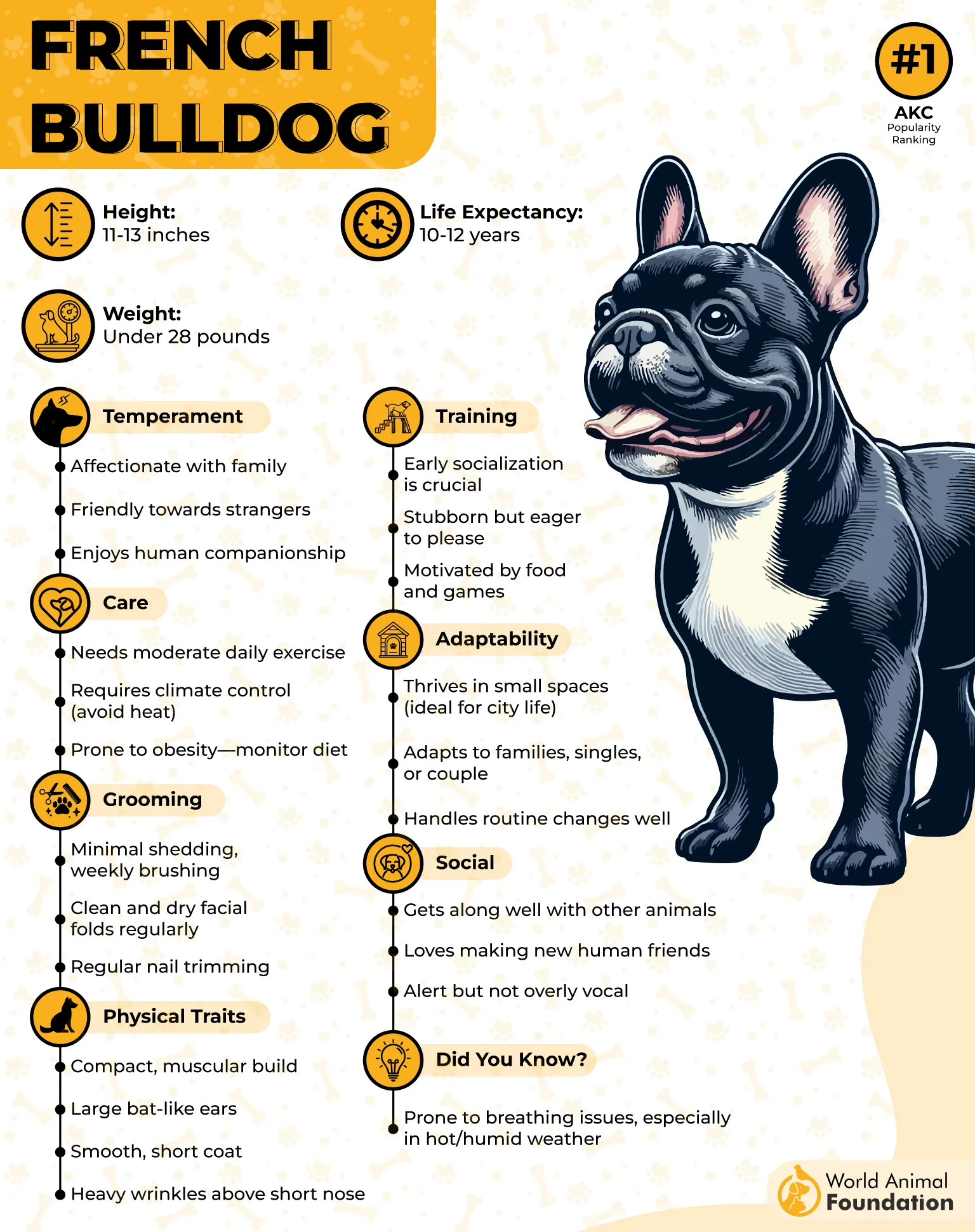
At home, this breed is happiest staying close to its people. French Bulldogs are sociable, adaptable, and generally comfortable in apartments or smaller spaces, making them convenient companions for singles, couples, and families.
Because of their flat faces, French Bulldogs need protection from excessive heat and strenuous exercise, which can make breathing difficult. Keeping activities gentle and providing a cool indoor environment is particularly important.
2. Cavalier King Charles Spaniel

The Cavalier King Charles Spaniel is a gentle companion that easily fits into different household routines. Cavaliers have manageable but regular grooming needs, rather than implying very little grooming.
Its compact size makes indoor living manageable. Cavaliers also have modest exercise needs, so they can suit homes that prefer relaxed daily activities over demanding workouts.
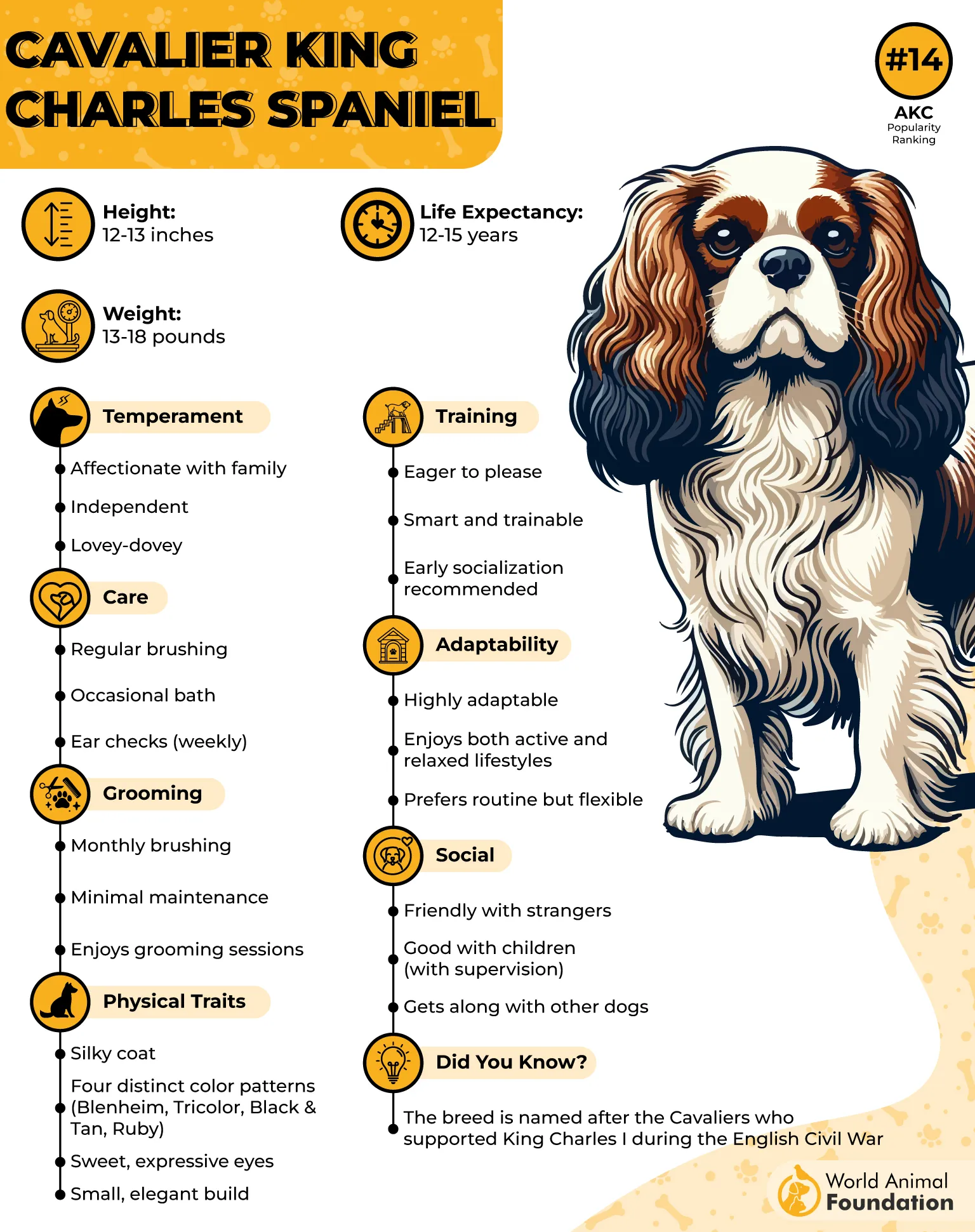
Training is generally straightforward because Cavaliers are intelligent and eager to please, especially when rewarded with treats. Their sensitive nature responds best to patient, gentle instruction rather than harsh correction.
These affectionate dogs are often happiest when included in everyday activities and may struggle if left alone for long periods. Their adaptable temperament makes them suitable for families, older adults, and first-time dog owners who can provide plenty of companionship.
3. Chihuahua
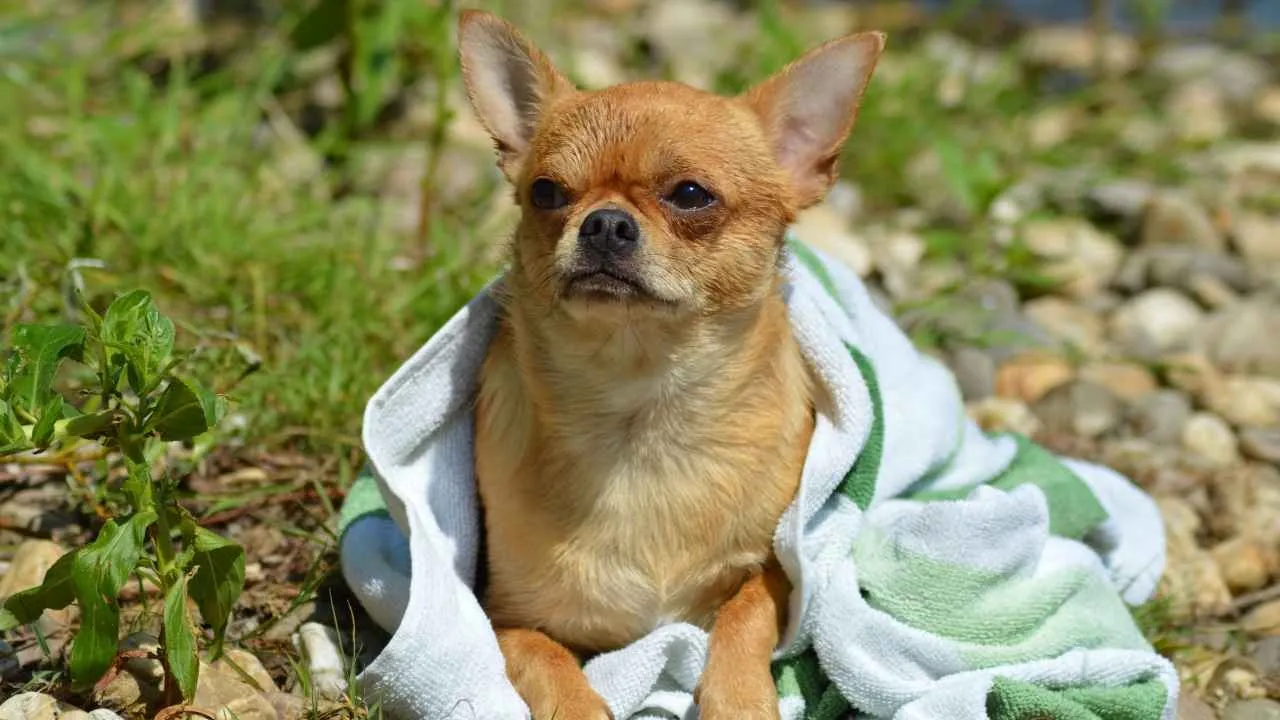
Chihuahuas are among the smallest dog breeds, making them easy to handle and well suited to apartments or other compact homes. Their tiny size also makes everyday outings simple, whether you’re running errands or enjoying a short walk.
According to PetMD, Chihuahuas typically have simple personal care needs. Chihuahuas generally have modest grooming needs, although long-coated varieties require more brushing
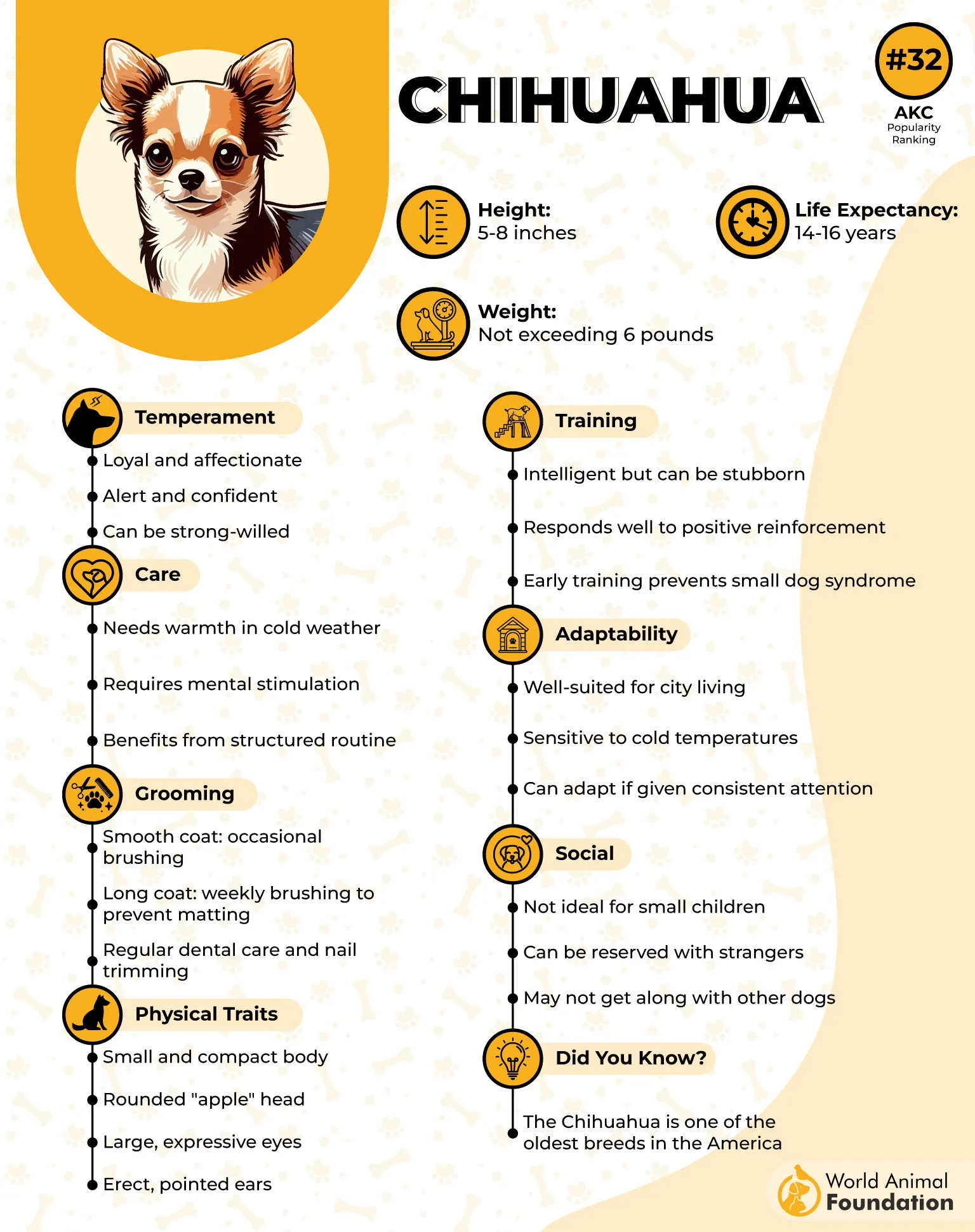
Although independent enough to spend several hours alone, Chihuahuas still thrive on companionship and attention. They form strong bonds with their owners and can become bored without interaction, so brief play sessions and quality time can easily fit into a busy daily schedule
Their daily exercise needs are manageable, with around 30 minutes of walking often enough to help burn off their energy. However, these little dogs can be sensitive to extreme heat and cold, so outdoor time should be planned accordingly.
4. Boston Terrier
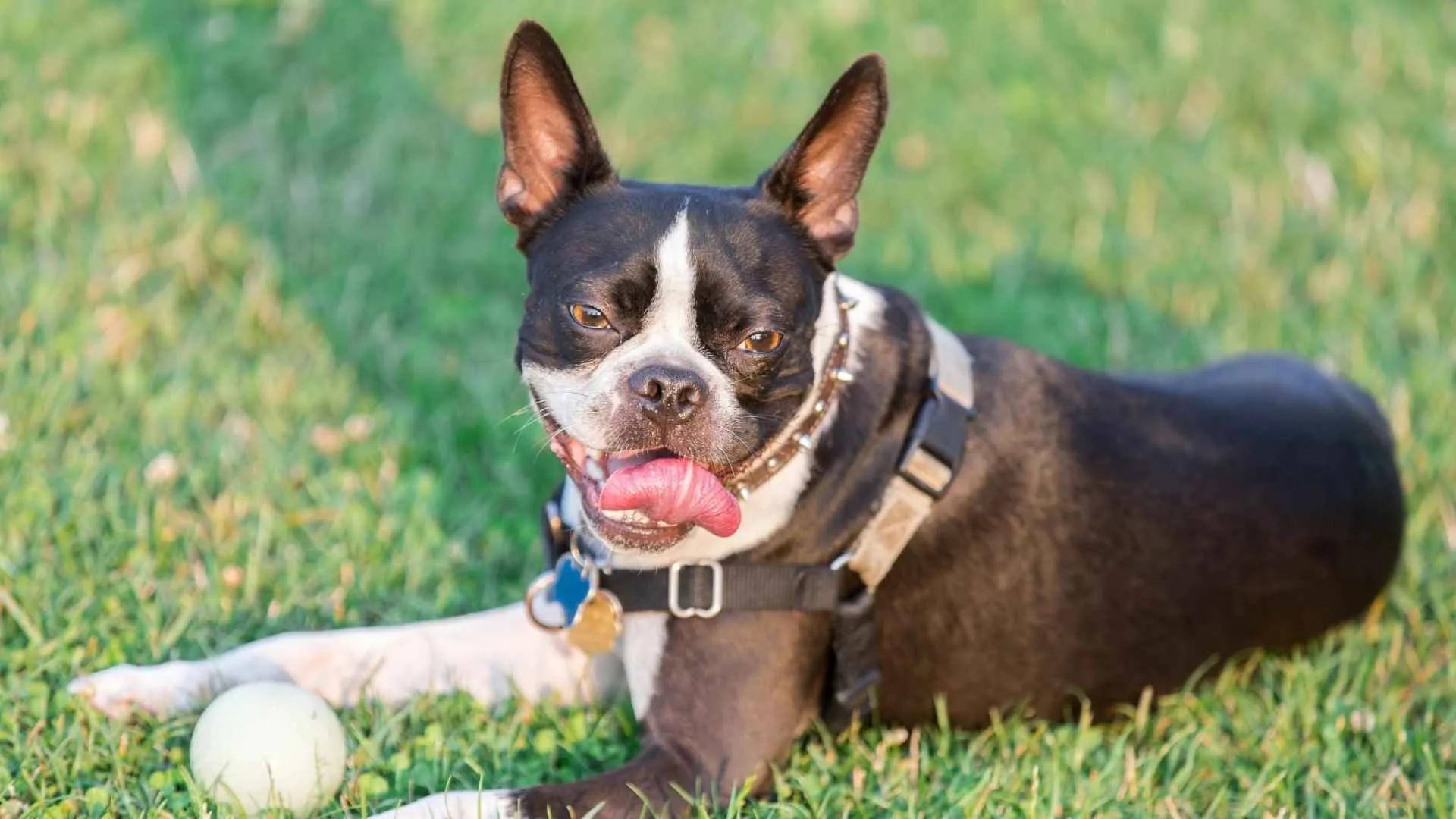
The Boston Terrier fits naturally into city life, bringing a cheerful personality without demanding a large home or intense daily exercise. Its compact size and adaptability make it comfortable in apartments and other smaller living spaces.
With a short, single-layer coat, this breed keeps grooming simple. Regular brushing is generally enough to manage loose hair and keep its coat looking tidy, making it a convenient choice for owners who prefer less maintenance.
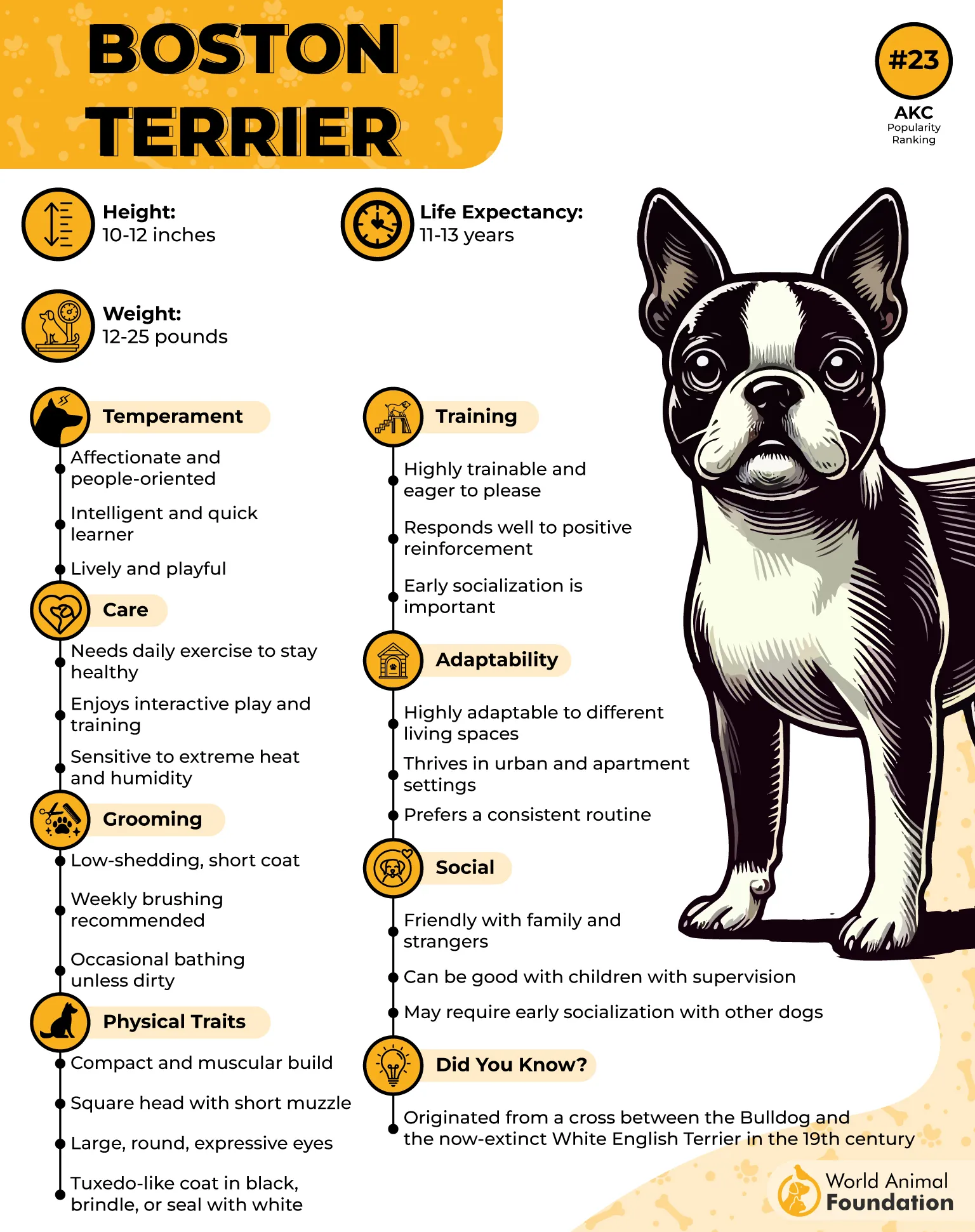
Despite their polished appearance, Boston Terriers are playful, friendly, and affectionate companions. Often called “America’s Gentleman,” they tend to be gentle with children and can get along well with other pets when properly socialized.
Their moderate exercise needs are another advantage for busy households. Short walks and play sessions can usually satisfy them, though they enjoy companionship and may become bored or stressed when left alone for extended periods.
5. Basset Hound
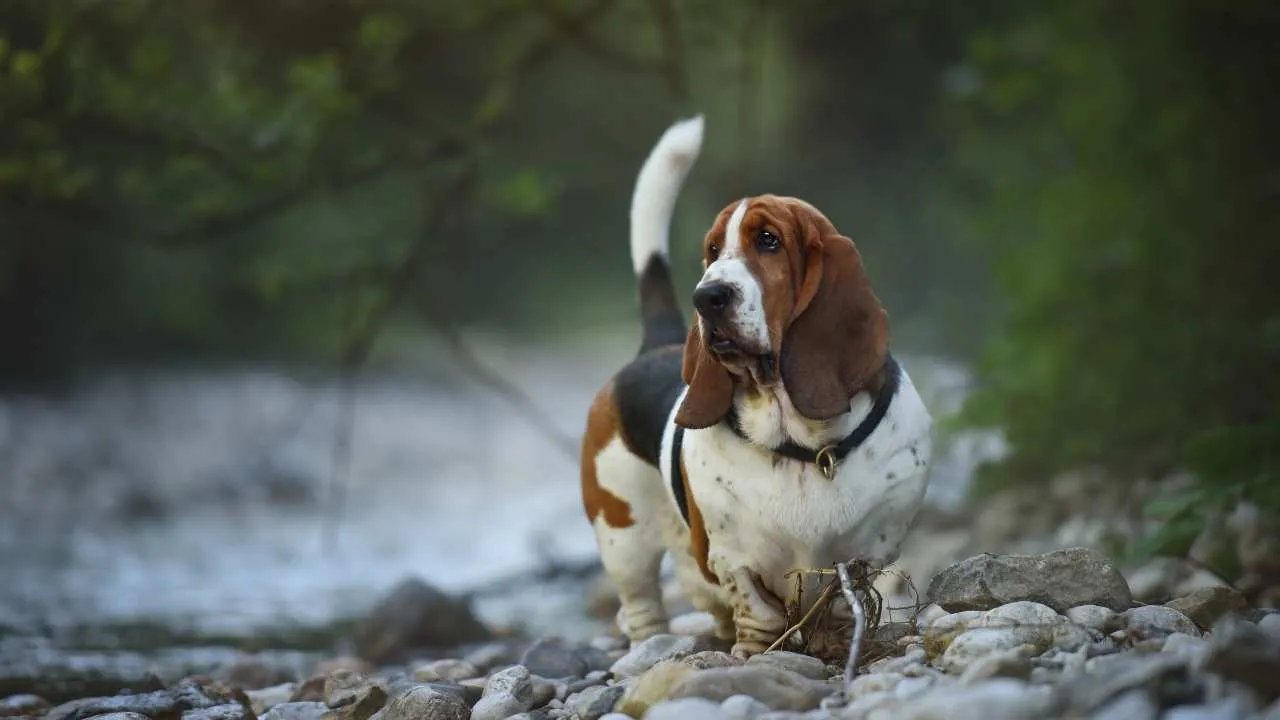
Basset Hounds are natural homebodies, happy to spend much of the day lounging beside their families. Their mellow temperament also makes them well suited to households with children and other pets, provided they receive proper socialization.
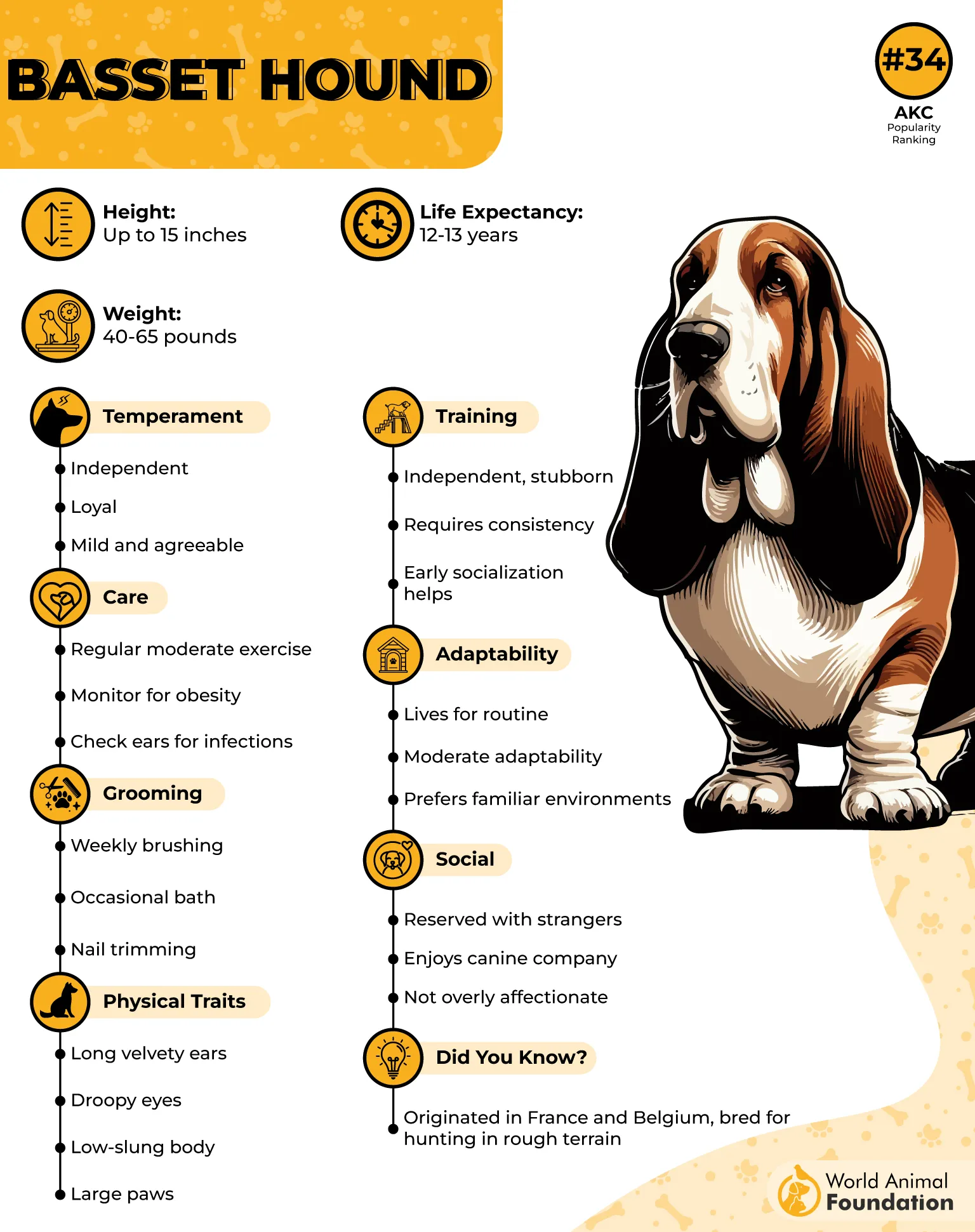
Exercise is manageable for this low-energy breed. Around 30 to 60 minutes of daily activity, such as a relaxed walk filled with opportunities to sniff, can help meet their needs without requiring strenuous runs or extended outings.

Their short coat is straightforward to brush, although Basset Hounds can shed considerably and require regular ear care. Their wrinkled skin also deserves regular attention.
Training may require patience because Basset Hounds can be stubborn and easily discouraged by harsh correction. They can also be quite vocal, especially when bored or left alone, with their distinctive howl making early training around barking worthwhile.
6. Dachshund
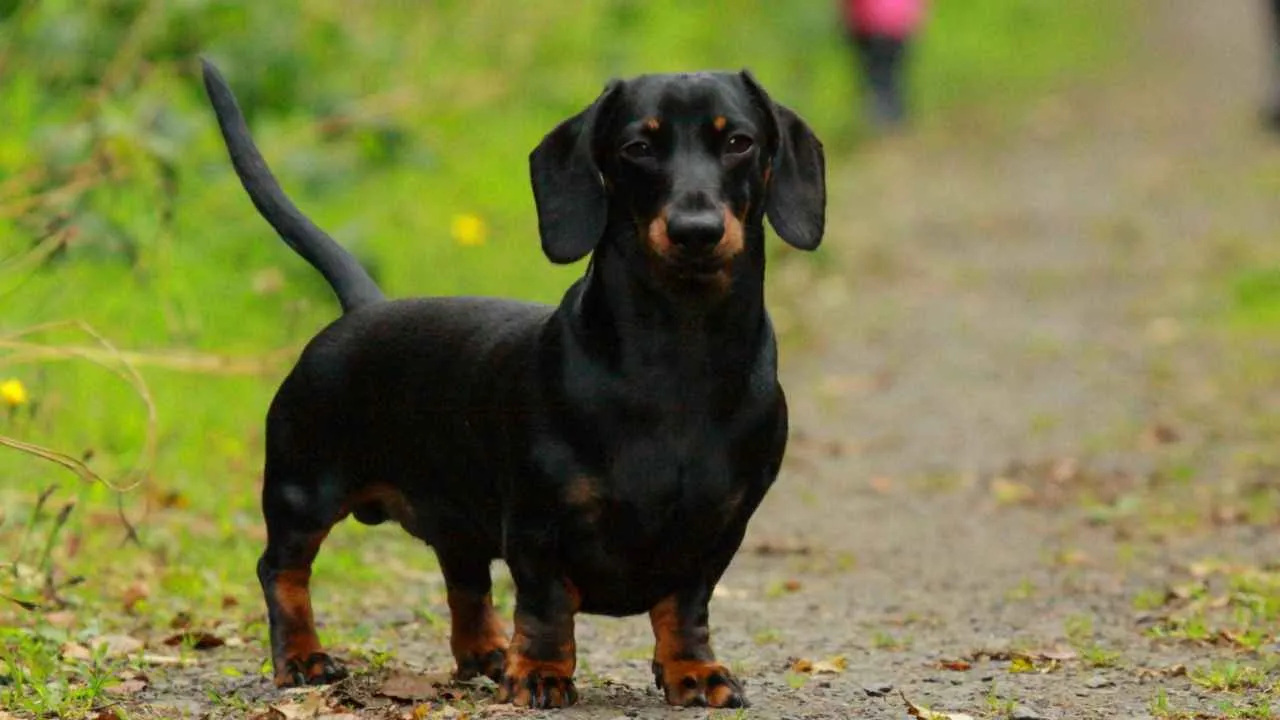
Small and adaptable, Dachshunds fit comfortably into apartments, suburban homes, or larger properties. They enjoy relaxing with their families but still bring plenty of curiosity and playful energy to daily life.
Their three coat varieties—smooth, longhaired, and wirehaired—offer different grooming needs. Smooth coats are generally easiest to maintain, while the other two may require more frequent brushing. Their naturally clean habits also help simplify routine care.
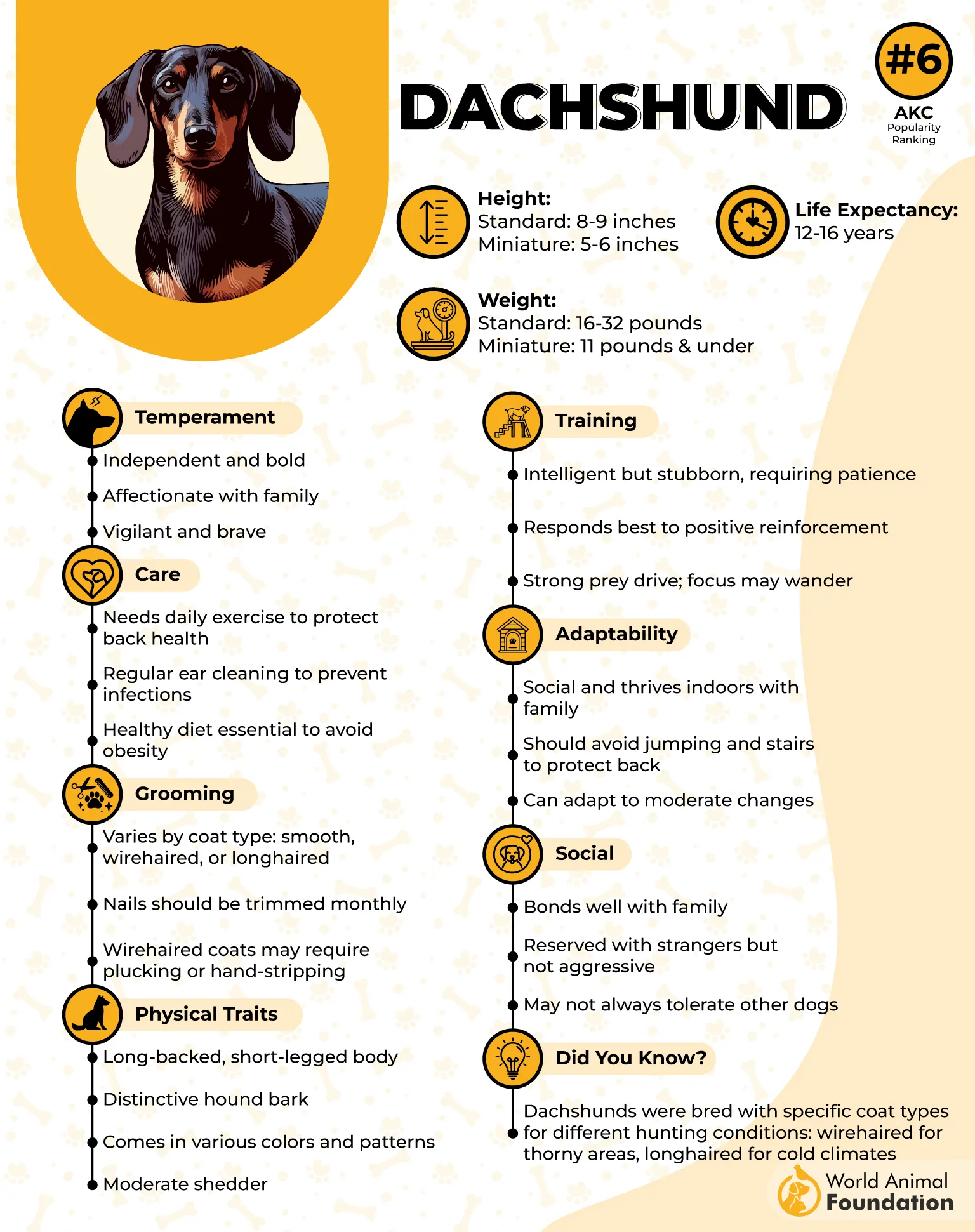
Although Dachshunds can be stubborn, they are intelligent and respond well to consistent, positive training. Their independent streak may make house training somewhat challenging, so patience and repetition are useful.
Daily care does not demand extensive exercise because their long backs can be vulnerable to injury; limiting stairs and providing ramps when needed is also important.
7. Beagle
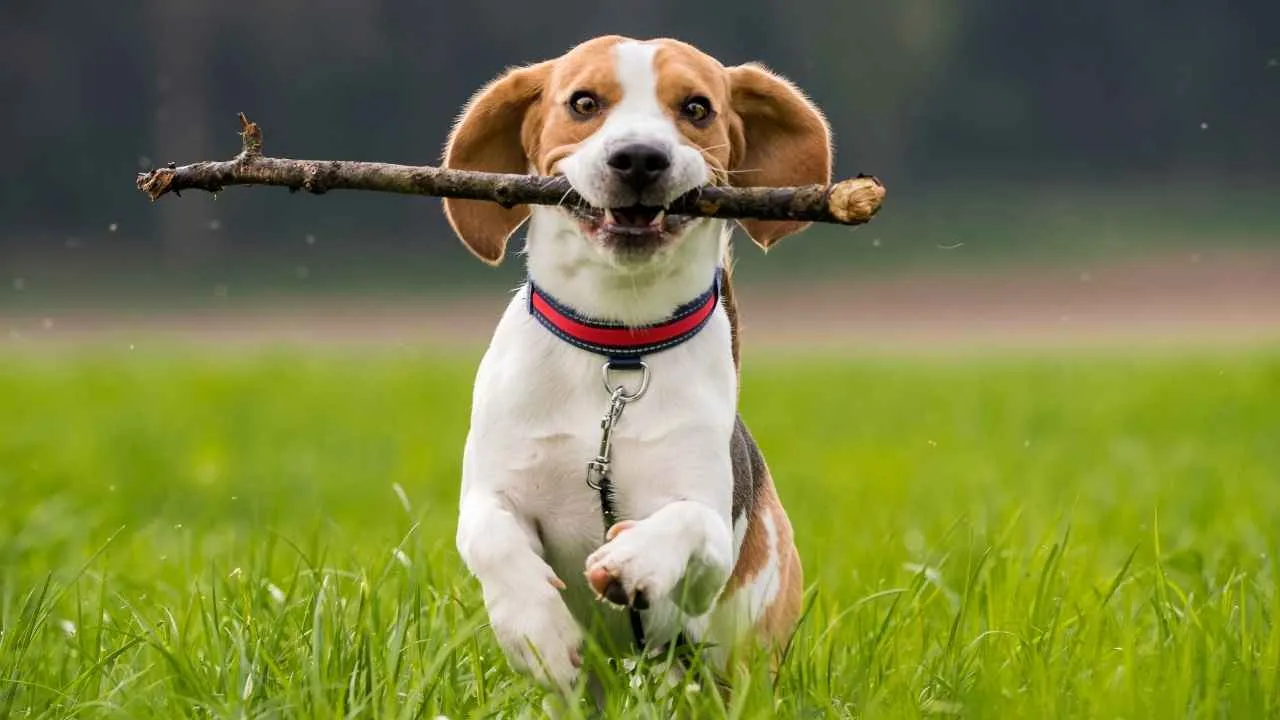
Beagles are cheerful, affectionate dogs with a natural curiosity that makes them eager to explore. Their adventurous spirit keeps them interested in their surroundings, especially when they have plenty of opportunities to follow their noses.
According to Petplan, Beagles often have distinctive mottled coats. Their short, smooth coat is another advantage for busy owners. Beagles shed moderately but generally do not require extensive grooming, making their coat relatively simple to maintain with regular brushing.
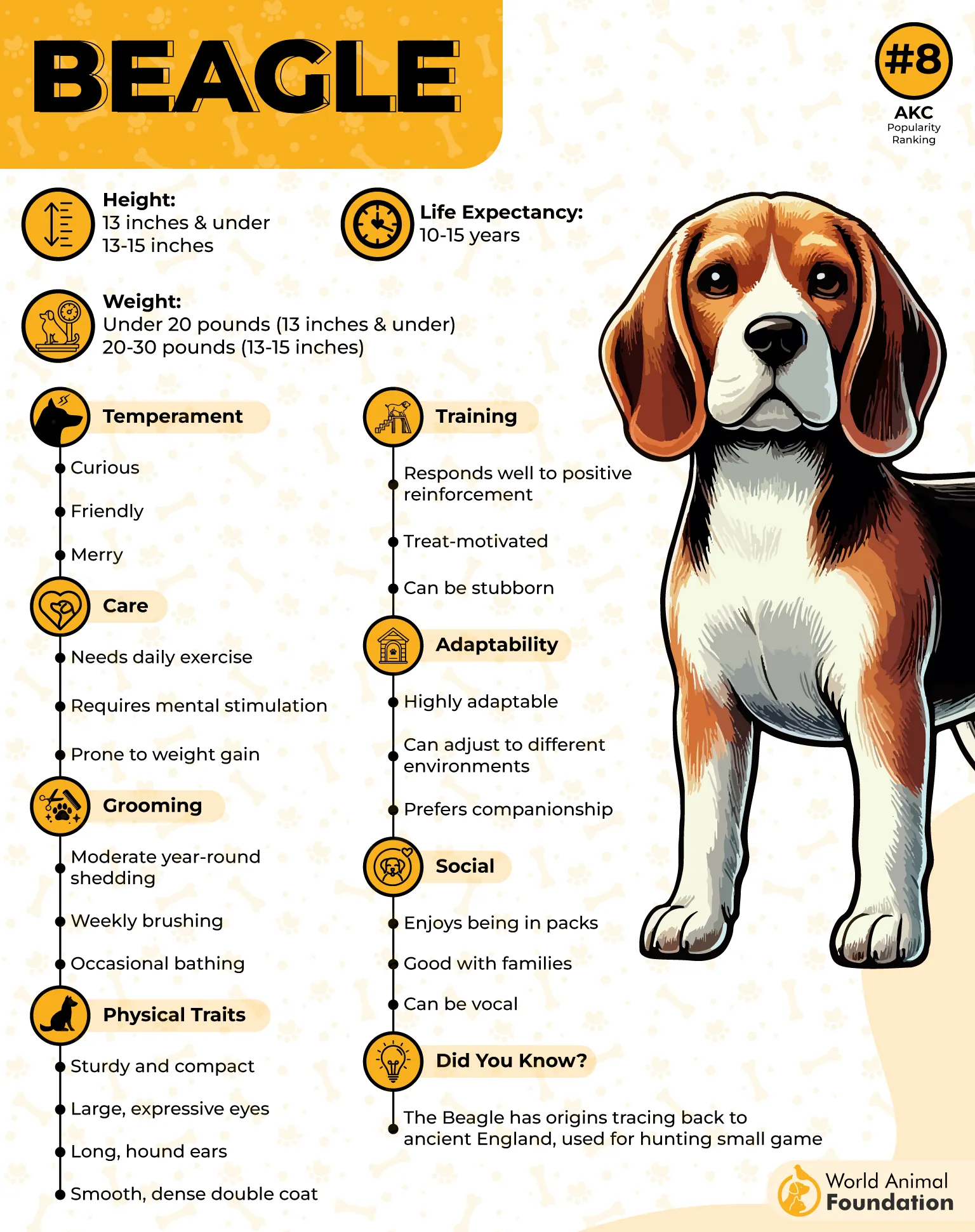
Training is important because their independent nature and strong scent drive can lead to digging, chewing, barking, or wandering when they become bored. Early, consistent training helps channel these instincts into better habits.
Beagles also thrive on companionship and may struggle when left alone for long periods. Keeping them mentally occupied with walks, scent games, and interactive activities can help prevent boredom while supporting their naturally active lifestyle.
8. Pug
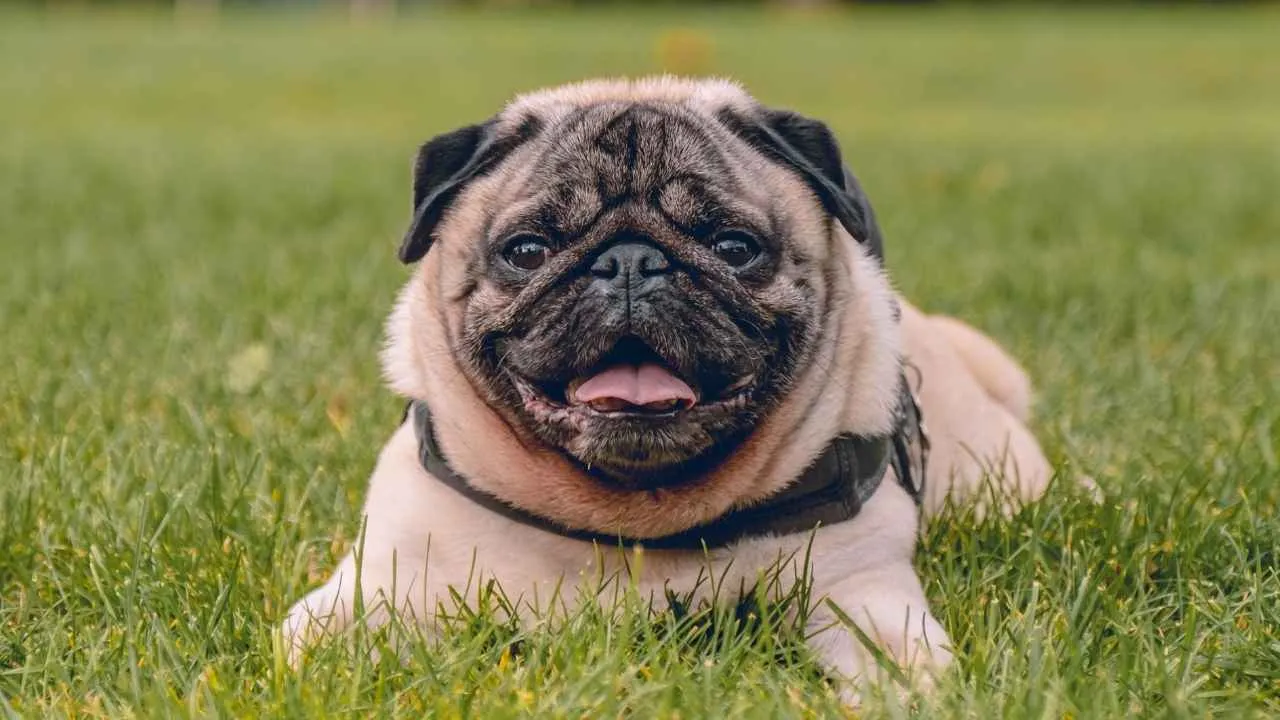
Pugs were bred to be companions, and their affectionate nature remains one of their defining traits. However, their short-nosed structure means owners need to be particularly attentive to heat, breathing, and weight management.
Their playful personality does not come with demanding exercise needs. A daily walk and some light play are generally enough, while their compact build makes them comfortable in home-focused routines. They also tend to be sociable with children and other dogs.
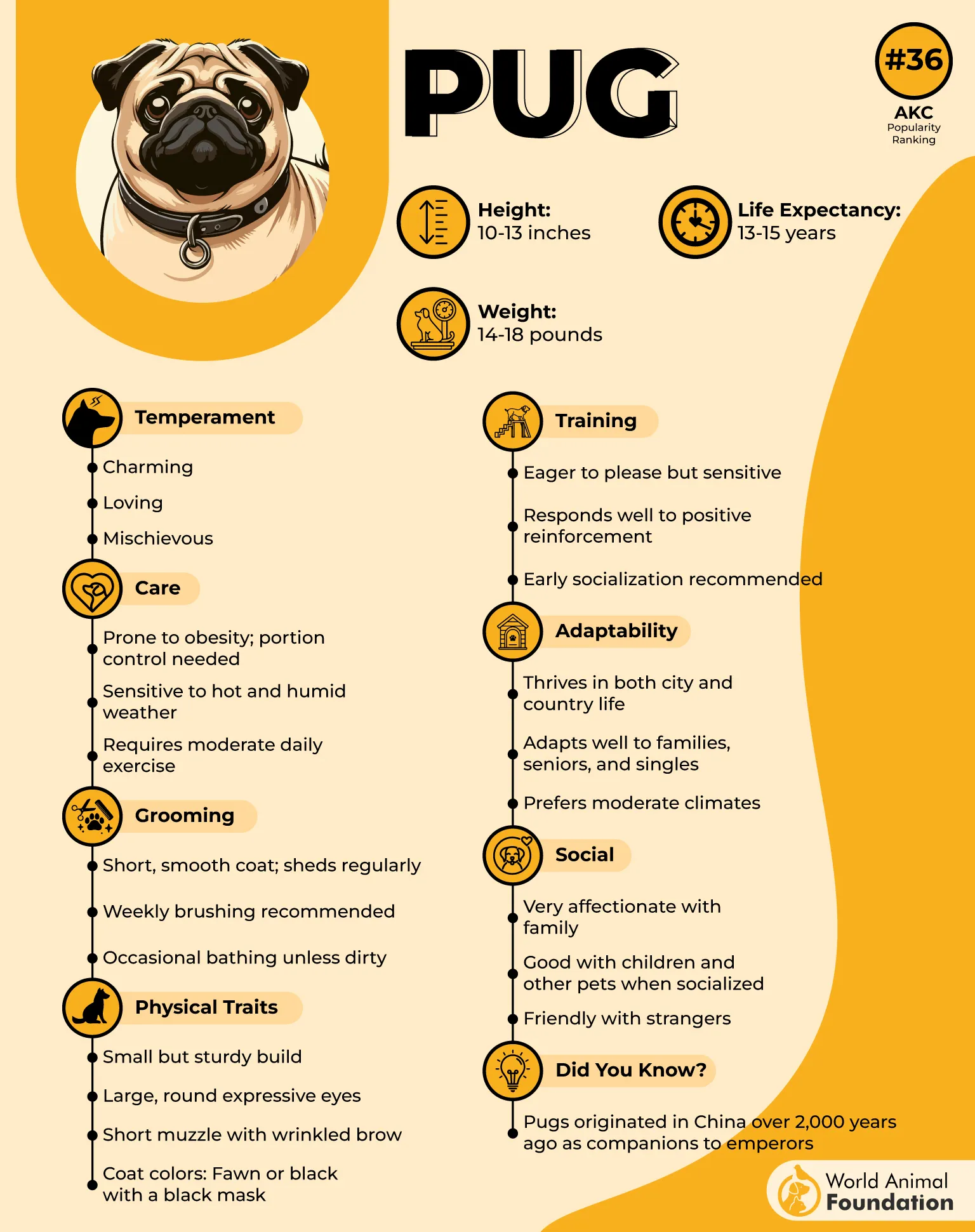
Grooming is fairly straightforward despite their shedding. Regular brushing can help manage their considerable shedding, while bathing when needed and routinely cleaning their facial wrinkles can help keep their skin healthy.
Pugs do need attention to their health. Their short-nosed structure can make breathing and temperature regulation difficult, so strenuous activity and hot weather should be avoided. They can also gain weight easily, making portion control and regular activity important.
9. Whippet
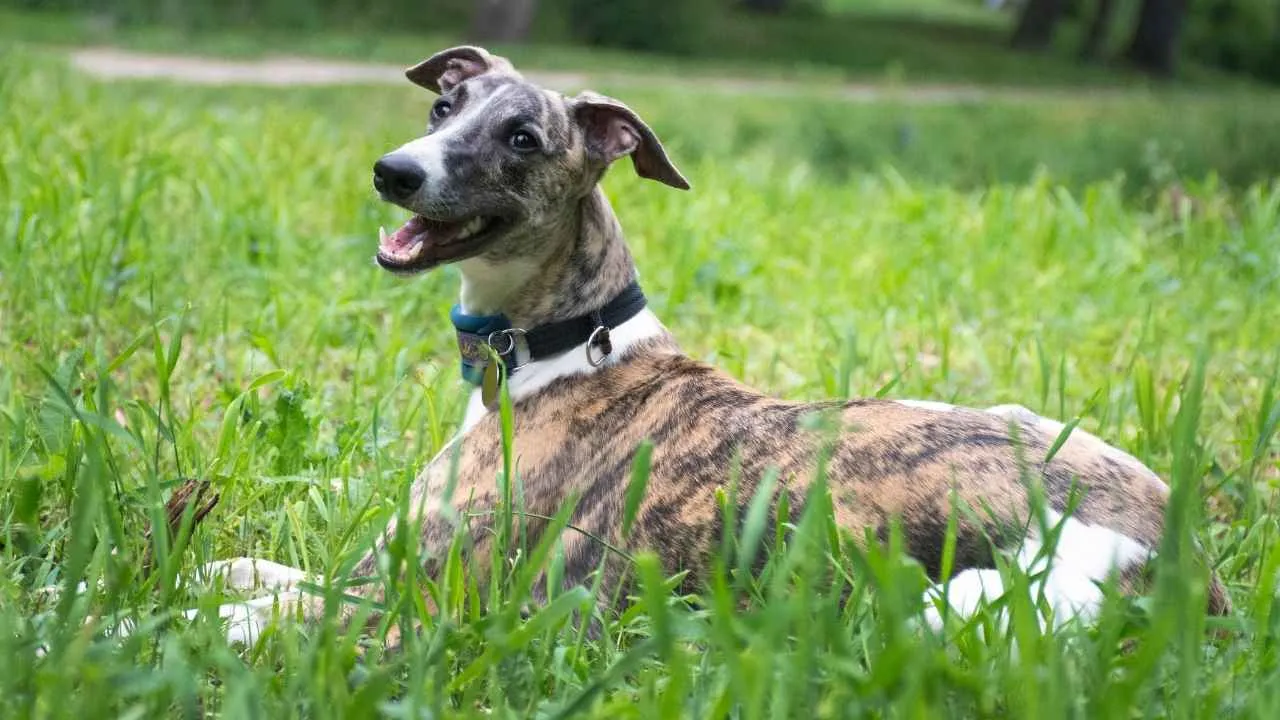
Whippets are a great fit for owners who want an athletic dog without a demanding care routine. Their short, sleek coat requires little grooming and sheds minimally compared with many other breeds.
Despite their reputation as speedy sprinters, Whippets are remarkably calm at home. They enjoy daily walks and opportunities to run, but are equally happy curling up for a long nap afterward.
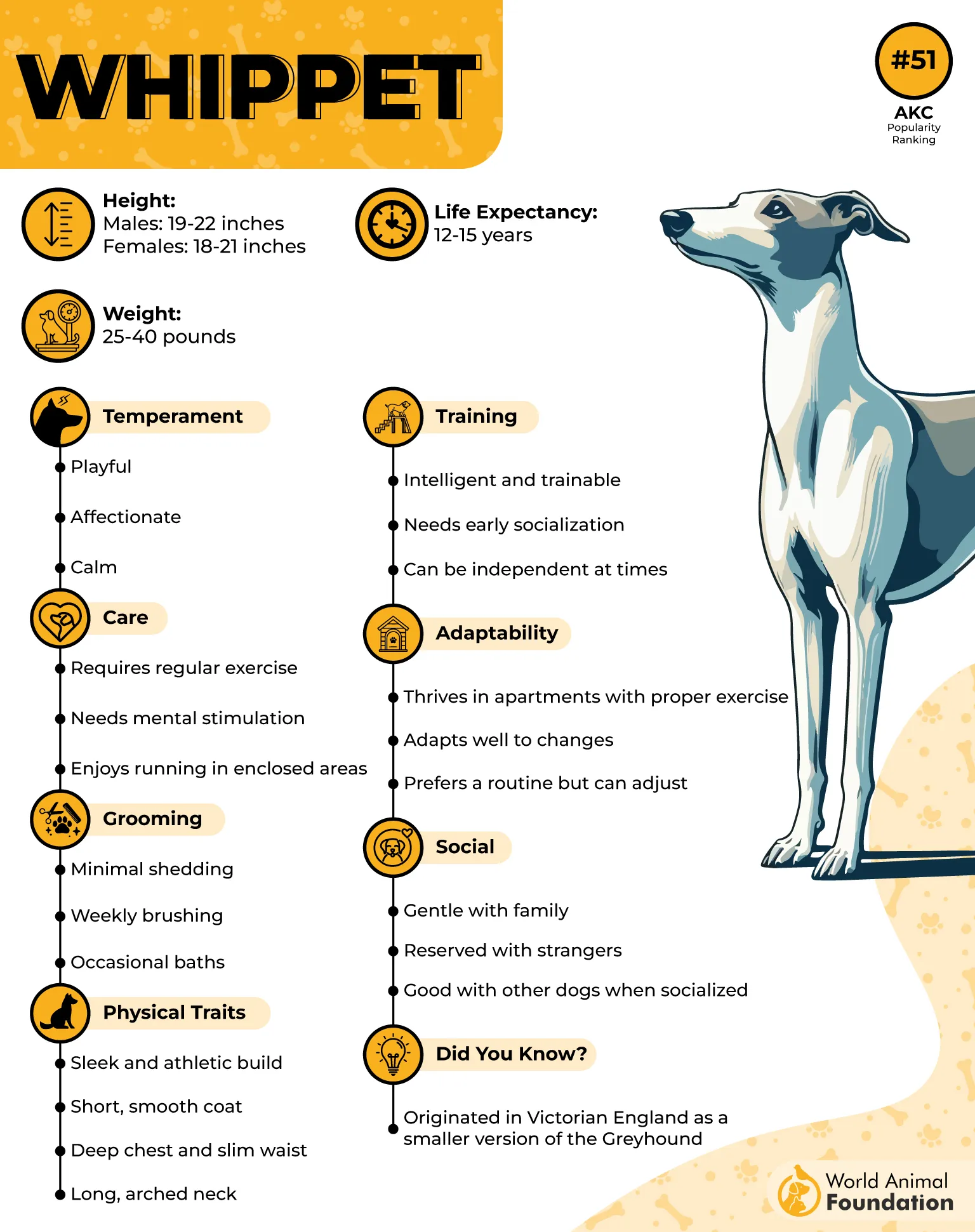
Their quiet nature also makes them suitable for city living, as they rarely bark. With patience during early training, they can become affectionate and well-mannered companions who adapt comfortably to different homes.
Bred for speed and historically used to hunt rabbits, Whippets are intelligent and athletic enough to excel in agility and obedience. Their combination of brief energetic bursts, relaxed indoor behavior, and easy-care coat makes them especially appealing to active owners who still value downtime.
10. Greyhound
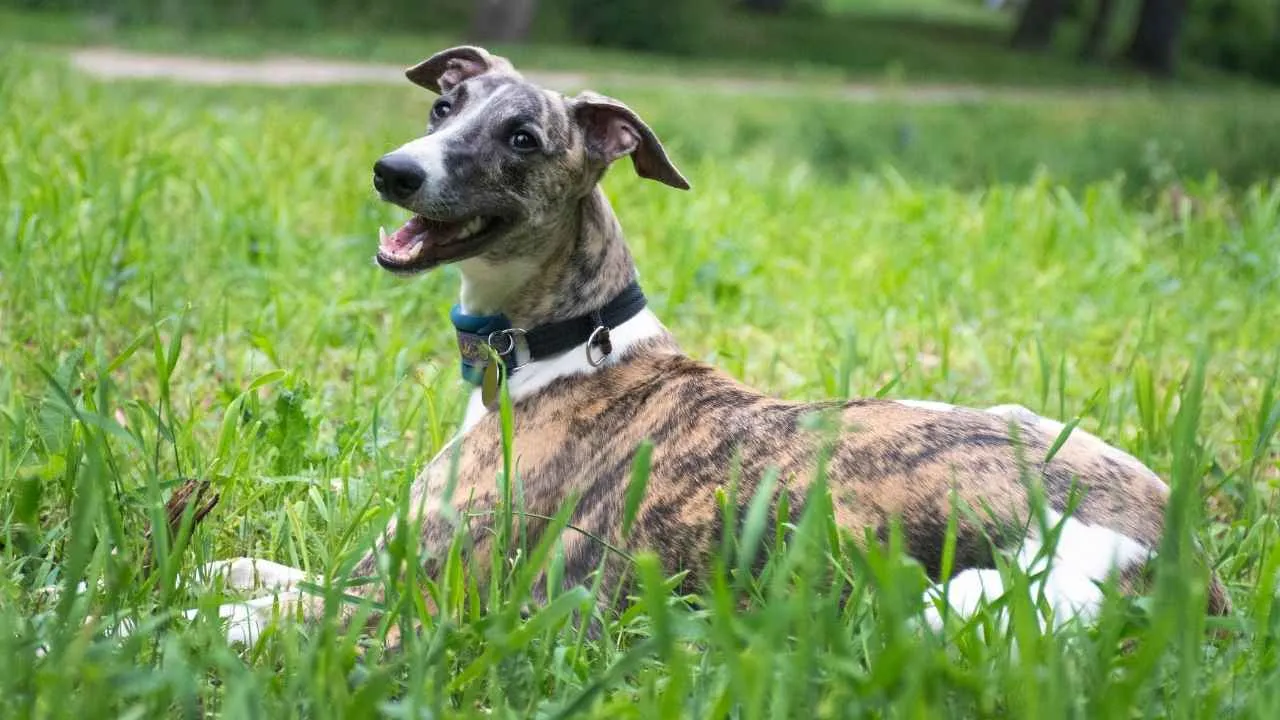
Despite being the world’s fastest dog breed, the Greyhound is better known at home for lounging than racing. This gentle, affectionate breed often spends much of the day napping, relaxing in the sun, or staying close to its family.
Greyhounds are sprinters rather than endurance athletes. A couple of daily walks and access to a securely fenced area for short bursts of running can help satisfy their exercise needs. Their calm nature also makes them surprisingly adaptable to apartment living.
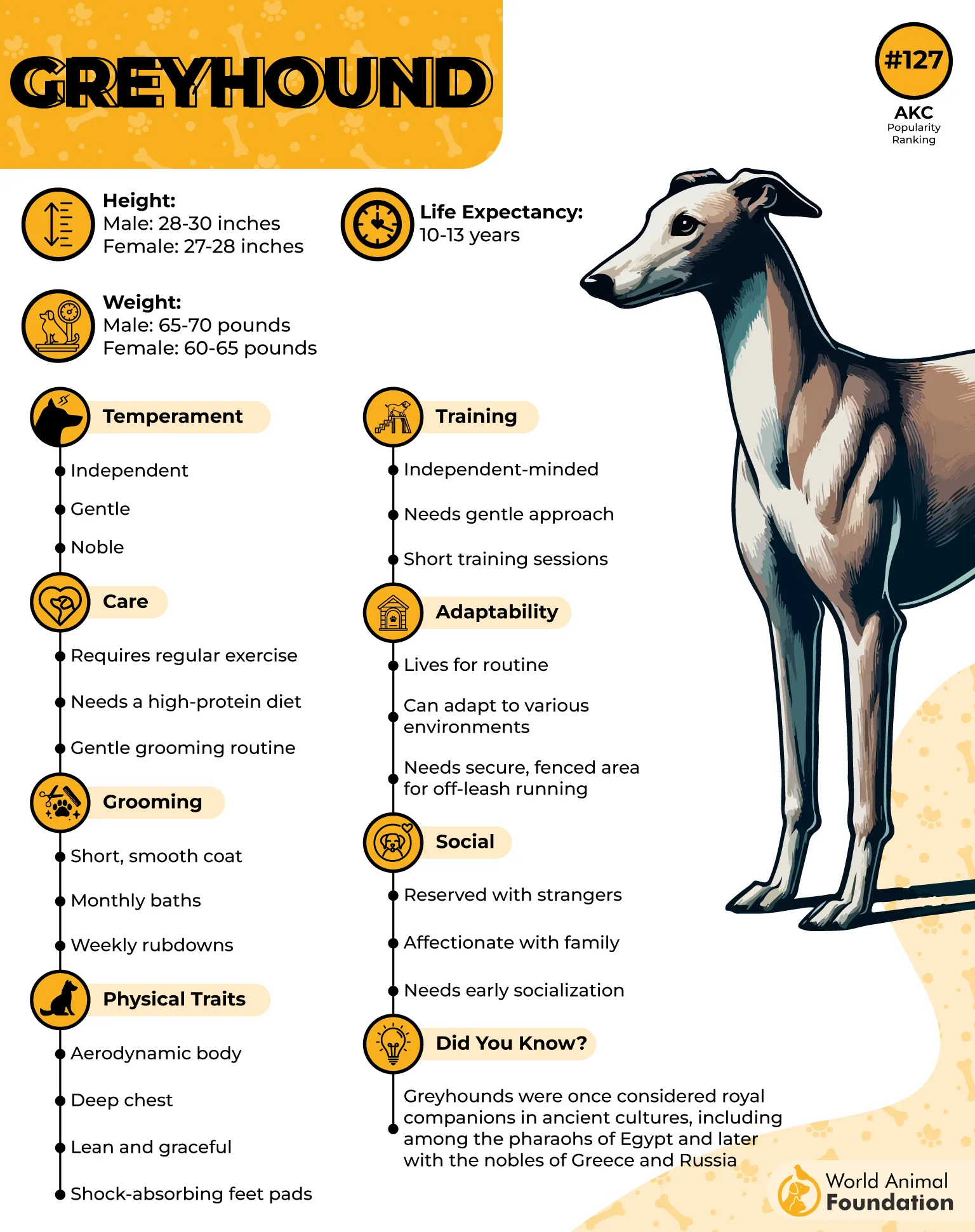
Their short, sleek coat requires minimal upkeep, with little odor and no need for frequent bathing. They also tend to shed modestly, making coat care relatively simple compared with many other breeds.
Because Greyhounds can be sensitive around unfamiliar people and dogs, early socialization helps build confidence. Their strong prey drive also means off-leash running is safest in enclosed areas, while their lean build can make them susceptible to cold weather.
Conclusion
Choosing a low-maintenance dog can make pet ownership easier without taking away from the companionship dogs bring. The breeds covered in this guide offer different personalities, activity levels, and care needs to suit a variety of households.
While some may need regular exercise, others are content with shorter walks and plenty of downtime. Their manageable grooming routines, adaptable temperaments, and relatively simple daily needs can make them appealing choices for busy owners.
Still, low maintenance does not mean no maintenance. Every dog needs proper nutrition, veterinary care, exercise, training, socialization, and plenty of affection to stay healthy and happy.
The best choice ultimately depends on your lifestyle, living space, and ability to meet a dog’s individual needs. With the right match, welcoming a low-maintenance breed into your home can be a rewarding and enjoyable experience.
