




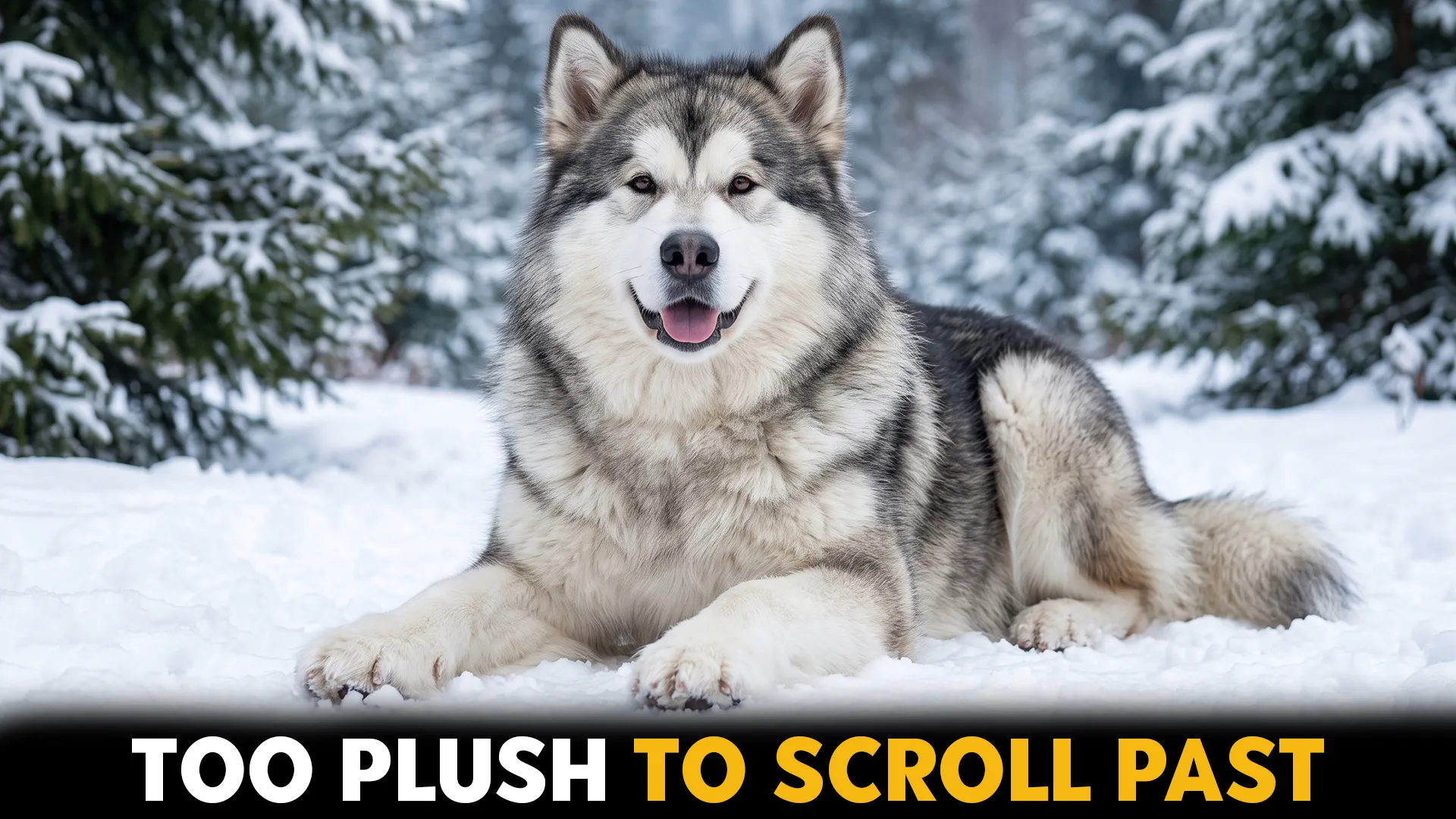
Have you ever seen a dog with fluffy paws that look like tiny slippers and long lashes that make its eyes even more adorable? Some dogs naturally have these charming features, giving them a soft, teddy-bear appearance that is hard to resist.
But there’s more to these adorable looks than meets the eye. Naturally fluffy paws and long lashes can give certain dogs a distinctive appearance, while their coats may need regular brushing to prevent tangles and keep them looking their best.
Some are small enough to curl up beside you on the couch, while others are larger, more active companions who need plenty of space and exercise.
The good news is that you don’t have to choose between a dog with a lovable appearance and one that suits your lifestyle. We’ve rounded up seven dog breeds with naturally fluffy paws and plush lashes you’ll love, highlighting what makes each one special.
Dog Breeds with Naturally Fluffy Paws and Plush Lashes You’ll Love
1. Alaskan Malamute
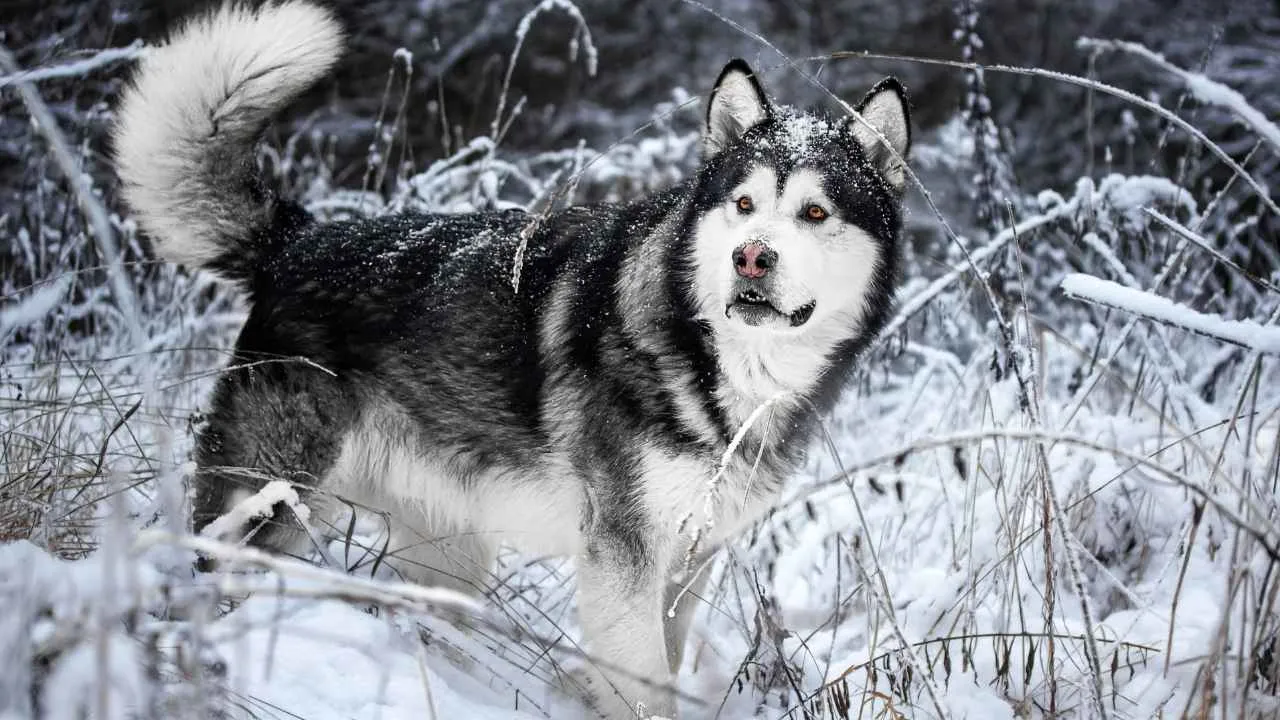
Alaskan Malamutes have thick, fluffy coats and well-furred paws that suit their origins as Arctic sled dogs. Their erect ears, plumed tails, and almond-shaped brown eyes give them a distinctive look.
Despite their powerful build, these dogs have an affectionate sparkle in their eyes and enjoy snuggling with their families after a busy day.
Strong, Playful, and Independent Companions
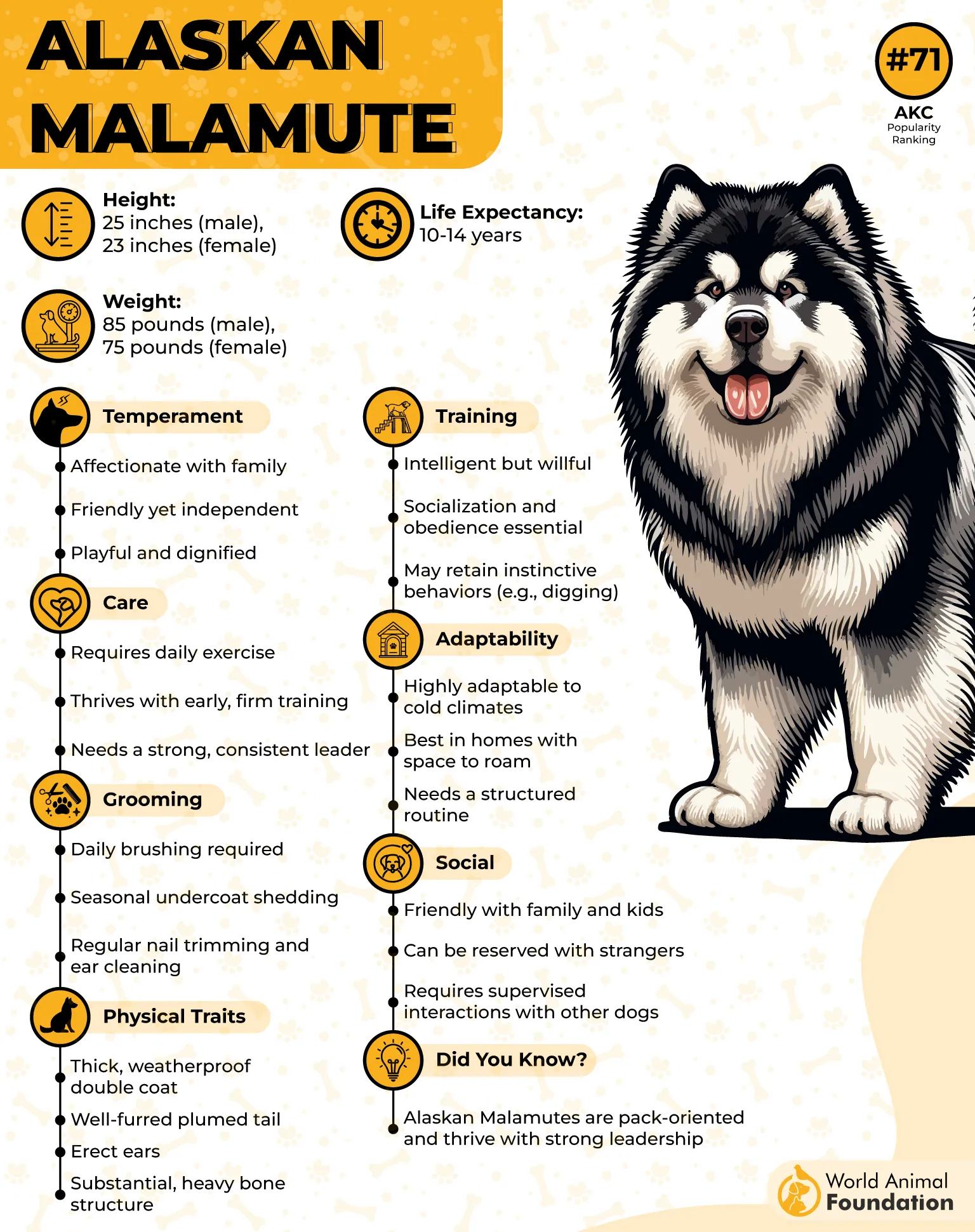
Malamutes are loyal, playful, and friendly dogs that love human company. They can be gentle with children, but their strength means they need proper training from puppyhood.
They learn quickly but have a strong will, so owners must provide firm, loving guidance. According to Omlet, early socialization is also important, as males may become aggressive toward other dogs if they are not properly socialized.
Exercise and Coat Care
Daily activity: Malamutes need plenty of exercise to prevent boredom and destructive behavior. They love running and roaming, but recall can be difficult. Lead training is essential because they were bred to pull.
Grooming and warmth: Their dense coats need frequent brushing, especially during shedding. They shed heavily and can overheat in warm weather, so avoid walks during the hottest hours and provide a cool place to rest.
Health concerns: Hip dysplasia and cataracts are health issues owners should watch for. These dogs are also highly food-motivated and may raid kitchen bins, so keep food waste out of reach.
2. Great Pyrenees
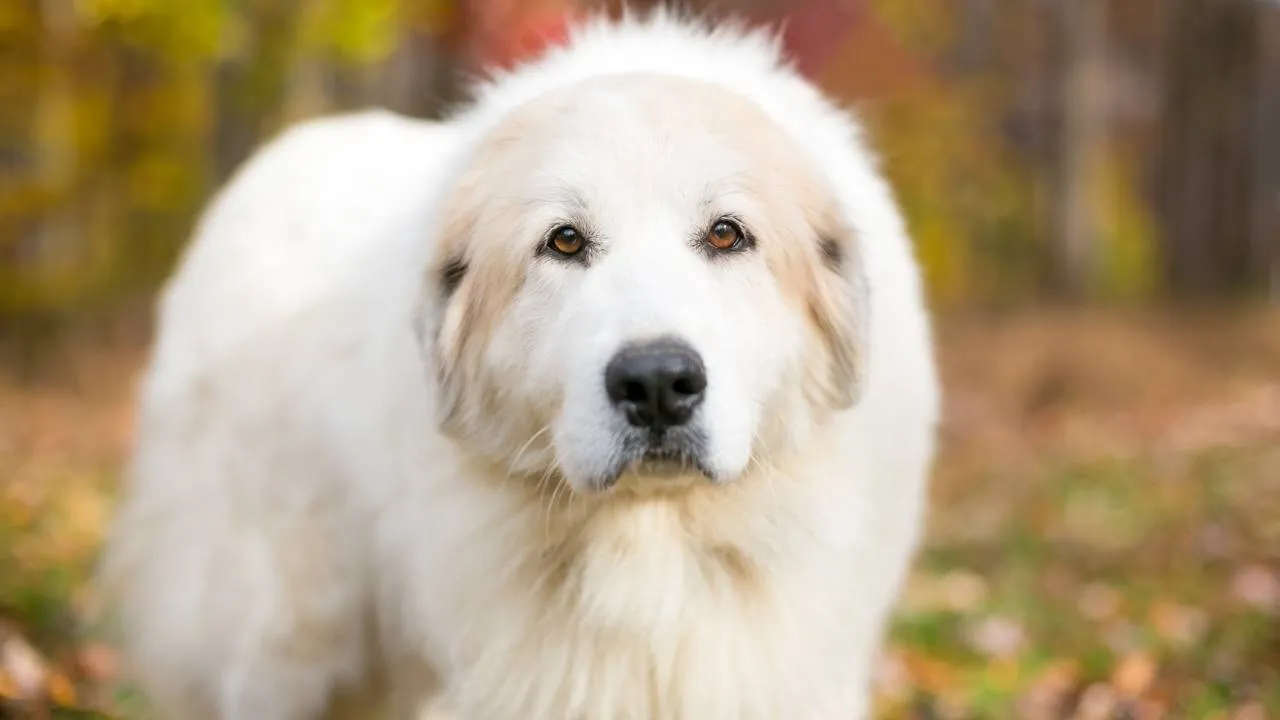
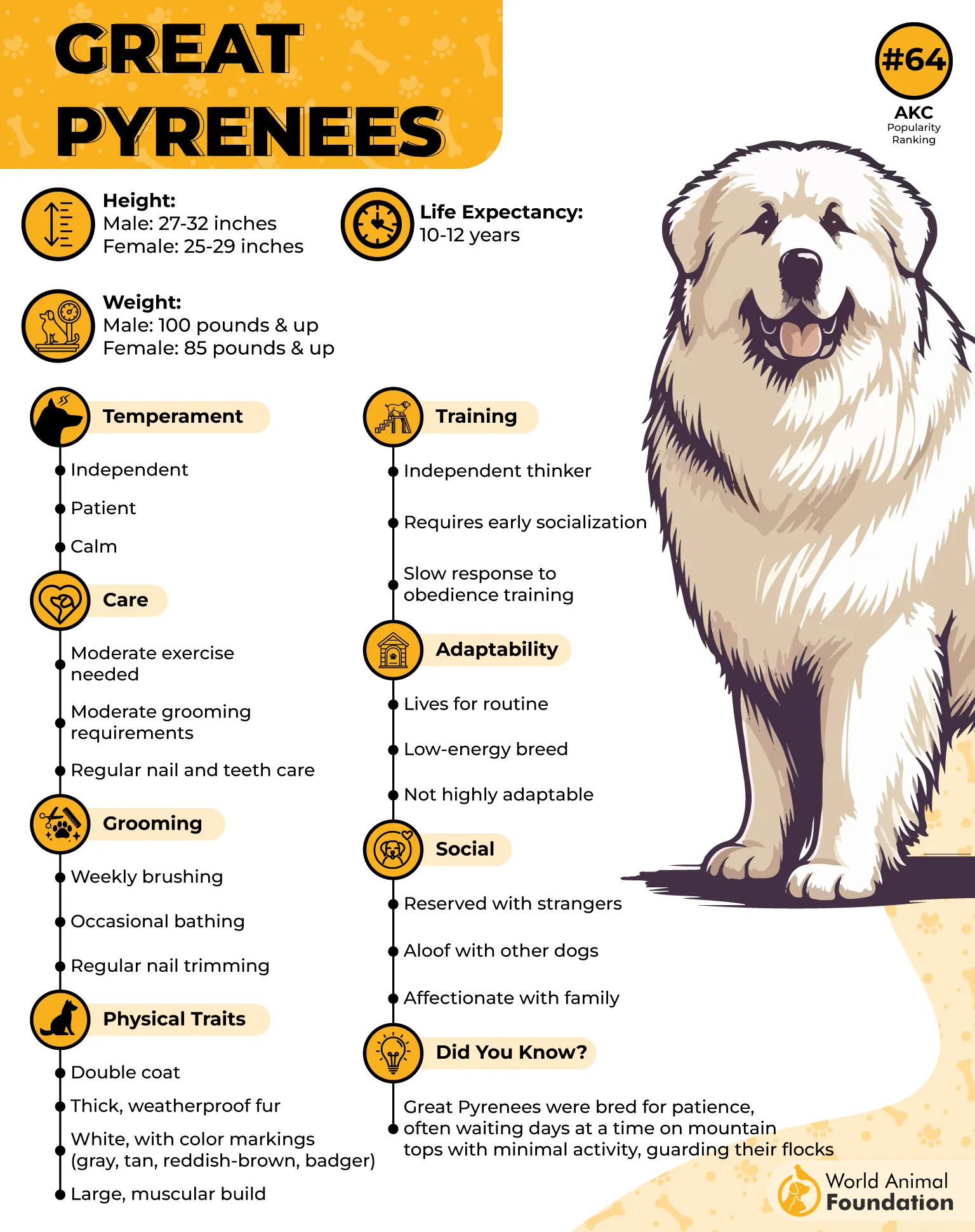
With their thick, fluffy coats and soft, gentle expressions, Great Pyrenees dogs have a majestic appearance. Originally bred in the Pyrenees Mountains between Spain and France, these powerful dogs guarded sheep against predators such as wolves and bears.
Their weatherproof white coats helped them blend into snowy surroundings. Some also have gray, tan, reddish-brown, or badger-colored markings.
Gentle Family Companions and Natural Guardians
Despite their size and strength, Great Pyrenees dogs are usually calm, patient, and affectionate with their families. They can get along well with children, cats, and other animals when introduced appropriately.
However, their independent nature can make obedience training challenging. They are also vigilant watchdogs and may bark to alert their owners to activity nearby.
Exercise and Coat Care
Daily activity: Great Pyrenees dogs are not overly active, but they still need daily walks or playtime in a fenced yard to stay physically and mentally fit.
Grooming: Their thick double coats are dirt- and tangle-resistant, so grooming needs are manageable. Weekly brushing helps maintain the soft undercoat and reduce shedding around the home.
Training: These intelligent dogs can become bored with repetitive commands. Keep training consistent and start during puppyhood to help manage their independent and protective instincts.
3. Old English Sheepdog
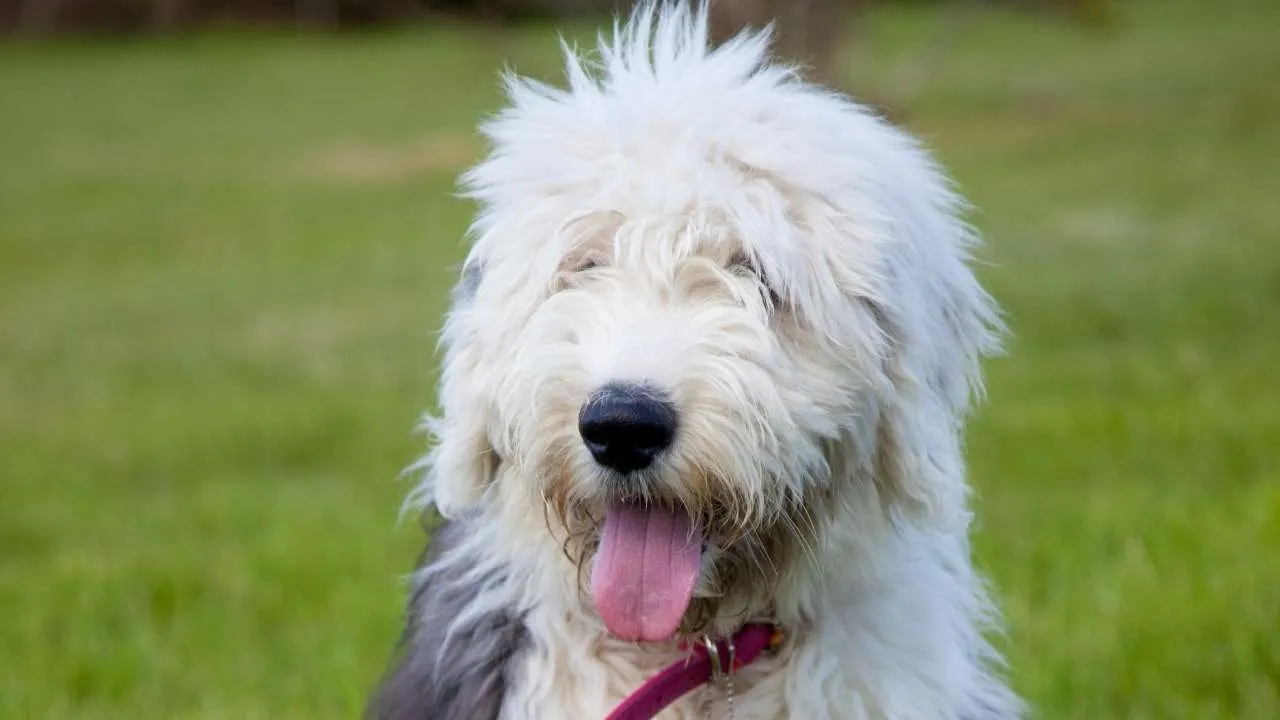
Old English Sheepdogs are famous for their shaggy, fluffy coats and distinctive peek-a-boo hairstyles. Their thick double coats give them a cuddly, bear-like appearance, while their dark or blue eyes add to their charm.
Beneath all that fur, these dogs are muscular, agile, and surprisingly nimble. Their bear-like walk and playful expressions make them hard to overlook.
Playful, Loyal, and Loving Family Dogs
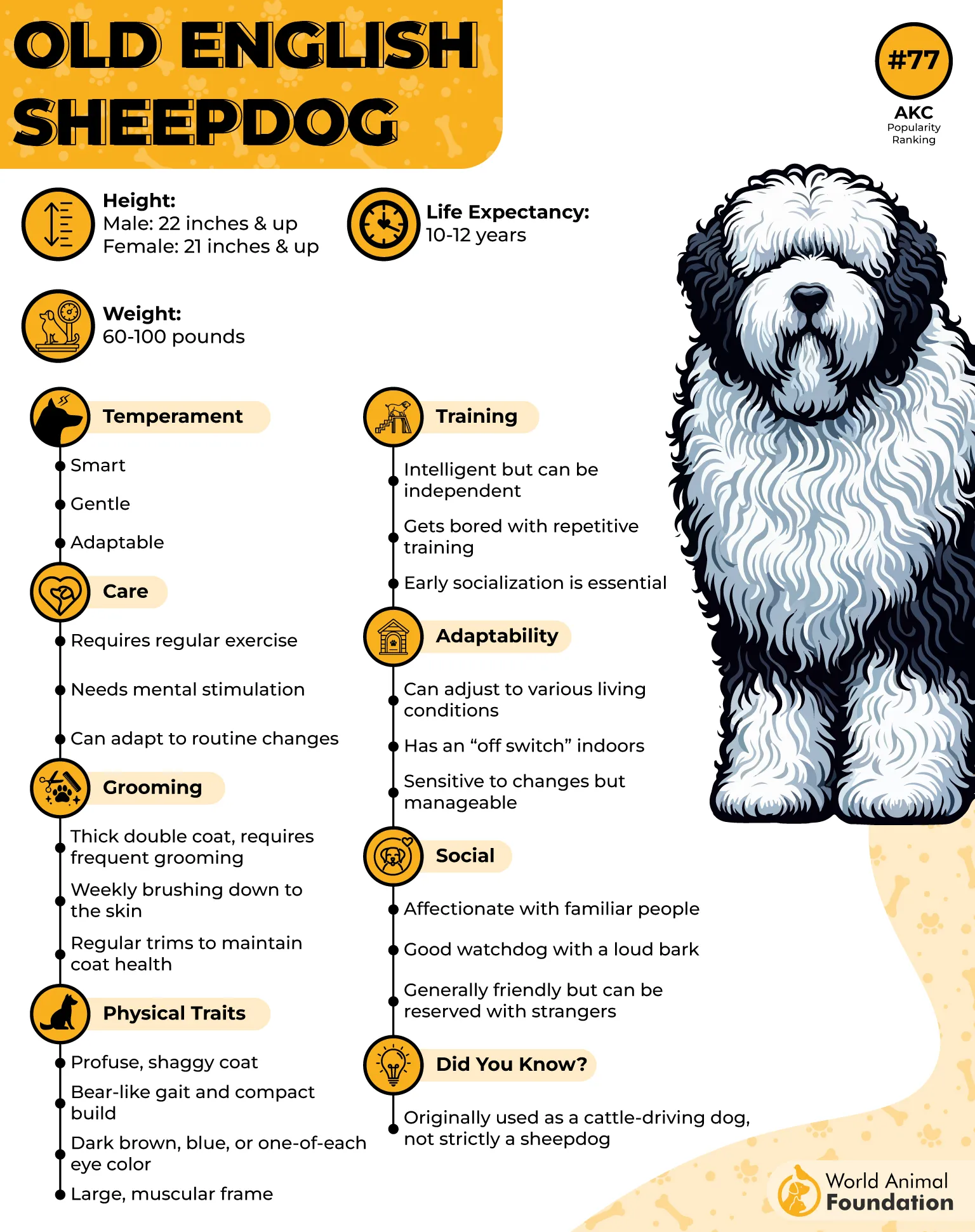
Old English Sheepdogs are affectionate companions who love being around their families. These cheerful dogs have a clownish side and often make their owners laugh with their goofy behavior. They are generally good with children and can be patient, protective playmates.
Purina mentions they are also watchful and make excellent watchdogs, often announcing visitors with a loud bark. However, their boisterous nature means early training is important to help them learn good manners.
Exercise and Grooming Needs
Daily activity: Old English Sheepdogs need plenty of exercise and room to run. They enjoy exploring, playing, and taking part in activities such as agility, obedience, and herding. Giving them a job to do can help keep them happy and engaged.
Training: These intelligent dogs can be strong-willed and overly excitable. Start training early and use activities that keep them interested and involved.
Coat care: Their abundant double coats require regular grooming to stay manageable. Make time for coat care alongside their daily exercise and family time.
4. Newfoundland
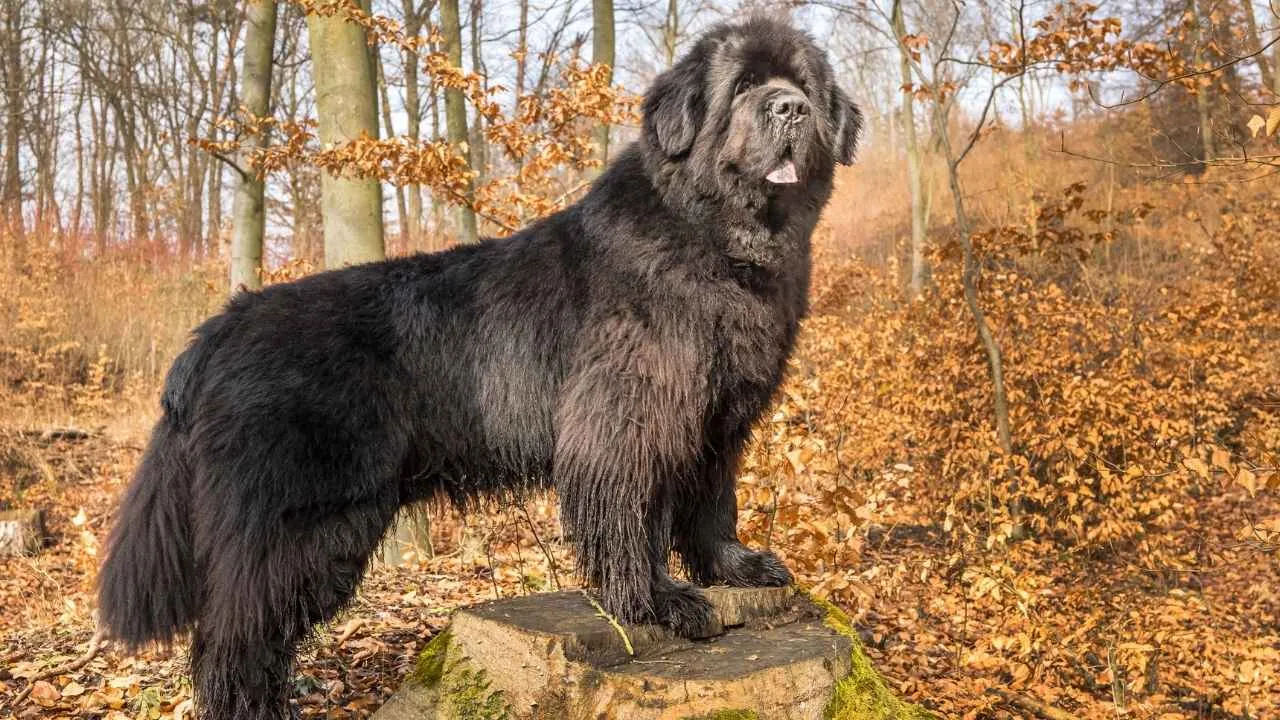
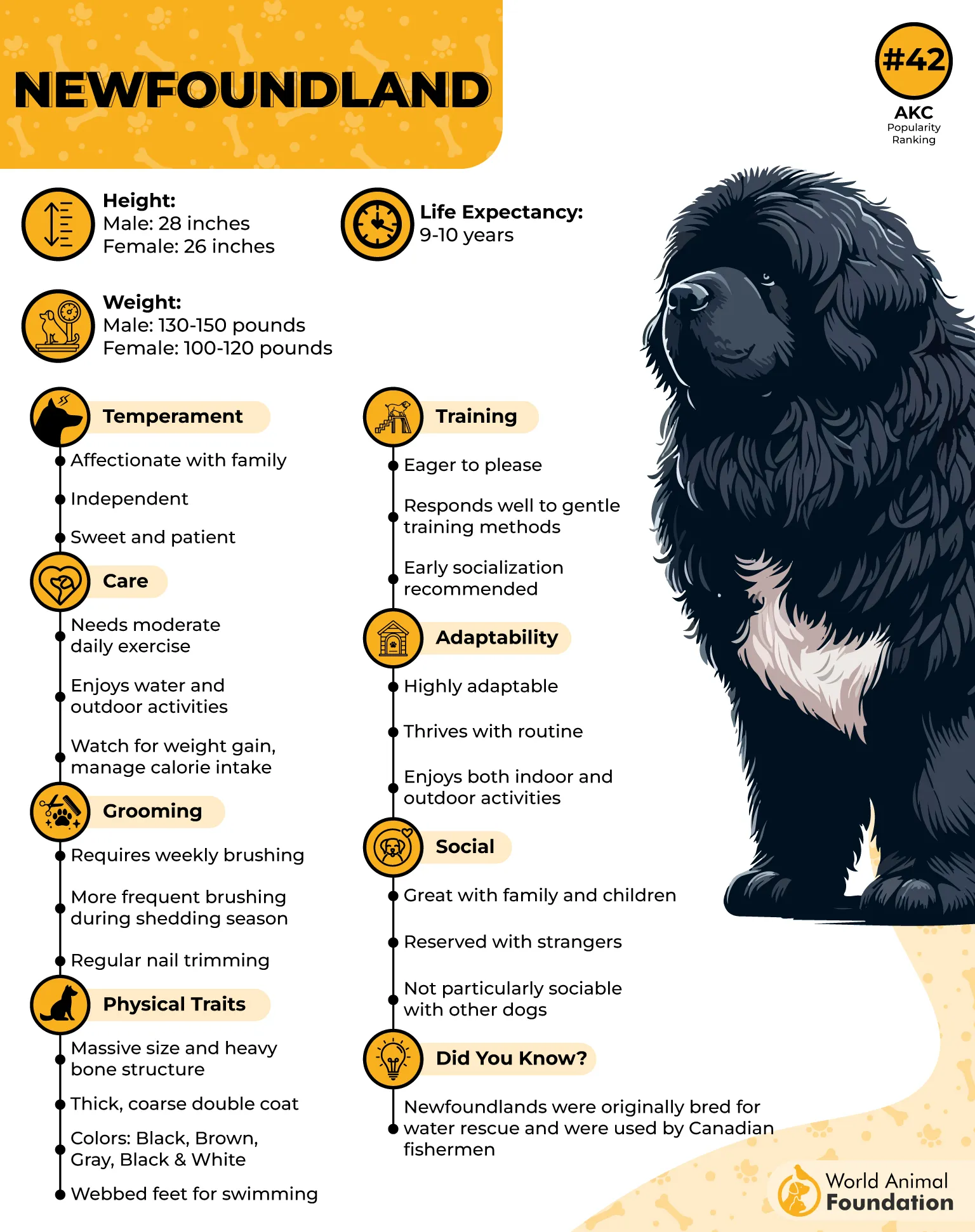
Newfoundlands are massive, fluffy dogs known for their sweet expressions and gentle nature. Originally from Newfoundland, Canada, they worked alongside fishermen and served as water rescue dogs.
Their thick double coats help protect them from cold water, while their webbed paws make them natural swimmers. Their coats can be black, brown, gray, or black and white.
Gentle Giants and Patient Family Companions
Newfoundlands, affectionately called Newfies, are calm, affectionate, and playful with people and other pets. They are especially patient with children, earning them the nickname “nanny dogs.”
They can also serve as protective companions while remaining friendly and easygoing. These dogs respond well to gentle guidance and are among the easier giant breeds to train, although they may take time to respond.
Exercise and Coat Care
Daily activity: Newfoundlands need enough space to live comfortably. Their history as working and water rescue dogs makes swimming a natural activity for them.
Grooming: Their coarse, water-resistant outer coat and soft, dense undercoat need consistent brushing. They shed throughout the year, with heavier shedding usually occurring twice a year.
Everyday upkeep: Newfies tend to drool, so owners should be prepared to wipe their mouths and keep up with regular coatcare. Extensive professional grooming is not always necessary, but their thick fur requires attention.
5. Samoyeds
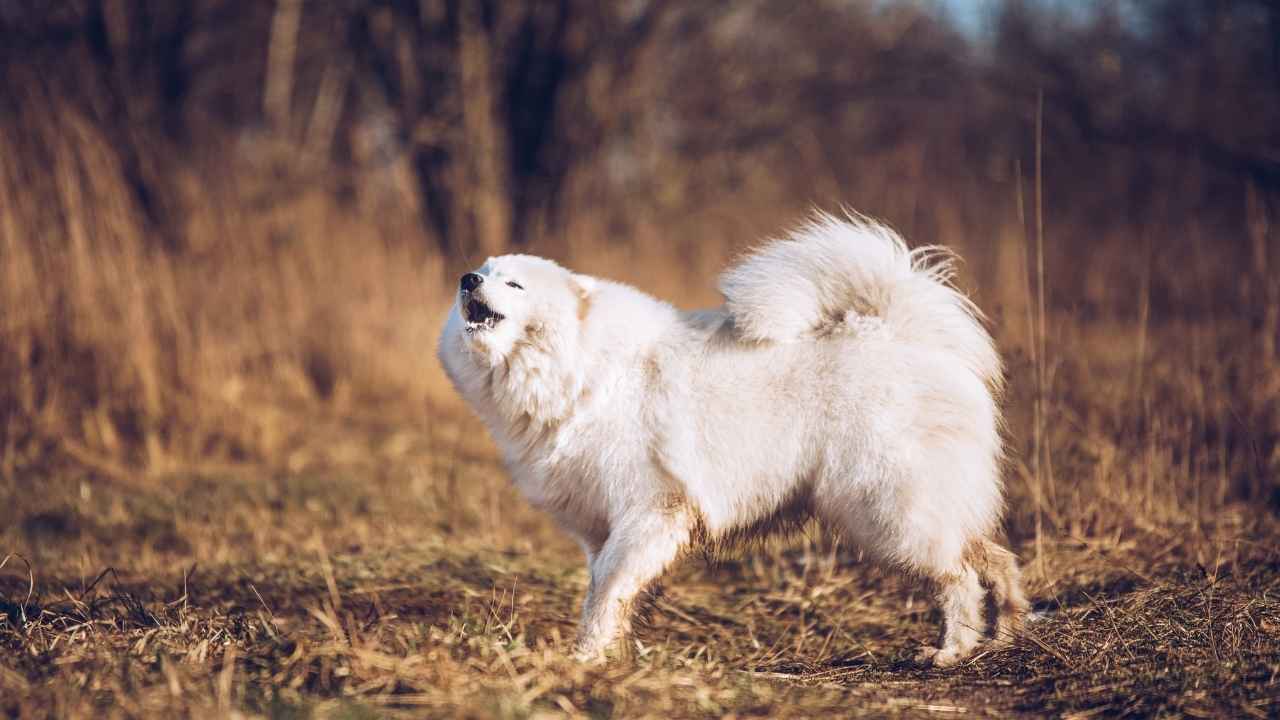
Samoyeds are known for their fluffy white coats, curled tails, and signature smiles. Originally from Siberia, these working dogs helped the Samoyede people herd reindeer and pull sleds in extremely cold conditions.
Their thick double coats feature a long, straight outer layer and a dense, soft undercoat. Their smiling black lips also help prevent drool from freezing on their faces in icy weather.

Friendly, Playful, and People-Oriented Companions
Samoyeds are intelligent, gentle, and devoted dogs that form strong bonds with their families. They usually enjoy meeting new people and playing with children and other dogs.
These active dogs retain their puppy-like energy well into adulthood and love having a job to do. However, they can be strong-willed and may bark frequently. They also dislike being left alone for long periods.
Exercise and Coat Care
Daily activity: Samoyeds need plenty of exercise, often around two hours a day. They enjoy running, agility, herding, and other activities that challenge their minds and bodies.
Grooming: Their thick double coats shed throughout the year and require daily brushing to stay in good condition.
Weather needs: Samoyeds thrive in cold climates but can struggle in hot weather. Owners should watch for overheating and provide a cool, comfortable place to rest.
6. Chow Chow
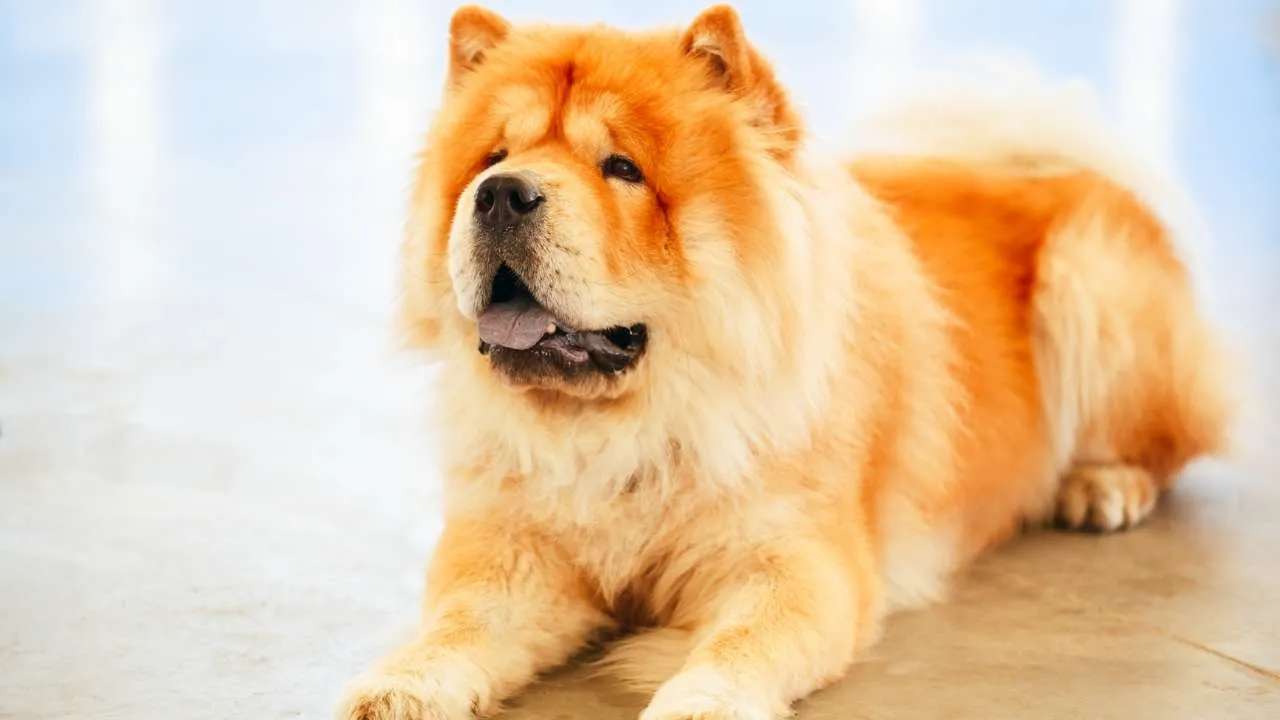
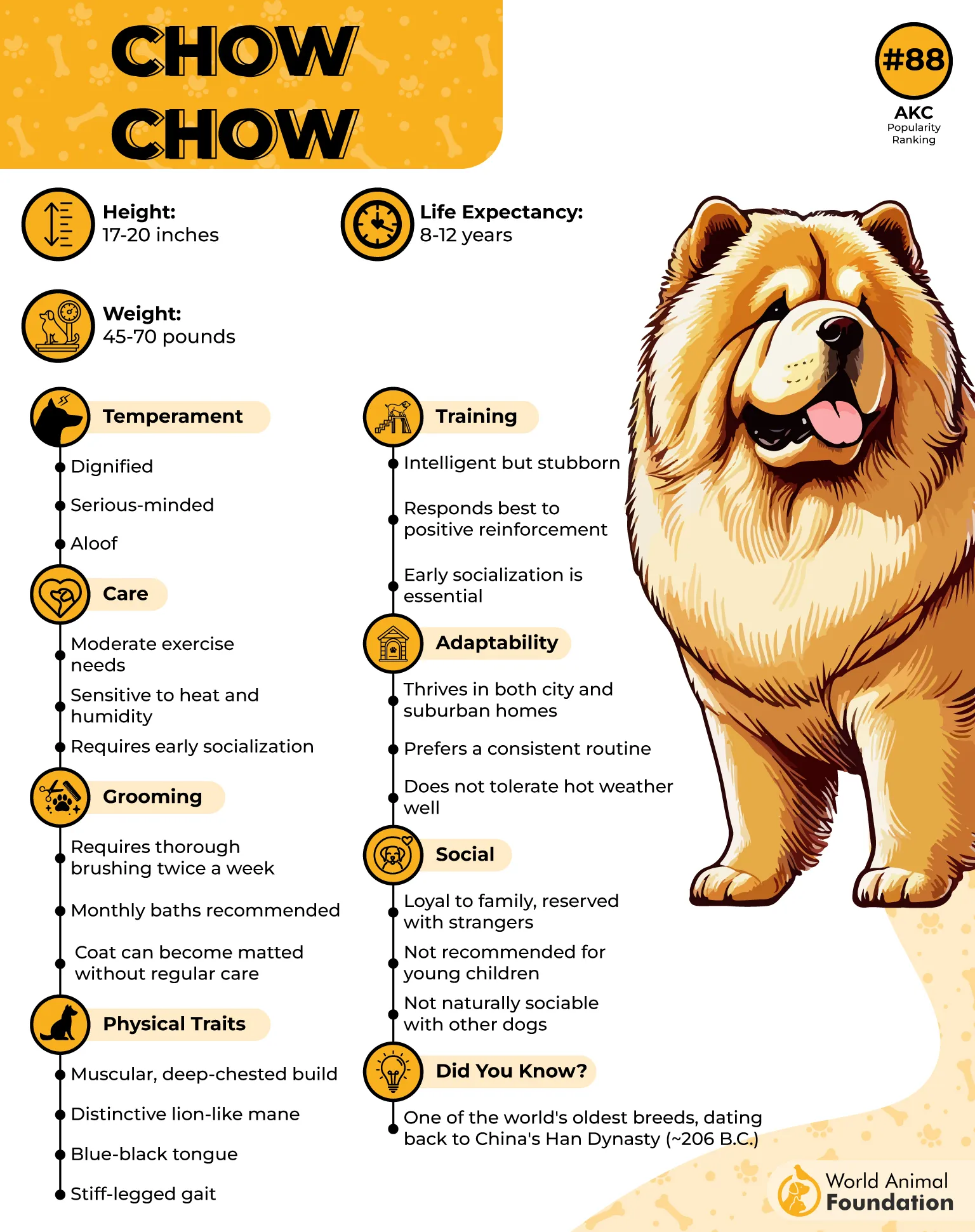
Chow Chows have a thick, fluffy coat and a distinctive lion-like mane around their head and shoulders. One of the oldest dog breeds, they originated in ancient China, where they served as hunting dogs, guards, and companions.
Their unique features include a blue-black tongue, deep-set almond-shaped eyes, and a stiff-legged gait. Their coats come in red, black, blue, cinnamon, and cream.
Loyal, Independent, and Dignified Companions
Chow Chows are serious-minded dogs that form strong bonds with their families, often becoming especially attached to one person. PetMD says they are usually reserved around strangers and are not known for being overly cuddly or playful.
These dogs are clean, fairly quiet, and easy to housetrain. Early socialization helps them become more comfortable around visitors and other dogs.
Grooming and Everyday Care
Exercise: Chow Chows have modest exercise needs and can adapt well to city living. They are independent dogs that prefer a calm home environment.
Coat care: Their thick double coats shed moderately throughout the year, with heavier shedding in spring and fall. Frequent brushing helps prevent matting, so owners should be prepared for regular grooming.
Warm weather: Their dense coats can make them prone to overheating in hot weather. Provide a cool place to rest and choose a responsible breeder who prioritizes good temperament.
7. Leonberger
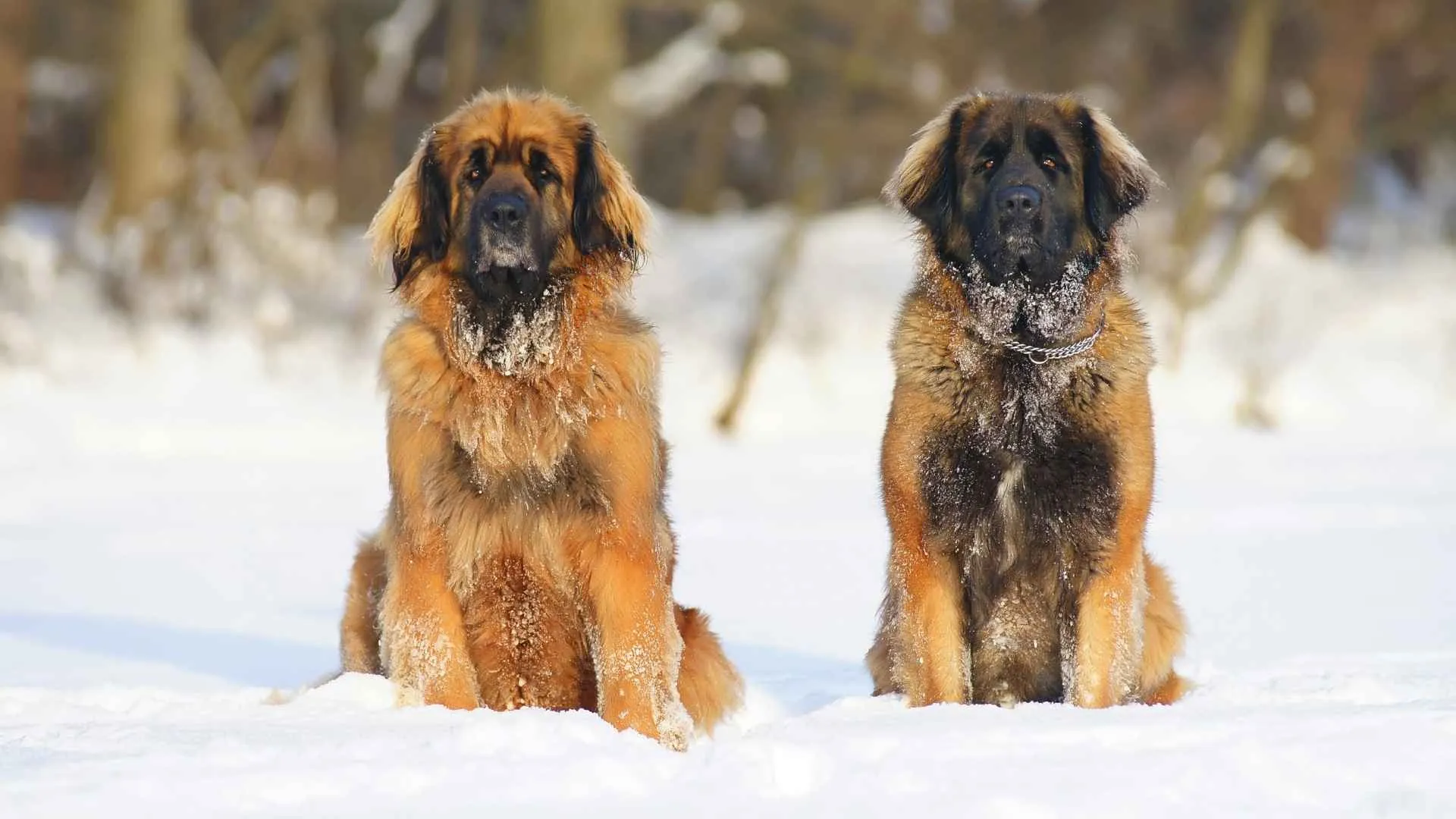
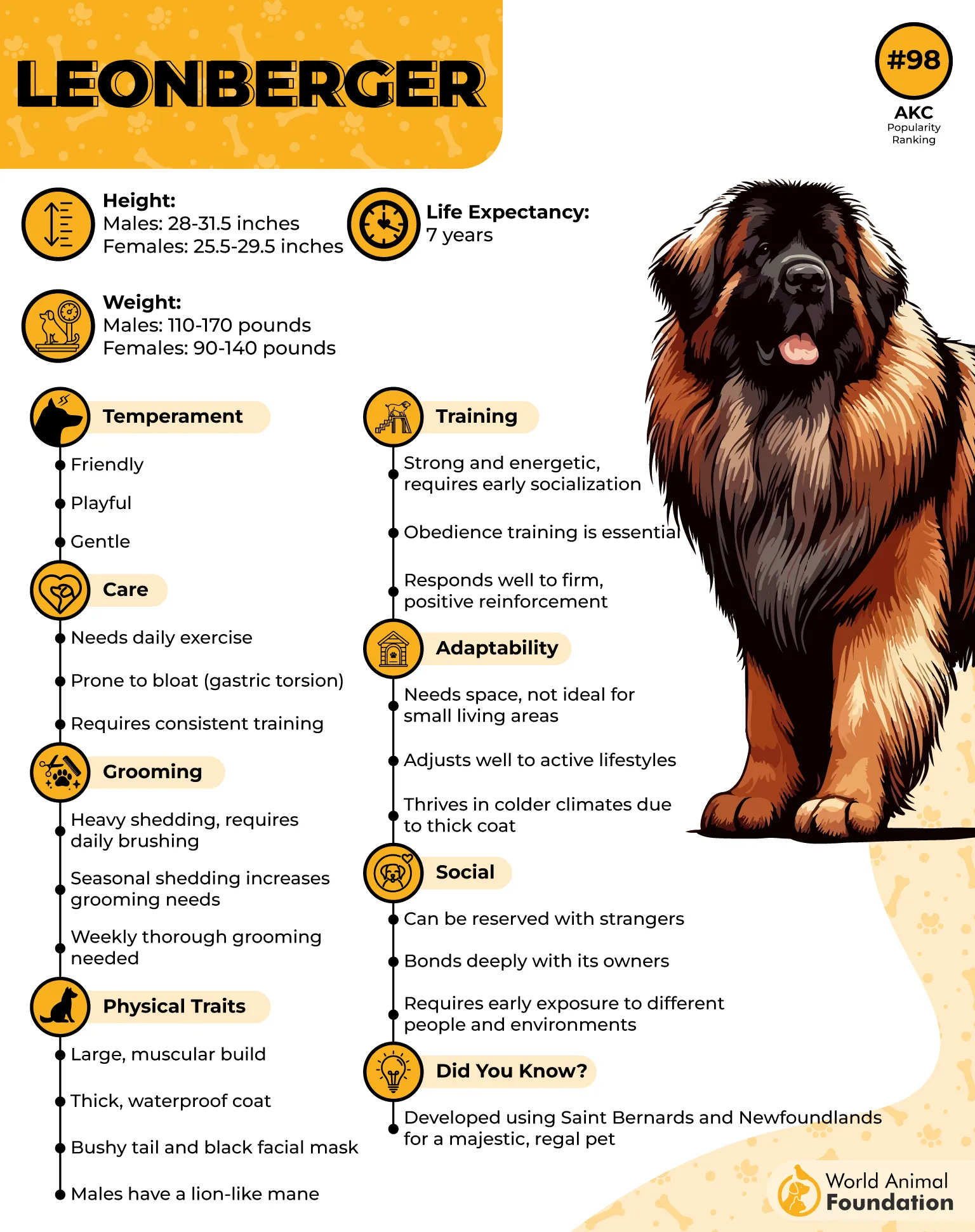
Leonbergers are giant working dogs with thick, fluffy coats and a majestic, lion-like appearance. Originally developed in Germany, they are known for their strength, grace, and gentle expressions.
Their medium-long, water-resistant double coats feature a distinctive black mask, while males often have a thick mane around their necks and chests. Their bushy tails and hanging ears add to their impressive appearance.
Gentle, Loyal, and Playful Family Companions
Despite their size, Leonbergers are easygoing, patient, and even-tempered dogs. They thrive on human companionship and enjoy spending time with their families.
They generally get along well with children, other dogs, and household pets. These intelligent, confident dogs are also alert and may show their protective instincts when needed.
Exercise and Everyday Care
Space and activity: Leonbergers need plenty of room to move around and play. They are powerful swimmers with a natural affinity for water.
Grooming: Their medium-long double coats require plenty of brushing to stay in good condition. Regular coat care is an important part of living with these fluffy giants.
Family time: Leonbergers thrive when they are close to their people. They are happiest when included in family life and given plenty of attention.
Conclusion
Fluffy paws, plush coats, and beautiful lashes make these seven dog breeds hard to resist. From playful, energetic companions to calm, independent guardians, each breed has its own personality and care needs.
Remember that a fluffy appearance also comes with responsibilities, including regular brushing, exercise, and keeping your dog comfortable in different weather conditions.
Before choosing your new companion, take time to consider your home, lifestyle, and the attention you can provide. Research each breed carefully and meet dogs in person if possible.
After all, the best dog is not just the one with the fluffiest paws or sweetest eyes, but the one whose personality makes you feel right at home.
