




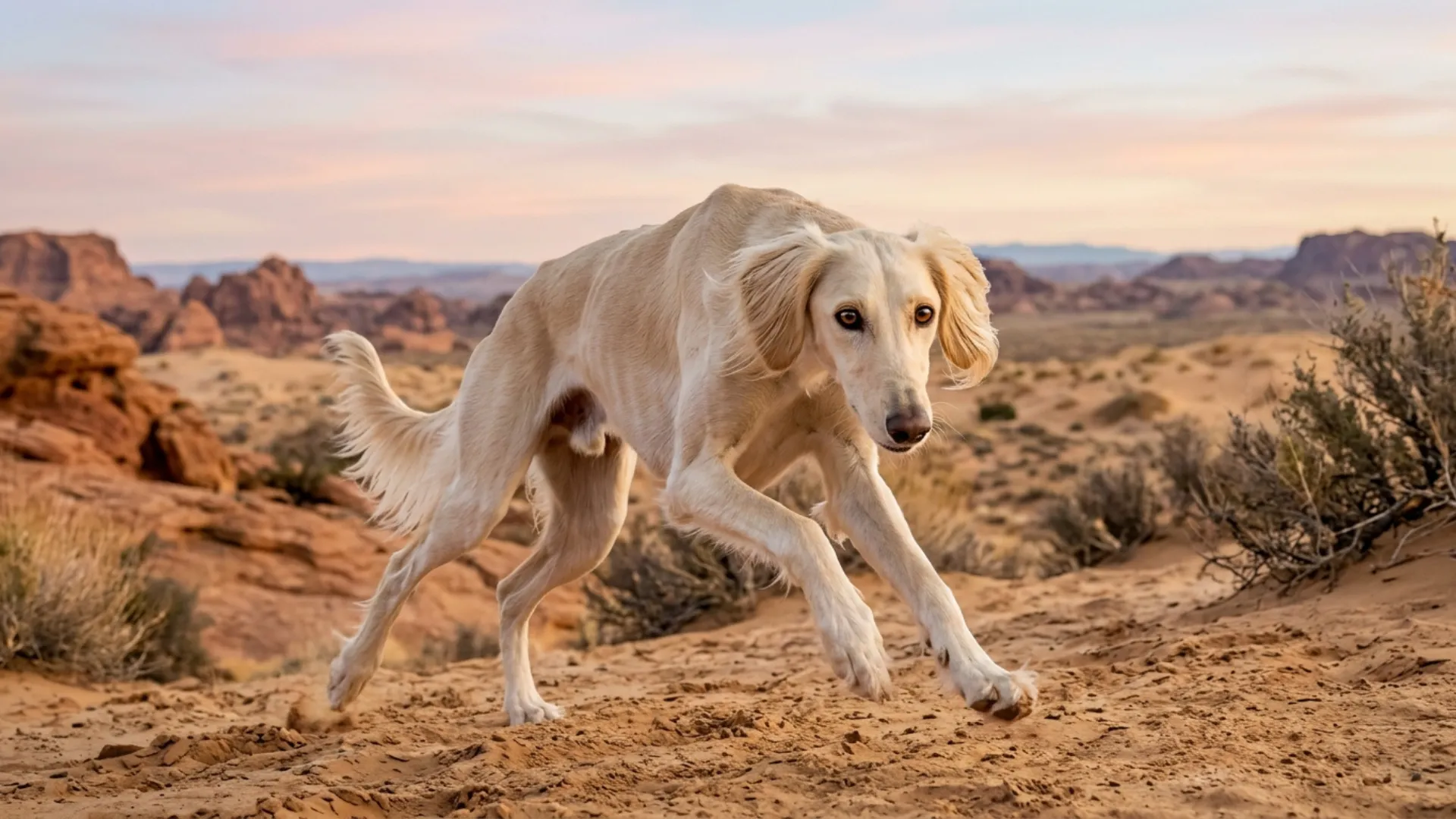
Prey drive is a dog’s innate behavior to chase moving objects and animals like squirrels, birds, and deer. High prey drive in dogs is mainly associated with their working role. For instance, hunting or herding dogs usually have a strong instinct.
It is worth mentioning here that prey drive is not only about ‘chase.’ In fact, it is a sequence of events that includes finding, chasing, and capturing prey. Some high prey drive dogs exhibit only a few parts of this predatory sequence.
While high prey drive is valued by many pet parents, it is less desirable for some. You can manage your dog’s prey drive through flirt poles, chase games, and having consistent e-collars. Structured training and regular physical and mental stimulation are also important.
Here are the top seven dog breeds with high prey drive and strong chase instincts.
Dog Breeds with High Prey Drive and Strong Chase Instincts
1. Greyhound
Originally bred for speed and hunting abilities, Greyhounds are muscular dogs with long legs and streamlined bodies. For years, Greyhounds have been an object of fascination among poets, artists, and kings. They were meant to hunt in packs, so they are not known to be aggressive towards other dogs.
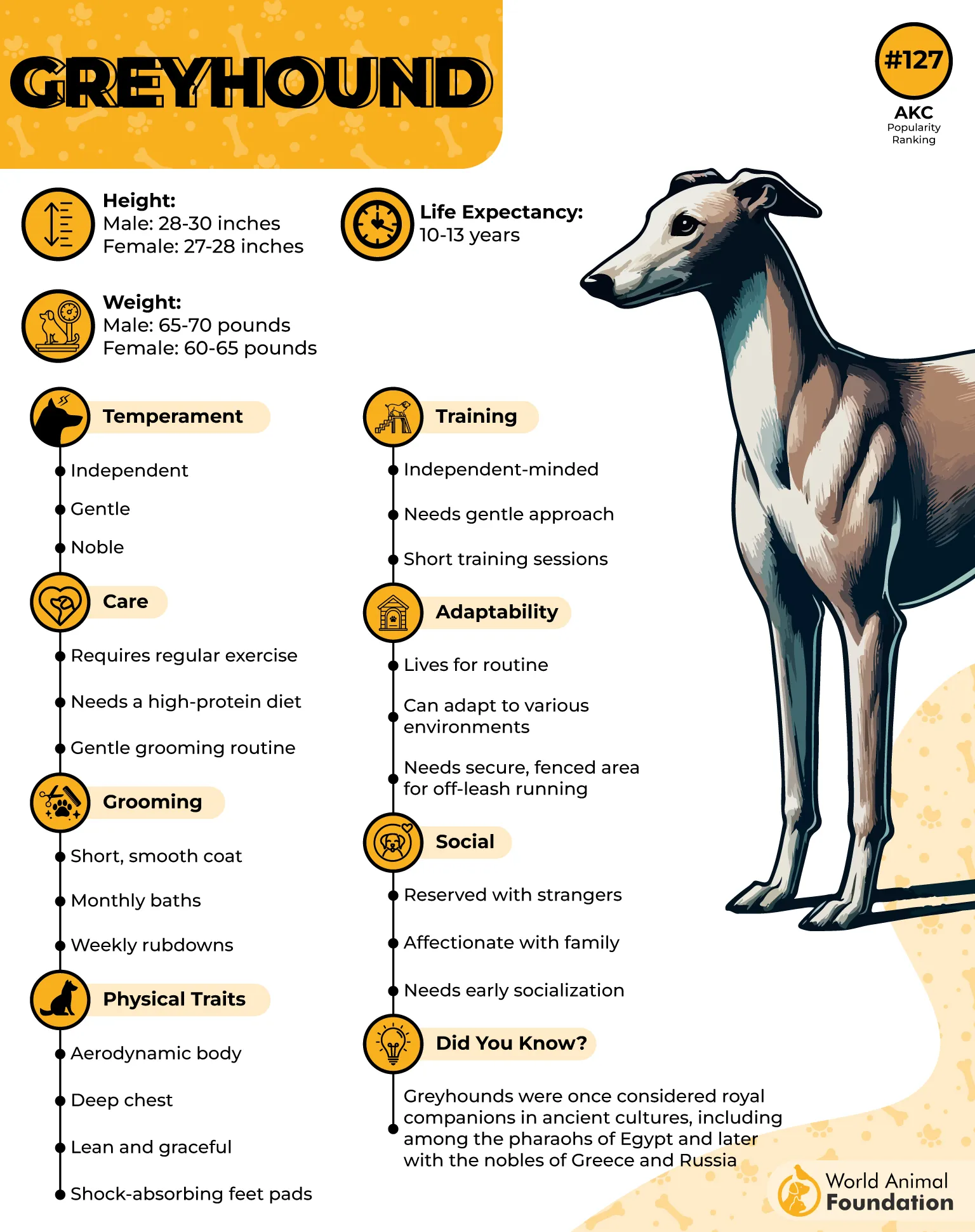
PetMD mentions that Greyhounds have a high energy level and very strong prey drive. It makes them unsuitable for homes with other pets, as they may end up chasing smaller animals. When spending time outdoors, make sure to keep your Greyhound on a leash or in a securely fenced yard.
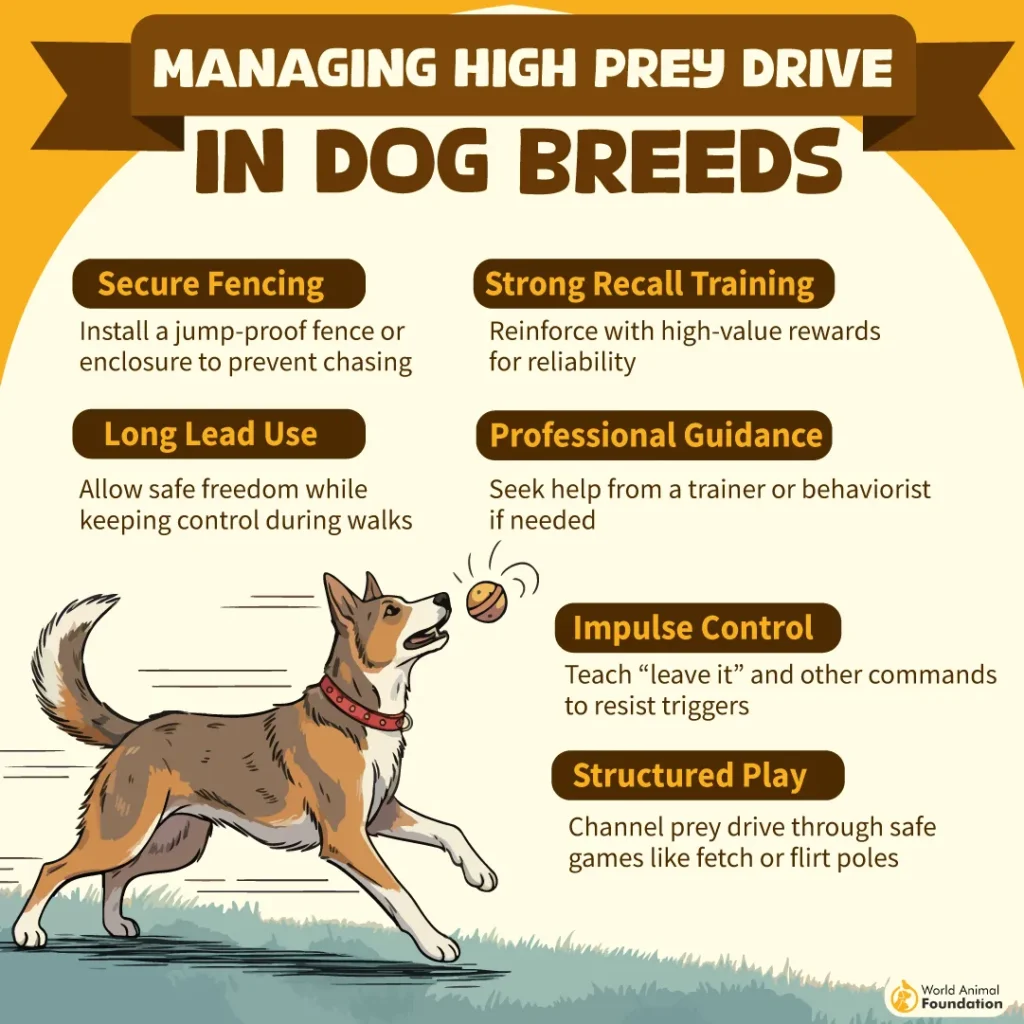
Greyhounds require regular daily exercise for physical and mental stimulation. Consistent training and early socialization play an important role in managing their prey drive. Their sweet and gentle disposition make them well suited as family pets.
Greyhounds are very athletic dogs, but lack endurance and may spend most of their day sleeping. Greyhounds do not bark much and offer quiet companionship.
2. Saluki
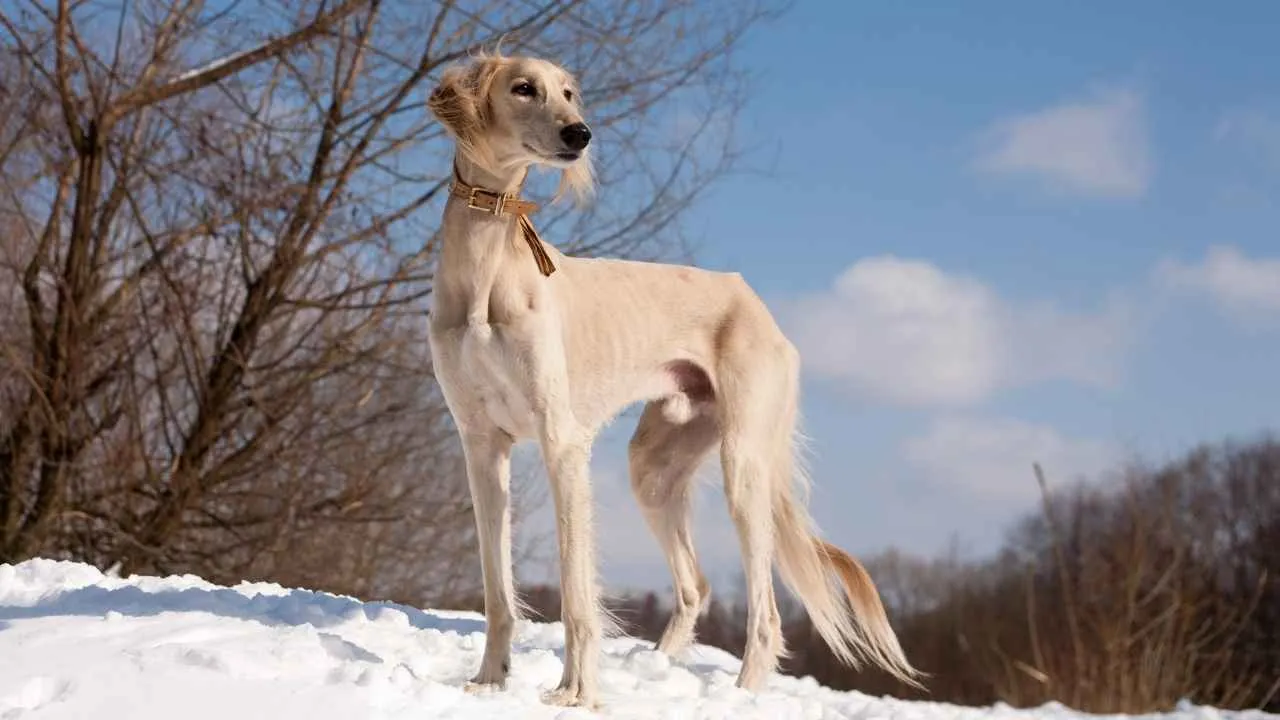
One of the oldest hunting dog breeds, Salukis are medium-sized dogs with muscular bodies and a rugged frame. Also known as ‘Royal Dogs of Egypt,’ these fast and agile dogs enjoy chasing squirrels, other small animals, and moving objects.
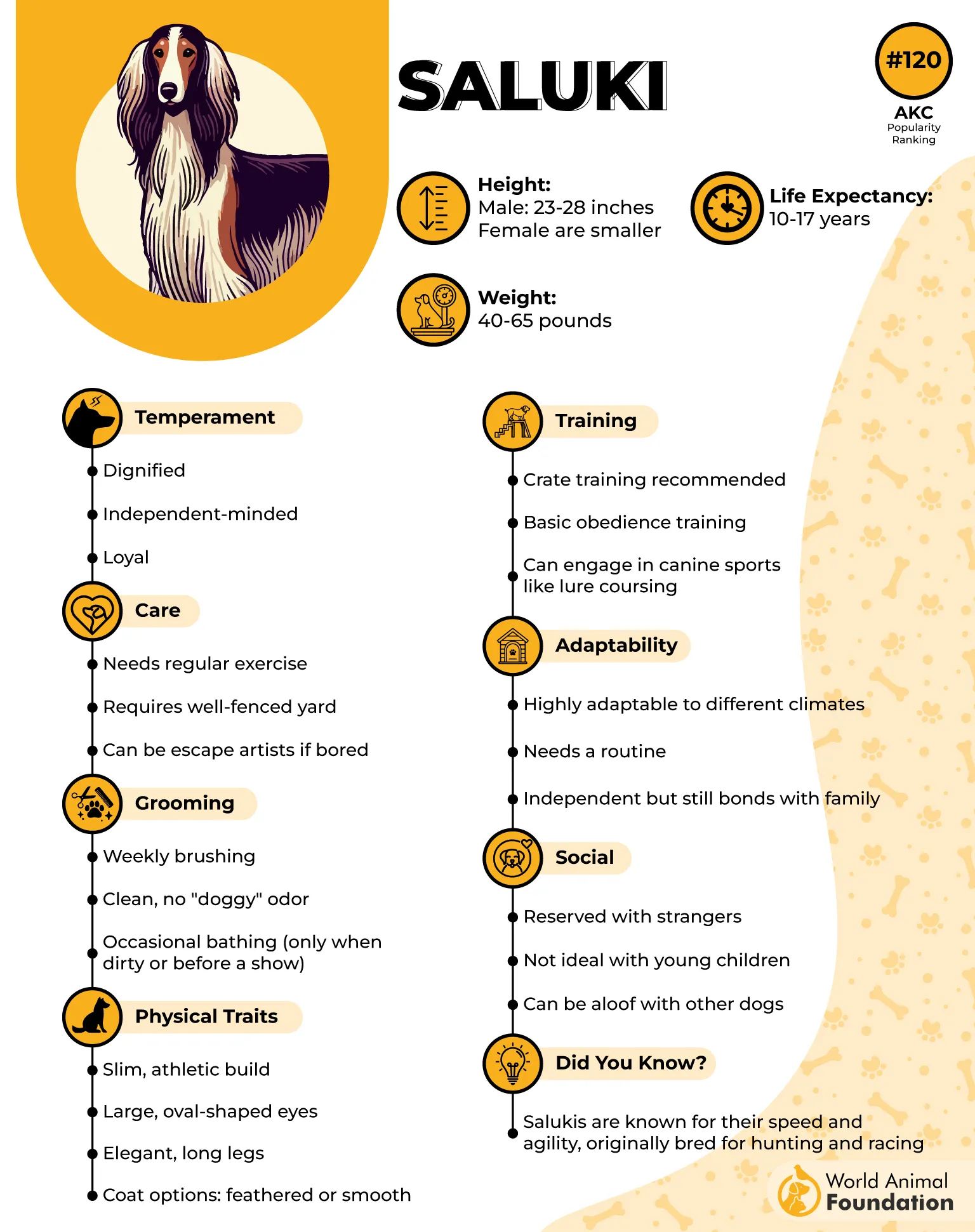
These tall and skinny sprinters are known for having strong predatory instincts. Salukis are unsuitable for homes with small animals and rambunctious children. Their strong prey drive and chasing instincts can make recall training a bit challenging.
Hill’s Pet mentions that Saluki bond deeply with their humans, but are aloof towards strangers. At least two hours of daily exercise are needed to provide adequate physical and mental stimulation. Salukis are quiet dogs that prefer calm environments.
In the absence of proper training and early socialization, they do not make ideal family companions. If you are a peace lover looking for a watchdog, a Saluki may be the right fit for you.
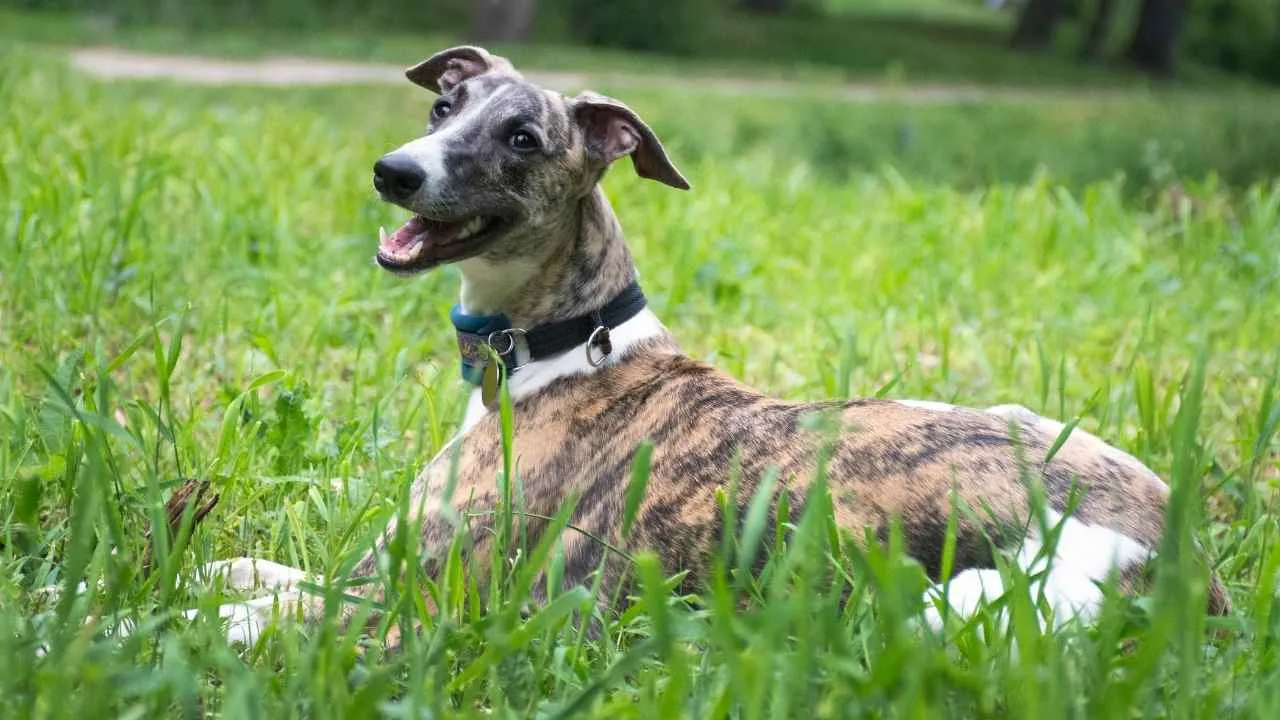
3. Whippet
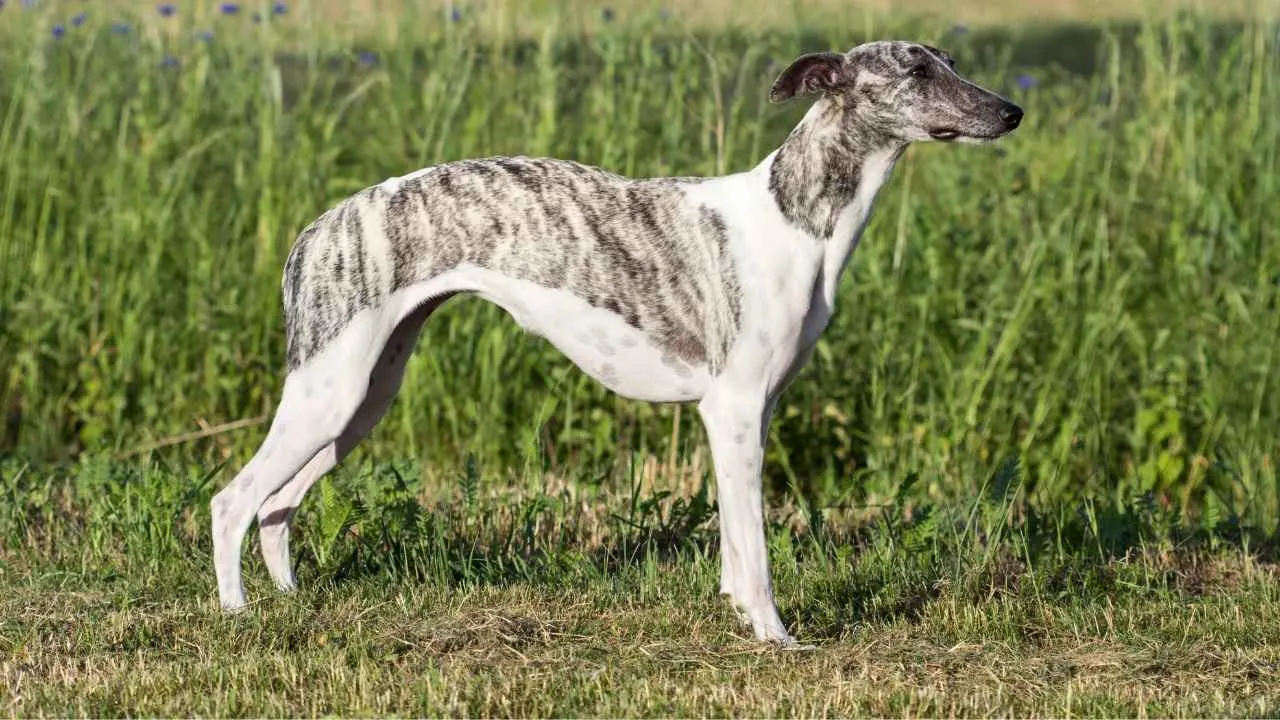
Whippets are calm, gentle, and affectionate dogs who enjoy cuddling in the park as much as a good run in the park. Capable of reaching a speed of 35 mph, they are quiet and sweet-tempered dogs. Whippets were originally bred for speed and hunting small game.
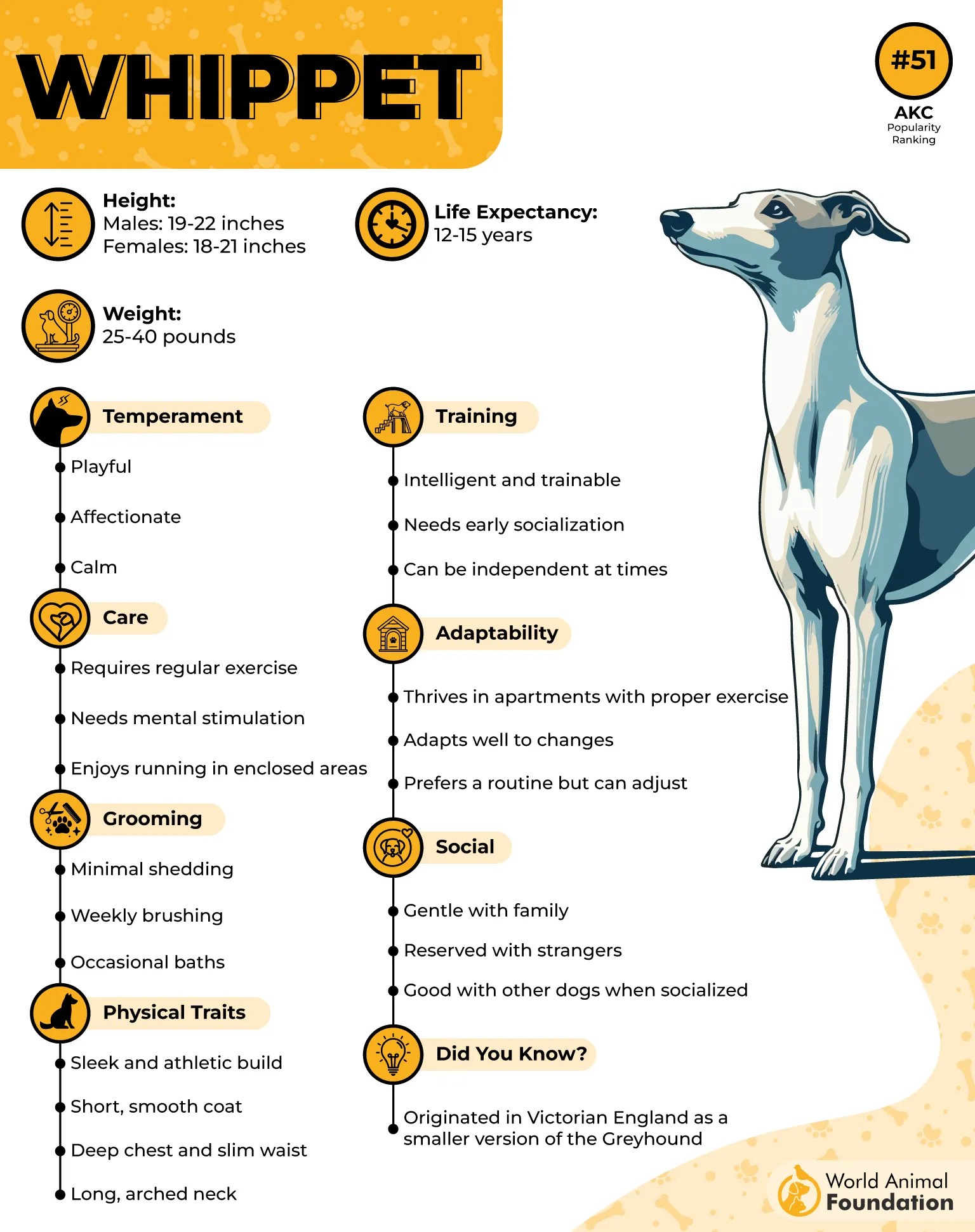
Like other hunting breeds, Whippets are also very high drive dogs. This makes them unsuitable housemates for cats and other small pets. Their prey drive may cause them to bark at squirrels in the yard, according to Orvis. However, they will welcome all two-legged visitors with wagging tails.
Whippets are hunting dogs, but do not make good gun dogs because their prey drive is hard to manage. Valued for their agility and gentleness, they make loving companions with proper training and early socialization.
These smart dogs pick up on basic commands quickly, but can be a bit stubborn at times. Whippets respond best to positive reinforcement training.
4. Jack Russell Terrier
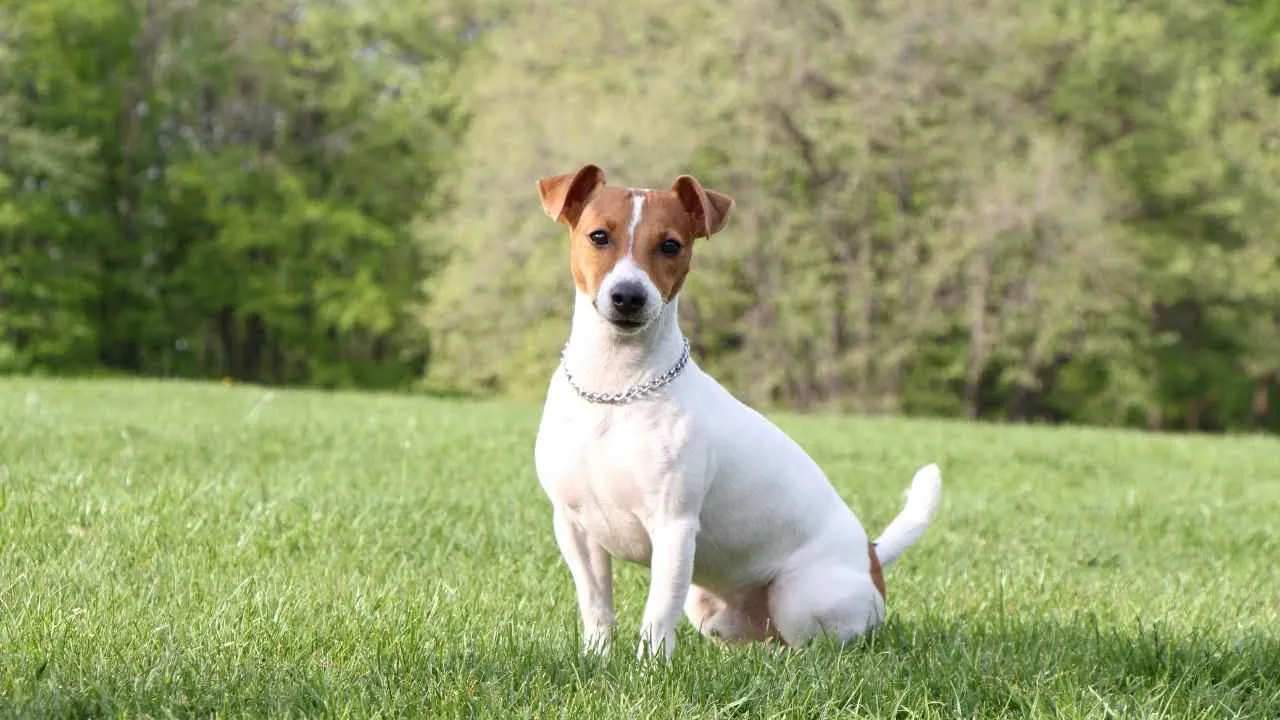
Jack Russell Terriers were primarily bred for chasing foxes for several hours. Loaded with energy, intelligence, and character, they have a cheeky personality and endless stamina. But along with natural hunting instincts comes a strong prey drive.
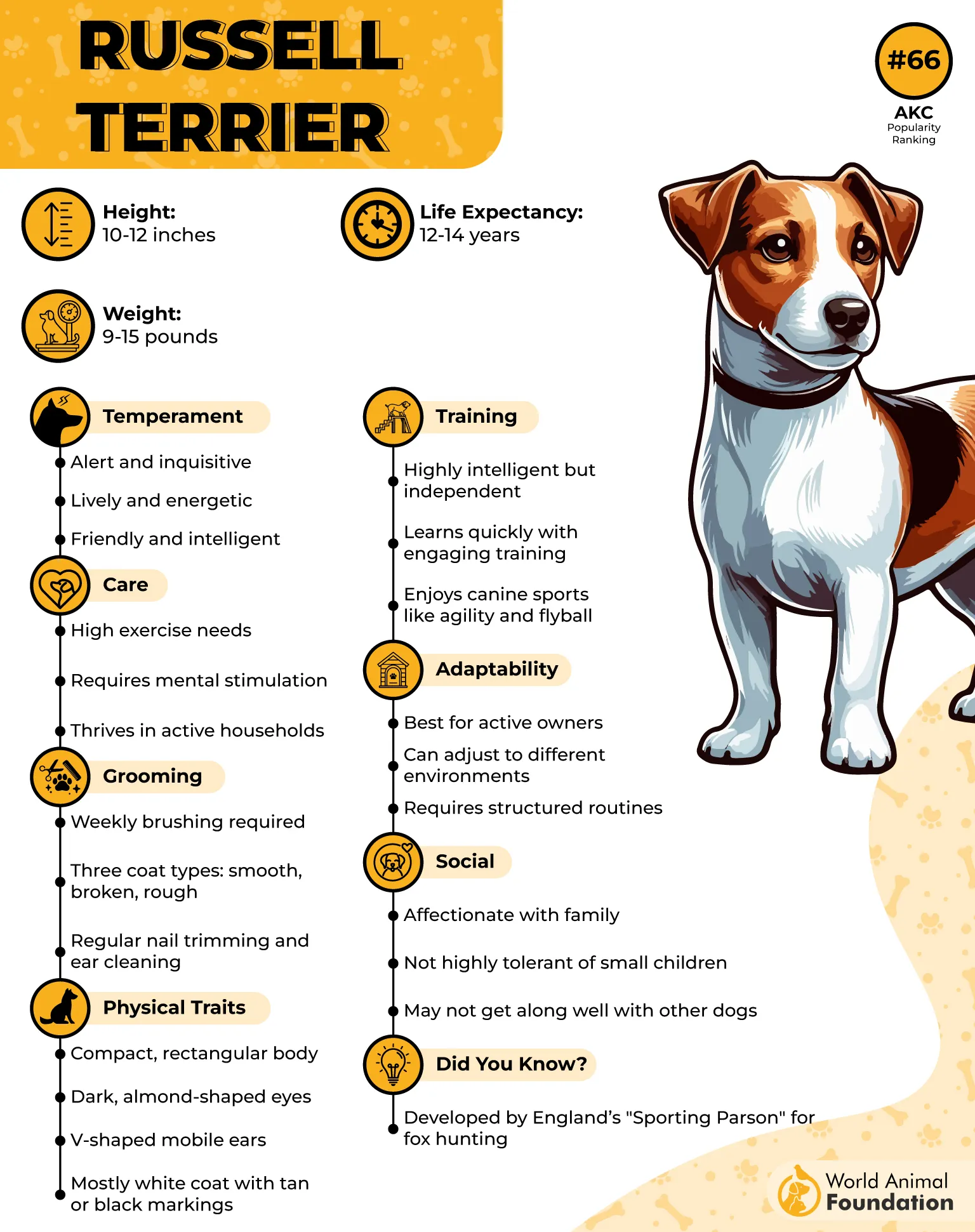
Their high prey drive means they are prone to chasing cats, birds, and other small animals. Jack Russell Terriers have a playful, bold, and active personality. They are typically affectionate to their owners, are highly intelligent, and learn quickly.
Their independent personality makes them difficult to train. However, JRTs respond best to positive reinforcement techniques. These little athletes require at least an hour of daily exercise for physical and mental stimulation.
In the absence of adequate enrichment, they can exhibit destructive behaviors like excessive digging and barking.
5. Afghan Hound
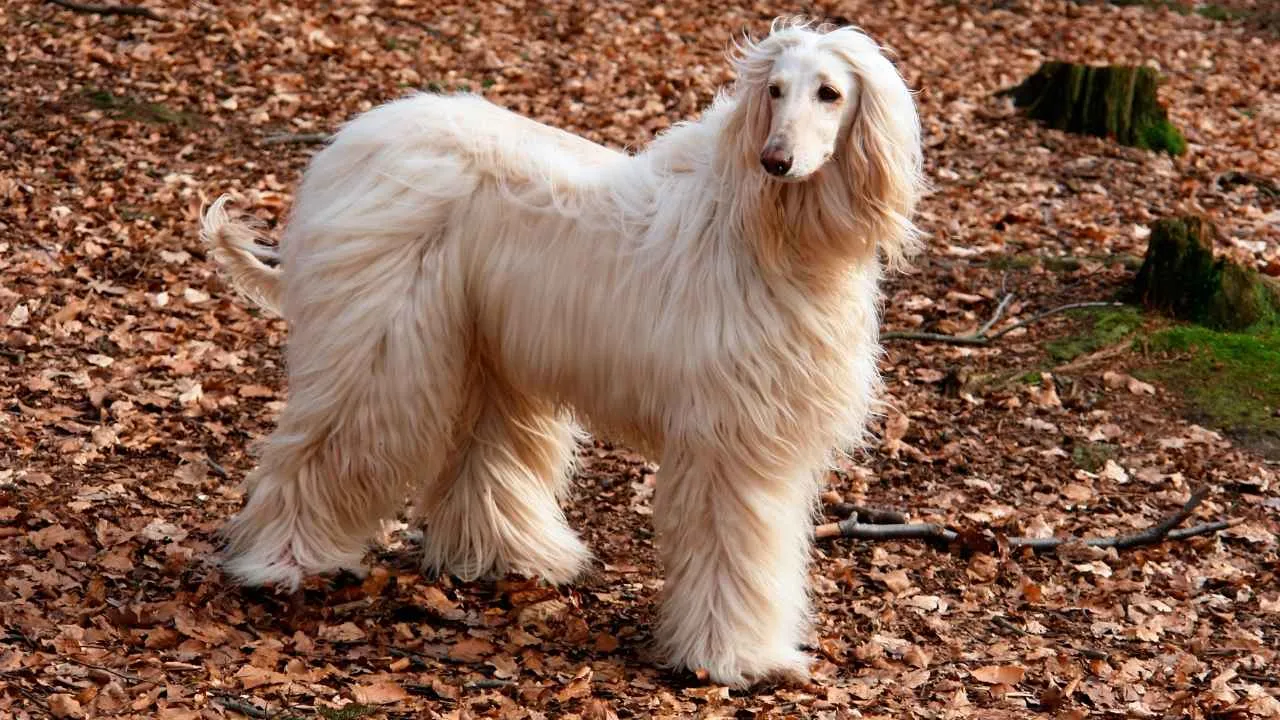
Originally bred as sighthounds, Afghan Hounds were meant to hunt and chase. Their instincts enabled them to run off in pursuit of prey. This rich historical background rightly explains their high prey drive.
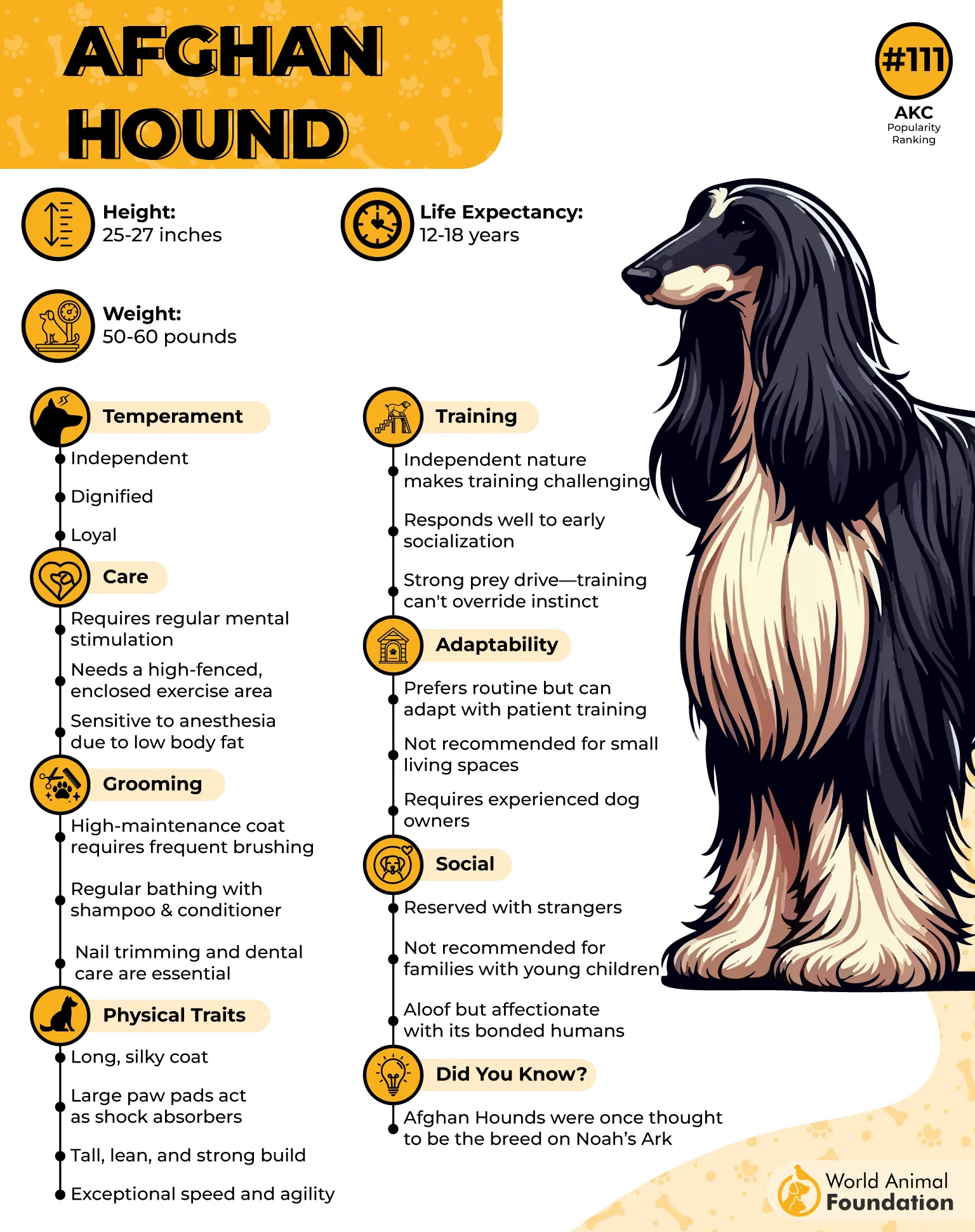
Regular exercise, structured training, and early socialization are important to manage their prey drive. Daily walks are not enough. These dogs require plenty of active playtime and on-leash walks. WebMD recommends at least two hours of daily exercise for their physical and mental stimulation.
Afghan Hounds are incredibly loyal to their humans, but are aloof and reserved towards strangers. You can instantly recognize them by their silky long hair. Their coats require plenty of daily grooming to look good and stay tangle-free.
Their personalities match their regal appearance. These dignified and intelligent dogs are better suited for experienced handlers due to their independent nature.
6. Rhodesian Ridgeback
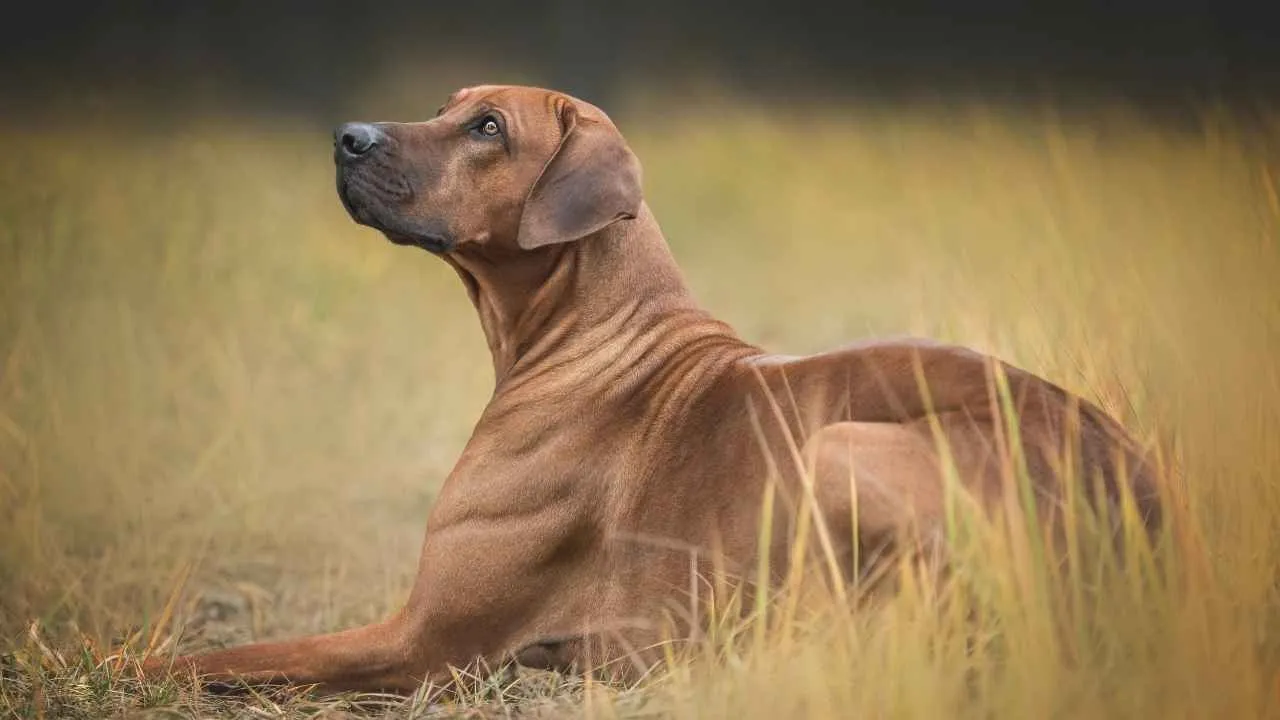
Rhodesian Ridgebacks can be instantly recognized through a ridge of hair growing in an opposite direction to the rest of the coat. They were originally bred for hunting lions in African landscapes and have retained their hunting instincts till today.\
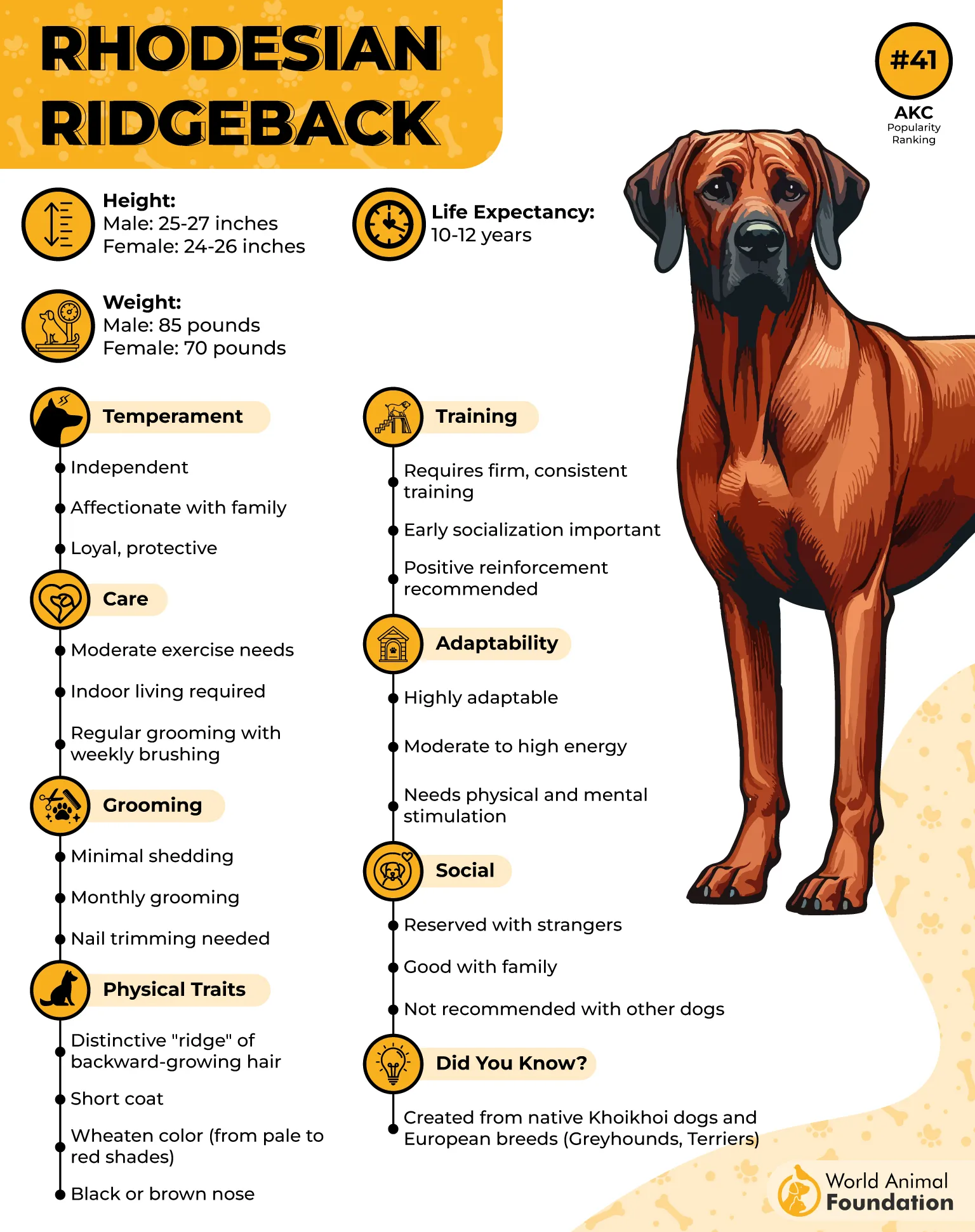
Due to this high prey drive, Ridgebacks are hardwired to follow any moving objects or smaller animals. These athletic canines need moderate daily exercise for physical and mental stimulation. Early socialization and obedience training are important to manage their prey drive.
Despite being affectionate to their humans, Ridgebacks have an independent nature. They tend to be aloof towards strangers and make excellent guard dogs. Rhodesian Ridgebacks excel in a variety of canine sports like tracking and agility.
7. Weimaraner
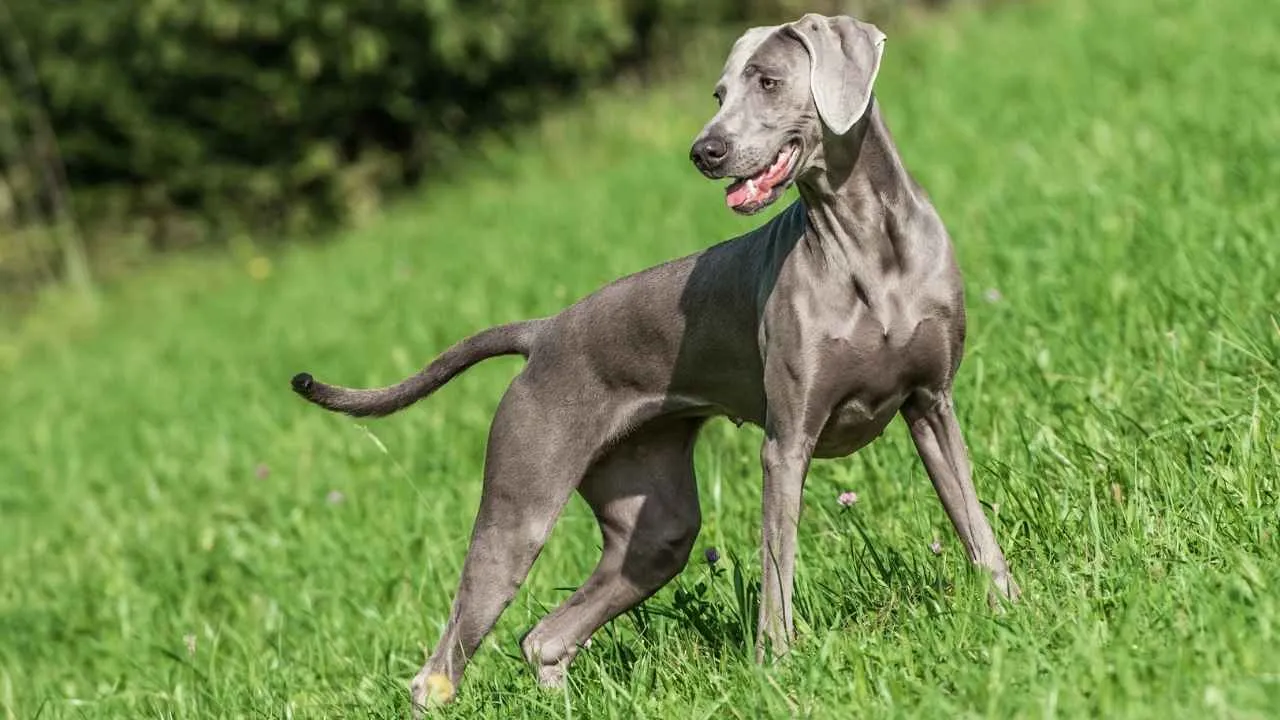
Weimaraners are loyal and affectionate dogs that were developed as hunting dogs. Their strong hunting instincts and natural prey drive enable them to perform well in the field. However, it may be somewhat less desirable in homes with multiple pets, as they may end up chasing smaller animals.
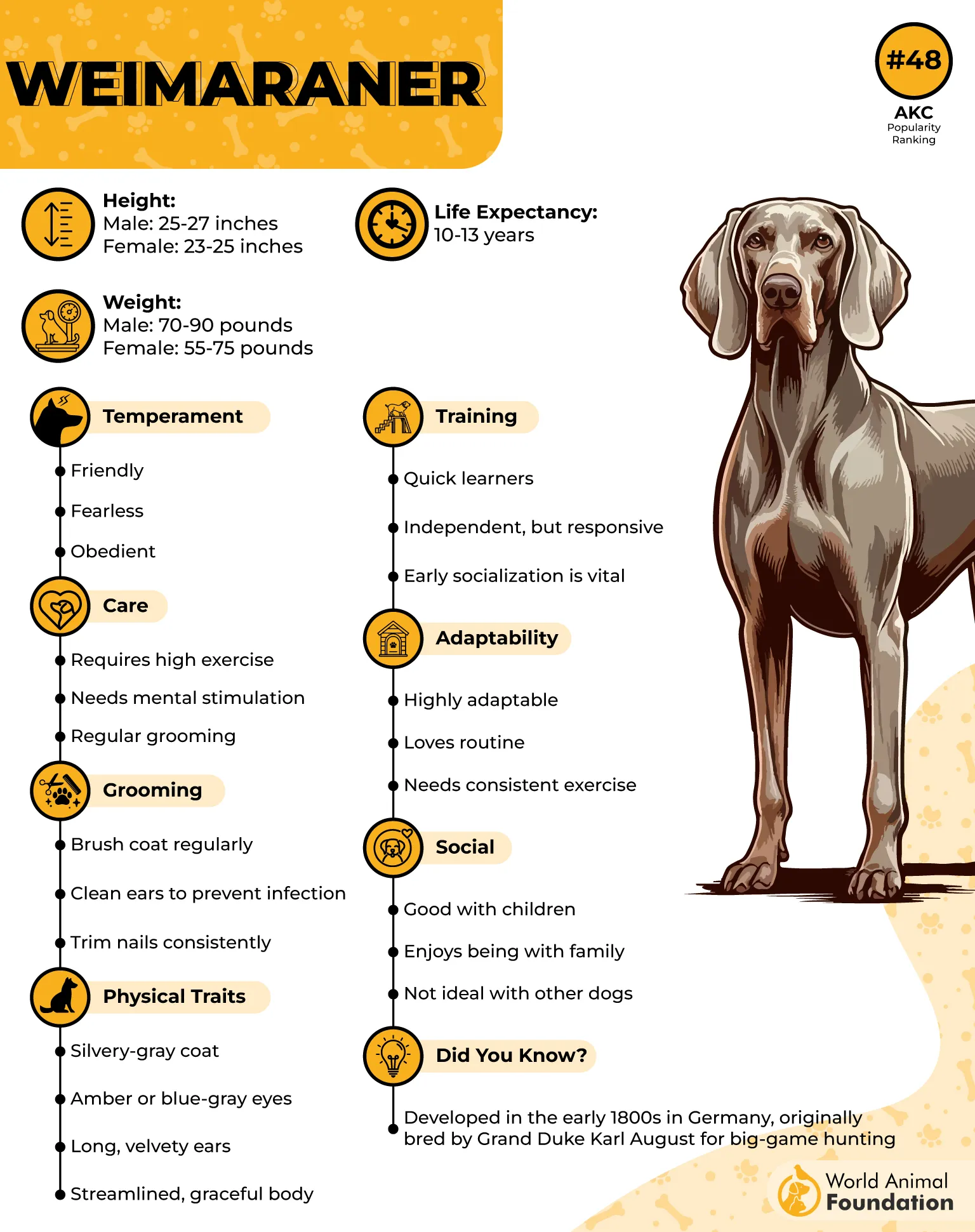
These high-energy dogs have a friendly nature and get along nicely with kids. However, they may inadvertently knock down smaller children. In the absence of adequate exercise and early socialization, Weims can exhibit dominant or aggressive behavior.
Weimaraners are active dogs that require lots of physical activity to stay fit. They are highly intelligent dogs and know how to use their intelligence to get what they want. Weims have been known to open gates and turn on faucets.
Conclusion
Dog breeds with a high prey drive usually hail from hunting or herding backgrounds. Their chasing instincts are the result of their drive. These dogs require regular exercise and mental stimulation to manage their instincts.
These canines often end up following moving objects, smaller animals, and even birds. Proper training and early socialization are important to teach them how to behave around children and other household pets.
