




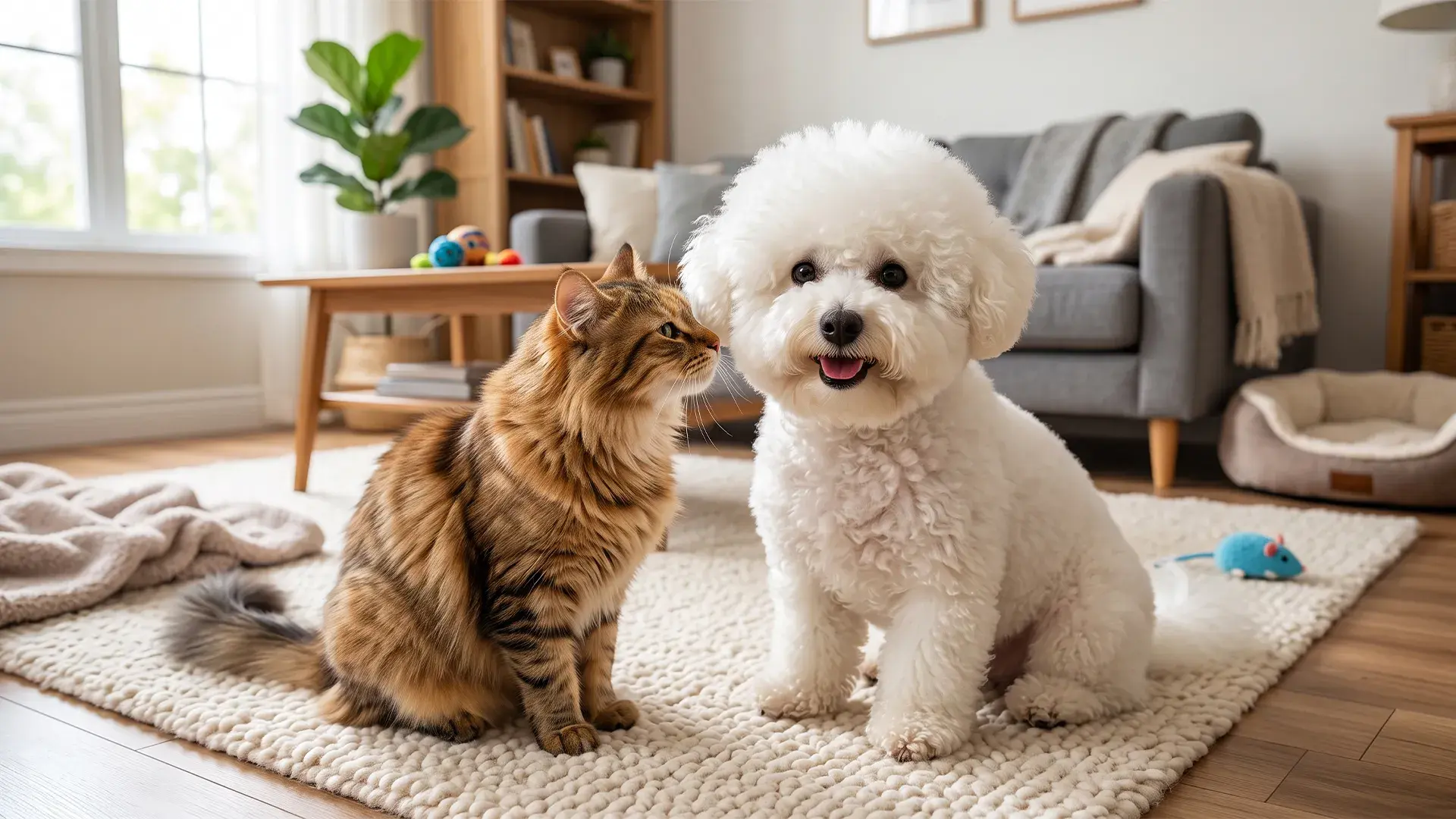
For many pet lovers, having both a dog and a cat feels like the best of both worlds. But if you’ve ever worried that bringing them together will lead to endless chasing, hissing, or household chaos, you’re not alone.
The good news is that the old “cats and dogs are natural enemies” idea is mostly a myth. With the right match, proper introductions, and a little patience, many dogs and cats not only learn to live together but can also become playful companions or even inseparable friends.
In this article, we’ll introduce dog breeds that are known for bonding well with cats and explain why they tend to make good feline companions.
Key Takeaways
Meet seven cat-friendly breeds, from Golden Retrievers to Papillons, that often thrive in multi-pet homes.
See why Labradors, Cavalier King Charles Spaniels, and Bichon Frises are known for their gentle, social personalities.
Learn how Border Collies and Pugs can live peacefully with cats when given the right training and introductions.
Discover the simple habits that help dogs and cats become happy companions instead of lifelong rivals.
Dog Breeds That Bond Quickly With Cats
1. Golden Retriever

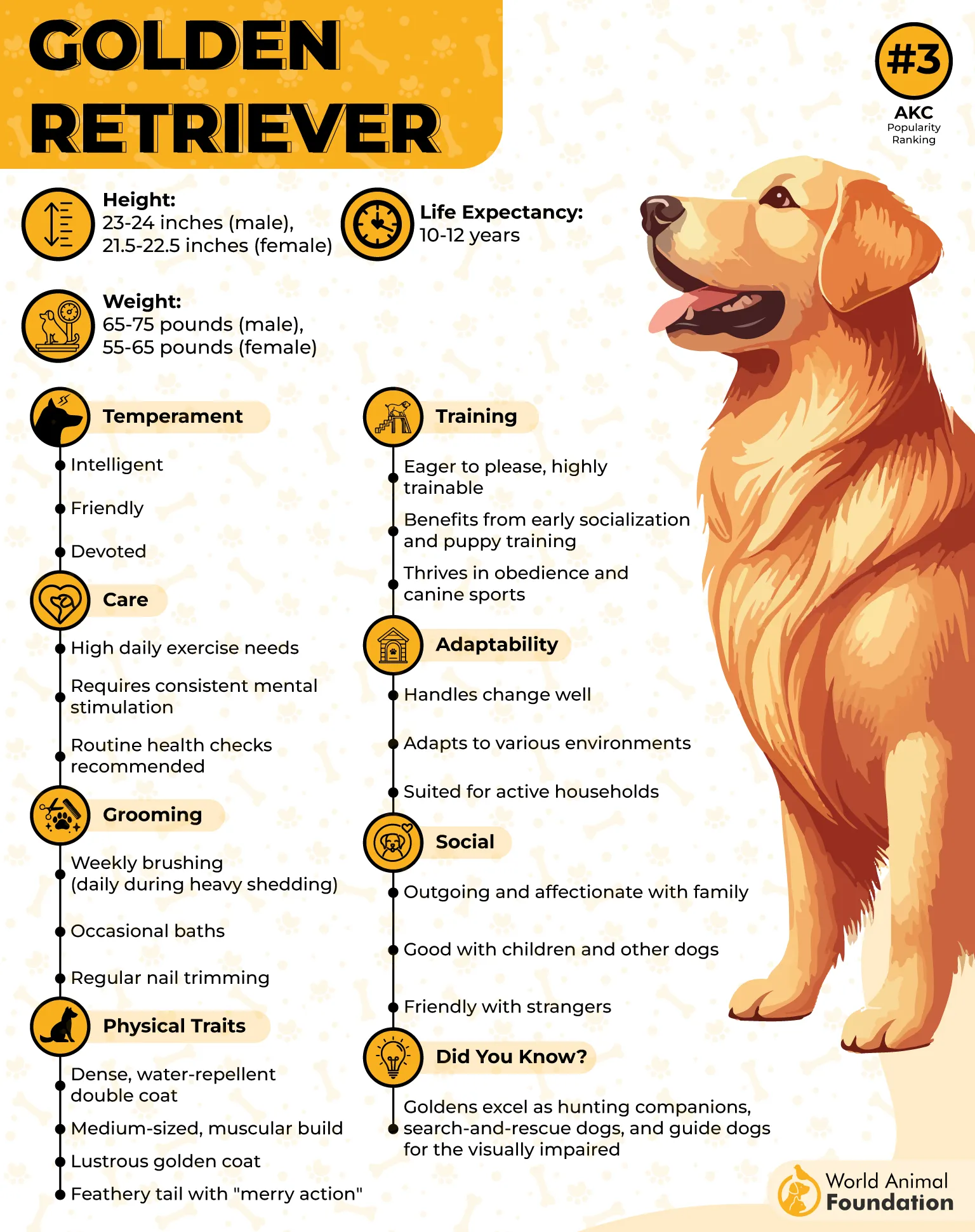
Golden Retrievers are one of the most dependable dog breeds for homes with cats. Originally bred in Scotland as sporting and retrieving dogs, they were trained to carry game gently without damaging it.
That soft-mouth instinct, combined with their calm and friendly personality, often helps them interact gently with other pets. They love being around people and usually welcome new animal companions, making them a great choice for multi-pet families.
Why They Usually Get Along With Cats
Friendly, gentle, and eager to please
Social and affectionate with people and other pets
Intelligent and easy to train using positive reinforcement
Patient nature helps them adjust well to shared homes
Often work as guide, therapy, and search-and-rescue dogs because of their dependable temperament
Golden Retrievers have a playful side, but they also know how to relax once playtime is over. They enjoy games of fetch, long walks, swimming, and activities that keep both their body and mind active.
Their thick double coat sheds throughout the year, so regular brushing is important to prevent mats and reduce loose hair.
Early socialisation, daily exercise, and consistent training help these loyal dogs build strong, lasting bonds with cats while keeping everyone happy under one roof.
2. Labrador Retriever

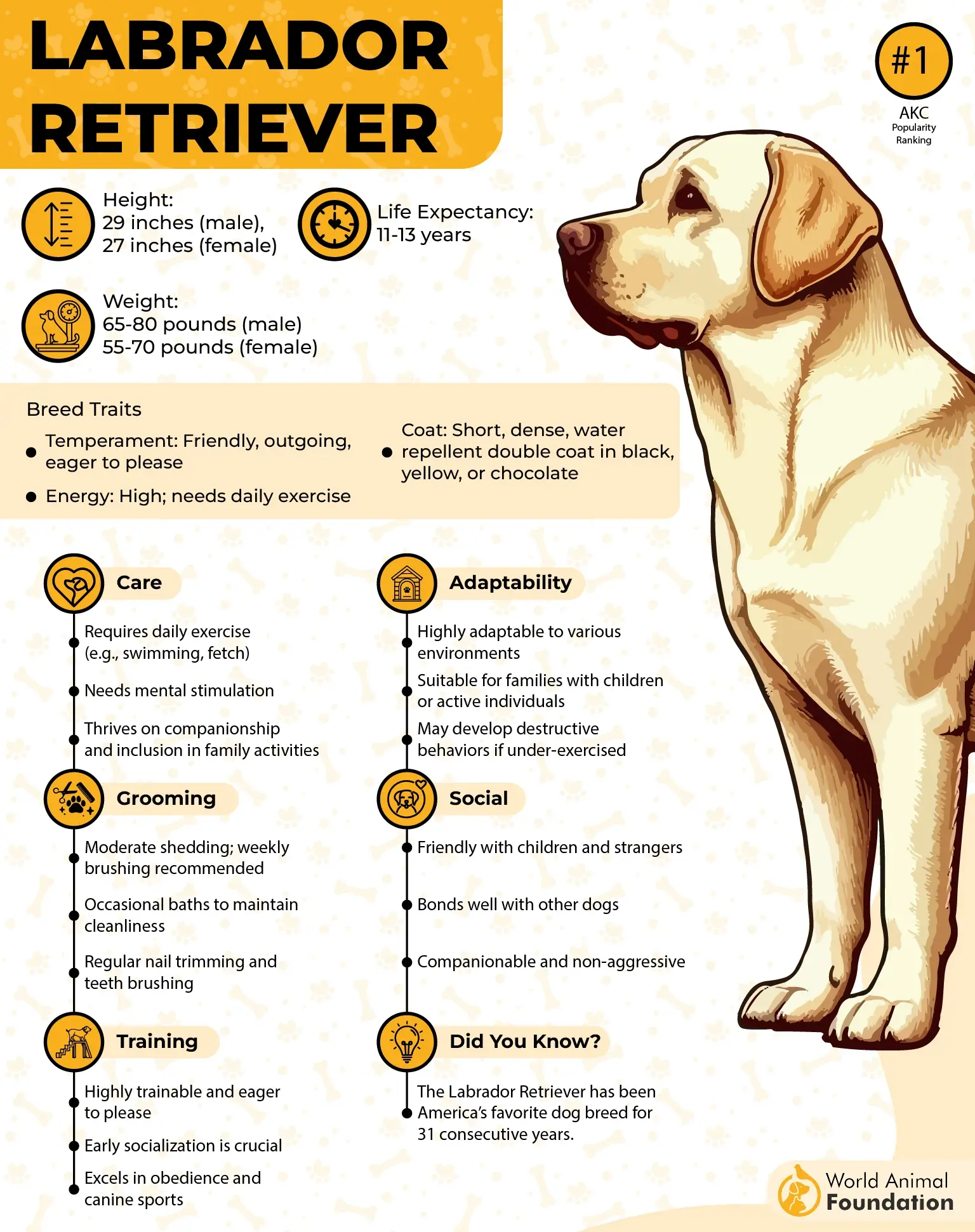
Labrador Retrievers are one of the easiest dog breeds to introduce into a home with cats. Originally developed as hardworking water retrievers, they are intelligent, friendly, and love being part of the family.
PetMD says their naturally social personality helps them get along well with people, children, other dogs, and, with proper introductions, many cats, too.
Why They Usually Get Along With Cats
Friendly and affectionate with both people and other pets
Intelligent and eager to please, making training easier
Highly social and enjoys being part of family life
Adaptable and often accepts new animal companions well
Commonly work as service, therapy, search-and-rescue, and guide dogs because of their dependable nature
Labrador Retrievers are energetic dogs that need daily exercise, playtime, and mental challenges to stay happy. They love swimming, hiking, fetch, and other outdoor adventures.
Their short, water-resistant double coat sheds throughout the year, so regular brushing helps keep loose hair under control.
Early socialisation and obedience training are important, as young Labs can become overly excited or chew household items when bored.
3. Cavalier King Charles Spaniel

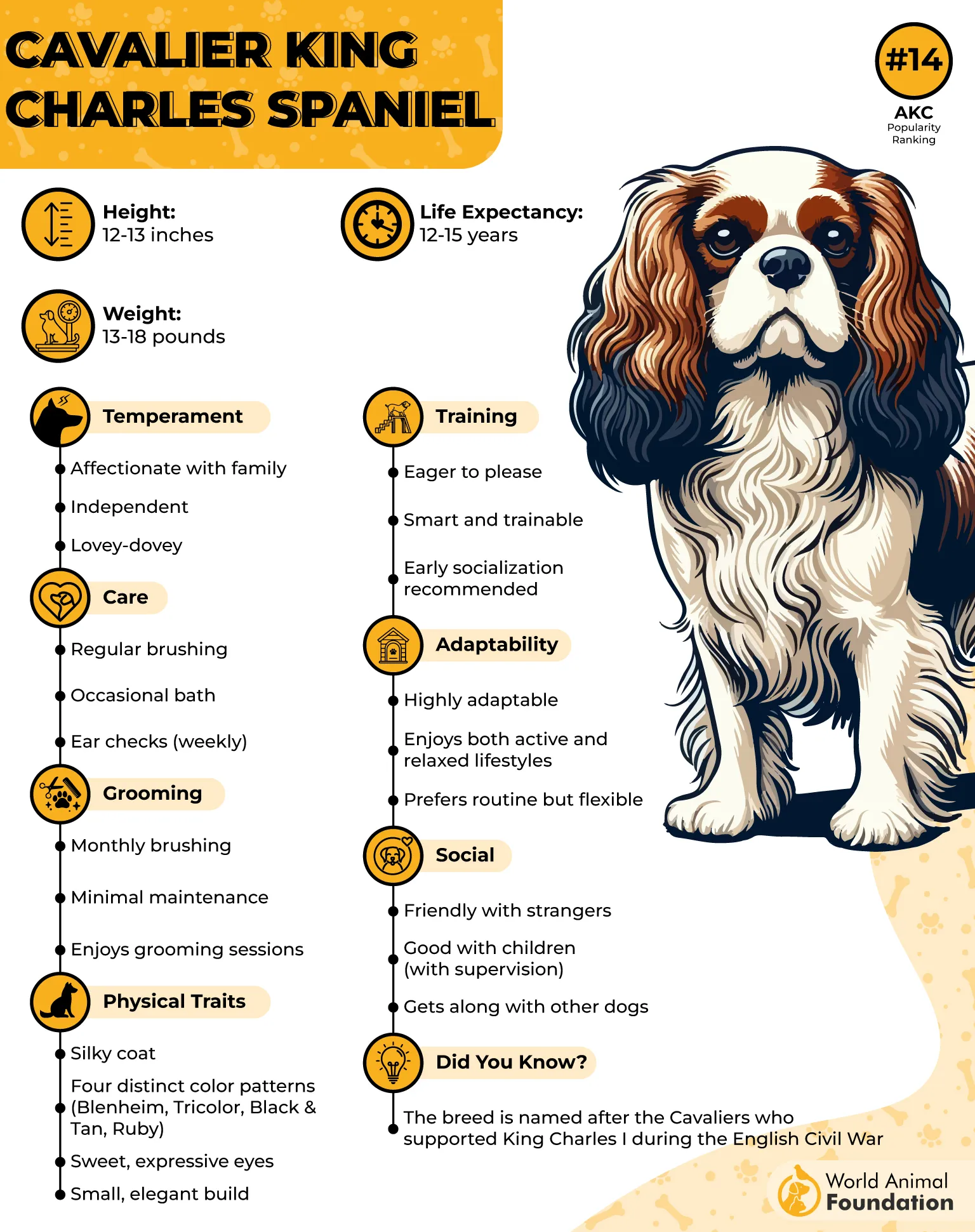
Cavalier King Charles Spaniels were originally bred as companion dogs, so they naturally enjoy sharing their lives with people and other pets.
Their sweet, gentle personality makes them one of the easiest breeds to welcome into a home with cats. They love attention, enjoy cuddling, and are usually happy to make new furry friends rather than compete with them.
Why They Usually Get Along With Cats
Affectionate, gentle, and friendly by nature
Patient with children, cats, and other dogs
Easy to train and eager to please
Moderate energy level that suits calmer households
Thrive on companionship and enjoy being close to their family
Cavalier King Charles Spaniels need daily walks, playtime, and plenty of human interaction to stay happy. They have a silky, medium-length coat that benefits from regular brushing and occasional baths.
Although they enjoy exploring outdoors, they are just as happy relaxing beside their owners once their exercise needs are met. With early socialisation and proper introductions, these loving little dogs often develop close, peaceful bonds with cats.
4. Bichon Frise
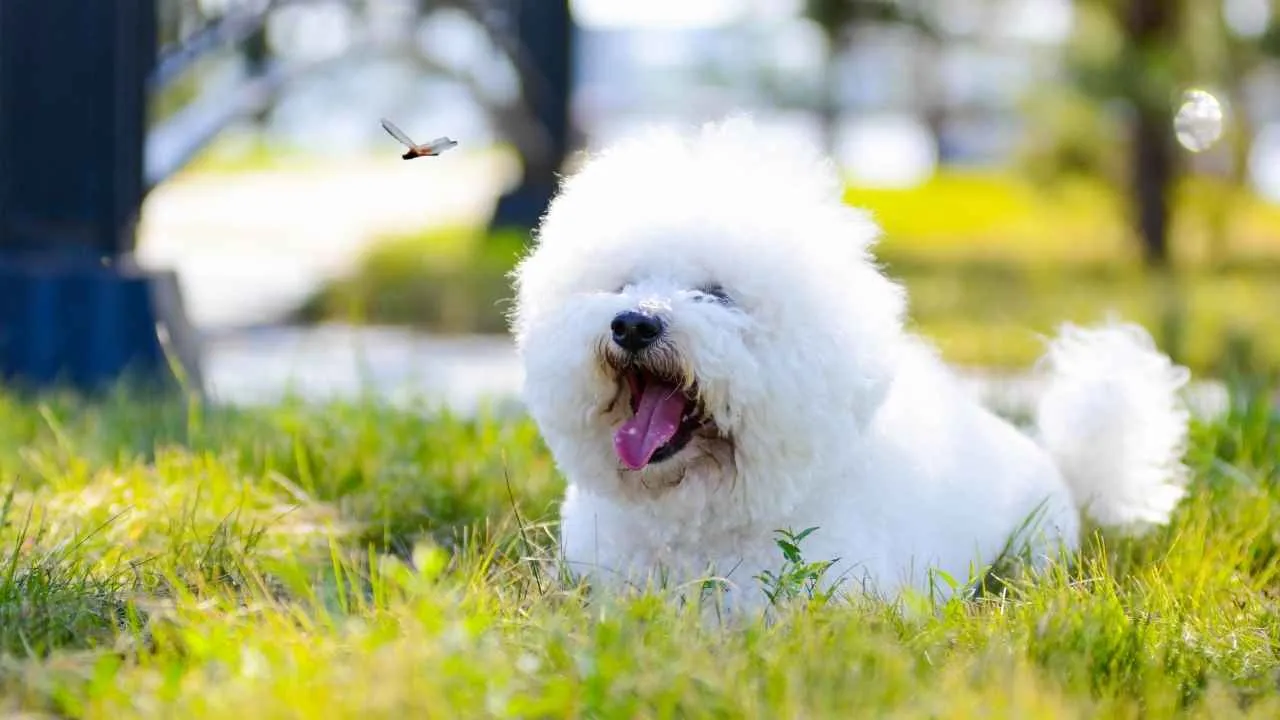
Bichon Frises are cheerful companion dogs that often get along wonderfully with cats. They are naturally affectionate, playful, and people-oriented, and they usually enjoy sharing their home with other pets instead of competing with them.
Their gentle temperament and friendly nature make them a great choice for multi-pet households, especially when they are introduced to cats from a young age and given plenty of positive social experiences.
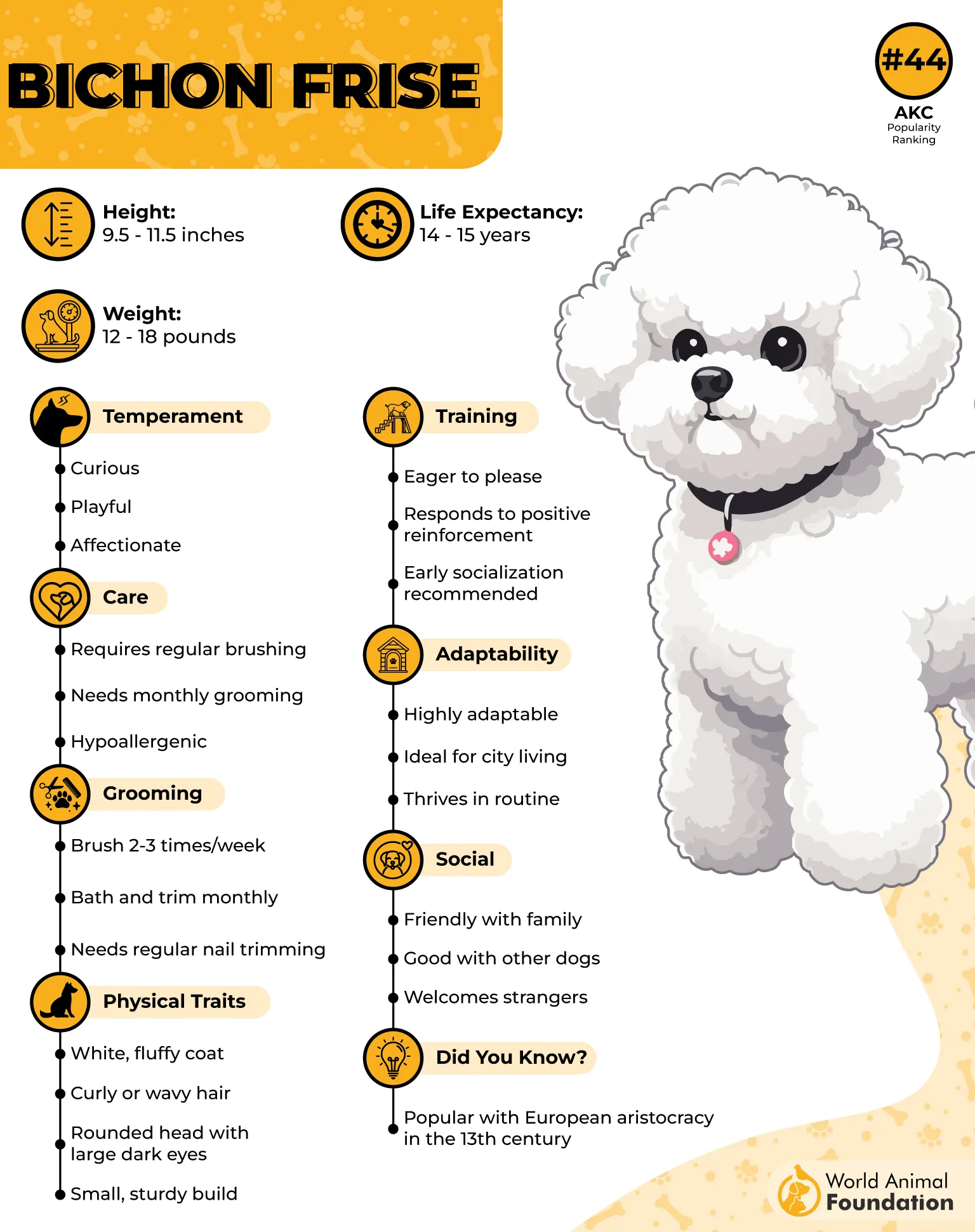
Why They Usually Get Along With Cats
Friendly and gentle with other pets
Playful but not overly demanding
Affectionate and enjoy spending time with their family
Intelligent and eager to please, making training easier
Adapt well to apartments and different living situations
Bichon Frises have moderate energy levels and are happy with daily walks, indoor playtime, and interactive games. Once they’ve burned off their energy, they love curling up beside their owners or relaxing with their furry companions.
Their soft, curly coat sheds very little but needs regular brushing, monthly baths, and professional grooming to prevent mats and tangles. PetMD mentions they also thrive on companionship and can become bored or lonely if left alone for long periods.
5. Pug

Pugs are affectionate little companion dogs that usually enjoy being around both people and other pets. They have a calm, easygoing personality and are more interested in following their owners around than chasing a cat.
Because they were bred to be companions, they love sharing their home with the whole family and often settle into multi-pet households with ease when introduced properly.

Why They Usually Get Along With Cats
Friendly and affectionate with people and other pets
Calm, laid-back temperament with a low chase drive
Usually gentle and patient around children and animals
Adapt well to apartment living and quieter homes
Enjoy companionship and prefer being close to their family
Pugs don’t need a great deal of exercise, but daily walks and playtime help keep them fit and prevent weight gain. Their short coat is easy to maintain, although they do shed and benefit from regular brushing.
They also need extra care in hot weather because of their flat faces, and their facial wrinkles should be kept clean, as mentioned by Britannica.
6. Border Collie
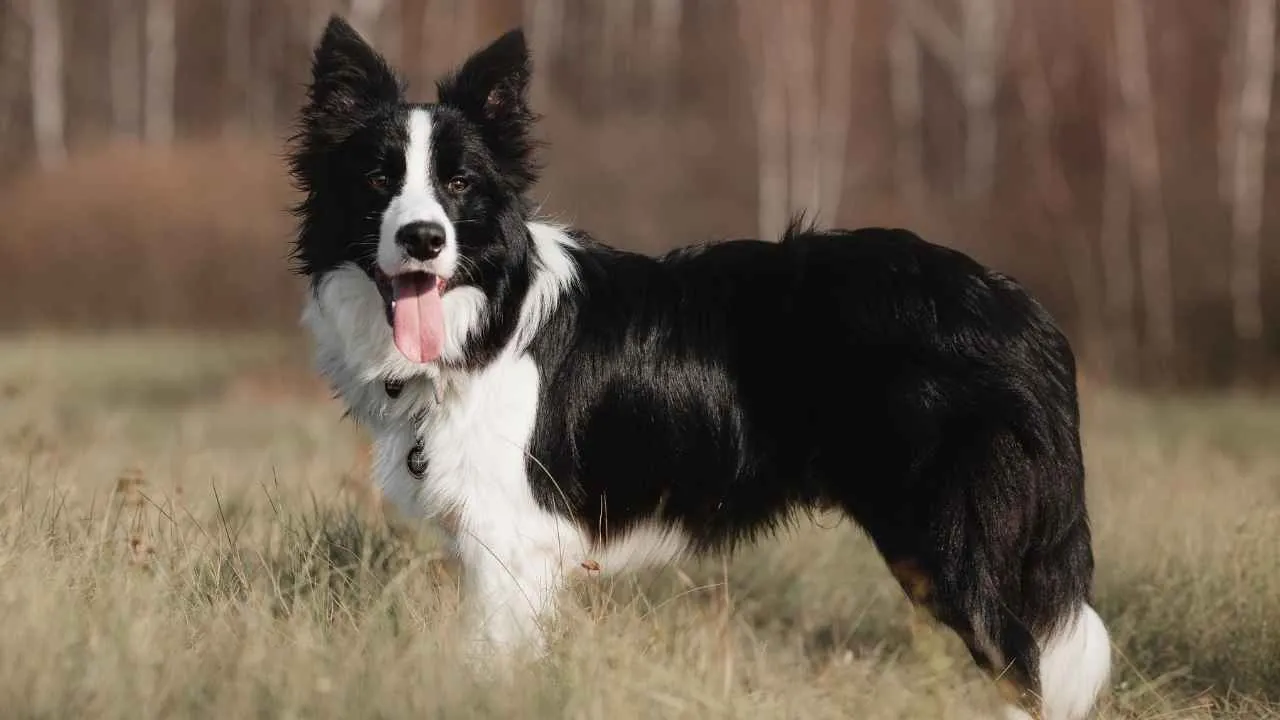
Border Collies can live successfully with cats, but they are not always the easiest match. As one of the world’s smartest herding breeds, they have endless energy and strong instincts to chase and control movement.
Without proper training, they may try to herd cats around the house. However, when they are well-socialised, mentally stimulated, and given enough exercise, many Border Collies learn to live peacefully and even form close bonds with feline companions.
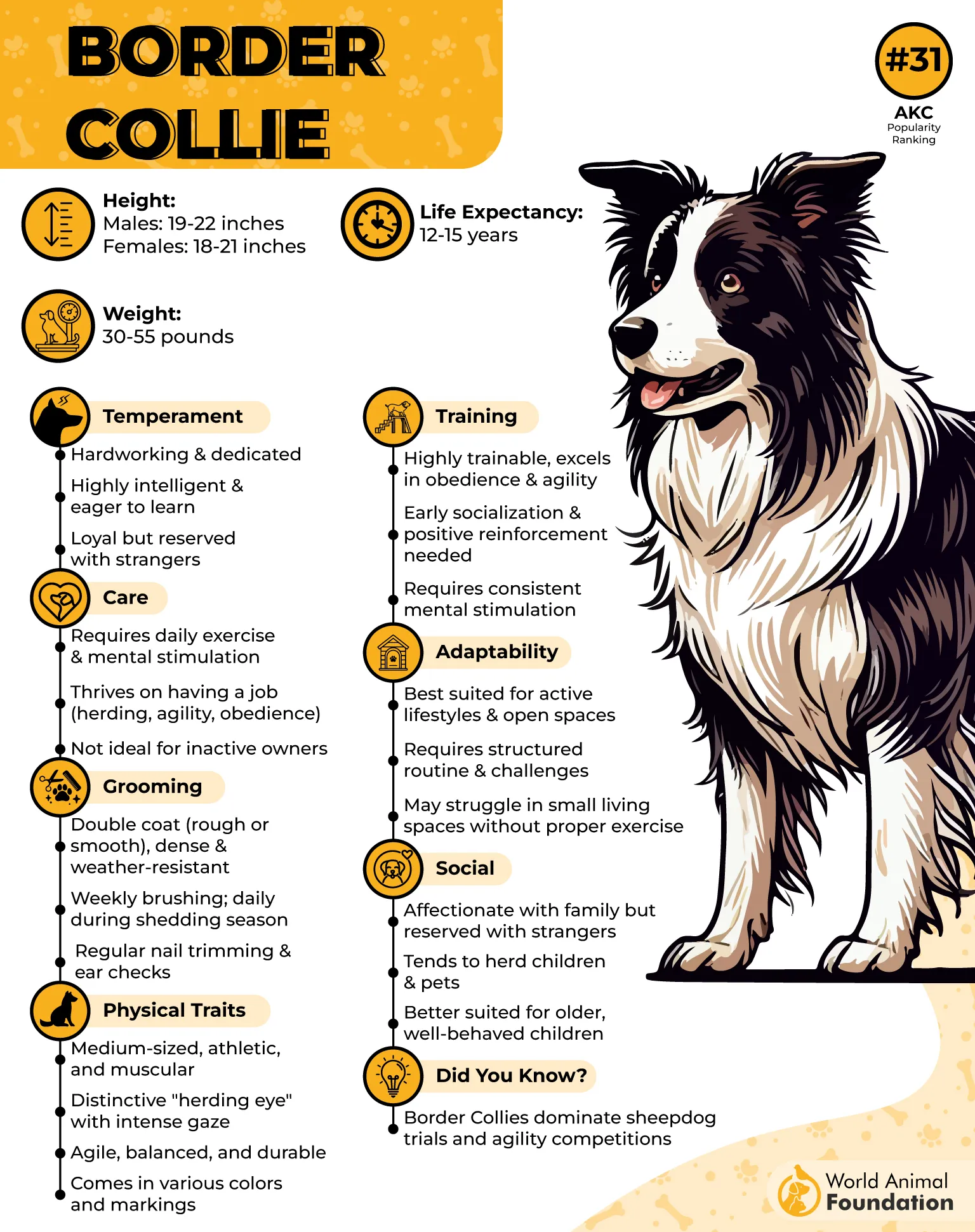
Why They Can Get Along With Cats
Highly intelligent and eager to learn
Loyal and strongly bonded with their family
Respond well to consistent training and positive reinforcement
Adapt well when raised with cats from a young age
Thrive with structure, routine, and regular mental challenges
Border Collies need plenty of daily exercise and activities to keep both their body and mind busy. Long walks, hiking, fetch, agility, and puzzle games are excellent outlets for their energy.
Their medium-length double coat requires brushing a few times each week, especially during shedding seasons. Because they naturally like to herd moving animals, early socialisation and teaching reliable commands are essential.
7. Papillon

Papillons can live very happily with cats and are often one of the better toy breeds for multi-pet households. Originally bred as companion dogs, they are friendly and social, and enjoy spending time with both people and other animals.
While they are playful and energetic, they generally don’t have a strong prey drive, making peaceful introductions with cats much easier.
When properly socialized and given positive experiences from a young age, many Papillons form close, affectionate bonds with their feline housemates.
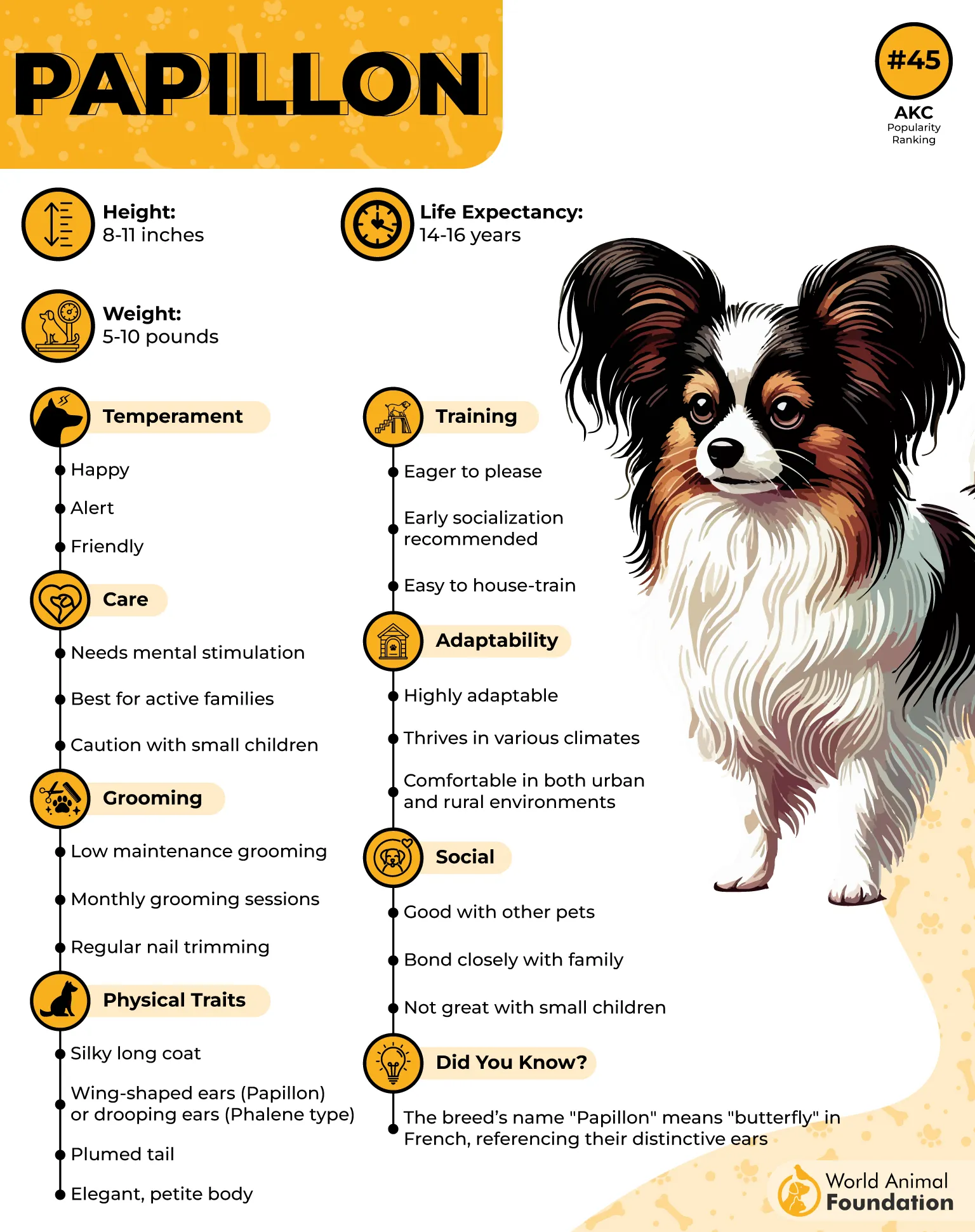
Why They Can Get Along With Cats
Friendly, affectionate, and social personality
Highly intelligent and eager to please
Usually have a low prey drive compared to many small breeds
Adapt well when raised alongside cats
Respond well to positive reinforcement and early socialization
Papillons are active little dogs that need daily walks, interactive play, and mental stimulation to stay happy. They excel at obedience, agility, and learning new tricks, making training both easy and enjoyable.
Their long coat should be brushed several times a week to prevent tangles, especially around the feathered ears.
Conclusion
Living with both a dog and a cat is absolutely possible when you choose a breed with the right temperament and invest time in proper introductions, training, and socialization.
While every dog has its own personality, the breeds on this list are generally known for being friendly, adaptable, and more likely to build positive relationships with feline companions.
Before bringing home a new dog, consider your cat’s personality, your lifestyle, and the amount of time you can dedicate to training and supervision.
With patience and a thoughtful approach, your dog and cat can grow from cautious roommates into lifelong companions, creating a happier and more harmonious home for everyone.
