




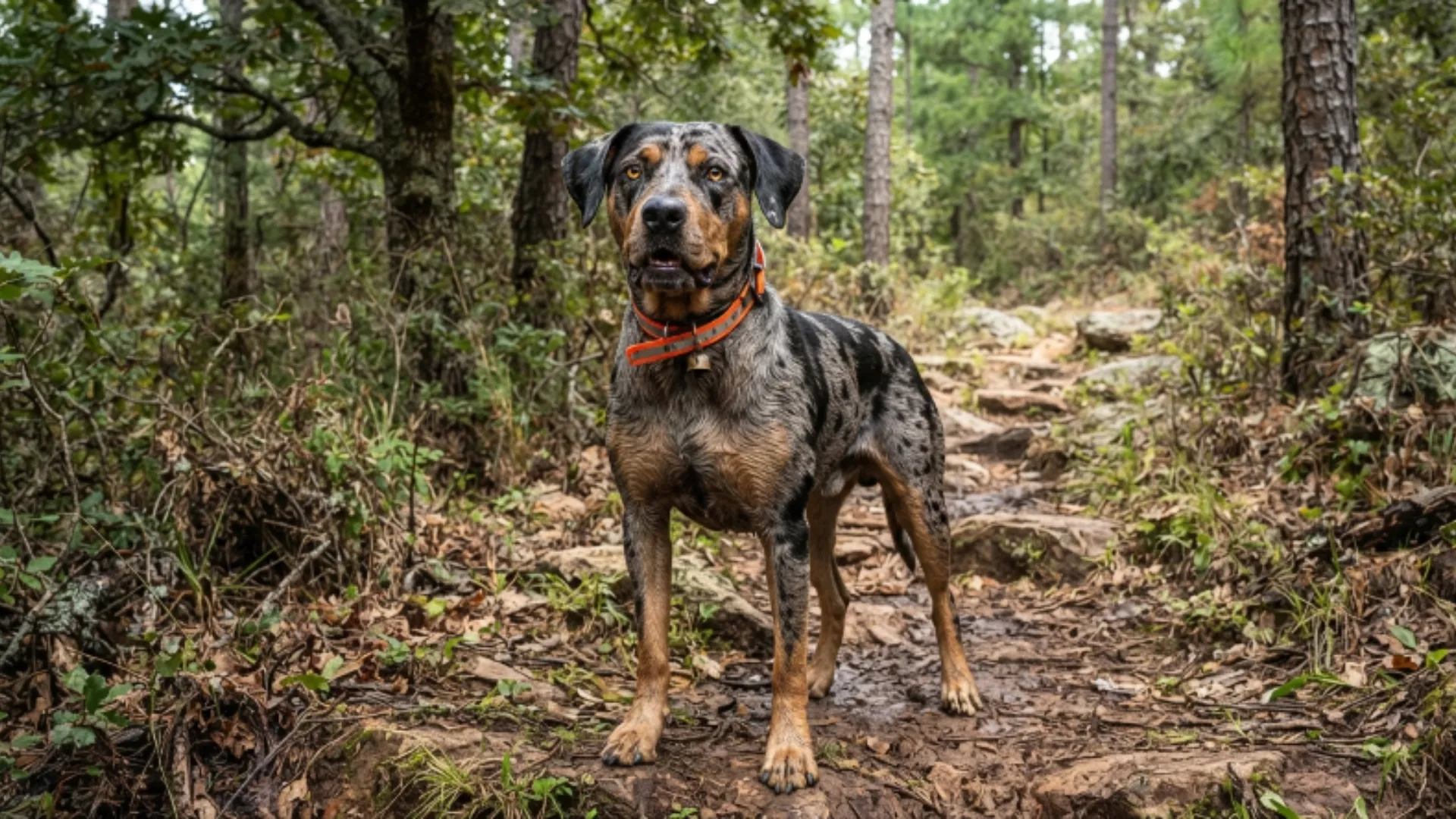
Feral hogs are heavy, aggressive, and surprisingly smart, often hiding out in dense brush, which makes hunting them one of the more demanding challenges out there. A solid hog dog needs a lot more than just a good nose for tracking.
These dogs need the physical strength to push through thick cover, the stamina to track over miles of rough, uneven terrain, and the grit to bay or catch a hog without backing down when things get intense.
Honestly, hog hunting is rarely as simple as it looks. Proper planning before heading out into the field makes a real difference, and having the right dog by your side makes the whole experience smoother and far more rewarding.
That said, the right hunting dog really comes down to your hunting style. Scent hounds excel at picking up hot or cold trails, tracking hogs from long distances, and baying to let you know when they’ve found one. Meanwhile, heavier, more muscular breeds are built for catching boars outright, with the stamina and power to hold them in place and even step in to protect you if things take a turn.
In this guide, we’re covering seven boar tracking and hunting dogs, breaking down how each one helps pursue hogs, along with their stamina, physical build, and what their exercise, training, and grooming routines look like.
Top Dog Breeds for Boar Hunts That Have Proven Exceptional Results
1. Plott Hound
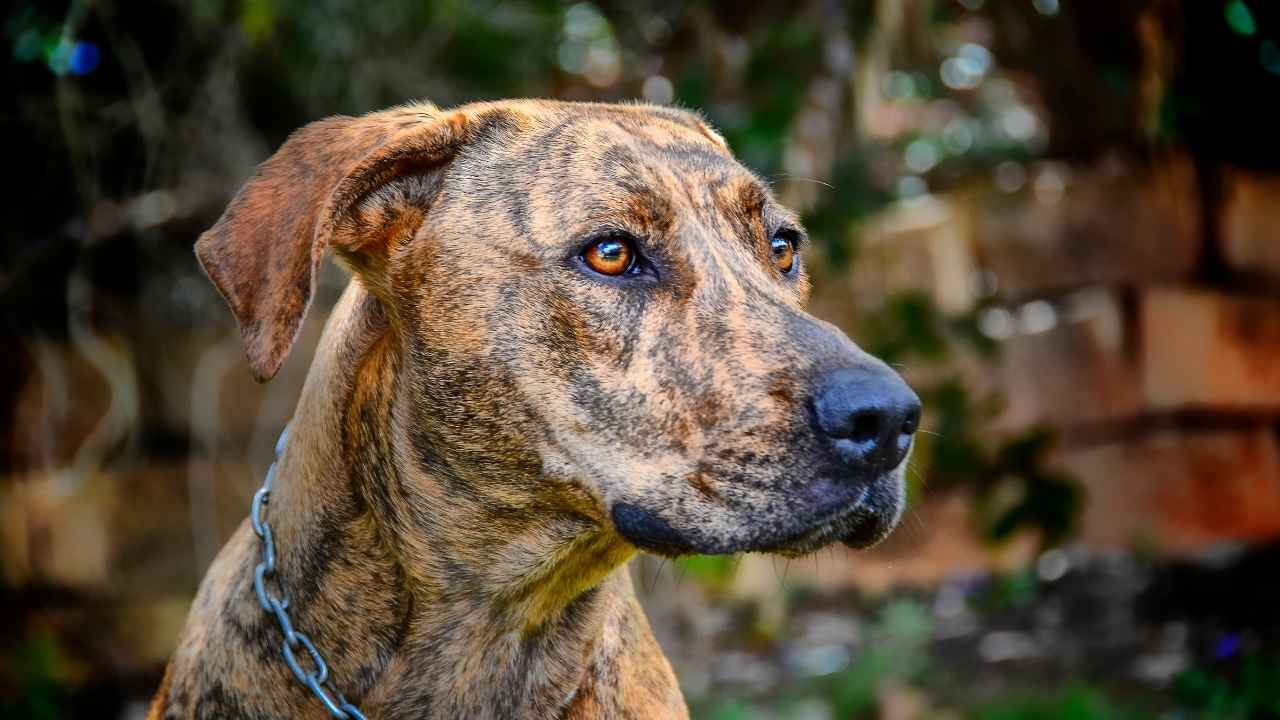
Plott Hounds are bold, relentless, loyal, and affectionate dogs with a fearless streak running through them. They’re gentle and devoted at home, but out in the field, their strong will and determination make it clear they take their work seriously. This medium-to-large breed was originally developed to hunt wild boar in the forests of Germany, according to CKCUSA.
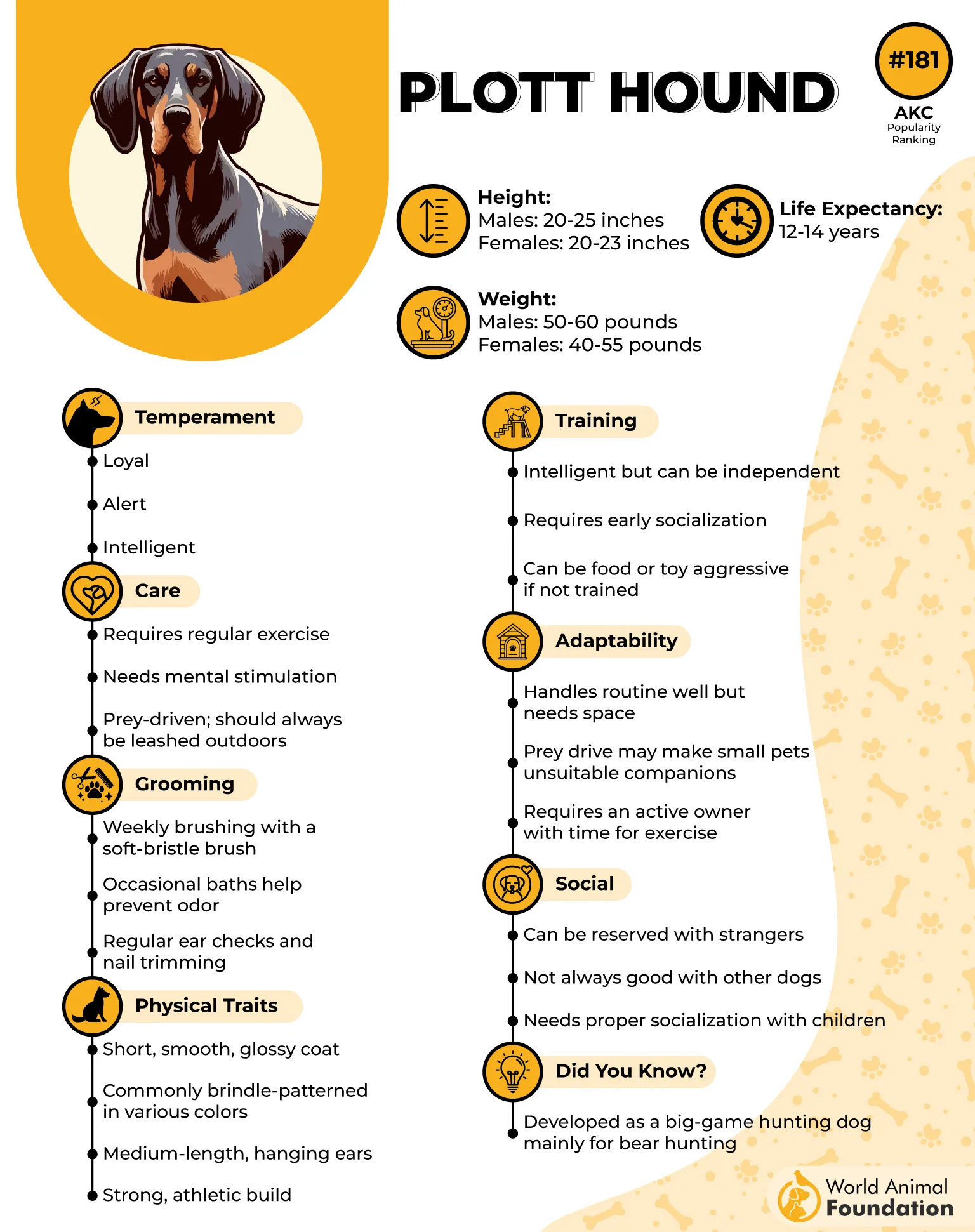
Plott Hounds also hold the honor of being North Carolina’s official state dog. In the field, they work primarily as scent trackers and bay dogs, using their powerful sense of smell to pick up cold trails left by wild pigs, then baying aggressively to hold the animal in place until the hunter catches up. They’re also agile and sharp enough to hold their ground safely around boars.
That kind of drive does come with a catch: these hounds need 1 to 2 hours of vigorous exercise daily just to stay mentally balanced. Training can be moderately challenging too, thanks to their strong prey drive and independent streak, so Plott Hounds really do best with experienced owners who can offer firm, consistent guidance.
2. Catahoula Leopard Dog
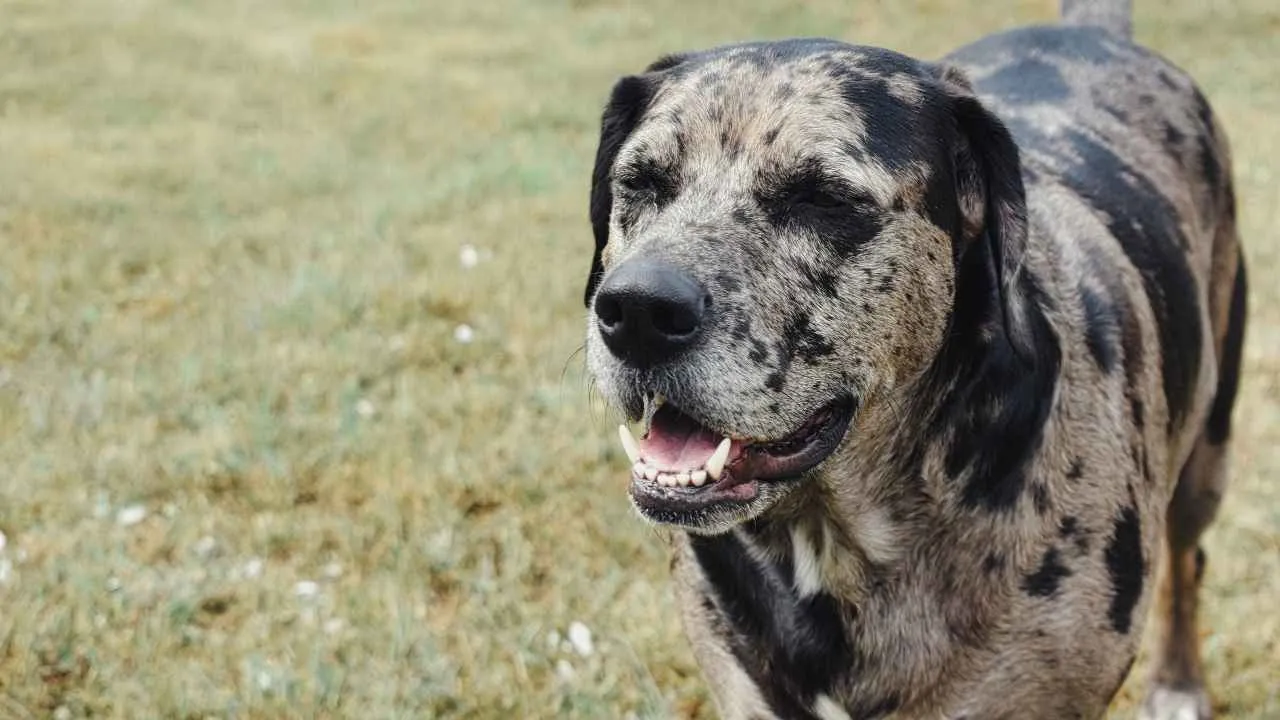
Catahoula Leopard Dogs are true all-rounders, having worked in nearly every capacity imaginable, from guarding and baying to treeing, tracking, and even herding livestock. They’re also known as Catahoula Hog Dogs, a nod to their original role tracking and herding hogs and cattle through swampland, according to PetMD.
These muscular dogs are assertive, fiercely loyal, and brave, with a serious, no-nonsense approach to their work. In the field, they track down wild boar and bay while circling to keep the animal pinned in place. That drive comes paired with high energy levels, so Catahoulas need plenty of strenuous physical activity to stay mentally sharp and satisfied.
Their independent, dominant streak means this breed really suits experienced owners rather than first-timers. As for grooming, Catahoulas have a short single coat that sheds moderately year-round, so weekly brushing helps keep things manageable. Just be sure to wash off any dried mud after a day out hunting.
3. Bloodhound
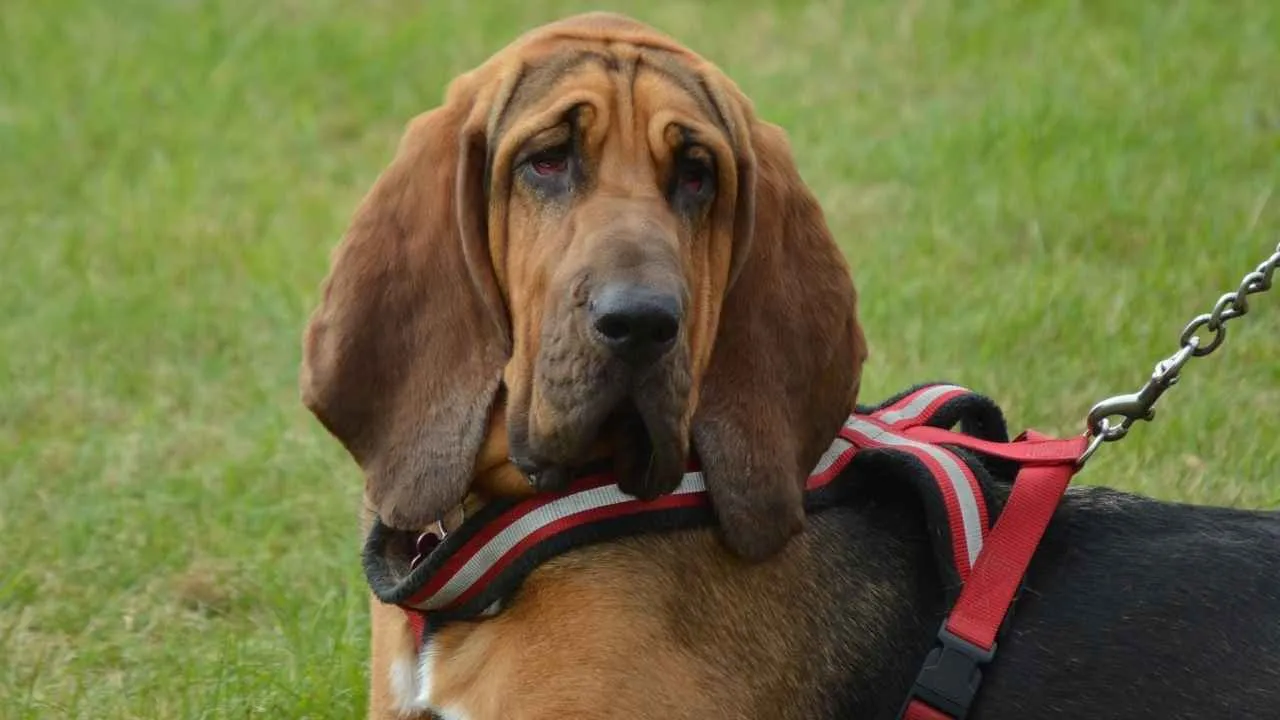
Bloodhounds absolutely deserve a spot at the top of any list about the best tracking dogs. These large hounds have somewhere between 230 and 300 million olfactory receptors, roughly 40 times more than humans, so it’s not hard to imagine just how powerful their sense of smell really is.
These blood-tracking dogs specialize in trailing wounded game like wild boar, deer, and other animals over long distances. There’s a reason they’ve been described as basically a nose with a dog attached: wherever a scent trail exists, a Bloodhound will pick it up and follow it relentlessly, as WebMD points out.
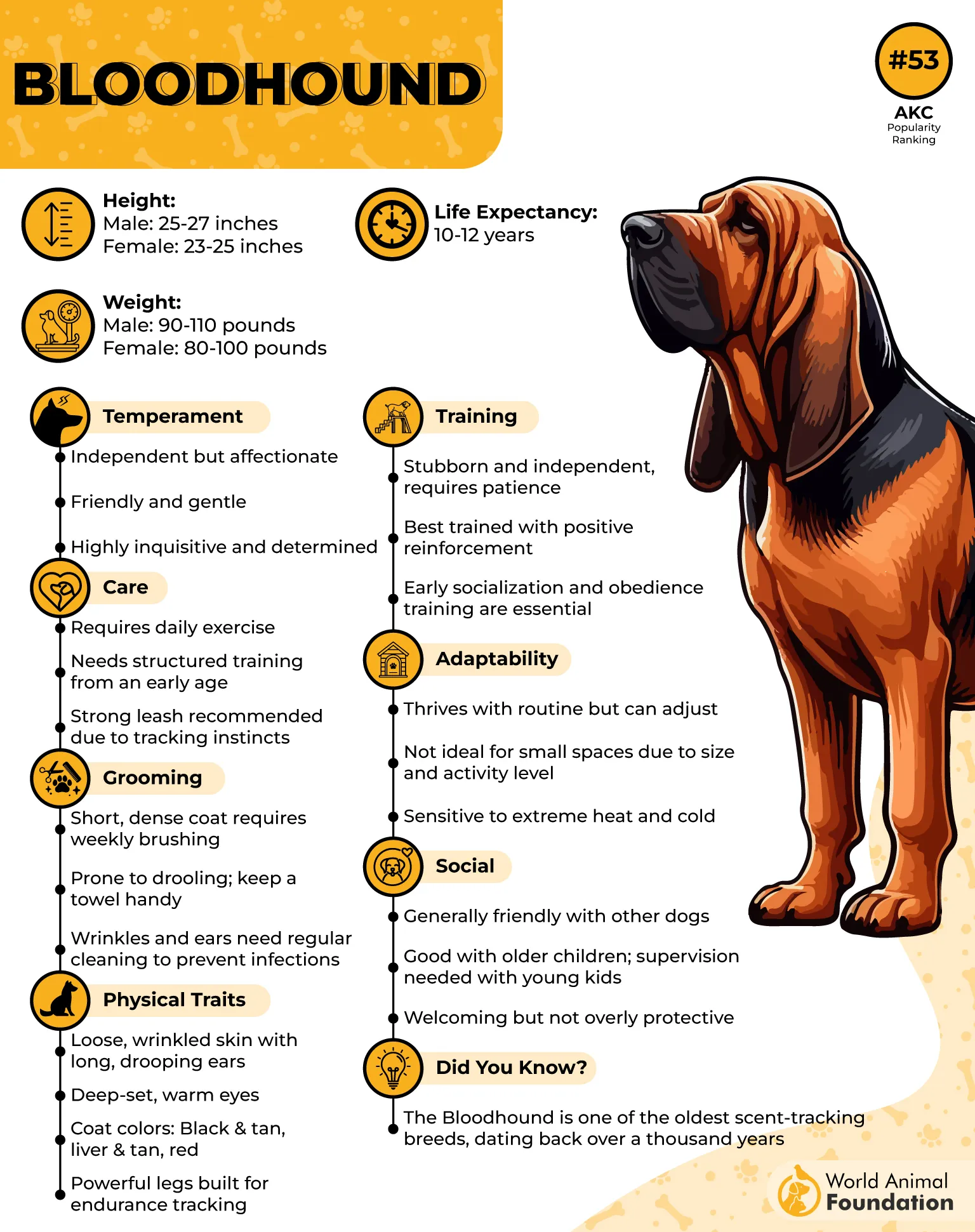
That said, these laid-back, easygoing dogs still need plenty of daily exercise paired with real mental stimulation. Long walks, hikes, scent tracking, and nose work all suit them well.
They’re also notoriously stubborn, so confident handling goes a long way, though on the grooming side, they’re refreshingly low-maintenance when it comes to brushing.
4. Redbone Coonhound
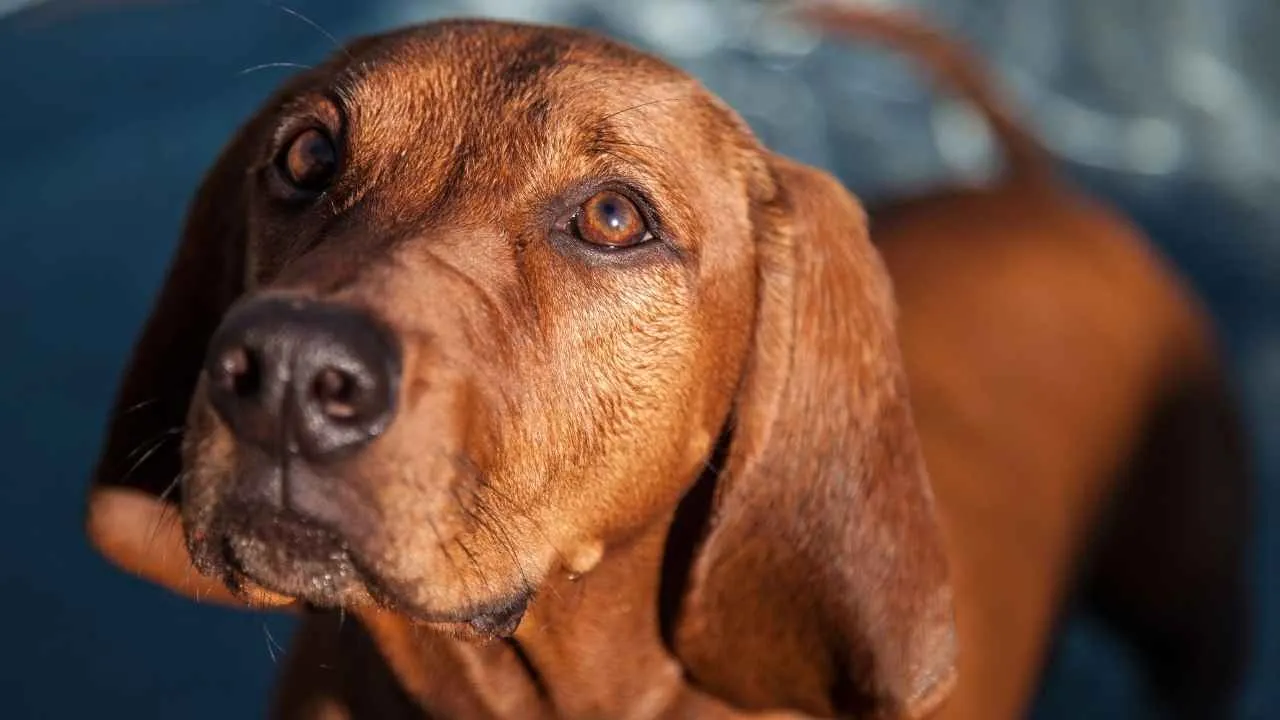
Redbone Coonhounds are even-tempered, affectionate, and easygoing at home, but out in the field, that brave, persistent nature really shines. They were originally developed to track, tree, and bay aggressive big game across swamps and river bottoms, and they’re especially skilled at picking up cold trails, which makes them well-suited to tracking wild hogs.
Once they’ve located a hog, Redbones hold it in place using loud, distinctive baying that lets hunters know exactly where to find them. They’re fast, agile, and sharp, with an athletic, muscular build made for endurance. Their tough, cat-like paws even let them navigate sharp rocks and rough terrain without getting hurt.
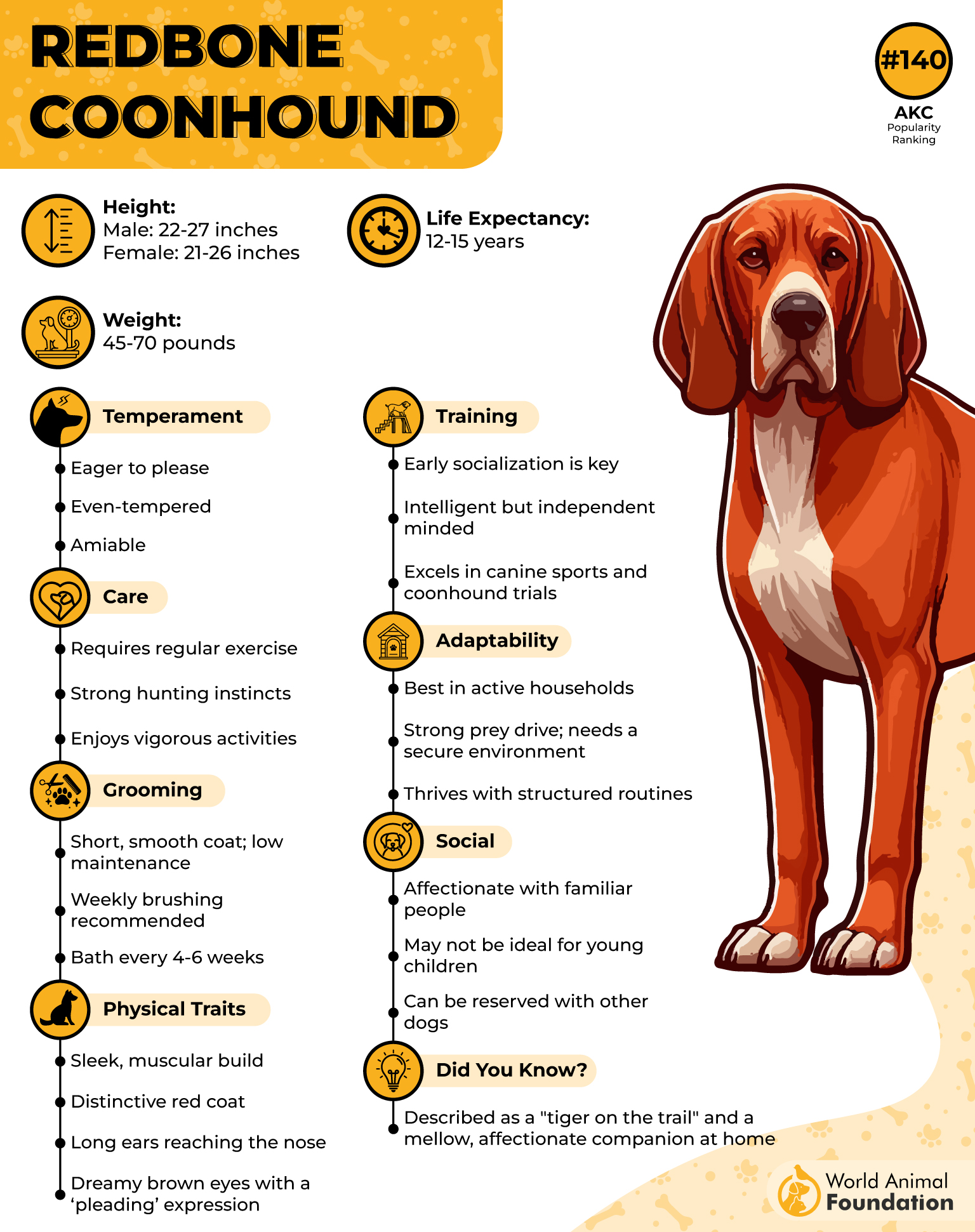
All that drive does come with real exercise needs, though. Redbones typically need about 90 minutes of vigorous activity a day, including long-distance trail work and scent-based exercises.
Given their independent streak and strong prey drive, they’re best suited to experienced owners. On the grooming side, they’re fairly easy to manage, with a short coat that sheds an average amount and just needs weekly brushing.
5. Black And Tan Coonhound
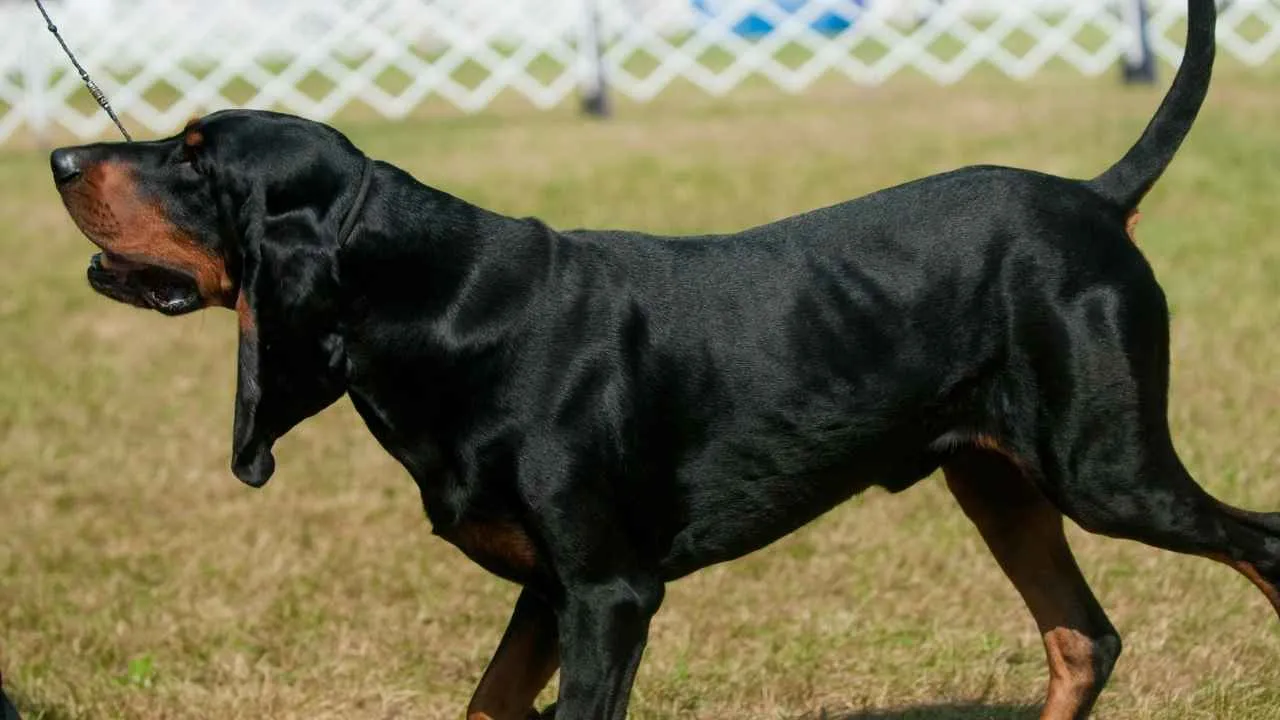
Black and Tan Coonhounds are calm, friendly, and even-tempered at home, but the moment they catch a scent, that strong-willed, persistent hound instinct takes right over. The breed was developed in the United States to track and bay large game across tough terrain and harsh weather conditions.
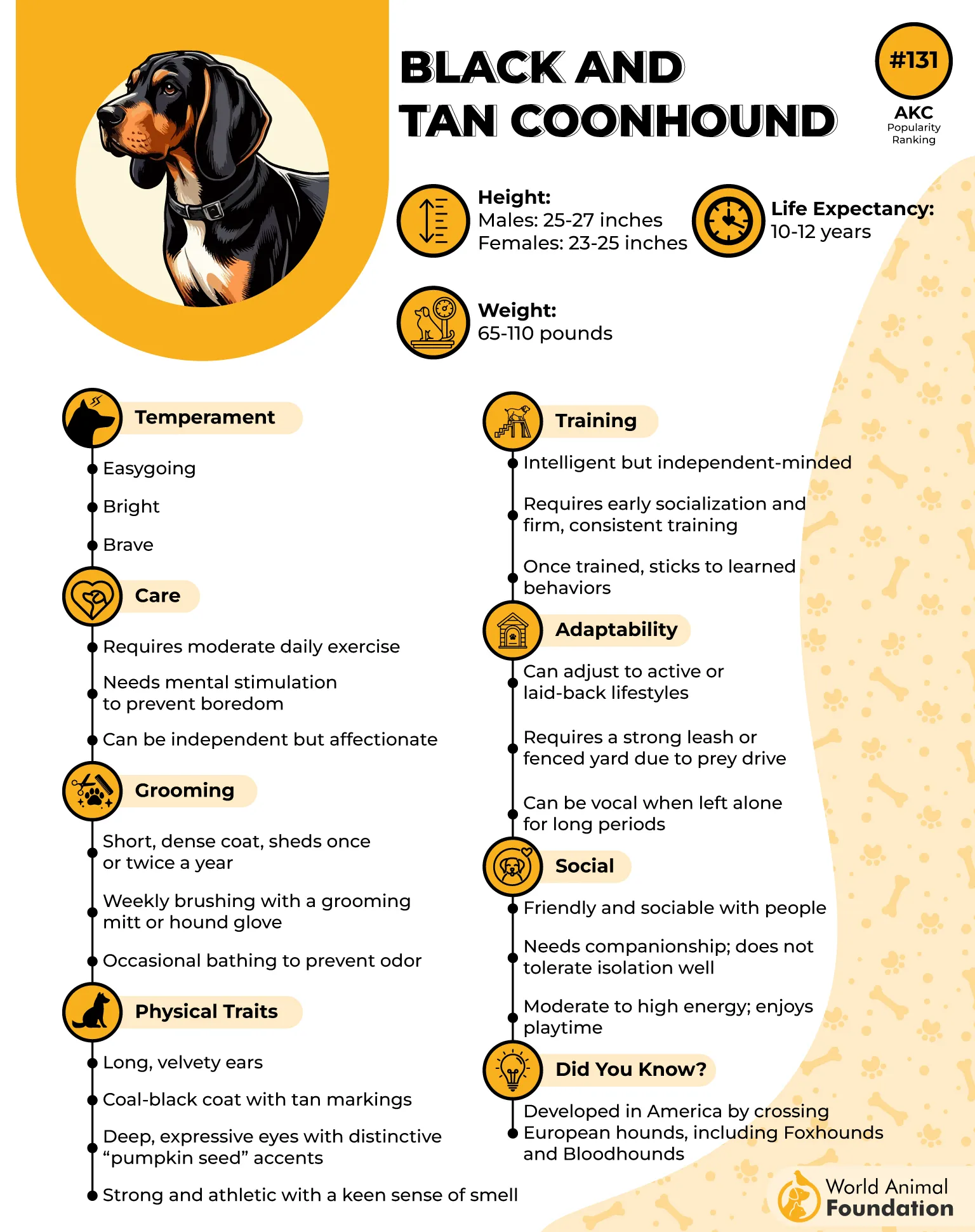
They’re especially good at following cold trails left by hogs over long distances, using a deep, melodic bay to hold the animal in place until the hunter arrives. Physically, these Coonhounds are heavy-boned and muscular, with a deep chest that gives them the stamina and courage to stand their ground fearlessly in front of wild pigs.
That level of drive requires real upkeep, though. According to Purina, Black and Tan Coonhounds need around 2 hours of physical activity along with mental stimulation each day. They can be moderately challenging to train due to their independent streak, so experienced owners are a better fit. Grooming, at least, is simple: just weekly brushing for their short coat.
6. Dogo Argentino
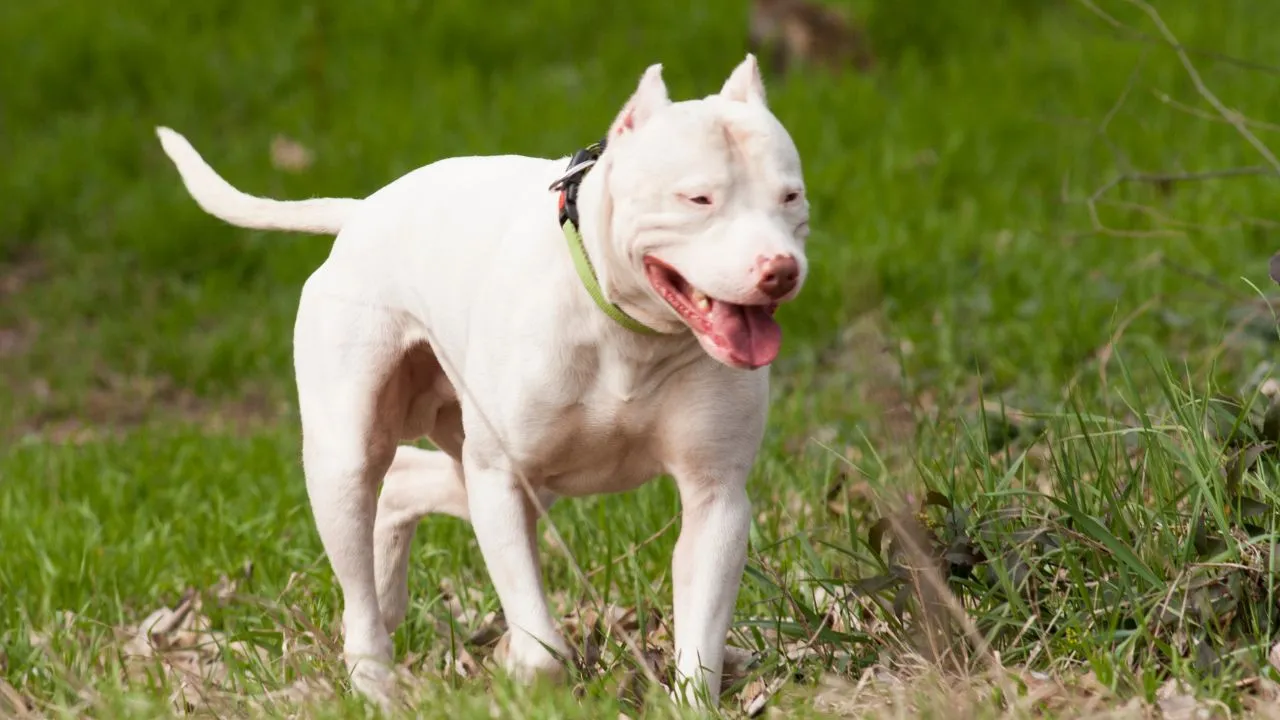
The Dogo Argentino was bred as a versatile hunting dog capable of tracking, pursuing, and physically holding game animals. These striking white dogs are considered among the best true catch dogs out there. Muscular and powerful, they boast an impressive bite force of around 500 PSI, more than enough strength to take down large game.
In the field, Dogos grab and hold wild pigs by the ears or neck, both to keep them in place and to protect themselves if the hog turns aggressive. That kind of intensity requires serious daily exercise — think weight-pulling drills, trail running, and long hikes, to keep them physically and mentally satisfied.
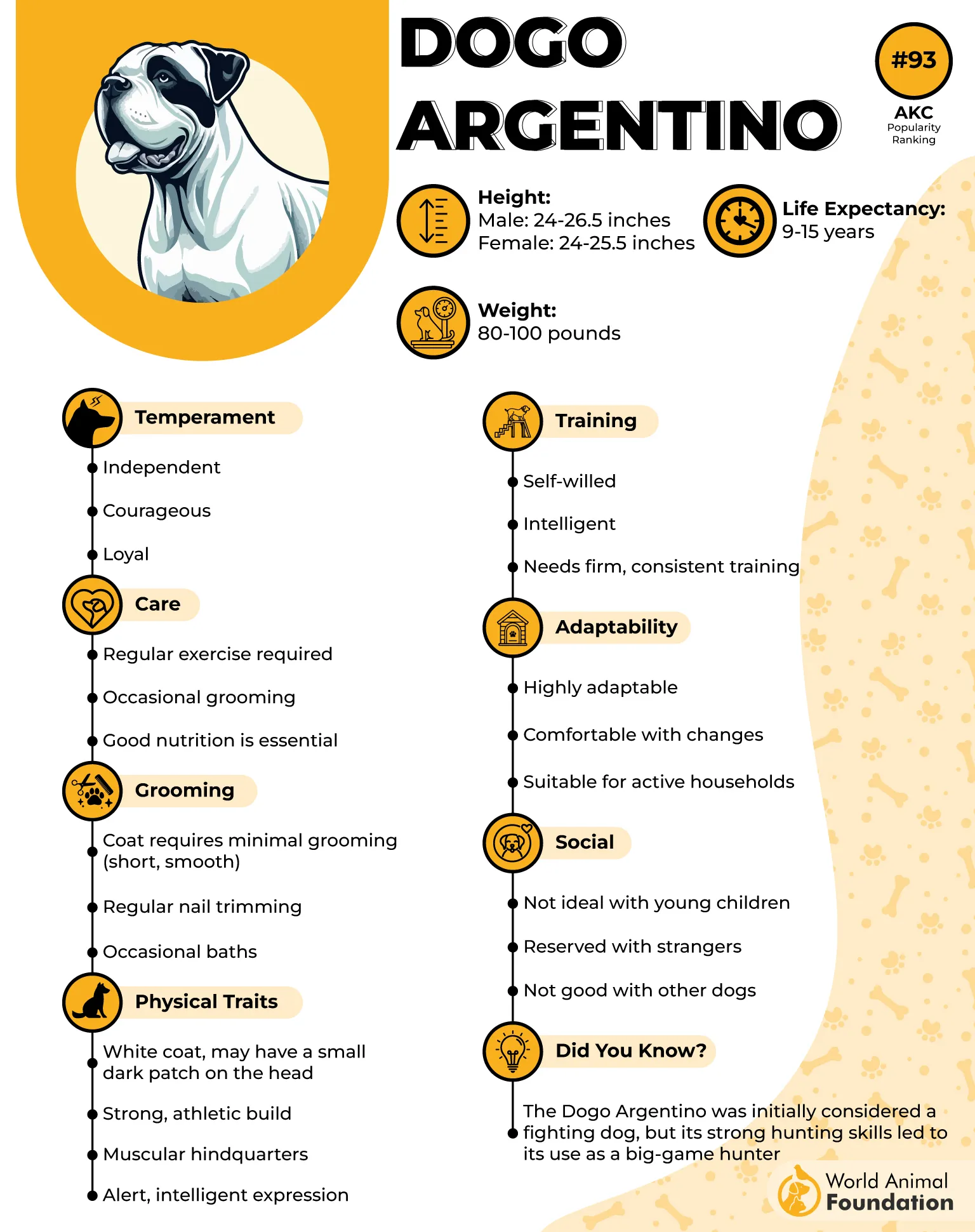
Grooming is fairly simple, with a short coat that sheds moderately and just needs weekly brushing to clear out dead hair. That said, Dogo Argentinos are strictly a breed for experienced owners only, given their high prey drive and independent mindset.
One more thing worth knowing: they tend to drool quite a bit thanks to those heavy jowls, so keeping a towel on hand is a good idea.
7. Airedale Terrier
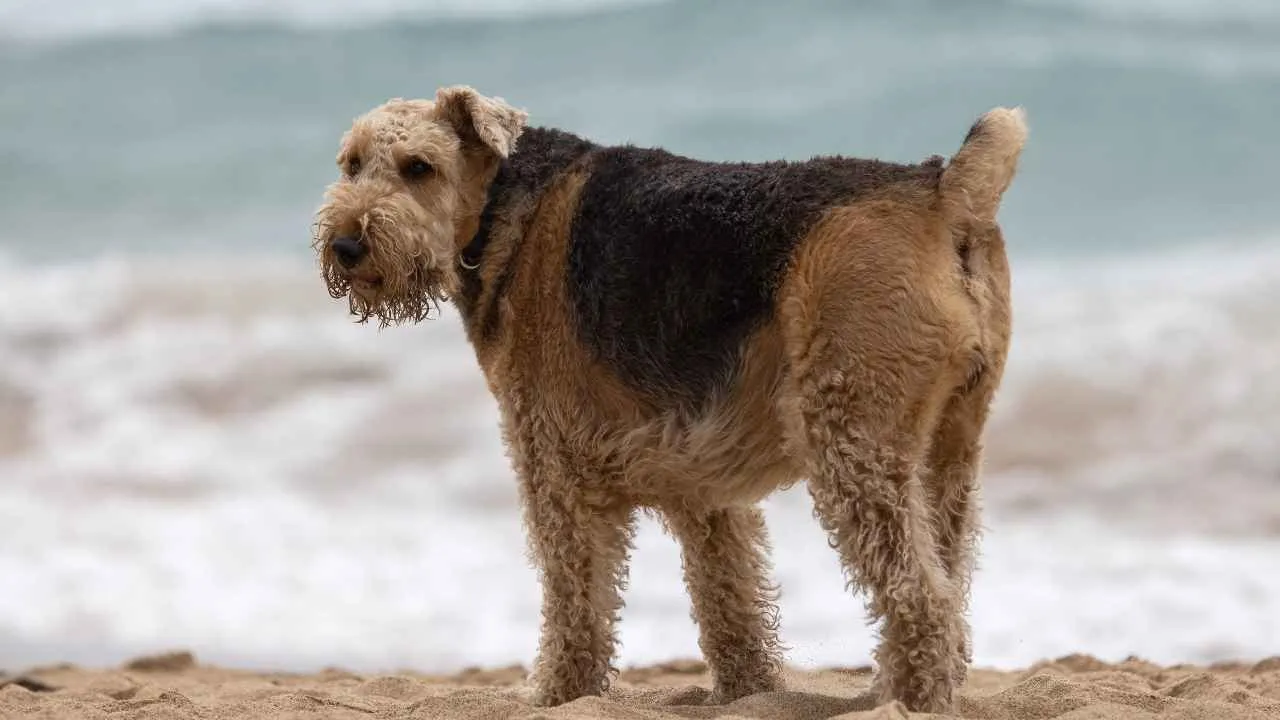
Airedale Terriers are the tallest of all terrier breeds, which is exactly how they earned the nickname “King of Terriers,” as noted by Omlet. Originally bred to hunt foxes, badgers, and otters, they’ve since become wonderful family companions while still holding onto that bold, brave, and determined personality.
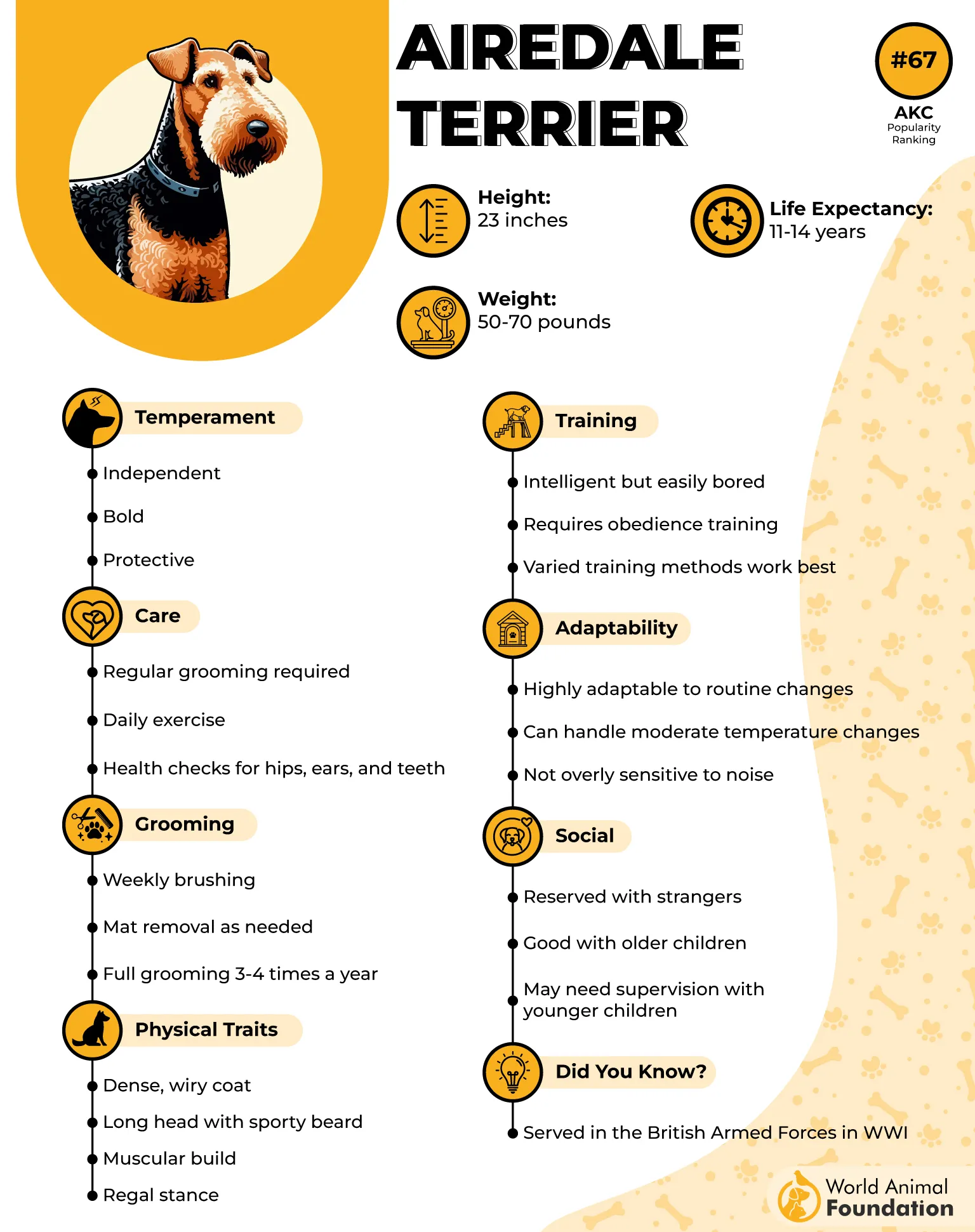
In hunting scenarios, Airedales track wild hogs and bark to alert hunters to their exact location. Keeping up with that energy takes some effort, though, since the breed needs 1 to 2 hours of exercise daily to stay mentally satisfied. They tend to enjoy hiking, camping, running, and long walks in particular.
That said, their strong chase drive and stubborn terrier streak can make training a bit of a challenge for first-time owners. They really thrive under a firm, confident leader who can guide their behavior consistently. Grooming-wise, they shed moderately and do well with weekly brushing plus the occasional bath.
Conclusion
We’ve covered seven of the best dog breeds for hunting wild boar; some, like the Bloodhound, are unmatched trackers, while others, like the Dogo Argentino, have no real competition when it comes to actually catching hogs. Beyond their hunting roles, these breeds also differ quite a bit in temperament, exercise needs, training demands, and grooming routines.
Those differences are worth weighing carefully before making your choice, so it’s worth giving this guide a proper read first. After all, hunting feral hogs was never going to be easy.
