




Some dogs simply have that “wait, what breed is that?” effect. Maybe it’s a striking coat, an unusual face, a graceful build, or a feature you rarely see in other dogs.
Their looks can be so distinctive that they seem almost made for the spotlight, and once you notice them, they’re hard to forget.
Of course, beauty is completely subjective. One person may love a fluffy coat and expressive eyes, while another might be drawn to a sleek body, unusual markings, or a naturally regal appearance.
What makes these dogs stand out is not just their overall appearance, but those little details that give them a look all their own.
In this article, we’re highlighting dog breeds with truly eye-catching features, from unusual coats and colors to distinctive faces, ears, tails, and body shapes.
Top Dog Breeds with Stunning One-of-a-Kind Features
1. Saluki
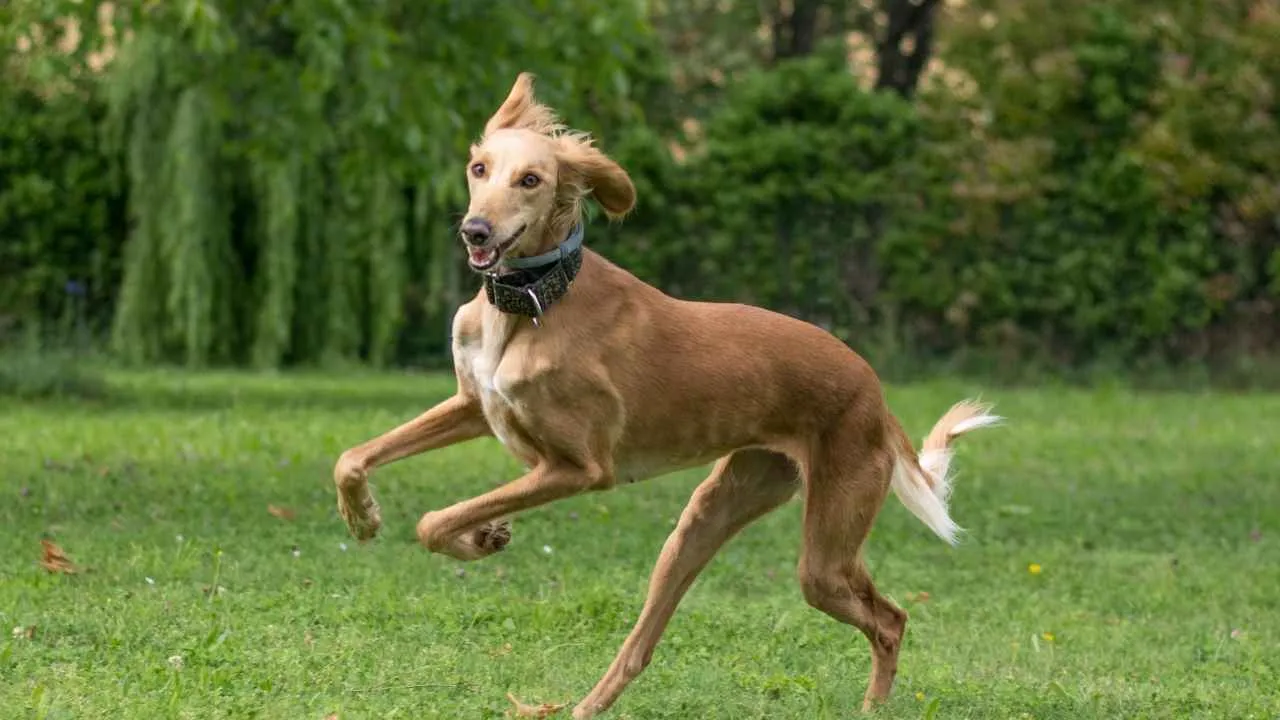
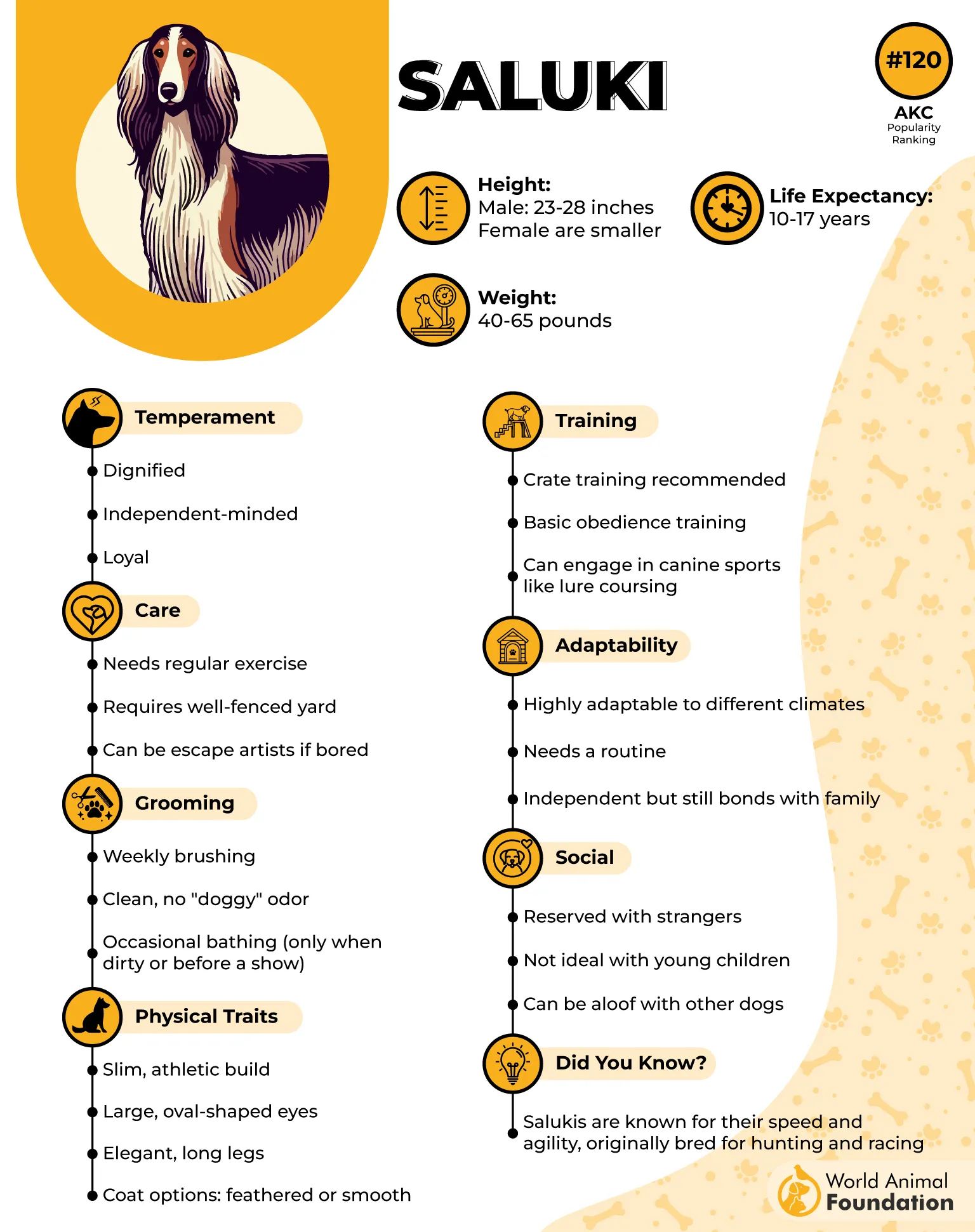
The Saluki stands out with its slim, graceful body, long narrow head, silky ears, and curved tail. Its coat can be smooth or feathered, with longer hair on the ears, legs, and tail. Colors include cream, fawn, gold, red, black and tan, grizzle, and tricolor.
This ancient breed dates back to 329 BCE and was highly valued by Egyptian royalty. Salukis were also used to hunt gazelles, hares, and foxes because of their incredible speed.
Temperament and Personality
Salukis are quiet, gentle, and reserved dogs. They often form a very close bond with one family member and may become anxious when that person is away for long periods.
They are usually calm with other dogs but can be shy around strangers. Their strong prey drive can make life with small pets difficult.
Exercise and Care
Despite their relaxed nature indoors, Salukis need plenty of activity and a safe place to run. They enjoy full-out sprints and need around two hours of daily activity, according to PetMD.
A fenced area is important, as they may chase wild animals if given the chance. They are independent thinkers and may ignore commands at times.
2. Dalmatian
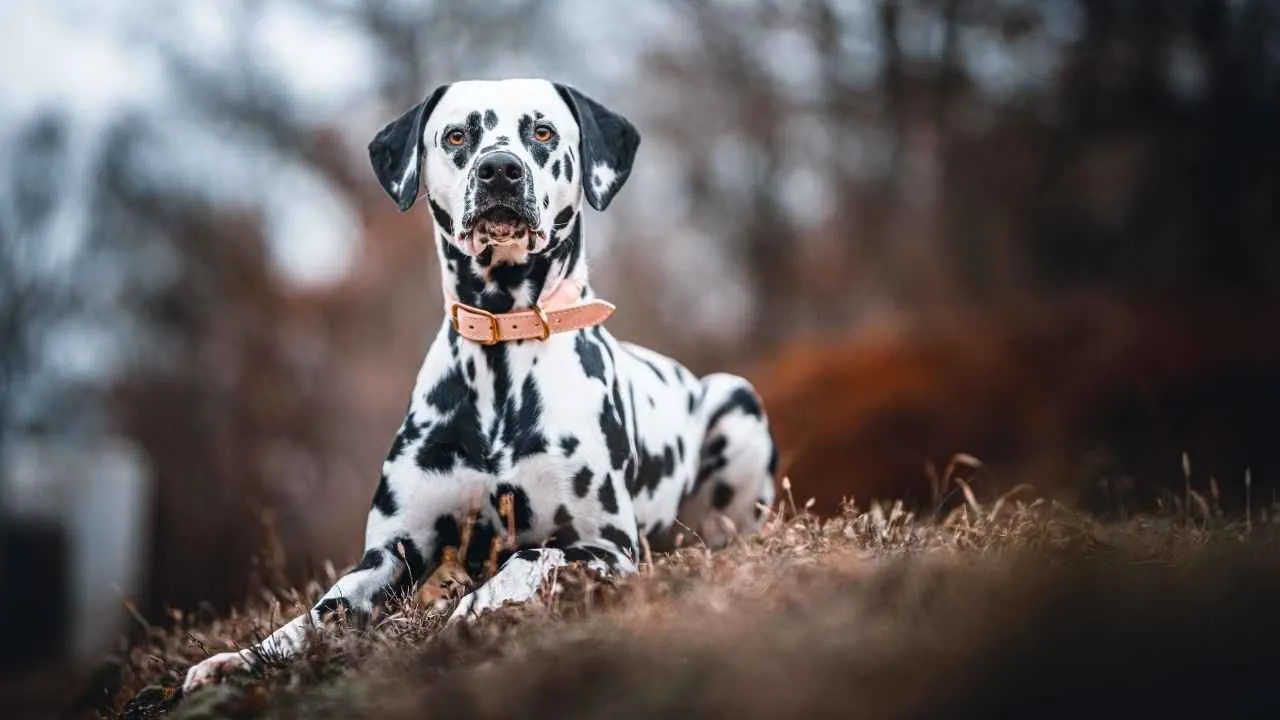
Few dogs have a look as instantly recognizable as the Dalmatian. Its white coat covered in black or brown spots gives it a truly one-of-a-kind appearance. Interestingly, Dalmatian puppies are born without spots, which begin appearing at around two weeks of age.
Beneath that famous coat is a muscular, athletic dog with impressive stamina. Dalmatians also have a long working history as carriage dogs, ratters, sentinels, and firehouse dogs.
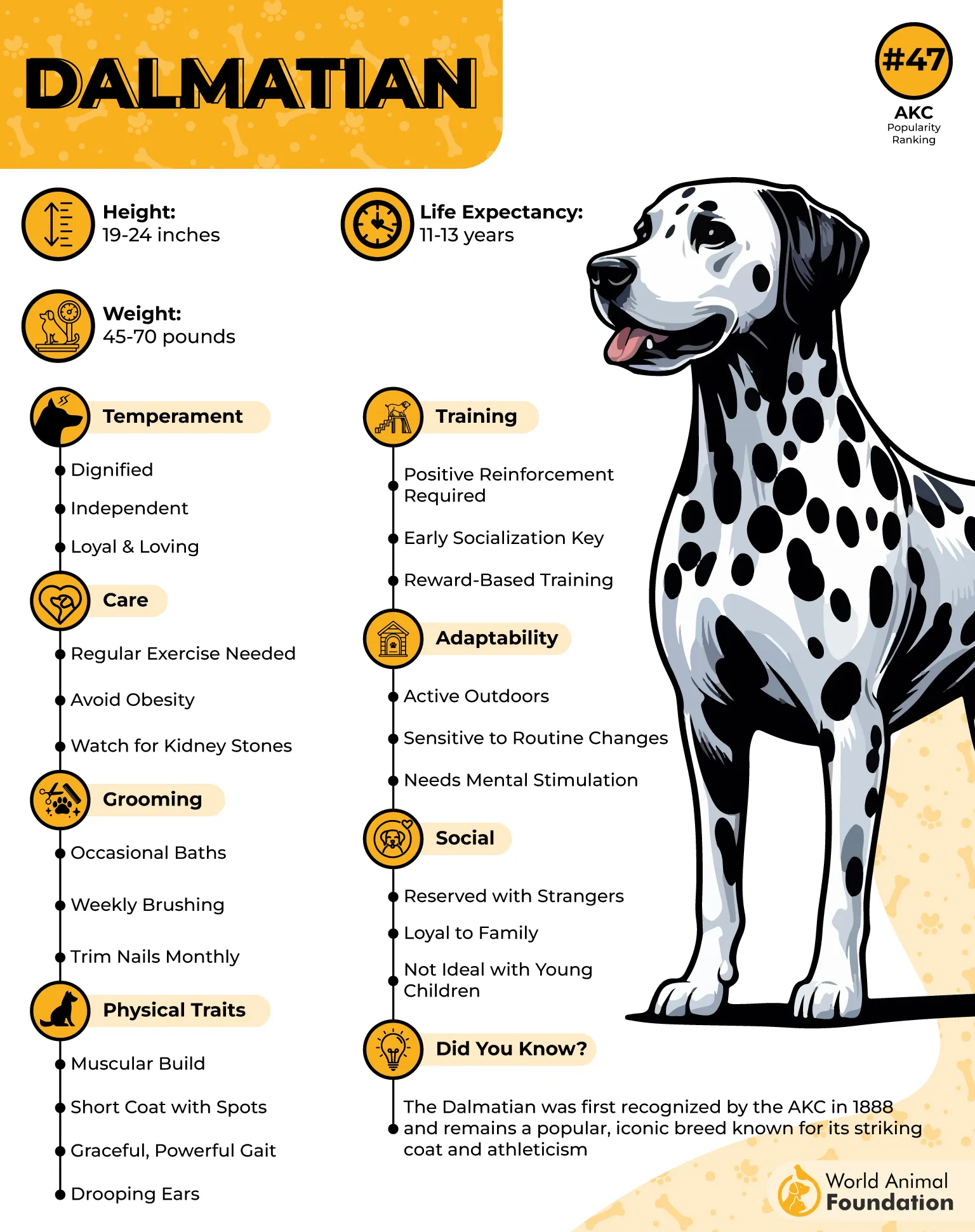
Temperament and Personality
Dalmatians are playful, friendly, clever, and affectionate with their families. They enjoy meeting people and learning new tricks and cues. They are social dogs and can develop separation anxiety if left alone too often.
They usually get along well with household pets, although some may be aggressive toward unfamiliar dogs. Their watchdog instincts remain strong, and they also have a natural affinity for horses.
Exercise and Training
These energetic dogs need plenty of daily exercise and fit best with active families. Running, hiking, and biking can help keep them busy and happy. Without enough activity, they may develop destructive habits. Dalmatians learn quickly but can become distracted during training.
3. Australian Shepherd
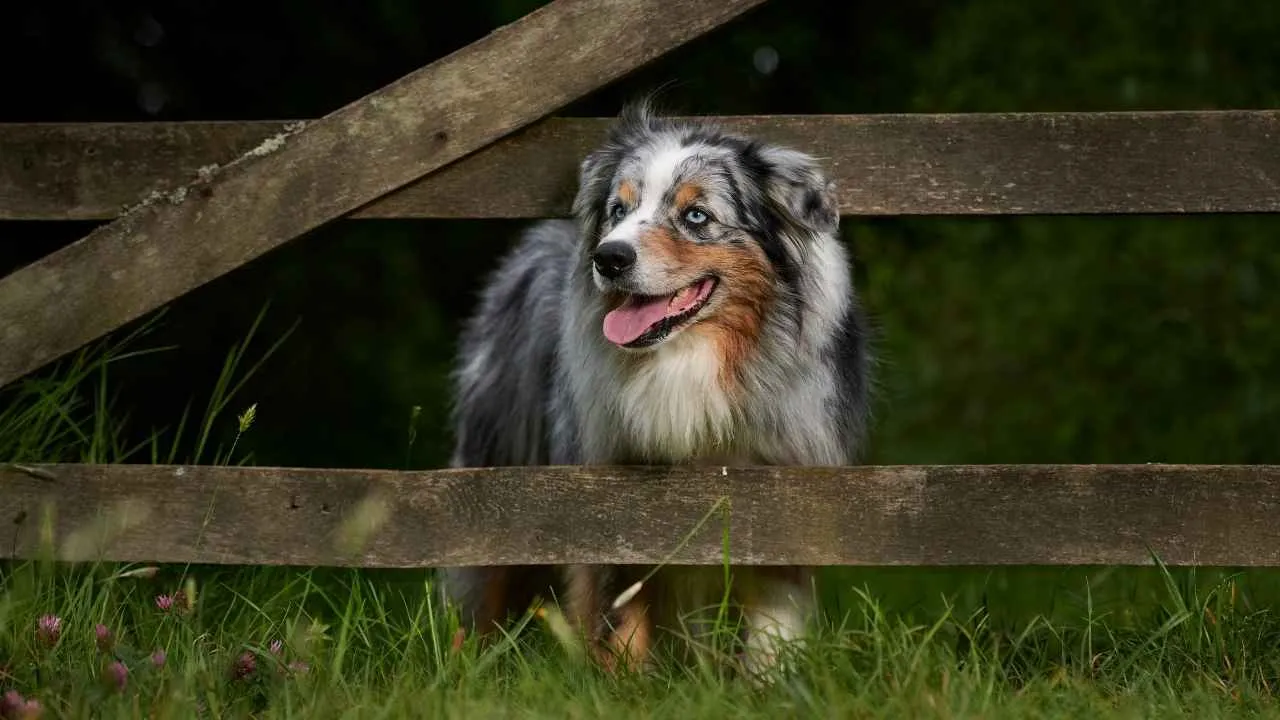
Australian Shepherds stand out with their athletic builds, medium-length coats, and striking colors. Their coats can be black, red, blue merle, or red merle, sometimes with tan points.
Some are even born naturally tailless. Their muscular bodies and slightly longer-than-tall shape give them a true working-dog appearance.
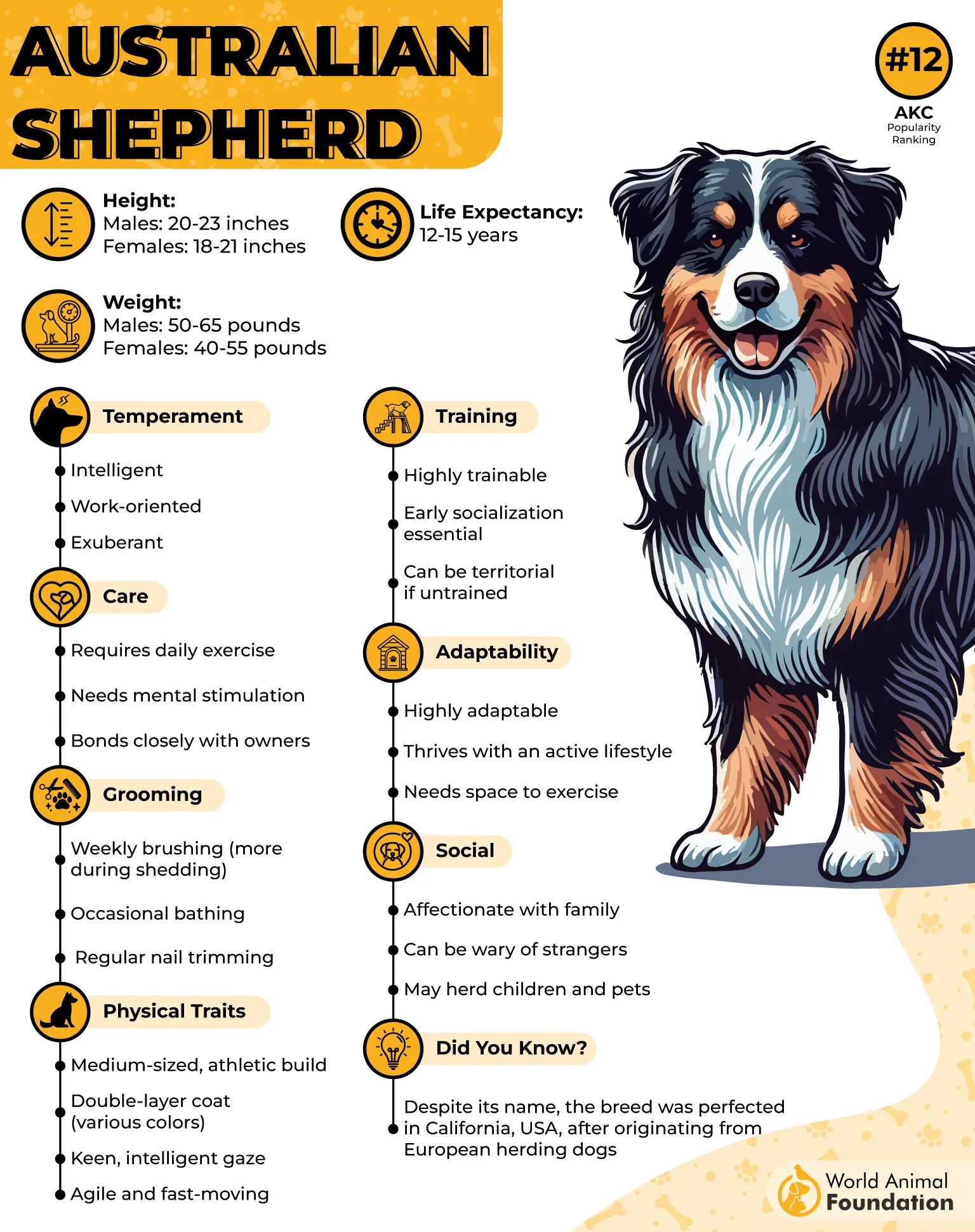
Personality and Traits
Australian Shepherds are highly intelligent, loyal, and energetic dogs with strong herding instincts. They love having a job and being involved in family life.
They can be friendly but may take time to warm up to strangers. Their herding drive can also make them chase or try to round up children, cats, bikes, and other moving objects.
Training and Exercise
Aussies need plenty of physical and mental activity every day. Training sessions, fetch, outdoor games, and flying discs can help keep their minds and bodies busy.
They are eager to please and enjoy learning with their people. Because they are fast and always ready to move, they should be kept on a leash or in a securely fenced area.
4. Maltese
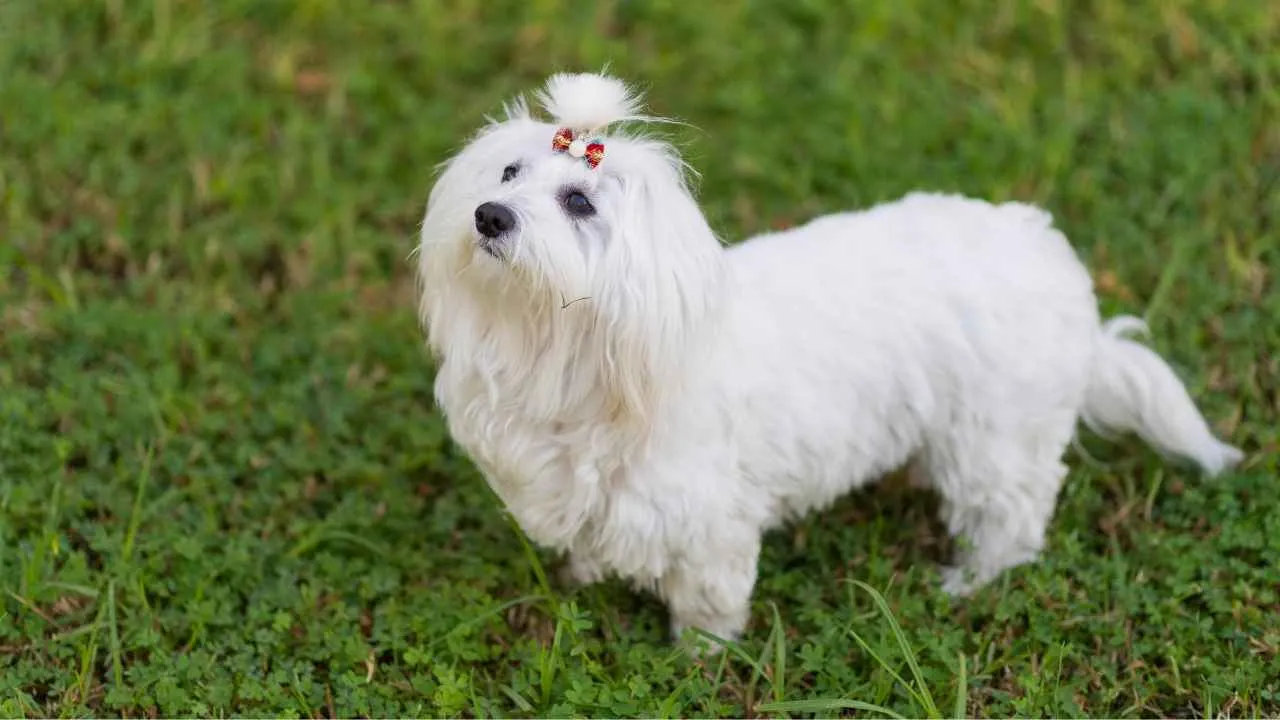
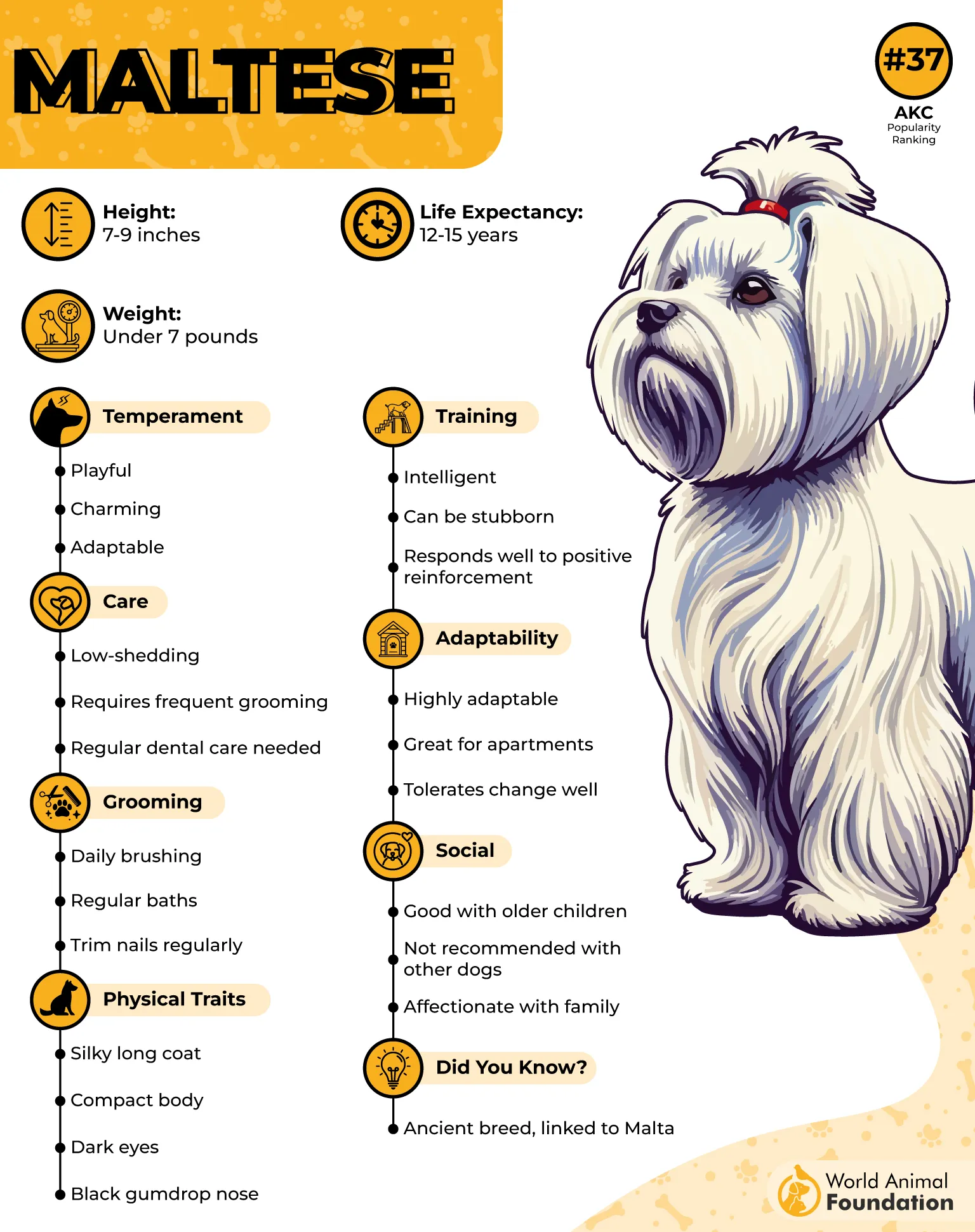
The Maltese is instantly recognizable for its luxurious, floor-length white coat. Its long, silky hair gives this tiny dog an elegant and almost toy-like appearance. The breed has been a companion for centuries and is linked to the Mediterranean island of Malta.
Maltese are small, adaptable dogs with a playful and affectionate nature, making them well suited to apartment living.
Personality and Traits
Maltese are friendly, lively, cuddly, and happiest when close to their people. They love sitting on laps and enjoy attention from their families. Omlet says they are usually friendly with other dogs and pets when properly socialized.
Their small size makes them fragile around very young children, so supervision is important. They can also bark when someone arrives at the door and may become anxious or destructive when left alone for too long.
Training and Care
Maltese learn quickly and respond well to rewards and positive training. Daily play, short walks, and mental stimulation help keep them happy.
Their long white coats need regular brushing and frequent grooming, while a shorter puppy cut is easier to maintain. Maltese rarely shed, although they are not completely allergen-free.
5. Weimaraner
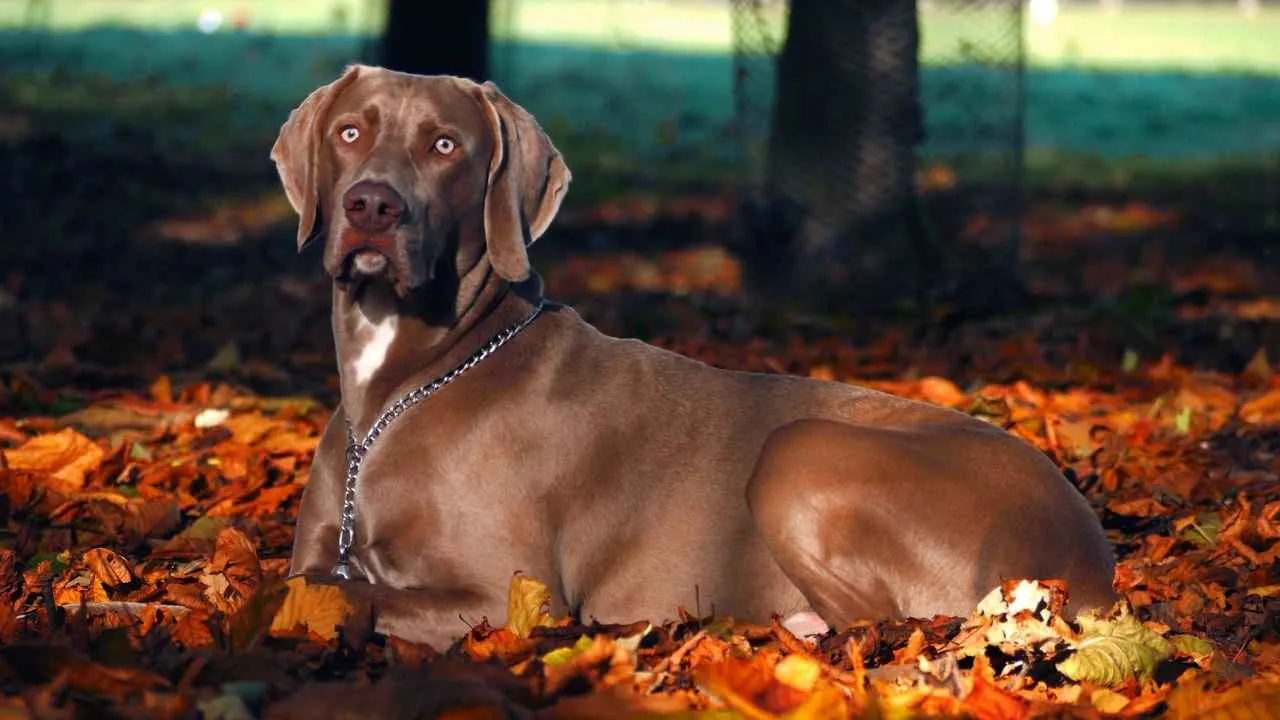
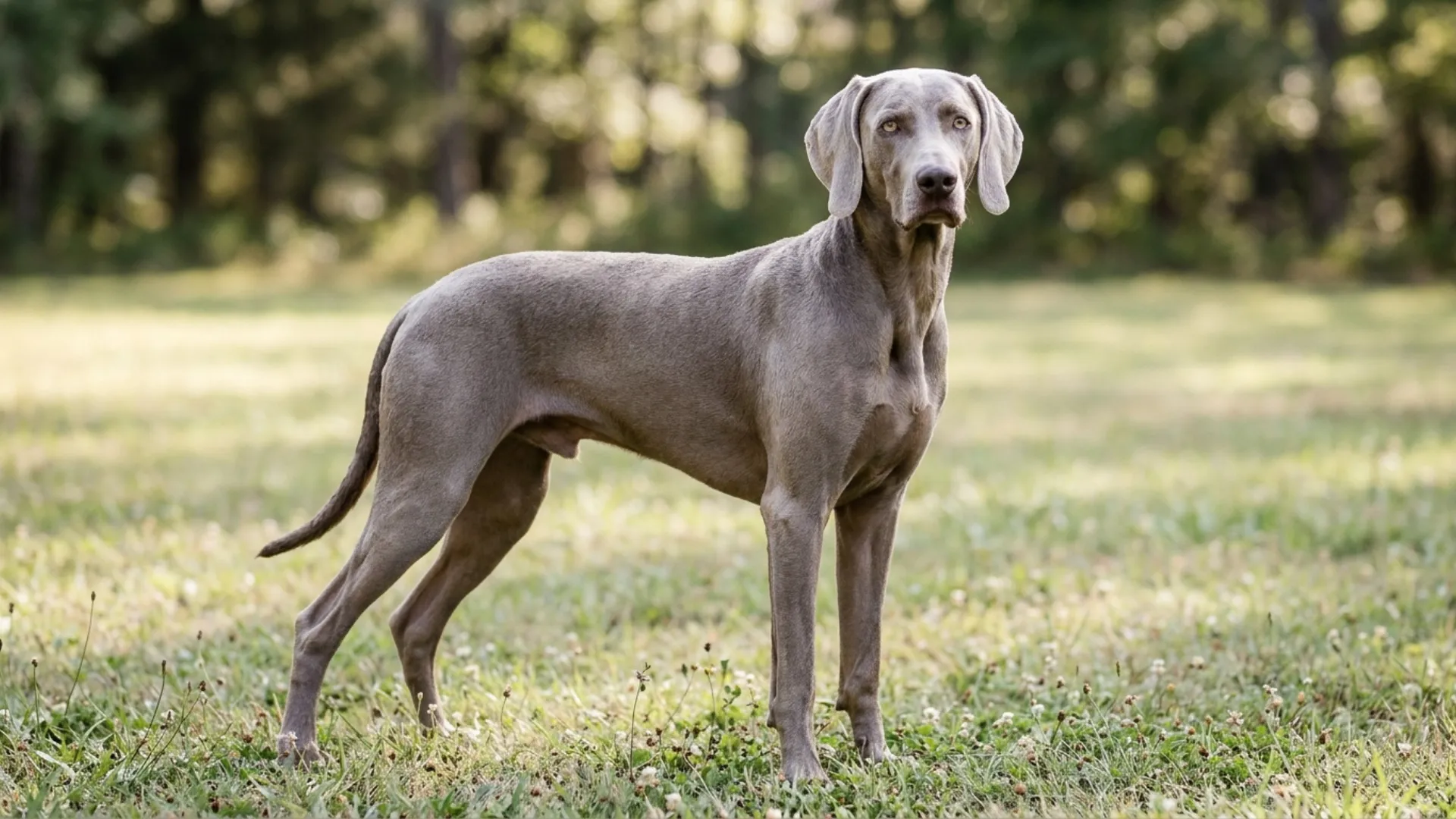
The Weimaraner is hard to miss with its sleek silver-gray coat, long legs, floppy velvety ears, and striking amber or blue-gray eyes. Often called the “Gray Ghost,” this athletic breed has a lean body built for speed and endurance.
Its solid gray coloring gives it a polished, almost statuesque appearance. The breed was developed in 19th-century Germany as a hunting companion valued for tracking ability, speed, courage, and durability.
Personality and Traits
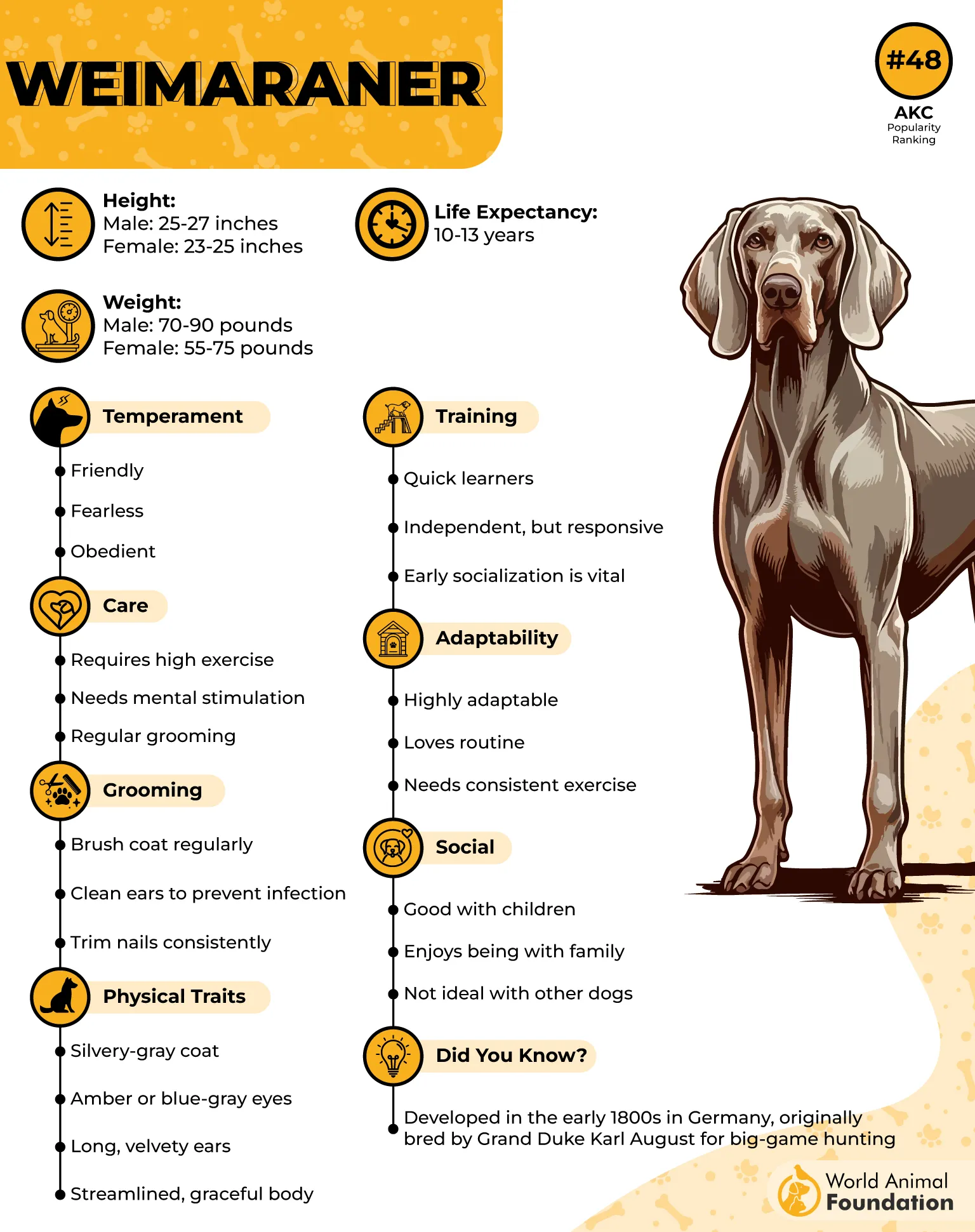
Weimaraners are friendly, fearless, obedient, and highly trainable dogs. They form strong bonds with their people and enjoy being part of family life. They usually get along well with other dogs when properly socialized.
However, their hunting background gives them a strong instinct to chase smaller animals, including cats and birds. Their curious nature also means they want to know what is happening around them.
Training and Exercise
These high-energy dogs need plenty of physical activity and mental stimulation. They enjoy running, hiking, camping, and other active outings.
Consistent training and early socialization are important, especially when introducing them to smaller pets. Their short, smooth coats need little grooming, although they shed moderately.
6. Afghan Hound
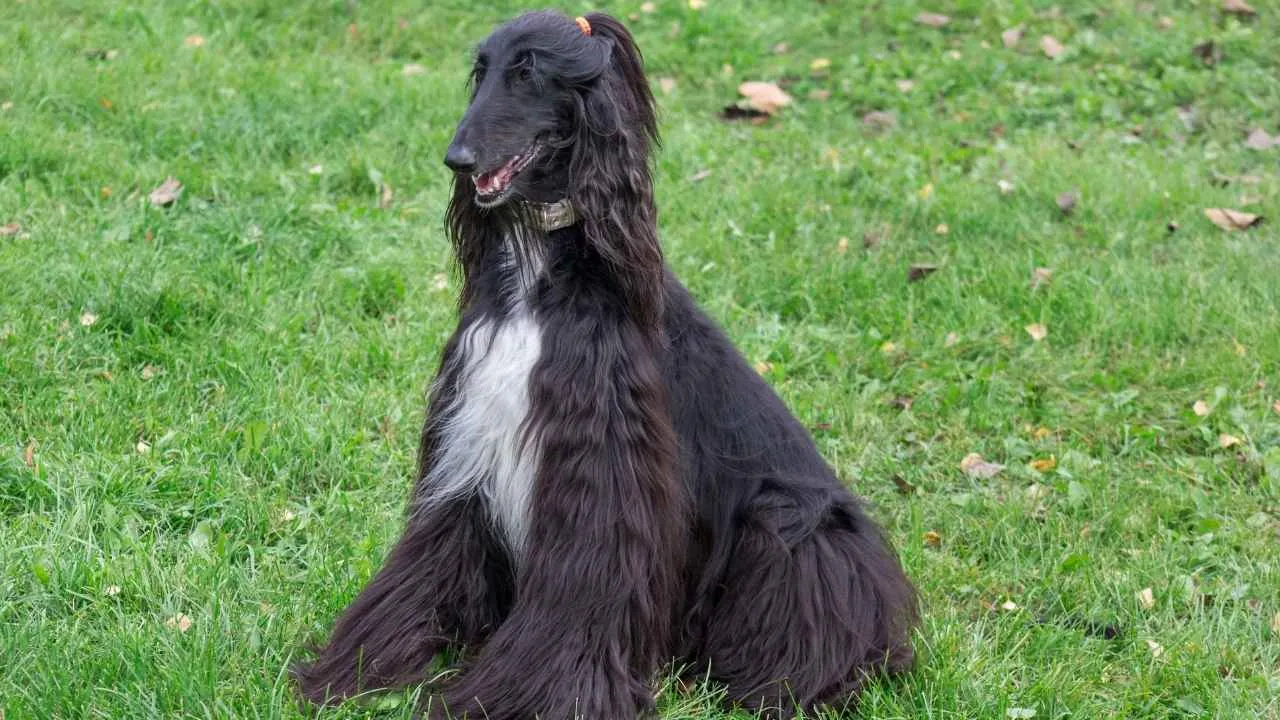
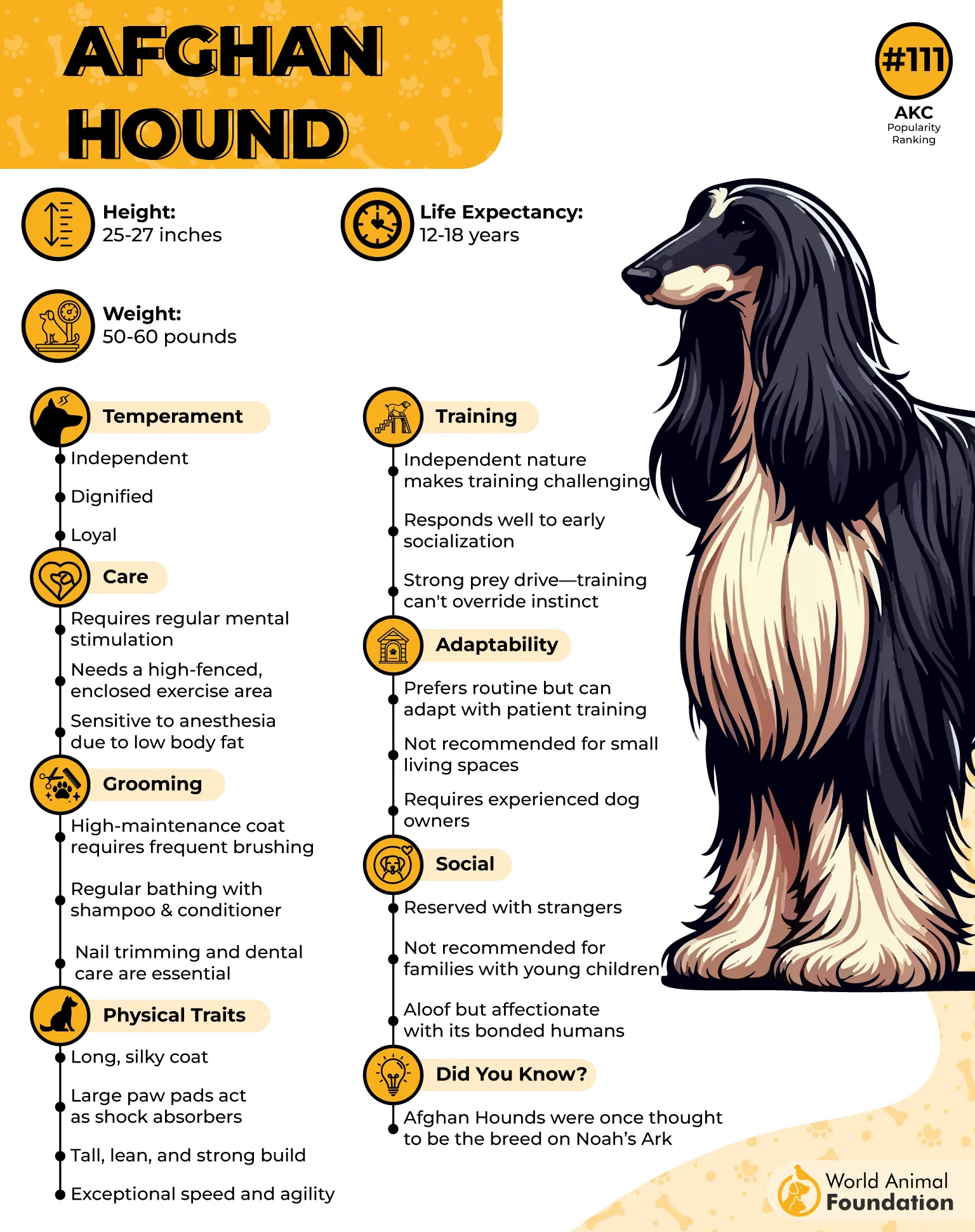
The Afghan Hound has one of the most distinctive looks in the dog world. Its long, silky coat, floppy ears, long legs, and elegant topknot give it an unmistakably regal appearance. Its coat comes in colors such as black, cream, blue, tan, red, and brindle.
Beneath the glamorous coat is a fast sight hound with sharp eyesight and quick feet, originally developed in Afghanistan for hunting.
Personality and Traits
Afghan Hounds are independent, reserved, and self-confident dogs. They often form close bonds with their families but can be aloof with strangers. Their strong prey drive means they may chase smaller animals such as squirrels and rabbits.
With early socialization and training, these large dogs can live with other household pets. They can be loyal and loving with familiar people, while also showing a playful, clownish side.
Exercise and Grooming
These athletic dogs need daily exercise, such as long walks or jogs. They should never be allowed to run loose in unfenced areas because they are fast and high jumpers.
A secure, tall fence is important. Afghan Hounds shed very little, but their long, silky coats need extensive grooming.
7. Siberian Husky
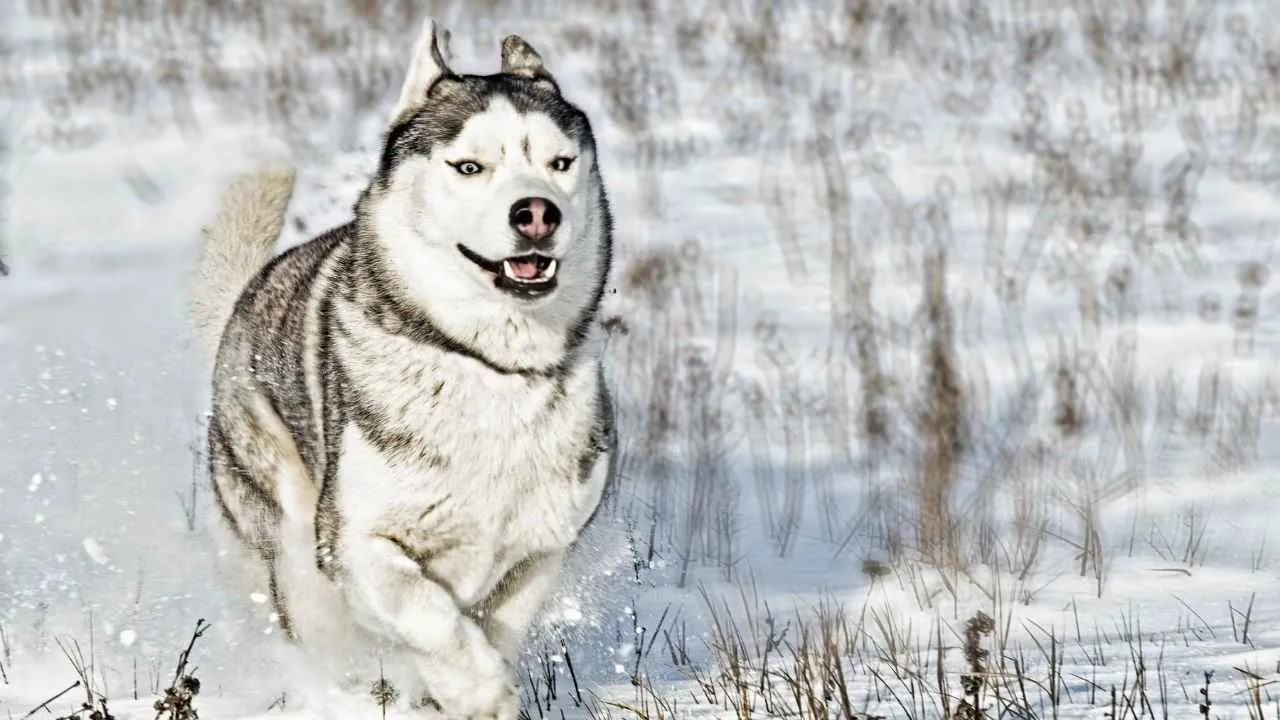
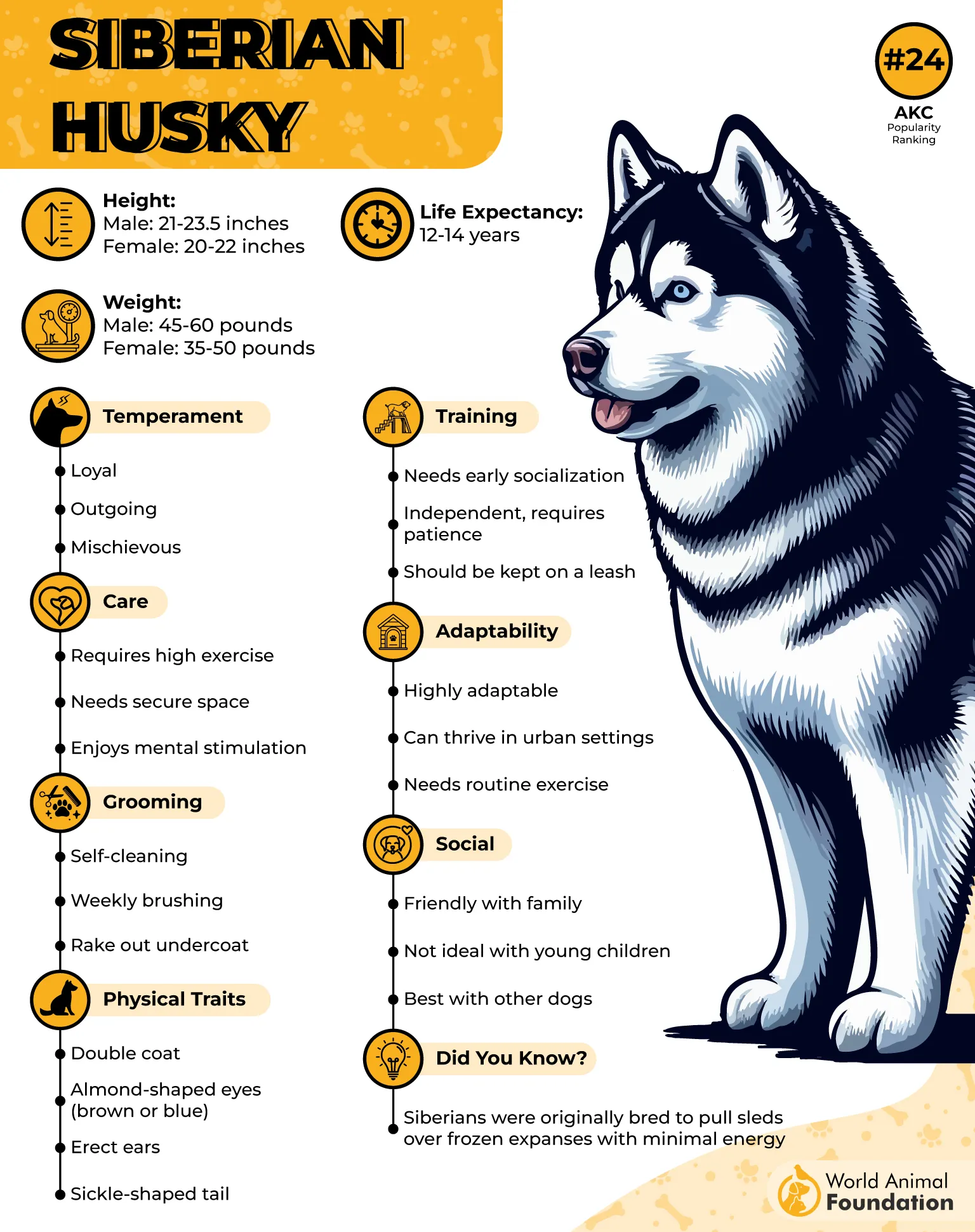
The Siberian Husky is known for its striking appearance, athletic build, and expressive personality. Originally developed in Northeast Asia as a sled dog, this breed has impressive endurance and a strong desire to work.
Huskies are active, playful, and independent, with a mischievous side that can keep their families entertained. Their friendly nature also means they are not suited to being guard dogs.
Personality and Traits
Siberian Huskies are outgoing and generally get along well with people, dogs, and other pets. They can be affectionate and gentle with their families but are also strong-willed and independent.
Britannica mentions that they are famous for being highly vocal, using woofs, chirps, and howls to communicate. They can become destructive when bored, including digging under, chewing through, or jumping over fences.
Training and Exercise
These high-energy dogs need plenty of exercise, space, mental stimulation, and companionship. Early training and socialization are important because Huskies can be challenging to train and may ignore commands they see as unnecessary.
8. Samoyed
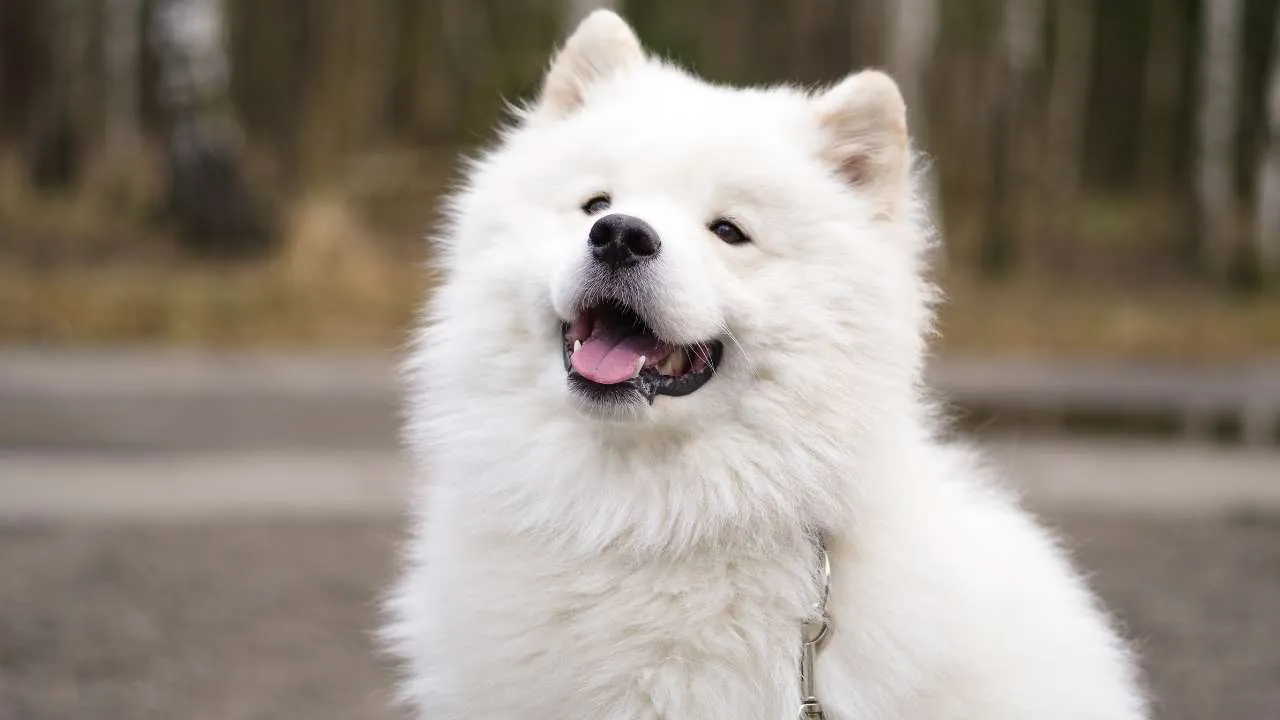
The Samoyed is instantly recognizable by its fluffy white coat and famous upturned “smile.” Those black lips are not just part of its cheerful expression; they also help prevent drool from freezing around the mouth in extremely cold weather.
Samoyeds can have white, cream, or biscuit-colored coats. Their thick fur once helped them stay warm while pulling sleds and herding reindeer in Siberia.
Personality and Traits
Samoyeds are friendly, affectionate, playful, and deeply attached to their families. They usually welcome strangers, get along with other dogs and pets, and are gentle with children.
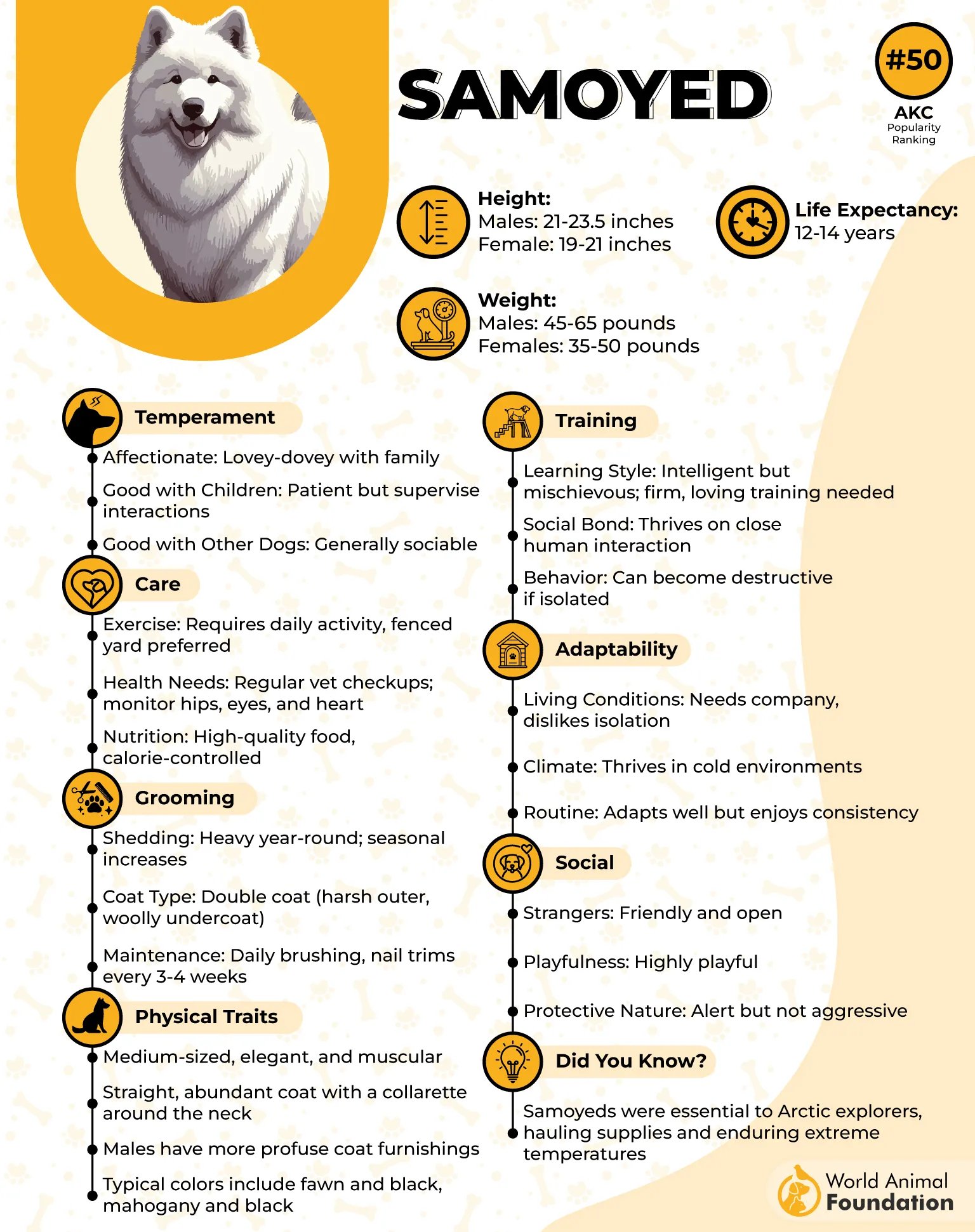
These intelligent dogs crave human attention and do not enjoy being left alone for long periods. They can also be mouthy during play and may bark often, so early training is helpful.
Training and Exercise
Samoyeds are active working dogs that enjoy having something to do. Daily exercise, play, training, and plenty of human interaction help keep them happy and prevent boredom. They can be independent and easily distracted, but reward-based training helps them learn.
9. Golden Retriever
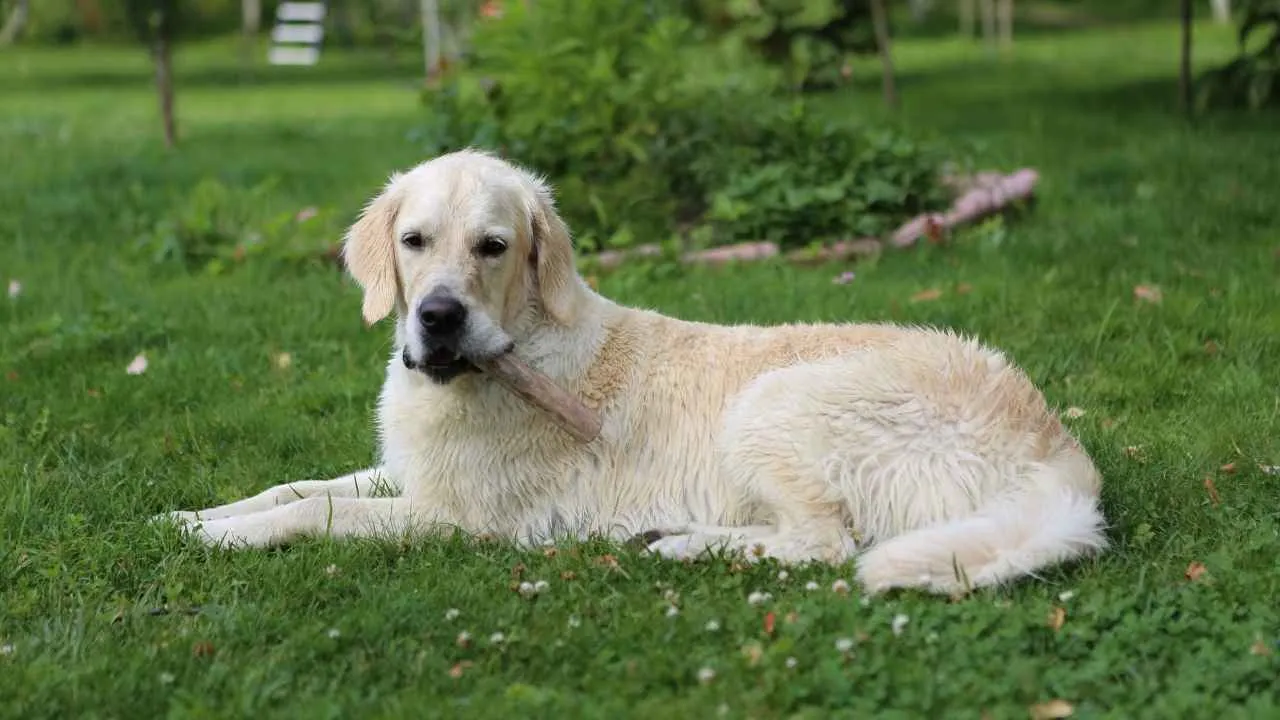
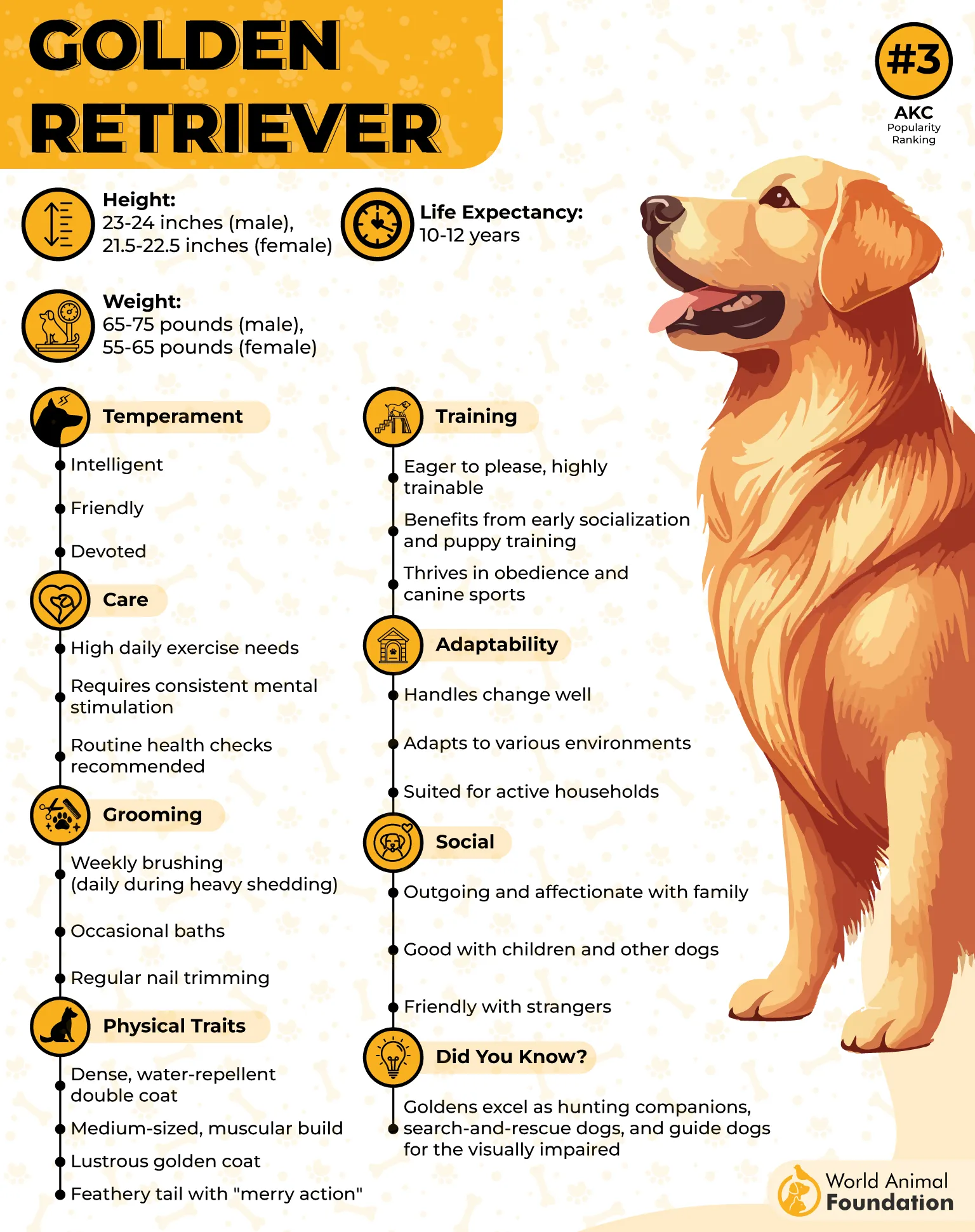
Golden Retrievers are instantly recognizable for their thick, lustrous coats and warm golden shades. Their fur can range from pale cream to deeper red, giving each dog a slightly different look.
They have broad heads, short ears, deep chests, and muscular builds. Their double coats are water-repellent and suited to their love of retrieving on land and in water.
Personality and Traits
Golden Retrievers are intelligent, loyal, playful, and affectionate. They are known for being outgoing and eager to please, often treating strangers as new friends. They usually get along well with children, dogs, and other pets when properly socialized.
Their friendly nature makes them poor protection dogs, although they can make fairly good watchdogs. They also bring plenty of goofy energy to family life.
Training and Exercise
Goldens are quick learners and enjoy training, retrieving, running, long walks, and swimming. They can be easily distracted during early training, so consistent guidance is important.
Their intelligence and willingness to learn also make them suited to roles such as guide, therapy, and search-and-rescue dogs.
10. Irish Setter

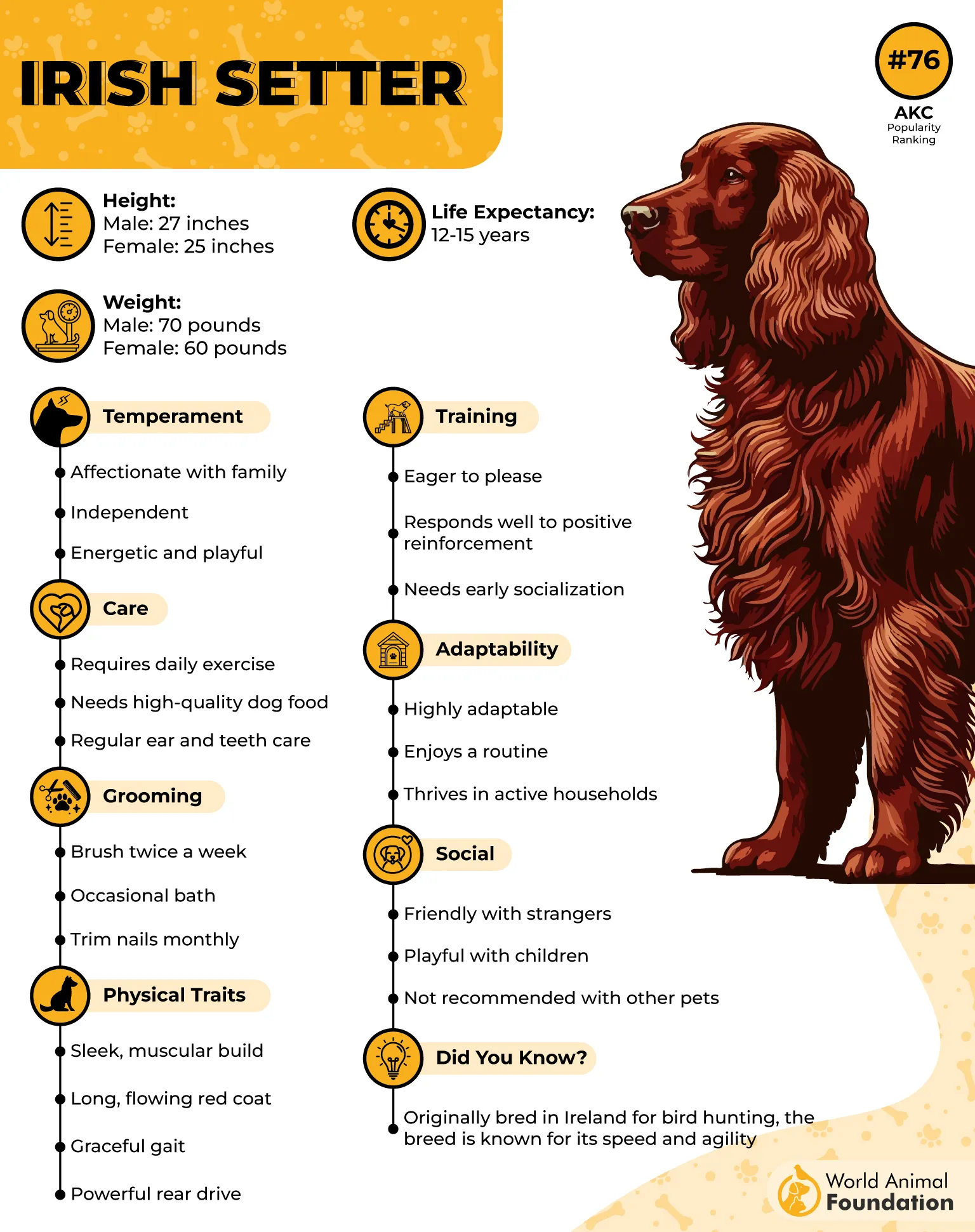
The Irish Setter is instantly eye-catching with its glossy red coat and elegant, athletic appearance. Its coat can range from deep mahogany to lighter red, with longer hair on the chest, legs, tail, and ears.
The flat, silky coat gives the breed a glamorous look, while its long legs reflect its history as a hardworking hunting dog built to cover rough ground.
Personality and Traits
Irish Setters are playful, lively, intelligent, and extremely friendly. They often greet strangers like old friends and usually get along well with other dogs.
Their cheerful nature makes them great family companions, especially for older children and active adults. They can be too exuberant for toddlers and may need care around smaller pets because of their hunting instincts.
Exercise and Care
These energetic dogs need plenty of daily exercise and human interaction. Without enough activity, they may become destructive, chew, dig, or run off looking for adventure. They do best with active families and plenty of space rather than apartment living.
Their beautiful coats need frequent, often daily, brushing to prevent mats and remove burrs. They are not effective protection dogs and are generally not heavy barkers.
Conclusion
Every dog has something that makes it special, but some breeds truly catch your eye with features you won’t easily forget. From spotted coats and silky ears to striking eyes, fluffy smiles, and unusual markings, these dogs show just how much variety there is in the canine world.
If you’re drawn to one of these breeds, take time to look beyond its appearance and learn about its personality, exercise needs, and care requirements.
The most memorable dogs are not always the ones with the flashiest looks, but the ones whose unique features come with a personality that fits your everyday life.
