




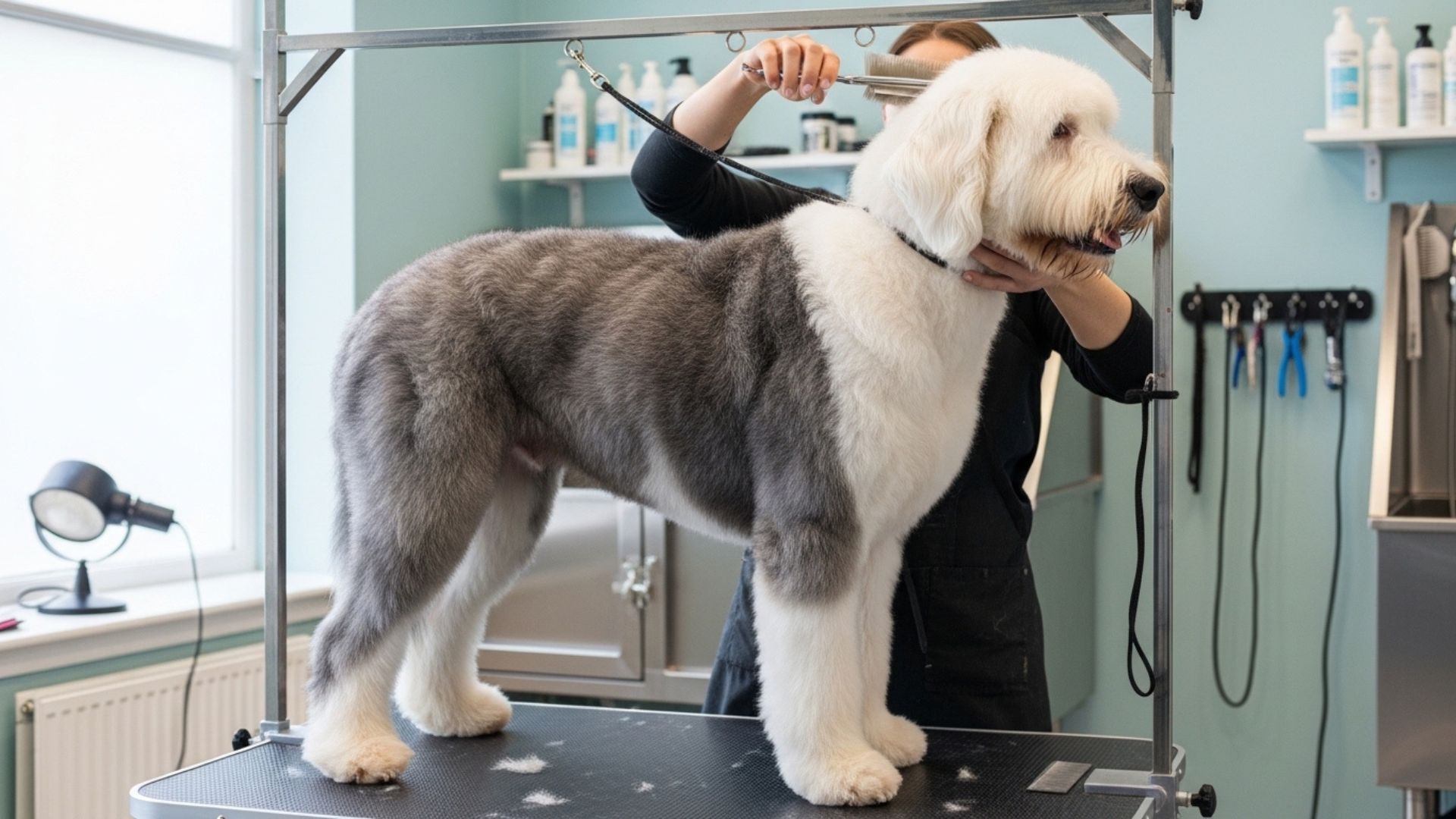
Owning a dog is one of life’s greatest joys—but let’s be real, it’s also a big responsibility. Beyond walks, playtime, and cuddles, some dogs come with coats that demand a whole lot of love and attention.
We’re not just talking about the occasional bath or quick brush—think daily combing, detangling, and careful upkeep that can turn grooming into a full-blown ritual.
Regular grooming isn’t just about keeping your pup looking fabulous—it’s vital for their health. Mats, tangles, and neglected fur can lead to painful skin issues, infections, and even discomfort when they move.
If you’re the kind of dog lover who enjoys bonding through brushing sessions, pampering, and keeping your furry friend healthy from nose to tail, then you’re in the right place.
We’re about to explore the top 10 dog breeds that require extensive grooming—breeds whose coats need dedication, patience, and a little extra TLC. Get ready to discover what it really takes to keep these high-maintenance pups happy, healthy, and picture-perfect.
Key Takeaways
Think grooming is just brushing? Meet the Puli and Komondor—dogs whose iconic cords demand serious time and care.
Discover why silky-coated stars like the Afghan Hound and Maltese need near-daily grooming to stay flawless.
From the fluffy Bichon Frise to the stylish Miniature Poodle and Yorkshire Terrier, uncover the real work behind their cute looks.
Explore the breeds that require the most grooming—and see if you’re ready for the commitment.
Top Dog Breeds with Lengthy Grooming Sessions
1. Puli
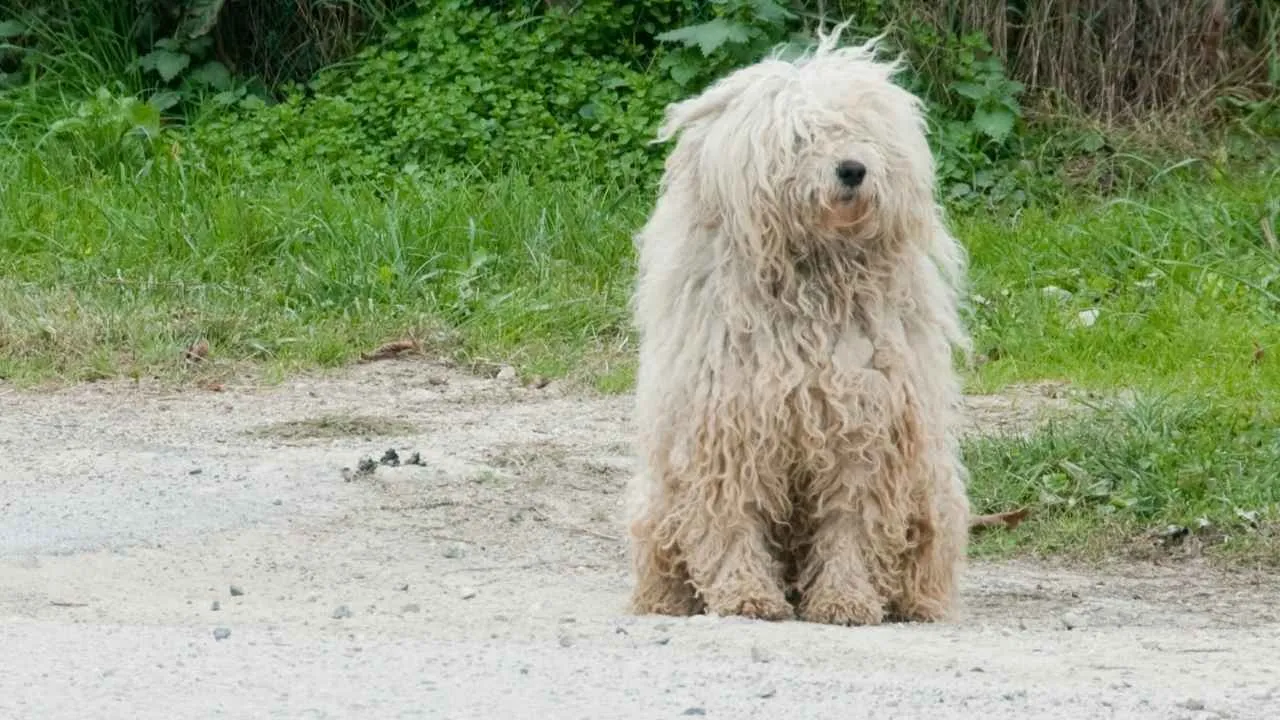
The Puli is a lively, smart herding dog from Hungary, known for its unique corded coat. Originally bred to herd sheep, its coat protected it from harsh weather and predators. Pulik are playful, alert, and make loyal companions, as noted by the AKC. They also enjoy outdoor activities and dog sports like agility.
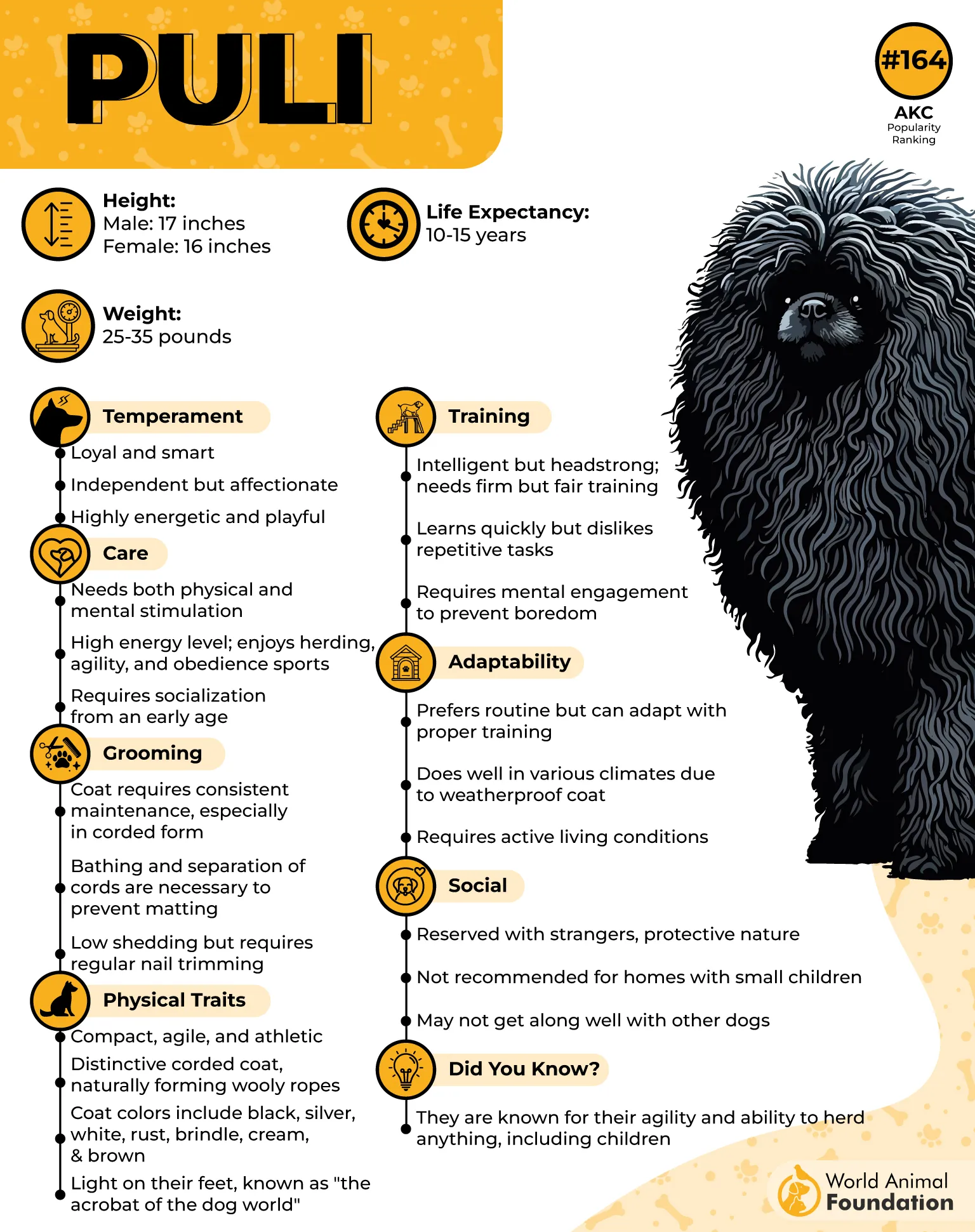
This breed rarely sheds, but its corded coat needs careful maintenance. The cords form naturally around nine months of age and require daily grooming to prevent mats and keep them looking neat.
Bathing and drying a Puli takes patience and time, as the cords must be cleaned thoroughly and dried completely to avoid mildew.
Grooming Highlights:
Daily attention is needed to prevent painful matting.
Cords must be separated from the skin and guided as they form.
Bathing can take hours; thorough drying is essential.
Weekly brushing is required if the coat is trimmed short.
Hair around the eyes can be trimmed to improve vision.
Care is needed during hot weather or after swimming, as the coat can overheat or become heavy when wet.
With proper grooming, Pulik stay healthy, comfortable, and absolutely stunning. Their corded coat may look intimidating at first, but the time spent brushing, bathing, and caring for them becomes a rewarding routine.
Pulik are not just beautiful—they are energetic, affectionate, and incredibly loyal, forming deep bonds with their families. For dog lovers who enjoy hands-on care and love seeing their pet’s personality shine through, a Puli can be a joyful and endlessly fascinating companion.
2. Komondor
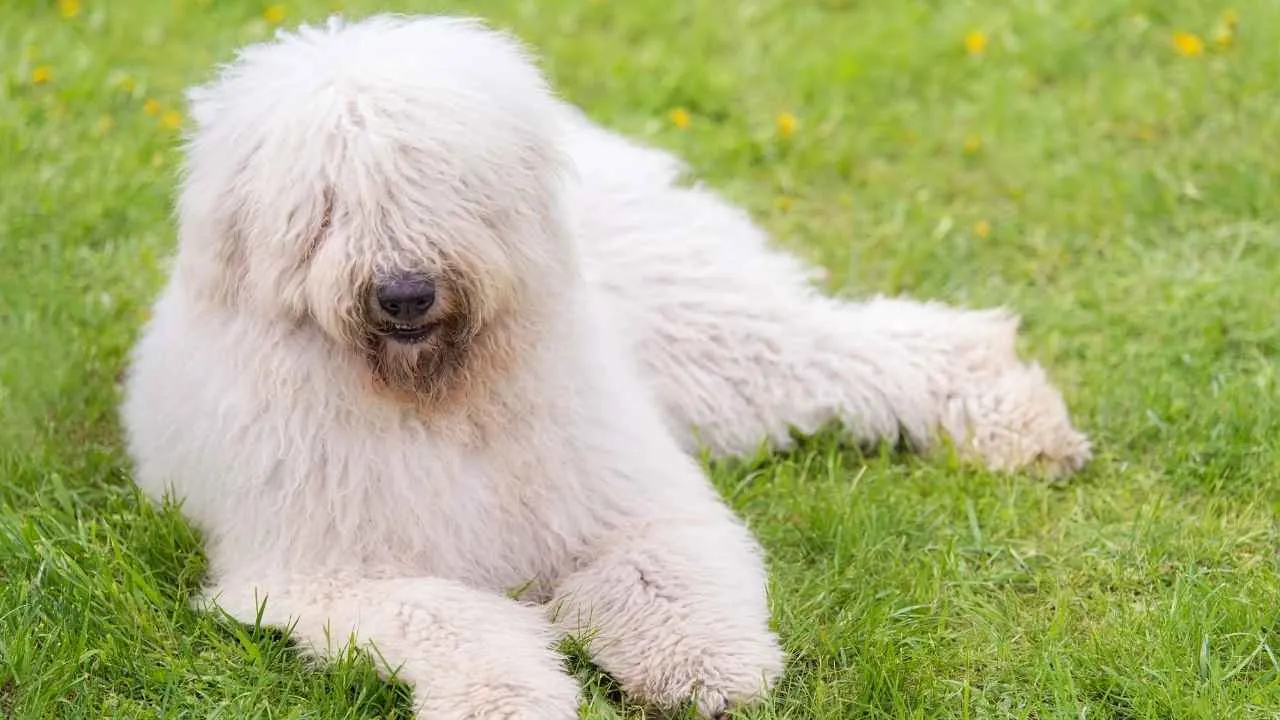
The Komondor is instantly recognizable for its thick, corded coat and protective nature. Originally bred in Hungary as a livestock guardian, this breed’s heavy, felt-like cords provide insulation and protection from harsh weather and predators, as mentioned by WebMD.
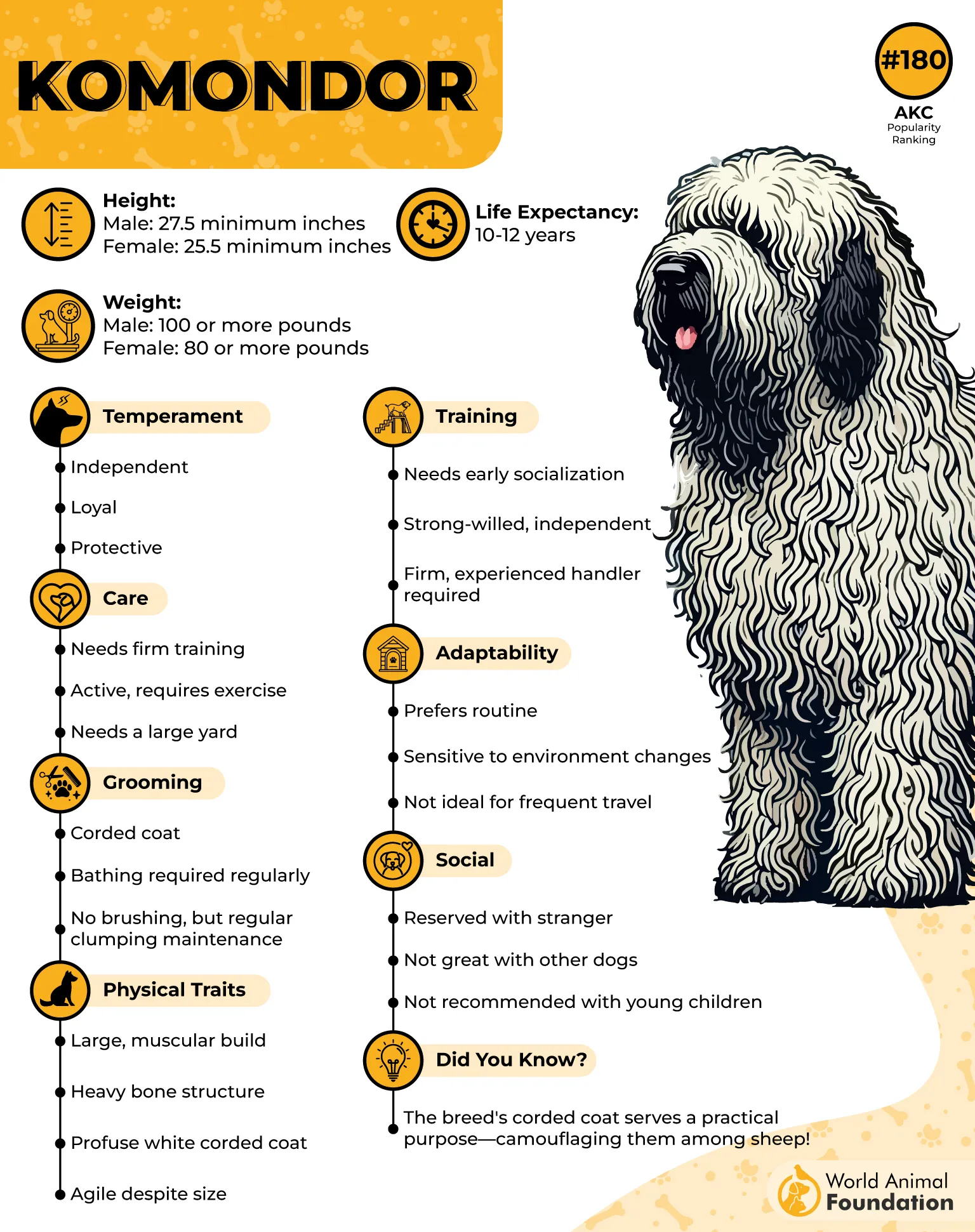
Maintaining a Komondor’s coat is no small task. It can take up to three years for their coat to reach full length and develop its characteristic texture. The cords must be separated and rolled regularly to prevent matting, and bathing requires careful attention.
Because their coat is dense, drying can take an entire day or more, and incomplete drying may cause mold or mildew. Despite the effort, a well-maintained coat is stunning and serves its protective purpose.
Grooming Highlights:
Cords develop naturally from a woolly undercoat and a coarser outercoat.
Mats and cords must be separated and rolled consistently as they grow.
Bathing takes hours; complete drying is essential to prevent mildew.
Quick rinses are needed if the dog gets muddy or dirty.
Dirt and debris should be removed from cords regularly.
Regular dental care, ear cleaning, and nail trimming are essential.
With dedication and patience, a Komondor’s coat remains clean, healthy, and magnificent. While the grooming is time-consuming, the reward is a striking, unique dog that combines beauty, intelligence, and loyalty.
For families ready to commit, caring for a Komondor’s cords becomes a labor of love, creating a close bond between owner and dog that’s as deep as it is rewarding.
3. Bichon Frise
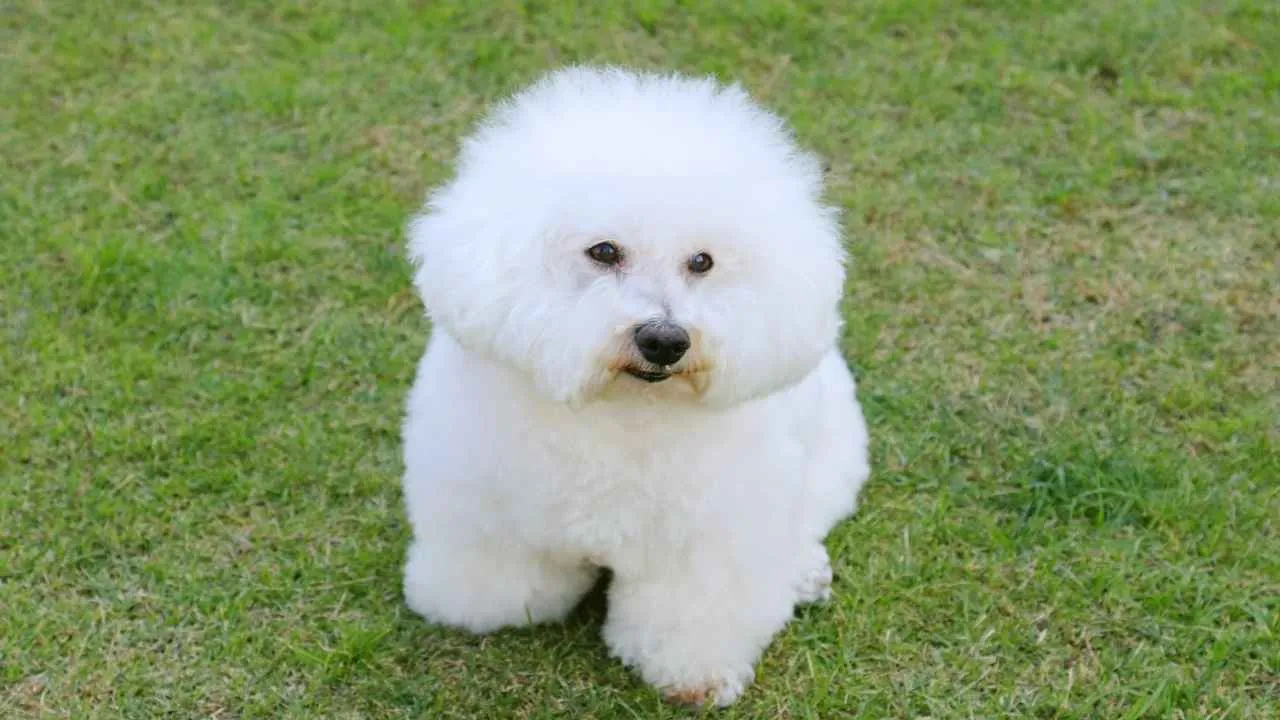
The Bichon Frise may look like a tiny cotton ball, but maintaining that adorable appearance takes real effort. This small breed has a soft, curly double coat made up of a silky undercoat and a textured outer layer.
Because they shed very little, loose hair often gets trapped in the curls, which can quickly lead to tangles and matting if not groomed properly.
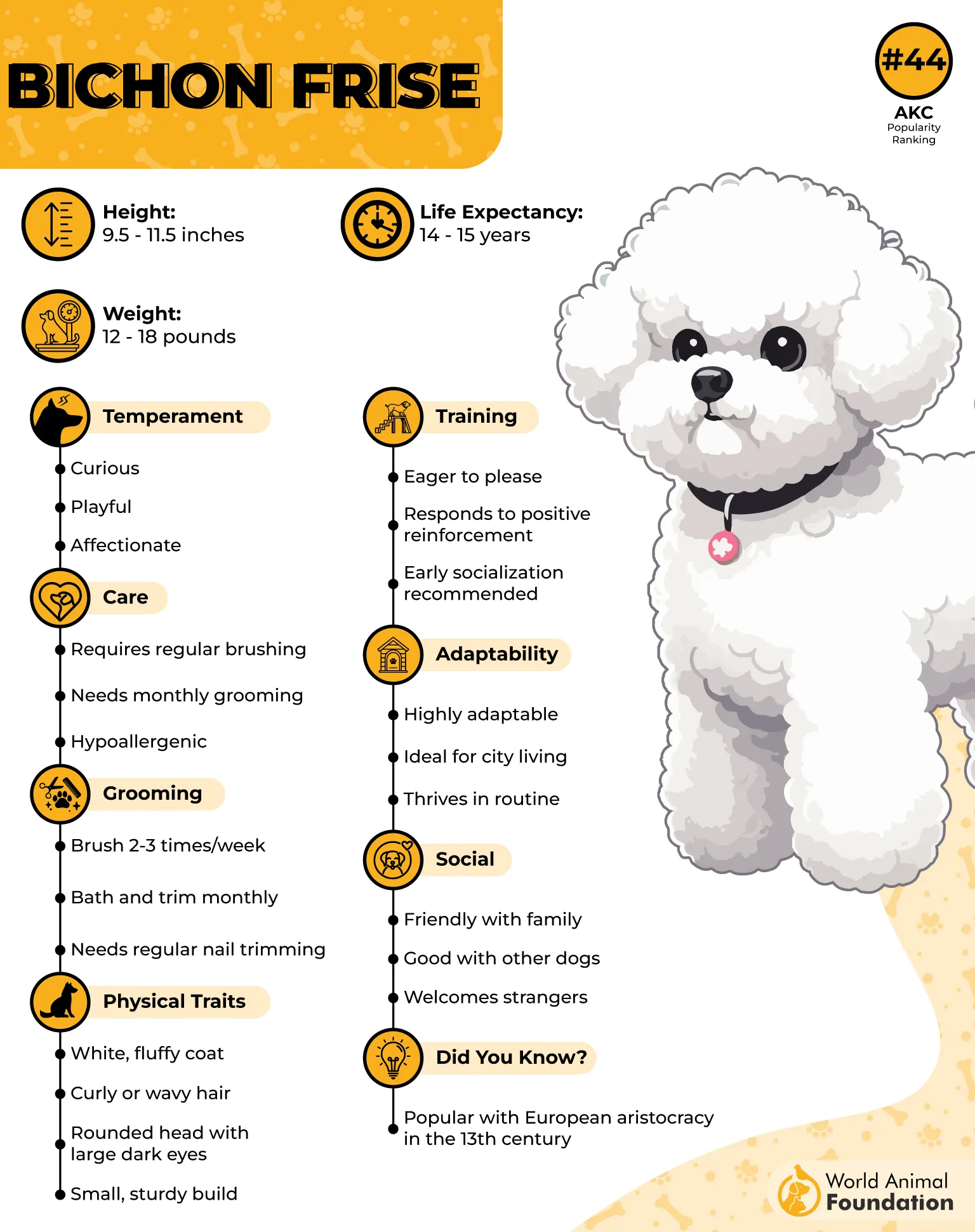
Originally connected to white companion dogs from the Mediterranean region, the Bichon Frise gained popularity in Europe centuries ago and was especially loved by royal courts. Today, they are known for their cheerful personality and charming looks.
These dogs are friendly, intelligent, and adaptable companions who get along well with children and other pets. Their playful nature and love for learning tricks make them delightful family dogs.
Grooming Highlights:
Brush the coat at least 2–3 times a week, or even daily for longer coats.
Mist the coat with a hydrating spray before brushing to avoid breakage.
Schedule professional grooming every 4–6 weeks.
Give baths every one to two weeks to keep the coat clean and fluffy.
Trim hair regularly to prevent mats, tangles, and hair blocking the eyes.
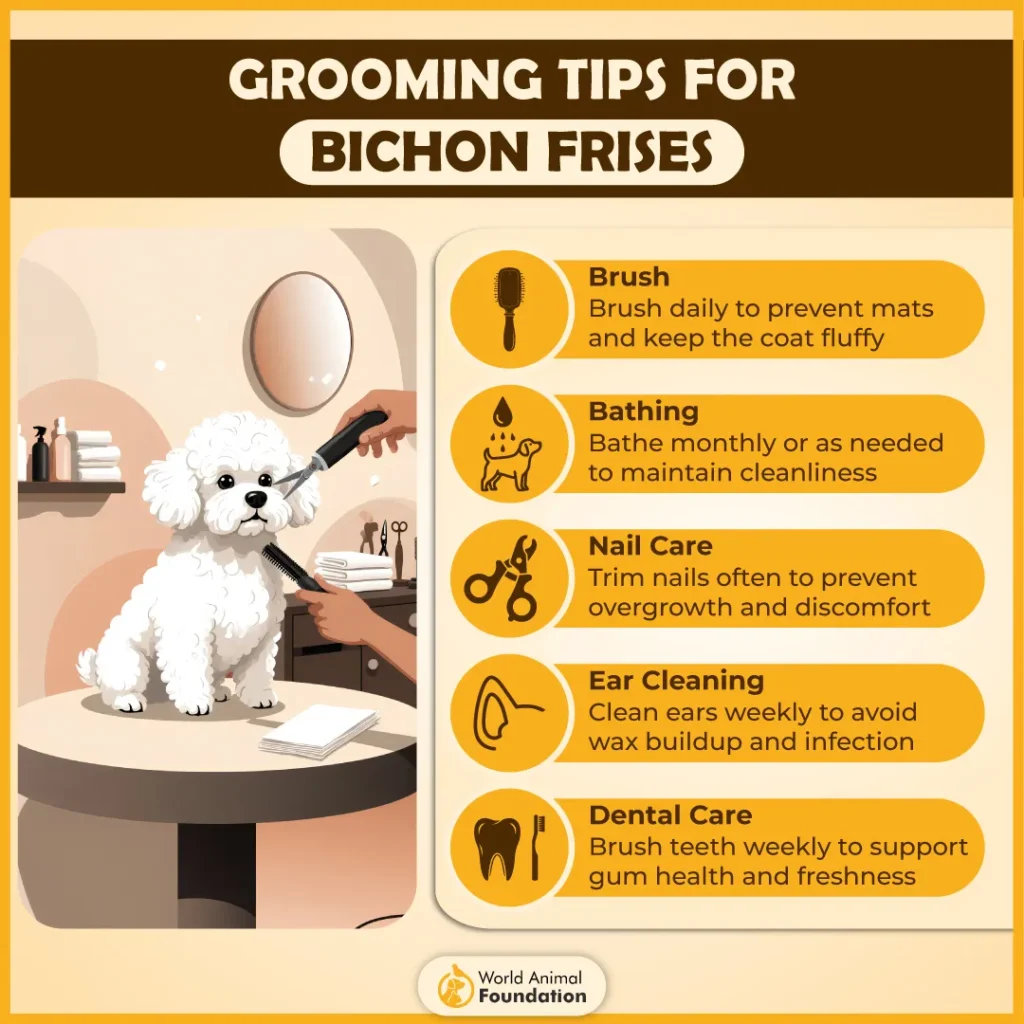
With consistent care, the Bichon Frise keeps its signature fluffy look and stays comfortable. Though grooming requires time and patience, many owners find it rewarding.
These affectionate, playful dogs bring joy wherever they go, and their cheerful personality makes all that grooming effort feel completely worthwhile.
4. Afghan Hound
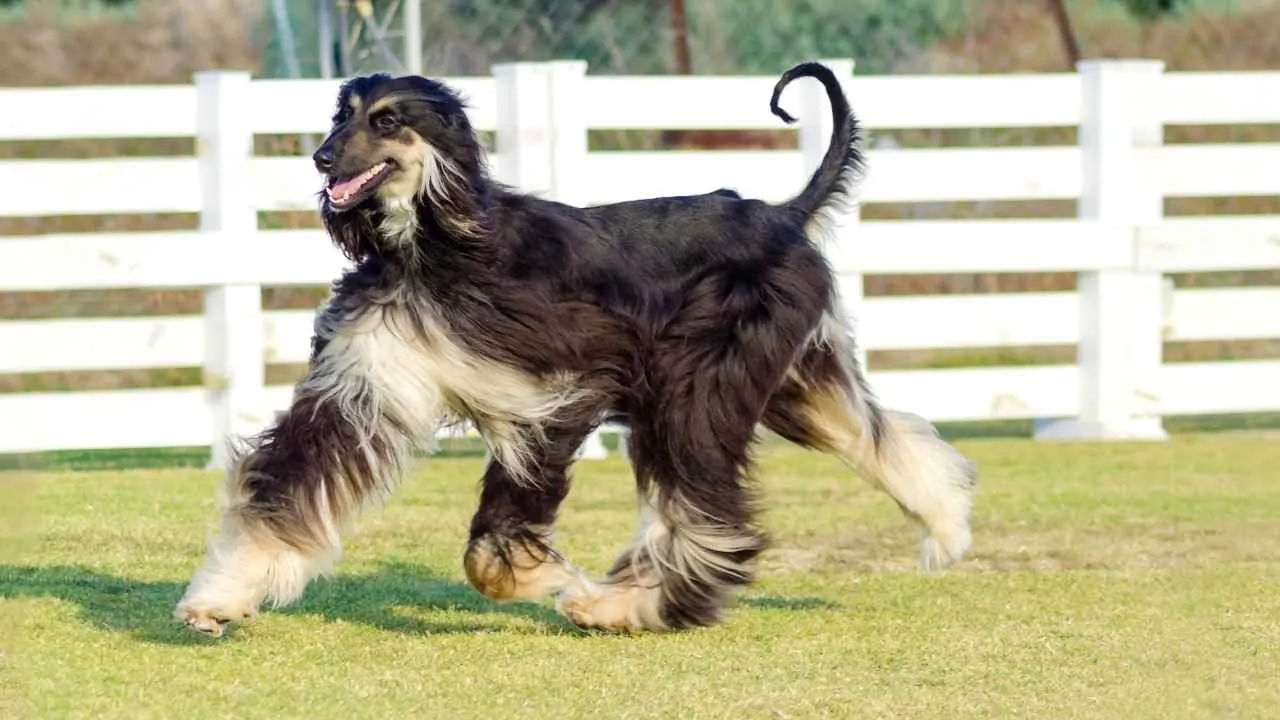
The Afghan Hound is famous for its long, silky coat and graceful appearance. This breed has been admired since ancient times for its elegance and beauty.
Originally developed in the mountainous regions of Afghanistan, the thick, flowing coat protected the dog from harsh weather while hunting deer, gazelle, and smaller game. Beneath the glamorous fur is a powerful and agile sighthound known for its speed and dignified nature.
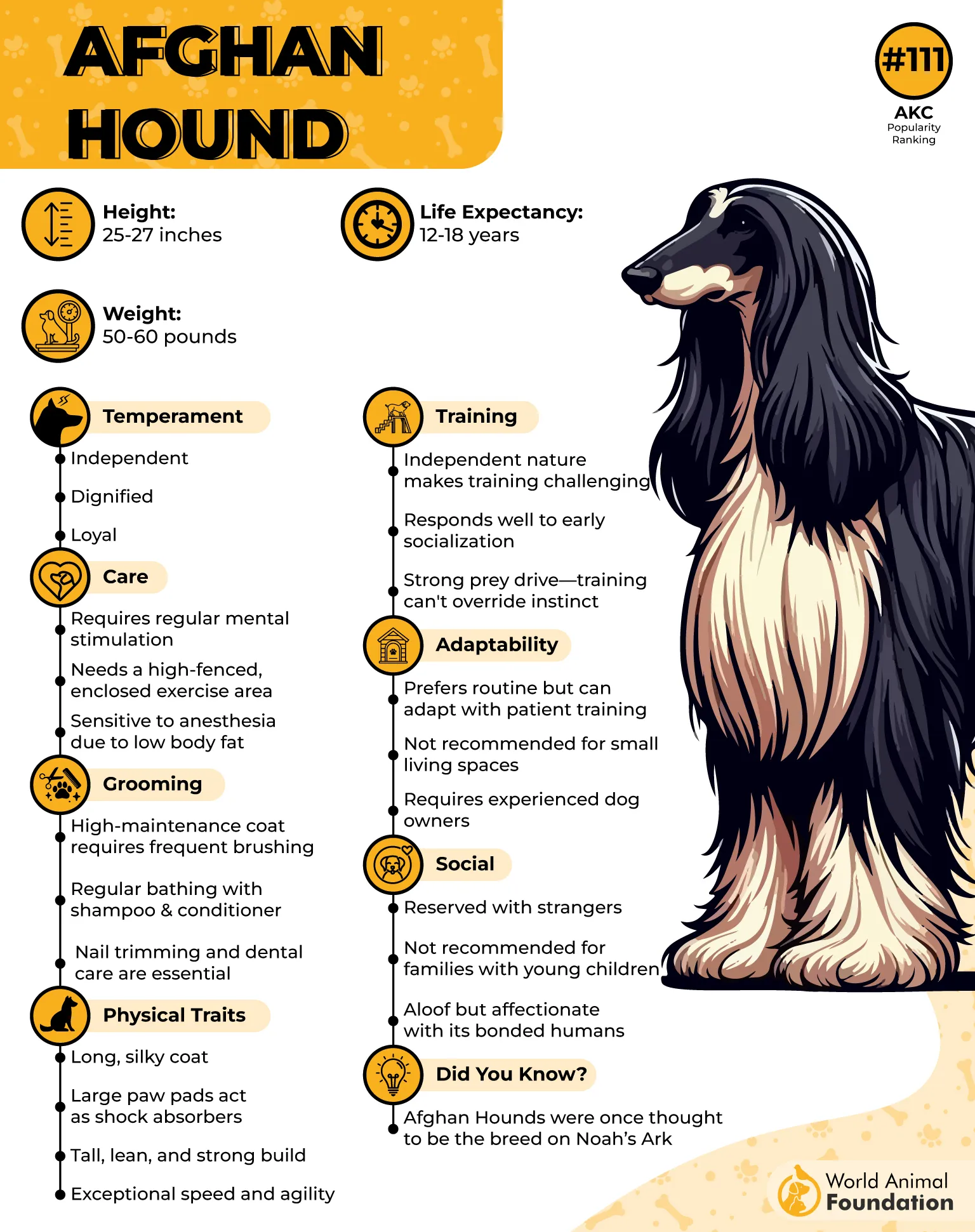
Despite their regal look, Afghan Hounds require serious grooming to keep their coats in top condition. Their fine, silky hair easily collects dirt and debris and can tangle quickly.
Puppies are easier to manage because they have shorter coats, but as the long adult coat develops, grooming becomes a routine. Daily brushing is often necessary to prevent mats, knots, and tangles and to keep the coat smooth and healthy.
Grooming Highlights:
Daily brushing helps prevent mats, tangles, and dirt buildup.
Bathing is recommended weekly or at least every two weeks.
Shampooing and conditioning help maintain the silky texture.
Professional grooming or trims are often needed once a month.
Regular care keeps the coat smooth, shiny, and debris-free.
With proper care, the Afghan Hound’s coat remains one of the most beautiful in the dog world. Grooming may take time and patience, but many owners enjoy the process as part of bonding with their dog.
For people who appreciate elegance and don’t mind a detailed grooming routine, the Afghan Hound is a truly magnificent companion.
5. Poodle
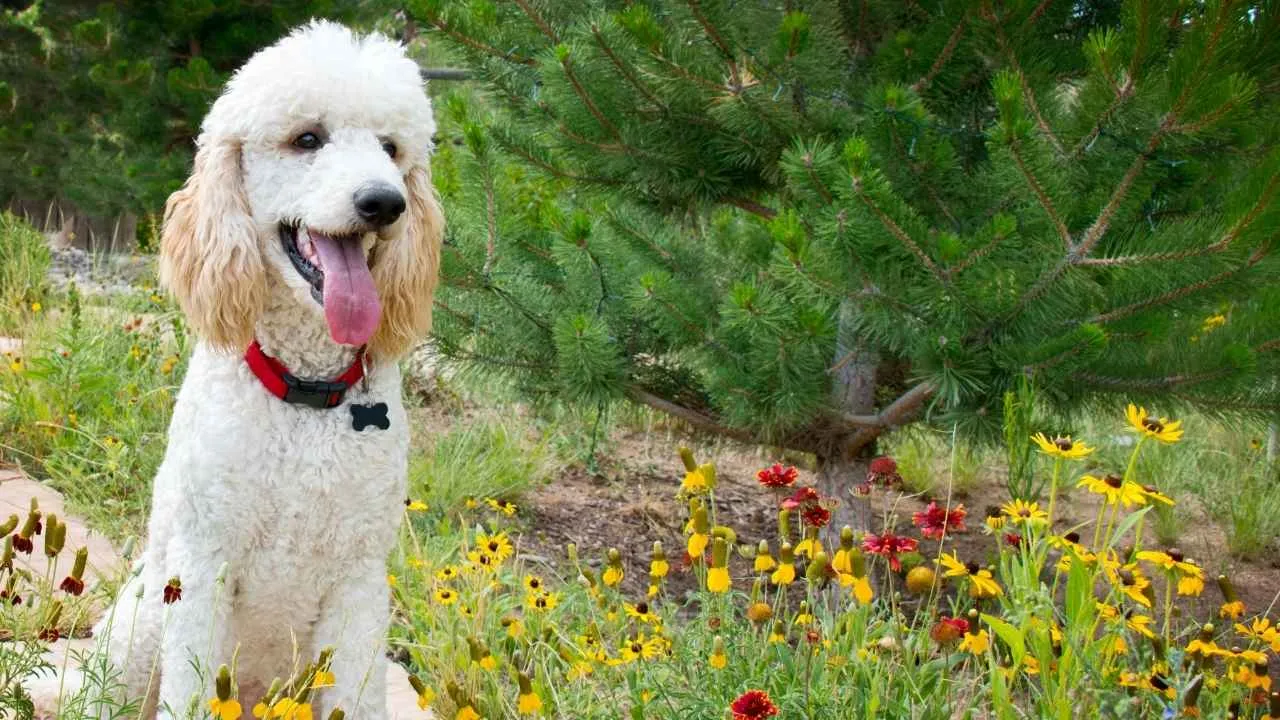
Poodles are famous for their dense, curly coats and elegant appearance. Whether Standard, Miniature, or Toy, all Poodles share the same thick, wool-like fur that requires regular care.
Their coat was originally developed to protect while working in water, but today it is best known for its stylish look and show-dog appeal. Beneath that glamorous exterior is an intelligent, energetic dog that loves learning and performing for its family.
Unlike many other breeds, Poodles shed very little. However, their hair grows continuously, much like human hair. Because the loose hair doesn’t fall out easily, it becomes trapped in the curls and can quickly form knots and mats.
Dirt and debris can also get caught in the coat, especially in areas where friction occurs, such as between the legs. Without frequent brushing and grooming, the coat can become tangled and uncomfortable for the dog.
Grooming Highlights:
Daily brushing helps prevent knots and tangles in the curly coat.
Detangle the coat with a slicker brush before bathing.
Regular trims are needed every 4–6 weeks.
Professional grooming is often required for precise clips and styling.
Their coat must be properly dried and straightened before clipping for an even finish.
Use gentle products because Poodles often have sensitive skin.
Maintaining a Poodle’s iconic coat requires time, patience, and skill. Their intricate grooming styles, such as show cuts, demand precision and experience.
However, with regular care and the right tools, their coat can remain healthy, soft, and beautifully shaped. For owners who enjoy grooming and want a dog that always looks polished and stylish, the Poodle is truly worth the effort.
6. Lhasa Apso
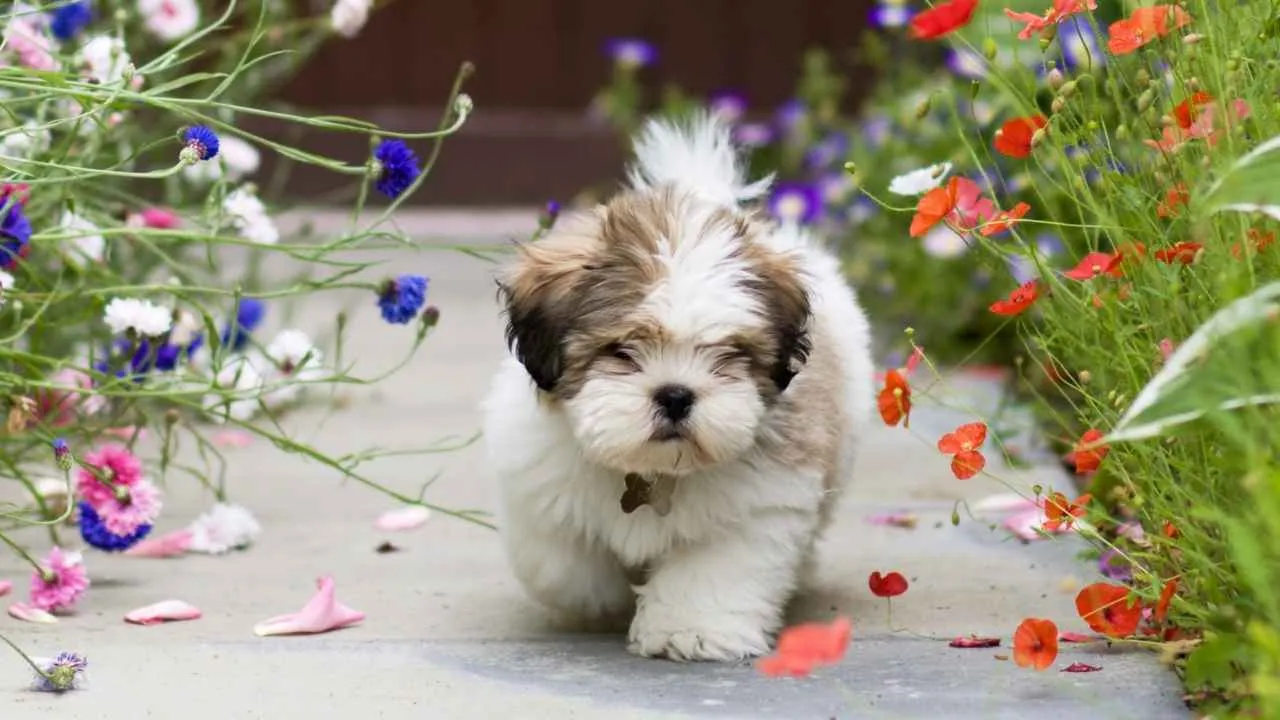
The Lhasa Apso is a small but hardy dog known for its long coat that grows continuously, much like human hair. This ancient breed comes from the Himalayan region, where it served as a sentinel in palaces and monasteries.
For centuries, Tibetan monks kept Lhasa Apsos as companions and watchdogs, and they were even believed to bring good fortune. Today, these confident little dogs are known for their playful personalities, intelligence, and loyal nature.
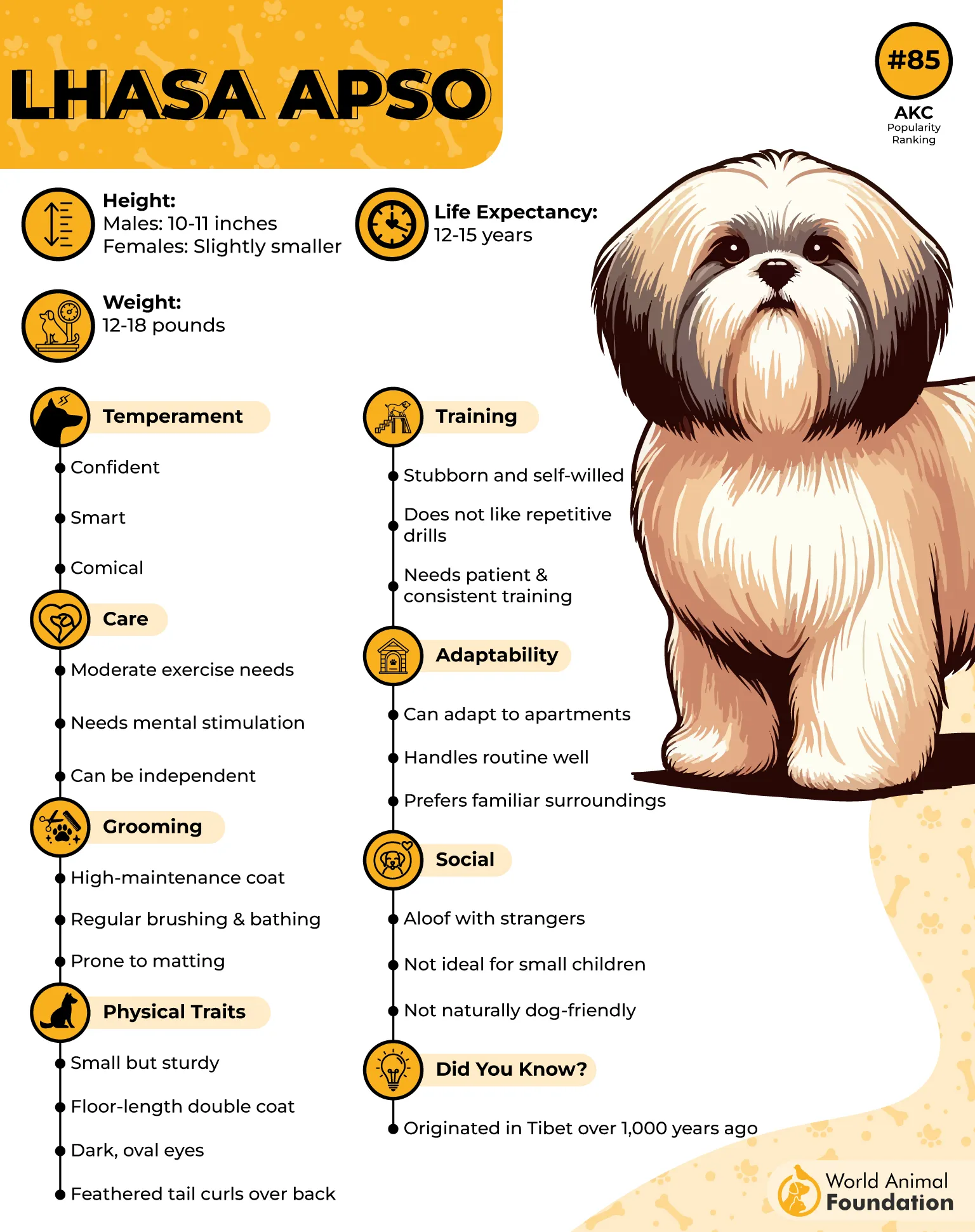
One of the most striking features of the Lhasa Apso is its floor-length coat, usually parted down the middle and draping gracefully on both sides of the body. Although they shed very little, their fine hair tangles easily and requires frequent grooming.
Many dog owners choose to trim the coat into a shorter “puppy cut,” which makes daily care easier while still keeping the dog looking adorable. Even with a shorter coat, regular brushing and grooming remain essential.
Grooming Highlights:
Brush the coat every 1–2 days to prevent tangles.
Schedule professional grooming every 4–6 weeks for trimming.
Long coats require extensive brushing to keep them smooth and clean.
A puppy cut can make maintenance easier while keeping a cute look.
Grooming helps check for common issues, including eye problems.
With proper grooming, the Lhasa Apso’s luxurious coat remains healthy and beautiful. Regular brushing, trims, and baths help prevent tangles while keeping the dog comfortable.
For owners who enjoy caring for a long, elegant coat, the Lhasa Apso offers both charm and companionship wrapped in a truly majestic package.
7. Old English Sheepdog
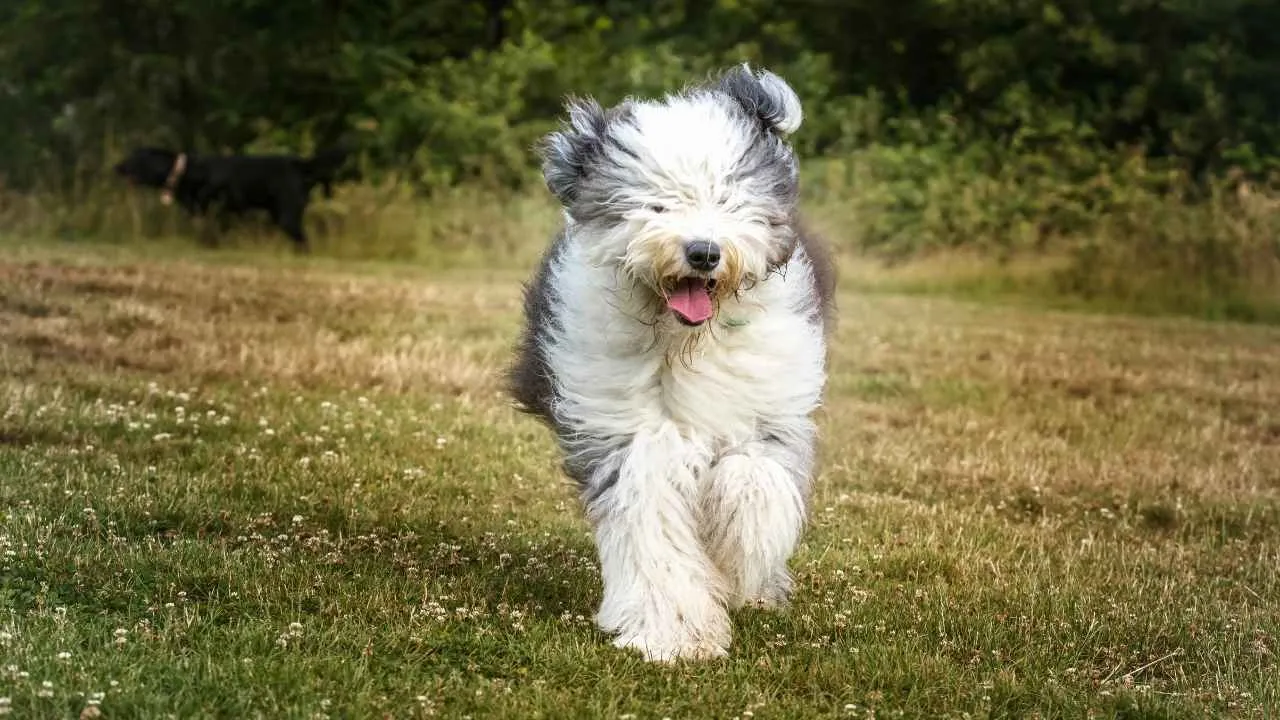
The Old English Sheepdog is instantly recognizable for its thick, shaggy coat and playful personality. Originally bred for herding livestock in England, this breed developed a heavy double coat to protect it from harsh weather.
The coat consists of a coarse outer layer and a dense undercoat, giving the dog its famous fluffy appearance. While the look is charming, it also means grooming requires serious time and dedication.
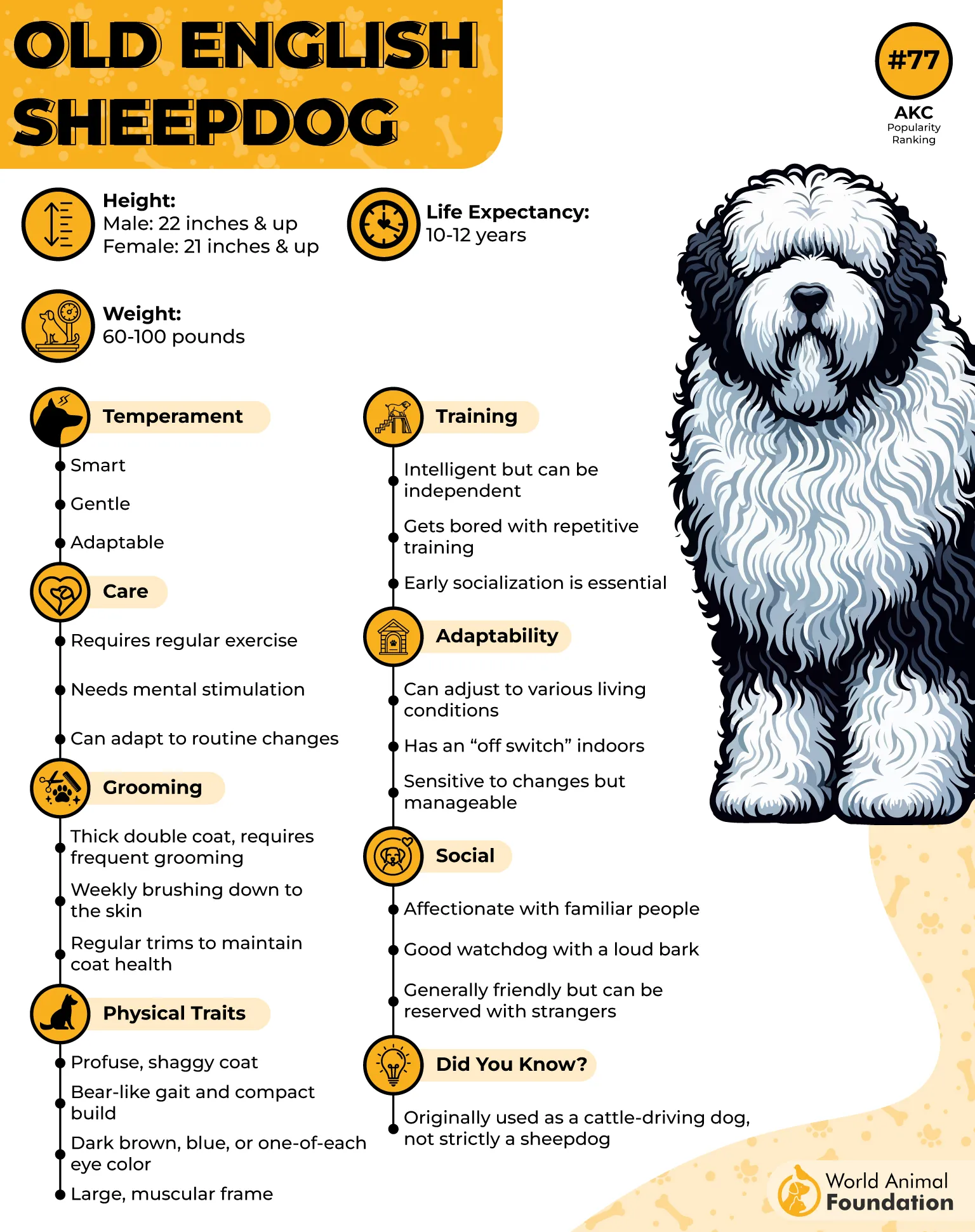
Because their fur is so thick, it easily traps dirt, debris, and loose hair. Much of the shed hair stays caught in the coat instead of falling out, which can quickly lead to tangles and mats if it isn’t brushed regularly.
Grooming sessions are often lengthy, as the coat needs to be brushed in layers to reach the undercoat. Bathing can also be challenging since the dense fur absorbs water like a sponge and takes a long time to dry.
Grooming Highlights:
Brush the coat at least 2–3 times a week, or daily for heavily coated dogs.
Professional grooming is recommended every 6–8 weeks.
Brush the coat in layers to prevent hidden mats.
Keep paws trimmed to avoid dirt buildup and irritation.
Ensure the coat is fully dried after baths to prevent moisture issues.
Extra grooming may be needed during annual undercoat shedding periods.
Despite the demanding grooming routine, Old English Sheepdogs are beloved for their cheerful and affectionate nature. With consistent care, their iconic shaggy coat stays healthy and beautiful.
Owners who are willing to invest the time in brushing and grooming are rewarded with a loyal, lovable companion whose fluffy appearance never fails to turn heads.
8. Shetland Sheepdog
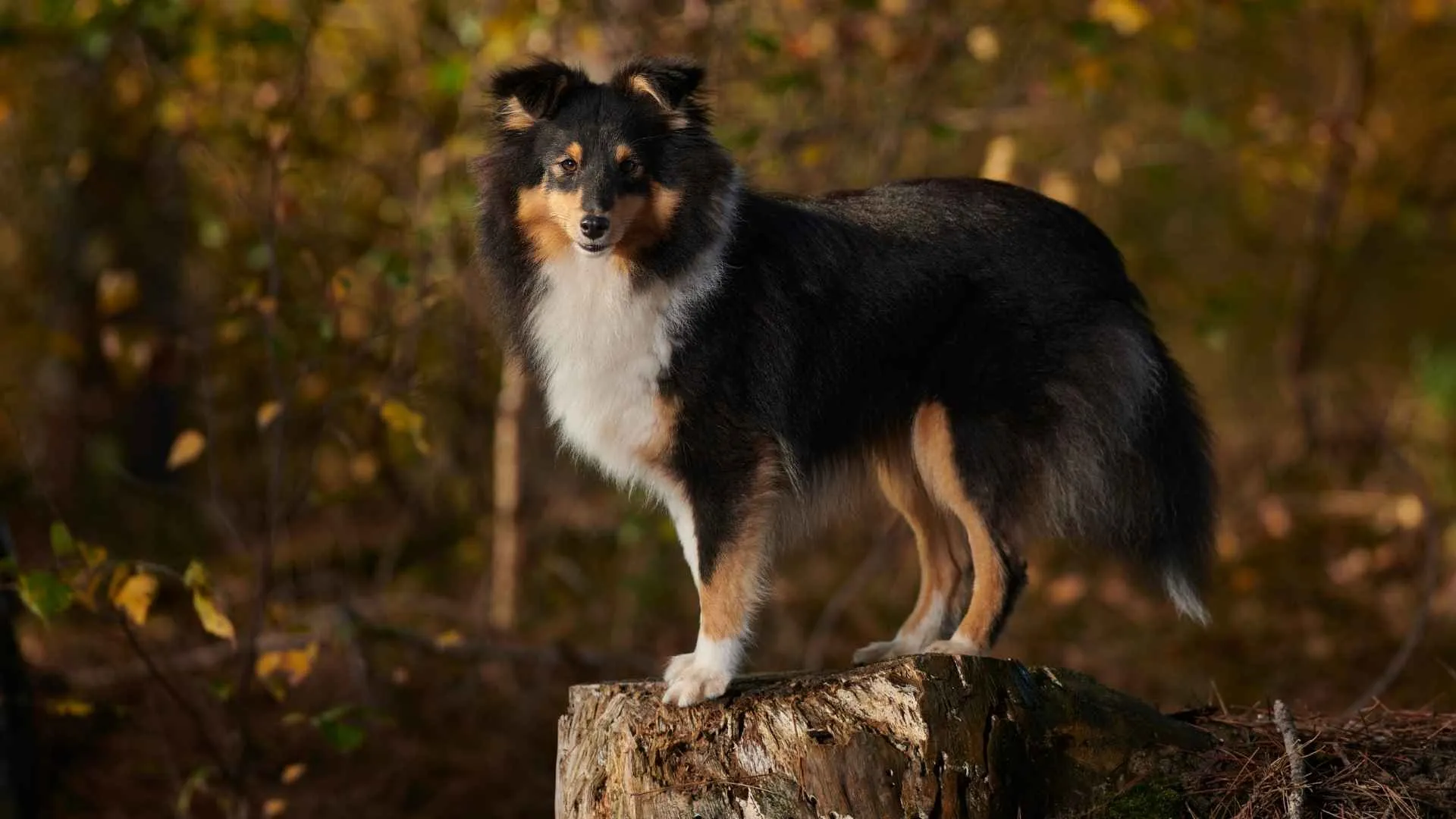
The Shetland Sheepdog, often called the Sheltie, is a smart and energetic herding dog from the rugged Shetland Islands of Scotland. This breed closely resembles a miniature version of the Collie, with a long, straight coat and a graceful build.
Shelties are known for their intelligence, loyalty, and eagerness to learn, which is why they often excel in obedience, agility, and herding competitions. They are affectionate family companions and attentive watchdogs who are usually reserved around strangers.
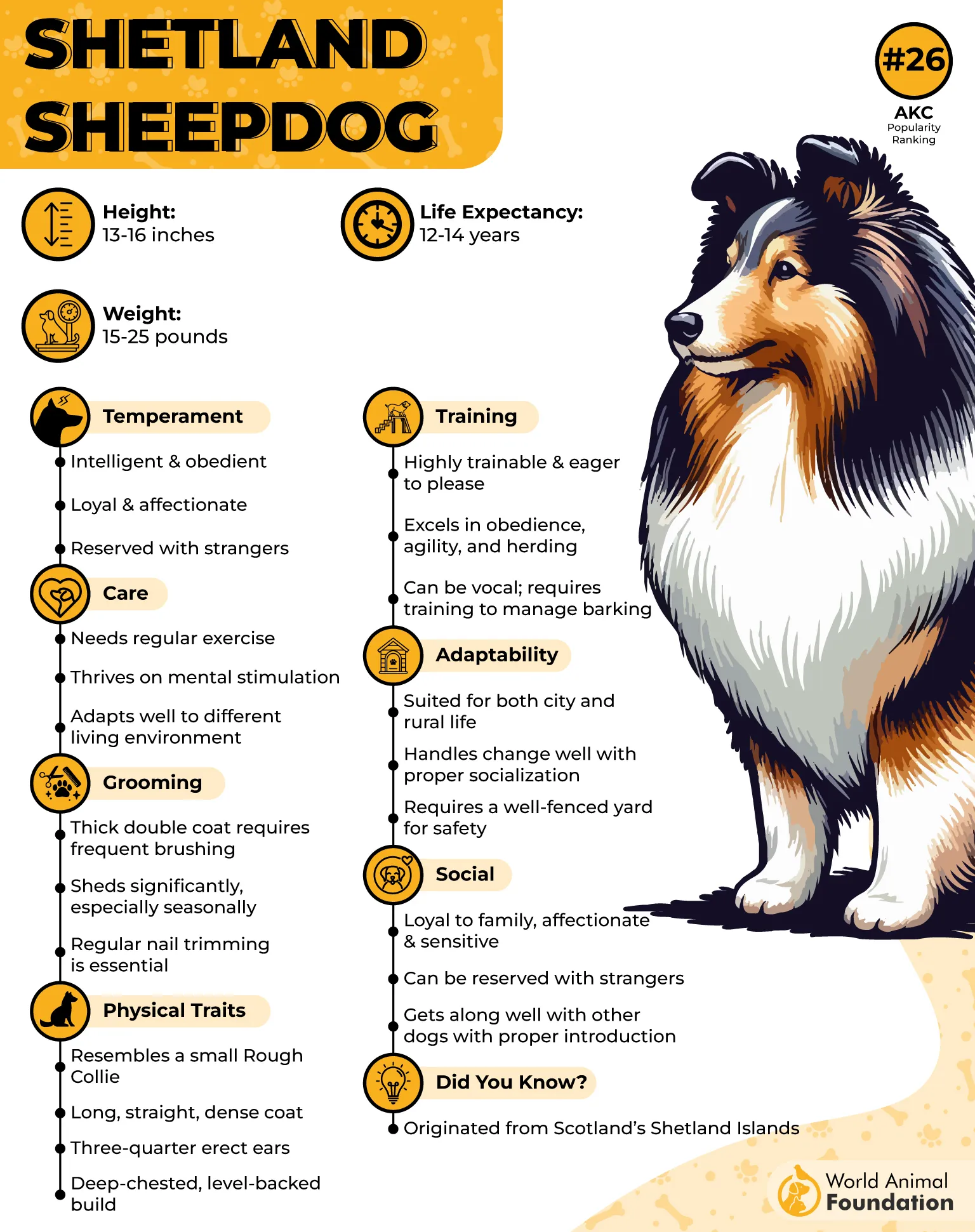
One of the most noticeable features of the Sheltie is its thick double coat. The outer coat is long and straight, while a dense undercoat lies underneath.
Both layers shed heavily, which means regular brushing is essential to keep the coat healthy and free from mats. Tangles often develop behind the ears and under the legs, so these areas require extra attention during grooming sessions.
Grooming Highlights:
Brush the coat at least twice a week to prevent mats and remove loose hair.
Pay extra attention to areas behind the ears and under the legs.
Occasional baths are usually enough to keep the coat clean.
Professional grooming can help remove stubborn mats and tidy the coat.
Regular brushing also helps manage heavy shedding from the undercoat.
Although their grooming routine requires commitment, Shelties reward their owners with loyalty and affection. With consistent brushing and care, their thick coat stays healthy and beautiful.
Combined with their intelligence and playful spirit, the Shetland Sheepdog remains a wonderful companion for active families who are ready to keep up with its grooming needs.
9. Yorkshire Terrier
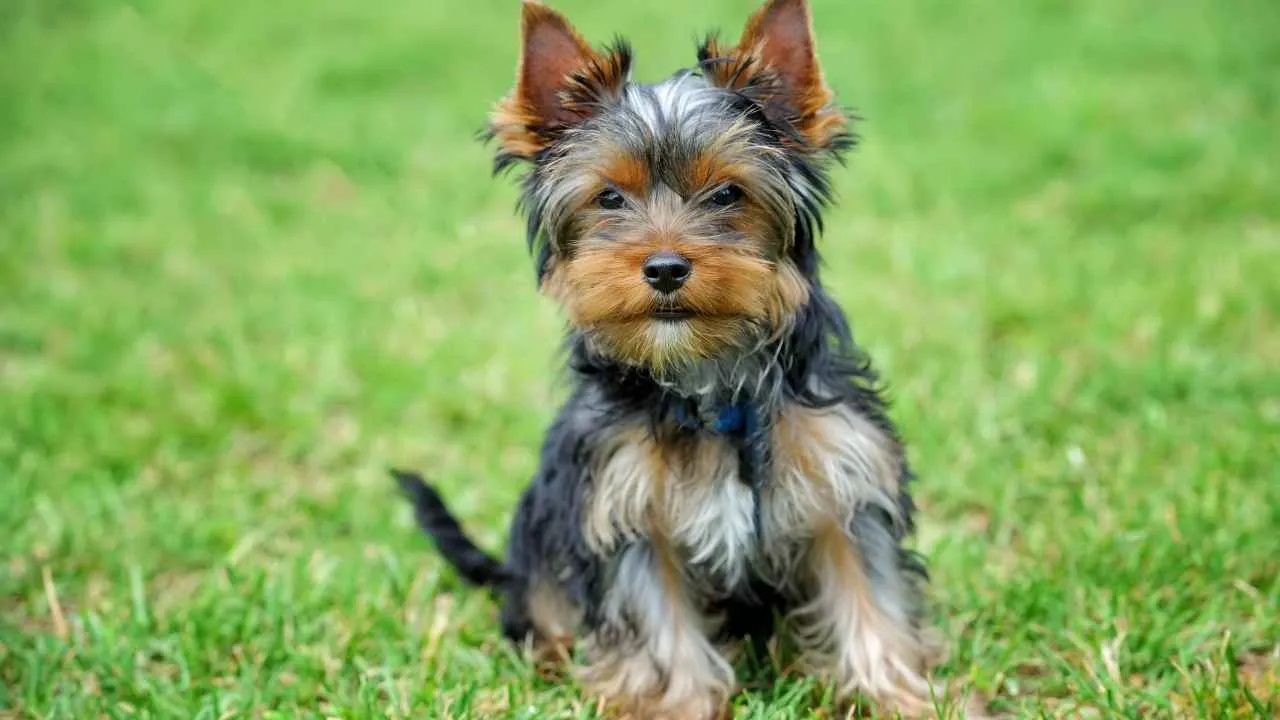
The Yorkshire Terrier, often called the Yorkie, is a small, long-haired dog breed with a surprisingly bold personality. Despite their delicate appearance, these feisty little terriers were originally bred to catch rodents in mills for Scottish weavers, as stated by PetMD.
Over time, they became popular companion dogs, especially admired for their long, glossy coat. Beneath that elegant look is a brave, energetic dog that loves attention and forms strong bonds with its family.
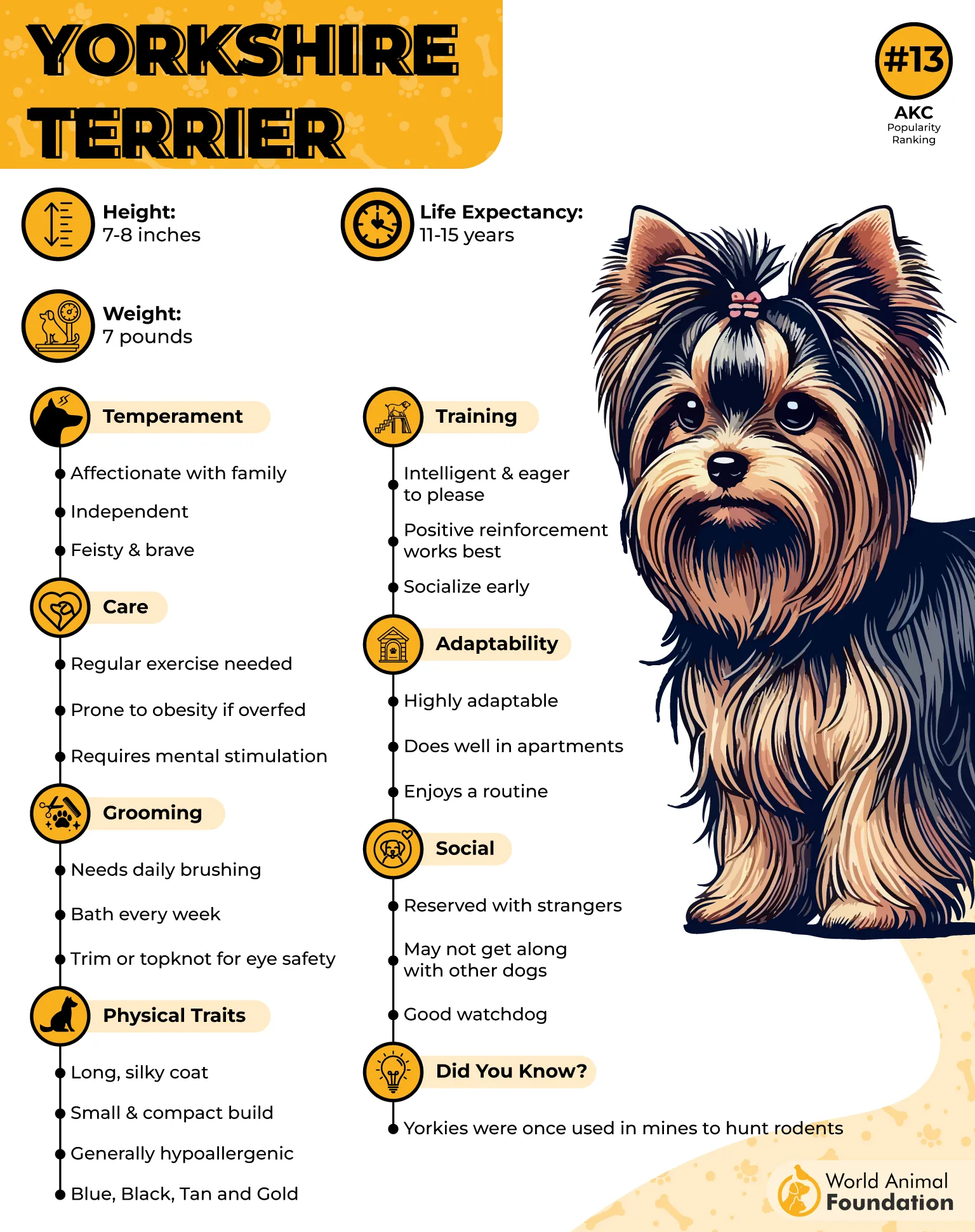
One of the Yorkie’s most striking features is its silky coat, which closely resembles human hair. This hair grows continuously and does not shed much, making it prone to tangles and knots if not cared for properly.
Many owners keep the coat trimmed into a shorter “puppy cut,” but those who maintain the classic floor-length style must commit to regular brushing and grooming to keep the hair smooth and healthy.
Grooming Highlights:
Daily brushing is needed if the coat is kept long and flowing.
Weekly brushing is usually enough for shorter puppy cuts.
Use a small pin brush to gently detangle the silky hair.
Schedule professional grooming every 6–8 weeks for trims.
Regular grooming helps maintain a clean, polished coat
Although grooming takes dedication, Yorkies reward their owners with endless charm and companionship. Their lively personality, intelligence, and loyal nature make them wonderful pets.
With proper care and regular grooming, a Yorkshire Terrier’s silky coat can remain smooth, shiny, and just as elegant as the breed is famous for.
10. Maltese
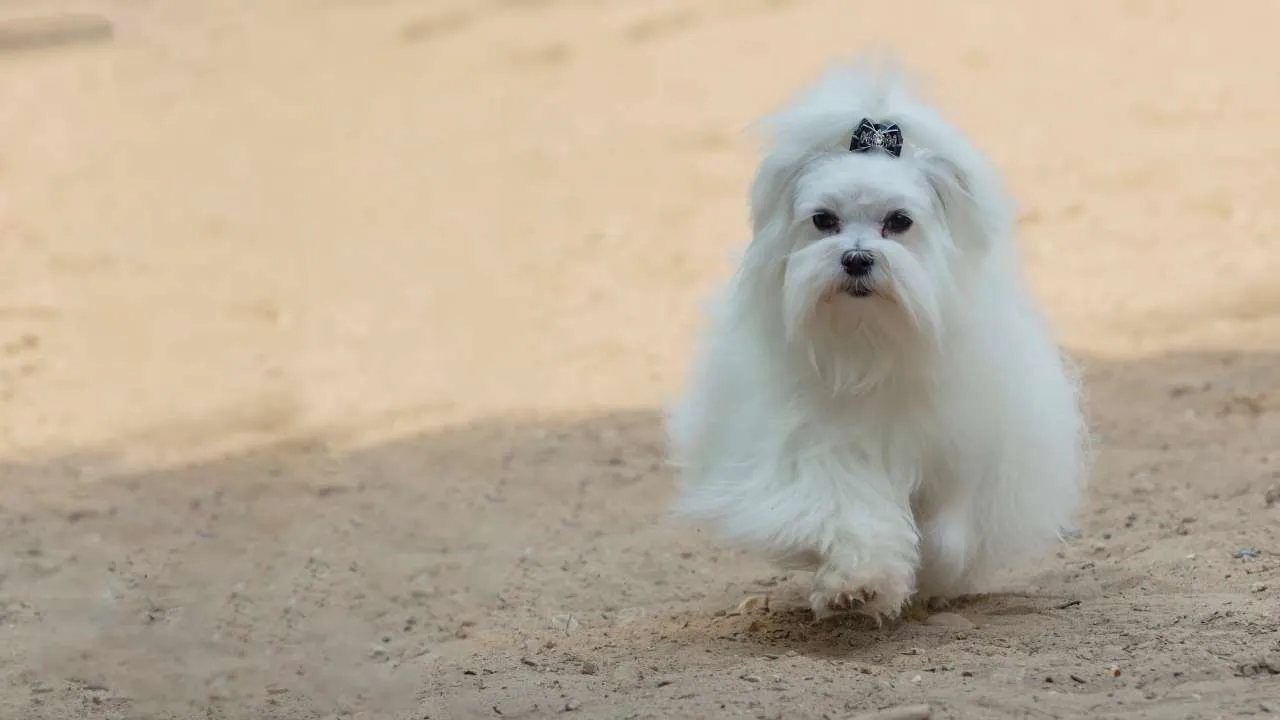
The Maltese is a tiny toy breed known for its long, silky white coat and graceful appearance. Often called “Ye Ancient Dogge of Malta,” this breed has been a beloved companion for centuries and was once pampered by aristocrats around the Mediterranean.
Despite their delicate look, Maltese dogs are lively, playful, and surprisingly fearless. They are affectionate companions who enjoy spending time with their families and quickly win hearts with their charming personalities.
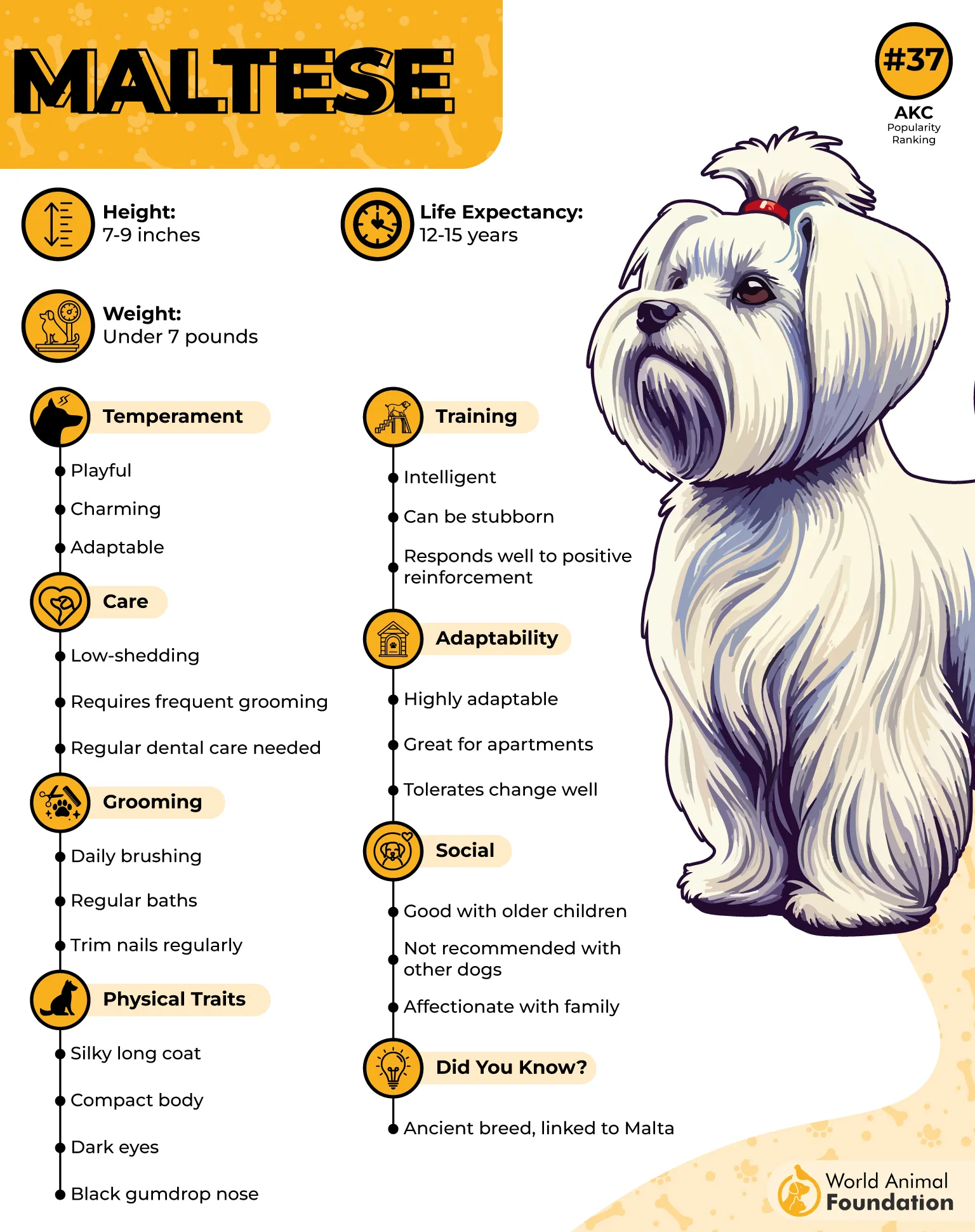
One of the Maltese’s most beautiful features is its flowing coat, which grows continuously like human hair. Because the fur is fine and silky, it tangles easily and requires regular care to keep it smooth and healthy.
Many owners keep the coat long and elegant, while others choose a shorter style to make daily grooming easier. Either way, consistent brushing and routine grooming are essential.
Grooming Highlights:
Brush the coat every day to prevent tangles and mats.
Schedule professional grooming every 4–6 weeks for trims.
Bathe regularly to keep the coat clean and bright white.
A puppy cut can make maintenance easier while still looking cute.
Regular grooming keeps the coat smooth, healthy, and knot-free.
Although the grooming routine requires dedication, many owners find the effort worthwhile. With proper care, the Maltese’s silky coat stays beautiful and elegant.
Combined with their friendly nature and lively spirit, this charming little dog becomes a loving companion that brings joy and warmth to any home.
Conclusion
Caring for a dog with a high-maintenance coat requires time, patience, and dedication—but for many dog lovers, the effort is completely worth it.
From silky, floor-length hair to thick, shaggy double coats, these breeds need regular brushing, bathing, and professional grooming to stay healthy and comfortable. Consistent grooming not only keeps their coats looking beautiful but also helps prevent matting, skin problems, and other health issues.
If you’re considering bringing one of these grooming-intensive breeds into your life, be prepared to commit to a regular care routine. The time you spend brushing, trimming, and caring for your dog can become a meaningful bonding experience.
With the right attention and love, these stunning dogs will reward you with loyalty, companionship, and a coat that truly turns heads wherever they go.
