




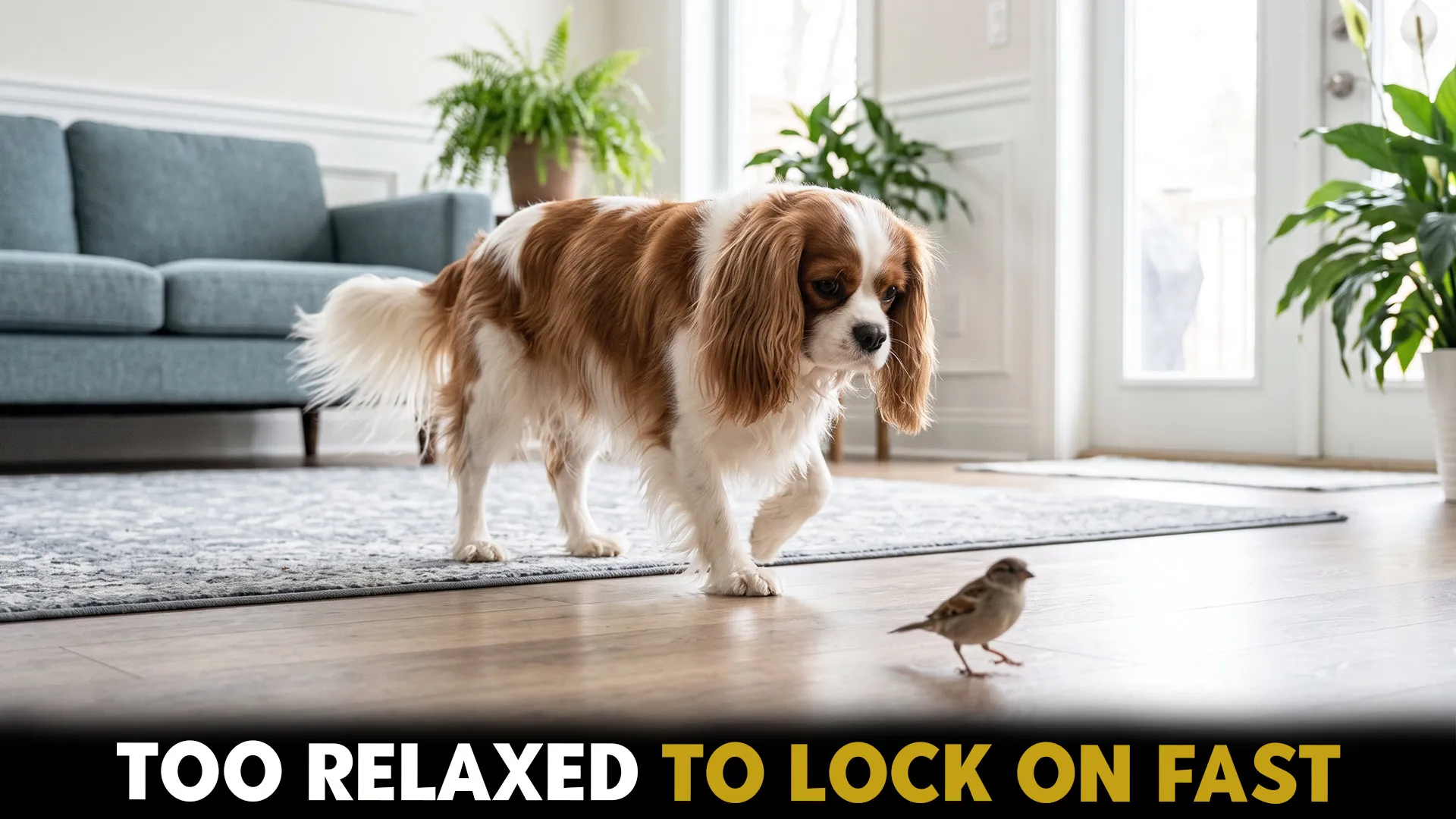
Dogs may be domesticated, but some of their oldest instincts are still very much part of who they are. One of the strongest is prey drive, which is the natural urge to notice, chase, stalk, and sometimes catch small, fast-moving animals.
It can be easy to laugh when a dog takes off after a squirrel, but that same instinct can become challenging when you have cats, rabbits, guinea pigs, or other small pets at home.
Prey drive can vary greatly from one dog to another. Dogs with a lower prey drive are often more tolerant and relaxed around smaller animals, and they may be easier to teach to ignore something that catches their attention.
If you want a dog that can fit more comfortably into a multi-pet household, choosing a breed known for having a lower prey drive can make things easier from the start. These dogs may still enjoy chasing a toy or getting excited outdoors, but they are generally less driven to pursue every small animal they spot.
Here are some dog breeds with a low prey drive that may be a better fit for homes with other pets.
Dog Breeds with a Low Prey Drive – Perfect for Homes
1. Cavalier King Charles Spaniel

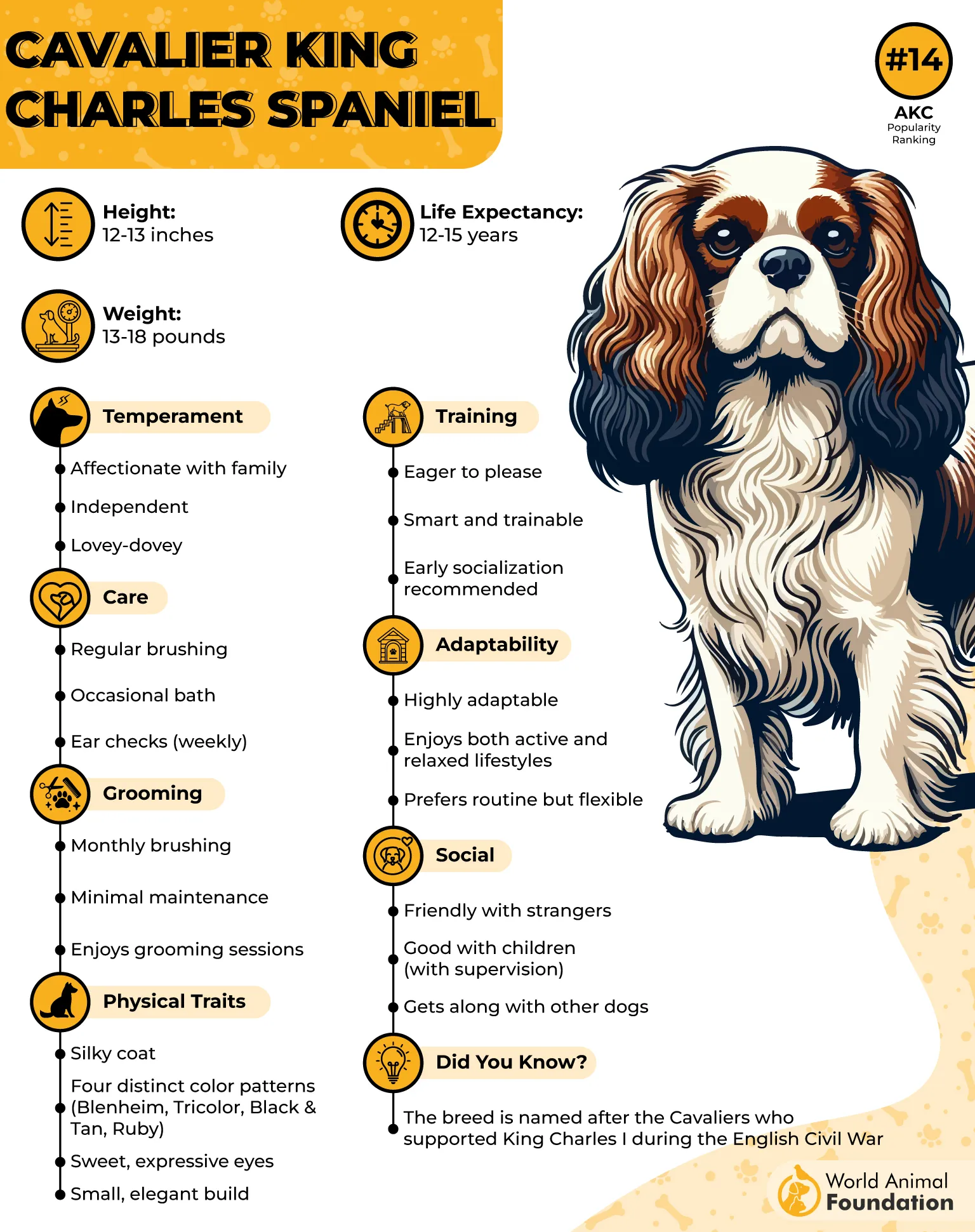
Cavalier King Charles Spaniels are loving, cheerful, and affectionate companion dogs. Their history is closely linked to British royalty, as King Charles I and his son Charles II were known for taking their Cavaliers with them everywhere.
They were bred as lap dogs and companions, which helped shape their gentle and people-focused nature.
Why Cavaliers Fit Multi-Pet Homes
Cavaliers are known for being patient and tolerant around children, cats, dogs, and other animals. They enjoy spending time with their families and are usually friendly toward strangers and other pets. Their gentle nature also makes them relatively easy to train and suitable for many different types of homes.
Living With Cavaliers
Cavaliers have moderate energy levels and usually enjoy two 20- to 30-minute walks each day, according to PetMD. Once their exercise needs are met, they are happy to relax with their families.
Their long, silky coats need regular brushing, while their floppy ears and eyes should be checked weekly. They also need plenty of human interaction and should not be left alone for long periods.
2. French Bulldog

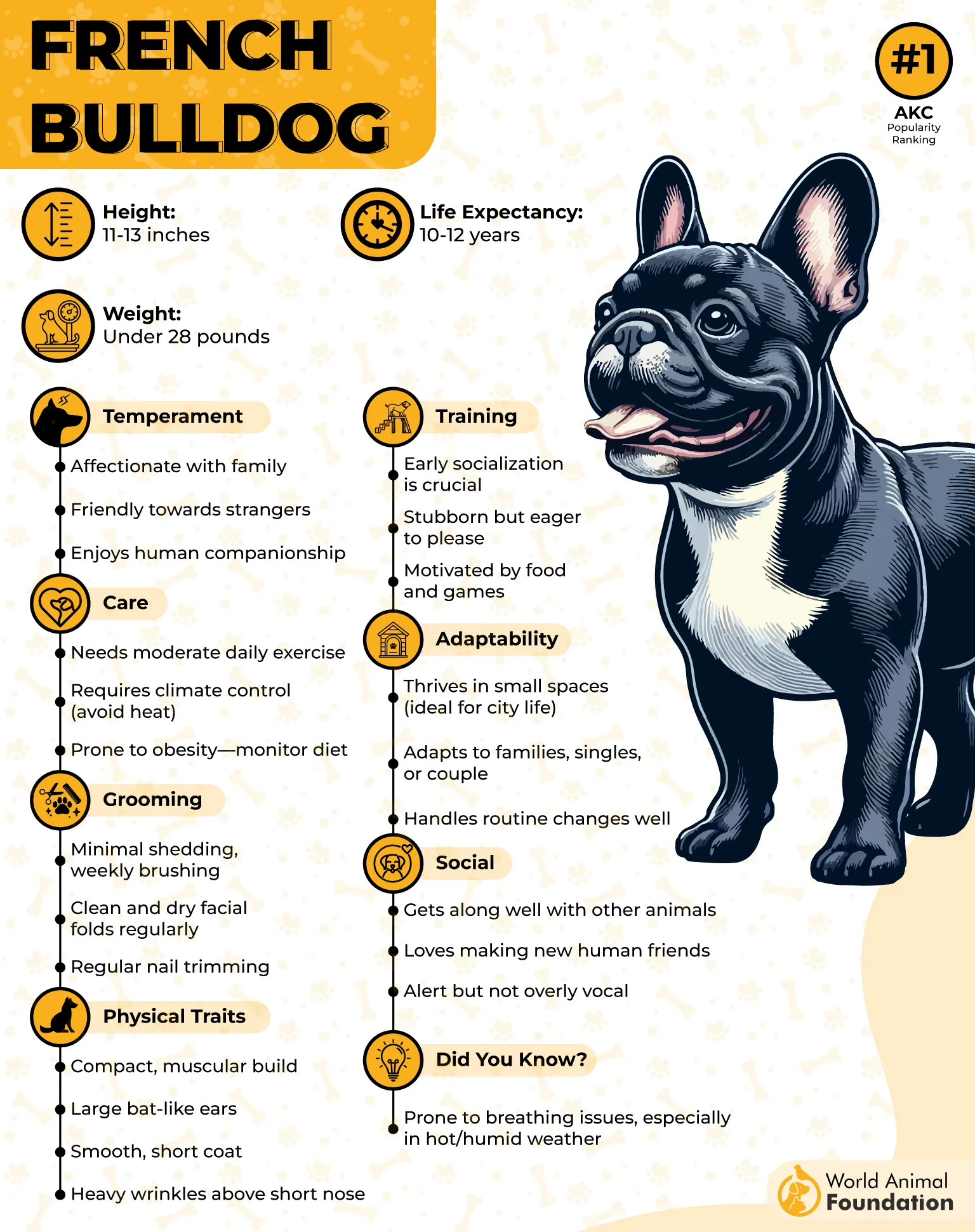
French Bulldogs may have a serious or grumpy-looking face, but their personalities are quite the opposite. They are playful, affectionate, cheerful, and charming dogs that enjoy both relaxing and having fun.
Their small size and easygoing nature have also made them popular with city dwellers and first-time owners, as noted by the AKC.
Why French Bulldogs Fit Multi-Pet Homes
French Bulldogs generally get along well with other animals and enjoy making friends. They are usually accepting of unfamiliar dogs and people, although they may not be overly excited around them.

Their friendly nature and strong focus on companionship can make them a comfortable fit for homes with other pets. They are also good with children when properly trained and socialized.
Living With French Bulldogs
French Bulldogs do not need a lot of exercise and are just as happy napping beside their families as they are playing. Their stubborn side can make training require some patience, but they are bright and willing to please.
They do not bark much, although they can be good watchdogs. Because of their flat faces, they are less tolerant of heat and humidity and should be protected from overheating.
3. Maltese
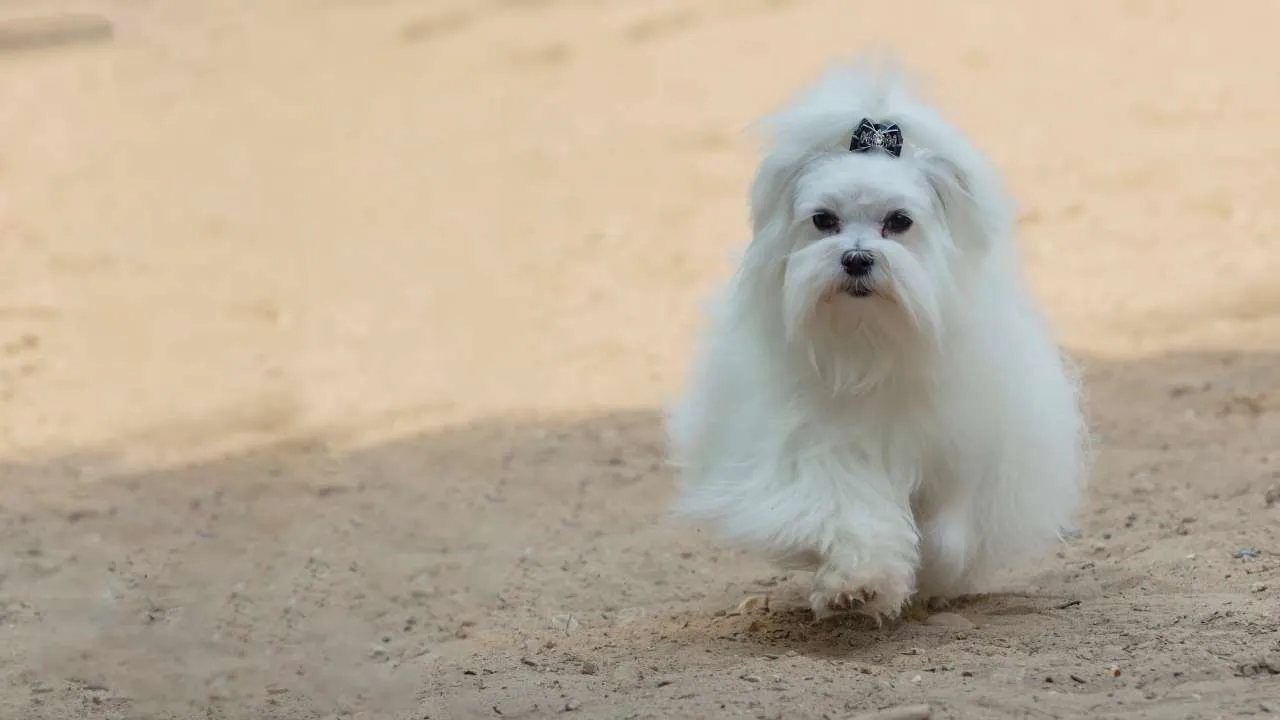
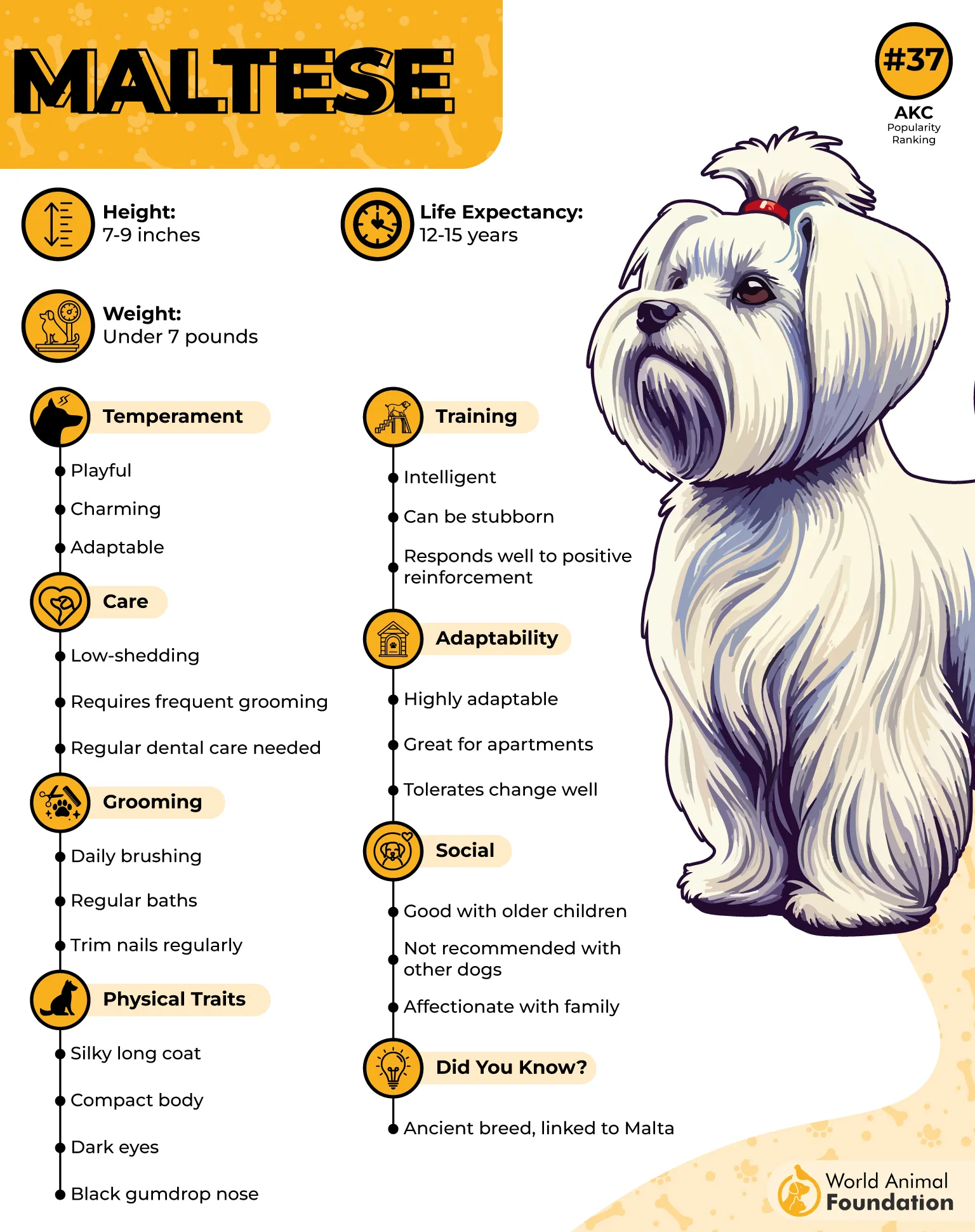
Maltese dogs may be tiny, but they have lively and confident personalities. Known for their luxurious white coats, these affectionate companions have a long history on the Mediterranean island of Malta.
They were bred as companion dogs and love being close to their people, often happiest sitting in a lap or simply staying wherever their owner is.
Why Maltese Fit Multi-Pet Homes
Maltese are generally friendly and agreeable with other pets, including cats and dogs, especially when they are trained and socialized early.
They are also smart and trainable, enjoying tricks and learning when positive reinforcement is used. Their small size means they should be handled carefully and supervised around young children.
Living With Maltese
Maltese can live comfortably in apartments and do not require much exercise. They enjoy walks and playtime but are happiest when they can stay close to their owners.
Their long, silky, white coat needs daily brushing and frequent bathing to help prevent matting. Along with grooming, they need daily exercise, mental stimulation, training, and socialization.
4. Pug
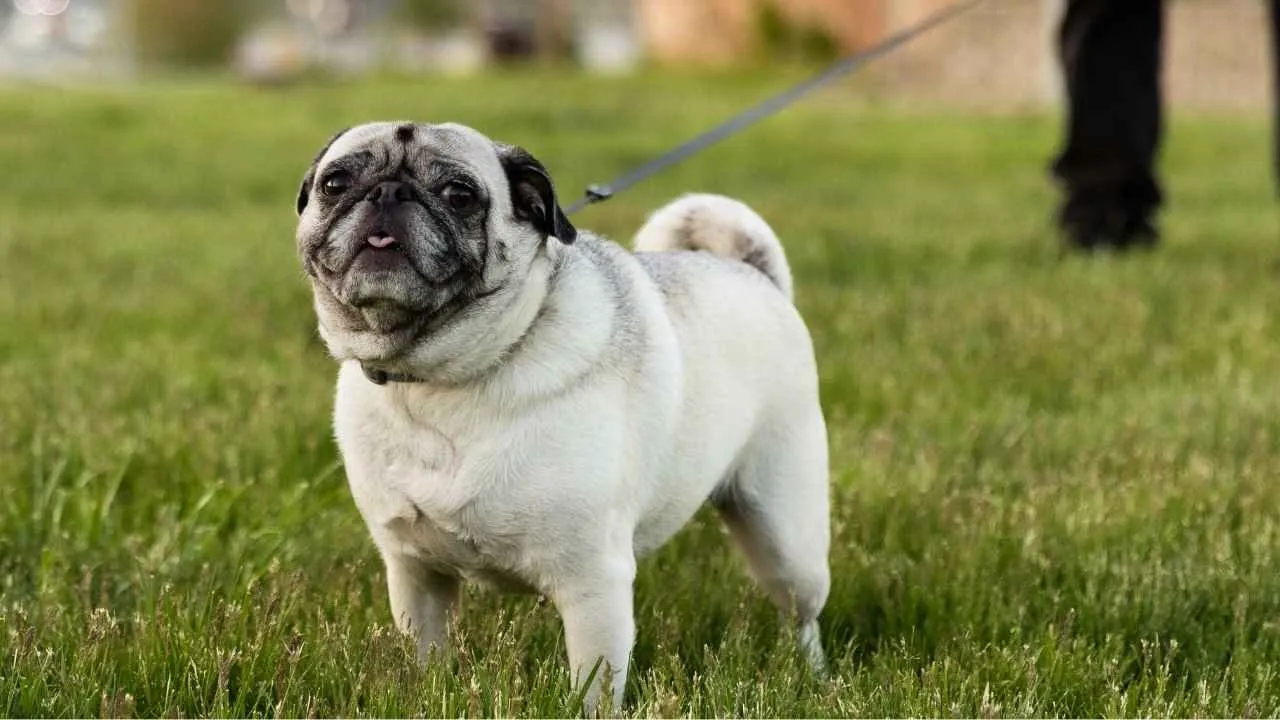
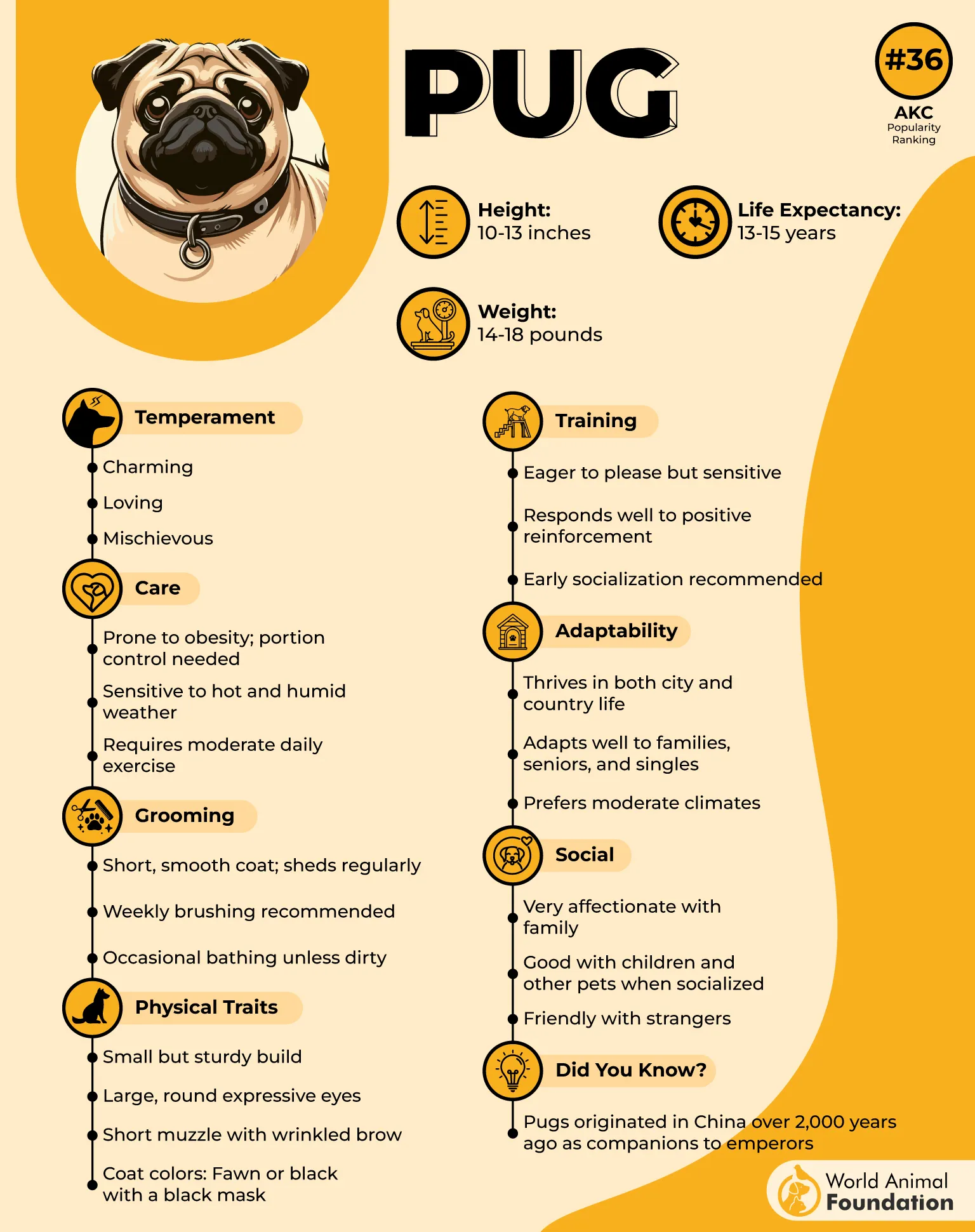
Pugs are small, cheerful companion dogs with a history that goes back around 2,000 years in China. They later became favorites of royals and remain popular today.
Their wrinkly faces, curled tails, and expressive personalities make them easy to recognize. Despite their funny appearance, Pugs are affectionate, confident, and happiest when they are included in family life.
Why Pugs Fit Multi-Pet Homes
Pugs are generally friendly toward other dogs, pets, and unfamiliar people. They are rarely aggressive and can do well with children and other animals when properly trained. They enjoy attention and often stay close to their owners, making companionship one of their strongest traits.
Living With Pugs
Pugs need regular but gentle exercise, with several short walks of around 15–20 minutes working well for most. They are generally calm and enjoy relaxing, although they can have playful bursts of energy.
Their short, smooth coat is fairly easy to maintain. Because of their flat faces and narrow airways, they can struggle with heat and strenuous exercise and are best kept primarily indoors.
5. Shih Tzu

Shih Tzus are outgoing, playful toy dogs that were bred to be companions. Their history dates back centuries, and they were once pampered lap dogs of Chinese aristocracy.
Over time, their role shifted toward being family companions and watchdogs. Today, they are known for their affectionate, friendly, and nonaggressive temperament.

Why Shih Tzus Fit Multi-Pet Homes
Shih Tzus are generally happy and sociable with people and other animals of all ages. They can get along well with dogs and other pets when they are introduced properly.
Their playful and easygoing nature also makes them suitable for older children who know how to interact gently with dogs. They prefer company and do not enjoy spending long periods alone.
Living With Shih Tzus
Shih Tzus are active but can usually be satisfied with a 30-minute walk and playtime at home. They can be cuddly on the couch while also enjoying time outdoors.
Their long, smooth, non-shedding coat requires regular grooming. Training may need extra patience because they can have a mind of their own, but they are intelligent and can learn quickly once they cooperate.
6. Bolognese
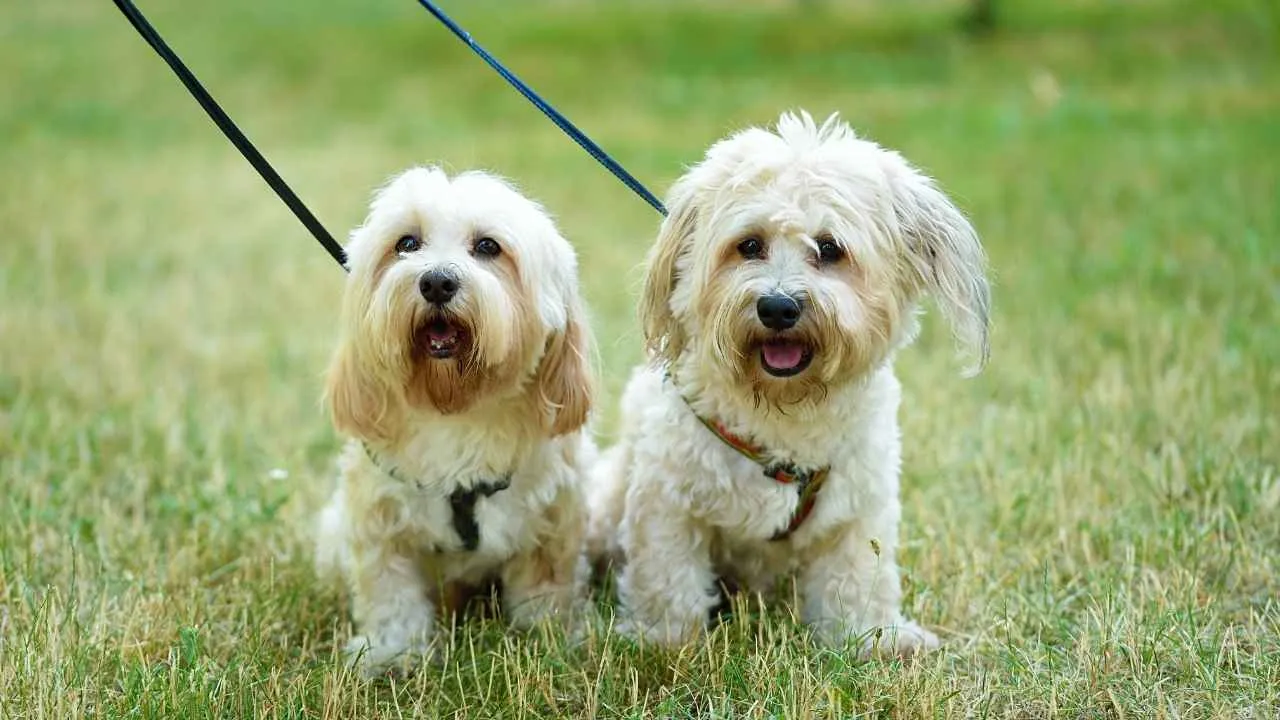
Bolognese dogs have been treasured as companion dogs for centuries. They were once favored by Italian nobility and are part of the Bichon family.
These small, fluffy dogs are calm, affectionate, and closely bonded with their families. They enjoy staying near their owners and can adapt well to different living environments as long as they have company.
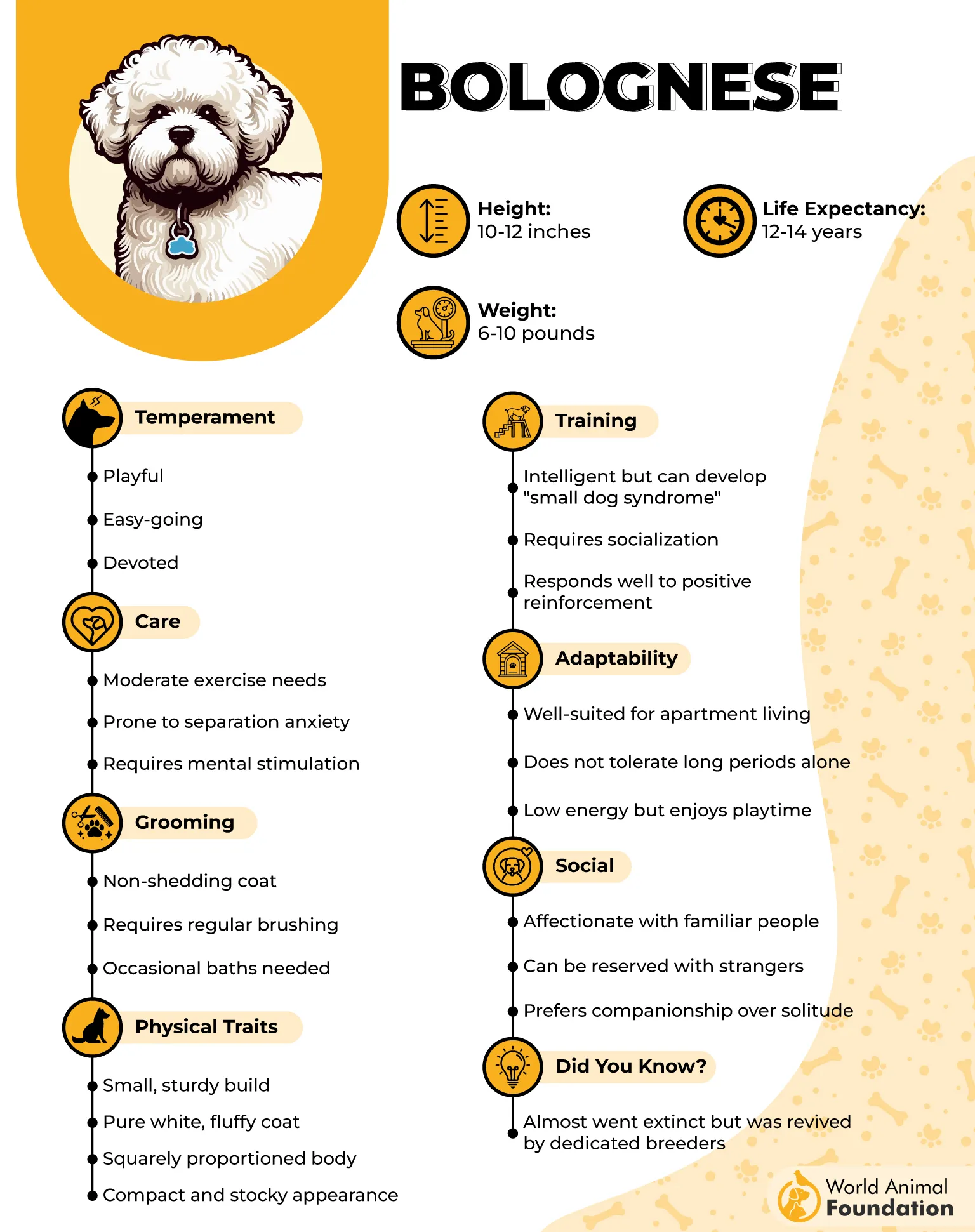
Why Bolognese Fit Multi-Pet Homes
Bolognese dogs usually get along very well with cats and other dogs when introduced from an early age. They are loving and patient, and they tend to be playful with children without becoming overly energetic.
Purina says they can be reserved around strangers and may bark when someone arrives, but aggression is not typical of the breed. Their friendly nature makes them comfortable around other animals in the right home.
Living With Bolognese
Bolognese dogs enjoy cuddling, sitting with their owners, and curling up for a nap. They are intelligent, quick learners, and respond well to praise and consistent training.
Their soft, wavy coat needs regular grooming to prevent mats. They bond closely with their families and dislike being separated from loved ones, so they do best when they can spend plenty of time with their people.
7. Havanese

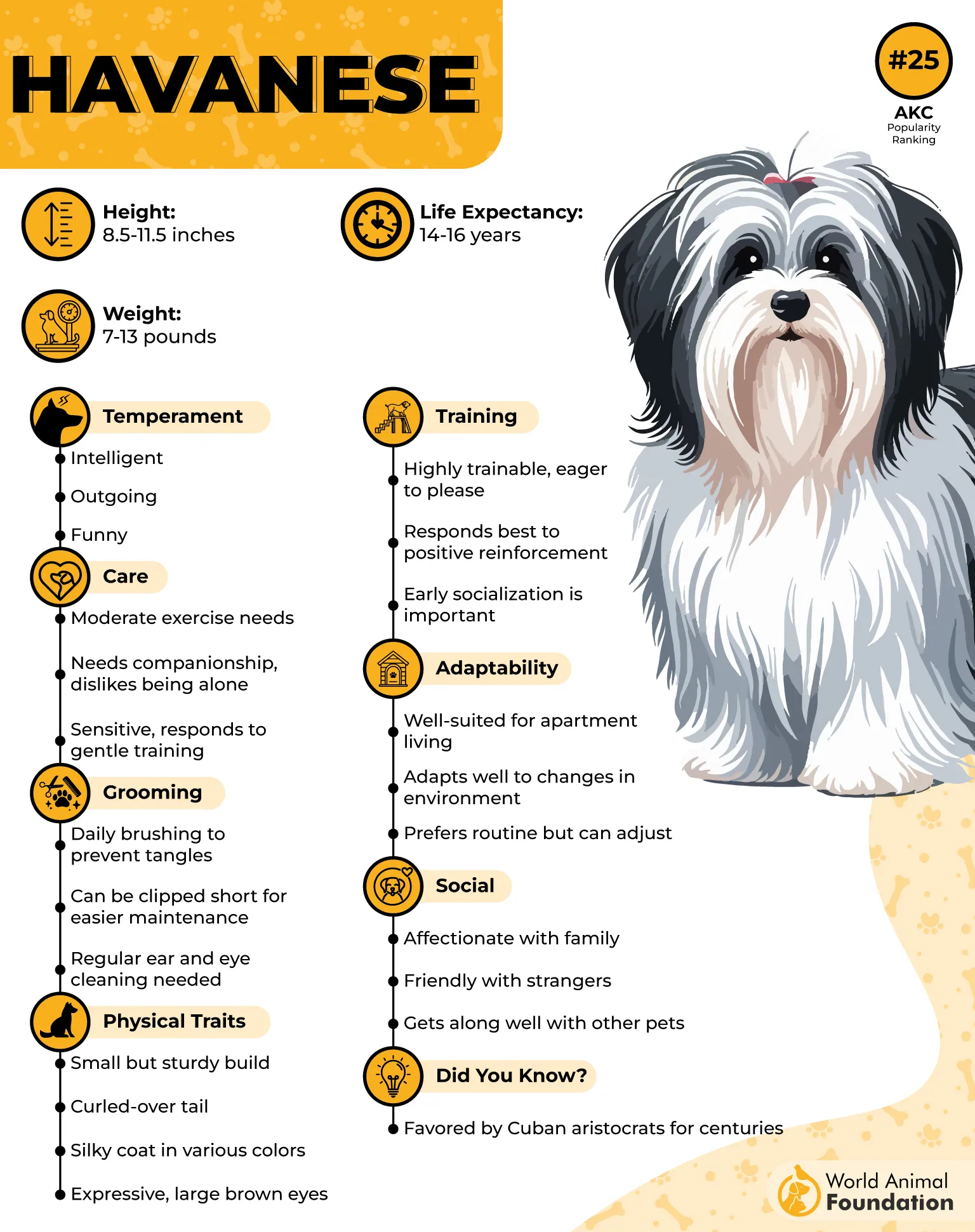
Havanese are happy, outgoing toy dogs that enjoy spending time with people. They are the only dog breed native to Cuba and were once known as the Havana Silk Dog.
Bred as companion dogs, they form close bonds with their families and love being part of everyday activities. Their playful, curious nature also makes them eager to learn and show off new tricks.
Why Havanese Fit Multi-Pet Homes
Havanese are generally friendly with cats, dogs, people, and strangers. They are affectionate, playful, and not aggressive, making them well suited to homes with other animals.
They are often called “velcro dogs” because they like staying close to their owners. They can be left alone for short periods when trained from an early age, but they strongly prefer having company and attention.
Living With Havanese
Havanese need daily exercise, with short walks and family playtime helping keep them active. They are intelligent and highly trainable, responding well to firm and consistent training.
Their long coat can be straight or wavy and needs frequent brushing to stay free of tangles. They may bark for attention, but proper training can help them learn when it is time to be quiet.
Conclusion
Choosing a low-prey-drive dog can make life easier in a home with cats, dogs, or other pets. Breeds like the Shih Tzu, Bolognese, Havanese, Maltese, Pug, and Cavalier King Charles Spaniel are known for their friendly and companionable nature, while proper introductions and training can help pets live together peacefully.
Every dog has its own personality, so take time to consider the breed’s needs, energy level, and temperament before bringing one home. The right companion can bring a calmer, happier feeling to a multi-pet household and make every day a little more enjoyable.
