




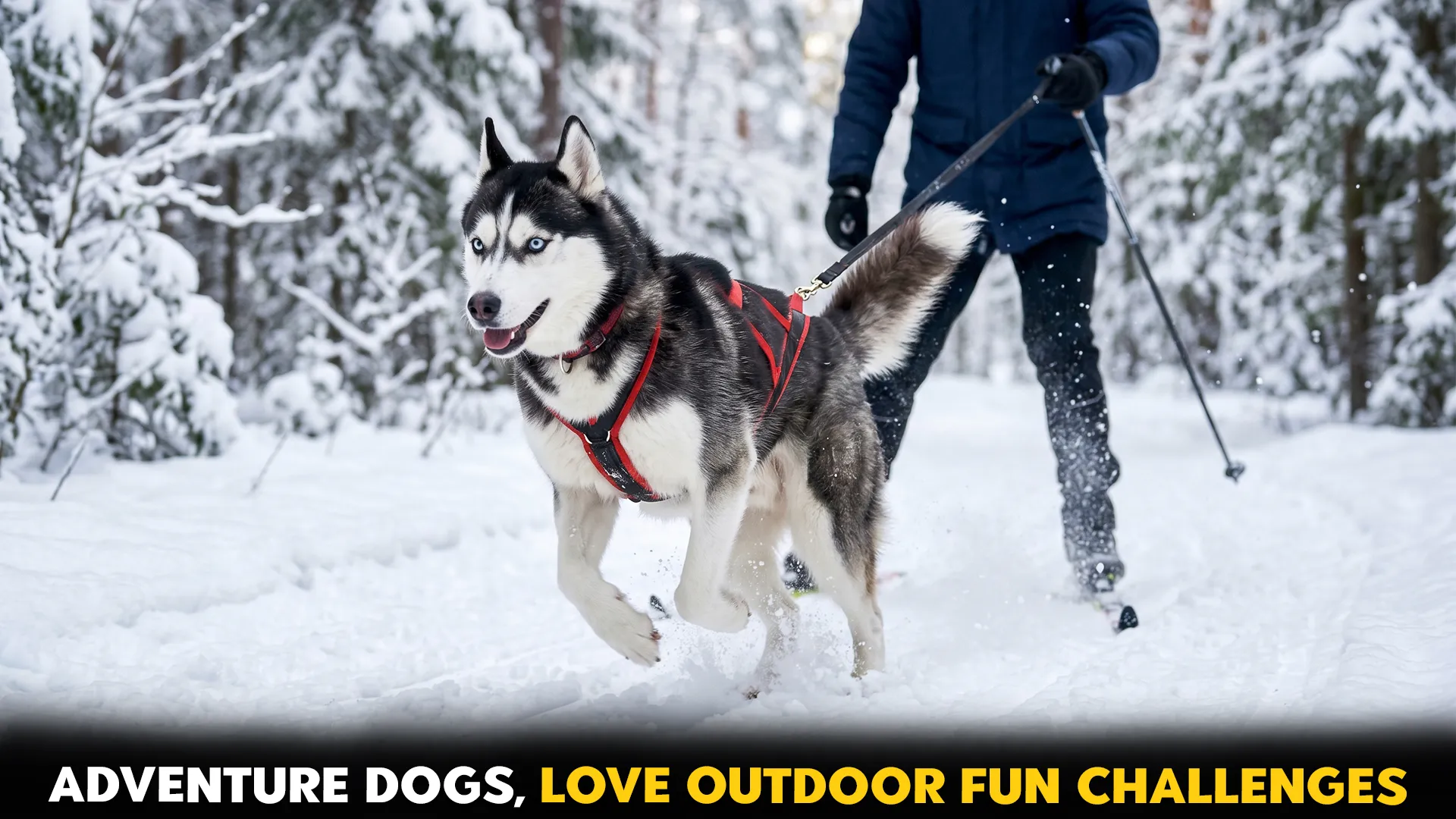
If your perfect day includes hiking trails, fresh air, or a spontaneous dip in a lake, having a dog by your side makes it even better. But not every dog is cut out for that lifestyle—some simply enjoy the outdoors, while others absolutely thrive in it.
The right companion won’t just tag along; they’ll match your energy and turn every outing into a shared adventure.
Dogs were originally bred for specific tasks like running long distances, tracking, or working in harsh conditions, and that instinct still shows today.
In fact, research in canine behavior suggests that high-energy dogs need far more physical and mental stimulation than average pets—without it, they can easily develop boredom-related issues like chewing or excessive barking. That’s why an active lifestyle and the right dog go hand in hand.
Whether you enjoy hiking, camping, or long daily walks, an energetic and adaptable companion will keep up with ease, stay responsive in tricky situations, and make every outdoor challenge more exciting.
Key Takeaways
Meet dogs that don’t just enjoy the outdoors—they live for it, from hiking trails to water adventures
Discover super active breeds like the Siberian Husky and Border Collie, built for speed, stamina, and nonstop energy
Explore loyal adventure partners such as the Australian Shepherd, Labrador Retriever, and Vizsla that thrive on daily action
Learn how the right match turns every walk, run, or trip into a shared adventure instead of a routine outing
Dog Breeds That Love Outdoor Challenges And Fun
1. Siberian Husky
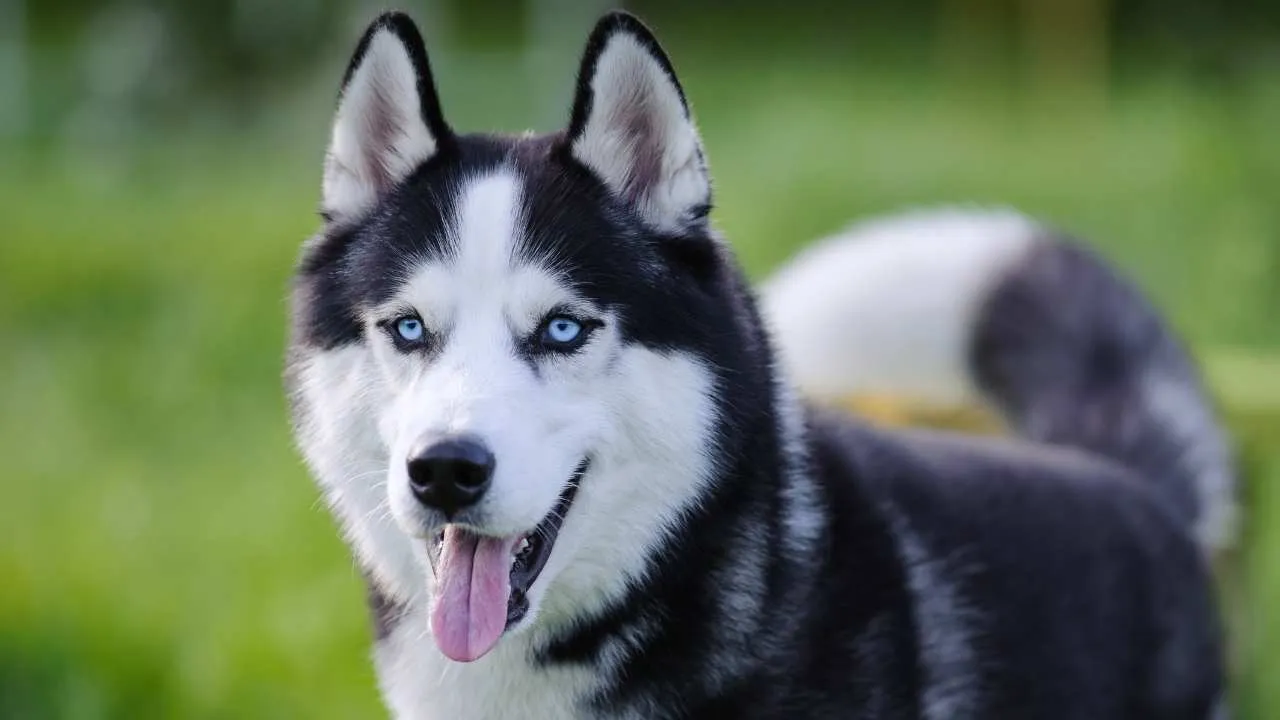
The Siberian Husky is made for outdoor challenges. Originally bred to work in packs and pull loads across frozen lands, this dog has incredible endurance and a love for movement. They are quick, light on their feet, and have a smooth, effortless gait.
Their almond-shaped eyes—blue, brown, or even one of each—give them a friendly yet playful look. Huskies are naturally clean and have very little doggy odor, which makes them even more appealing for active homes.
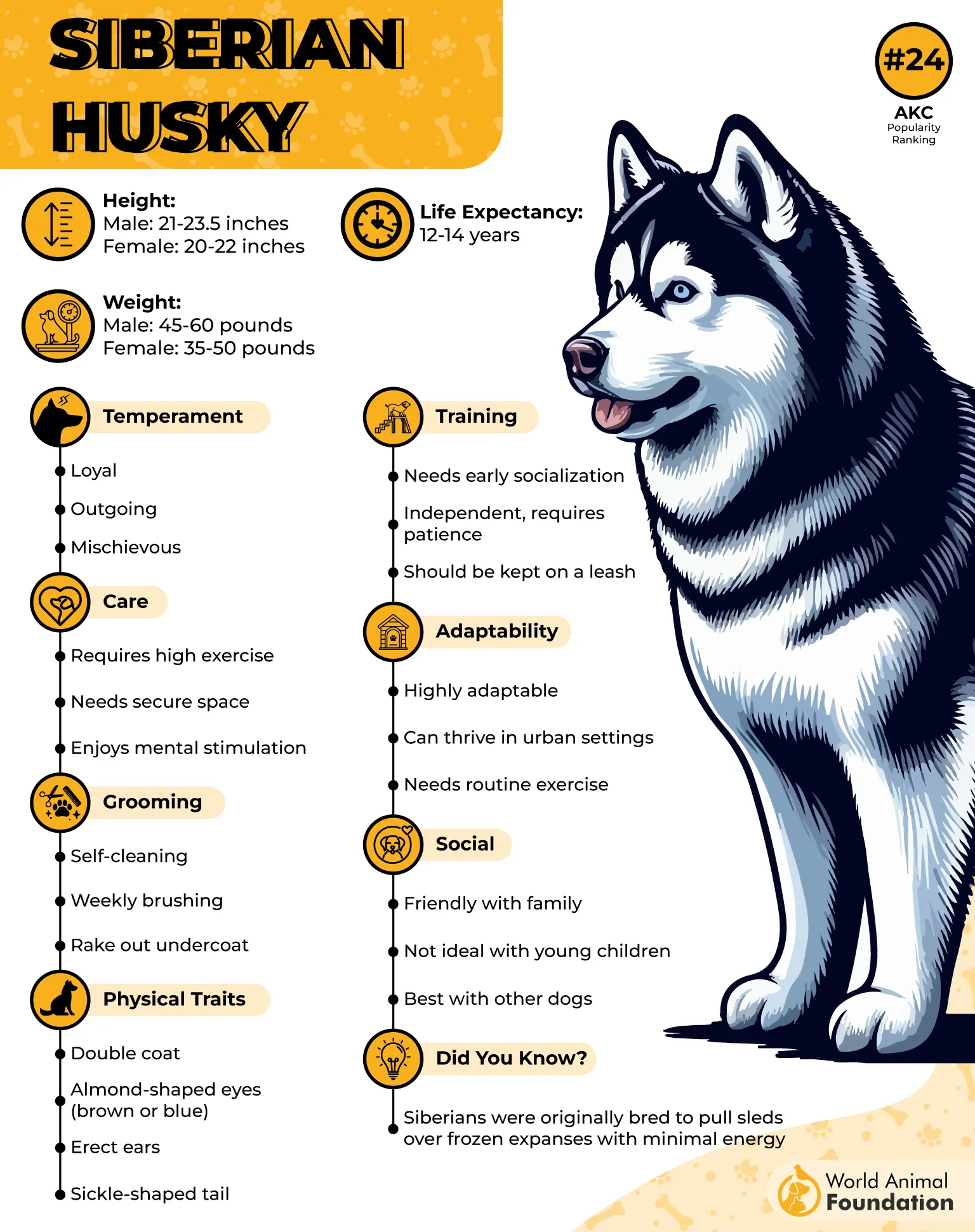
These dogs are social and love being around people or other dogs. They fit well into family life but are not good watchdogs because of their friendly nature. However, they have a strong instinct to chase small animals and an even stronger desire to run.
Because of this, they always need a leash or a secure space. Huskies also “talk” a lot—they howl, bark, and make all kinds of sounds, which can be challenging in close living spaces.
Training & Activity Needs
Early training and socialization are essential
Can be independent and a bit stubborn
Need constant mental stimulation to avoid boredom
Must not be left alone for long periods
Require secure areas due to their urge to escape
Huskies thrive in active homes where they can stay busy. Without enough exercise, they may chew furniture, dig holes, or try to escape.
Training should be fun, short, and consistent, using positive reinforcement. Fun activities like agility, running, sledding, and fetch help keep them happy. If you’re always outdoors and love adventure, this breed will match your energy—but only if you can keep up.
2. Border Collie
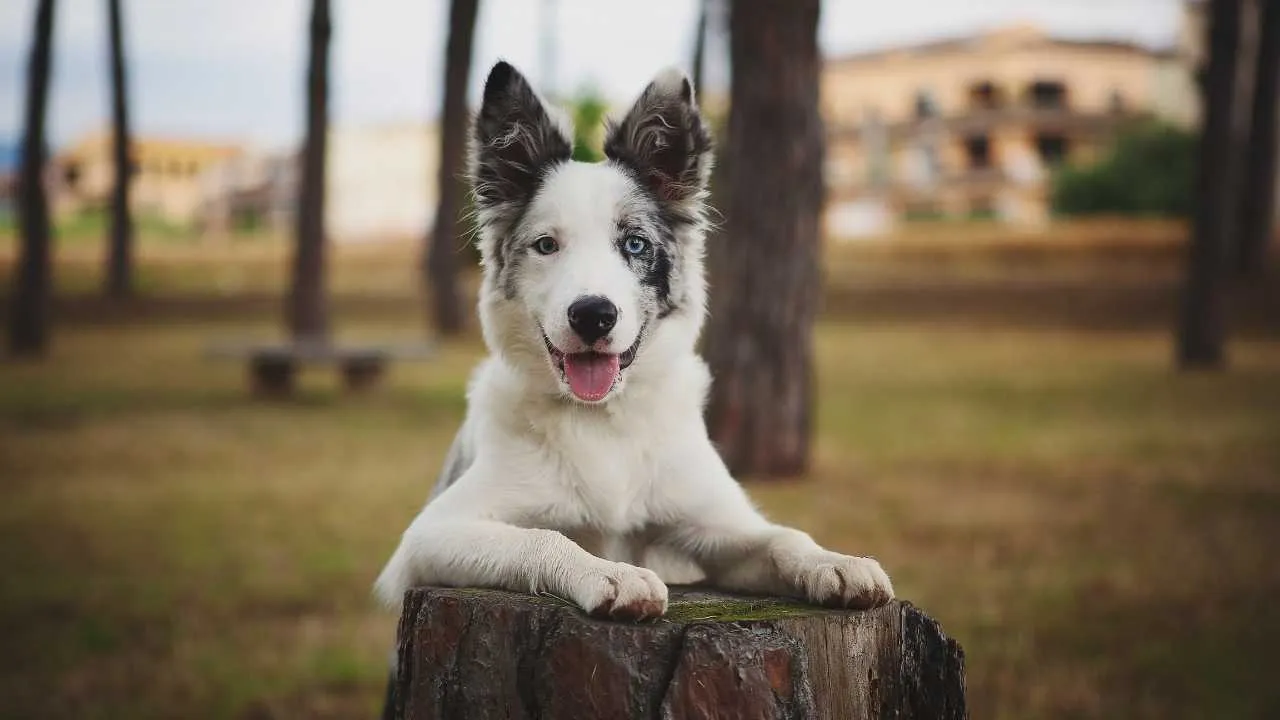
The Border Collie is one of the smartest and most energetic dogs out there. Bred for herding in tough landscapes, this breed is a true workaholic that thrives on challenges. They are athletic, agile, and incredibly balanced in movement.
Their intense “herding eye” shows just how focused and alert they are. With a muscular yet nimble build and coats that can be smooth or rough in many colors, they are built for both performance and endurance.
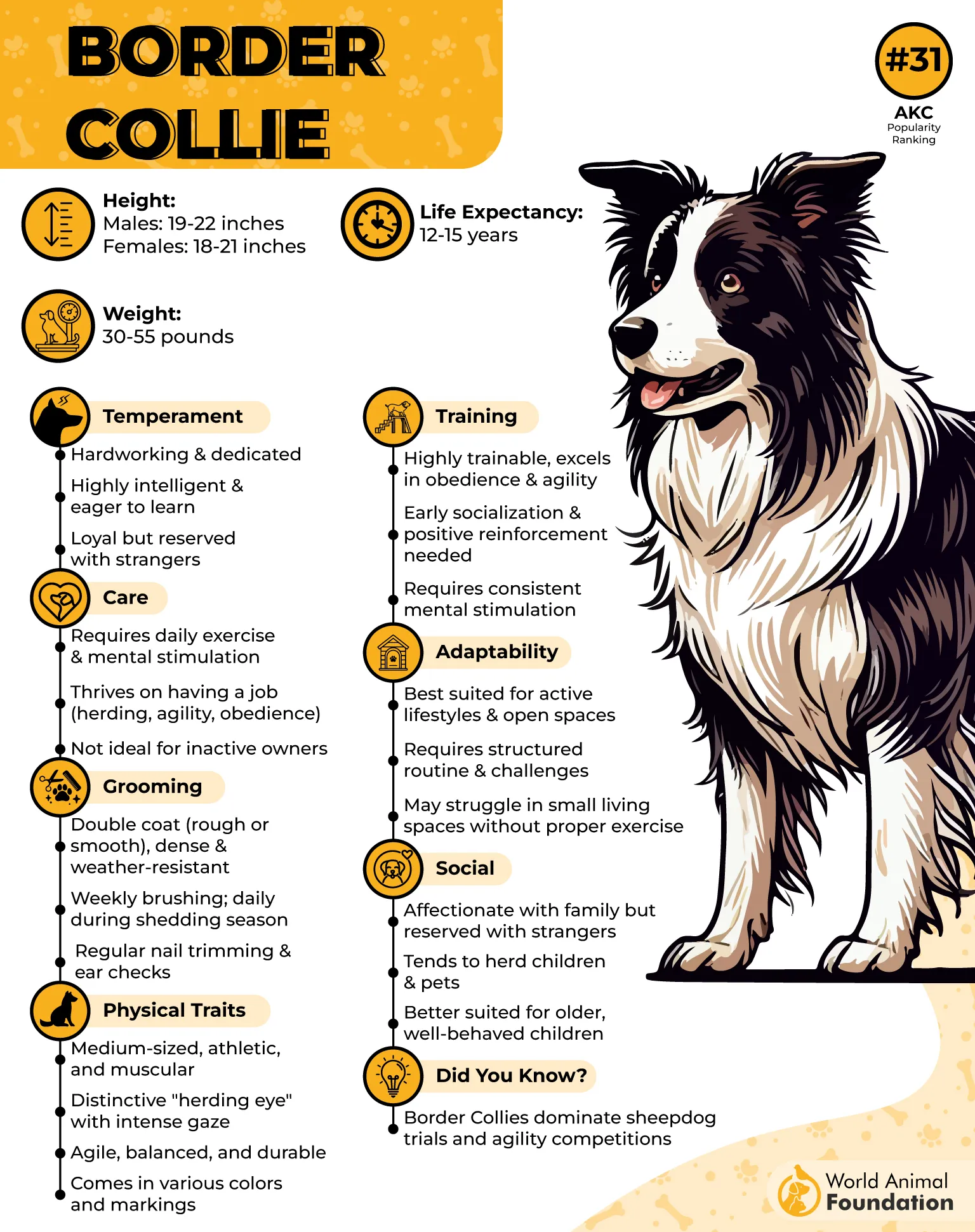
These dogs are deeply loyal and form strong bonds with their families. They are friendly with people they know, but can be a bit reserved with strangers. Their natural herding instinct means they may try to herd people or other pets, so they do best with older, well-behaved children.
Border Collies are always thinking and need constant mental challenges. Without enough stimulation, they may bark excessively, chew, or develop unwanted behaviors.
Training & Activity Needs
Early socialization is very important
Obedience training should start early and continue
Need daily physical exercise and mental tasks
Thrive when given a “job” like agility or herding
Do not like being left alone for long hours
Border Collies need at least a couple of hours of activity every day. They love running, fetching, swimming, and problem-solving games.
Activities like agility, obedience, and herding keep them happy and focused. They do best in homes with space to move and owners who can match their energy. If you enjoy outdoor challenges, this breed will push you to stay active and engaged every single day.
3. Australian Shepherd
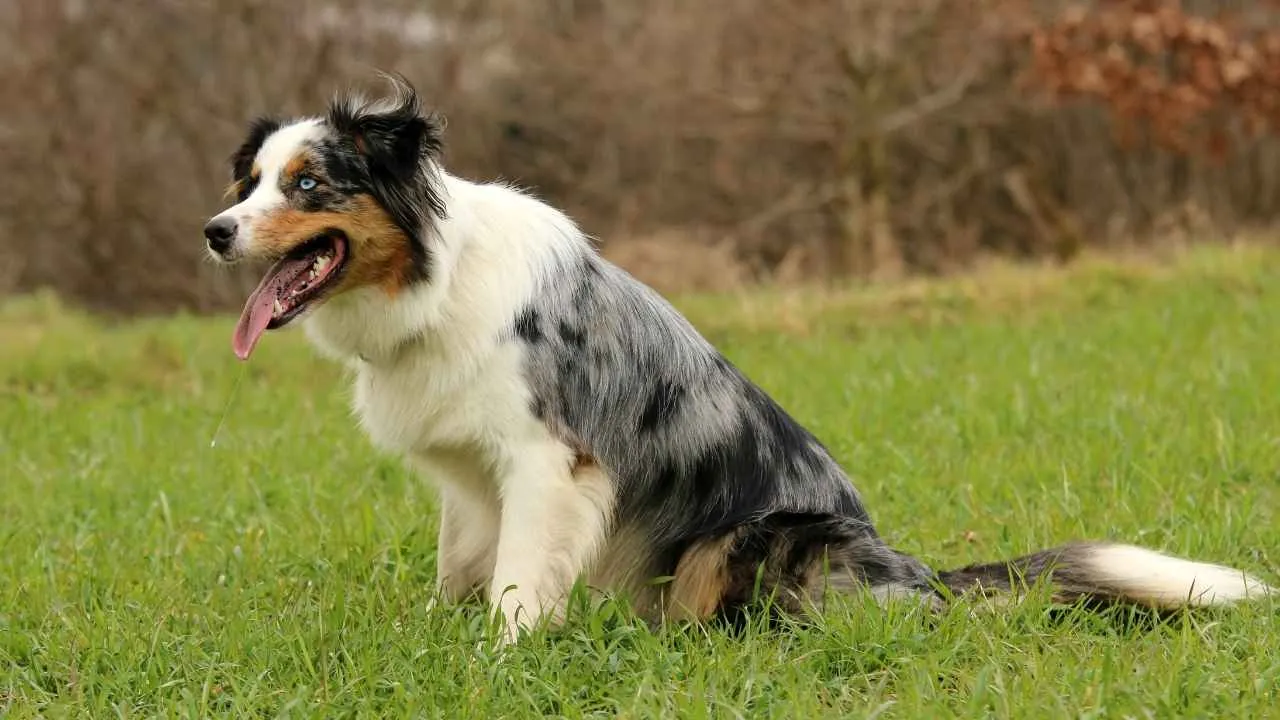
The Australian Shepherd is built for action and outdoor challenges. Despite the name, this breed was perfected in the United States and became a favorite of cowboys and ranchers. Aussies are lean, tough, and agile, with a sharp, focused gaze and striking coats, often in merle patterns.
They have a strong instinct to herd—anything from livestock to kids—which shows just how driven and energetic they are. This is not a laid-back dog; they are made for movement, work, and adventure.
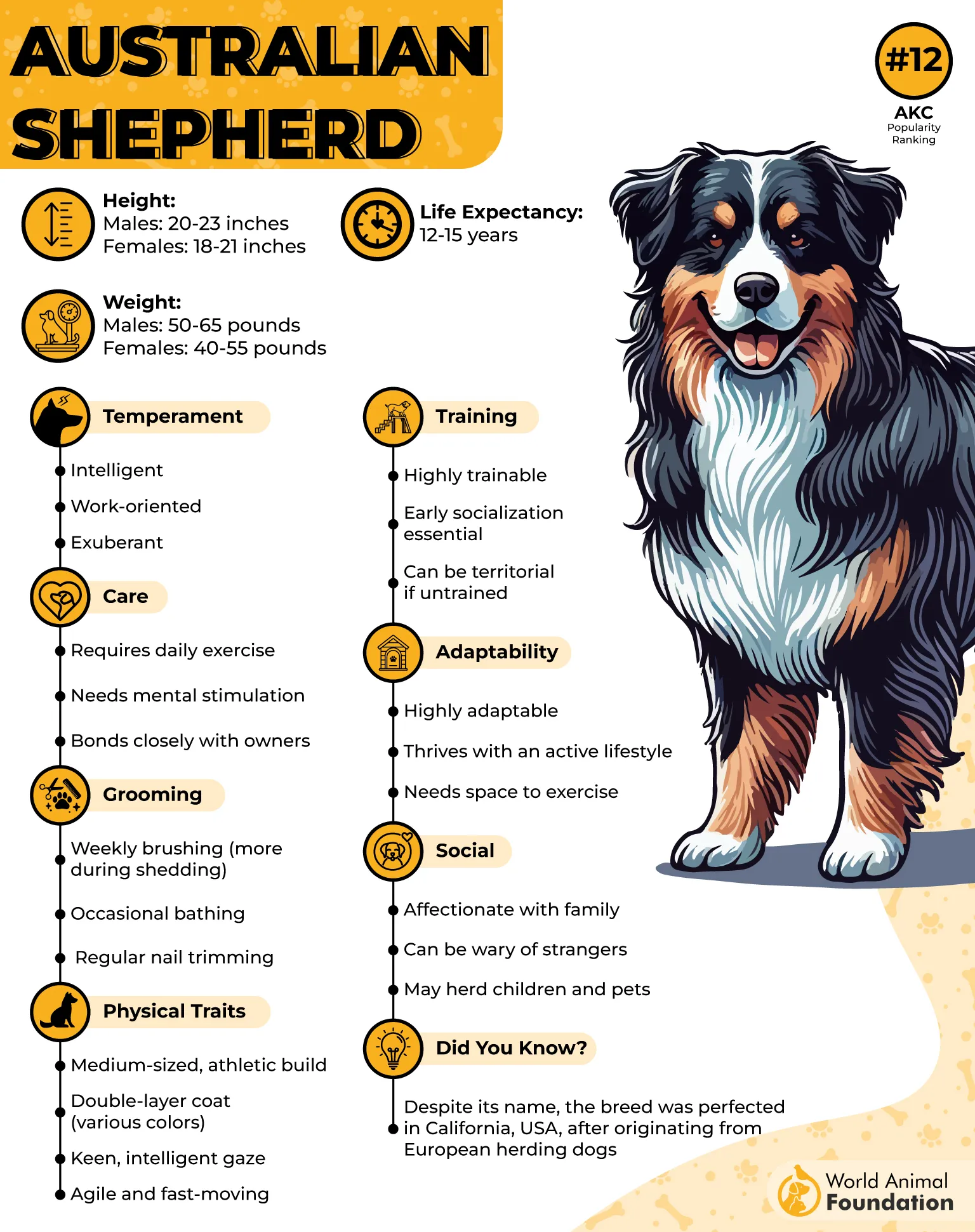
Aussies are intelligent, loyal, and deeply connected to their families. They love being involved in daily life and will happily follow you everywhere—even on simple errands. However, their strong bond can make them territorial and overprotective if not trained properly.
They may also become destructive or frustrated if left alone too often. Their intelligence makes them easy to train, but it also means they can outsmart inexperienced owners if not guided well.
Training & Activity Needs
Early socialization and obedience training are essential
Need daily intense exercise and mental stimulation
Thrive when given a “job” or task to do
Do not like being left alone for long periods
Can become destructive without proper activity
Aussies need at least an hour of strong physical activity every day. They enjoy running, swimming, retrieving, and games like tug. They also excel in activities like agility, herding, obedience, tracking, and even search-and-rescue work.
They do best in homes with space and active owners who can match their energy. If you love outdoor fun and constant activity, this breed will keep up—and probably push you even further.
4. German Shorthaired Pointer
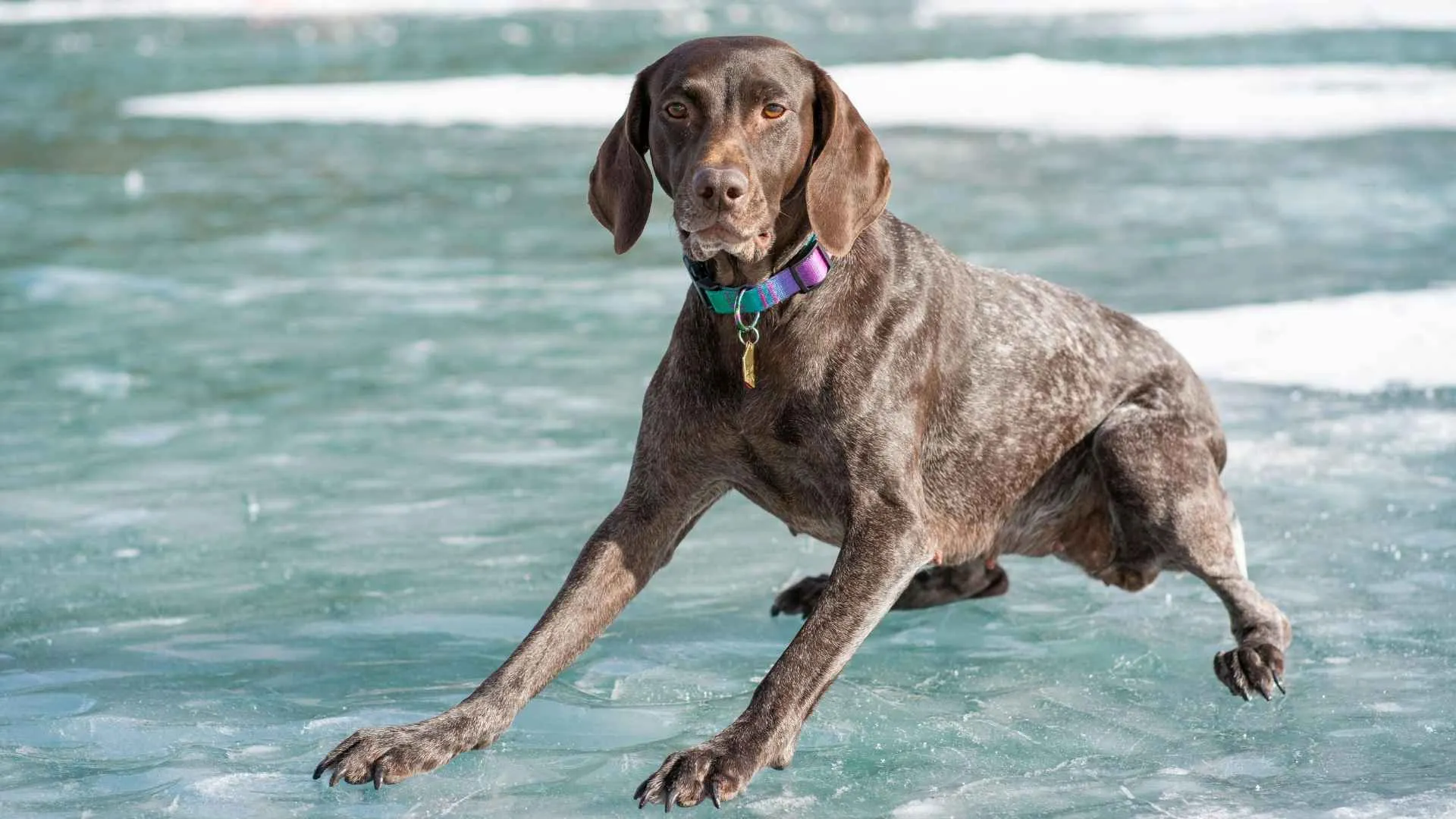
The German Shorthaired Pointer is a true all-rounder when it comes to outdoor fun. Bred as a versatile hunting dog, this energetic breed is known for its speed, power, agility, and endurance. Whether in the field or near water, they are always ready to move.
Their sleek coat, usually in liver or liver-and-white patterns, and bright, expressive eyes reflect their friendly and enthusiastic nature. They bond closely with their families and love any activity that keeps them outdoors and active.
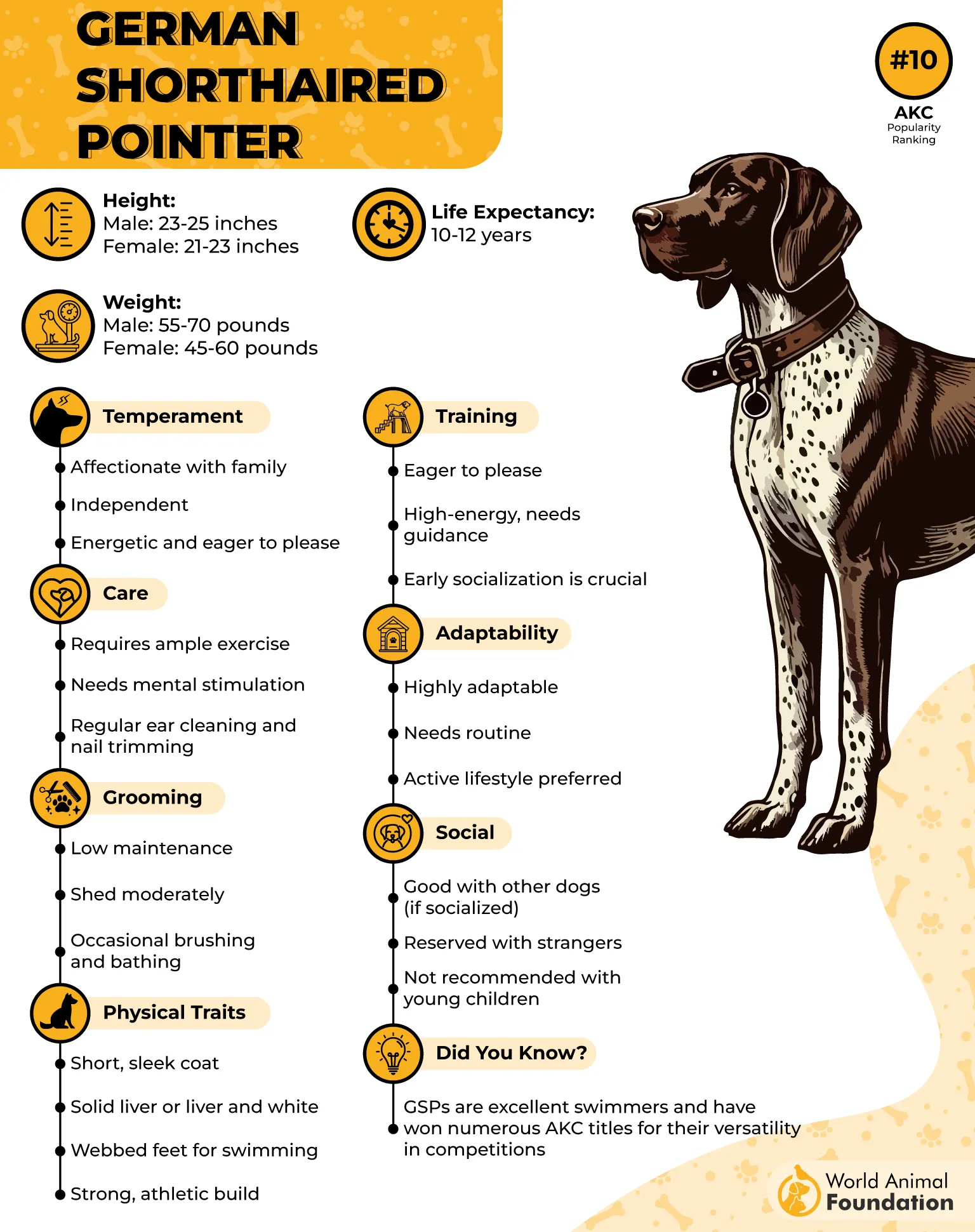
GSPs are highly intelligent and quick learners, but they need early training and proper socialization. They have a strong prey drive and love to follow scents, which means they should be kept on a leash or in a secure area.
Without enough activity or purpose, they can become destructive, especially during their high-energy phase from puppyhood to early adulthood. They do best with owners who can guide their energy into positive outlets.
Training & Activity Needs
Early training and socialization are essential
Need 1–2 hours of intense daily exercise
Strong prey drive; must be supervised outdoors
Can become destructive without enough stimulation
Thrive with consistent, positive training
These dogs need more than just walks—they need action. Running, hiking, swimming, fetch, and agility are perfect for them.
They also enjoy obedience training and outdoor games that challenge both mind and body. After a full day of activity, they love relaxing with their family. If you want a dog that can keep up with every outdoor challenge, this breed is always ready to go.
5. Labrador Retriever
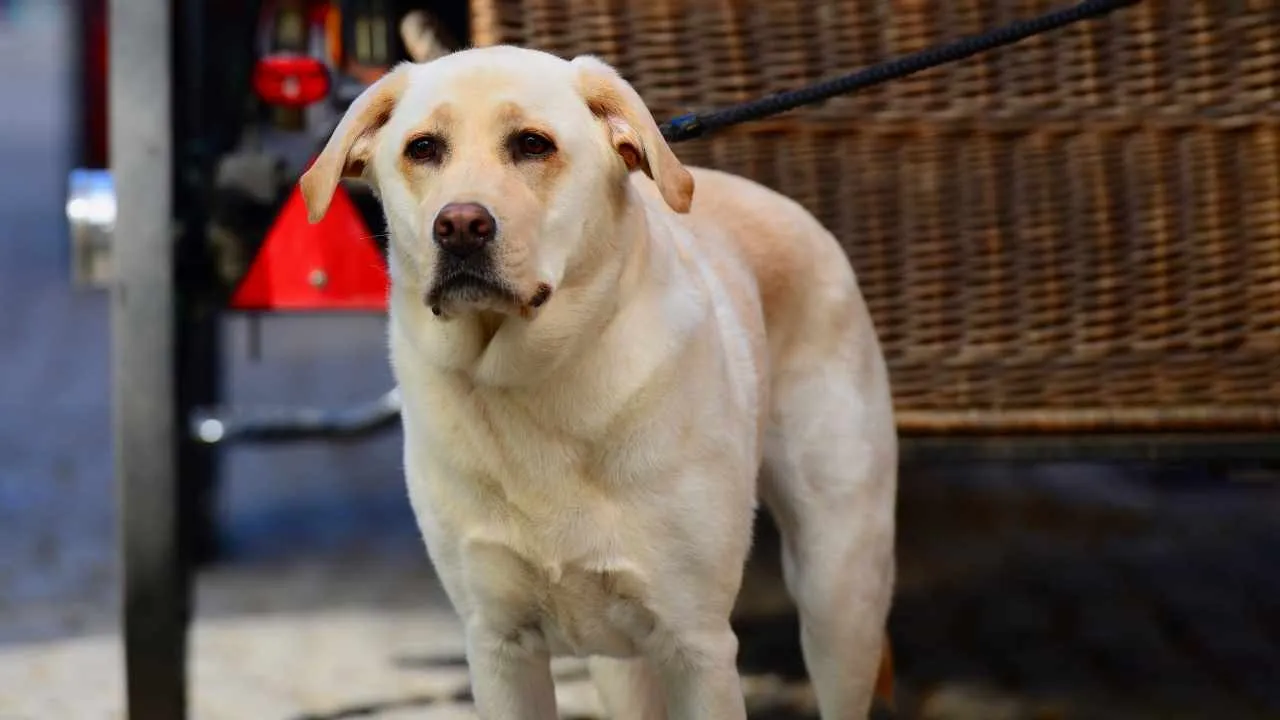
The Labrador Retriever is one of the most loved dog breeds—and for good reason. They are friendly, outgoing, and full of energy, making them perfect for outdoor fun. With their strong build, water-resistant coat, and signature “otter tail,” Labs are natural athletes.
They were originally bred to work alongside fishermen, which explains their deep love for water and activities like swimming and fetching. Don’t be fooled by their easygoing nature—they are highly energetic and always ready for action.
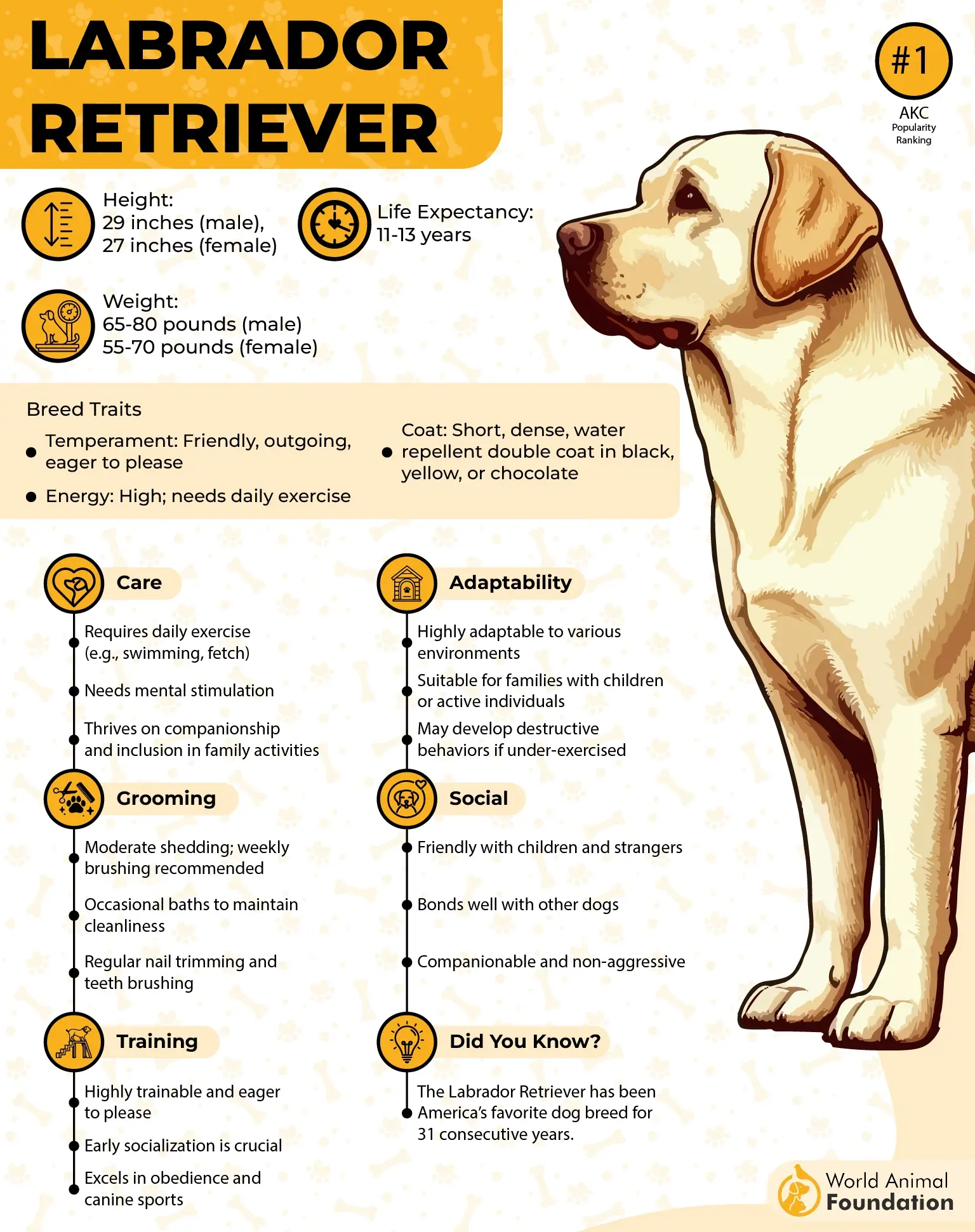
Labs are affectionate and bond closely with the whole family. They are great with children, other pets, and even strangers, though supervision is still important. Their playful energy and strong tails can sometimes be too much for very young kids.
They love being involved in family activities and don’t do well if left alone for long periods. As puppies, they may chew or try to eat random things, so early guidance is very important.
Training & Activity Needs
Early training and socialization are essential
Need at least an hour of daily exercise
Highly energetic and requires mental stimulation
Can become destructive if bored or left alone
Easy to train due to intelligence and eagerness to please
Labradors are great hiking companions and enjoy a wide range of outdoor activities like swimming, running, and fetch. They also do well in agility, tracking, and even search-and-rescue work. Regular exercise keeps them happy and prevents unwanted behaviors like chewing or excessive barking.
After a day full of activity, they love relaxing with their family. If you want a loyal, fun, and adventure-ready companion, a Lab will never disappoint.
6. Vizsla
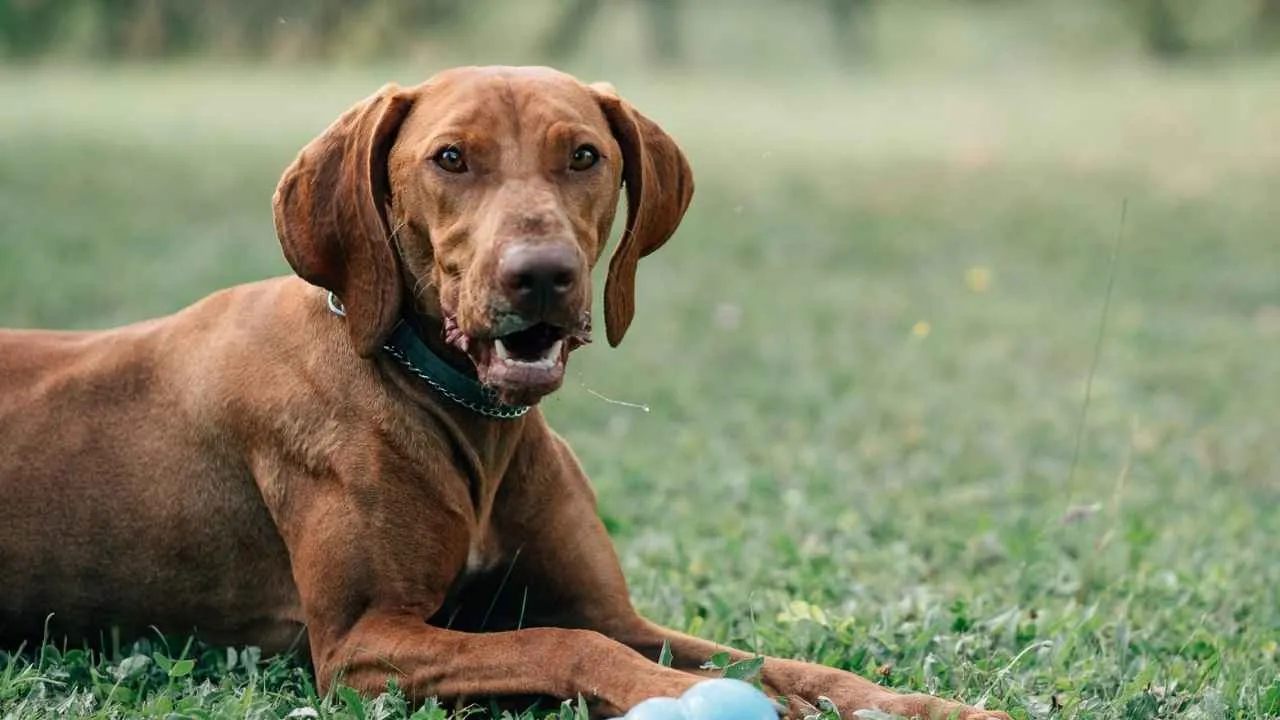
The Vizsla is a sleek, energetic gundog built for long days outdoors. With its signature golden-rust coat and light, agile movement, this breed is both elegant and powerful. Originally bred by Hungarian sportsmen, Vizslas are known for their stamina and speed.
They are natural athletes who love running, jogging, and exploring. At home, their soft expression shows their loving nature, but outdoors, they switch into full work mode with intense focus.
Vizslas form very strong bonds with their owners and truly hate being left alone. Often called “Velcro dogs,” they love staying close and being part of everything you do.
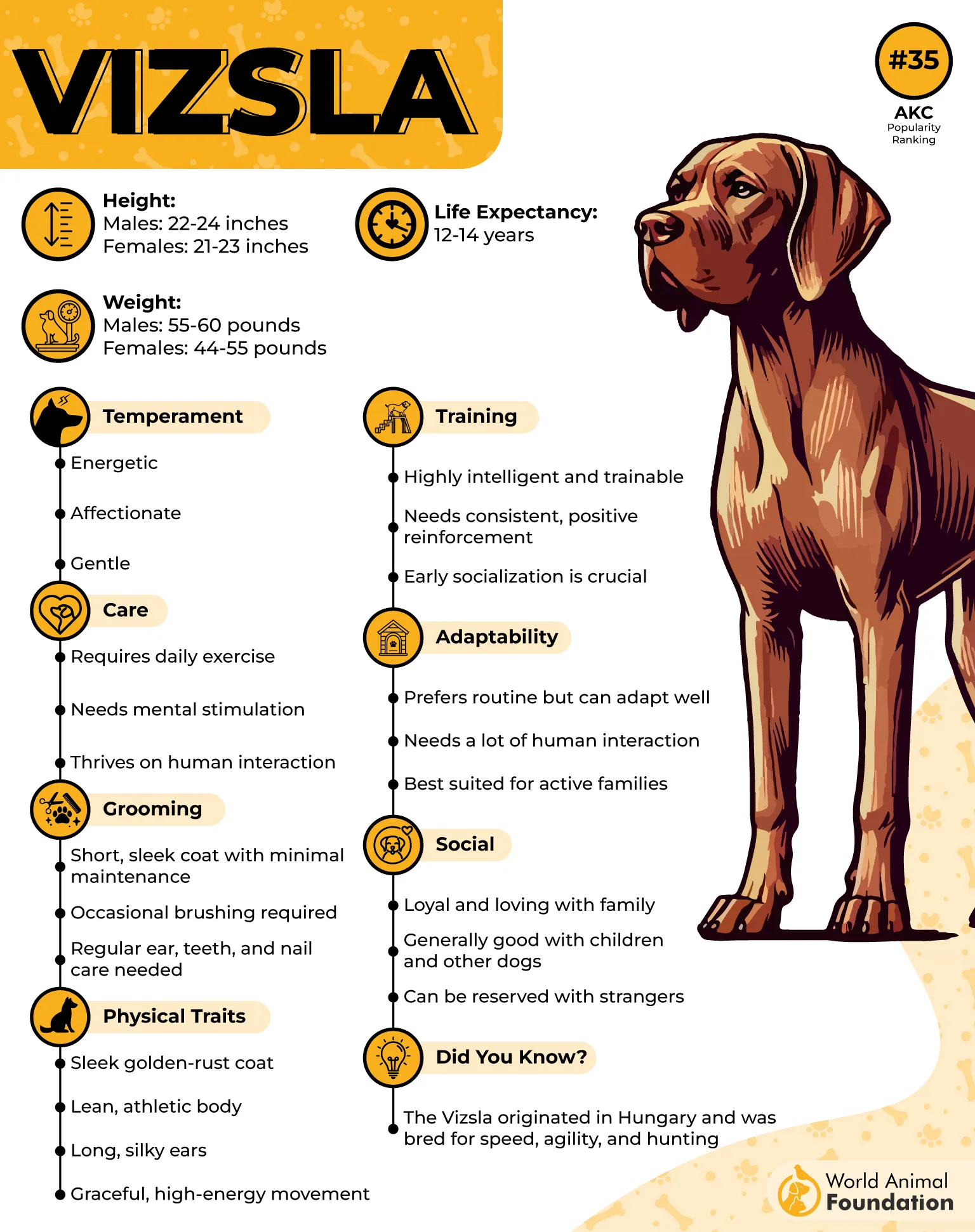
They are friendly, playful, and usually get along well with people and other dogs, though their prey drive may need control around smaller animals. Their sensitive nature means they respond best to gentle handling and positive reinforcement.
Training & Activity Needs
Early and consistent training is essential
Highly intelligent and quick learners
Need a “job” or purpose to stay happy
Require strong socialization from puppyhood
Do not like being left alone
Vizslas are always ready for action. They excel in activities like running, agility, tracking, hunting, and dock diving. Their high energy means they need regular exercise and mental challenges every day. Without it, they can become restless and troublesome.
But with the right lifestyle, they become loyal, loving companions who will stick by your side through every outdoor adventure.
7. Alaskan Malamute
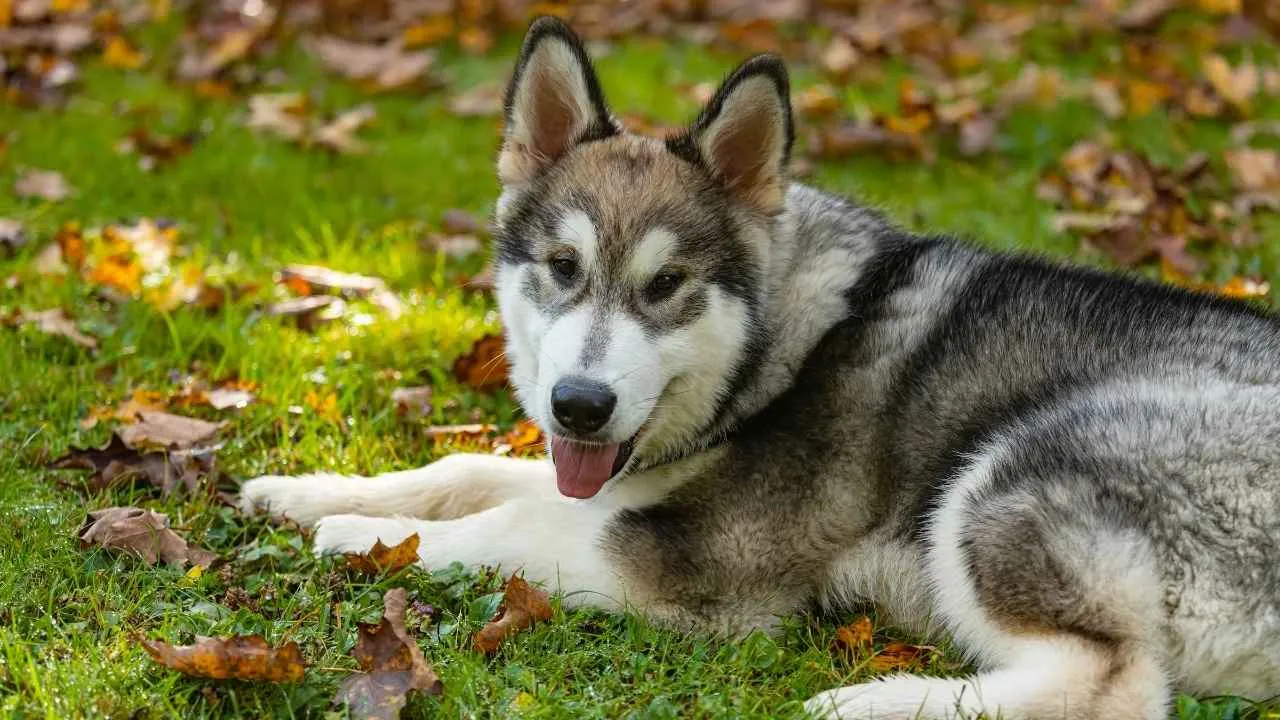
The Alaskan Malamute is a strong, hardworking dog made for outdoor challenges. Bred as an Arctic sled dog, everything about this breed shows power and endurance—from its heavy build to its thick, weatherproof coat.
With erect ears, a plumed tail, and expressive brown eyes, Mals look tough but have a warm, affectionate side. They love both adventure and downtime, happily joining you on outdoor activities and then relaxing with their family.
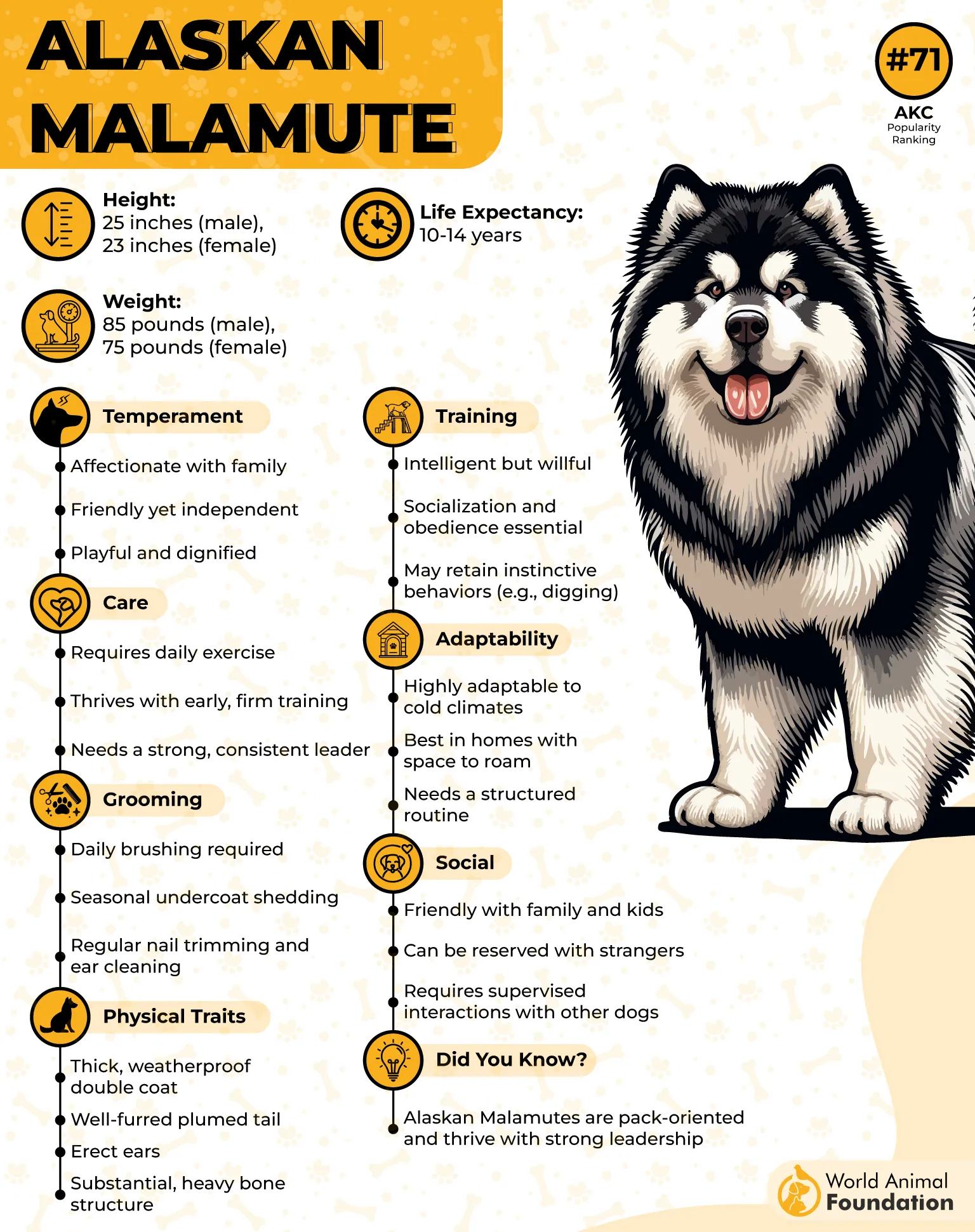
Malamutes are true pack animals and thrive in a family environment. They are friendly, playful, and generally great with kids, but they need a clear leader. Without proper guidance, they can become dominant or stubborn.
They are highly intelligent but also independent thinkers, which can make training a bit challenging. They are not great guard dogs since they tend to be friendly with everyone, including strangers.
Training & Activity Needs
Early socialization and obedience training are essential
Need firm but patient and consistent training
Highly intelligent but can be stubborn
Require mental stimulation to prevent boredom
Love digging and need secure fencing
These dogs are always ready for action and enjoy outdoor play, especially in cooler weather. They love activities like hiking, games, and agility training. Malamutes are also quite vocal, often howling or making unique sounds instead of barking.
Without enough activity, they may dig, chew, or try to escape. For active owners who enjoy outdoor challenges, this breed is a fun, loyal, and energetic companion.
Conclusion
Choosing the right dog for outdoor adventures is really about matching energy, personality, and lifestyle. All the breeds discussed share one common trait—they don’t just enjoy outdoor challenges, they thrive on them.
From hiking and swimming to running and training sports, these dogs are happiest when they have space to move, tasks to do, and time spent with their humans. Without that outlet, their energy can turn into boredom, so understanding their needs is key to a balanced and happy life together.
If you live an active lifestyle, the right companion can completely transform your adventures. Instead of just going on hikes or trips, you gain a partner who pushes you to explore more and stay active every day. The real secret is simple: a well-matched dog doesn’t just join your life—they elevate it.
So choose thoughtfully, invest in training, and you’ll end up with not just a pet, but a lifelong adventure buddy who’s always ready for the next trail, wave, or open field.
