




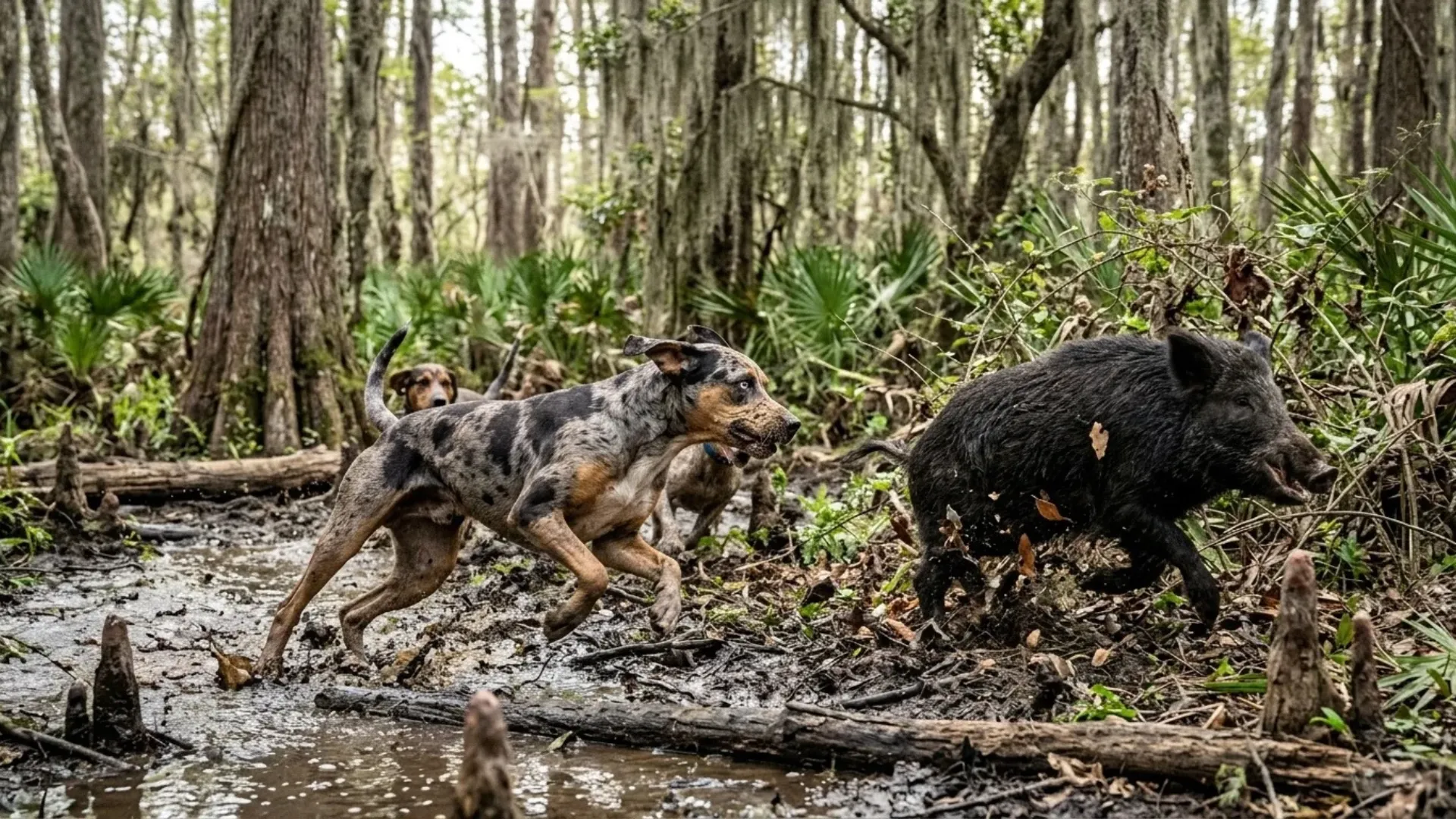
What makes a dog brave enough to face a wild boar?
These powerful animals can run fast, fight hard, and cause serious harm. Yet some dogs have the skills to help hunters track them. Some follow scent trails across rough land.
Others bark to keep boars in one place. Catch dogs take on a different role. They use strength and courage during close encounters.
Each role calls for special skills. Good hunting dogs need stamina, sharp noses, and quick reflexes. However, not every breed suits every task. The right choice depends on the dog’s natural skills and training.
This guide explores ten dog breeds known for wild boar hunting. You’ll discover their key traits and hunting roles. We’ll also look at their exercise needs and care. Remember, these dogs need skilled handlers and proper training.
Top Dog Breeds That Lead the Pack in Wild Boar Hunting
1. Plott Hound
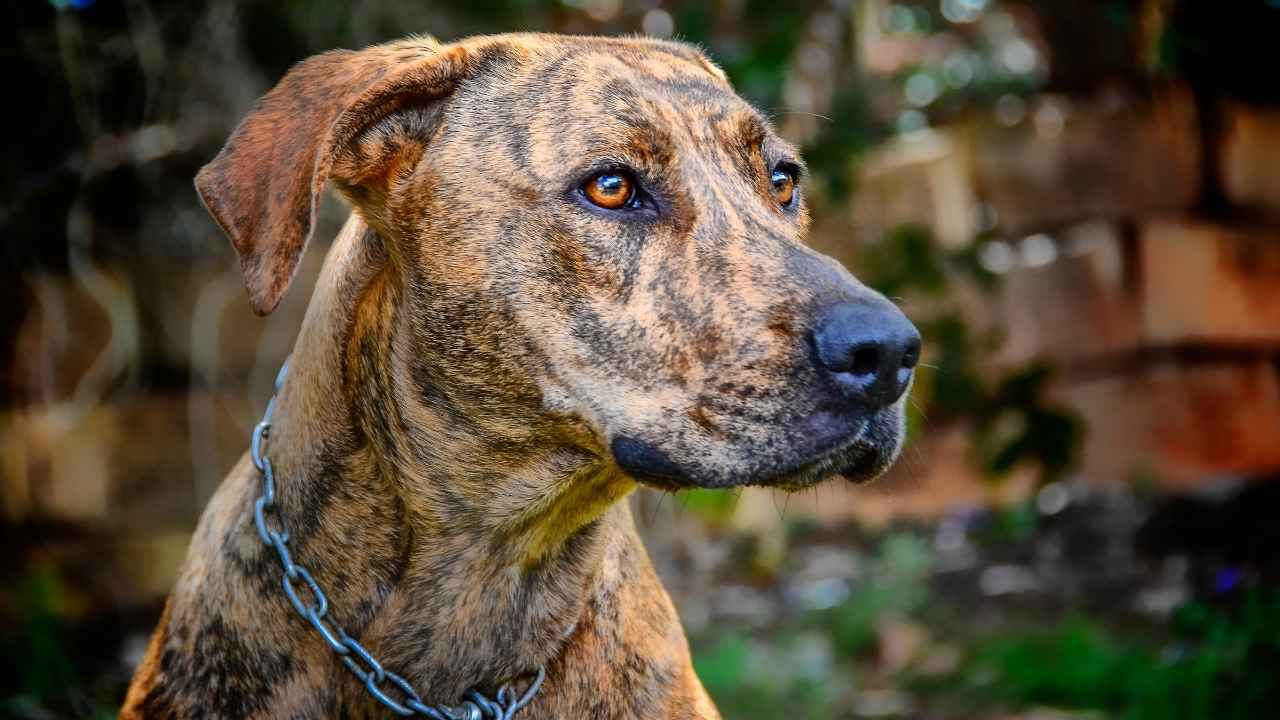
The Plott Hound has a long history of hunting big game. This muscular dog breed came from German hunting dogs. Its ancestors helped hunters track bears and other large prey. In the United States, people developed it for demanding hunts.
Its keen sense of smell helps it follow trails. It can also help hunters locate animals across rough fields. According to Wikipedia, the Plott Hound is a large scent hound originally bred for bear hunting.
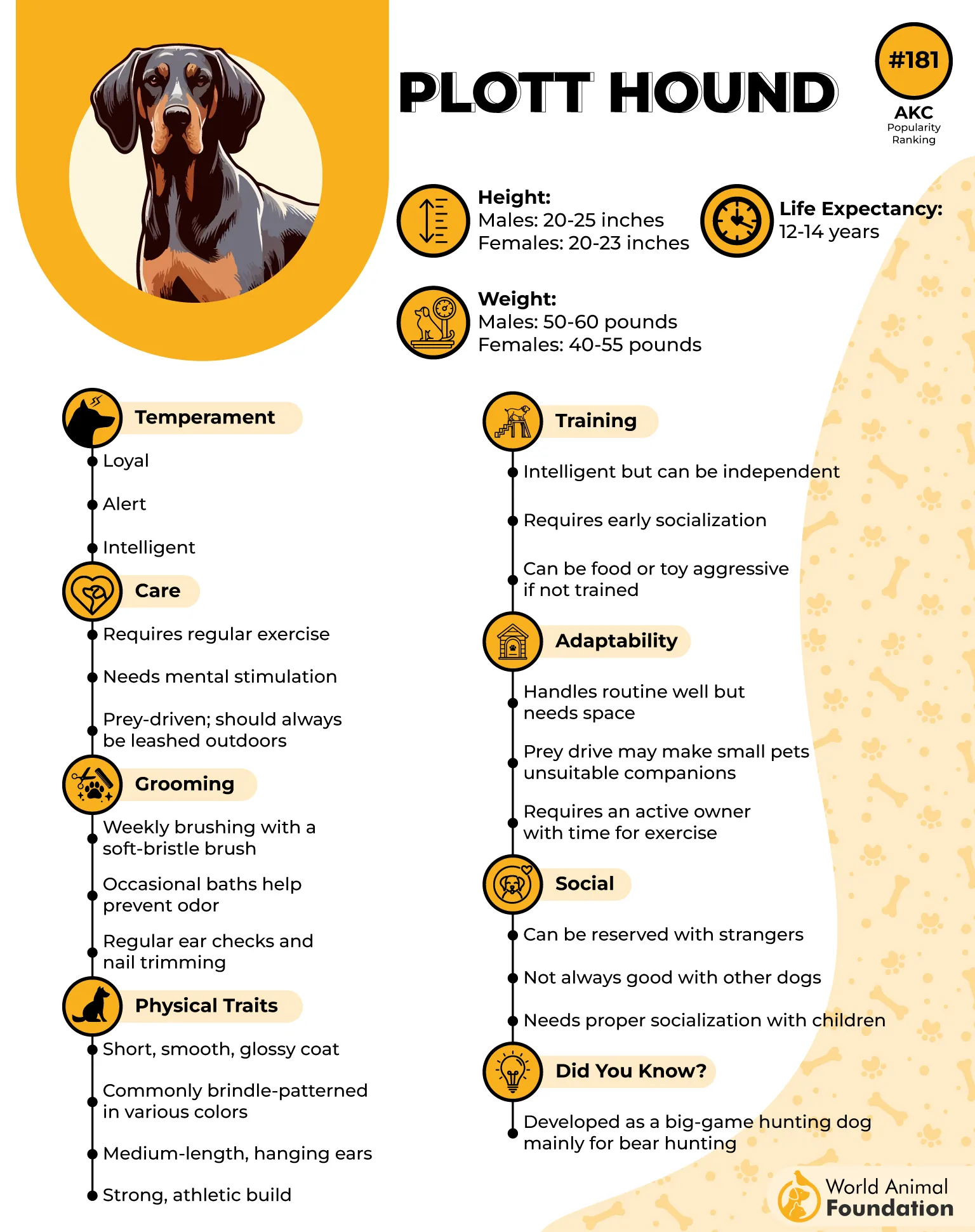
It became North Carolina’s official state dog in 1989. The breed also gained American Kennel Club recognition in 2006.
Plott Hounds typically weigh around 50 pounds. However, their working drive needs daily outlets. They need vigorous exercise and mental challenges. This hunting dog suits active owners with field experience.
2. Catahoula Leopard Dog
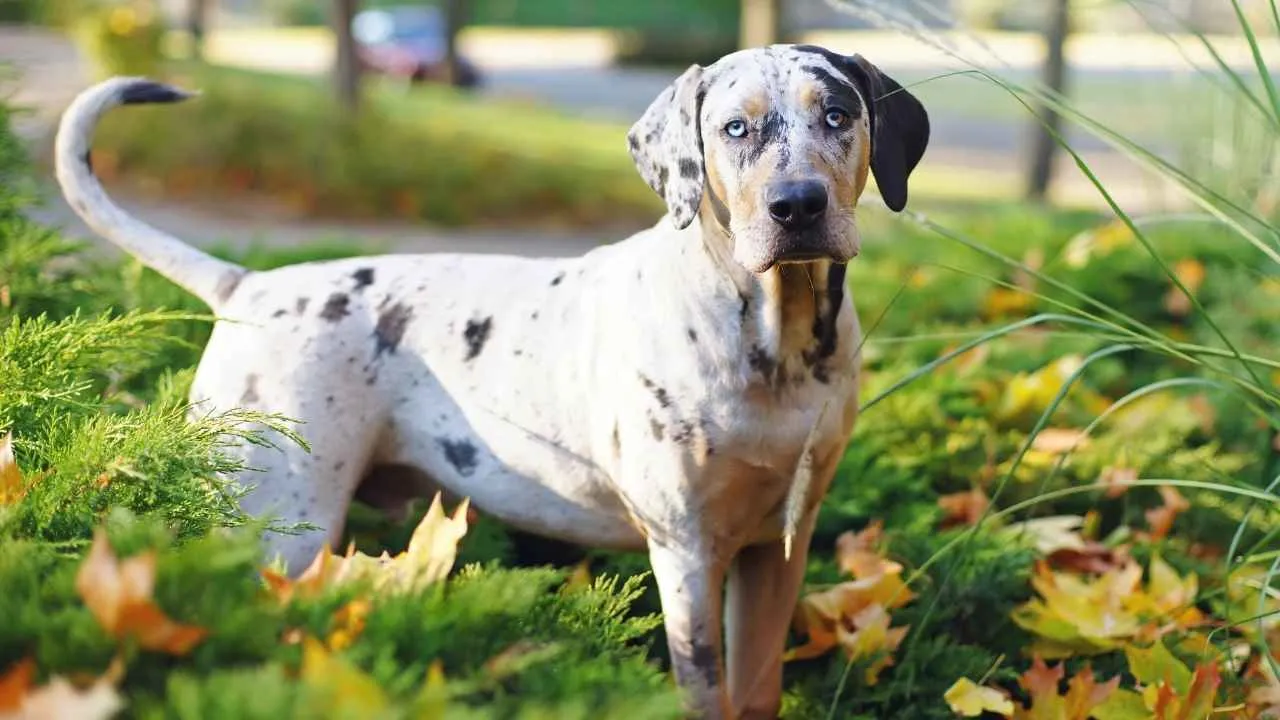
The Catahoula Leopard Dog brings many abilities to wild boar hunting. This large dog breed originated in Louisiana. It is the only dog breed developed there. According to Purina, this muscular, agile dog is a born worker.
It also enjoys relaxing after a busy day. As a versatile hunting dog, it can handle different types of outdoor tasks. Its keen hunting instincts help it work across rough terrain.
This breed needs plenty of daily activity. Without enough exercise, boredom can lead to destructive habits. Early socialization also helps shape good behavior.
Consistent guidance gives this smart dog clear direction. Its working drive makes it useful in demanding field conditions. However, owners must provide enough exercise and mental challenges.
3. Bloodhound
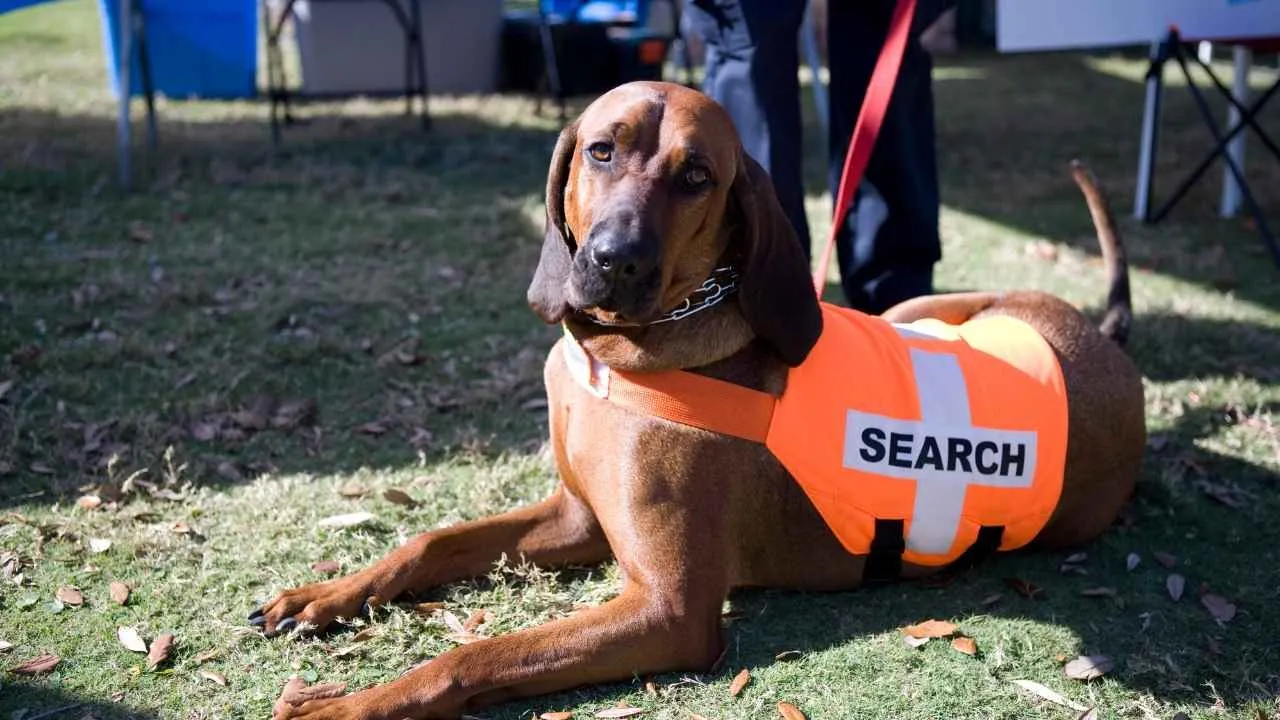
A Bloodhound can follow trails over great distances. Its excellent sense of smell makes it a good tracking dog breed. This skill can help hunters locate hogs during wild boar hunting. According to VCA, Bloodhounds track people and animals across long distances.
Their powerful noses make scent work their natural job. They are gentle, affectionate, and calm with family. However, an interesting scent can quickly grab their attention.
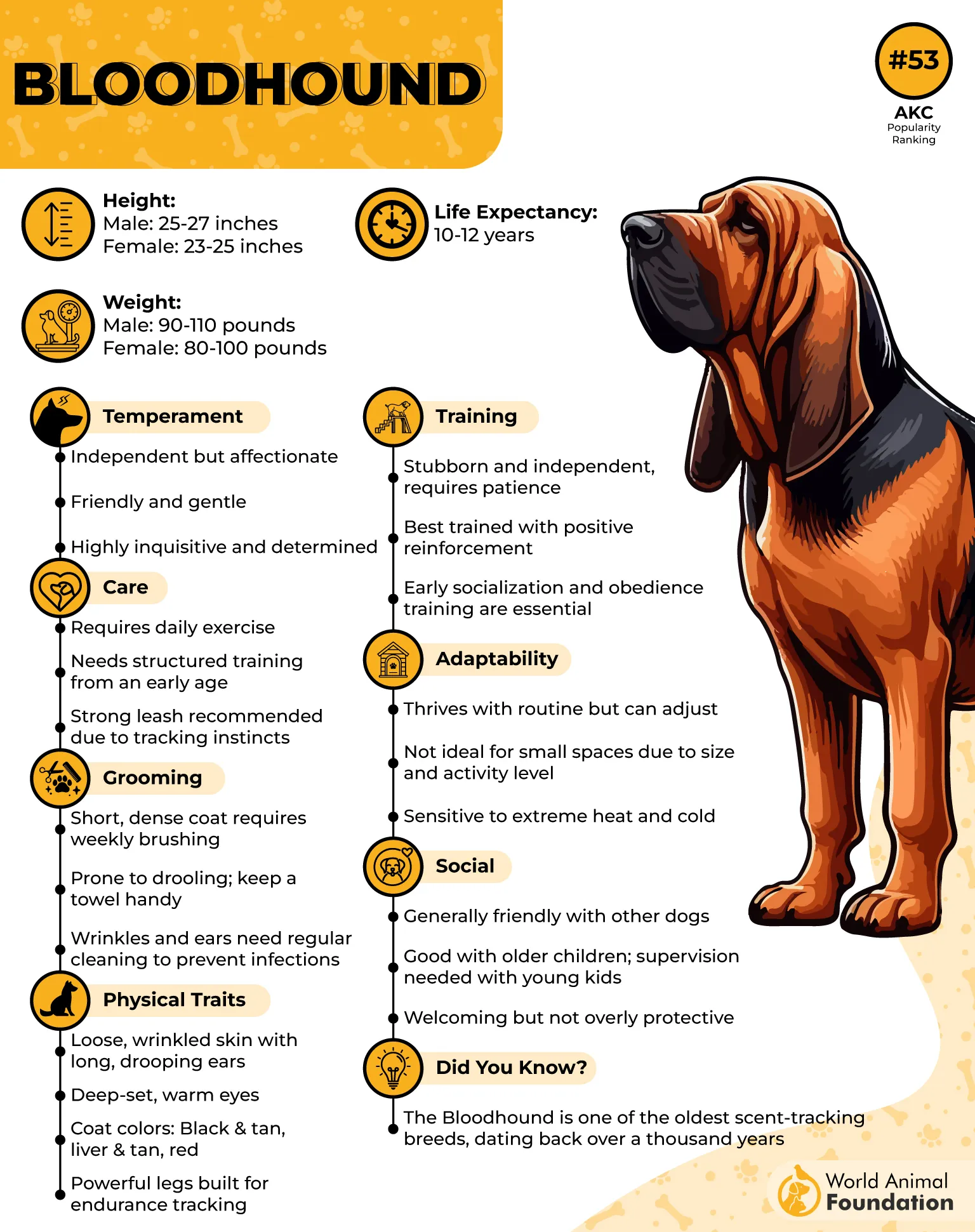
They may ignore commands while following a trail. Therefore, patient handling and steady training are important. Bloodhounds also need long daily walks on a leash.
Nose games provide another good way to engage them. These activities keep their minds busy and support their natural tracking skills.
4. Redbone Coonhound
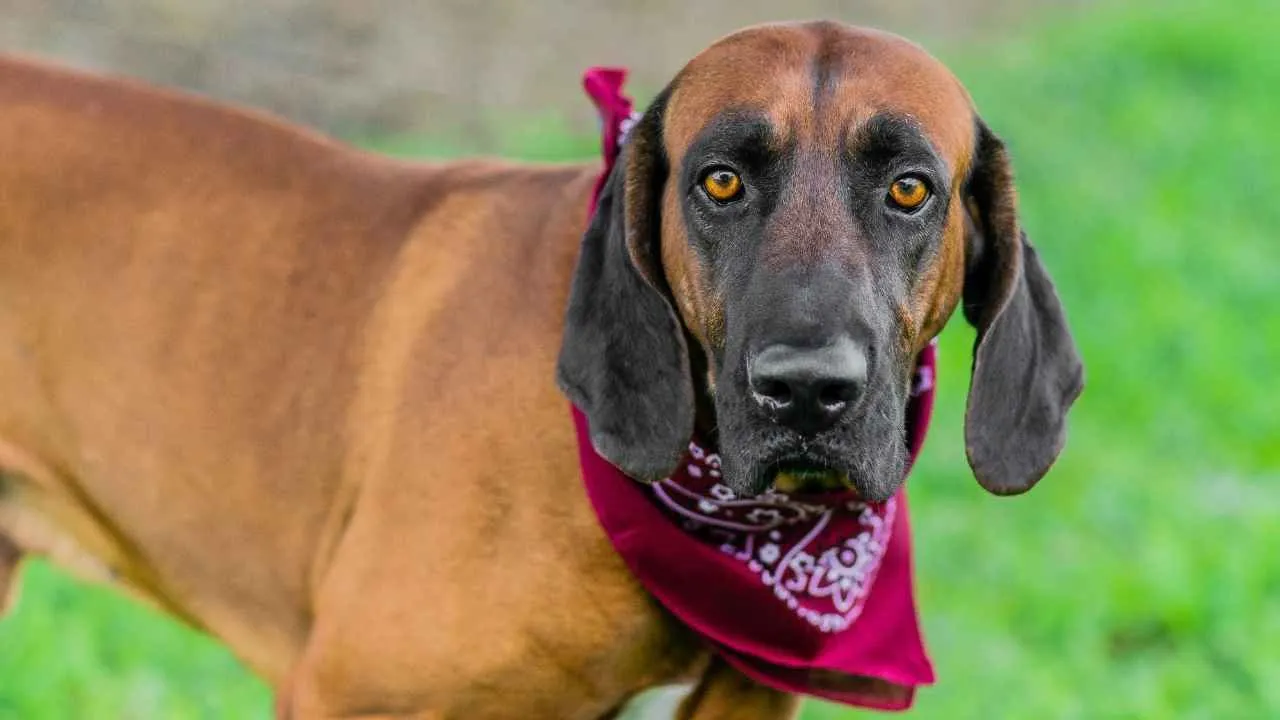
The Redbone Coonhound is a medium dog breed with strong hunting roots. According to PetMD, hunters developed this breed in the United States. Its history dates back to the late 18th century.
They needed a hunting dog that could pursue game across varied terrain. This included thick swamps and steep mountains. Although raccoons were its main prey, it has other hunting abilities.
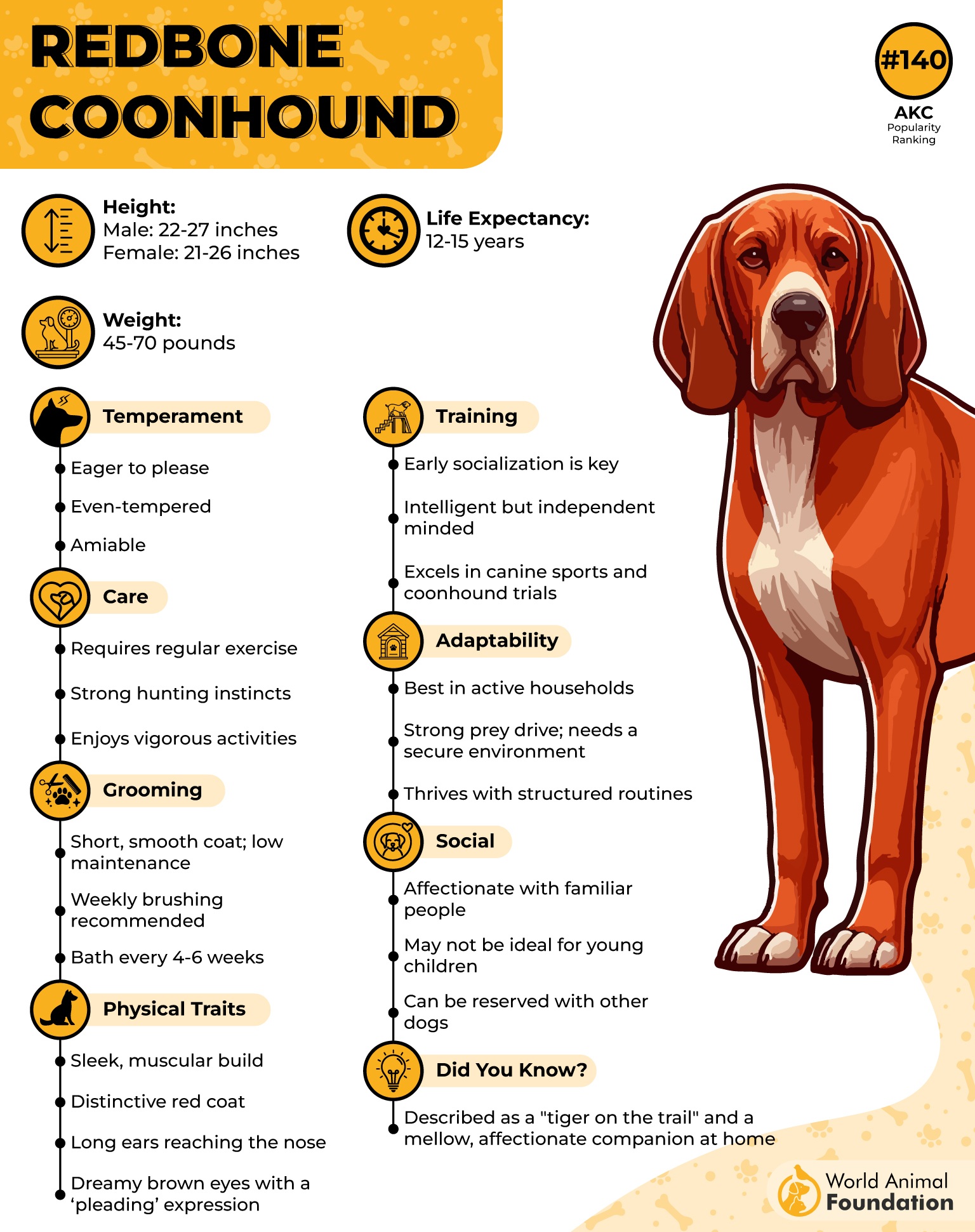
Its scenting skills can also support wild boar hunting. Redbones are known for their determination on long trails. Their loud voices help hunters follow their progress.
They may also pursue deer and other big game. These dogs enjoy outdoor activities and need daily exercise. They can follow scents with great focus. However, patience and secure spaces are vital. Their eager-to-please nature also helps with consistent training.
5. Black and Tan Coonhound
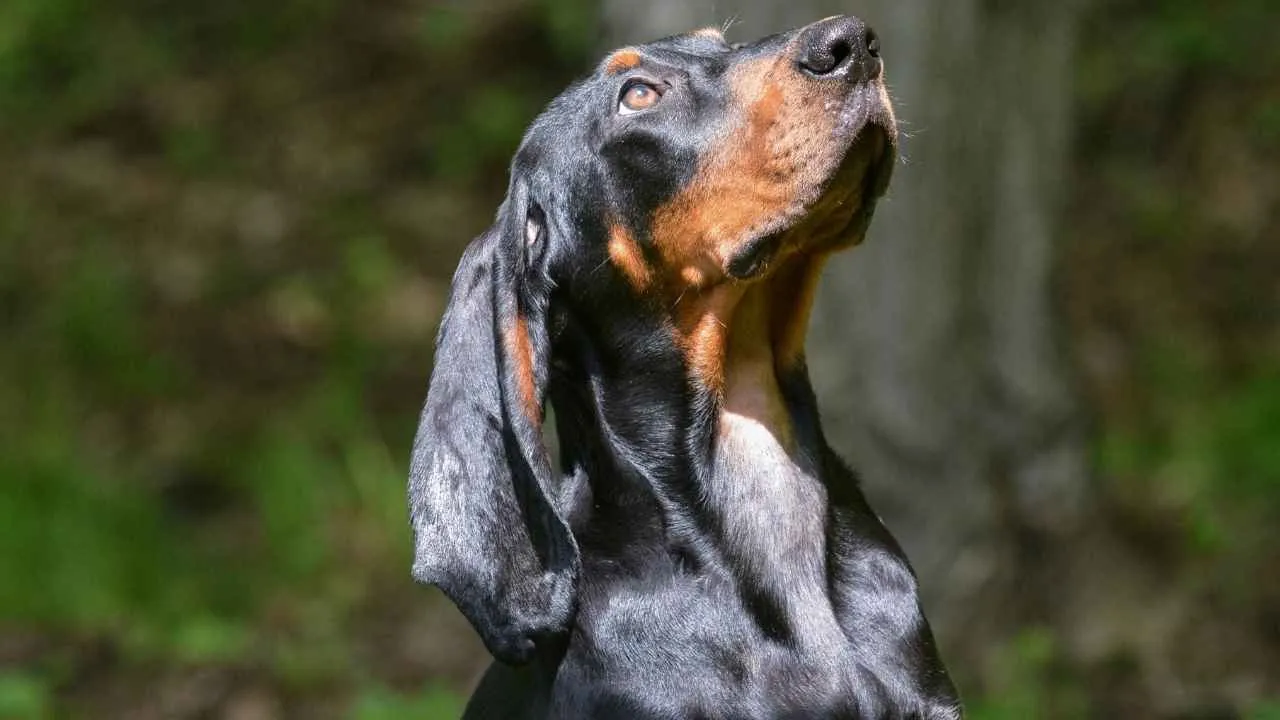
The Black and Tan Coonhound is a friendly dog breed with a strong voice. Hunters first developed this hunting dog to pursue raccoons and other game. Its sensitive nose helps it follow trails through wooded areas. Yet its deep, mournful howl is its best-known feature.
During wild boar hunting, that voice can help hunters hear where the dog is working. It is not a flushing dog that drives game from cover. Instead, it follows a trail and signals its progress. The American Kennel Club describes this breed as sociable and capable of keeping pace with active families.
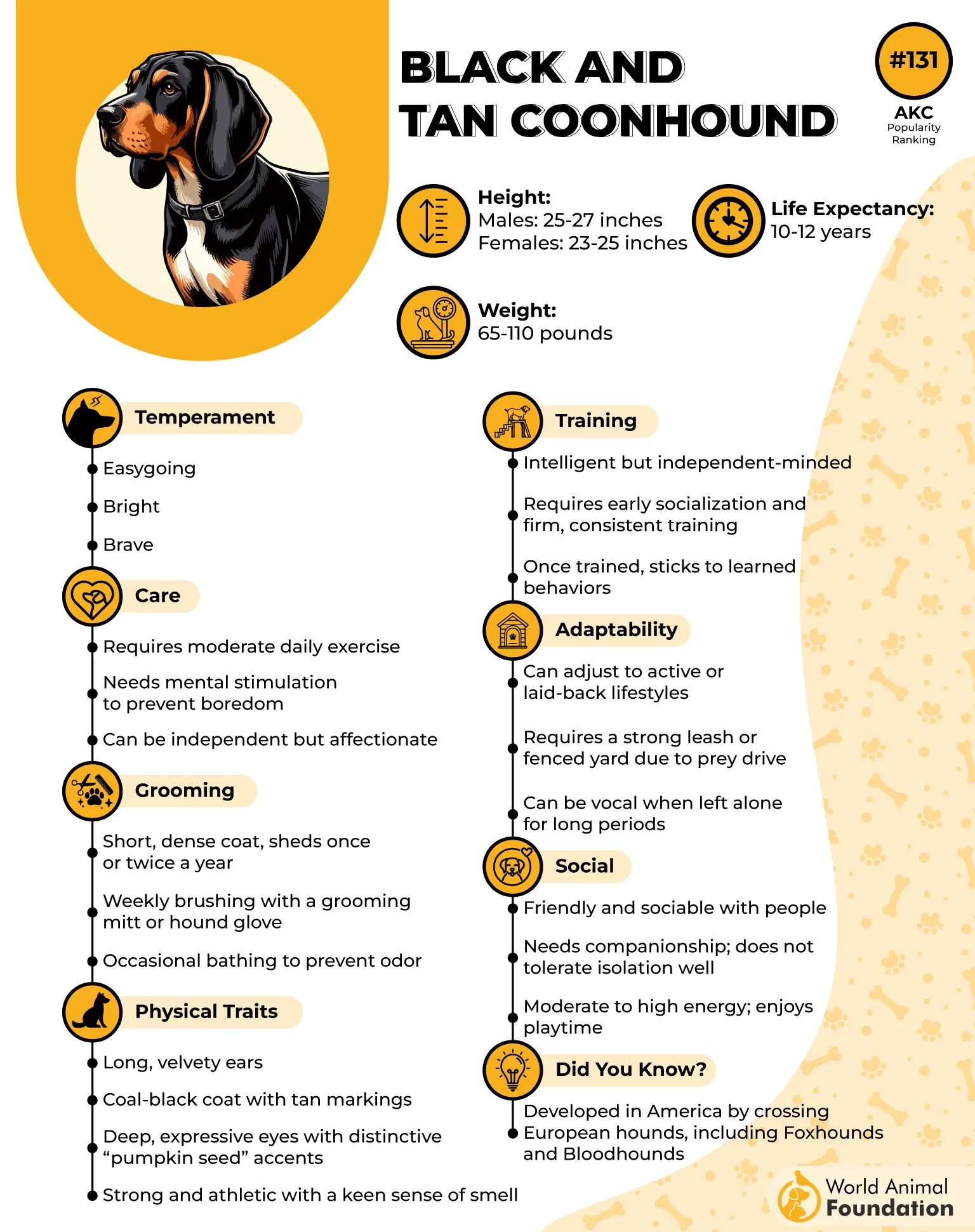
It also warns that a lonely hound may serenade the neighborhood. This high-energy dog needs company, clear rules, and regular activity.
Its prey drive can spark at the sight of a squirrel. So, use a strong leash and secure fencing. Recall practice takes time, while scent games offer good work at home.
6. Dogo Argentino
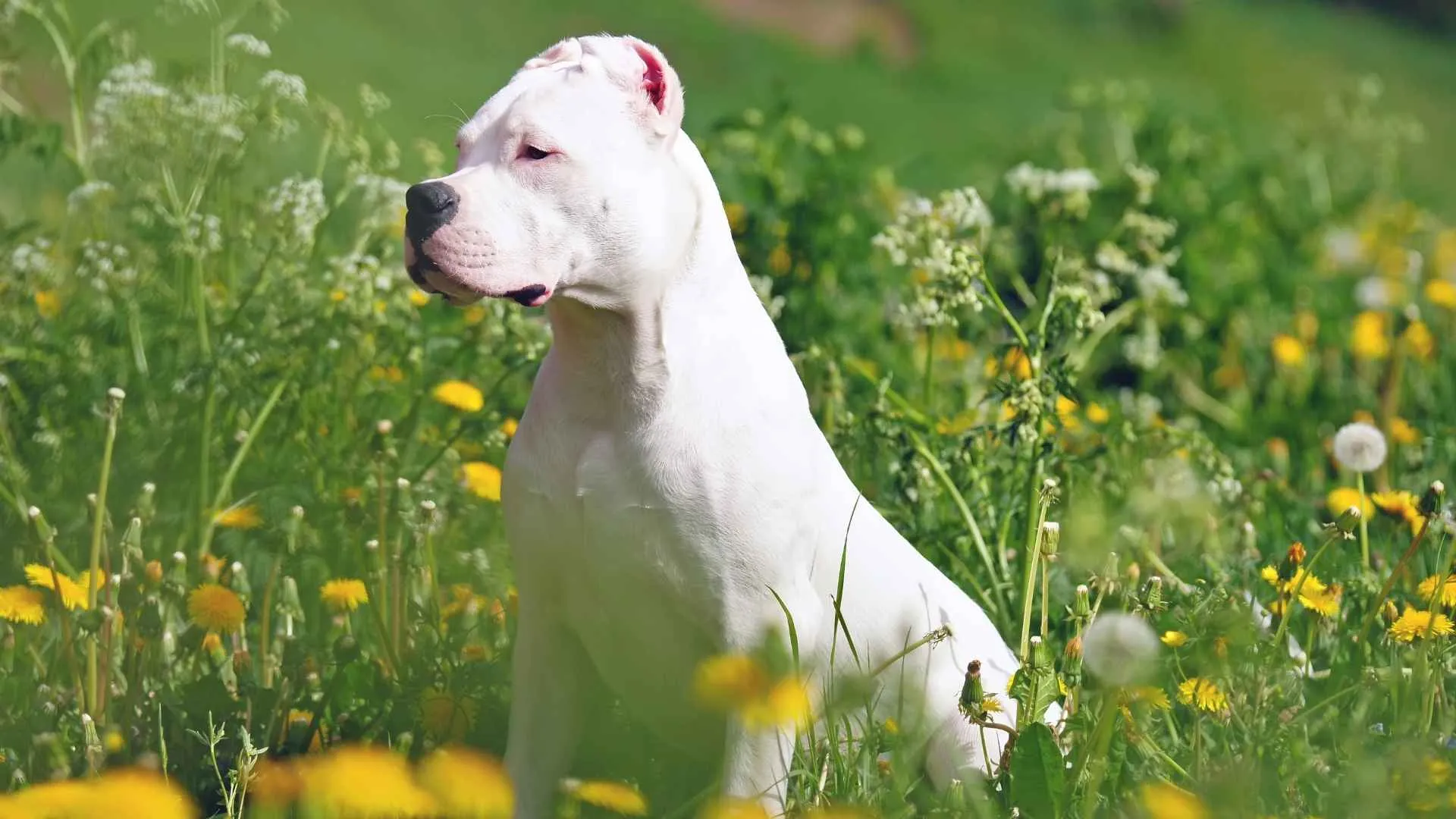
The Dogo Argentino is a large dog breed built for demanding work. It was developed in Argentina to hunt large animals. These hunting dogs have a history of facing powerful game. Their muscular bodies and strong limbs support close-range work.
In hog hunting, they often serve as catch dogs. They use their strength to help hold a boar until hunters arrive. Royal Canin describes the breed as athletic, affectionate, and alert. Its distinctive white coat makes it easy to recognize.
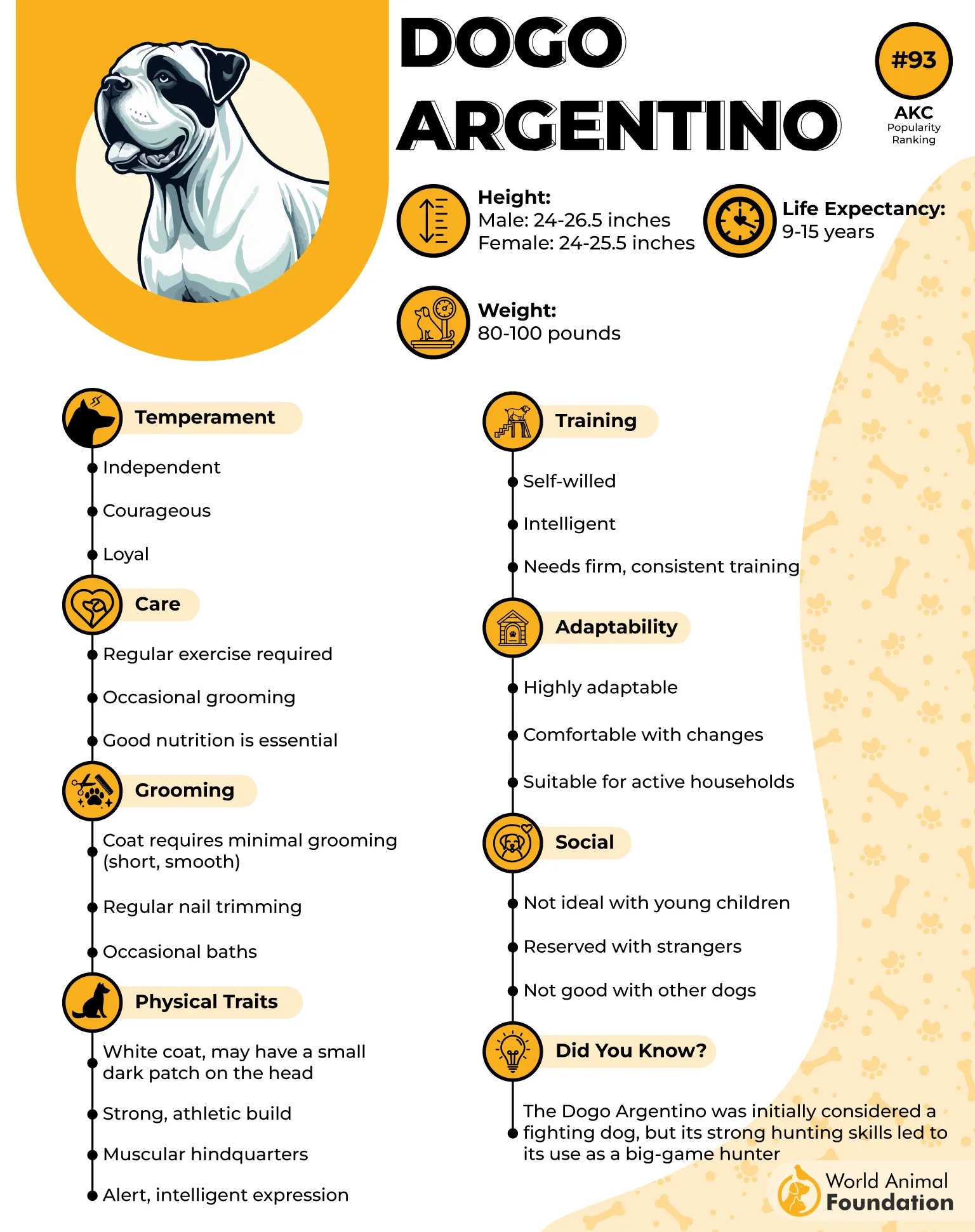
The breed also has a keen sense of devotion to its family. It enjoys spending time with loved ones and staying close. However, its power calls for an experienced owner.
Early socialization and steady training are essential. Hunters should also use proper protective gear. Responsible supervision helps keep dogs and people safe. A good routine should balance work, rest, and family time. This helps keep the dog content and well-adjusted.
7. Airedale Terrier
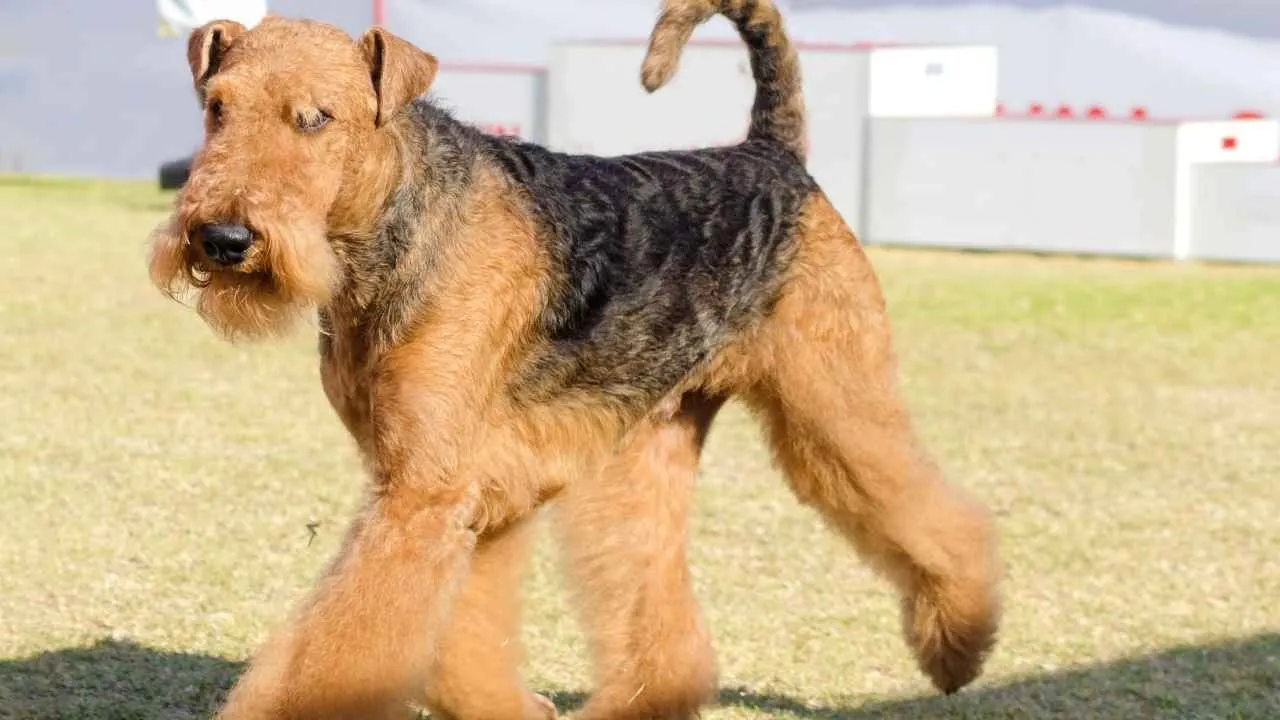
The Airedale Terrier is the largest terrier breed. Its many working roles earned it the nickname “King of the Terriers.” Orvis notes that people once called it the Waterside Terrier and Bingley Terrier.
Its intelligence and hard-working nature also made it useful as one of the police dogs in Germany and Great Britain. During World War I, Airedales carried messages across dangerous areas. These skills show how quickly this breed can learn and adapt.
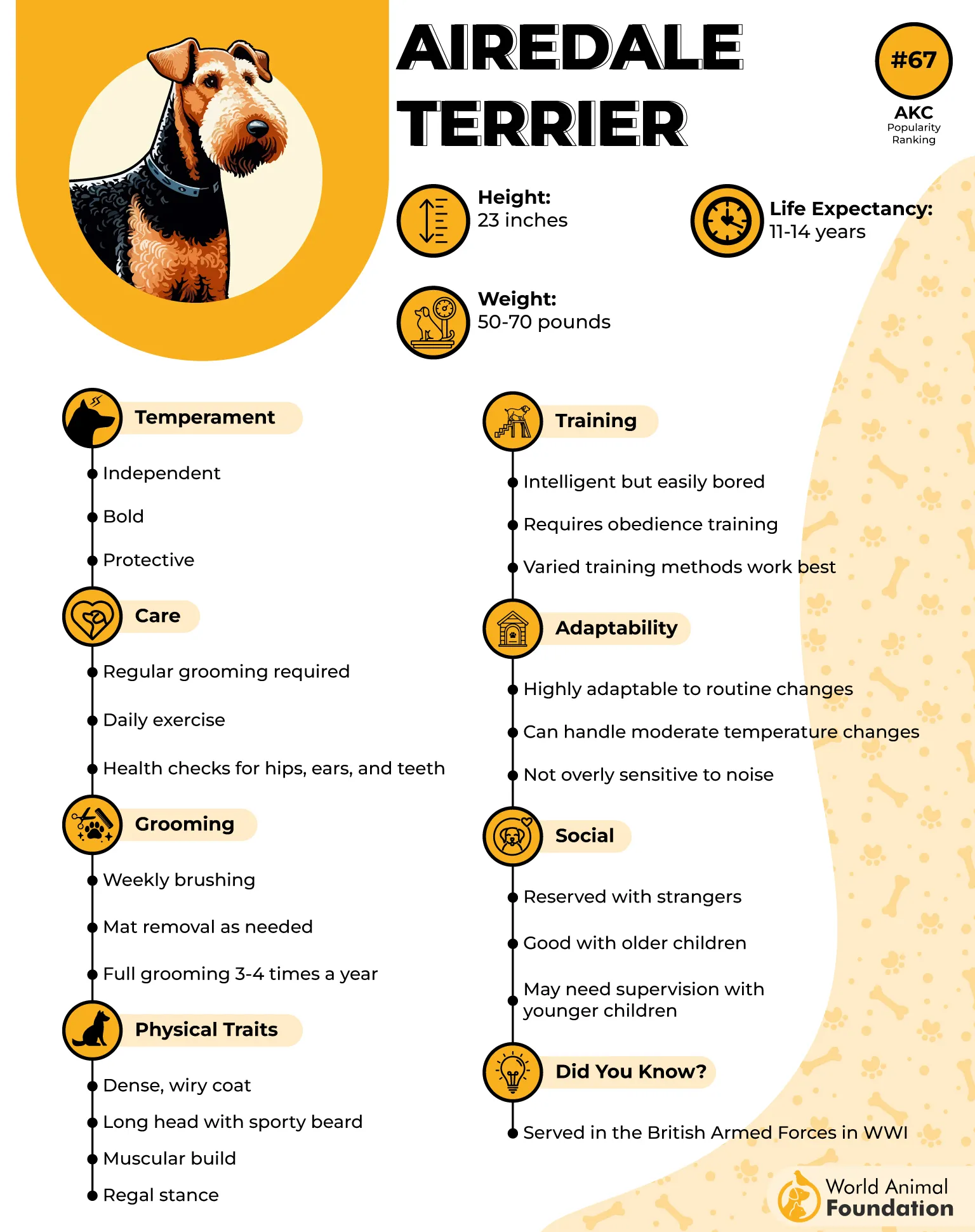
In the field, its determination can help when tracking wild pigs. Its wiry coat offers some protection while moving through dense brush. However, this energetic dog needs more than physical exercise. Puzzle games, scent work, and obedience tasks keep its mind active.
A clear plan helps channel its drive into useful work. With consistent training, owners can send it through varied tasks with confidence. Airedales also form close family bonds and can be good with children when properly socialized.
8. Mountain Cur
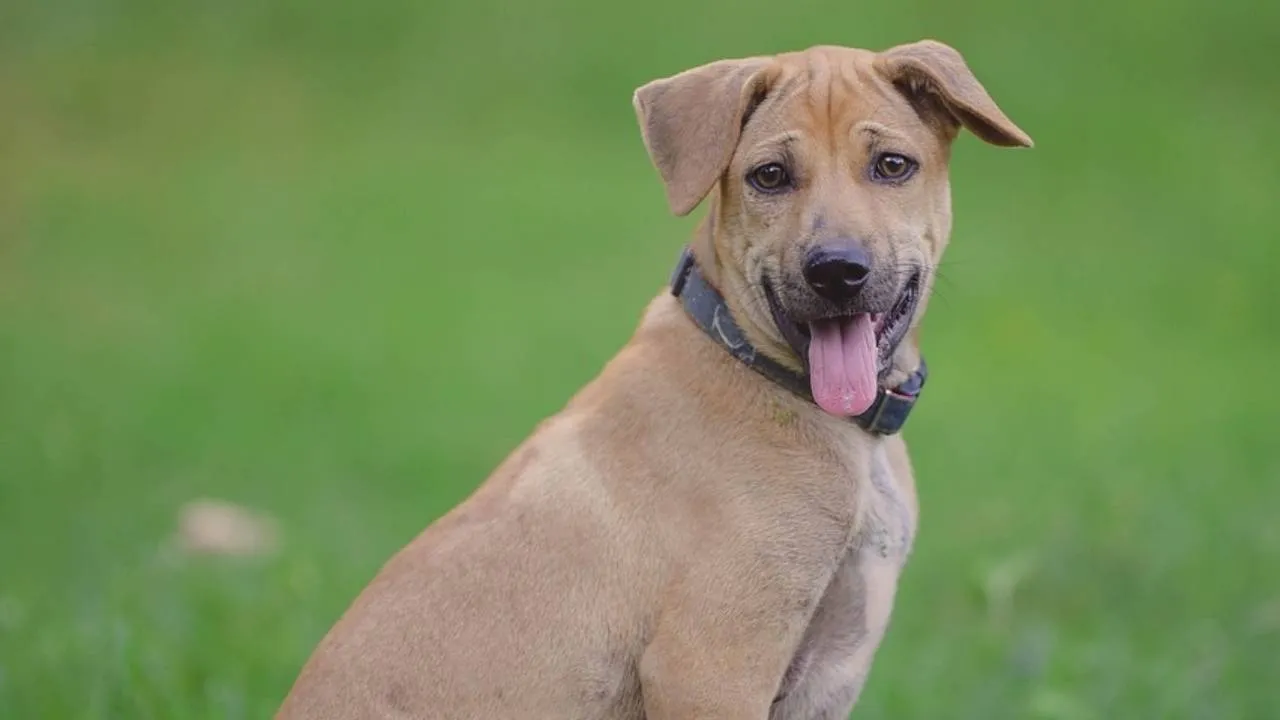
The Mountain Cur has a strong hunting instinct and a rugged working background. This American breed helped hunters find and pursue game. It can also support tracking and baying tasks.
These skills make it relevant among wild boar hunting dog breeds. The word “cur” may come from the Middle English term “curdogge.” Cur dogs use different sounds while working and to alert their owners.
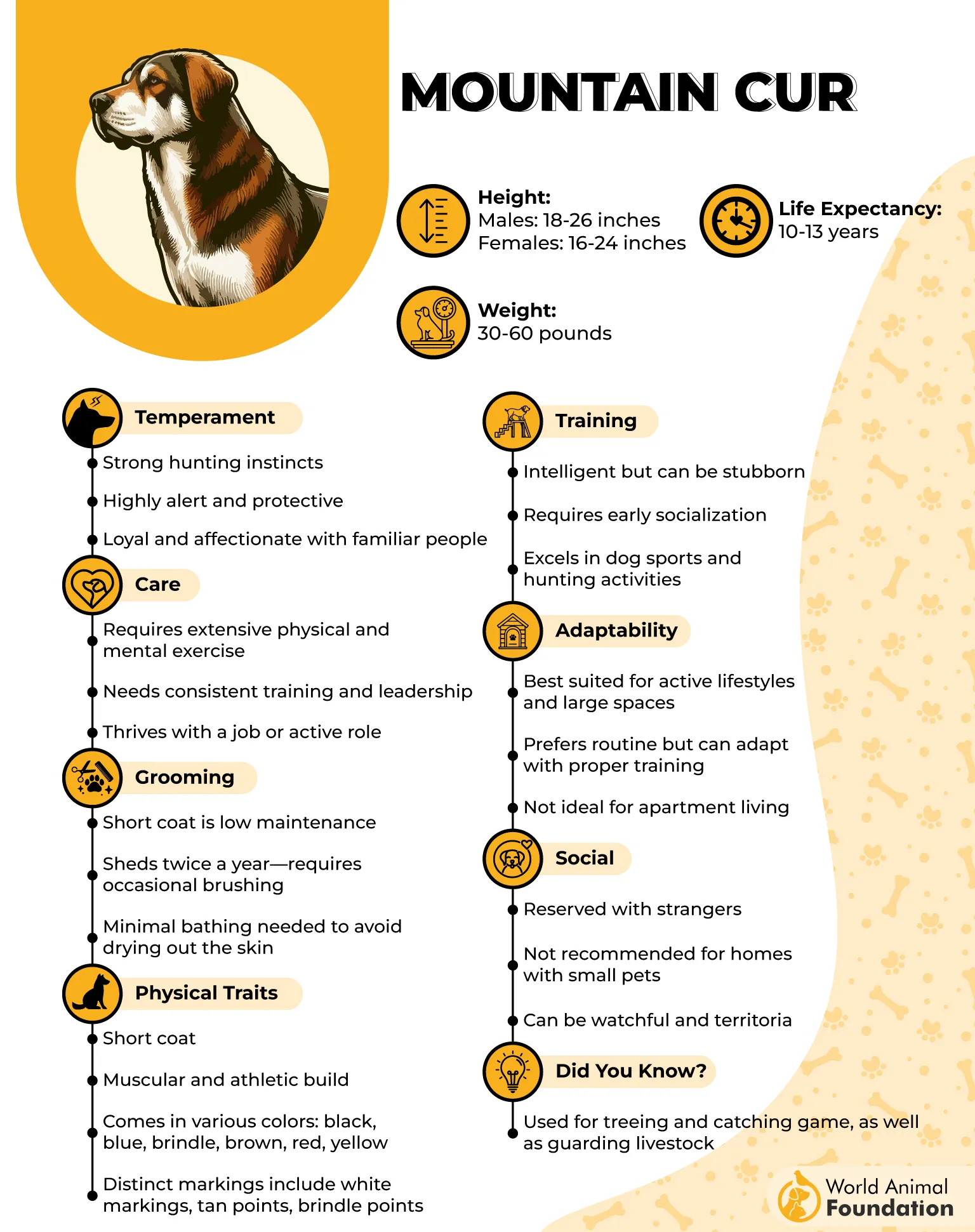
They may alert hunters to prey, scare it away, or help herd cattle. This vocal style can be useful across challenging terrain. The Mountain Cur also needs agility and stamina for demanding outdoor work.
Its handler must show patience and provide clear direction. Regular tasks give its natural drive a purpose. Tracking games and structured field activities can help keep this capable dog engaged.
9. Bluetick Coonhound
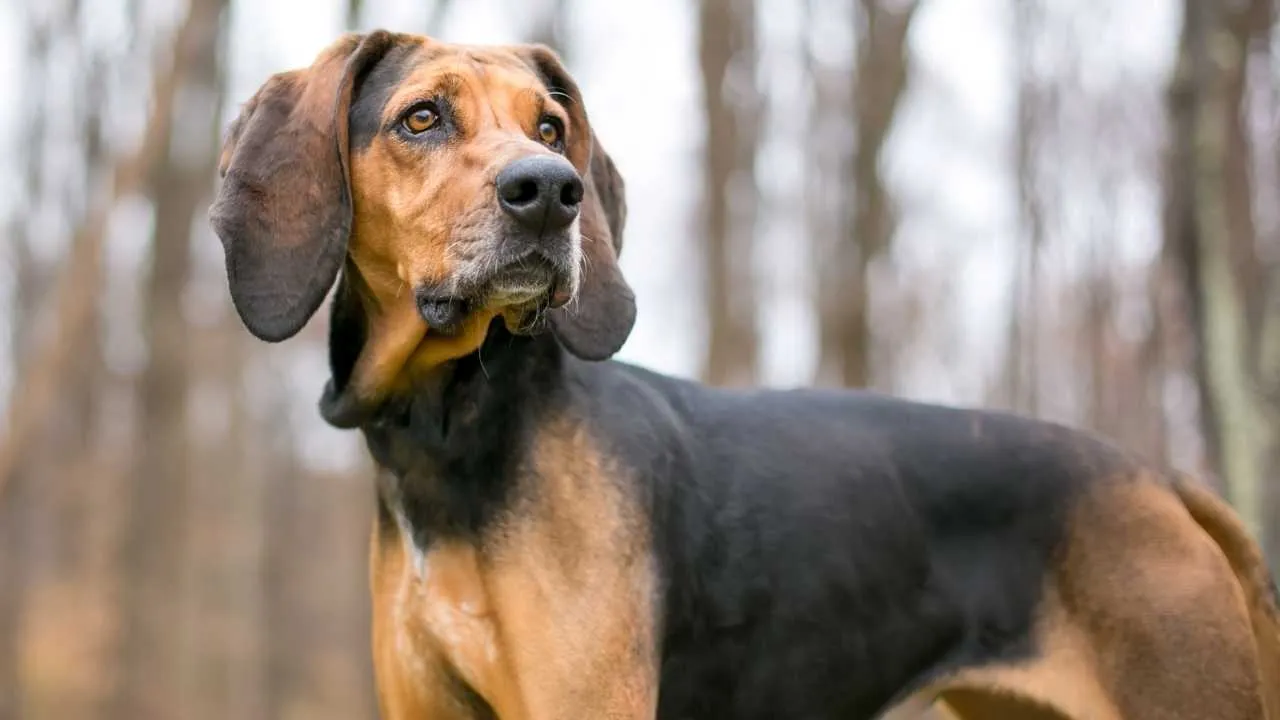
The Bluetick Coonhound is an intelligent hunting dog with a striking blue-speckled coat. Some owners may even call it the smartest dog breed for scent work. Its nose helps it follow trails across the ground.
During wild boar hunts, this skill can help locate animals. WebMD describes Blueticks as loving family companions but determined once they catch a scent. They also bay and bark while following a trail. This loud voice helps hunters find their location in the field.
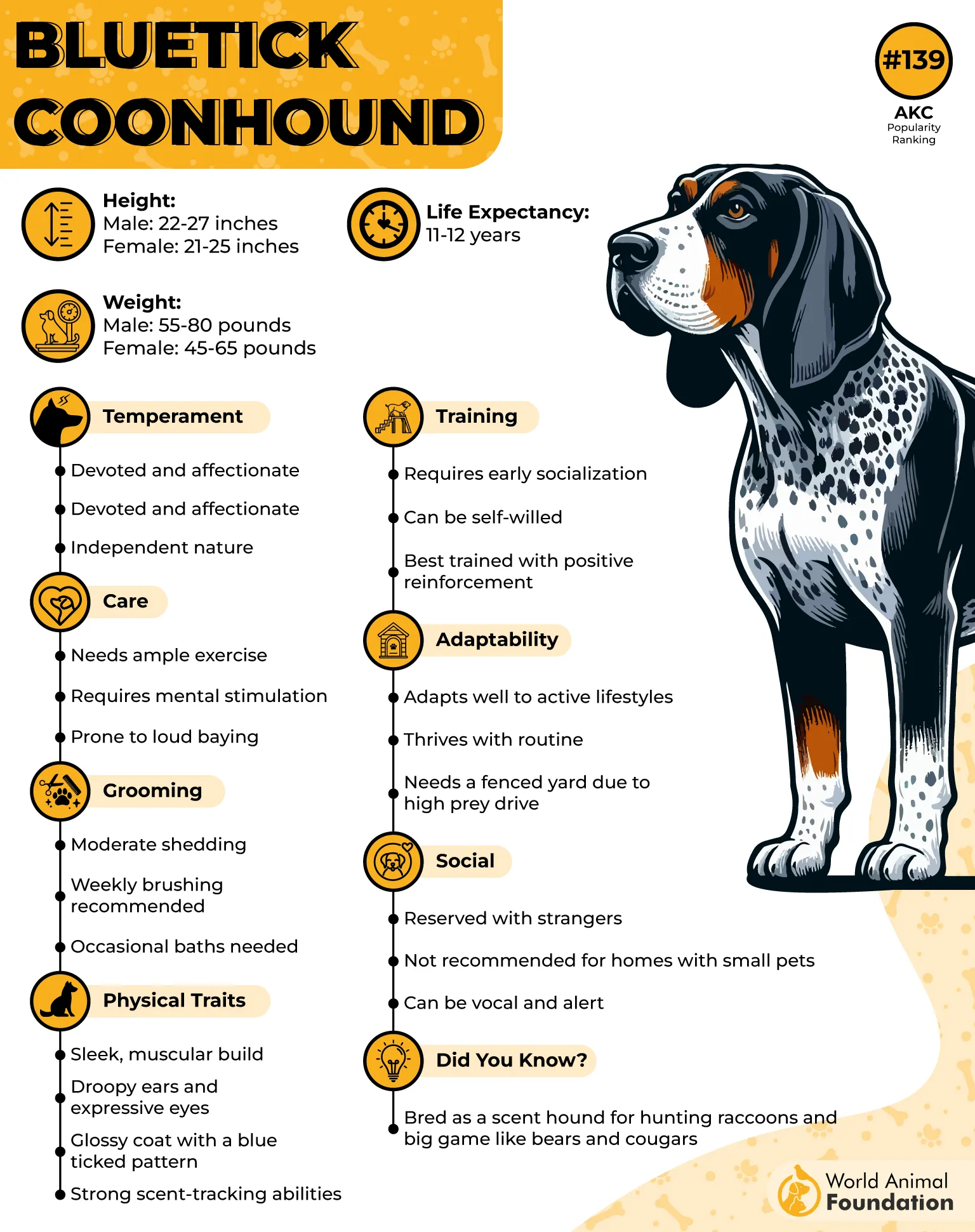
Unlike flushing dogs, Blueticks focus on following scents rather than driving game from cover. Their hunting instincts need regular outlets. Scent games, outdoor walks, and tracking tasks provide good options. They may also enjoy activities involving waterfowl, with suitable training.
A short walk alone may not offer enough stimulation. Leash skills and recall practice are essential. Without clear guidance, these dogs can send owners chasing after them. They need time, patience, and consistent training to stay content.
10. American Bulldog
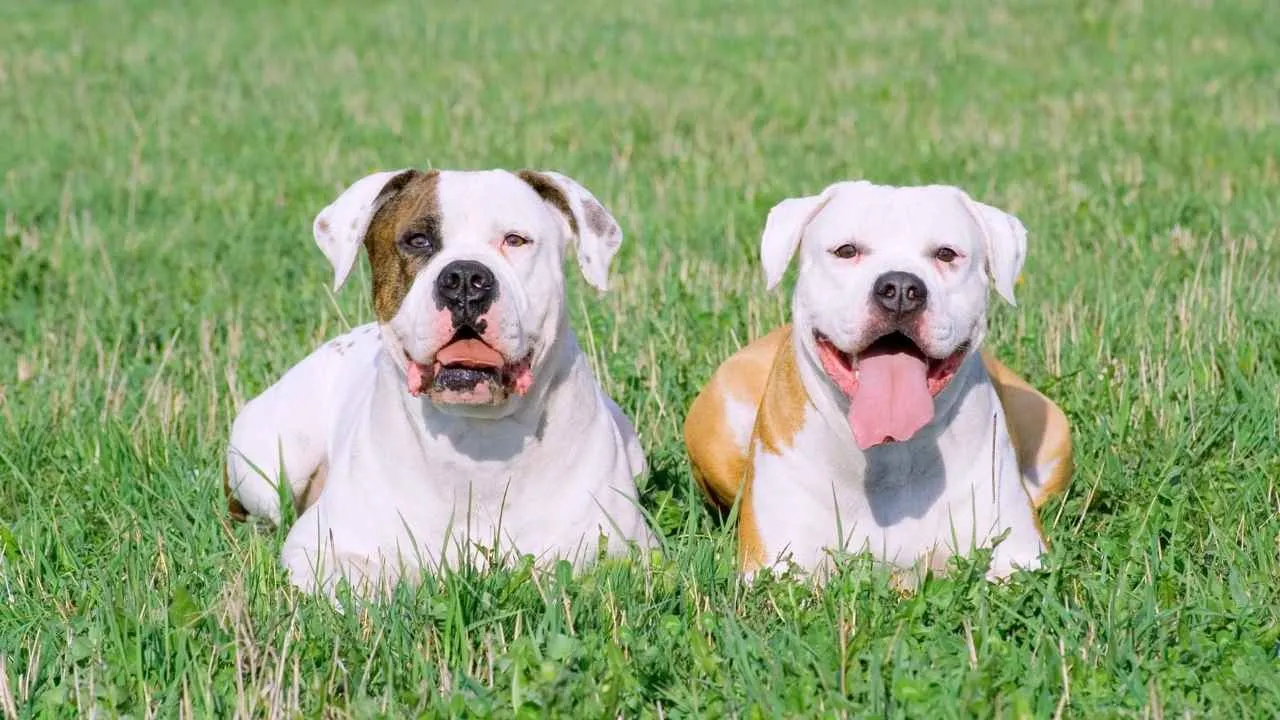
The American Bulldog is a muscular hunting dog with a strong working history. It developed on farms across the American South. There, it helped with hauling, guarding, and other daily tasks. Hill’s Pet describes the breed as strong, confident, and affectionate.
Today, some American Bulldogs serve as catch dogs during wild boar hunting. Their physical abilities help them handle close-range work until the hunter arrives. Unlike scent hounds, they do not rely on smell to spot prey.
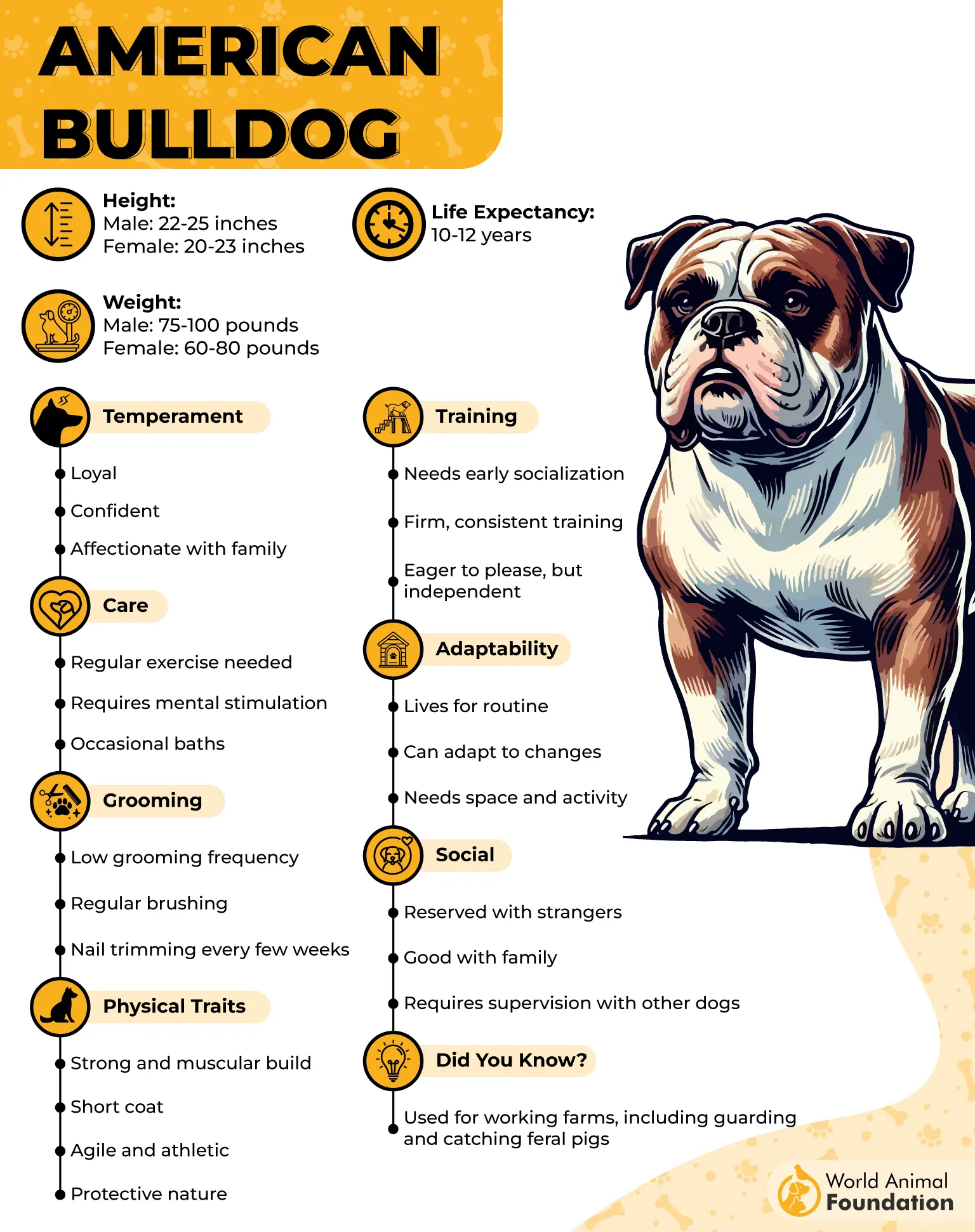
Their role calls for strength, control, and courage around large animals. These are different types of hunting work. Early socialization helps them behave well around humans and other animals.
Regular exercise also keeps them fit and content. Owners should provide clear training and responsible supervision. A lot of care goes into preparing any dog for demanding field work. Only experienced handlers should involve them in this risky role.
Conclusion
The best hunting dog breeds bring different skills to the field. Some rely on scent, while others use strength and courage.
Many dogs also show great versatility across different tasks. However, no single breed suits every hunting situation. Before you choose, consider the dog’s natural abilities and daily needs.
Training and skilled handling remain essential for safe work. Protective equipment can also reduce the risk of injury. Always respect animal welfare and follow local hunting laws.
A dog’s coat colors or reserved nature matter less than its health and temperament. In the end, responsible ownership should guide every decision.
