




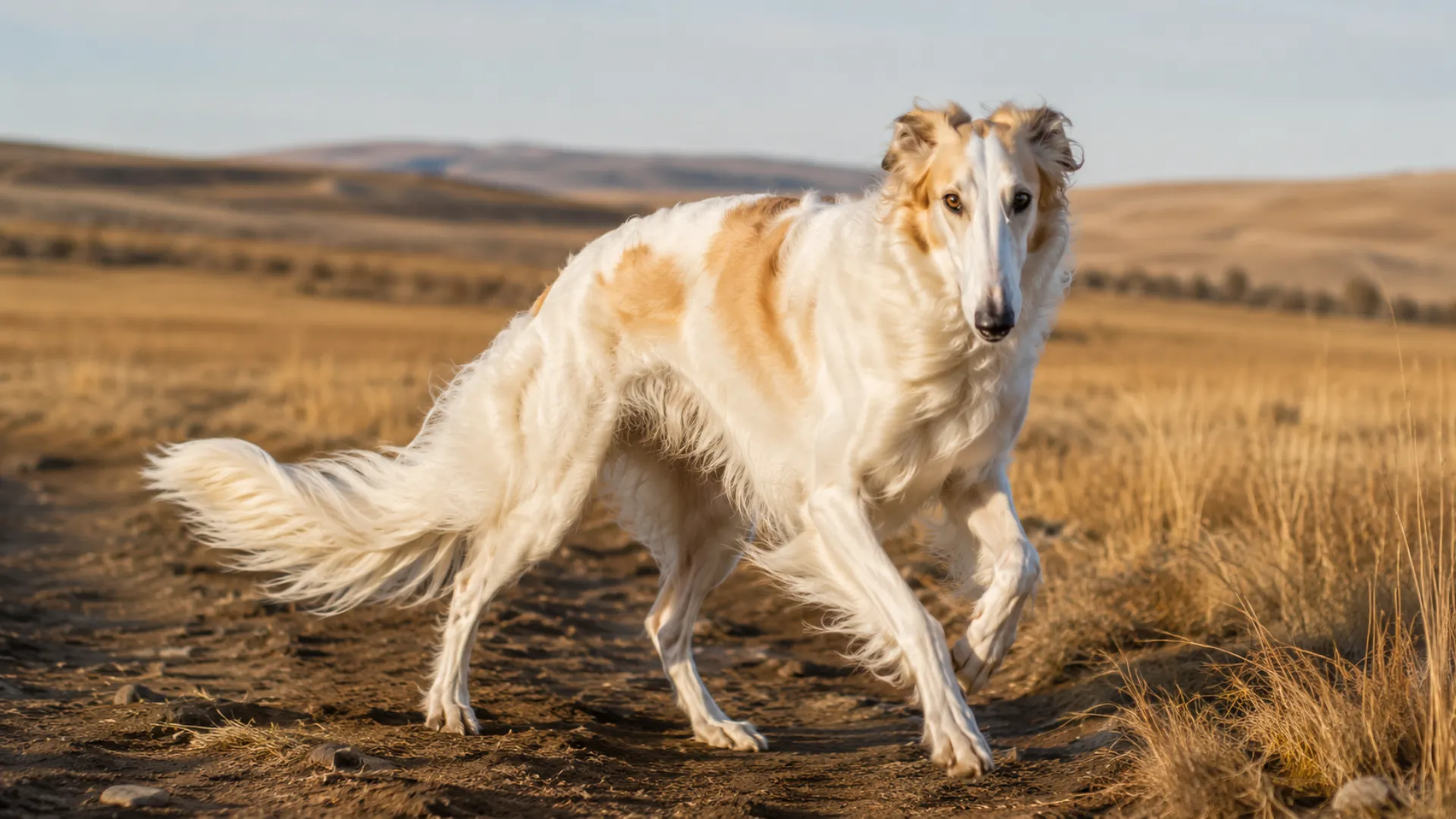
Prey drive is a natural canine instinct that can influence how a dog responds to birds, squirrels, rabbits, cats, and other moving animals. Some breeds have been selectively developed for chasing, tracking, herding, or hunting, making their desire to pursue movement especially noticeable.
A dog with strong prey drive may become intensely focused when it sees a fast-moving animal or catches an interesting scent. While this behavior can be challenging in some household situations, it is also an important part of the working abilities that made many of these breeds valuable partners to humans.
The breeds below demonstrate different expressions of this instinct. Some rely primarily on exceptional eyesight and speed, others use their noses to follow trails, while certain working breeds respond strongly to movement because of their herding heritage.
Dog Breeds That Exhibit High Prey Drive Traits
1. Whippet
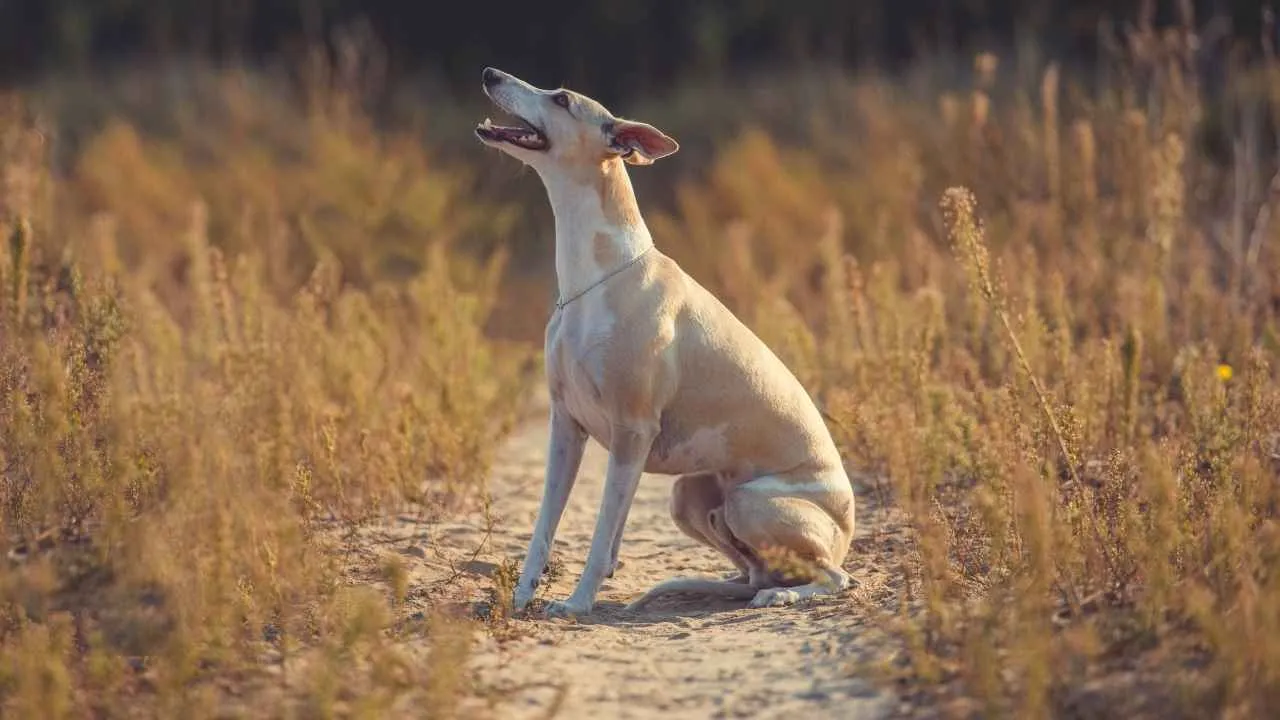
Whippets are elegant sighthounds originally developed in England for chasing small game and participating in racing, as per PDSA. Their slim bodies, long legs, and impressive acceleration make them particularly capable of pursuing fast-moving targets.
Although they can be energetic outdoors, many Whippets are surprisingly comfortable relaxing indoors after their exercise needs have been met. Their combination of athletic ability and affectionate companionship has helped them become popular household dogs.
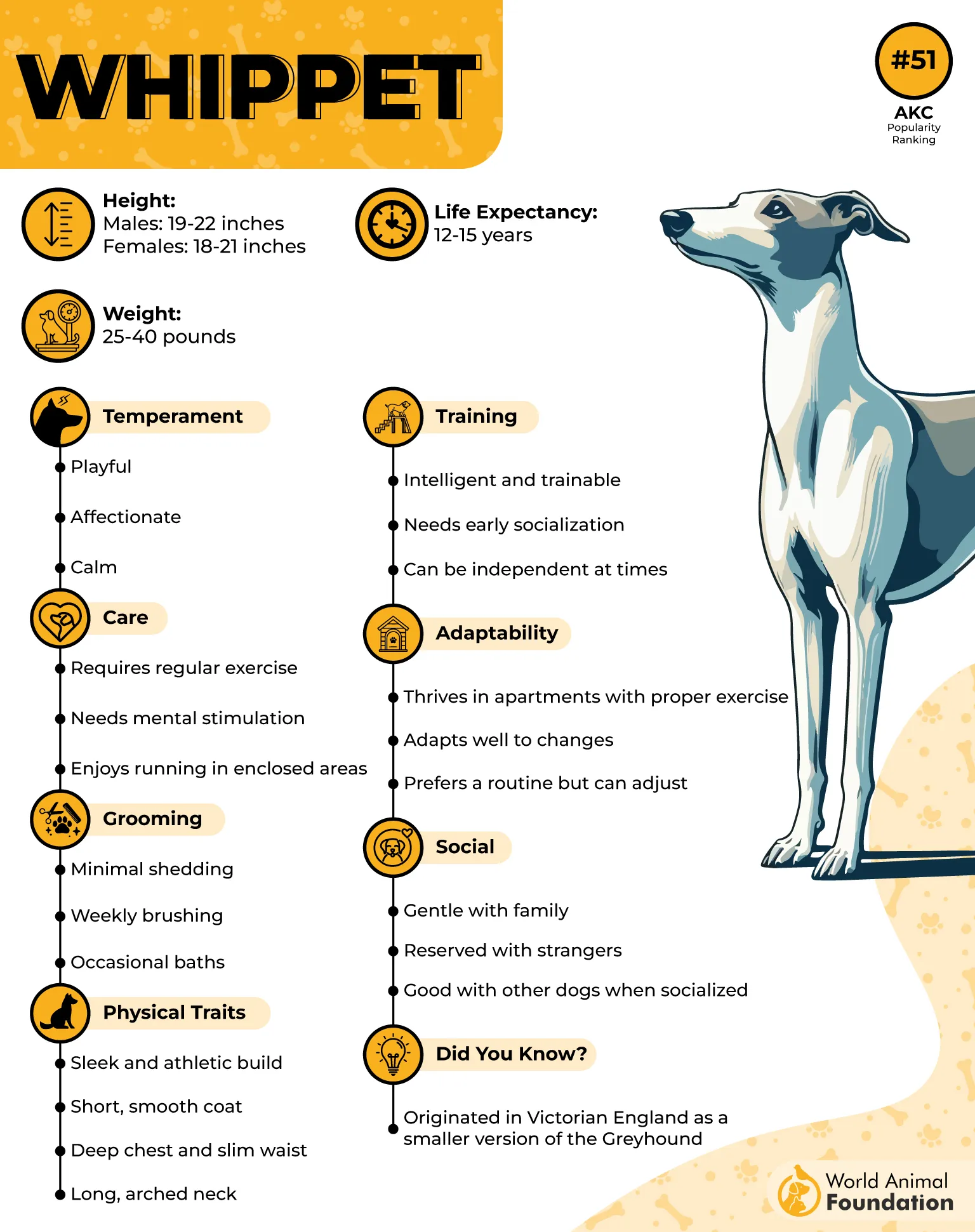
Balance Sprinting With Calm Daily Training
Whippets benefit from opportunities to run safely, along with regular walks and interactive games. Short bursts of fast activity can be particularly satisfying for this athletic breed.
Training should focus on recall, impulse control, and responding around distractions. Secure exercise areas are important because a Whippet that spots a small animal may react before its owner has time to intervene.
A Swift Breed With a Strong Chase Instinct
Their prey drive is closely connected to their sighthound heritage. Quick movement can immediately attract a Whippet’s attention, potentially triggering an intense pursuit.
This instinct can be redirected through lure coursing and other controlled activities that allow the dog to chase safely. Owners should remain cautious around small pets and wildlife because speed can make an unwanted chase difficult to stop.
2. Borzoi
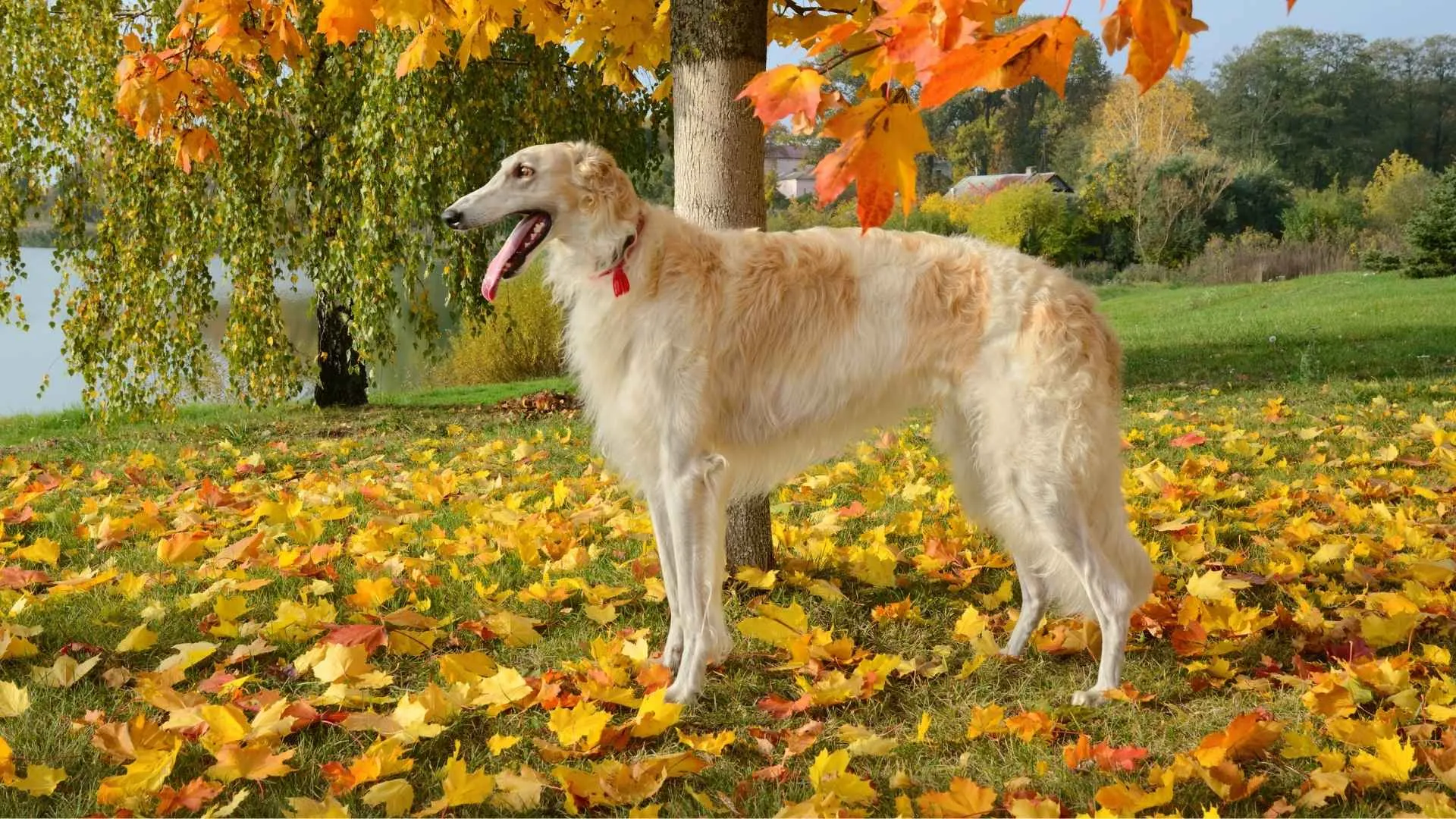
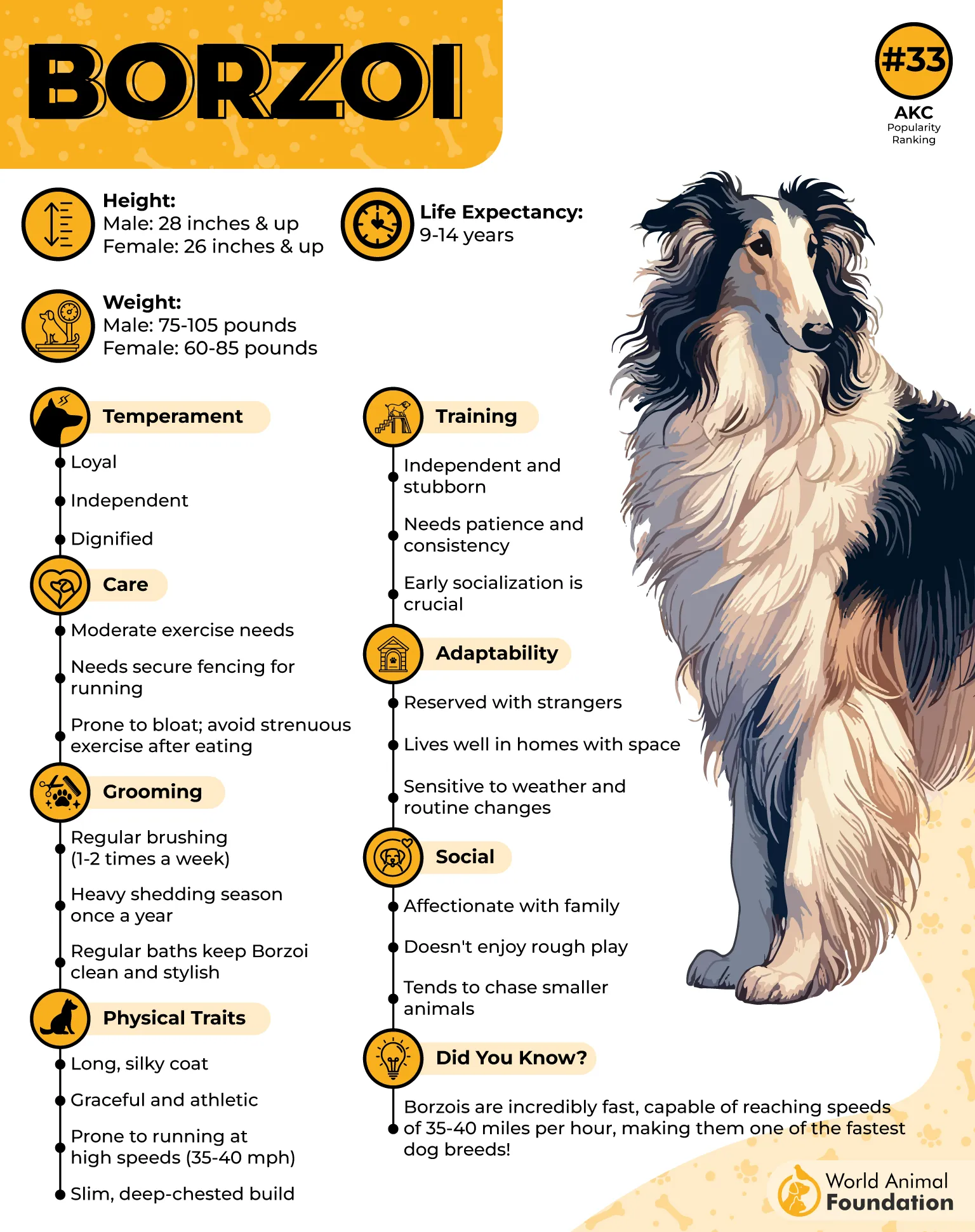
The Borzoi, historically known as the Russian Wolfhound, was developed in Russia for hunting and pursuing game. Its long, graceful body conceals considerable athletic power and the ability to move rapidly across open ground, as per Purina.
Borzois are often calm and dignified inside the home, but their outdoor behavior can change dramatically when they notice something worth chasing. Their independent nature also reflects their history as pursuit hunters.
Provide Safe Running and Thoughtful Guidance
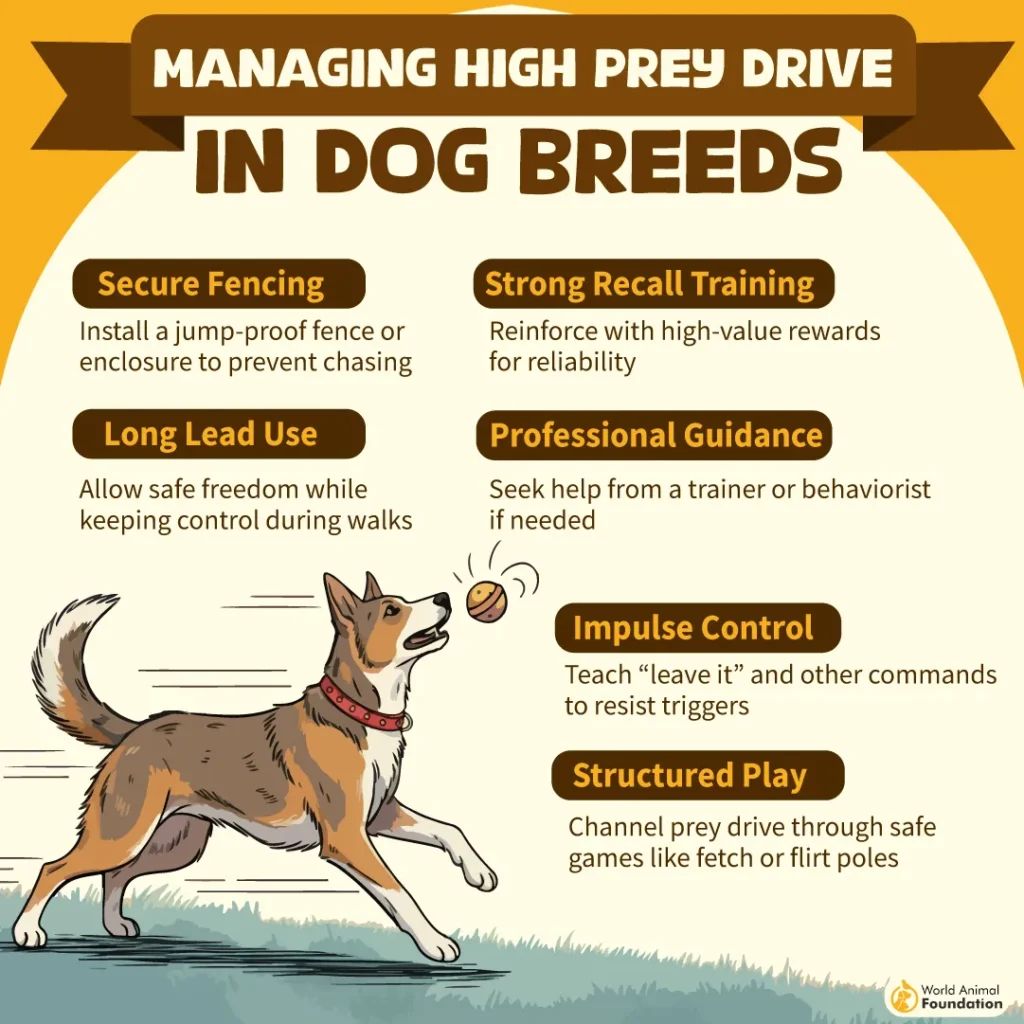
Borzois need regular exercise, including opportunities for controlled running in secure spaces. Ordinary walks can provide exploration, but they may not fully satisfy a healthy adult’s athletic requirements.
Training should remain patient and positive. Reliable recall can be difficult for some individuals when prey appears, making secure fencing an essential part of responsible ownership.
Graceful at Rest, Intense During Pursuit
A Borzoi can appear remarkably relaxed while indoors and then become intensely focused when a rabbit or other moving animal catches its attention. This contrast is one of the breed’s most distinctive prey-drive characteristics.
Owners should never assume that a calm household temperament means the dog lacks hunting instincts. Controlled chase activities and secure outdoor environments allow the Borzoi to express its natural athleticism without putting wildlife or the dog at unnecessary risk.
3. Border Collie
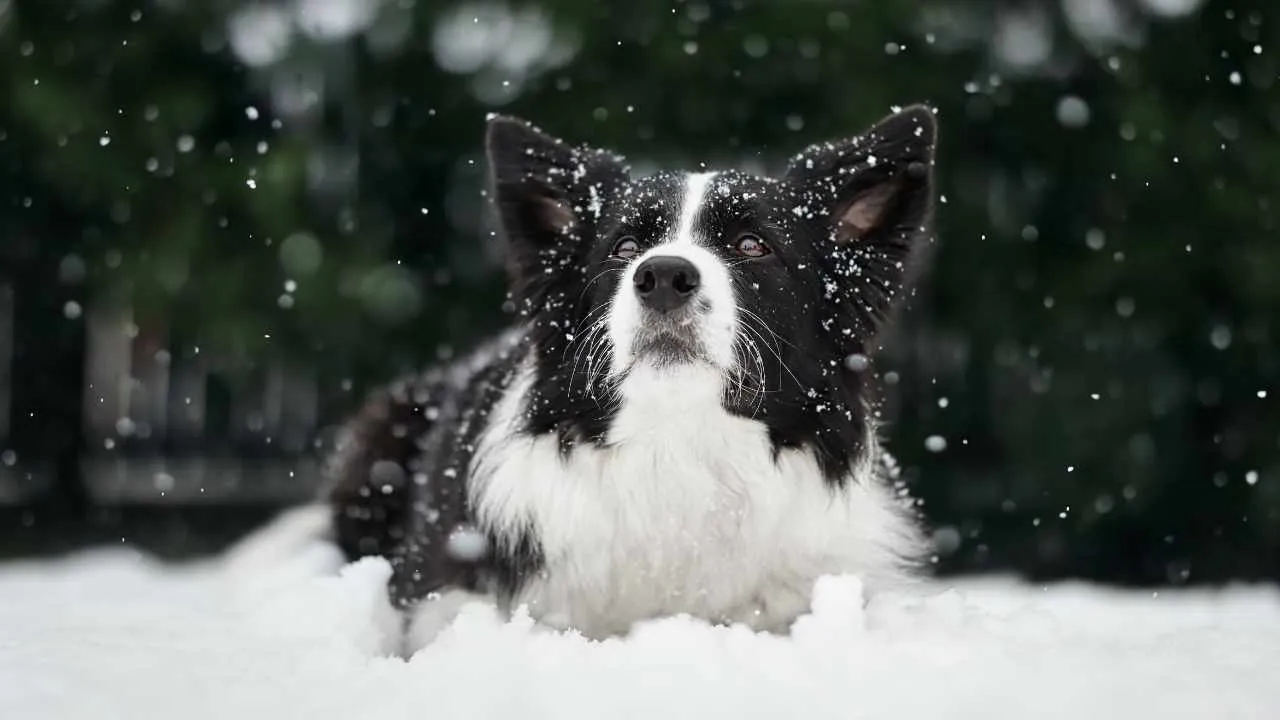
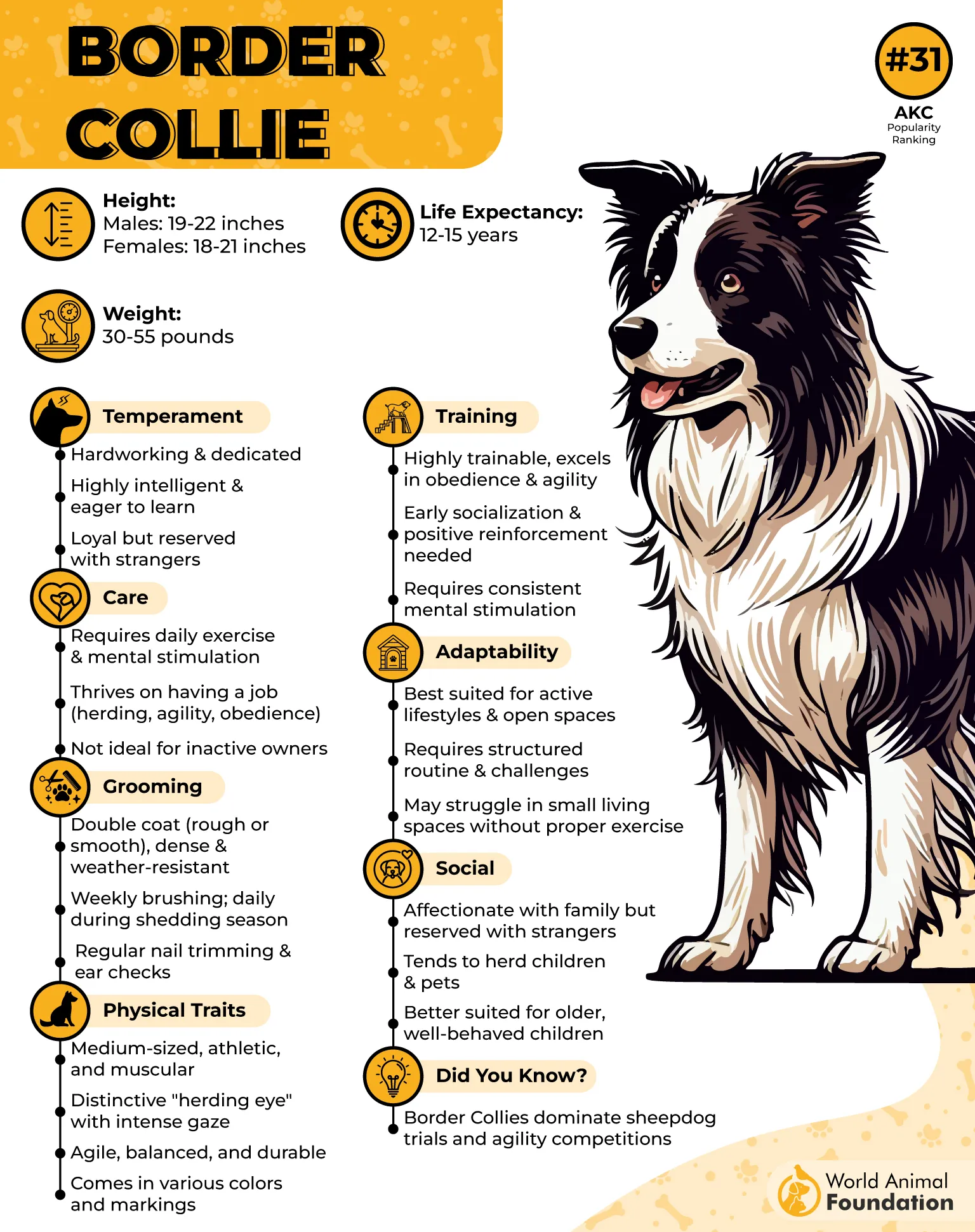
Border Collies were developed along the border region between Scotland and England as highly capable sheep-herding dogs. Their work required them to notice movement, control livestock, and respond closely to human direction.
Their intense focus on moving objects can sometimes resemble prey drive, although herding behavior is not identical to predatory behavior. A Border Collie may become fascinated by running animals, bicycles, or even children.
Channel Their Intelligence Into Structured Work
Border Collies require significant mental and physical stimulation. Herding activities, agility, obedience, running, interactive games, and puzzle-based exercises can keep their minds occupied.
Training should include impulse control and teaching the dog when to disengage from movement. Early socialization can also help prevent inappropriate chasing or herding behaviors from becoming routine.
A Movement-Sensitive Breed With Strong Drive
Their attraction to motion is one of the traits that can make Border Collies appear highly prey-driven. However, their response is often connected to their herding heritage rather than a straightforward desire to capture prey.
Giving them legitimate jobs can make a major difference. When a Border Collie has appropriate tasks, its intense attention and responsiveness can become useful working qualities rather than sources of household frustration.
4. Afghan Hound
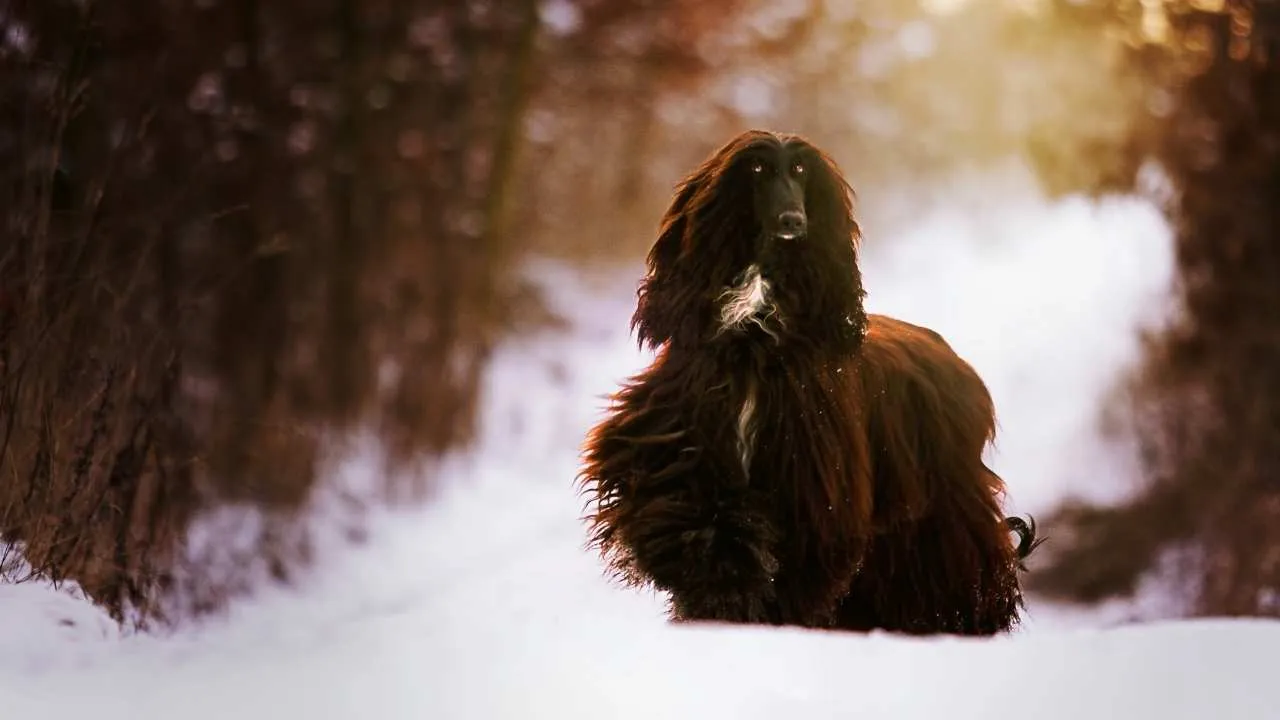
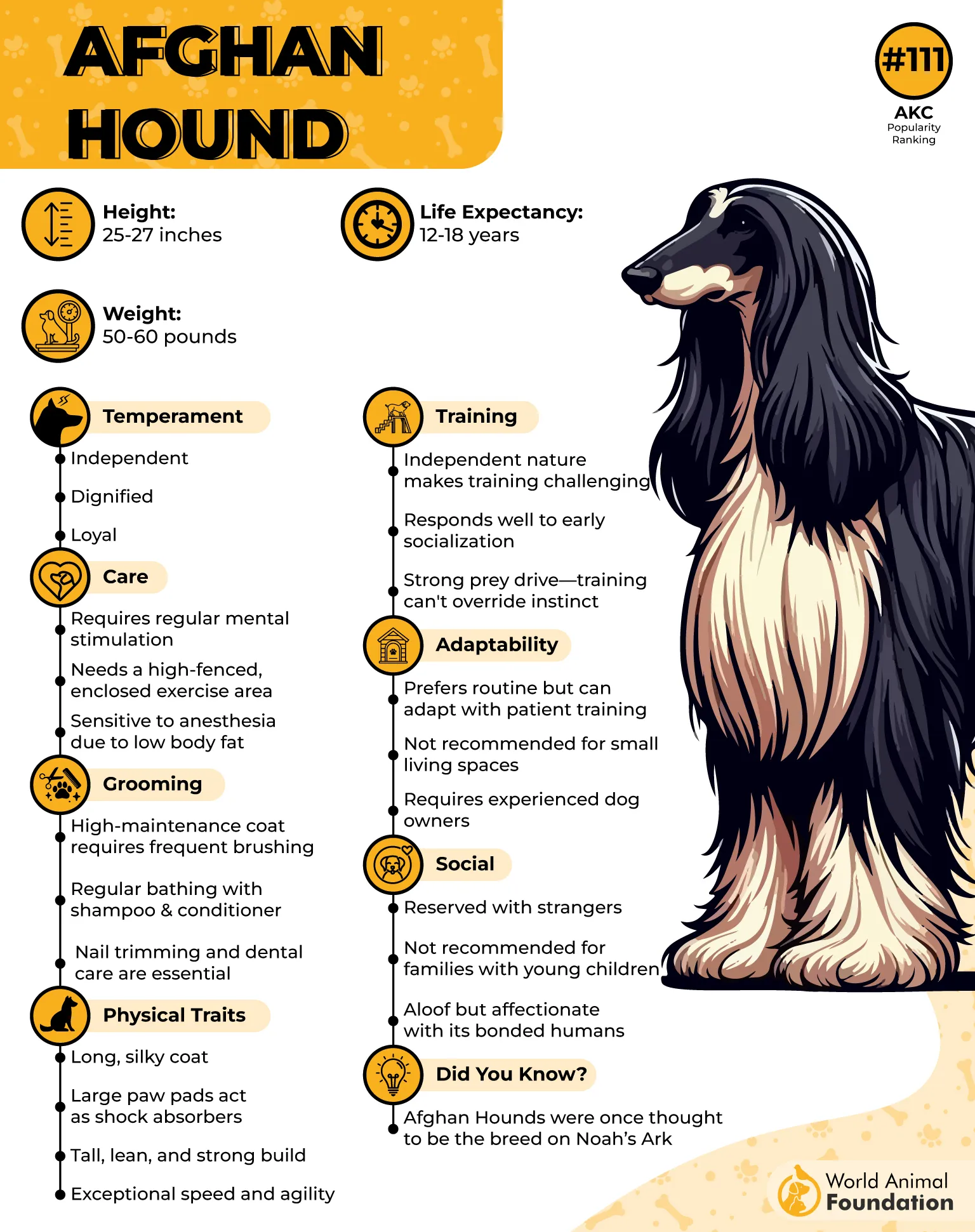
The Afghan Hound originated in regions of the Middle East and was developed as a hunting sighthound capable of pursuing game across difficult terrain. Its distinctive coat provided protection in challenging climates, while its athletic structure supported fast pursuit.
This loyal breed is known for its independent personality and striking appearance. Beneath its elegant exterior is a capable hunter with instincts that can become very noticeable outdoors.
Combine Exercise With Patient Training
Afghan Hounds benefit from regular walks and opportunities to run in securely enclosed spaces. Their physical abilities mean that simply providing a small amount of indoor play is unlikely to meet all their needs.
Training can require patience because they may not respond with the same eagerness as highly biddable breeds. Recall and impulse control should be practiced consistently without relying on harsh methods.
An Independent Sighthound With Powerful Pursuit Instincts
The Afghan Hound’s prey drive is closely linked to its history as a visual hunter. A fast-moving animal can capture its attention almost instantly, leading to a chase powered by considerable speed.
Because their independence can make disengagement difficult, secure environments are especially important. Owners who understand this instinct can provide controlled running and chase-oriented activities while reducing opportunities for dangerous pursuits.
5. Beagle

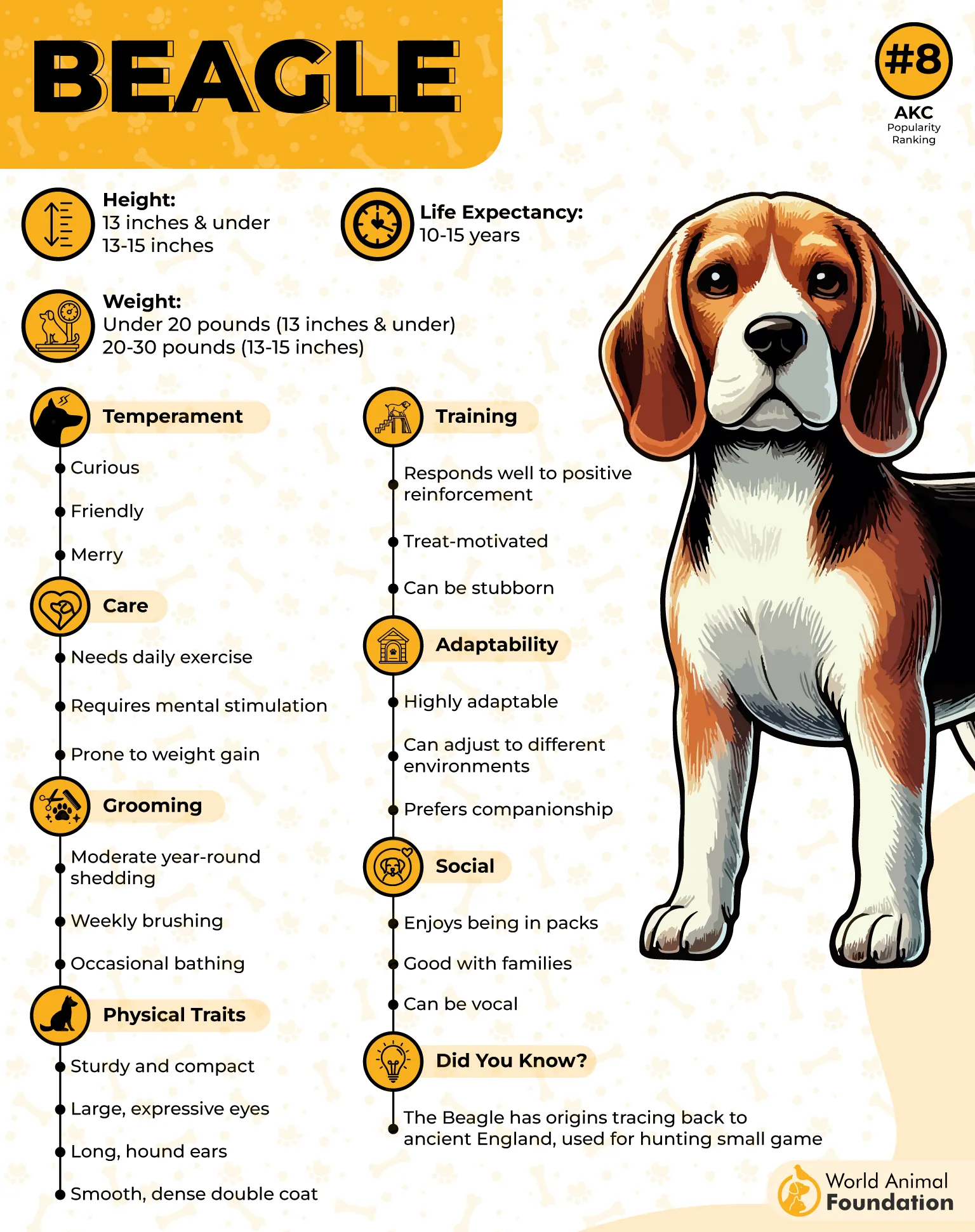
Beagles are classic scent hounds with a long history of tracking rabbits and other small game. Their compact bodies and excellent noses allowed them to follow trails while working alongside hunters.
Their friendly appearance and affectionate personality can sometimes disguise just how determined they become when an interesting scent appears. A Beagle may happily investigate an odor for an extended period.
Turn Their Nose Into an Everyday Activity
Beagles benefit from walks that allow safe sniffing, along with scent puzzles, food-search games, tracking exercises, and interactive play. Mental stimulation can be just as valuable as physical movement for this curious breed.
Training requires consistency because an exciting scent can compete strongly with the owner’s commands. Secure yards and leash management can prevent a fascinating trail from turning into an unsupervised adventure.
A Scenthound Driven to Follow the Trail
Unlike a Whippet or Borzoi, the Beagle’s prey drive is often expressed through its nose. The discovery of an animal scent can trigger intense investigation and a determination to follow where it leads.
This natural ability can become a wonderful foundation for nose work. Rather than suppressing every instinctive search behavior, owners can teach the Beagle where scent exploration is appropriate and reward it for returning when called.
6. Weimaraner
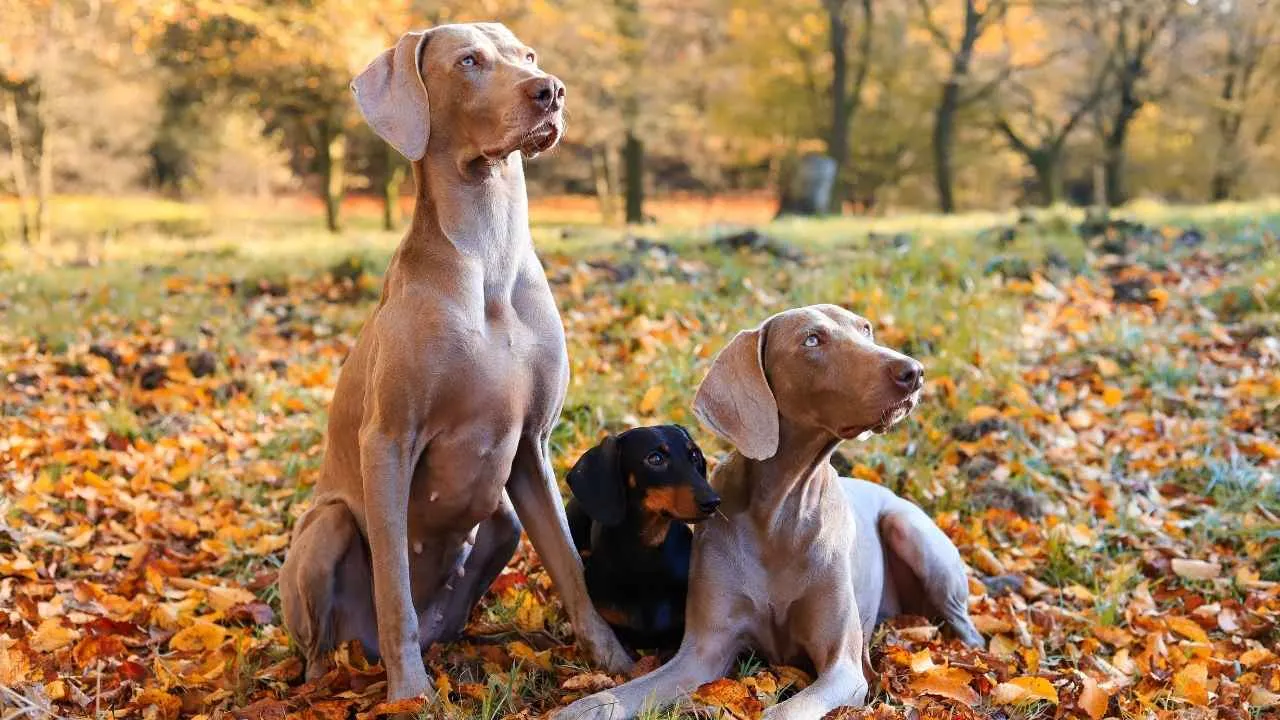
Weimaraners were developed in Germany as versatile hunting dogs capable of working with different types of game. Their athletic bodies, intelligence, endurance, and close cooperation with hunters made them valuable sporting companions.
Modern Weimaraners retain much of that working intensity. They are often affectionate with their families but can become highly focused when confronted with something that activates their hunting instincts.
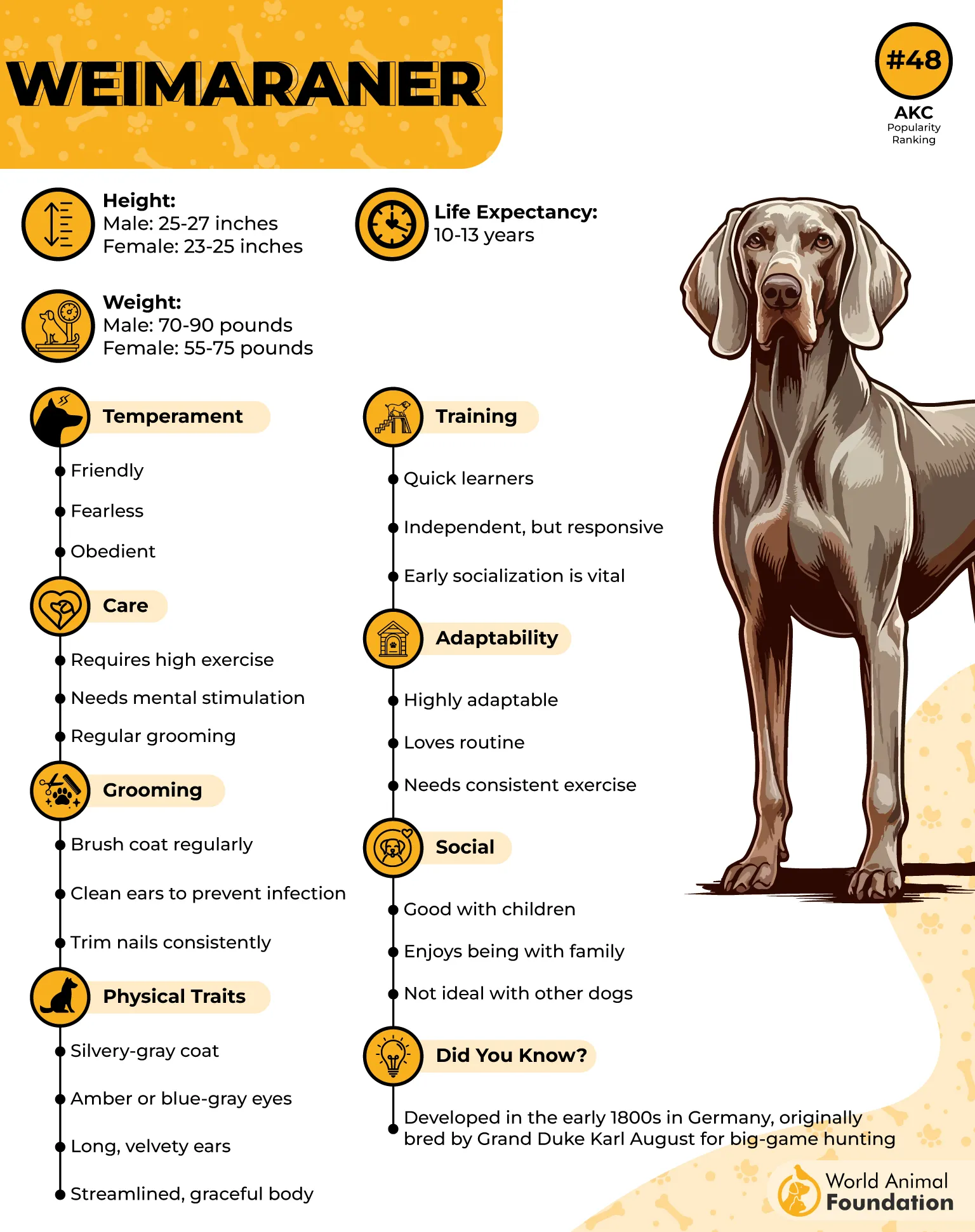
Keep Their Energy and Intelligence Occupied
Weimaraners need substantial daily exercise. Running, hiking, retrieving, swimming, scent work, and advanced obedience can help provide the physical and mental challenges they require.
Training should begin early and emphasize recall, calm behavior, impulse control, and appropriate responses to distractions. Their strength makes reliable manners particularly important.
A Determined Hunter With Noticeable Prey Drive
Weimaraners may show strong interest in birds, rabbits, and other moving animals. Their athleticism can allow them to pursue quickly, while their determination may make stopping the chase difficult.
Owners can redirect this motivation through retrieving, scent activities, field-style games, and other structured pursuits. Secure environments remain essential when the dog is exercising around wildlife or unfamiliar animals.
7. Rhodesian Ridgeback
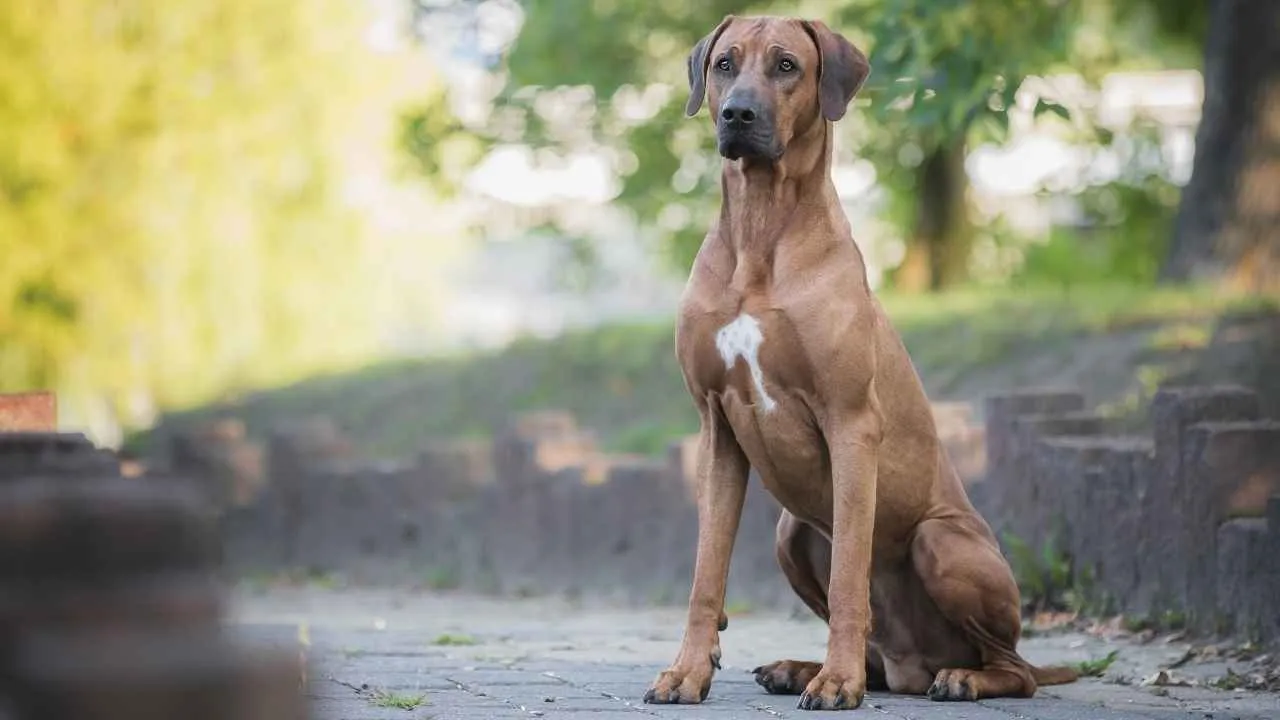
Rhodesian Ridgebacks originated in southern Africa and were developed for demanding hunting and property-guarding roles. Their athletic build, endurance, courage, and ability to work in challenging conditions contributed to their reputation as capable hunting companions.
The breed can be affectionate and relaxed with familiar people while remaining highly aware of its surroundings. Its independent streak means owners should understand how strongly its instincts may influence outdoor behavior.
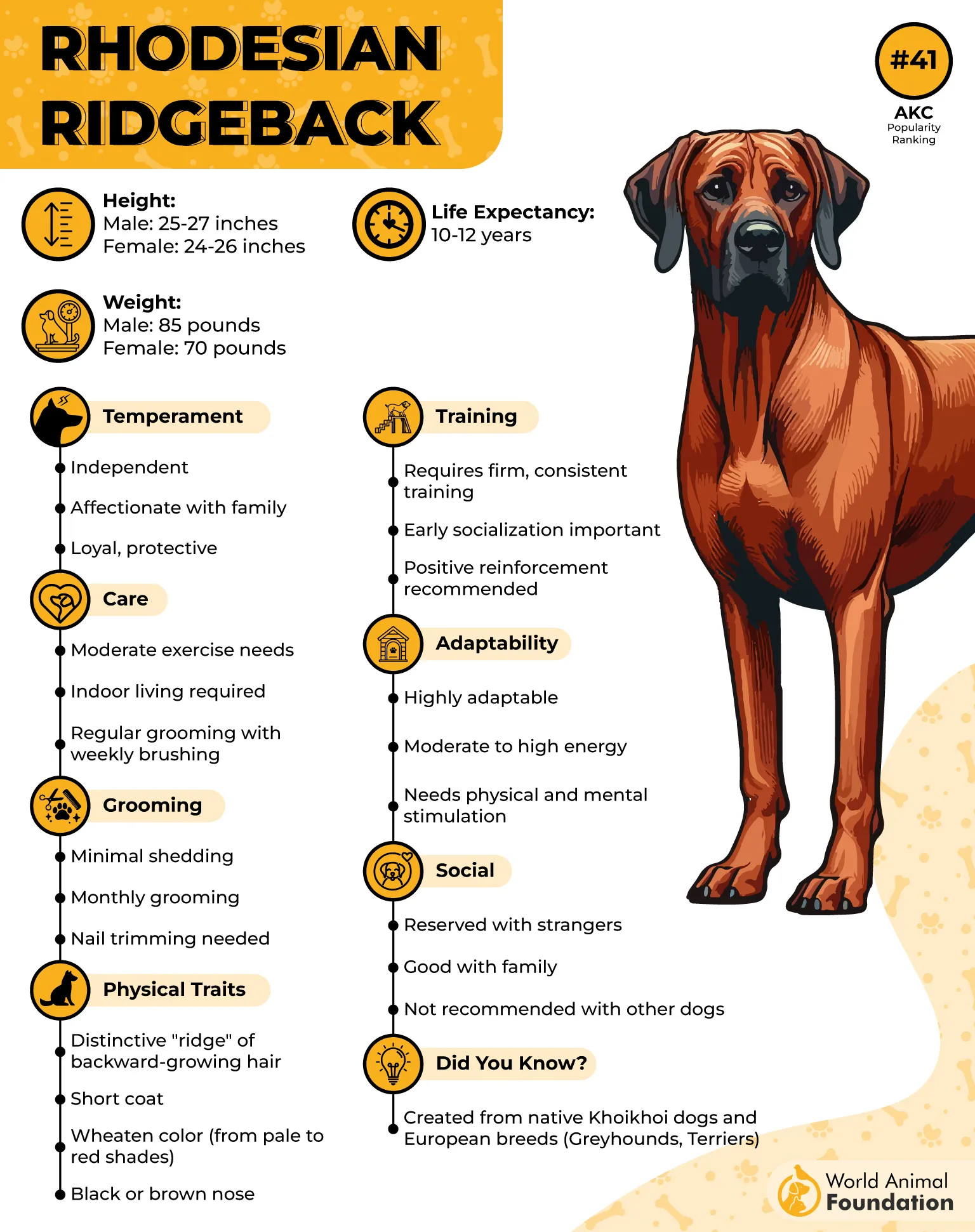
Combine Athletic Exercise With Consistent Control
Rhodesian Ridgebacks benefit from regular exercise such as hiking, long walks, running, and structured games, as per WebMD. Their physical abilities make them particularly suitable for active households.
Training should emphasize recall, leash manners, impulse control, and cooperation. Variety can help maintain engagement because a physically capable and independent dog may lose interest in repetitive exercises.
A Confident Breed With a Natural Chase Response
Rhodesian Ridgebacks can display significant interest in moving animals, reflecting their hunting background. Their speed and physical strength mean that a pursuit can quickly become difficult to interrupt.
Their prey drive should therefore be managed rather than underestimated. Proper socialization, secure outdoor spaces, and rewarding alternative behaviors can help a Ridgeback remain responsive while still allowing it to enjoy the active lifestyle for which the breed was developed.
Conclusion
Whippets, Borzois, and Afghan Hounds demonstrate how speed and vision can contribute to strong pursuit instincts, while Beagles rely heavily on their remarkable scenting abilities. Weimaraners and Rhodesian Ridgebacks combine athleticism with determined hunting tendencies, while Border Collies can react intensely to movement because of their herding background.
These differences show why high prey drive does not look identical across breeds. Some dogs immediately chase, others patiently track, and some become intensely focused whenever something moves nearby.
For owners, understanding the source of these behaviors is important for managing them successfully. Appropriate exercise, structured activities, consistent training, socialization, and secure environments can help naturally driven dogs express their instincts safely and productively.
