




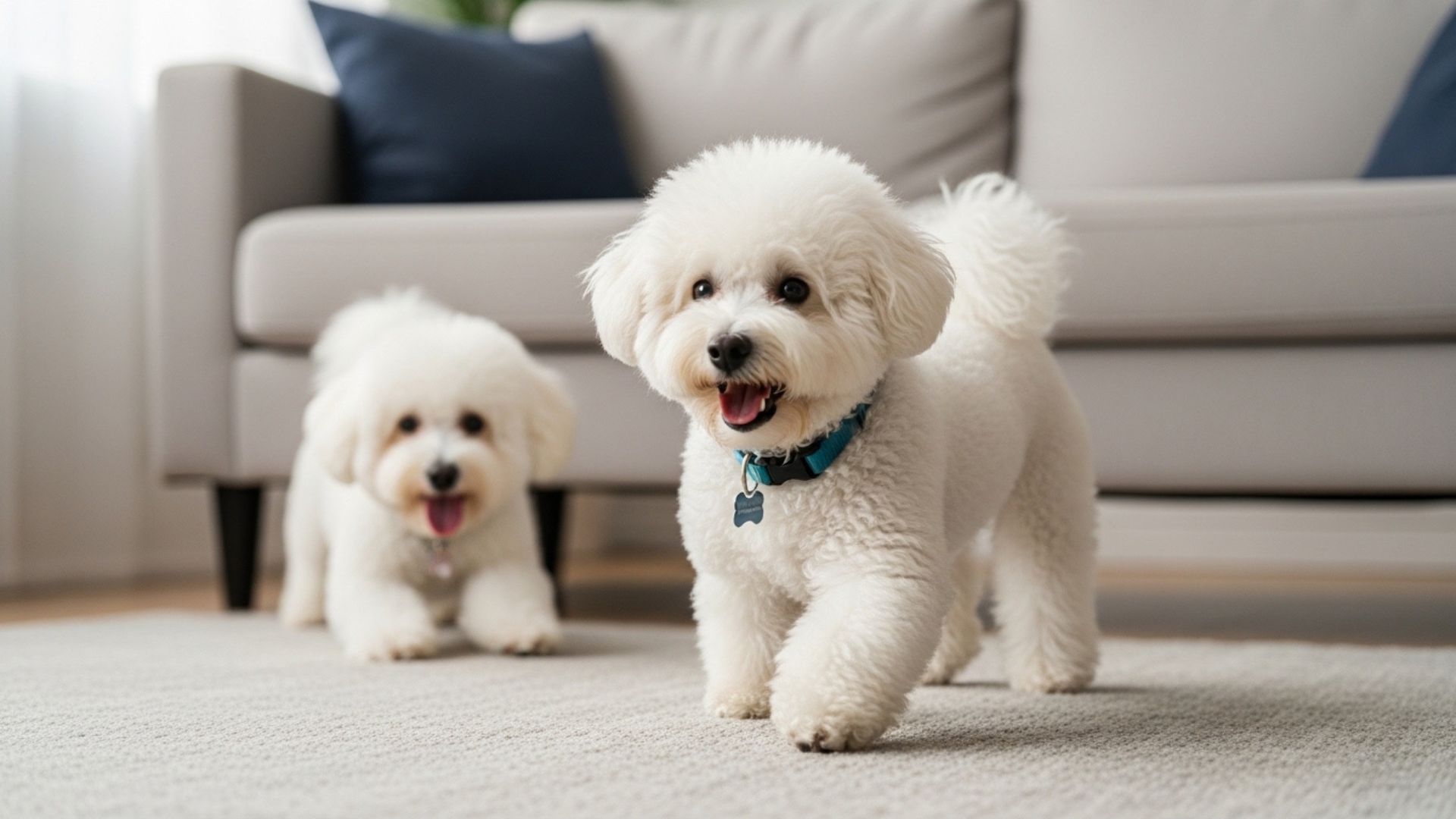
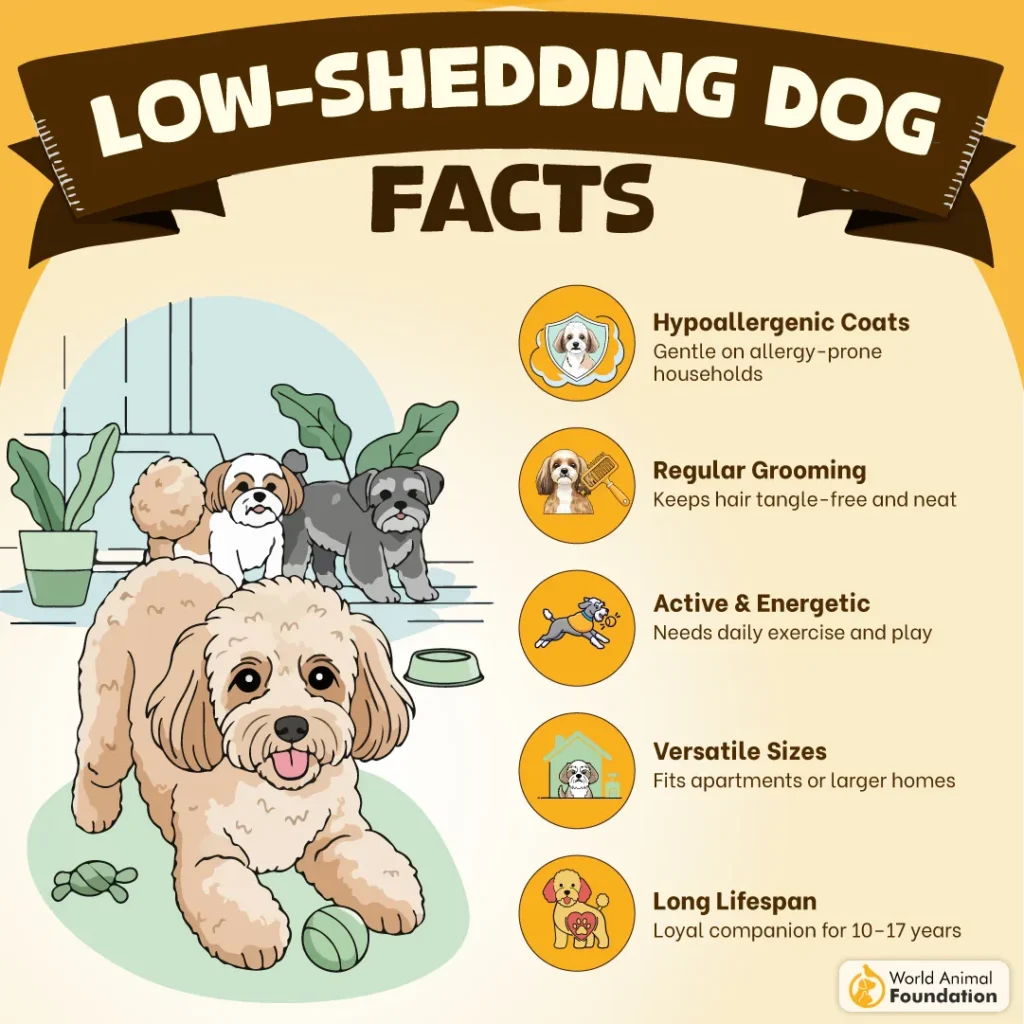
Dreaming of a dog without the daily tumbleweeds of fur? Low-shedding breeds offer the perfect balance between companionship and a cleaner home. While no dog is completely allergen-free, some produce less dander and release far less hair, making them a smart choice for allergy-sensitive households.
Though often labeled “hypoallergenic,” every dog carries allergens in saliva and skin. According to the American Kennel Club, breeds with single-layer coats tend to shed less than their double-coated counterparts. That means fewer fluffy explosions across your couch — but regular grooming is still essential to keep coats healthy and tidy.
The good news? You don’t need to sacrifice joy for cleanliness. These low-shedding, hypoallergenic dogs bring the same loyalty, charm, and playful energy — just with less cleanup and fewer sneezes.
Top Dog Breeds That Don’t Shed Much: A Clean Home Guide
Less fur on your floors, more love in your life with these low-shedding companions.
1. Maltese
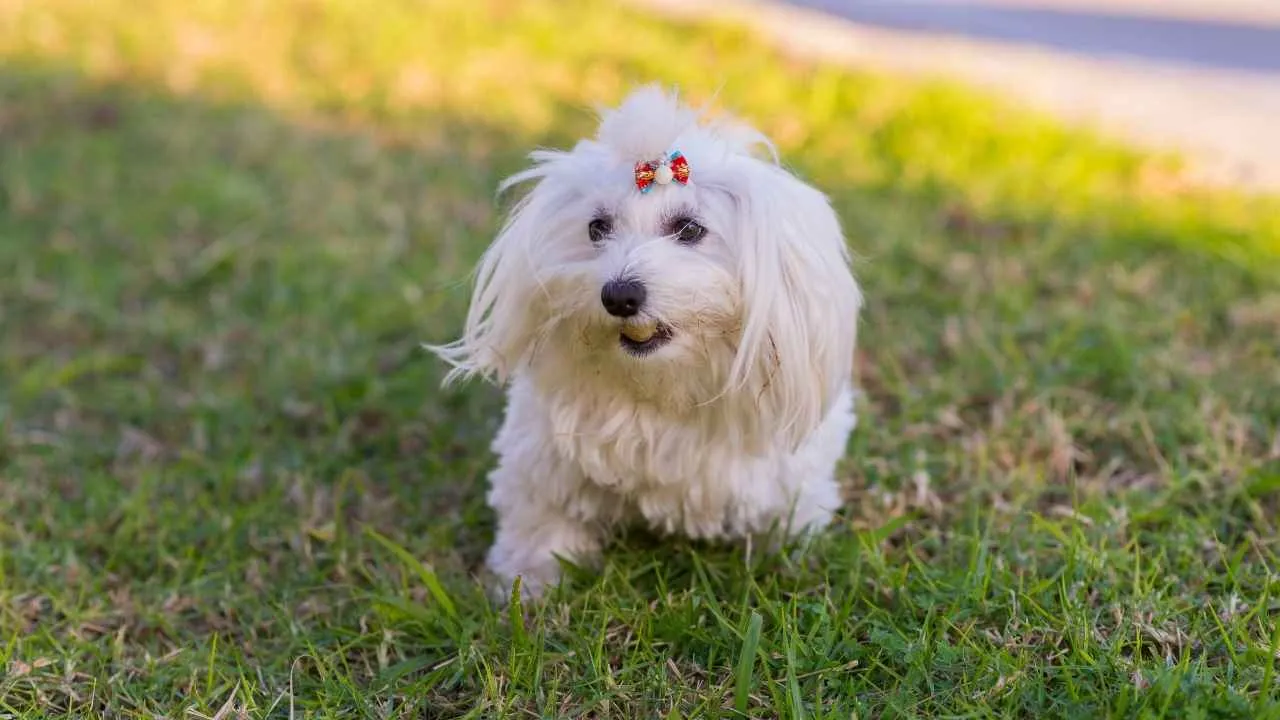
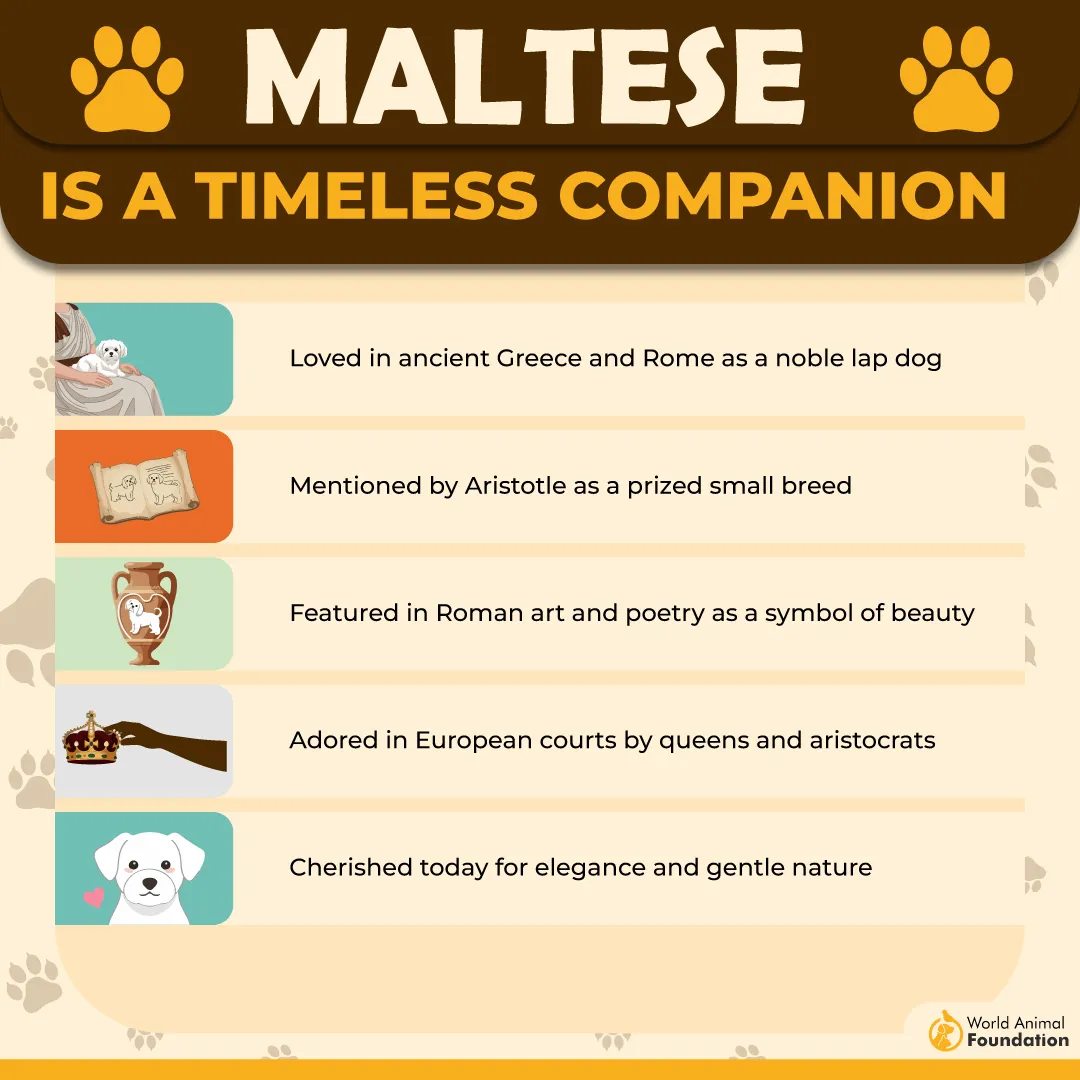
For more than 28 centuries, the Maltese have graced the laps of aristocrats and scholars, originating on the sun-drenched island of Malta, south of Sicily. Admired by ancient Greeks and Romans, this tiny white companion appeared in art, poetry, and even royal legends, as per Britannica.
A Silky Showpiece with a Spirited Heart
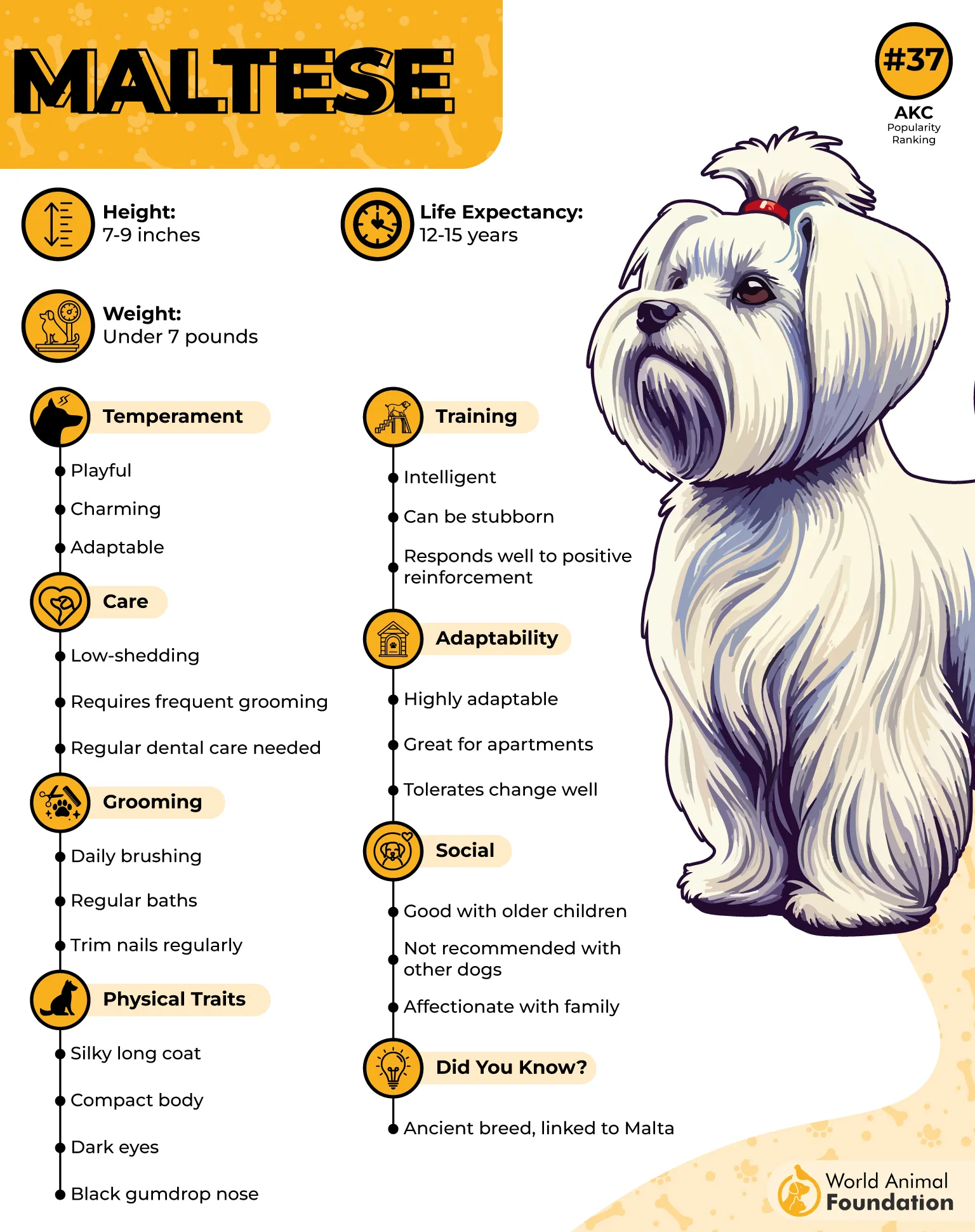
Beneath the Maltese’s flowing, floor-length white coat lies a compact, well-balanced body that moves with a buoyant, effortless gait. Gentle, affectionate, and intelligent, the Maltese thrives on companionship, learns tricks eagerly, and often surprises owners with a fearless watchdog streak despite its petite frame.
Small-Space Living with Big Devotion
Perfectly suited for apartments and cozy homes, the Maltese is happiest indoors near its favorite humans. Regular brushing and routine baths keep the silky coat free from tangles, and consistent grooming ensures this elegant companion remains as pristine as its reputation suggests.
The Secret Behind the Maltese’s Low-Shed Luxury
A single-layer coat without a heavy undercoat
Hair grows continuously instead of shedding seasonally
Silky texture traps loose strands rather than dropping them
Produces comparatively low amounts of dander
Consistent grooming further minimizes stray hair in the home
2. Bichon Frise
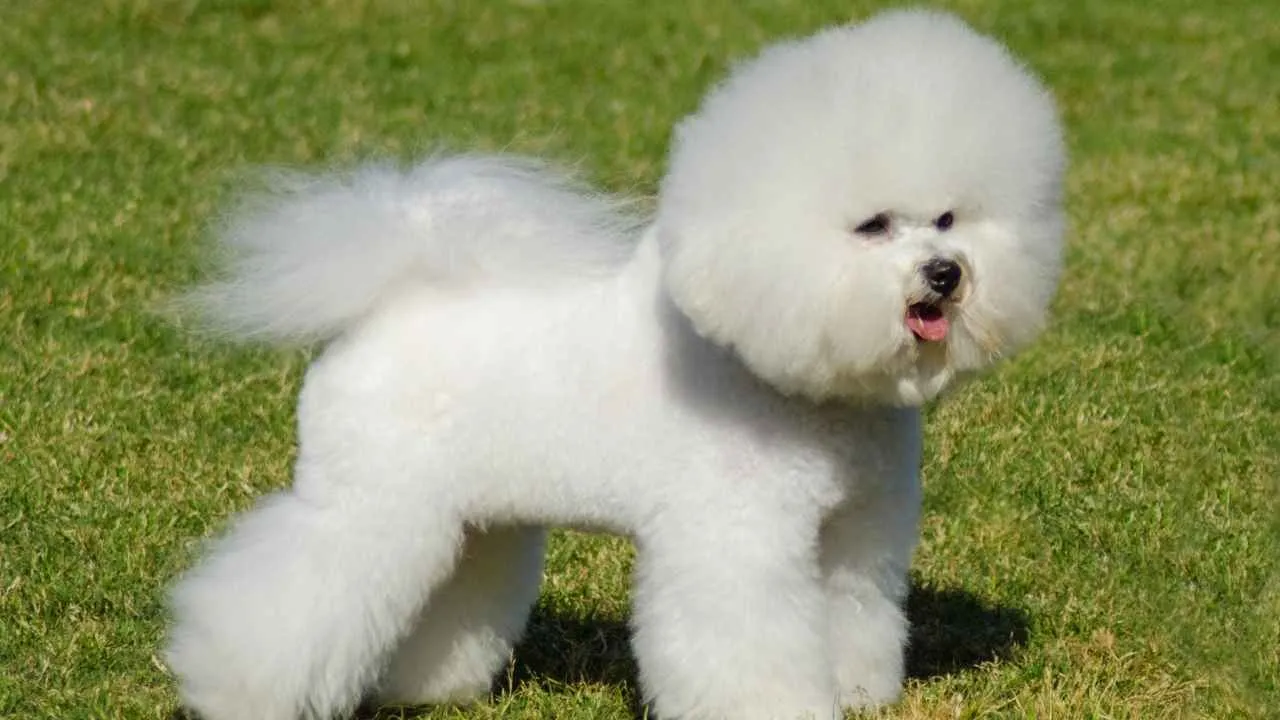
The Bichon Frise traces its roots to the 13th century, originating as one of the Barbichon types alongside breeds like the Maltese and Havanese. Though the French Revolution and two world wars challenged the breed’s survival, dedicated enthusiasts preserved its charming legacy, eventually earning recognition by the American Kennel Club in 1973.
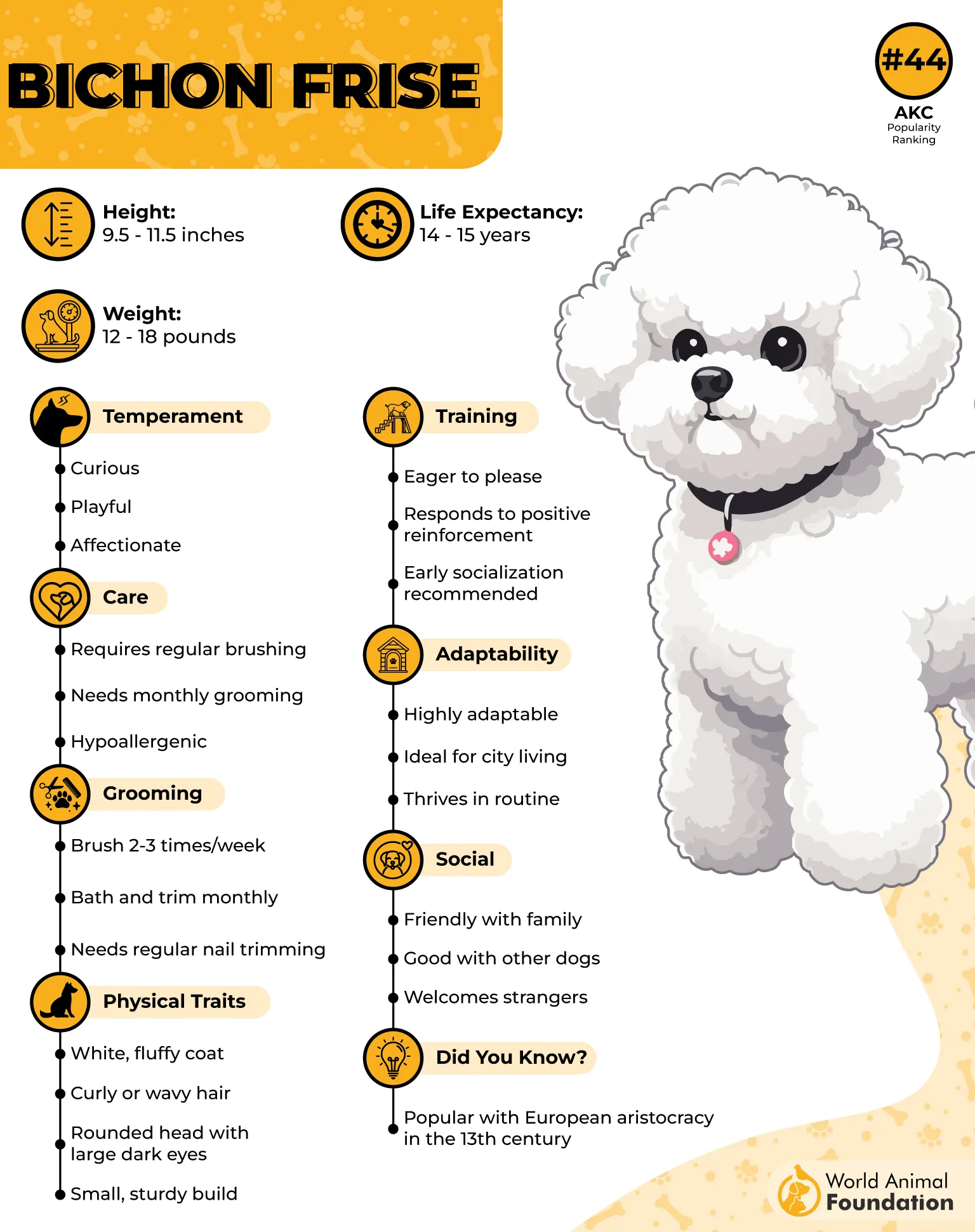
Cheerful Companions with Boundless Personality
Small but full of energy, the Bichon Frise is affectionate, playful, and highly social. With a gentle temperament, Bichons can entertain, perform tricks, and adapt well to both lively households and calm environments, making them ideal companions for active or apartment-based lifestyles.
Smart, Trainable, and Grooming-Conscious
Bichons are intelligent and eager to please, responding best to positive reinforcement during training. Their soft, curly coat grows continuously and sheds very little, so regular grooming, including brushing several times a week and periodic trims, is essential to prevent tangles and maintain the breed’s signature “cotton ball” look.
Why the Bichon Frise Leaves Less Fur Around the House
Curly, single-layer coat that traps loose hair
Minimal undercoat reduces seasonal shedding
Continuous hair growth instead of shedding cycles
Lower dander production than many double-coated breeds
Frequent grooming keeps stray hair under control
3. Shih Tzu
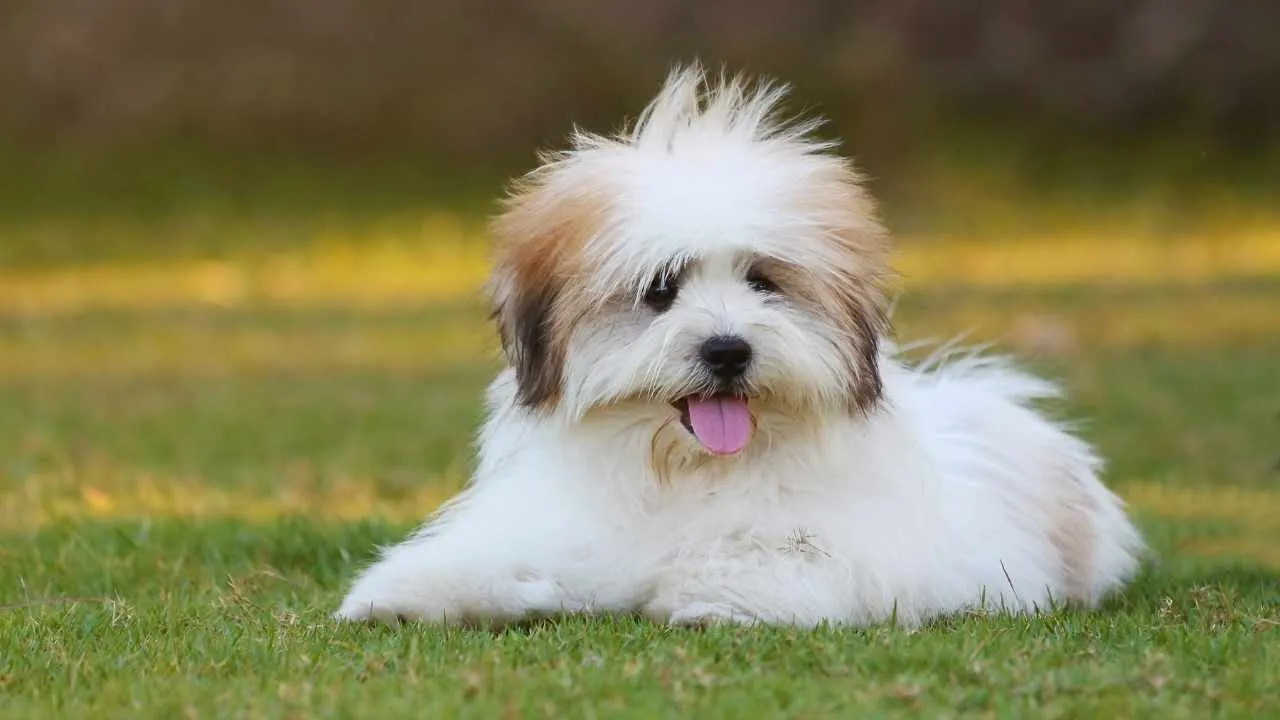
The Shih Tzu, or “lion dog,” was developed in Tibet over a thousand years ago from the Lhasa Apso and Pekingese, symbolizing the lion in Buddhist tradition, as per Hill’s Pet.
Originally cherished by Tibetan monks and gifted to Chinese royalty, the breed survived near extinction during China’s Communist Revolution and the death of Empress Dowager Cixi’s breeding program.
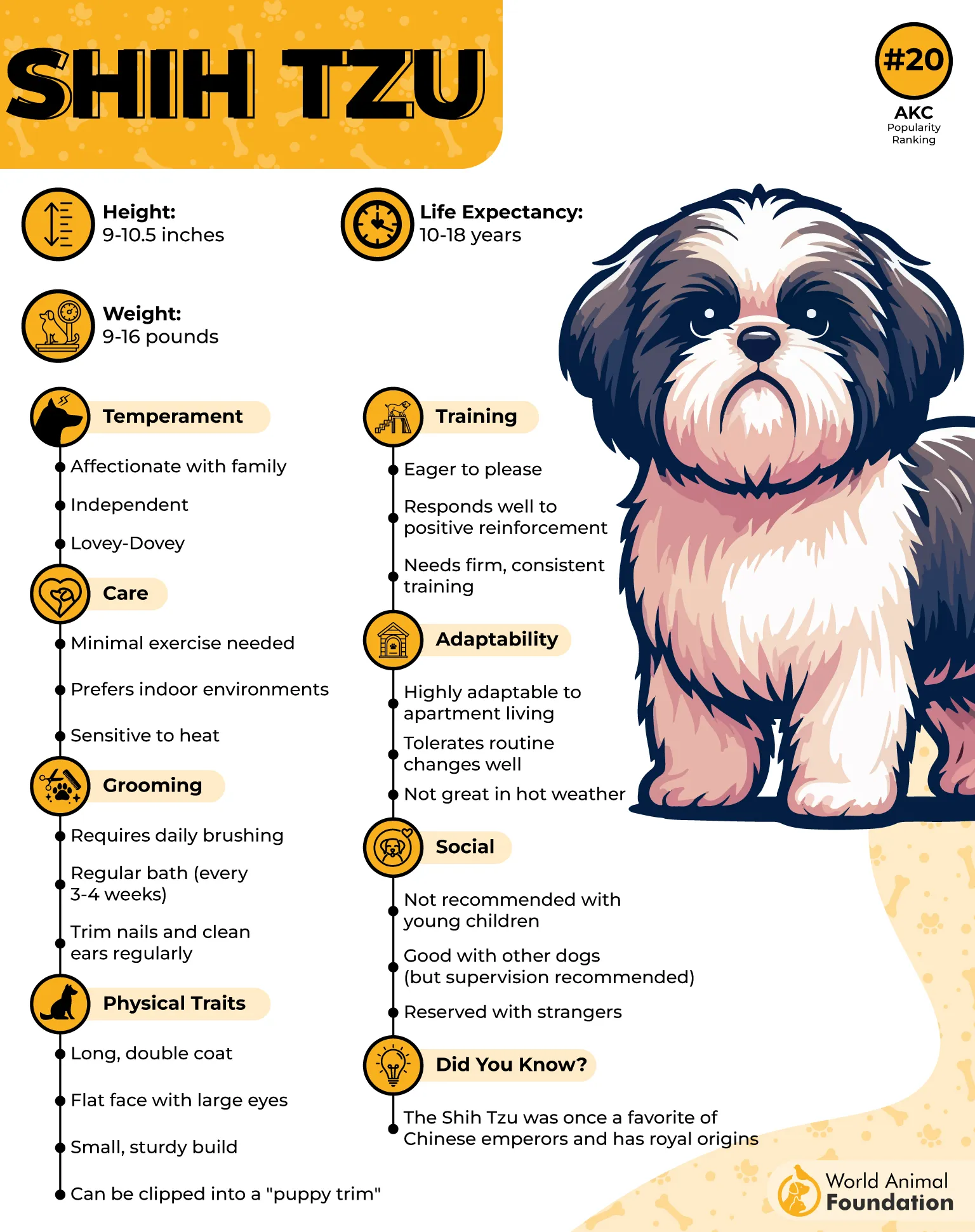
Playful, Loving, and Alert Companions
Compact yet sturdy, the Shih Tzu has a long, flowing coat, expressive eyes, and a charming personality. Outgoing, lively, and affectionate, they bond deeply with families, get along with other pets, and make playful companions for children or seniors.
Training and Grooming for a Long-Haired Friend
Shih Tzus are intelligent but can be a little stubborn, so consistent, positive, reward-based training from an early age is essential. Their dense, long coat requires regular brushing to prevent mats, occasional trimming, and careful eye-area cleaning, making grooming an important part of Shih Tzu care, though their shedding is generally light compared to other long-haired breeds.
Why the Shih Tzu’s Coat Stays Largely on Them
Dense double coat that traps loose hair
Minimal seasonal shedding compared to many breeds
Hair grows continuously, reducing fur accumulation in the home
Low dander production, helping allergy-sensitive owners
Regular brushing keeps mats under control and stray hair minimal
4. Basenji
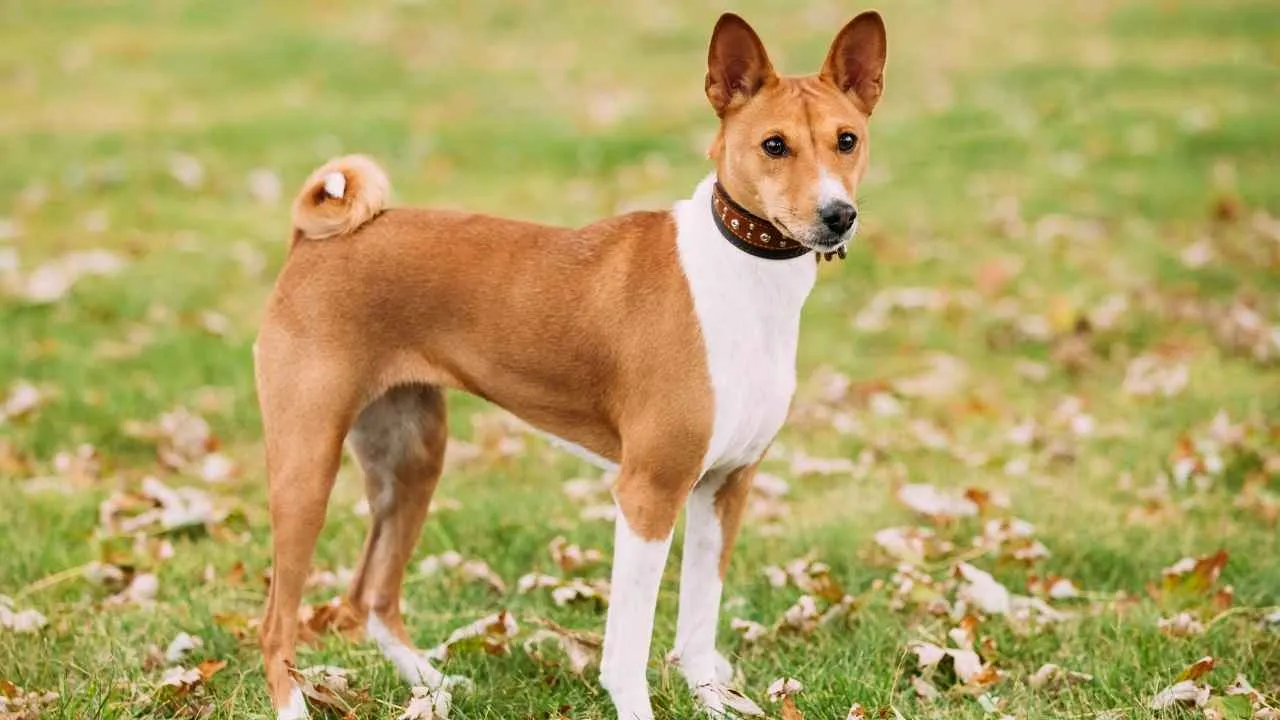
The Basenji is a dog with roots tracing back over 4,500 years to ancient Egypt, appearing in funeral art as a favored companion of Pharaohs. Surviving centuries, these hunting dogs became prized hunting partners for African tribes, skilled as both sighthounds and scenthounds.
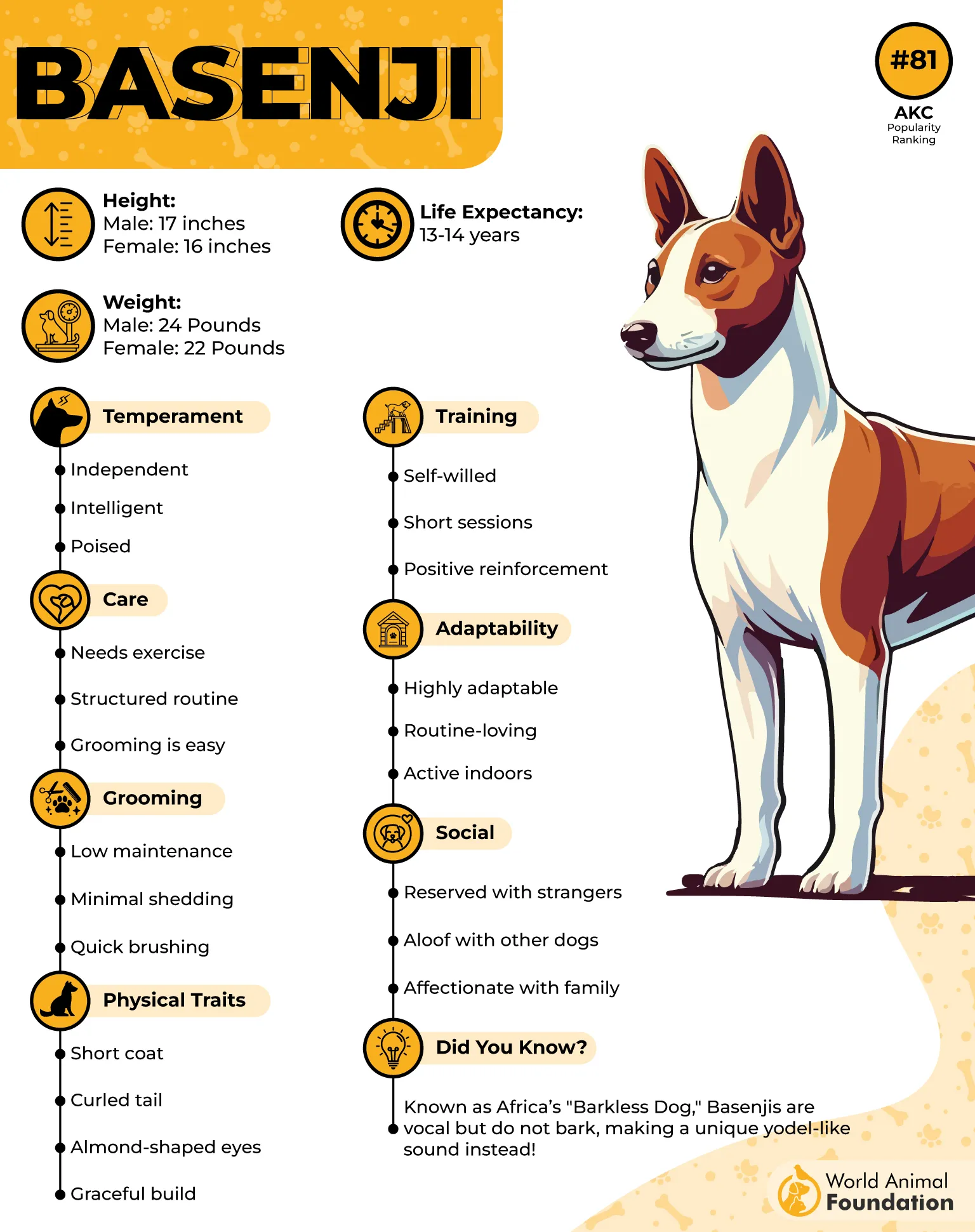
Independent, Alert, and Catlike
Known as the “barkless dog,” they yodel or chortle instead of barking, and their catlike grooming habits keep them exceptionally clean. Energetic and agile, Basenjis need daily exercise and mental stimulation, or they may become mischievous and destructive in the home.
Training and Daily Care for a Lithe Companion
Training a Basenji requires patience, short sessions, and plenty of positive reinforcement, as they can be easily bored or distracted. Fortunately, their short, sleek coat demands minimal grooming, and their self-cleaning habits make them naturally low-shedding and tidy, perfect for households that want a clean, active dog.
Why Basenjis Keep Your Home Hair-Free
Short, smooth coat reduces loose hairs
Minimal undercoat means very little seasonal shedding
Catlike self-grooming maintains cleanliness
Low dander production benefits allergy-sensitive owners
No long hair to trap dust or debris
5. Bedlington Terrier

The Bedlington Terrier, hailing from the mining town of Bedlington in England, began as a versatile working dog in the 1800s, tackling rats, foxes, and even badgers.
Nicknamed the “Gypsy Dog” for its poaching prowess with traveling Romani people, the breed’s intelligence, speed, and tenacity made it a prized companion for miners and nailers alike, as per Purina.
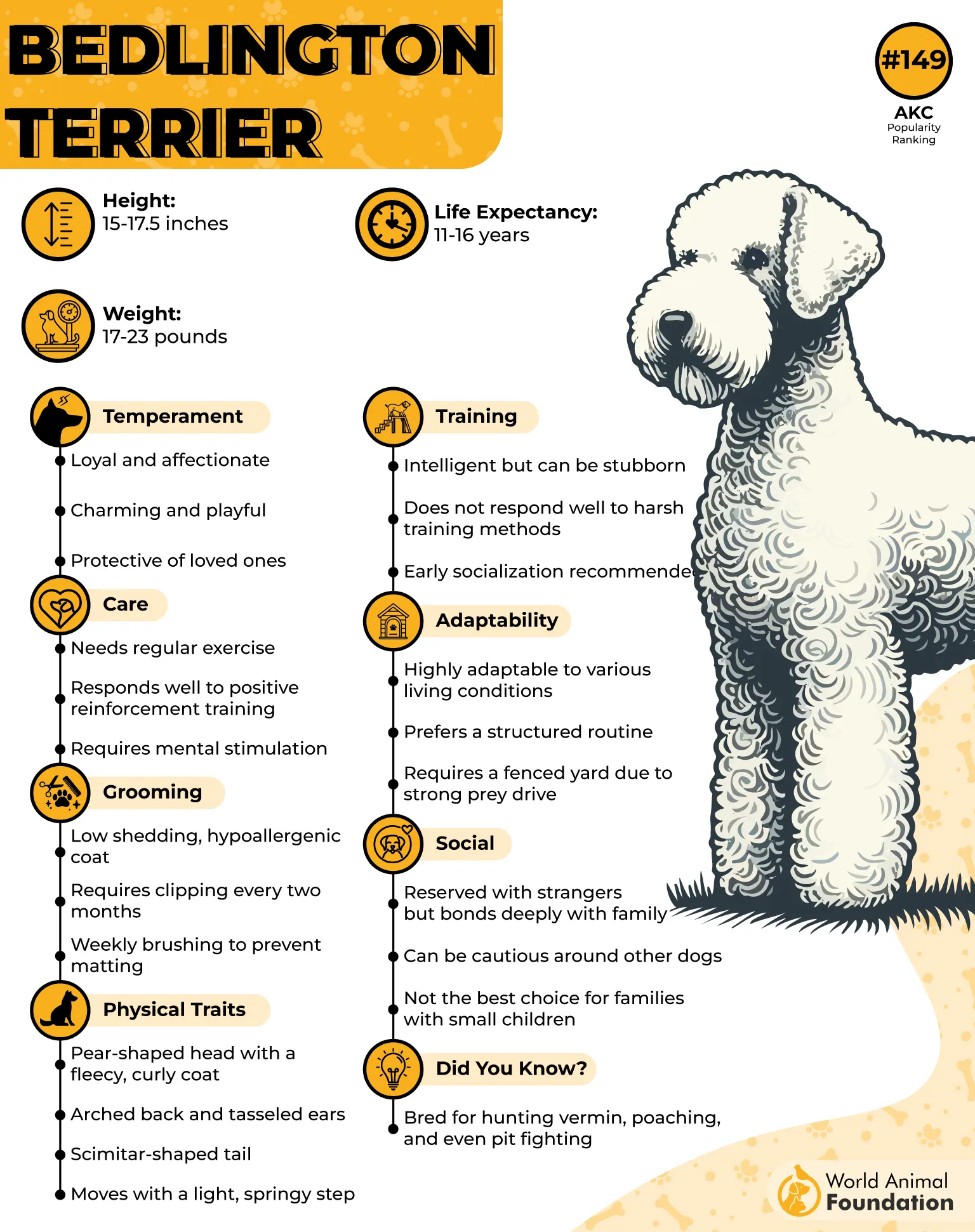
Spirited Athletes with Gentle Hearts
Bedlingtons combine agility, speed, and stamina with a friendly, playful personality that thrives in active households. Highly intelligent and lively, they require regular mental and physical stimulation to stay content, and their clownish charm makes them a joyful presence around both children and adults.
Low-Shedding Companions for Busy Families
The Bedlington’s distinctive curly coat is soft yet resilient, requiring clipping every two months and light brushing weekly to maintain its unique lamb-like appearance. Their hair grows continuously but sheds very little, making them an excellent option for allergy-sensitive homes.
Why Bedlington’s Keep Fur Under Control
Curly, dense coat prevents loose hair from scattering
Minimal undercoat reduces seasonal shedding
Hair grows but stays contained with proper grooming
Low dander benefits allergy sufferers
Easy maintenance keeps the home tidy
6. Chinese Crested
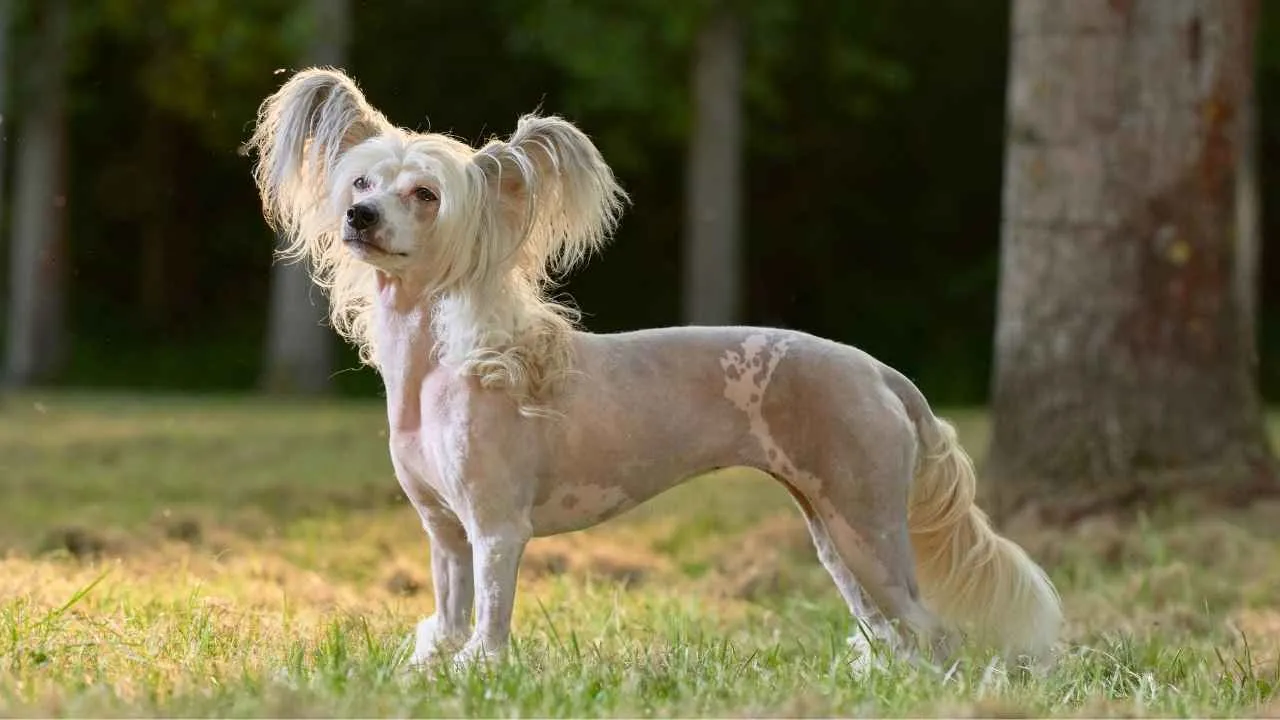
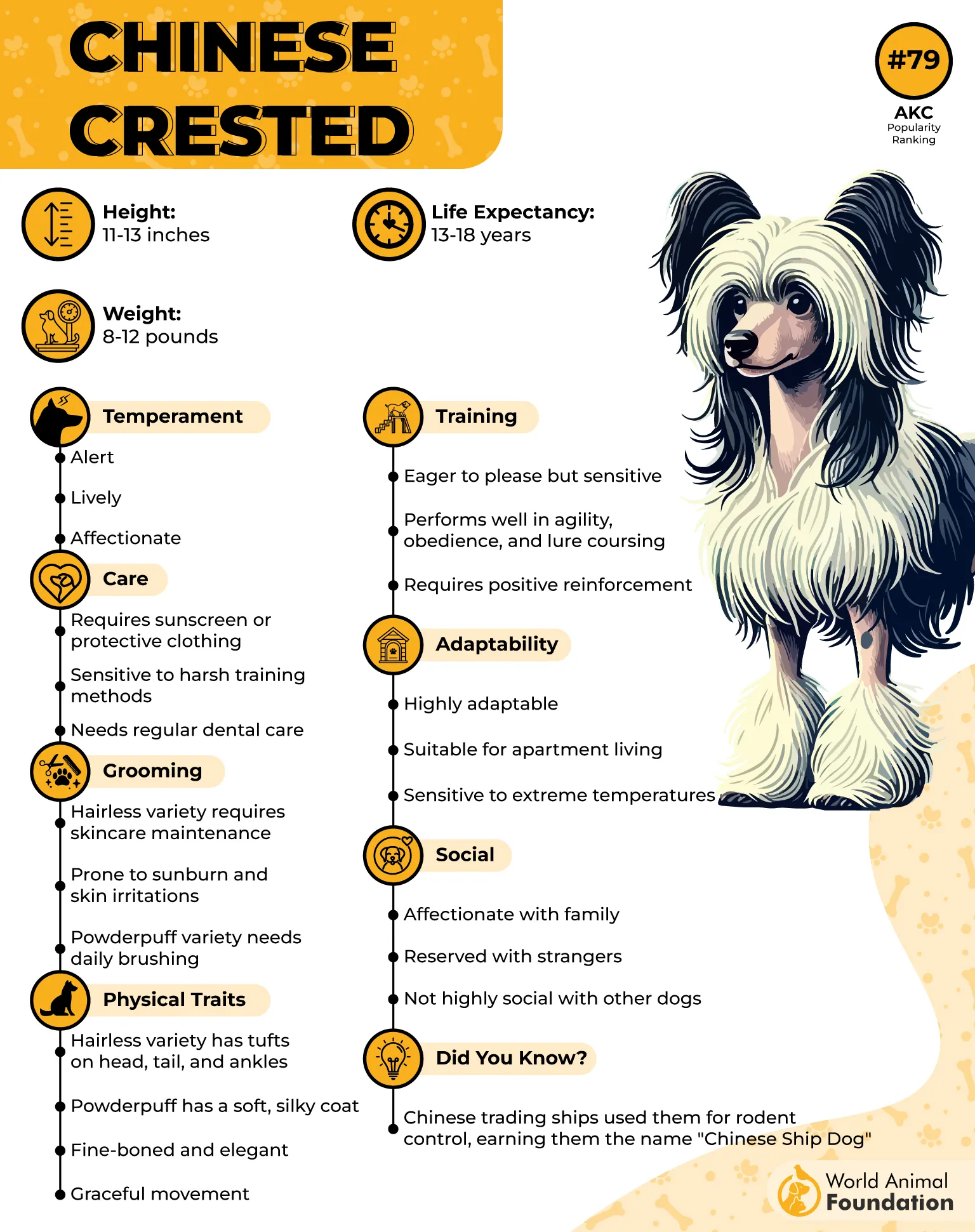
The Chinese Crested is a playful and affectionate toy breed, weighing just 5–12 pounds and standing 9–13 inches tall. Available in two varieties—hairless, with tufts on the head, tail, and feet, and the fully coated powderpuff—these dogs are lively companions who thrive on attention.
Ancient Origins with Modern Charm
Although its exact roots are unclear, the Chinese Crested may have evolved from hairless dogs traded by sailors, earning it the nickname “Chinese Ship Dog.” Records of this breed appear as early as the late 1800s, with popularity surging in the 1970s thanks to promoters like Gypsy Rose Lee.
Grooming-Friendly Companions
The hairless variety requires regular skin care, sunscreen, and occasional trimming, while the powderpuff demands daily brushing to prevent mats in its soft, double coat. Despite these differences, both types shed very little, making Chinese Cresteds an excellent choice for allergy-sensitive households.
Why Chinese Cresteds Stay Low-Shed
The hairless variety has minimal hair, reducing shedding naturally
Powderpuff coat grows but doesn’t release loose hairs easily
Short, fine guard hairs in powderpuffs trap shed fur
Low dander makes them suitable for sensitive individuals
Regular grooming maintains coat health without excess shedding
7. Yorkshire Terrier
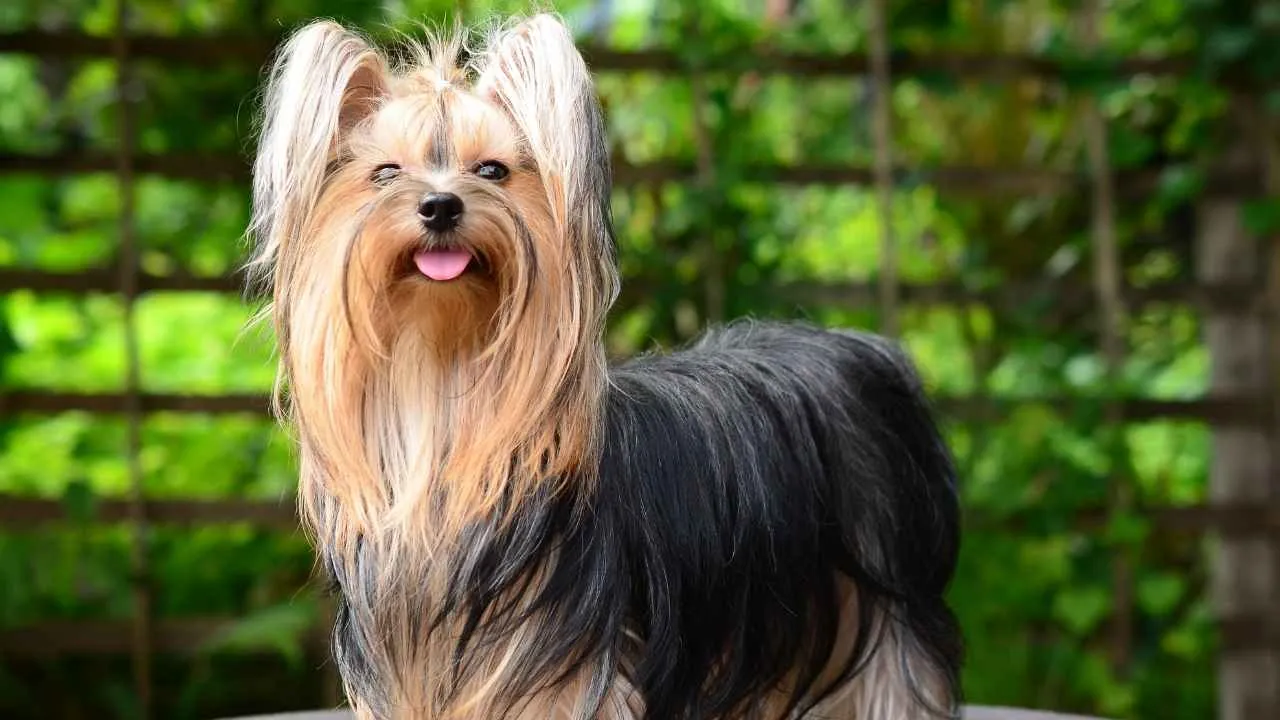
The Yorkshire Terrier, affectionately known as the Yorkie, originated in the textile mills and coal mines of 19th-century England, bred to chase and kill rats in tight spaces. Though small in stature, these dogs were fearless workers, capable of slipping into a miner’s pocket or weaving through machinery to hunt vermin.
Spirited Companions Packed in a Petite Frame
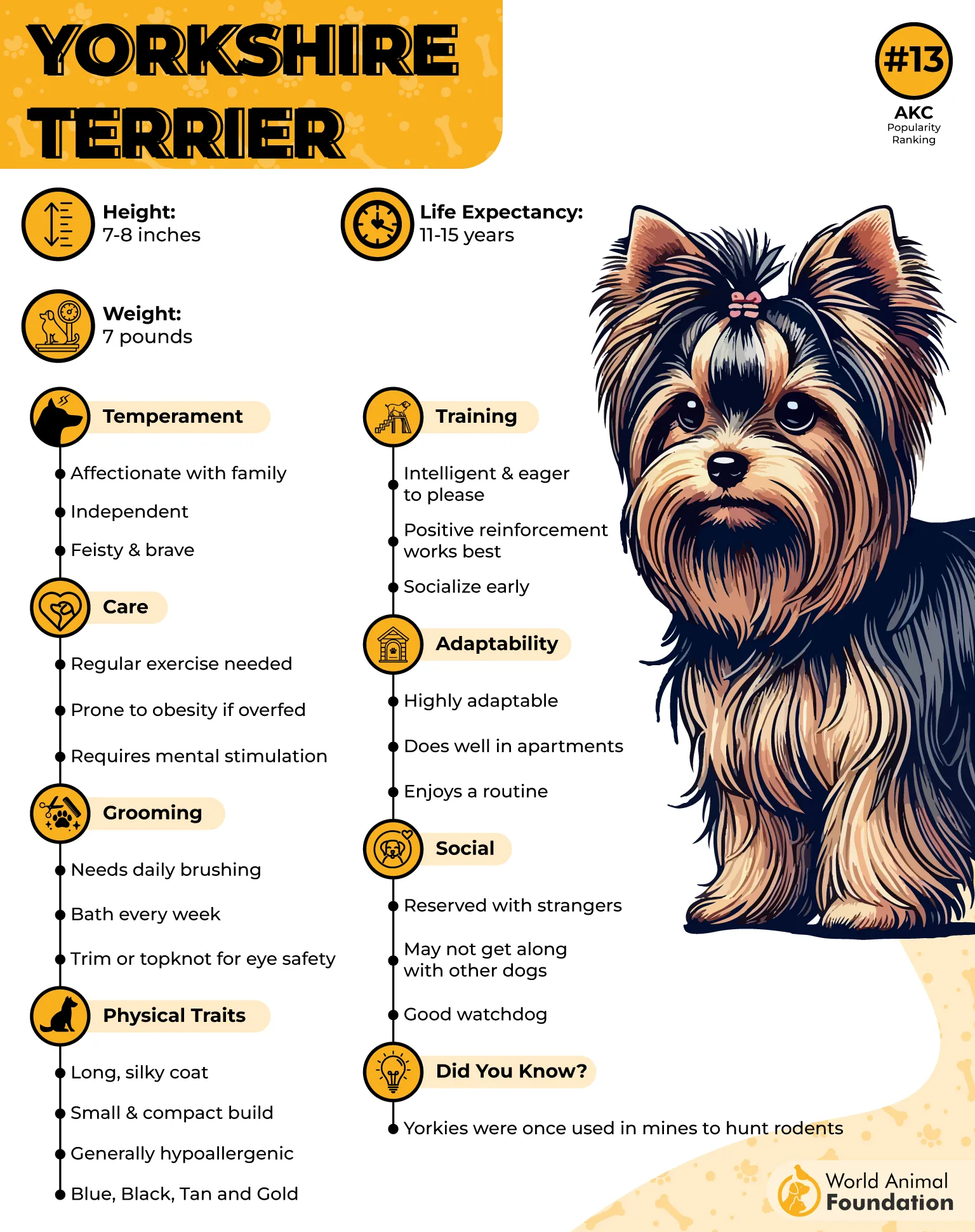
Yorkies are tiny dogs with immense energy and curiosity, making them bold and lively members of any household, as per WebMD. Intelligent and feisty, these dogs thrive on attention and mental stimulation, so interactive play and short indoor games are just as important as their daily walks.
Smart Pup, Loyal Friend, and Fashionable Pupils
Training a Yorkshire Terrier requires consistency, patience, and positive reinforcement to manage their spirited temperament. Socialization from puppyhood ensures they grow into confident companions who can interact safely with children and other pets.
Why the Yorkshire Terrier Leaves Minimal Fur Around Your Home
Hair grows continuously instead of falling out like typical dog coats.
Soft, silky texture traps loose hairs rather than scattering them.
Regular grooming keeps the coat healthy and prevents matting.
Low shedding is enhanced by a proper diet and omega-3 supplementation.
Their compact size means less surface area for shedding compared to larger breeds.
Conclusion
If you love having a furry friend but dread the constant tumbleweeds of hair around your home, choosing a low-shedding dog can make life much easier. These breeds don’t just help keep your space tidy—they’re also often a better fit for allergy-sensitive households.
While no dog is completely free of allergens, some naturally shed far less and produce fewer irritants in their coats, saliva, and skin. Pairing these dogs with simple habits—like regular brushing, air purifiers, and washable bedding—can make a huge difference in your comfort and cleanliness.
These hypoallergenic dogs offer the same joy, energy, and companionship as any other pup, just with a bit less mess to clean up. If you’re ready to welcome a four-legged friend while keeping your home tidy, now’s the perfect time to explore which low-shedding companion suits your lifestyle best.
