




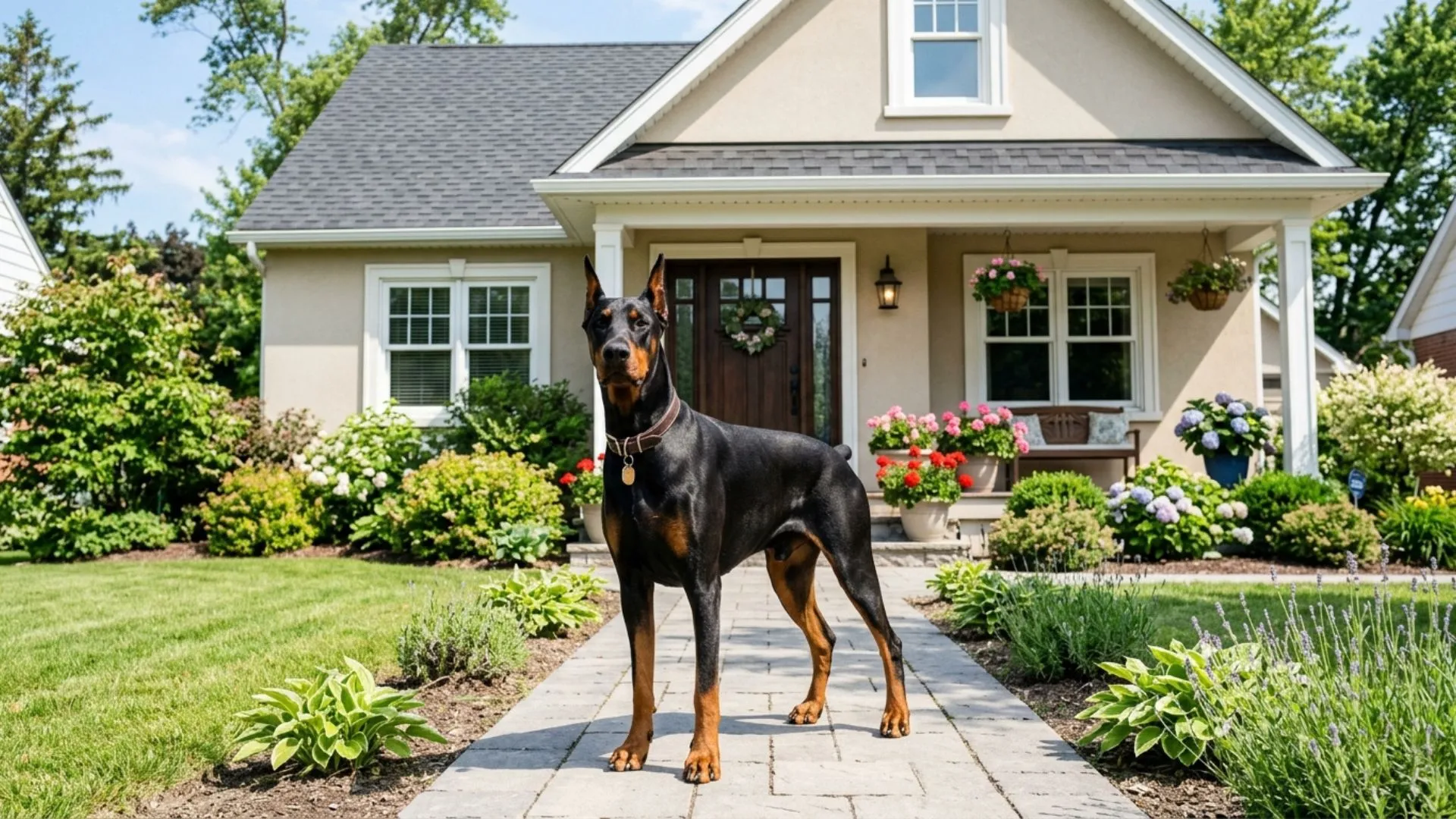
Ever heard a tiny sound at night and suddenly convinced yourself you’re in a thriller movie? That’s exactly where guard dogs come in—they don’t panic, they investigate. A true watchdog doesn’t bark at everything; it studies the situation like it’s on duty 24/7.
The best guard dogs are not just loud—they’re alert, intelligent, and highly tuned into their surroundings. Their instinct often reacts before humans even notice anything unusual, making them trusted protectors in family life.
What makes these protective dogs special is their balance. One moment they’re relaxed on the couch, the next they’re fully alert if something feels off. With proper training and early socialization, they develop into calm companions as well as dependable defenders.
Across the dog world, certain dog breeds stand out for loyalty, intelligence, and strong protective instincts. These dogs offer both security and companionship, making them ideal for families who want safety, confidence, and a truly loyal partner at home.
Top Dog Breeds Known for Their Vigilant Protective Nature
1. German Shepherd
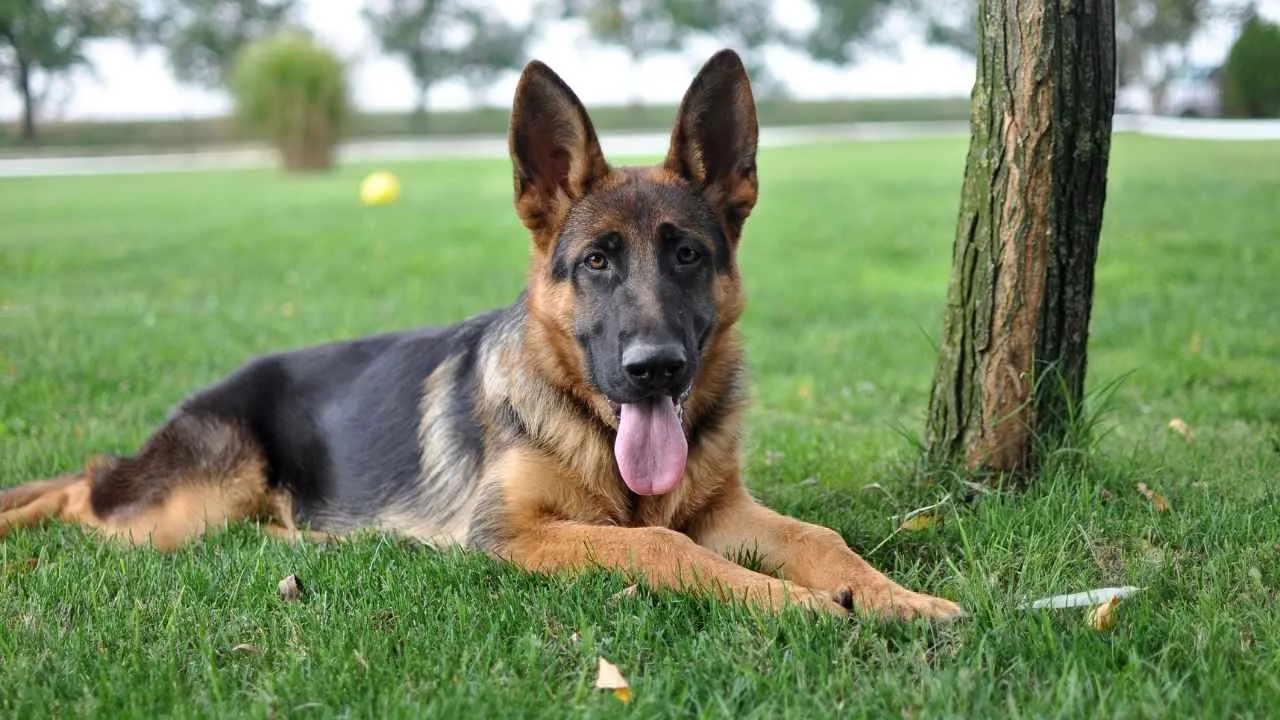
Deeply loyal and extremely intelligent companion that is always curious and ready to learn something new, this breed was originally developed for herding but quickly earned a reputation as an excellent guard dog.
Also known as the Alsatian or GSD, it combines focus, confidence, and a strong instinct to watch over its surroundings.
It bonds deeply with family members and often prefers staying close rather than wandering off on its own adventures. While not naturally aggressive, it can become quietly reserved around strangers, observing first and deciding later.
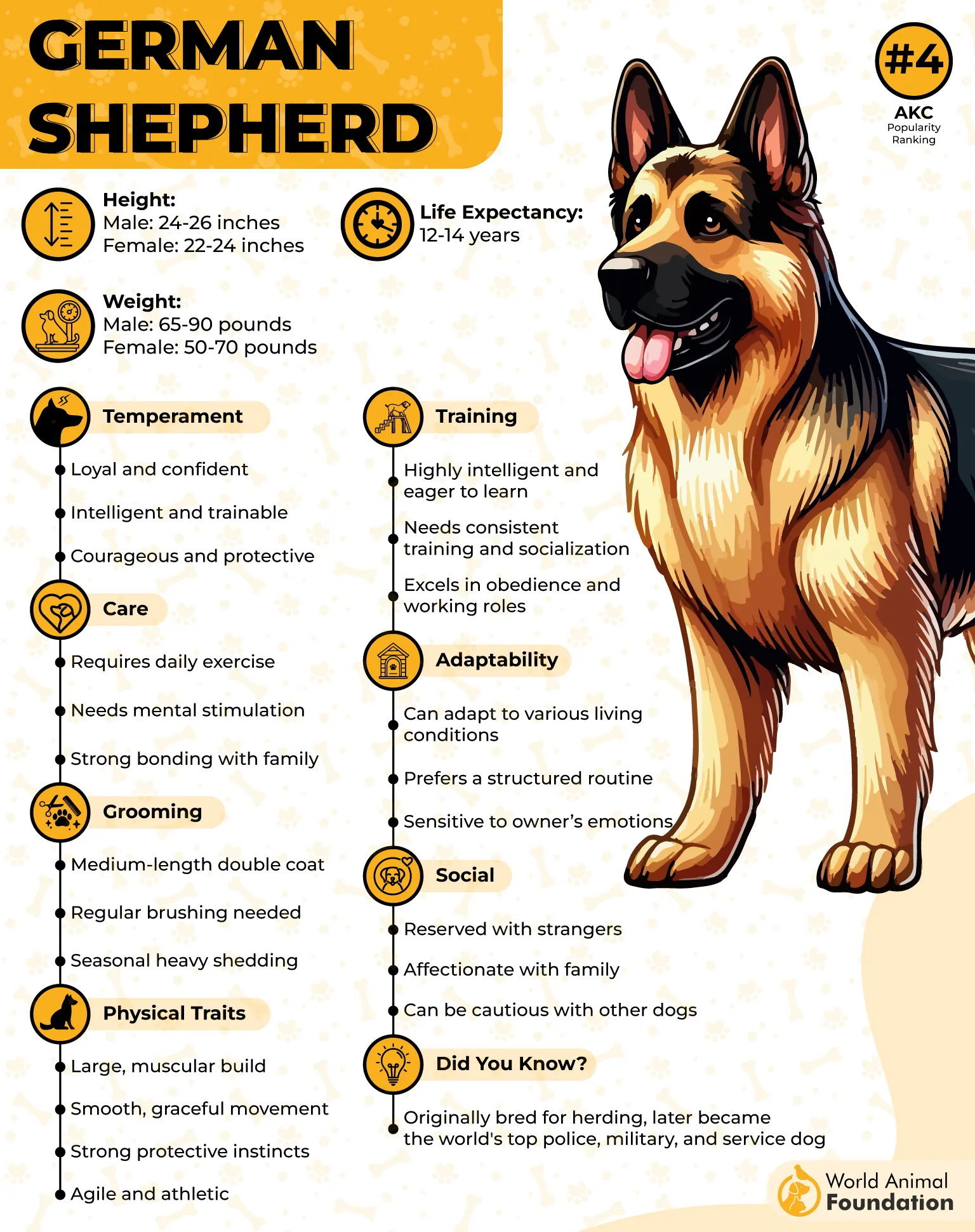
Smart routines with high energy needs
This breed thrives on structure, early socialization, and consistent training from a young age—otherwise it may start inventing its own “house rules.”
It learns commands quickly, but also demands plenty of mental stimulation and regular exercise to stay balanced. Long walks, games, and task-based activities keep its sharp mind satisfied, as per PetPlan.
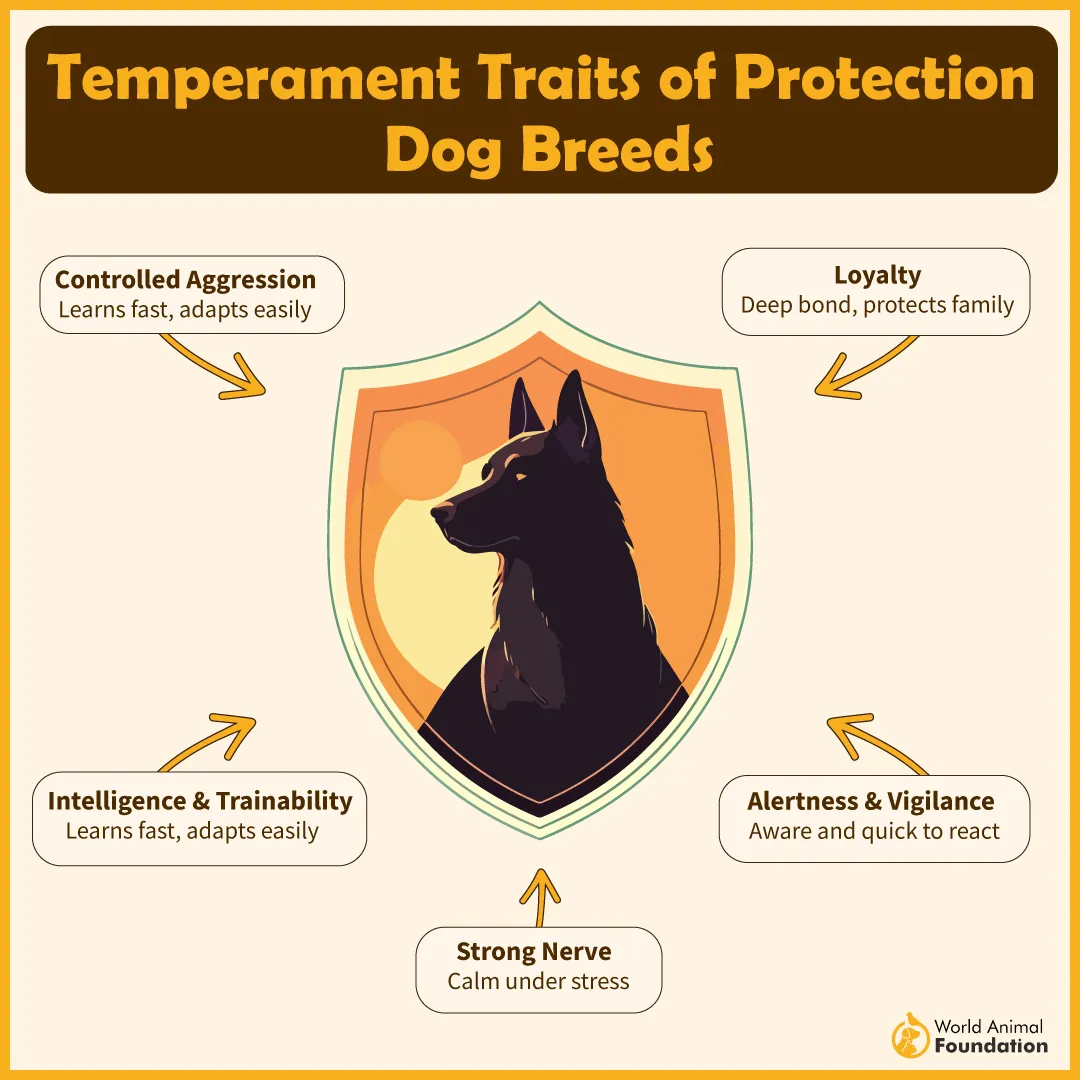
Without engagement, boredom can lead to unwanted habits, so keeping it busy is key to a happy home companion.
2. Boxer
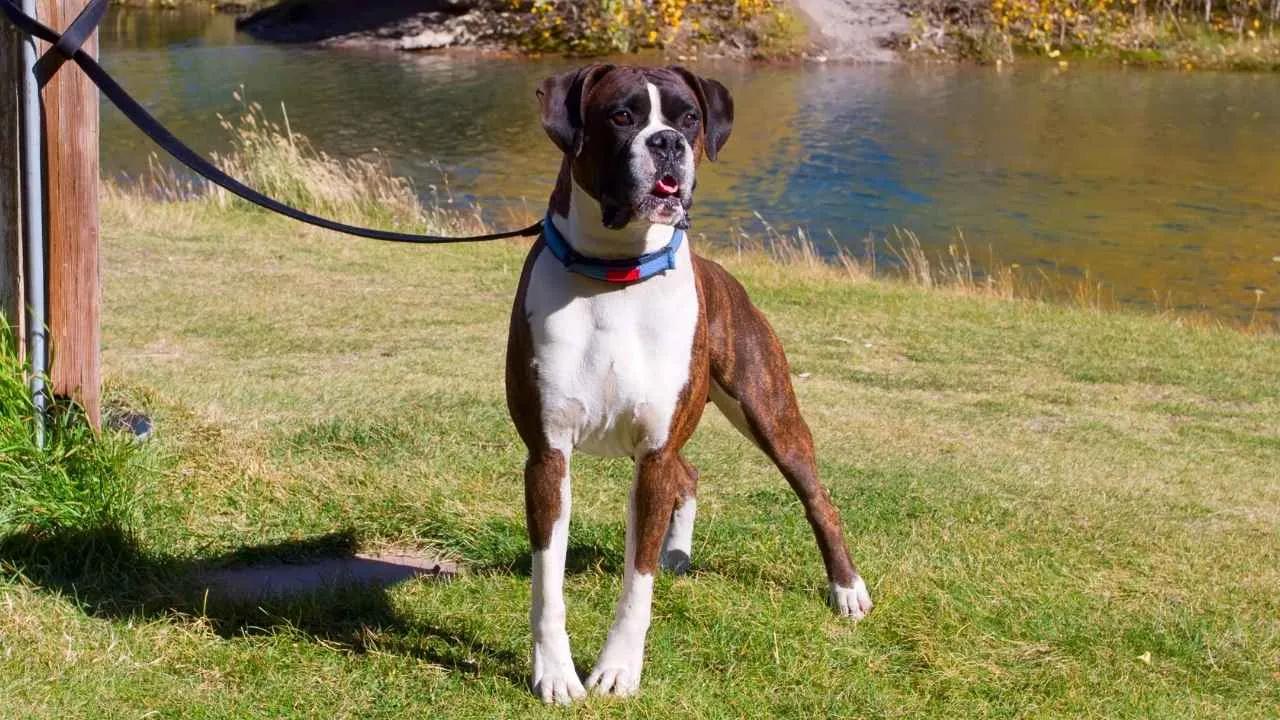
With a Boxer in the family, daily life feels like having an enthusiastic workout partner who never checks the clock. This energetic, muscular breed has a square build, short muzzle, and expressive face that often looks serious—but don’t be fooled.
Behind that “thinking about life” forehead is a goofy, curious personality always ready for action. Their alert eyes miss very little, which ties into their strong protective nature and natural awareness of surroundings.
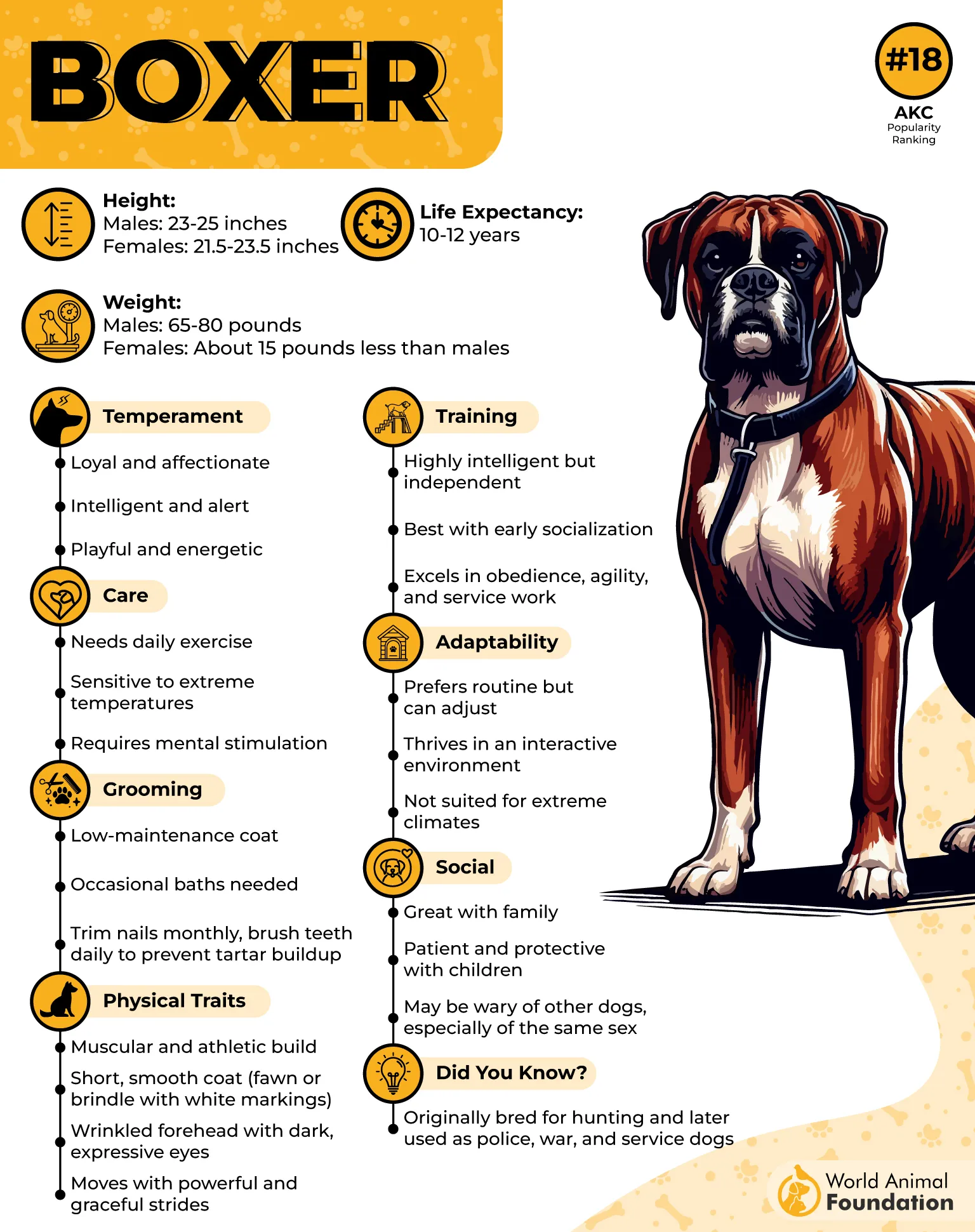
High-energy companion with watchful loyalty
As per Orvis, the Boxer descended from powerful working lines in Europe and carries an instinct to protect and stay close to its people. It is highly intelligent, deeply devoted, and quick to respond when something feels unusual around the home.
While friendly and affectionate with family, it may stay cautious with unfamiliar faces, especially without early socialization.
Because of its high energy, it needs regular exercise and mental stimulation to stay balanced. Long walks, play sessions, and structured training help shape it into both a gentle companion and a reliable presence that quietly watches over the household.
3. Doberman Pinscher
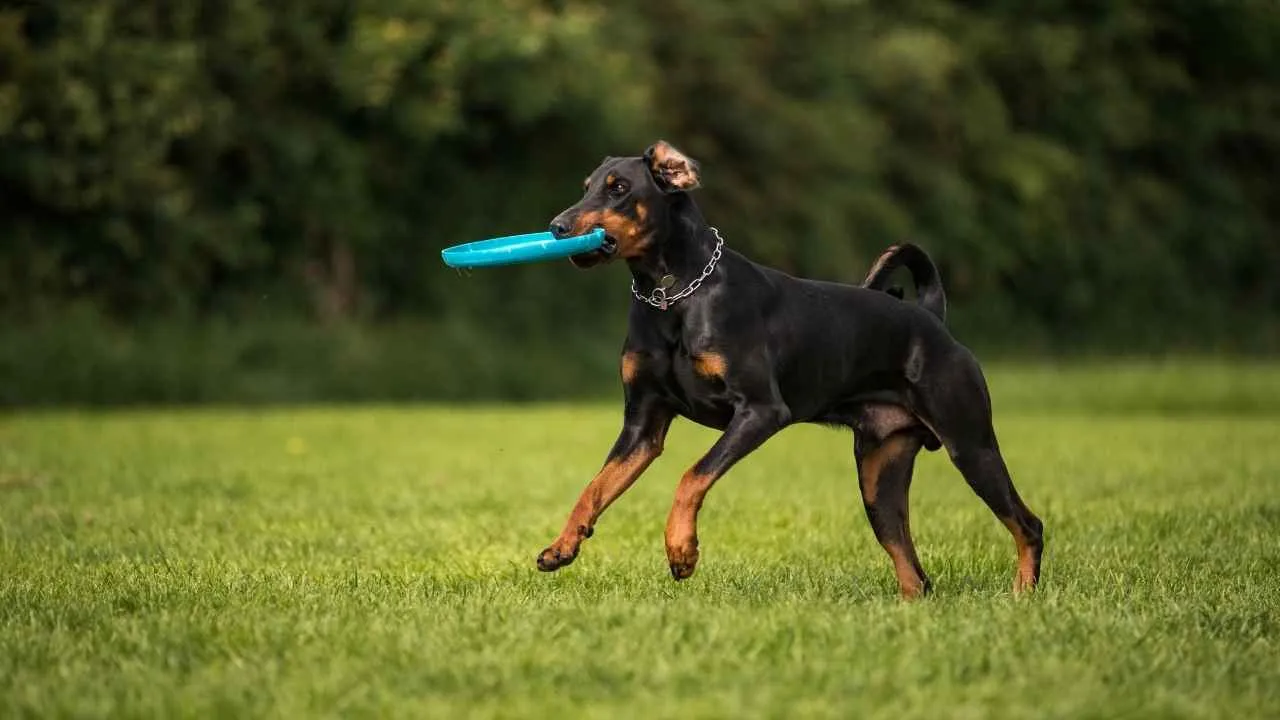
Named after Karl Friedrich Louis Dobermann, a German tax collector who needed serious backup in the late 1800s, this sleek and powerful breed was literally designed for protection. Built like a living shadow—fast, focused, and confident—it carries a strong instinct to stay alert and assess anything unusual around its territory.
Behind its elegant frame is a bold personality that reacts quickly when something feels off, making it a natural fit in conversations about effective guard dogs.
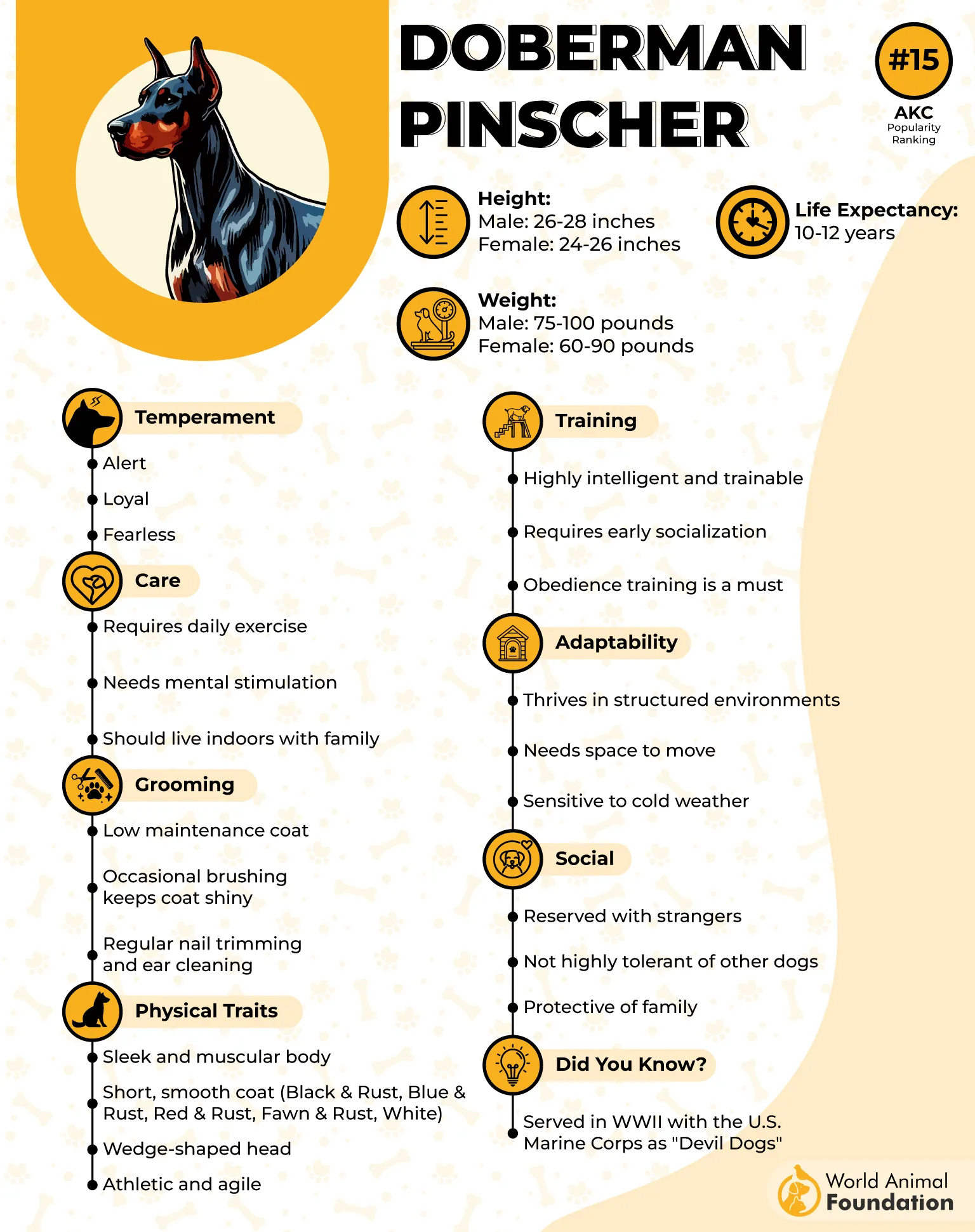
Smart training partners with disciplined energy
The Doberman Pinscher learns fast and responds even faster, especially when guided with early socialization and specialized training from a young age. Its intelligence and stamina mean it needs regular exercise, mental challenges, and structured routines to stay balanced in family life.
As per WebMD, long walks, agility work, and obedience games help channel its energy into focus instead of restlessness.
While naturally incredibly loyal and affectionate with its trusted circle, it can remain cautious around strangers, relying on guidance to shape calm behavior. With the right approach, it becomes both a steady companion and a formidable protector.
4. Belgian Malinois
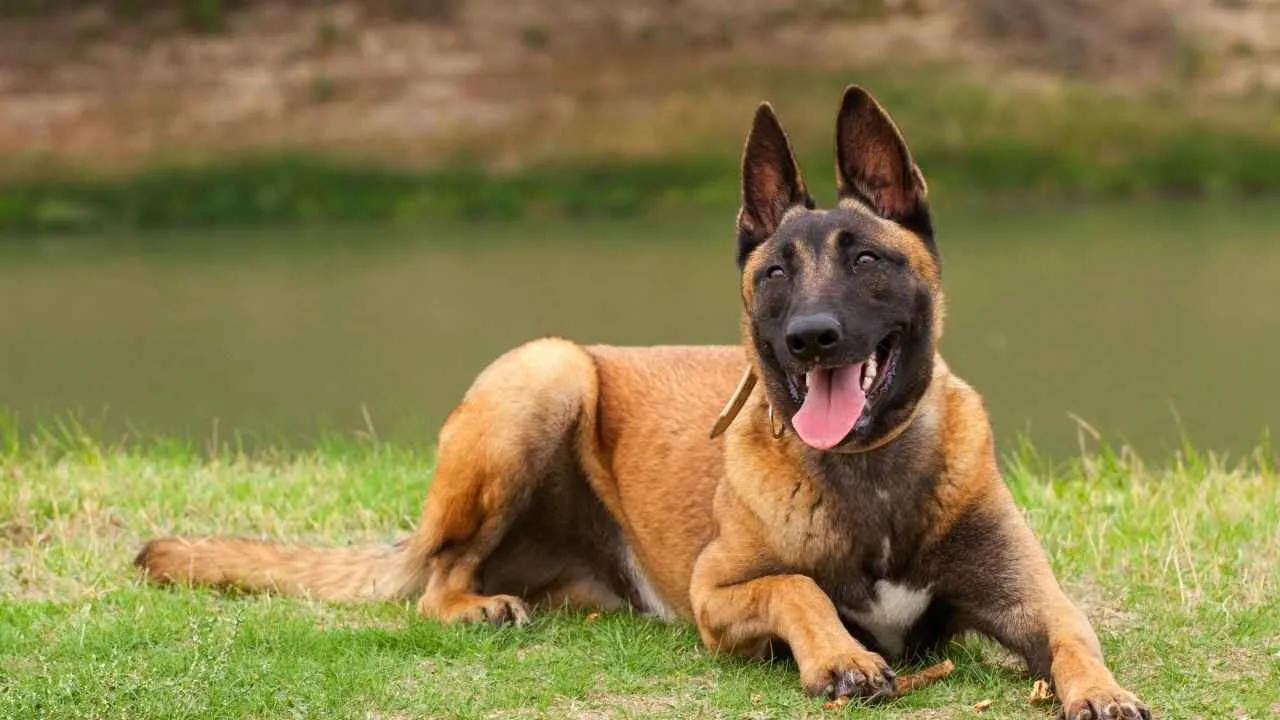
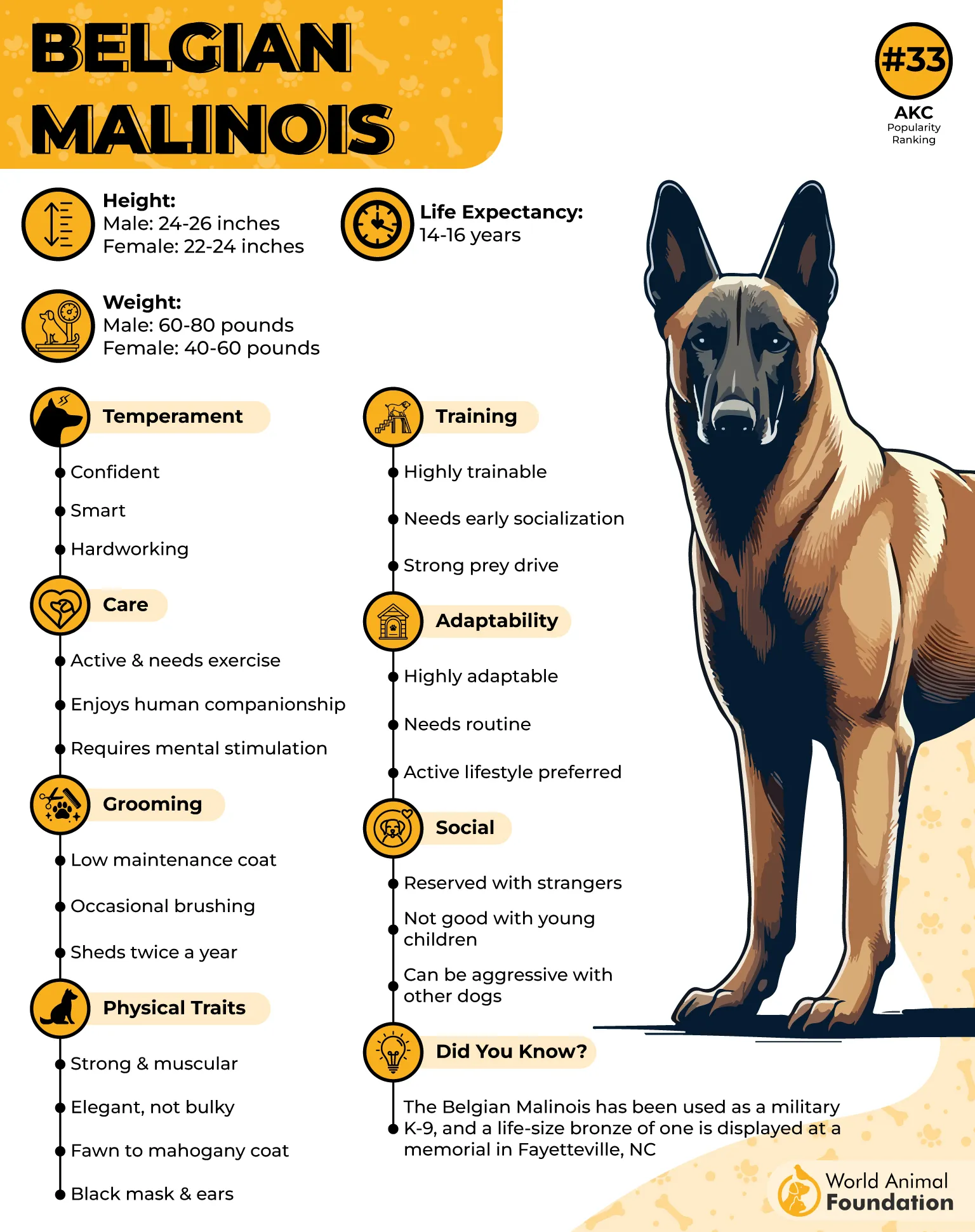
The Belgian Malinois is a sharp, confident, and highly driven working breed known for forming a deep bond with its handler. Originally developed for demanding herding and protection work, it carries a natural protective instinct, reads movement, and responds instantly.
With its athletic build, proud posture, and intense expression, it looks like it’s always “on duty,” even during quiet moments at home.
High-drive athlete needing purpose and direction
This breed thrives on constant activity, structured training, and close human interaction—idle time is not its favorite concept. It excels in obedience, agility, tracking, and protection-style work, making it one of the most focused protection dogs, as per the AKC.
Without proper exercise and mental stimulation, its energy can become difficult to manage, so proper socialization and consistent guidance are essential.
Strong prey drive means it may react strongly to fast movement, so training helps redirect that instinct into controlled activities. When properly engaged, it becomes a deeply loyal companion that prefers working alongside its owner rather than simply observing from a distance.
5. Cane Corso
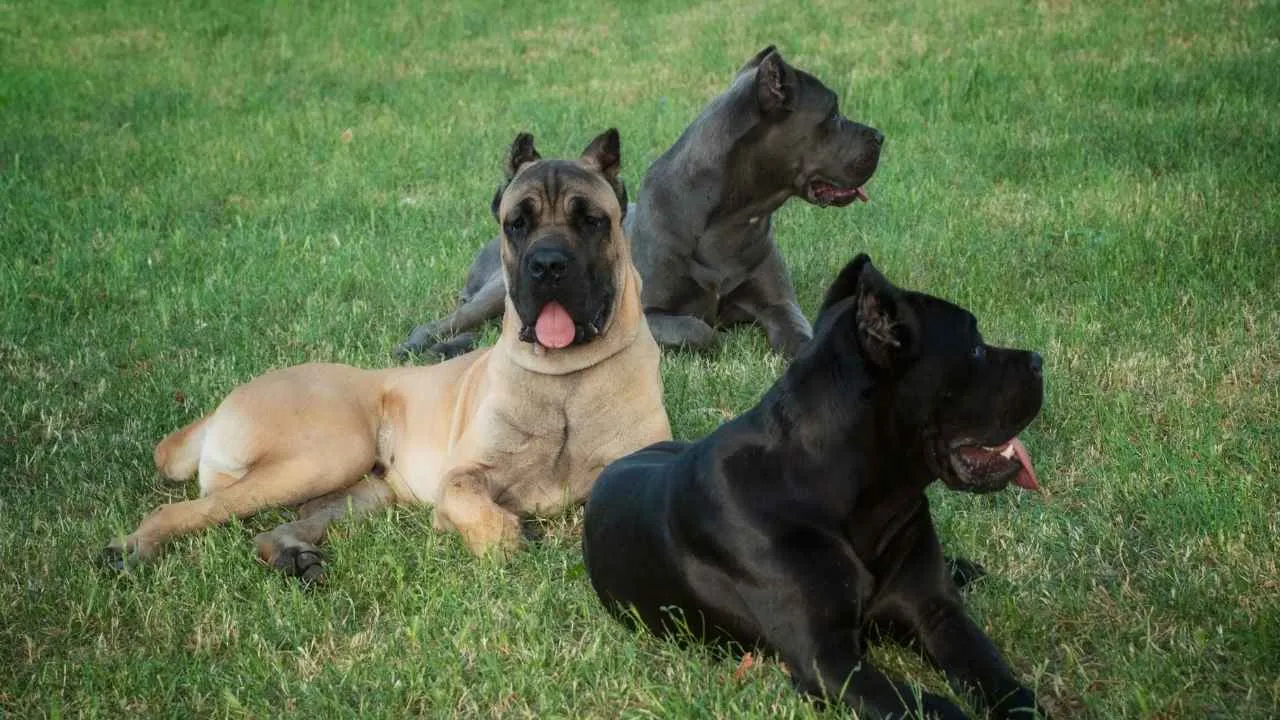
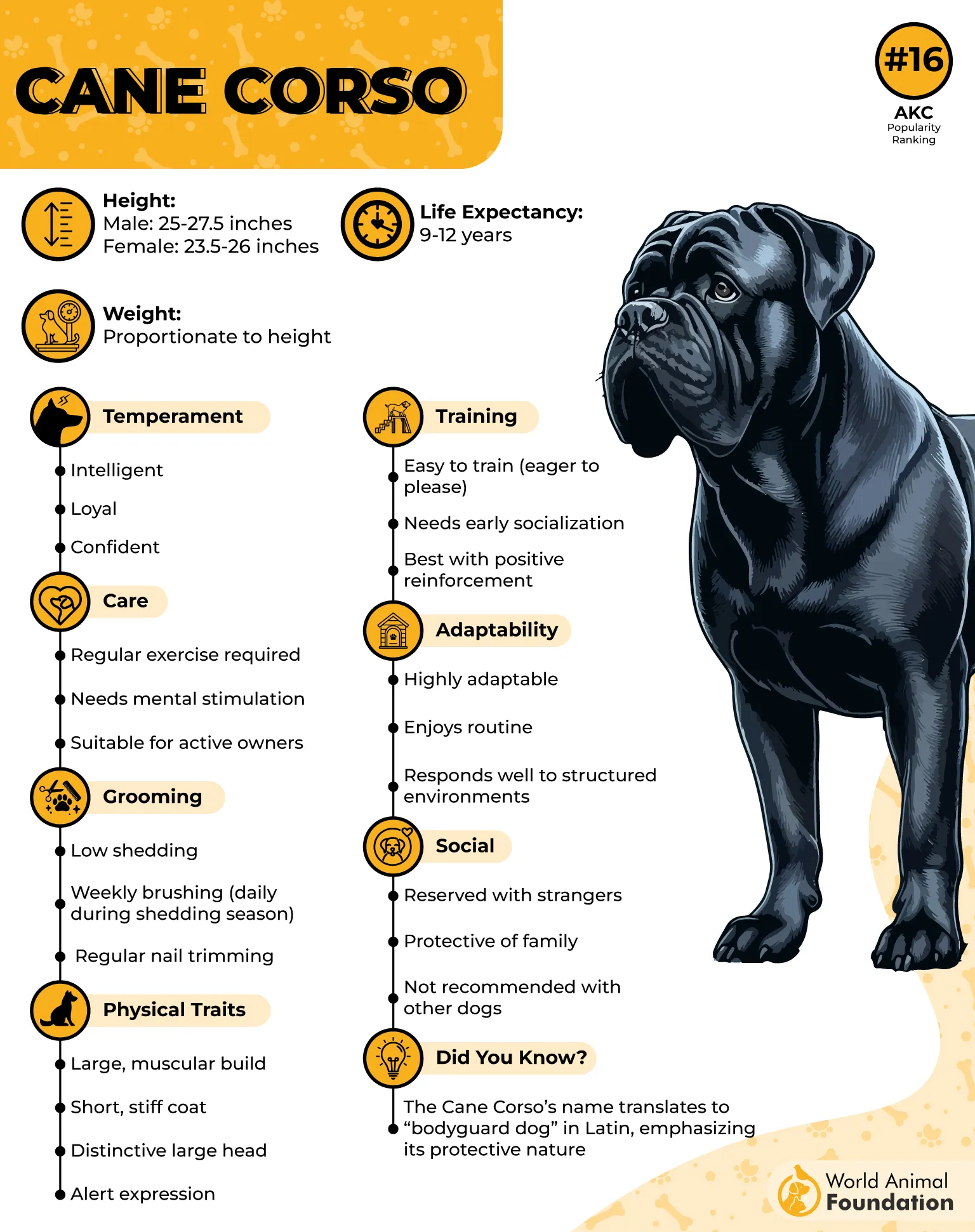
Descended from the powerful Molossian war dogs of ancient Rome, the Cane Corso carries a name that literally translates to “bodyguard dog.” Built for guarding farms, controlling livestock, and even confronting large wild animals, this breed has a long history of effective guardians, as per Britannica.
With its muscular build, broad head, and calm but watchful expression, it naturally fits the image of an excellent protector that observes before reacting.
Independent thinker with controlled power
This breed is confident, serious, and naturally wary of strangers, which makes it highly effective as a guard dog breed when properly guided.
Early socialization is essential to help it respond appropriately in different situations and avoid unnecessary suspicion. It is intelligent but independent, meaning obedience training requires consistency, patience, and clear leadership.
While naturally affectionate with its trusted family, it does not behave like a playful, toy-focused companion and prefers structured interaction over constant excitement. Its strength and determination demand responsible handling, regular guidance, and a calm environment where it can stay balanced while deterring intruders.
6. Rottweiler
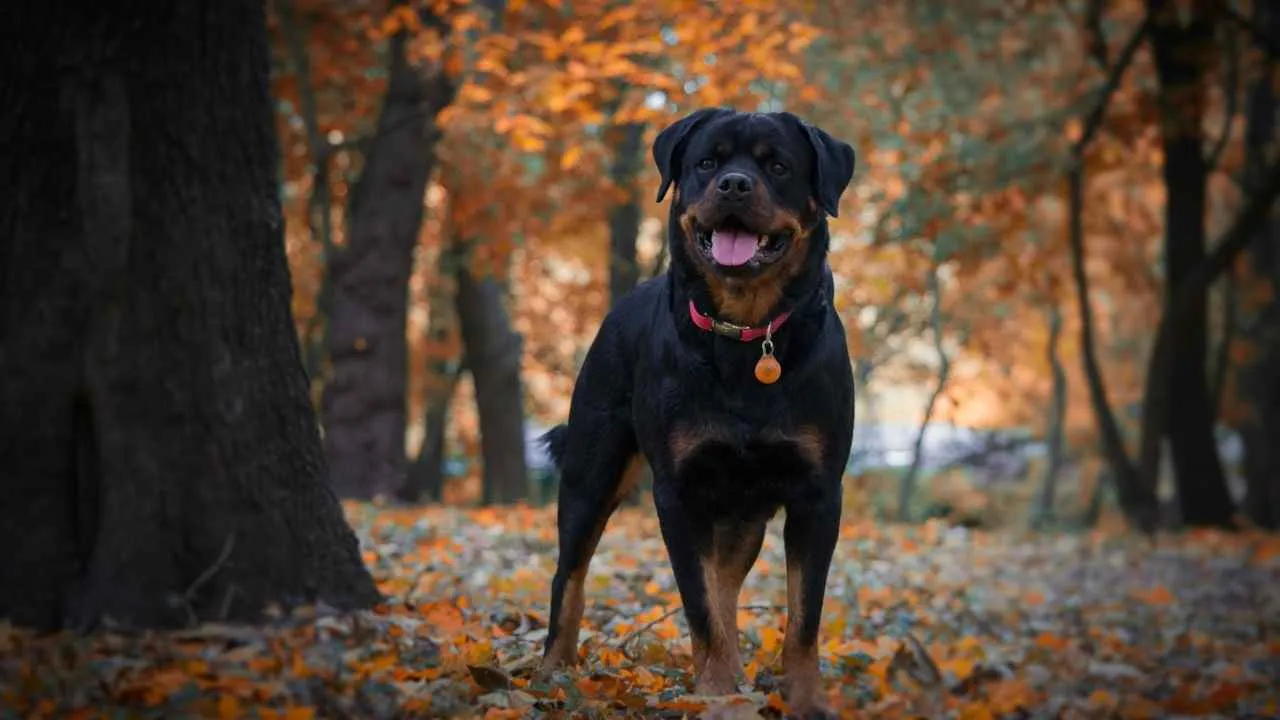
Rottweilers are strong, intelligent, and effective natural guardians that fit well into family life when guided with structure and consistency. Originally developed for demanding working roles, they carry a steady confidence and an instinct to watch over their surroundings.
Their imposing presence and focused expression often give a strong first impression, but behind that is a loving companion that bonds closely with its trusted circle.
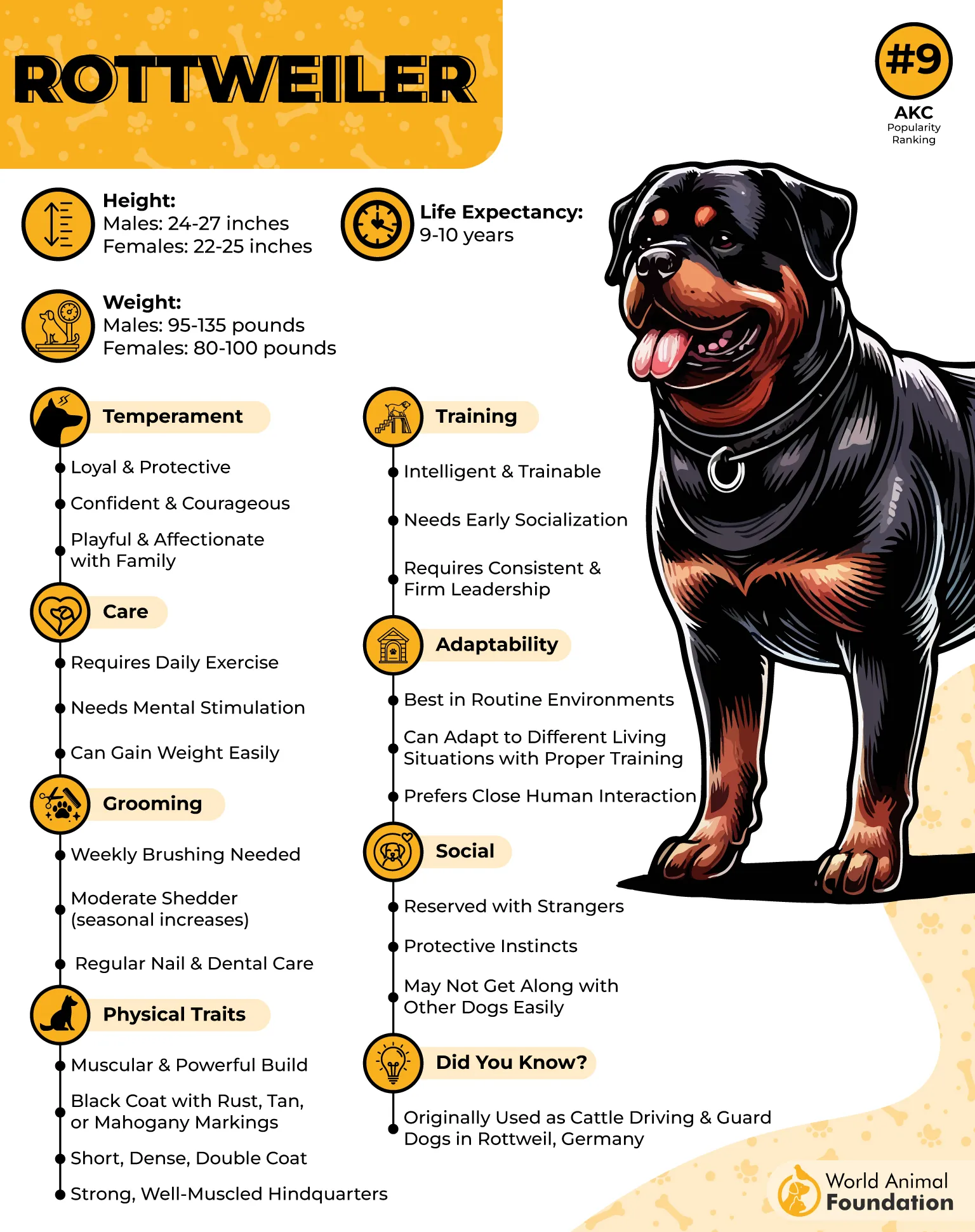
Structured training with an active mind and body
This breed thrives on early socialization, reward-based training, and clear guidance from an experienced owner. It learns quickly and responds well when expectations are consistent, making mental engagement just as important as physical exercise.
Without enough activity, it can become restless, so daily walks, interactive play, and thinking games help maintain balance, as per PDSA.
Because of its strength, supervision and responsible handling are important, especially in homes with younger children. With proper training and enough stimulation, it becomes a loyal, friendly guardian that stays alert, engaged, and deeply bonds with its family.
7. Akita
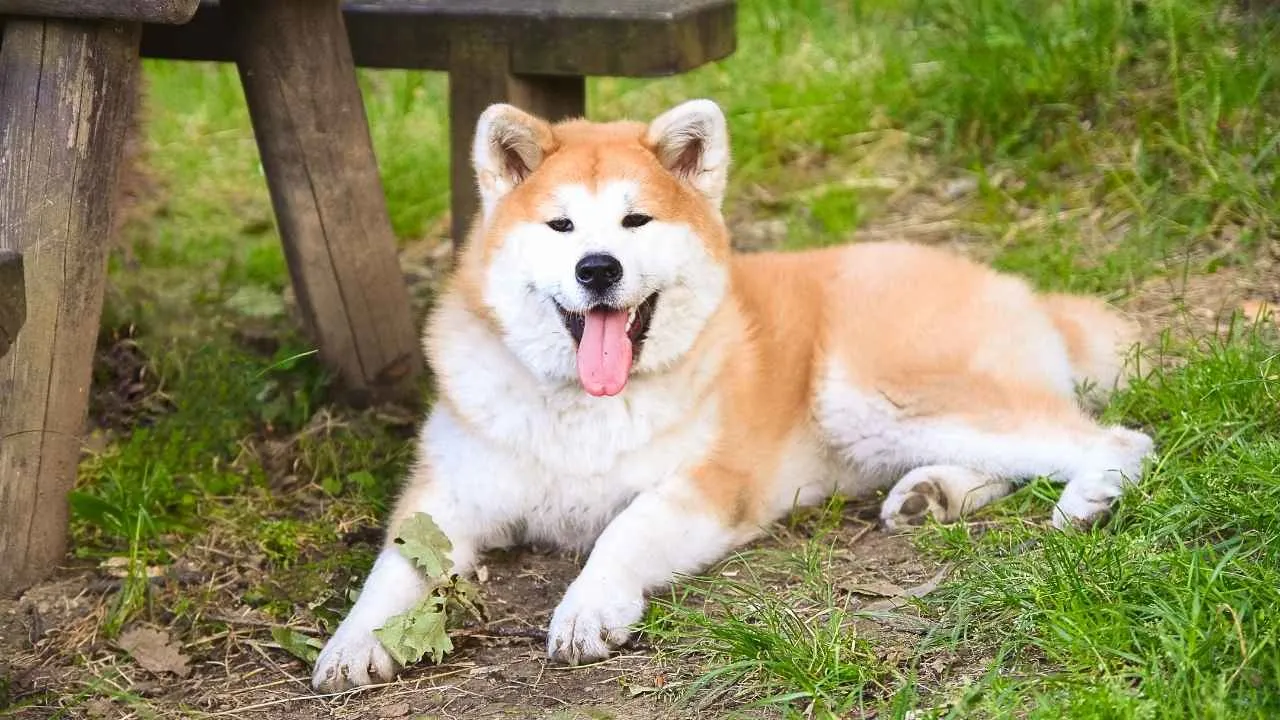
The Akita originates from Japan, developed from ancient hunting dogs known for strength, endurance, and independence. Today, it exists in two main types: the Japanese Akita Inu and the American Akita, each carrying a dignified, powerful presence, as per Omlet.
This breed is naturally protective and deeply devoted to its human family, often staying quietly observant while keeping a watchful eye on its surroundings.
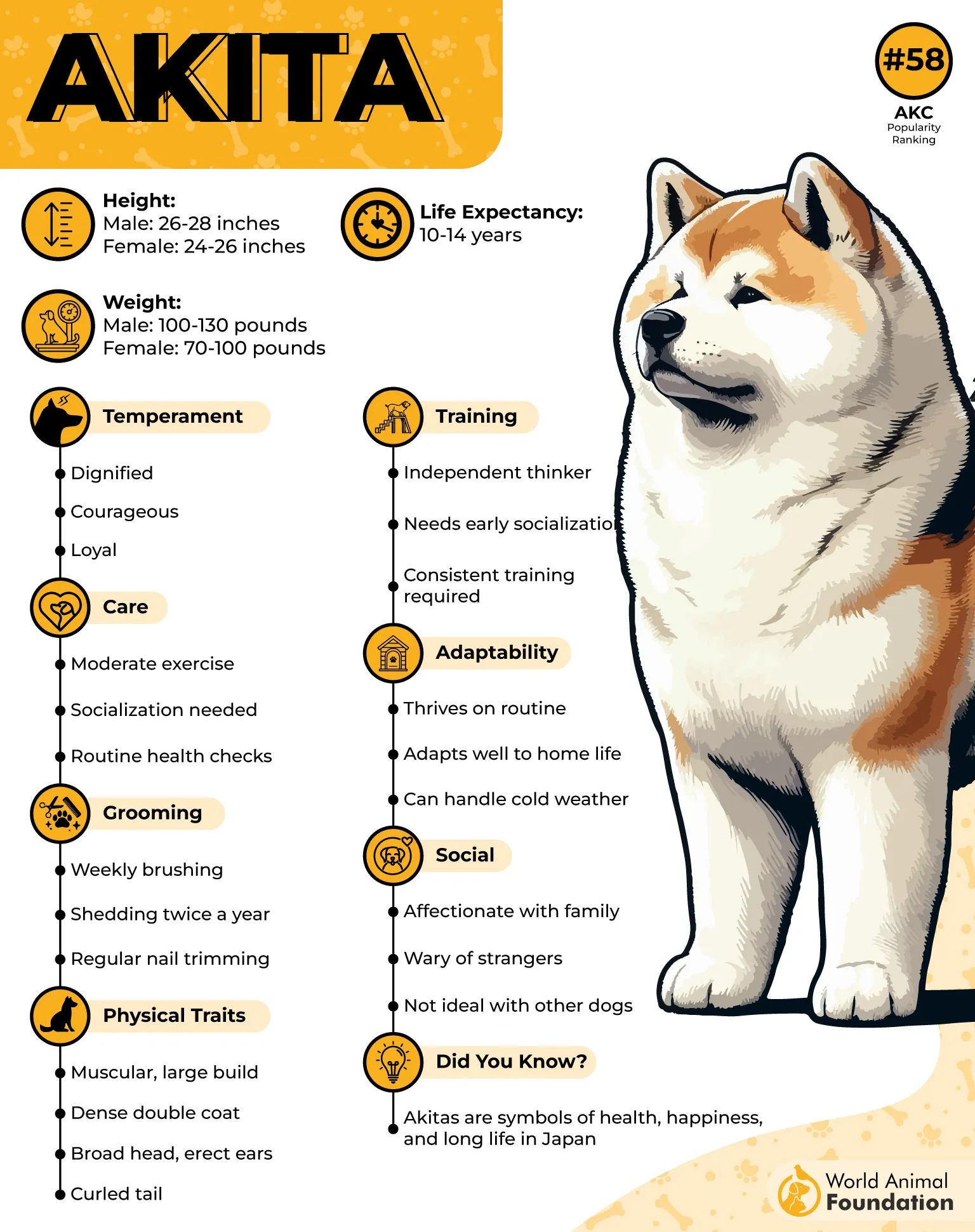
Calm routine with alert decision-making
Akitas are not overly demanding in terms of physical activity, but they still need regular walks and light exercise to stay balanced. What they enjoy more is time spent with their family, especially simple interactive games that engage both mind and attention.
They are intelligent but independent thinkers, which means training should be consistent and based on trust and structure. Early socialization is important, as they can be reserved with strangers and occasionally reactive toward other dogs.
While calm in appearance, they are always aware of their environment, making them steady home companions that prefer quiet confidence over constant excitement.
Conclusion
Across all these dog breeds, one thing stays constant: protection is never just about size or strength—it’s about awareness, loyalty, and the bond they build with their humans. From calm observers to high-energy working partners, each breed brings its own style of guarding, shaped by instinct, training, and environment.
What really stands out is how these dogs don’t just “guard a home”—they become part of it. With proper training, early socialization, and daily mental and physical engagement, they grow into balanced companions who know when to relax and when to step up.
Choosing the right protective dog is less about finding a “perfect defender” and more about finding a personality that fits your lifestyle, patience level, and time commitment. Because the best protection always comes from a dog that trusts you just as much as you trust it.
In the end, a true guardian isn’t just watching your door—it’s quietly watching your world, one loyal heartbeat at a time.
