




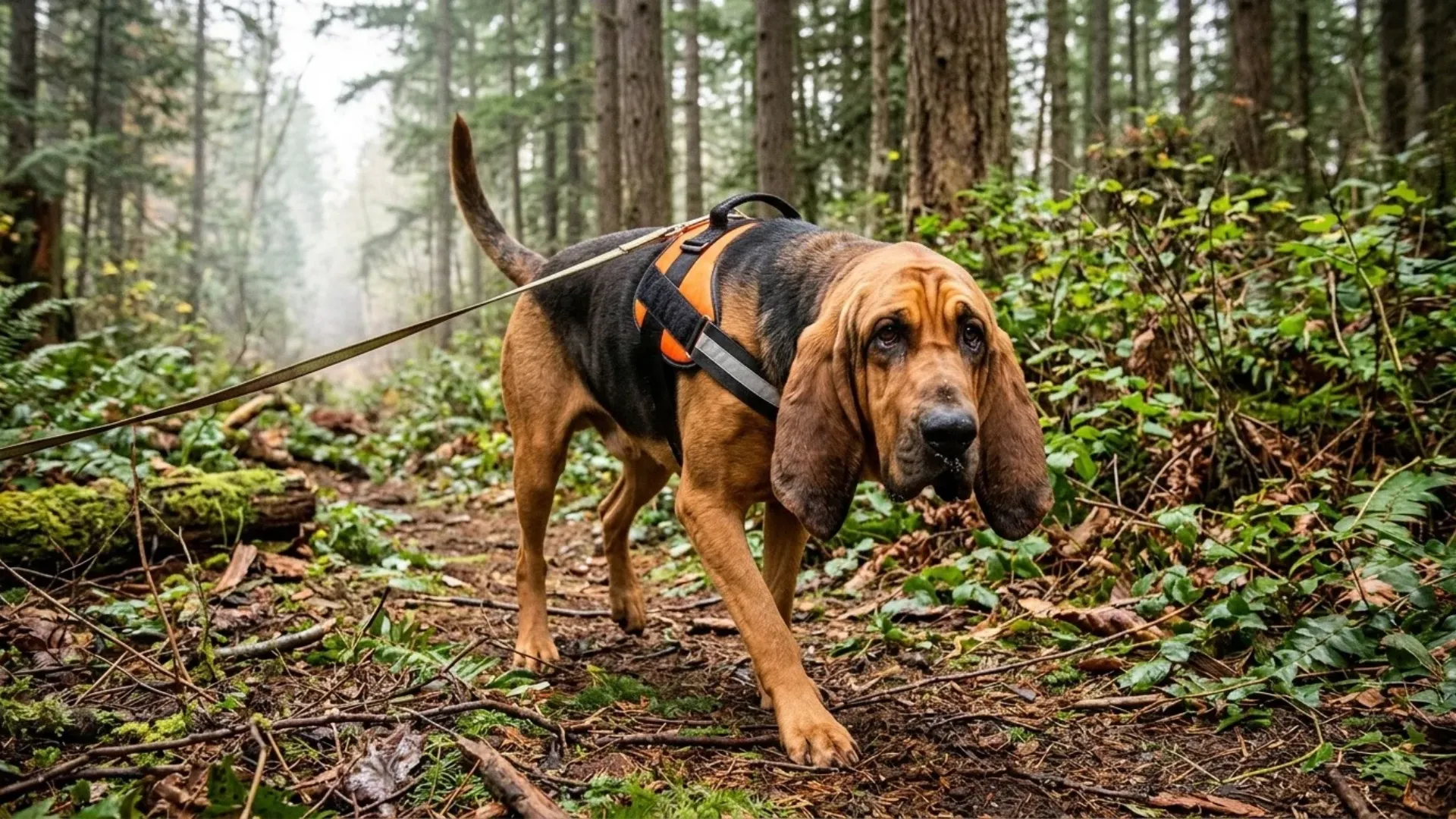
When someone goes missing, a trained dog can turn fear into hope. One sniff of a jacket, a shoe, or a patch of ground may lead a search team through woods, fields, and busy neighborhoods. These dogs are not magic; they are highly trained partners with remarkable noses, focus, and heart.
Some breeds seem born for the job. Bloodhounds can follow a person’s scent for hours, while German Shepherds and Labradors bring stamina, courage, and calm under pressure.
But the best tracking dog is not only about breed. It needs patient training, a confident handler, and a strong bond built on trust. From police work to wilderness search-and-rescue, these ten breeds show why a dog’s nose can be a lifesaver.
As the saying goes, “A dog is the only thing on earth that loves you more than he loves himself”, and some dogs turn that devotion into a mission.
Top Dog Breeds Ideal for Tracking and Recovery
1. Bloodhound
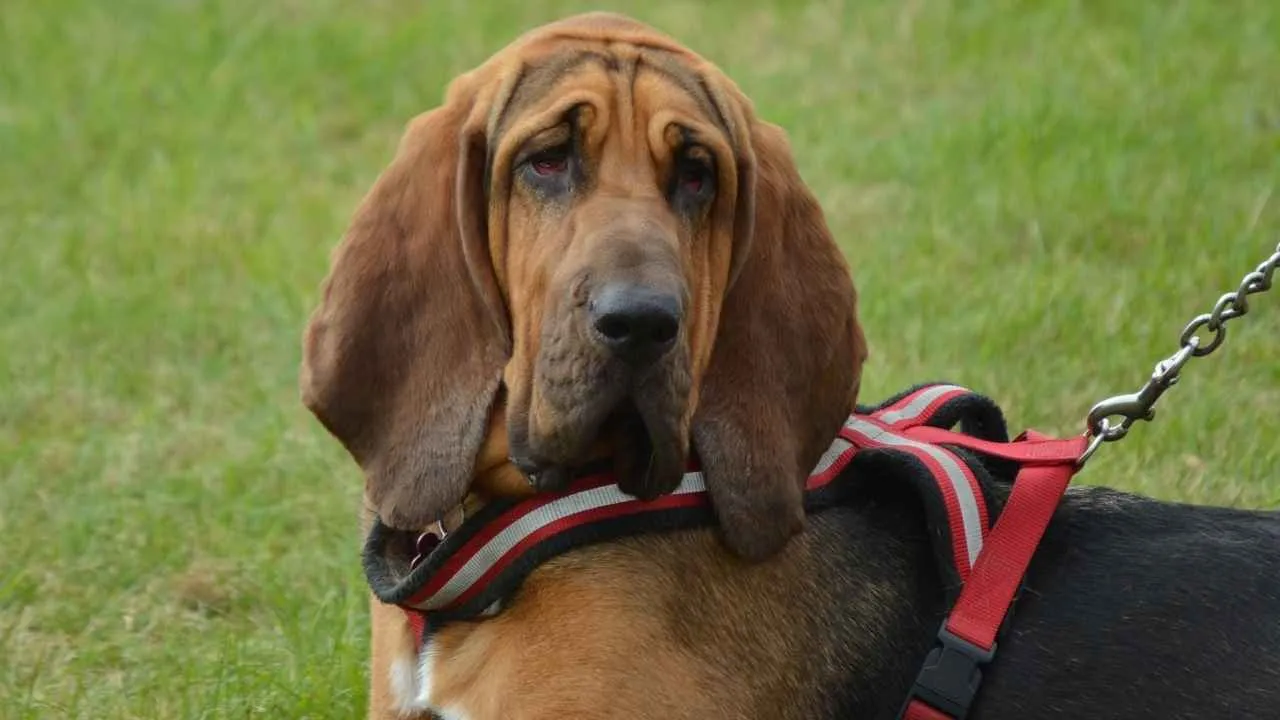
The ancient breed was developed at St. Hubert Monastery in Belgium during the 5th and 6th centuries. The primary purpose was to use its incredible sense of smell to track humans over long distances, says Hill’s Pet.
The hunting dog makes an ‘odor image’ from a scent article (as small as two shed skin cells). It is also the only animal whose tracking evidence is legally acceptable in United States courts of law. It has loose skin folds around the eyes, jowls, and neck to trap scent molecules and protect the breed from dangerous bites.
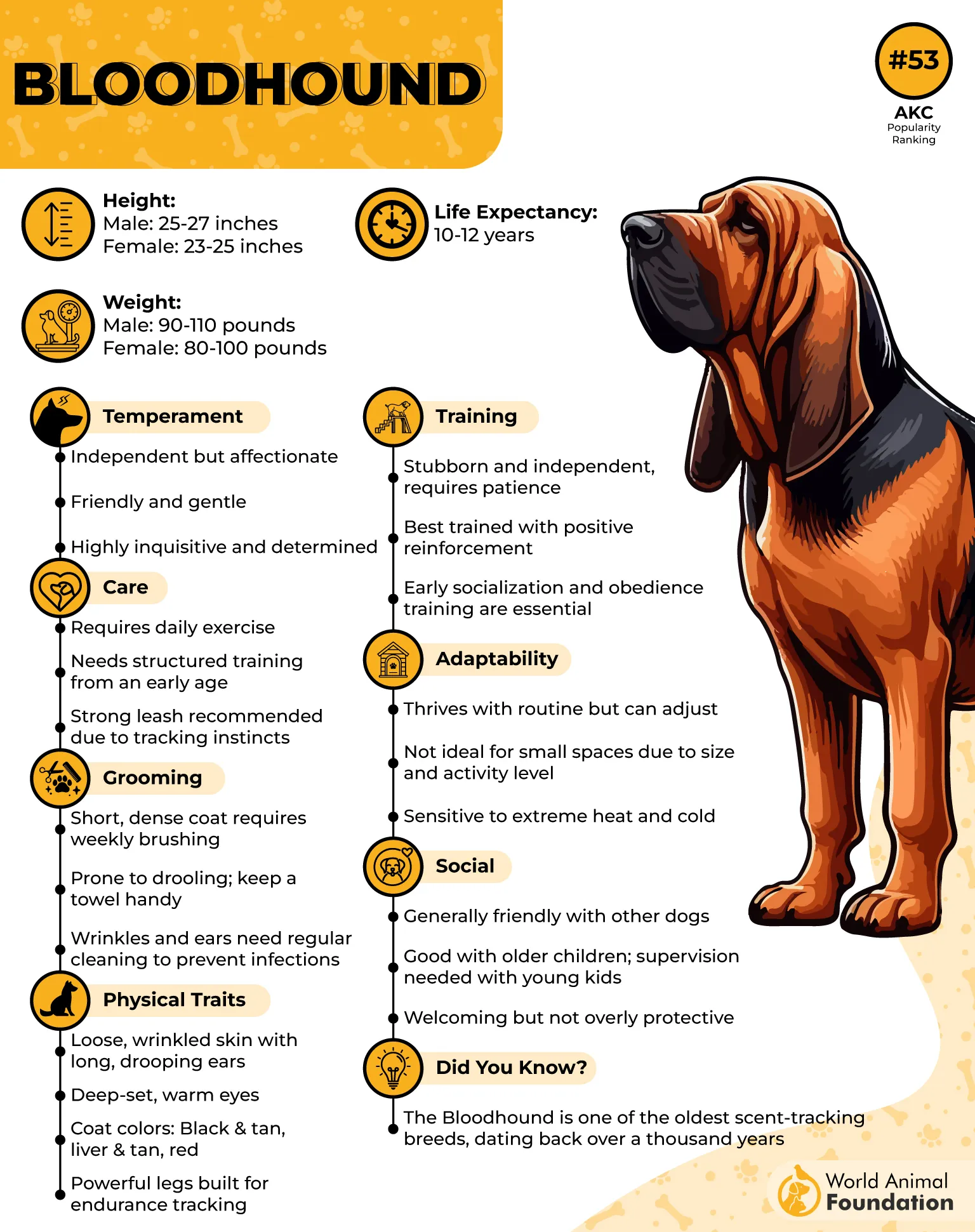
The blood trailing dog tends to walk with a low head carriage, allowing it to make ground contact for miles without neck or spine straining. It was designed to track but not attack and hence, strategically safe for recovering a lost child.
2. German Shepherd
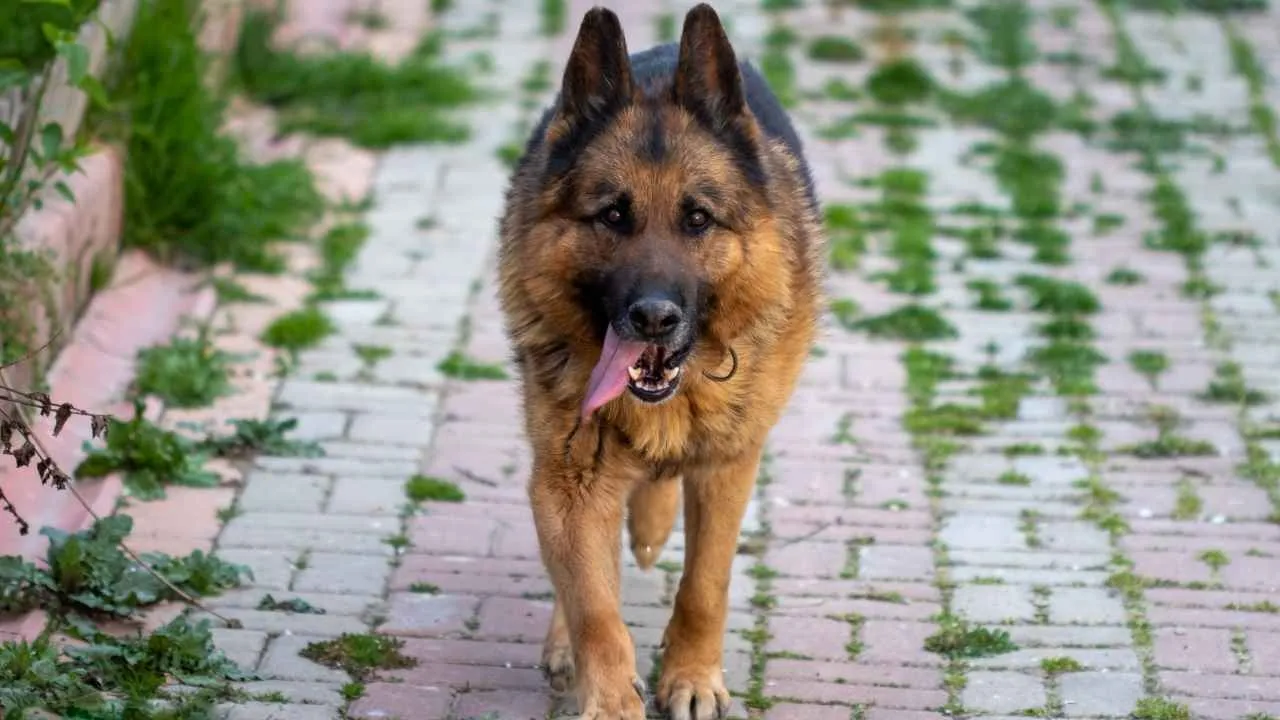
The medium-to-large-sized muscular breed was developed in Germany in 1899 as a herding breed. Known for its bravery and confidence, the dog excels in training and obedience. Today, the German Shepherd is widely used in SAR operations, bomb detection, police and military departments, etc.
The structural angulation yields a far-reaching and effortless gait. With the high concentration of rod cells in the retina, it has incredible low-light tracking capabilities during the night. The powerful pads and muscular limbs allow it to pivot, balance, and scramble across rugged terrain.
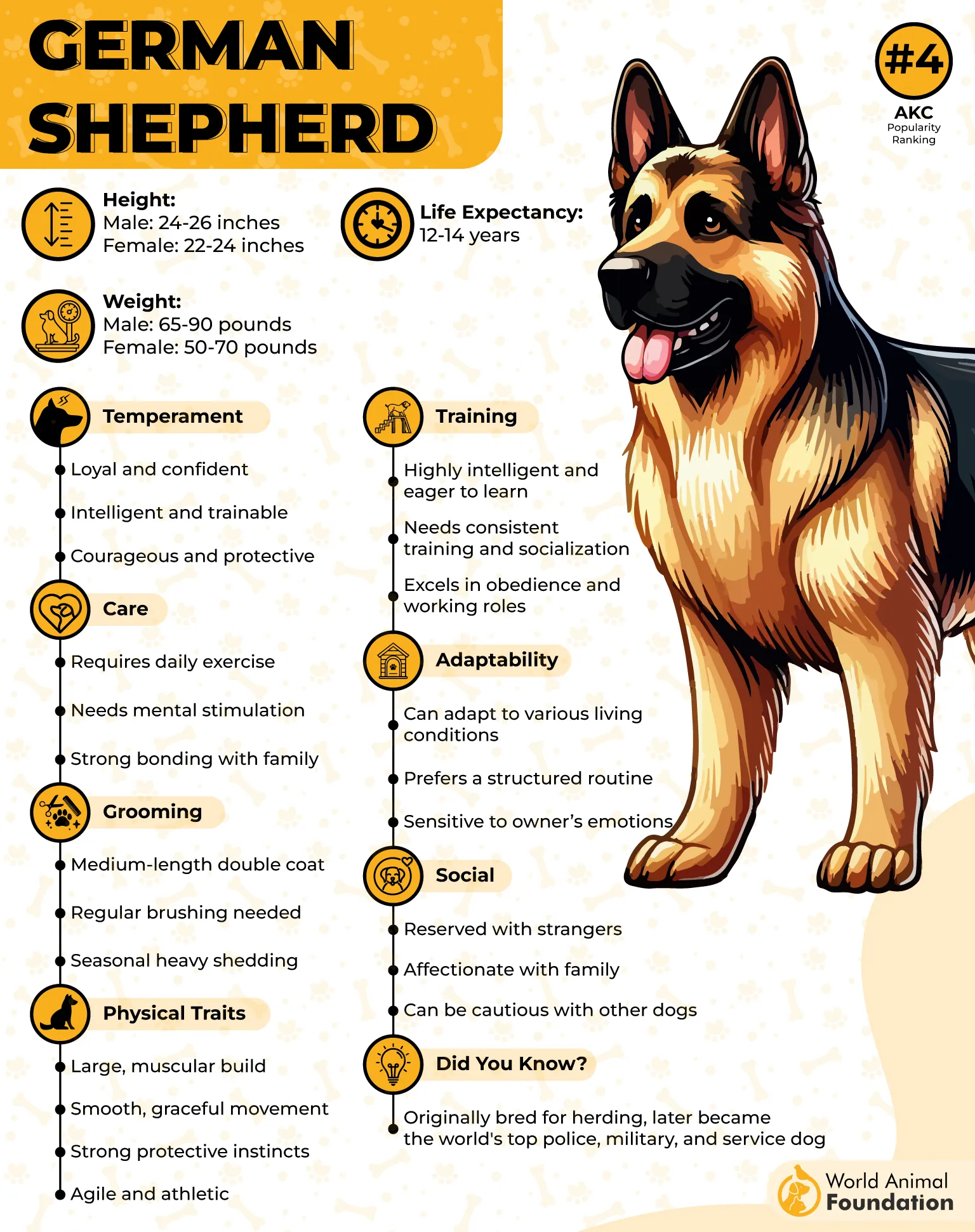
It is ranked as the third most intelligent dog in the canine kingdom; the GSD can understand multi-step command sequences and can differentiate between old and new scents.
3. Belgian Malinois
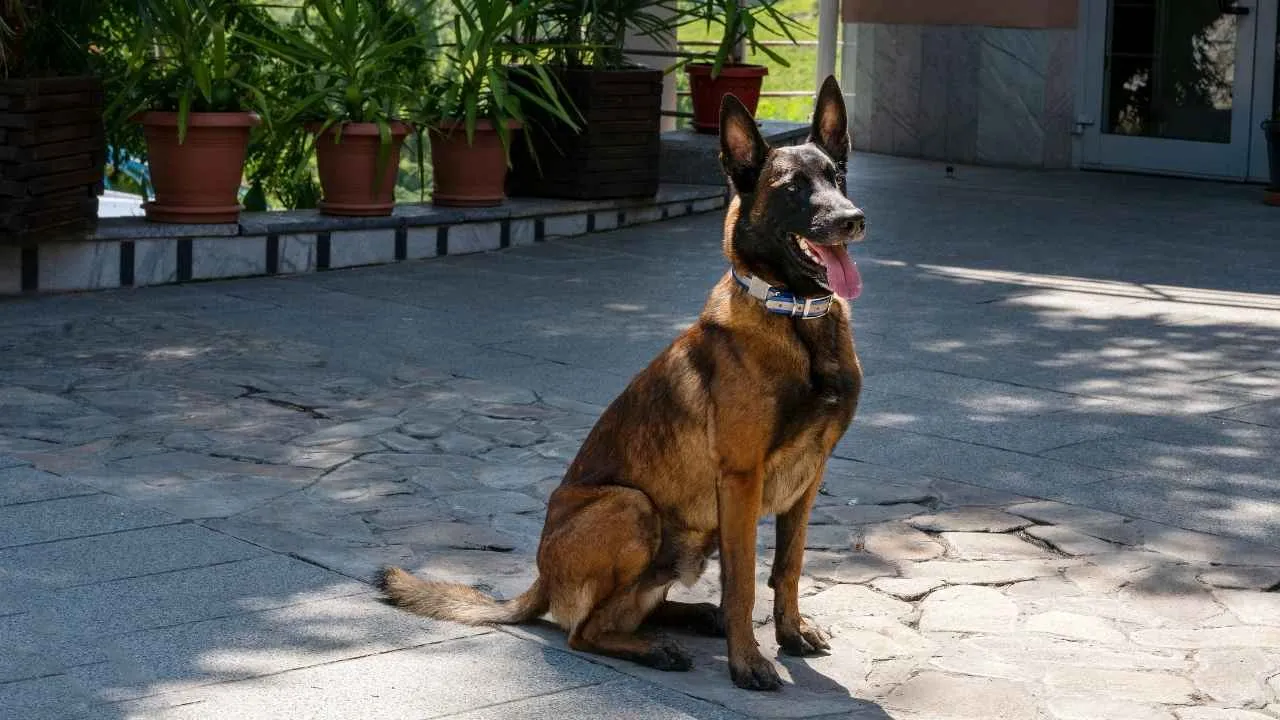
The herding companion was originally bred in Belgium, but the tracking ability, agility, high prey drive, and trainability opened the doors to other departments. Today, it is widely used for search and rescue, drug detection, police work, and is also kept as a family dog.
It is built with a lighter frame and narrow dimensions, which allow it to conserve energy over long distances. This breed tends to run at a high speed of 30 mph. It is capable of identifying complex spatial and structural patterns and can memorize micro changes in the terrain or scent.
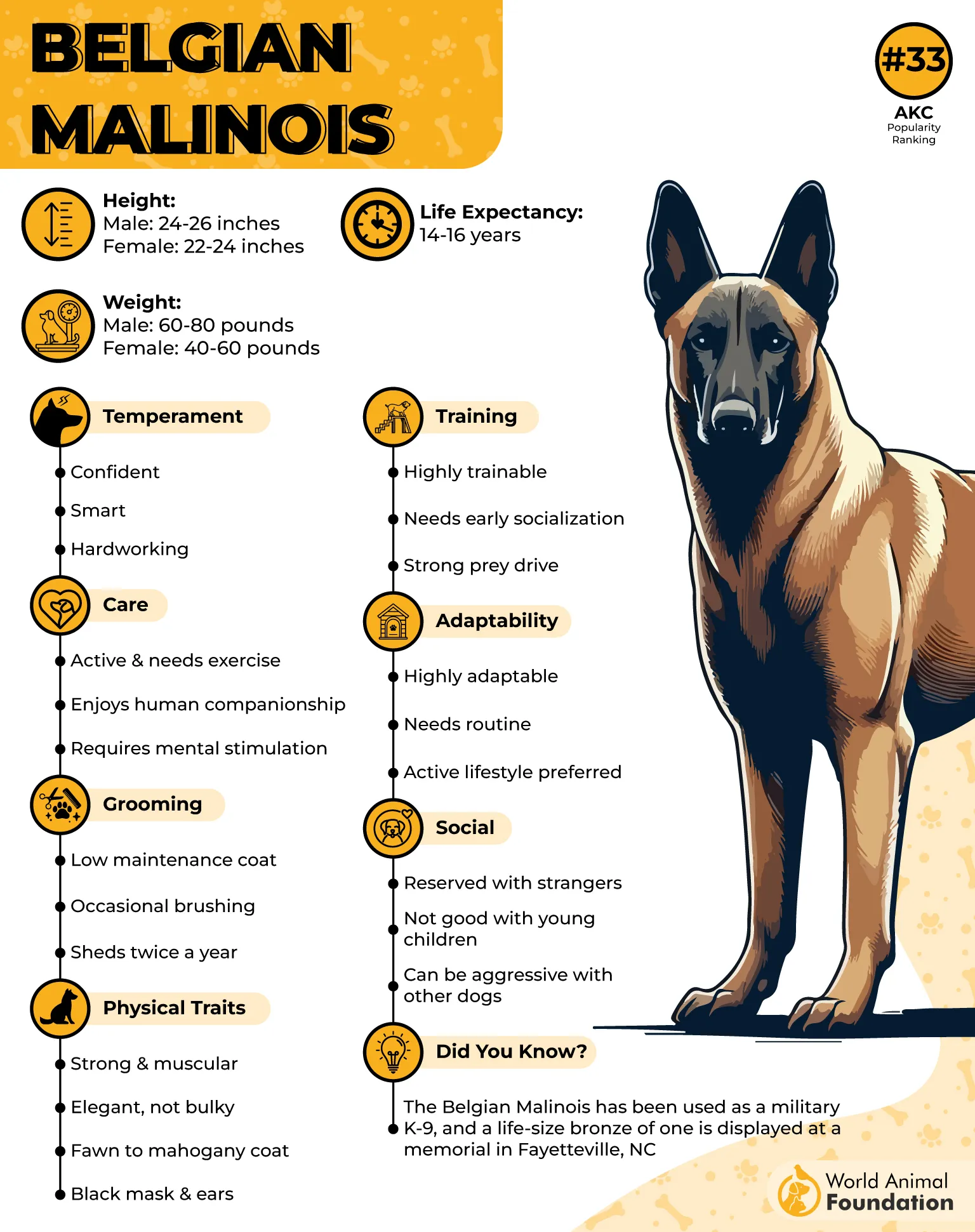
The breed can easily jump over 6-8 ft obstacles. The dog can anticipate environmental changes and locate a target before humans do. Since the breed forms strong bonds with the owner, it tends to work closely with them.
4. Labrador Retriever
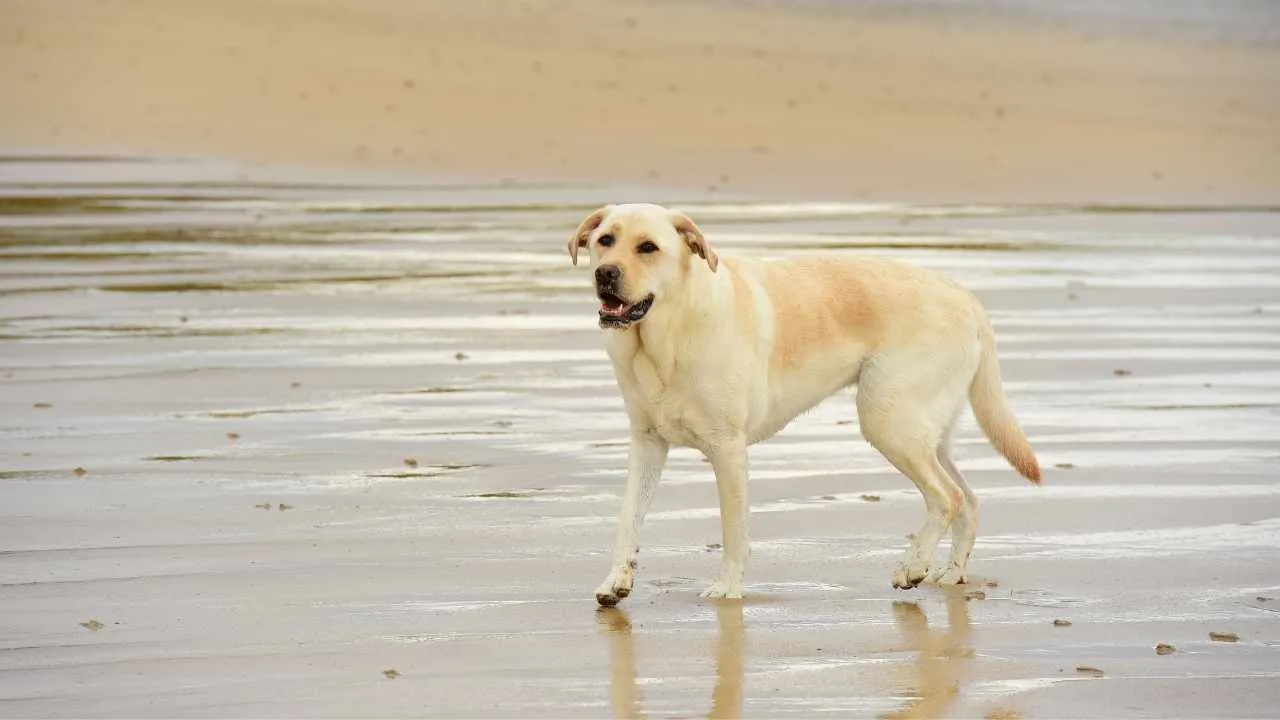
The dog was descended from the St. John’s water dog, imported from Canada and used on fishing boats. It was then used as a gun dog when brought to England. After being further refined over the years, it was used to retrieve waterfowl during hunts, says the Royal Kennel Club.
The neuromuscular jaw control provides a soft mouth, and the dog retrieves the target without physically harming them. The ‘otter tail’ acts as a powerful rudder in water, while the webbed feet make it an exceptional swimmer. It has a high threshold for environmental discomfort.
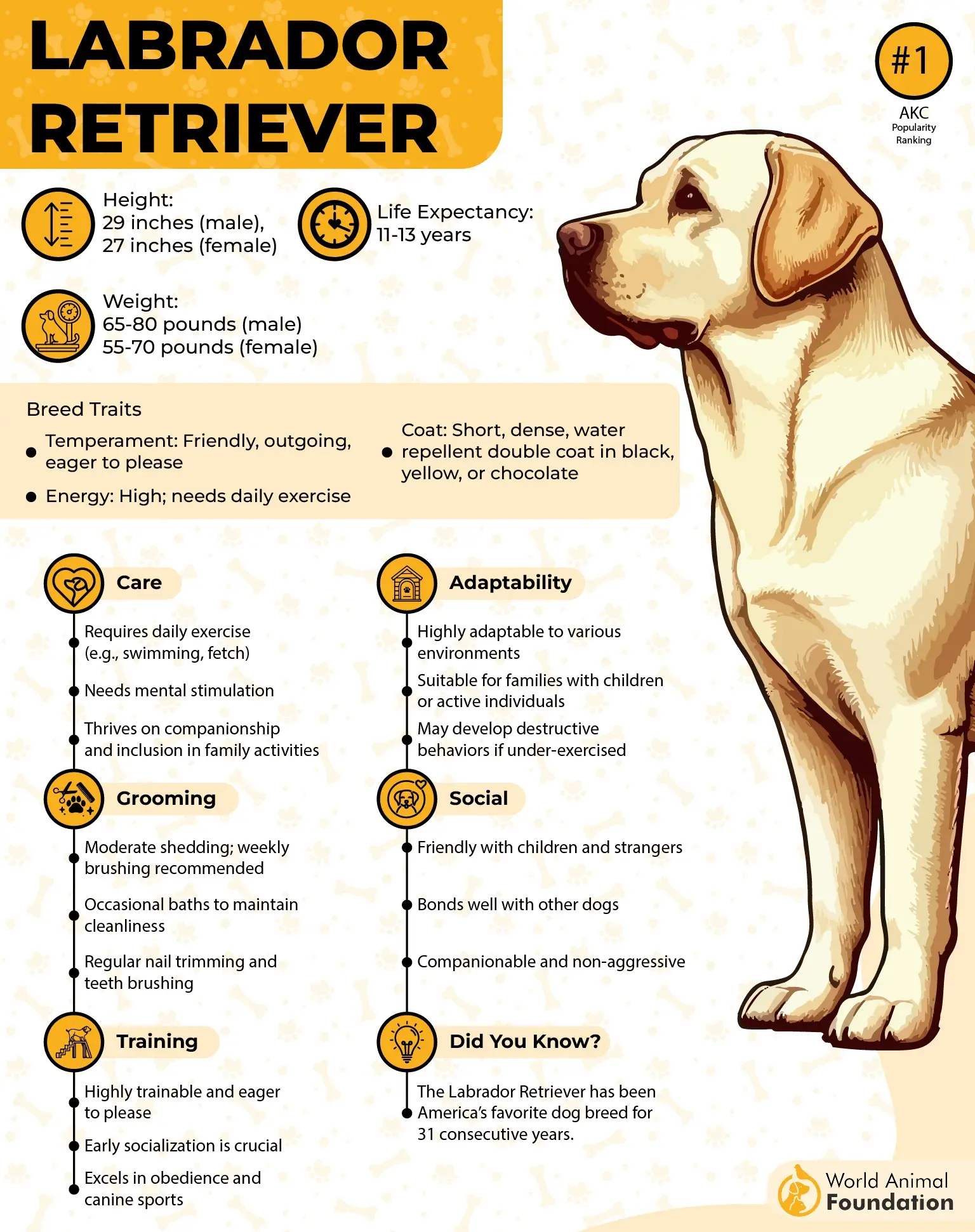
The dog uses its keen sense of hearing and sight to map out exactly where the object or person was lost. It tends to make constant eye contact and check-in loops with the handler while working.
5. English Springer Spaniel
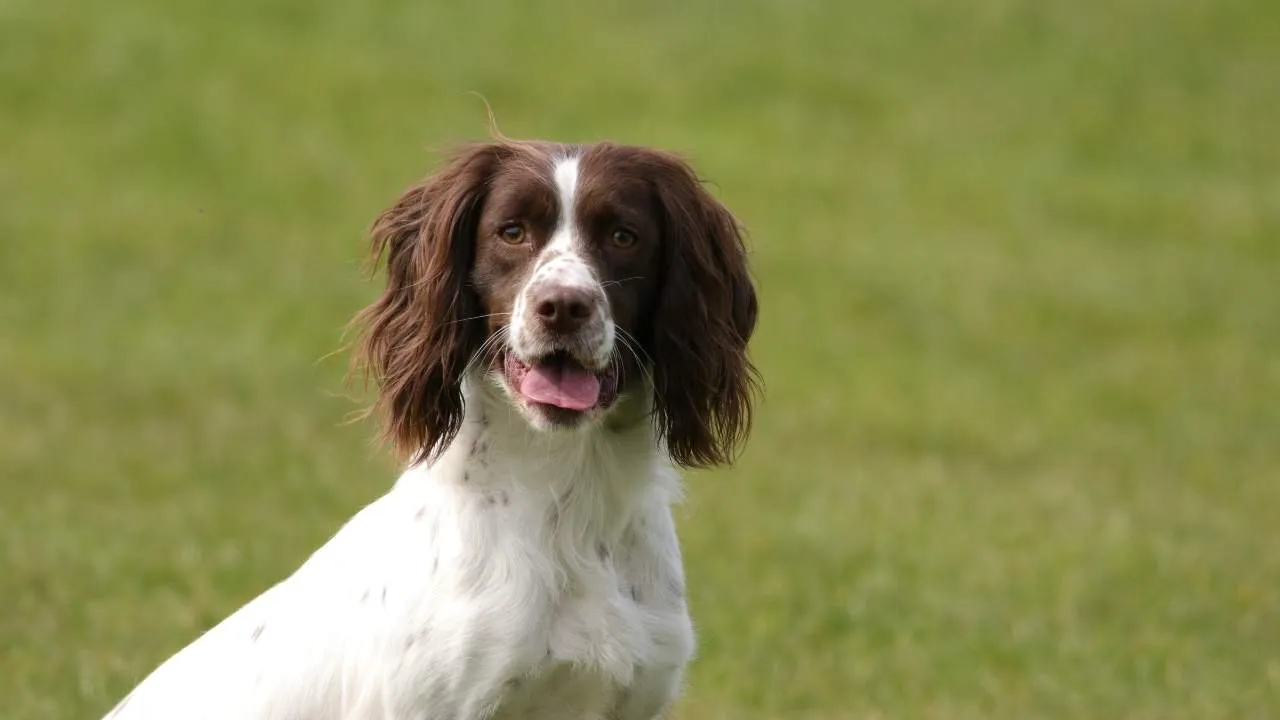
The word ‘springer’ in the name refers to its hunting strategy, where it chases birds into flight. The breed is known for its wavy outer coat, floppy ears, and a cheerful demeanor. This Spaniel breed is also known for its show dog ability.
Its weather-resistant double coat repels water because of its oil production. It is programmed with a genetic drive to self-regulate energy and adopts a rhythmic pattern to chase its target. The breed uses both ground tracking and air scenting abilities depending upon the environmental disruptions.
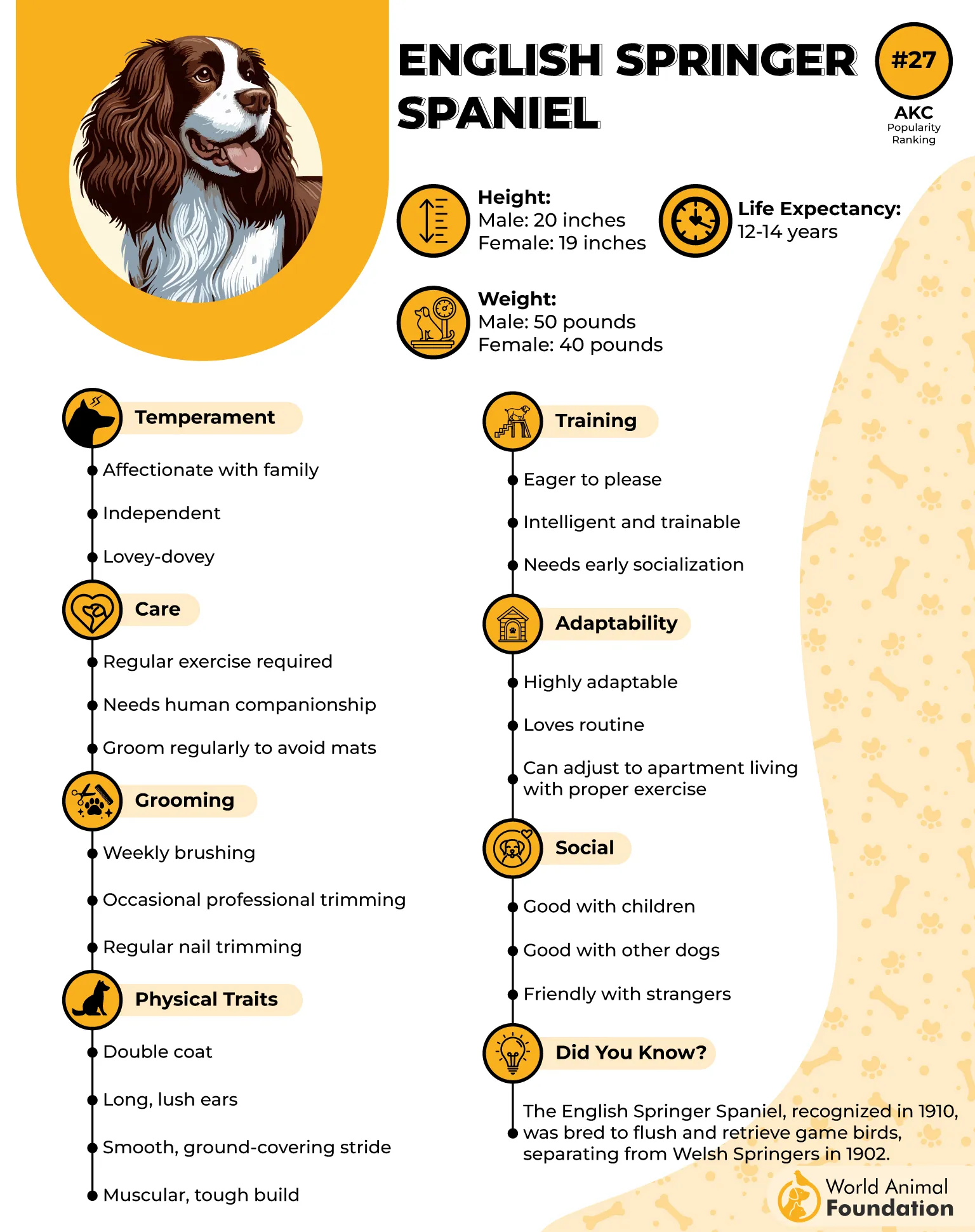
The high-energy breed tends to move back and forth in zig-zag patterns to cover a large surface area for tracking. The slightly webbed paws provide maximum traction on slick terrain.
6. German Shorthaired Pointer
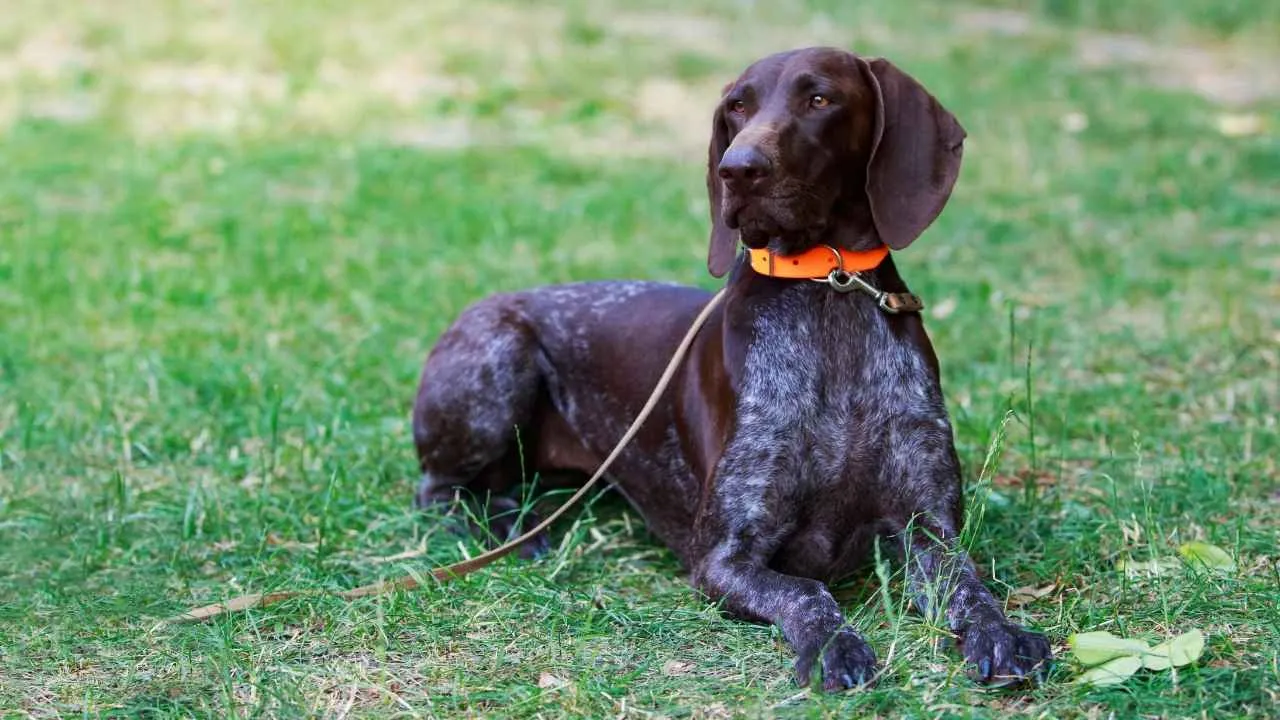
The all-in-one hunting dog was developed in Germany in the 19th century. It excels in tracking, pointing, and retrieving game. The breed thrives on both the water and land.
The deep chest provides a massive lung capacity that facilitates optimal oxygen consumption to sustain intense tracking. The almond-shaped dark eyes provide sharp peripheral and motion-detecting vision. The distinct feet act as natural flippers and assist in swimming and efficient waterfowl recovery.
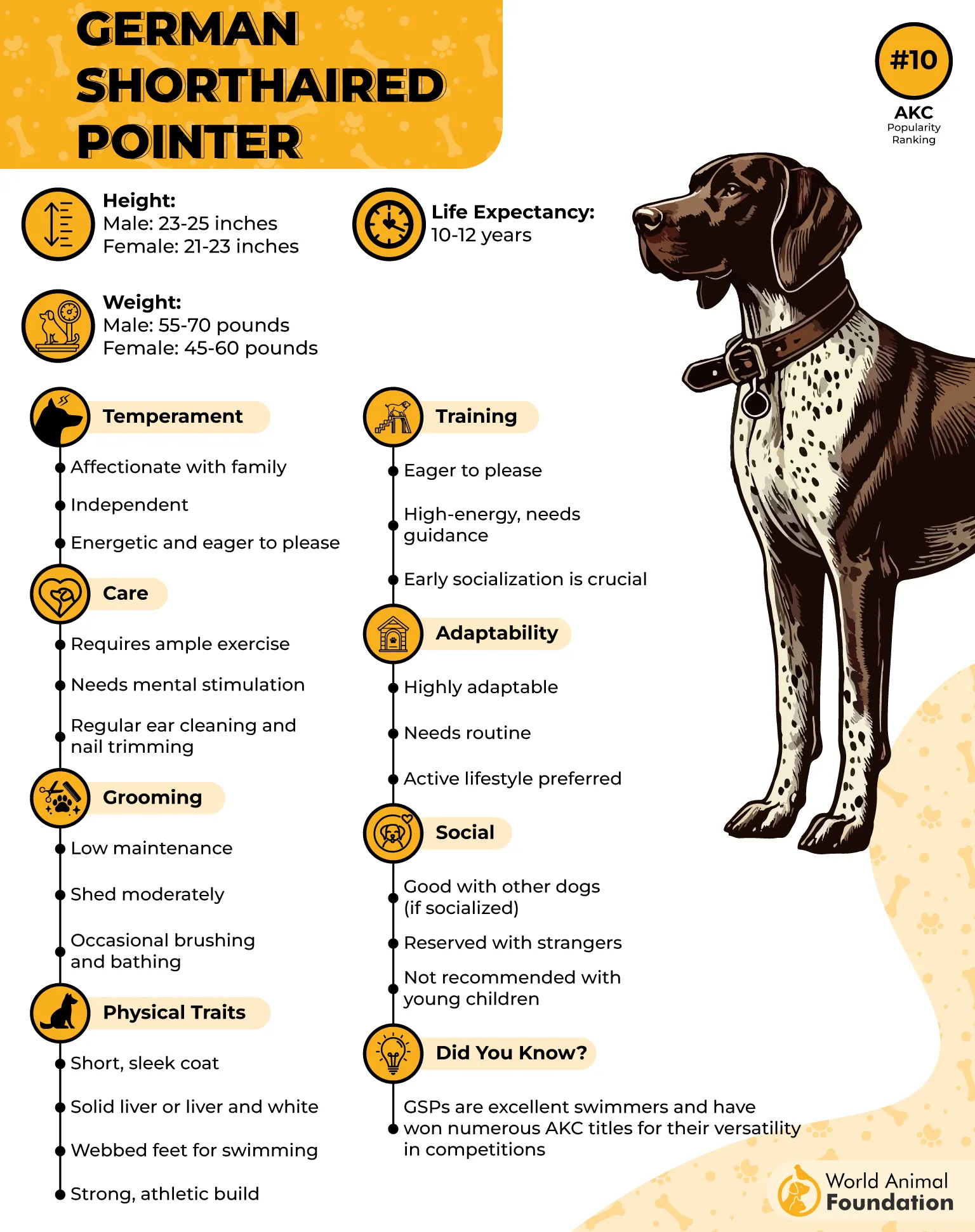
Since the versatile gun dog is a mixture of the Old Spanish Pointer and the Hanover Hound, it carries steady pointing and strong blood-tracking instincts. It excels in tracking a cold trail blood left by a wounded large game.
7. Brittany
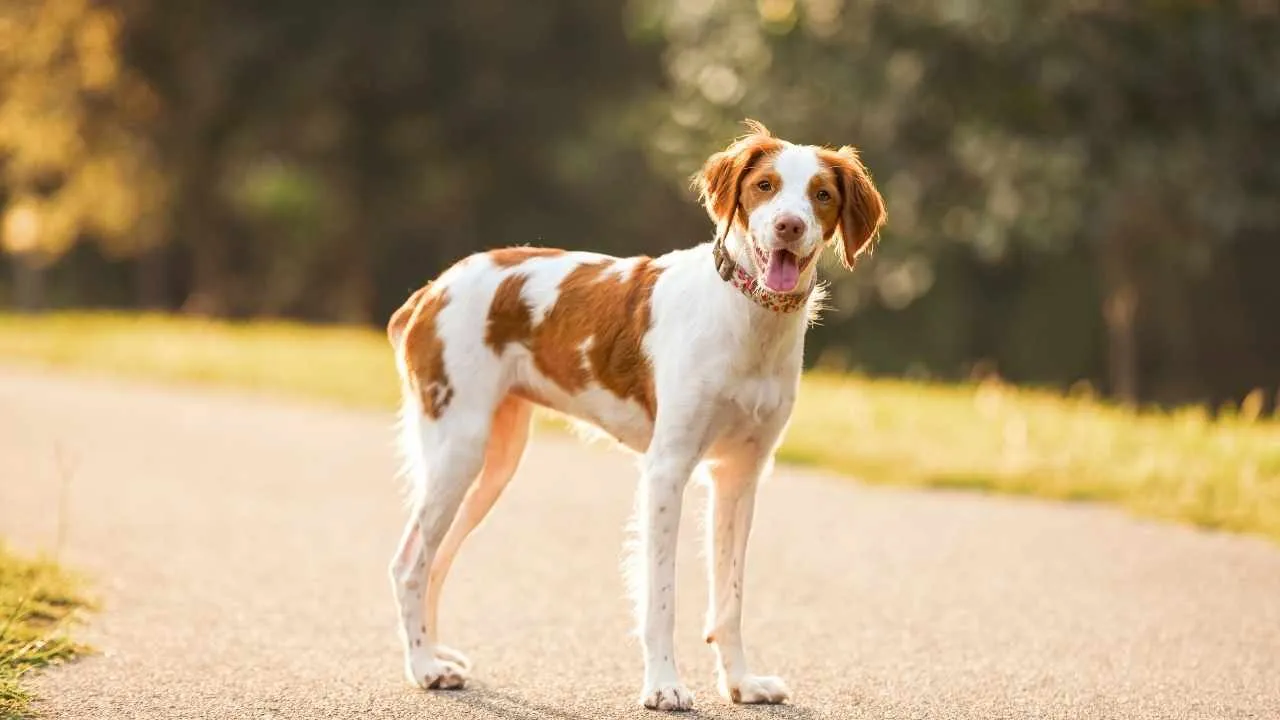
The gundog was originally bred in France and was developed by using the small field spaniel and the English setters. The purpose was to breed a dog that thrives in pointing, hunting, and retrieving, as reported by Omlet.
The long legs provide a high clearance, sweeping gallop. The advanced nasal cavities enable it to detect cold scent trails from immense distances. The floppy, high-set ears act as funnels that capture scent molecules and direct them to the nostrils. The well-knuckled pads allow it to traverse rugged terrain.
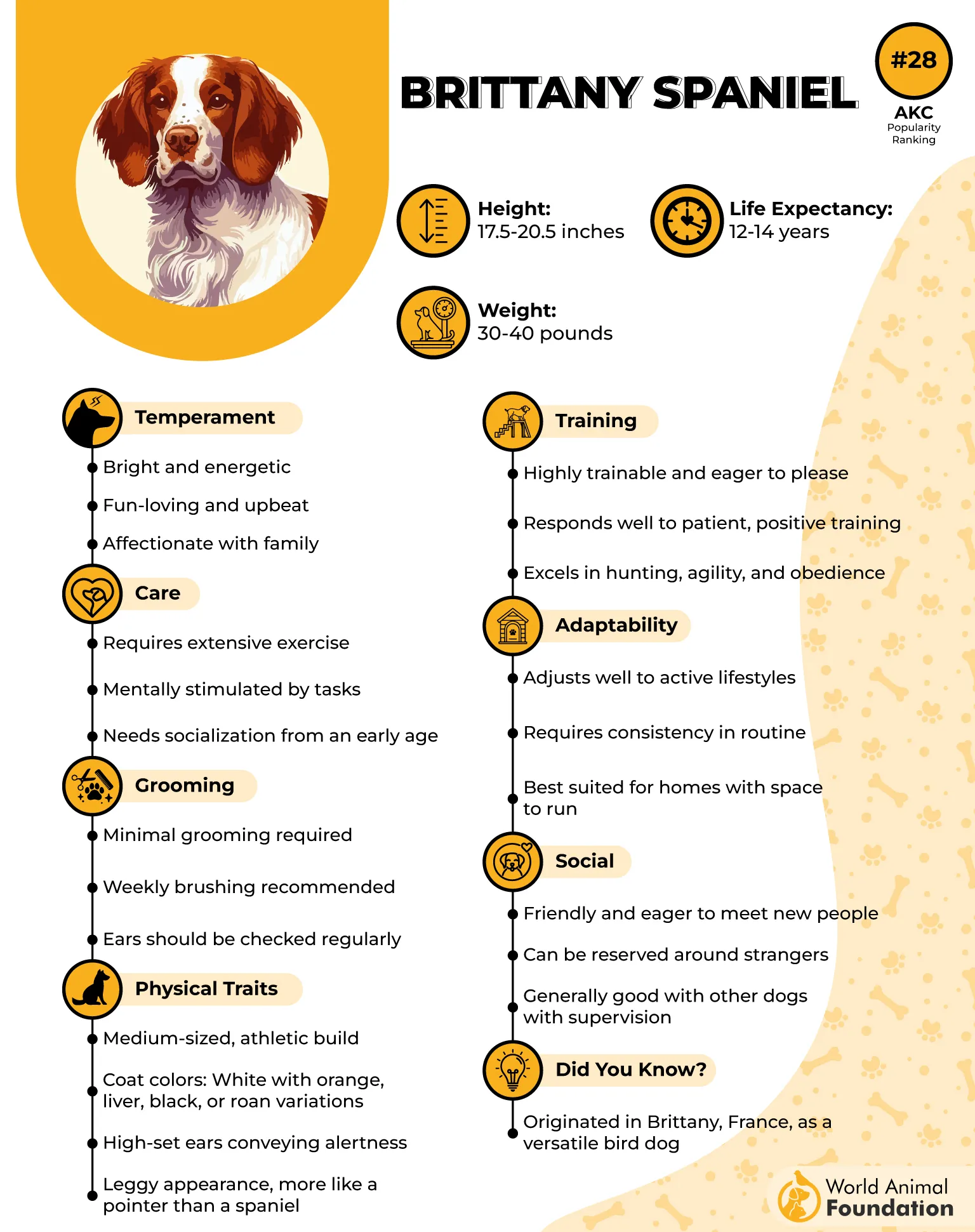
Being an independent thinker, it tends to work without the handler’s instructions. The dog freezes mid-stride upon detecting the game and points in the direction of the target.
8. Beagle
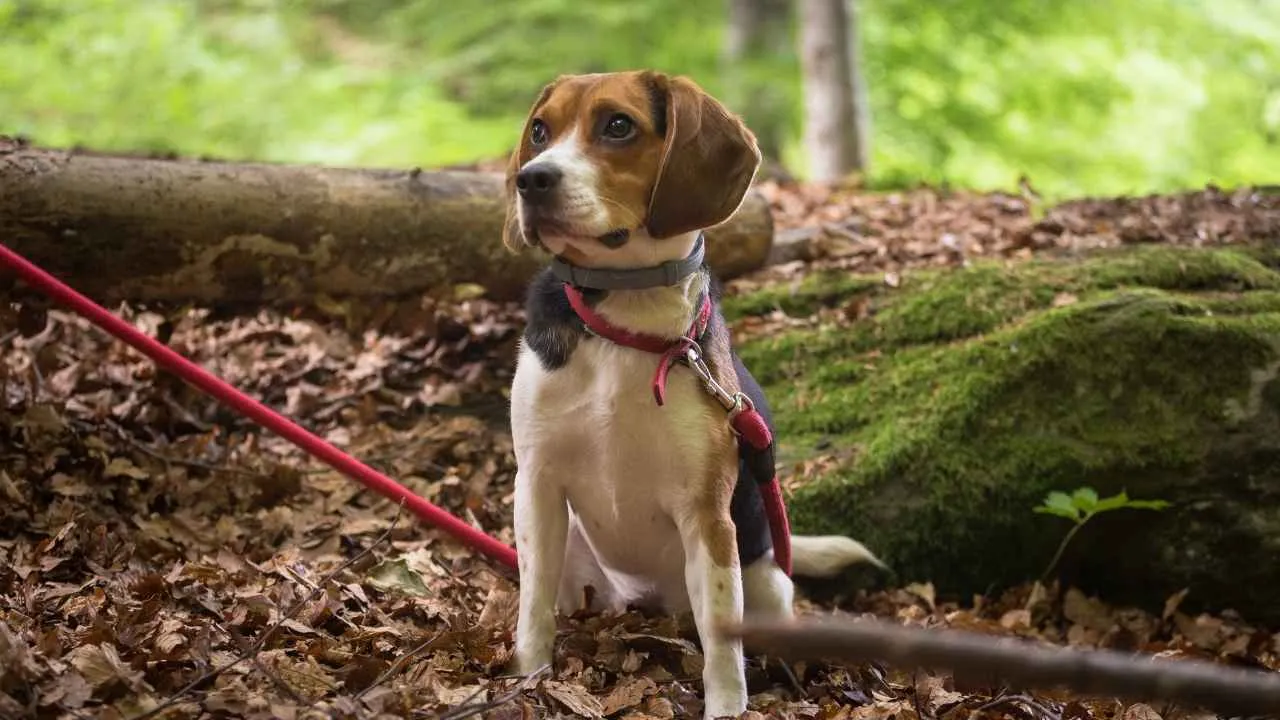
The ancient dog breed got its name from a Gaelic word “beag,” which means ‘little.’ A similar dog was found in England before 55 BCE, where it was used as a pack hunter for rabbits. Today, it is widely kept as a hunting companion and a family pet.
The white tip on the tail acts as a visual beacon for the hunters, as they can easily detect it in dense bushes. The double-layered short coat protects the breed from external stimuli. Since it was bred to work in packs, the breed lacks dog-on-dog aggression.
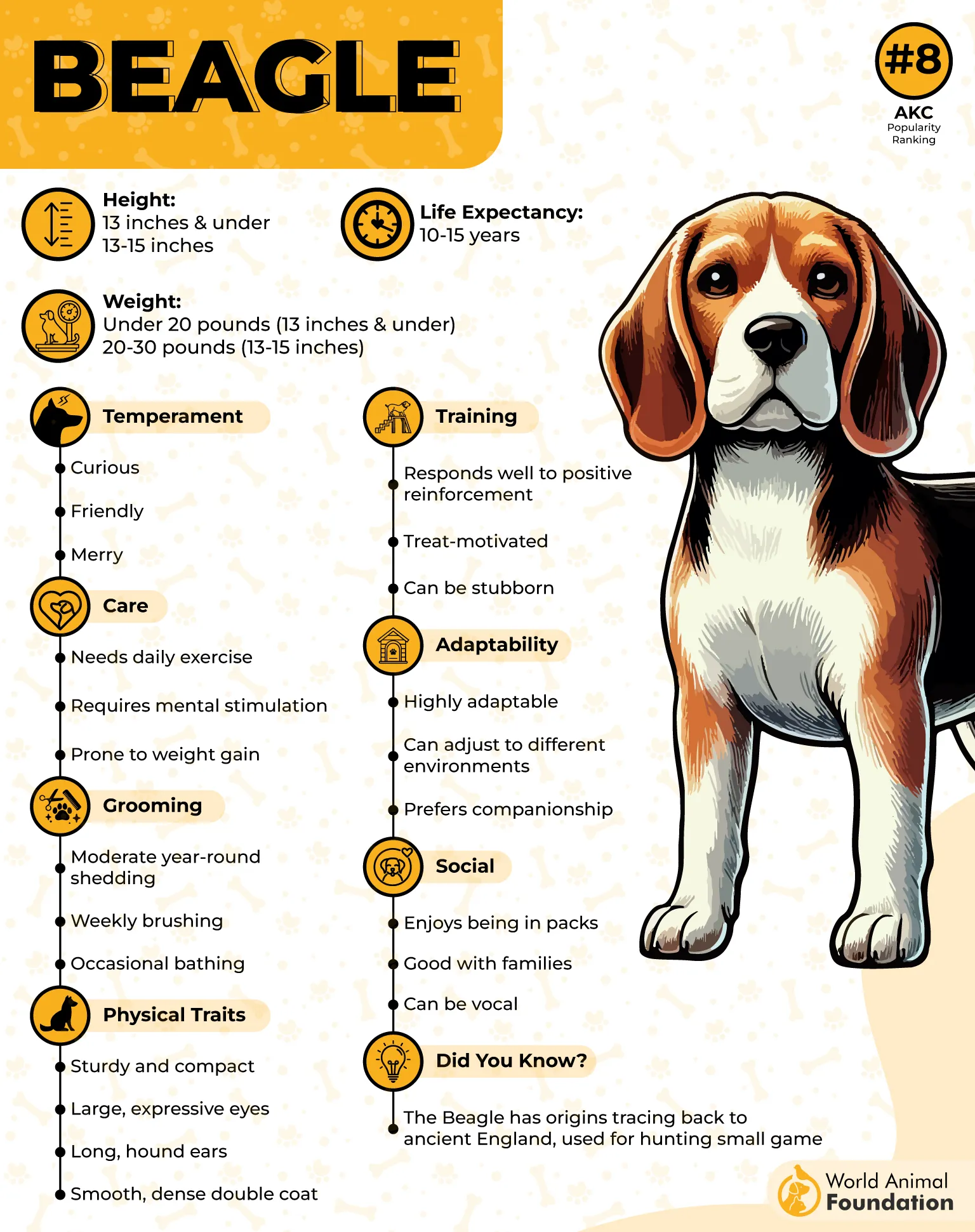
The breed has a sharp focus and does not give up on the target easily. It has three distinct vocalizations: a bark, a howl, and a bay. The Beagle strategically uses its loud bay on the field to communicate with the owner.
9. Basset Hound
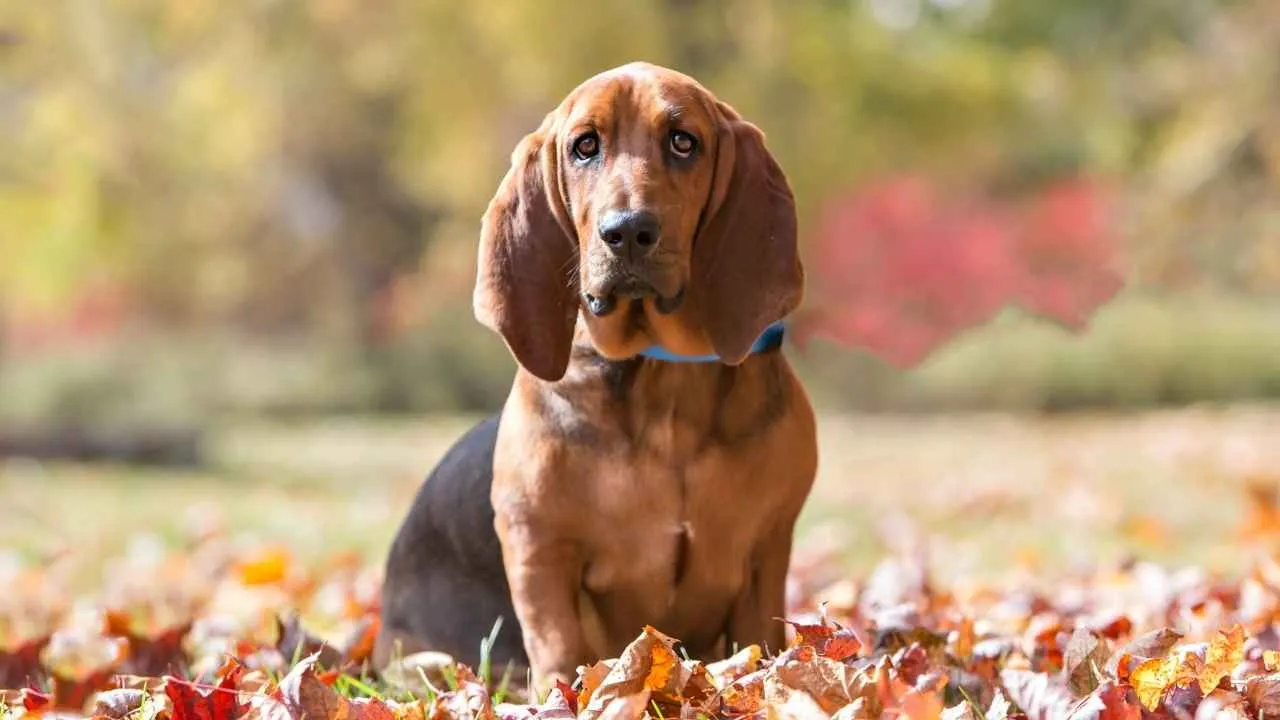
The low-slung, heavy-bodied breed was developed in France in the 16th century for rabbit hunting. The breed was further refined in the 19th century in England and is known for slow-paced hunting.
With up to 220 million scent receptors, the dog can discern microparticles of old and cold trails. The loose, wrinkled facial skin traps scent particles and directs them to the nose for advanced processing. The small stature, short legs, and long spine were intentionally designed to navigate through tight spaces.
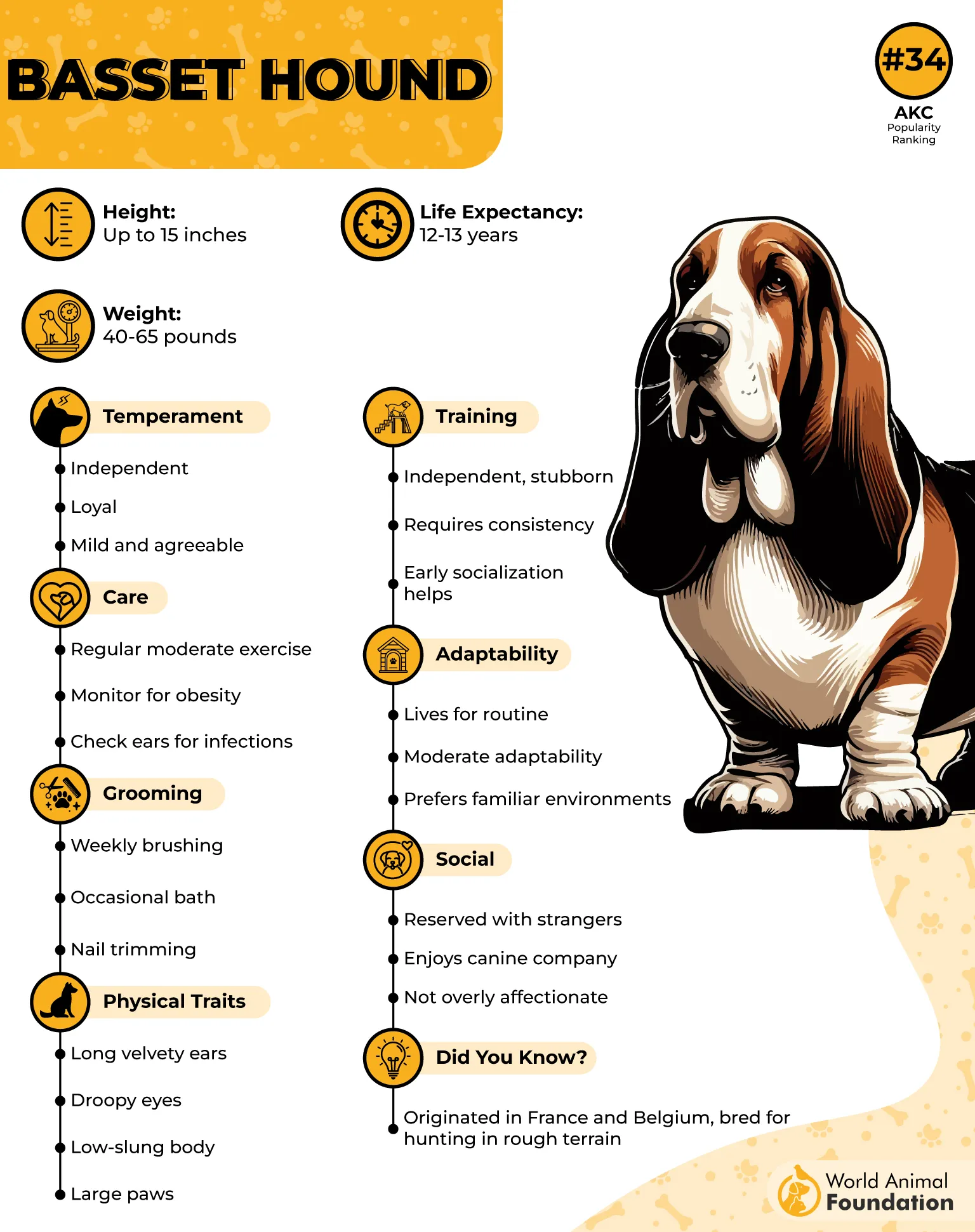
The ringing bay allows the handler to easily track the dog’s location by sound across long distances. It excels at ignoring external distractions once its nose locks onto the target.
10. Dutch Shepherd
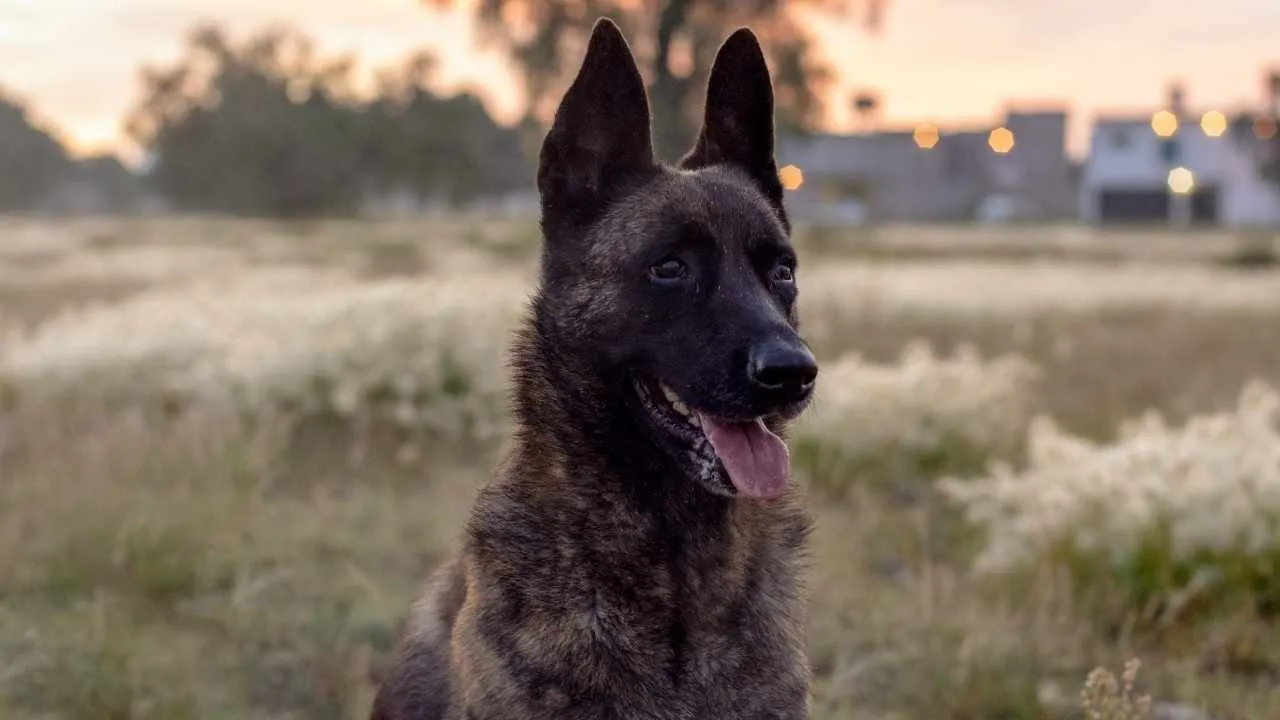
The breed was developed in the rural Dutch areas in the 18th century as a herding breed. However, it was later adopted for pulling carts and guarding property. The medium-sized dog typically lives 12- 15 years.
The large and erect ears provide exceptional directional hearing. The golden or silver brindle coat creates a natural camouflage in shifting shadows and bushes. The dog adapts smoothly to extreme seasonal changes, maintaining physical output and drive while tracking.
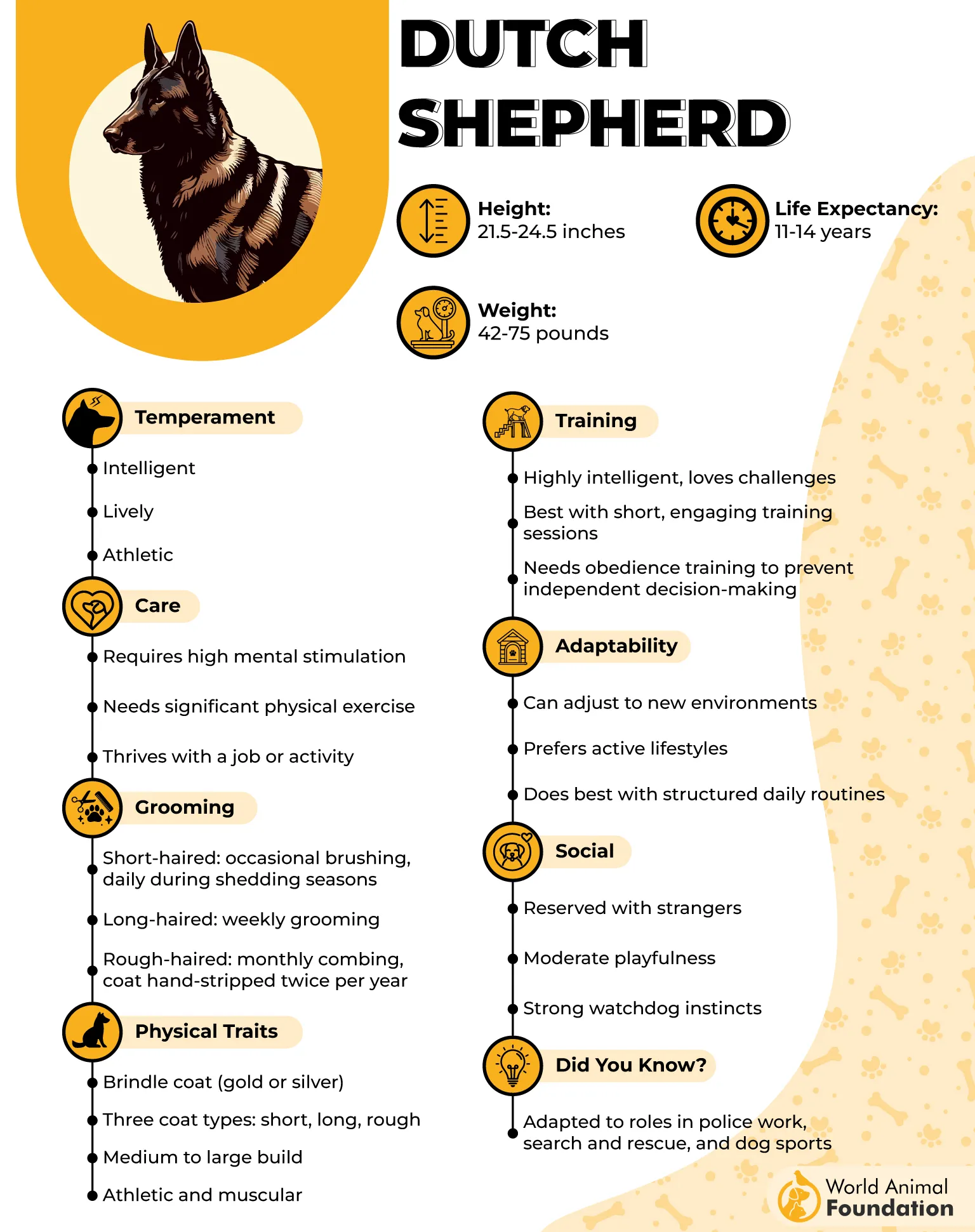
The dog treats scent puzzles as an engaging game. The alert and stable temperament enables it to stay sane and calm in stressful situations.
Conclusion
Choosing a tracking or recovery dog is about more than picking the breed with the best nose. It is about matching a dog’s energy, temperament, and instincts to your lifestyle and goals. A Bloodhound may be perfect for long scent trails, while a Labrador or Springer may fit a handler who wants a versatile, people-focused partner. High-drive breeds such as the German Shepherd, Belgian Malinois, and Dutch Shepherd need experienced handling and daily purpose.
Scent hounds like the Beagle and Basset bring persistence, while sporting breeds add speed and enthusiasm. Whatever breed you choose, success comes from trust, patient training, proper safety practices, and realistic expectations.
