





Surprisingly, a dog’s size alone does not determine whether it can handle the wilderness. When the trail disappears into dense forest and the weather turns unpredictable, stamina, alertness, adaptability, and reliable training can matter far more than appearance.
Picture a quiet campsite surrounded by towering trees, unfamiliar sounds, and miles of rugged ground. The right canine companion can eagerly tackle the adventure beside you, staying focused through changing terrain while bringing the instincts and resilience outdoor life demands.
From long hikes to remote campsites, certain breeds are better equipped for demanding adventures when properly trained and cared for. These dogs combine practical abilities with the courage and energy that make every journey into the wild feel even more rewarding.
FACT: Dogs have highly developed senses and physical abilities that can make them valuable companions in demanding outdoor environments.
Dog Breeds Ideal for Forest Camping and Survival Skills
1. Australian Shepherd
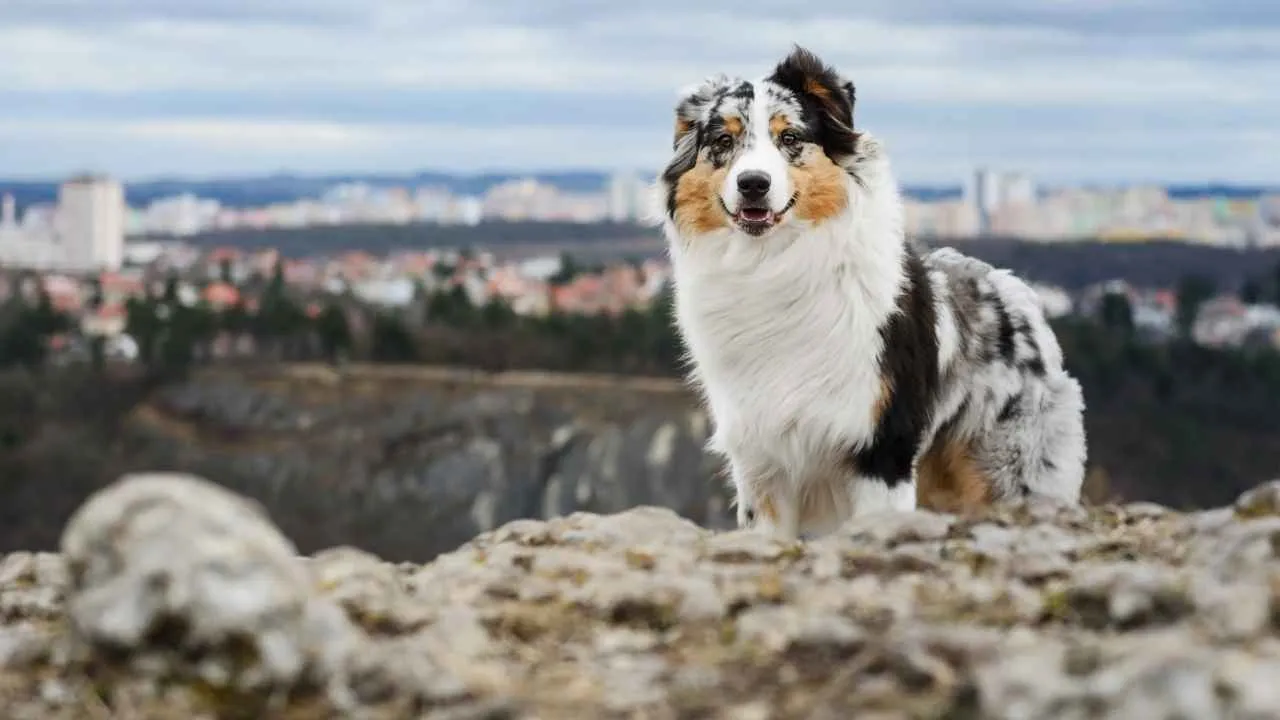
The Australian Shepherd is the agile trail partner that wants to be involved in every part of a forest adventure. Rocky paths, uneven ground, and thick brush rarely slow this athletic working breed, which developed the stamina to handle demanding conditions on large properties.
Long hikes can suit an Aussie well, as its high energy and endurance allow it to stay active for extended periods. Its intelligence also makes training especially valuable for camping trips, helping it learn commands and adapt to changing outdoor situations.
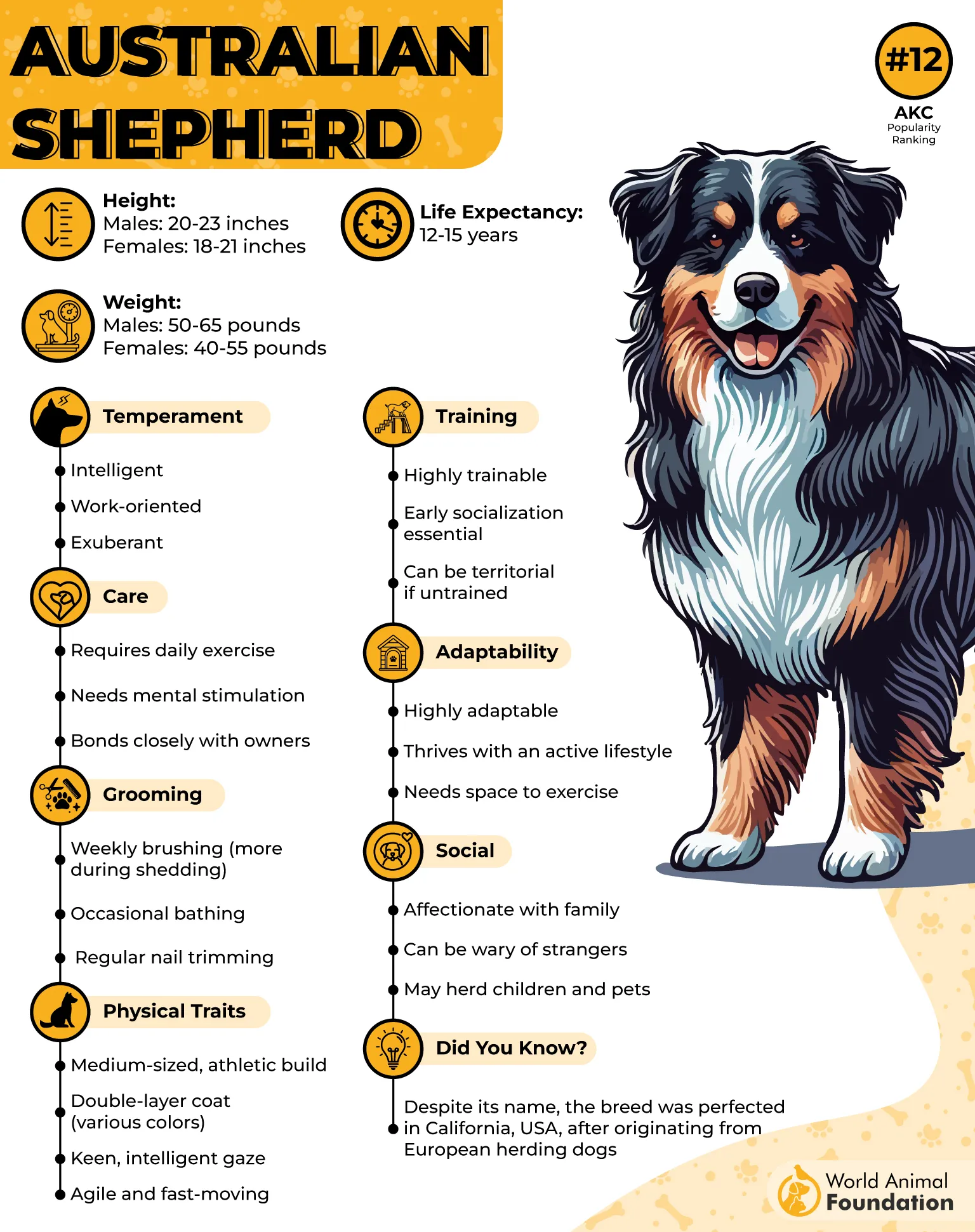
Despite the name, the breed originated in the western United States and can cope well with high-altitude environments and shifting weather conditions. Agile and highly motivated, an Australian Shepherd is always ready to move, explore, and take on another challenge.
In isolated campsites, it can remain watchful and protective of its people without necessarily being aggressive. However, this constant energy suits owners who enjoy frequent outdoor activity and can give the dog plenty of physical exercise and mental tasks.
2. Australian Cattle Dog
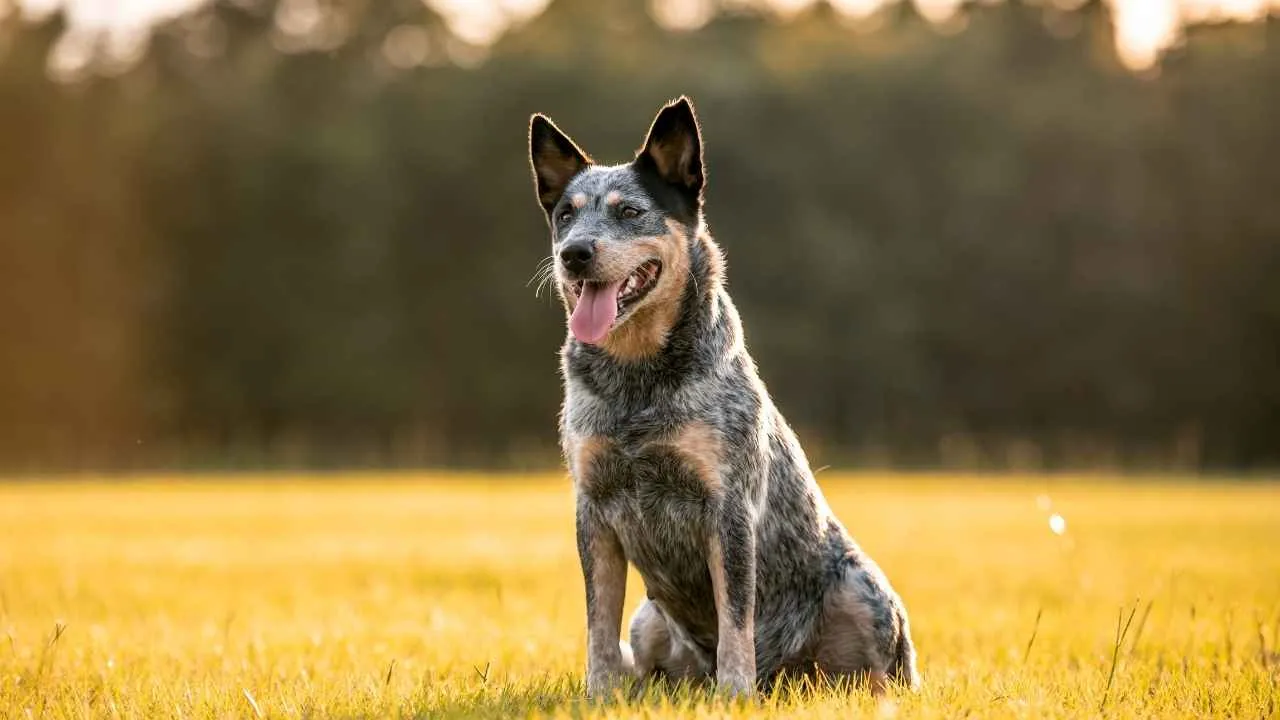
The Australian Cattle Dog brings the toughness and stamina needed for demanding forest terrain. Originally developed to work livestock, this compact and athletic breed is built for long hours of movement and thrives when given a physically challenging job.
Its exceptionally high energy level makes regular exercise essential, while mentally stimulating activities help keep its sharp mind focused. This combination can make the breed particularly well suited to experienced campers who enjoy long hikes and active outdoor routines.
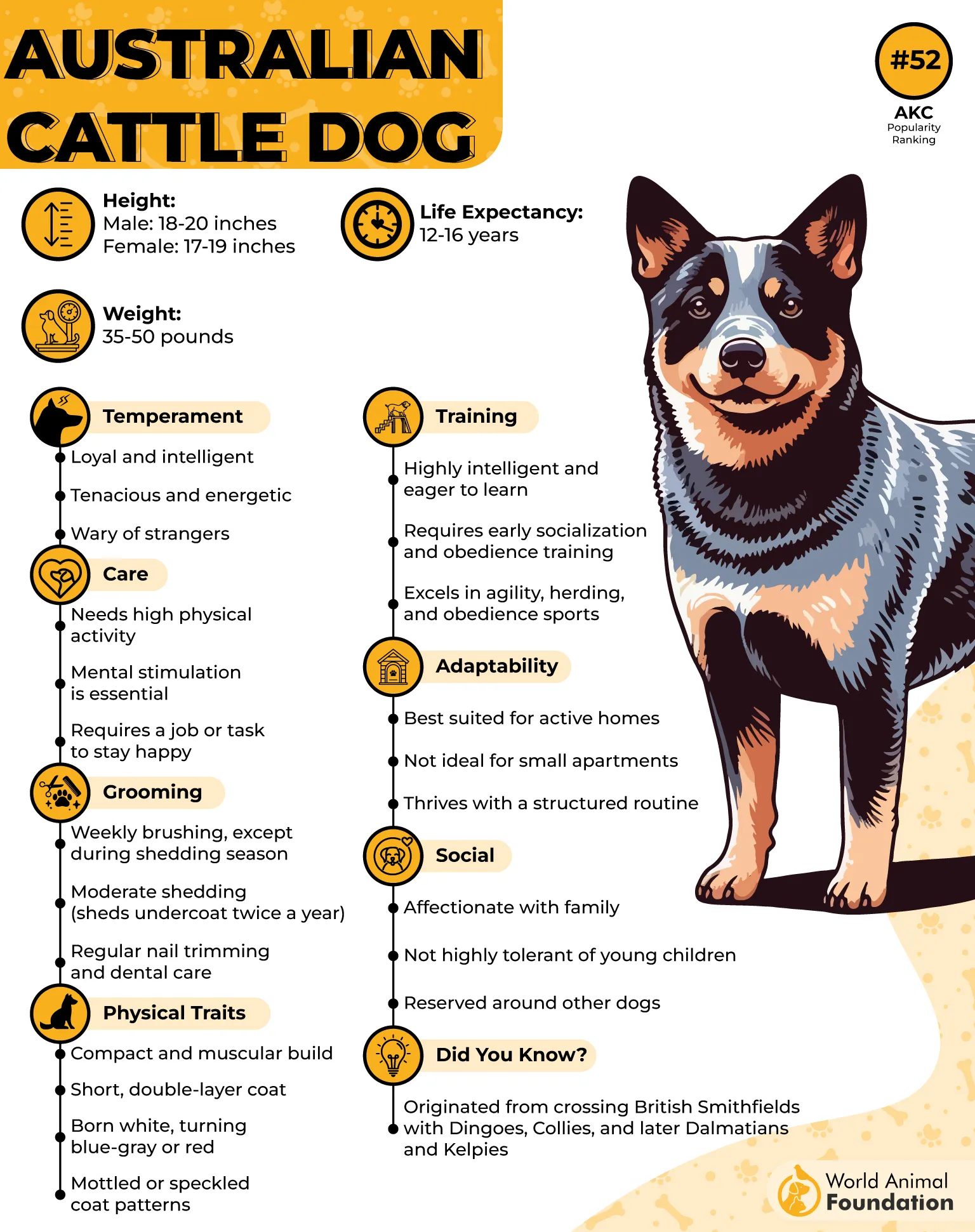
Intelligence is another practical advantage in the wilderness. Australian Cattle Dogs generally learn obedience skills quickly, allowing owners to teach useful commands for staying close, responding reliably, and navigating unfamiliar surroundings.
However, their independent nature requires consistent training and clear boundaries. Bred to make decisions while managing livestock, they can sometimes try to take charge, so firm guidance and rewarding training methods are important for developing dependable behavior outdoors.
3. Border Collie
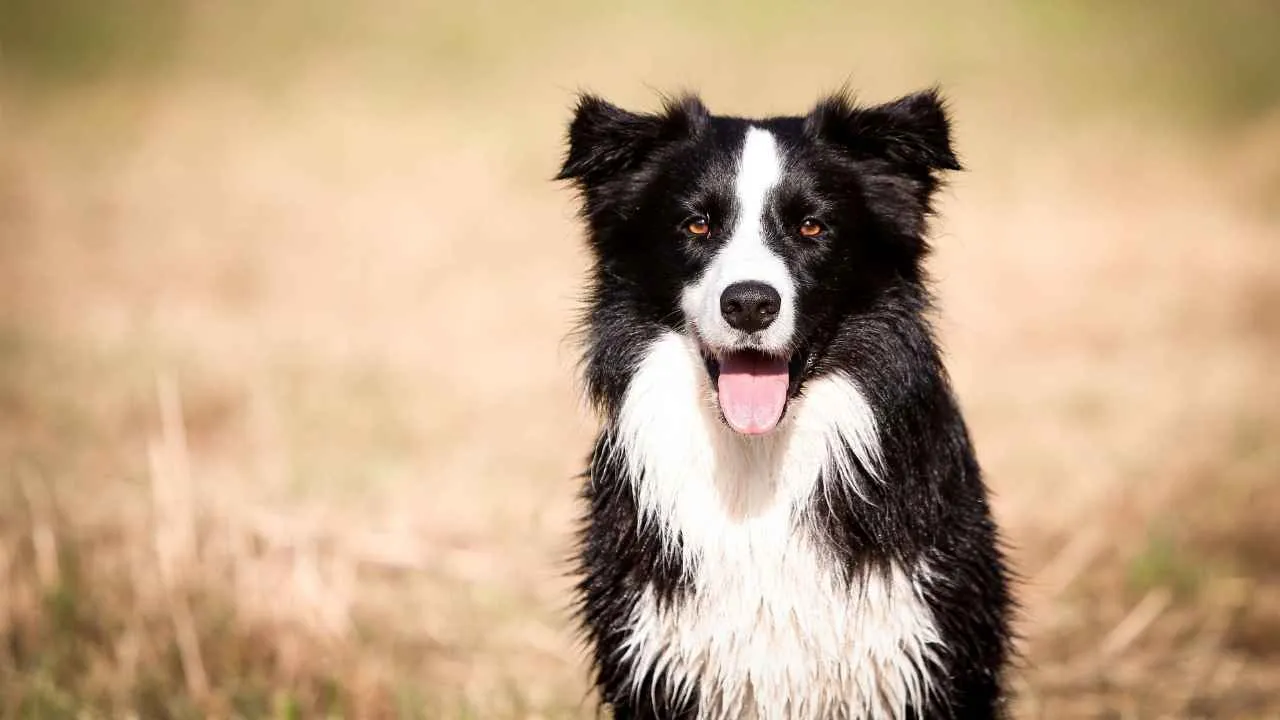
The Border Collie stands out as a brilliant outdoor problem-solver, combining exceptional intelligence with the athletic ability needed for demanding forest adventures. Its remarkable stamina can make it a strong companion for long hikes, trail running, and other physically challenging activities. According to Omlet, they have abundant energy and a strong drive to work.
Training is another major advantage. Highly intelligent and eager to work with their owners, Border Collies can learn commands quickly, which may prove valuable when navigating unfamiliar terrain or managing potential outdoor hazards.
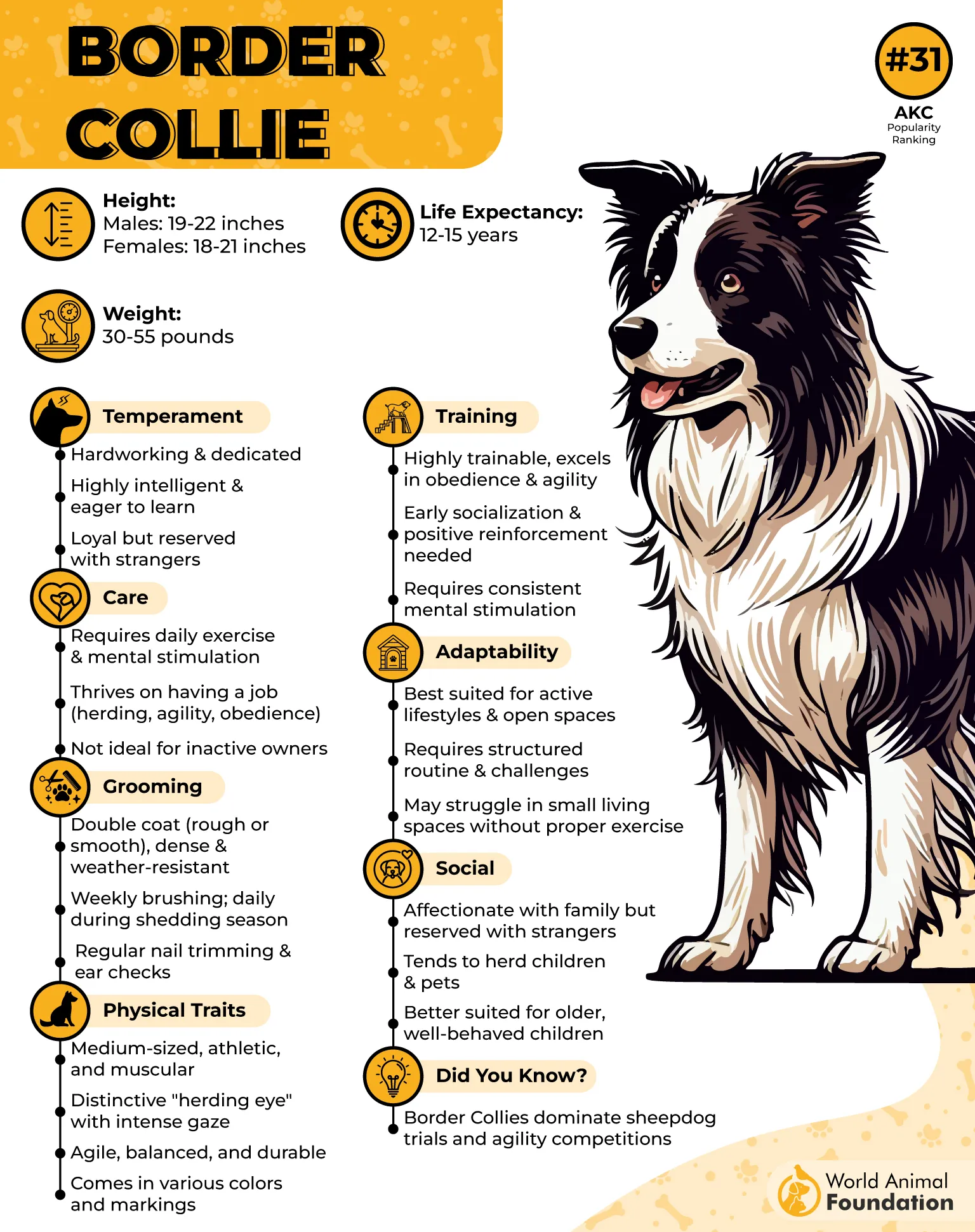
Their sharp awareness also helps them notice changes in their surroundings, including unusual movement or the presence of nearby wildlife. This attentiveness can be particularly useful in forest environments where conditions may shift unexpectedly.
However, their minds need as much exercise as their bodies. Giving a Border Collie purposeful activities, problem-solving tasks, and regular training during camping trips can help channel its working instincts and maintain good behavior.
4. German Shepherd
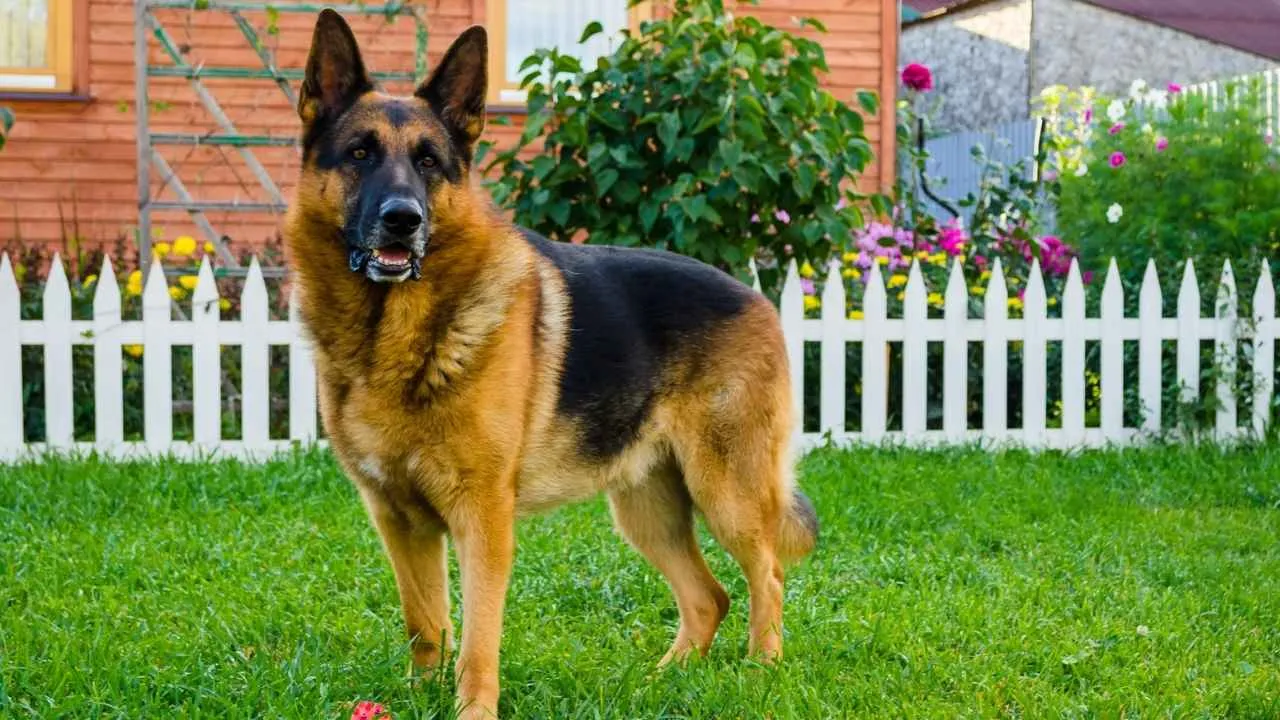
German Shepherds bring an authoritative mix of intelligence, stamina, and physical strength to demanding forest adventures. Originally developed as efficient herding dogs, they are also highly capable working dogs with the focus and problem-solving ability needed for challenging outdoor environments.
Their protective nature can be particularly valuable around a remote campsite. Alert to unfamiliar sounds and disturbances, they can remain watchful after dark while their strong trainability allows them to learn practical commands and respond reliably in changing situations.
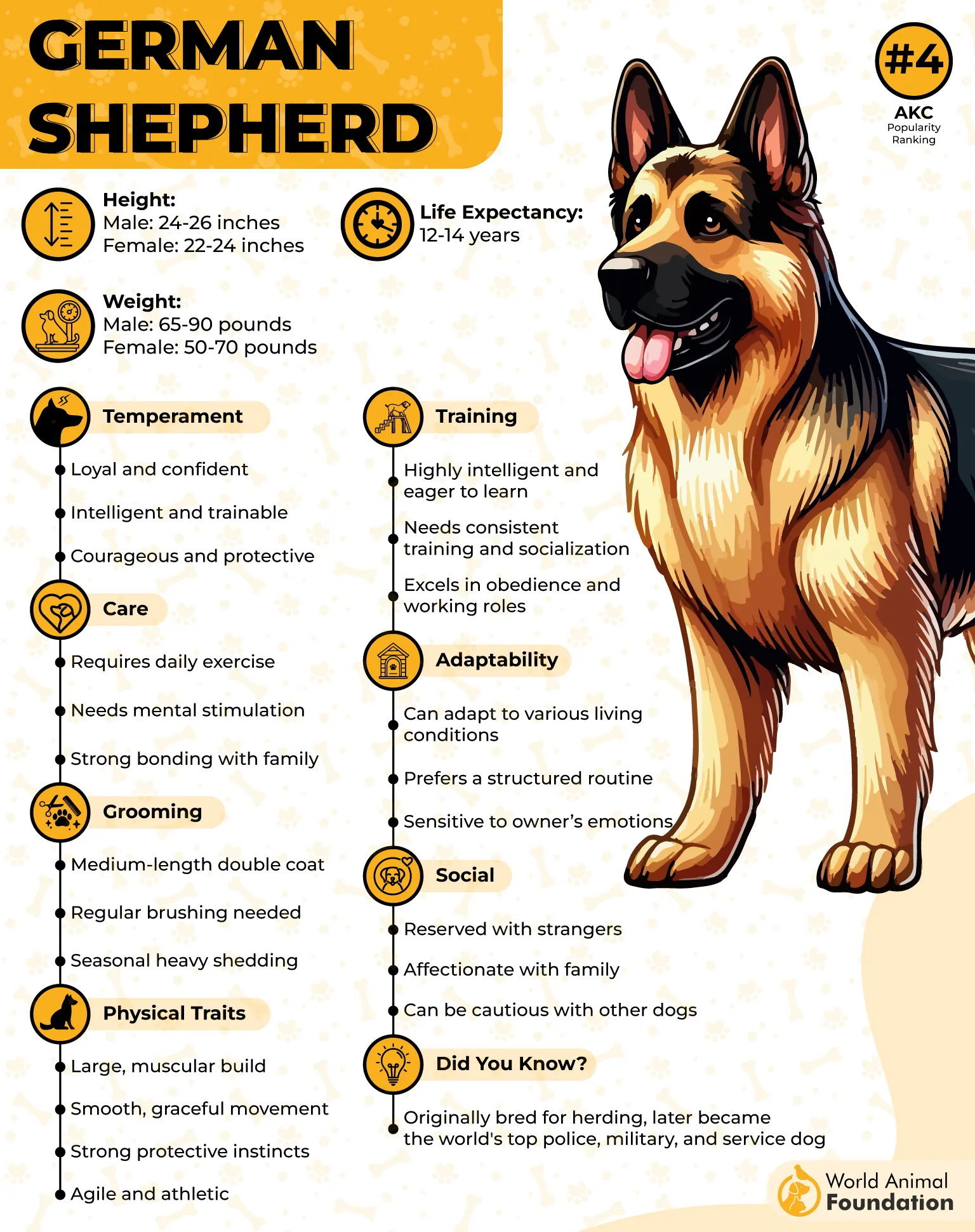
These dogs are also well suited to rugged terrain and varying weather conditions. Their endurance and confidence make them capable companions when an adventure involves long hikes, uneven ground, or unpredictable surroundings.
However, their versatility depends heavily on consistent training and clear boundaries. According to Petplan, they are remarkably trainable. With proper guidance, a German Shepherd can channel its energy, intelligence, and powerful working instincts into dependable behavior during demanding wilderness trips.
5. Rhodesian Ridgeback
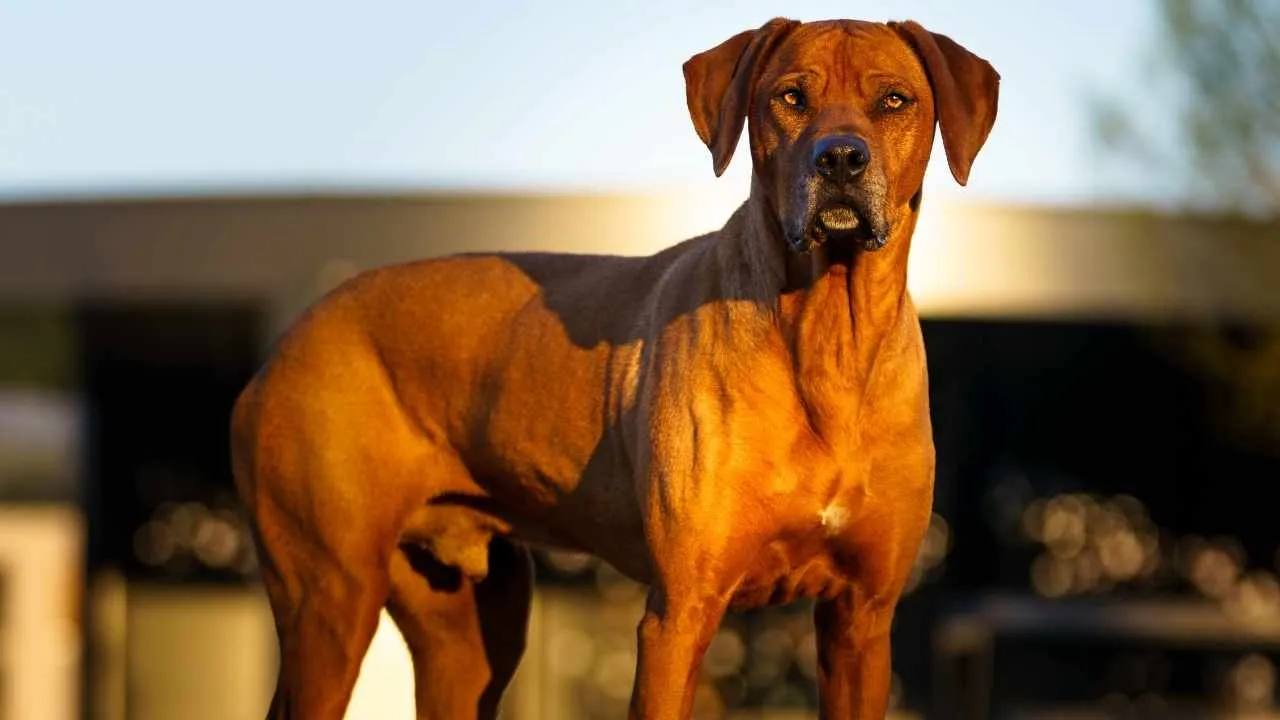
The Rhodesian Ridgeback brings the spirit of its African heritage to the wilderness. Developed as a courageous hunting and homestead-protection dog, this powerful breed has a long history of working alongside people in demanding outdoor environments.
Its strength, agility, and impressive stamina can make it well suited to long hikes, forest trails, and challenging terrain. Ridgebacks are confident explorers, but their independent nature means they may prefer thinking for themselves rather than automatically following every command.
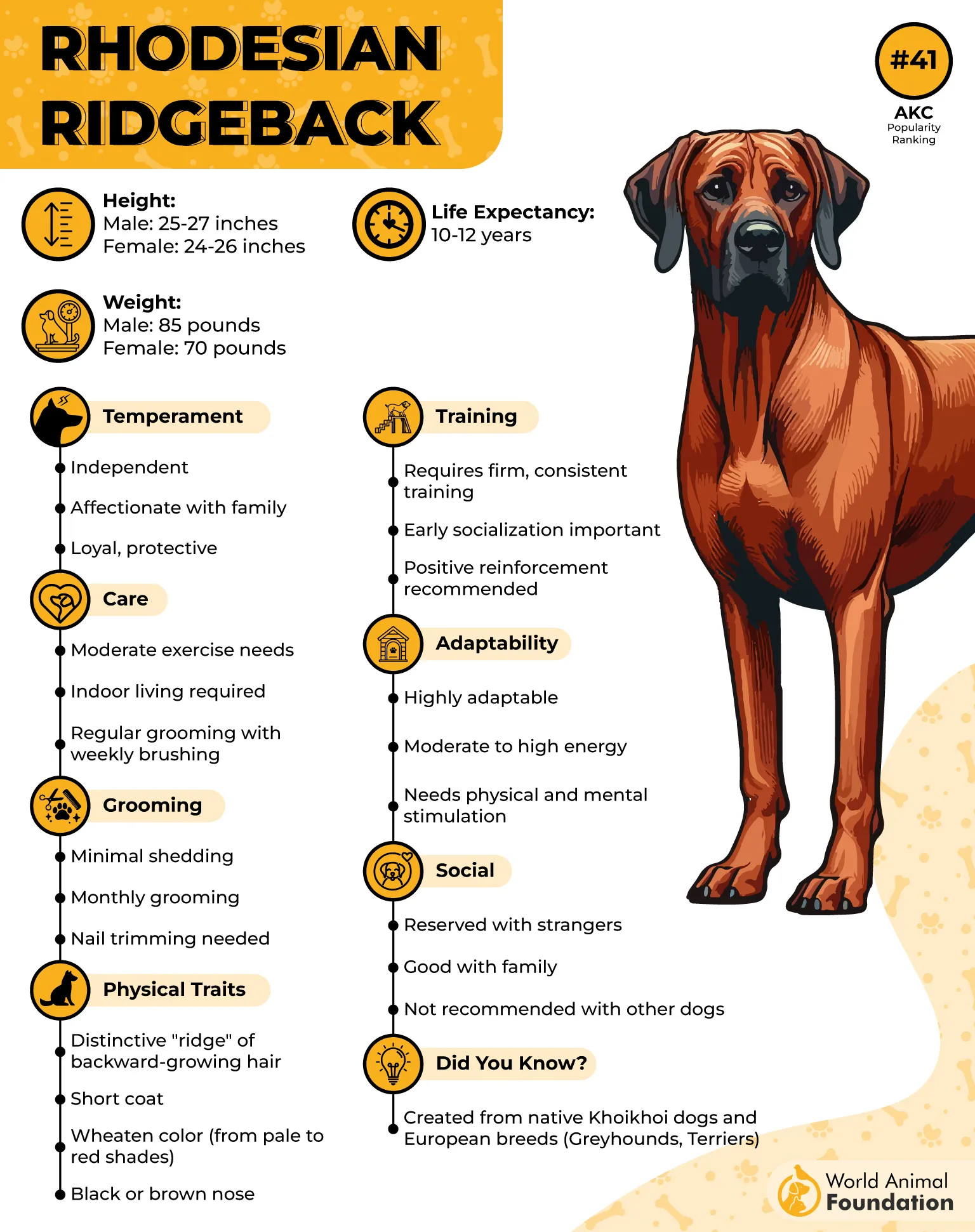
Around unfamiliar people, they are often watchful and reserved, carefully assessing a situation before relaxing. Early socialization and consistent obedience training are especially important because of their considerable strength and naturally self-directed personality.
Despite their dignified appearance, Ridgebacks can also be playful with the people they trust. They form deep bonds with their families and are sensitive to their owners’ emotions, combining rugged outdoor ability with devoted companionship.
6. Weimaraner
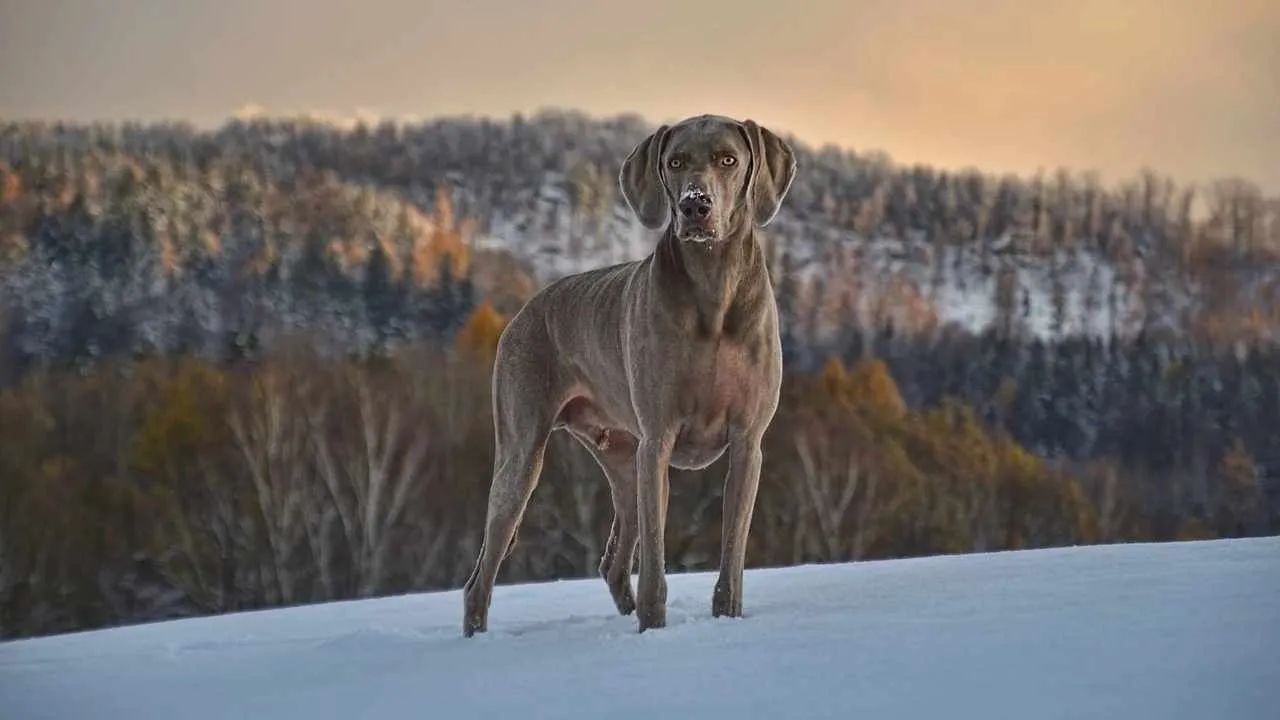
The sleek Weimaraner was originally bred in Germany as a hunting companion, endowing it with the stamina and athletic drive necessary for demanding outdoor adventures.
Long forest trails can be especially rewarding for this energetic breed. Its powerful movement, endurance, and enthusiasm for activity make it well suited to hiking through rugged terrain and covering plenty of ground.
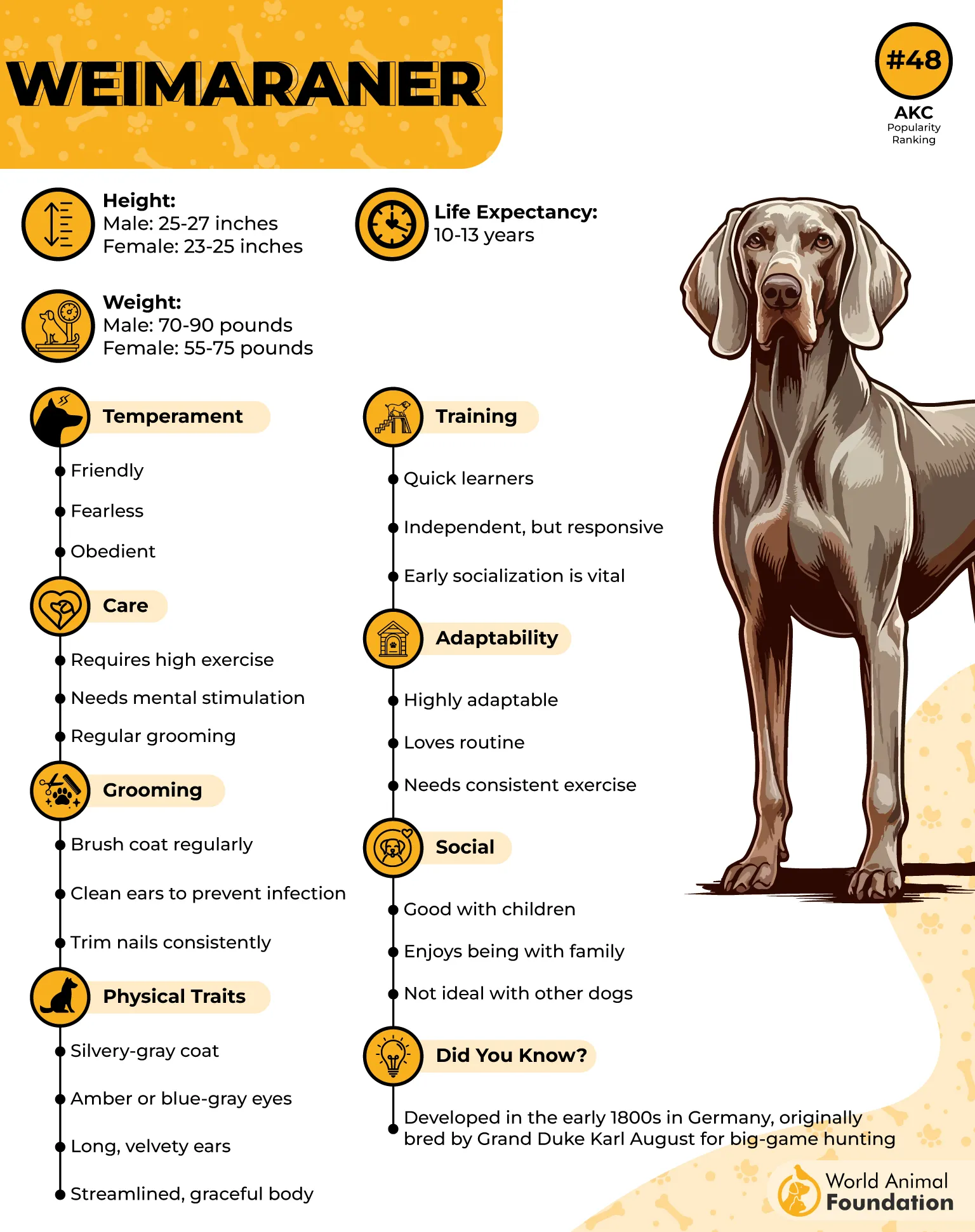
Adventure also becomes a shared mission with this highly intelligent dog. Weimaraners are famously affectionate and often form close attachments with their owners, earning the nickname “Velcro dogs.” According to the AKC, a well-conditioned Weimaraner in a pointing stance is an impressive sight.
Their short, sleek coat and athletic build suit an active outdoor lifestyle, while their hunting background encourages them to explore with purpose. Whether moving along wooded paths or navigating challenging trails, a Weimaraner brings intensity and eagerness to every expedition.
7. Vizsla

Lean, agile, and always ready to move, the Vizsla brings impressive athleticism to forest camping adventures. Originally developed as a Hungarian hunting dog, it can eagerly cover trails, weave through wooded paths, and keep up during demanding outdoor activities.
Its high energy and natural endurance make it especially suited to long hikes, trail running, and active days outdoors. The short coat requires minimal grooming and is better suited to moderate or warm conditions, so extra protection may be necessary in colder forest environments.
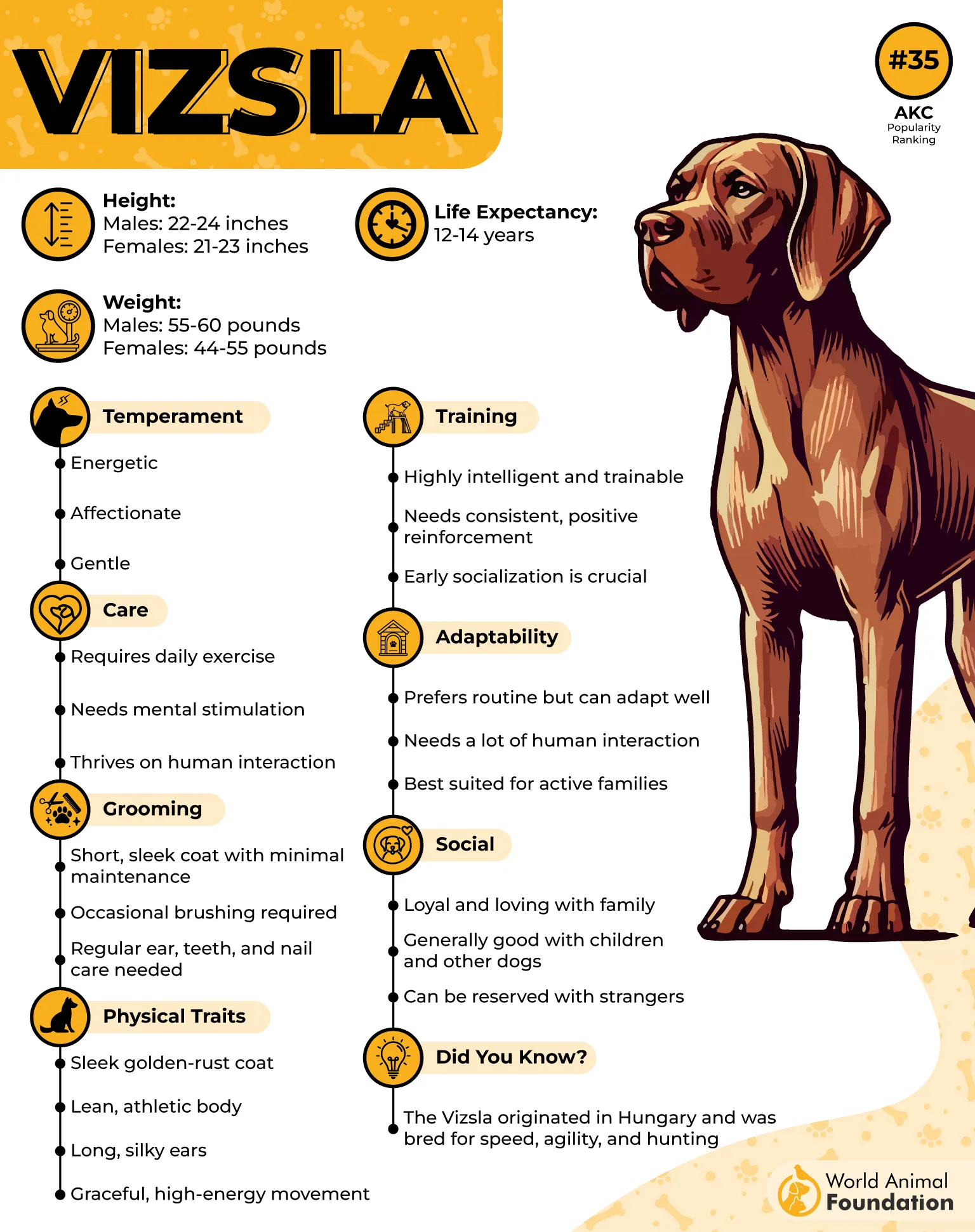
What makes the Vizsla particularly special is its strong attachment to its people. Often called a Velcro dog, it prefers sharing every part of the journey and may stay closely by its owner’s side throughout the trip.
Regular training, enrichment, and positive socialization are important because this intelligent breed can become bored without enough activity. With proper companionship and exercise, its loyalty and affectionate nature make every adventure feel shared.
Conclusion
Forest camping becomes even more rewarding with a dog that can match the demands of the wilderness. The right companion brings energy, awareness, endurance, and a willingness to explore unfamiliar trails alongside you.
Some breeds are naturally equipped for long hikes, rugged landscapes, and active outdoor routines, while others stand out for their loyalty, intelligence, or ability to stay focused when given a task. Their individual strengths can make them valuable companions during wilderness adventures.
However, survival skills are not determined by breed alone. Proper training, socialization, physical conditioning, and preparation are essential before taking any dog into a forest environment.
Whether your ideal companion is an energetic explorer, a dependable working dog, or a deeply loyal hiking partner, choosing a breed suited to your adventure style can make camping safer and more enjoyable. With thoughtful care and preparation, you and your canine companion can confidently share the challenges and excitement of the wild.
