




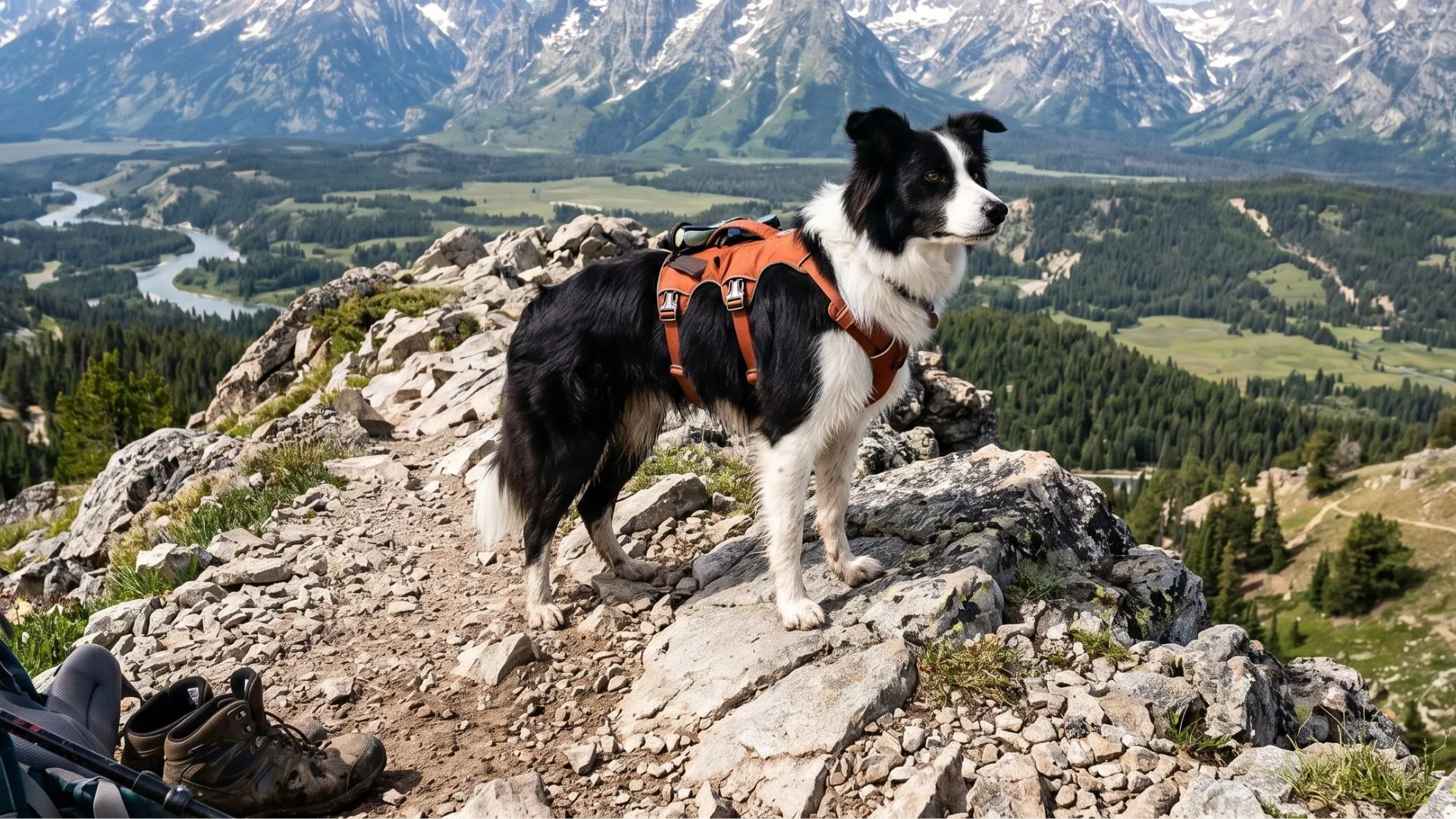
Ever wonder what it would feel like to disappear into the wild with a dog that never slows down?
This isn’t about a walk in the park or a quick jog around the block. It’s about real wilderness — open skies, rough trails, cold mornings, and endless ground to cover. And beside you, there’s a dog that doesn’t just handle it — it belongs there.
That’s the dream, isn’t it?
Yet most people get it wrong. They assume any “active” dog can survive adventure living, as long as it looks athletic or has energy to burn.
But here’s the truth: energy is not enough, and looks are not enough. Some dogs are built for sofas, while others are built for survival, endurance, and raw terrain. The difference is not subtle — it’s everything.
The myth says any dog can become an adventure dog if trained right. The reality is that only a few are truly wired for it. And once you see that difference, you can’t unsee it.
So let’s step into the world of grit, endurance, and untamed spirit — here are the top dog breeds for wilderness and adventure living.
Top Dog Breeds for Wilderness and Adventure Living
1. Welsh Springer Spaniel
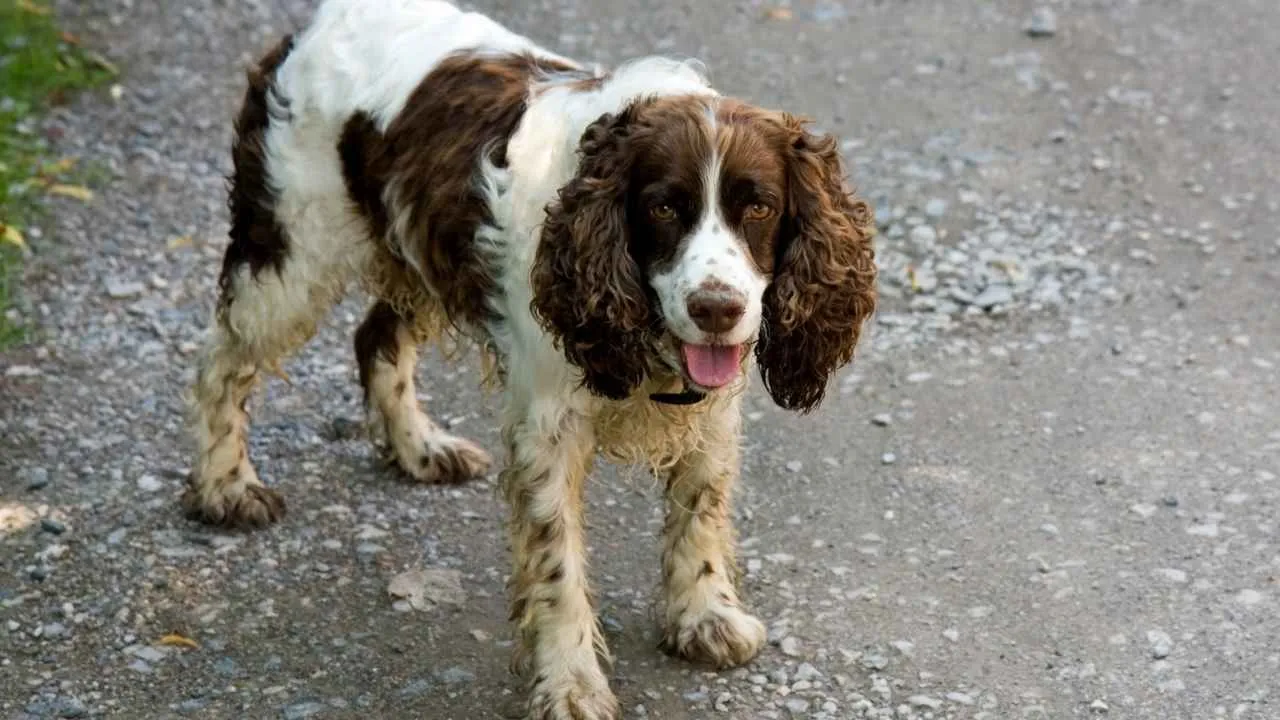
The Welsh Springer Spaniel is one of those dogs that fits both forest hunts and home life without switching personality. Calm indoors, yet instantly alert when the outdoors opens up, as stated by the AKC.
Compared to other spaniels, it carries more strength than a Cocker Spaniel but stays lighter and quicker than the English Springer, making it easier to move through dense woodland without slowing down.
What sets it apart is its deep red-and-white coat that behaves like natural field gear. It sheds rain, resists thorns, and still stays light enough for long tracking work through wet ground and brush.
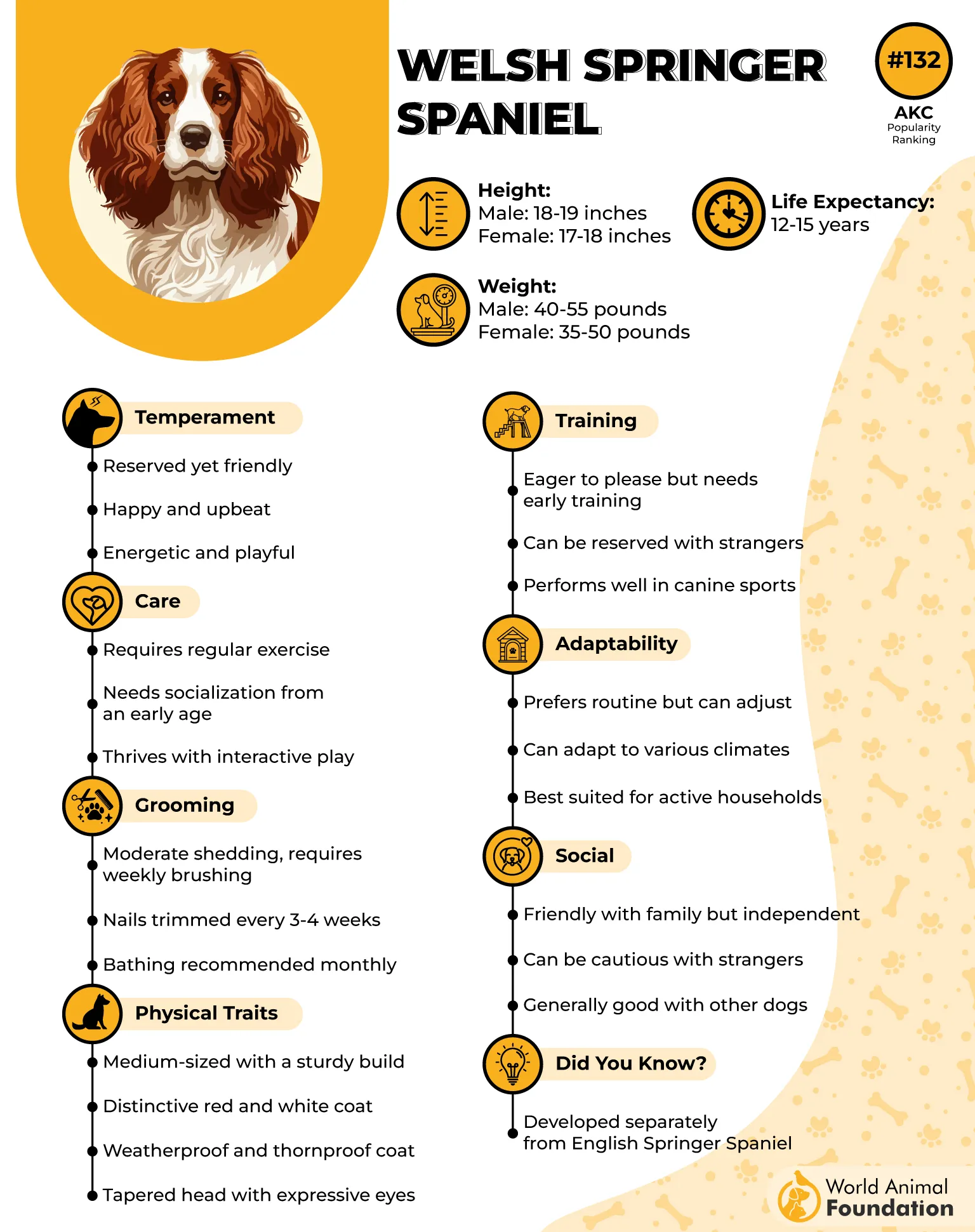
In wilderness settings, it follows scent trails with patience instead of rushing ahead blindly, which helps in uneven terrain where focus matters more than speed. While some hunting dogs scatter energy in bursts, this one works in steady rhythm.
Around strangers, it stays reserved but not fearful, and with early guidance it learns to stay close even in open land. Its strong chase instinct is real, yet most learn control with cats and other pets through training.
This balance of control, endurance, and calm tracking makes it a trusted partner for long outdoor journeys.
2. Treeing Walker Coonhound
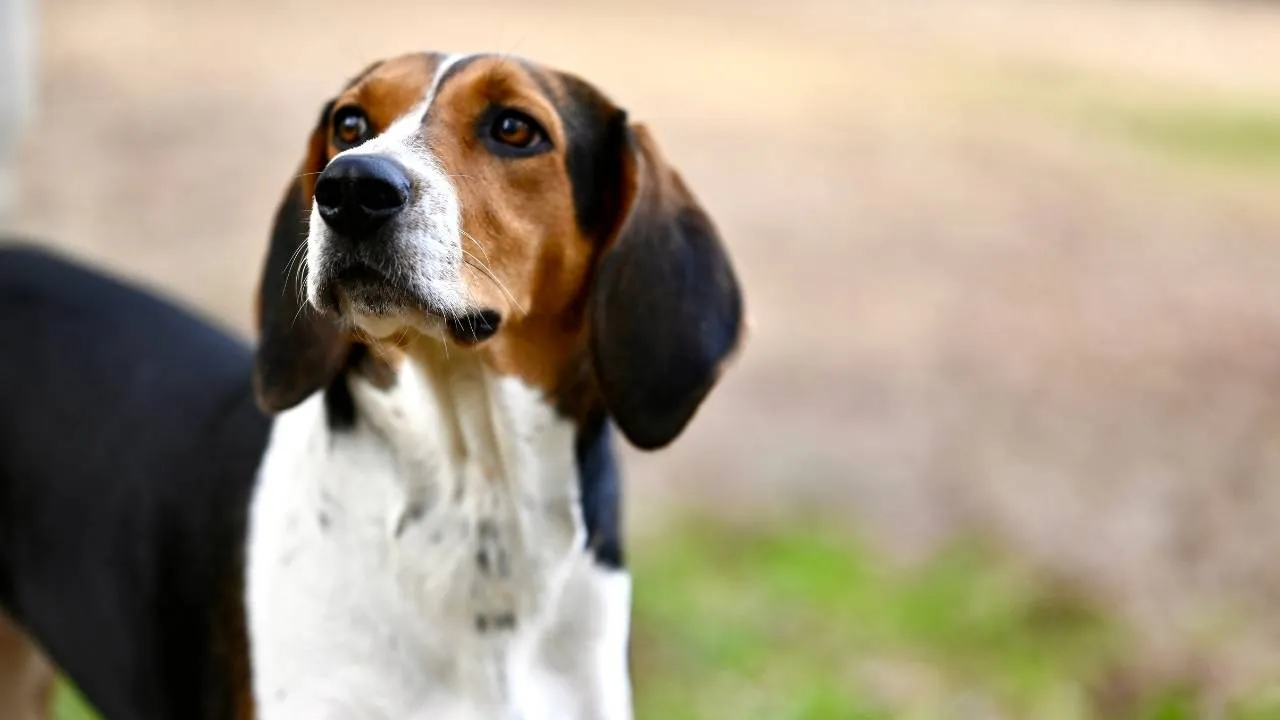
The Treeing Walker Coonhound doesn’t just walk terrain—it covers it like it was made for open wilderness and endless distance.
The Treeing Walker Coonhound is a fast, driven scent hound that blends long-range hunting ability with a surprisingly easygoing home presence.
Compared to heavier coonhounds, it moves with lighter steps and faster reach, making it better suited for wide forests, mountain edges, and open trails where ground coverage matters more than tight tracking loops.
What sets it apart is its long, rhythmic stride paired with a deep, carrying voice that travels far across valleys and wooded ridges. This makes it highly effective in wilderness tracking where staying connected over distance is key, especially during night hunts or rough terrain navigation.
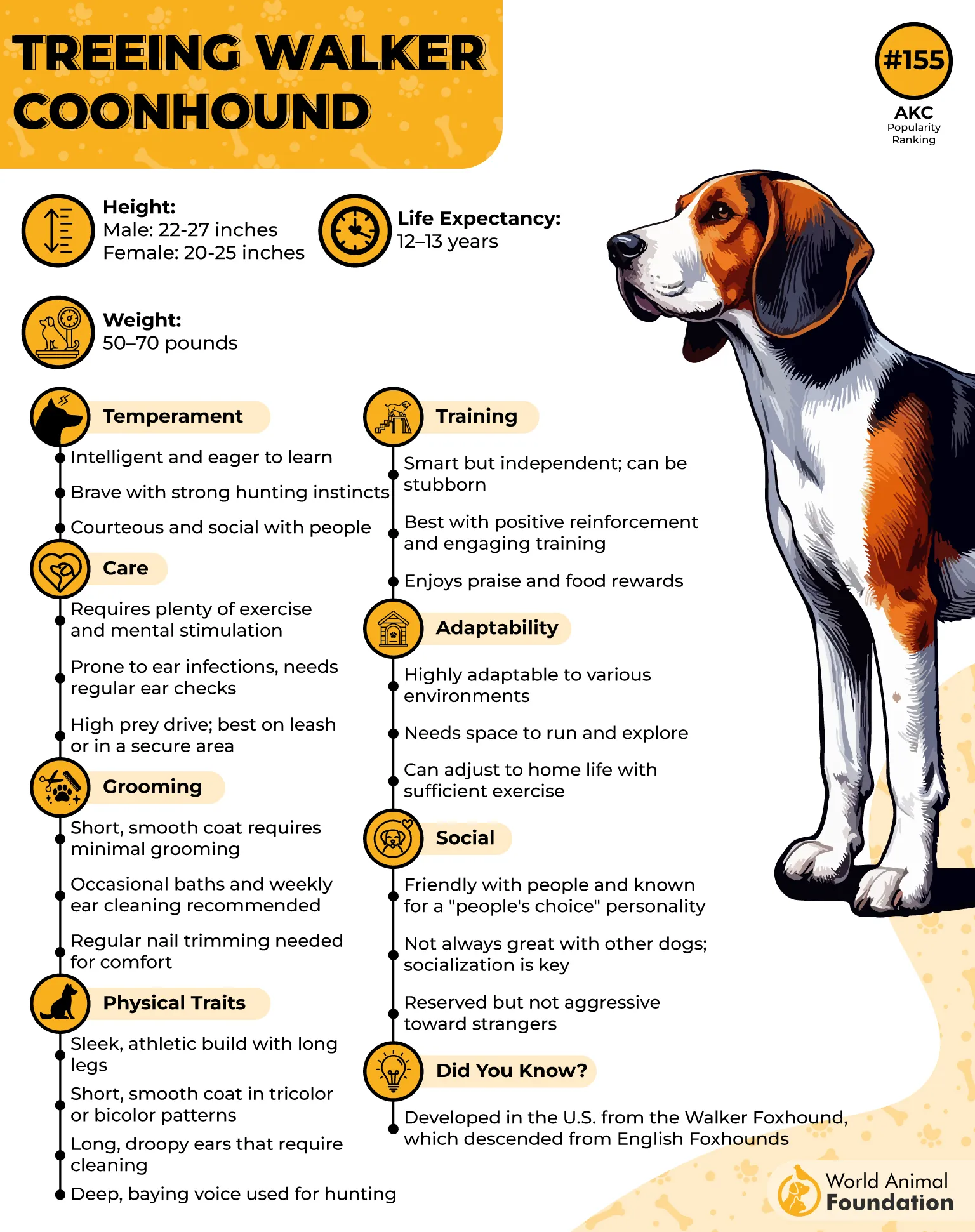
On the trail, it works with independence, often pushing ahead to read scent lines on its own before circling back. While some hunting dogs rely heavily on constant handler direction, this one trusts its nose first, which can be an advantage in unpredictable outdoor spaces.
In training, it responds well to motivation but can show a stubborn, self-thinking side if the task feels repetitive. Handlers who keep lessons engaging tend to get a focused, eager partner rather than a distracted one.
After long hours of movement through rugged ground, it settles into a calm, relaxed companion, showing a softer temperament that contrasts sharply with its intense field drive.
3. Weimaraner
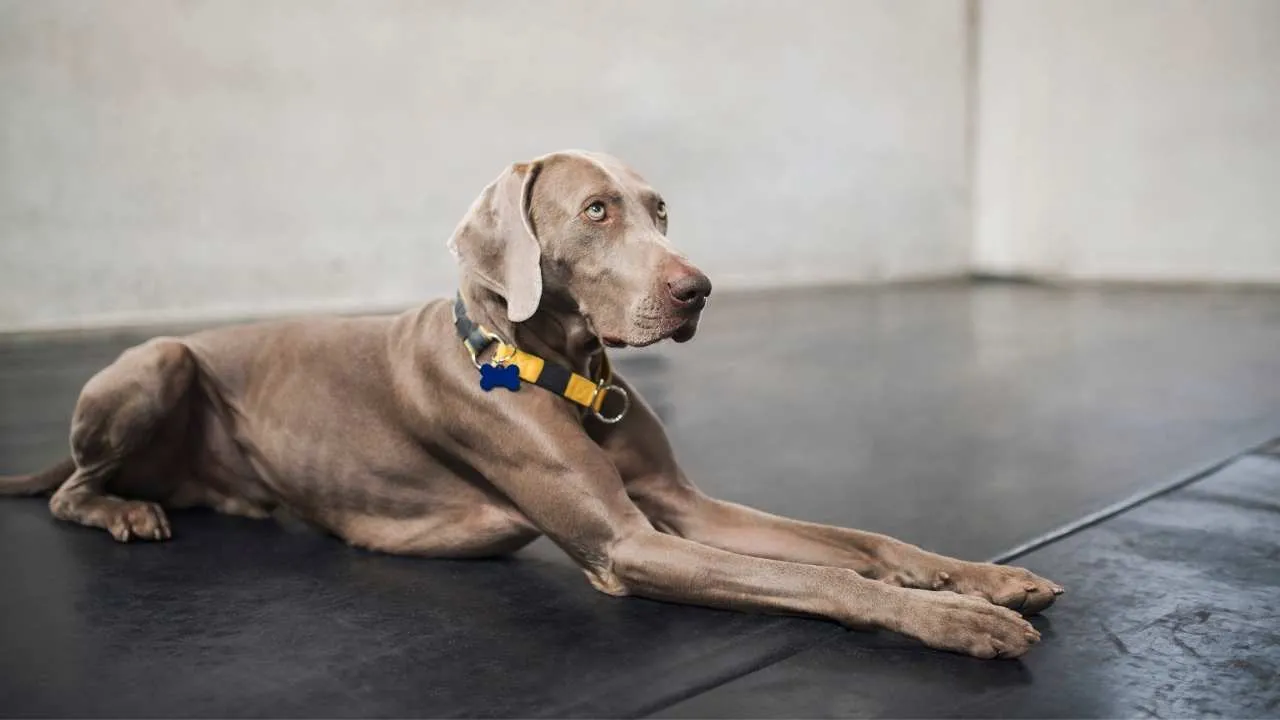
The Weimaraner doesn’t just join outdoor life—it demands to be part of it every single moment.
According to Hills Pets, the Weimaraner is a high-energy hunting companion built for long days in open wilderness, especially where constant movement and close human connection matter.
Compared to slower, more independent tracking breeds, it stays tightly focused on its handler, often working within sight and responding quickly during hiking or hunting across wide terrain.
What sets it apart is its sleek silver-gray coat that reflects light in open landscapes, giving it a striking presence during early morning or dusk outings.
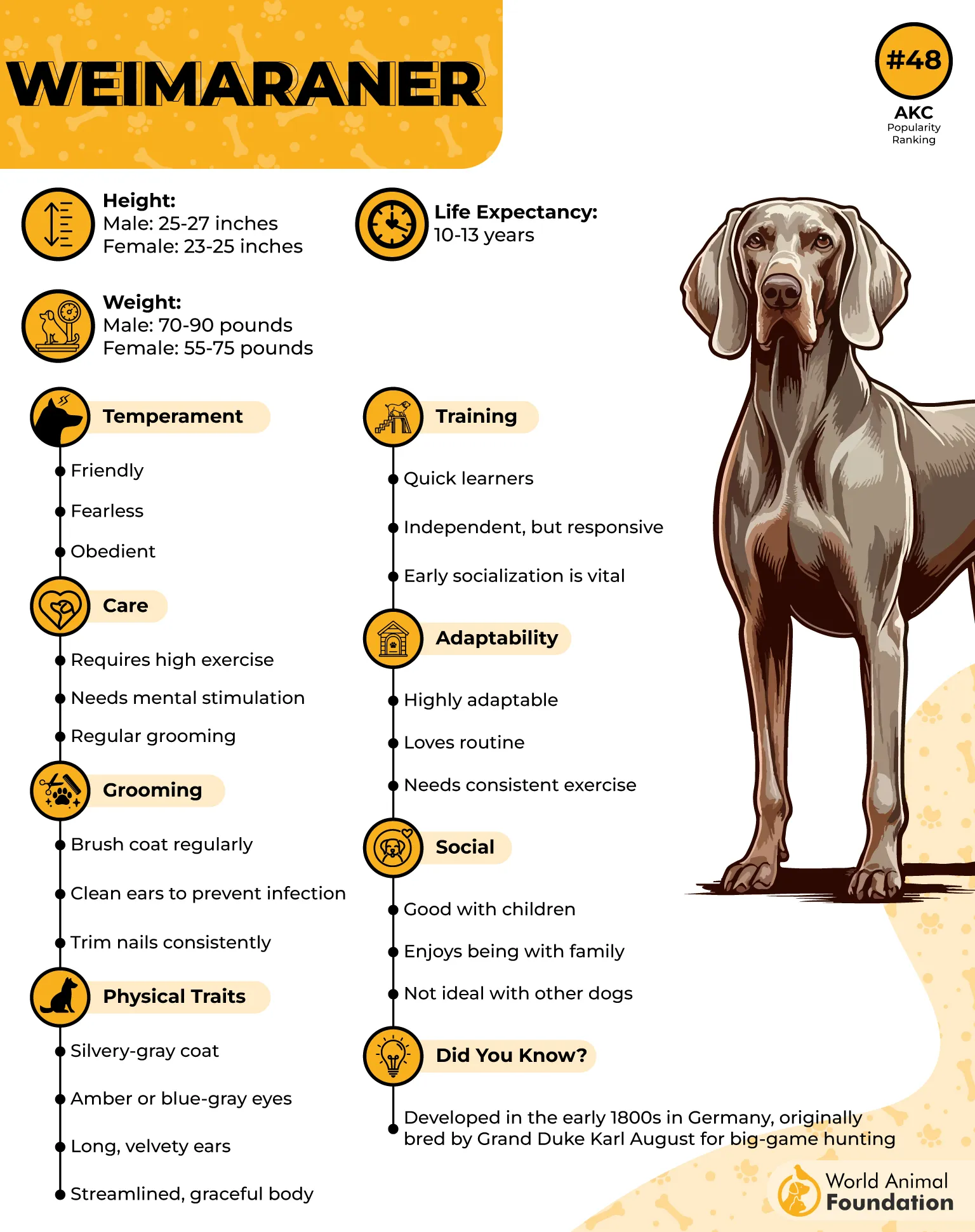
This coat is short and smooth, allowing easy movement through brush, but it offers less insulation, so it thrives best when actively moving rather than standing idle in cold outdoor conditions.
In the field, it combines strong pointing instincts with an intense need for human interaction. Unlike some hunting dogs that can work alone for long periods, this one performs best when constantly engaged, making it ideal for active trekking or structured outdoor routines.
It also carries a strong prey drive shaped by its hunting background, meaning small animals can trigger chase behavior if not carefully trained and supervised. Early social guidance helps it adjust better in mixed environments during outdoor travel.
Because it bonds so closely, long isolation can lead to restlessness or unwanted behavior, especially in confined spaces during trips.
4. Vizsla
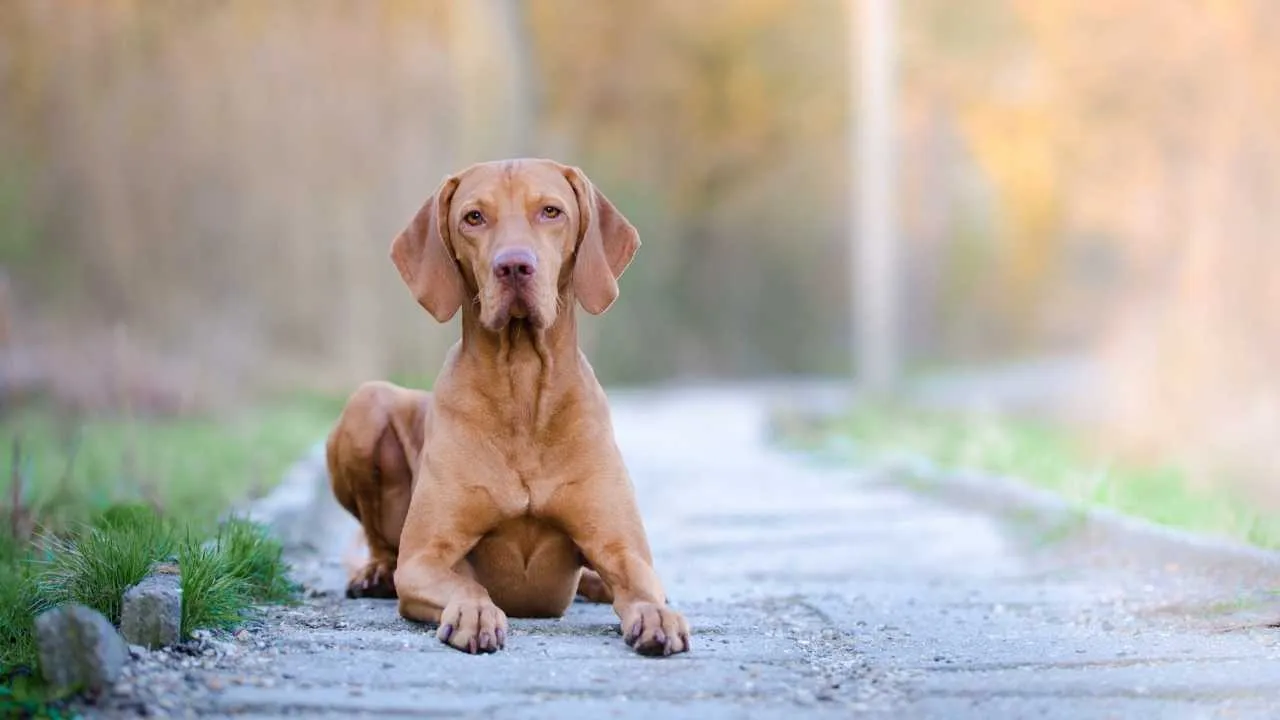
The Vizsla feels less like a hunting dog and more like a constant outdoor companion that never wants to fall behind its person.
The Vizsla is a Hungarian field breed built for tracking, pointing, and retrieving across open country, where speed and close cooperation matter more than independent range.
Compared to heavier breeds, it moves with a lighter, quicker stride and stays unusually connected to its handler during long hikes, often adjusting its pace to stay nearby rather than ranging far ahead.
What sets it apart is its short golden-rust coat that blends naturally with dry grasslands and sunlit terrain. This smooth coat helps it move easily through brush and water, especially during retrieving work, where it is known for willingly swimming to recover game from lakes and rivers.
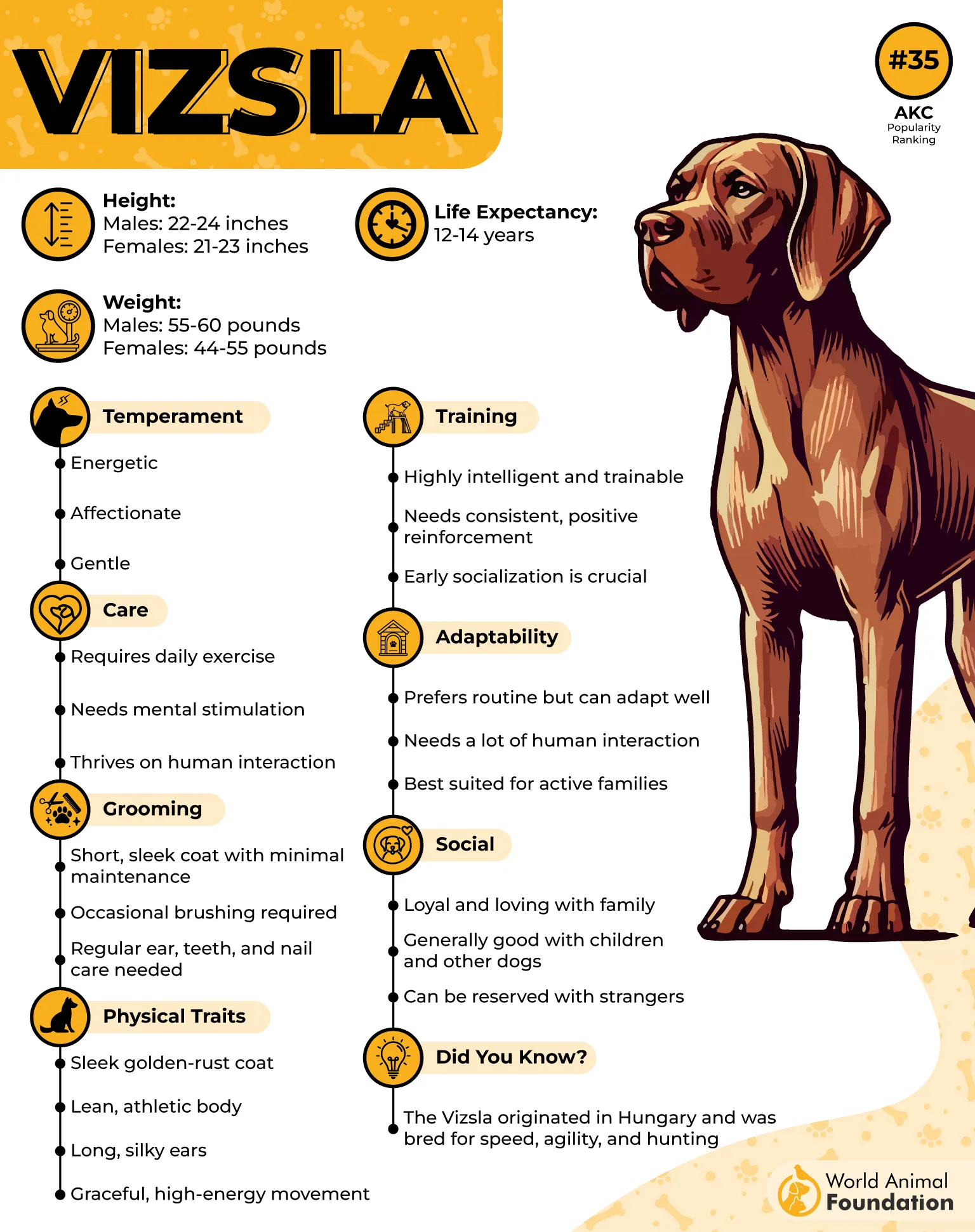
In outdoor use, it shows a strong need for human presence, often staying within arm’s reach during long treks. Unlike more independent hunting dogs that operate at distance, this one prefers constant contact, which makes it highly responsive but also sensitive to separation during extended outings.
It learns quickly but reacts best to gentle guidance rather than harsh correction, especially during recall training in open wilderness where distractions are common. Without regular activity, it becomes restless, as its energy is designed for long hours of movement rather than short bursts.
This close-bonding drive, paired with endurance and water confidence, makes it a natural fit for active trail life and continuous outdoor companionship.
5. Border Collie
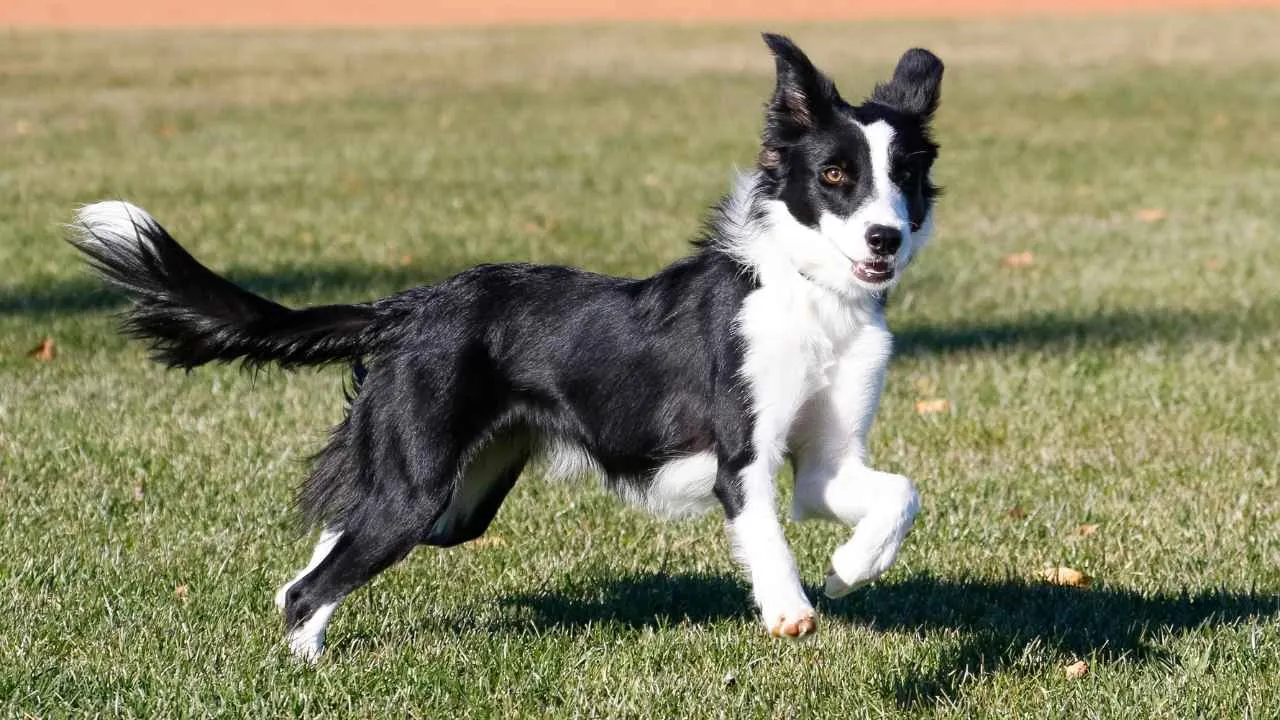
The Border Collie doesn’t just move through wilderness… it manages it, like every trail is a task waiting to be solved.
Border Collies are known for their high endurance, intelligence, and agility, making them ideal for hiking and outdoor activities.
It is a high-drive herding breed shaped for precision work in open landscapes, where quick decisions and sharp awareness matter more than raw strength.
Compared to typical outdoor adventure dogs that rely on endurance alone, this hiking partner combines speed with intense focus, often adjusting direction instantly as terrain or movement changes.
What sets it apart is its “herding eye,” a concentrated stare used to control movement without physical contact.
This behavior, paired with its low, crouched approach during motion, helps it guide livestock—or navigate dynamic outdoor spaces—by reading every shift in environment with remarkable accuracy.
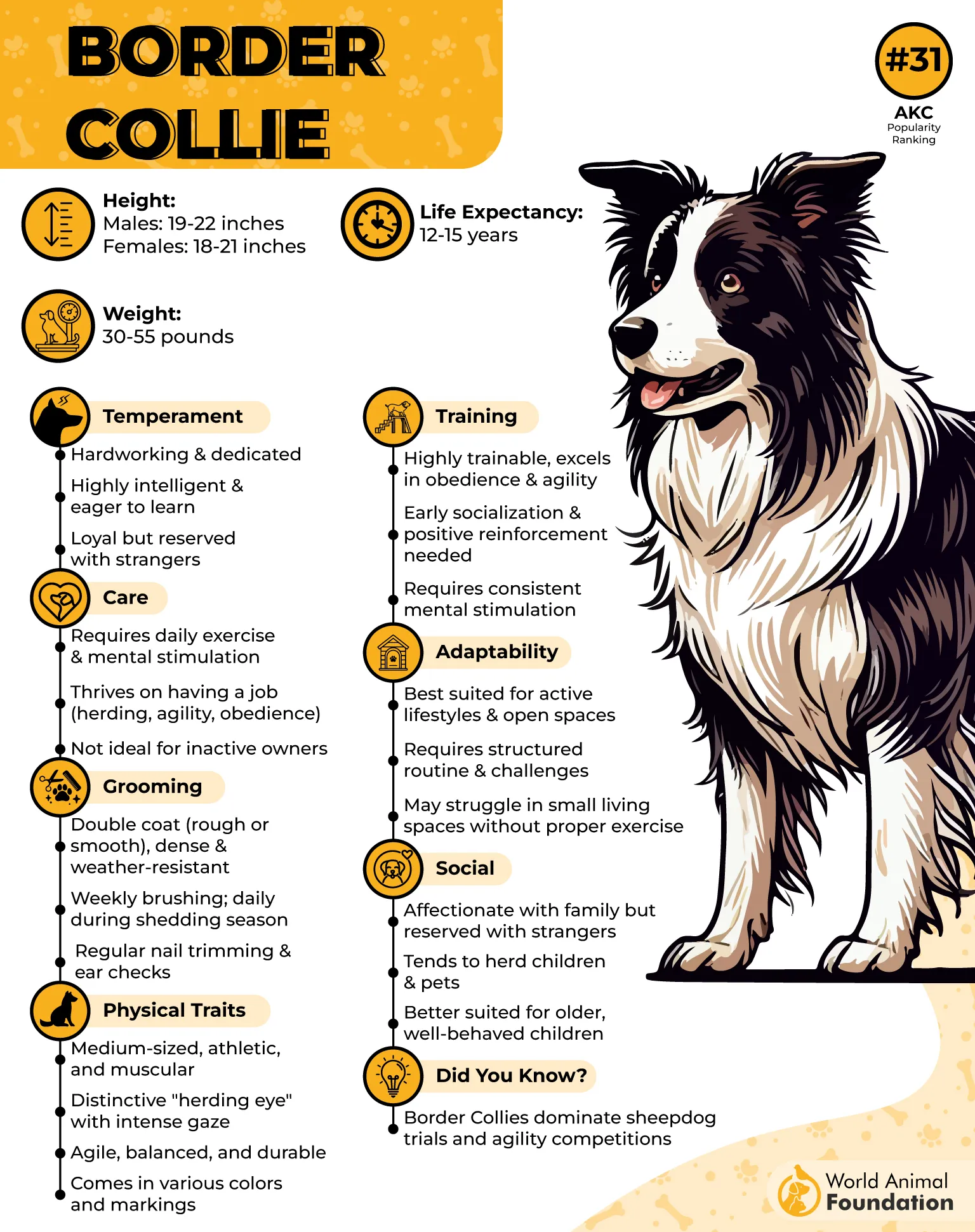
In wilderness activity, it thrives on purpose-driven movement. Unlike breeds that simply enjoy running, this one prefers structured tasks during hikes, such as following commands, navigating obstacles, or working in coordinated routines.
Without mental engagement, its energy builds quickly, even if physically exercised.
Its coat varies from smooth to rough textures, offering flexibility across climates, but its real advantage lies in adaptability rather than insulation or protection alone. It can shift from fast sprinting across open hills to controlled movement through rocky, uneven ground without losing focus.
Once the work is done, it finally relaxes—becoming calm, attentive, and deeply attached to its group, showing a softer side that contrasts sharply with its intense working mindset.
6. Labrador Retriever
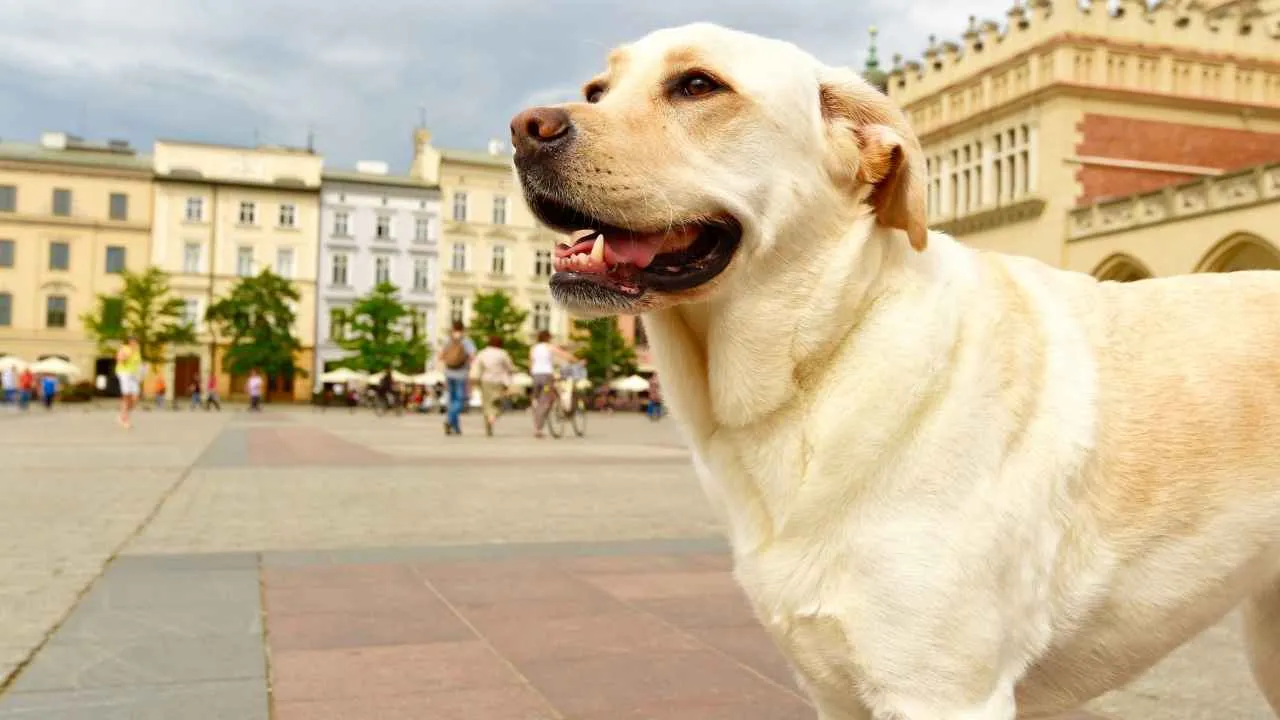
The Labrador Retriever feels like the kind of dog that turns any wilderness trip into a shared adventure rather than a solo mission.
Labrador Retrievers are known for their friendly nature and love for outdoor activities, making them ideal companions for camping and hiking.
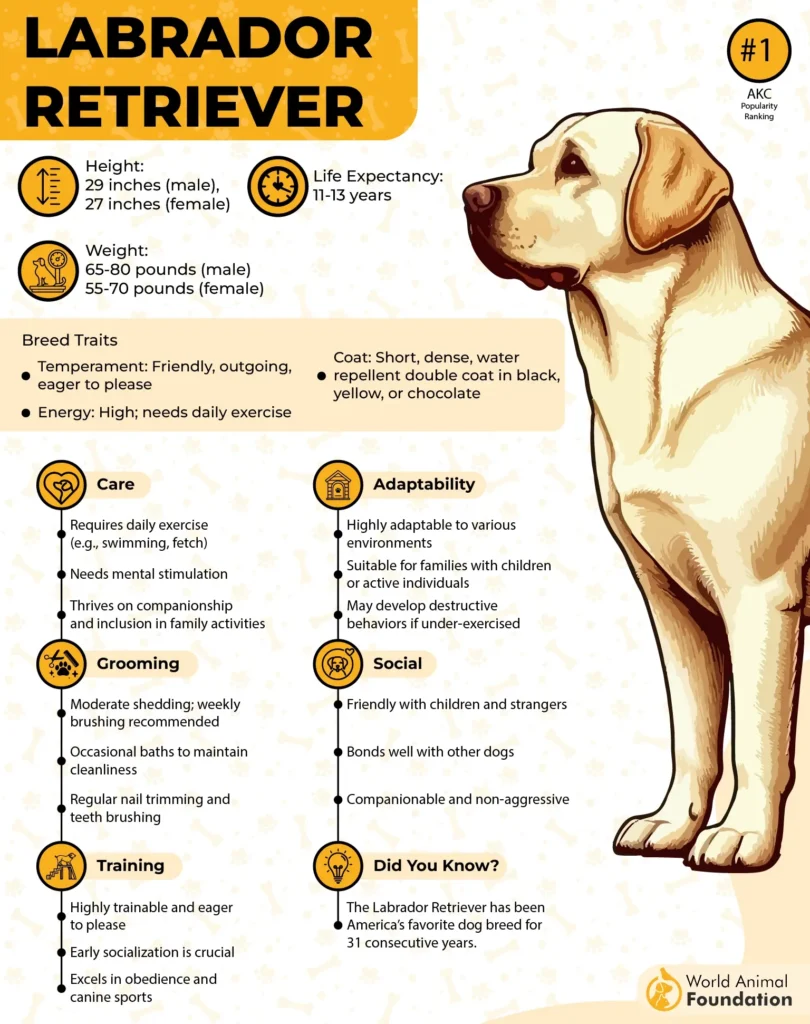
It is a versatile outdoor companion known for working alongside people in water-based and land-based tasks, from fishing support in its early history to modern hiking, swimming, and retrieving activities.
Compared to more reserved working breeds, it blends social ease with steady stamina, making it equally comfortable on forest trails, riverbanks, or long open walks.
What sets it apart is its dense double-layer coat that naturally repels water, allowing it to enter cold lakes and rough streams without hesitation. This feature supports its strong retrieving instinct, especially in wet terrain where many other dogs would slow down or avoid immersion.
In outdoor environments, it shows a friendly, open nature toward people and other animals, which makes group travel easier but requires awareness during first introductions in mixed settings.
Its energy level is steady rather than explosive, which helps it handle long hiking days, but its enthusiasm—especially around water—can lead to sudden bursts of excitement in open areas.
This balance of warmth, endurance, and water confidence makes it a best dog breed for varied wilderness journeys.
7. Alaskan Malamute
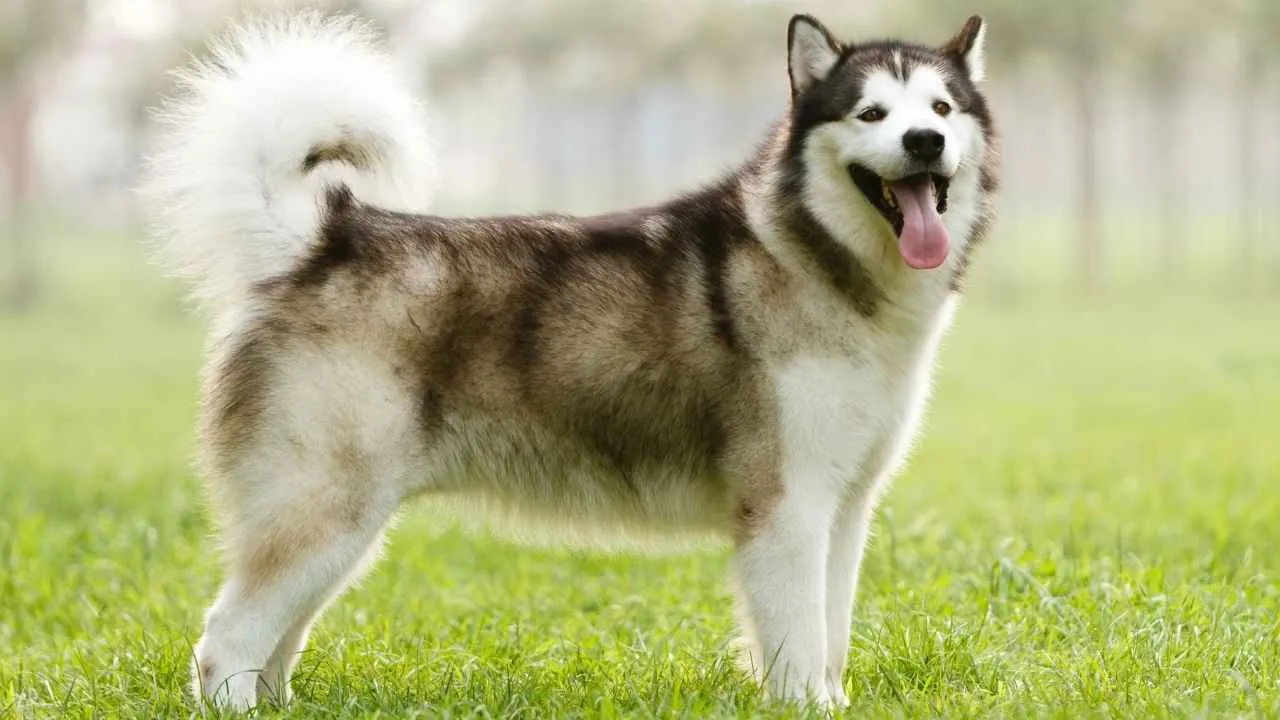
The Alaskan Malamute feels like a dog designed for frozen silence, deep snow, and journeys that test endurance more than speed.
The Alaskan Malamute is a powerful Arctic working breed built for hauling heavy loads across long distances, where steady force matters more than quick bursts of pace, as mentioned by Orvis.
Compared to lighter sled dogs that rely on speed, it moves with slower, stronger steps that prioritize stamina and pulling strength over rapid movement, making it ideal for extended wilderness travel in cold regions.
What sets it apart is its dense double coat that traps warmth in extreme temperatures, allowing it to function in deep snow where many other adventure breeds would struggle to maintain body heat.
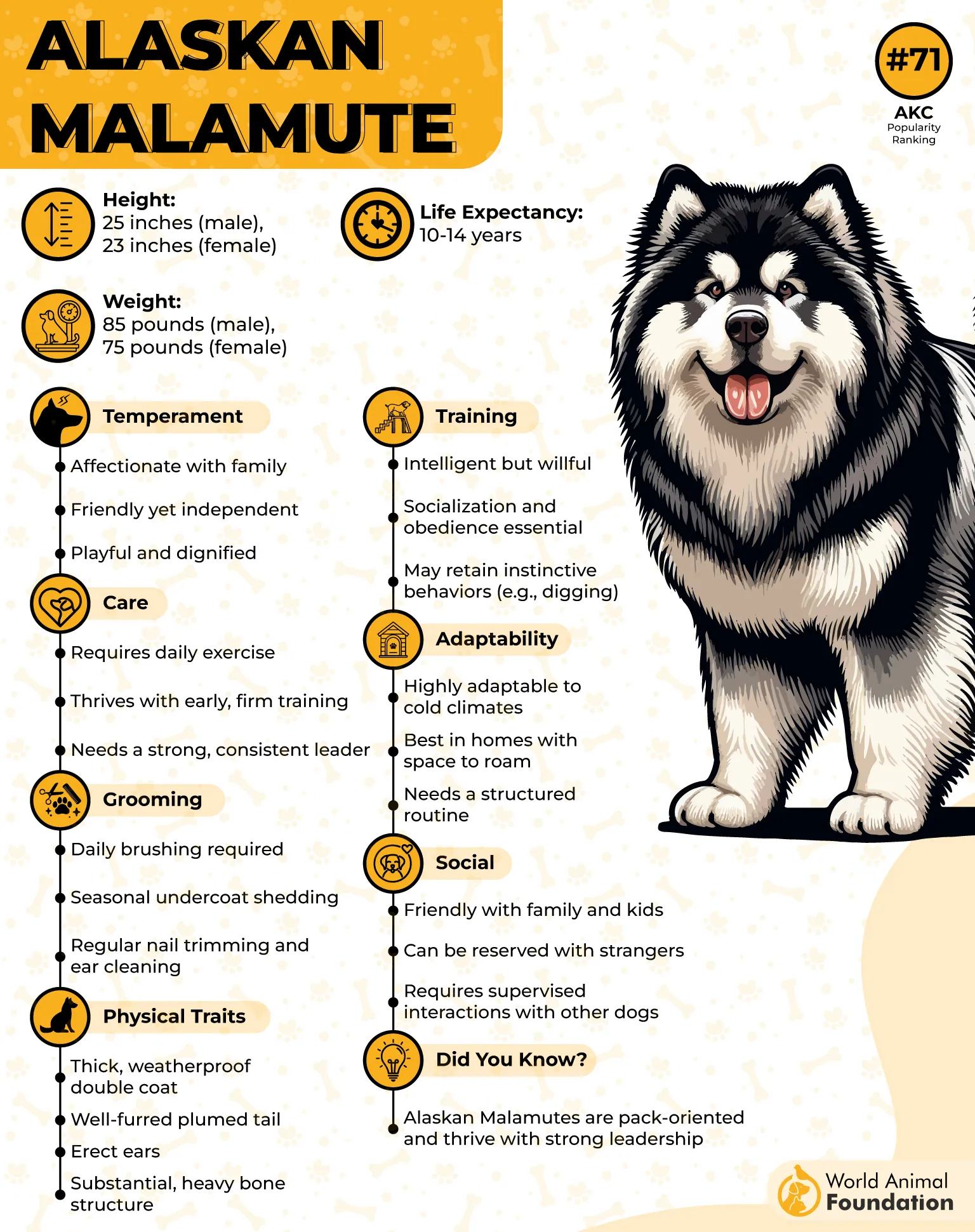
This same insulation, however, requires careful management in warmer climates, where activity must be adjusted to cooler hours to prevent overheating during exertion.
In outdoor use, it shows impressive endurance, often able to continue hiking or pulling loads for long hours without losing rhythm. Unlike more agile trekking dogs that focus on agility or speed changes, this one excels in sustained, heavy work across consistent terrain.
Its independent nature can lead it to explore or test boundaries if left unattended in open spaces, especially given its strong drive for movement and exploration. Controlled environments and secure areas are important during travel.
This combination of raw strength, cold-weather resilience, and long-distance stamina makes it a natural fit for demanding wilderness expeditions in winter landscapes.
Conclusion
Wilderness adventure isn’t about owning an active dog—it’s about sharing the trail with a partner built for it. From icy endurance runs to dense forest tracking and wide-open mountain hikes, each journey demands more than energy alone.
It calls for focus, resilience, and the ability to adapt when terrain shifts without warning. Some companions thrive in water, others in snow, some in silence, others in constant motion.
But the best ones share one thing… they don’t just survive the wild. They move with it, work with it, and belong in it.
