




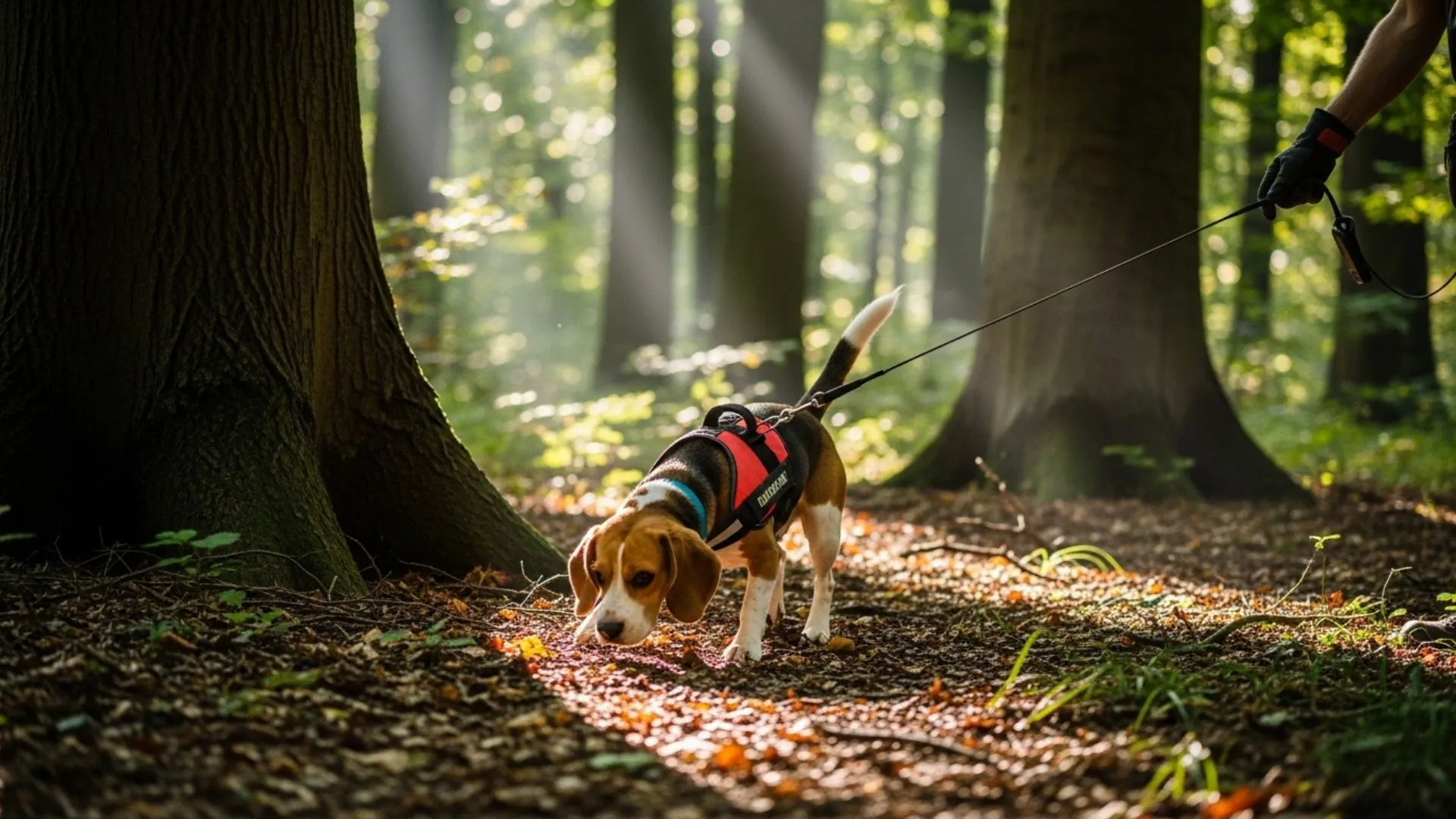
Wildlife crime is a serious global crisis driven by organized criminal networks. According to the WWF (World Wildlife Fund), these syndicates traffic wild animals and their parts in ways similar to illegal drugs and weapons, making wildlife crime one of the most profitable illicit markets in the world.
This includes poaching, illegal hunting, smuggling, and the trade of animal body parts, all of which severely damage ecosystems and threaten biodiversity. It is not a victimless crime; every act of wildlife crime disrupts ecological balance, harms communities, and accelerates environmental loss.
Addressing this issue requires coordinated global action, and in many cases, the support of one of humanity’s oldest working partners: dogs. Highly skilled detection and tracking breeds have long been used to assist in conservation efforts, border control, and anti-poaching operations. From scent detection to tracking and retrieval work, these popular hunting dog breeds play a vital role in identifying illegal activity and protecting endangered wildlife.
In the sections ahead, we’ll explore some of these remarkable working dog breeds and their important role in safeguarding our planet’s natural heritage.
Top Dog Breeds for Tracking and Apprehending Wildlife
1. Weimaraner
The bond between a hunter and a hunting dog is both ancient and remarkable. When that partnership is directed toward a purpose as meaningful as protecting ecosystems and preserving wildlife, it takes on an almost profound significance.
To begin such a demanding mission, the most important element is a reliable and capable partner, the right hunting dog breed.
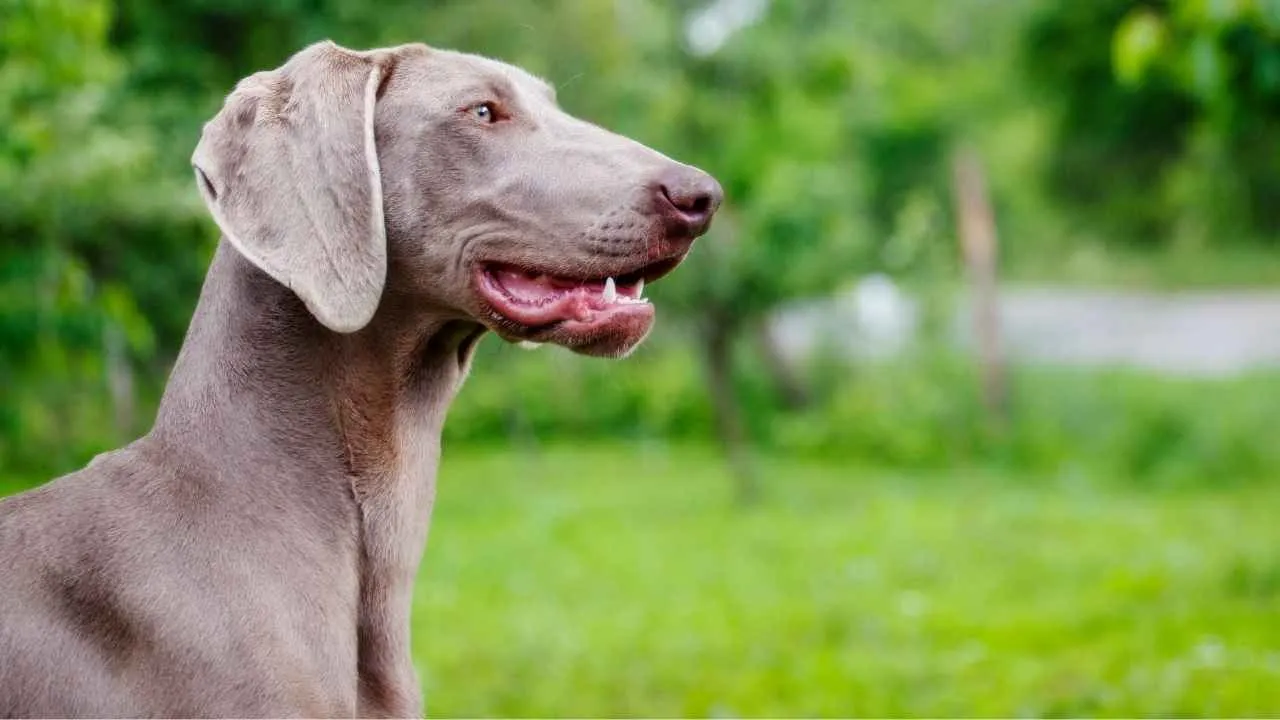
One standout example is the Weimaraner. Often admired for its striking appearance and athletic build, this breed has the speed, stamina, and versatility needed for challenging fieldwork. Hunters frequently describe Weimaraners as powerful, all-purpose gun dogs that can adapt to a wide range of terrain, game, and conditions.
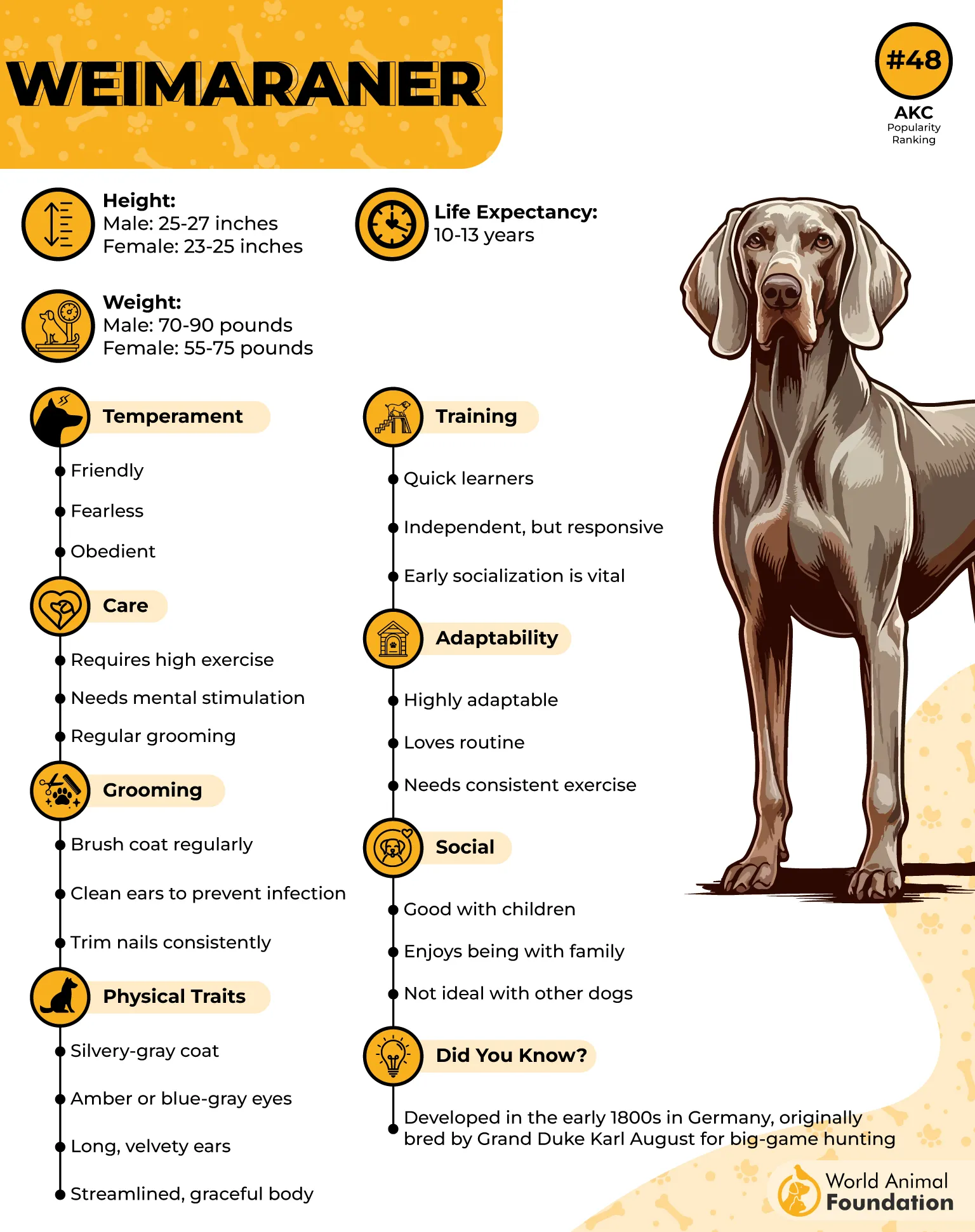
Originally bred by the nobles of Weimar to hunt large game such as boar, deer, and bear, these “grey ghosts” are intelligent, alert, and highly efficient. They possess strong instincts, a natural prey drive, and excellent pointing and retrieving abilities.
Despite their working heritage, Weimaraners can also make loyal and affectionate family companions. However, they require regular physical activity and mental stimulation, ideally with time spent in the field, so they can channel their energy and skills in a productive way.
2. Brittany
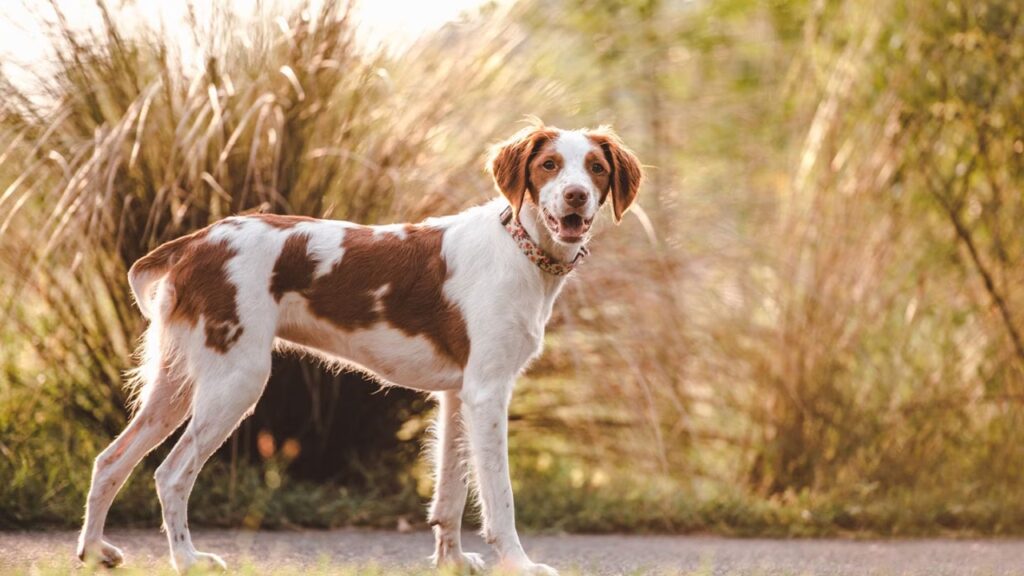
Born with impressive speed and agility, the Brittany is a tough, athletic pointing breed built to cover vast ground with ease. Known for its sharp sense of smell and natural instincts, this alert, outgoing, and highly active dog is not only an excellent upland hunting companion but also valued for tracking work in the field.
Eager to please, friendly, and highly versatile, Brittanys have earned a strong reputation among the best hunting dog breeds for their reliability and performance. However, they are also sensitive dogs, both physically and emotionally, which means they respond best to calm, patient, and consistent training.
Because of this, training can be time-intensive, but the rewards are well worth the effort. When guided with patience and respect, these energetic pointers develop into confident, capable working dogs without losing their enthusiasm or gentle nature.
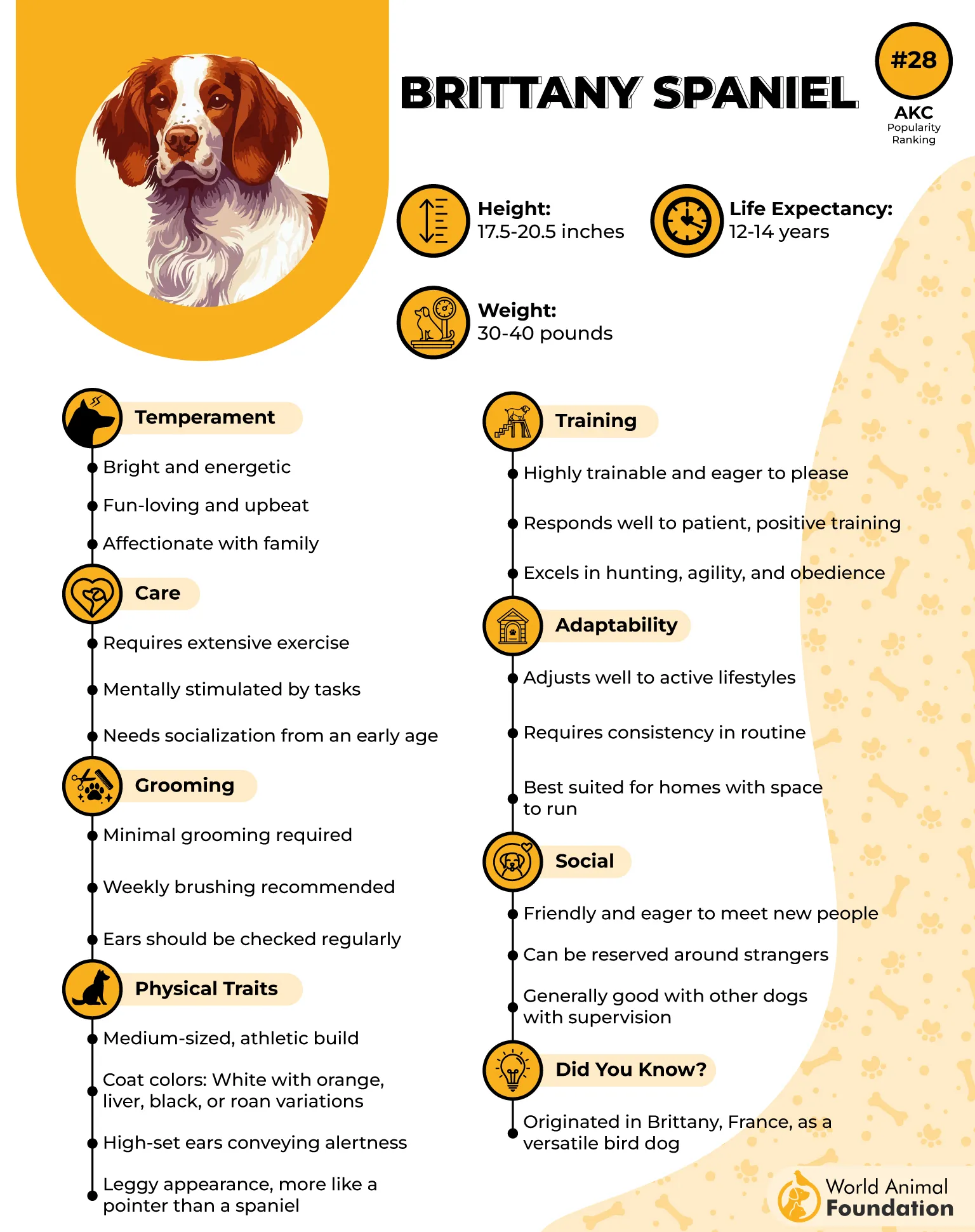
On demanding hunts, Brittanys truly excel. They move quickly across varied terrain while staying closely connected to their handlers. Balanced in size, not too large or too small, they are ideally suited for tracking and fieldwork in diverse environments, making them a highly dependable hunting partner.
3. American Foxhound
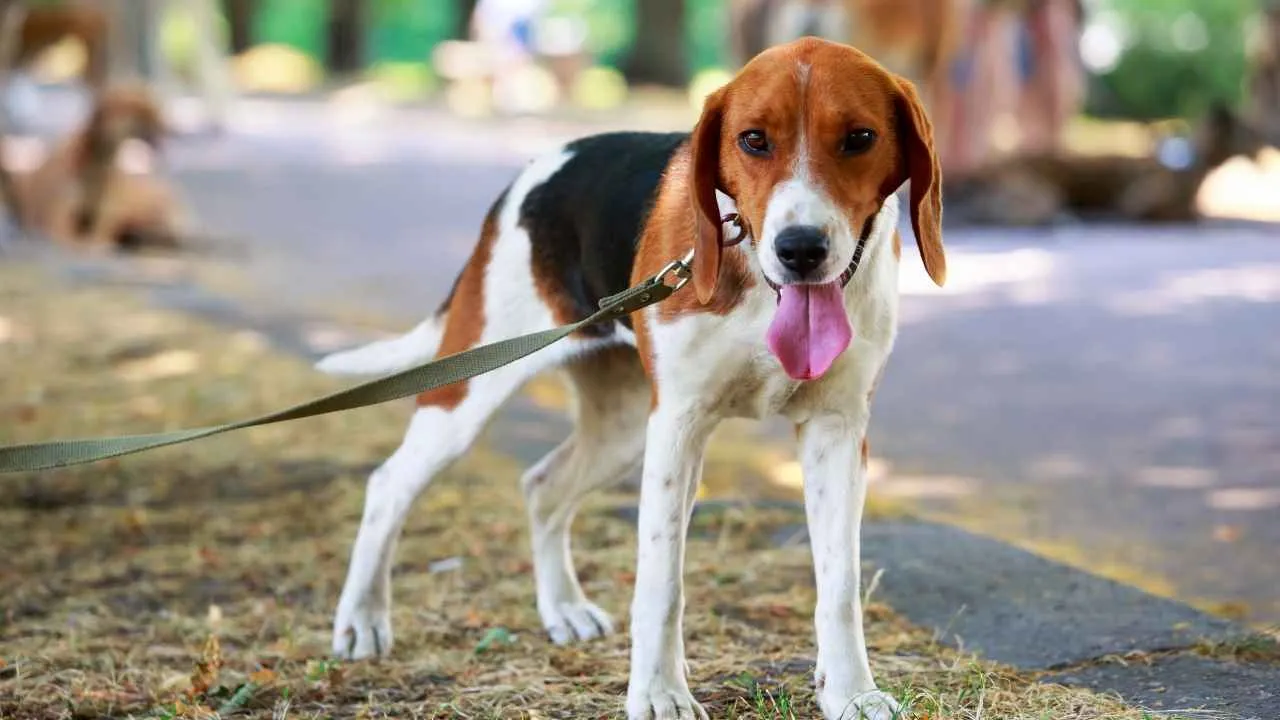
If you’re looking for a relentless scent-driven hunter with a deep-rooted legacy in traditional foxhunting, the American Foxhound stands out as a true classic. Often described as a longer-legged cousin of the beagle, this breed is built for endurance, capable of running for hours while staying locked onto a scent trail until the job is done.
Bred to track the most elusive quarry, the American Foxhound is known for its distinctive baying voice, remarkable stamina, and steady courage. Developed for a sport steeped in history, it remains one of the most specialized and fascinating scent hounds, even if few people ever witness its work in the field today.
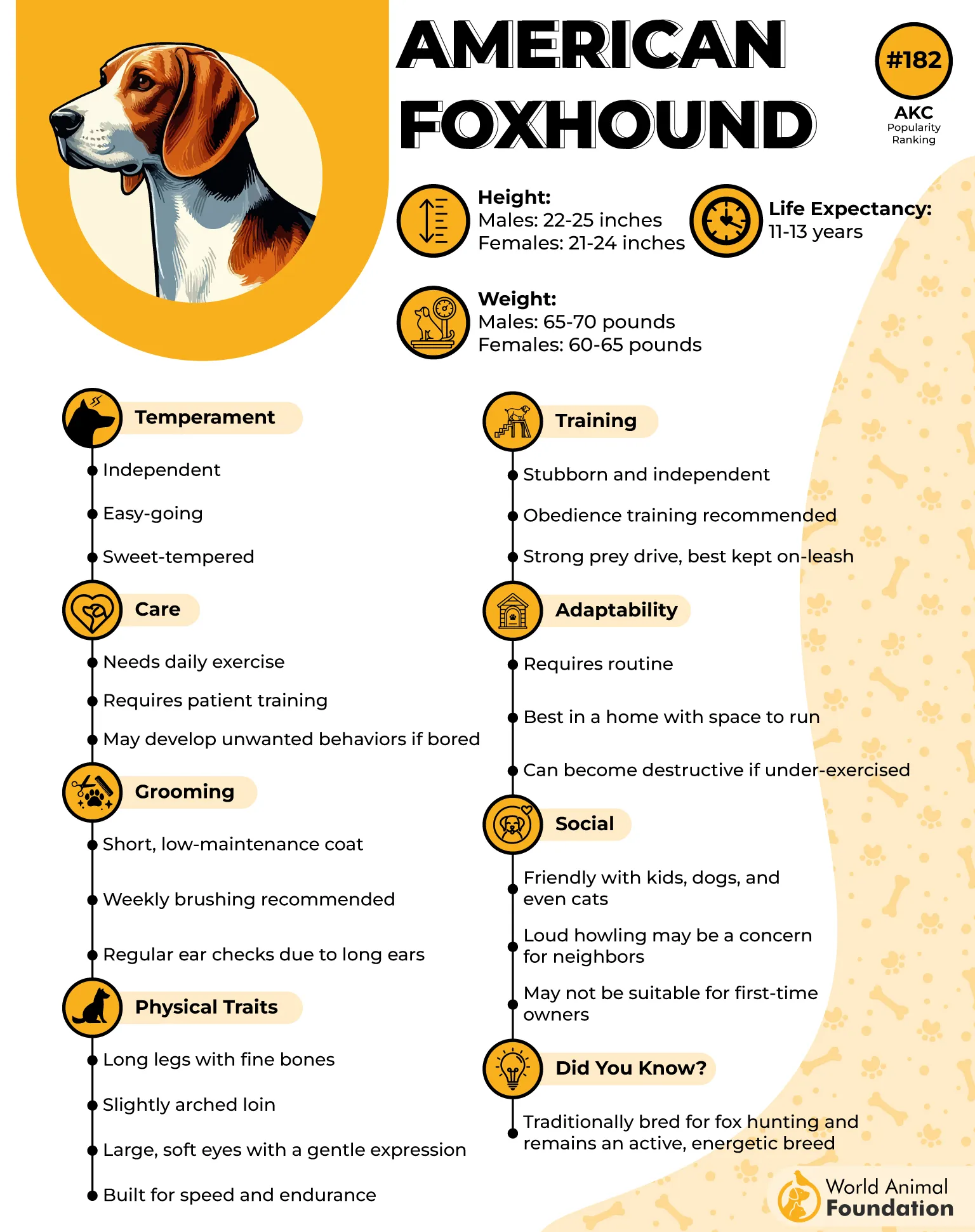
These dogs are built for long days outdoors, with exceptional noses, strong independence, and the drive to cover vast areas while following scent trails with determination. Their working style makes them highly effective in open terrain where persistence and focus are key.
Beyond the field, American Foxhounds are even-tempered, social, and friendly dogs. However, they are best suited to active families or experienced owners who can meet their high exercise needs. With the right lifestyle, they thrive on movement, exploration, and purpose-driven activity, making them a remarkable companion for outdoor enthusiasts.
4. English Springer Spaniel
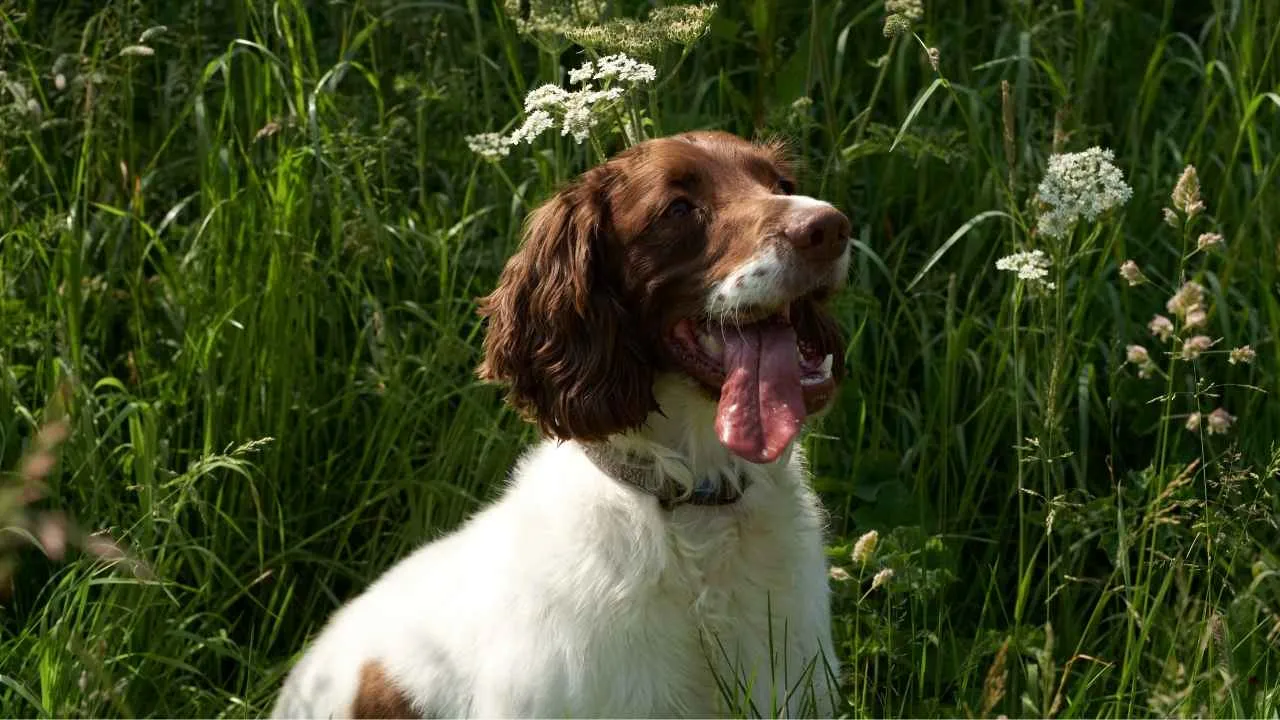
The moment an English Springer Spaniel catches the scent of birds or small game, everything changes. Its focus sharpens, eyes lock in, and within seconds, this energetic dog bursts forward like a sprinting athlete: fast, driven, and laser-focused on the trail ahead.
Weaving through shrubs and leaping over rough ground with ease, the Springer moves with remarkable agility as it flushes out game such as pheasants and ducks. Known for its excitement and drive in the field, it is also an efficient retriever, bringing back waterfowl with enthusiasm and determination.
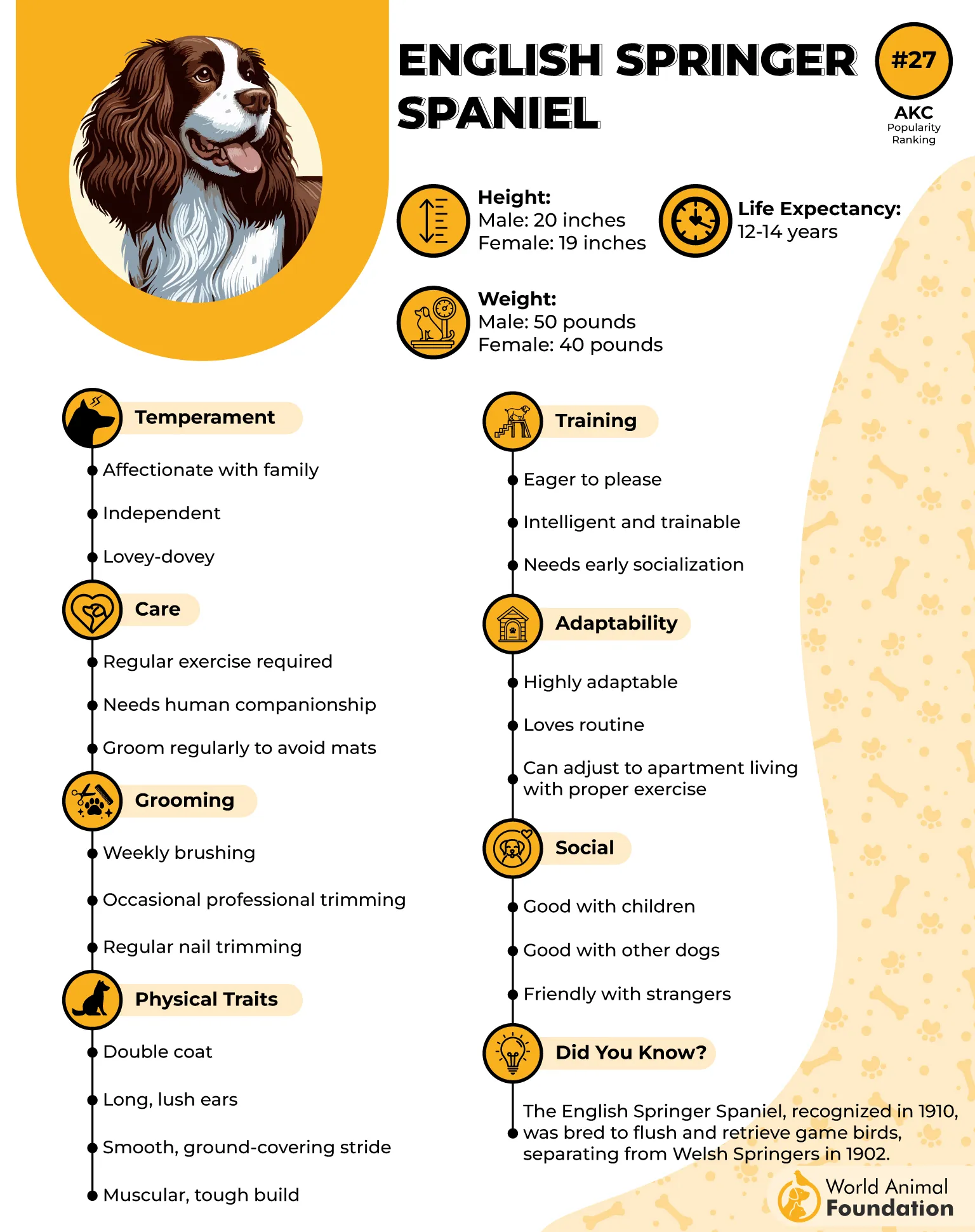
Despite its working intensity, the Springer is equally valued as a great family dog. Intelligent, friendly, and eager to please, it forms strong bonds with its people and enjoys staying close, whether following you around the house or resting calmly by your side, as per CKCUSA.
Highly adaptable and versatile, this breed is a strong choice for hunters and outdoor enthusiasts who need a reliable all-rounder. Compact yet powerful, the English Springer Spaniel excels as a flusher, chaser, and retriever, making it especially effective in varied terrain and tighter hunting environments.
5. Redbone Coonhound
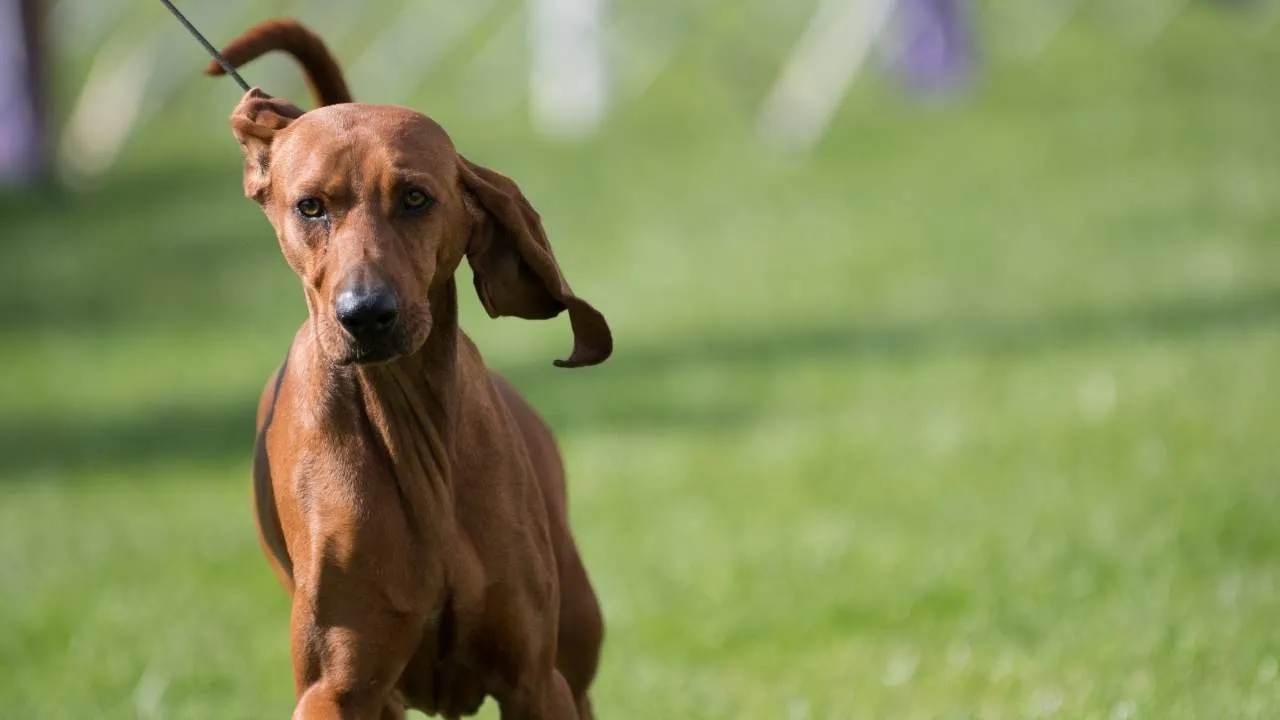
Bred for endurance and precision, the Redbone Coonhound is a skilled tracker known for its ability to run scent trails and tree game with impressive consistency. Confident, steady, and highly vocal, this breed is valued for its clear voice and reliable tracking performance in the field.
Hunting with a Redbone Coonhound often feels smooth and intuitive, thanks to its strong instincts and natural drive to follow a scent to its source. For those who haven’t quite connected with other hunting breeds, the Redbone offers a balanced mix of trainability, enthusiasm, and outdoor spirit that makes it a rewarding partner.
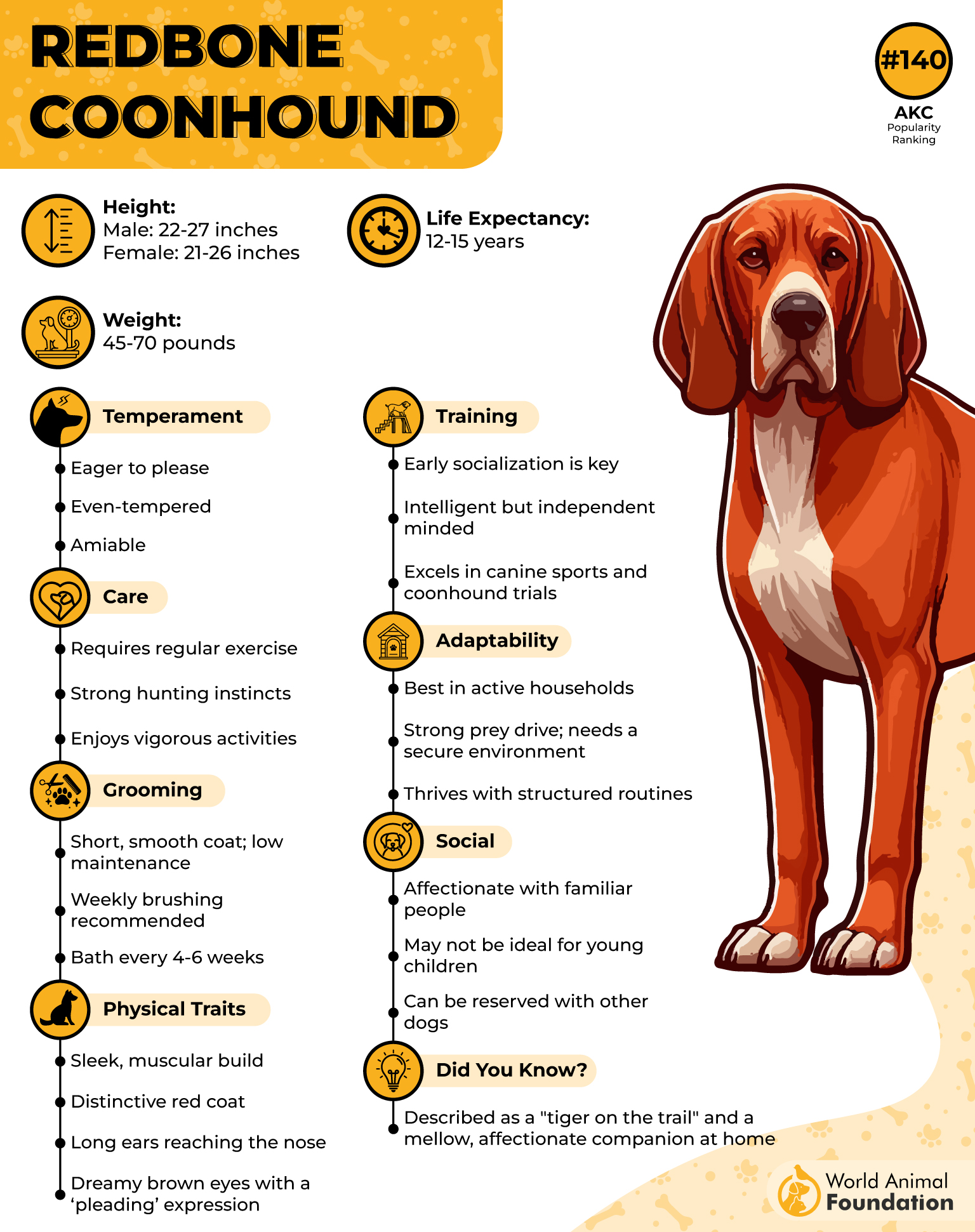
Watching this breed develop its skills is especially satisfying, as it steadily improves with experience and guidance. Beyond its working ability, the Redbone is affectionate, loyal, and eager to please, making it more than just a hunting companion.
While it thrives in the field, it can also adapt well to home life with proper exercise and engagement. Confident, alert, and dependable, the Redbone Coonhound is an excellent choice for hunters who appreciate a strong scenting ability paired with a clear, expressive voice and a cooperative temperament.
6. Beagle
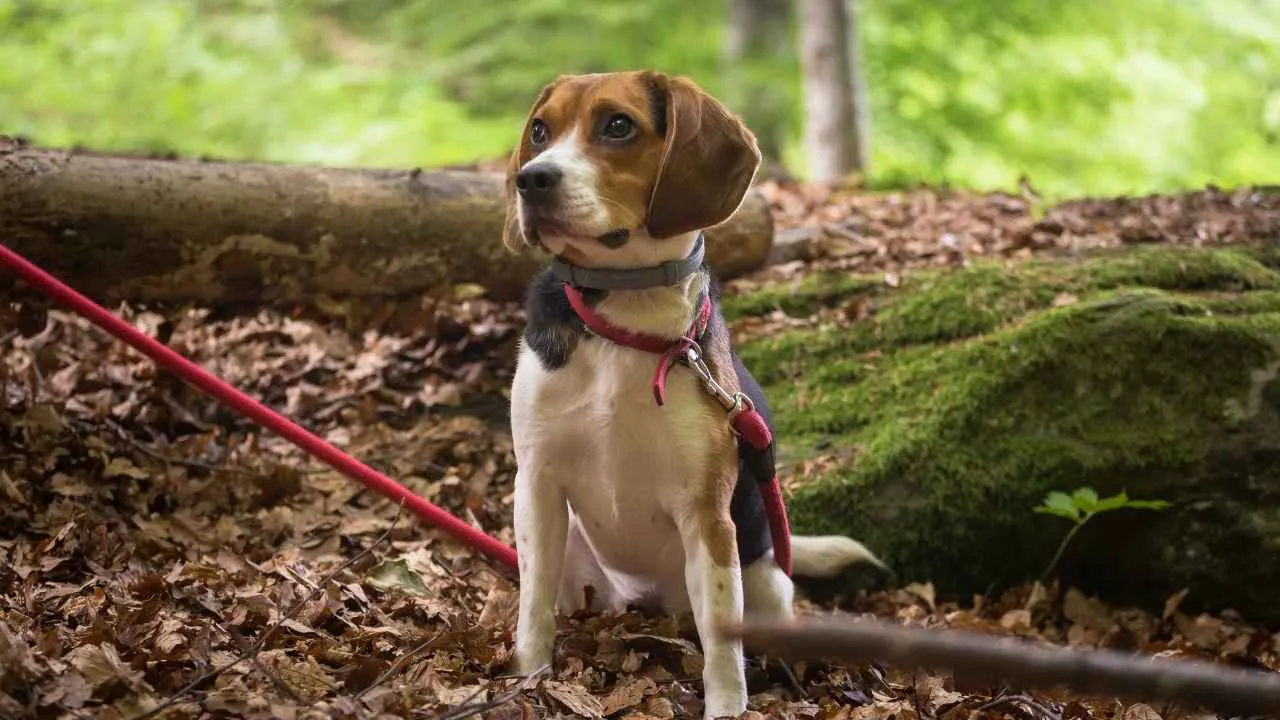
Renowned for their coordination, endurance, and pack-driven instinct, Beagles work like a well-synced unit in the field, moving through dense cover with determination and ease. Their compact size and steady drive make them especially effective for small-game hunting, particularly rabbits and hares.
As noted by Orvis, Beagles are known for their exceptional scenting ability, remarkable trail toughness, and one of the most cheerful, easygoing temperaments among hunting breeds. Their enthusiasm for tracking often makes them a favorite among hunters who appreciate both skill and personality in the field.
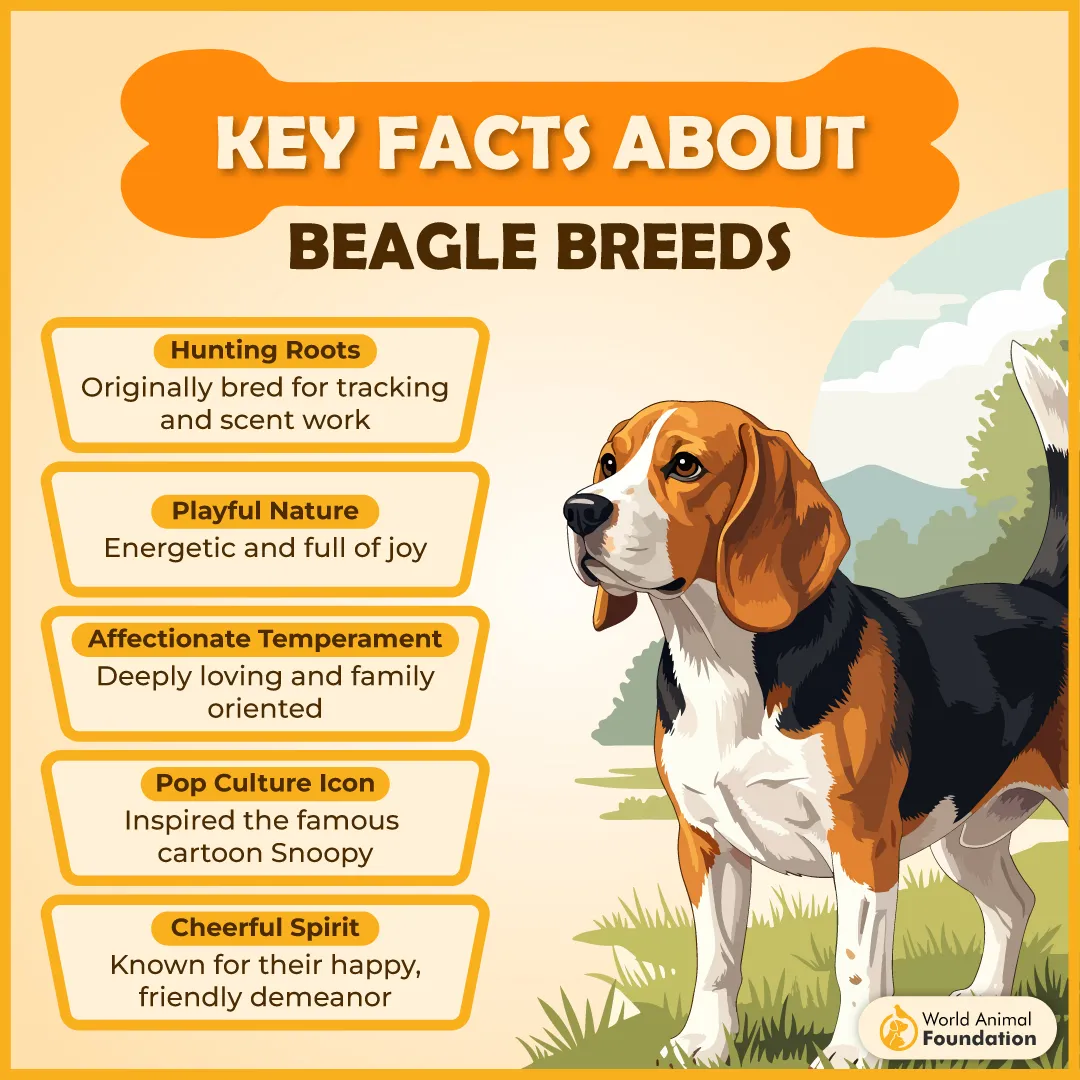
Once a Beagle locks onto a scent, its focus becomes intense and unwavering. This strong tracking instinct can sometimes lead them to follow a trail with complete commitment, showcasing both their strength and their single-minded curiosity.
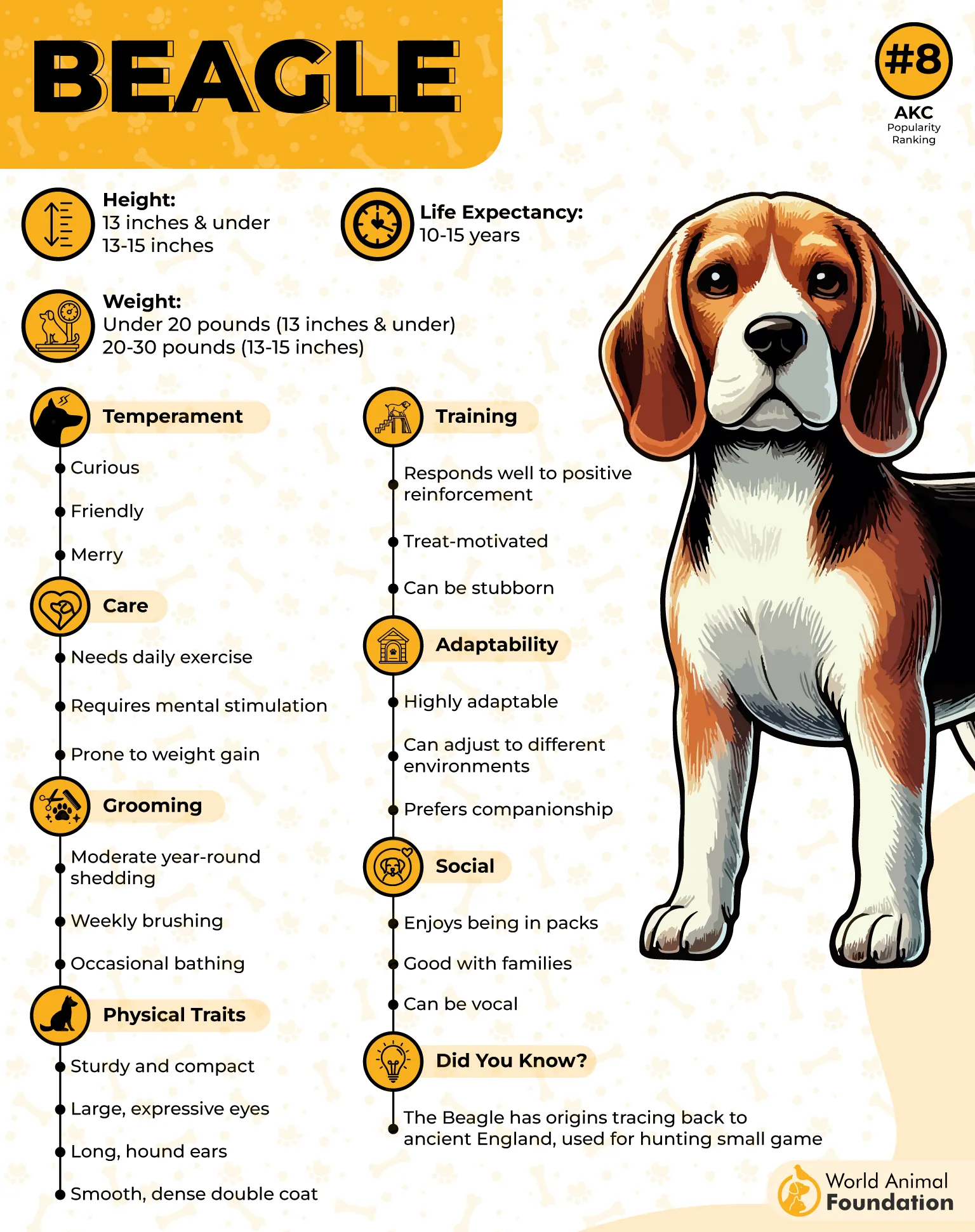
Beyond hunting, Beagles are friendly, sociable dogs that are widely loved for their gentle nature and adaptability. They are also trusted in professional roles, including work with the U.S. Department of Agriculture’s Beagle Brigade, where they help detect prohibited agricultural products and protect ecosystems from harmful pests and diseases.
7. Irish Setter
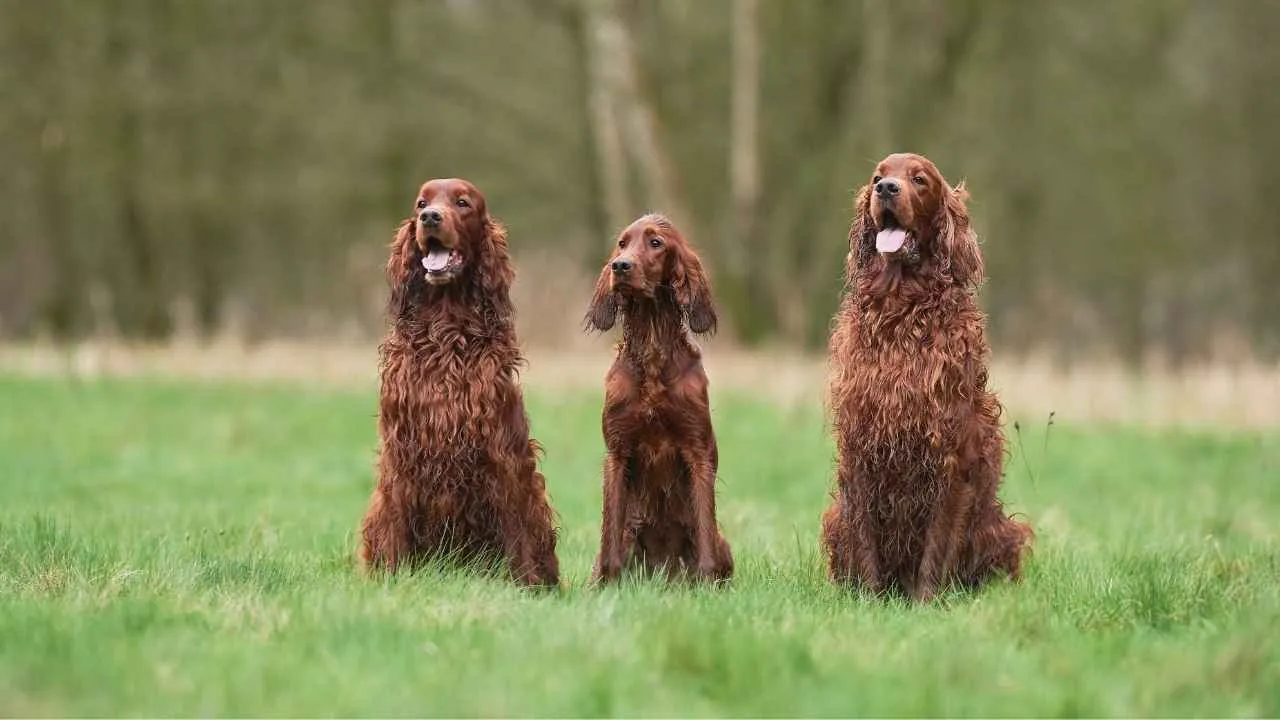
Draped in a rich, burnished coat that reflects the tones of autumn, the Irish Setter is as striking in appearance as it is skilled in the field. Graceful, athletic, and built for endurance, this elegant bird dog has long been admired for its style, speed, and hunting ability.
As Chewy notes, Irish Setters are athletic, biddable, and resilient; qualities that have earned them a reputation for consistently productive hunts and strong teamwork with their handlers. With a long-standing history in the field, they are known for their enthusiasm, stamina, and dedication when working alongside hunting partners.
Originally bred to locate upland game birds such as grouse and pheasants, this breed excels at covering open terrain, using its keen sense of smell to detect hidden birds in tall grass. Its signature “setting” or pointing behavior makes it an expert at silently indicating the game without disturbing the field.
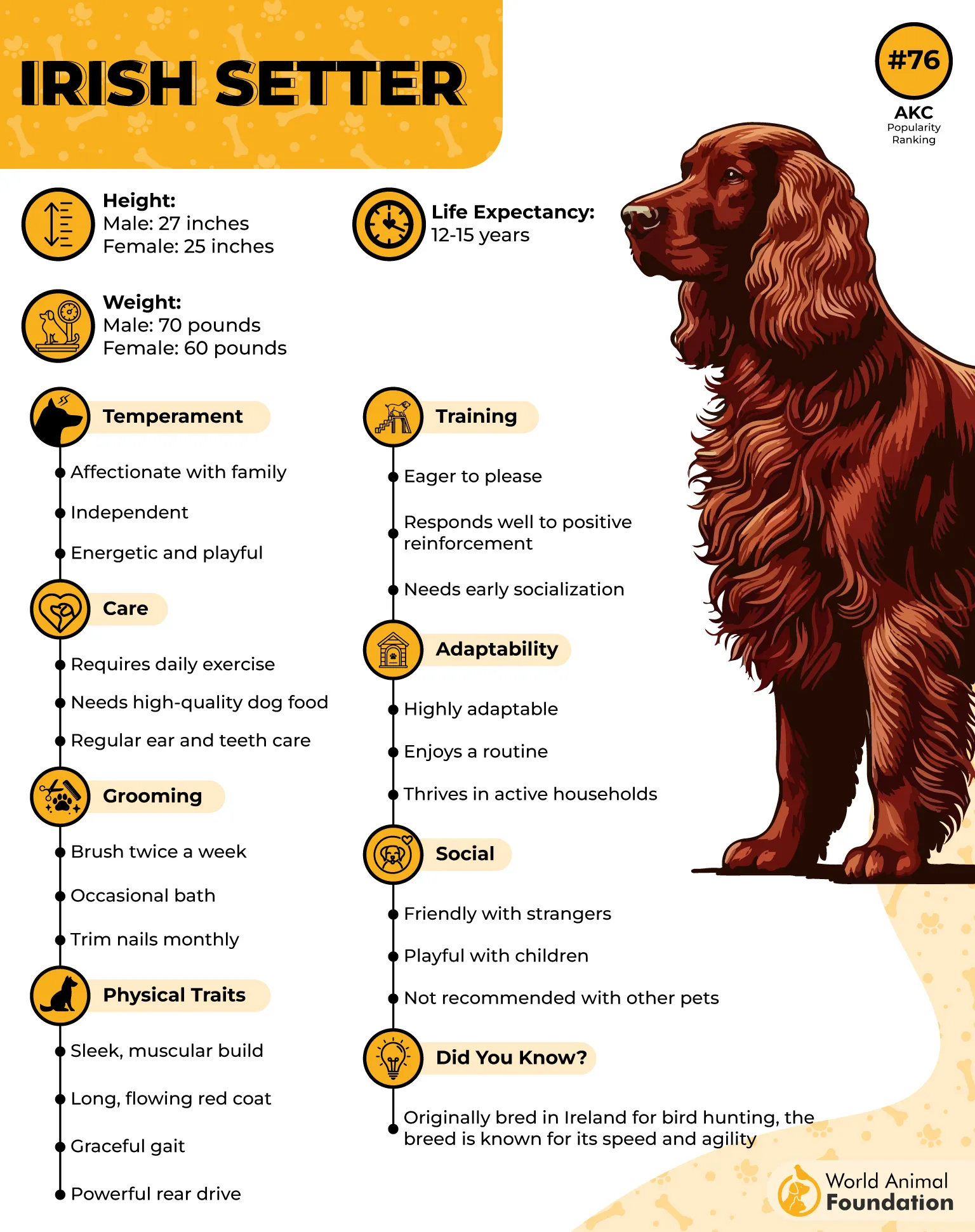
Energetic, outgoing, and full of enthusiasm, Irish Setters are capable of handling long hours of work, making them a strong match for active households and outdoors-focused lifestyles. They thrive on daily exercise such as long walks, runs, hikes, or bike rides, requiring both physical and mental engagement to stay balanced.
Friendly yet focused in the field, Irish Setters are valued for their ability to combine speed, stamina, and elegance. They are reliable partners for hunters who need a stylish yet hardworking dog that can locate and indicate game with precision while remaining a joyful and striking companion at home.
8. Treeing Walker Coonhound
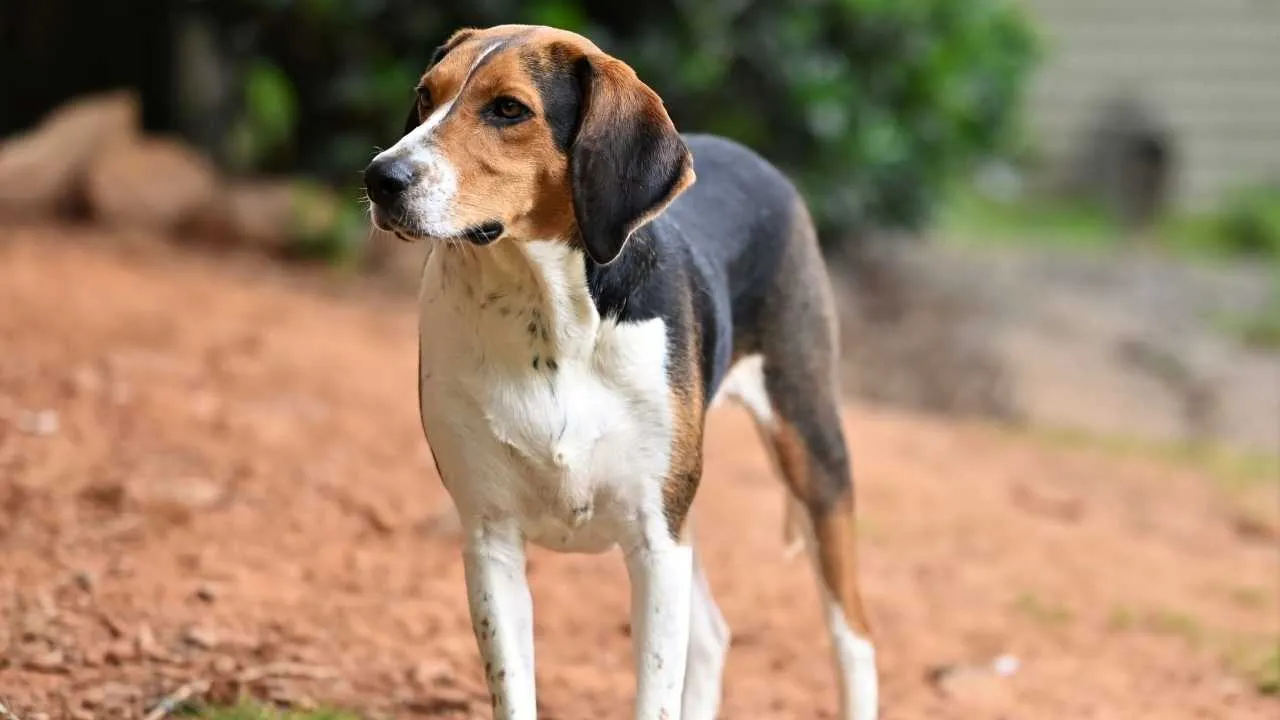
Looking for a dog with grit, drive, and a competitive edge? The Treeing Walker Coonhound is exactly that: an energetic, fast-starting scent hound known for its sharp tracking ability and strong treeing instinct. It’s the kind of dog that locks onto a trail quickly, follows it with determination, and doesn’t quit until the job is done.
Once on scent, this breed confidently tracks game across varied terrain and signals its success with a distinctive, loud bay, alerting handlers that the quarry has been located and treed. This clear communication, combined with its stamina and speed, makes it a highly effective working companion.
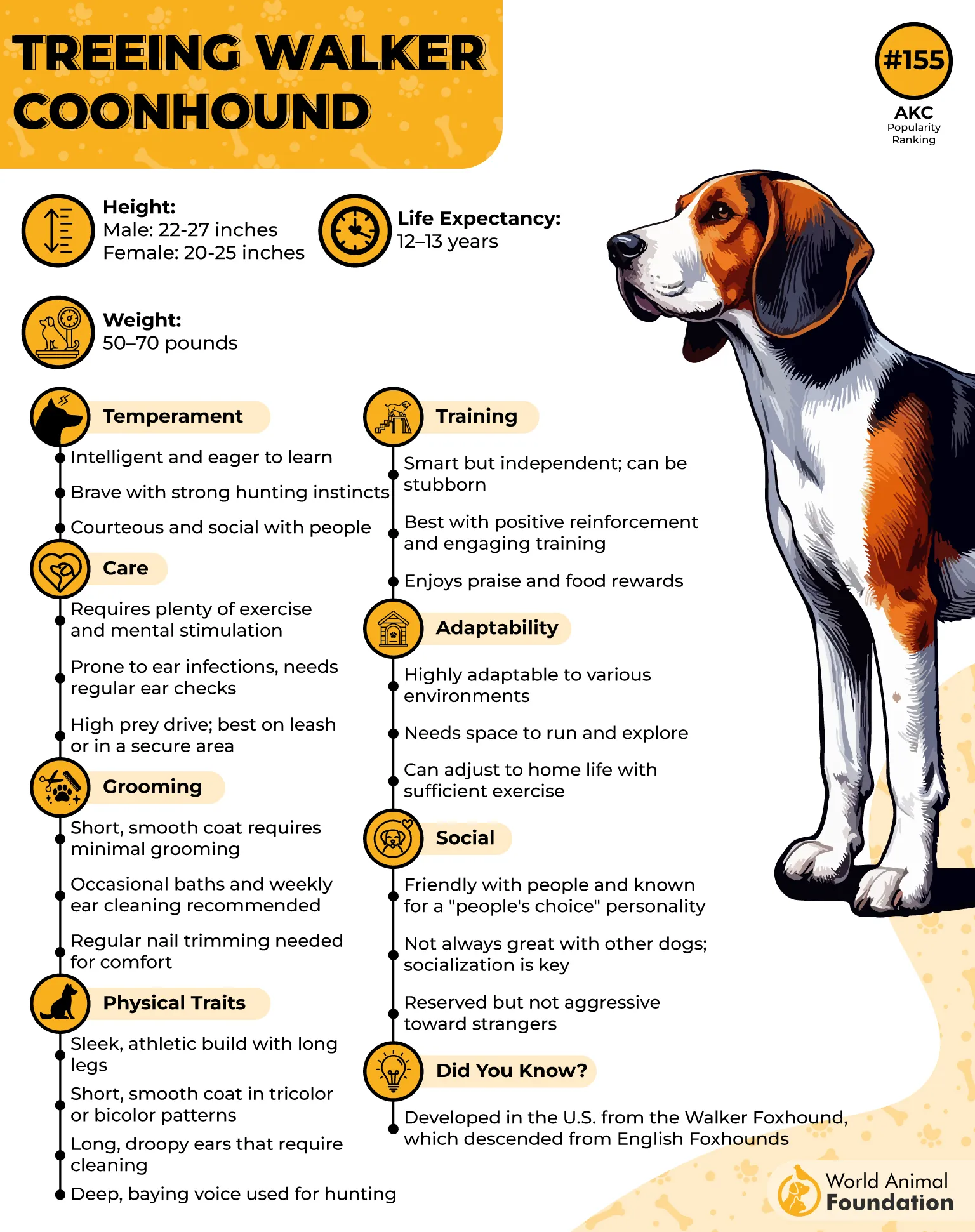
Beyond hunting, the Treeing Walker Coonhound is also valued in search and rescue work thanks to its exceptional nose and relentless focus. With proper training and mental stimulation, it can channel its natural instincts into highly productive roles, supporting both hunters and wildlife professionals alike.
Athletic, intelligent, and driven, this coonhound is a reliable partner for those who appreciate a high-performance scent hound capable of covering ground, solving scent problems, and working with purpose in the field.
9. Boykin Spaniel
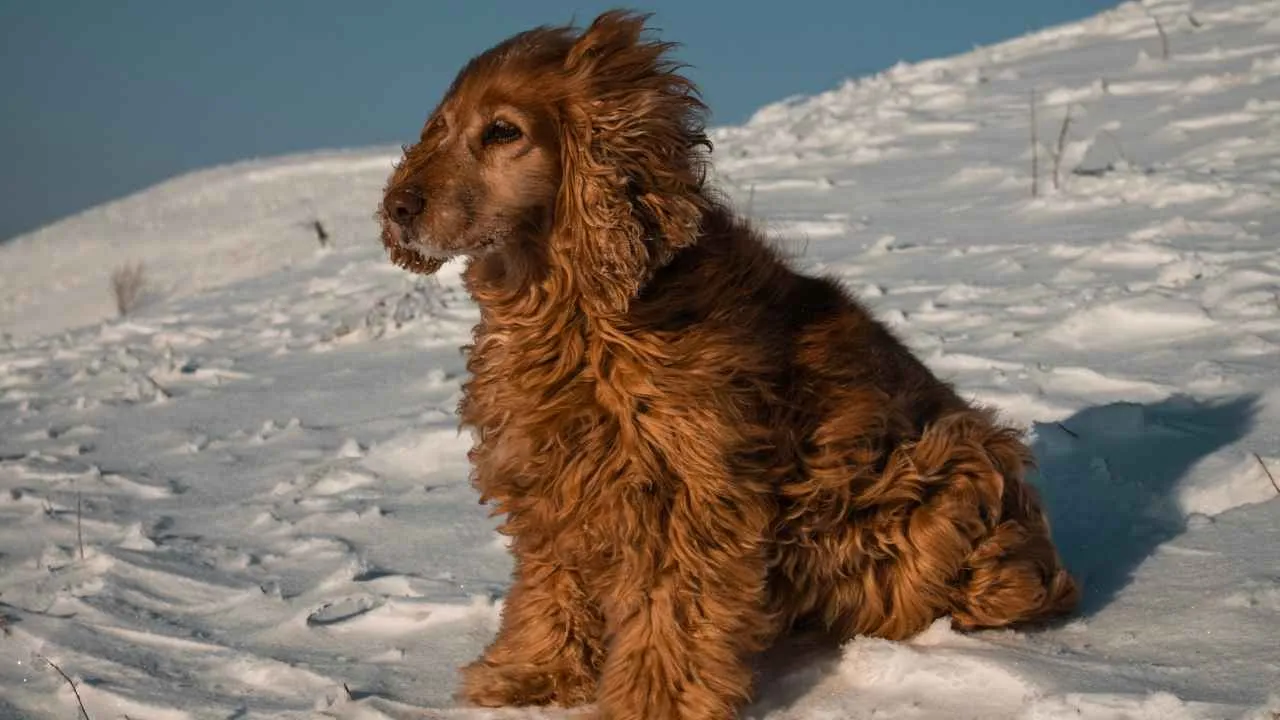
Ask any avid hunter about these South Carolina favorites, and you’ll likely hear the same themes: compact, eager-to-work, and highly versatile. The Boykin Spaniel is a true sporting dog, perfectly suited for boats, blinds, and tight hunting spaces, where it excels at flushing birds and retrieving waterfowl. It can also adapt to tracking furred game when needed, showcasing its impressive range of skills.
With their rich liver-colored coats, these capable gun dogs are known for detecting subtle scents and following trails over considerable distances. Beyond their working ability, Boykins are also affectionate and loyal family companions, making them a well-rounded choice for active households.
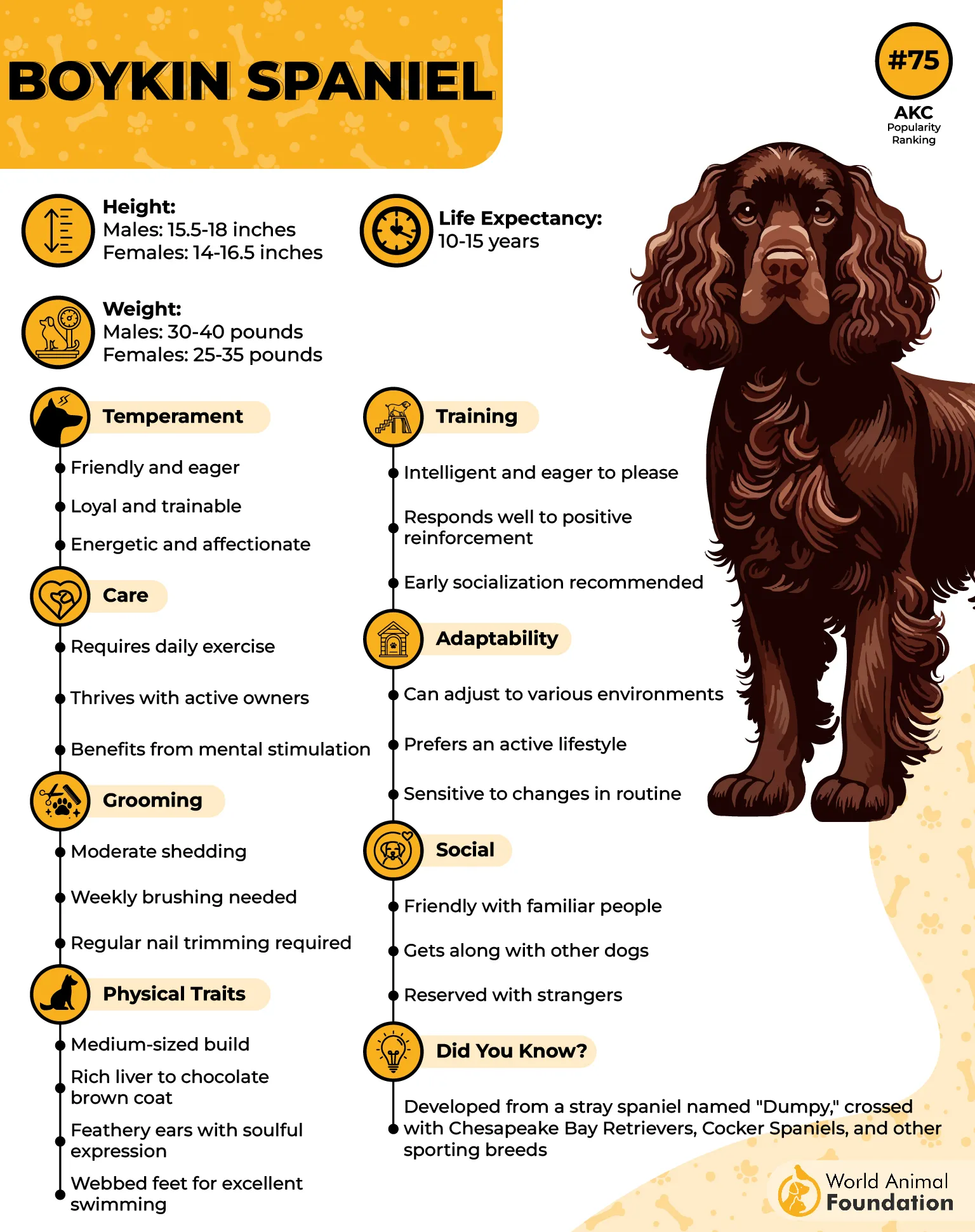
Keen in both scent and sight, these enthusiastic dual-purpose dogs bring a rare balance of ruggedness, patience, and precision to the field. They are especially valued for their natural retrieving instinct and steady temperament in demanding hunting environments.
Boykin Spaniels are skilled at locating and flushing game birds as well as retrieving waterfowl, making them highly efficient upland hunters. Their intelligence and strong instincts often allow them to work with minimal prompting, as their drive to hunt and retrieve is deeply ingrained.
10. Bluetick Coonhound
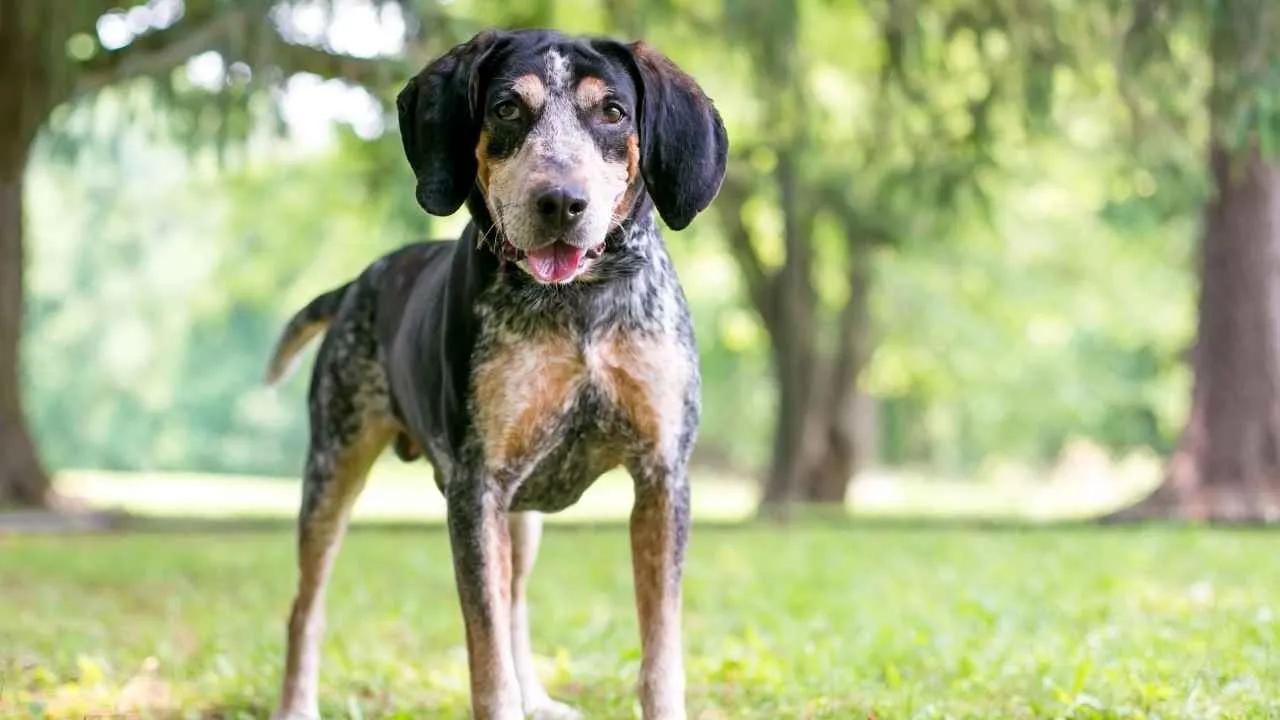
A good hunting dog is often defined by a strong prey drive, responsiveness to training, endurance, and athletic ability, but the Bluetick Coonhound brings all of that together in a truly distinctive way. With its high energy, keen nose, and signature melodic howl, this breed stands out as both a hardworking tracker and a determined field partner.
Often described by owners as “as houndy as it gets,” Blueticks are characterized by their long ears, strong build, and a working style driven equally by nose and heart. Once on a scent, they are persistent and focused, capable of trailing game over long distances and staying committed until the task is complete. While they are generally even-tempered and relaxed at home, they are far from couch potatoes; they thrive on activity, purpose, and open space.
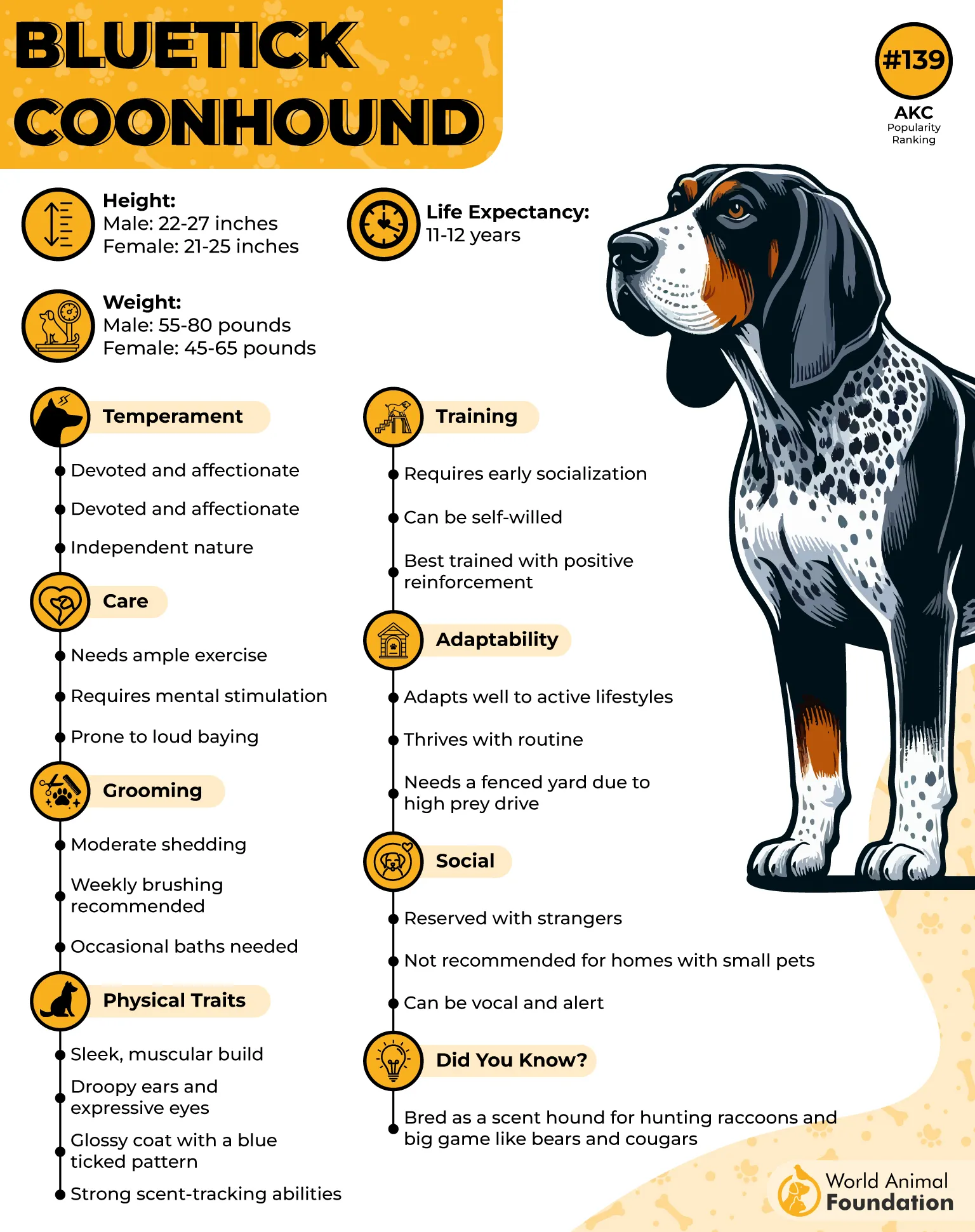
Tracing their lineage back to the French Bleu de Gascogne and English Foxhound, Blueticks combine stamina, intelligence, and a strong instinct for tracking. Originally bred for raccoon hunting, they are known for their ability to follow cold trails with remarkable persistence and accuracy.
In working environments, their steady pace, loud voice, and determined nature make them effective tracking companions for hunters. Their trailing and alerting style also plays a role in wildlife management and search work, where covering difficult terrain and following faint scent trails are essential.
With proper training and guidance, the Bluetick Coonhound becomes a loyal, capable partner in the field, one defined by endurance, focus, and an unwavering drive to follow the trail to its end.
Conclusion
Illegal hunting, poaching, and wildlife trafficking create a global crisis that extends far beyond the loss of biodiversity. These activities accelerate habitat destruction, weaken ecosystems, fuel organized crime, and undermine local economies that depend on healthy wildlife populations. In poorly regulated markets, they also increase the risk of zoonotic diseases that can spill over into human populations.
In this complex fight, trained detection and tracking dogs play an important supporting role. Working alongside forest rangers and conservation teams, they help locate illegal activity, track suspects through difficult terrain, and improve the speed and accuracy of anti-poaching operations.
Beyond enforcement, their presence indirectly contributes to the protection of ecosystems, helping preserve forests, wetlands, and marine environments by reducing illegal pressure on wildlife populations. In this way, they support broader conservation goals, including climate stability and ecological balance.
Ultimately, these highly skilled and loyal dogs are more than working animals; they are vital partners in conservation efforts. Through their intelligence, dedication, and close cooperation with humans, they help protect wildlife and strengthen the ongoing effort to safeguard the natural world for future generations.
