




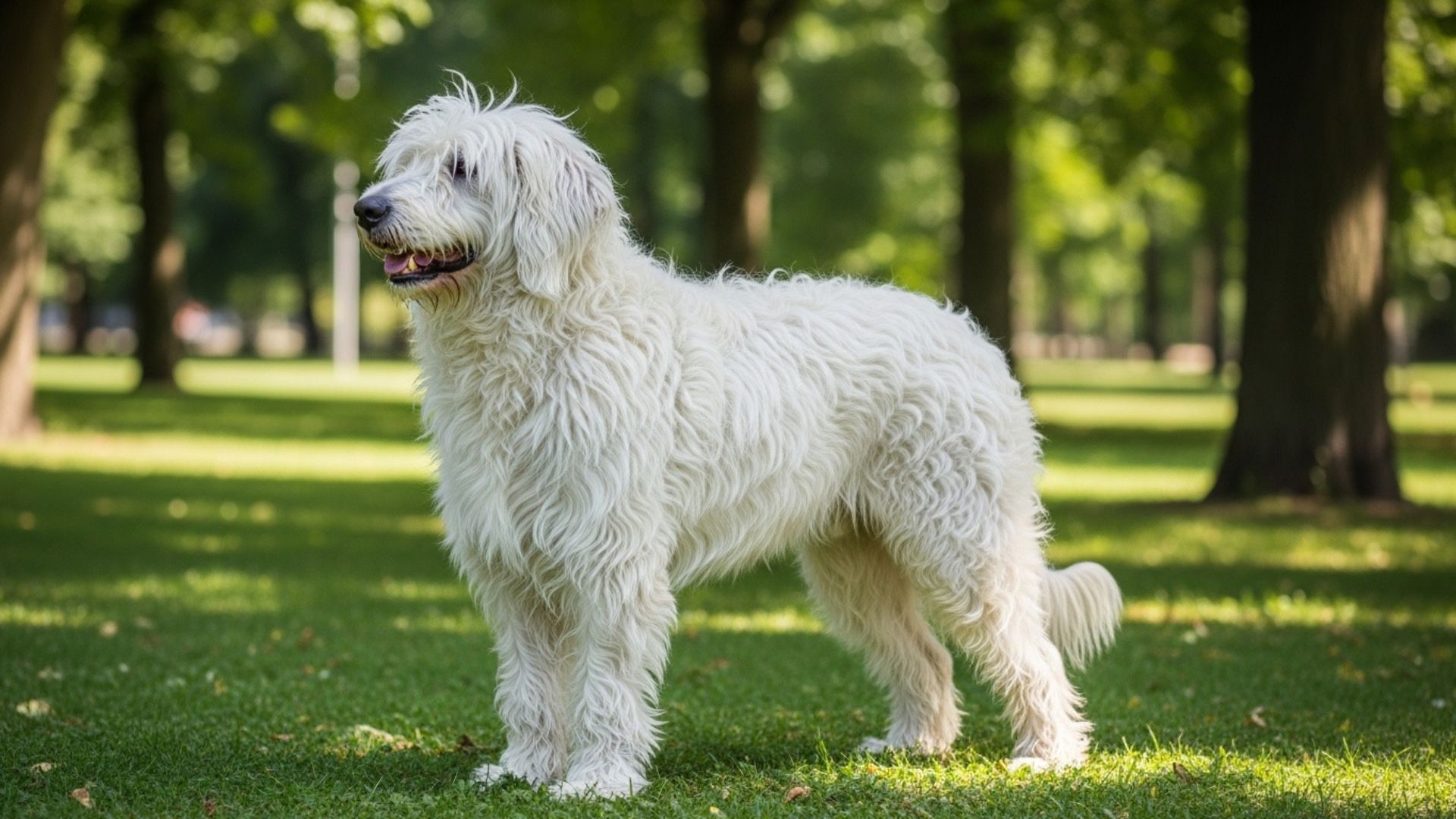
Have you ever seen a dog walk by and instantly thought, Wow?
Sometimes it’s not their size or color that grabs your attention—it’s their coat. From silky strands that sway with every step to thick, fluffy layers you just want to bury your hands in, a dog’s coat can completely define their look and personality.
But here’s something many people don’t realize: a dog’s coat isn’t just about beauty. It was originally designed for a purpose. Thick double coats helped working dogs survive icy climates.
Of course, those gorgeous locks come with responsibility. Long or unique coats usually need regular brushing to prevent tangles and mats.
Some dogs require daily care, while others are surprisingly low maintenance. And despite popular belief, not all long-haired dogs shed heavily—though no dog is truly 100% hypoallergenic.
In this article, we’ll explore stunning pups whose coats aren’t just beautiful—they’re unforgettable. Ready to meet them? Let’s dive in.
Key Takeaways
Explore Poodles, Shih Tzus, and Afghan Hounds with show-stopping coats.
See how Komondors and Samoyeds use their fur for function and flair.
Discover double-coated breeds like the Chow Chows and Lhasa Apsos.
Learn quick grooming tips to keep long-haired dogs healthy and stylish.
Top Dog Breeds Defined by Their Distinct Coat Types
1. Poodle
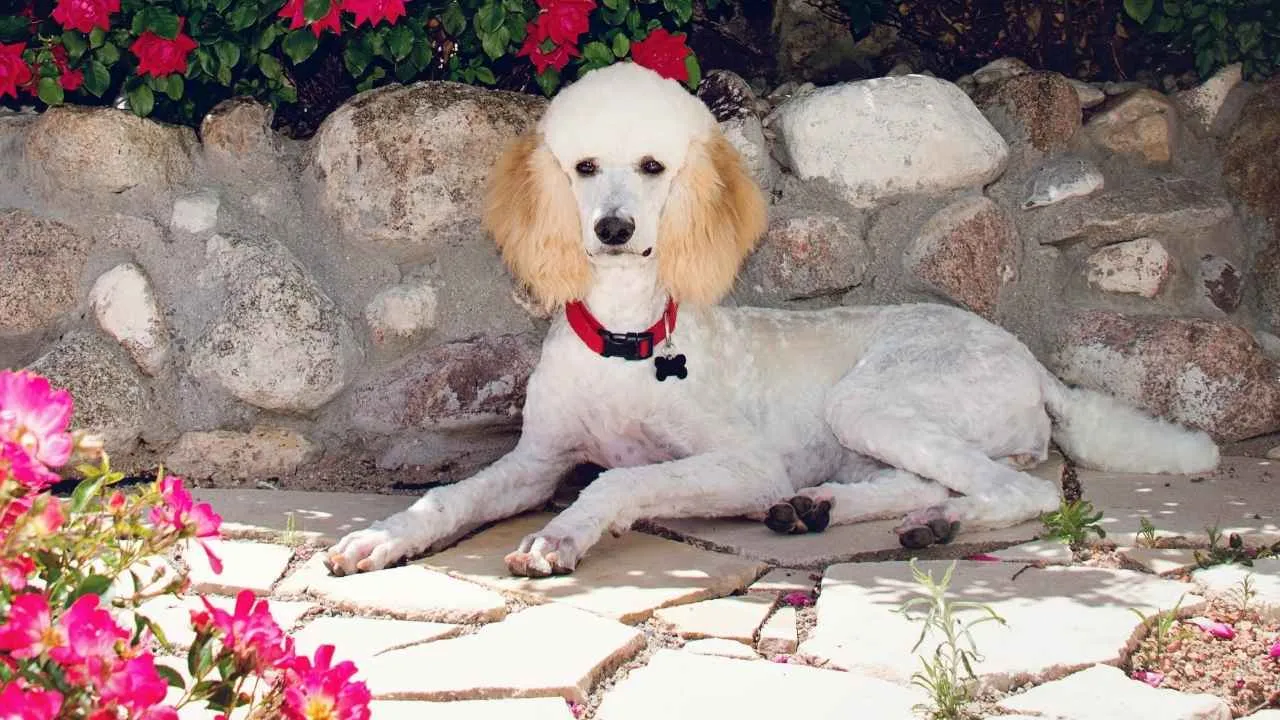
The Poodle is one of the most recognizable long-haired breeds, known for its dense, curly, hypoallergenic coat. Whether Standard, Miniature, or Toy—and in colors like black, white, or apricot—this breed combines elegance with athleticism.
Poodles were originally bred as water retrievers, and their iconic haircuts had a purpose: the coat was clipped in certain areas to prevent waterlogging while keeping vital organs and joints protected. Today, Poodles are just as versatile as ever, from show ring stars to beloved family companions.
Poodles are intelligent, energetic, and highly trainable. Standards are the strongest athletes, while Miniatures and Toys share the same intelligence and personality in smaller packages.
This curly-coated breed is particularly balanced, offering moderate size, steady energy, and excellent adaptability for homes or apartments, as noted by the American Kennel Club. With proper exercise and mental stimulation, they thrive as companions, therapy dogs, or even junior agility competitors.
Poodle Coat & Care Highlights:
Tight, profuse curls covering the body
Hypoallergenic with minimal shedding
Often styled in elaborate show clips or simpler Sporting clips
Coat care includes regular brushing to prevent mats
Haircuts historically served functional purposes (warmth & protection)
Floppy ears and dark, shiny eyes complete the look
Poodles hit the perfect balance between size and versatility. With their distinctive curly coat and noble appearance, they are instantly recognizable and remain one of the most beloved long-haired breeds in the world.
2. Shih Tzu
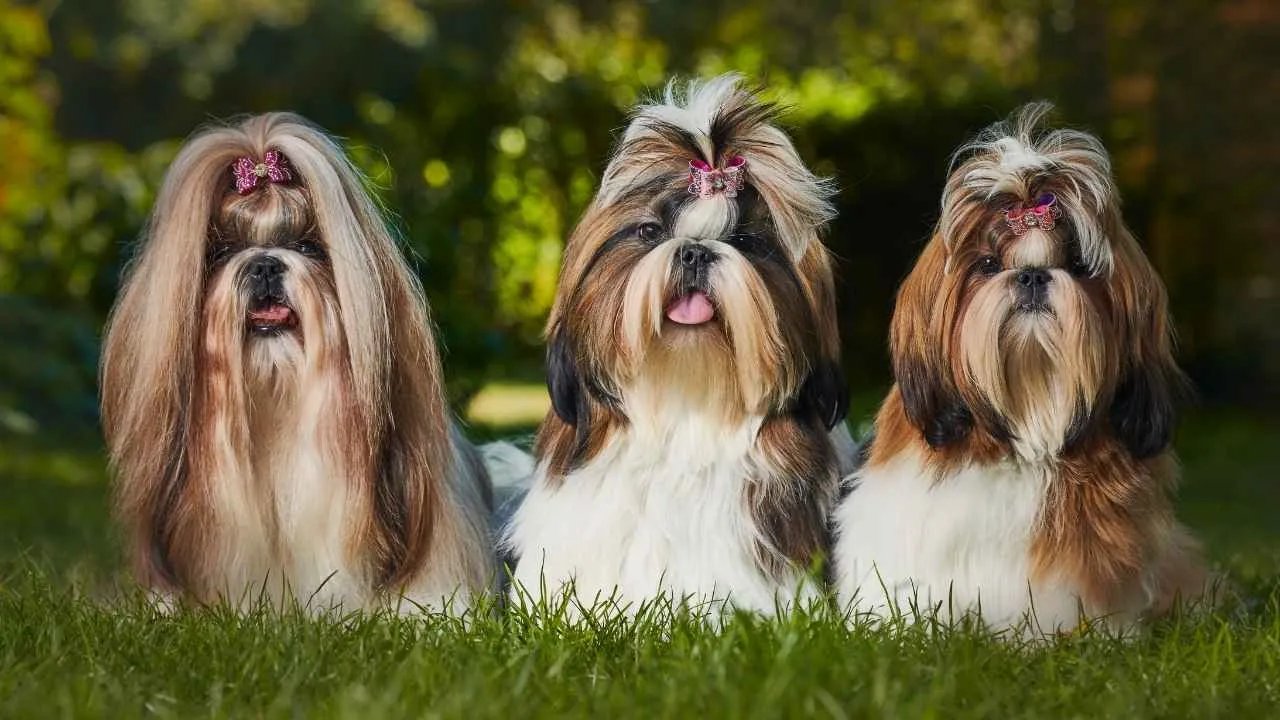
The Shih Tzu is a small toy breed known for its long, silky, flowing coat. Its name means “lion dog” in Chinese, and it was a favorite of Chinese royalty for hundreds of years, according to Pedigree. With a pushed-in face and luxurious double coat, this breed truly looks like a little lion.
If left untrimmed, the straight, smooth hair can reach the ground. The coat grows continuously and sheds very little, which is why many people consider the breed close to hypoallergenic—though it’s always wise to spend time with one first if you have allergies.
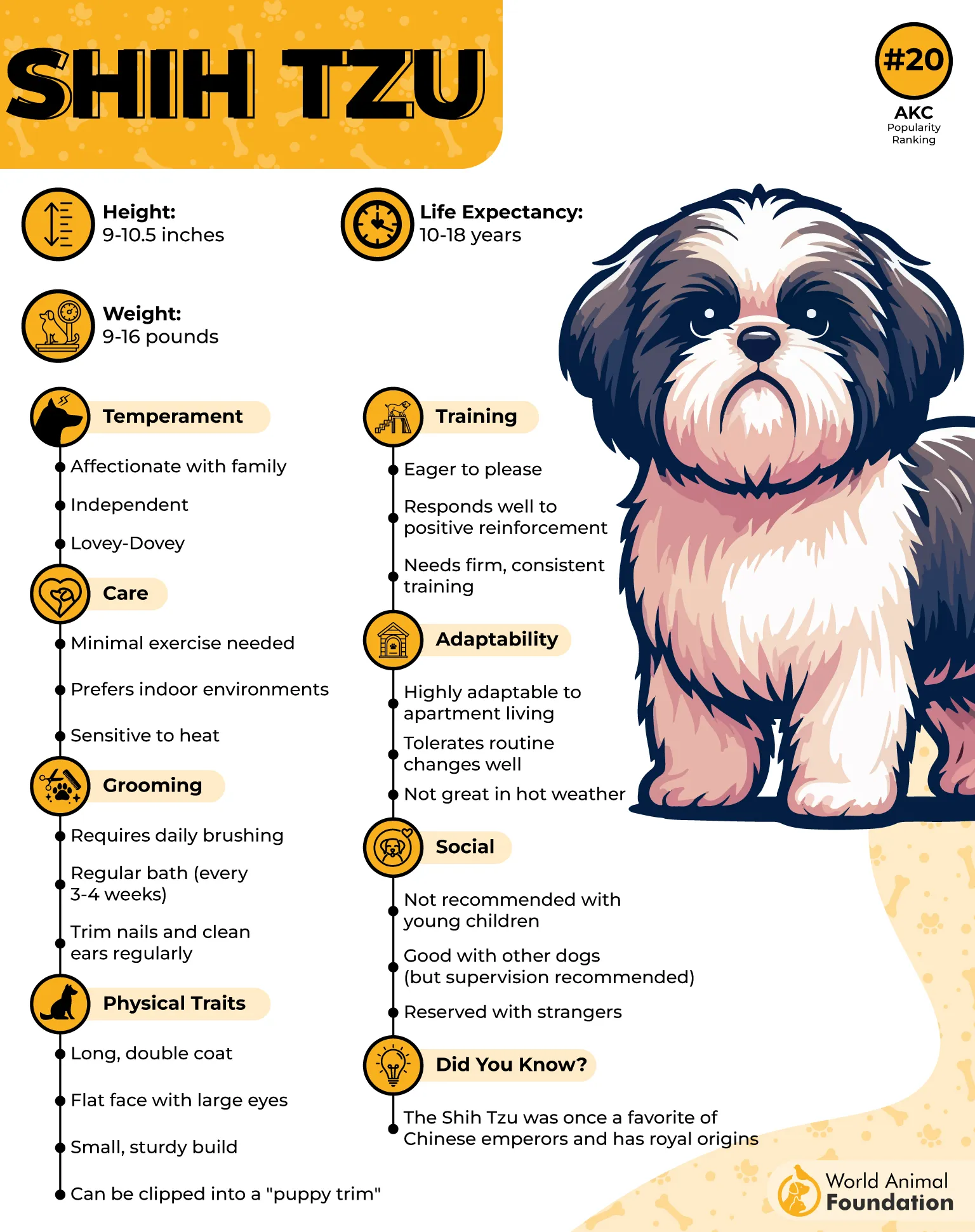
Shih Tzus are affectionate, lively, and outgoing. They make wonderful family dogs and adapt well to small homes. They love companionship and would happily spend the whole day in your lap.
They usually get along with people and other dogs. However, they can be vocal and tend to bark. Because they are a brachycephalic breed, their short muzzle can make them prone to breathing difficulties.
Shih Tzu Coat & Care Highlights:
Long, straight, silky double coat that can grow to the floor
Very minimal shedding
Requires regular specialized grooming
Daily brushing if kept long; once or twice weekly if clipped shorter
Needs frequent bathing, drying, combing, and trimming to keep a healthy coat
Often styled with a topknot or bow to keep hair out of the eyes
Due to their coat type, routine maintenance is essential. Some owners prefer a shorter, fluffy trim for easier care, while others keep the coat long and glamorous. Either way, their distinct flowing coat is what truly defines this charming “lion dog.”
3. Afghan Hound
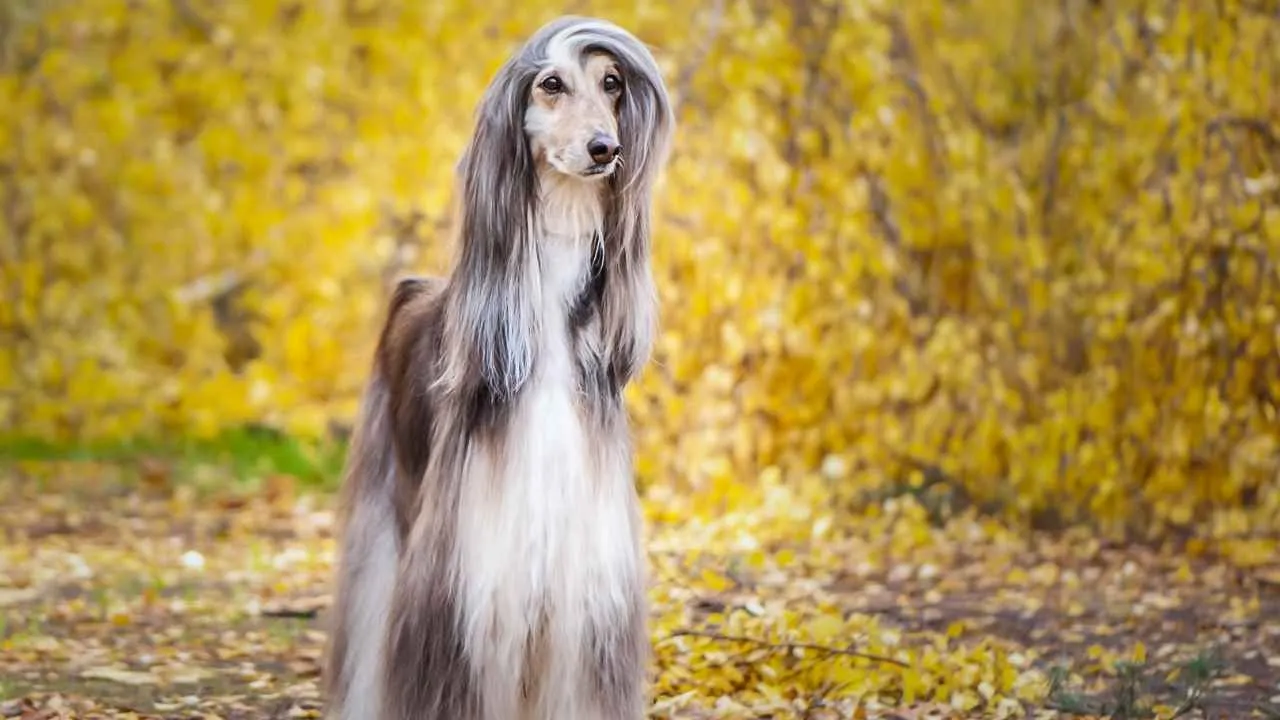
The Afghan Hound is pure elegance in motion. This ancient breed, dating back thousands of years, is believed to have originated in Afghanistan, where its thick, silky coat protected it from the cold mountain climate.
As puppies, they have short, curly hair. As adults, that coat grows into long, fine, flowing silk. Their glamorous mane and curled tail are true trademarks.
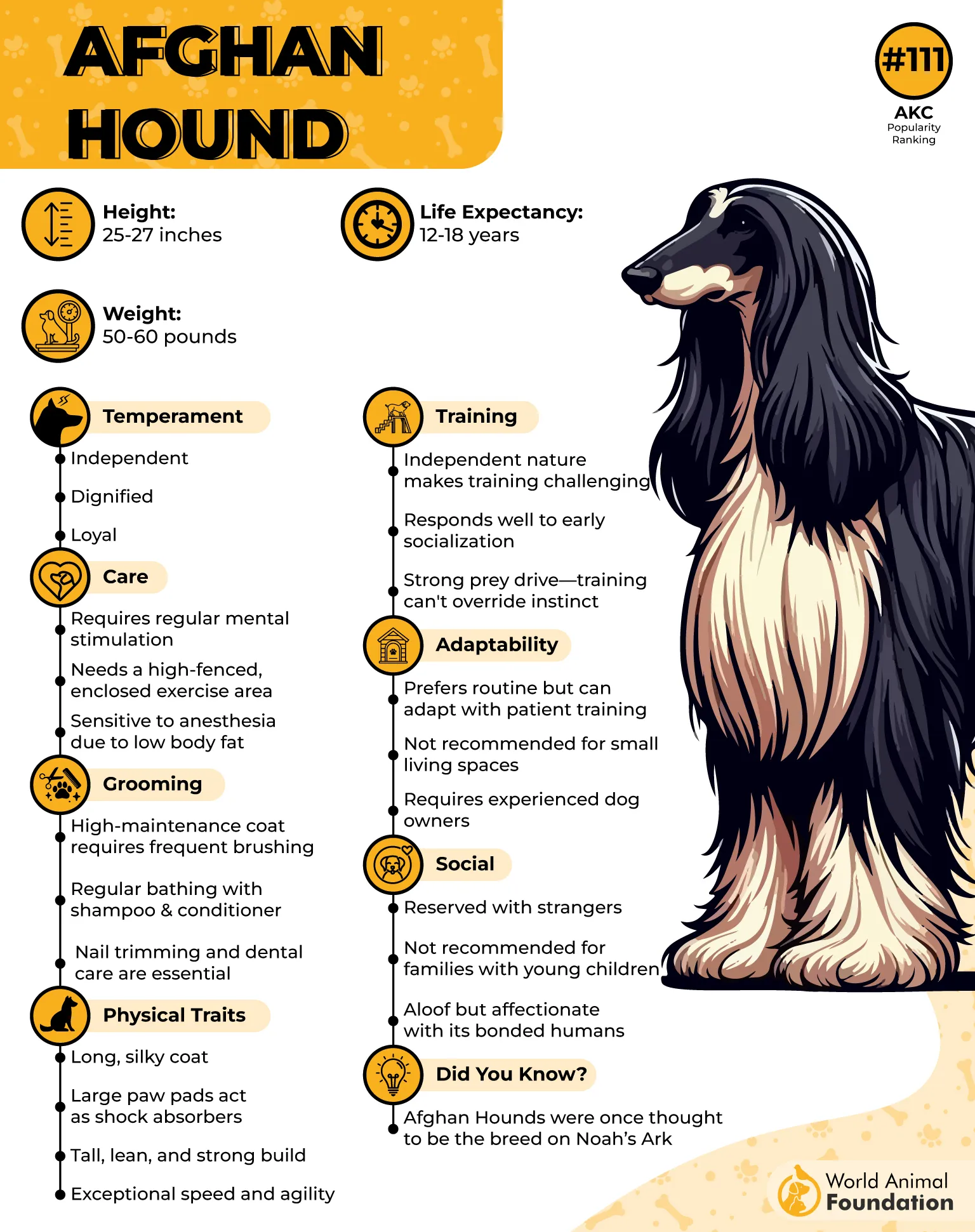
Despite all that hair, they are low shedders and are often considered hypoallergenic. Many modern Afghan Hounds trace back to breeding in Great Britain in the early 20th century.
PetMD mentions that Afghan Hounds are independent, proud, and self-confident. They are sighthounds, meaning they hunt using sharp eyesight and incredible speed. They are sweet and gentle but can also be stubborn, which makes training a test of patience.
They don’t bark much, which many owners appreciate. With a moderate to high activity level, they thrive in active homes and should be allowed to run freely in a secure area once or twice a week.
Afghan Hound Coat & Care Highlights:
Long, silky, fine coat that develops with age
Thick hair was originally meant for cold mountain protection
Daily brushing required
Never brush the coat dry—use water mixed with dog conditioner
Weekly bathing with shampoo and conditioner is recommended
Ears must be checked regularly due to long hair
Grooming takes commitment. If bathed weekly, brushing between baths may be minimal. If not, expect to spend several hours a week brushing in layers to prevent tangles. This breed is not typically clipped.
When properly maintained, the Afghan Hound’s flowing coat is nothing short of breathtaking—and it’s the defining feature that makes this breed unforgettable.
4. Komondor
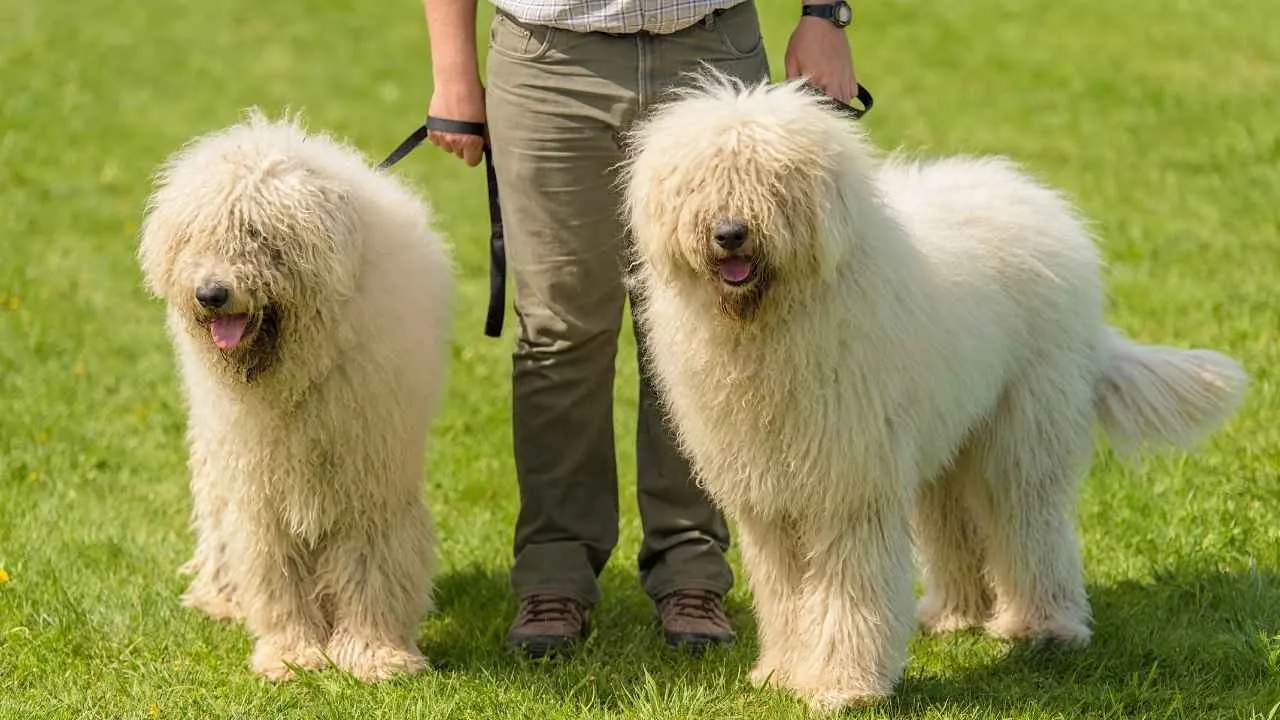
At first glance, the Komondor looks like a walking mop. But those long, rope-like strands are actually cords, not “locs.” This rare Hungarian sheepdog is famous for its white, fully corded coat that helps it blend in with sheep and snowy landscapes.
As puppies, their coats are soft and wavy. As they mature, the outer coat becomes coarse and traps the softer undercoat, naturally forming cords. These cords protect them from harsh weather and even predators.
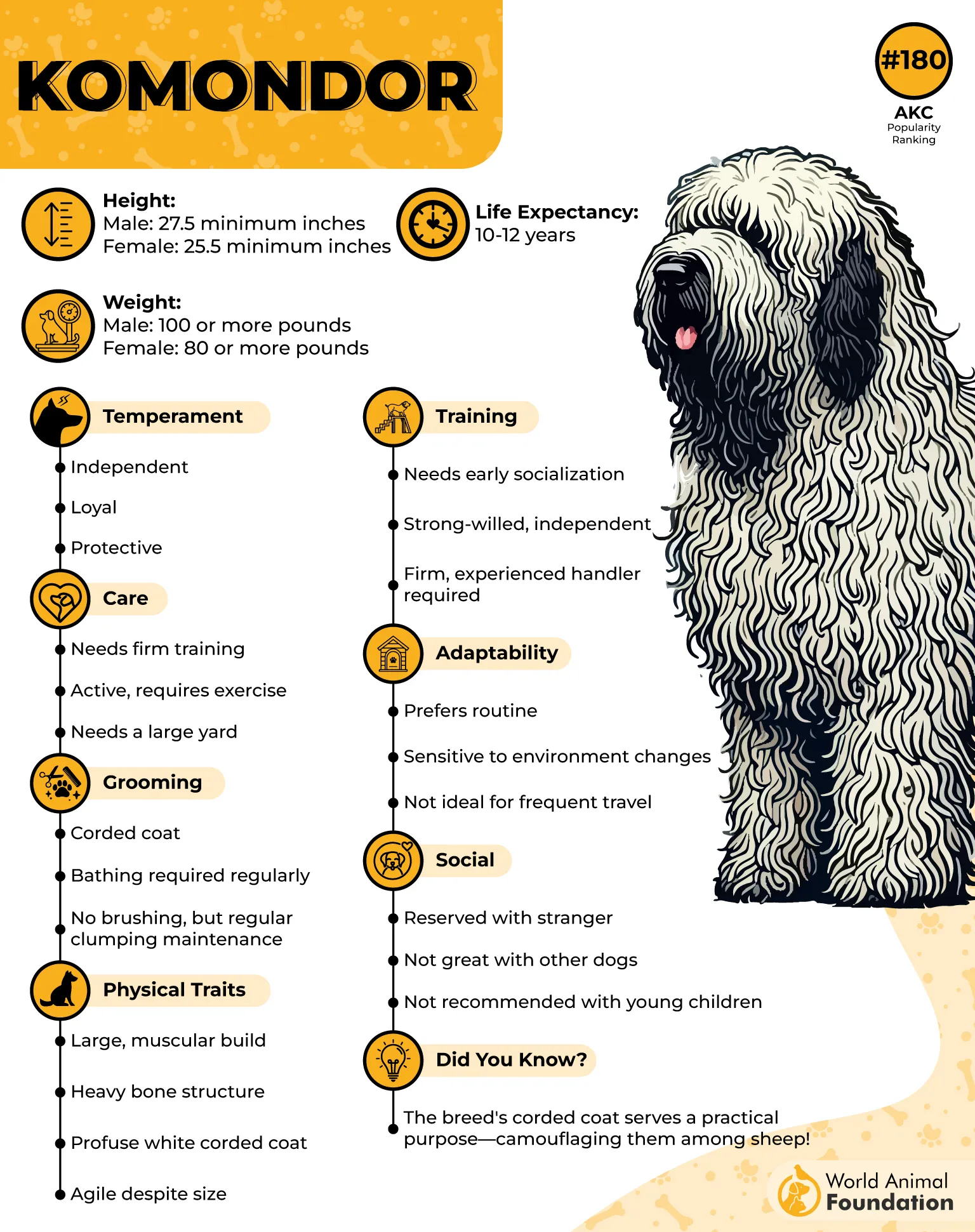
Komondors are big but surprisingly agile. They are loyal, protective, and gentle with their families. Bred to guard livestock, they are naturally watchful and independent.
They are relatively easy to train but still need consistent guidance. As athletic working dogs, they require daily exercise to stay balanced and happy.
Komondor Coat & Care Highlights:
Thick white corded coat (cords, flocks, or mats)
Cords begin forming between 8 months and 1 year (with owner guidance
No brushing once cords are formed
Must be dried completely with warm air to prevent mildew
Cords should be gently separated a few times per month
Full bathing and grooming roughly every 12 weeks
Keeping a corded coat healthy takes effort and diligence. Damp cords can develop mildew, so proper drying is essential. You should never brush the coat out.
When well maintained, the Komondor’s dramatic cords are more than just eye-catching—they are a powerful symbol of this breed’s hardworking past.
5. Samoyed
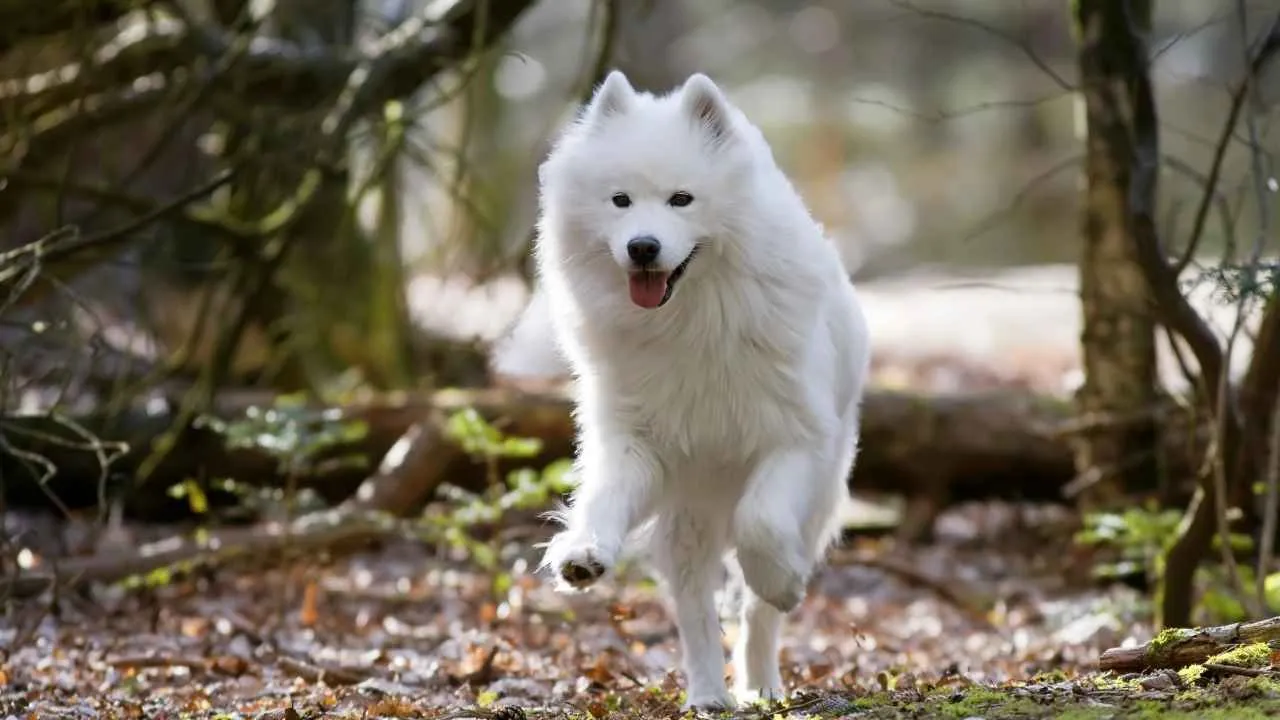
The Samoyed is famous for its thick, fluffy white coat and signature “smile.” Originally bred in Siberia to herd reindeer and pull sleds, this powerful working dog was built for extreme cold.
In places like Oymyakon, where temperatures can drop to minus 60 degrees, their dense double coat provided serious protection. The coat has a long, straight top layer and a soft, insulating undercoat. Even their upturned mouth has a purpose—it helps prevent drool from freezing into icicles on their face.
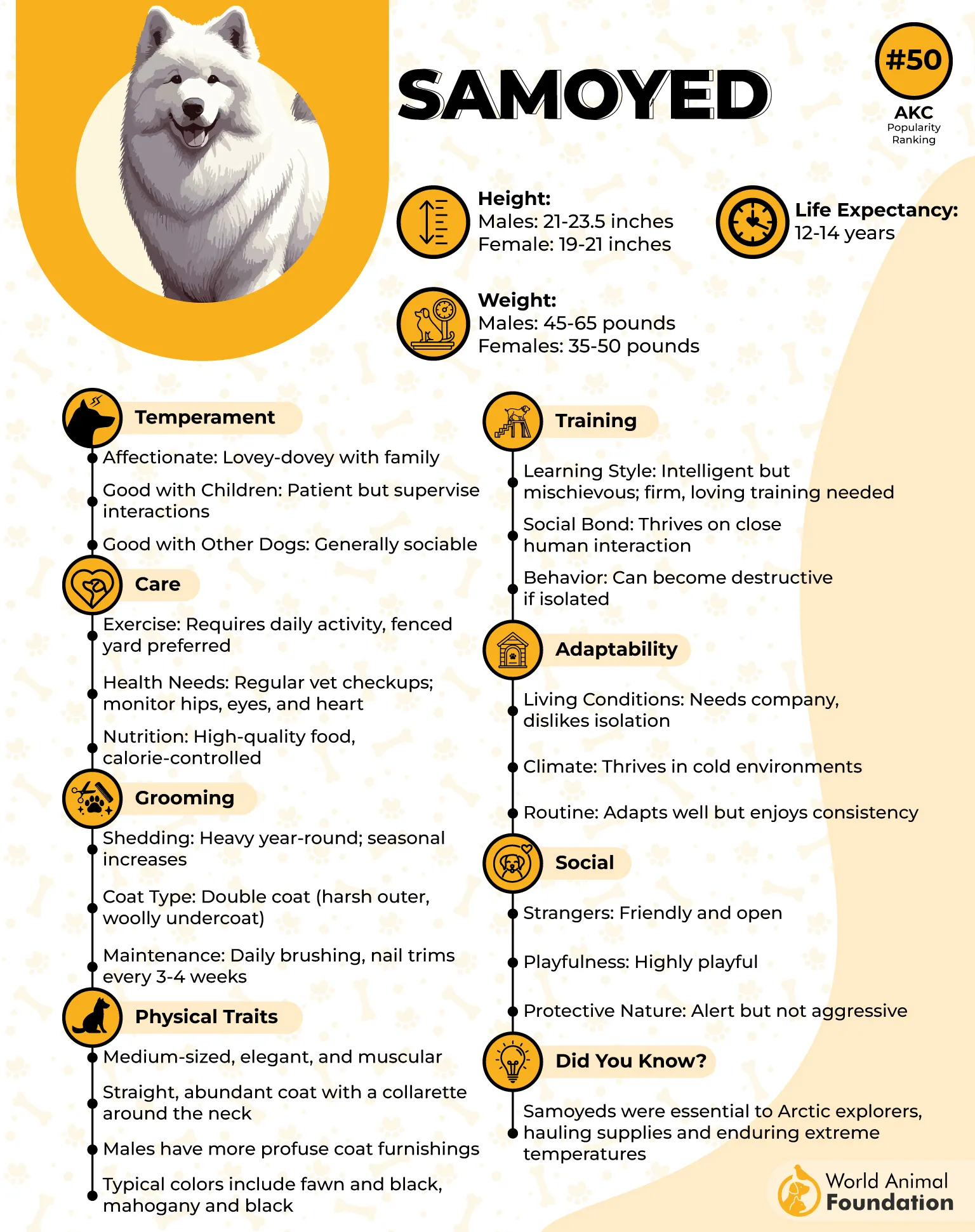
Sammies are smart, social, and a little mischievous. They crave attention and do not do well left alone in the yard. Without companionship and structure, they can become destructive.
Early training and consistency are important. They are agile, tireless workers who enjoy having a job to do. However, their heavy coat makes them sensitive to heat, so extra care is needed during warmer months.
Samoyed Coat & Care Highlights:
Thick, weather-resistant double coat
Colors include pure white, white and biscuit, or cream
Heavy seasonal shedding
Requires frequent brushing and grooming
Flat, fur-covered feet act like snowshoes
Prone to heatstroke in hot climates
That beautiful white fluff comes with responsibility. Samoyeds shed heavily, and their fur will find its way onto clothes and furniture. But when properly cared for, their radiant coat and cheerful expression make them one of the most striking cold-weather breeds in the world.
6. Chow Chow
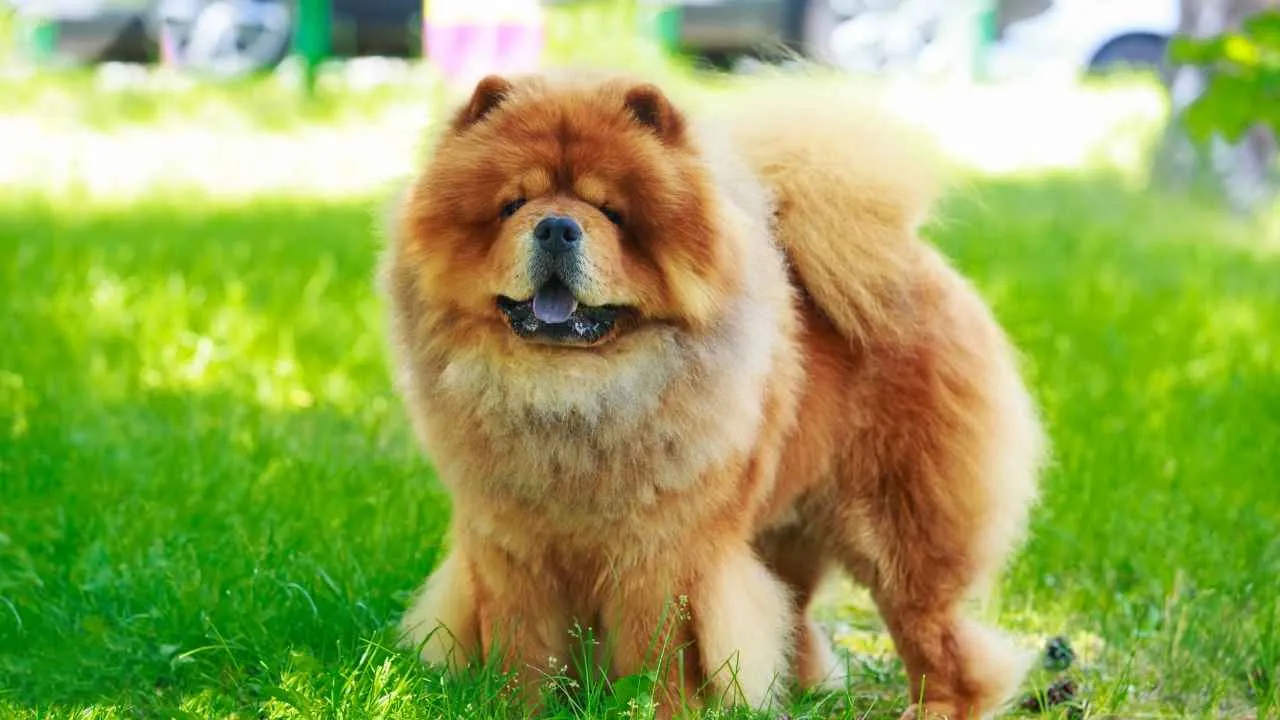
The Chow Chow is one of the oldest dog breeds, tracing back to China’s Han Dynasty. Known for their lion-like ruff, squished face, and blue-black tongue, Chows stand out instantly in any crowd.
Their double coat—soft undercoat with longer guard hairs—can be either rough or smooth, and comes in colors like red, black, blue, cinnamon, cream, and sometimes rare shades like white, lilac, or merle.
This plush coat gives them a majestic, aristocratic appearance while also keeping them insulated in cooler climates.
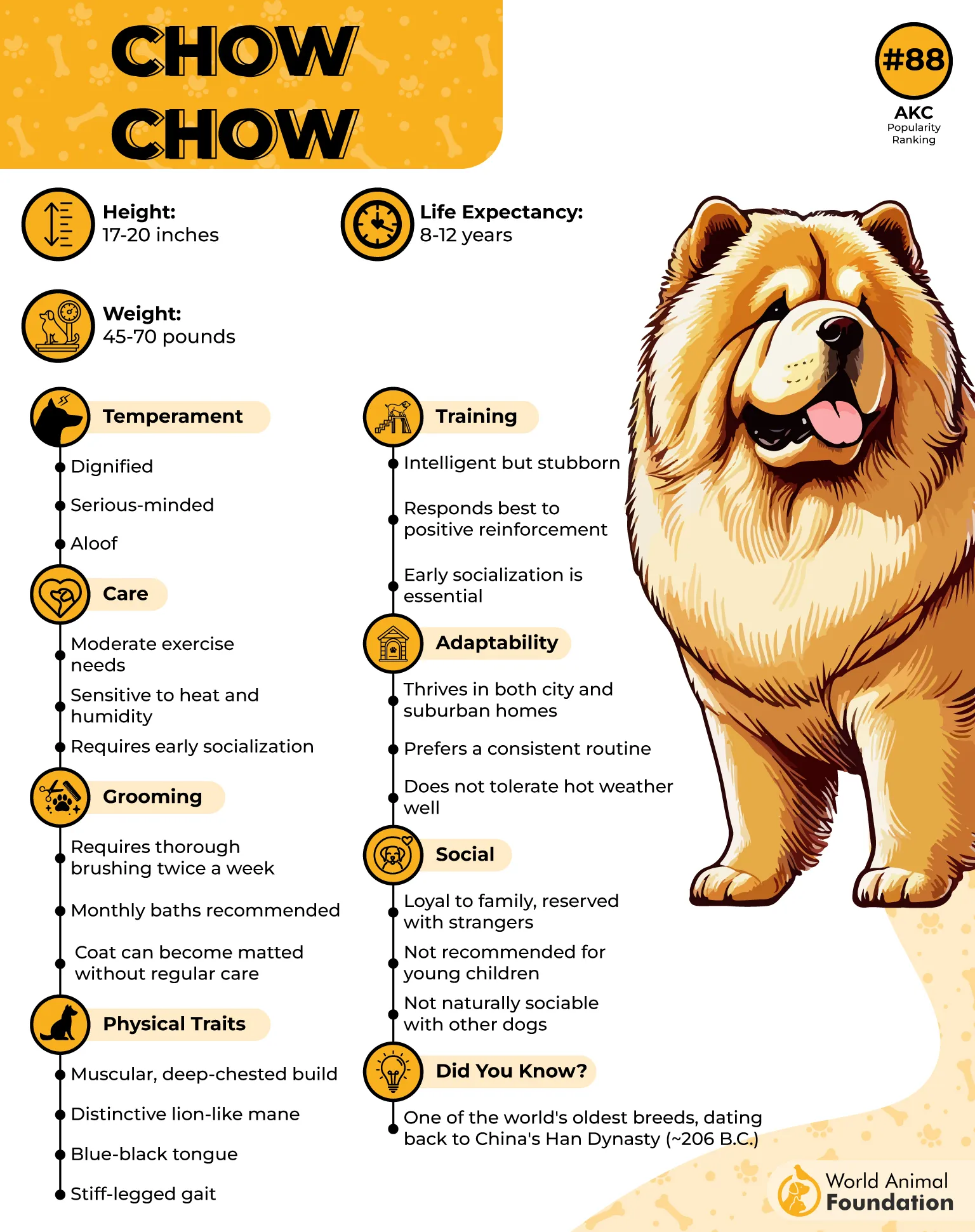
Chow Chows are independent, loyal, and quiet. They do well in calm homes with confident, experienced owners who understand their aloof nature. While they are not constantly cuddly, they are deeply affectionate with those they trust.
They thrive in city or suburban homes and don’t need excessive exercise. Proper socialization helps them stay serene and refined, avoiding unnecessary aggression or shyness.
Chow Chow Coat & Care Highlights:
Double coat with a soft undercoat and longer guard hairs
Rough or smooth textures, depending on the dog
Colors: red, black, blue, cinnamon, cream; occasionally white, lilac, or merle
Lion-like mane around the head and shoulders
Minimal doggy odor and relatively easy to housebreak
Requires regular brushing to prevent mats and maintain coat health
With its thick, luxurious mane and dignified presence, the Chow Chow’s coat is more than just beautiful—it’s the hallmark of this ancient, noble breed. A well-groomed Chow commands attention and exudes timeless elegance.
7. Lhasa Apso
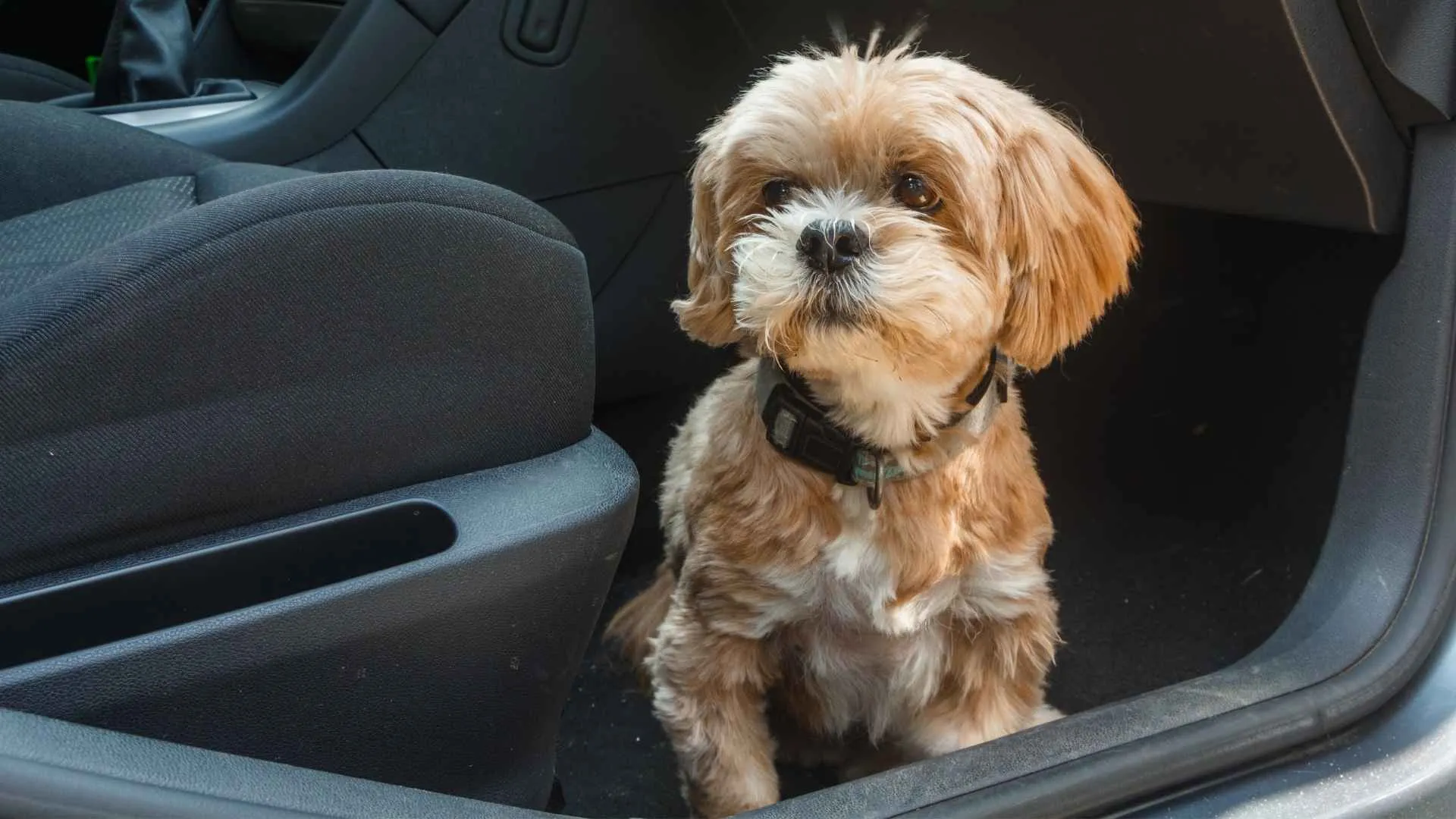
The Lhasa Apso is a small but distinguished dog from the Himalayan Mountains of Tibet. Historically, they served as interior watchdogs in palaces and Buddhist monasteries, alerting monks and nobles to strangers.
Their name comes from the sacred city of Lhasa, and “apso” means “long-haired dog.” Lhasas have a heavy, straight, dense double coat that sheds very little and is considered hypoallergenic.
Their long hair is a defining feature, sometimes even covering their eyes, giving them a charming, shaggy appearance.
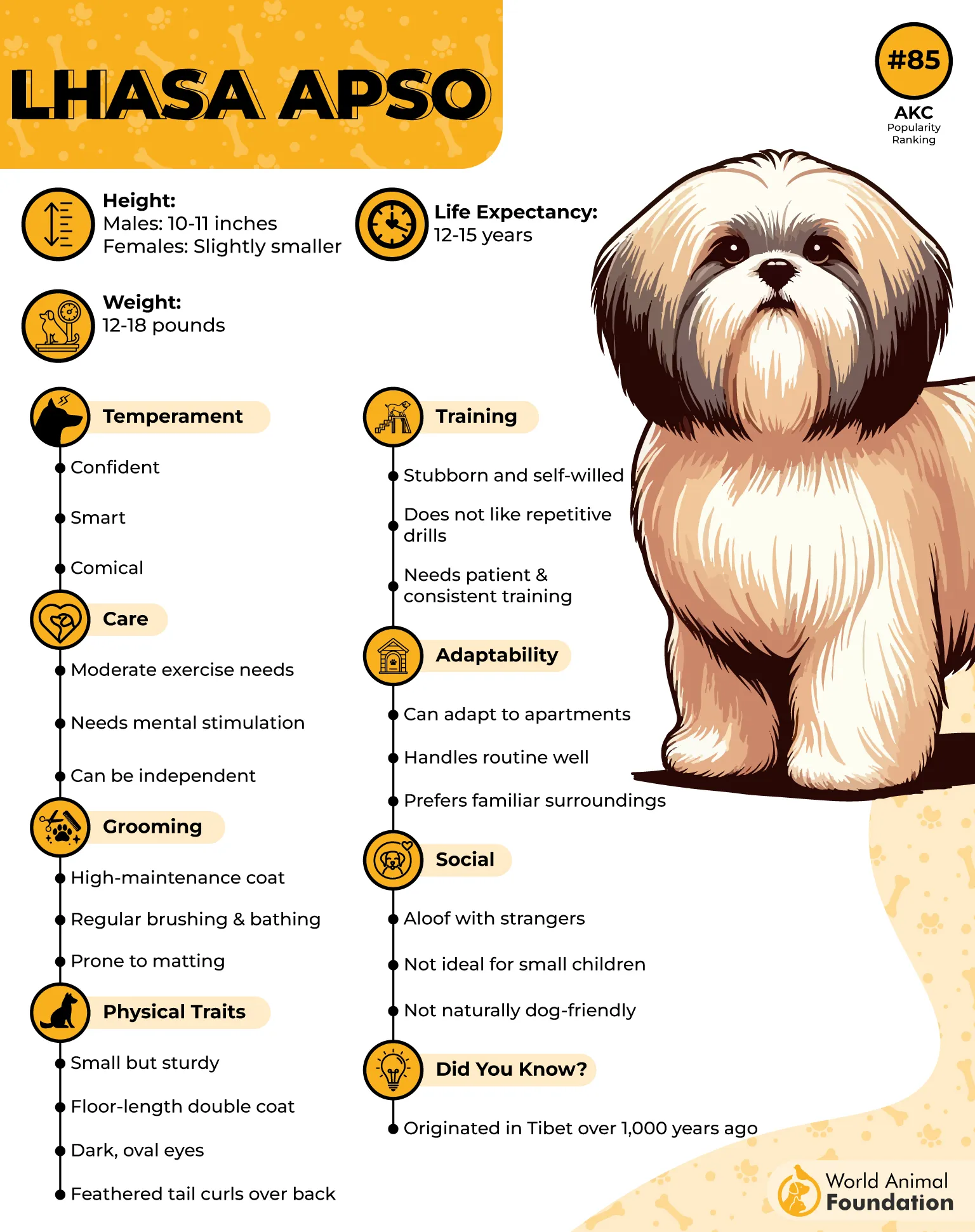
Lhasa Apsos are affectionate, intelligent, and alert. They get along well with children and other pets but thrive best in calm, structured homes. Socialization from a young age is key to shaping a well-behaved adult.
While they enjoy attention and companionship, their coat requires regular care to stay healthy and beautiful. Pet owners can choose to keep their Lhasa in a shorter pet clip for easier maintenance or let the coat grow long for show purposes.
Lhasa Apso Coat & Care Highlights:
Long, straight, dense double coat
Minimal shedding and hypoallergenic
Requires brushing 2–3 times per week; daily if coat is long
Bathing and grooming every few weeks
Can be clipped short for easier maintenance
Coats sometimes cover the face; topknots or trims help visibility
With proper grooming, the Lhasa Apso’s elegant coat is both striking and functional. Its long, silky hair reflects centuries of royal history, making this little watchdog a beautiful and loyal companion.
Conclusion
Long-haired dogs are more than just pretty faces—they’re a mix of beauty, history, and personality. From silky flowing manes to tightly curled or corded coats, each breed carries its own story and purpose.
These stunning coats do take work, from daily brushing to regular grooming, but the payoff is a dog that turns heads, melts hearts, and feels like a living work of art.
If you’re drawn to elegance and personality wrapped in fur, there’s a long-haired breed out there for you. Whether you want a playful companion, a regal show dog, or a hypoallergenic friend, investing time in grooming and care makes the bond even stronger.
Remember, a well-loved coat reflects a well-loved dog—and few things are more rewarding than seeing your furry friend shine.
There are other dog breeds as well that are defined by their distinct coats. These include the Bedlington Terrier, Golden Retriever, Alaskan Malamute, Curly Coated Retriever, Chinese Shar Pei, Chinese Crested, and Bergamasco Sheepdog.
