




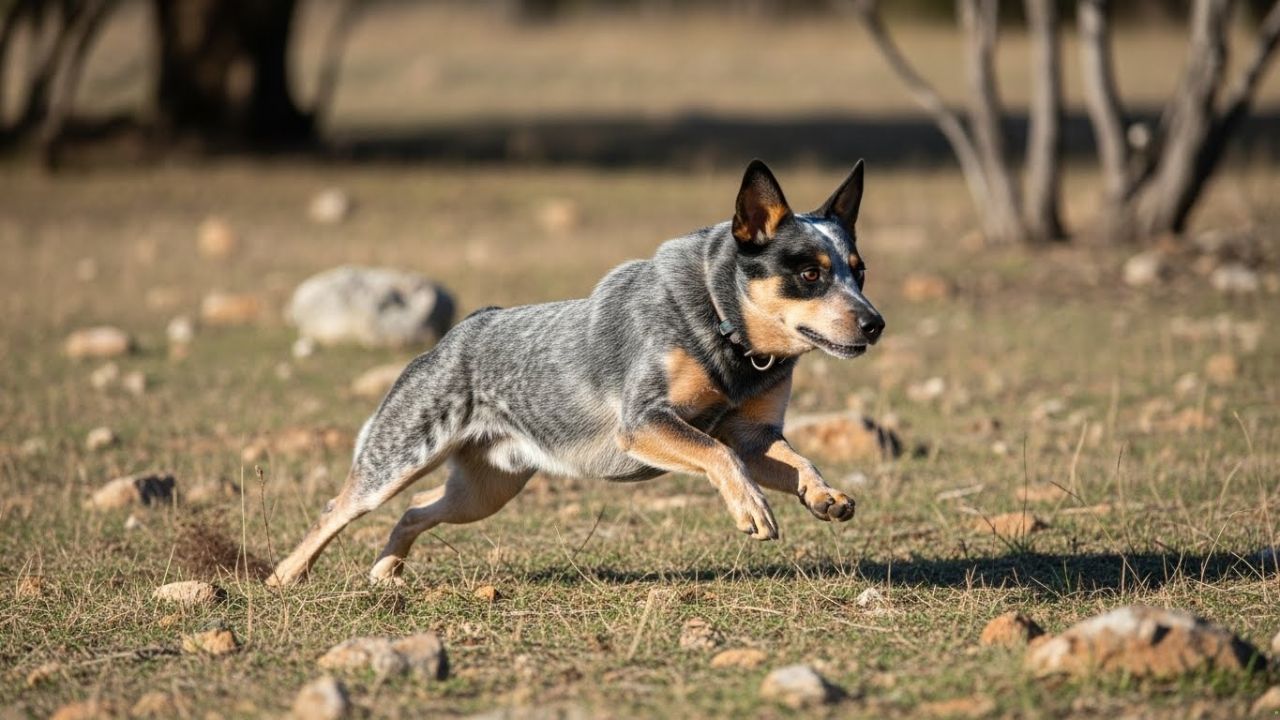
Have you ever noticed how one dog locks onto a moving squirrel like a guided missile, while another barely pauses mid-nap? That reaction is not defiance or drama. It is instinct to step into the spotlight.
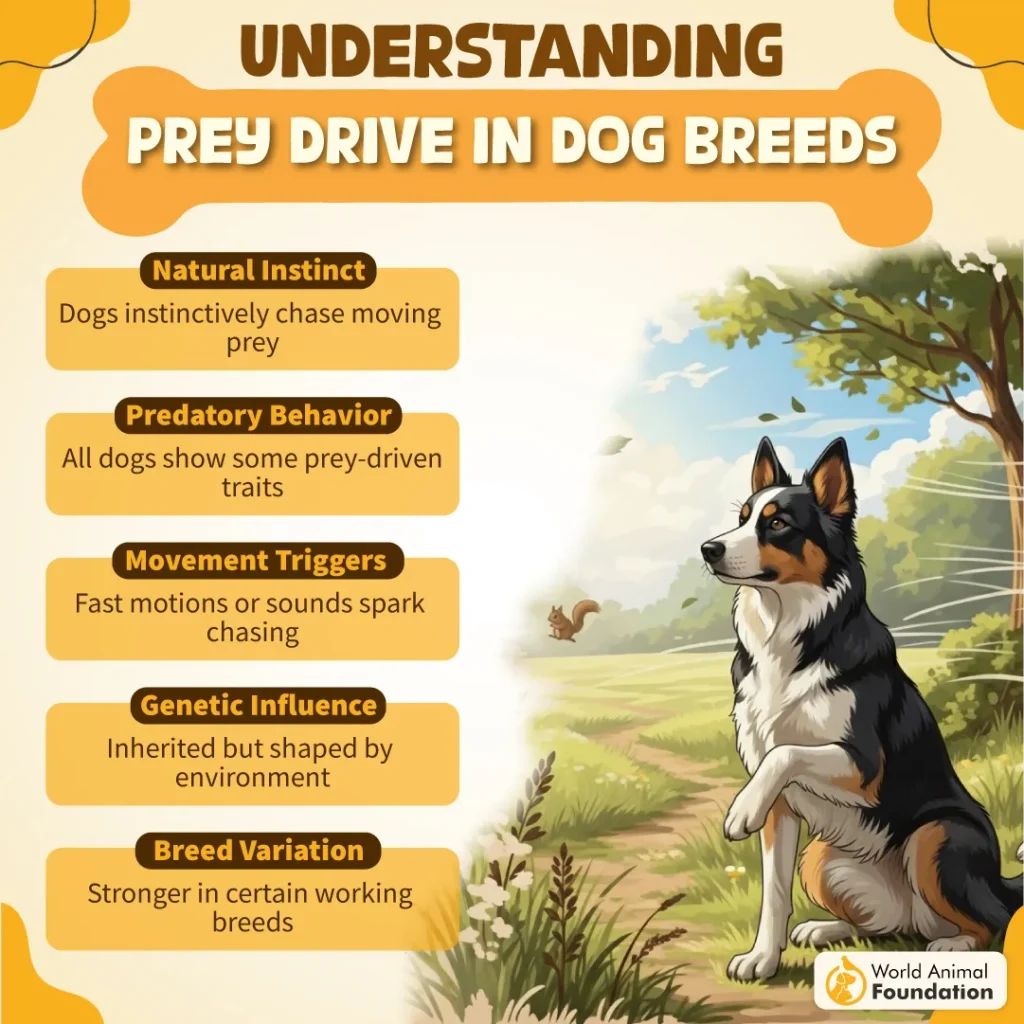
Prey drive quietly influences everything from a dog’s focus to their daily energy level. It can impact how easily they train, their behavior outdoors, and how well they integrate into certain homes. Understanding it helps turn frustration into clarity.
So what is prey drive, really? It is a deeply rooted survival instinct shaped by evolution and brain chemistry, not a personality flaw. Unlike curiosity or play, it comes with intensity and purpose.
Curiosity asks questions, play practices skills, but prey drive pursues. That is why some hunting dogs stalk, chase, herd, or become fixated on movement. These traits often appear long before formal training begins.
Here is the twist: the environment can magnify or soften these instincts. Space, stimulation, and routine all matter. The real question is not which dog is “best,” but which instinct best matches your life.
Dog Breeds Choices Based on Prey Drive Levels
1. Greyhound
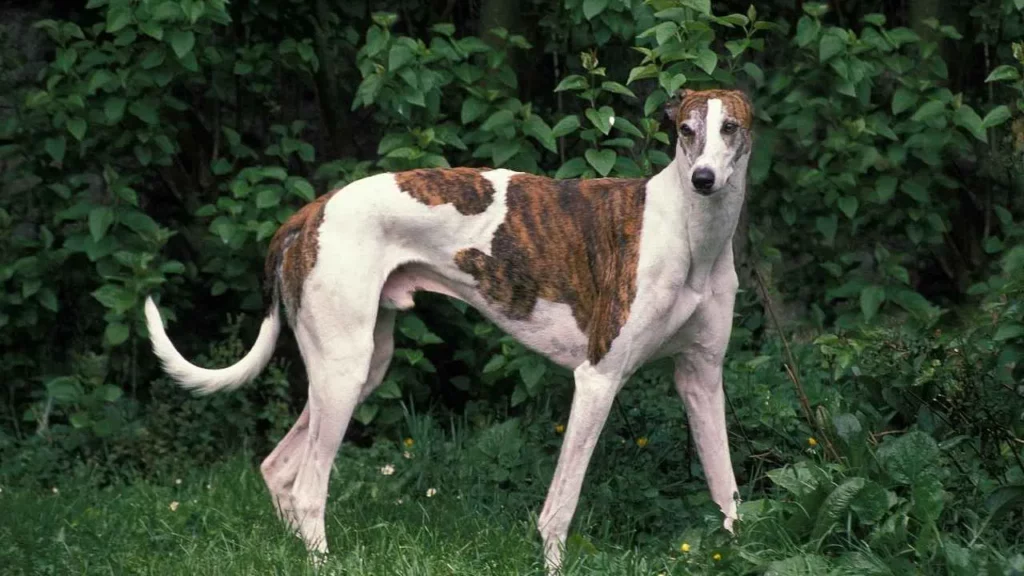
Bred for coursing game across open land, the Greyhound’s historical role was centered on speed, vision, and precision, notes Britannica.
This sighthound relied on sharp eyesight rather than scent, which explains why fast-moving objects still trigger their prey drive today. A fluttering bird or darting squirrel can instantly awaken centuries-old instincts.
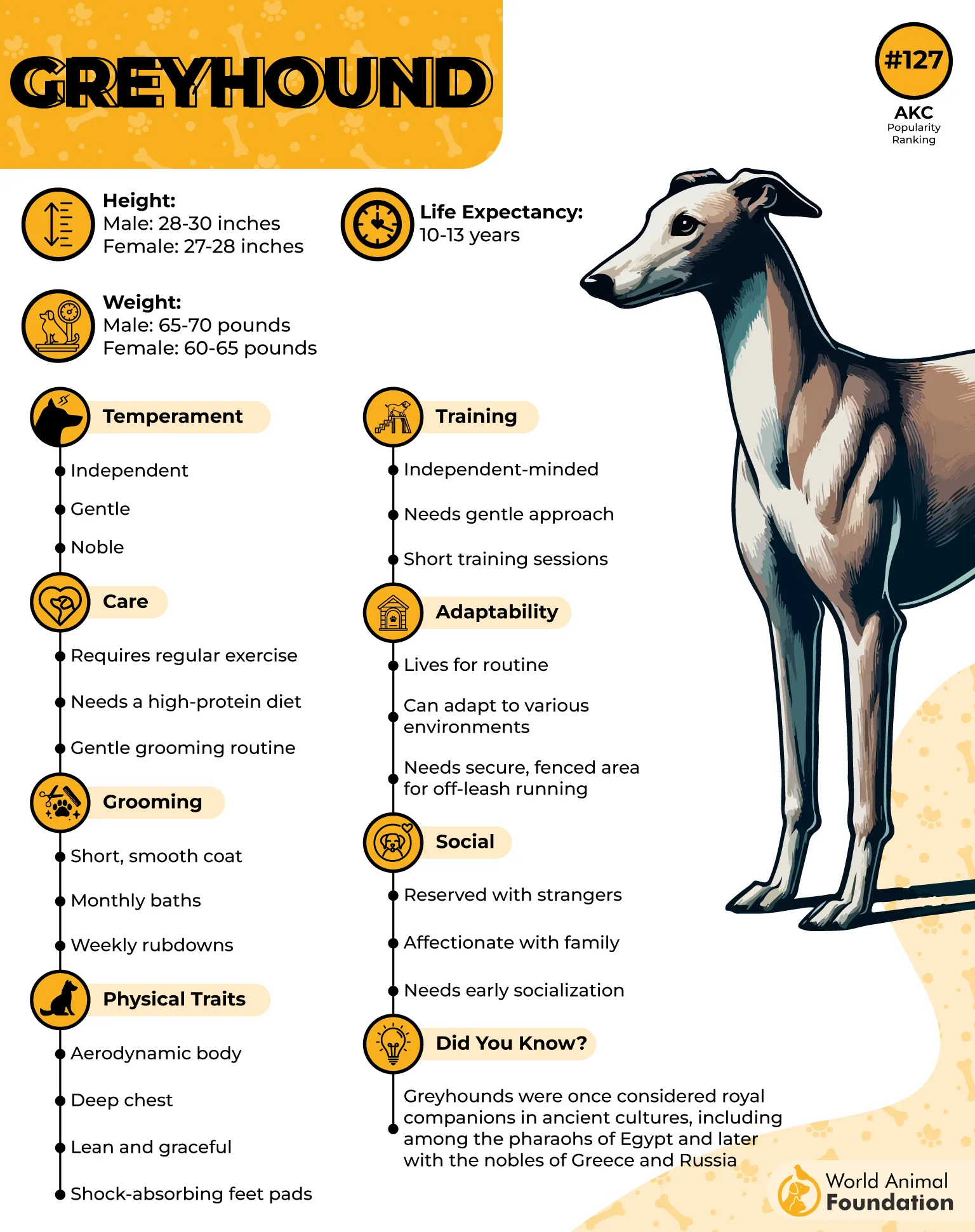
Greyhounds thrive in households that balance calm indoor living with opportunities for controlled running. They tend to respond strongly to sudden movement but are surprisingly relaxed once that burst of energy is released. Their reputation as constant sprinters often overshadows their quiet, lounge-loving nature at home.
Living with this level of instinct: challenges and rewards
Strong chase reflex outdoors requires secure spaces
Quiet, gentle temperament indoors
Low nuisance behaviors when exercised appropriately
Training considerations and mental enrichment tips
Leash training is essential due to visual triggers
Lure-based games satisfy instinct safely
Short, focused training sessions work best
Matching prey drive to your lifestyle matters with Greyhounds. They do well in calm homes without free-roaming small animals, though many coexist peacefully with other dogs. Structured management is more effective than suppression.
For first-time owners, Greyhounds appeal through their low grooming needs and laid-back demeanor. Their sensitivity and predictable routines make them easier to understand than their athletic build suggests. With awareness of prey drive, they are one of the most adaptable high-drive breeds available.
2. Australian Cattle Dog
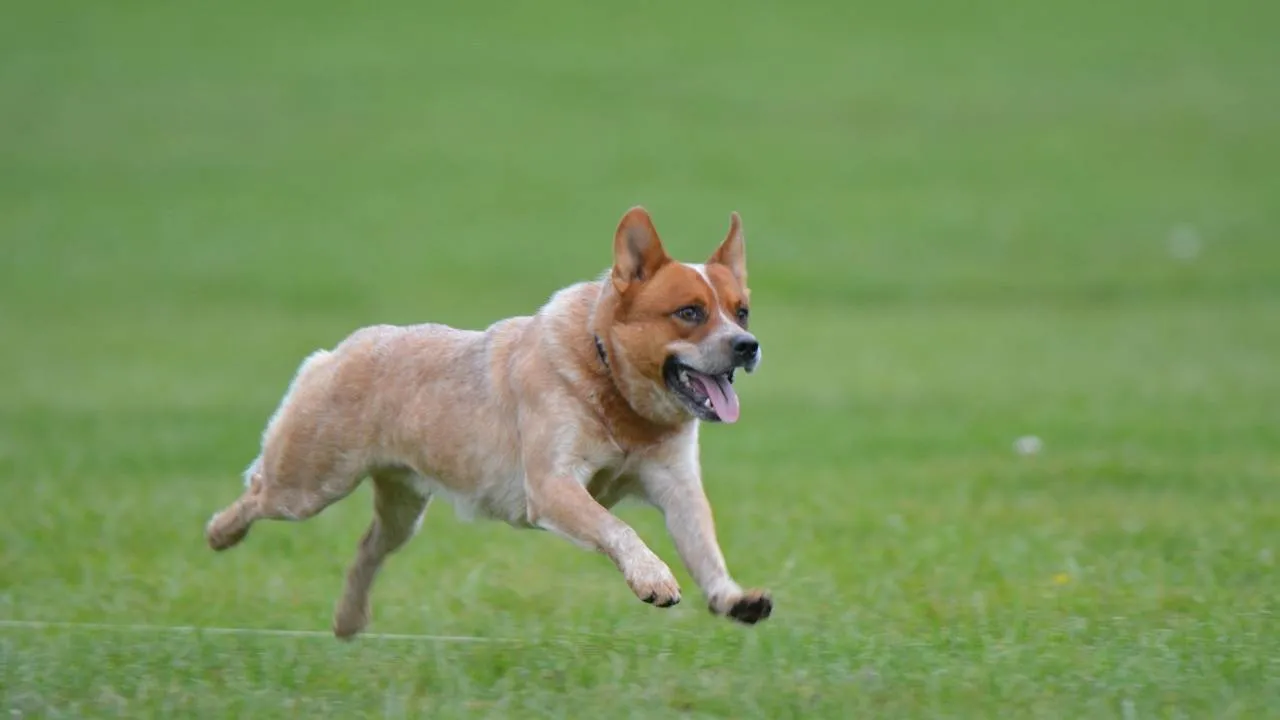
Developed to move stubborn livestock across vast Australian terrain, the Australian Cattle Dog was engineered for intensity and endurance. Herding behavior sits at the core of their prey drive, often triggered today by running children, bicycles, or fast-paced activity. Their instinct is less about hunting and more about control.
AKC suggests that these dogs excel in active households that value structure and daily engagement. Movement immediately captures their attention, and they often respond by shadowing, circling, or attempting to redirect motion. Without enough stimulation, this instinct can turn inward.
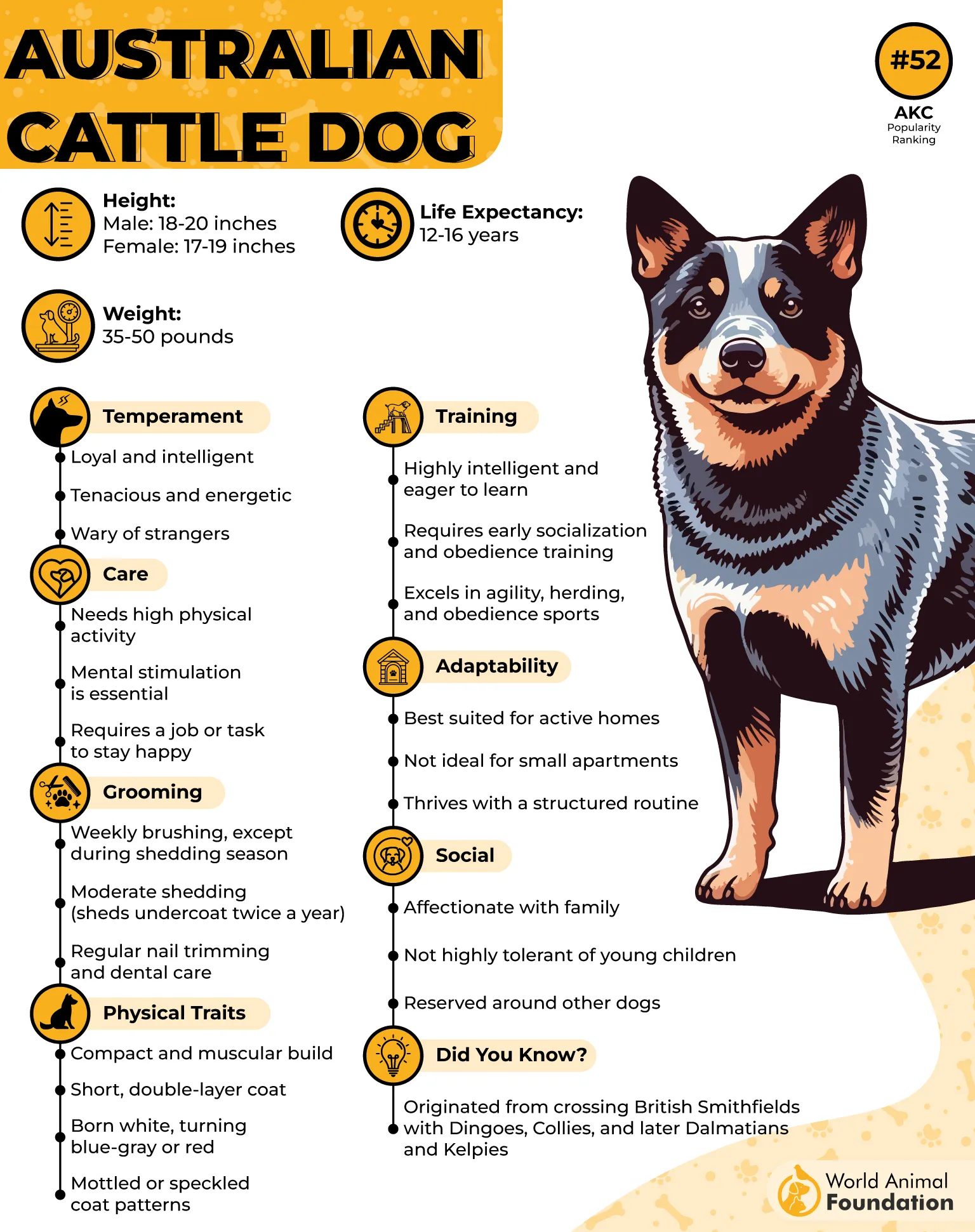
Living with this level of instinct: challenges and rewards
High mental and physical demands
Exceptional loyalty and responsiveness
Strong problem-solving ability
Training considerations and mental enrichment tips
Task-based training builds satisfaction
Advanced obedience and agility are ideal outlets
Consistency prevents boundary-testing behaviors
Lifestyle compatibility is critical for this breed. They are best suited to homes that enjoy routines, outdoor activity, and clear expectations. Calm households may find their intensity overwhelming.
Dog parents, Australian Cattle Dogs appeal to those eager to learn alongside their dog. Their intelligence creates a partnership rather than a passive companion dynamic. With commitment, they become deeply rewarding working partners.
3. Saluki
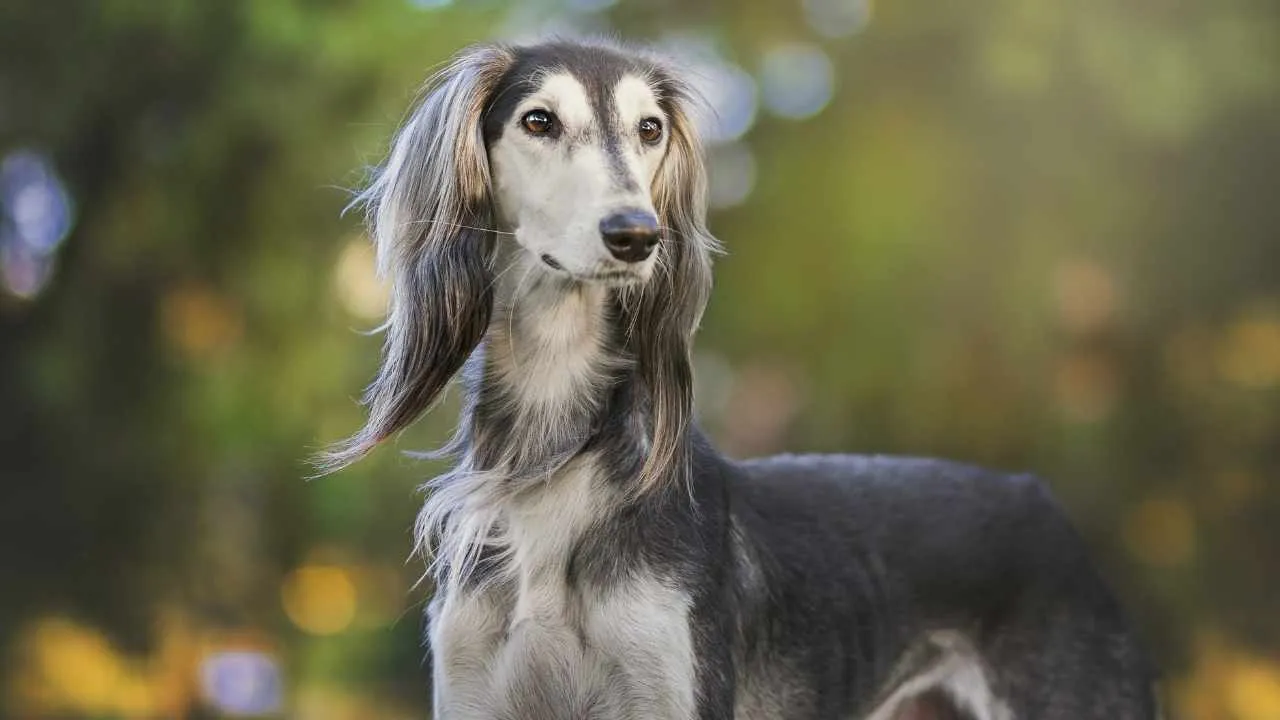
The Saluki’s origins trace back to ancient hunting cultures where speed and independence were prized. Bred to pursue fleet-footed prey across deserts, their prey drive is triggered today by open spaces and swift movement. This instinct operates quietly but decisively.
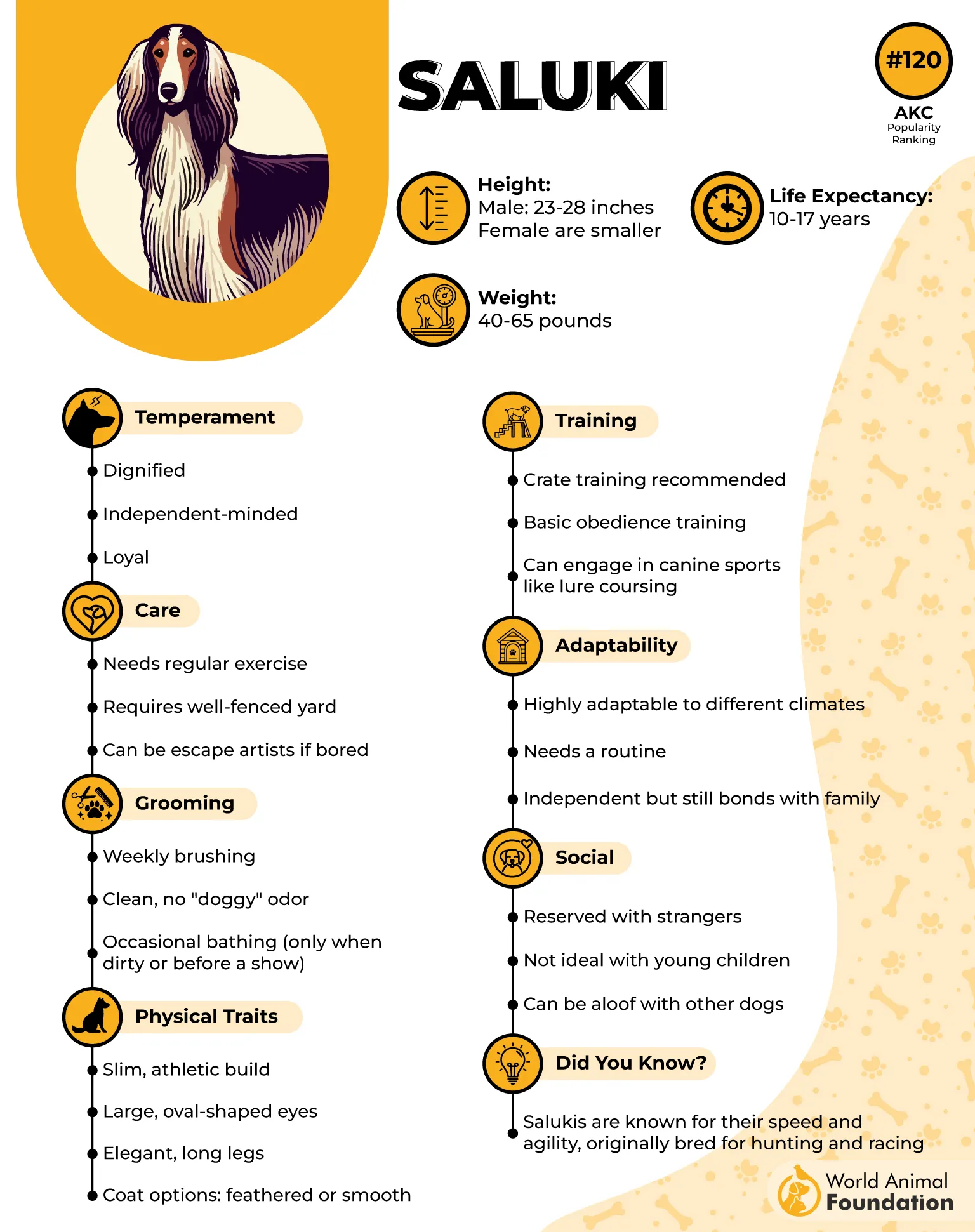
Salukis prefer homes that respect their independence and provide safe opportunities to run. They often observe movement with calm focus before reacting, giving them an almost feline presence. Their responses are selective rather than constant.
Living with this level of instinct: challenges and rewards
Strong recall challenges in open environments
Graceful, low-drama household behavior
Deep bonds with trusted humans
Training considerations and mental enrichment tips
Positive reinforcement builds cooperation
Secure fencing is non-negotiable
Visual tracking games stimulate instinct safely
PetMD adds that matching prey drive to lifestyle means acknowledging their need for freedom within limits. Salukis can coexist with other dogs but require careful introductions with smaller pets. Predictability helps them thrive.
First-time owners drawn to Salukis often appreciate their elegance and quiet intelligence. They suit patient individuals who value subtle communication. Their independence becomes a feature rather than a flaw with understanding.
4. Rhodesian Ridgeback
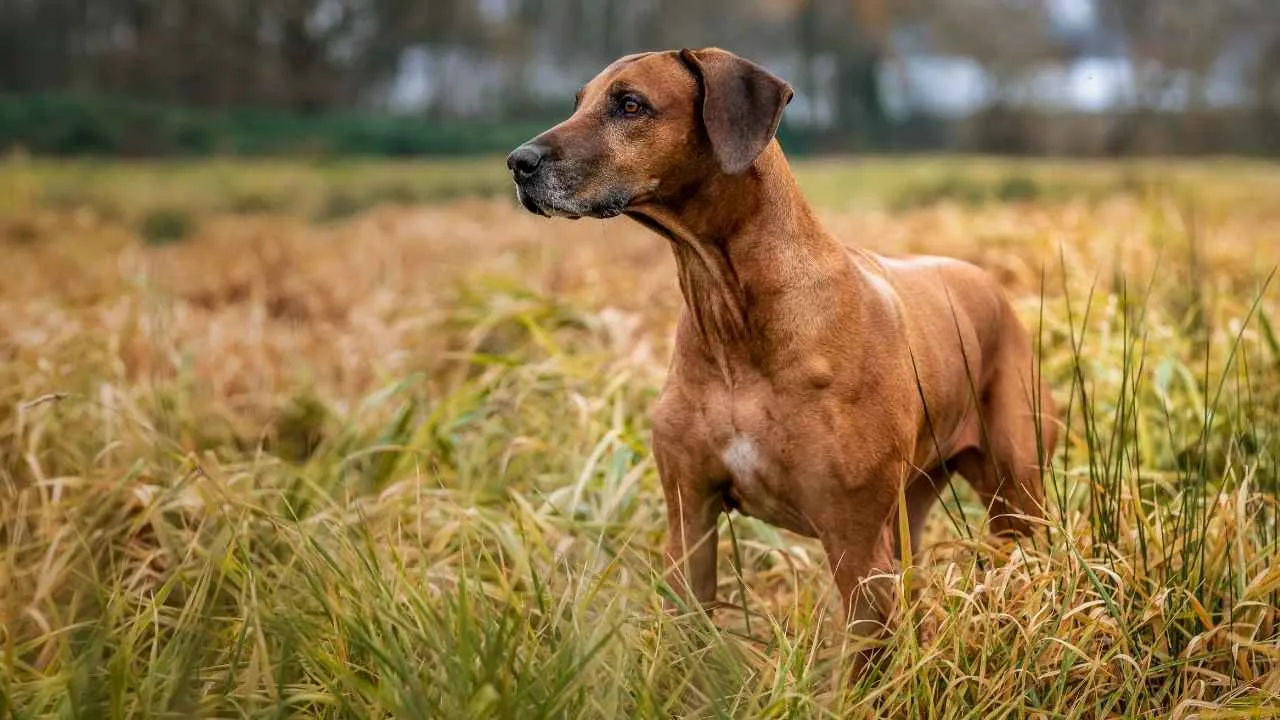
Originally bred to track and hold large game, the Rhodesian Ridgeback developed a prey drive rooted in confidence and strength. Movement, unfamiliar animals, and territorial cues still activate this instinct today. Their approach is measured rather than impulsive.
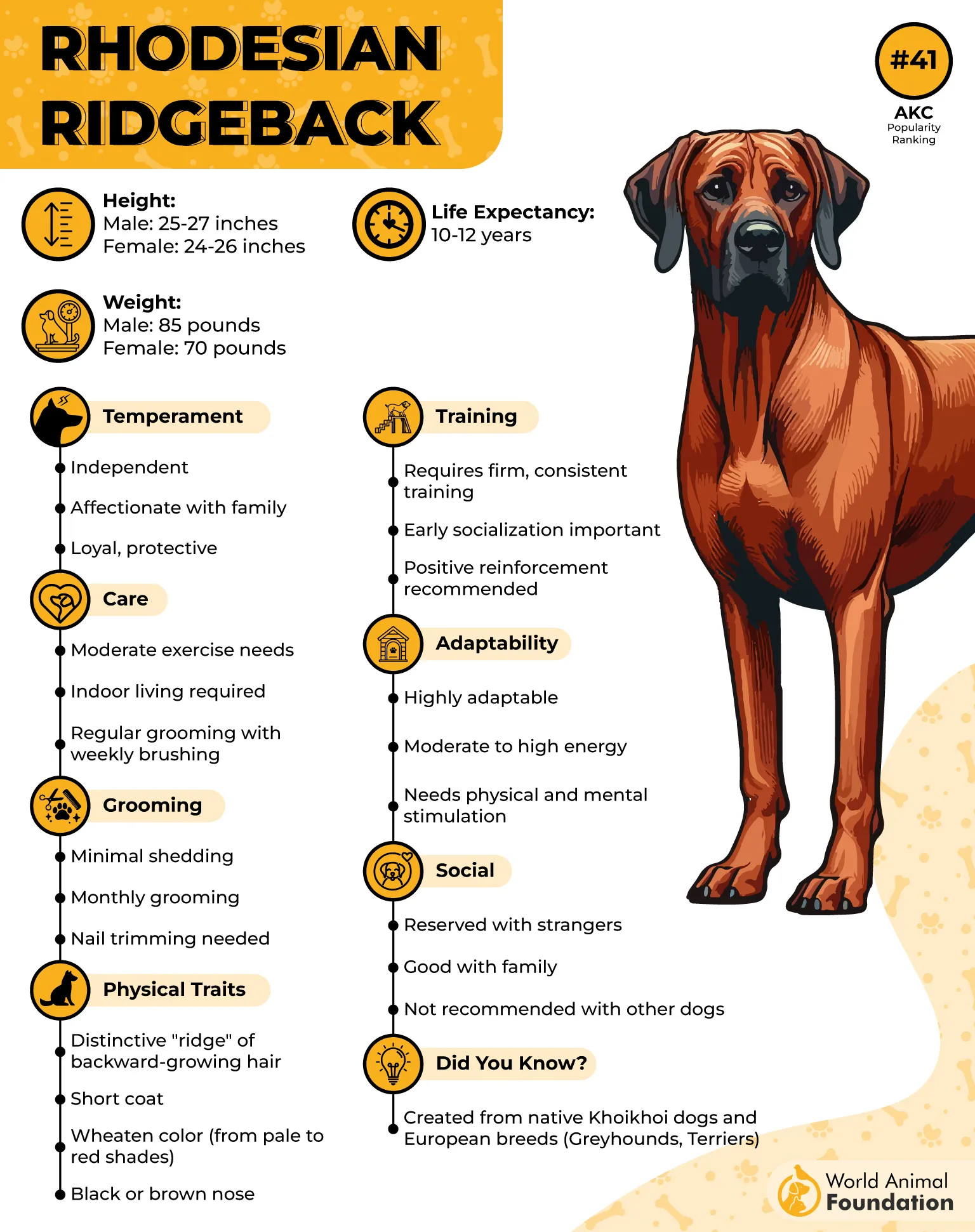
These dogs fit best in homes that offer space and leadership. They tend to assess stimuli before reacting, making them less frenetic than many high-drive breeds. Their presence is calm but powerful.
Living with this level of instinct: challenges and rewards
Strong-willed personality requiring guidance
Protective instincts balanced with composure
Low reactivity indoors
Training considerations and mental enrichment tips
Early socialization shapes responses
Scent-based activities engage natural skills
Clear boundaries reinforce trust
Lifestyle matching involves understanding their independent streak. Ridgebacks can live peacefully with other pets when raised together, but need supervision early on. Calm households with structure suit them well.
For first-time dog owners, their appeal lies in balance. They are athletic without being chaotic and loyal without being needy. Education and consistency unlock their full potential.
5. Cavalier King Charles Spaniel
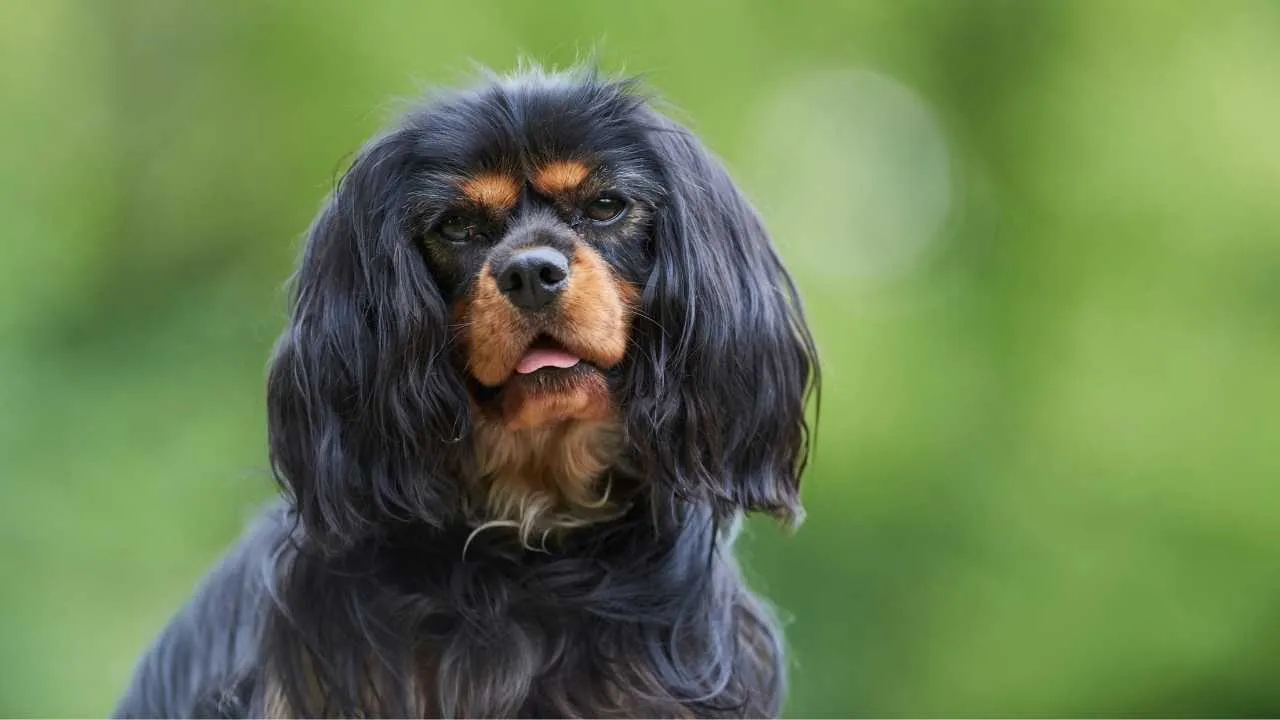
Bred solely for companionship, the Cavalier King Charles Spaniel has minimal prey drive by design. Their historical role was to warm laps, not chase game, which explains their relaxed response to movement today. Curiosity outweighs instinct.
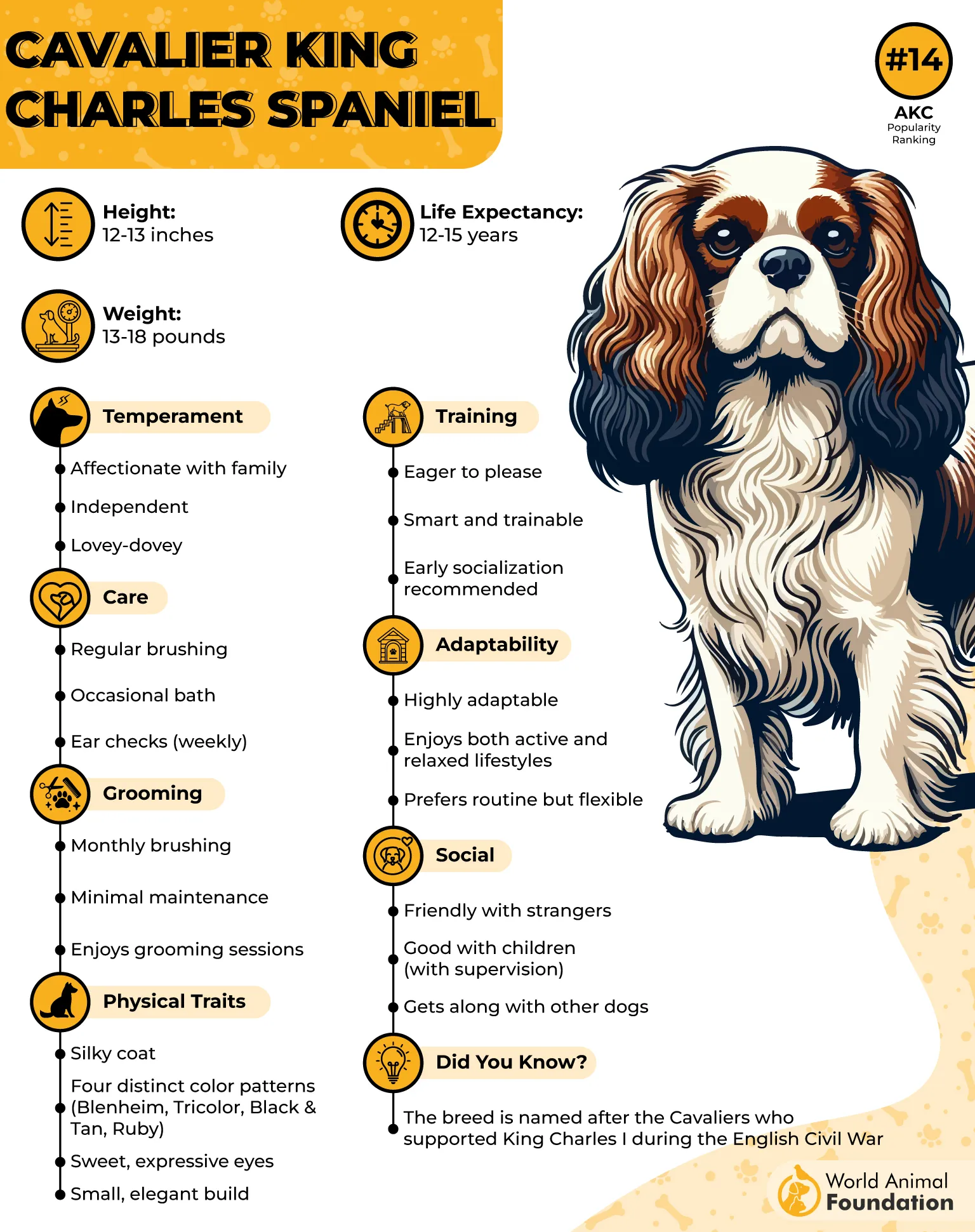
They thrive in gentle households with moderate activity levels. Sudden motion may catch their eye, but it rarely triggers pursuit. Their focus remains people-centered.
Living with this level of instinct: challenges and rewards
Minimal chasing behaviors
Highly adaptable to routines
Strong emotional attunement to owners
Training considerations and mental enrichment tips
Short, positive sessions maintain engagement
Interactive play meets stimulation needs
Consistency builds confidence
Matching prey drive to lifestyle is simple with Cavaliers. They are well-suited to homes with other pets and calmer environments. Their predictability makes daily life smooth.
First-time owners often find Cavaliers approachable and forgiving. Their gentle temperament and eagerness to please reduce learning curves. They exemplify low-prey-drive companionship.
6. Maltese

The Maltese developed as a companion dog with no working prey-driven role. Their instincts lean toward alertness rather than pursuit, triggered more by sound than motion. Movement rarely provokes chase behavior.
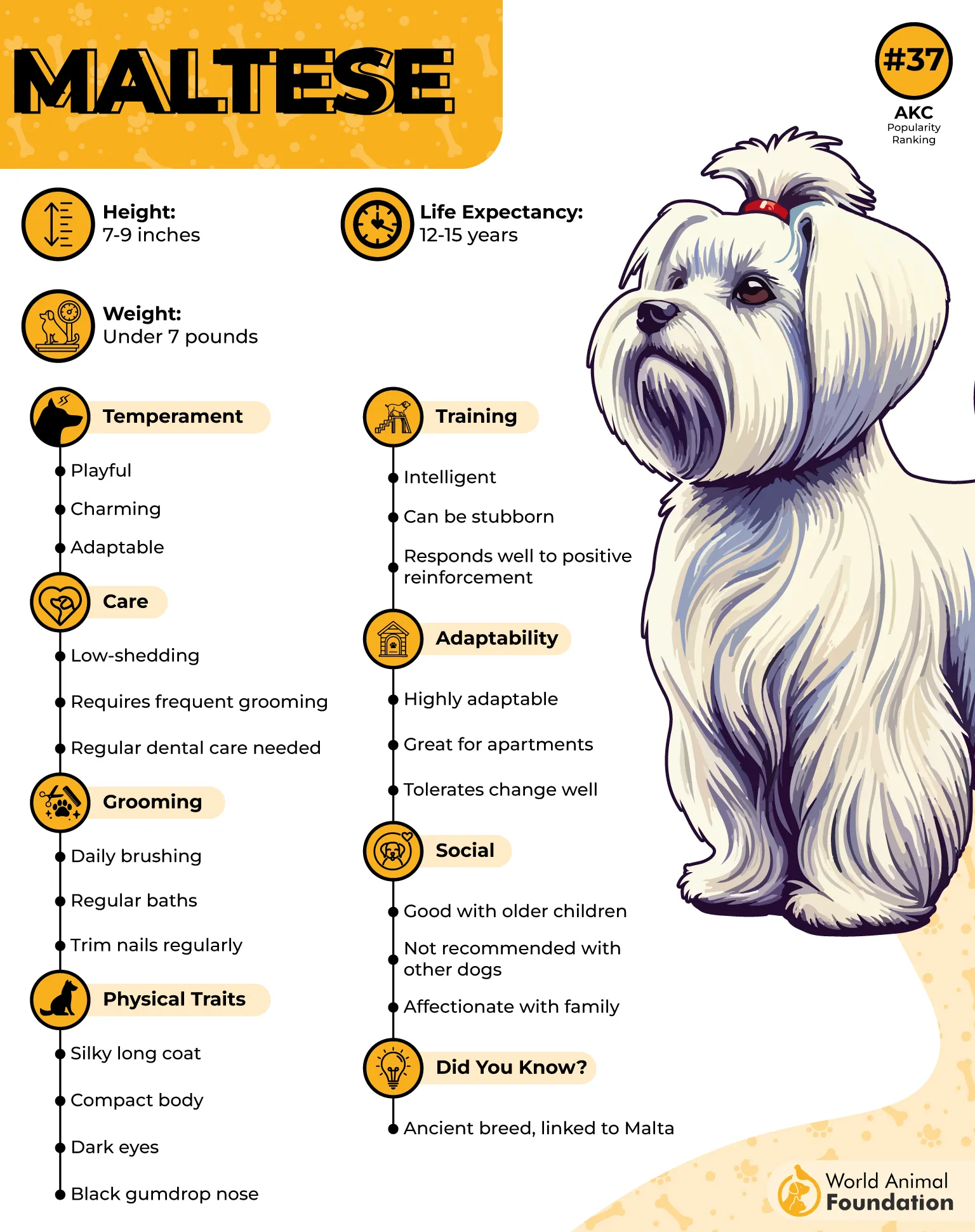
Ideal households include those seeking a portable, people-focused dog. They may notice activity but respond with curiosity or vocalization rather than action. Their energy is expressive, not instinctual.
Living with this level of instinct: challenges and rewards
Low chase tendency
Strong attachment to owners
Sensitive to environmental changes
Training considerations and mental enrichment tips
Gentle guidance encourages cooperation
Puzzle toys provide mental engagement
Routine reinforces security
Lifestyle matching favors calmer homes with predictable schedules. Maltese generally coexist well with other pets when socialized. Their adaptability supports various living arrangements.
Pet owners appreciate their manageable size and responsiveness. Grooming requires commitment, but behaviorally, they are approachable. Their low prey drive simplifies training expectations.
7. Pug
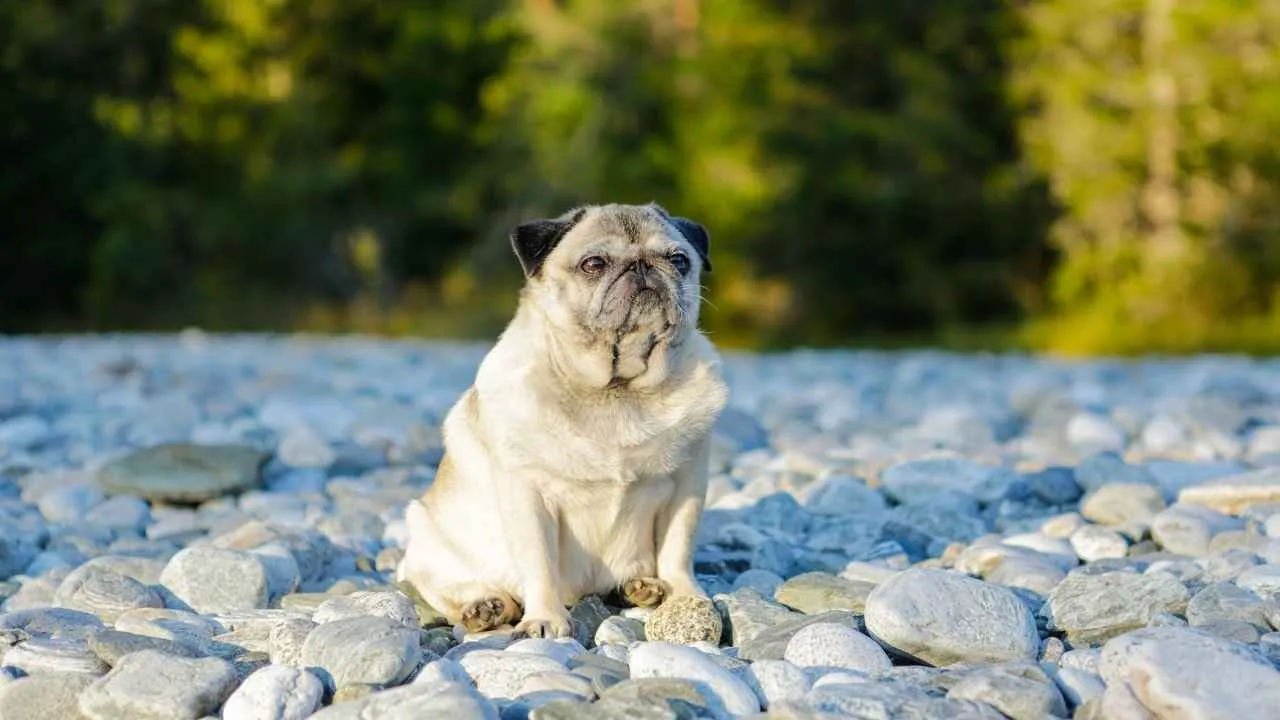
Pugs were bred for companionship, not pursuit, and their prey drive reflects that history. Movement sparks interest but rarely compels action. Comfort and connection take priority.
They suit households that enjoy relaxed routines and moderate play. Pugs respond to stimuli with curiosity, often choosing observation over engagement. Their motivation leans toward food and affection.
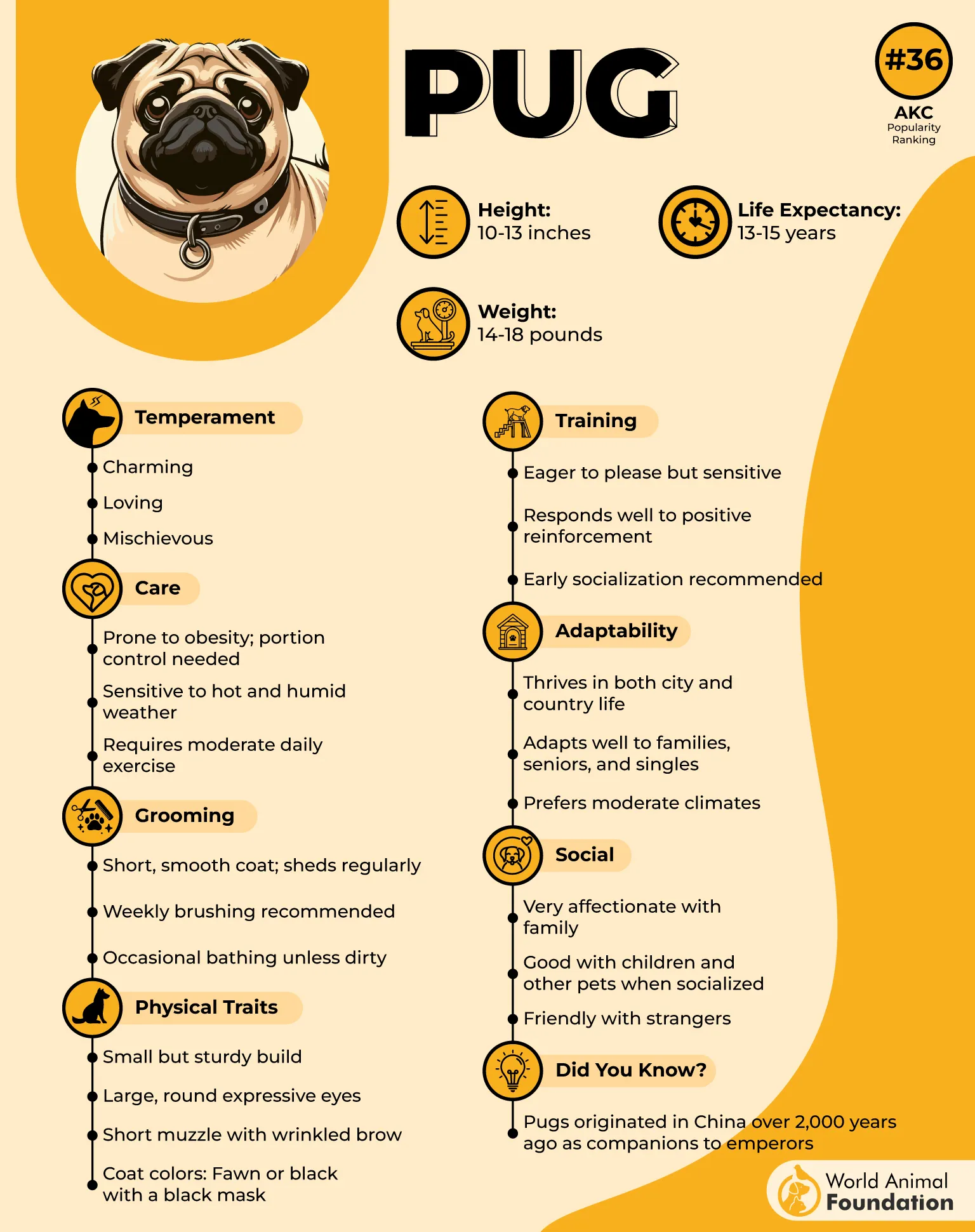
Living with this level of instinct: challenges and rewards
Minimal chase behavior
High sociability
Easygoing adaptability
Training considerations and mental enrichment tips
Food-based rewards are effective
Low-impact games suit their build
Consistency supports learning
Matching prey drive to lifestyle is straightforward. Pugs integrate well with other pets and quieter homes. Their predictable responses reduce surprises.
For dog owners, Pugs offer approachability and charm. Their expressive personalities and low instinctual demands make them accessible companions. They embody the low-prey-drive end of the spectrum.
Conclusion
A dog’s prey drive is an instinct shaped by selective breeding, job, and survival, from ancient Egyptian hunting dog origins to modern working dogs. High prey drive dog traits like strong prey drive, high prey, very high prey drive, catching prey, kill bite, and chasing moving animals appear across different breeds.
Hunting breeds, bird dog lines, terrier breeds, guard dogs, and dogs with high prey drive may chase small animals, small mammals, rabbits, deer, wildlife, especially cats and other animals. Breeds like German Shepherds, Border Collies, Siberian Huskies, Beagles, English Setters, English Springer Spaniels, and German Shorthaired Pointers show this instinct.
Most people can find great dogs for family, kids, or fun by understanding a dog’s prey drive and working with a dog trainer. Choose the perfect match for your world.
