




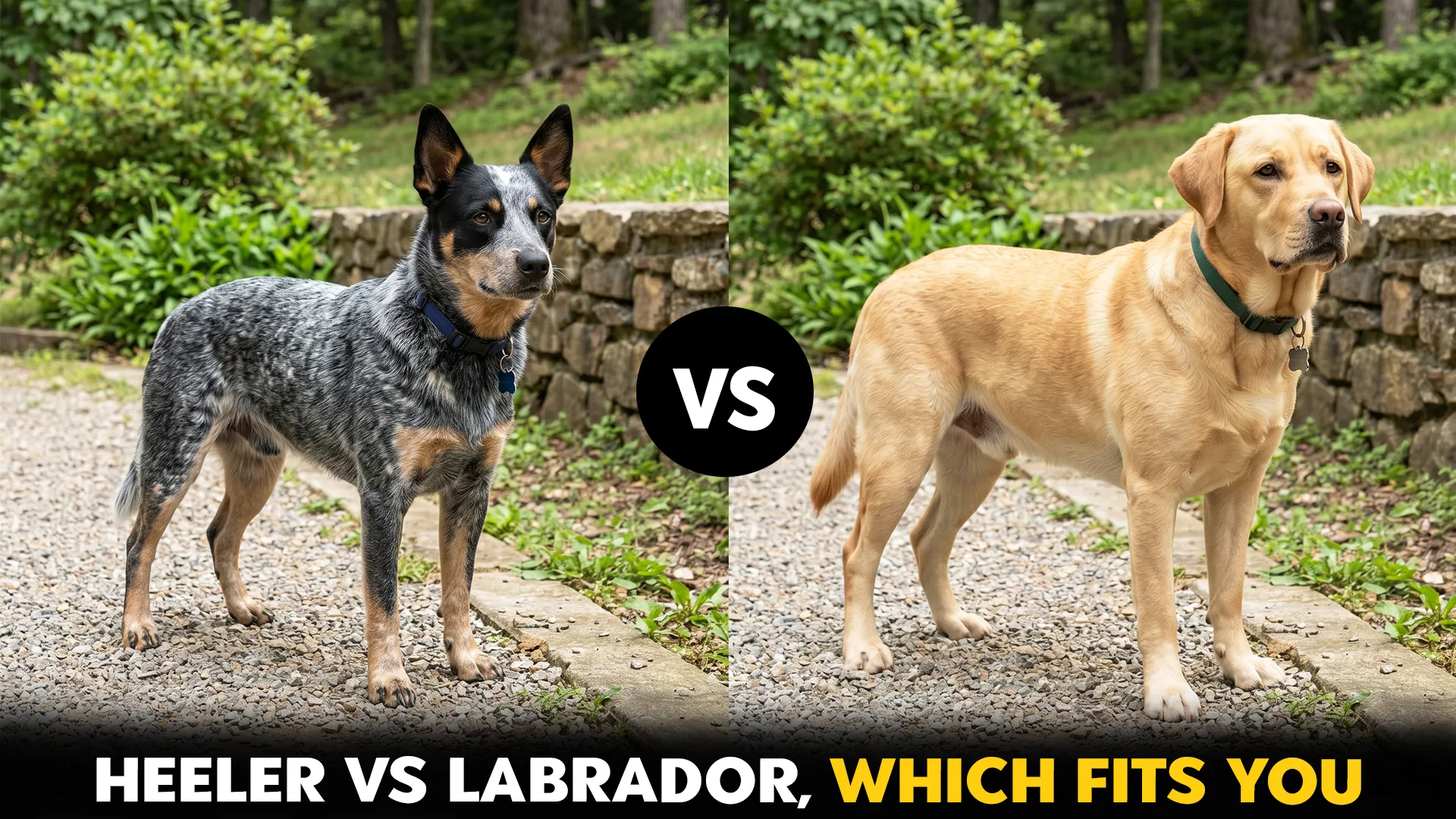
So… you’re stuck between a dog that might outsmart you before breakfast and one that greets strangers like long-lost best friends. Tough choice. On one side, the Blue Heeler, also known as the Australian Cattle Dog, is that high-energy, always-on-the-job type who treats life like a full-time mission.
On the other hand, the Labrador Retriever is the social butterfly who’s equal parts athlete and cuddle expert, always ready for a swim or a game of fetch. Both are smart. Both are active. Both will absolutely keep you on your toes. But which one actually fits your life and your vibe? Let’s break it down.
Did you know?
Blue Heelers got their name from nipping at cattle heels to guide them, and some may try the same at home for attention. While, Labrador Retrievers have been one of the most popular dog breeds for decades, remaining a favorite among dog lovers year after year.
Blue Heeler vs Labrador Retriever: Key Traits You Should Know
When choosing between the high-octane, sharp-witted Blue Heeler and the famously sociable Labrador Retriever, understanding their distinct temperaments is key to finding the right match for your lifestyle.
While both are incredibly capable companions, the intense, focused drive of the Australian Cattle Dog contrasts sharply with the versatile, eager-to-please nature of the Labrador, resulting in very different daily dynamics.
Size & Physical Build
If you lined them up side by side, you would instantly notice the difference in presence. Blue Heeler carries that compact, ready-to-move energy, while the Labrador Retriever stands with a broader, more relaxed confidence that feels built for both action and comfort.
Blue Heelers are known for a stocky, muscular build designed to maximize strength, endurance, and stamina, with a sturdy, compact frame that feels ready for nonstop action. Their bodies are built for tough tasks and long working days without slowing down.
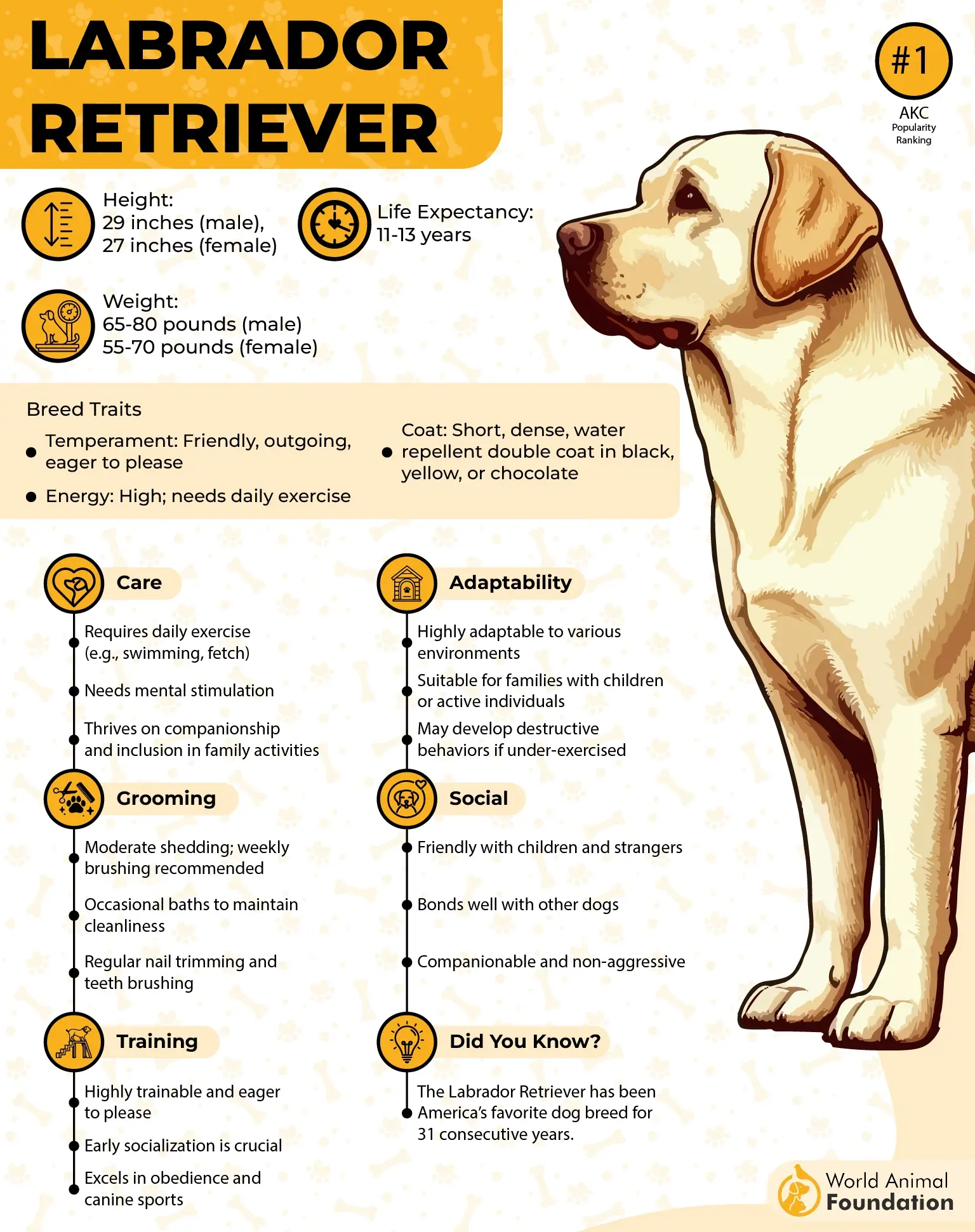
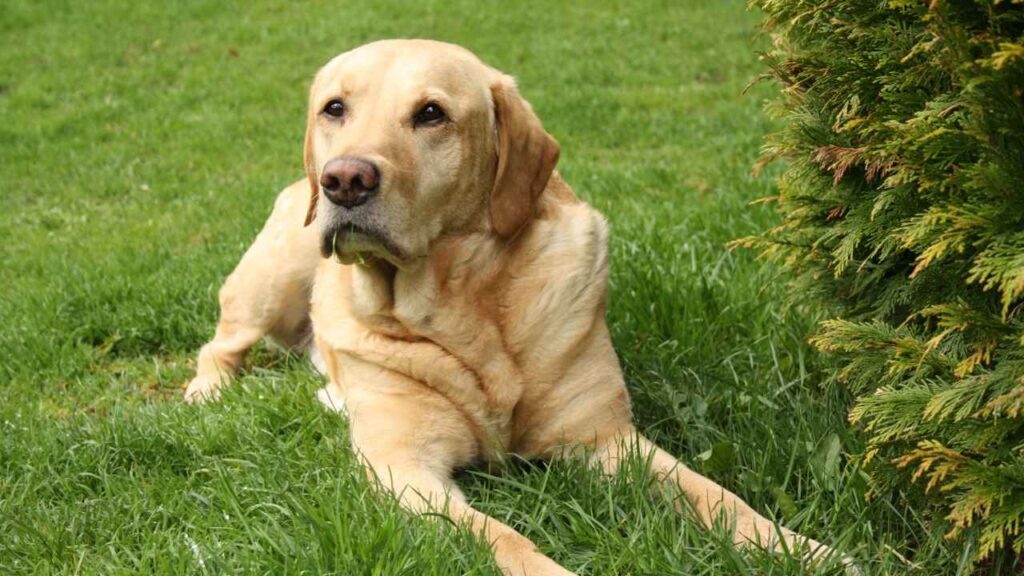
Labrador Retrievers have a sturdy physique with a strong body, paired with a broad head and that signature “otter” tail. Their build feels balanced and powerful, giving off an athletic yet approachable and cute look that fits both work and relaxed home life.
Temperament & Behaviour
Spend a few minutes around these two amazing dogs, and you will feel the difference immediately. The Blue Heeler watches everything like it is on duty, while the Labrador Retriever is already making friends with everyone in the room.
Labrador Retrievers are friendly, sweet, and full of that everyone-is-my-best-friend energy. They are very affectionate and loyal dogs, and open to strangers. They attach easily with the whole family and get along well with other pets, which makes them great family dogs.
Blue Heelers bring a more intense personality to the table with strong devotion and protective instincts. They are intelligent, alert, and can be wary of strangers, often forming a close bond with one person while staying watchful and ready for action.
Intelligence & Trainability
Here is where things get interesting, because both breeds are sharp, just in very different ways. Blue Heeler tends to think a step ahead, while the Labrador Retriever is all about learning quickly and happily working alongside you.
Blue Heelers are tremendously intelligent and highly trainable, with a natural ability to problem-solve and think independently. They enjoy learning new tricks and respond well to structured training, especially when it keeps them mentally engaged and constantly challenged. Since they can be protective, it is best to socialize them early as puppies.

As noted by PetMD, Labrador Retrievers are smart and eager to please, which makes training feel pretty smooth when started early. With proper socialization and obedience work, they can grow into well-mannered dogs and even take on roles like service or therapy work.
Energy Levels & Activity Needs
If your idea of fun involves sitting still, both of these might politely disagree. The Blue Heeler is always ready for the next task, while the Labrador Retriever is already halfway into a game before you even grab the leash.
Labrador Retrievers are highly energetic and need lots of physical exercise every day, from long walks to swimming and games like playing fetch. They enjoy staying active with their humans and can become restless if their physical and mental energy is not used properly.

As mentioned by Purina, Australian Cattle Dogs need at least two hours of exercise daily, along with mental stimulation and training. They have strong stamina and agility, and if left bored or unsupervised for long, they can quickly become restless and mischievous.
Health & Lifespan
Every dog comes with its own rhythm of life, and these two follow slightly different timelines. Blue Heeler tends to keep going strong for longer, while the Labrador Retriever brings plenty of lively years packed with energy and companionship.
Blue Heelers are a hardy, resilient breed with a lifespan of around 12 to 16 years and often stay active for years. They can face issues like hip dysplasia, deafness, and progressive retinal atrophy, so choosing a reputable breeder and regular vet checkups is important.
According to the AKC, Labs are generally healthy and live around 11 to 13 years, though they can develop conditions like elbow and hip dysplasia, heart disorders, hereditary myopathy, progressive retinal atrophy, exercise-induced collapse, and serious issues like bloat that require attention.
Social Behavior & Interaction
Walk into a park, and you will spot the difference instantly. The Labrador Retriever is busy greeting everyone like a host, while the Blue Heeler stays close, quietly observing and deciding who earns their attention.
Labrador Retrievers are incredibly social and friendly, often treating strangers like long-lost friends. They bond easily with families, do well with kids, and usually fit right into multi-pet households when properly socialised from a young age.
Blue Heelers take a more selective approach to social life, forming strong bonds with their owners while staying cautious around strangers. They are loyal and protective, often sticking close to their chosen person, keeping a watchful eye on everything around them to protect them.
Working Roles & Expertise
Put them to work, and you will quickly see their true personalities shine. The Blue Heeler treats every task like a mission, while the Labrador Retriever jumps in with enthusiasm, ready to help, learn, and stay busy alongside you all day.
Blue Heelers were bred to herd animals and handle tough livestock, using their intelligence and stamina to control cattle over long distances. Their natural herding instincts and ability to work independently make them exceptional farm and working companions.

Labrador Retrievers are true all-rounders when it comes to work, excelling in roles like service dogs, therapy dogs, search and rescue, and detection tasks. Their eagerness to please and ability to work closely with humans make them incredibly versatile workers.
Best Fit for a Suitable Lifestyle
Daily life with these two feels completely different once you bring one into your house. The Blue Heeler thrives in a structured, active routine, while the Labrador Retriever blends into family life, happily joining in on everything from playtime to downtime.
Labrador Retrievers fit well into active households that can provide plenty of exercise and interaction. These playful pups adapt to different living situations, adjust well with cats or other dogs, enjoy being part of family life, and thrive when included in daily activities and routines with their humans.
Blue Heelers are best suited for highly active owners who can keep them physically and mentally engaged. They need space, purpose, and regular challenges, making them a better match for people who enjoy constant activity and structured routines.
Conclusion
So here’s the real takeaway. You are not just picking between two great dog breeds; you are choosing a lifestyle partner. One brings focus, drive, and that always-on-the-job energy, while the other shows up with warmth, friendliness, and a “let’s be best friends with everyone” attitude.
Both of these working dogs are incredibly smart, active, and rewarding in their own way. The difference comes down to your pace, your space, and how you want your daily life to feel with a dog by your side. Take a moment, picture your routine, and you will know which one is the better dog for you. Because when it clicks, it really clicks.
