




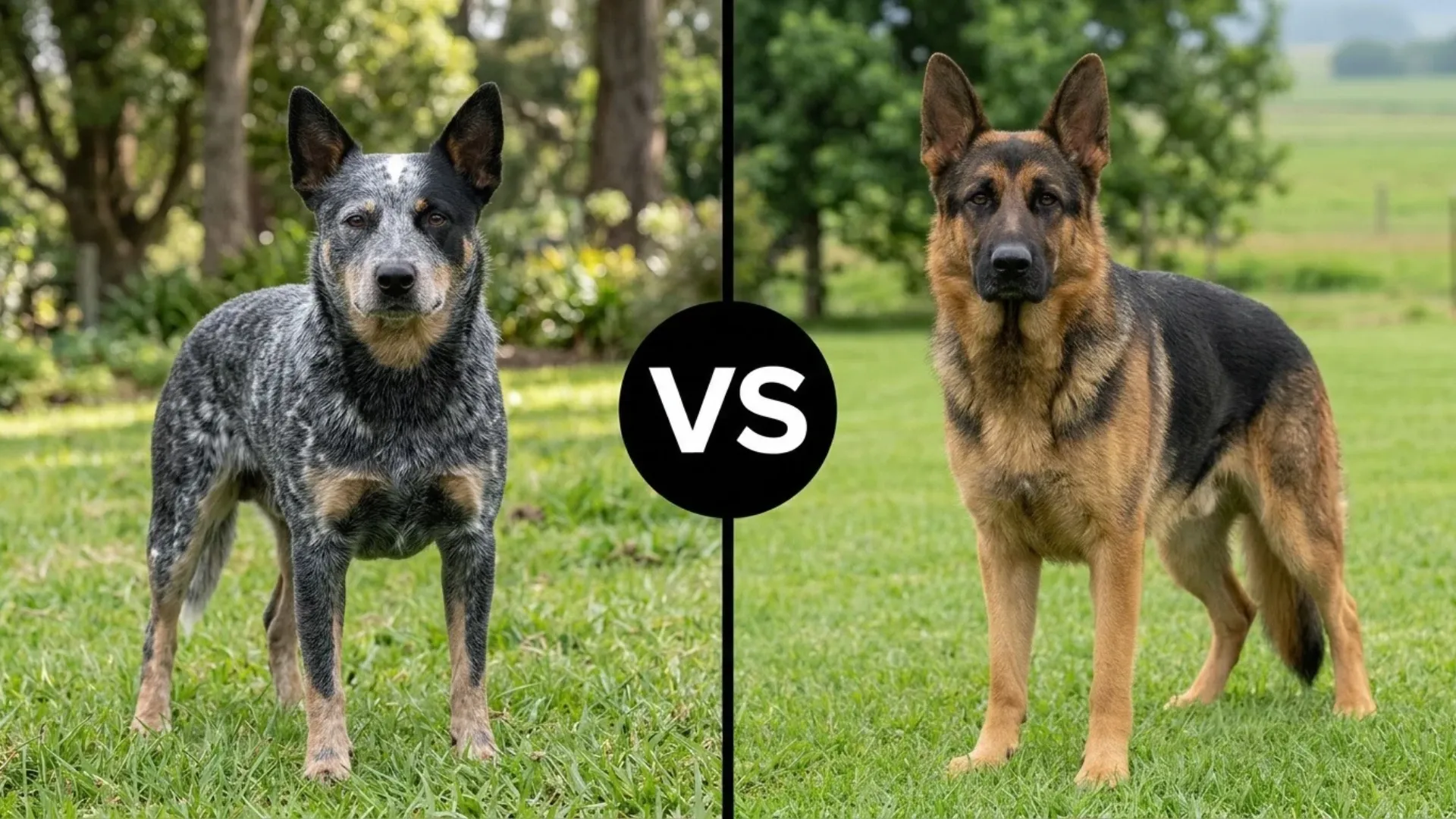
Ever wondered which loyal dog would suit your home best?
The Blue Heeler and German Shepherd are smart, brave, and full of energy. Yet, their ways of thinking and working can differ. Blue Heelers use quick moves to guide cattle, while German Shepherds often watch over people and property.
Both breeds need daily exercise, firm rules, and early social skills. Their strong instincts can also shape how they play with other dogs.
German Shepherds have served as war dogs, carrying messages and helping troops on dangerous missions. Blue Heelers, meanwhile, won hearts on screen through their cattle-dog skills and rugged charm. Their real-life talents make both breeds stand out beyond the home.
But which one fits your life? Let’s compare their size, cost, nature, care, and health. This guide will help you choose a dog that matches your time, space, and experience.
Blue Heeler vs. German Shepherd: Dog Breeds Temperament Clash
Both breeds are smart, loyal, and full of energy, but their traits set them apart. Let’s explore their differences, similarities, and unique qualities to find the right match for your home.
Origins & Purpose
Both breeds have a proud history of hard work and loyalty.
Blue Heeler
The Blue Heeler began in Australia as a cattle-herding dog. Also called the Australian Cattle Dog or ACD, it has other names, including Red Heeler and Queensland Heeler. According to Orvis, these names still refer to the same breed.
Farmers needed a tough dog to move cattle across rough land. So, they valued its stamina, sharp mind, and strong herding instinct. Today, Blue Heelers still enjoy active jobs and tasks that challenge their minds.
German Shepherd
The German Shepherd is a German working dog developed by Max von Stephanitz in 1899. It began as a herding dog, guiding sheep with skill and focus. After World War I, it gained fame around the world.
Its intelligence and obedience later made it useful in police work, search and rescue, service roles, and warfare. Today, it also serves as a loyal family companion. While Blue Heelers drive cattle forward, German Shepherds often herd, guard, and patrol.
Size & Build
Both breeds are strong, but their size affects daily life.
German Shepherd
The German Shepherd is a large dog breed with an agile, muscular body. Its height and strength suit many working roles. Owners should consider its size when planning walks, play, and living space.
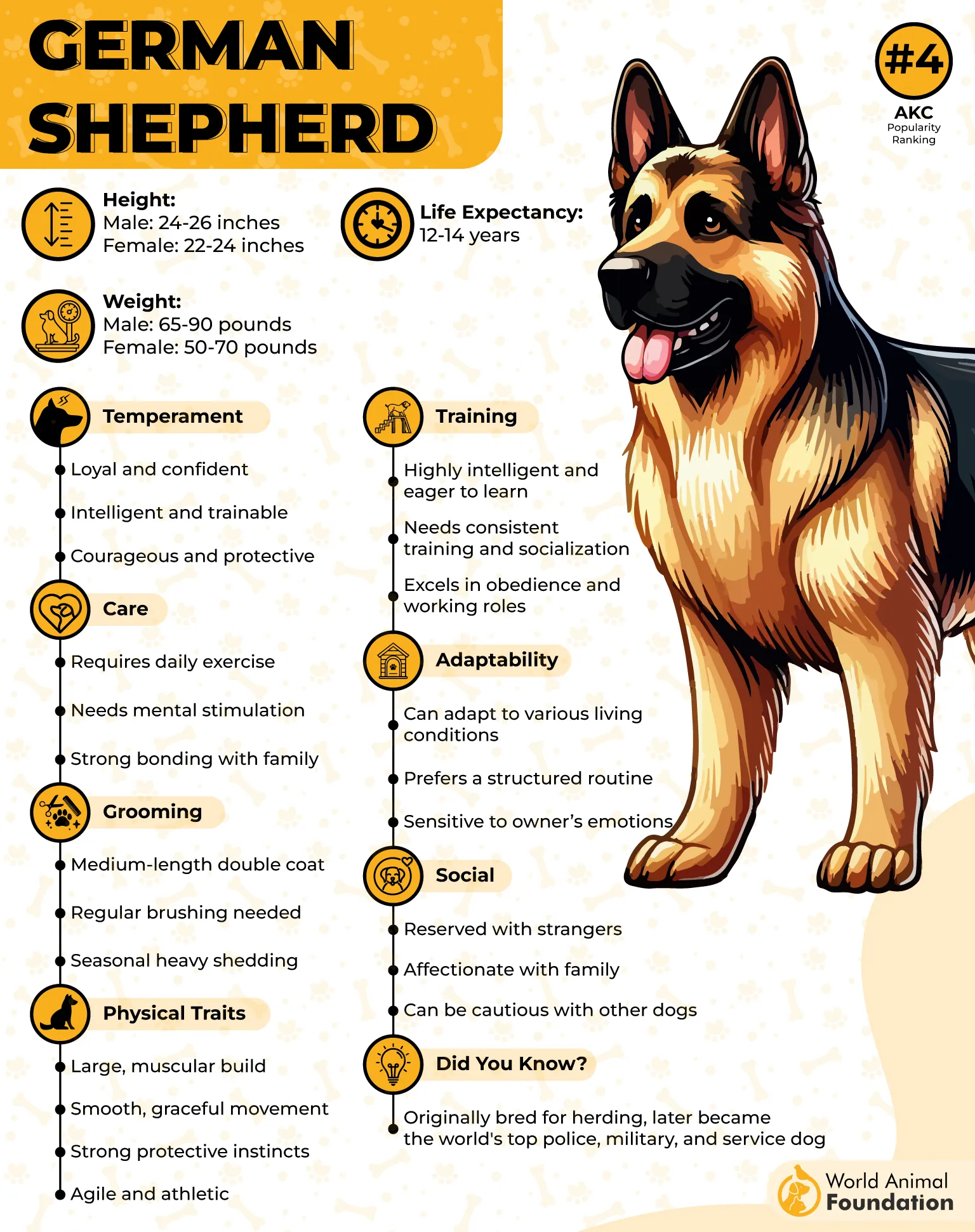
Height: Males: 24–26 inches; females: 22–24 inches.
Weight: Males: 65–90 pounds; females: 50–70 pounds.
Blue Heeler
The Blue Heeler is a medium-sized dog breed with a compact, sturdy frame. Its strong legs help it move cattle across rough land. This build also supports quick turns and active play. Owners still need to provide enough room for daily movement.
Height: Males: 18–20 inches; females: 17–19 inches.
Weight: Males and females: usually 35–50 pounds.
Pricing & Availability
The price of these dogs can vary by breeder and location. Blue Heelers usually cost $400 to $1,200, with many priced around $600 to $800. German Shepherds often cost $450 to $1,900, while many sell for $900 to $1,000.
Pedigree, breeder quality, and local demand can affect these prices. If you want a cheaper option, check local shelters and rescue groups. You may find a loyal friend for less. However, no dog is truly a cheap dog breed to own.
You must also budget for food, supplies, vet visits, training, and sudden health needs. Plan ahead to give your new friend a safe, happy home.
Temperament & Personality Style
Both breeds are loyal, alert, and confident, but they show it differently.
Blue Heeler
According to Britannica, the Australian Cattle Dog is tough, smart, and quick to learn. Yet, it can be headstrong and needs firm, fair training. This breed suits an active dog owner who enjoys outdoor fun.
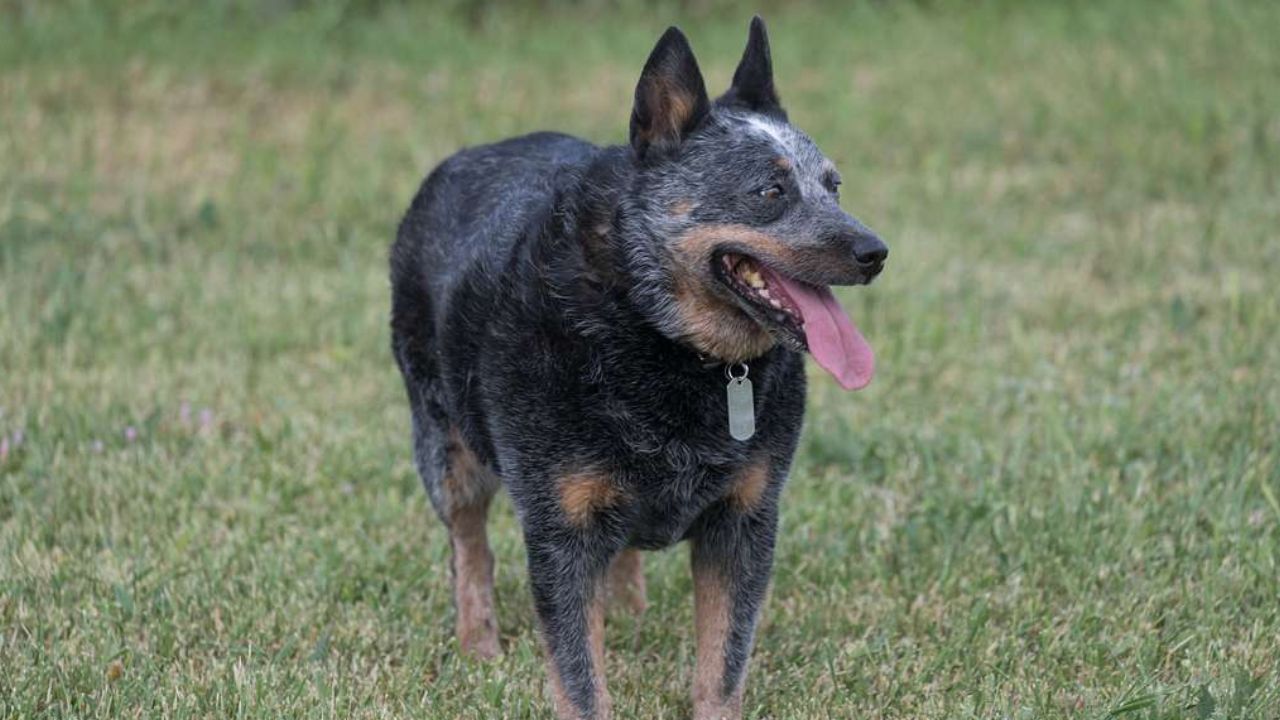
Affectionate at home: It can be an affectionate dog breed with its family.
Wary of strangers: Early socialization helps it feel safer around new people.
Needs guidance: Training helps manage its strong instincts around kids and children.
Watchful nature: It can be a good watchdog for the household.
German Shepherd
German Shepherds are brave, steady, and protective. They often keep a close eye on their family and home. Without proper socialization, some may react poorly to unfamiliar dogs or strangers.
Food and toy guarding: Some may guard valued items.
Protective response: Rough play can trigger tension with a Blue Heeler.
Strong presence: Its size may overwhelm small children during play.
Clear boundaries: Consistent rules help prevent household conflicts.
Supervised play: Watch both breeds closely to reduce the risk of aggressive behavior.
Exercise Needs & Energy Levels
Both breeds have high energy and need daily physical and mental challenges.
Blue Heeler
The Blue Heeler needs over two hours of exercise each day. Walks, hikes, fetch, and herding games help burn energy. This athletic dog also needs tasks that keep its sharp mind busy.
Without enough activity, it may chew items or dig around the house. Staying active can also help manage a healthy weight. For active owners, this breed can be the best dog for outdoor fun.
German Shepherd
According to PetMD, German Shepherds need one to two hours of daily exercise. Scent games, puzzle toys, and training help meet their mental needs. Without enough activity, they may become restless or develop unwanted habits.
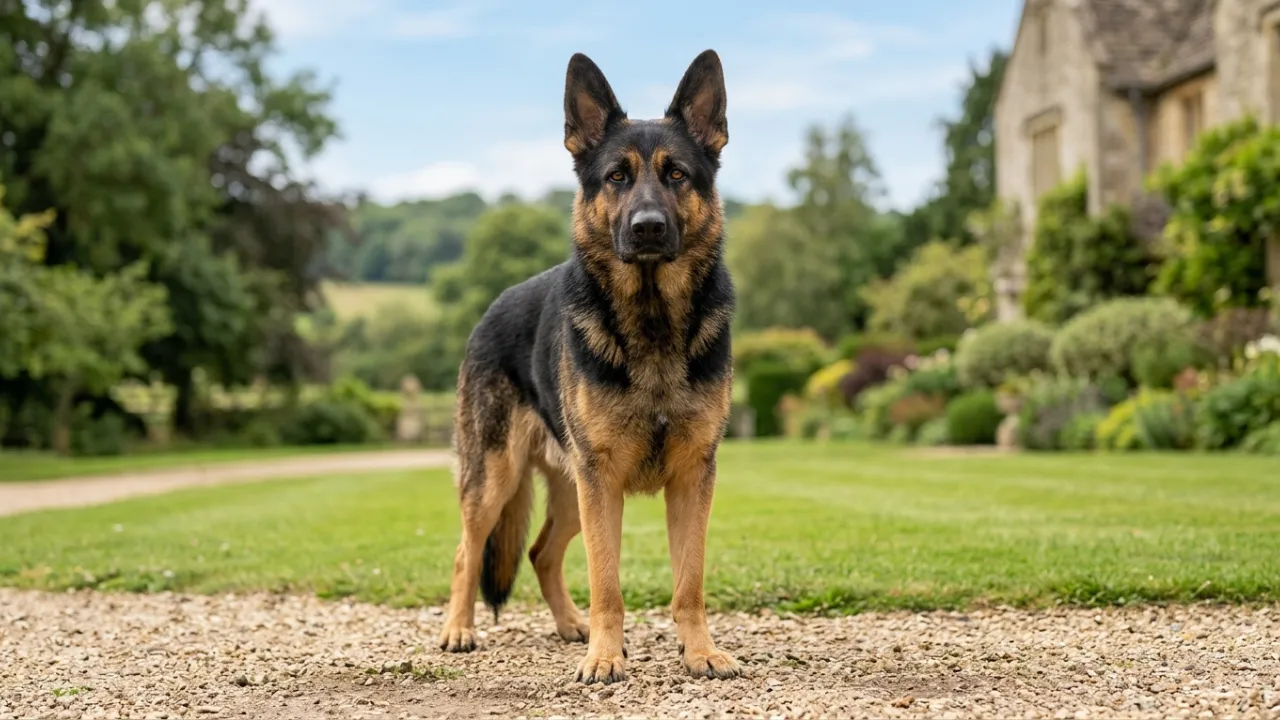
They should not be left alone constantly without things to do. Give them varied tasks and time with people and other pets. Even on low-key days, offer walks and simple games.
Trainability & Obedience
Both breeds are extremely intelligent, but they learn in different ways.
Blue Heeler
According to WebMD, Australian Cattle Dogs learn quickly, especially when training starts early. These active dogs naturally enjoy tasks that challenge their minds and bodies. They tend to test limits if rules are unclear, so owners must lead with patience and consistency.
Reward good behavior with praise, treats, or a ball game. Early socialization also helps reduce nipping and teaches puppies how to behave around people and other dogs. Herding and agility can be great ways to build focus while keeping training fun.
German Shepherd
German Shepherds are among the smartest dog breeds and make highly trainable working dogs. They notice small changes and respond well to clear cues. Keep sessions short, use rewards, and set consistent rules. Harsh methods can damage trust and increase stress.
If both dogs share a home, train them separately before trying supervised practice together. Teach each dog to wait, settle, and follow basic commands. Early exposure to new places, people, and pets helps build confidence. Both breeds need steady leadership, not harsh treatment.
Grooming Needs & Shedding
Both breeds have double coats, so loose hair is common and needs care.
Blue Heelers
Blue Heelers also have a weather-resistant double coat, with common coat colors including blue and red speckling. Brushing every other day helps remove loose hair and keeps the coat in good condition. They shed lightly to moderately, though shedding can increase at certain times.
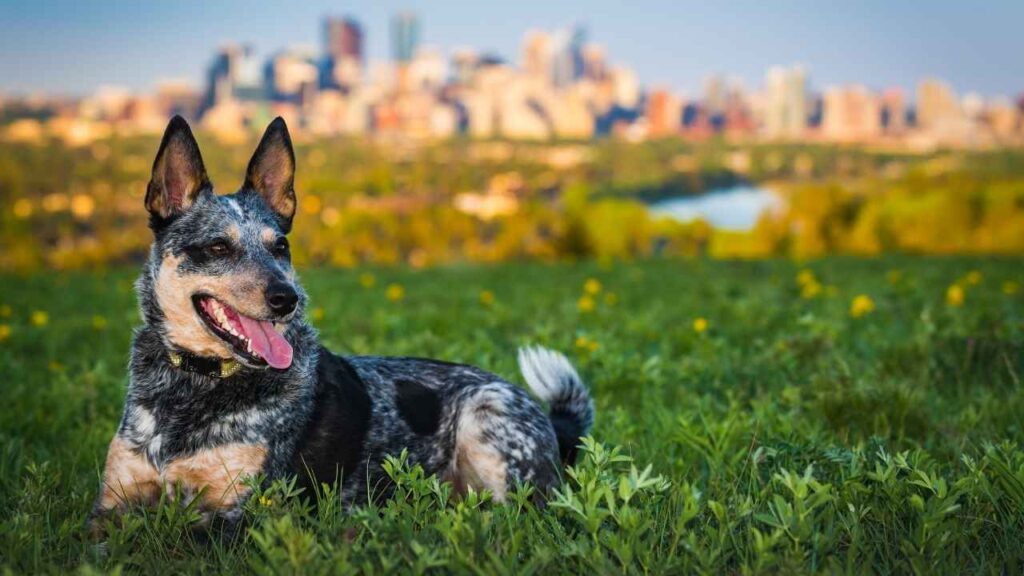
Bathing about every six weeks is usually enough unless your dog gets dirty sooner. Regular nail trims, ear checks, and dental care also help keep your Blue Heeler comfortable and healthy.
German Shepherd
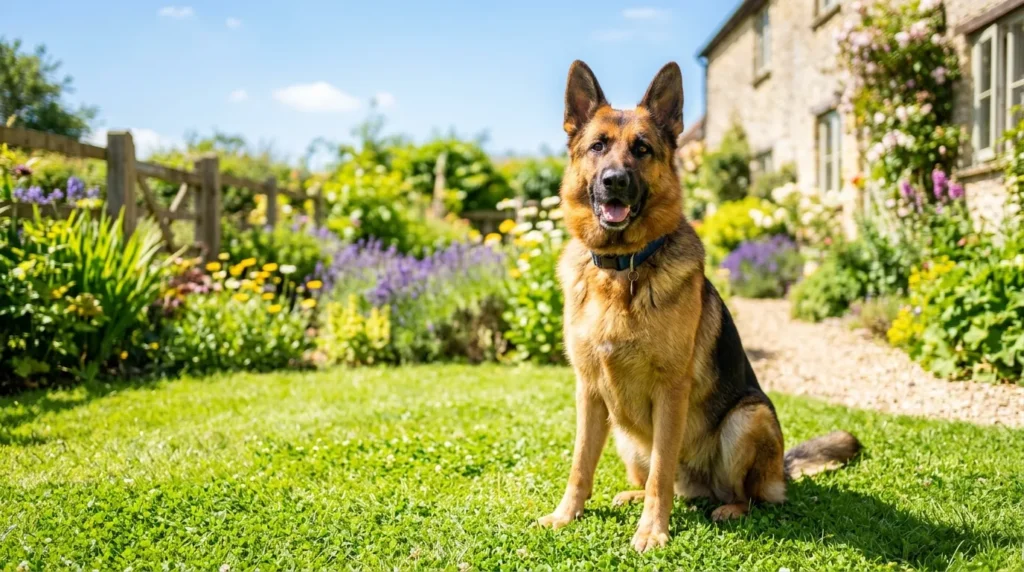
According to the American Kennel Club, German Shepherds have a dense undercoat and a harsh, close-lying outer coat. Their coat colors include black and tan, sable, and solid black. This specific breed is fairly easy to maintain with brushing every other day to remove loose hair.
However, shedding increases during seasonal coat changes, so extra brushing helps keep hair off furniture. Bathe your dog about every six weeks or when needed. Trim its nails monthly, and check its ears and teeth to support good health.
Herding & Work Drive
Both breeds have strong herding instincts that affect how they move and play.
Blue Heeler
According to Purina, Australian Cattle Dogs are called Heelers because they nip at cattle’s heels to drive them forward. This instinct may appear during play through chasing, quick movements, and heel-nipping. Fetch and agility offer safer ways to use their energy.
German Shepherd
German Shepherds often herd by watching, guiding, and patrolling. They may use gripping or wrestling moves during play. Fast movements and heel-nipping can trigger tension between the breeds. Supervise their interactions, provide clear breaks, and separate them when play becomes too rough.
Health & Lifespan
Both breeds can live healthy lives, but each has specific health risks to consider.
Blue Heeler
Blue Heelers often enjoy long, active lives, with a typical lifespan of 11–16 years. While no breed is always the healthiest dog breed, responsible breeding and good care can help reduce health risks.
Patellar luxation: The kneecap slips out of place and may cause discomfort.
Progressive retinal atrophy (PRA): This eye disease can lead to vision loss.
Bloat: This serious condition requires urgent veterinary care.
German Shepherd
According to PDSA, German Shepherds face several inherited health concerns, some linked to their body structure. Their typical lifespan is 9–13 years, and health screening can help owners understand potential risks.
Hip dysplasia: Poorly formed hip joints can cause pain and arthritis.
Elbow dysplasia: Abnormal joint development may affect movement.
Degenerative myelopathy: This disease can cause progressive weakness in the back legs.
Genetics, daily care, and regular veterinary checks can affect both breeds’ long-term health.
Blue Heeler vs. German Shepherd: Which Loyal Breed Should You Choose?
Choosing between these breeds depends on your lifestyle, experience, and time. According to Omlet, Blue Heelers are intelligent working dogs that learn commands quickly but need constant mental and physical stimulation.
Agility, flyball, and new tricks help prevent boredom and destructive issues. They may nip at small children, so early socialization matters. They can also be wary of strangers while protecting their family and home.
German Shepherds make loyal companions and a capable guard dog breed when trained responsibly. Both need daily exercise, clear rules, and time with their owners. Their high prey drive also requires careful management. Before choosing either pooch, consider your space, budget, and responsibility.
A rescue dog may suit your home, too. Neither breed should be expected to attack or defend without proper training. Check the breed standard, introduce pets slowly, and make sure both dogs get time to rest. Most importantly, choose the companion whose needs fit your daily life.
Conclusion
Choosing between a Blue Heeler and a German Shepherd can be tough. Both dogs are smart, loyal, and ready to work. Yet, each breed brings different strengths to your home.
Blue Heelers have bold energy and an independent streak. German Shepherds often stand out for their protective nature. Most people hope to find one breed that feels like the perfect match, but no dog suits every household.
These two dogs need daily exercise, patient training, social time, and proper health care. Before you fall for either pooch, talk to responsible breeders or rescue staff. Allow yourself time to meet each dog. The best choice is the one whose needs fit your lifestyle.
