




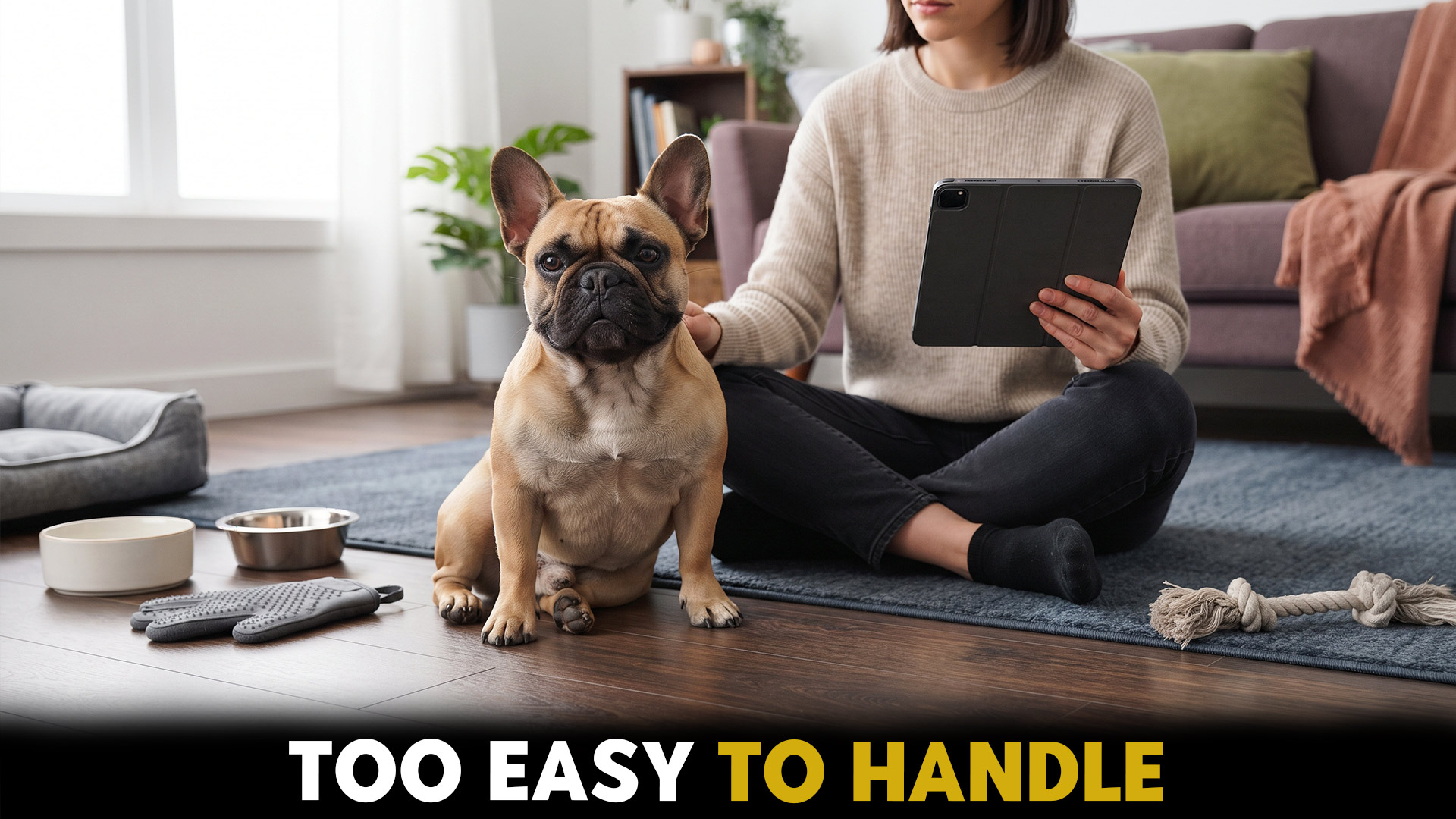
Bringing home your first dog can feel like choosing between two very different experiences: a demanding companion that needs constant activity and grooming, or an easier-going breed that fits naturally into your daily routine. For new dog parents, that difference can make the learning curve far more comfortable.
Low-maintenance breeds still need training, exercise, affection, nutritious food, and regular veterinary care. However, some tend to have minimal grooming routines, moderate energy levels, and adaptable temperaments, giving first-time owners more time to focus on building trust and enjoying the bond.
Whether you live in an apartment, work long hours, or want a manageable first companion, these breeds can make those early days feel less overwhelming and more rewarding.
FACT: Low-maintenance does not mean maintenance-free; every dog needs consistent care and attention.
Best Low-Maintenance Dog Breeds for New Dog Parents
1. Cavalier King Charles Spaniel

For new dog parents seeking a gentle companion, the Cavalier King Charles Spaniel brings a naturally comforting presence to the home. These affectionate dogs thrive on human companionship without needing constant high-energy activity, making them easy to fit into many lifestyles.
Cavaliers enjoy moderate walks and playtime, but they are equally happy curling up beside their favorite person. Their adaptable nature also helps them settle comfortably into family life, including homes with children and other pets.
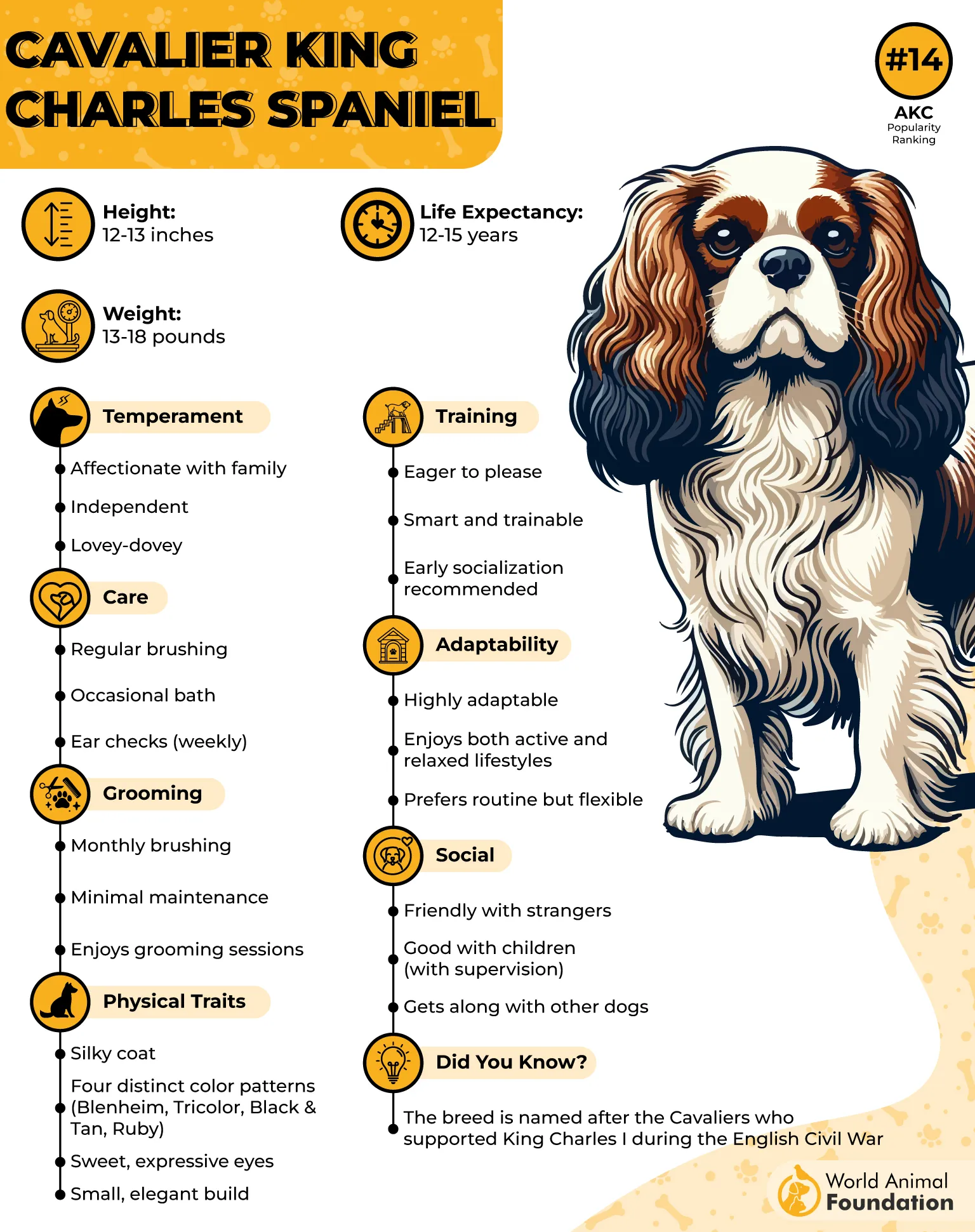
With their eager-to-please temperament, Cavaliers are generally responsive to training, which can make those early stages of dog ownership less overwhelming.
Their silky coats require regular brushing, while routine veterinary care is important because the breed can be predisposed to certain heart and neurological conditions.
2. Japanese Chin
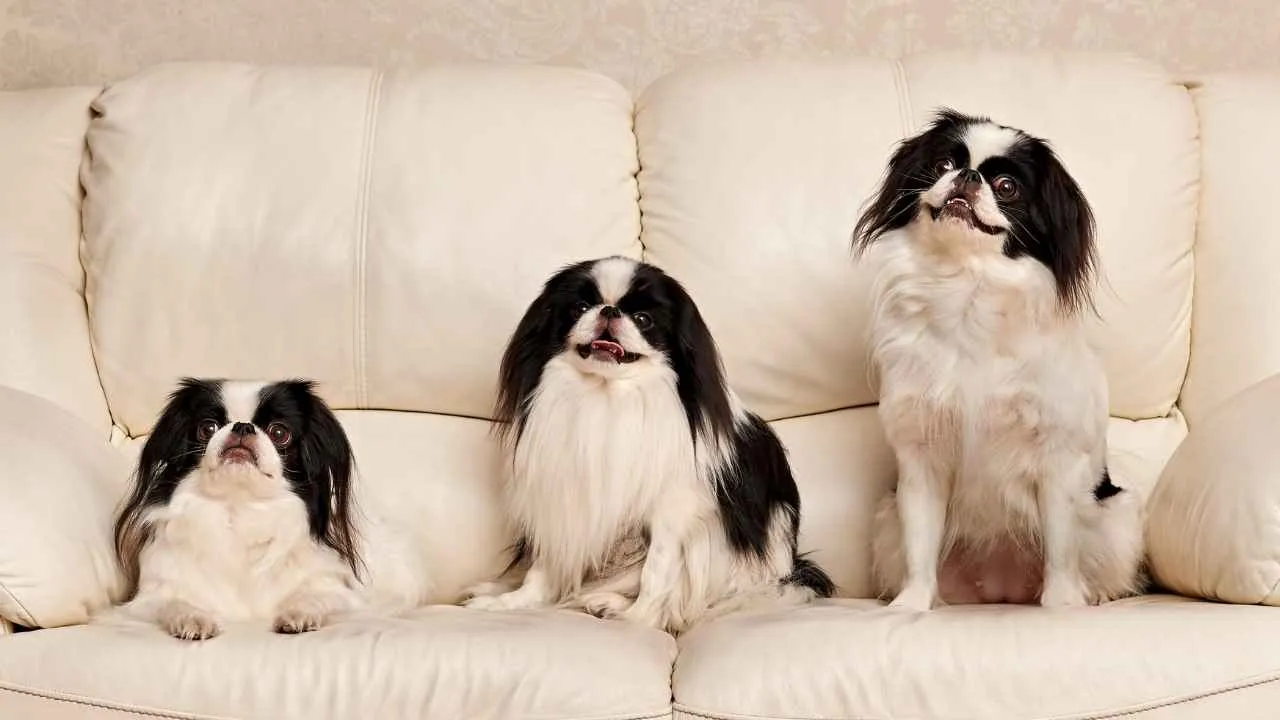
The Japanese Chin brings an unmistakably refined presence to the home, pairing a silky coat with an elegant, almost aristocratic charm. Despite its luxurious appearance, this toy breed has surprisingly simple grooming needs, requiring brushing only once or twice a week to keep its coat smooth and free of tangles.
Bred primarily for companionship, the Japanese Chin feels most comfortable indoors and happily settles into apartment living. Its low-to-moderate energy level means short walks and playful moments around the home are generally enough to keep it content, making it a practical choice for new owners.
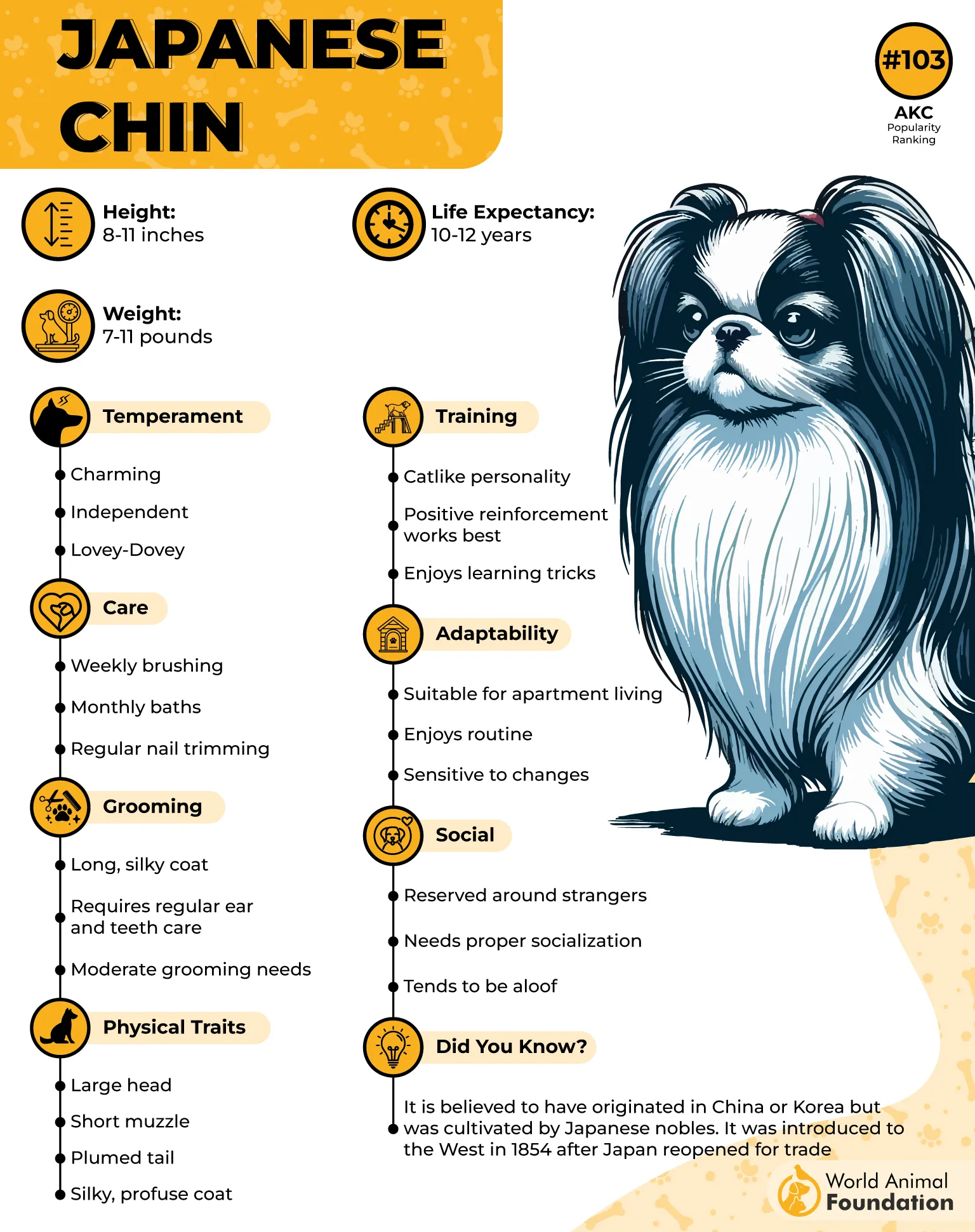
This graceful companion is also known for its gentle, affectionate personality and distinctive cat-like independence. Japanese Chins tend to be quiet rather than demanding, making them especially appealing for peaceful households where a calmer atmosphere is preferred.
New dog parents should provide plenty of companionship, as Chins can struggle when left alone for extended periods. Their independent streak also calls for consistent training, helping this charming little dog develop good habits without relying solely on its adorable looks.
3. French Bulldog

French Bulldogs can make easygoing city companions, especially for new dog parents living in apartments or smaller homes. Their compact build and adaptable nature allow them to settle comfortably into different living situations without needing a large yard.
Daily exercise is generally manageable. A couple of short walks paired with indoor play and plenty of lounging can usually keep them content. They are also affectionate and tend to enjoy spending time with people of different ages and other pets.
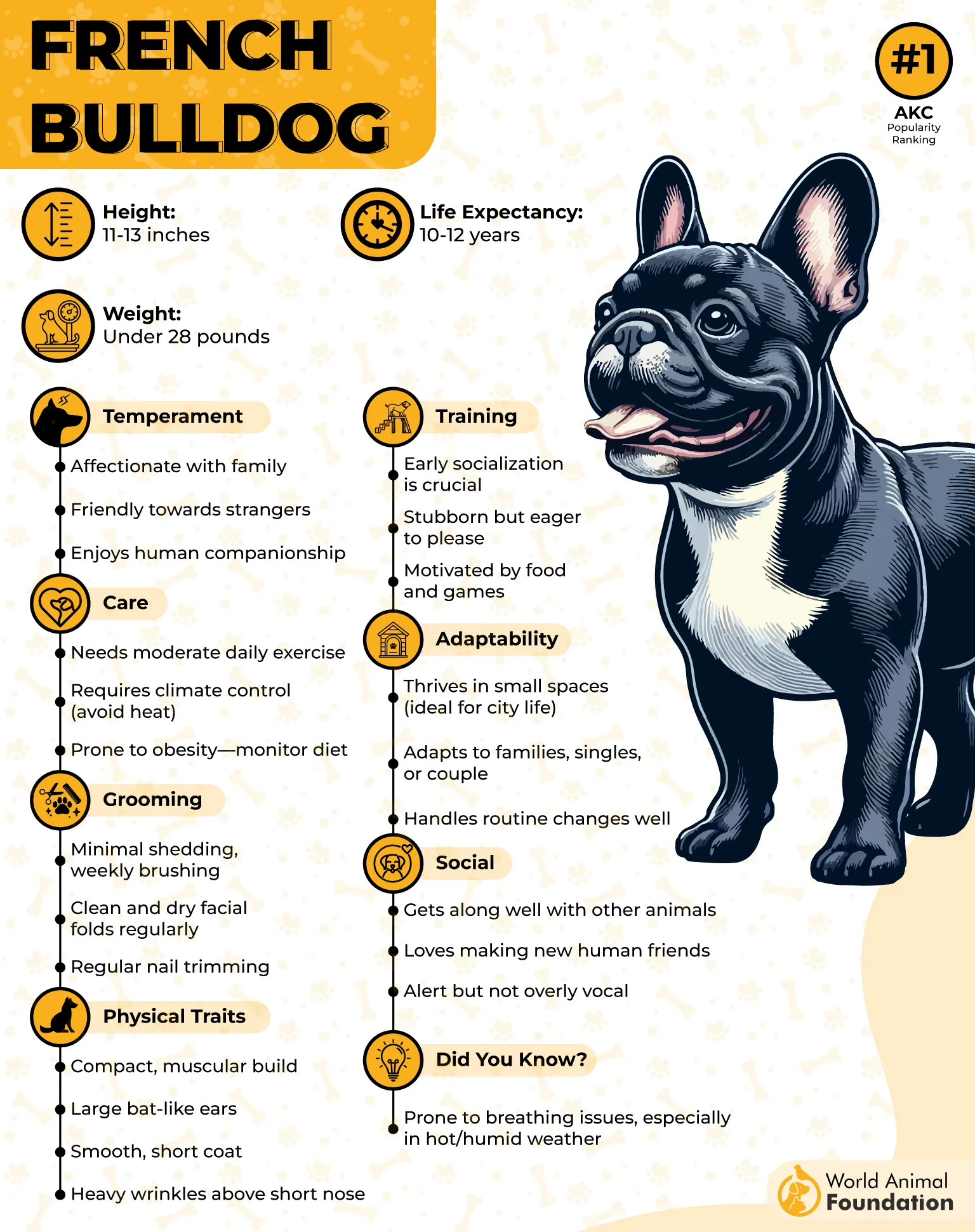
Their short coat keeps grooming simple, with weekly brushing helping remove loose hair and support healthy skin. Their facial folds need regular cleaning and drying, while routine nail trimming and early socialization should also be part of their care. According to PetMD, French Bulldogs can require more care because of their various health concerns.
One thing new owners should watch closely is their sensitivity to heat and humidity. Because of their flat-faced structure, French Bulldogs can experience breathing difficulties, making cool environments and sensible activity especially important during warmer weather.
4. Dachshund

Dachshunds may be small in stature, but their lively personalities make them anything but timid. Originally developed as hunting dogs, these distinctive low-slung companions remain curious, spirited, and deeply attached to their families. Their adaptable nature makes them a practical choice for new dog parents.

Available in miniature and standard sizes, Dachshunds come with smooth, long, or wire-haired coats. Their grooming needs are generally manageable, although long-haired varieties benefit from regular brushing. They also tend to shed moderately rather than heavily.
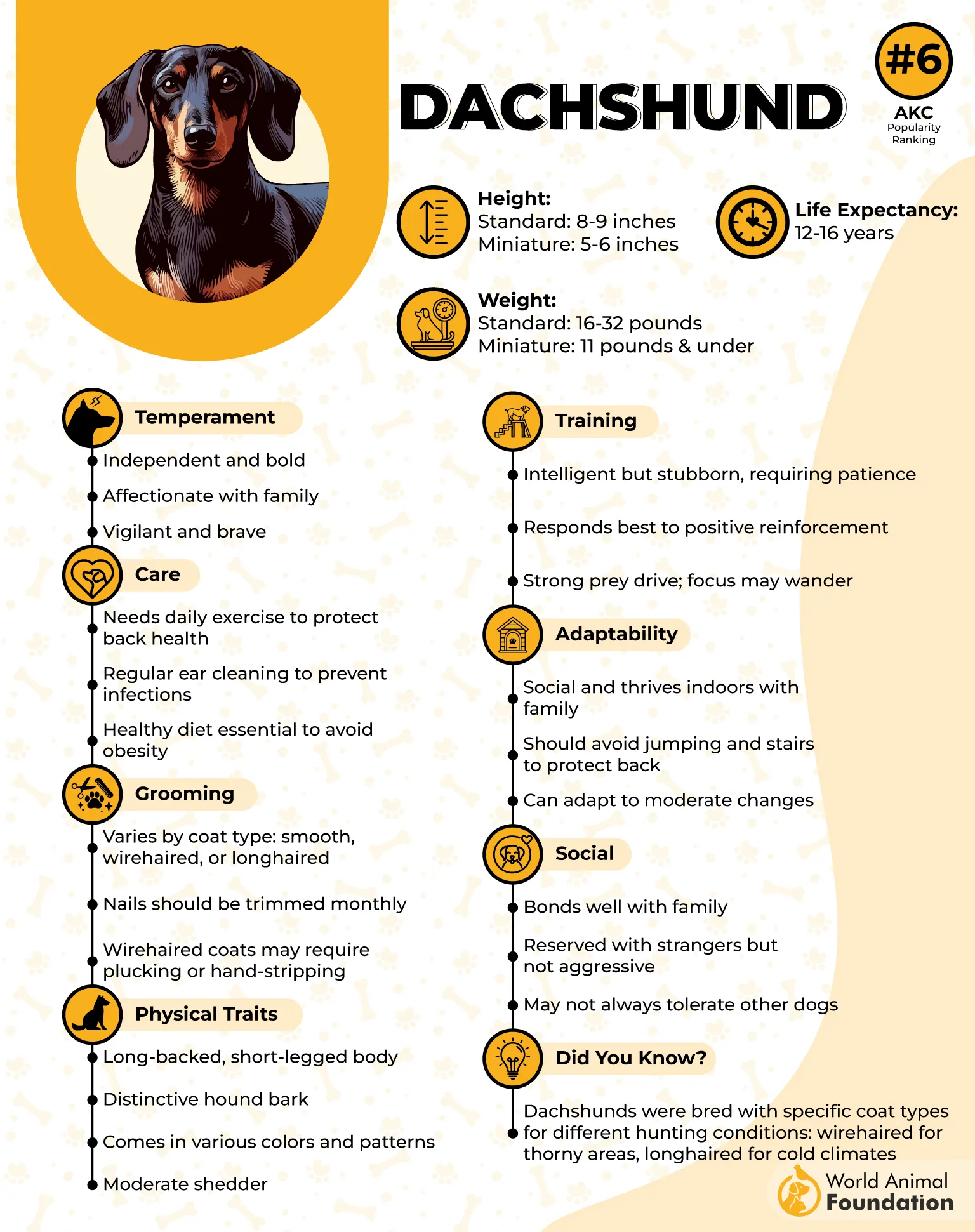
Their exercise requirements are fairly reasonable. Daily walks, indoor games, and activities that challenge their minds can help keep these clever dogs content without demanding an especially active lifestyle.
New owners should be prepared for an independent, sometimes stubborn streak. Their elongated backs also make spinal problems a concern, so careful handling and appropriate activity are especially important.
5. Pug

Pugs are the lovable homebodies of the dog world, perfectly content to turn your couch into their favorite destination. Their compact size suits apartments and smaller homes, while their affectionate, social nature makes them wonderful companions for first-time owners.
They are playful when the mood strikes, but are equally happy curling up beside their people for a serious nap session. Their expressive faces and silly personalities bring plenty of charm to everyday life. According to Purina, one advantage of owning a Pug is that they have relatively low physical activity needs.
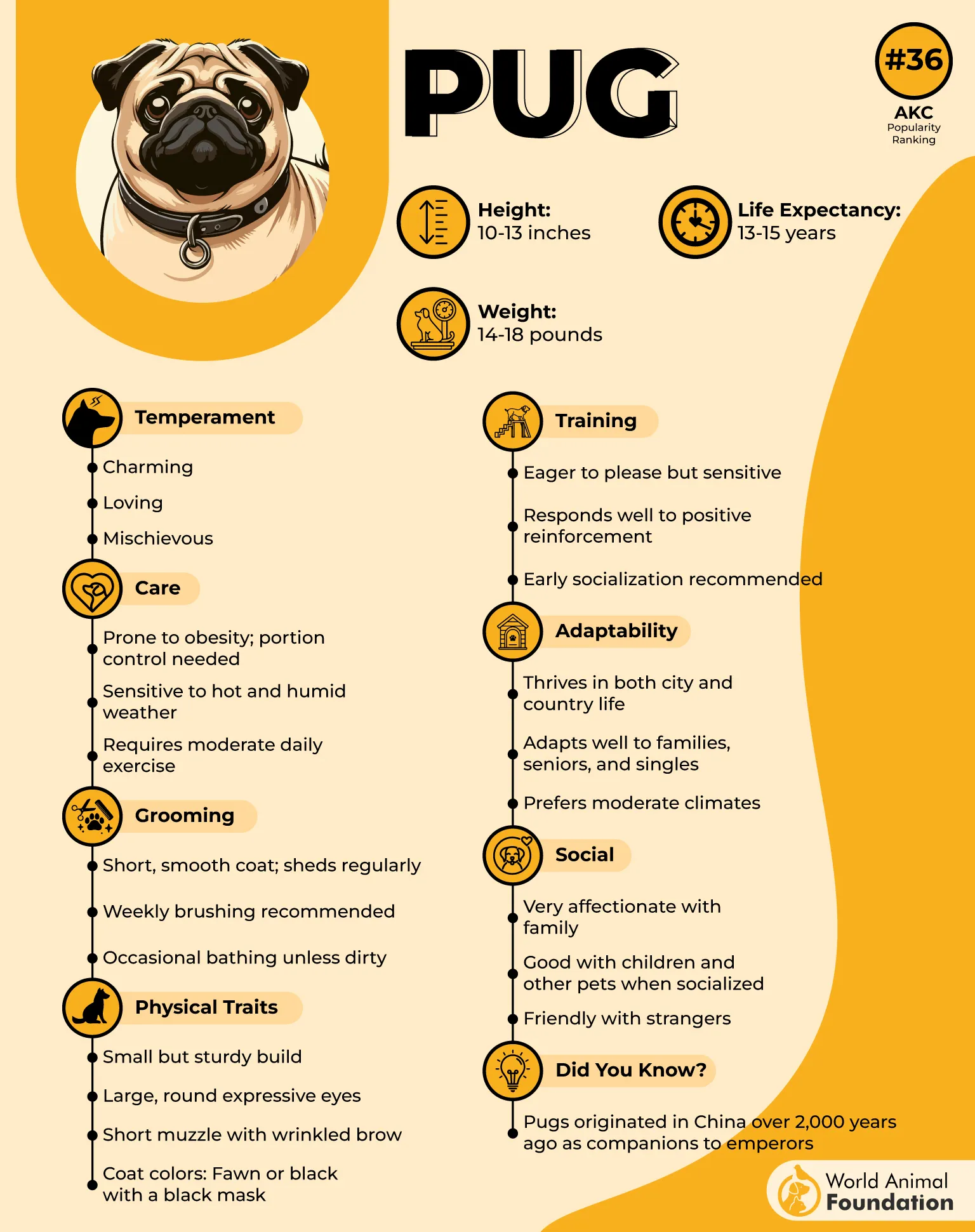
Caring for a Pug does require attention to a few details. Their facial wrinkles should be cleaned regularly to help prevent irritation, while their pushed-in faces can make breathing difficult, particularly in hot weather. A cooler, temperate environment suits them best.
Because Pugs can gain weight easily, measured meals and limited treats are important. With these simple considerations, their laid-back lifestyle can be wonderfully manageable.
6. Boston Terrier
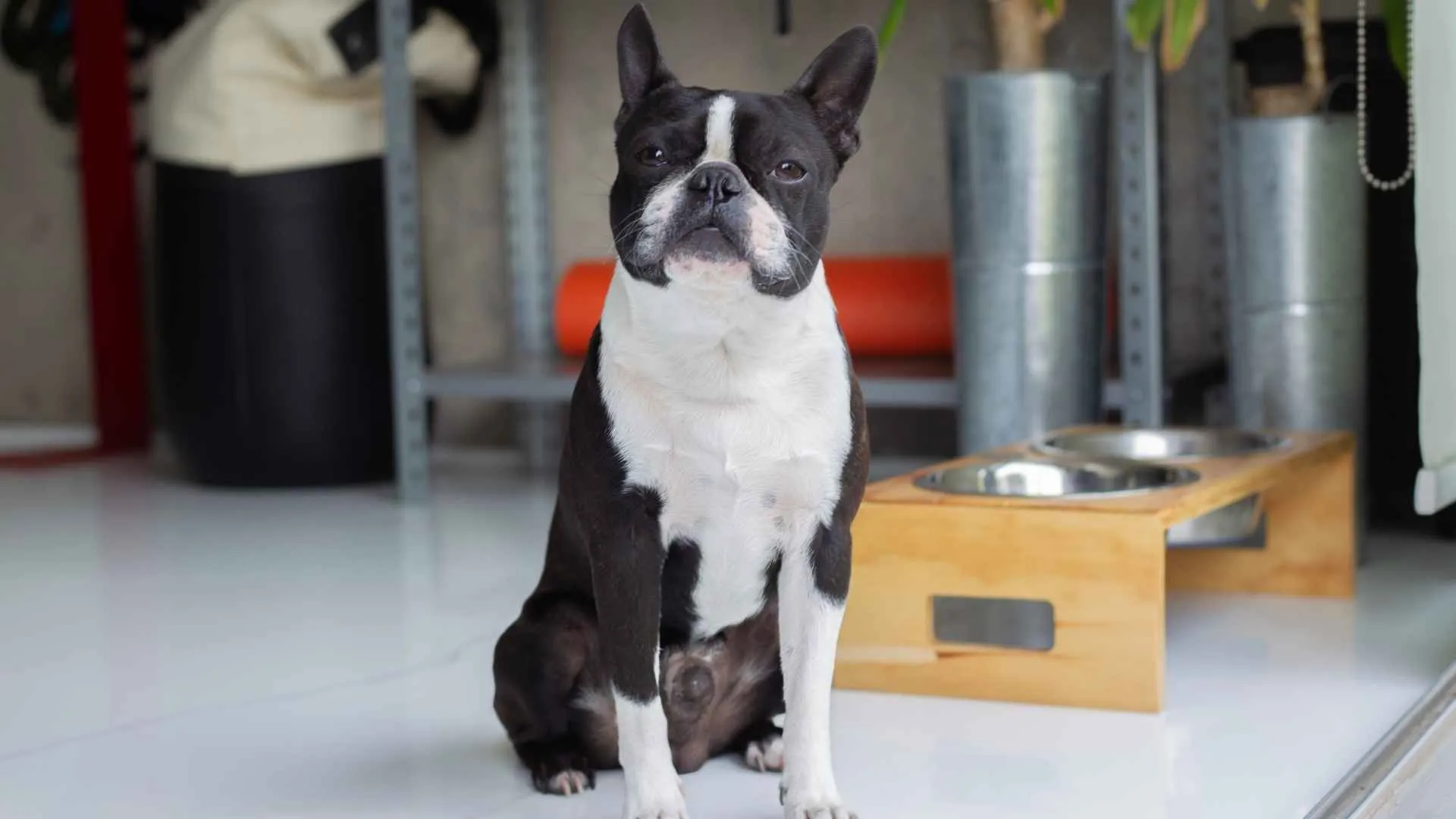
Small in stature but overflowing with personality, the Boston Terrier can bring plenty of character to a new dog parent’s home. This cheerful little companion enjoys walks and playtime without demanding endless exercise or a huge living space.
Their short, tidy coat keeps grooming fairly simple, while low shedding can help reduce the need for constant vacuuming. They are especially comfortable in apartments and other urban settings where space may be limited. According to the AKC, Boston Terriers only need infrequent baths.
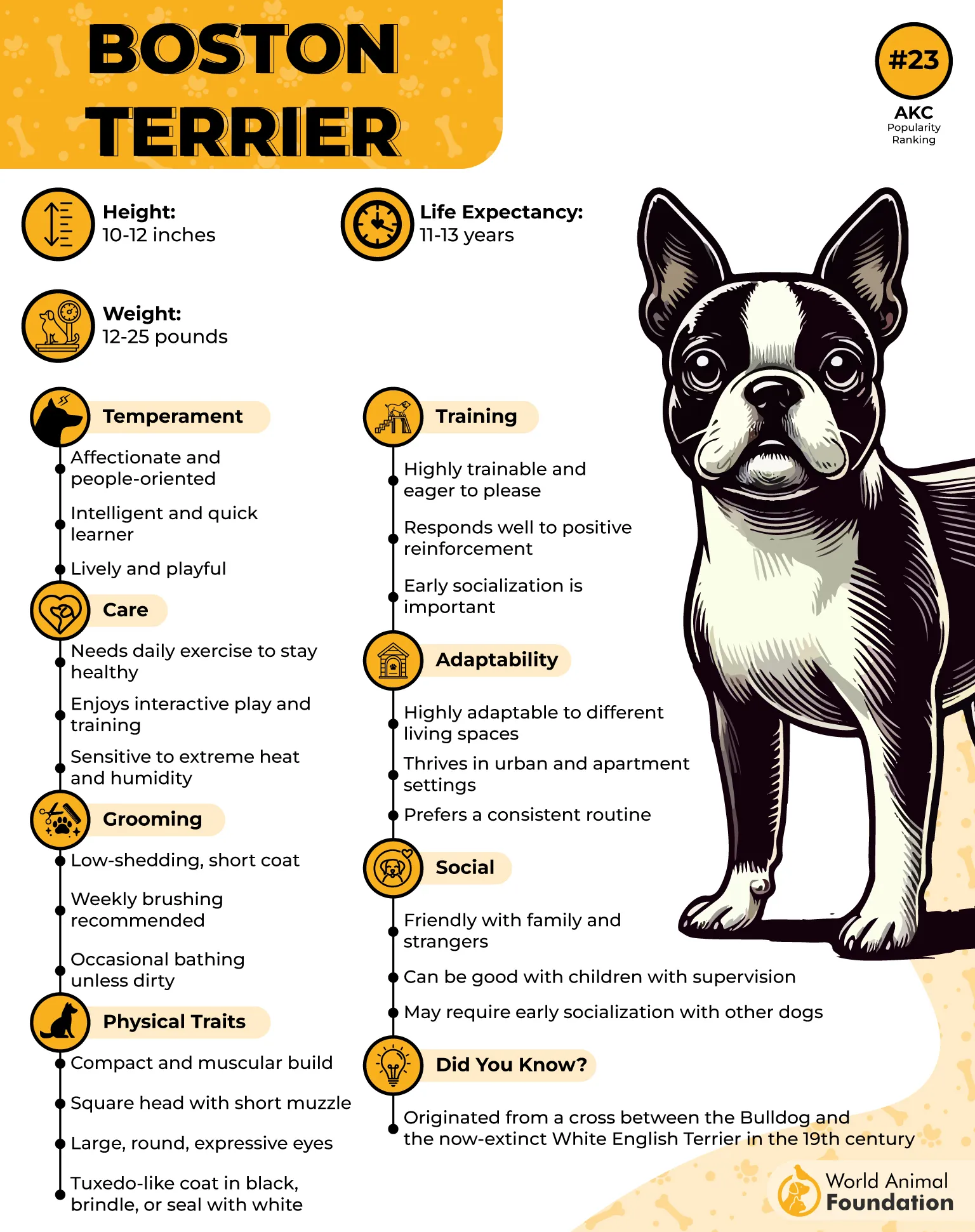
Boston Terriers are people-loving dogs with a playful streak that can make them seem like tiny comedians. They often form strong bonds with their families and generally get along well with children, adding plenty of warmth to everyday life.
Training can also be manageable for beginners because they tend to be intelligent and eager to please. Their short bursts of energy are usually followed by quick relaxation. New owners should be mindful of hot weather, as their short muzzle makes them more sensitive to heat.
7. Whippet

With their sleek silhouette and refined presence, Whippets bring a touch of luxury to everyday companionship. Their short, smooth coat requires minimal upkeep, making grooming pleasantly simple for new dog parents.
Don’t mistake their athletic build for nonstop energy. Whippets are often called “couch athletes,” happily switching from quick bursts of sprinting to extended periods of lounging. Regular walks and opportunities for vigorous, safe exercise help them settle comfortably indoors.
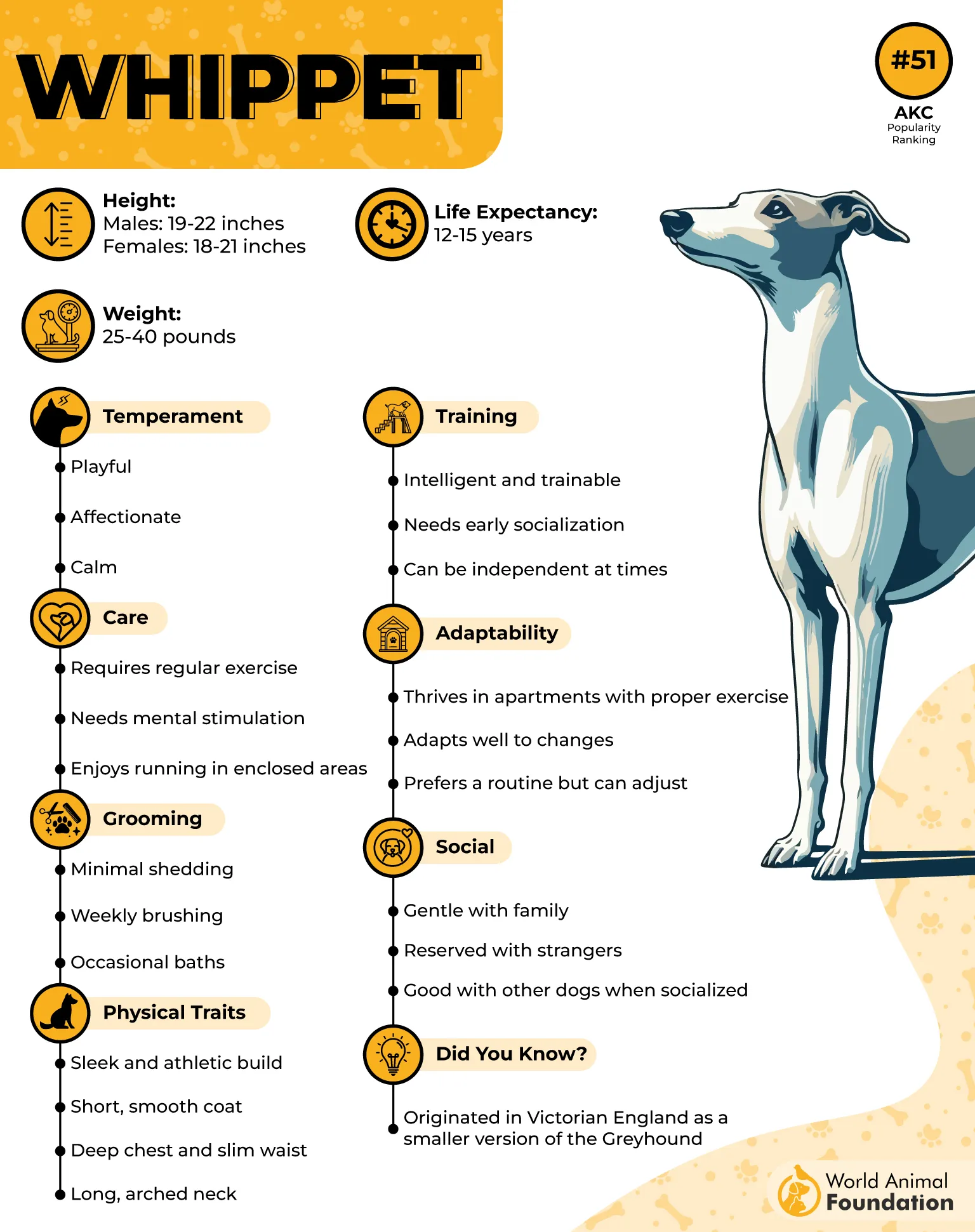
Their strong prey drive means outdoor freedom requires care. Secure fencing and leashes are essential because a glimpse of moving wildlife can quickly spark a chase, and recall may not hold up.
Because their coats are thin and they carry little body fat, Whippets can feel the cold more than sturdier breeds. A warm layer may help in chilly weather, while their medium size makes them relatively easy to manage at home and on the go.
Conclusion
Choosing a low-maintenance dog can make the transition into pet parenthood feel much more manageable. The right breed can offer companionship without creating an overwhelming daily care routine.
From easy-care coats to adaptable personalities, these breeds show that simplicity can still come with plenty of charm. Each one brings its own strengths, whether you value relaxed companionship, playful energy, or an elegant presence.
Even low-maintenance dogs need regular exercise, proper nutrition, training, veterinary care, and attention. Understanding a breed’s specific needs helps create a comfortable and rewarding home environment.
For new dog parents, the best choice is one that fits naturally into your lifestyle. With thoughtful care and a little preparation, welcoming the right companion can be a joyful and lasting experience.
