




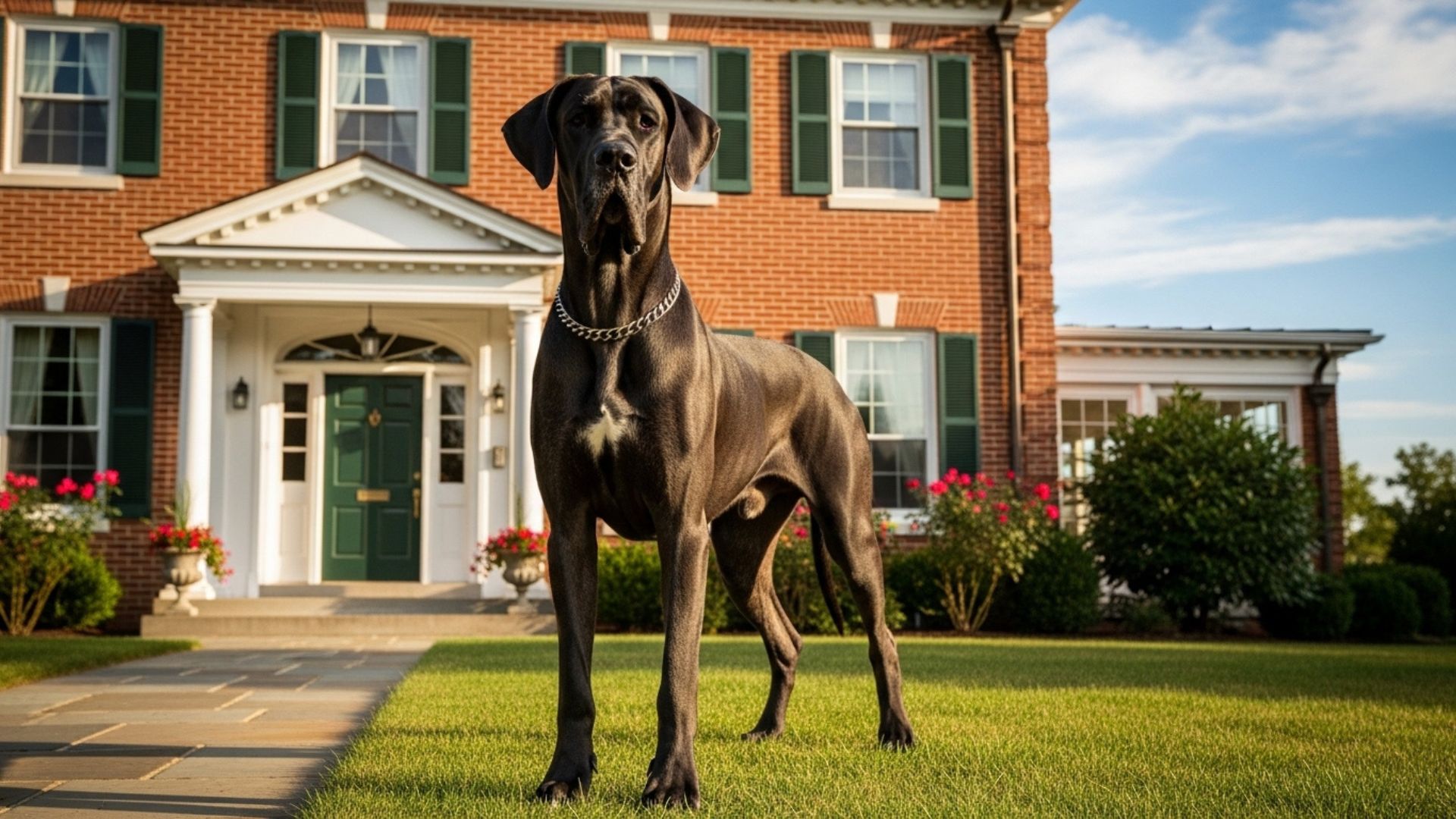
Large protection dog breeds have earned their reputation through a rare blend of strength, intelligence, confidence, and deep loyalty to their people. While many dogs can alert you to something unusual, only certain breeds are naturally suited for serious protection work while still fitting into family life.
The best protection dogs are not defined by aggression, but by awareness, trainability, and the ability to stay calm under pressure. They form strong bonds, respond reliably to guidance, and instinctively step forward when a situation feels wrong.
In this guide, we explore some of the best large protection dog breeds from around the world, helping you understand what sets them apart and how to choose one that matches your lifestyle, environment, and expectations.
Best Large Protection Dog Breeds Worldwide
1. German Shepherd
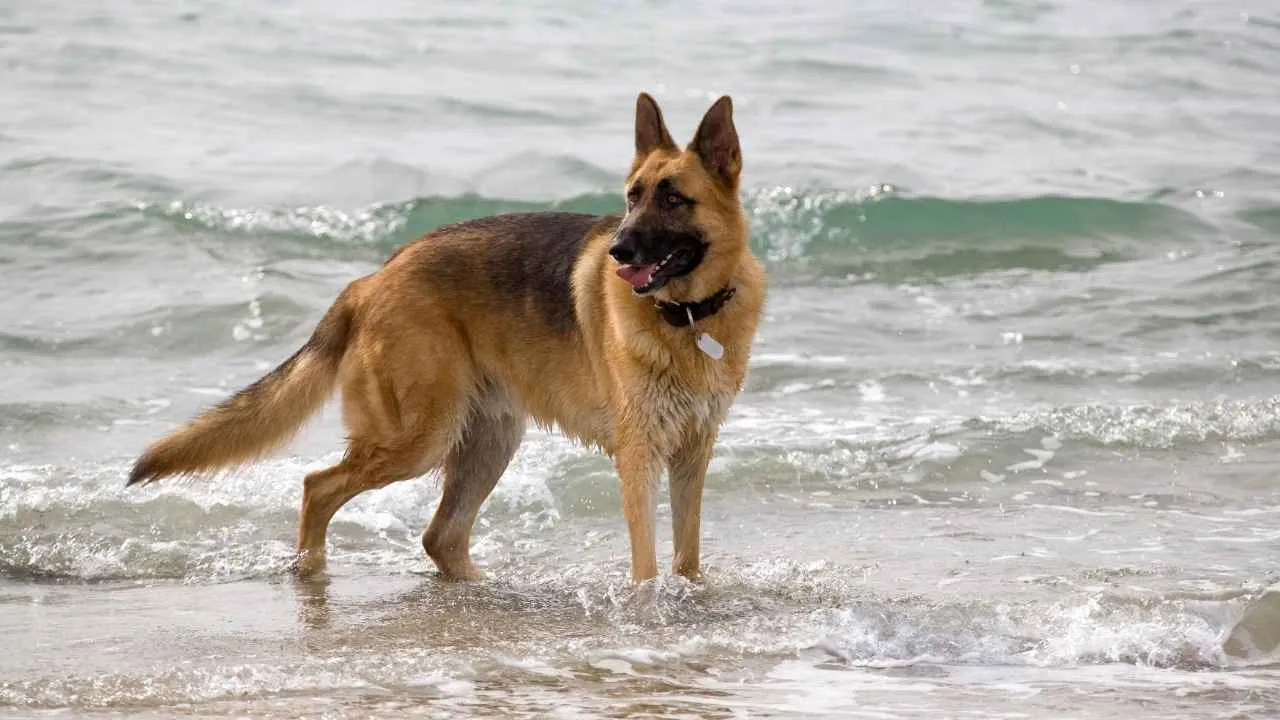
The German Shepherd was developed in Germany as a herding dog, but its intelligence and responsiveness quickly led to broader working roles that demanded focus and judgment such as police and military roles. This breed is known for strong loyalty to its family and an alert nature that notices changes in its surroundings without constant prompting.
Physically, the German Shepherd combines strength, agility, and endurance in a way that supports long periods of activity without losing precision. The breed moves with purpose and confidence, which naturally discourages unwanted attention. Its athletic build allows it to switch from relaxed companion to focused worker without hesitation.
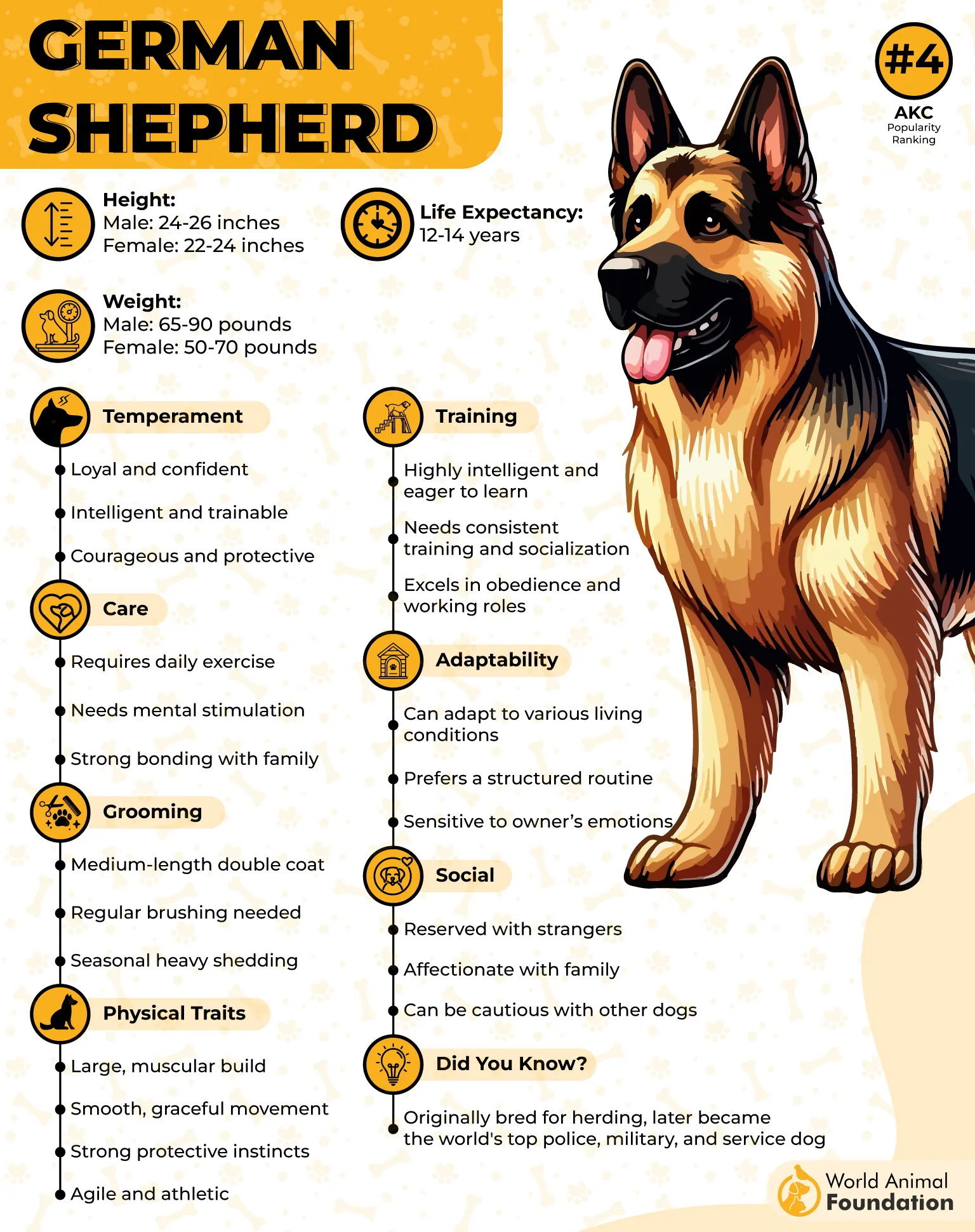
According to the Priority1Canine, German Shepherds learn commands quickly, retain training well, and can make decisions when guidance is not immediate. With proper socialization and structure, they are capable of distinguishing everyday situations from real concerns.
Why This breed Is a Good Fit
Naturally alert without being constantly restless
Learns complex commands and routines with consistency
Combines family attachment with dependable awareness
2. Rottweiler
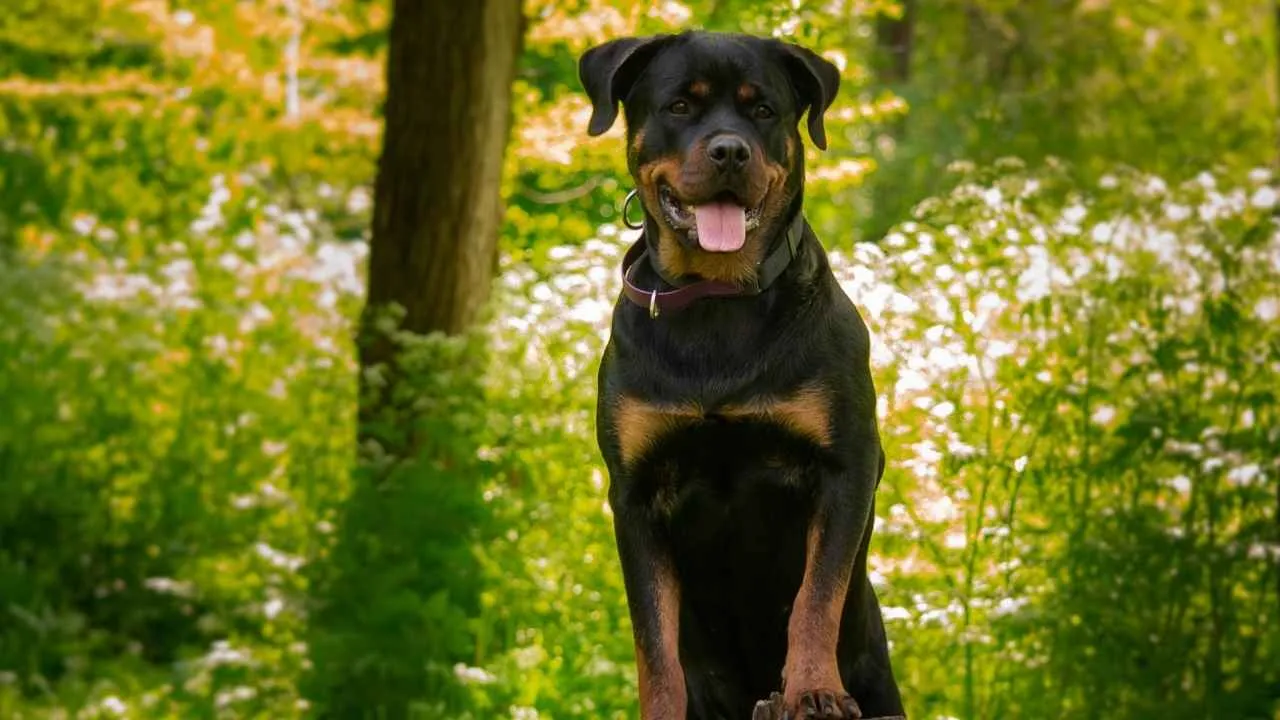
Rottweilers were originally developed to herd cattle and protect valuables, which shaped their confident and watchful temperament. They tend to be reserved around unfamiliar people, yet deeply devoted to those they trust, as noted by PetMD.
The breed is powerfully built with a stocky frame that communicates strength before any action is taken. Rottweilers are not known for excessive barking, relying instead on posture and attentiveness to signal that they are paying attention. Their physical confidence is often enough to intimidate and deter intruders.
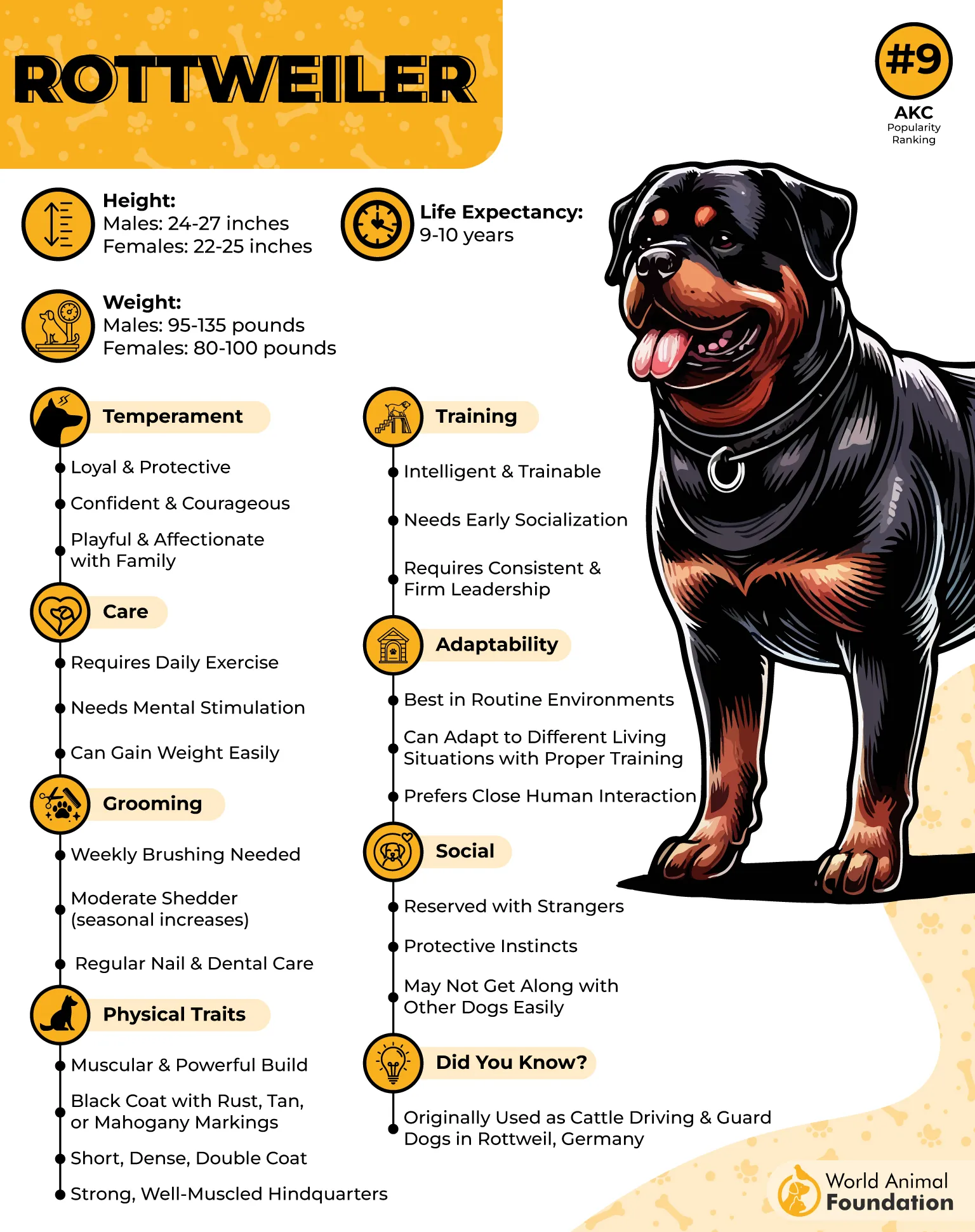
Despite their serious reputation, many Rottweilers display a playful and even goofy personality once comfortable. Training is essential to help them understand when guarding behavior is appropriate and when it is not. With consistent guidance and early socialization, they can develop strong self-control and remain composed in busy or unfamiliar environments.
Why This breed Is a Good Fit
Naturally watchful without being noisy
Strong loyalty paired with thoughtful caution
Responds well to structured, consistent training
3. Doberman Pinscher
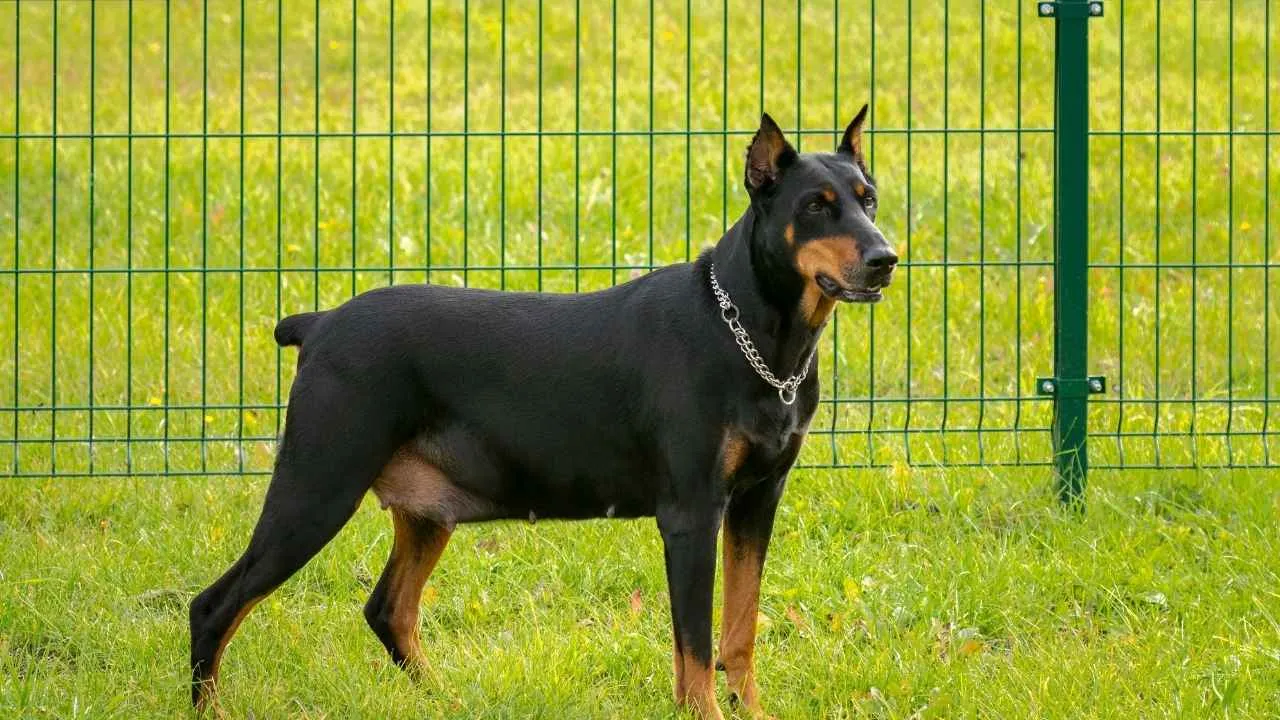
The Doberman Pinscher was created in the late 1800s to be a personal protection dog, and that purpose still shapes the breed today. Dobermans are alert, fast-moving, and highly responsive to their handlers. They form strong bonds and tend to stay close to their people rather than roaming or disengaging.
This breed is athletic and energetic, requiring regular mental and physical activity to stay balanced. When under-stimulated, Dobermans may invent their own entertainment, which is rarely subtle. An active household with clear routines suits them best and helps channel their drive productively.
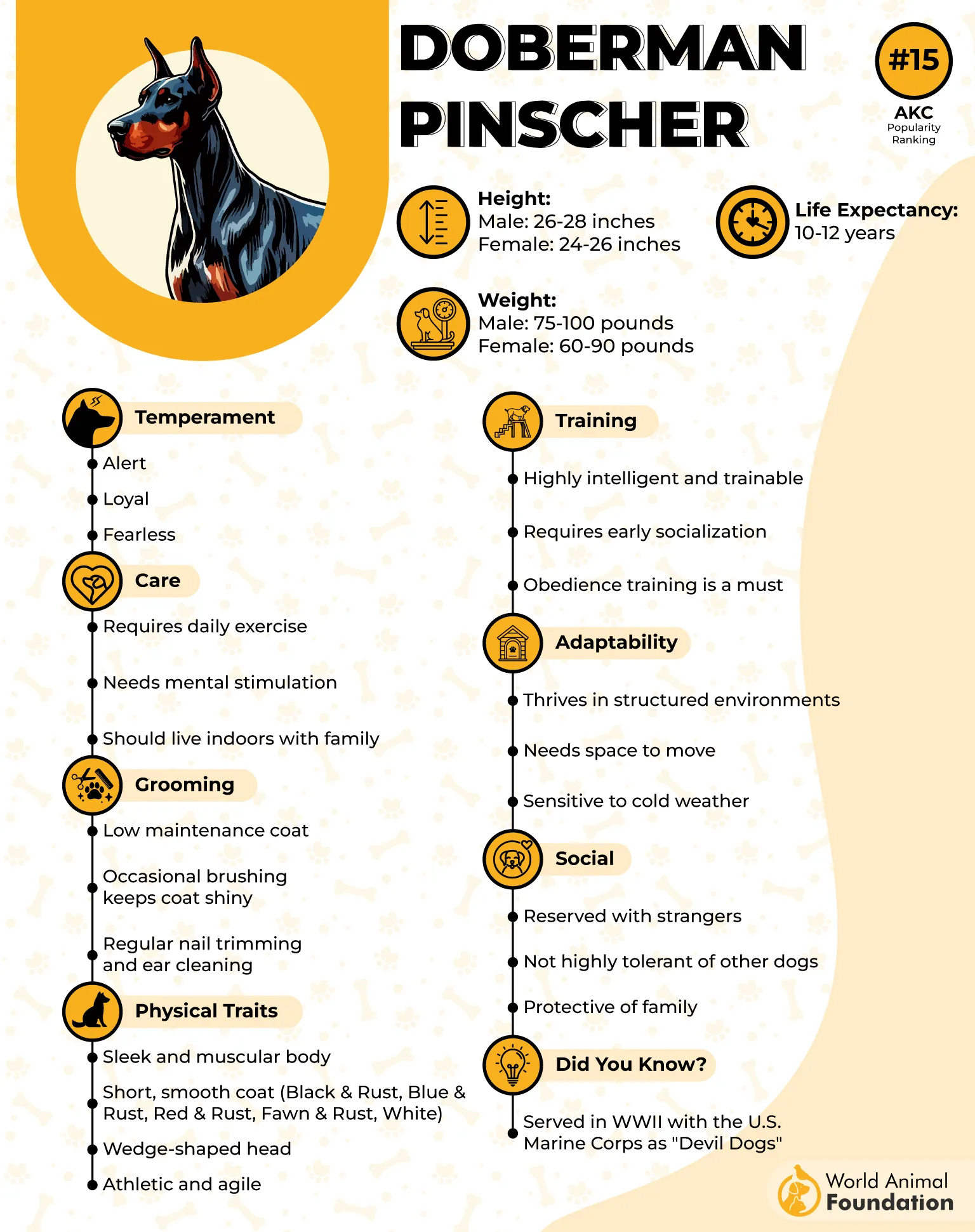
Dobermans are known for learning quickly and responding well to structured training. Early socialization is important, as they can be wary of unfamiliar people and situations. When trained properly, they are capable of remaining calm under pressure while still reacting decisively when something feels out of place.
Why This breed Is a Good Fit
Highly responsive to consistent leadership
Strong personal attachment to its household
Active guard dog excels in environments with routine and activity
4. Bullmastiff
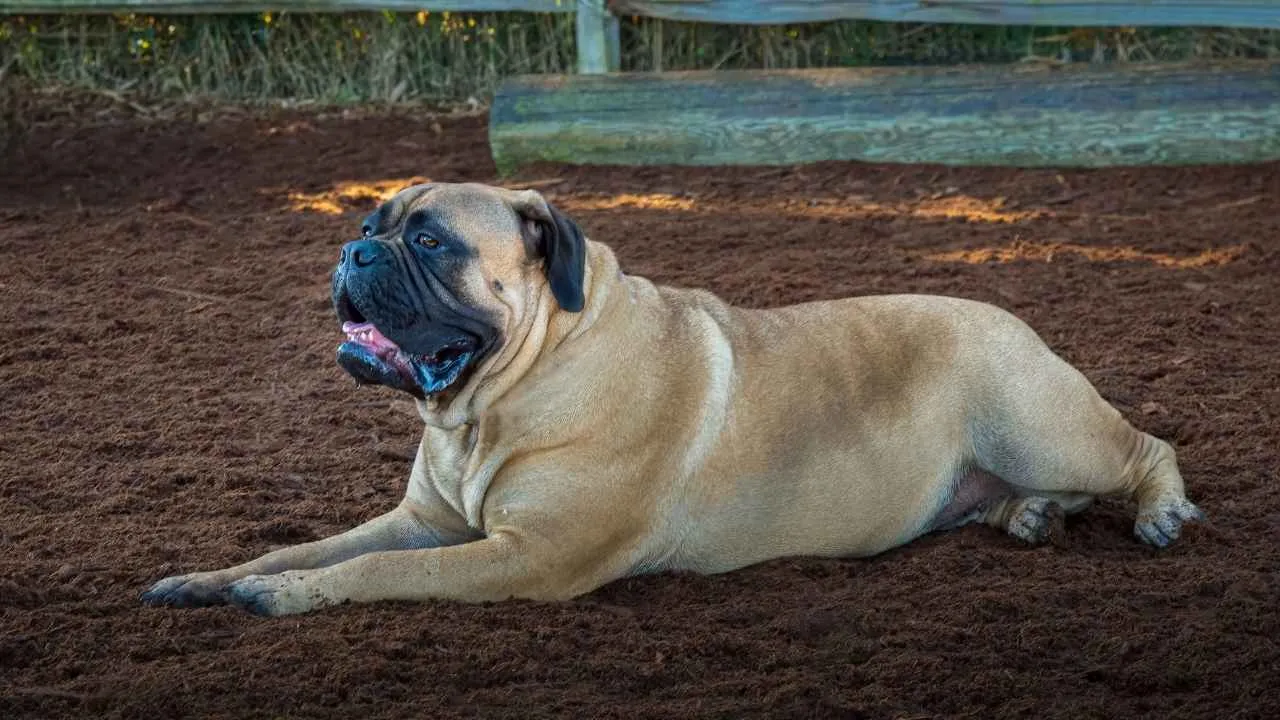
The Bullmastiff was developed in England as a working guardian tasked with confronting poachers on large estates. Bred from Mastiffs and Bulldogs, the goal was a dog brave enough to pursue intruders but controlled enough to hold them without excessive force, as stated by the AKC.
Physically, the Bullmastiff is imposing without being clumsy. Its broad head, deep muzzle, and muscular frame create a presence that naturally discourages unwanted visitors. Despite its size, the breed is not frantic or high-strung, often remaining calm and observant rather than reactive.
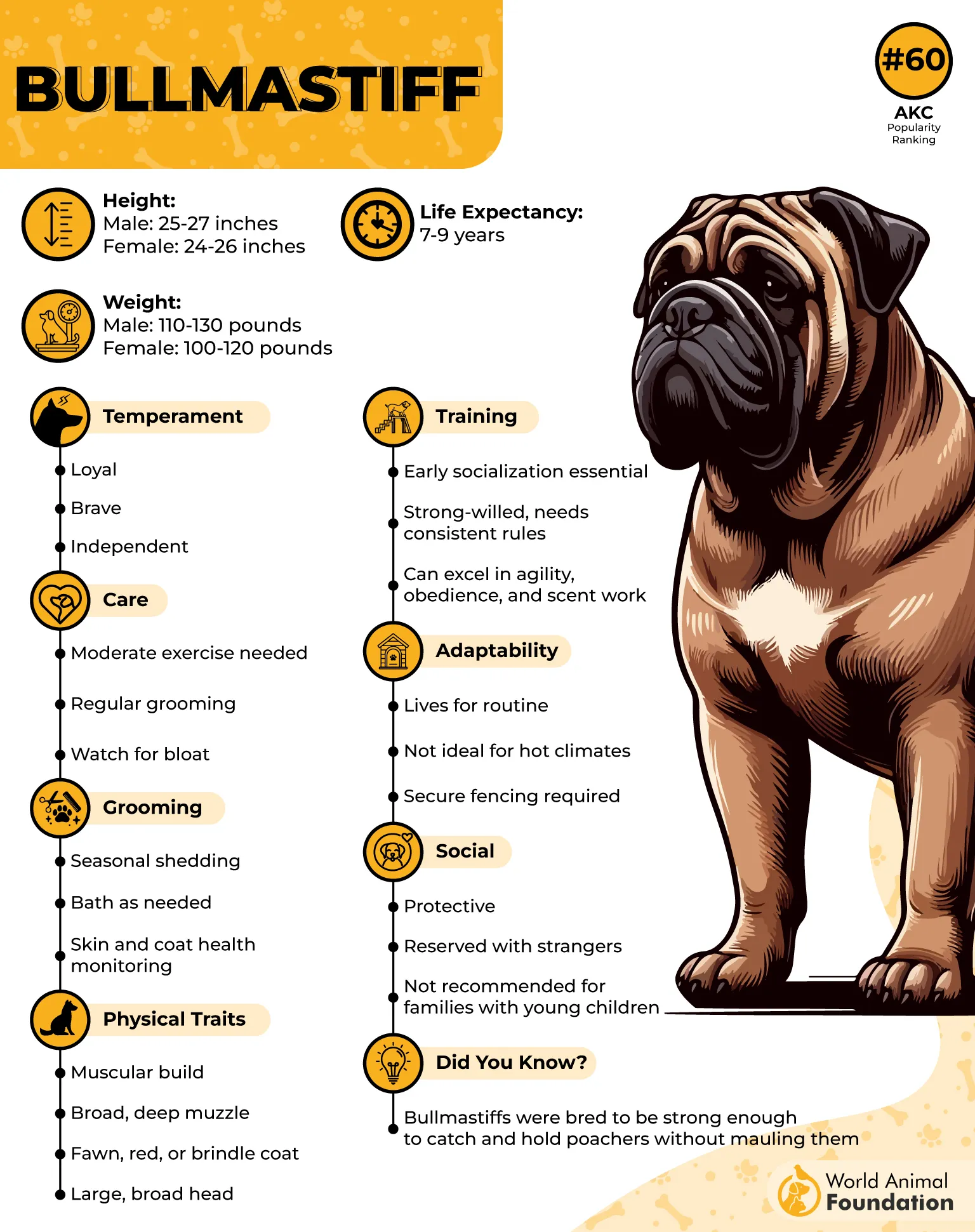
At home, Bullmastiffs are typically steady and affectionate with their families. Early training and socialization are essential due to their strength and strong will, but they are described as biddable and reliable when guided consistently. They enjoy moderate exercise such as walks and outdoor play, preferring purposeful movement over nonstop activity.
Why This breed Is a Good Fit
Natural protective instincts without excessive aggression
Calm household behavior paired with serious guarding roots
Strong physical presence that works as a visual deterrent
5. Akita
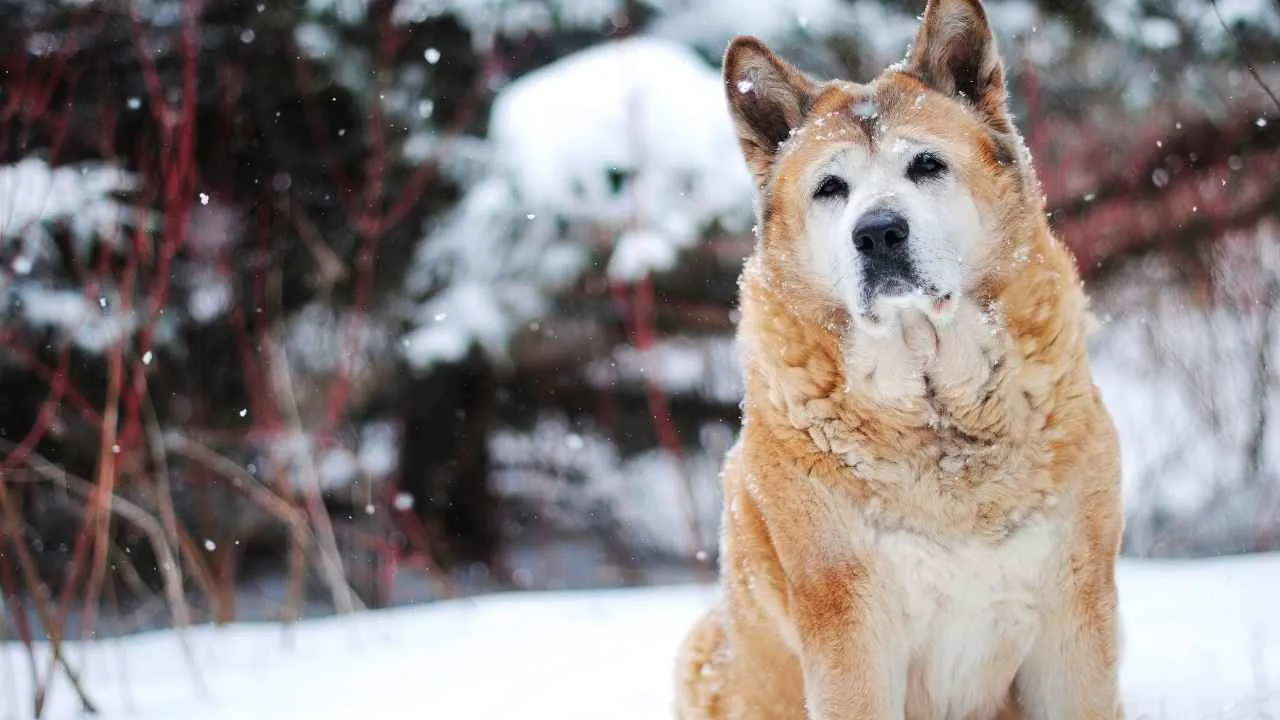
The Akita originated in northern Japan, where it served as a hunting dog and guardian for royalty. Over time, its role expanded into police and guard work, reinforcing its reputation as a courageous and watchful breed. The Akita is recognized in Japan as a national treasure, reflecting its cultural and historical importance.
This breed is powerfully built with a broad head, erect ears, and a thick double coat suited for colder climates. Akitas move with quiet confidence and are not prone to constant barking, choosing observation over noise. Their alert posture and steady demeanor signal awareness without chaos.
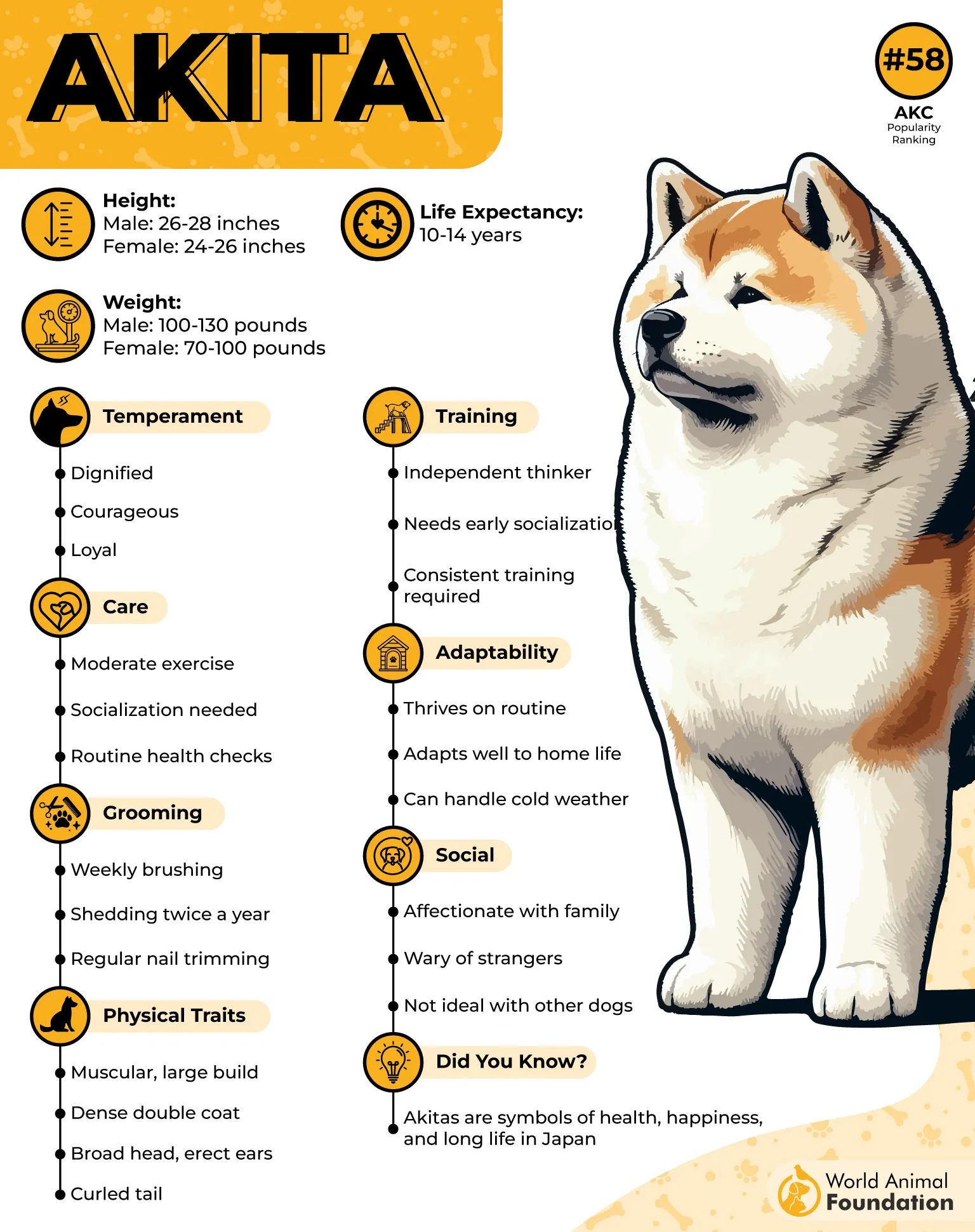
Temperament-wise, Akitas are deeply devoted to their family but tend to be reserved or suspicious with strangers. They are known to place themselves between loved ones and perceived danger, acting as natural guard dogs. Training requires patience due to their independent nature, and early socialization is critical to prevent overprotectiveness or conflict with other dogs.
Why This breed Is a Good Fit
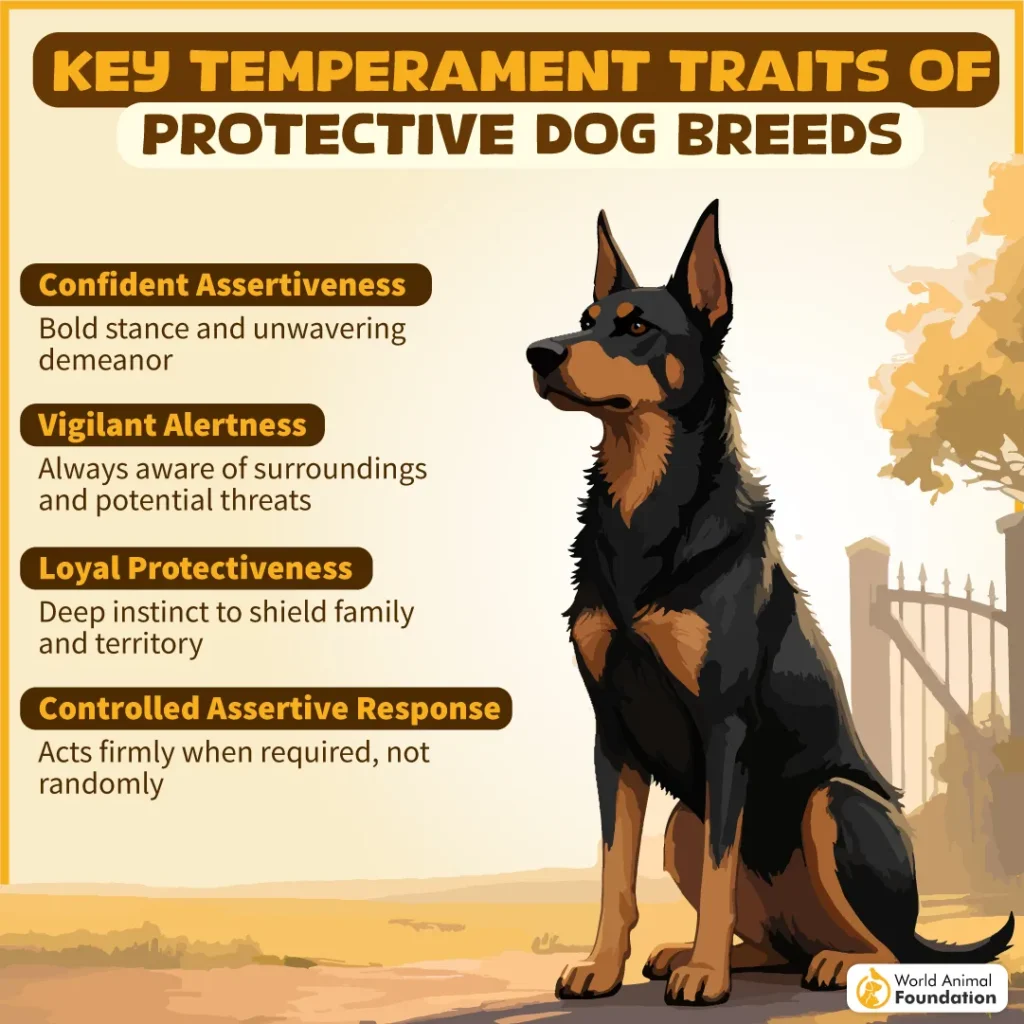
Deep loyalty focused on a close family circle
Calm vigilance rather than loud alert behavior
Strong instinct to position itself protectively
6. Boxer
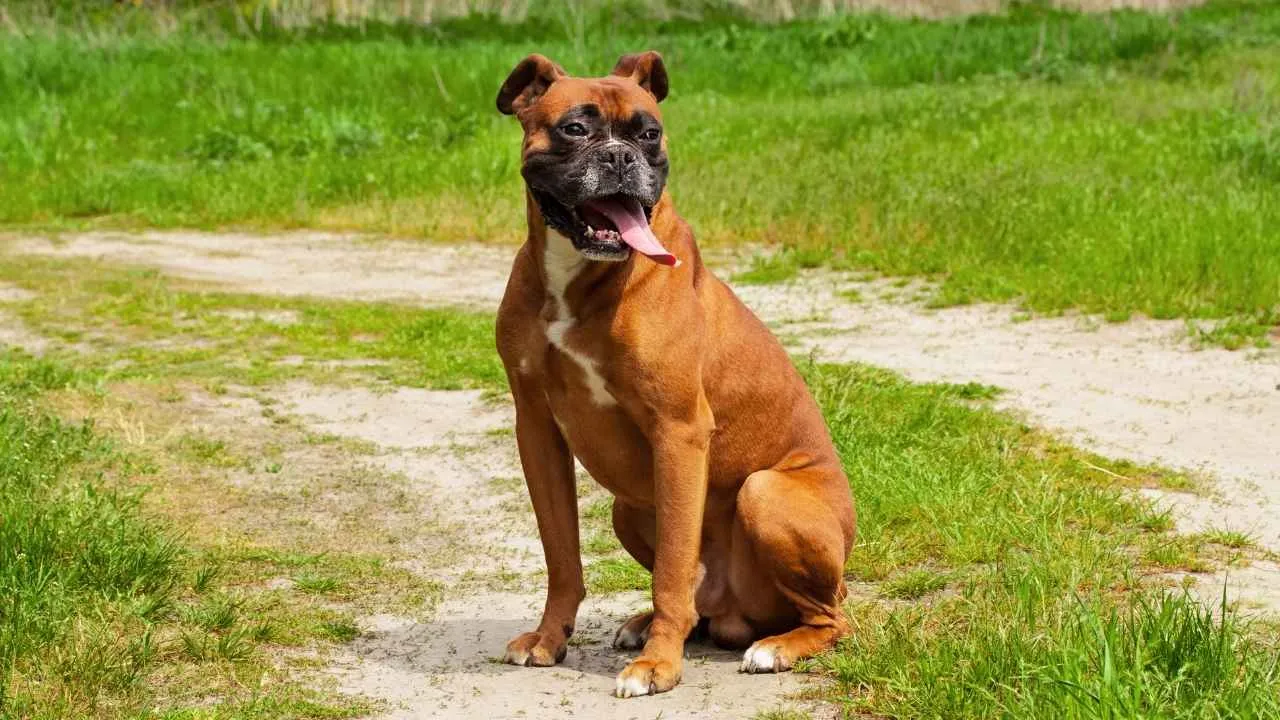
The Boxer was developed in Germany as a working dog used for guarding and hunting large game. This background contributed to a breed that combines physical strength with sharp alertness. Boxers belong to the working group and were bred with protection tasks in mind.
Boxers are muscular, athletic, and quick to react when something seems off. Their strong bark and watchful protective nature make them effective watchdogs, often alerting owners immediately to unfamiliar activity. While not overly aggressive, their presence alone can discourage unwanted attention.
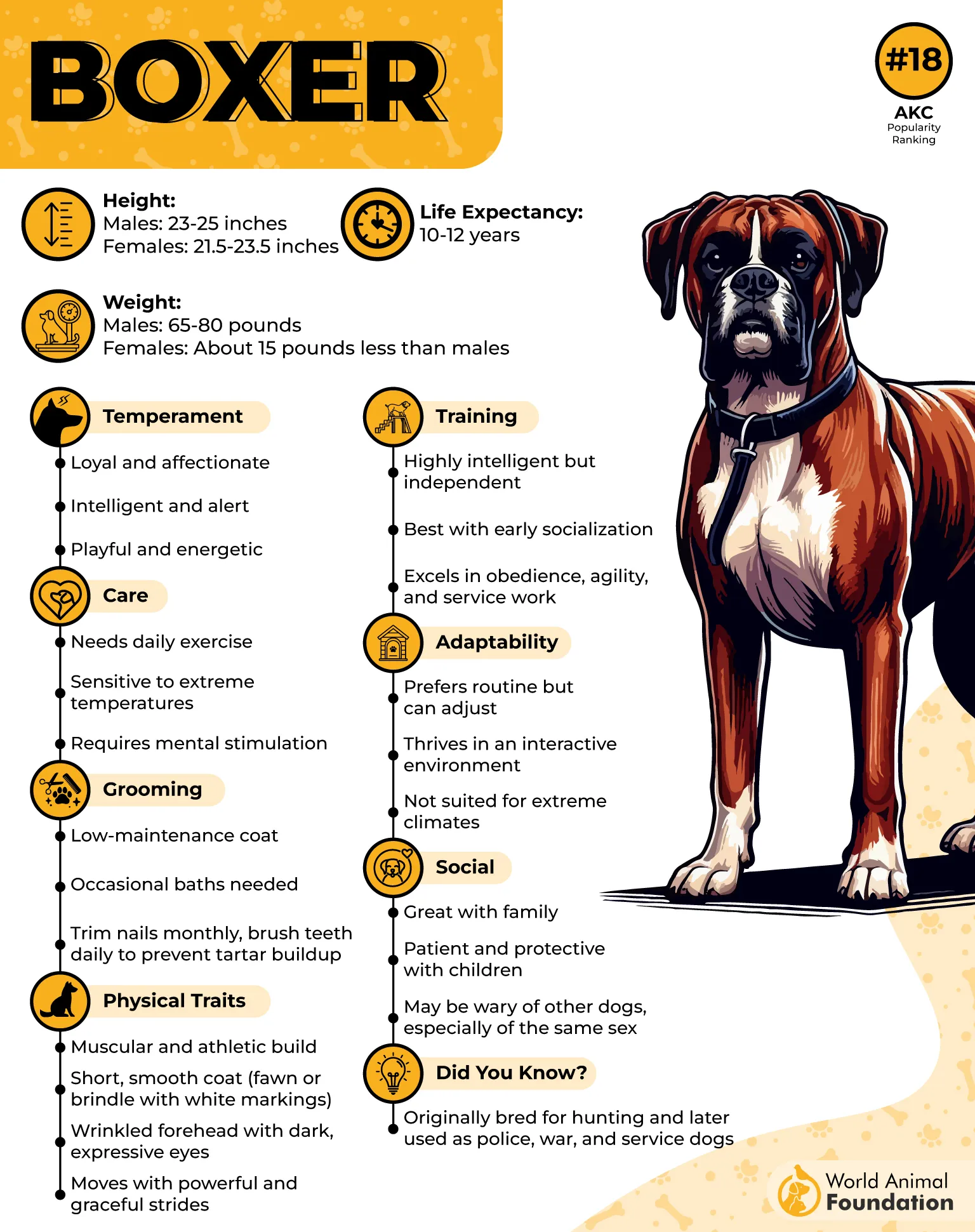
What sets Boxers apart is their balance between protection and playfulness. They are affectionate, energetic, and especially known for forming strong bonds with children. Consistent proper training and clear leadership are important, as their independent streak can surface without structure. With proper guidance, Boxers grow into loyal companions who are both fun-loving and reliably alert.
Why This breed Is a Good Fit
Protective instincts paired with family-friendly behavior
High alertness without constant suspicion
Strong bond with owners that fuels loyalty
7. Great Dane
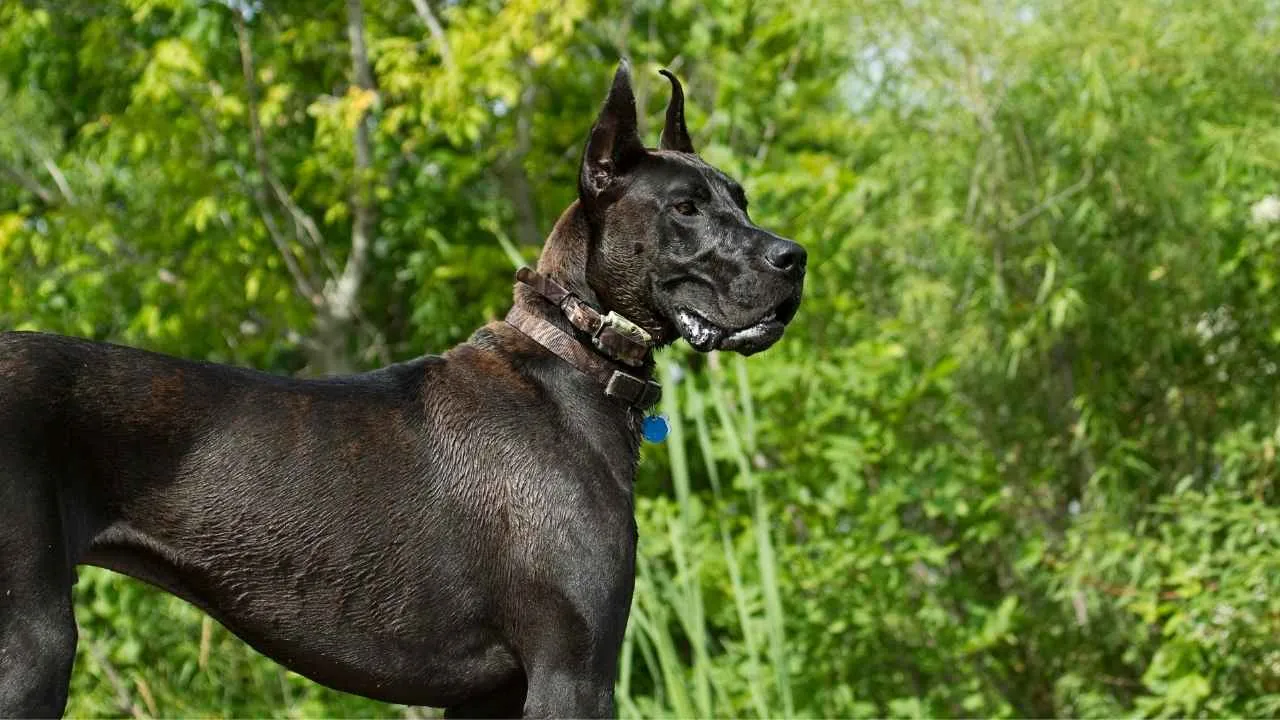
The Great Dane has a long working history that includes guarding estates and hunting large game, which shaped its confident yet measured temperament. Over time, breeders refined the dog into a more people-friendly family guard dog companion while retaining its natural courage and awareness. Today, the breed is often described as a gentle giant that stays closely connected to its household.
What immediately sets the Great Dane apart is its sheer size and commanding presence. Its height, deep chest, and powerful build naturally draw attention and can discourage unwanted visitors without any aggressive behavior. Despite this, the breed is not known for constant barking and typically reacts only when it senses something out of place.
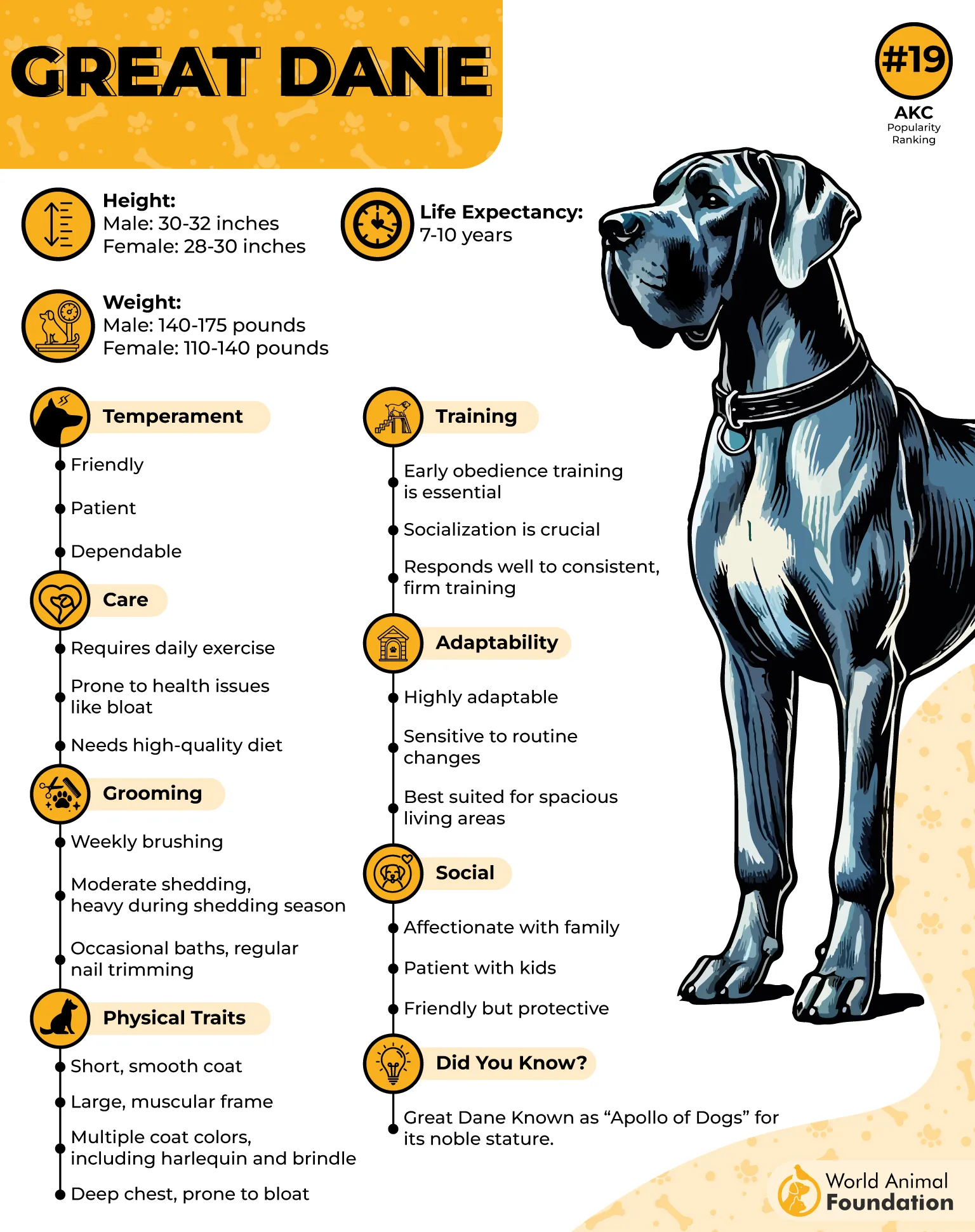
Personality-wise, Great Danes are affectionate, patient, and strongly people-oriented. They enjoy being part of daily family life and often seek physical closeness, sometimes forgetting how large they are. Early training and socialization are important, as their strength alone can overwhelm situations if manners are not well established.
Why This breed Is a Good Fit
Natural intimidation factor paired with a calm demeanor
Strong loyalty without excessive territorial behavior
Watchful presence that blends easily into family life
8. Cane Corso
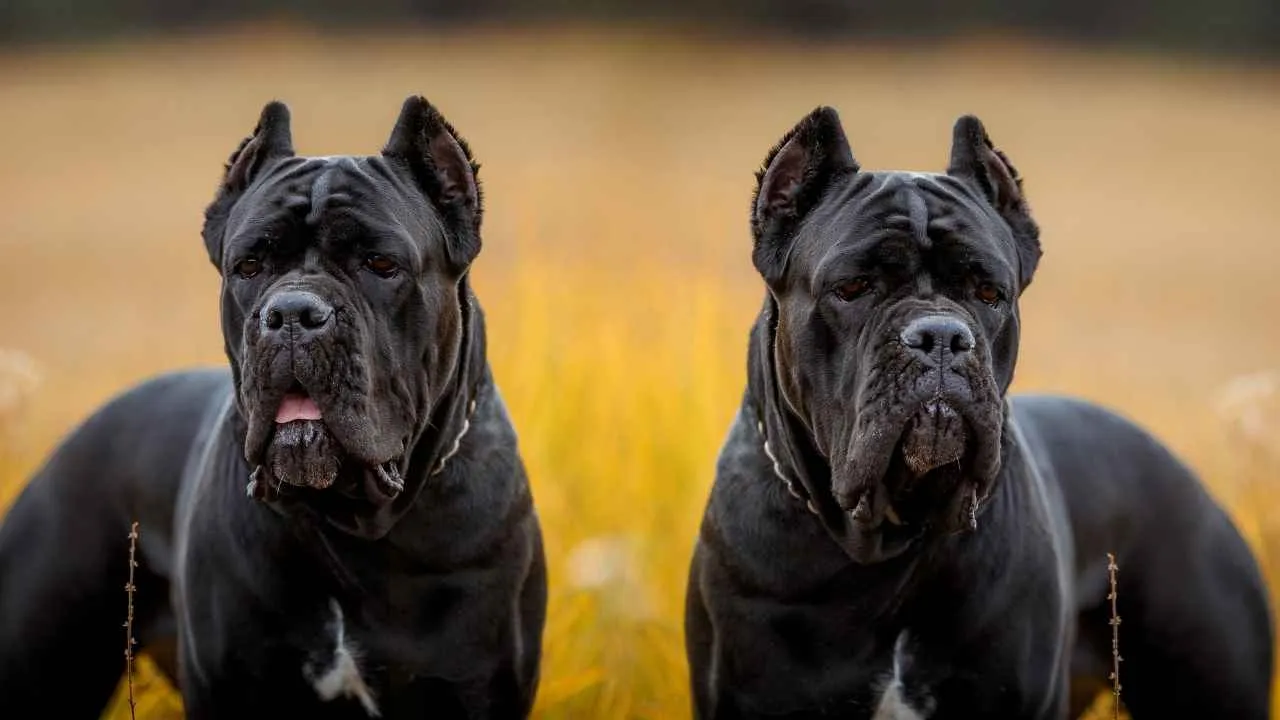
The Cane Corso descends from ancient Roman war and guardian dogs, later serving as a farm protector and property guardian in Italy. Its name reflects its purpose, often translated as a bodyguard or courtyard guard dog. This background shaped a breed that is serious, confident, and naturally protective.
Physically, the Cane Corso is muscular and solid, with a large head and alert expression that signals readiness. The breed relies heavily on observation, often standing quietly while assessing situations rather than reacting immediately. This composed intensity makes its presence feel deliberate rather than chaotic.
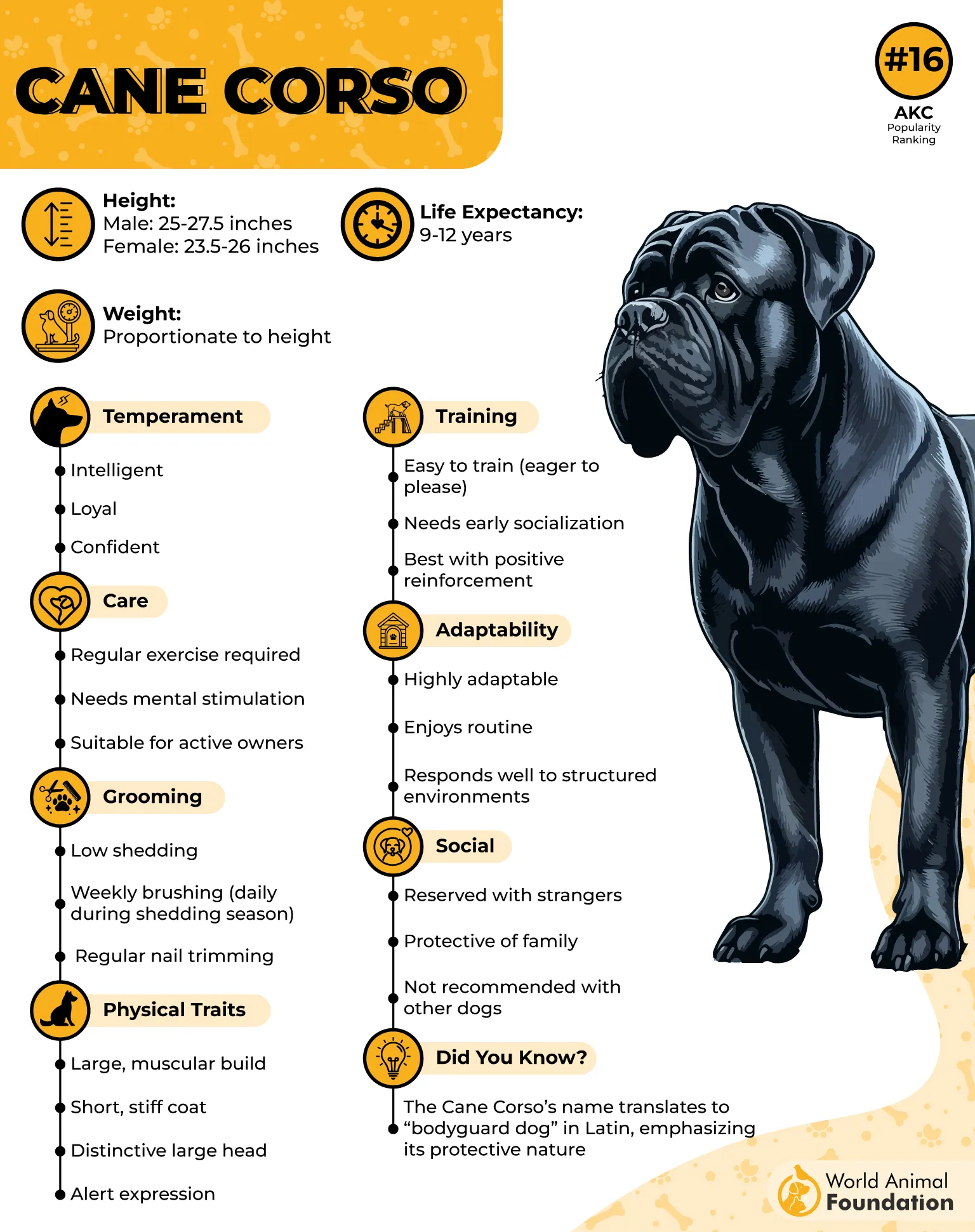
Temperament-wise, Cane Corsos are loyal and affectionate with their families but cautious around strangers. Early and extensive socialization is critical due to their strength and suspicion of unfamiliar people or animals. They respond well to structured training and clear leadership, especially when given mental tasks that engage their working instincts.
Why This breed Is a Good Fit
Strong guardian instincts rooted in historical working roles
Calm, serious demeanor instead of constant reactivity
Thrives with experienced owners who provide structure
9. Tibetan Mastiff
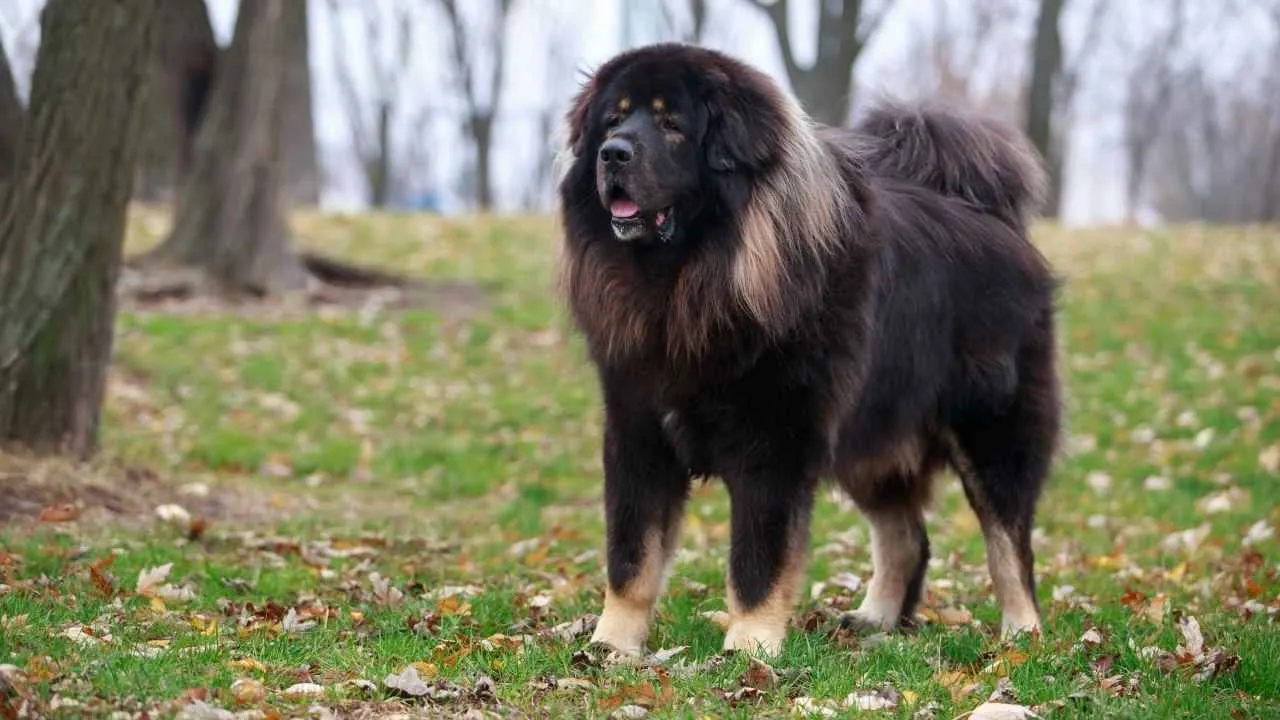
The Tibetan Mastiff is a large ancient livestock guardian breed developed for protection tasks in the Himalayan regions. Living in isolation for centuries shaped a dog that relies heavily on instinct and independent decision making. Even today, the breed retains its role as a territorial home guardian.
This dog is massive and imposing, with a thick double coat and a broad, powerful head. Tibetan Mastiffs are especially alert at night and are known for vocal warnings when they sense intrusions. Their appearance alone often communicates that their territory is not easily challenged.
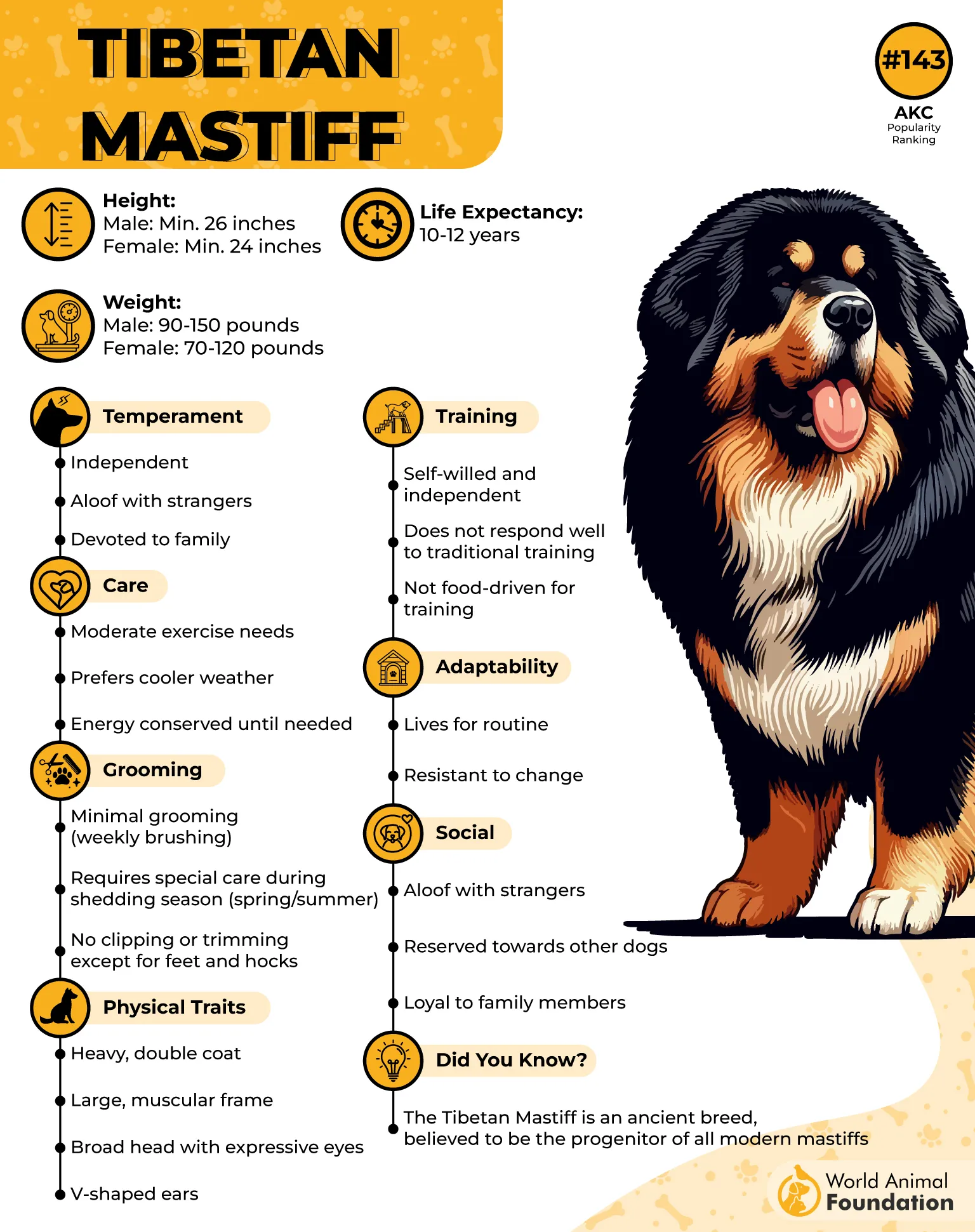
In temperament, Tibetan Mastiffs are loyal and patient with their families but aloof and suspicious toward strangers. They are not eager to please and may ignore commands if they conflict with their instincts. Early socialization and firm boundaries are essential, as this breed prefers to think first and obey second.
Why This breed Is a Good Fit
Deep-rooted guarding instincts shaped by centuries of isolation
Strong territorial awareness with minimal dependence on cues
Best suited for owners seeking a serious, self-directed protector
Conclusion
Choosing the best guard dog breed is about far more than size or strength. These protective dog breeds combine loyalty, intelligence, confidence, and the ability to stay calm in everyday family life while remaining alert when it matters most.
The right match depends on your lifestyle, experience level, space, and commitment to regular exercise and mental stimulation including training and proper socialization. When chosen thoughtfully, a protection dog becomes a trusted companion and a steady presence at your side.
Other popular guard dog breeds such as the Belgian Malinois, Australian Shepherd and Giant Schnauzers also possess natural instincts to guard and prove helpful as search and rescue dogs. Take time to research, meet breeds in person, and choose responsibly.
