




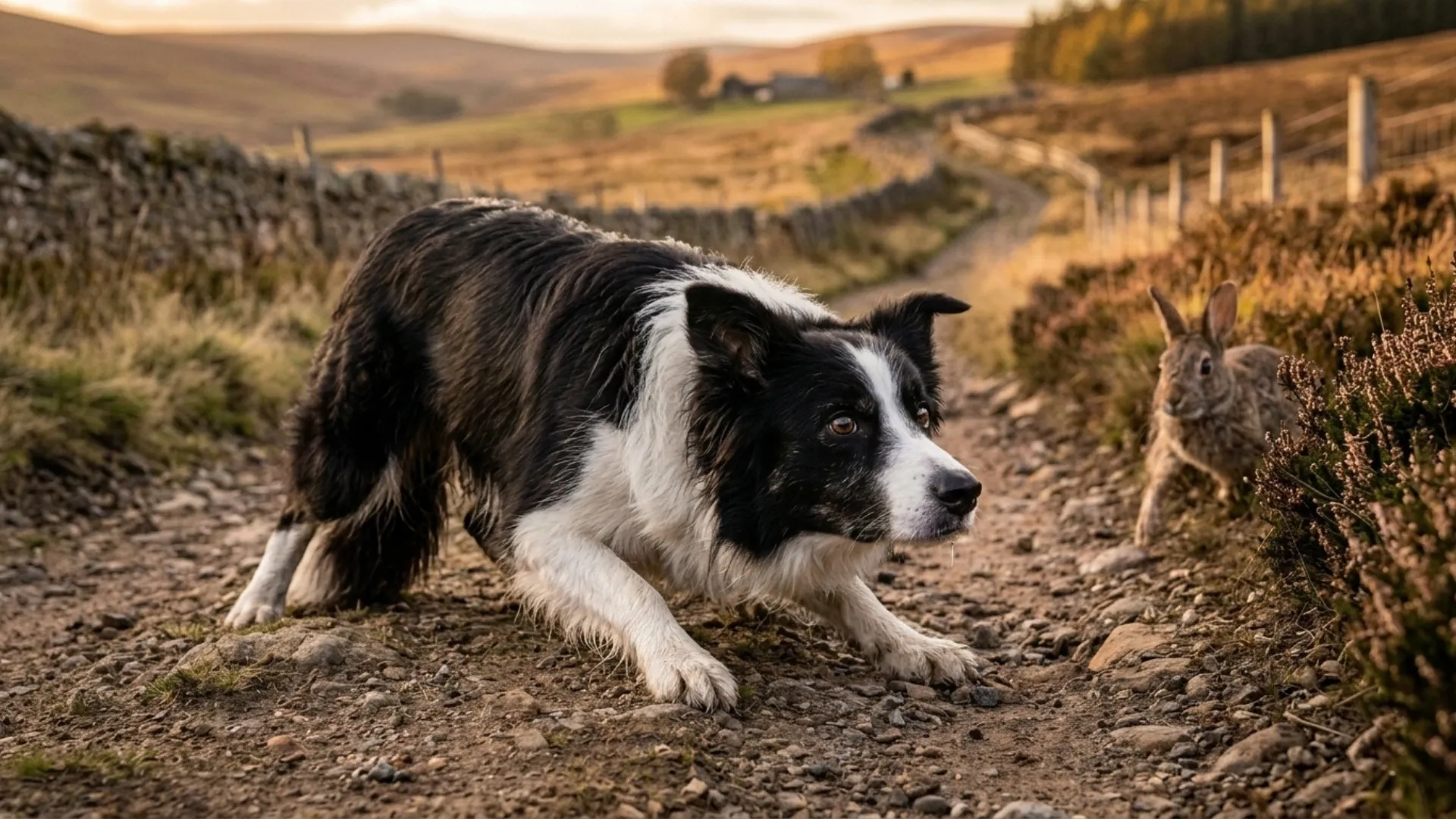
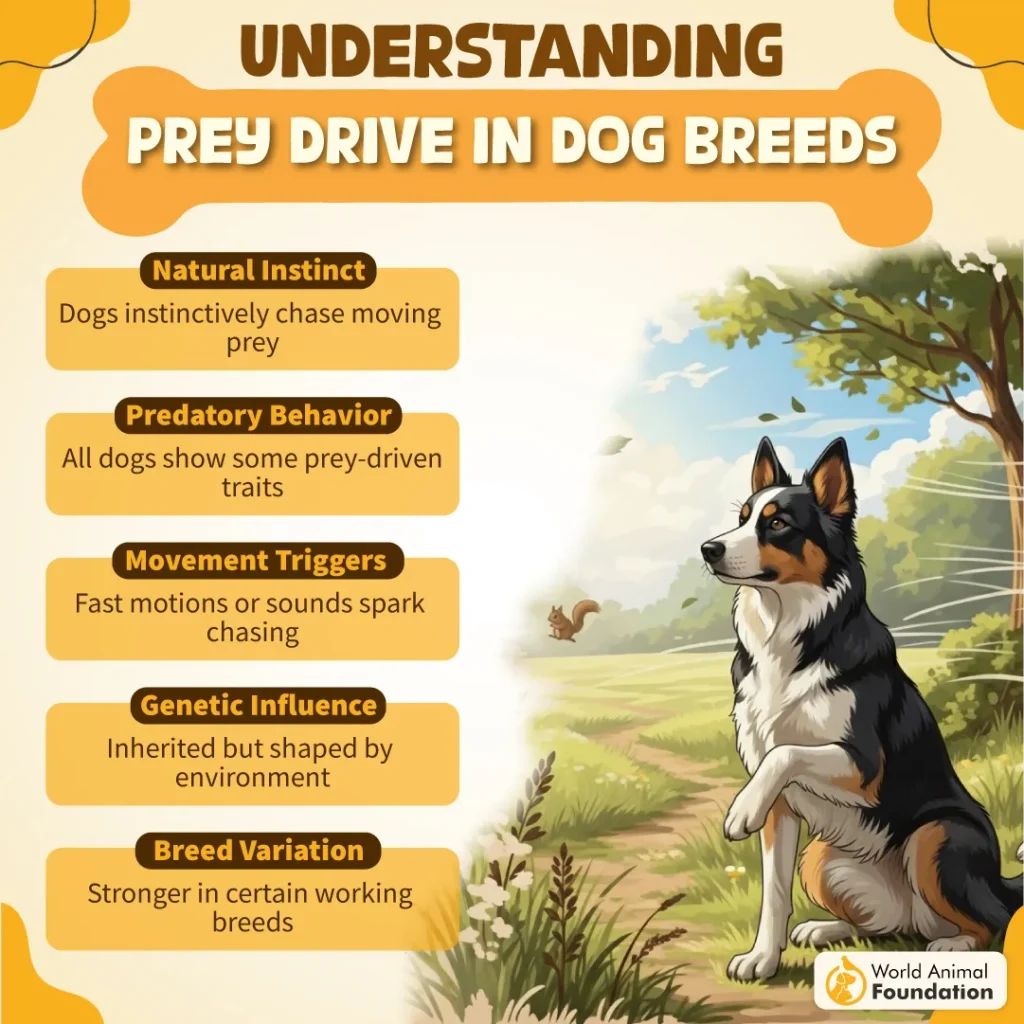
Living with a dog that has a strong prey drive can be exciting and rewarding, but let’s be honest, it can also feel like a challenge at times. These dogs tend to notice every bird, squirrel, or rabbit that moves nearby, almost like it’s part of some never-ending game.
That instinct is exactly what makes so many hunting dogs and herding breeds so skilled at what they do, but it also means daily life calls for a bit more patience, understanding, and proper training.
Not every dog reacts the same way to moving animals or smaller pets. Some seem to have a stronger “chase switch” than others, largely thanks to generations of selective breeding. Owners who truly understand their dog’s prey drive know that regular exercise, mental enrichment, and clear boundaries go a long way in channeling those instincts into healthy routines instead of risky situations.
Let’s get to know a few of these breeds.
Fun Fact: A lot of people assume a high prey drive automatically means an aggressive dog. That’s not actually true. A dog can be affectionate, calm, and wonderful with family while still having a natural urge to chase after fast-moving animals. With the right training and guidance, those impulses become much easier to manage over time.
Best Dog Breeds for Owners Who Understand High Prey Drive
1. Border Collie
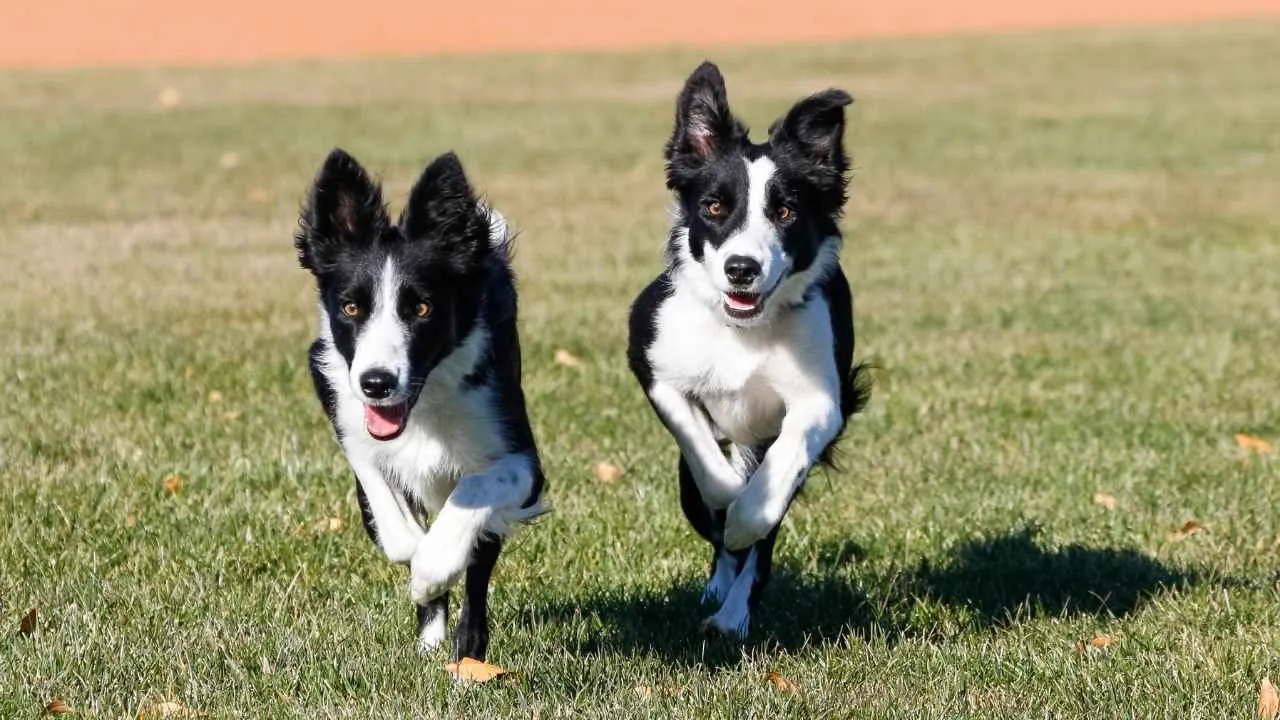
Not many dog breeds combine intelligence and determination quite like the Border Collie. Originally bred to manage sheep across wide, open fields, they developed an incredible knack for spotting even the smallest movement during that work.
That sharp focus is a big reason Border Collies often show such a strong prey drive; a bird taking off or a squirrel darting across the yard can grab their attention in an instant.
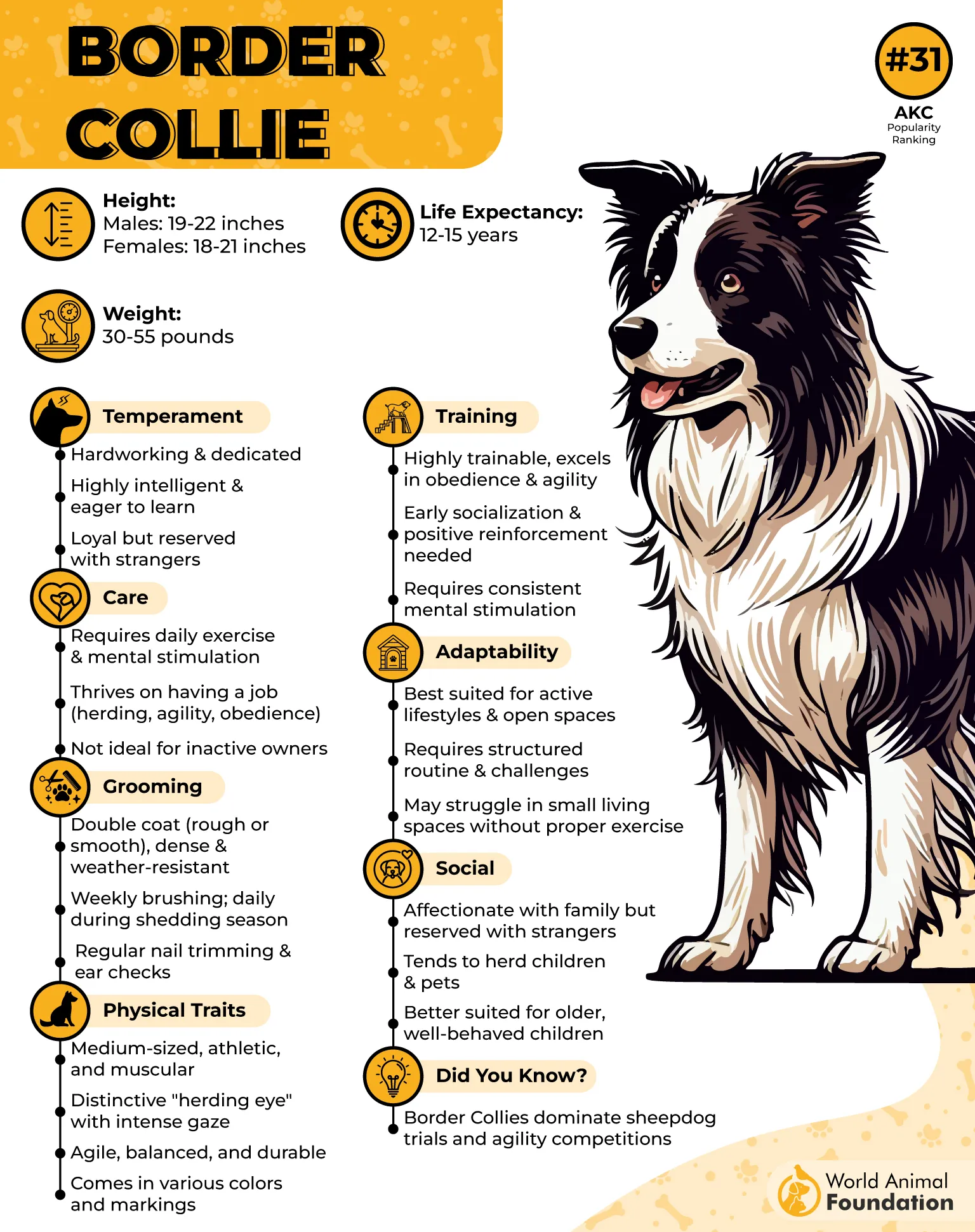
Border Collies genuinely love having a job to do and doing it well. Daily activities, puzzle toys, and training sessions help keep both their body and minds engaged. Families who enjoy hiking, agility, or outdoor adventures often find this breed more than ready to jump into just about any plan.
The American Kennel Club notes that this working breed really thrives on learning new skills and sticking to a steady routine of physical activity. Given how intelligent they are, proper training can be genuinely rewarding for both dog and owner, even on the busier, more chaotic days.
2. Australian Cattle Dog
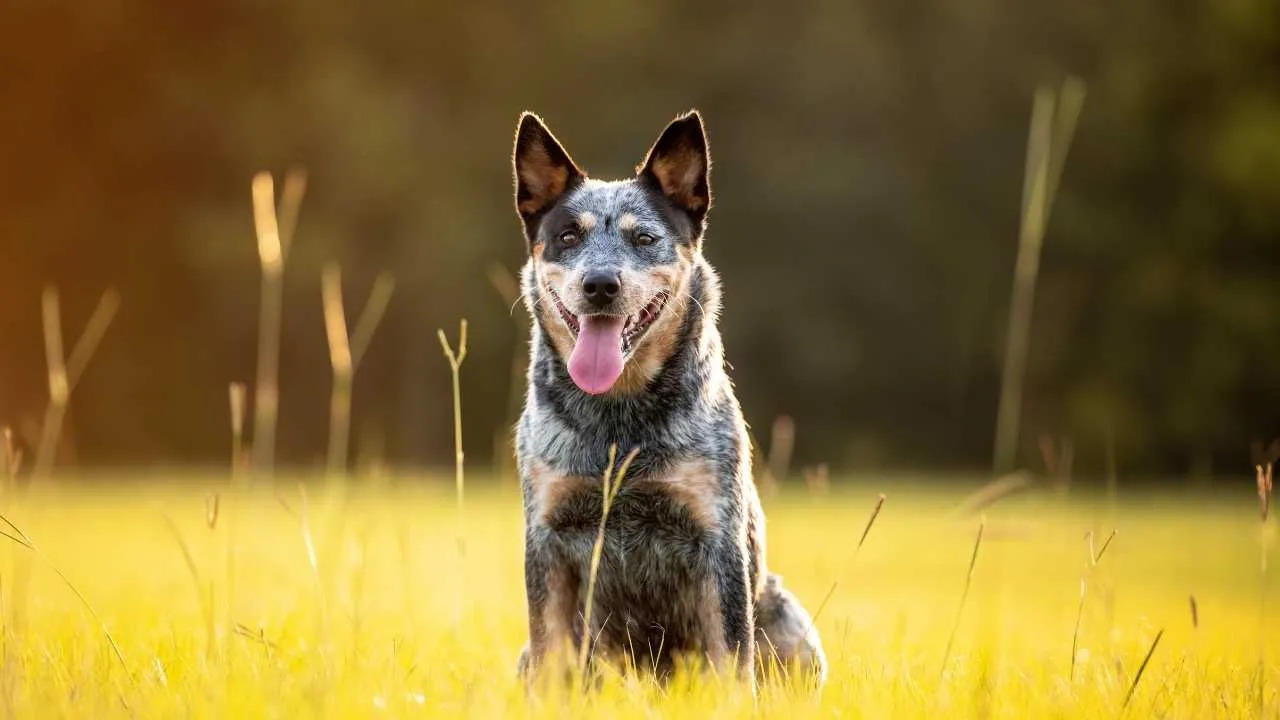
The Australian Cattle Dog earned its reputation moving livestock across rough, demanding terrain. Those long working stretches shaped a naturally alert, confident dog that genuinely seems to thrive when it has something meaningful to do.
Even today, those herding instincts show up in everyday behavior, which is part of why this breed is often grouped among the high-prey-drive dogs that really benefit from an experienced, active owner. Loyal to the core, Cattle Dogs tend to form tight bonds with their family and generally prefer familiar faces over strangers.
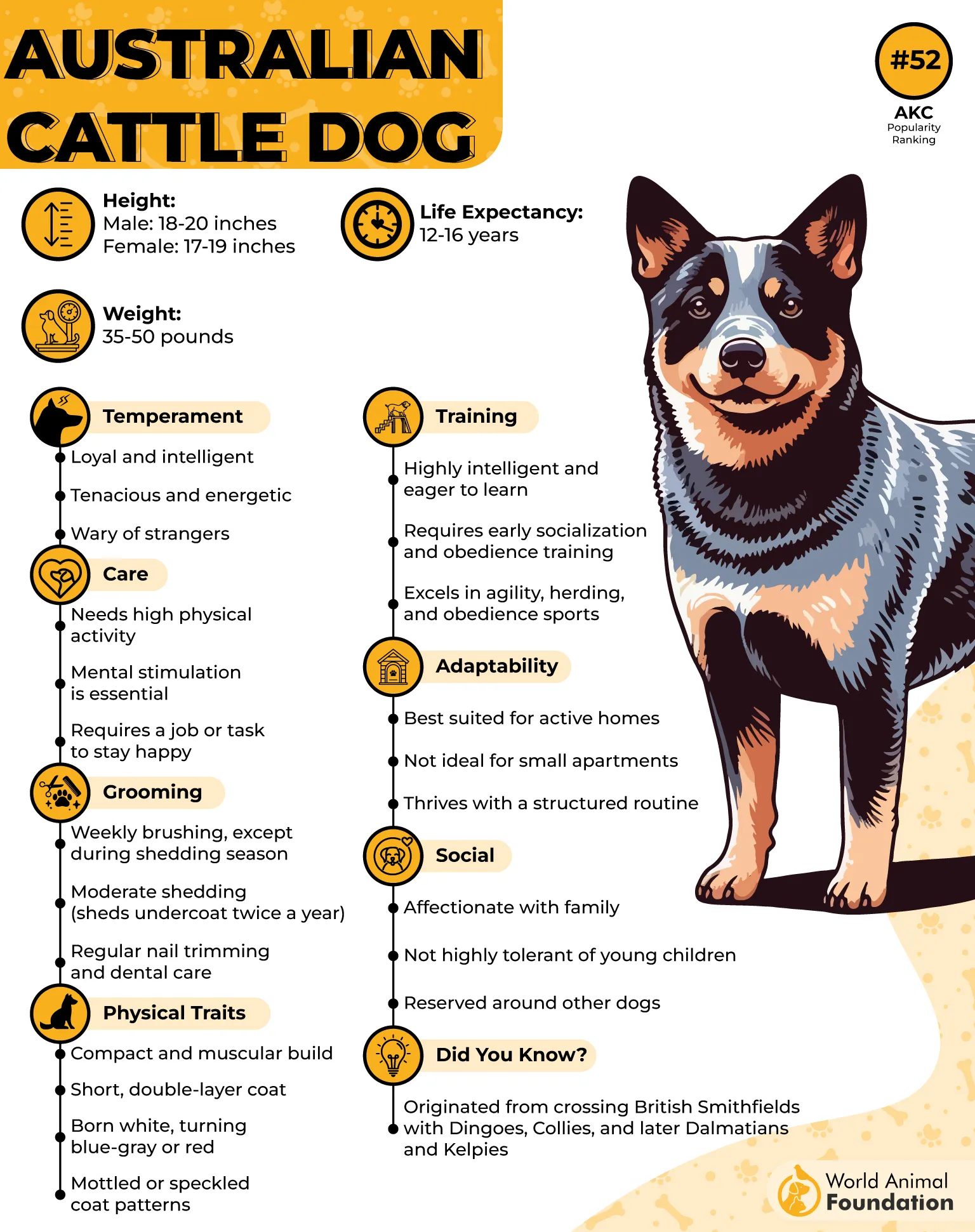
Early socialization, steady exercise, and consistent training usually make a real difference, especially when it comes to calm behavior around other dogs, small children, or visitors. A secure yard also gives them a safe outlet to burn off energy without added stress.
That said, their strong instincts can occasionally kick in when something suddenly darts past, whether it’s a moving animal, a bicycle, or anything else that catches their eye.
3. Siberian Husky
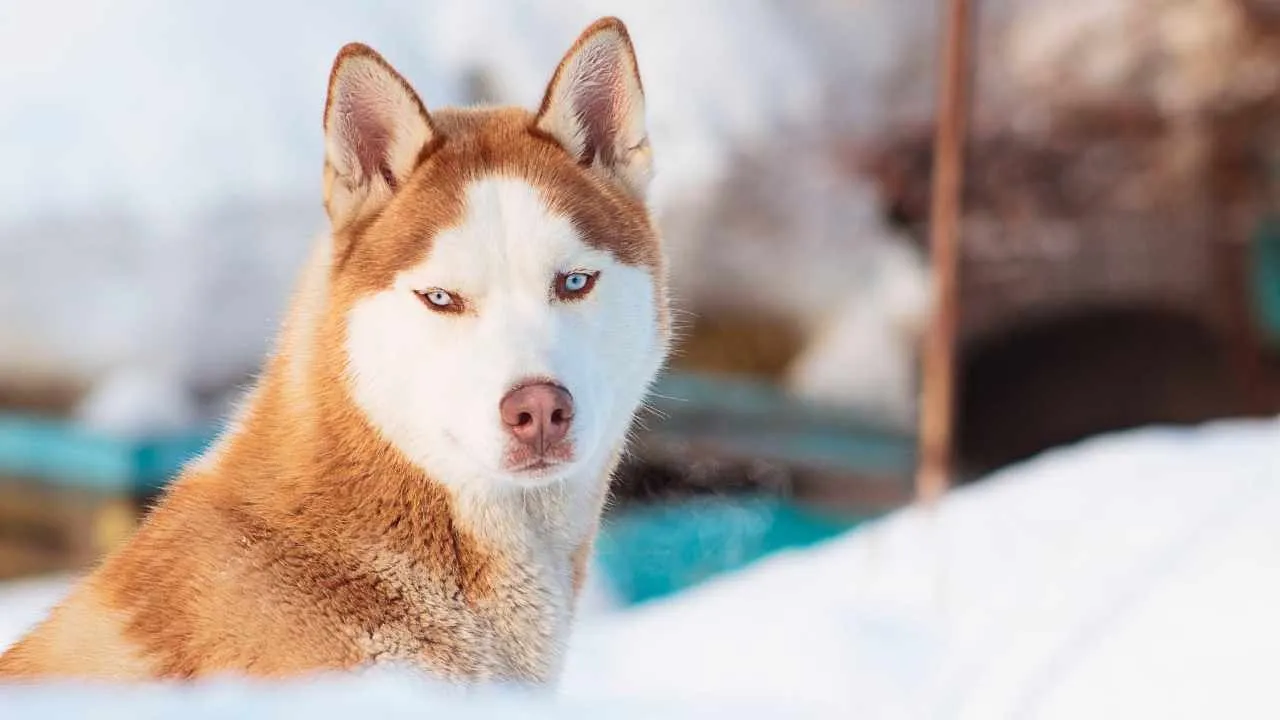
Living with a Siberian Husky is rarely a quiet experience. This adventurous breed loves sniffing out new spots and can turn even a simple walk into a full-blown little expedition. Originally bred for pulling sleds across icy terrain, Huskies developed serious endurance over time, along with a natural urge to chase after quick-moving critters.
That same instinct still shows up in plenty of Huskies today, especially around squirrels, birds, or rabbits. This lively breed tends to love fast-paced running, trail hiking, and hands-on play that engages both the body and the brain. Long walks alone usually aren’t quite enough to keep them satisfied.
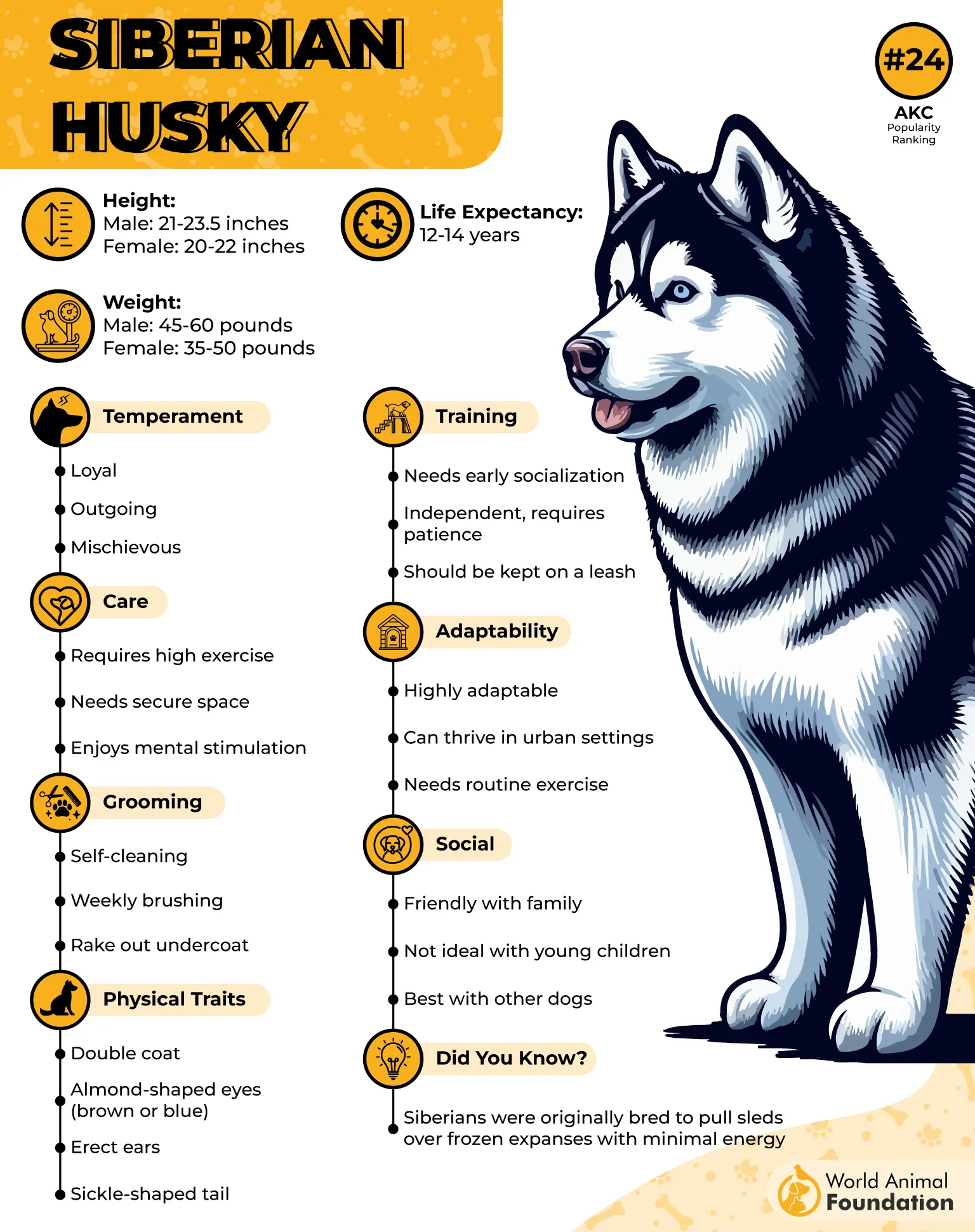
Many owners end up relying on a solid “fence and leash routine,” since this curious breed will happily track scents and movement like it’s on a mission.
Purina notes that Siberian Huskies need consistent activity to feel properly fulfilled, both physically and mentally. Families who love spending time outdoors often end up forming a really strong bond with this playful companion.
4. Greyhound
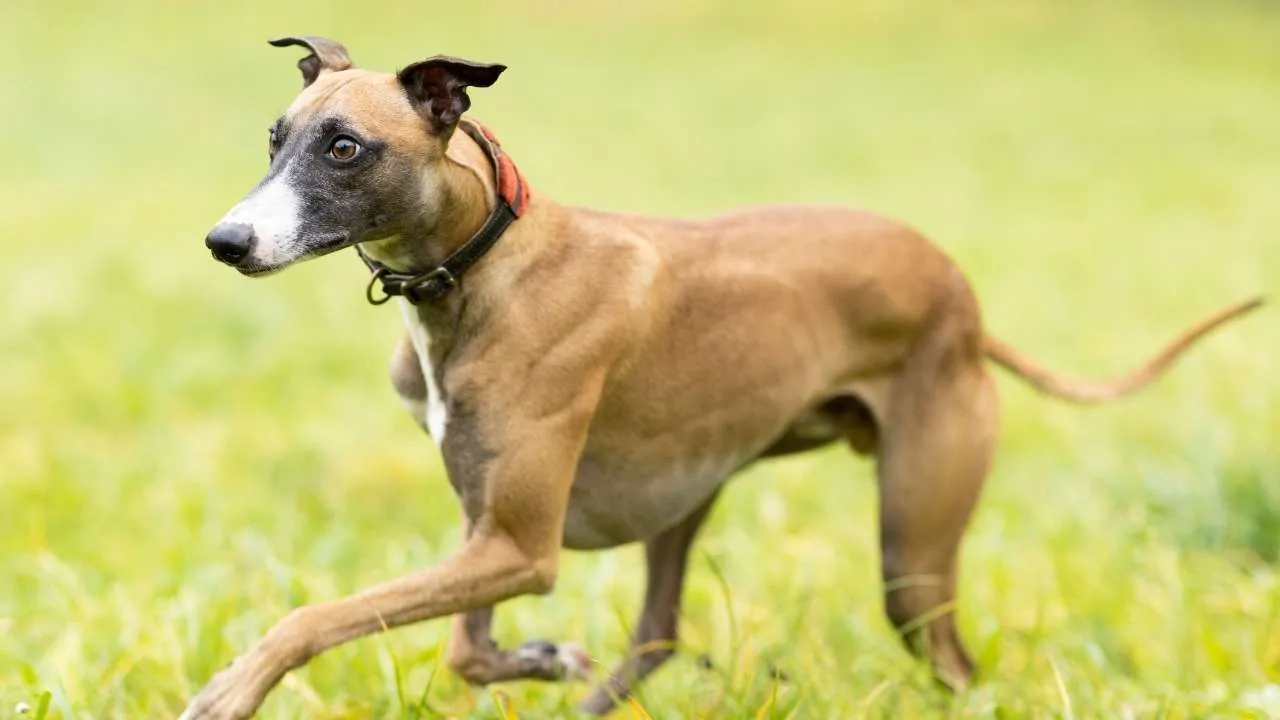
At first glance, the Greyhound looks calm, classy, and composed. Inside the home, things tend to feel surprisingly peaceful too, since this gentle breed loves settling in after a bit of exercise. But the moment something starts moving fast, that decades-old sight-hunting instinct can switch on almost instantly.
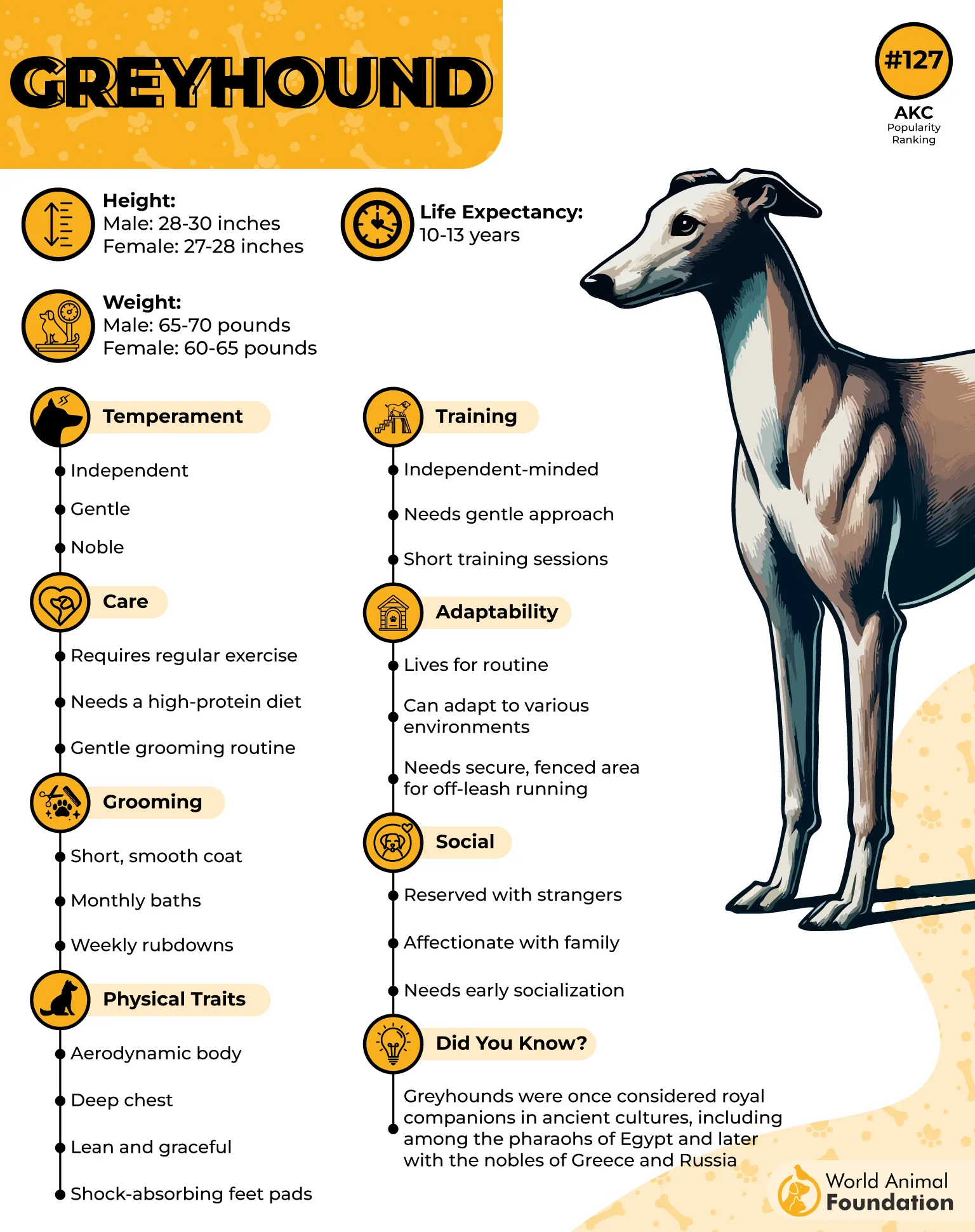
That’s exactly why Greyhounds remain one of the most recognized hunting breeds, known for a naturally strong prey drive. Despite their incredible speed, though, this graceful companion usually only needs moderate daily exercise, and somehow, that’s genuinely enough for them.
A safe walk, a chance to stretch those long legs, and some quiet family time usually make for a pretty ideal routine, nothing fancy required. PDSA notes that Greyhounds are affectionate family companions who enjoy peaceful homes, all while still carrying the natural instincts that made them such exceptional hunting dogs.
5. Weimaraner
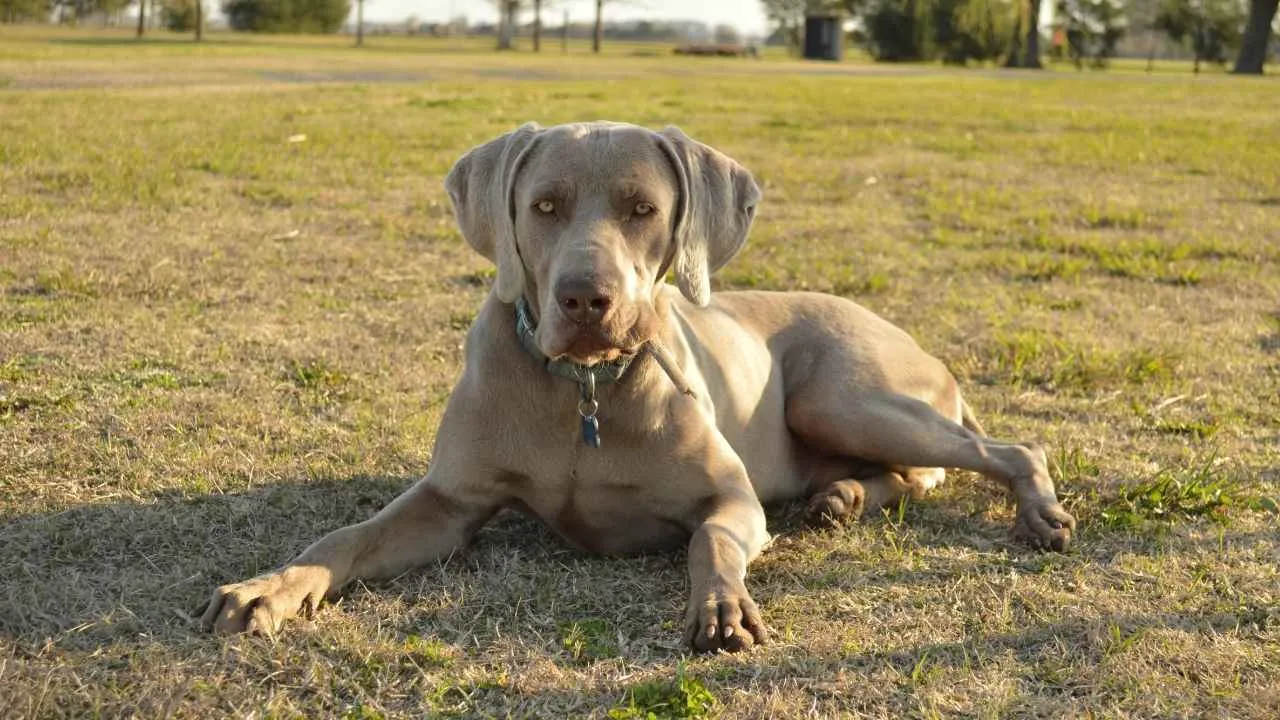
The Weimaraner blends serious athletic ability with endless enthusiasm. Originally bred to hunt large game, this sporting breed still loves staying in motion throughout the day. Whether it’s exploring woodland trails or playing outdoor games, life just feels more rewarding to them when there’s something exciting going on.
This intelligent breed picks things up quickly and genuinely enjoys working alongside people. Consistent training, engaging activities, and clear routines all help shape good manners while strengthening the bond between owner and dog.
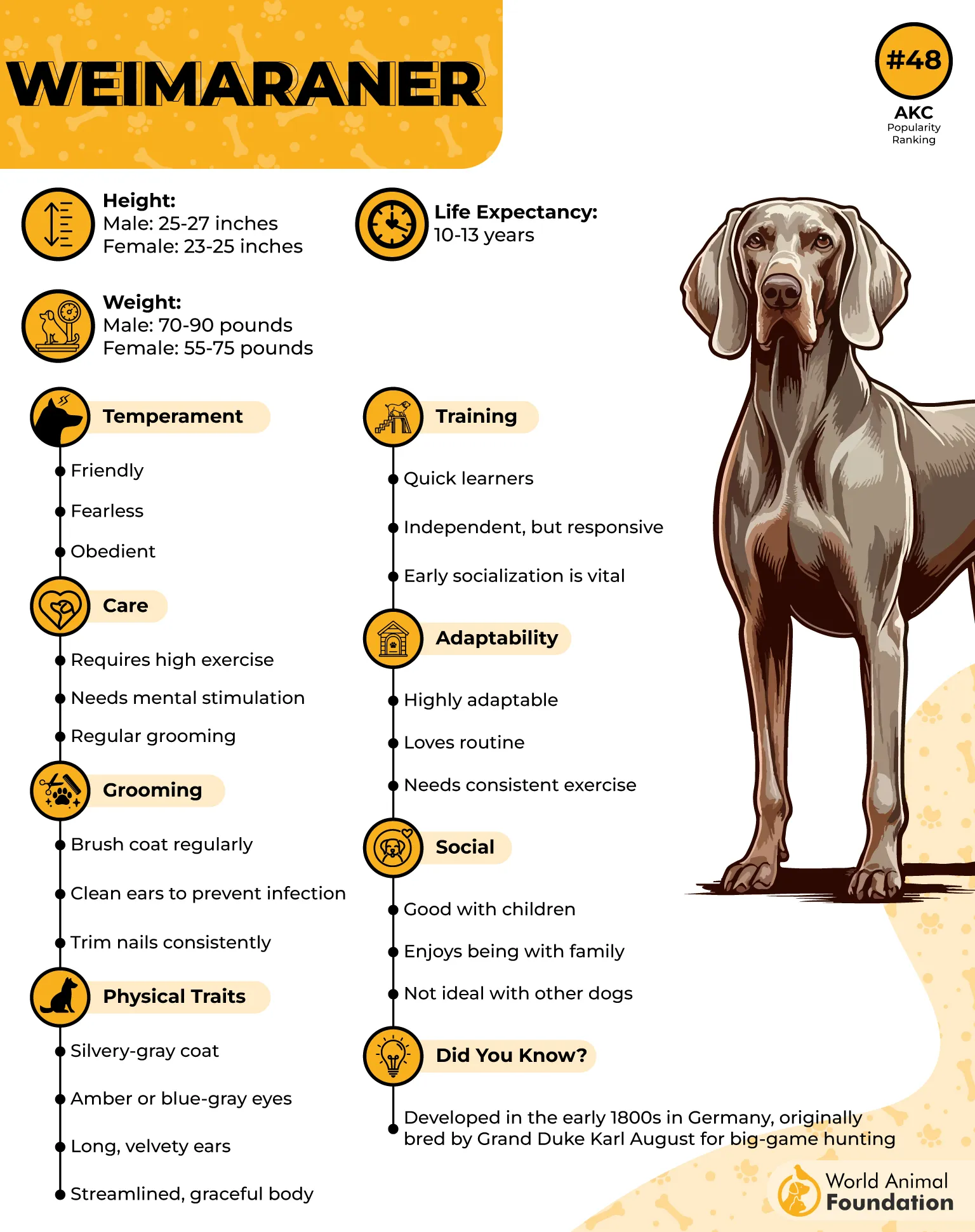
Strong prey instincts can show up around cats, rabbits, or other small animals, which is why early socialization really matters; it’s best not to wait too long on that front.
A daily run along with regular playtime helps keep both body and mind satisfied, and it also lowers the chances of unwanted behaviors that can crop up when this breed isn’t getting enough stimulation.
6. Belgian Malinois
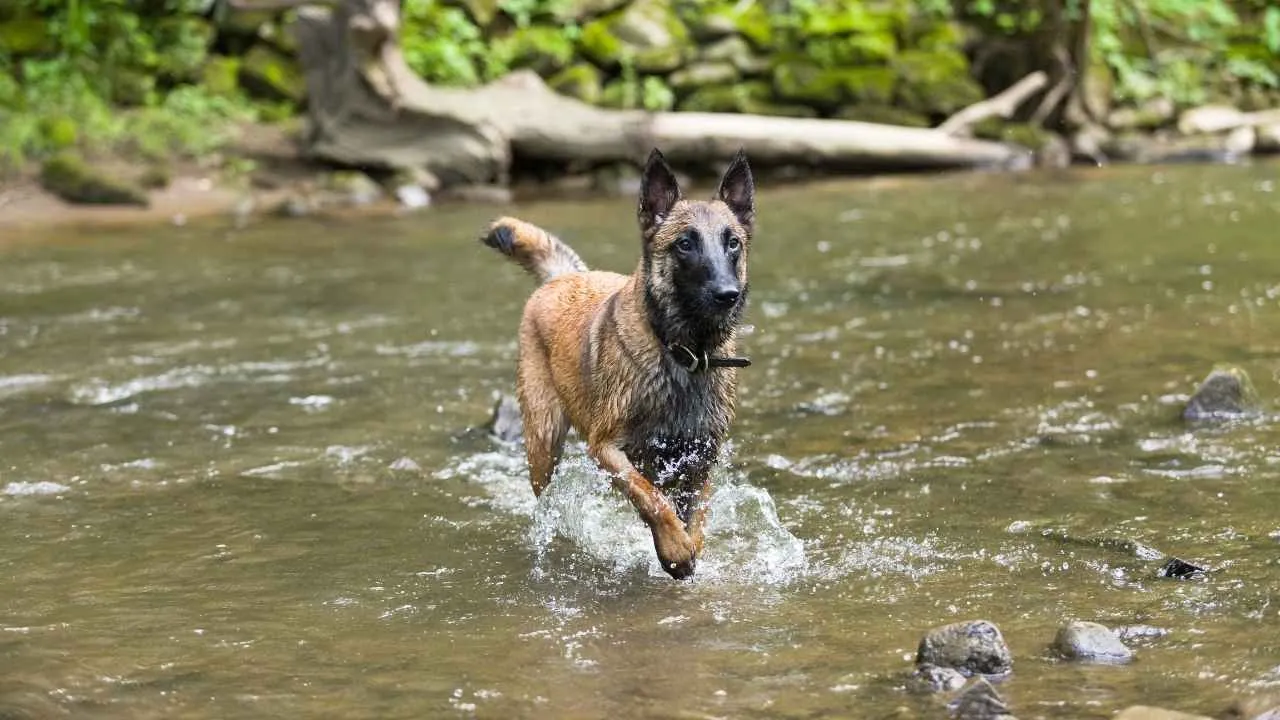
The Belgian Malinois is known for its confidence, sharp intelligence, and an almost unbelievable work ethic. It’s exactly why police teams, military units, and search-and-rescue crews rely so heavily on this capable breed, thanks to its laser focus and stubborn determination. That said, those very same traits also mean it’s not really a beginner-friendly dog.
This high-energy breed genuinely thrives on demanding tasks- think obedience drills, scent work, agility courses, and more advanced training. A daily routine that combines physical activity with mental challenges tends to shape a calmer, more balanced dog overall.
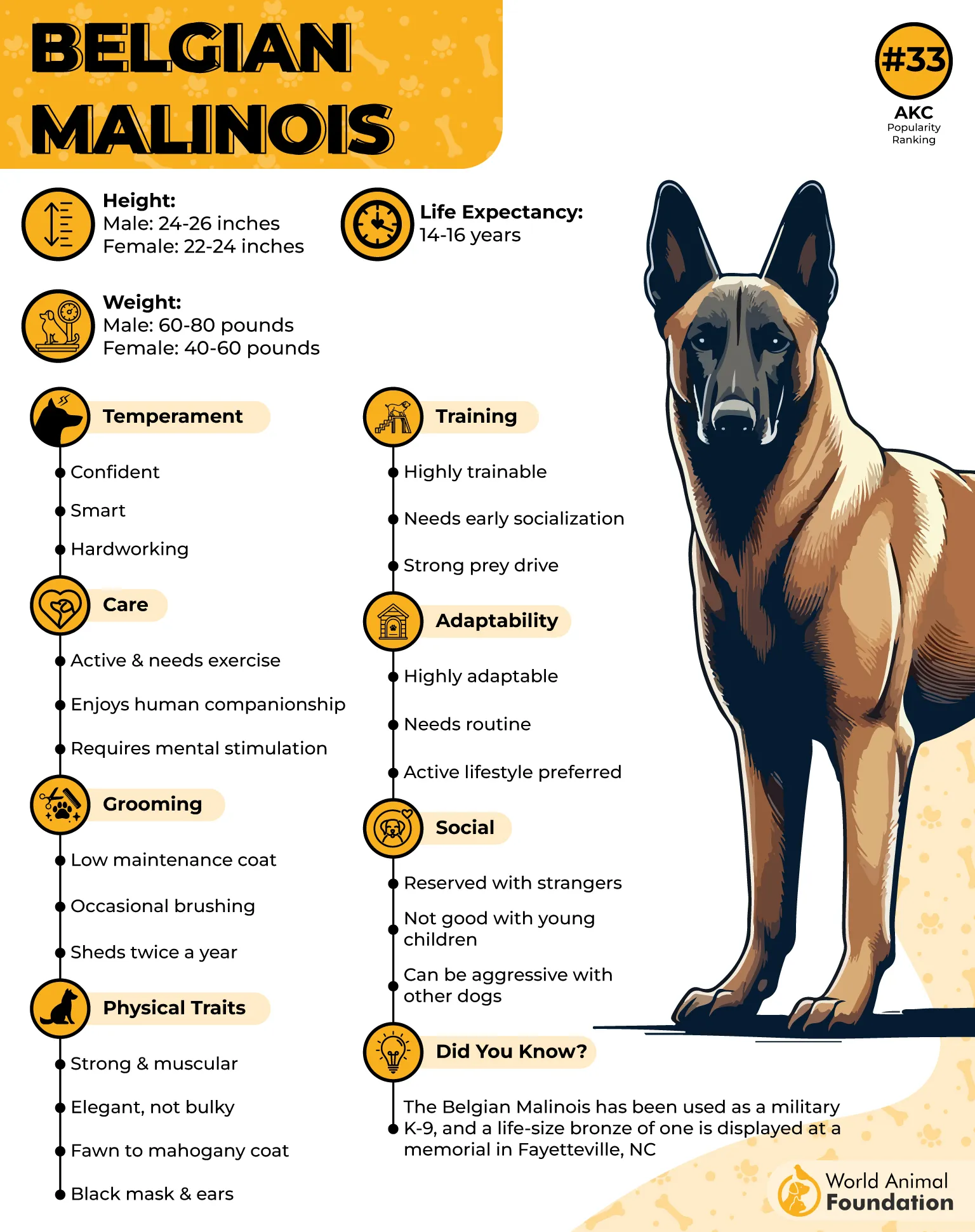
If activity levels drop, though, those natural instincts can become harder to manage. Moving objects, nearby animals, or anything that seems exciting can grab their attention almost instantly.
This intelligent working breed really does benefit from early socialization, clear guidance, and positive training that continues throughout its life.
7. Afghan Hound
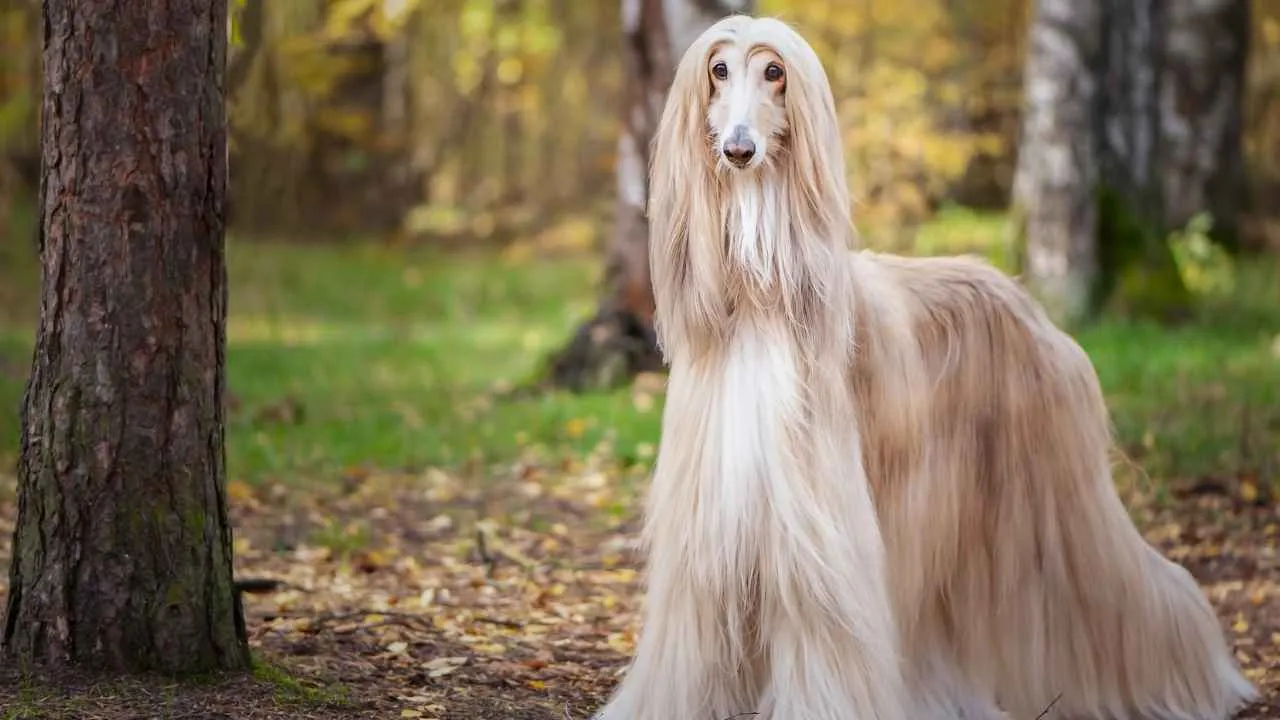
The Afghan Hound stands out wherever it goes, with that flowing coat and graceful, almost effortless way of moving. Beneath all that elegance, though, is an independent hunting breed originally developed to chase prey across rough terrain, and even now, sudden movement can trigger those old instincts in everyday situations.
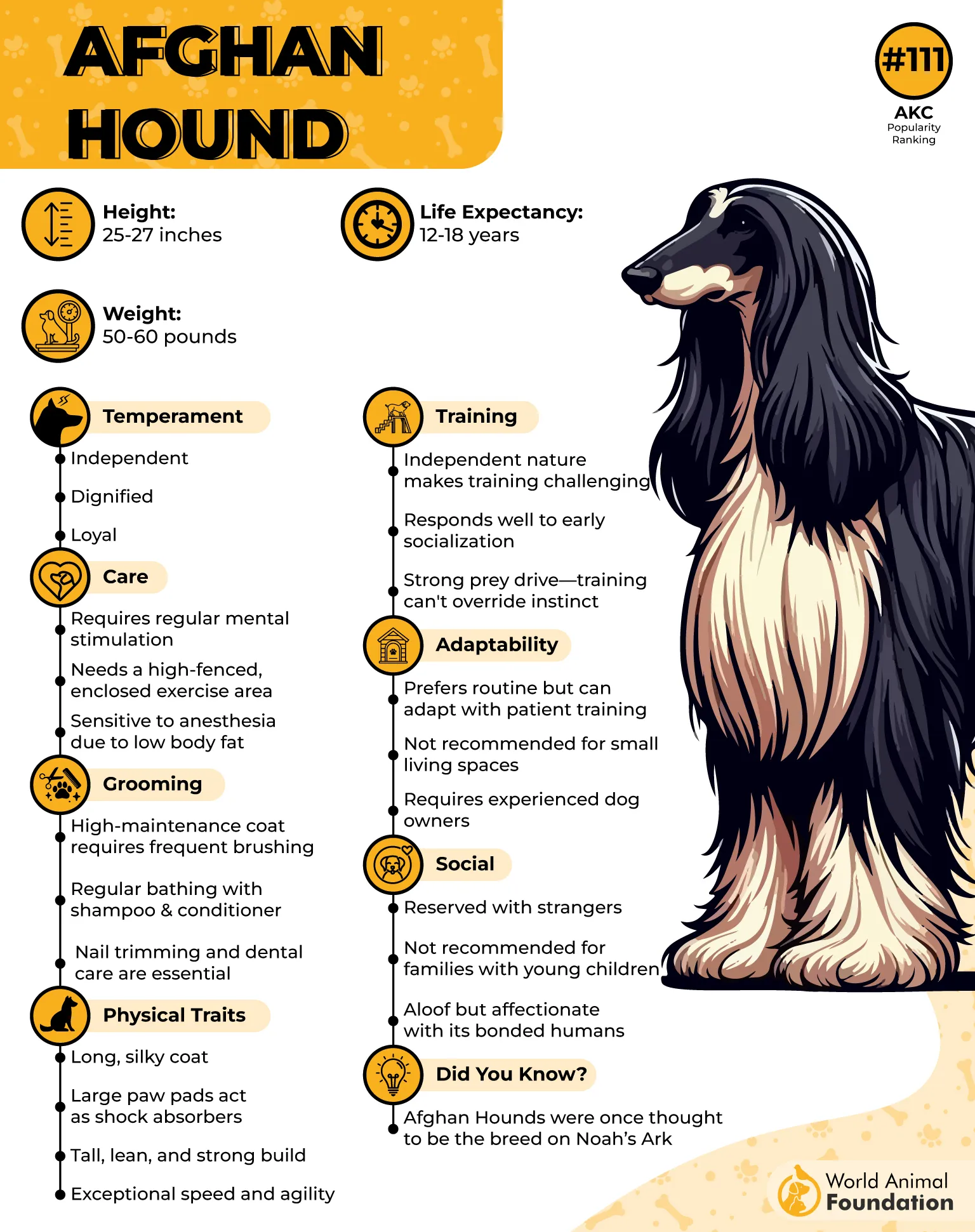
Patience really matters when training this breed. Gentle guidance, rewarding moments, and early socialization all help build trust while shaping good habits, without knocking their confidence.
A secure leash paired with a fenced yard helps keep outings safe, since the urge to chase birds or fast-moving animals can pop up pretty suddenly. Hill’s Pet suggests using positive reinforcement and consistent enrichment so independent breeds like this one stay curious, engaged, and cooperative over time.
Conclusion
Understanding prey drive is probably one of the most important parts of choosing the right dog. These instincts aren’t “bad habits,” and they’re definitely not proof of aggression. They’re really just a natural outcome of generations of selective breeding, where different dogs were shaped to do very specific jobs.
With patience, steady training, mental stimulation, and safe daily routines, these dogs can become deeply loyal family members while still expressing their natural instincts in healthy, manageable ways.
If an active lifestyle, outdoor adventures, and regular training sound like fun to you, one of these standout breeds might just end up being the perfect match. A good home doesn’t try to erase instinct; it recognizes it, manages it with care, and builds a relationship rooted in trust, respect, and everyday shared experiences.
