




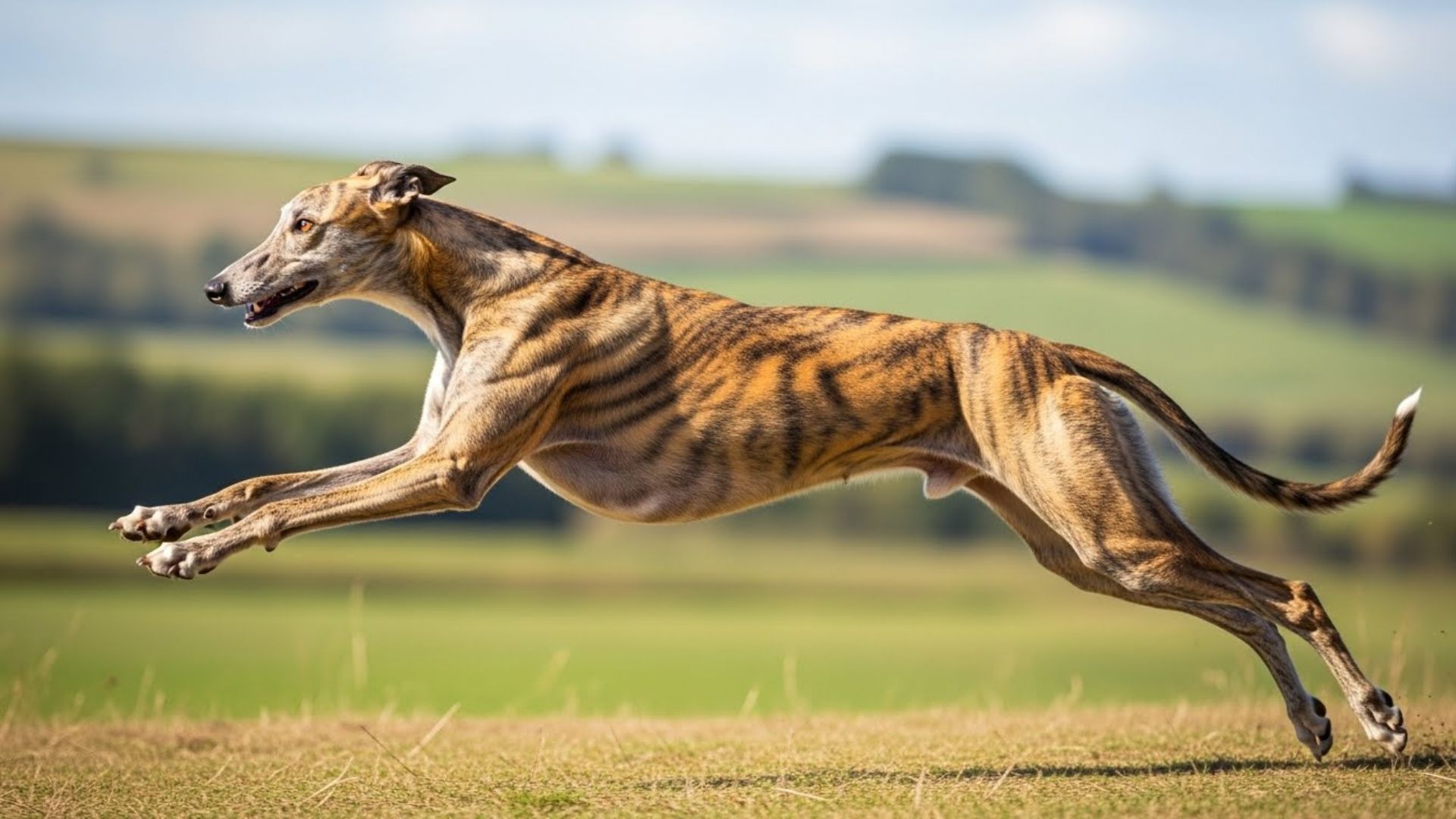
The instinct to chase isn’t random—it’s rooted in evolution. According to a 2024 study published in Nature, selective breeding for hunting and herding behaviors has strengthened the neural pathways linked to pursuit instincts in certain dogs.
This means some breeds are literally wired to react to movement.
Understanding this instinct is the first step toward living harmoniously with a high-drive companion. When these tracking dogs see a darting squirrel or even rustling leaves, centuries of genetics can take over in an instant.
But a strong prey drive isn’t a flaw; it’s a natural trait with purpose. Handled with awareness, it can become a channel for enrichment and bonding.
In this guide, we’ll explore what makes this instinct so powerful, how it shows up in daily life, and why recognizing it matters.
We’ll also share training tips to help you support your dog’s energy and instincts safely and compassionately.
Best Dog Breeds with a Strong Prey Drive
1. Greyhound
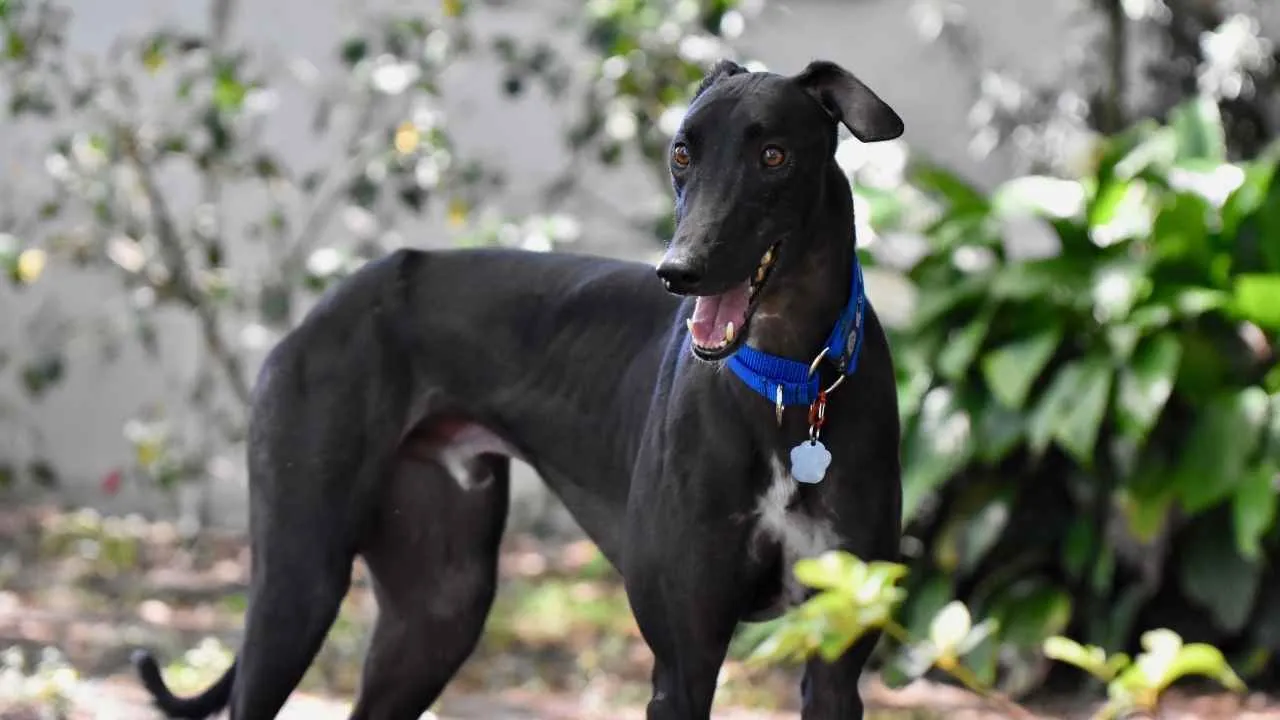
The Greyhound’s roots stretch back thousands of years to ancient Egypt, where they were treasured for incredible speed and a finely tuned chase instinct. Their purpose centered on spotting fast-moving prey across open land, which shaped the dog’s prey drive and legendary athleticism.
That heritage still shows in the way they move—gliding more than running, elegant and effortlessly alert.
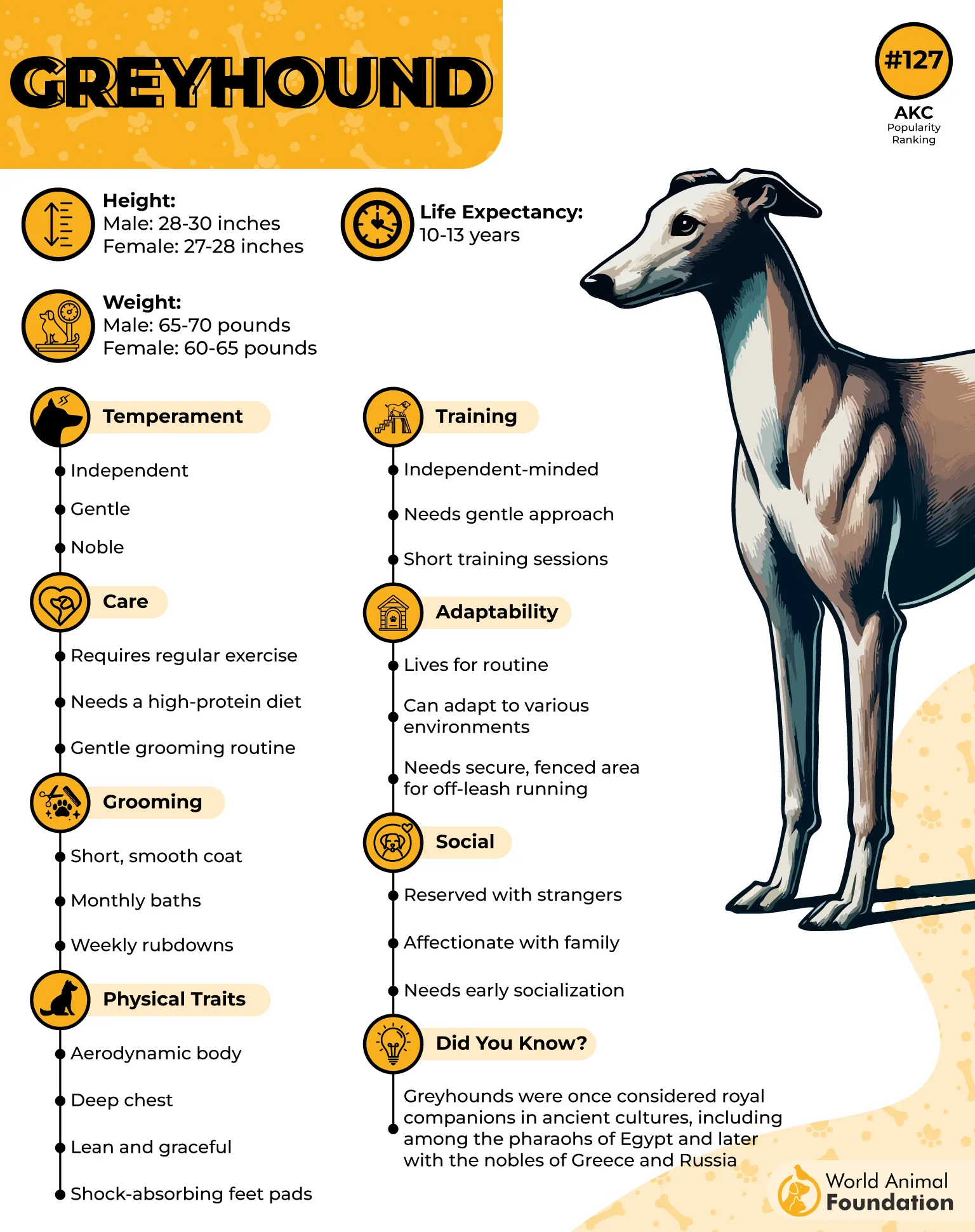
Britannica explains that in modern life, this gentle sprinter surprises many people with a calm, almost catlike demeanor. They adore soft beds, quiet home routines, and small bursts of outdoor racing when the mood strikes.
Their strengths shine brightest in activities that honor their instinctual gifts, including lure coursing and fast-paced games that let them stretch those powerful legs.
Challenges to Know
• Sudden chase reactions triggered by small animals in motion
• Sensitive to harsh tones or chaotic environments
• Requires secure outdoor spaces due to sprinting instincts
Training Tips for a Happy, Instinct-Friendly Life
• Use positive reinforcement to build trust and confidence
• Offer safe chase outlets through lure courses or controlled sprint sessions
• Prioritize leash training and long-line exploration
Families looking for a peaceful companion with bursts of playful energy often fall in love with this breed. They do well with people who appreciate a mix of quiet companionship and thoughtful physical enrichment.
A Greyhound brings a thoughtful, observant presence into any home—a reminder that even the swiftest dogs can be the gentlest souls when supported with care and instinct-aware guidance.
2. Irish Setter
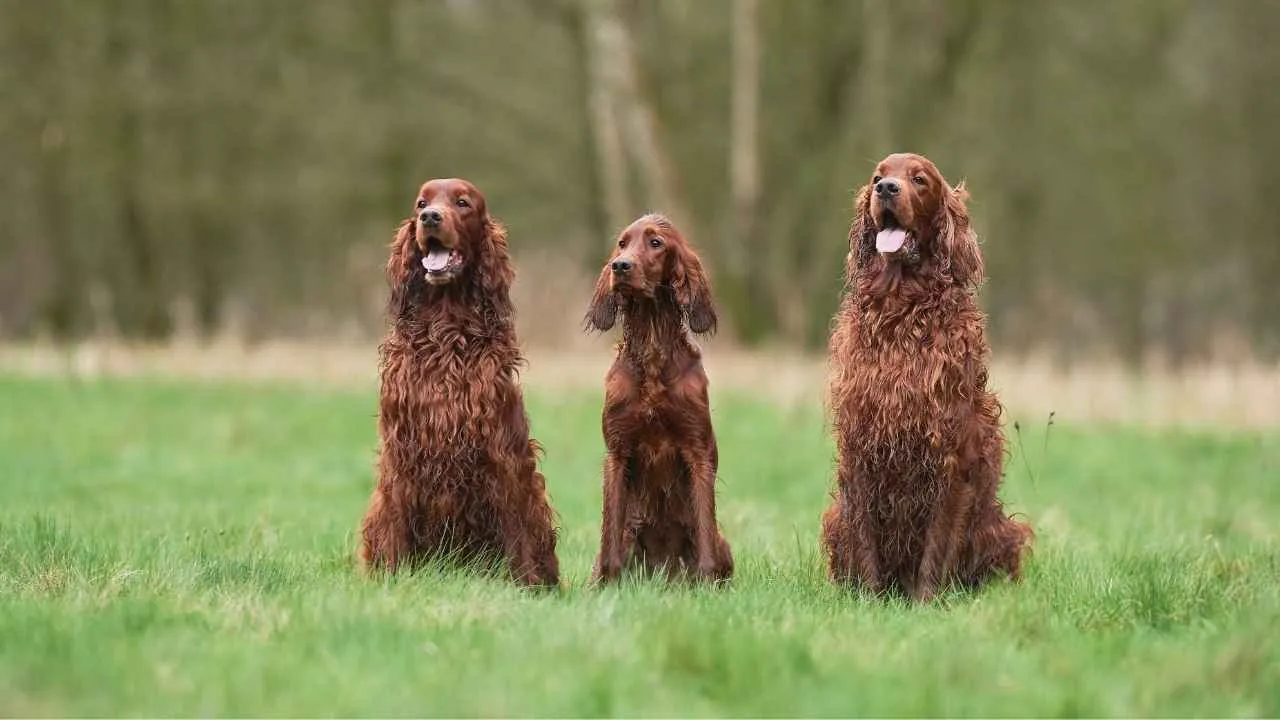
The Irish Setter began as a skilled bird-hunting partner across the lush fields of Ireland, valued for their ability to locate and “set” game with elegance. Their ancestry blended agility, scenting ability, and enthusiasm, creating a breed built for lively outdoor pursuits.
This heritage still flows through them today, visible in their sweeping gait and joyful readiness to explore.
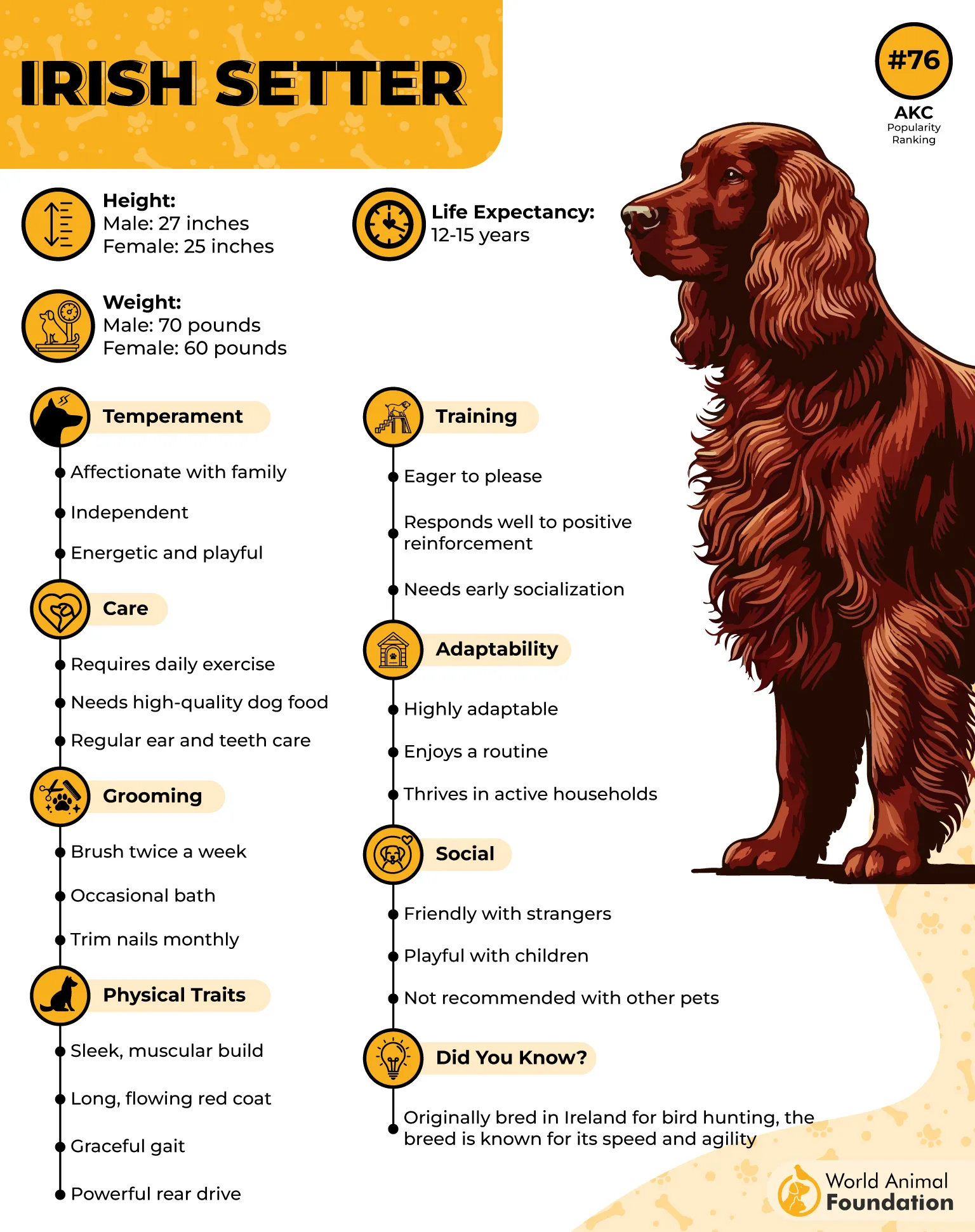
At home, the Irish Setter radiates happy-go-lucky charm with a dash of mischief. They thrive on affection, conversation, and mental puzzles that match their sharp minds.
Their strengths shine in active households, especially when given tasks that engage their instincts—tracking games, long hikes, and field-sport-inspired routines.
Challenges to Know
• High energy levels that need structured outlets
• Strong response to moving wildlife outdoors
• Requires patient, consistent training routines

Training Tips for a Happy, Instinct-Friendly Life
• Provide daily scenting or field-style games to direct instinctive drive
• Use joyful, upbeat training techniques that match their bubbly nature
• Rotate enrichment toys to keep their minds engaged
AKC suggests that people who love a bright, outgoing companion often find the Irish Setter irresistible. Their ideal environment includes space to roam, humans who enjoy interactive play, and plenty of nature-inspired adventures.
An Irish Setter brings color, motion, and a deeply affectionate heart to family life, offering both enthusiasm and sensitivity when nurtured with mindful guidance.
3. Beagle

The Beagle’s history is anchored in classic hare hunting, where their remarkable nose and determination made them prized scent hounds. Their ancestry shaped a dog that excels at tracking trails for long distances, using a scenting ability ranked among the best in the world.
This prey-driven dog heritage remains unmistakable today, each time a Beagle lowers their nose and follows the invisible storylines carried on the wind.
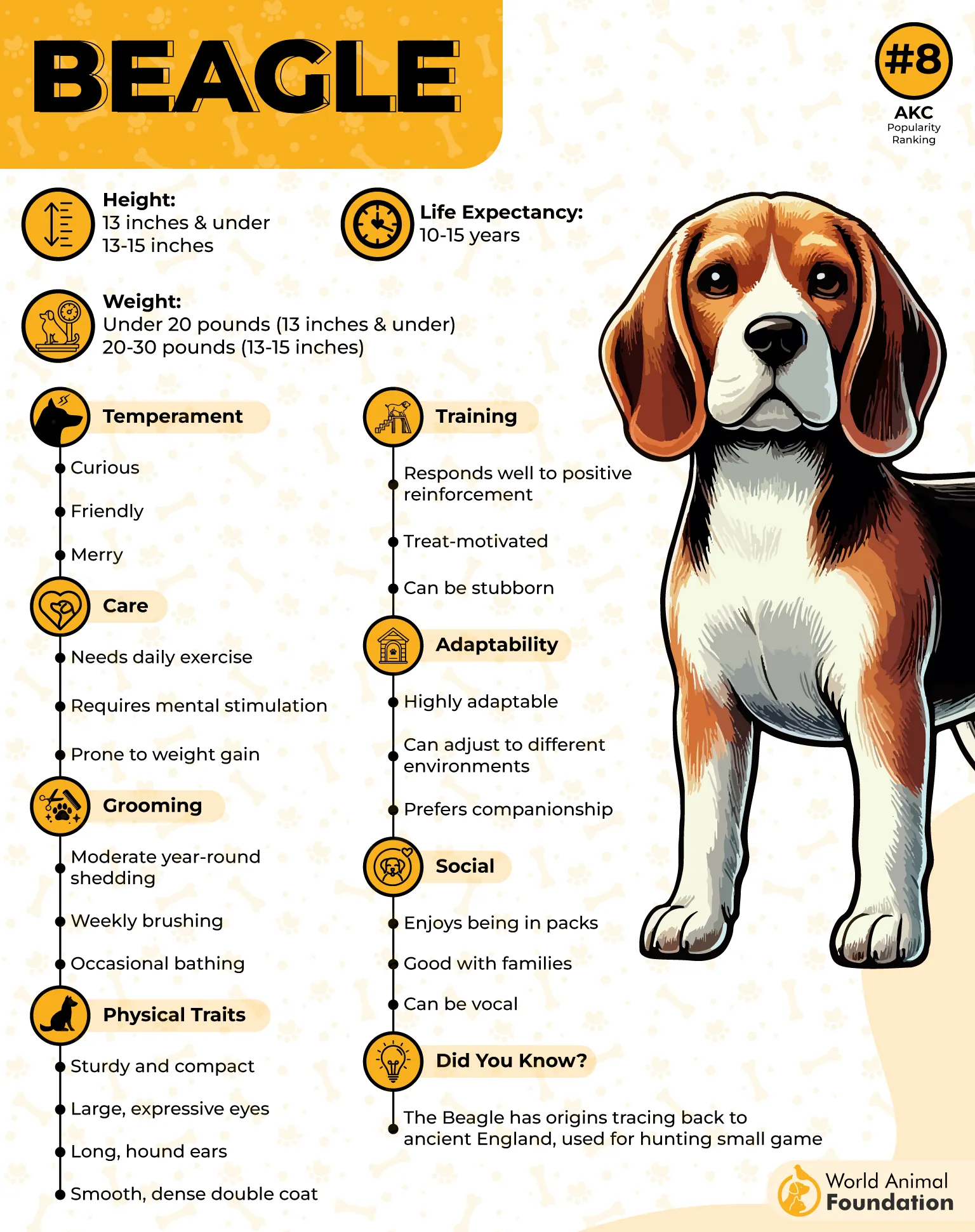
Daily life with a Beagle feels joyful and curious, filled with tail wags and scent-driven exploration. They are friendly companions with a knack for uplifting the household, always ready to investigate a new smell or welcome a familiar friend.
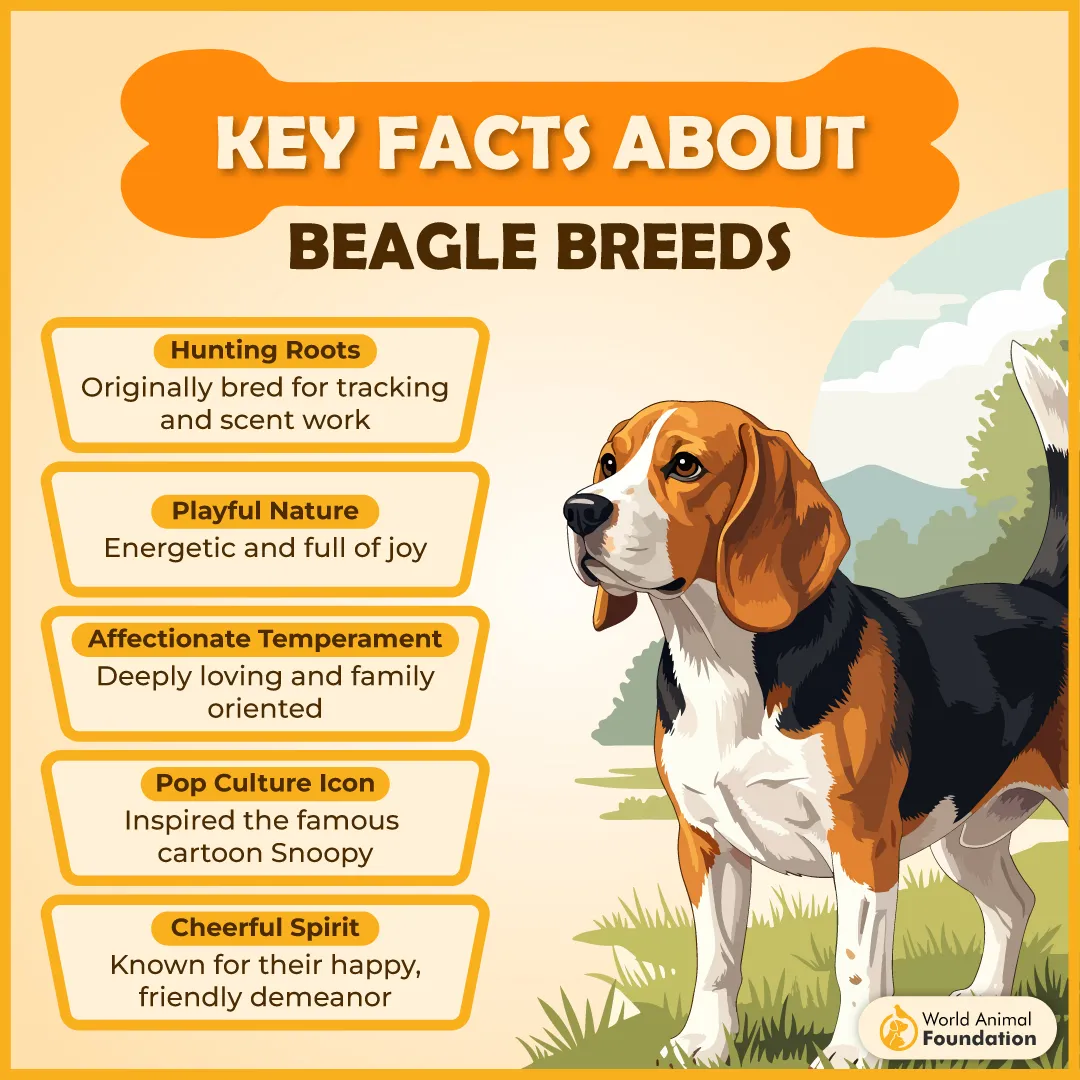
Their strengths shine in activities that let them “work the nose,” such as scent puzzles, tracking walks, and treat-hunting games, claims PetMD.
Challenges to Know
• Intense focus on scents that can override recall
• Vocal tendencies, including the well-loved Beagle bay
• Requires thoughtful management around small animals
Training Tips for a Happy, Instinct-Friendly Life
• Reinforce recall early using high-value rewards
• Offer scent-based enrichment every day
• Use patient, positive training to match their steady nature
Beagles flourish with families who enjoy relaxed companionship mixed with adventurous, sniff-filled outings. They appreciate homes that understand their need for sensory engagement and steady routines.
A Beagle brings warmth, humor, and heartfelt curiosity into daily life—a reminder that a strong prey drive can coexist beautifully with a gentle, family-friendly spirit when guided with care.
4. Jack Russell Terrier

Early Jack Russell Terriers worked beside fox hunters in England, built for determination, quick turns, and fearless pursuit in tight spaces. Their compact size, paired with bold instinct, created a terrier who thrived underground as much as above it.
That heritage remains in their bright eyes, nonstop curiosity, and unwavering commitment to any task they set their mind to.
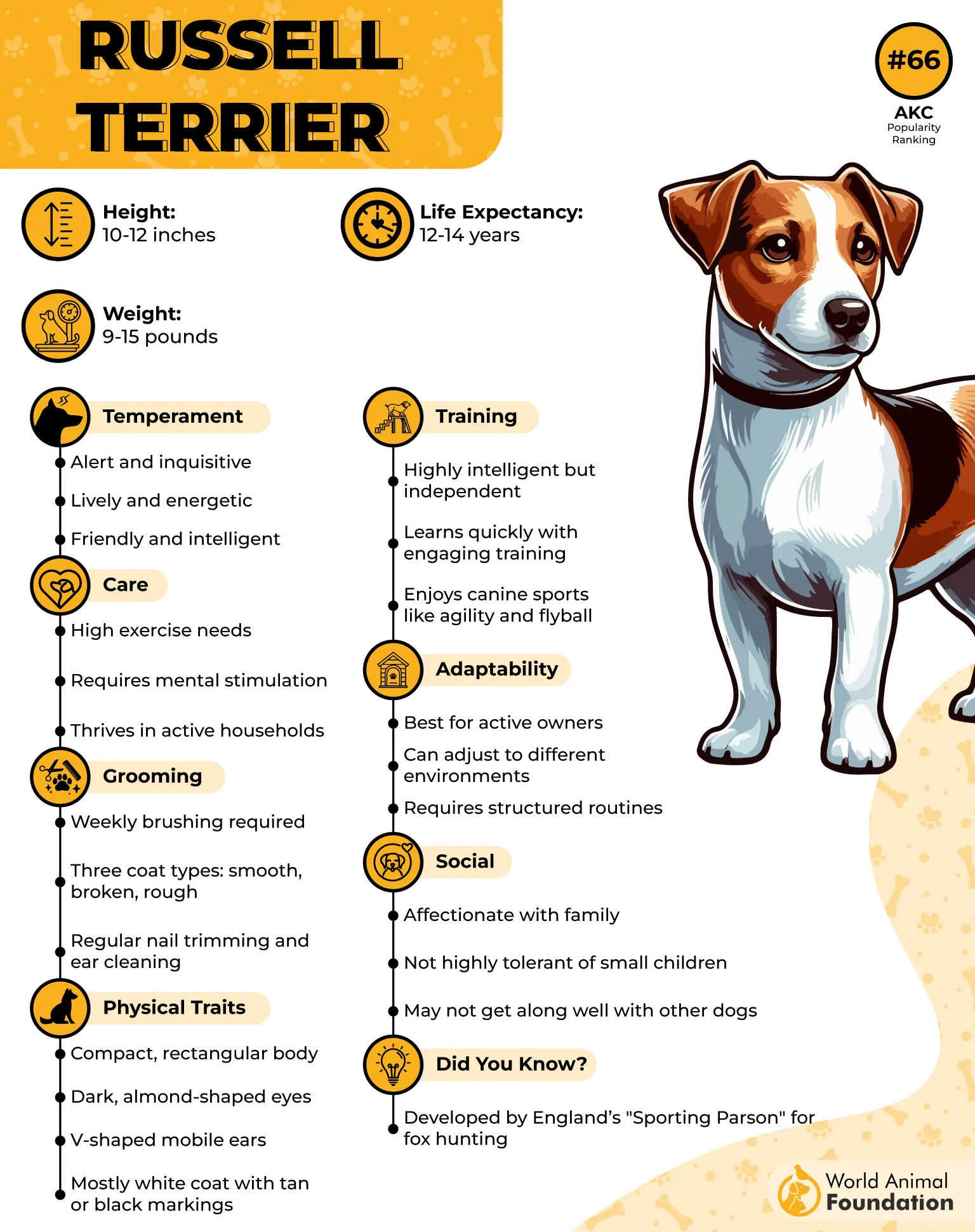
In everyday life, this breed feels like a spark of joyful electricity wrapped in a small, athletic frame. They invent their own games, watch everything with laser focus, and love having a job that challenges both mind and body.
Their strengths shine through agility sports, pattern-based training games, and playful activities that allow them to express their terrier spirit.
Challenges to Know
• Strong quarry-focused instincts triggered by small animals
• Energetic nature that requires creative outlets
• Tendency to outsmart unenriched environments
Training Tips for a Happy, Instinct-Friendly Life
• Provide puzzle toys and rotating activities to keep their minds busy
• Channel their drive into agility, fetch circuits, or structured digging areas
• Use upbeat, reward-based training to nurture cooperation
The Jack Russell Terrier fits beautifully with humans who enjoy a lively, clever companion that thrives on purpose. They do best with people who embrace enrichment, movement, and mental variety.
This Terrier brings determination, affection, and sparkling intelligence into the home—proving that high prey drive can be a joyful part of a well-balanced, adventurous life.
5. Rhodesian Ridgeback
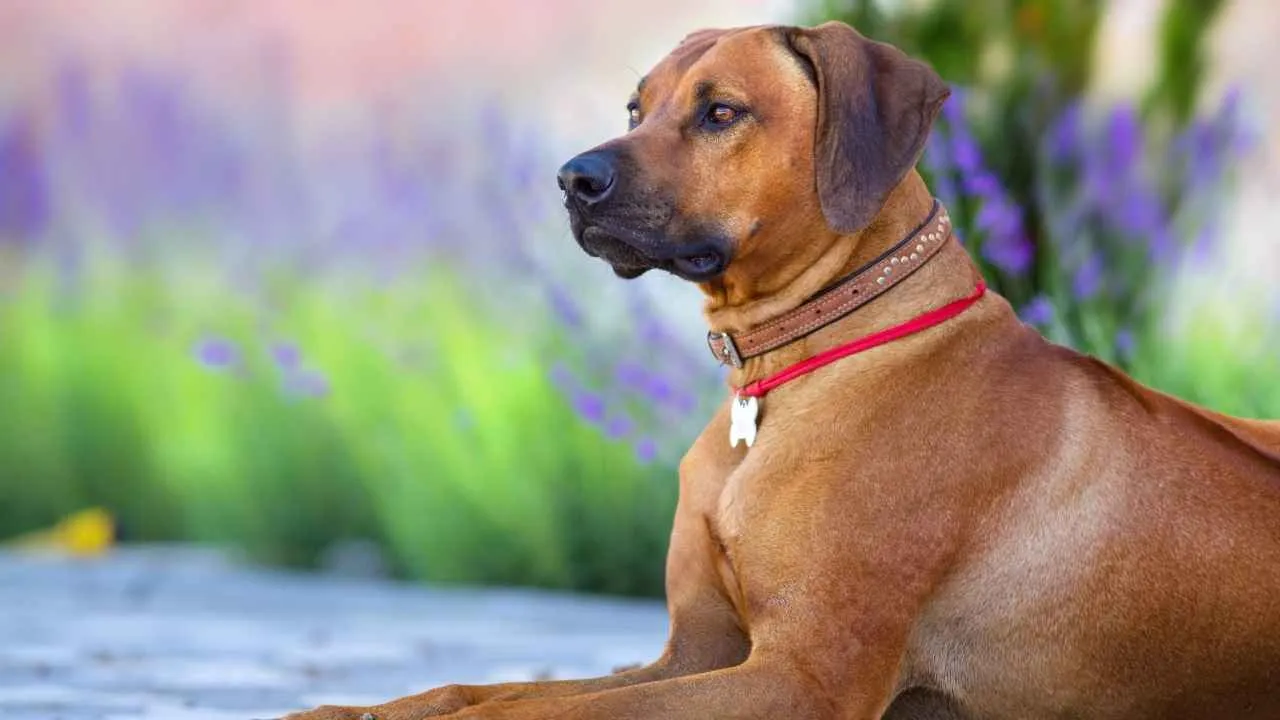
The Rhodesian Ridgeback originated as a capable tracking partner in southern Africa, valued for its endurance, bravery, and ability to follow large game across rugged terrain.
Their lineage includes versatile hunting and guarding roles, shaping a dog known for both physical power and emotional steadiness. The distinctive ridge along their back hints at the unique heritage carried within this impressive breed.
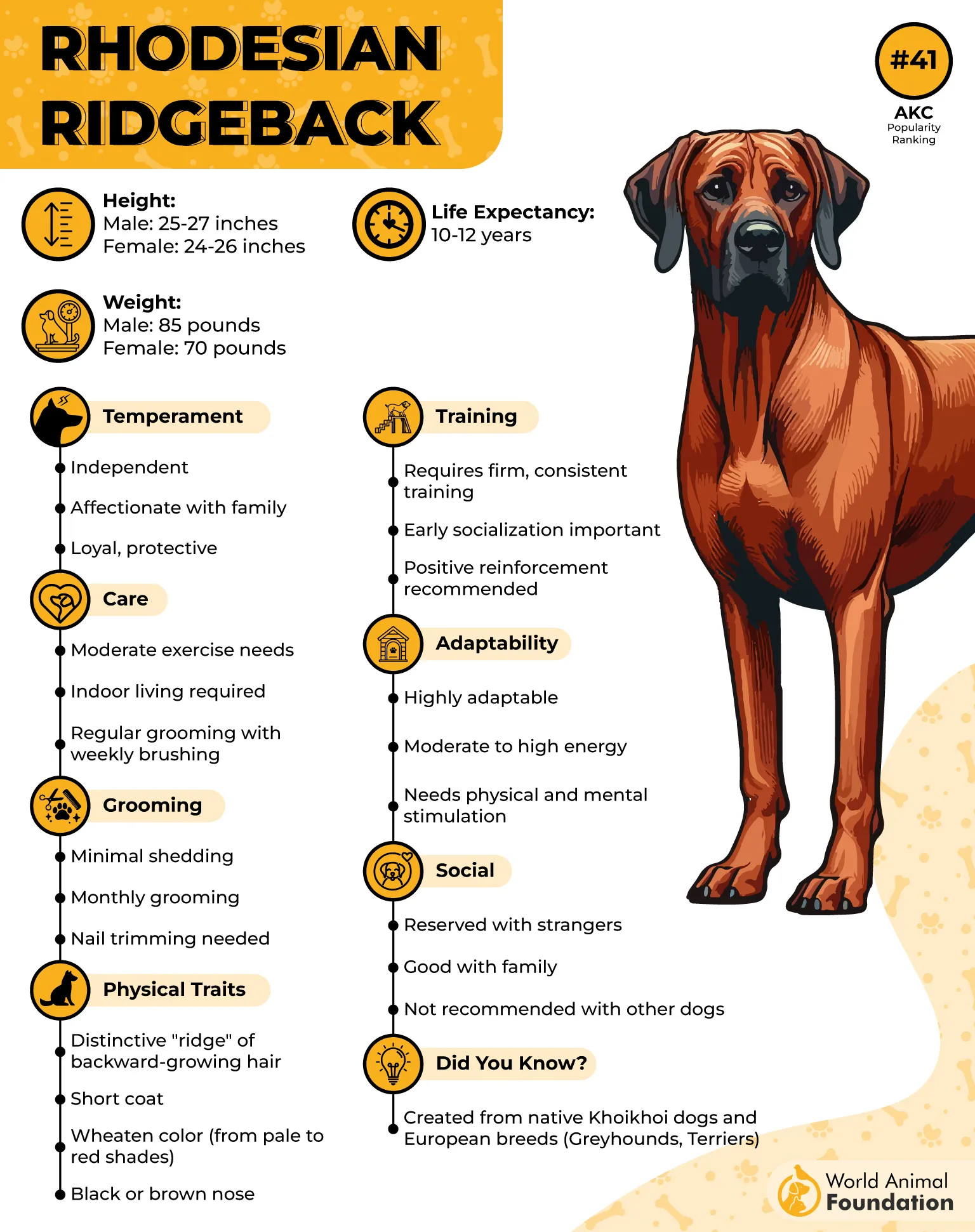
In modern living spaces, Ridgebacks offer a serene, observant presence paired with bursts of athletic enthusiasm. They form deep bonds with their families and often show an intuitive awareness that feels almost human.
Their strengths shine in long-distance activities, scent-based exploration, and confident, mindful movement.
Challenges to Know
• Strong chase reaction toward moving animals
• Can be independent-minded without structured routines
• Needs spacious areas for healthy physical expression
Training Tips for a Happy, Instinct-Friendly Life
• Use calm, consistent guidance supported by positive rewards
• Offer scent trails, endurance walks, and long-line sessions
• Introduce impulse-control games to balance their natural drive
The Rhodesian Ridgeback thrives with people who enjoy outdoor adventures and appreciate a dog with both sensitivity and strength. They flourish in homes that value routine, connection, and thoughtful exercise.
A Ridgeback embodies dignity, determination, and heartfelt loyalty—showing that a strong prey drive can coexist with grace and emotional depth in the right environment.
6. Weimaraner
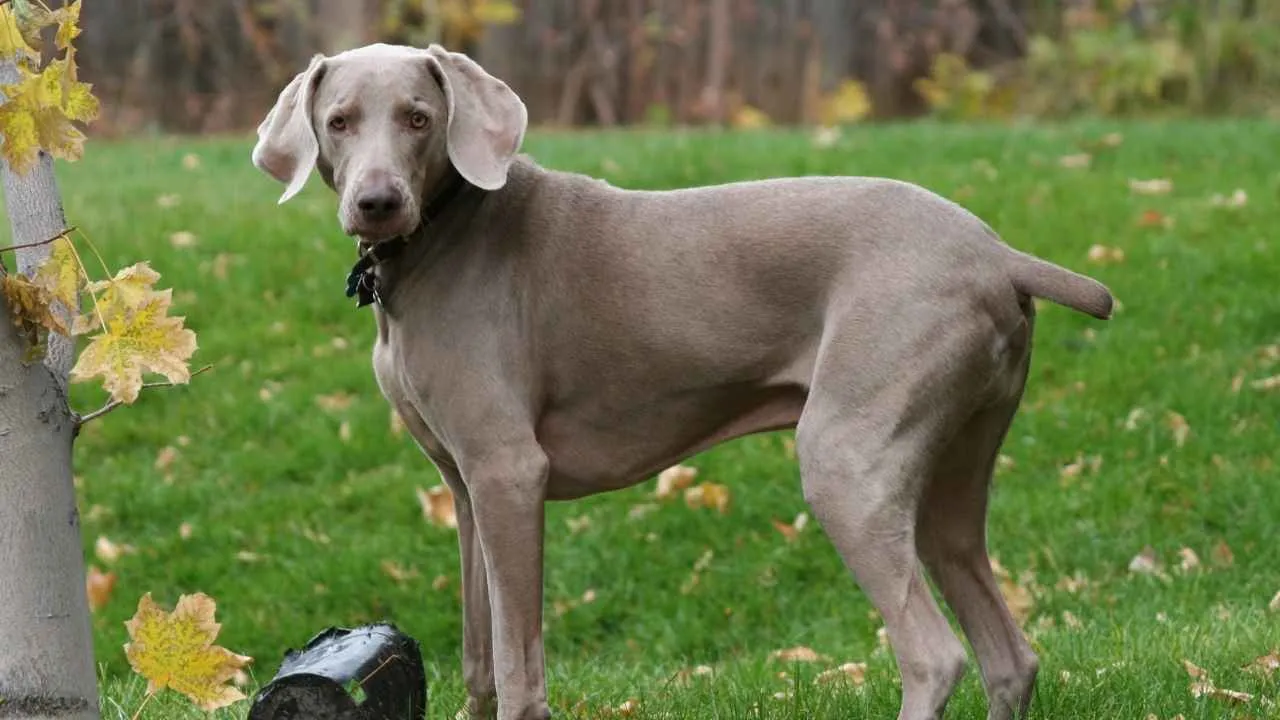
The Weimaraner began as a noble hunting companion in Germany, created for pursuing large game with focus, stamina, and strategic instinct.
Their ancestry shaped a dog capable of working closely with humans, reading subtle cues, and adapting to different terrains. That thoughtful intensity remains woven into their sleek, silver-gray presence today.
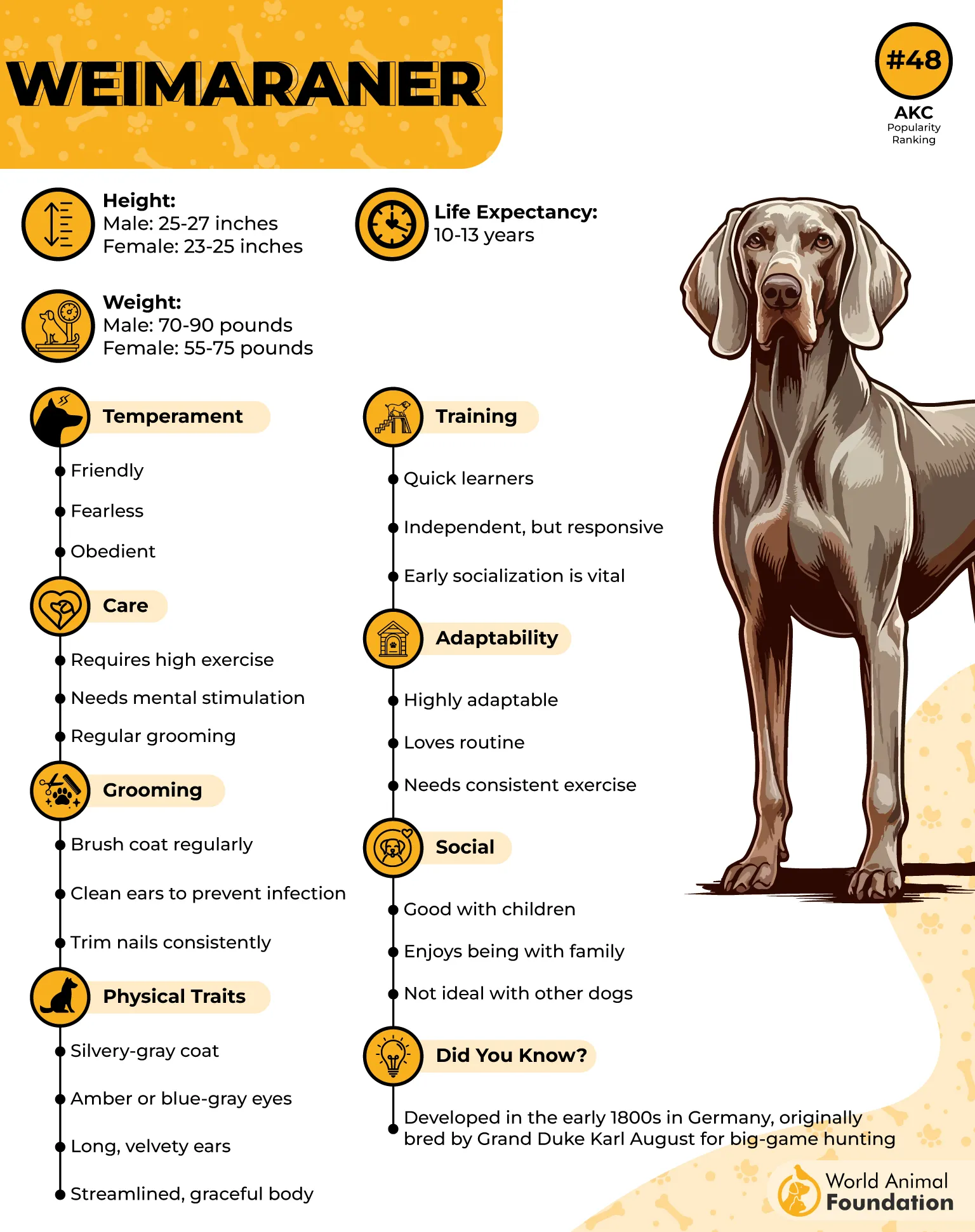
In daily life, Weimaraners bring an expressive, people-centered temperament that feels almost conversational. They enjoy being part of every moment—observing, learning, offering affection, and seeking tasks that stimulate their quick minds.
Their strengths shine in tracking challenges, long-distance adventures, and games that require both problem-solving and instinctive drive.
Challenges to Know
• Sensitive nature that responds strongly to tone and routine
• High prey drive combined with boundless curiosity
• Can experience restlessness without structured guidance
Training Tips for a Happy, Instinct-Friendly Life
• Incorporate tracking trails, scent puzzles, and exploratory walks
• Use warm, consistent reinforcement to build confidence
• Provide mental rotations—new tasks, novel textures, varied environments
People who love deep companionship paired with athletic excitement tend to feel at home with a Weimaraner. They thrive with families who enjoy active lifestyles, hands-on engagement, and predictable rhythms.
A Weimaraner brings grace, intelligence, and heartfelt loyalty into any space, showing how a focused prey drive can become a powerful foundation for connection when thoughtfully supported.
7. Border Collie
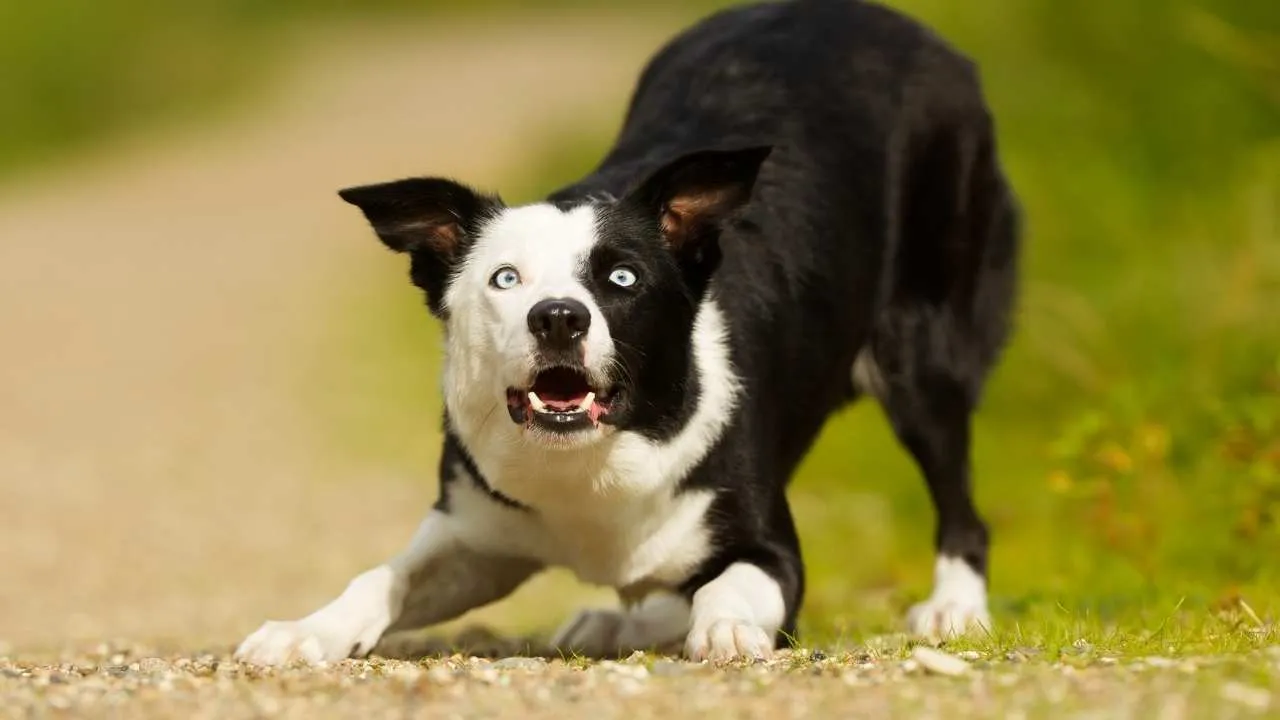
The Border Collie emerged on the borderlands of Scotland and England, where farmers needed a dog capable of reading livestock movement and responding instantly.
Their role demanded advanced problem-solving, controlled stalking behaviors, and unmatched communication skills. This unique lineage formed a breed whose instincts center on managing motion through precision and awareness.
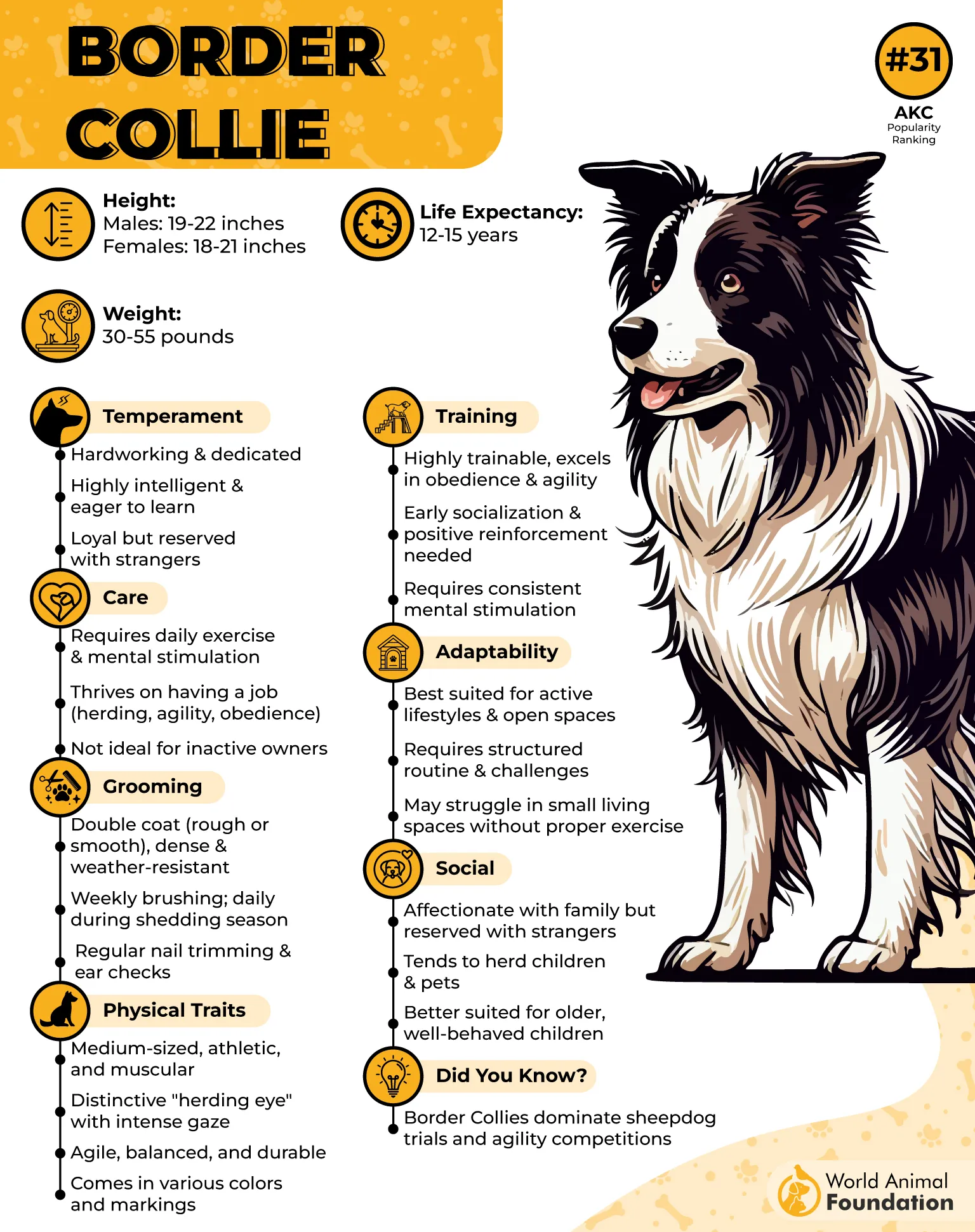
In modern homes, Border Collies offer a dazzling blend of sensitivity, humor, and fierce devotion. They soak in every detail—shadows, gestures, routines—and turn their observations into intelligent action.
Their strengths shine in herding-inspired games, trick sequences, puzzle-solving tasks, and activities that reward focus more than force.
Challenges to Know
• Tendency to fixate on movement due to instinctual patterns
• Requires strong mental outlets to prevent overstimulation
• Easily stressed by chaotic environments without a clear structure
Training Tips for a Happy, Instinct-Friendly Life
• Build layered skills through shaping, targeting, and calm focus games
• Offer controlled chase outlets like flirt pole routines or herding-style tasks
• Rotate cognitive challenges to engage their analytical nature
This intelligent breed thrives with thoughtful owners who appreciate communication, enrichment, and meaningful work. They flourish in environments where calm structure partners with creative activities.
A Border Collie represents mindful brilliance and heartfelt purpose—proof that an intense prey-drive heritage can evolve into extraordinary teamwork when guided with intention and care.
Conclusion
Understanding a high prey drive dog starts with noticing how a dog’s instinct guides the prey drive sequence.
Even breeds not covered above—such as Basenji, Afghan Hounds, Labrador Retriever, German Shepherds, and Doberman Pinschers—show how certain breeds inherit instinct from generations of working dogs, herding breeds, gun dogs, and guard dogs.
For pet owners, early training, strong recall, mental stimulation, long walks, and early socialization help many dogs live safely with other pets, small pets, or other animals. Positive dog training builds confidence and keeps dogs with high prey drive from chasing small prey like rabbits, deer, or a cat.
If you’d like help tailoring routines for different breeds, smaller dogs, other dogs, or young pups, reach out anytime—your dog loves learning, and a little guidance makes life easier and more fun for everyone.
