




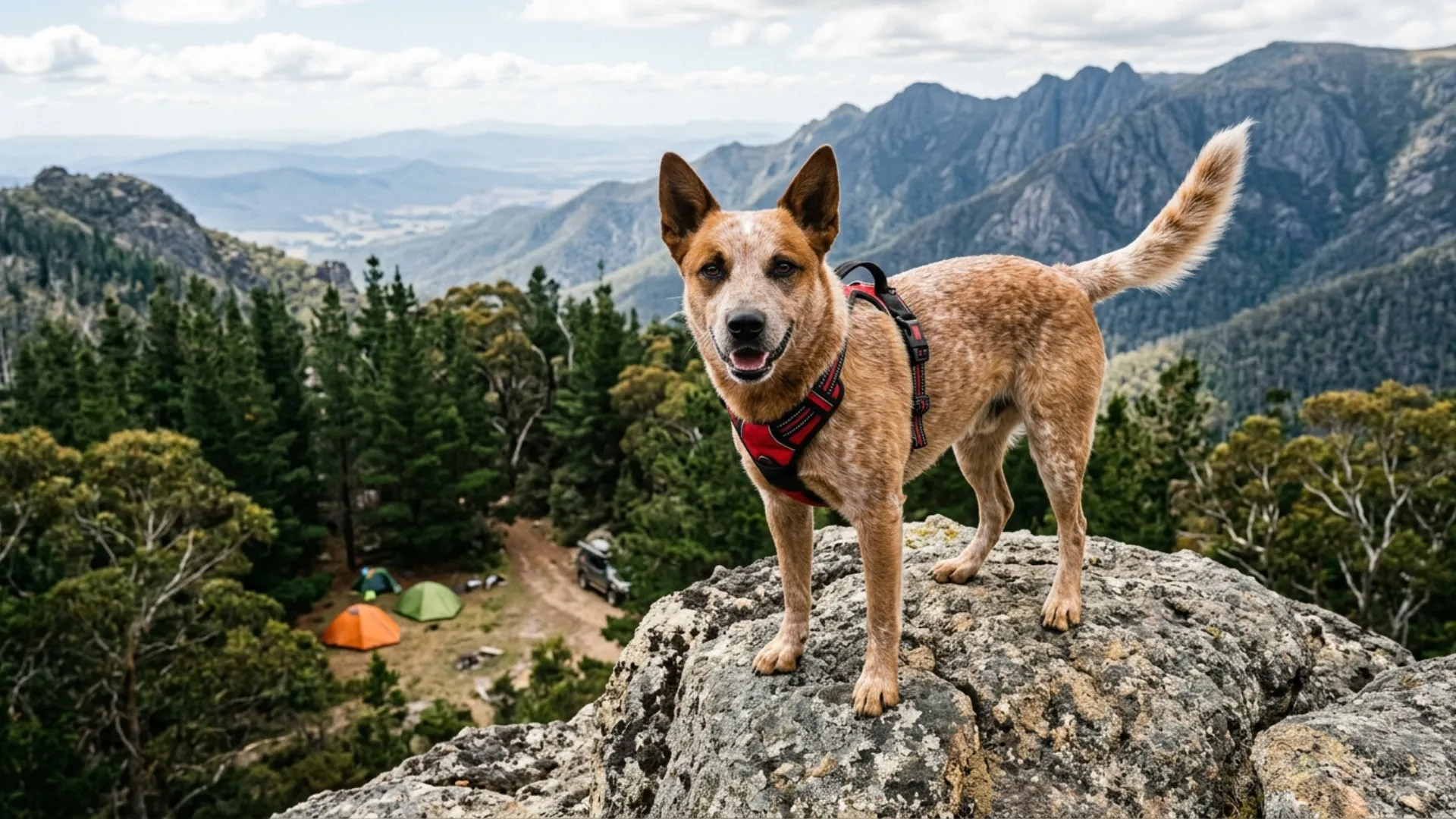
Choosing the right dog for wilderness adventures is about much more than finding a pet that loves to run. The ideal trail companion should have the energy to tackle long hikes, the stamina to handle rugged terrain, and the confidence to explore new environments right alongside you.
Whether you’re trekking through forests, camping under the stars, or spending weekends discovering scenic trails, the right dog can make every outdoor adventure even more memorable.
Of course, not every dog is built for life on the trail. Some breeds thrive on physical challenges, changing landscapes, and spending hours outdoors, while others are much happier lounging at home.
That’s why it’s important to choose a dog whose natural instincts, endurance, and activity level match your lifestyle. With the right preparation, training, and safety precautions, hiking and camping can become fun, rewarding experiences for both you and your four-legged companion.
In this article, we’ll introduce the best dog breeds for wilderness adventures and explain what makes them stand out in the great outdoors.
Key Takeaways
See why Labrador Retrievers, Border Collies, and Weimaraners love the trail.
Discover how Vizslas, Portuguese Water Dogs, and Siberian Huskies thrive outdoors.
Find out what makes Dalmatians and other active breeds adventure-ready.
Pick the perfect wilderness companion for your next outdoor escape.
Best Dog Breeds for Wilderness Adventures
1. Labrador Retriever
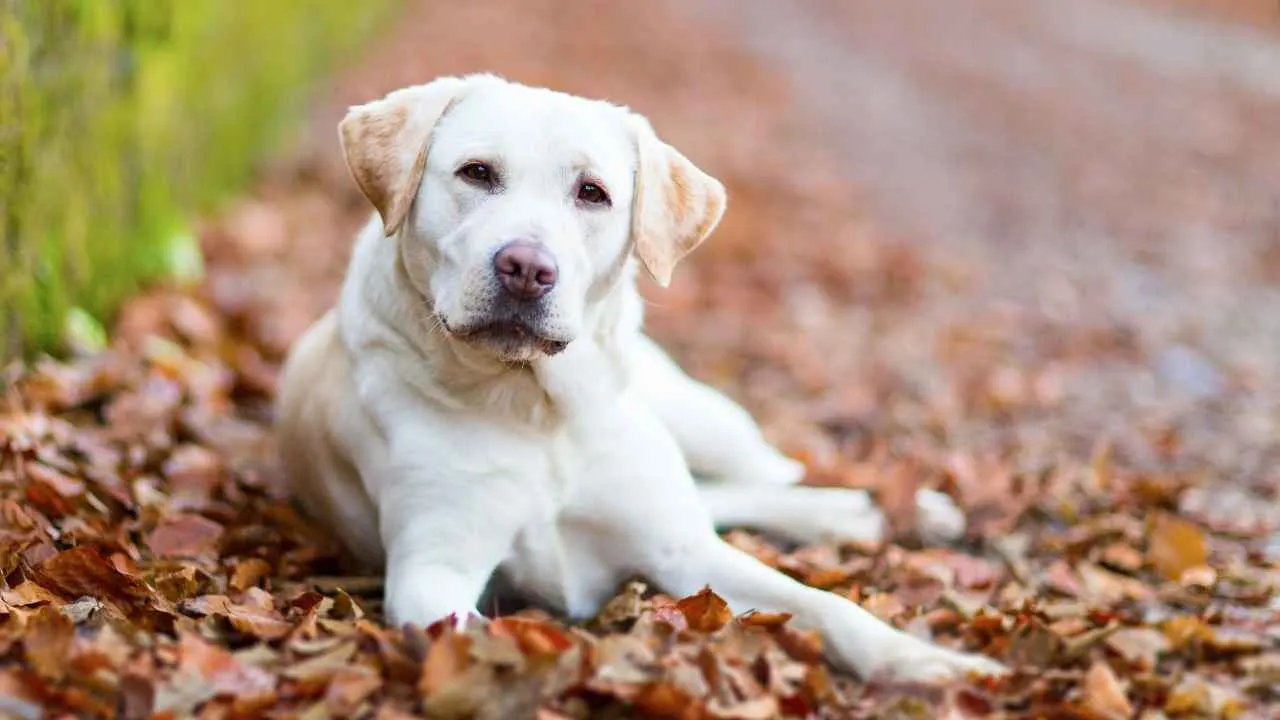
Bred as hardworking sporting dogs, Labrador Retrievers are natural partners for wilderness adventures. They love staying active and enjoy hiking, swimming, retrieving, and exploring new trails.
Their friendly nature and eagerness to work make them a great choice for adventurous families and outdoor enthusiasts.
Why They’re Great for Wilderness Adventures
Labrador Retrievers have plenty of energy and thrive when they have a job to do. They are intelligent, easy to train, and eager to please, making them reliable trail companions. Their water-repellent double coat allows them to enjoy wet conditions, and they naturally love swimming.
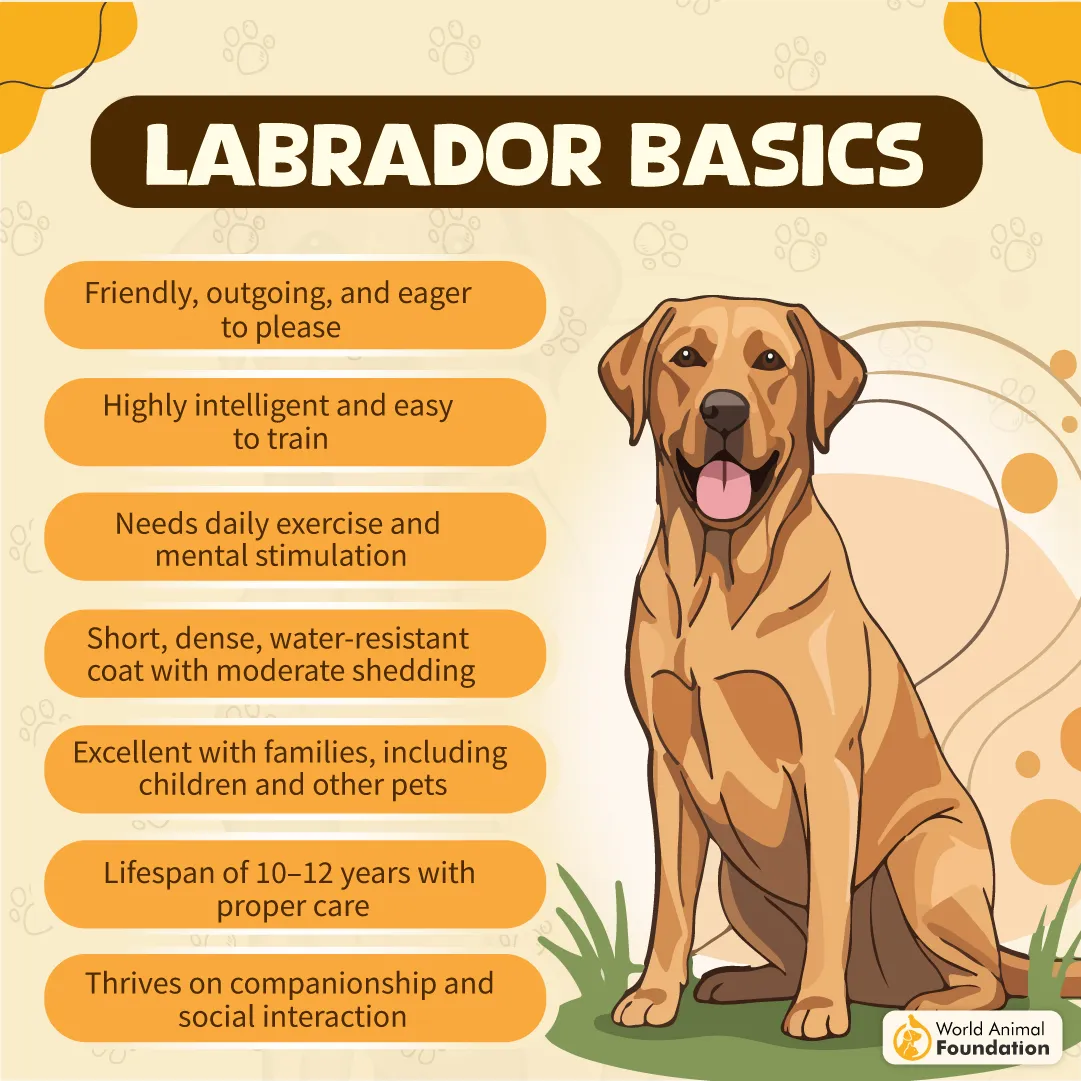
Labs are affectionate with people and usually get along well with children, other dogs, and even strangers, as mentioned by PetMD. They also excel in activities like retrieving, agility, dock diving, and often serve as therapy or service dogs.
Things to Keep in Mind
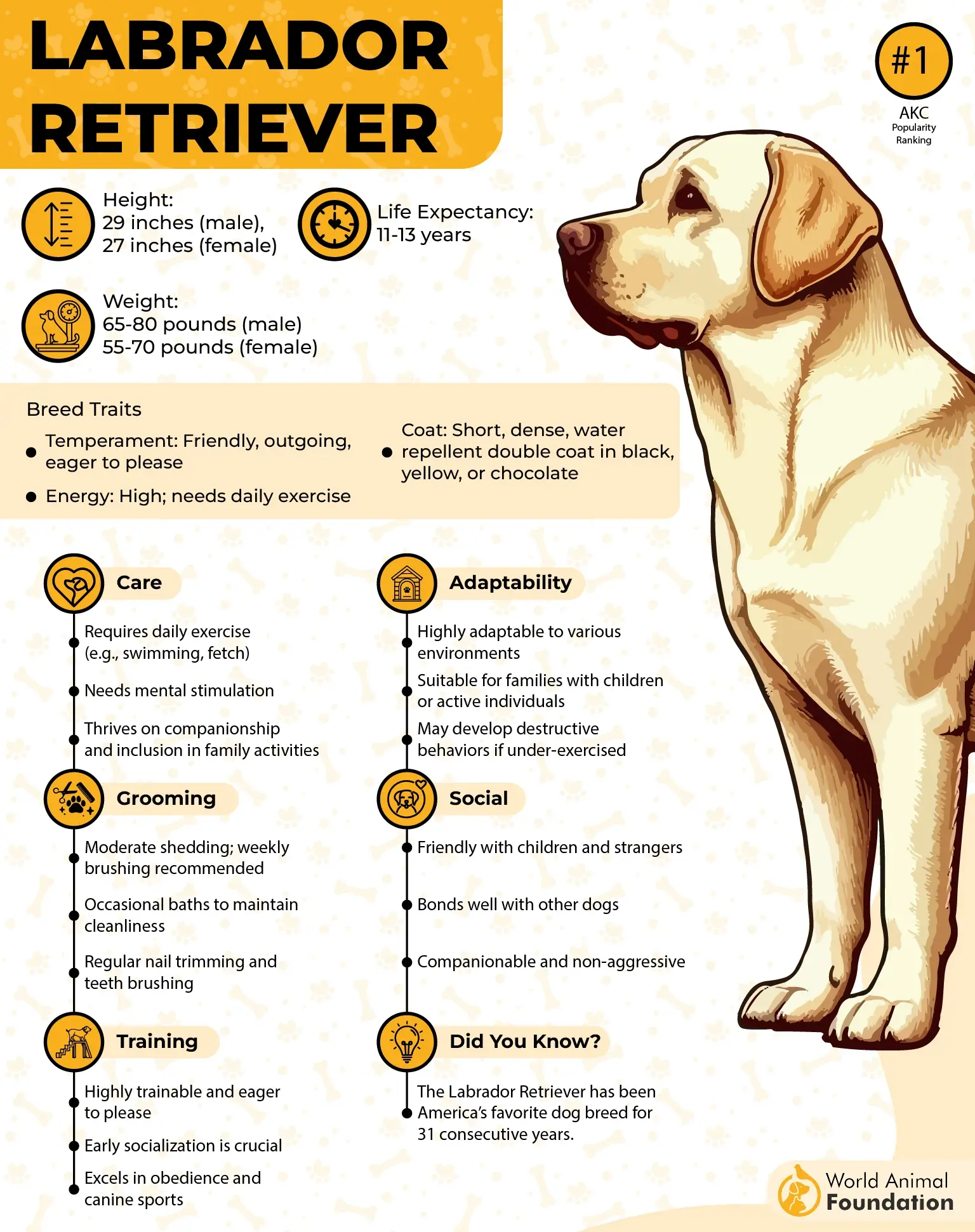
These dogs need regular exercise and early obedience training to manage their natural enthusiasm. Without enough physical activity or mental stimulation, they can become destructive by chewing, digging, or barking excessively.
Field-line Labs are especially energetic, while some show-line Labs become calmer as they age. Their strong retrieving instinct also means they love to chew, so sturdy chew toys, training, and regular exercise are important.
2. Border Collie
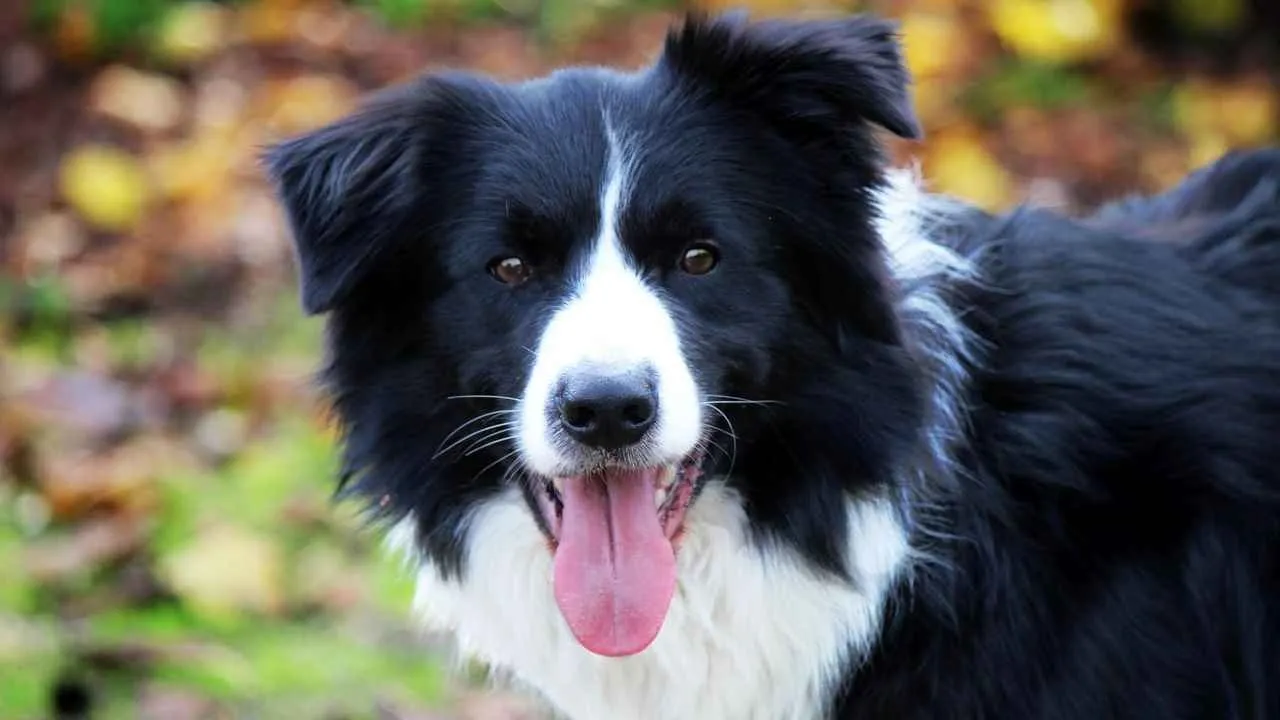
Border Collies are built for action. Originally bred to herd livestock along the border of England and Scotland, these intelligent dogs have incredible stamina, agility, and a strong work ethic.
They thrive on challenging outdoor activities, making them excellent companions for wilderness adventures with active pet parents.
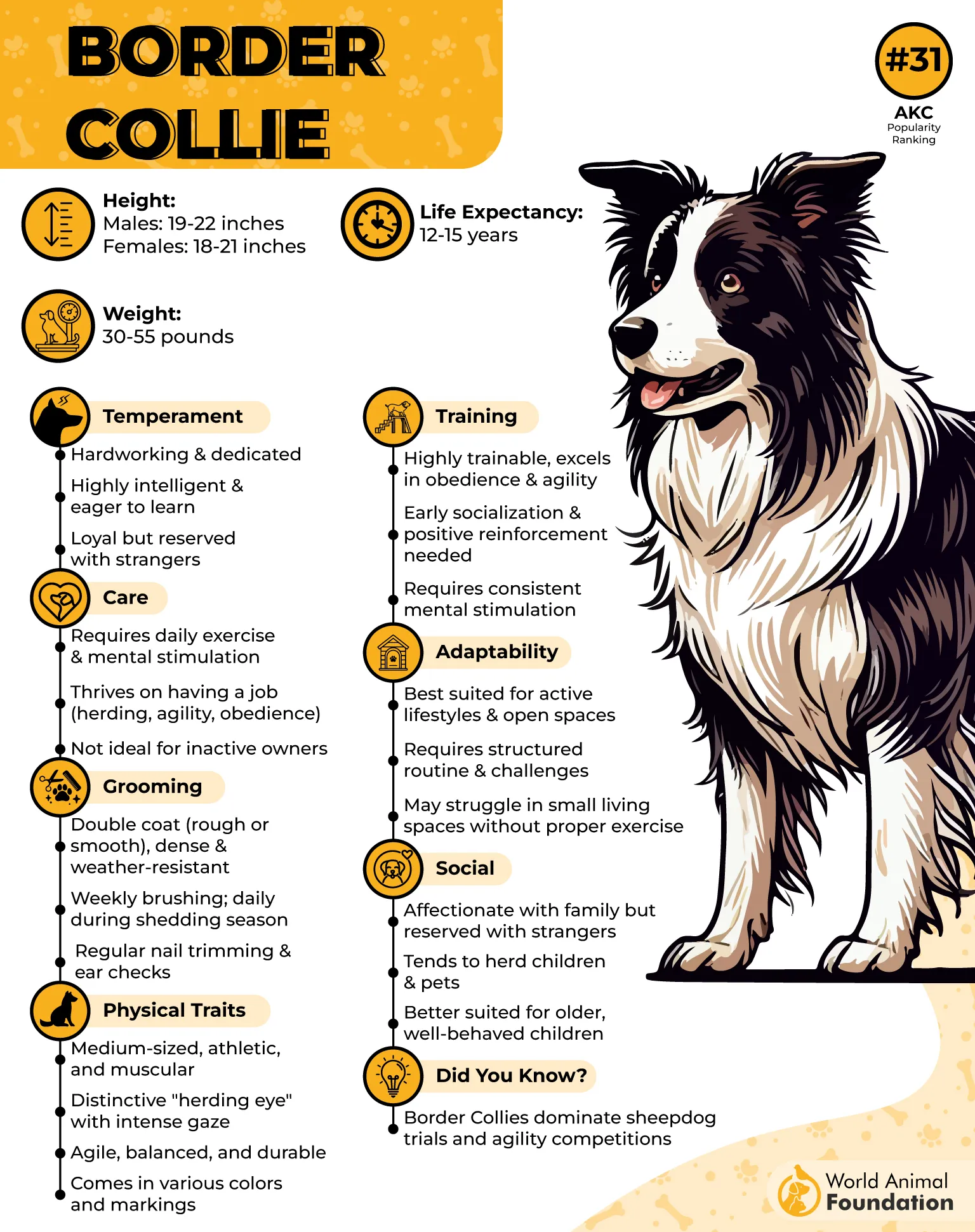
Why They’re Great for Wilderness Adventures
Border Collies are highly energetic, athletic, and always ready to explore. They love having a job to do and enjoy long hikes, trail runs, and outdoor sports.
Their intelligence makes them easy to train, and they excel in agility, obedience, tracking, rally, and herding activities. They also enjoy games like flyball and flying disc. Loyal and affectionate, they form strong bonds with their families and happily relax after a day of adventure.
Things to Keep in Mind
Border Collies need plenty of daily physical exercise and mental stimulation to stay happy. Without enough activity, they can become bored and destructive, often chewing household items or trying to herd people and other animals. They are naturally alert and may bark at visitors or sudden movements.
While they adapt well to active homes, these agile dogs are best suited for owners who can give them at least an hour of vigorous exercise every day and keep both their body and mind engaged.
3. Weimaraner
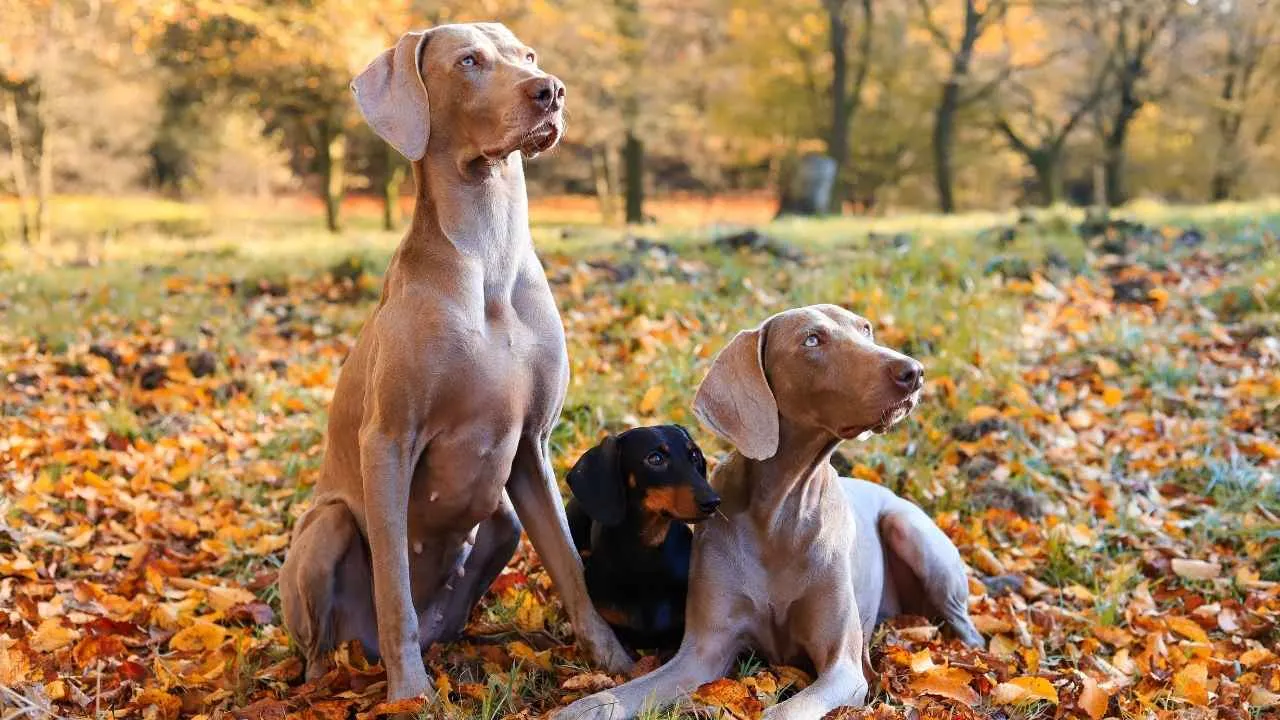
Originally developed in 19th-century Germany, Weimaraners were bred for speed, courage, endurance, and excellent tracking skills.
Nicknamed the “Gray Ghost” for their sleek gray coat, these athletic sporting dogs are built for long days outdoors. They are loyal, affectionate, and make excellent adventure companions for active owners.
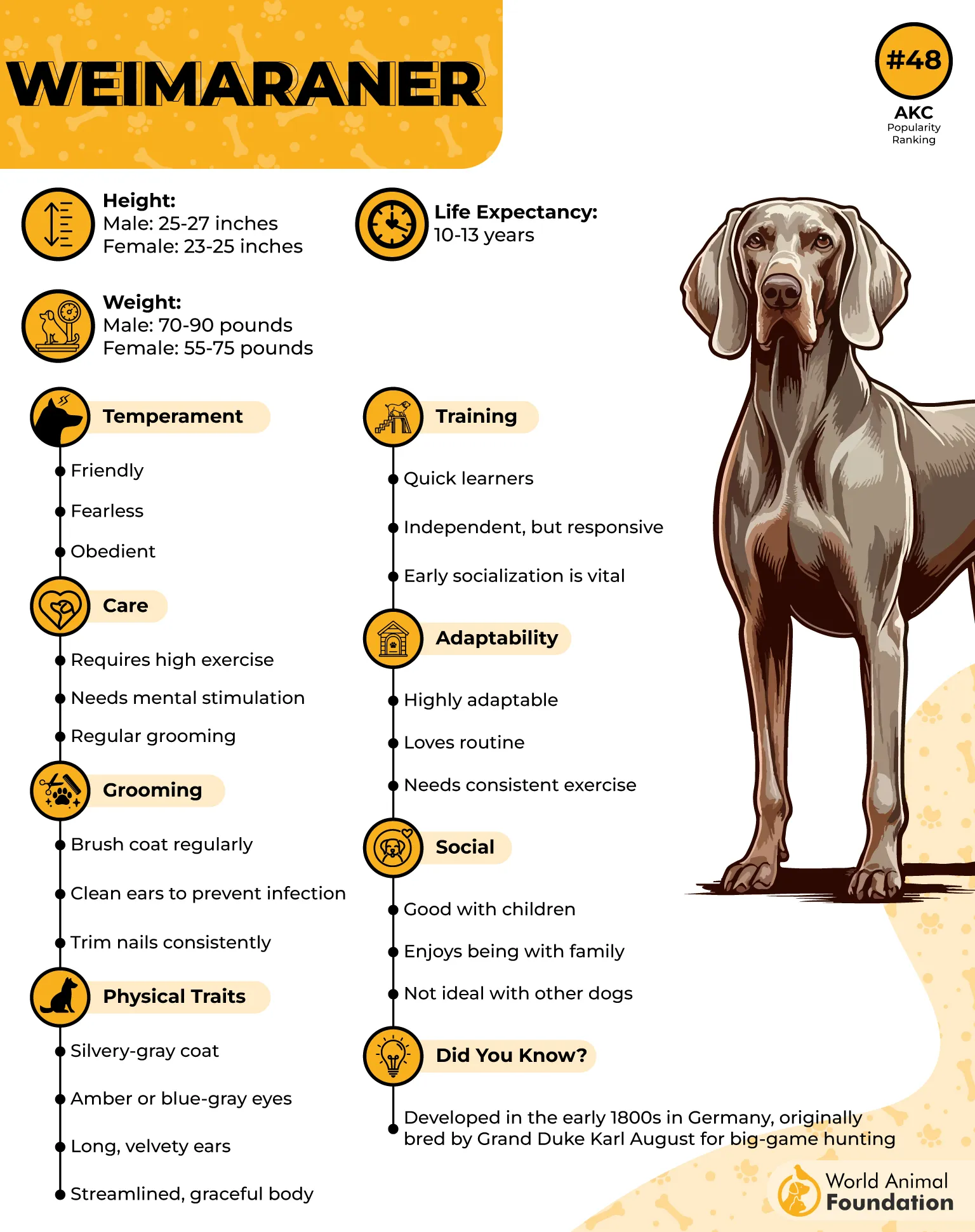
Why They’re Great for Wilderness Adventures
Weimaraners are fearless, intelligent, and highly trainable. They love running, hiking, tracking, and other outdoor activities that keep both their body and mind busy. Their natural stamina allows them to cover long distances with ease, and they happily keep pace on runs or bike rides.
They are devoted to their families, enjoy spending time with children, and usually get along well with other dogs when properly socialized.
Things to Keep in Mind
Weimaraners need lots of daily exercise, training, and human interaction. Without enough activity, they can become bored and destructive. Their strong hunting instinct means they may chase smaller animals, so they are not always the best match for homes with small pets.
Omlet says that they can also be stubborn, especially when young, but patient and consistent training helps them become well-mannered companions. Their short coat is easy to maintain and sheds moderately, making grooming relatively simple.
4. Vizsla
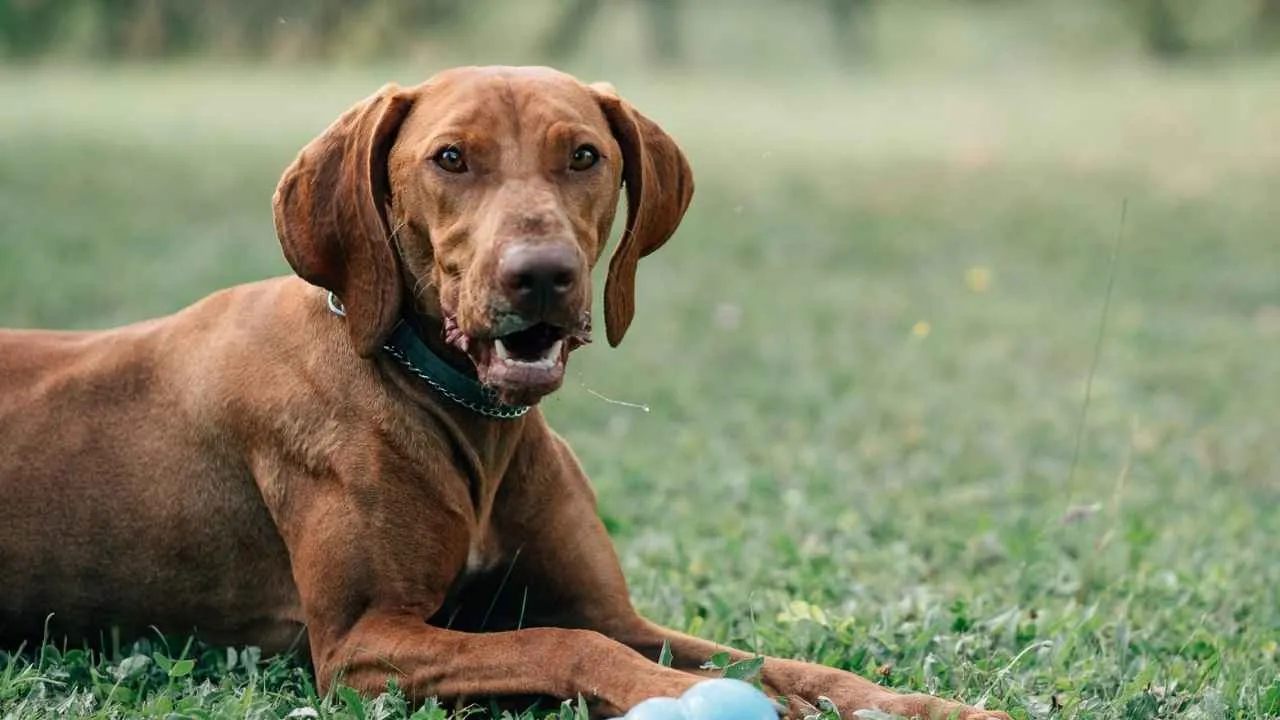
Originally bred as close-working hunting dogs, Vizslas are happiest when they are outdoors with their people. These athletic dogs are full of boundless energy and love hiking, running, swimming, and exploring new trails.
Their affectionate personality has earned them the nickname “Velcro dogs” because they always want to stay close to their owners.
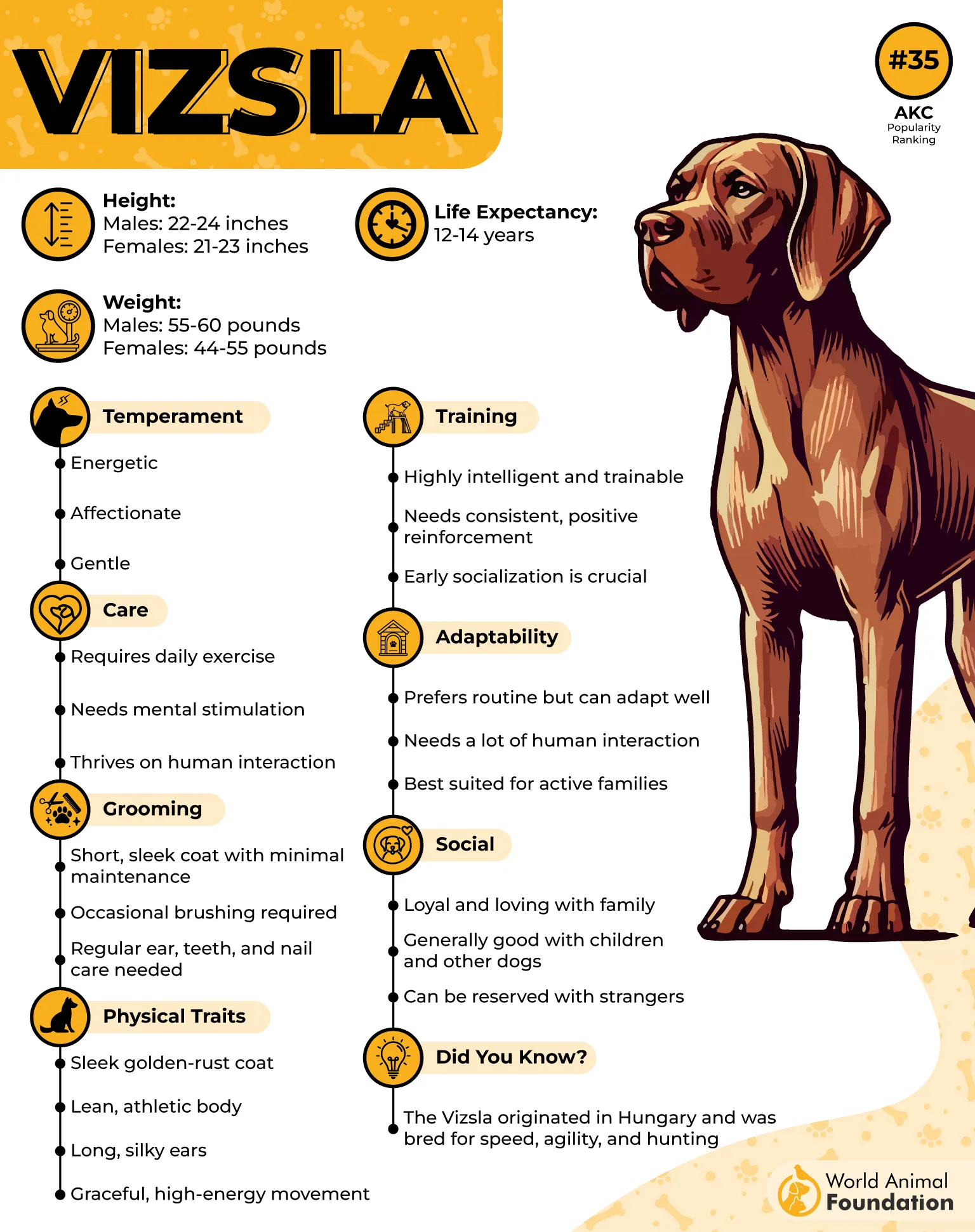
Why They’re Great for Wilderness Adventures
Vizslas have the stamina and enthusiasm for long outdoor adventures. They are highly intelligent, easy to train, and eager to please, making them excellent hiking and jogging partners. They enjoy spending time with active families and are gentle with children.
Well-socialized Vizslas usually get along with other dogs, cats, and strangers. They also make reliable watchdogs without barking excessively and have even worked as guide dogs and search-and-rescue dogs.
Things to Keep in Mind
Vizslas need plenty of daily exercise, mental stimulation, and human interaction. They do not like being left alone and may develop separation anxiety or destructive habits like chewing and digging if bored.
Their strong hunting instinct means they may chase small pets, so training and recall are important during outdoor adventures. They respond best to gentle, positive training and can be sensitive to harsh corrections or loud noises like thunderstorms.
5. Dalmatian
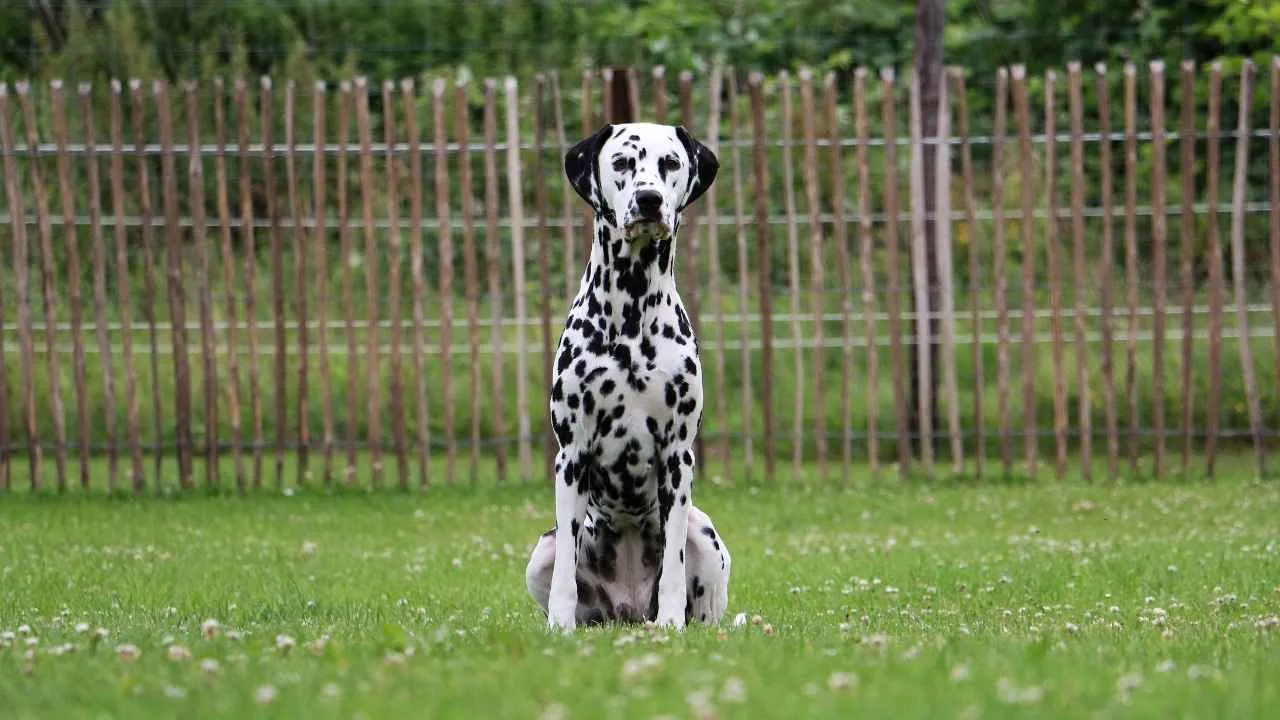
Best known for their famous spotted coat, Dalmatians are also powerful and energetic dogs built for endurance.
Originally bred to run alongside horse-drawn coaches, they have the stamina to handle long hikes, trail runs, and other wilderness adventures. They are intelligent, loyal, and happiest when included in every family activity.
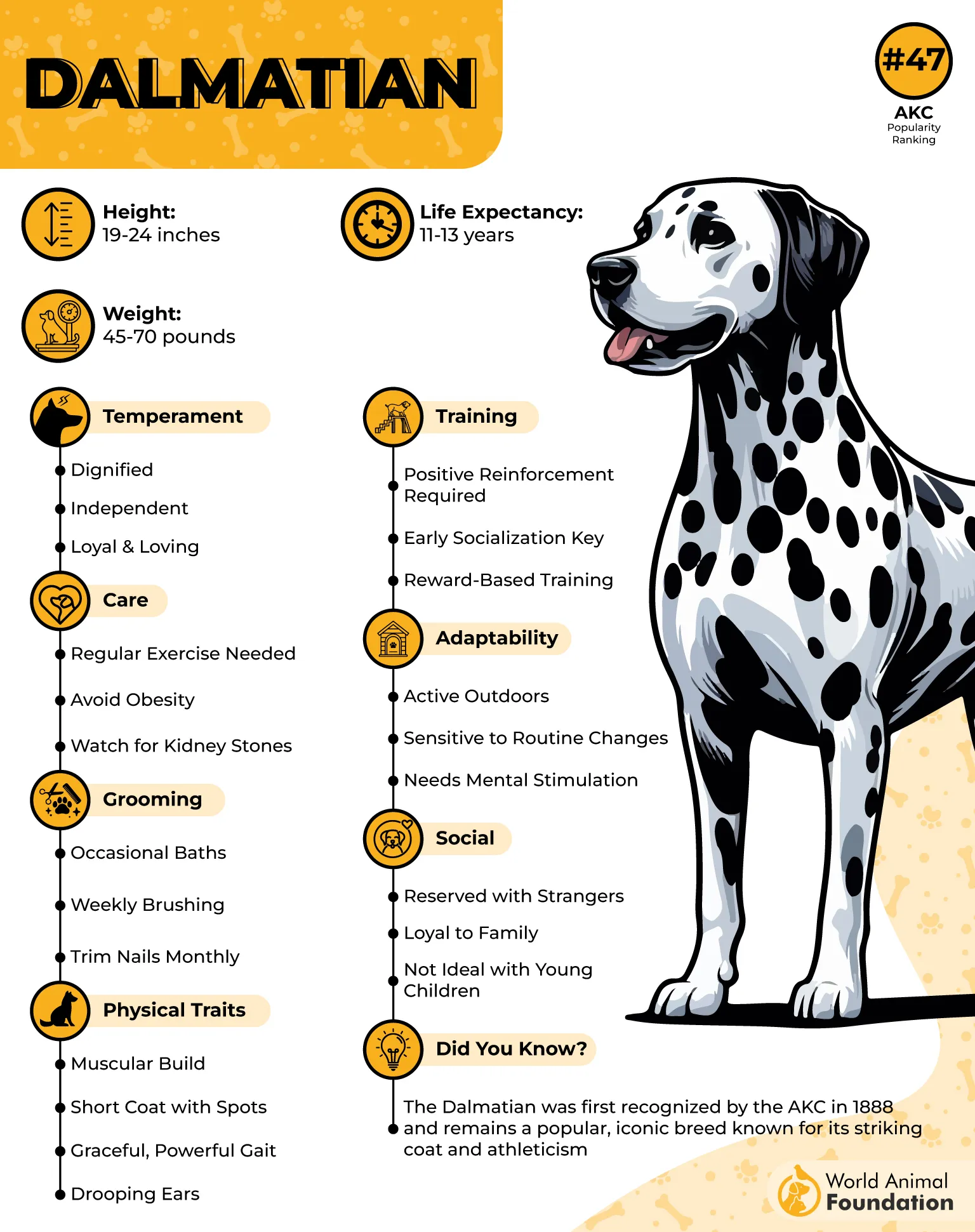
Why They’re Great for Wilderness Adventures
Dalmatians are natural athletes with strong muscles and excellent endurance. They make great companions for runners, hikers, and active families who enjoy spending time outdoors. They are affectionate, eager to please, and form strong bonds with their people.
Naturally alert, they also have good watchdog instincts. With proper exercise, they are playful, entertaining, and enjoy relaxing with their family after a day of adventure.
Things to Keep in Mind
Dalmatians need plenty of daily exercise to stay happy and well-behaved. Without enough activity, they can develop destructive habits. They respond best to gentle, patient, and consistent training, as they are sensitive to harsh treatment.
Early socialization and obedience training are important because some Dalmatians may chase smaller animals and become overly excited around visitors. Their unique spotted coat is low-maintenance, but they thrive best in active homes where they can stay both physically and mentally engaged.
6. Portuguese Water Dog
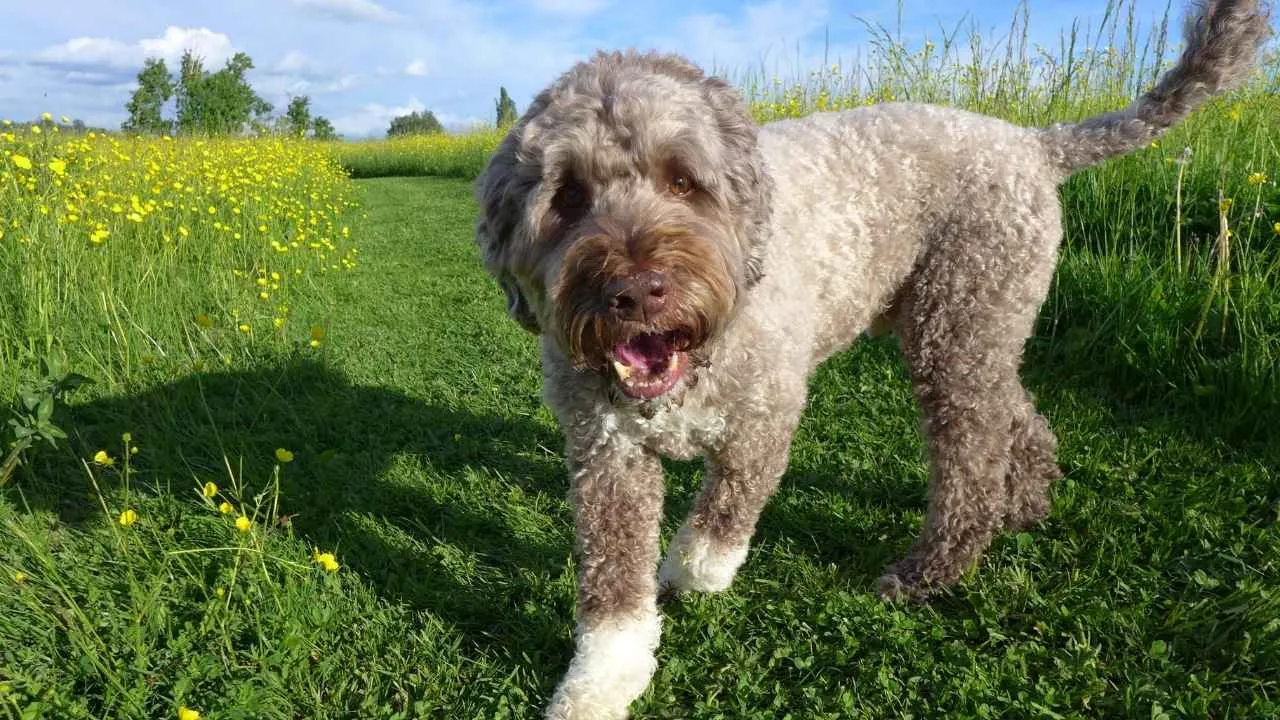
Originally bred as hardworking water dogs, Portuguese Water Dogs are energetic, intelligent, and always ready for adventure.
Whether they’re hiking wooded trails or splashing through lakes and rivers, these athletic dogs thrive in the outdoors. They are affectionate, loyal companions that prefer staying close to their families rather than being left alone.
Why They’re Great for Wilderness Adventures
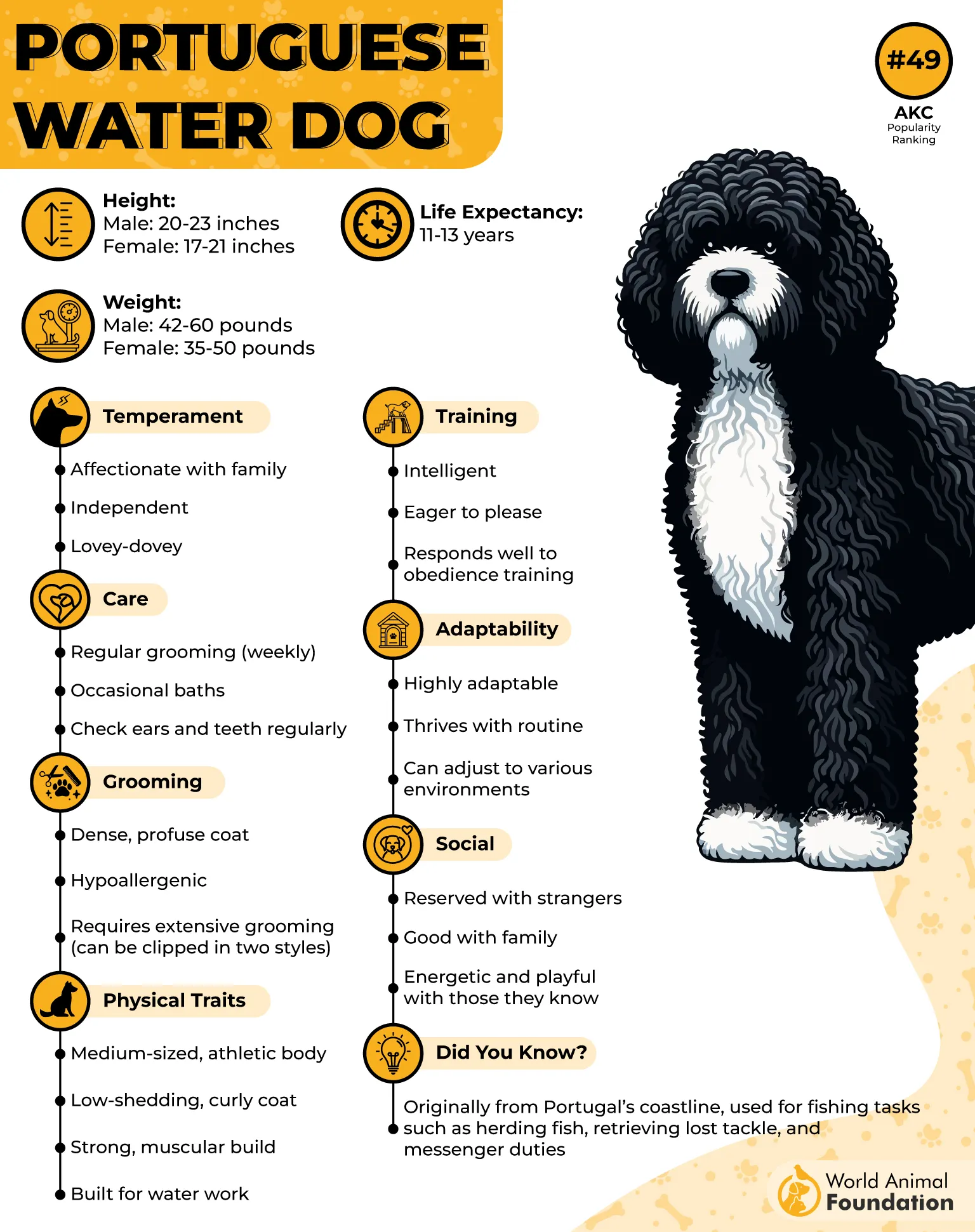
Portuguese Water Dogs have the energy and stamina needed for active outdoor lifestyles. True to their name, they love swimming and spending time around water. They are highly intelligent, quick learners, and excel with positive training.
Friendly and playful, they usually get along well with children, other dogs, and cats when raised together. Their loyalty and alert nature also make them reliable watchdogs, and they have even worked as hearing, mobility, and seizure-response assistance dogs.
Things to Keep in Mind
Portuguese Water Dogs need plenty of physical and mental stimulation and interaction with people. If they become bored or spend too much time alone, they may chew, dig, or develop other destructive habits. They do best in homes with a large, secure yard and active owners who can keep them engaged.
They may be cautious around strangers at first and have a strong instinct to roam, so early training is important. Although often considered low-shedding, people with allergies should spend time with the breed before bringing one home.
7. Siberian Husky
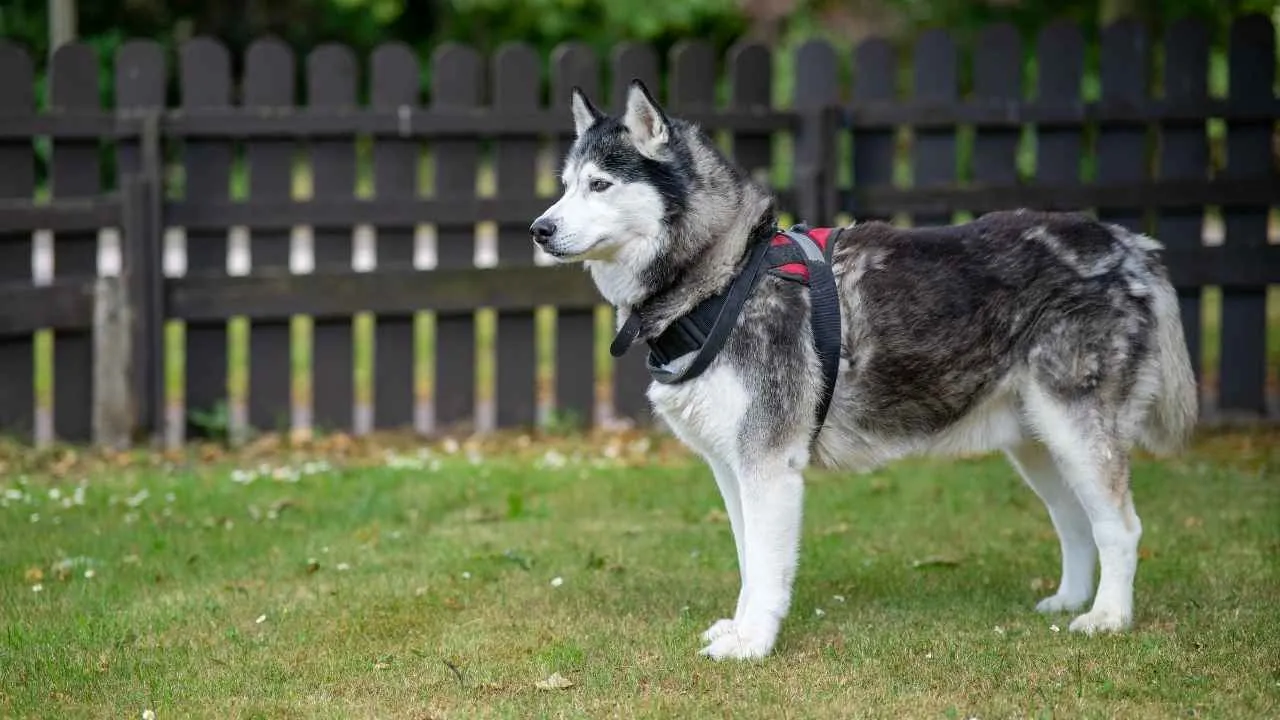
Bred to pull sleds across long distances, Siberian Huskies have the endurance, energy, and resilience needed for wilderness adventures.
These athletic dogs love staying active and enjoy exploring with their families. Their playful, social nature makes them fun companions for owners who have an active lifestyle.
Why They’re Great for Wilderness Adventures
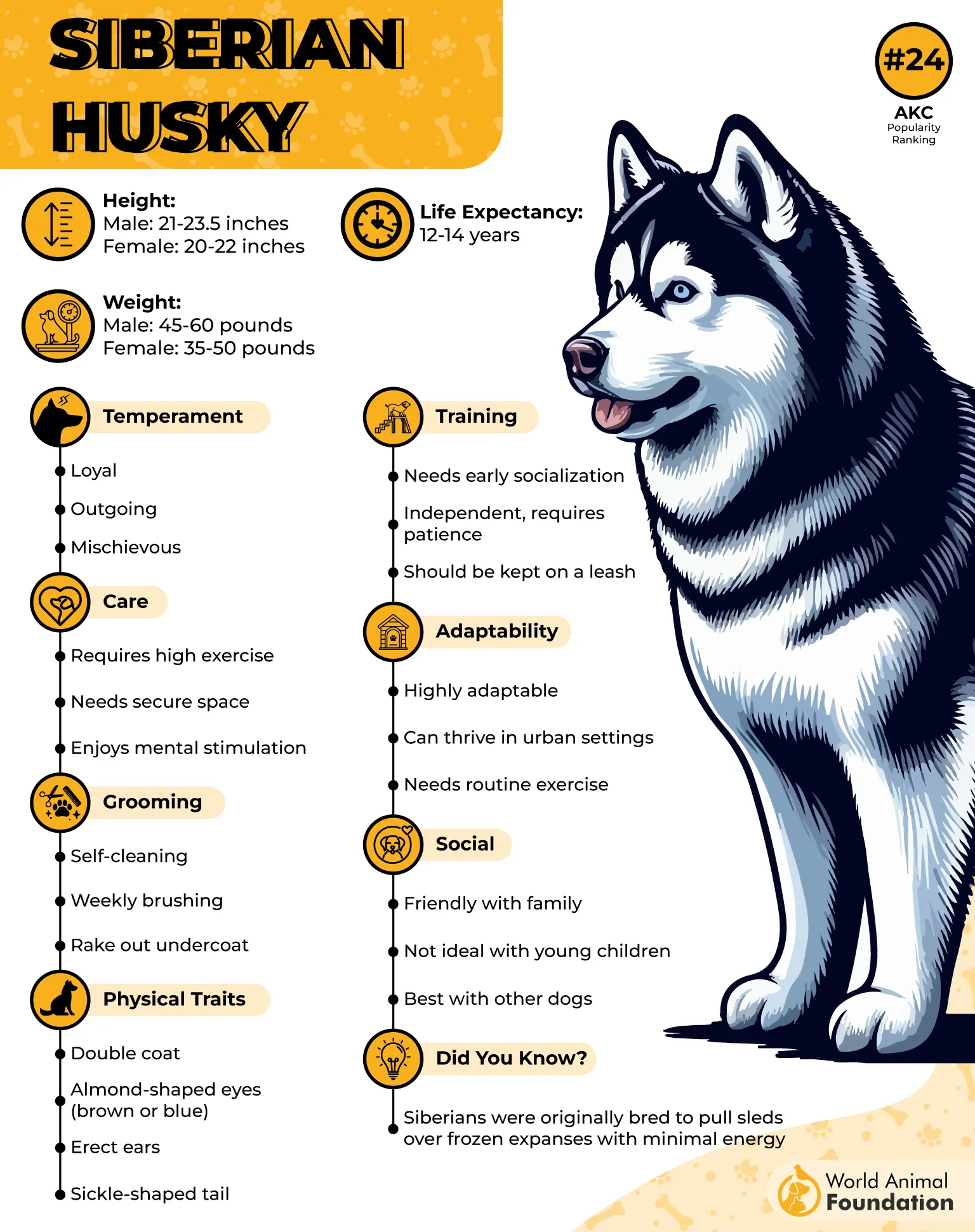
Huskies are energetic, intelligent, and built for long days of activity. They thrive on hiking, running, and exploring new trails, especially in cooler weather. Friendly with people of all ages and usually good with other dogs, they enjoy being part of an active family.
Britannica mentions they are expressive dogs that communicate through howls, chirps, and other unique sounds, making every adventure even more entertaining.
Things to Keep in Mind
Siberian Huskies need lots of daily exercise, mental stimulation, and consistent training from an early age. They are independent and strong-willed, so they are not the easiest breed to train, and recall can be challenging. Without enough activity, they may dig, chew, or try to escape in search of adventure.
Although they are alert, they are too friendly with strangers to make good guard dogs. They also tend to be very vocal, so they may not be the best choice for homes with close neighbors.
Conclusion
The best dog breeds for wilderness adventures all share one thing in common—they love being active and exploring the outdoors with their people.
From rugged hiking trails to lakeside camping trips, each breed brings its own strengths, whether it’s endurance, intelligence, agility, or a love of water. The key is choosing a dog whose energy level and personality match your lifestyle and adventure goals.
Before heading into the wild, remember that every great adventure starts with good preparation. Proper training, regular exercise, and the right gear will help keep both you and your dog safe and comfortable on every trip.
Find the breed that fits your pace, pack your essentials, and get ready to create unforgettable memories with a loyal companion by your side.
