




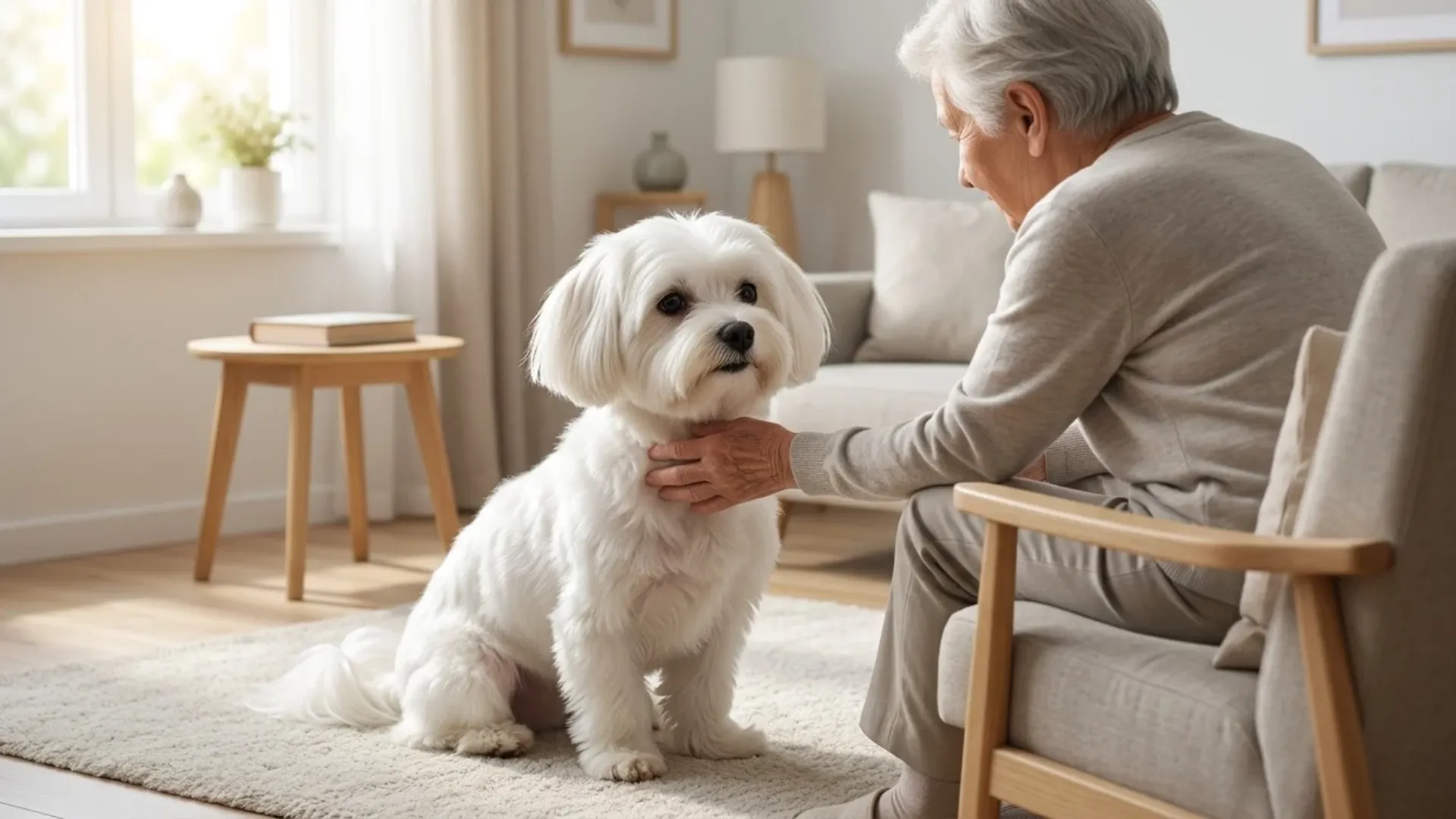
A dog can turn an ordinary morning into something worth getting up for. There’s the happy tail thumping against the floor, the hopeful stare at the treat jar, and that unmistakable look that says, “Let’s go outside, slowly, of course.”
For many seniors, the right dog is more than a pet. It is a steady companion, a reason for a daily walk, and a little bundle of joy that makes a house feel alive.
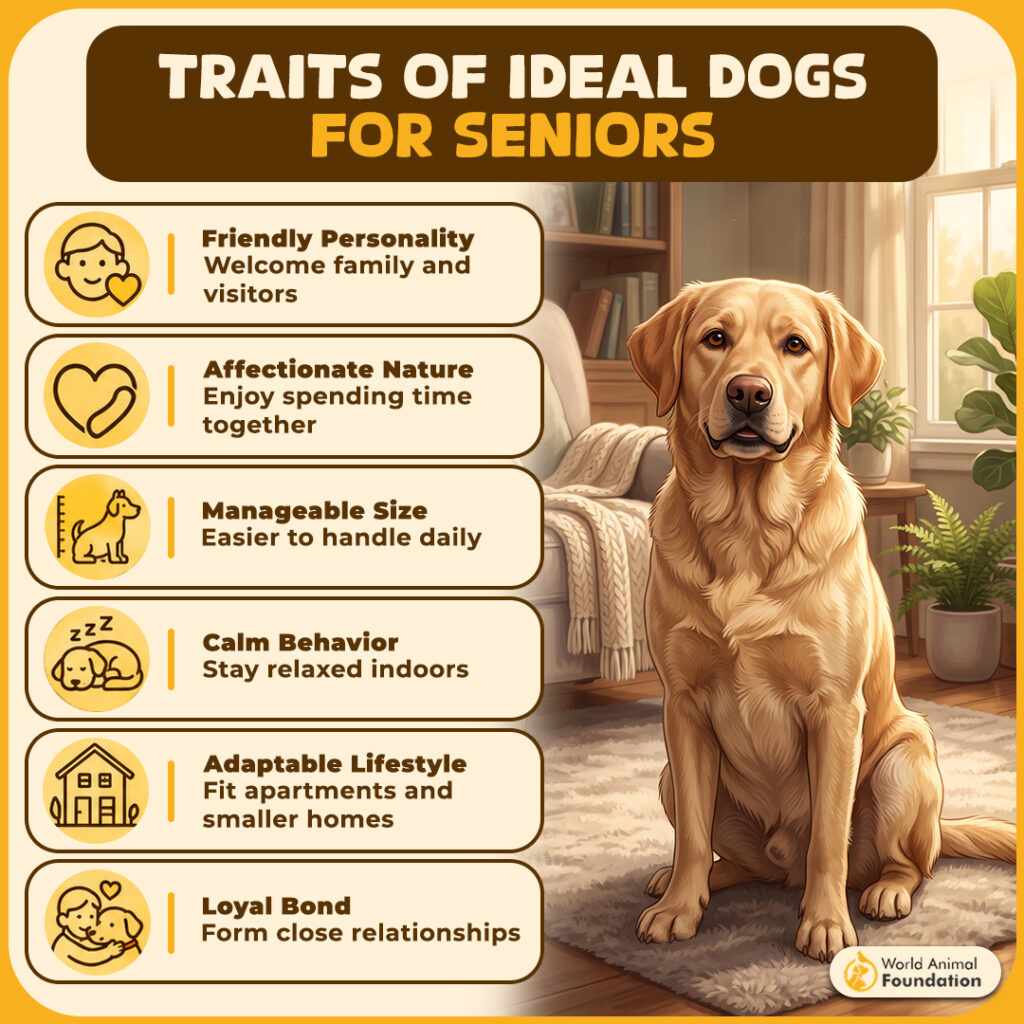
But not every breed suits a quieter lifestyle. Some dogs need a marathon runner’s schedule; others are perfectly content with a short stroll and a long nap beside you. The best choice is usually friendly, easygoing, and adaptable, qualities that matter far more than a fancy pedigree.
Best Dog Breeds for Seniors – Friendly and Adaptable
1. Bichon Frise
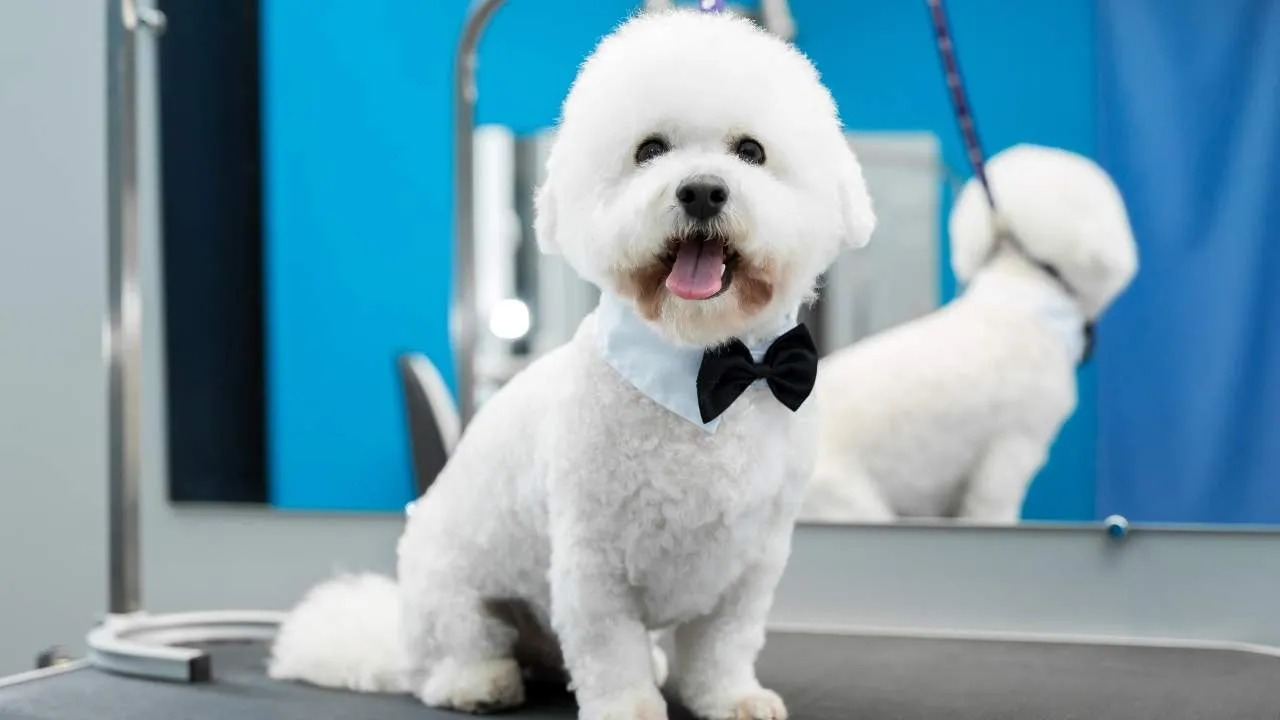
Though its ancestors lived in Tenerife, on the Canary Islands, it was carried to Europe in the 13th century, where it was kept as a companion dog by the royalty. King Henry III of France is famously known to have carried the breed in his basket, according to Chewy.
This small dog has a dense and curly white double coat that traps the loose hair inside and can be removed easily with weekly brushing.
It was born with a good sense of humor, and the circus history has developed the desire to please the owner with its distinctive antics. Being extroverted in nature, it makes good friends with everyone, even strangers.
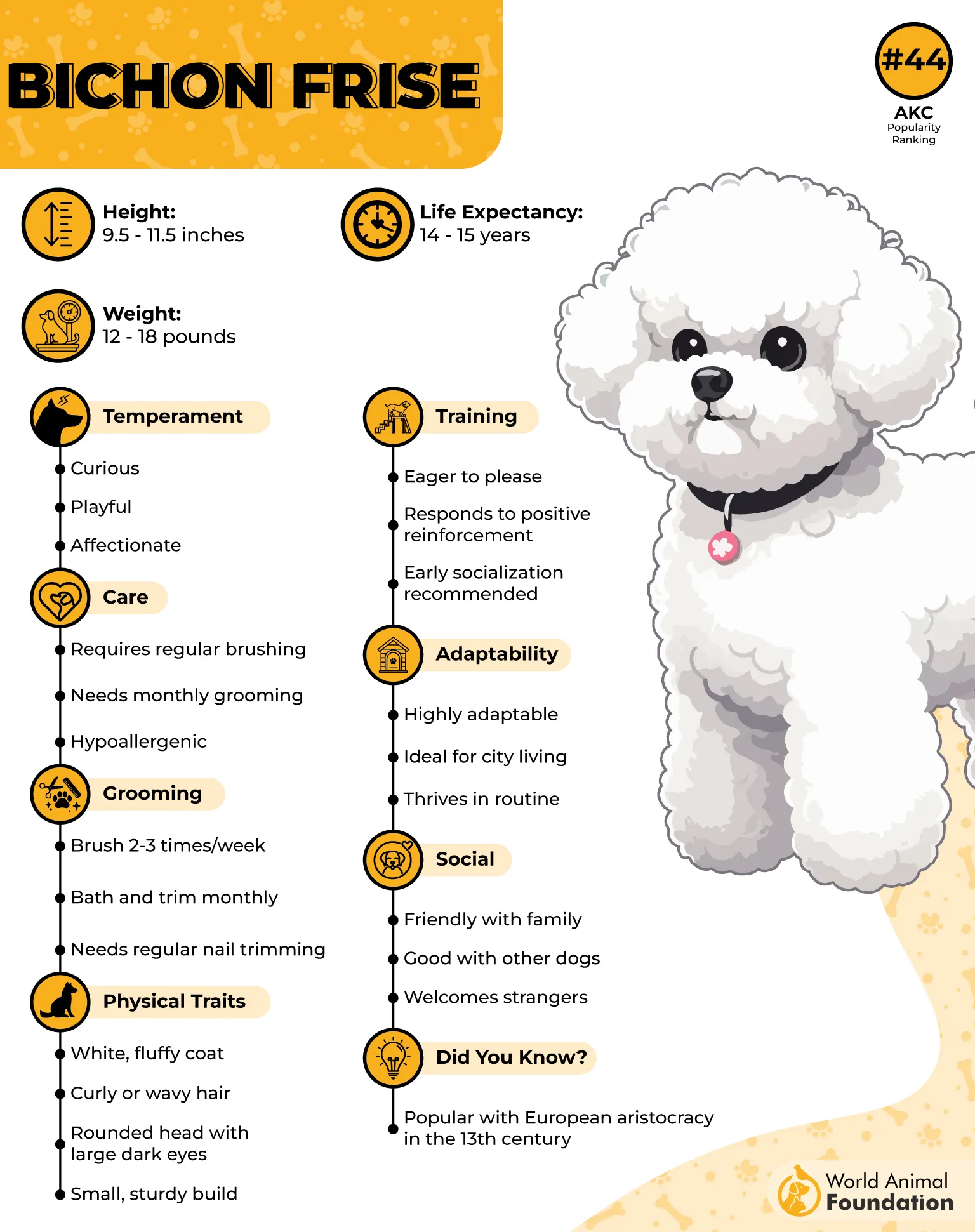
The breed has a moderate energy level and needs regular exercise (30-60 minutes daily). It has short bursts of energy where it jumps around, and then it goes back to the prolonged resting phase.
2. Shih Tzu
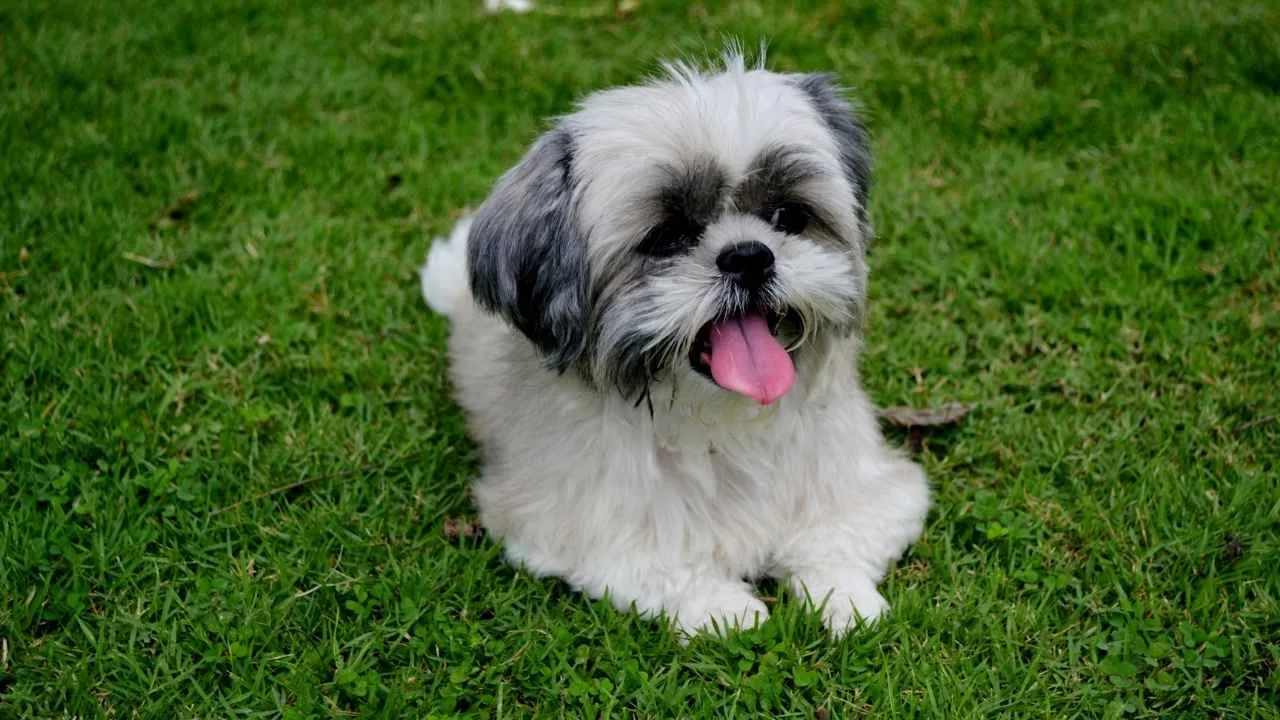
The toy or pet dog was originally bred in Tibet by crossing the Pekingese and the Lhasa Apso. The primary purpose of the small breed was to serve as a watchdog. It entered America after World War II, in the 1950s, when the soldiers returned home.
Since it has a shortened muzzle and an upper jaw because of its brachycephalic nature, the Shih Tzu is sensitive to hot environments and prolonged exertion. A well-bred Shih Tzu processes environmental stimulation with great emotional stability and does not respond instantly. It tends to mirror the energy level of the household.
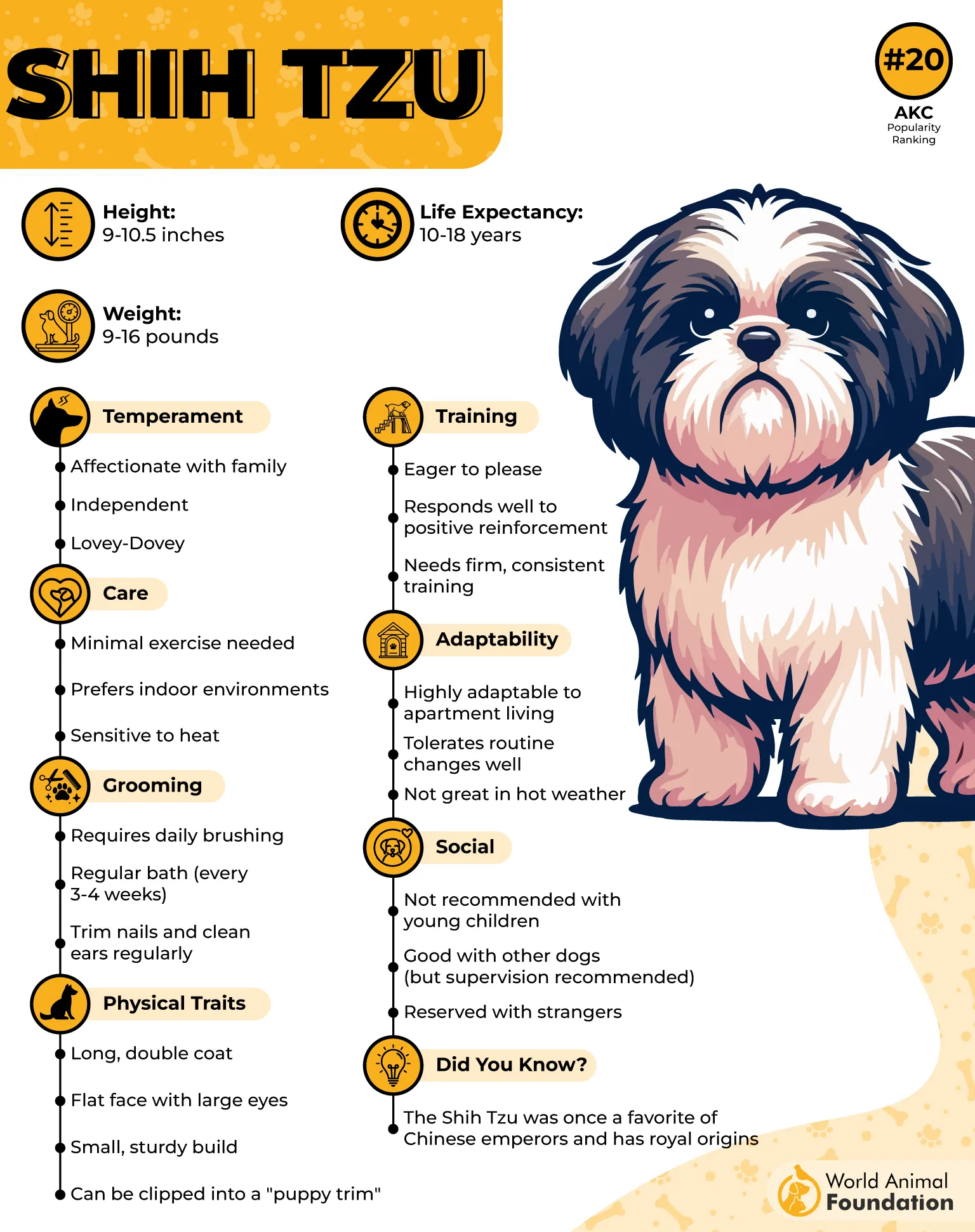
It has a natural habit of greeting guests warmly instead of hiding aggressively. It is a low-to-moderate barker and tends to bark at an unwelcoming guest.
3. Maltese
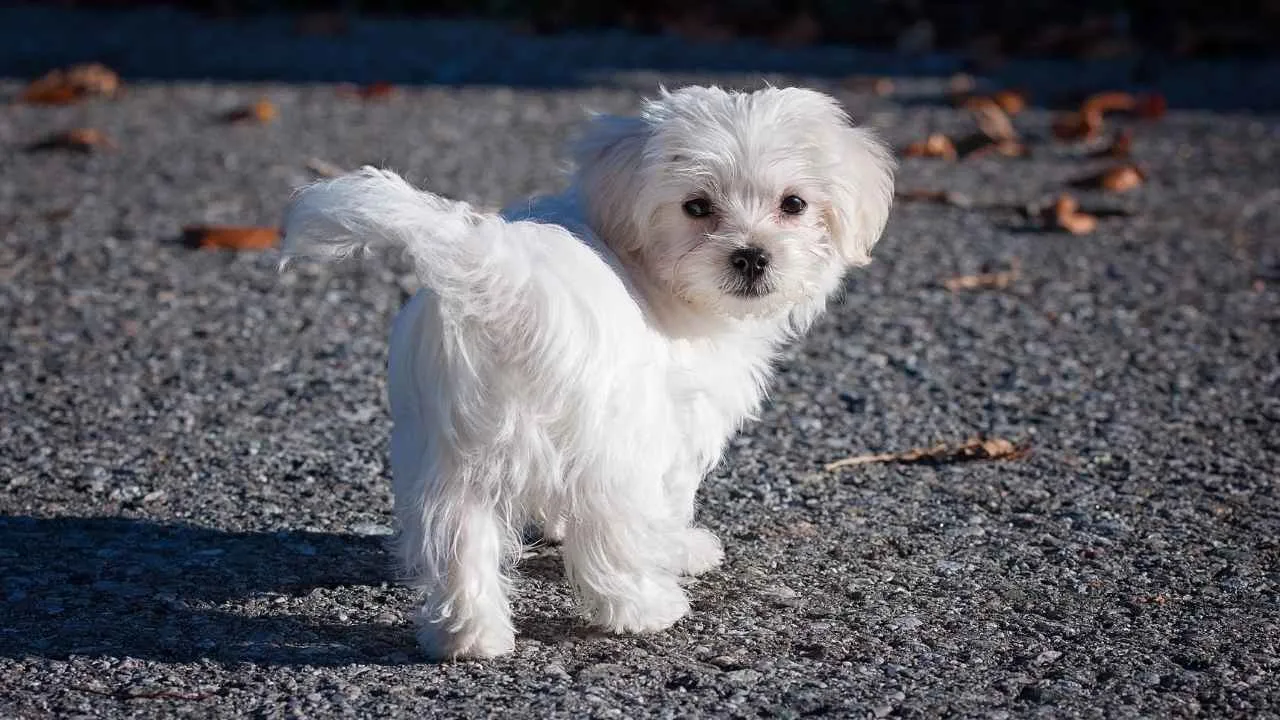
The dwarf, white dog breed was developed on the island of Malta and is closely related to the Bichon, Bolognese, and Havanese breeds. However, it is believed that the breed is descended from the Spitz-type dogs, as reported by Wikipedia.
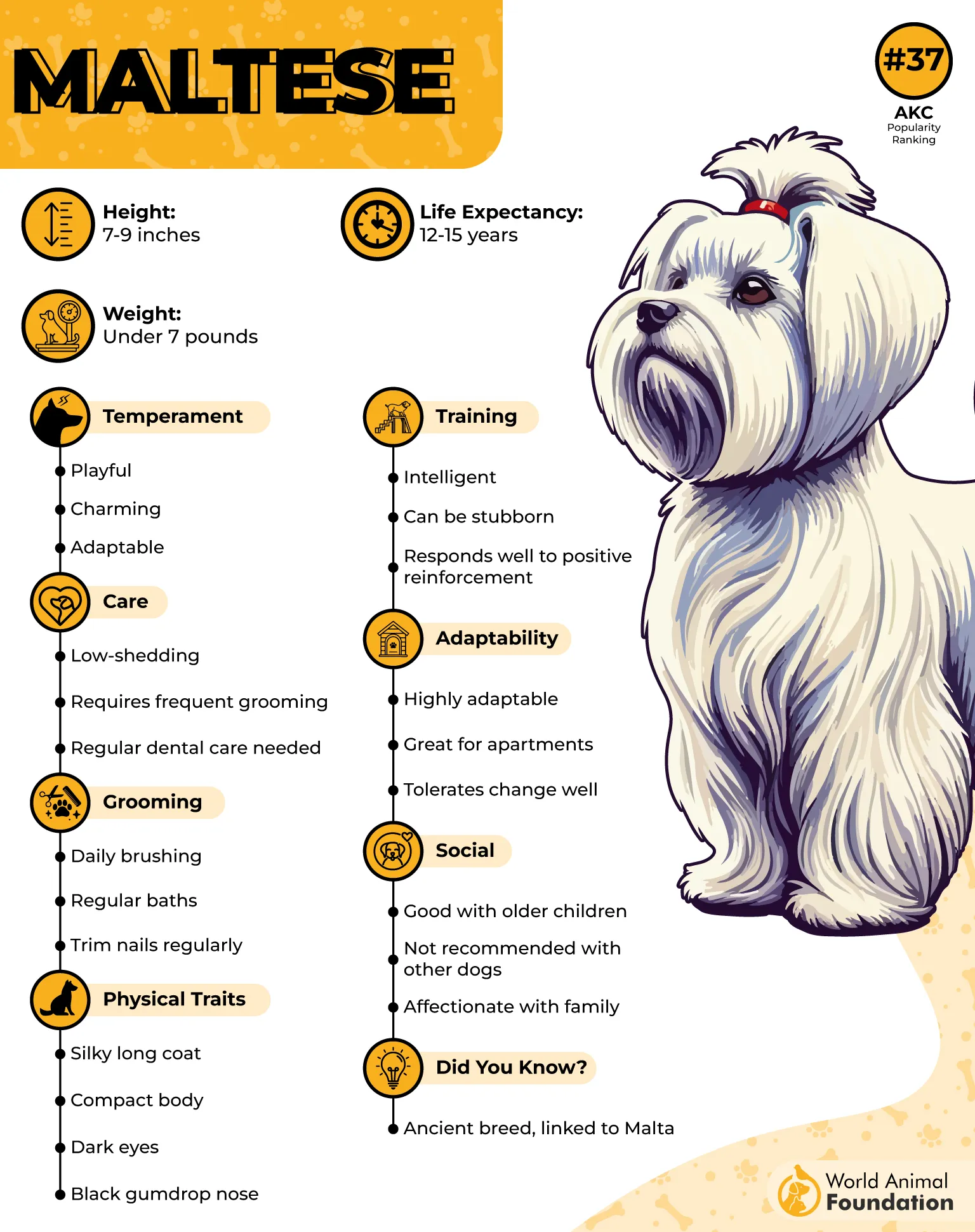
The adaptable dog breed carries its puppy-like attributes into its senior years (playfulness). It thrives in learning new tricks, such as weaving, fetching, or sitting politely for treats and showing them off to the owner. Being a naturally alert dog, it has a strong sense of smell and may bark at an unusual activity.
The affectionate dog completely lacks an undercoat and does not go through seasonal shedding. It has a low body mass and compact skeletal structure; it cannot jerk off the leash aggressively, making neighborhood walks easy.
4. French Bulldog
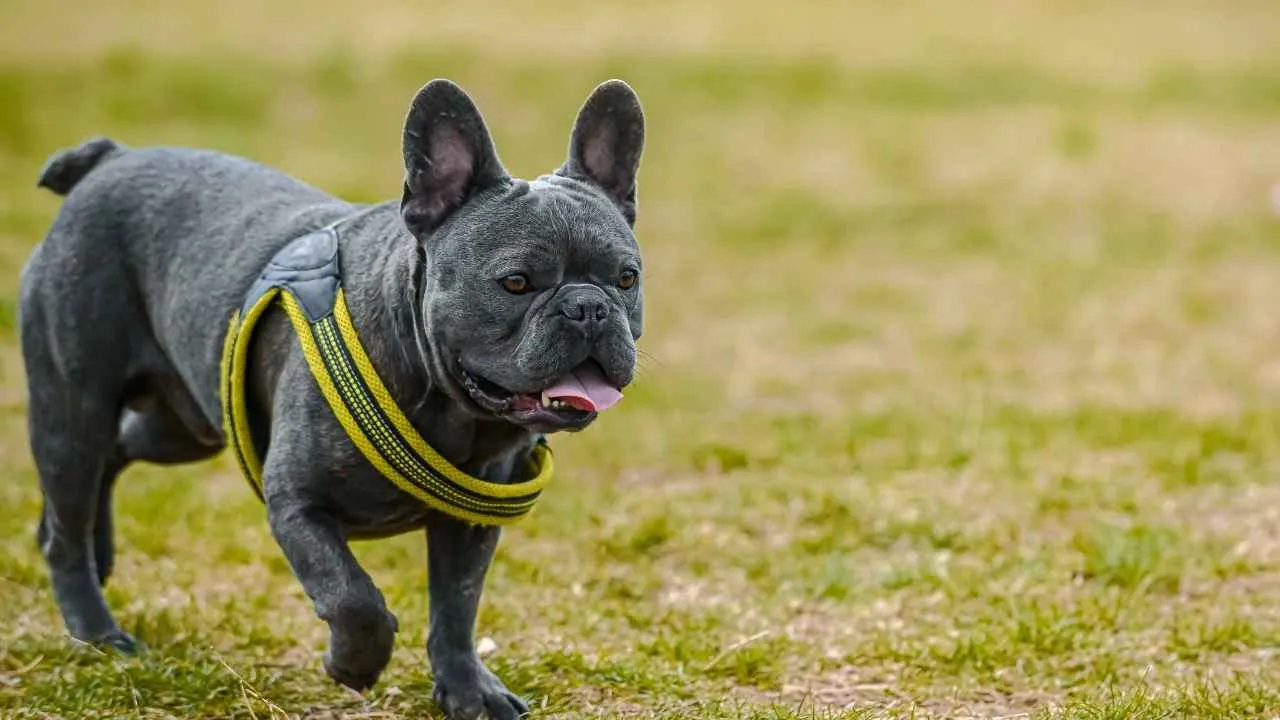
This toy dog breed was developed in Paris, France, in the 19th century by crossing the local Parisian rat terrier and the Toy Bulldog. The Parisian noblewomen alike once favored it. Today, it is commonly kept as a family pet because of its gentle disposition.
Classified as the easygoing clown, the furry friend welcomes guests with a wagging tail and grabs attention by performing antics. It generally has a laid-back energy and goes back to the couch after 5 minutes of indoor fetching. It sits like humans on its hips and flops onto the floor when it wants a nap.
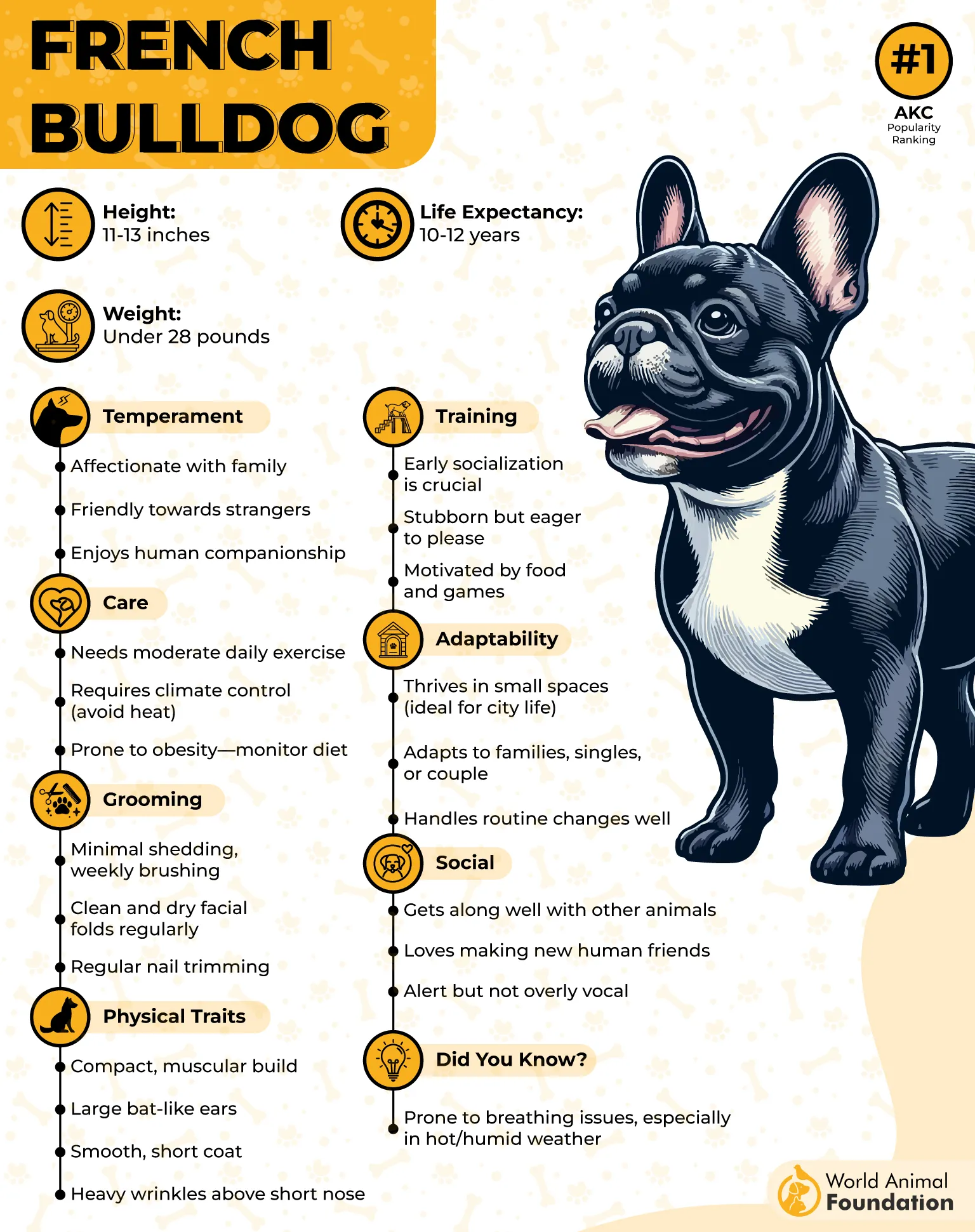
Because of the short and smooth coat, it does not require extensive grooming. Weekly brushing, occasional wiping of facial wrinkles, and monthly baths are enough/
5. Pug
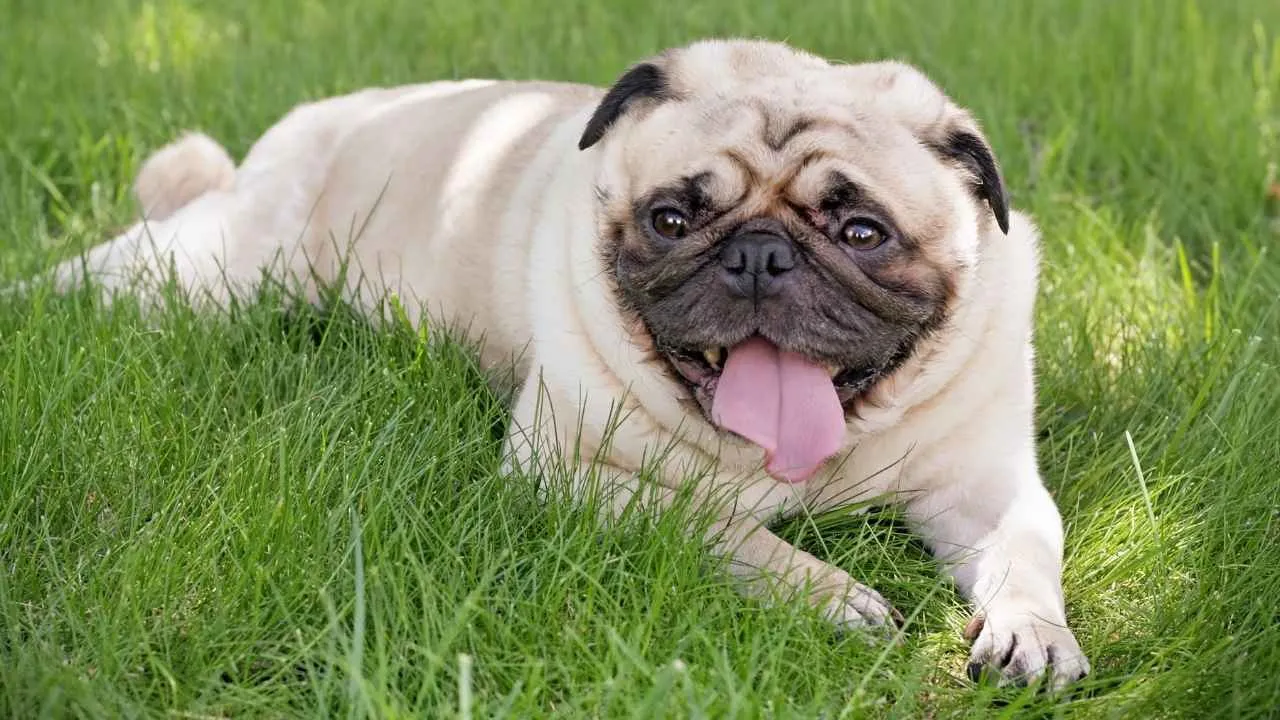
Thought to have first developed in the Orient centuries ago, the Pug is descended from the mastiff-type dog. It traveled from China to Europe in the 18th century through the East India trading company. The name comes from a Latin word, ‘Pungus,’ which means a ‘clenched fist,’ says Omlet.
With its ‘dry’ sense of humor, it tends to have a serious look and is ideal for an even-tempered companion. Because of its flat face, it produces snorts, wheezes, low grumbles, and rarely barks aggressively. Since it is highly food-motivated, the breed is trainable with reward training.
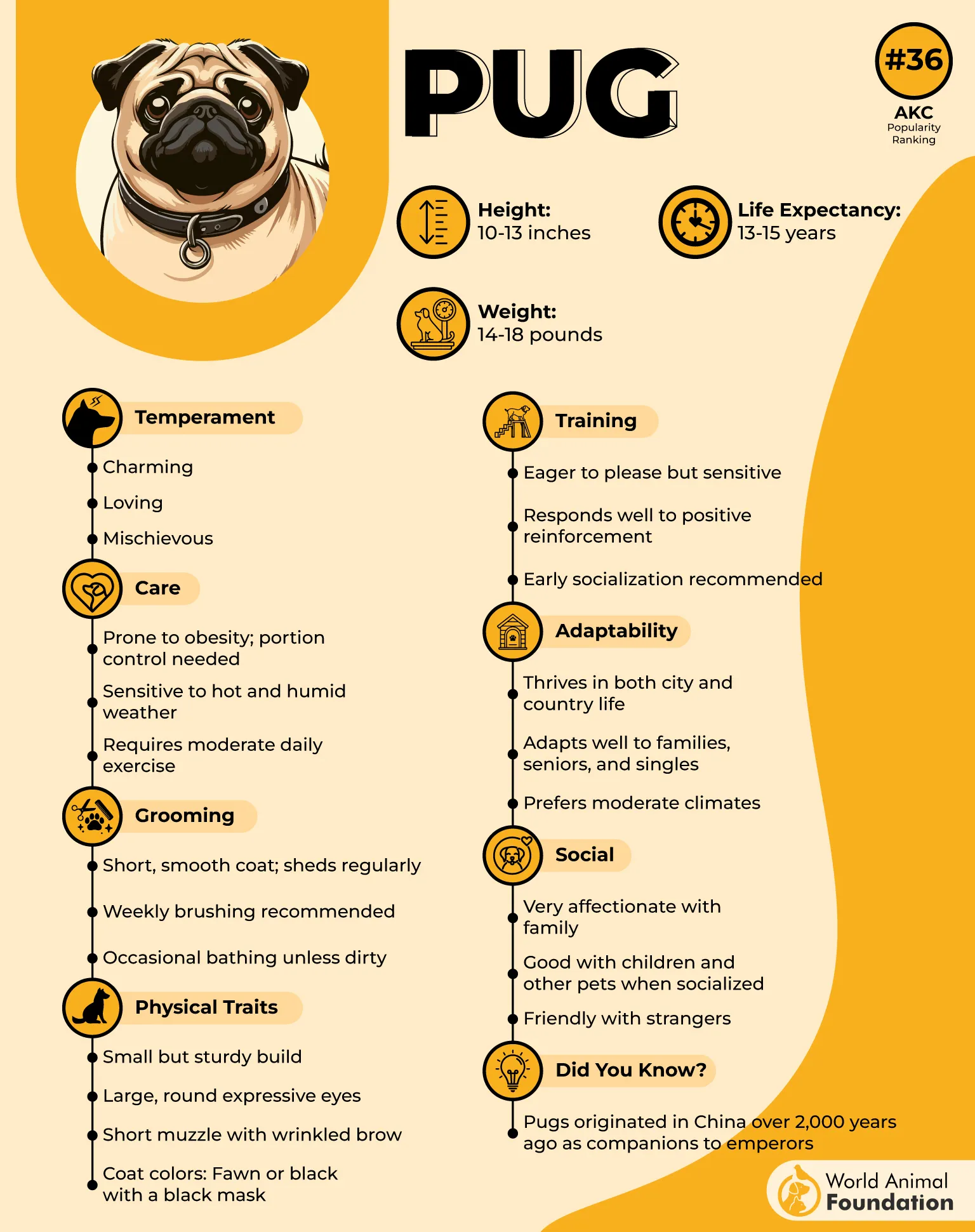
The dog is known for having a jaunty trot featuring a roll of the hindquarters, giving it a ‘double tracking’ gait and walks at a slow pace. Since it has no working history, it has a calm temperament.
6. Havanese
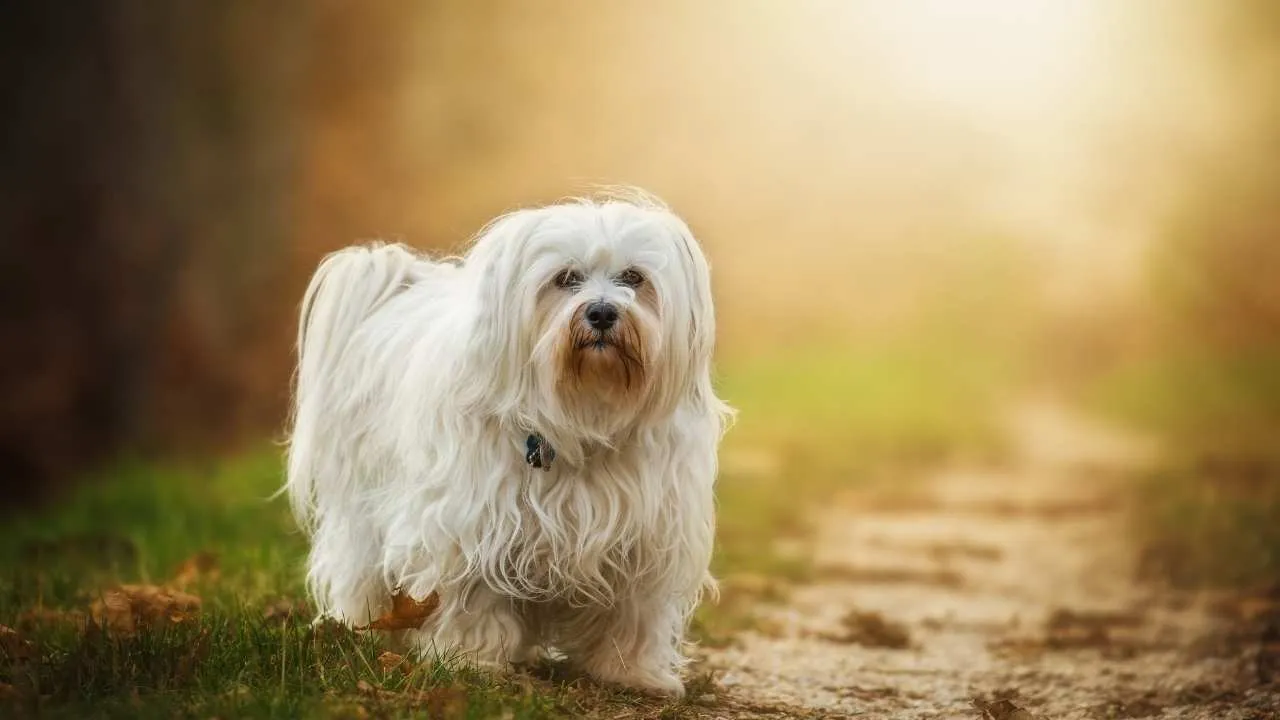
Originally developed in the Mediterranean region centuries ago, the white breed is descended from the Bichon type dogs. It was gifted to Cuba by Spanish traders and soon gained popularity among the rich. After making its way back to Europe, it was adopted as a circus dog.
The small breed has a bouncy and Springy gait, mirroring its lighthearted disposition. The signature plumed tail arches gracefully forward over the back and actively communicates with the owner. It thrives in playing indoor games, such as hide-and-seek and fetching small toys.
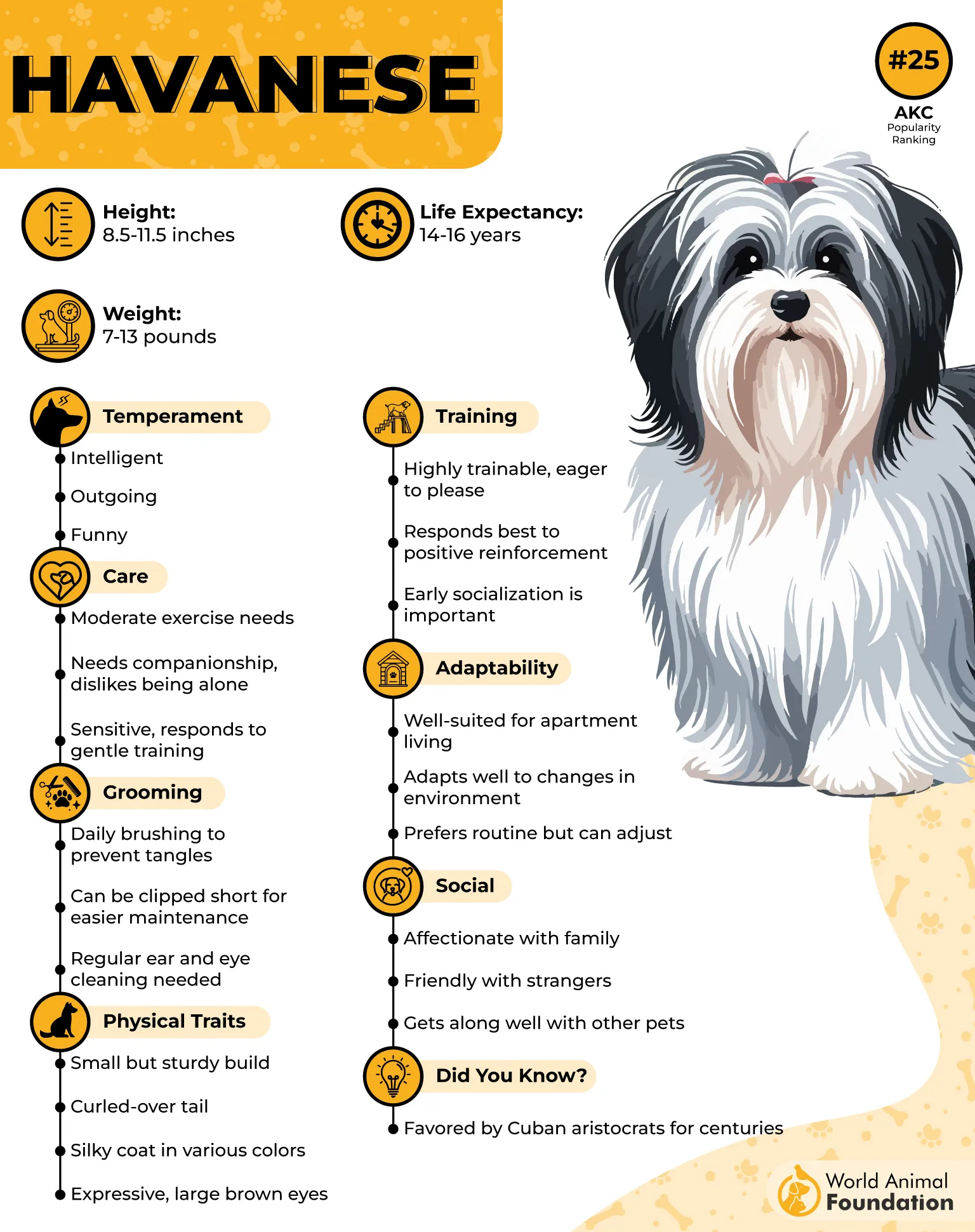
The hypoallergenic coat has a silky texture and is ideal for seniors with age-related respiratory sensitivities or asthma. It is not an independent breed and needs constant affirmation from the owner. It has an average lifespan of 14-16 years, making it ideal for reducing loneliness.
7. Greyhound
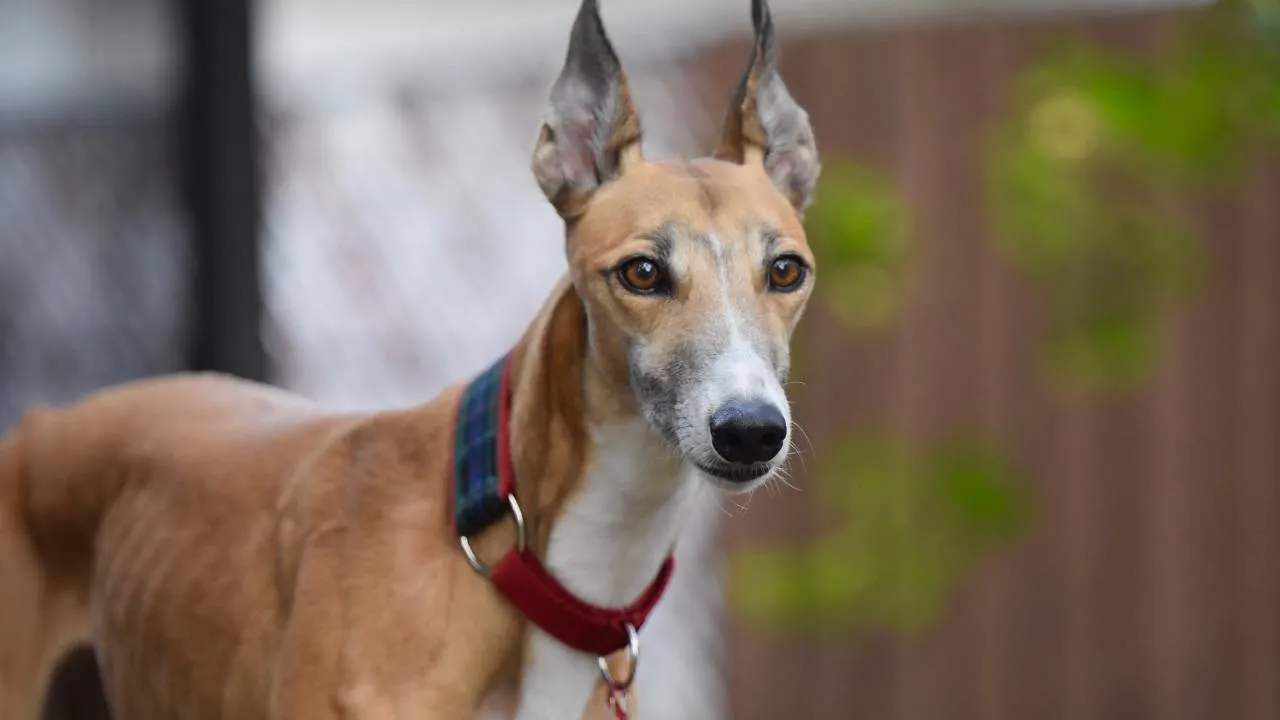
The history of this ancient breed dates back to Egypt, where it was used as a hunting dog. Pictures of a similar dog have also been found on ancient walls. It was then used to chase hares, foxes, and badgers in the 19th century and became a popular pet of royalty.
Known for ‘roaching,’ the dog loves to lie flat on the back with all four legs in the air. It can easily sleep for 16-20 hours a day and is specifically built for sprinting and not endurance. Being a Velcro dog, it tends to gently press its long body against your legs for a head scratch or affection demand.
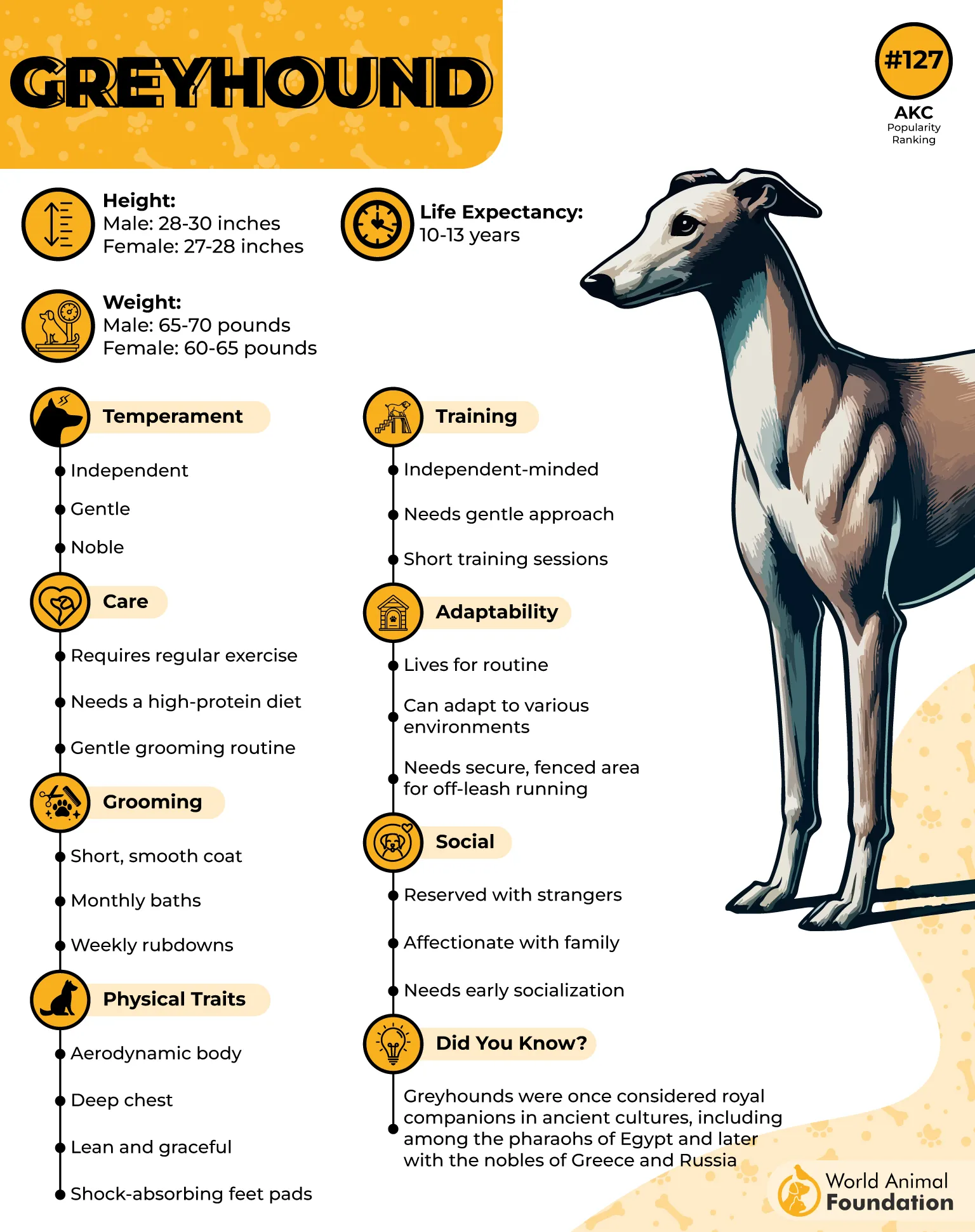
It loves to sprawl across soft surfaces because of its tightly muscled structure. It usually has a short and odorless coat with minimal grooming needs.
Conclusion
Choosing a dog later in life is not about finding the “perfect” breed. It is about finding the right match for your energy, home, budget, and daily routine. A small companion like a Maltese may suit a quiet apartment, while a calm Greyhound can bring gentle companionship to someone who enjoys longer walks.
Before deciding, meet the dog first. Ask about health history, grooming costs, temperament, and how the dog reacts to new people. An adult dog from a shelter or breed rescue can be an especially wise choice because its personality is already clear.
