




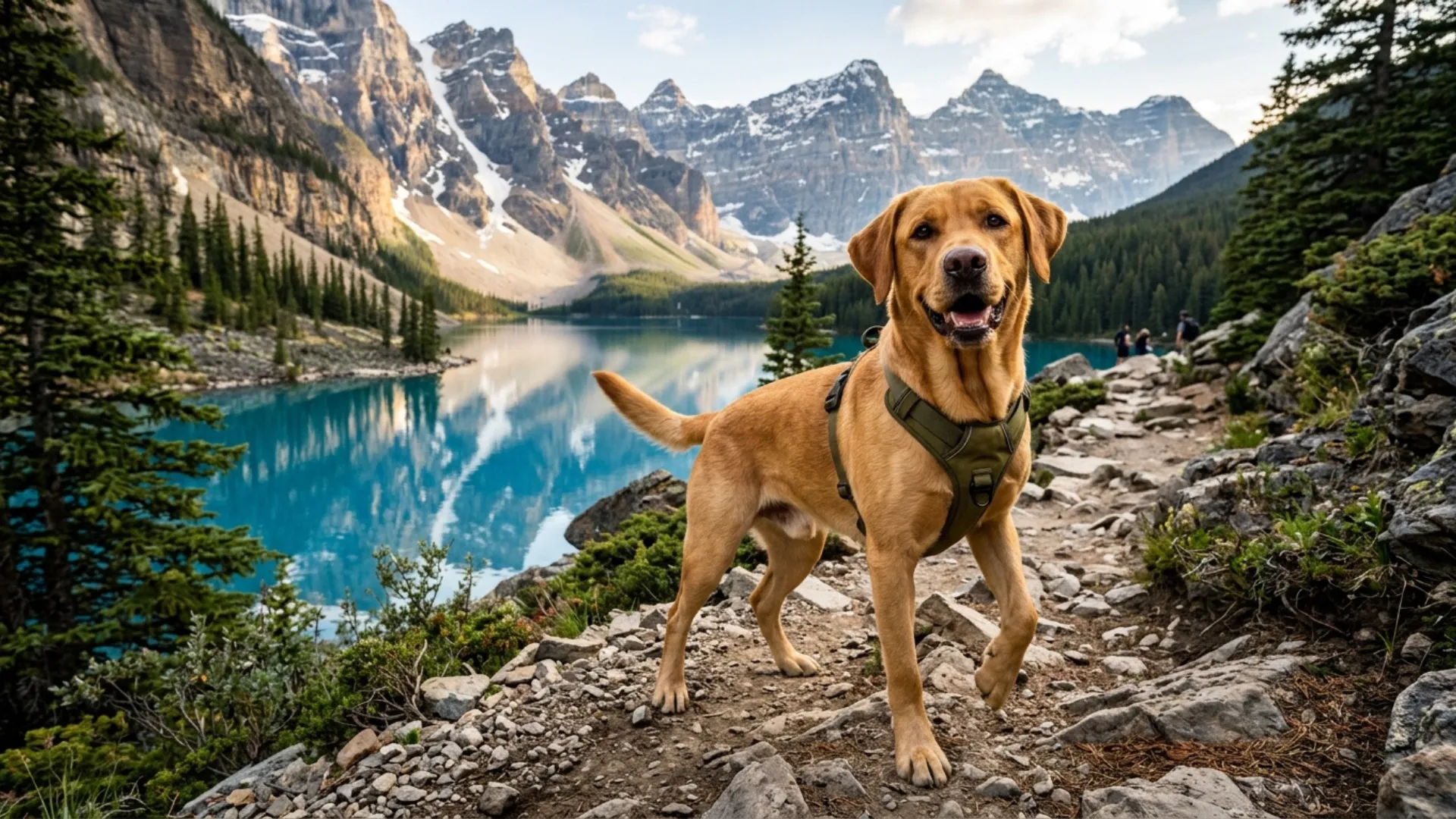
Fresh air has a way of making life feel lighter, and having the right dog by your side makes every trail, lake, or mountain even more memorable. Some dogs are simply born to explore. They thrive on long hikes, challenging runs, camping weekends, and endless games in open fields.
If you’re thinking about getting an outdoor dog, keep your area’s climate and the dog’s coat type in mind before choosing a breed. Whichever dog you pick, make sure they always have plenty of fresh water, warmth in winter, and shade in summer.
If you’d rather trade screen time for sunshine, picking the right breed can make every outing safer, more fun, and full of memories worth keeping. Here’s a look at some dogs that truly come alive outdoors.
Best Dog Breeds for a Thrilling Outdoor Experience
1. Border Collie
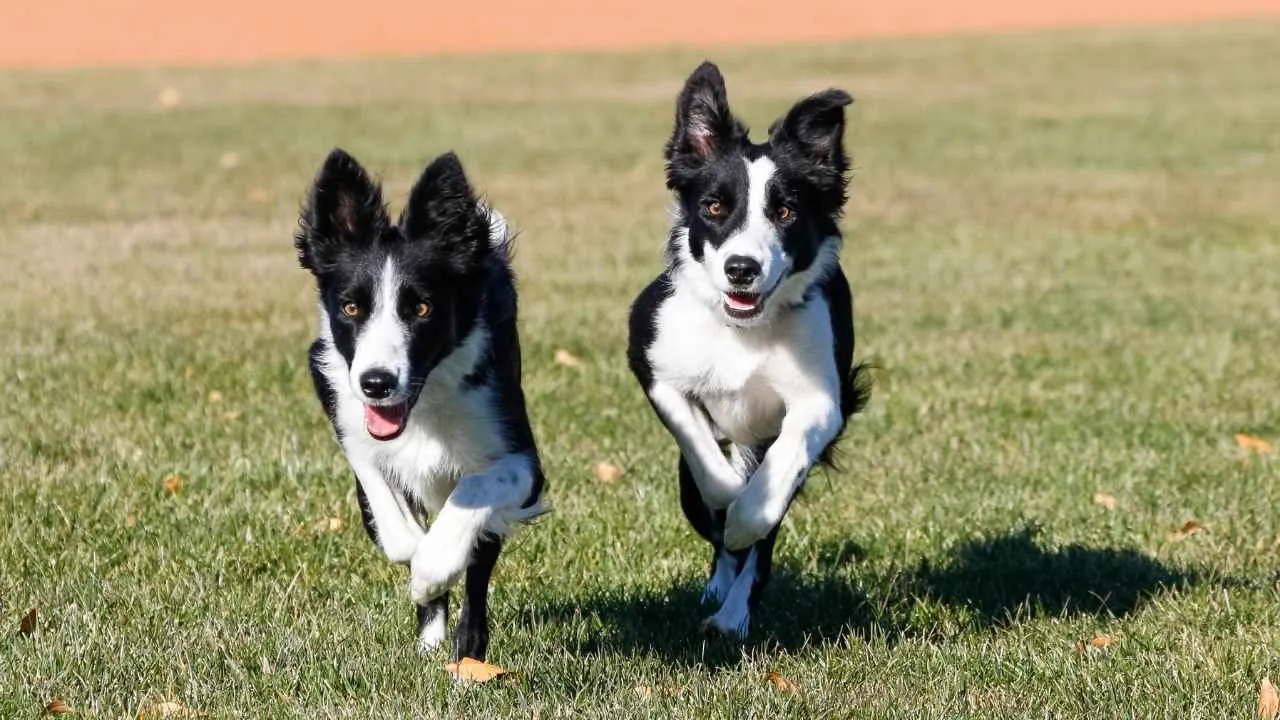
The Romans brought their herding dogs and livestock guardians when they conquered Britain. After the British regime dissolved and the Viking raiders came and brought their own spitz-type dogs, they interbred these dogs with the herding dogs, resulting in the Border Collie, says Purina.
This energetic breed has a high prey drive, and it thrives in herding events, obedience, agility, rally, and tracking competitions. Being the most intelligent canine breed, it requires only a few repetitions to learn a command. It also excels in flyball and flydisk.
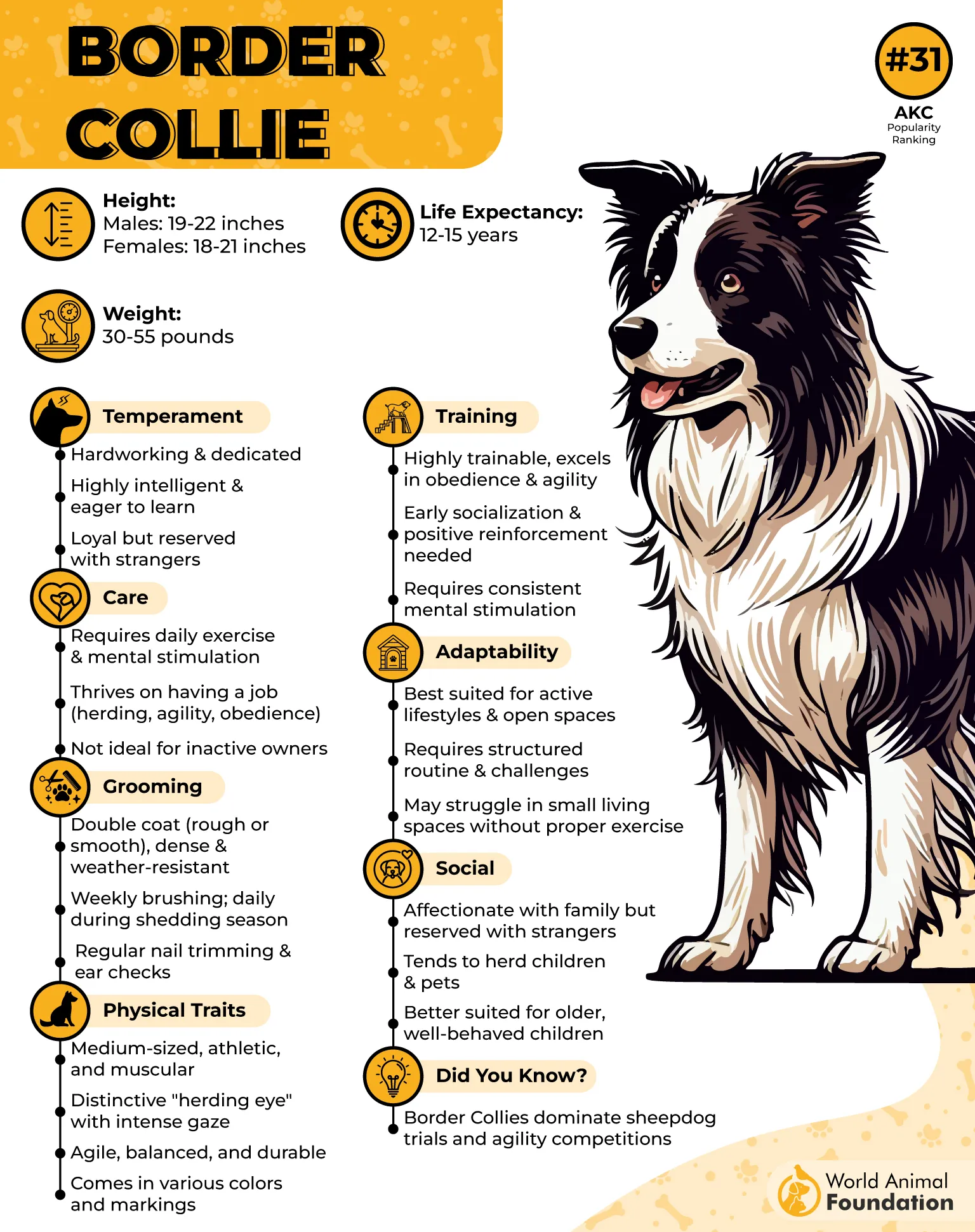
Despite that, it also makes a great family pet for active families. It needs 1.5-3 hours of daily exercise: hiking, running, jogging, long walks, fetching, and swimming.
2. Labrador Retriever
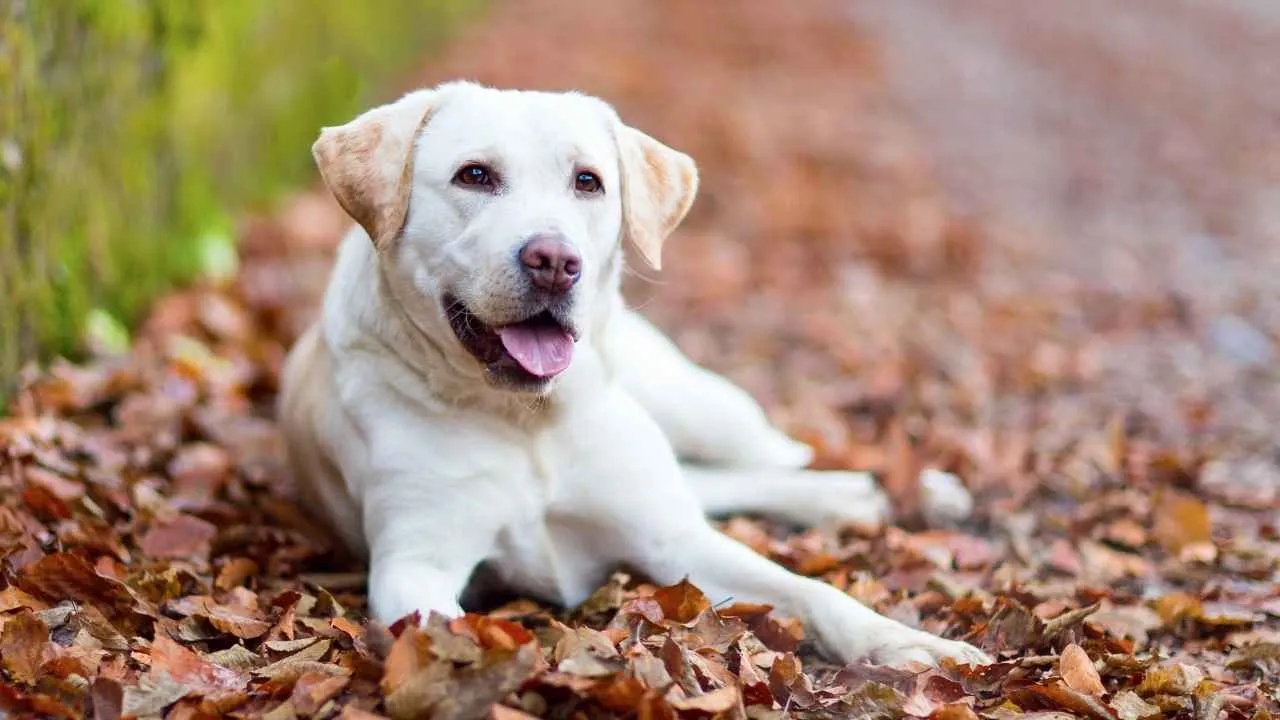
This gentle giant is the descendant of the St. John’s Water Dog that was imported from Newfoundland, Canada. The primary goal of this dog was to retrieve nets from the fishing boats. It was then interbred with the local breeds in England, resulting in the modern-day Labrador Retriever.
The breed is categorized into two types: the show-bred and the field-bred. Both are quite similar, but the field-bred lab is more energetic. It has a thick and water-resistant double coat that keeps it dry in water sports. It prefers spending time with the family rather than playing alone.
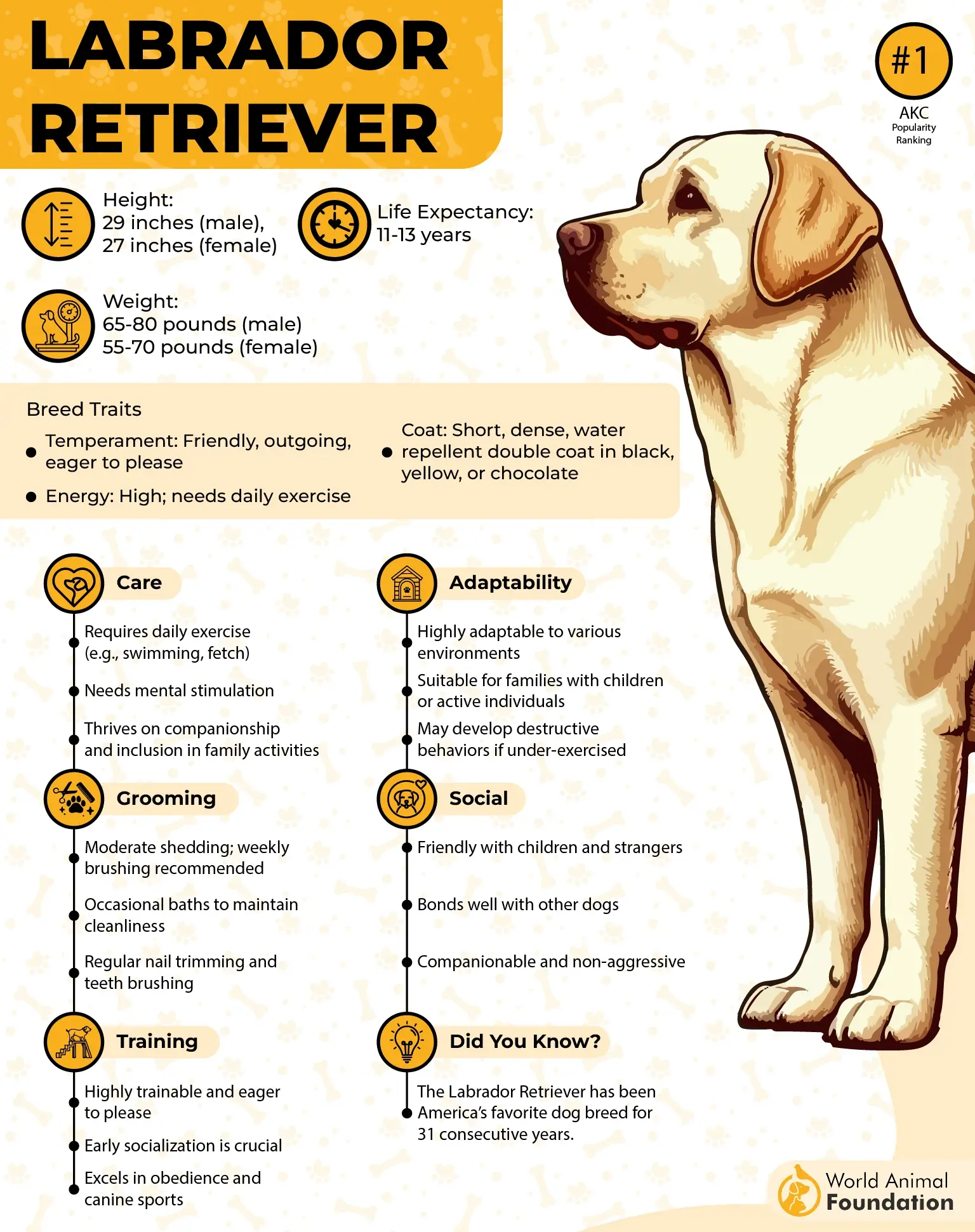
The good hiking dog requires a lot of exercise and mental stimulation (1-2 hours daily): running (over 5 miles), jogging, hiking (over 10 miles a day), swimming, and canine sports. It can be suitable for apartment living when properly trained and given a structured routine.
3. Siberian Husky
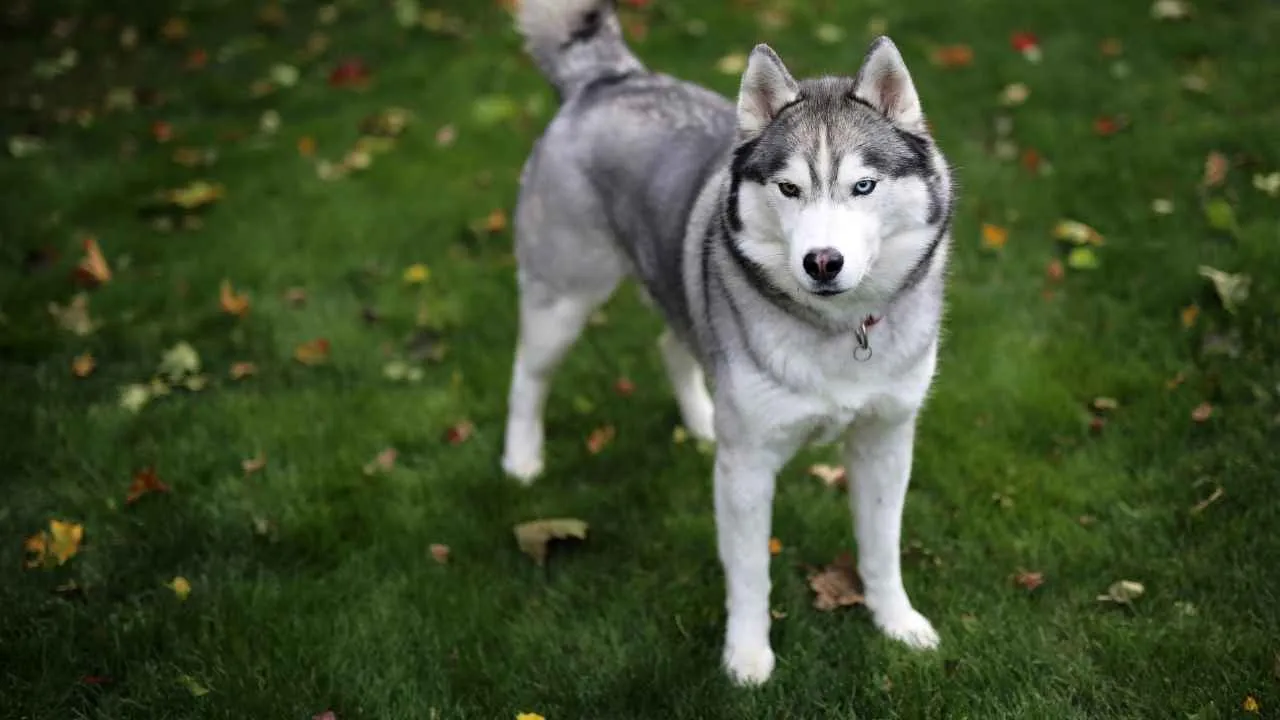
This northern sled dog is native to Siberia and was originally bred to carry heavy loads over long distances at a high speed some 3,000 years ago. It is a non-aggressive breed that makes friends with family, children, and other dogs as well.
The breed was used as an SAR dog by the USA military during World War II. The well-proportioned and muscular build was developed for speed (45 mph), endurance, and power. It has erect ears (for alert hearing), a thick fur coat (for protection), and a bushy tail.
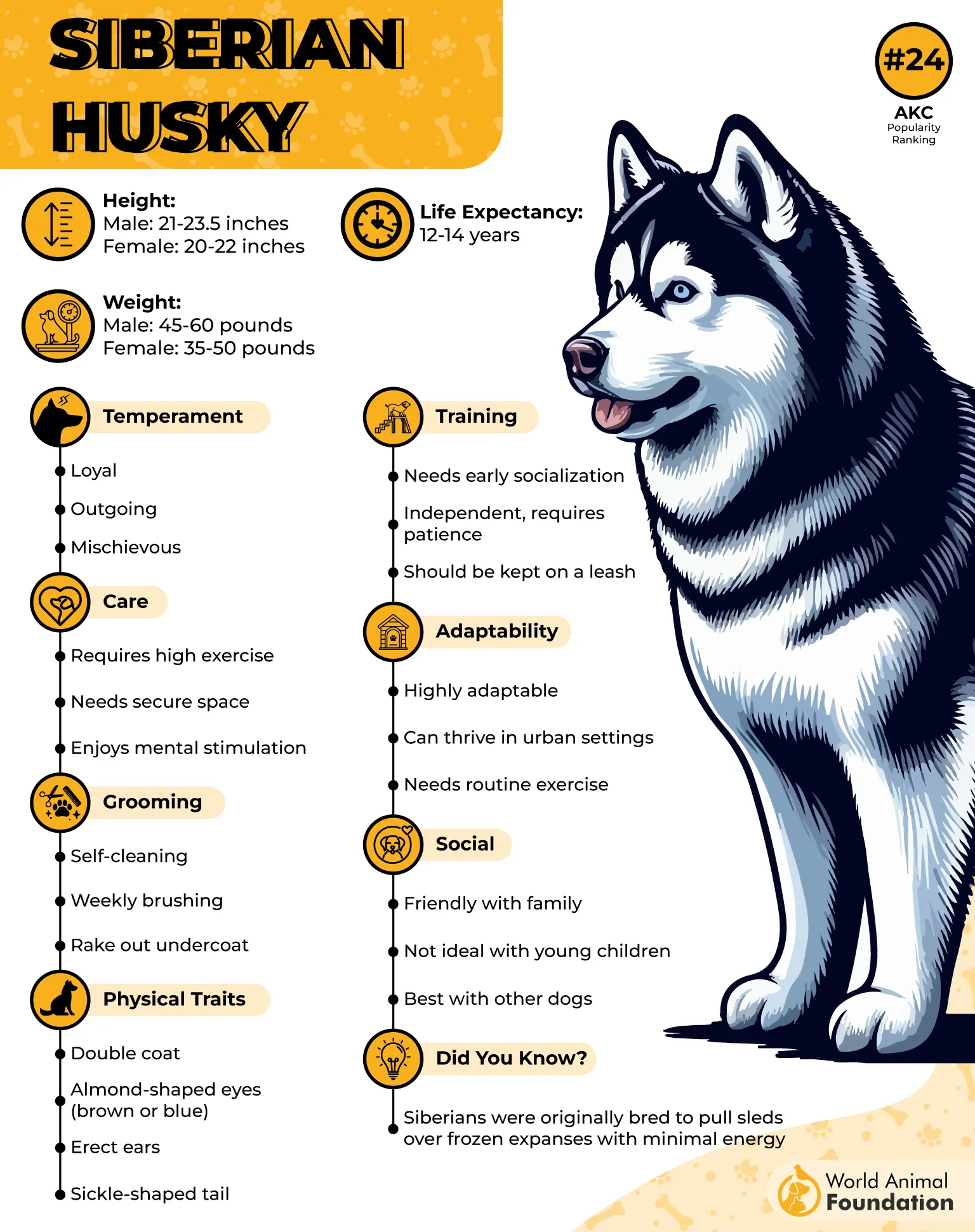
A well-fenced garden or leash walk is suggested outdoors. 1-2 hours of high-impact exercise is highly recommended: long walks, fetching, swimming, and other dog sports.
4. Bernese Mountain Dog
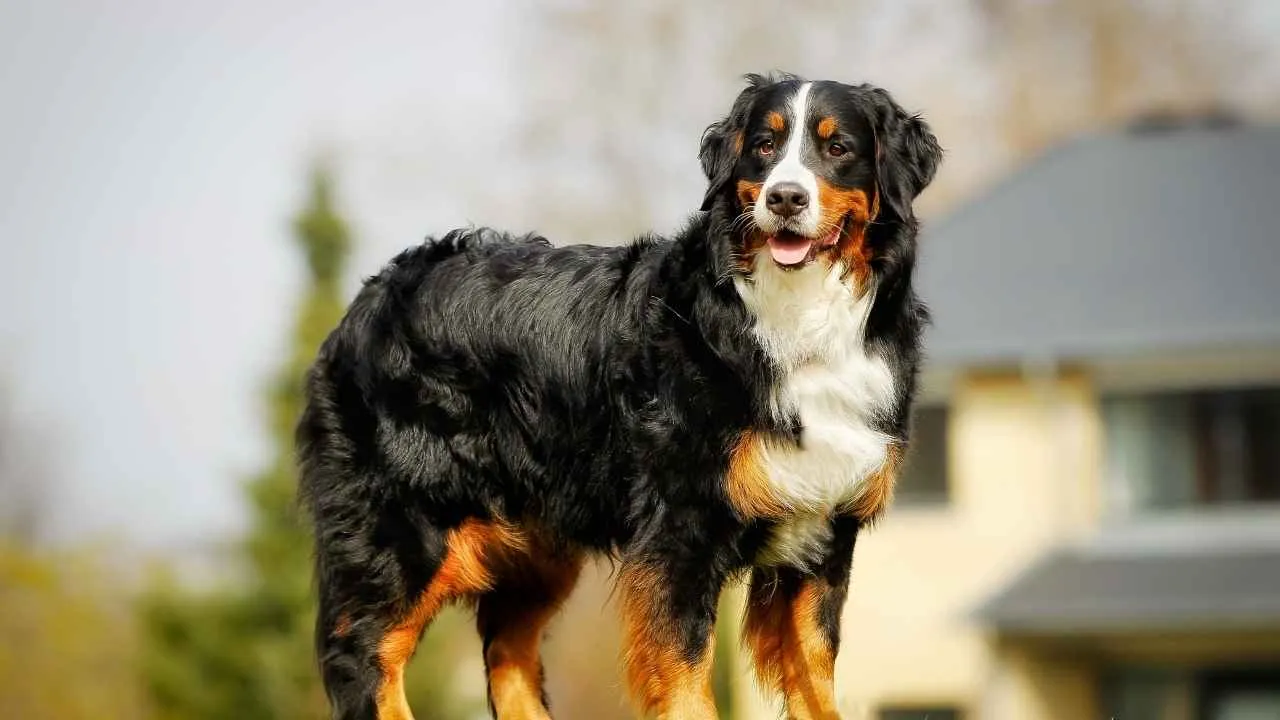
The history of this ancient dog breed began in Switzerland some 2,000 years ago when the Mastiff dogs were brought from Rome. Its primary goal to serve as a driving dog. It is the only Swiss Mountain Dog with a long coat, according to Orvis.
Despite being a farm dog, it was also used to pull heavy cheese carts to the markets. Because of its strong instincts, it makes a great watchdog. It has a balanced temperament and never shows complete shyness or aggression.
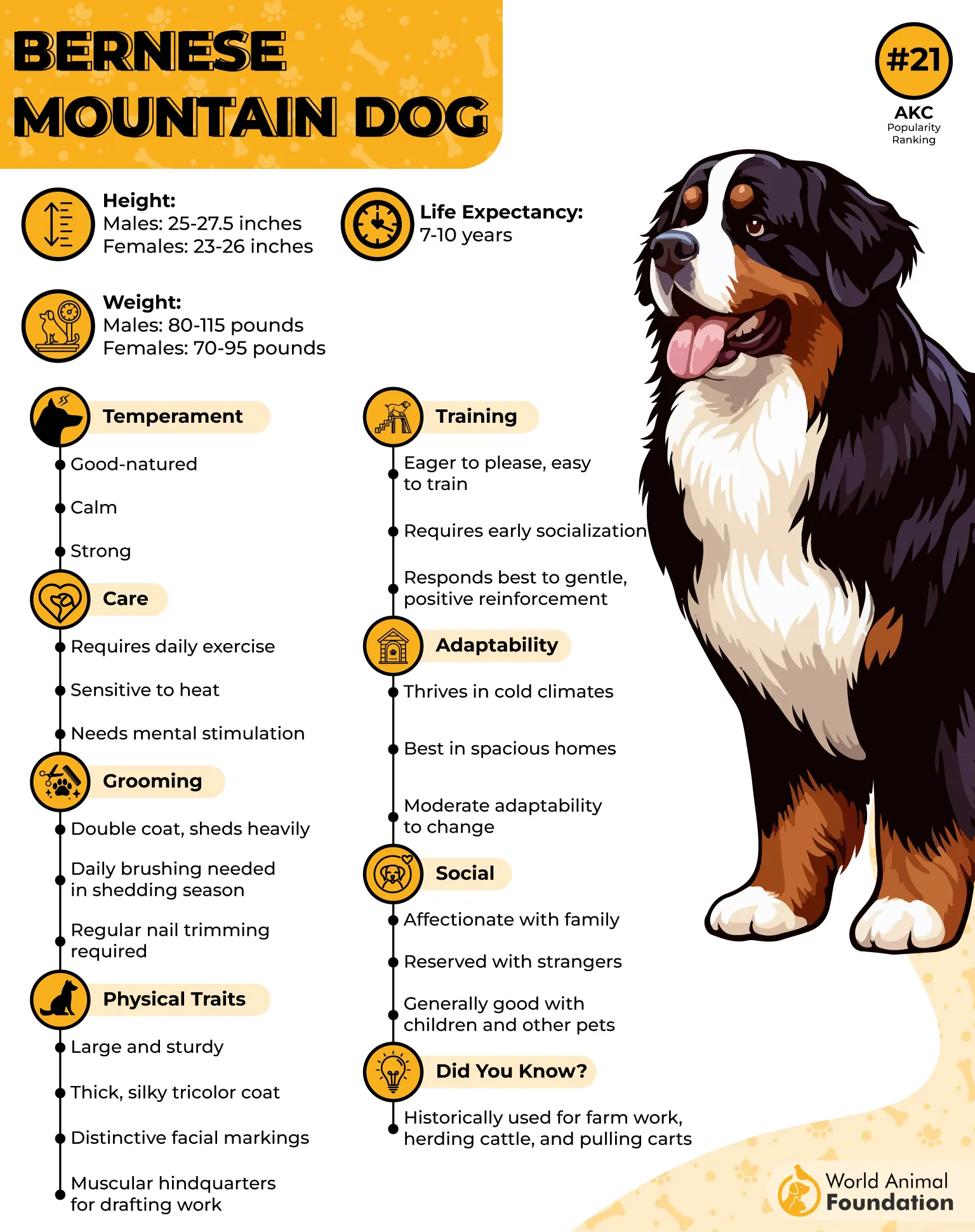
It needs 1-1.5 hours daily for exercise: running, walking, hiking, and agility training. There should be breaks in each activity, as it can not endure strenuous activities for a longer period of time.
5. Vizsla
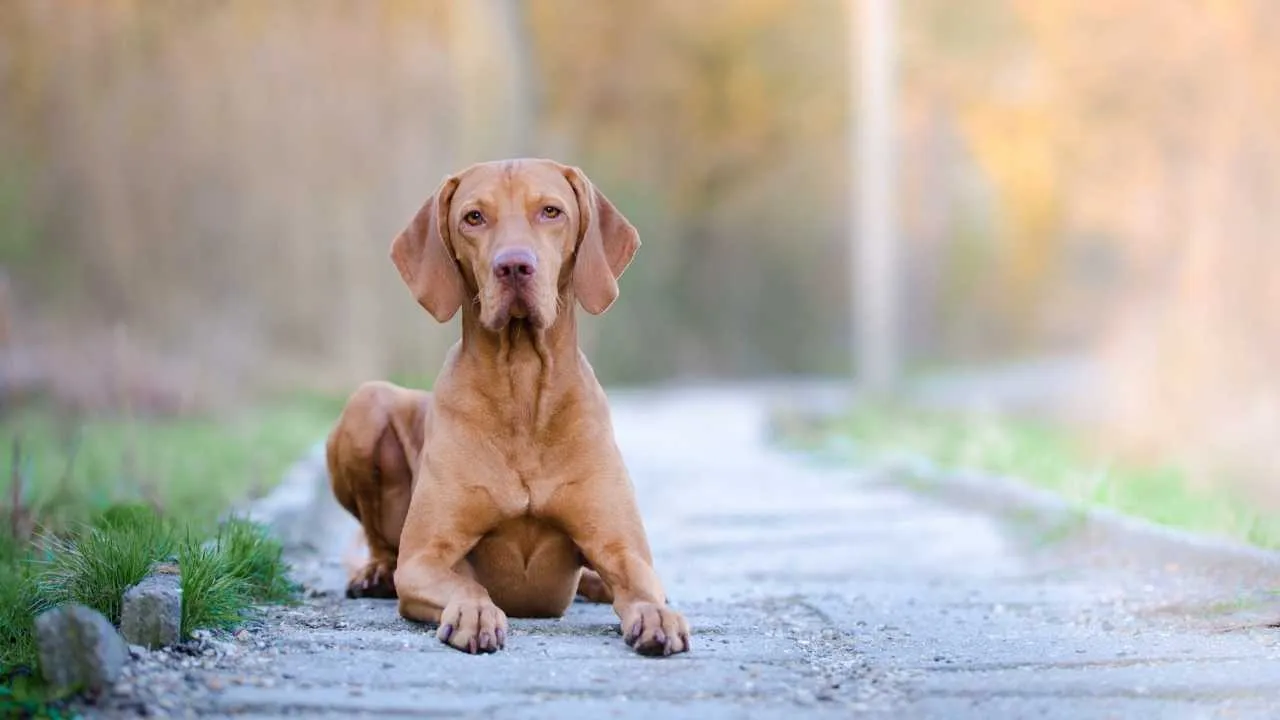
The history of this giant breed dates back to the 10th century, when it was developed as a versatile hunting dog by the Magyar tribes of Hungary. It excels in both retrieving and pointing. It almost went extinct during World Wars I and II but was revived soon.
It has a thick ruff around its neck that not only gives it an aesthetic appearance, but also protects the neck from predators’ bites and intense cold weather. It is prone to chasing small moving objects because of hunting instincts
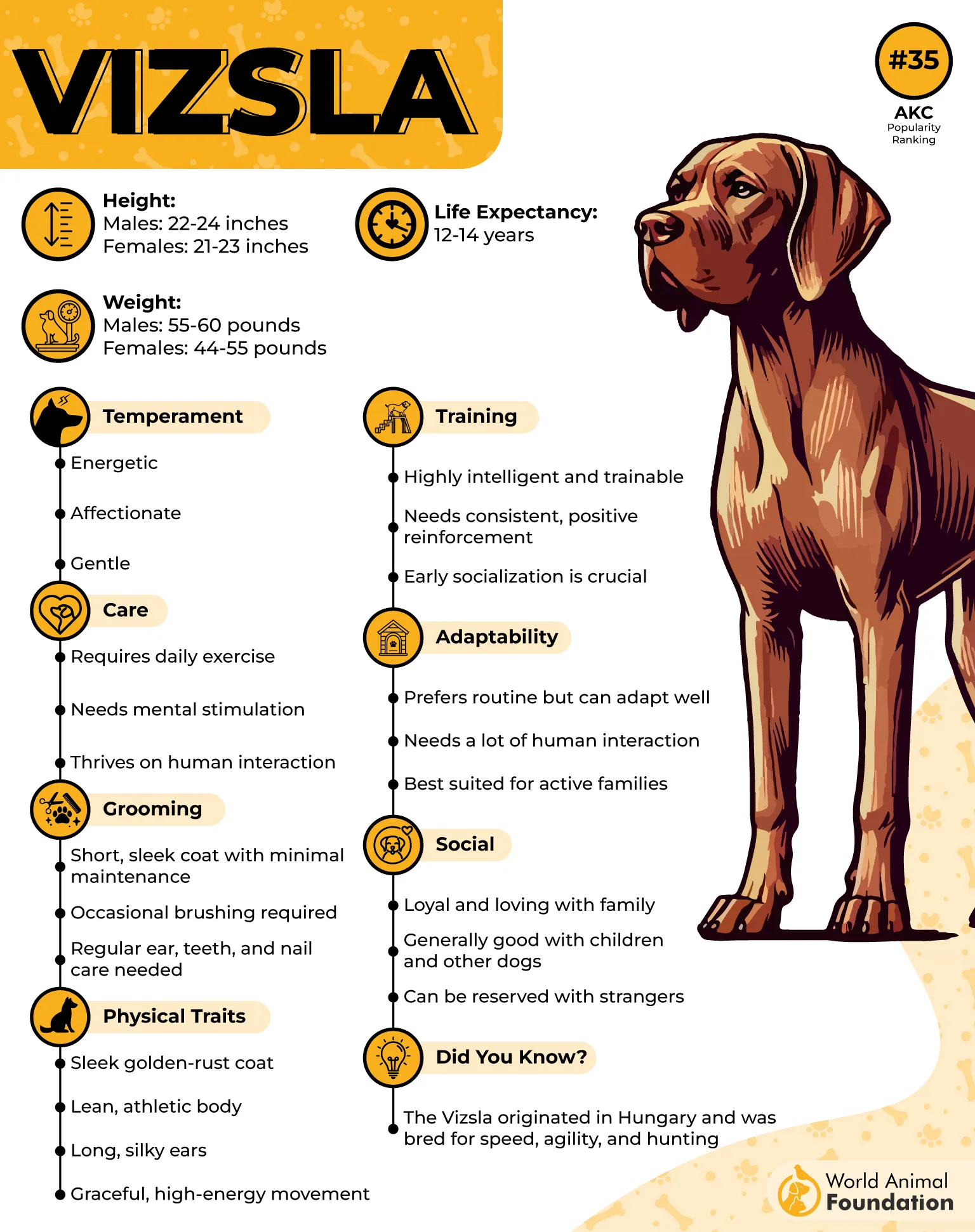
It needs at least 1-2 hours of daily vigorous exercise: running, hiking, biking, swimming, puzzle toys, and hide-and-seek. It is quick to learn new tricks, but the independent streak may develop stubborn behavior
6. Australian Shepherd
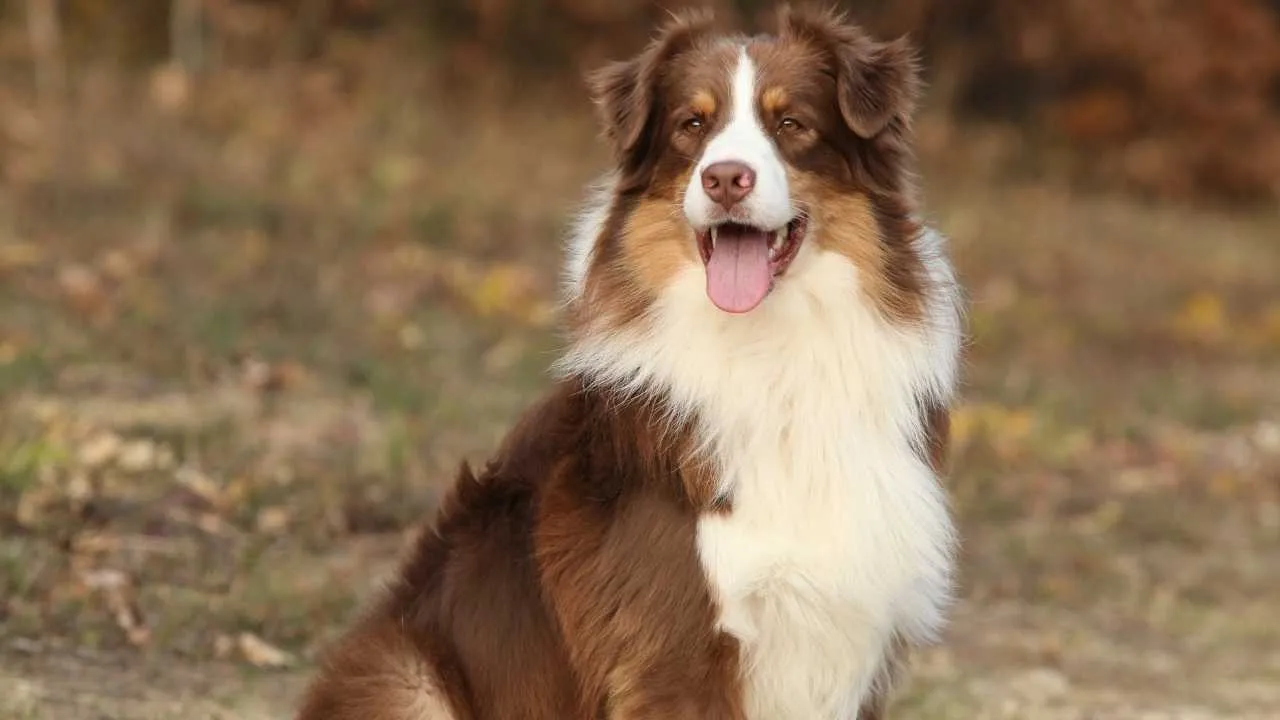
Its name is a misnomer, and the breed was originally developed in the Pyrenees Mountains and then continued in North America. It is descended from a herding breed used by the Basques in Spain. Because of its adaptability, strong herding instincts, and high intelligence, it is well-suited for rocky terrain.
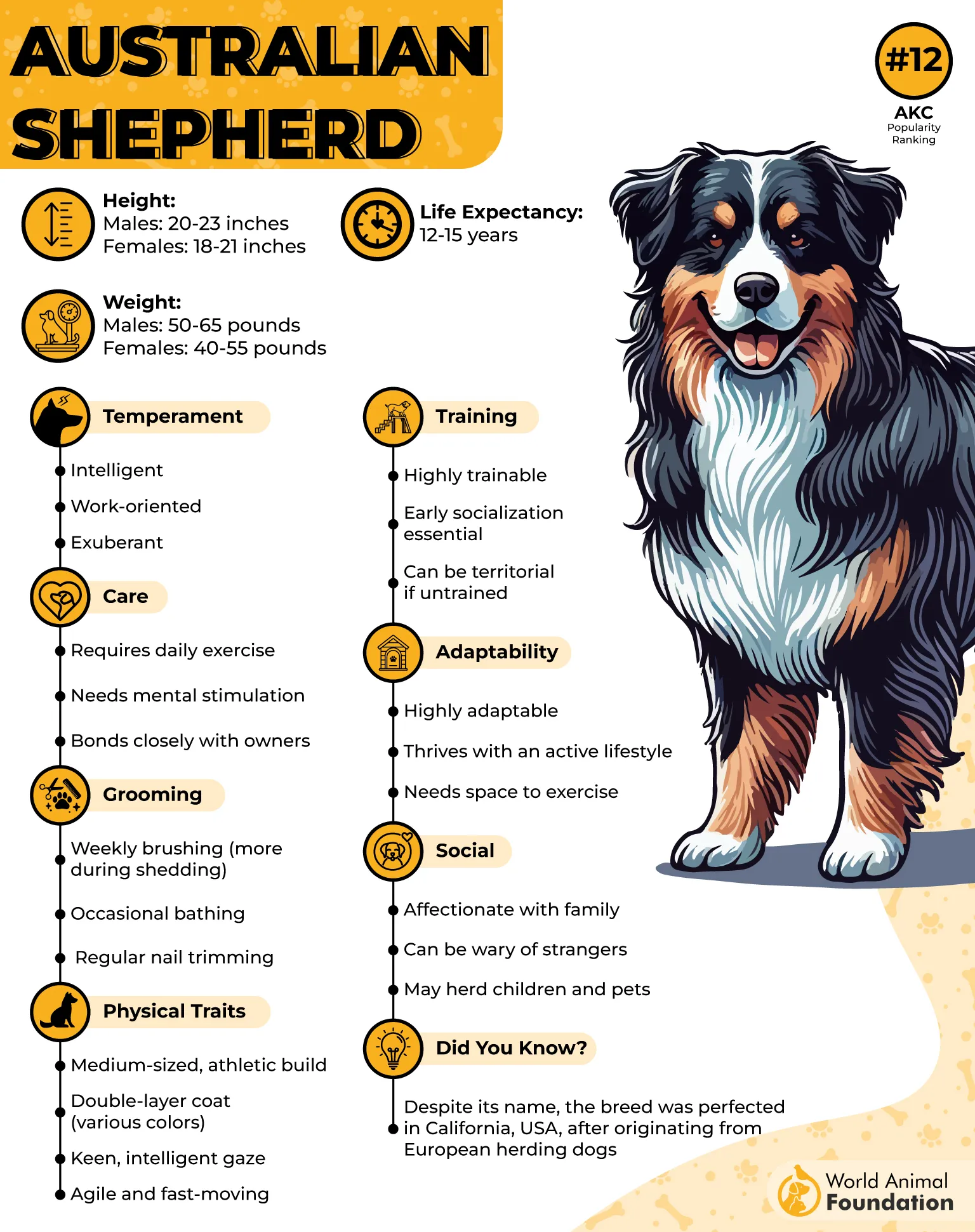
It was widely used as a messenger dog during World War II and as a farm dog. With its desire to chase cats, squirrels, cars, and children, it makes a great competitor for canine sports. It excels in agility, hiking (up to 15 miles), running (4-6 miles), and games of fetch.
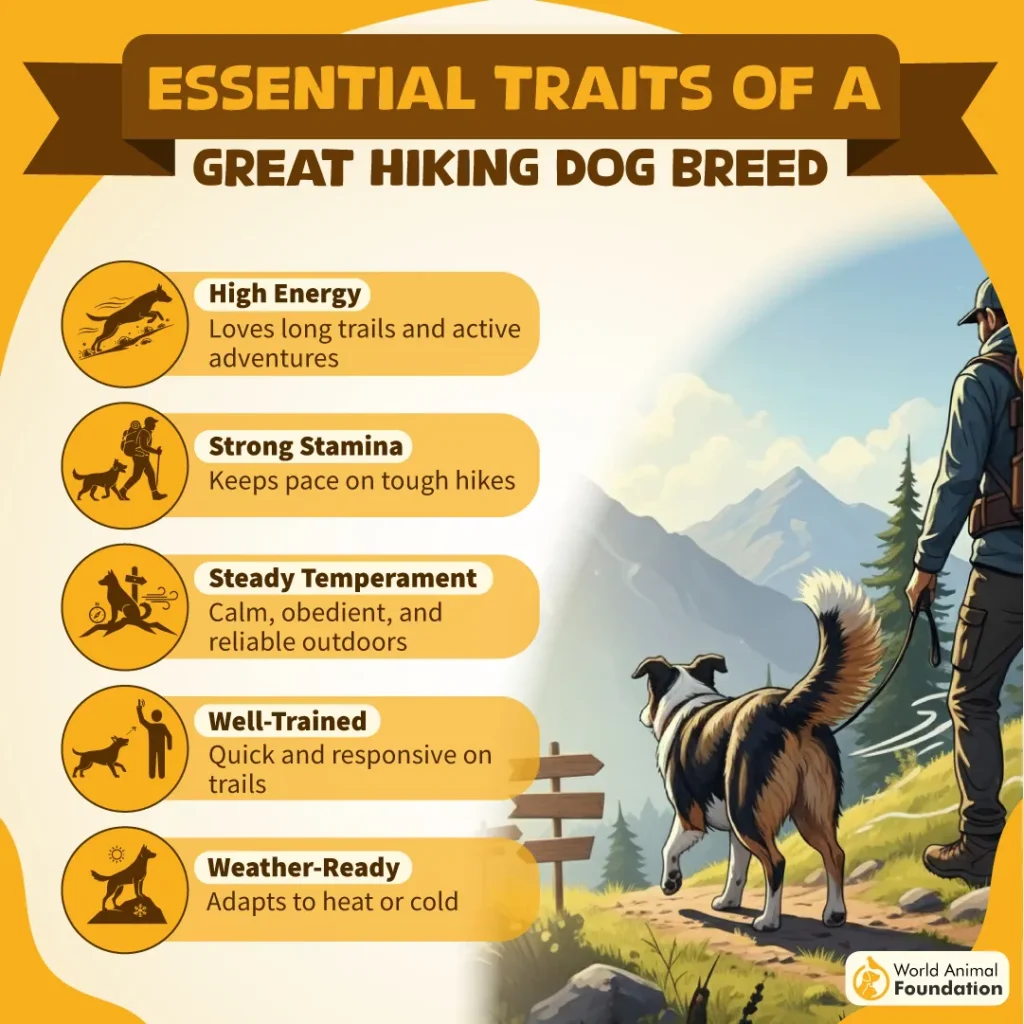
Without enough exercise, it can develop destructive behavior such as digging or chewing. Because of its strong protective instincts, it can be wary of strangers; thus, proper training and early socialization are non-negotiable.
7. Portuguese Water Dog
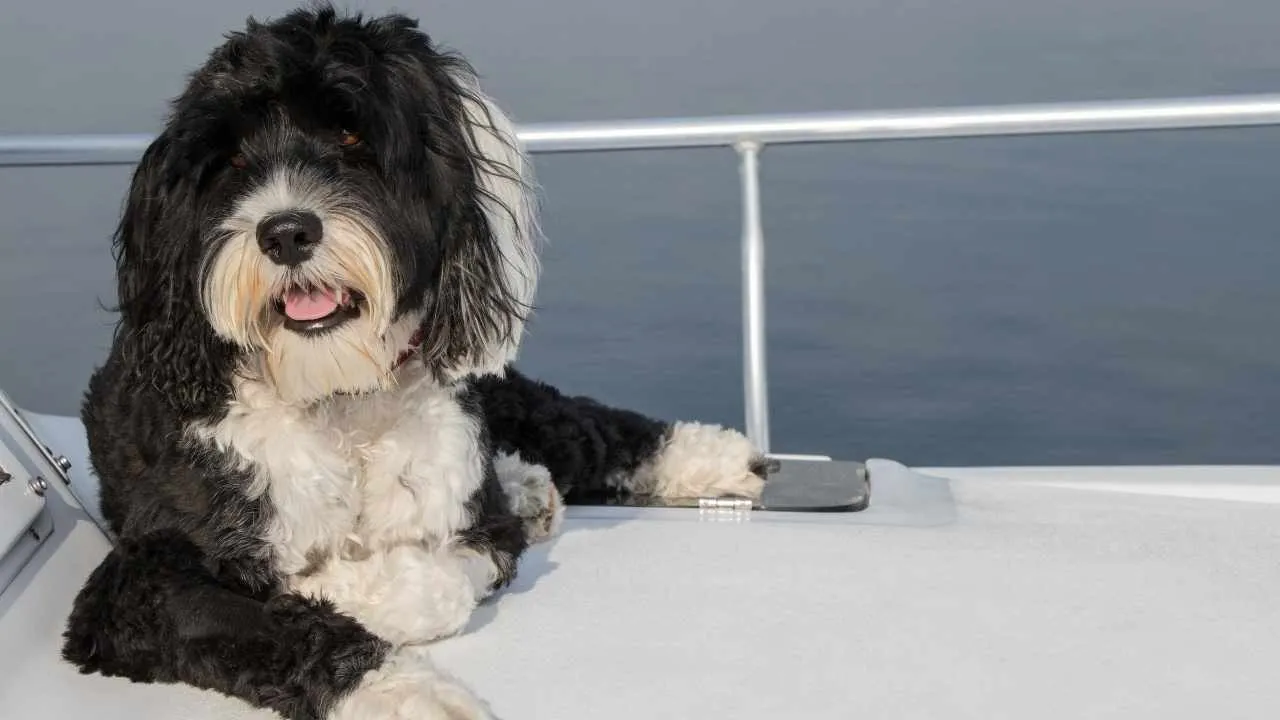
The mention of this ancient dog breed is found in the scriptures from 1297 by the monks. It has a similar genetic makeup to the Poodle. It was specifically developed with webbed feet, muscular hindquarters, and an athletic build, as reported by The Kennel Club.
It quickly acquires training and obedience skills because of high intelligence, making it an excellent family companion. Basic obedience training must begin by the age of 8 weeks. It is an affectionate breed; thus, it is a great therapy dog and a canine sport companion.
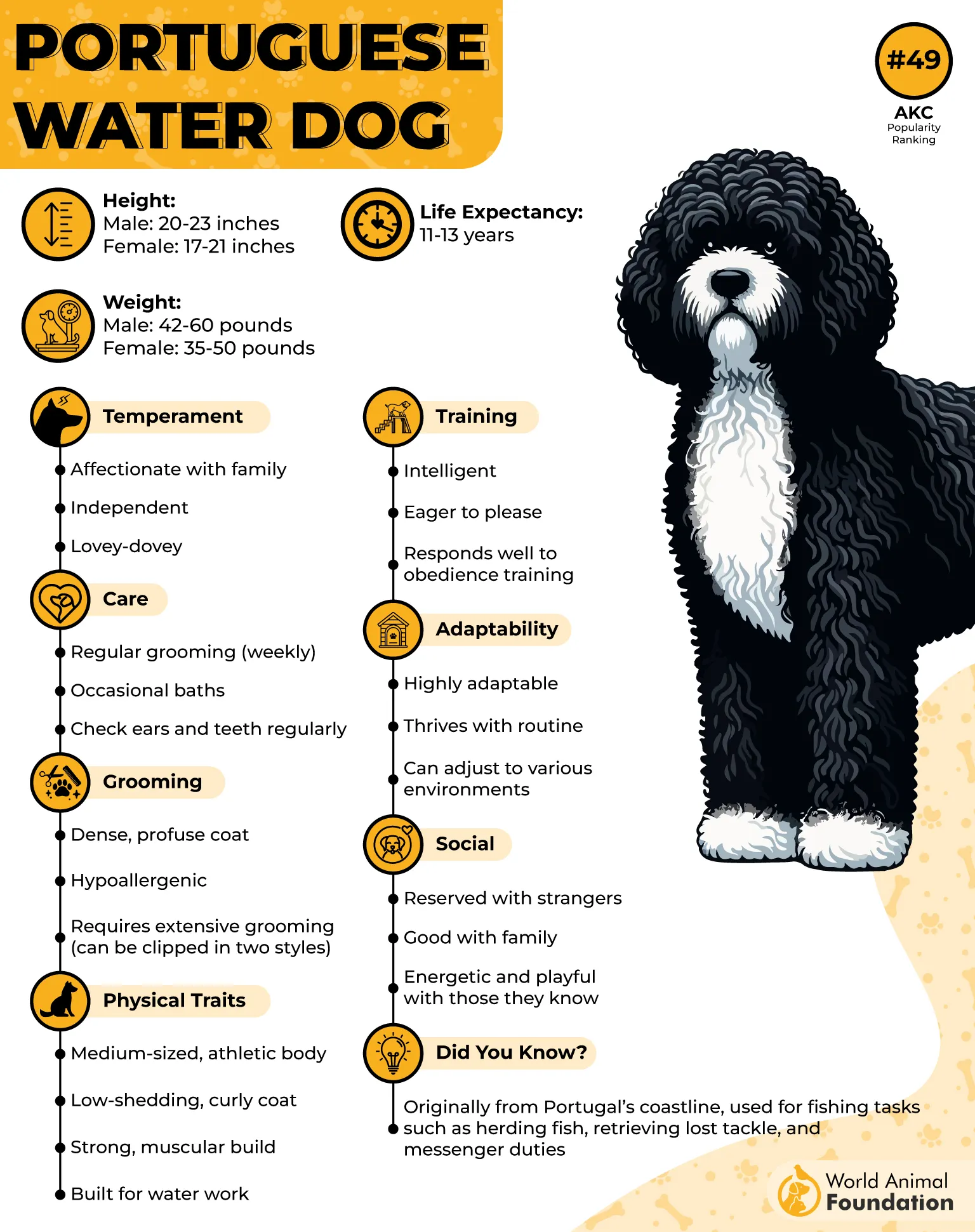
It is a high-energy working breed that has regular exercise requirements (30-40 minutes) daily: swimming, agility, nose work, dock diving, and indoor playtime.
8. German Shepherd
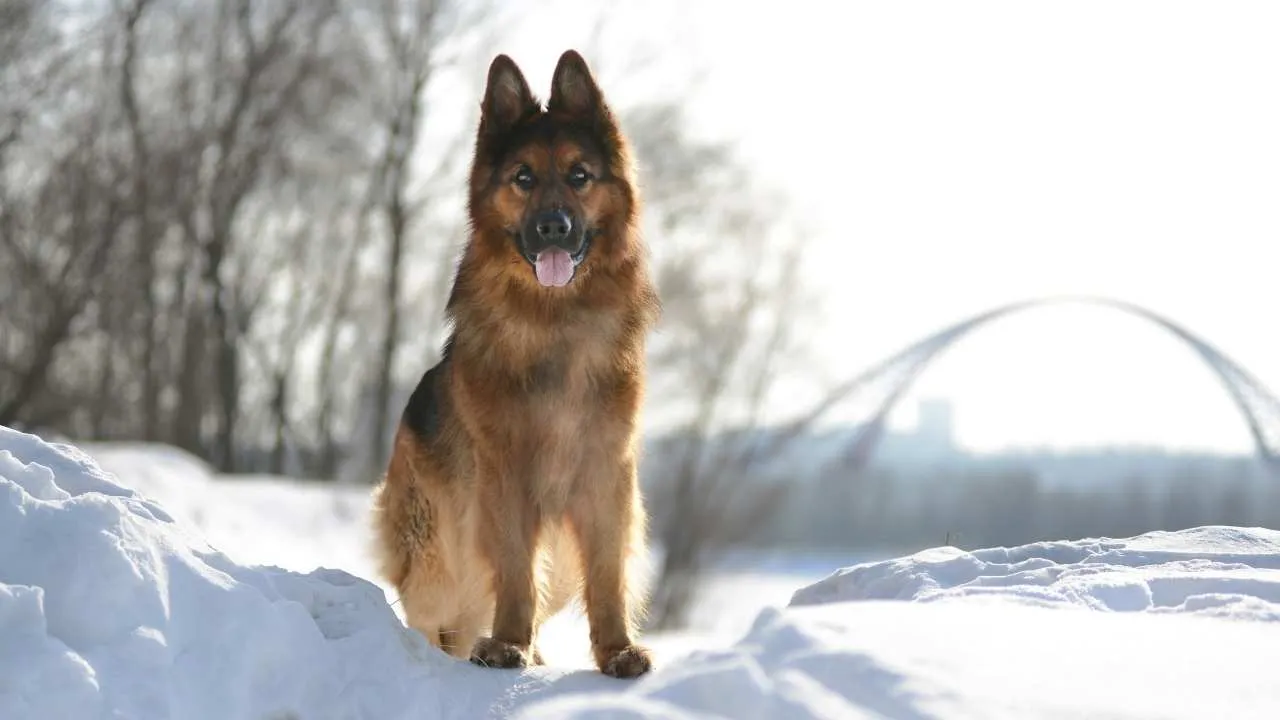
The third most intelligent dog breed was developed in 1899 in Germany by Max von Stephanitz as a herding dog breed. The primary goal of this breed was to herd his sheep and protect his land. The breed silently follows its herd from behind.
Despite that, the breed is also used in bomb detection, search and rescue missions, and handicap assistance work. It loves to play with toys, run around, and go on long walks with its favorite humans. It requires daily 1-2 hours of physical and mental stimulation: agility training, fetching, and long walks.
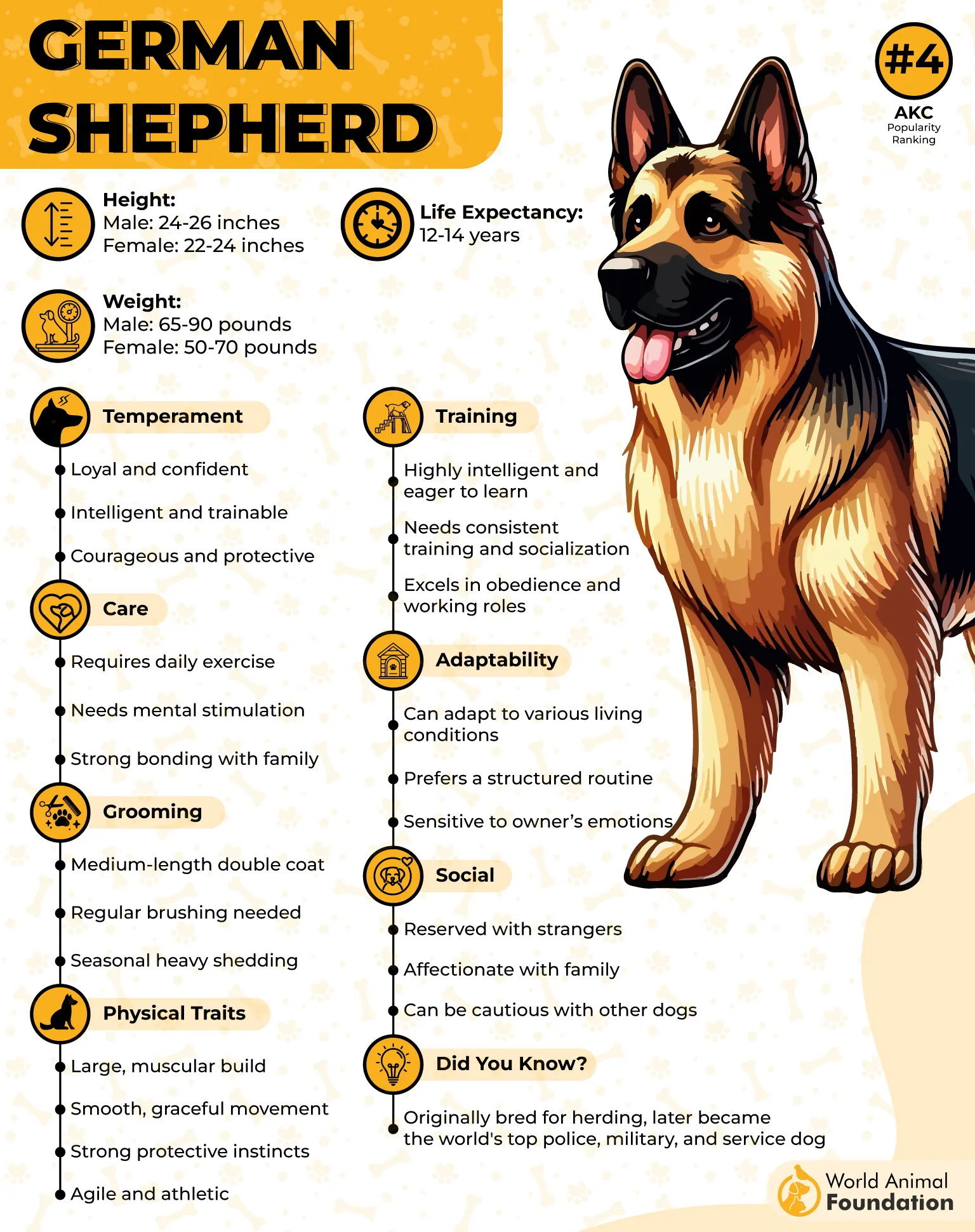
Being an energetic breed with a strong work ethic, the GSD needs a constant job to avoid boredom and destructive behavior. It is highly attuned to human emotions and makes a great therapy dog.
9. Australian Cattle Dog
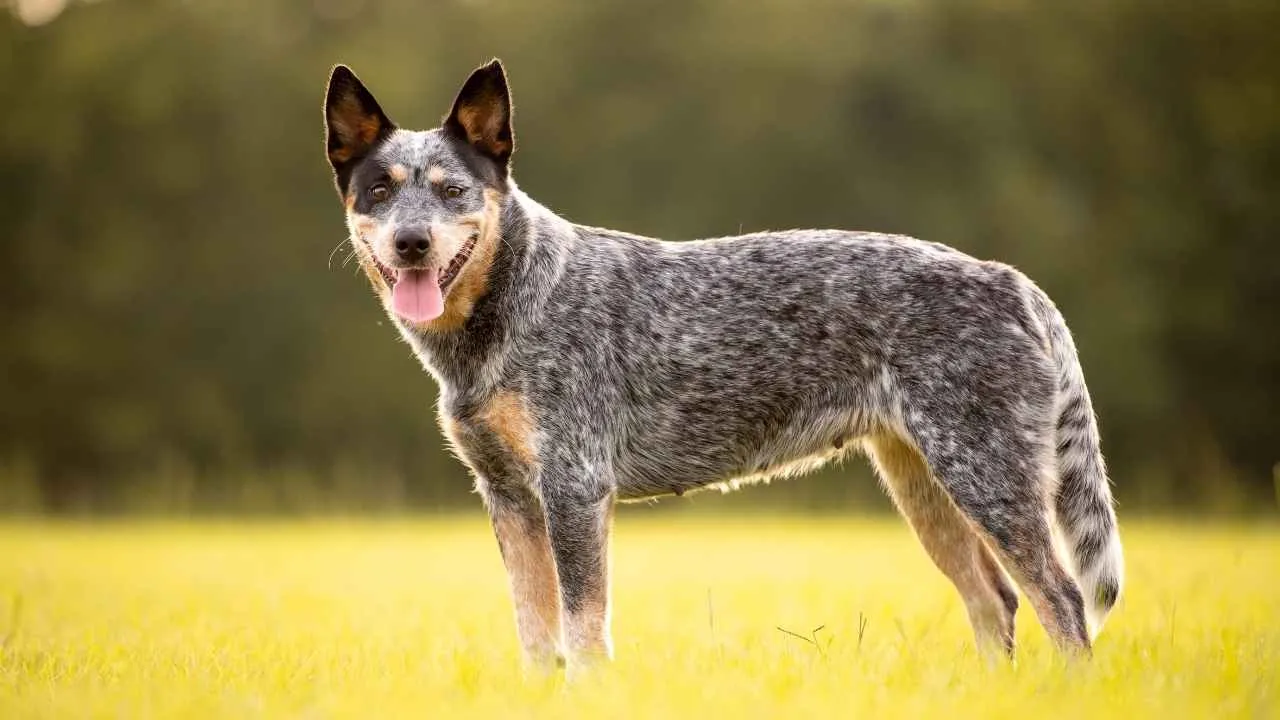
Australia needed a herding breed in the 19th century, a breed that could cover long distances. So, Hall bred the Blue Merle Highland Collies with the tame Dingo in 1840 to develop the Australian Cattle Dog. It keenly observes the herd and nips at the stray cattle to guide them.
Like any other herding dog, it needs a constant job. It excels in competitions, such as flyball, agility, tug-of-war, and other outdoor adventures. Because of its strong protective instincts, it is widely kept as a watchdog. Because of its strong muscles, high energy, and tough paws, it excels at long runs, hard hikes, and active herding tasks.
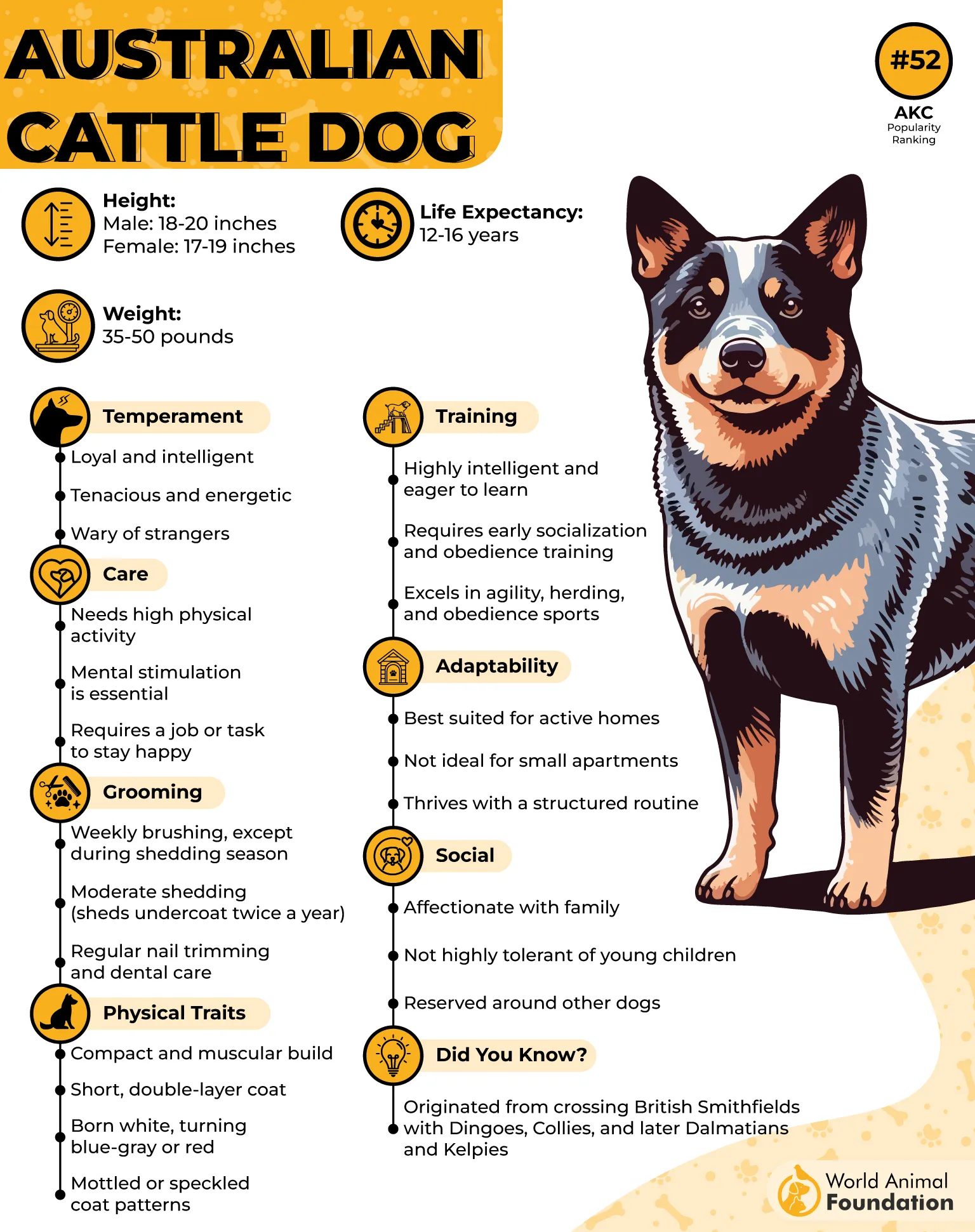
It has an independent nature and may develop stubbornness if not properly trained. Since it is prone to nip at kids, early basic command training is highly recommended.
Conclusion
The best dog breeds for a thrilling outdoor experience all share one thing in common: they love having a job to do and a place to explore. Whether your idea of fun is hiking rugged trails, swimming across a lake, camping under the stars, or jogging through your neighbourhood, there is a breed that fits your lifestyle.
The happiest dogs are those whose physical and mental needs match their owner’s daily routine. Before bringing one home, think honestly about the time, energy, and commitment you can provide. Build trust through regular training, proper care, and shared adventures.
Those muddy paws, wagging tails, and quiet moments in nature often become the memories you will treasure for years.
