




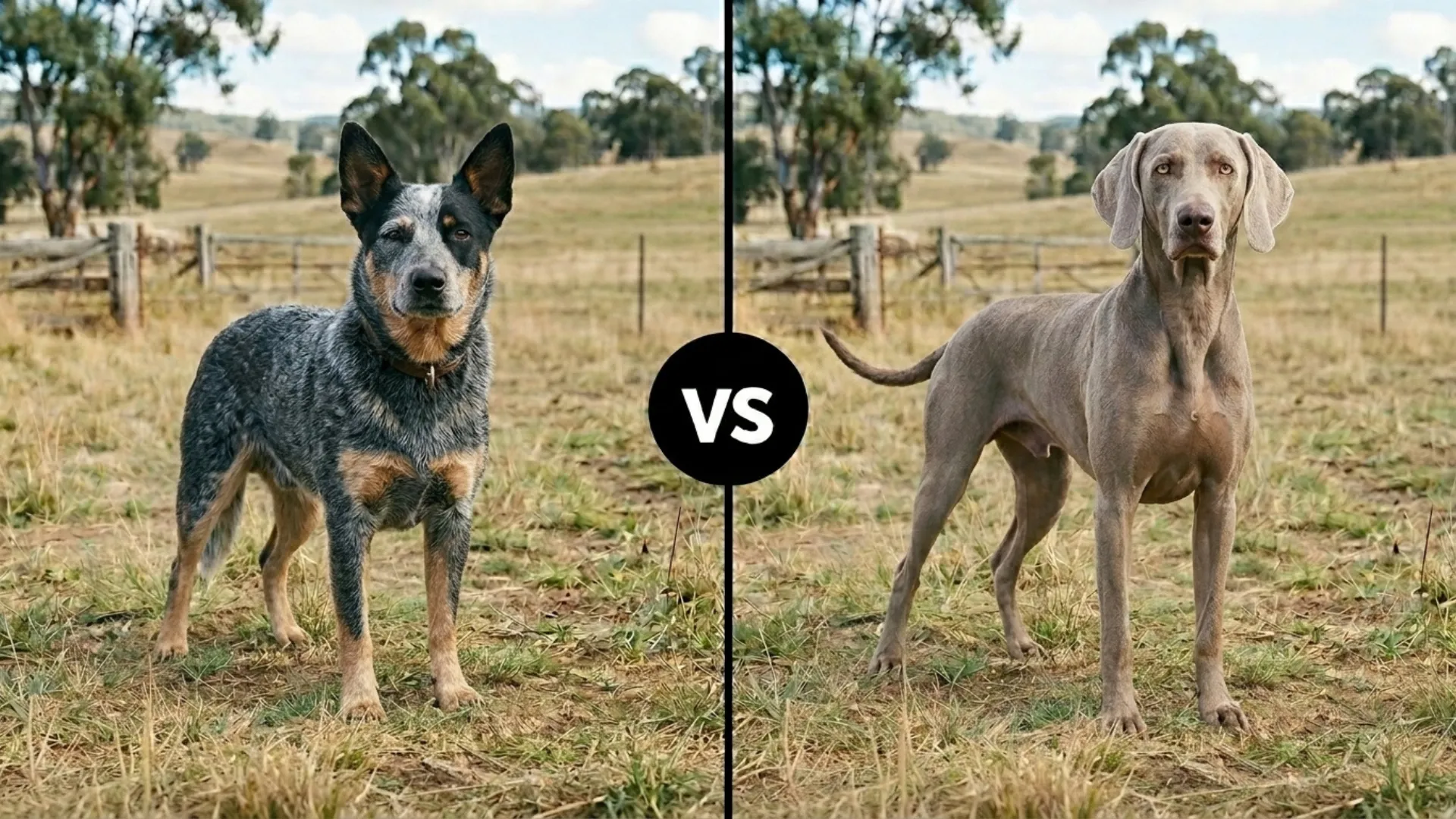
Choosing between an Australian Cattle Dog and a Weimaraner is not simply a matter of picking the dog you find more attractive. Both breeds are intelligent, athletic, and intensely devoted, but they were developed for very different kinds of work.
The Australian Cattle Dog was bred for toughness, control, and endurance in the unforgiving Australian outback, while the Weimaraner was shaped as a graceful German hunting companion with speed, stamina, and a strong desire to stay close to its people.
At first glance, these dogs may seem similar because both need plenty of exercise and mental stimulation. However, their personalities can feel worlds apart in daily life.
The Australian Cattle Dog is often more independent, watchful, and determined, with a strong herding instinct that can show up as nipping, chasing, or trying to “manage” people and other pets.
The Weimaraner, by contrast, is typically more people-oriented and emotionally attached, often craving constant companionship and struggling if left alone for long periods.
Understanding these differences is essential before bringing either breed home. The right match depends on your lifestyle, experience level, training commitment, and ability to provide structure, activity, and purpose.
In this article, we’ll compare the Australian Cattle Dog vs. the Weimaraner across temperament, exercise needs, trainability, grooming, health, and family suitability so you can decide which energetic companion is truly the better fit for your home.
Key Takeaways
The Blue Heeler is built for work; the Weimaraner is built for adventure.
One thrives on structure, the other on constant companionship.
Size, energy, grooming, and health needs differ more than you might expect.
This guide helps you choose the breed that truly fits your lifestyle.
Australian Cattle Dog vs. Weimaraner: Key Differences Every Owner Should Know
Origins & Purpose
Australian Cattle Dog
The Australian Cattle Dog was developed in the 19th century to meet the tough demands of Australia’s growing cattle industry, as noted by the AKC. Ranchers needed a hardy, intelligent, and tireless dog that could move semi-wild cattle across vast, rugged stretches of the Australian Outback.
Its purpose was practical from the start: to control cattle by “heeling,” or nipping at their feet to keep them moving.
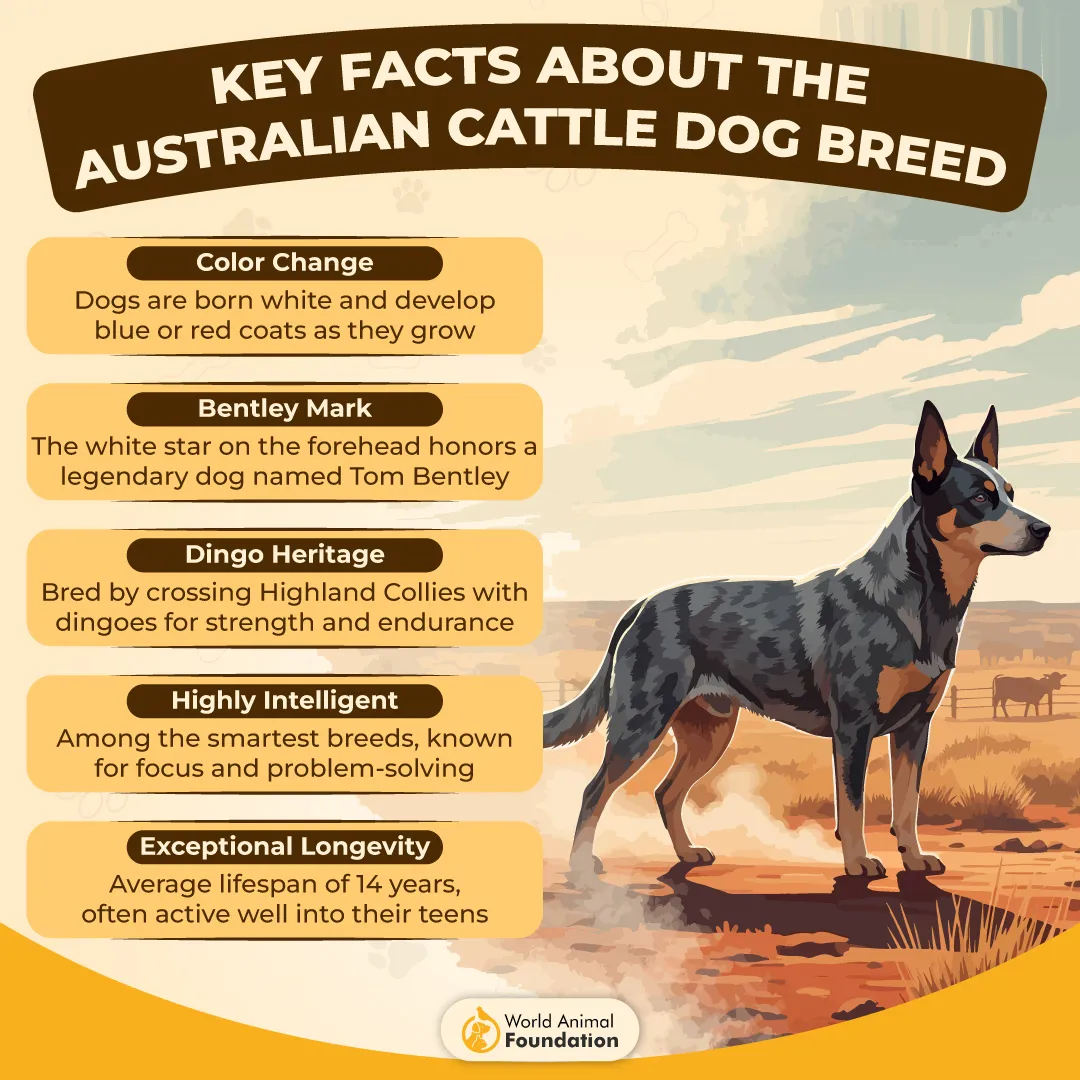
This working style, combined with stamina, loyalty, and independence, made the breed invaluable to drovers and property owners, especially in Queensland, where it became known as the Blue Heeler or Queensland Heeler.
The Australian Cattle Dog was bred less for appearance and more for performance, with working ability, toughness, and endurance at the heart of its development.
Weimaraner
The Weimaraner originated in Germany in the early 19th century, where it was developed by the nobles of Weimar as a versatile hunting dog. These aristocratic sportsmen wanted a dog with speed, courage, endurance, strong tracking ability, and a close working bond with hunters.
The breed was first used to pursue big game such as deer and bear before later becoming a skilled bird dog, retriever, and all-around sporting companion.
Unlike the Australian Cattle Dog, whose job centered on herding livestock, the Weimaraner was created for hunting and fieldwork. Its sleek silver-gray coat, athletic frame, and keen instincts earned it the nickname “Gray Ghost”, as noted by Britannica.
Although today it is often kept as a family companion, much of its original hunting drive remains, which means owners should expect a dog that needs regular exercise, mental challenge, and close human interaction to stay balanced.
Size & Build
Australian Cattle Dog
The Australian Cattle Dog is a medium-sized, sturdy, and compact breed built for endurance rather than elegance. Its body is strong and practical, designed to handle long days of herding cattle across rough terrain. This breed may not be very large, but it is muscular, agile, and surprisingly powerful for its size.
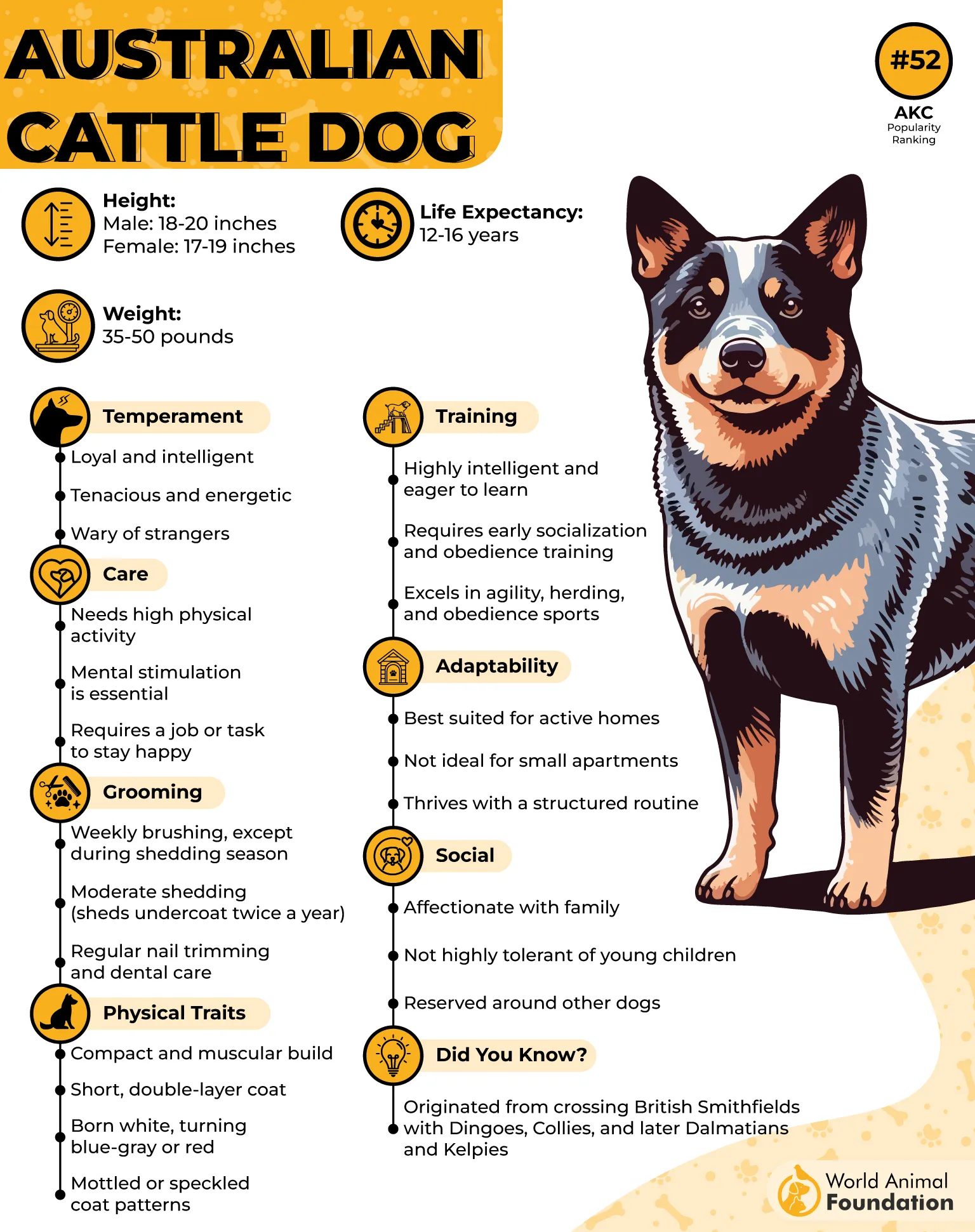
Average size:
Male height: 18–20 inches
Female height: 17–19 inches
Weight: 35–50 pounds
Blue Heelers have a balanced, workmanlike frame with a moderately short, weather-resistant coat. Puppies are usually born white and begin developing their blue or red coloring at around four weeks of age.
Overall, the ACD is smaller and more compact than the Weimaraner, but it has the rugged build needed for demanding herding work.
Weimaraner
The Weimaraner is a larger, taller, and more athletic-looking dog with a sleek, graceful build. Unlike the compact Australian Cattle Dog, the Weimaraner has longer legs, a deeper chest, and a more streamlined body suited for speed, tracking, and hunting in the field.
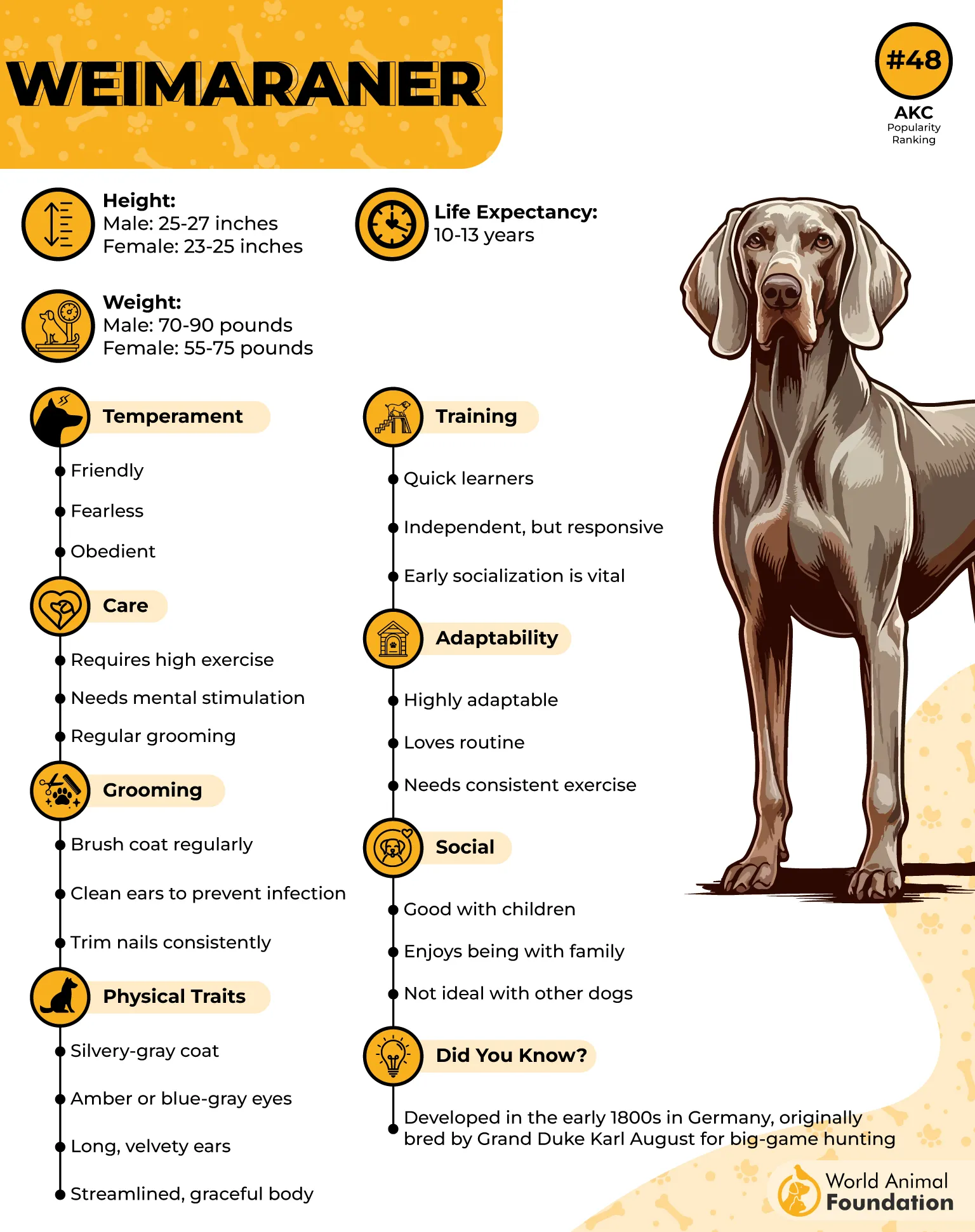
Average size:
Male height: about 66 cm, or 26 inches
Female height: about 61 cm, or 24 inches
Male weight: 34–39 kg, or about 75–86 pounds
Female weight: 32–36 kg, or about 71–79 pounds
The Weimaraner’s short, flat coat comes in shades of mouse-gray to silver-gray, giving the breed its famous “Gray Ghost” appearance.
With floppy ears, a lean frame, and very high energy, the Weimaraner is clearly the bigger and more rangy of the two breeds. Owners should be prepared for a dog that needs space, movement, and regular exercise to stay fit and well-behaved.
Pricing & Availability
Australian Cattle Dog
The Australian Cattle Dog is generally moderately priced and fairly easy to find, especially in areas where working, herding, or active companion dogs are popular.
Blue Heeler and Red Heeler puppies commonly cost around $600–$1,000, though prices can vary depending on the breeder, bloodline, location, registration, and health testing.

In some cases, well-bred Australian Cattle Dog puppies from registered or health-tested parents may cost $2,000–$3,000 or more.
Because the breed is widely available in the U.S., prospective owners can often find puppies through responsible breeders, AKC Marketplace, Good Dog, or breed-specific rescue groups.
Typical ACD costs:
Pet-quality puppy: $600–$1,000
Registered or health-tested puppy: $2,000+
Top-quality lines: $3,000 or more
Rescue/adoption: usually lower than breeder pricing
Weimaraner
The Weimaraner is also widely available, though prices can vary greatly depending on whether the dog comes from a breeder or rescue.
A typical Weimaraner puppy may cost anywhere from $500–$3,000, with many average puppies falling around $700–$1,200. Dogs from strong hunting lines, show lines, or health-tested breeding programs may be priced higher.
Although Weimaraners are large dogs, their purchase price is often reasonable compared with some other large breeds. However, owners should also consider long-term expenses.
Typical Weimaraner costs:
Average puppy: about $700
Common range: $500–$1,200
Higher-end breeder price: up to $3,000
Rescue/adoption: usually more affordable
Temperament & Personality Style
Australian Cattle Dog
The Australian Cattle Dog is a sharp, serious, and highly driven working breed. Bred to control cattle in harsh conditions, this dog is naturally alert, courageous, and intensely focused. It learns quickly, but it also has an independent streak, which means training must be consistent, firm, and purposeful.
With its family, the Australian Cattle Dog can be playful, affectionate, and deeply devoted. However, it is not always the easiest choice for first-time owners, seniors, or families with very young children unless the dog is well-trained and properly socialized.
This breed needs a job, structure, and an owner who understands working-dog behavior.
Weimaraner
The Weimaraner is also intelligent and energetic, but its personality is usually more people-oriented and companion-driven than the Australian Cattle Dog’s. Originally bred as a hunting dog, the Weimaraner is active, curious, loyal, and eager to be involved in whatever its family is doing.
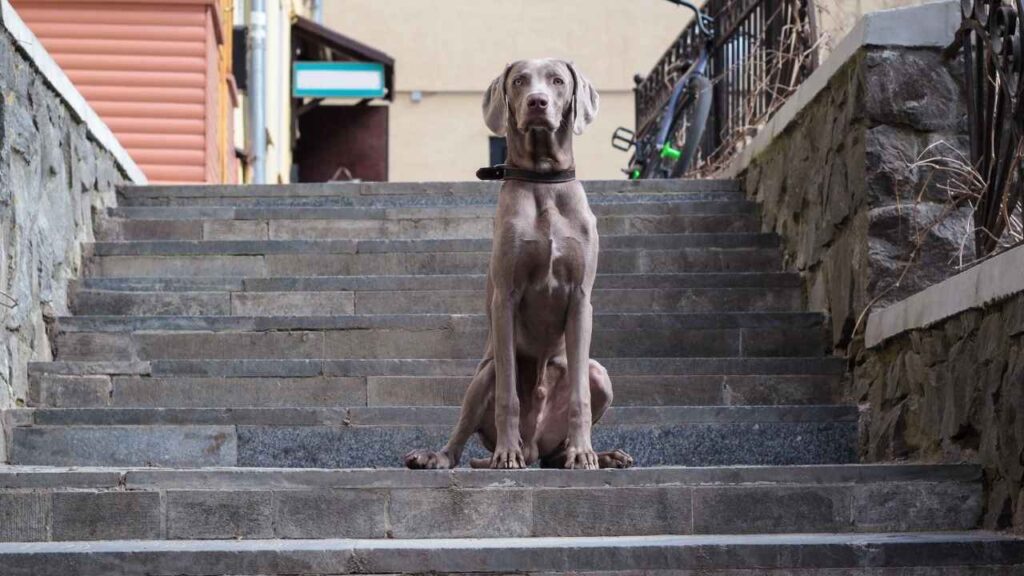
Weimaraners generally do well with people when properly socialized, but their large size and enthusiasm mean they should be supervised around babies and toddlers. They are not ideal kennel dogs because they strongly prefer being close to their owners.
A bored Weimaraner can become destructive, so daily exercise, training, and mental challenges are essential.
Exercise Needs & Energy Level
Australian Cattle Dog
The Australian Cattle Dog is a working breed with extremely high energy. Bred to herd cattle for long hours, this dog needs far more than a casual daily walk. Most adult ACDs need over two hours of exercise per day, along with regular mental stimulation, to stay calm and well-behaved.
Good activities for an Australian Cattle Dog include:
Hiking and outdoor exploring
Agility classes
Fetch with a ball or frisbee
Obedience training
Puzzle toys and treat-finding games
Herding-style activities or structured jobs
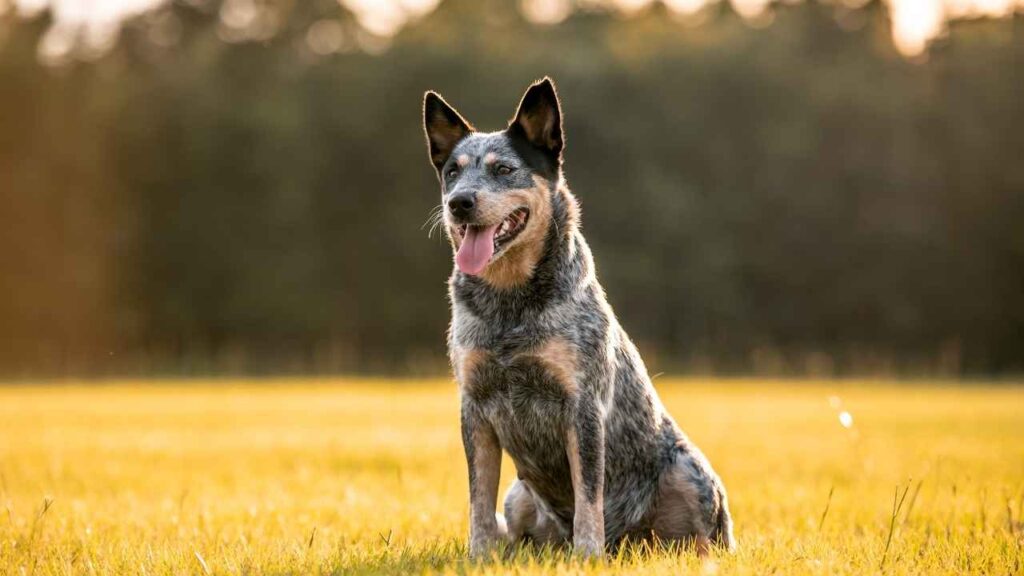
Because this breed is intelligent and task-driven, boredom can quickly lead to mischief. A tired Australian Cattle Dog is usually a much easier dog to live with, but exercise should be balanced with training, structure, and rest. Puppies should not be overworked; their activity should increase gradually as they grow.
Weimaraner
The Weimaraner is also a very high-energy breed, but its exercise needs come from its background as an athletic hunting dog. Adults typically need 1–2+ hours of vigorous daily exercise, and many do best with around two hours of active movement.
A simple walk may not be enough; Weimaraners often need to run, stretch their legs, and burn energy at full speed in safe areas.
Good activities for a Weimaraner include:
Running or jogging
Hiking
Swimming
Fetch
Scent work
Training games
Off-leash exercise in secure, controlled spaces
Mental stimulation is just as important as physical activity. Without enough exercise or companionship, Weimaraners may become anxious, destructive, or escape-prone.
Since they can have a strong prey drive, off-leash exercise should only happen in safely enclosed areas. Puppies need controlled play and short walks to protect their developing joints.
Trainability & Obedience
Australian Cattle Dog
The Australian Cattle Dog is highly trainable but not always easy to train. This breed is extremely intelligent, quick to learn, and naturally focused, which can make training very rewarding.
However, ACDs are also independent, strong-willed, and sometimes dominant, so they need an owner who can provide clear rules and consistent leadership.
Because they were bred to make decisions while working cattle, Australian Cattle Dogs may not obey blindly. They respond best to firm, fair, and structured training that gives them a purpose. Repetitive or boring lessons can lead to stubbornness, so training should be active, varied, and mentally challenging.
Training tips for ACDs:
Start socialization and obedience early.
Use short, focused training sessions.
Give them jobs, games, or tasks to complete.
Reinforce calm behavior around children, strangers, and other dogs.
Avoid harsh methods; consistency works better than force.
With the right handler, the Australian Cattle Dog can become an obedient, reliable, and impressive working companion. Without training, though, its intelligence may turn into bossiness, nipping, chasing, or destructive behavior.
Weimaraner
The Weimaraner is also very intelligent and capable of learning quickly, but its obedience depends heavily on exercise, attention, and mental stimulation.
This breed is loyal and often eager to be close to its family, which can make training easier than with more independent breeds. However, Weimaraners are clever enough to test boundaries and may use their intelligence to get what they want.

A bored or under-exercised Weimaraner can become difficult to manage. These dogs have been known to open doors, unlatch gates, chew, dig, bark, or escape when they are lonely or unstimulated.
Training should therefore combine obedience, impulse control, scent work, fetch, and other activities that challenge both body and mind.
Training tips for Weimaraners:
Begin training and socialization from puppyhood.
Pair obedience with plenty of daily exercise.
Teach recall carefully, especially because of prey drive.
Use puzzle games, scent work, and retrieving activities.
Practice alone-time training to reduce separation anxiety.
Grooming Needs & Shedding
Australian Cattle Dog
The Australian Cattle Dog has a short, dense double coat designed for outdoor work. Its thick undercoat helps protect the skin, while the straight outer coat is weather- and rain-resistant.
This breed comes in blue or red speckled coloring, though puppies are born white and usually develop their distinct coat color by about 4–6 weeks of age. Because of this practical coat, the ACD does not usually need special skin care, frequent baths, or complex grooming.

However, Australian Cattle Dogs do shed a moderate to high amount, especially when they blow their dense undercoat twice a year. Weekly brushing is usually enough for routine care, but during shedding seasons, brushing every few days or even daily can help remove dead hair.
Occasional baths are fine unless the dog gets muddy, and regular nail trims, ear cleanings, and eye checks are important. Since ACDs are active outdoor dogs, flea, tick, and heartworm prevention is also highly recommended.
Weimaraner
The Weimaraner has a short, sleek single coat that lies close to the body, giving the breed its smooth “Gray Ghost” appearance. Because it does not have a thick undercoat, the Weimaraner does not need haircuts, trimming, or complicated styling.
Still, calling this breed completely low-maintenance can be misleading, because regular grooming is important for comfort, skin health, cleanliness, and coat shine.
Weimaraners shed year-round, and consistent brushing helps remove loose hair, reduce shedding around the home, and spread natural oils through the coat. Bathing should be done only when needed, as over-bathing can dry the skin and cause itchiness.
Owners should also check for skin irritation, allergies, or infections, keep the nails trimmed, clean the floppy ears regularly because they can trap moisture and debris, and maintain dental care. Their grooming routine is simple, but it works best when done consistently.
Guarding Instincts & Alertness
Australian Cattle Dog
The Australian Cattle Dog is naturally alert, watchful, and protective. Bred to work independently around livestock, it tends to notice changes in its surroundings quickly and may be suspicious of strangers.
Although it is not usually an excessive barker, it can make an excellent watchdog because it is loyal, courageous, and quick to respond when it senses something unusual.
This protective instinct can be useful, but it also means early socialization is important so the dog learns the difference between real threats and normal visitors.
The ACD’s guarding style is often intense and serious. It may try to control situations, people, children, or other pets through herding behaviors such as chasing, blocking, or nipping. Some Australian Cattle Dogs may also show dominance or aggression toward unfamiliar dogs, especially without proper training.
For this reason, owners should provide firm boundaries, calm leadership, and consistent obedience work from a young age.
Weimaraner
The Weimaraner is also alert and can make a capable watchdog, but its guarding instincts are usually different from the Australian Cattle Dog’s. Weimaraners are people-oriented, loyal companions that form strong bonds with their families, so they often notice strangers, noises, or movement around the home.
Their size, confidence, and natural awareness can make them effective at warning owners when something seems off.

However, the Weimaraner is generally more social and companion-driven than the ACD. It is often friendly with people when properly socialized, but it can still be protective of its home and family.
Because this breed is energetic, intelligent, and sometimes prone to barking or escape behaviors when bored or anxious, owners should make sure its alertness is guided through training, exercise, and mental stimulation rather than frustration or nervousness.
Health & Lifespan
The Australian Cattle Dog is generally a hardy, long-lived breed, with an average lifespan of 12–16 years. Its rugged working background gives it strong stamina, but owners should still watch for inherited eye, ear, heart, and joint issues.
PetMD notes that common concerns in the breed include heart conditions, eye defects, deafness, and orthopedic problems such as hip dysplasia.
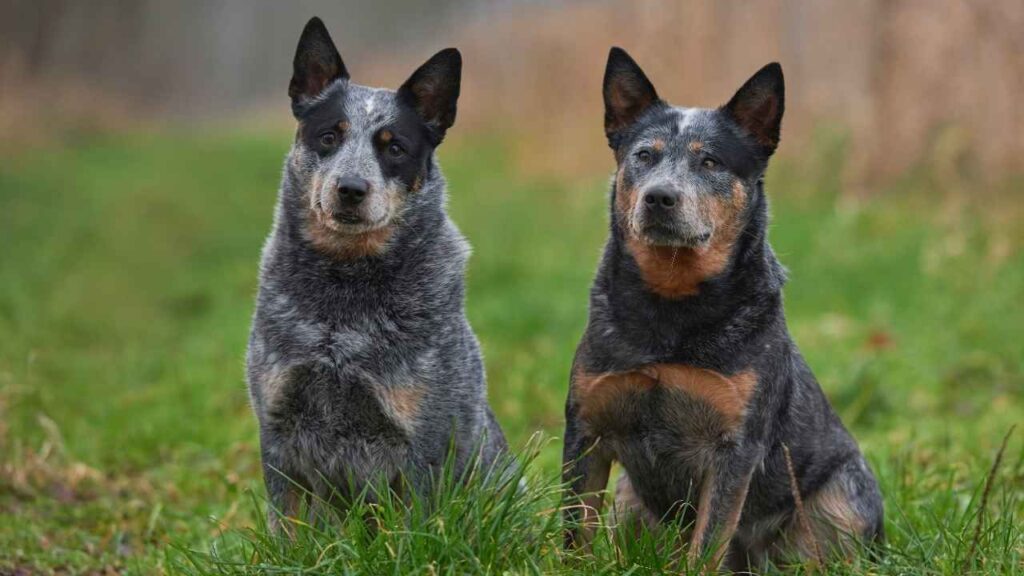
Common health issues may include:
Progressive retinal atrophy (PRA): an inherited eye disease that can lead to vision loss.
Deafness: can be congenital or inherited in the breed.
Hip dysplasia: abnormal hip development that may cause pain, stiffness, or arthritis.
Eye injuries: active working dogs may scratch or irritate their eyes during rough outdoor activity.
Heart conditions: less common, but still worth screening for with a veterinarian.
Weimaraner
The Weimaraner has a shorter average lifespan, usually around 10–13 years. As a large, deep-chested sporting dog, it is generally athletic and healthy, but it has some important breed risks owners should take seriously.
Common Weimaraner health concerns include hip dysplasia, bloat/GDV, thyroid problems, and some eye conditions.
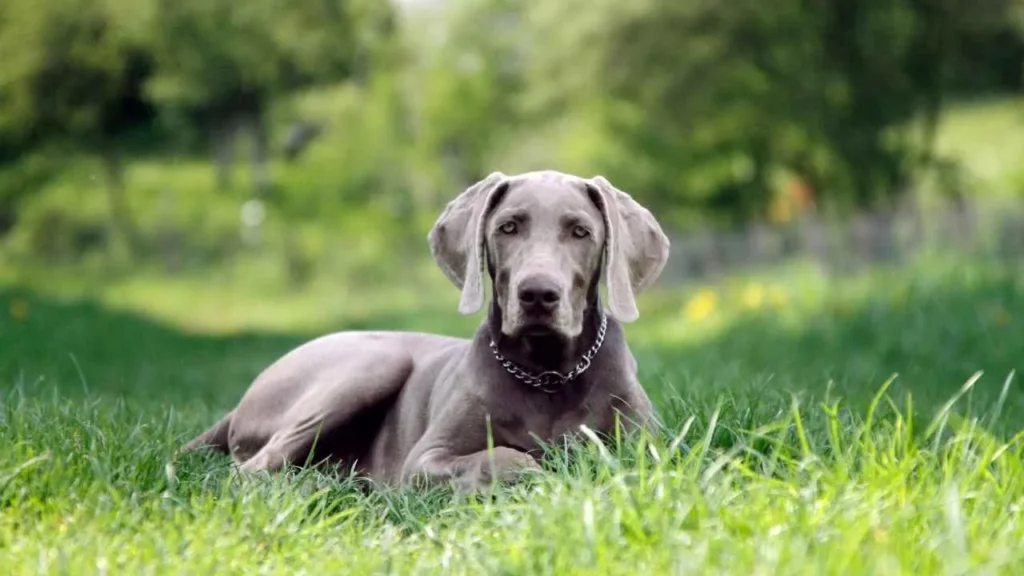
Common health issues may include:
Bloat/GDV: A life-threatening stomach-twisting emergency that deep-chested breeds are more prone to.
Hip dysplasia: A joint condition that can affect comfort and mobility.
Hypothyroidism: A thyroid disorder that may affect weight, energy, coat, and skin.
Eye conditions: Some Weimaraners may develop inherited or age-related vision issues.
Separation-related stress: Not a disease, but anxiety can affect behavior and overall well-being.
Which Dog Matches Your Daily Routine?
The Australian Cattle Dog is the better match for a daily routine built around structure, training, and purposeful activity. This breed thrives with owners who can provide regular exercise, clear rules, and mentally challenging tasks such as obedience work, agility, fetch, hiking, farm chores, or puzzle games.
ACDs are loyal and affectionate with family, but they are also independent, strong-willed, and easily bored, so they are not ideal for people who want a laid-back dog or have very little time for daily engagement.
The Weimaraner is better suited to a routine filled with companionship, vigorous movement, and outdoor adventure. This large sporting breed does best with active owners who enjoy running, hiking, swimming, fetch, or other high-energy activities and can spend plenty of time with their dog.
Because Weimaraners are people-oriented and can become anxious, destructive, or noisy when left alone too long, they fit best in homes where they receive consistent attention, exercise, training, and access to safe, secure spaces to stretch their legs.
Conclusion
The Australian Cattle Dog and Weimaraner are both intelligent, energetic, and deeply loyal, but they suit different kinds of owners.
The ACD is compact, tough, independent, and work-driven, making it ideal for people who enjoy structure, training, and giving their dog a job.
The Weimaraner is larger, more people-focused, and highly athletic, making it a better fit for active families who want a close companion for running, hiking, or outdoor adventures.
Before choosing either breed, be honest about your daily routine, experience level, space, and time for exercise and training. A well-matched dog becomes a partner, not a problem to manage.
Whether you choose the focused Blue Heeler or the elegant Gray Ghost, the best decision is the one that gives the dog the life it was bred to love.
