




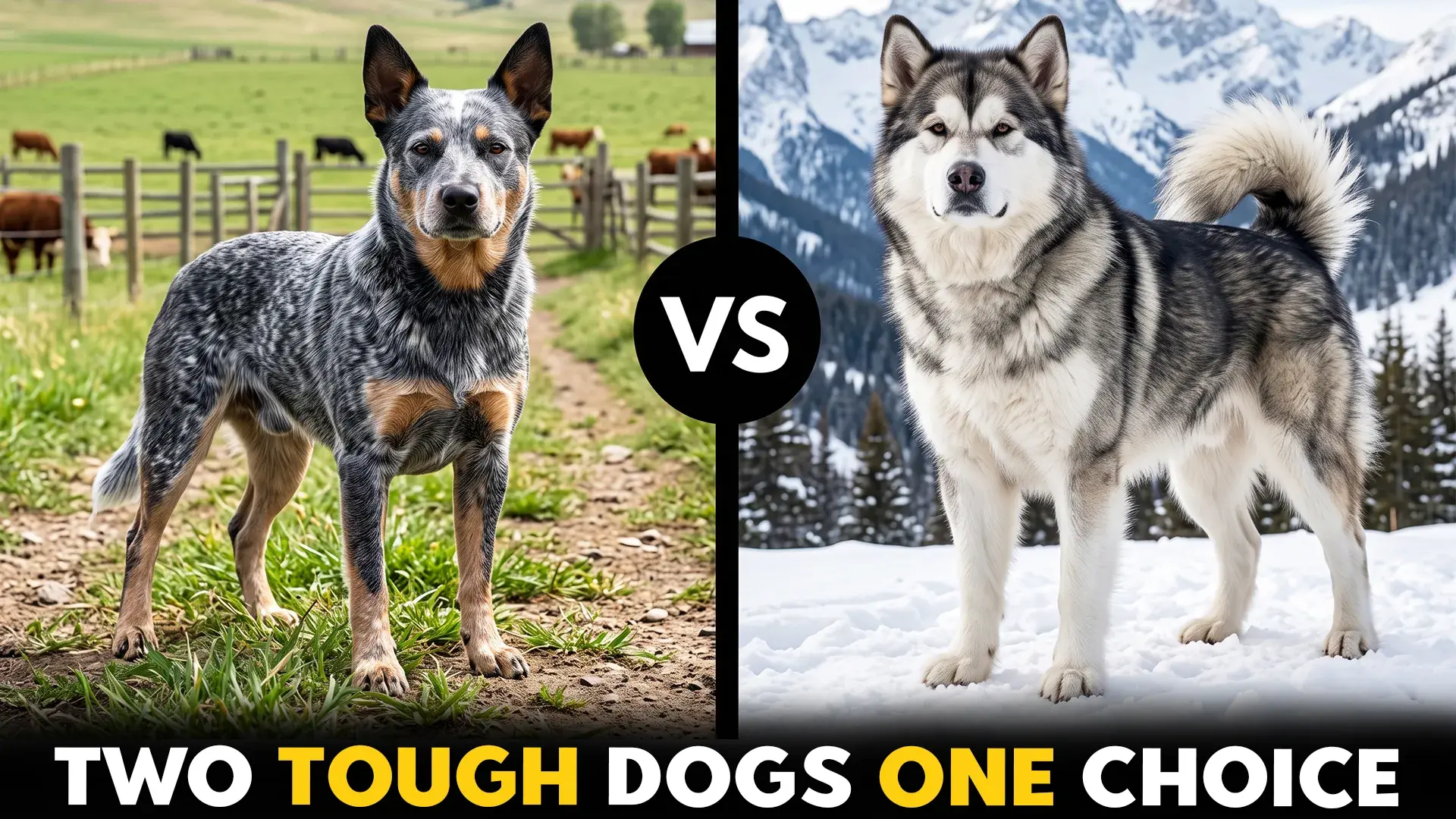
Choosing between two hardworking companions can feel trickier than it first seems. The Australian Cattle Dog and the Alaskan Malamute both come from strong working backgrounds, but day-to-day life with each one looks pretty different, even if they seem similar in that general “working dog” sense. Once you look past the surface, though, it gets a lot easier to spot which one actually fits your routine.
Both breeds were built for demanding jobs, but their personalities, energy levels, and everyday needs aren’t really alike. Knowing these differences before bringing one home can go a long way in building a happier life, for the dog and for everyone else at home, too.
Despite sharing a hardworking history, these two breeds grew up in completely different worlds. One spent long days guiding cattle across Australian farms, while the other pulled sleds through icy Arctic landscapes. That history still shows up in how each one behaves today.
Let’s look at the key differences in their personalities, grooming, and training needs so you can pick the perfect match.
Australian Cattle Dog vs. Alaskan Malamute Breed Differences You Should Know
Choosing between an Australian Cattle Dog and an Alaskan Malamute isn’t just about picking a size; it’s about choosing a lifestyle. While one is a highly intense, laser-focused herding pup, the other is an independent, heavy-pulling pack dog built for the cold.
Here is everything you need to know about how their temperaments and daily care needs stack up.
Origin and purpose
The biggest difference between these two starts with where they came from and what kind of work they were originally built for. Their history explains a lot about why their instincts, movement, and everyday habits still feel so different today.
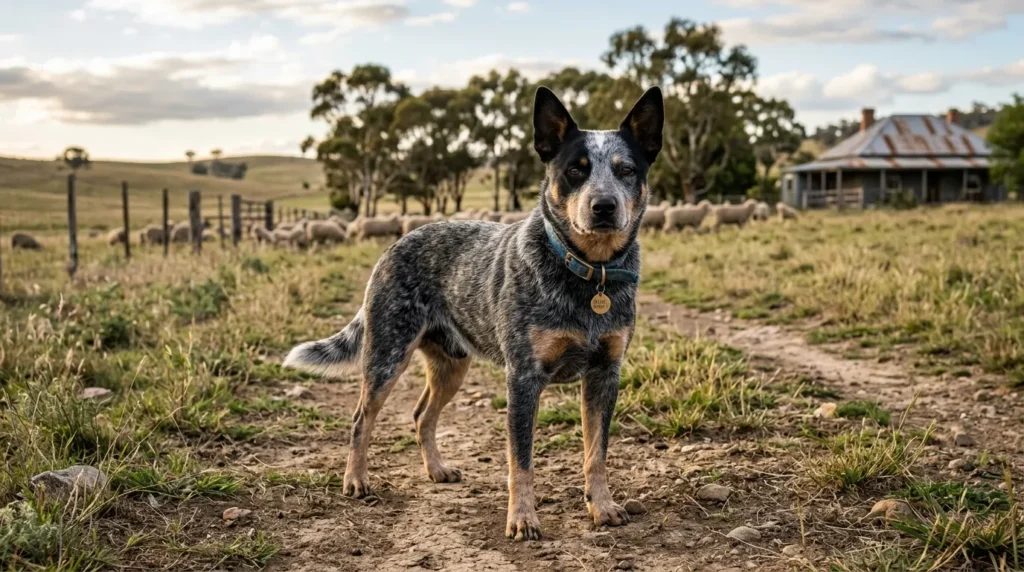
The Australian Cattle Dog was developed in Australia to move livestock across long distances. As WebMD points out, this breed became known as a dependable farm helper, one capable of thinking independently while working around cattle. Those early responsibilities shaped a dog that learns quickly and genuinely enjoys solving problems rather than waiting around for constant direction.
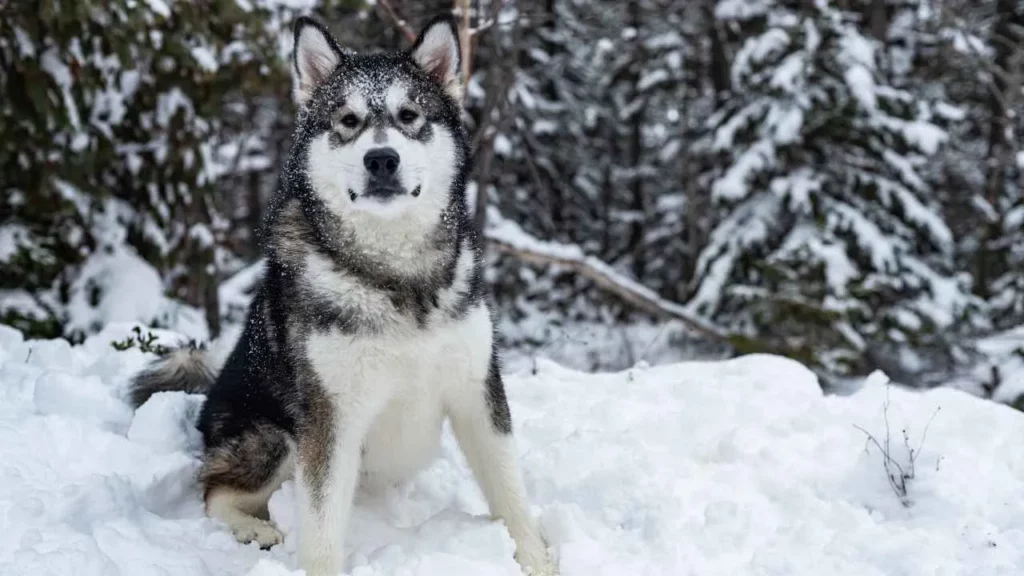
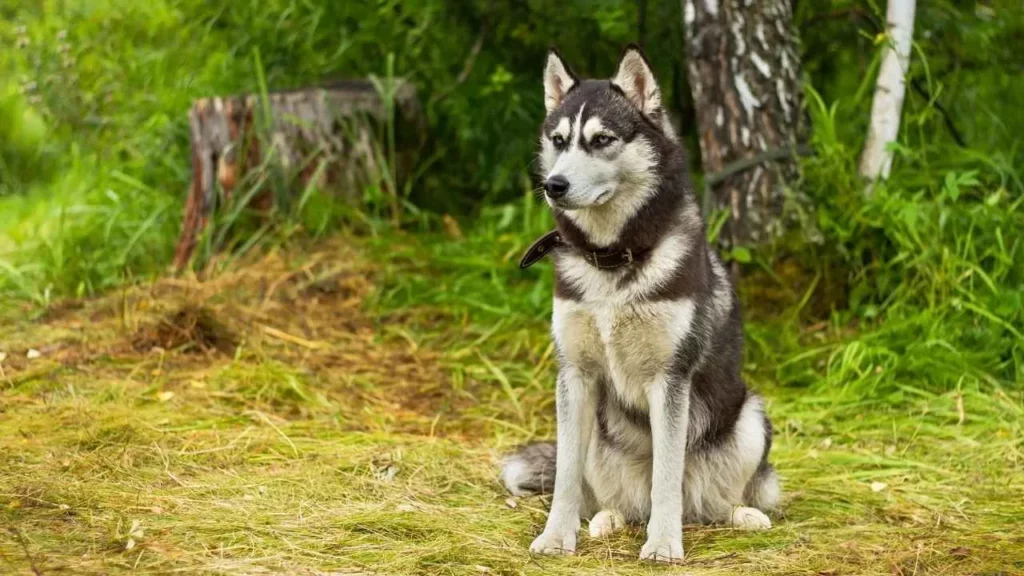
The Alaskan Malamute, on the other hand, took a completely different path. This powerful Arctic sled dog was developed by the Mahlemut Inuit people to haul heavy loads across frozen terrain. Long journeys through harsh weather called for endurance, steadiness, and raw strength, not speed. And honestly, that working background is still pretty easy to spot in the breed today.
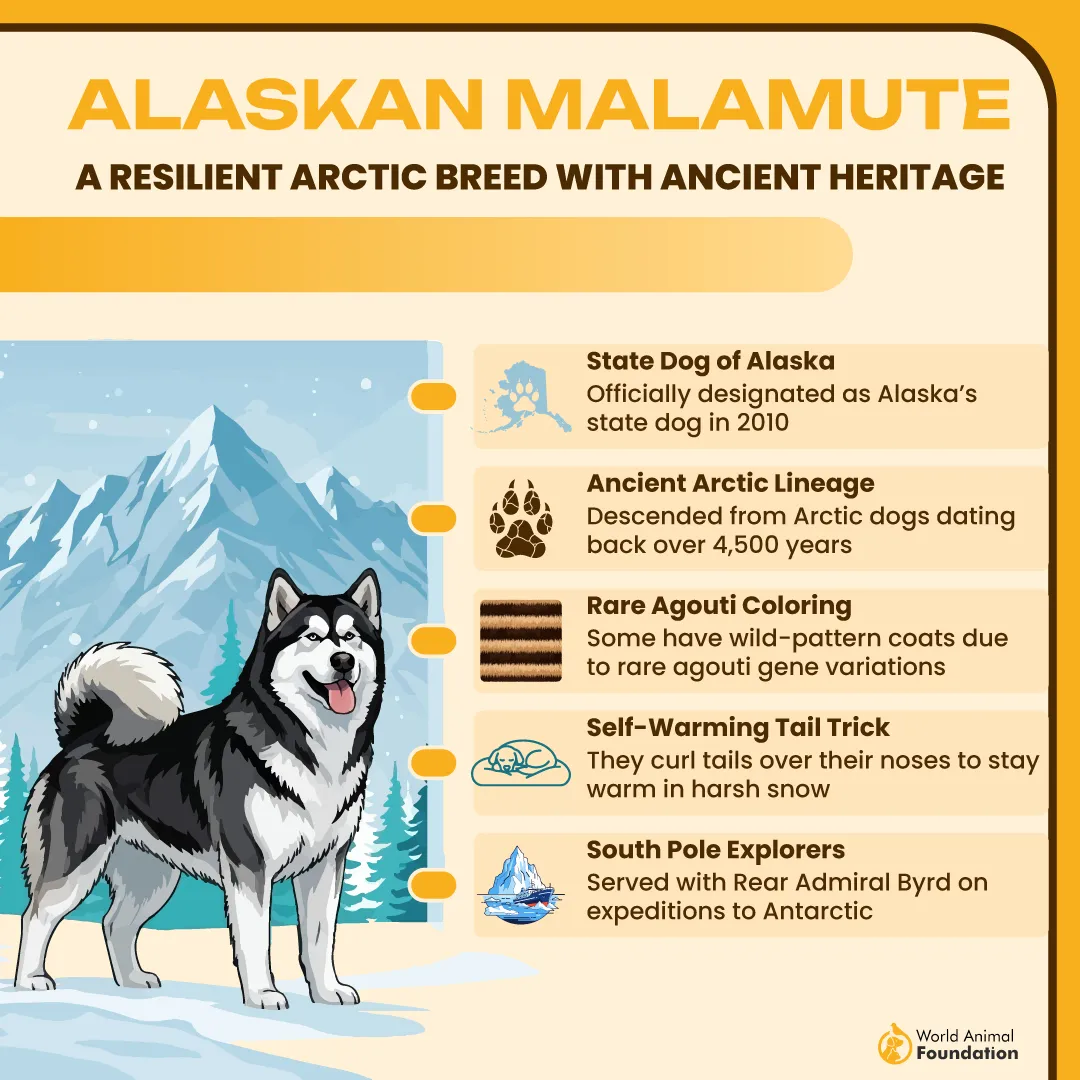
While the Cattle Dog naturally gravitates toward guiding livestock and staying alert around them, the Malamute tends to settle more into pulling weight and working alongside people in cold climates. Those early roles still shape how each of them behaves day to day.
Size and Build
The biggest difference between these two dogs shows up fast once you look past size and history; it’s really about energy and how that energy gets used day to day. The Australian Cattle Dog is famous for being tireless, sharp, and constantly ready to work.
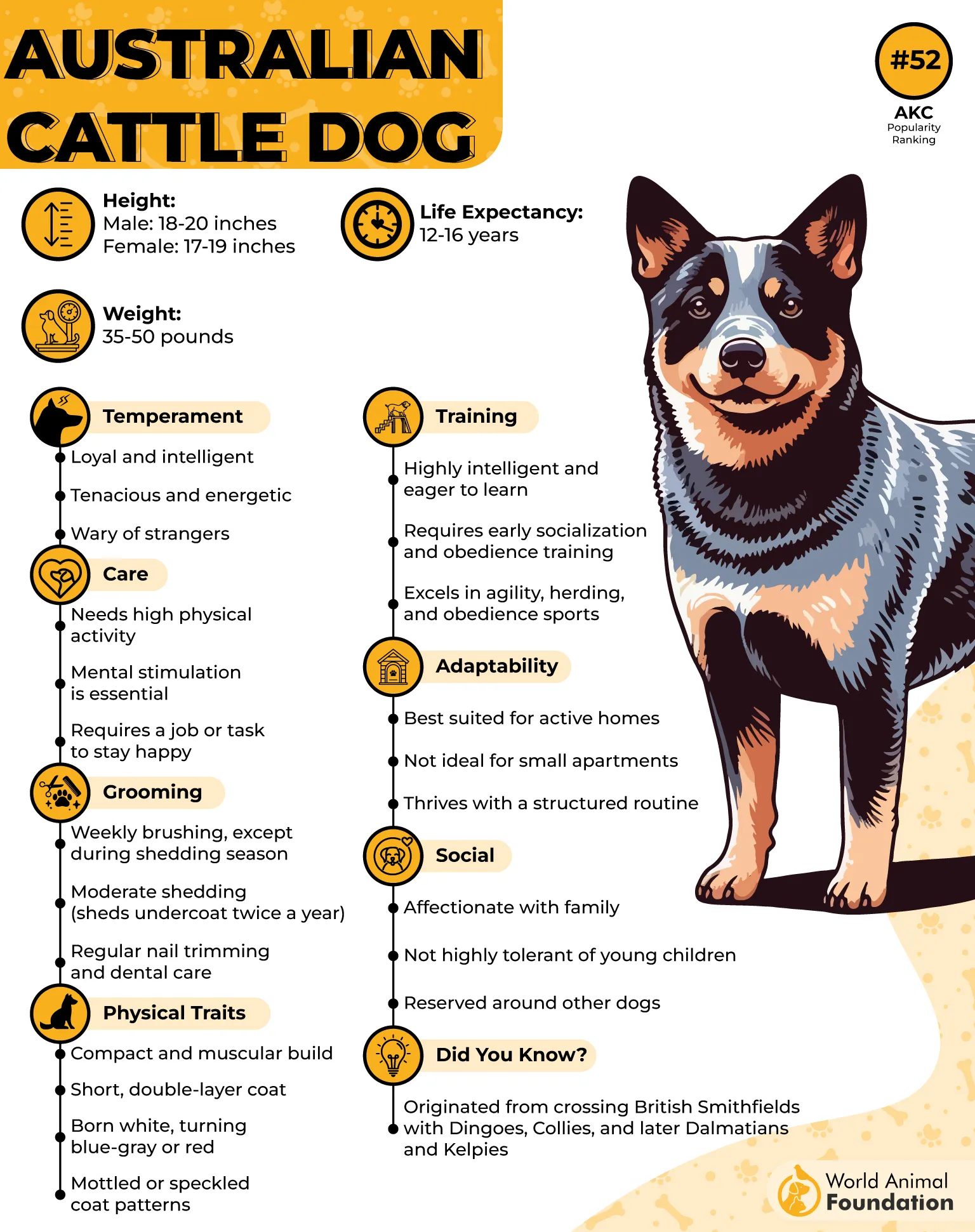
This breed thrives on tasks that challenge both body and brain, herding drills, agility courses, or just a solid job to focus on. Without enough mental and physical outlets, a Cattle Dog can get restless or even a little mischievous.
The Alaskan Malamute brings a different kind of energy to the table. It’s strong and enduring rather than fast-paced, built for long stretches of steady work instead of quick bursts. Malamutes still need plenty of exercise, but it tends to look more like long walks, weight-pulling activities, or hikes rather than nonstop drills. They’re also known for being a bit more laid-back indoors once their exercise needs are met.
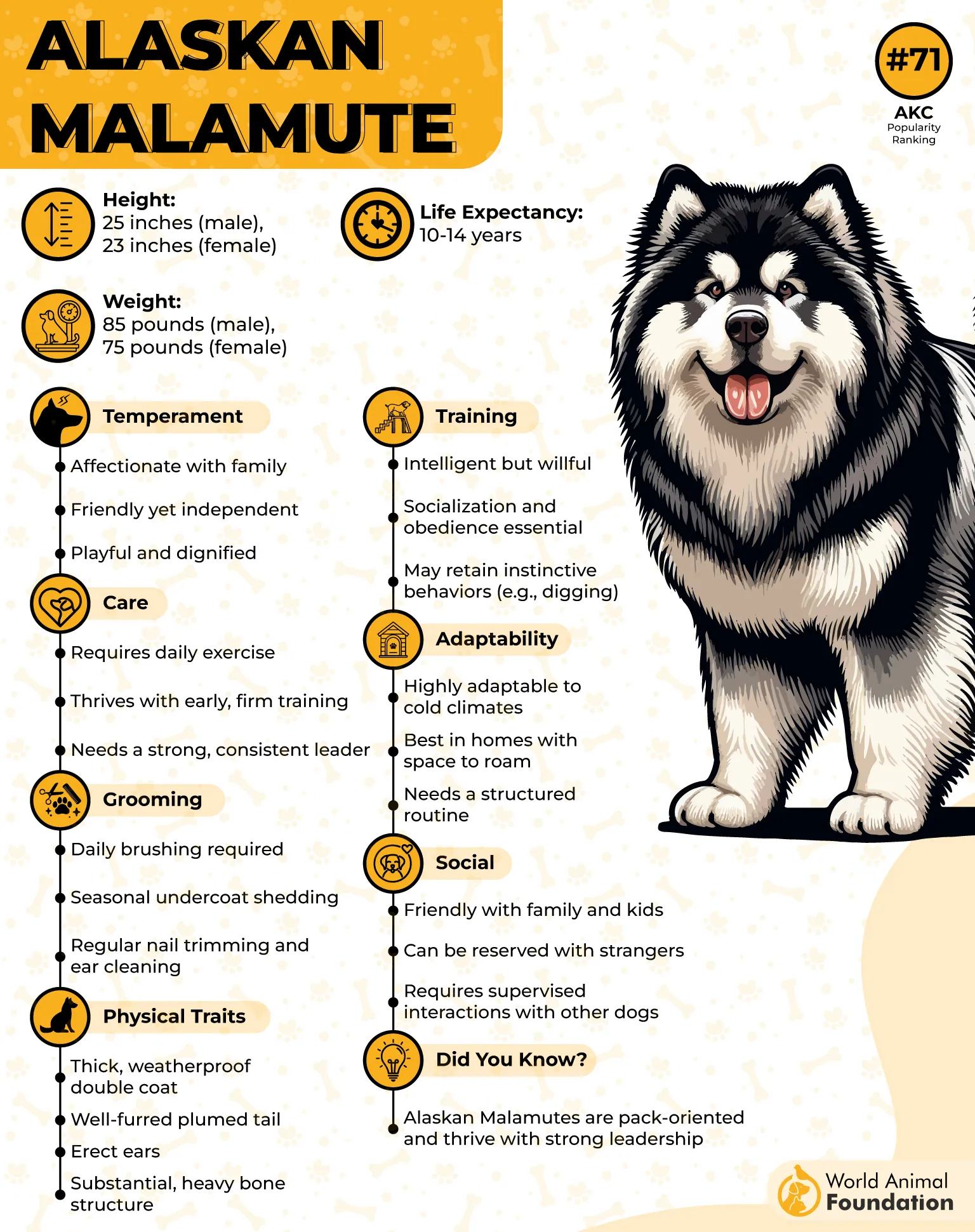
That difference in energy style really shapes what life looks like with each breed. A Cattle Dog often fits well with active owners who enjoy structured training and daily challenges, while a Malamute suits people who can offer consistent, sustained activity without needing constant mental games layered on top.
Pricing & Availability
Pricing for both breeds can vary quite a bit depending on breeder quality, health testing, and even your general location. Demand plays a role too, especially with working-line pups tied to strong, reputable bloodlines.
In many areas, the Australian Cattle Dog tends to be a bit easier to find, particularly in regions where herding breeds are more common. Ethical breeders usually invest time in health checks and early conditioning, which can push the price up a little, but it often pays off with a steadier temperament and behavior that’s easier to live with long-term.
The Alaskan Malamute, on the other hand, can be a bit harder to track down depending on where you live. Between higher breeding standards, its larger size, and its heftier food requirements, this breed often lands in a higher price bracket compared to some smaller working dogs.
Temperament & Personality
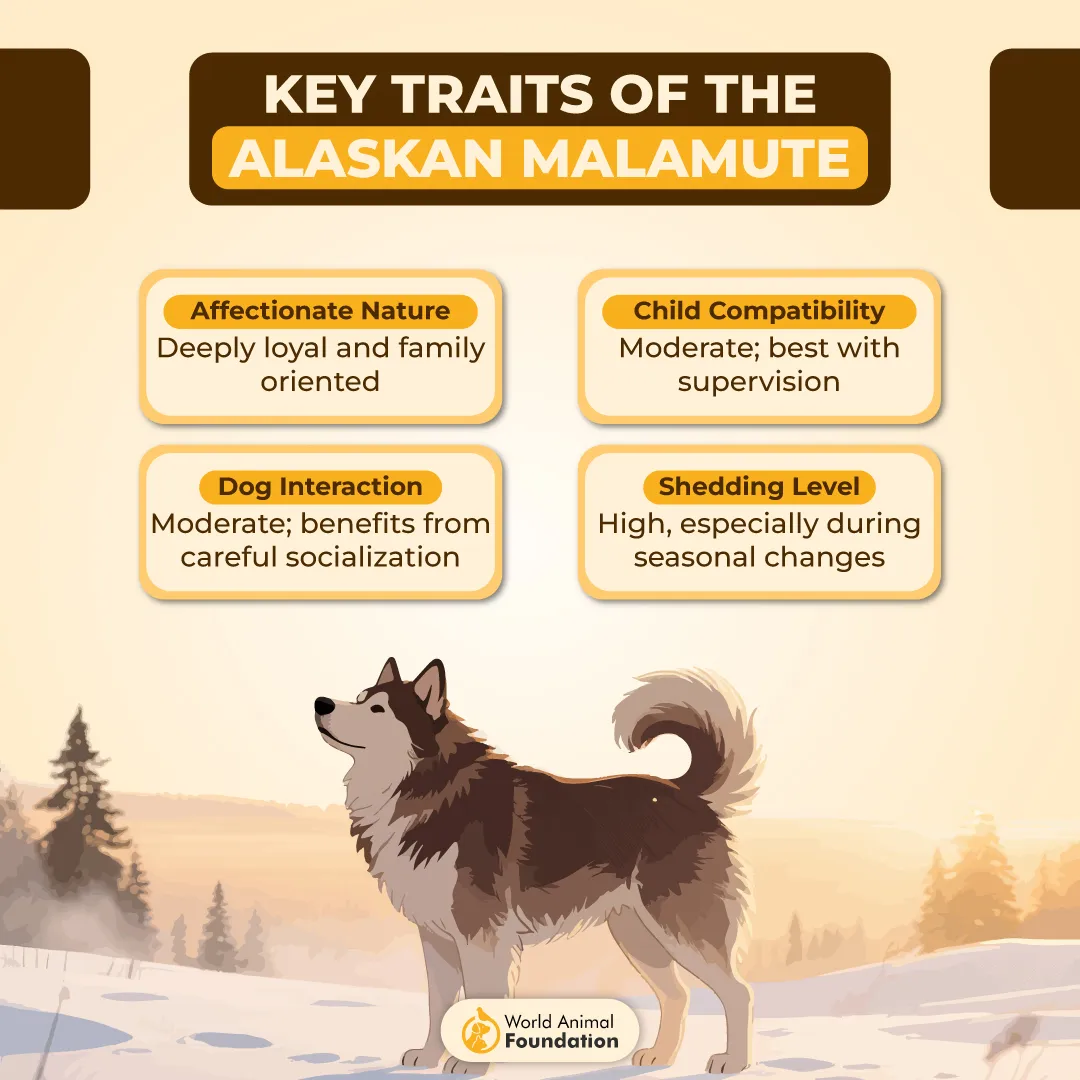
Both breeds are loyal through and through, but the way that loyalty shows up day to day looks pretty different once you actually live with them.
The Australian Cattle Dog tends to stay sharp, focused, and ready for whatever activity comes next. According to Purina, ongoing mental engagement really matters for this breed, and boredom can creep in fast if that need isn’t met, sometimes turning into less-than-ideal habits.
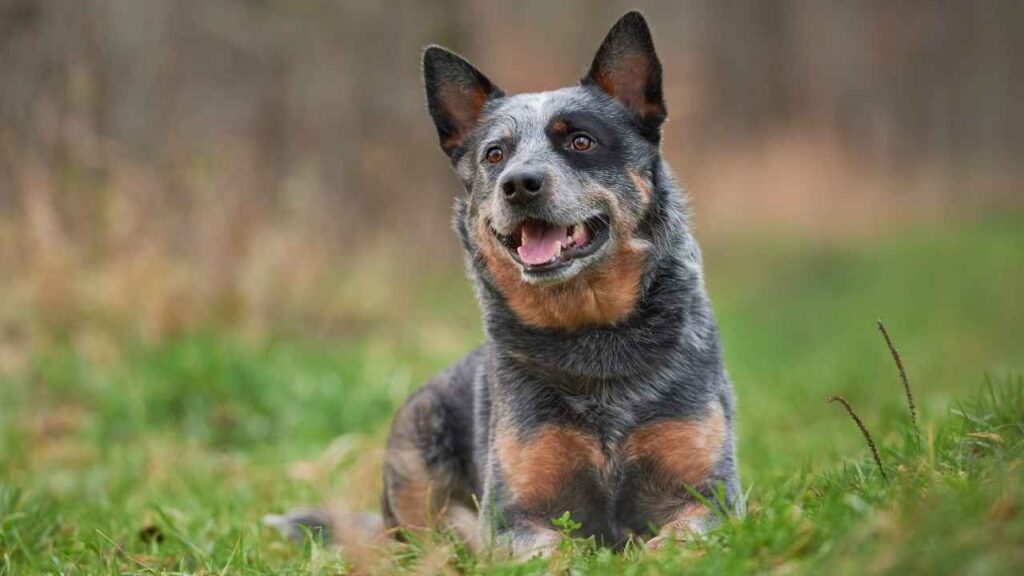
Cattle Dogs also tend to bond closely with their family, though they can stay a bit wary around unfamiliar people until trust has had time to build.
The Alaskan Malamute, by contrast, usually brings a calmer, more social energy into the home, at least most of the time. There’s plenty of warmth for family, but a clear streak of independence runs through this breed, too.
So you end up with a dog that genuinely enjoys being around people, without necessarily needing constant attention on demand.
Exercise Needs & Energy Level
Energy runs high in both breeds, though the way they “release” it looks pretty different. The Australian Cattle Dog usually wants quick, active bursts of movement paired with small mental challenges spread throughout the day.
Even short stretches of downtime can feel a bit much for this breed, so structured routines, training sessions, and engaged playtime go a long way in keeping things balanced.
The Alaskan Malamute also needs regular movement, but it leans more toward endurance and stamina rather than pure speed.
Long walks help, pulling-style activities work well, and open-air exploration is always a win. This breed tends to feel most comfortable in cooler weather, too, and it shows in how eagerly it takes to outdoor time.
Trainability & Obedience
How trainable a dog is really comes down to how it processes learning and how much independence factors in. The Australian Cattle Dog picks things up fast and generally responds well when training is structured and consistent.
Its natural problem-solving ability makes obedience sessions feel productive, especially when the exercises stay engaging. Starting training early also helps establish calmer patterns and can keep protective instincts from becoming too strong later on.
The Alaskan Malamute is smart too, but it tends to rely on its own judgment more than jumping to follow commands. That’s not because it doesn’t understand what’s being asked; it’s more that an independent, self-thinking mindset is kicking in.
Steady repetition and patience, without rushing the process, usually lead to better long-term results with this breed.
Grooming Needs & Shedding
Coat type plays a big role here too; it really shapes how much everyday upkeep each breed needs, from brushing routines to shedding levels.
The Australian Cattle Dog has a short, weather-resistant coat that needs very little maintenance. A weekly brush is usually enough to keep shedding under control, and the coat stays healthy even as the seasons change.
The Alaskan Malamute, on the other hand, has a thick double coat built for Arctic conditions. Regular brushing matters a lot here, especially during shedding season, when loose hair really ramps up.
This coat takes more time and effort to manage overall, so staying on top of grooming is key if you want to keep things under control.
Outdoor Adventure & Exploration
What each breed enjoys outdoors really traces back to the work they were originally bred for. The Australian Cattle Dog tends to prefer organized outdoor time, ideally with some kind of direction or purpose built in.
On walks or in open spaces, it stays alert and watchful, and it usually does best with a job-like task or a stimulating game rather than just relaxing in quiet stillness.
The Alaskan Malamute, meanwhile, really comes alive in wide open spaces where it can roam and take on endurance-style activity. The AKC states that long outdoor stretches feel natural for this breed, and it tends to shine most in colder climates, where its strength and stamina really get to show.
Health & lifespan
Both breeds tend to be fairly sturdy overall, but genetics and body structure can bring their own specific health risks. The Australian Cattle Dog is generally a healthy breed, though some lines may be prone to issues like hip dysplasia or inherited eye problems, depending on breeding history.
Regular exercise, responsible breeding choices, routine vet checkups, a balanced diet, and mental stimulation all play a role in helping this active breed stay healthy for the long haul.
The Alaskan Malamute may be more prone to hip dysplasia, inherited polyneuropathy, and certain eye-related concerns like day blindness. Ongoing vet visits and well-balanced nutrition are especially important here, since they go a long way in protecting this breed’s day-to-day quality of life.
Australian Cattle Dog vs. Alaskan Malamute: Which active breed fits your lifestyle?
Picking between these two really comes down to your energy level, how much space you’ve got, and what your everyday routine actually looks like.
The Australian Cattle Dog tends to thrive in homes that are always on the move, where obedience training, routines, and mental challenges are just part of the normal rhythm. It’s a great match for owners who enjoy hands-on connection, consistent play, and steady activity that doesn’t let up.
The Alaskan Malamute, on the other hand, suits households that can handle a bigger, stronger dog with fairly constant exercise needs. Emotionally, it tends to be a bit more settled at home, but it still needs plenty of outdoor time, or restlessness can creep in.
Space matters a lot here too, along with a lifestyle that supports longer, steadier movement rather than just quick bursts of activity.
Conclusion
At the end of the day, both breeds bring loyalty, toughness, and a strong bond with family, but the “right” choice really depends more on how you live than on looks alone. One offers quick problem-solving and a real drive for action, while the other brings endurance, a quiet steadiness, and dependable companionship over the long run.
Understanding these differences makes it a lot easier to find a genuine match instead of just taking a hopeful guess. From there, you can build a life where both you and your dog feel comfortable and fulfilled. When energy, space, and temperament line up the right way, either breed can turn into a truly rewarding, lifelong companion.
