




Not every dog demands a personal glam squad and a marathon runner’s schedule. These low-maintenance breeds just want to fit right into your busy day, offering pure companionship without turning your routine upside down.
Forget endless brushing sessions or high-strung care schedules. Their low-grooming coats and chill attitudes mean clean floors, zero drama, and zero fuss.
A quick walk around the block is usually all the workout they need. Most days, they are happiest snoozing quietly near your desk while you handle work, run errands, or relax.
Ready to find your perfect, low-stress companion? Dive into the list below to discover seven amazing breeds that prove pet parenthood can be totally hassle-free.
Amazing Low-Maintenance Dog Breeds to Consider
1. French Bulldog
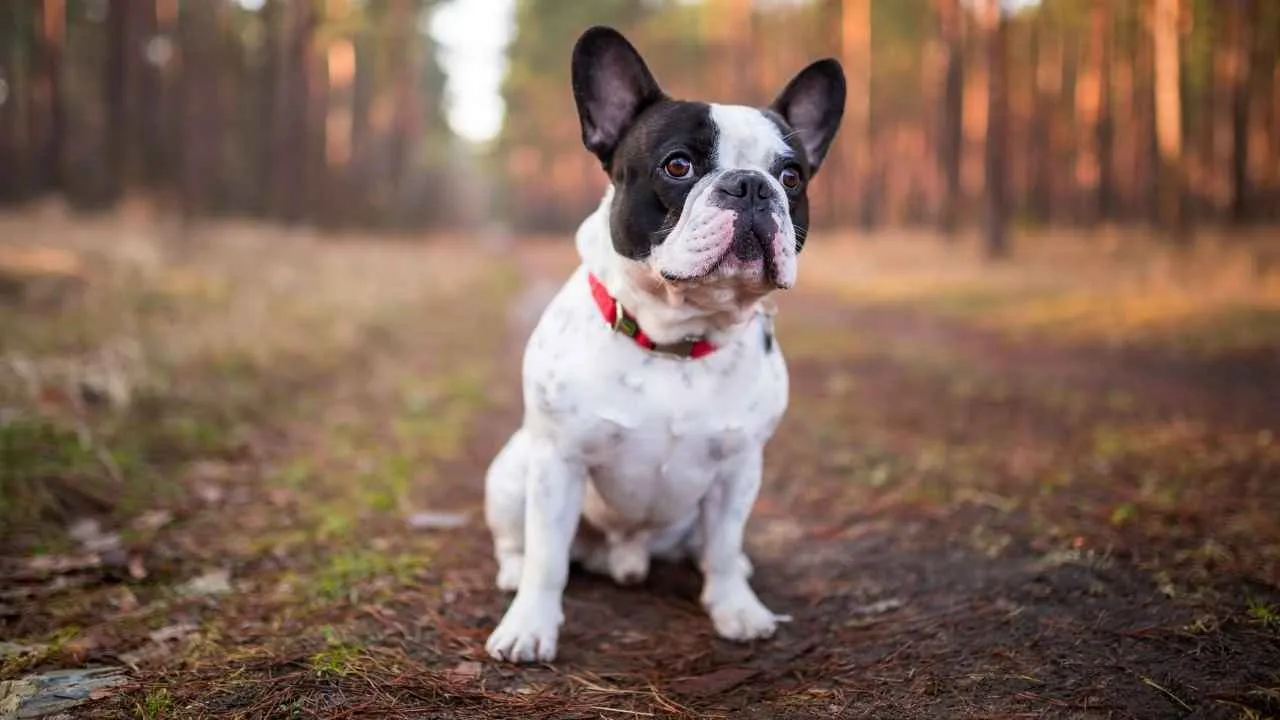
Those famous bat ears have a way of stealing the entire show. Add a wrinkly forehead, enormous expressions, and a compact little body, and the French Bulldog becomes a walking bundle of charm. Their short, smooth coat keeps everyday coat care fairly simple, and their affectionate nature makes them wonderfully devoted companion dogs.
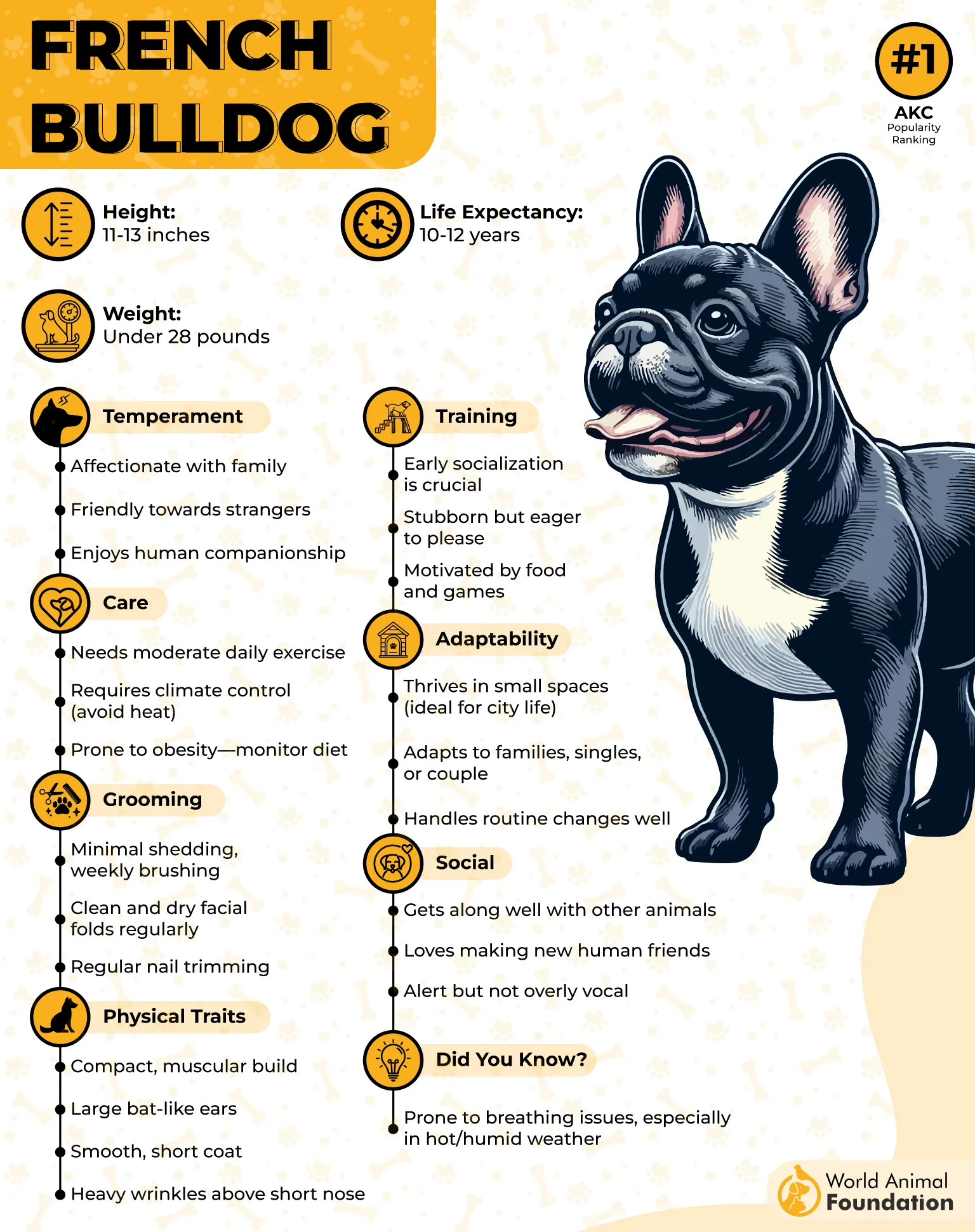
Frenchies have a playful streak, but they do not need hours of strenuous activity to feel fulfilled. A few gentle games, short outings, and plenty of time beside their favorite humans can keep their day pleasantly balanced. Their adaptable nature also explains why they have become such popular faces in city living.
What to Keep in Mind
Their adorable flat faces come with important care considerations. Frenchies can struggle with breathing and heat regulation, particularly during hot or humid weather.
Their facial folds also need routine cleaning and drying. They are poor swimmers, so unsupervised time around water is unsafe. Their grooming needs are simple, but their health care deserves close attention, including routine wellness exams.
2. Chihuahua
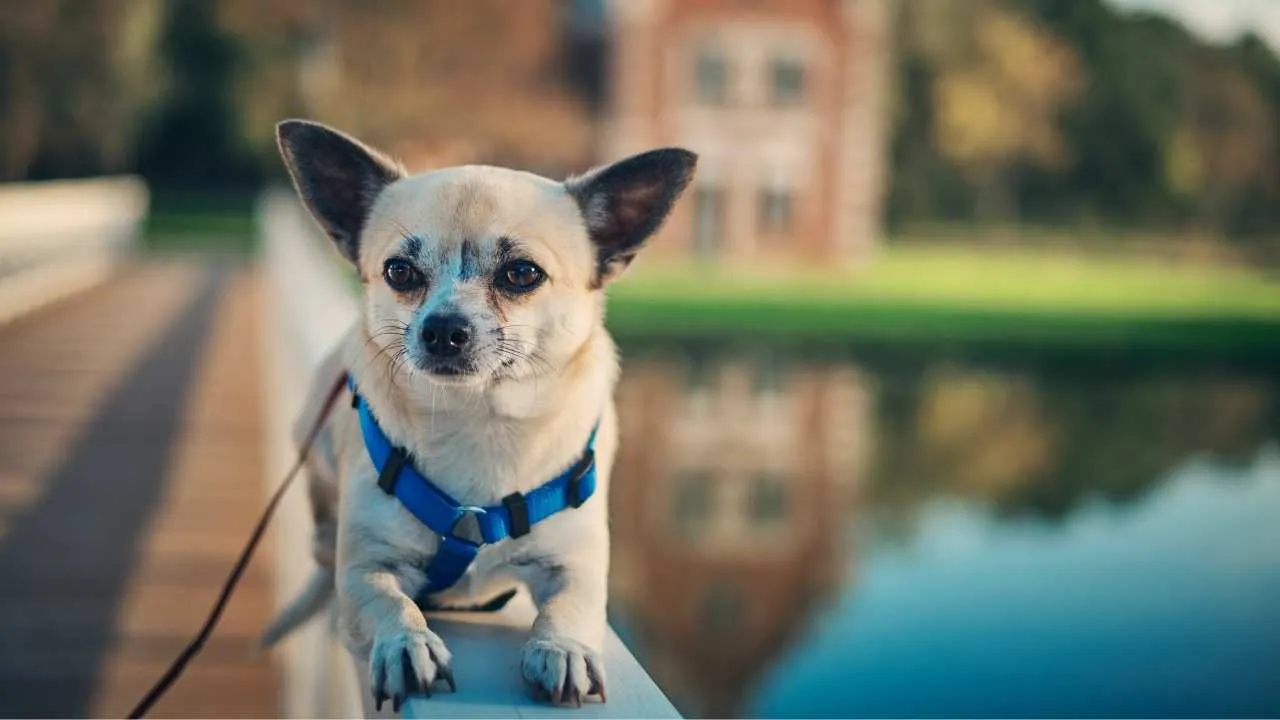
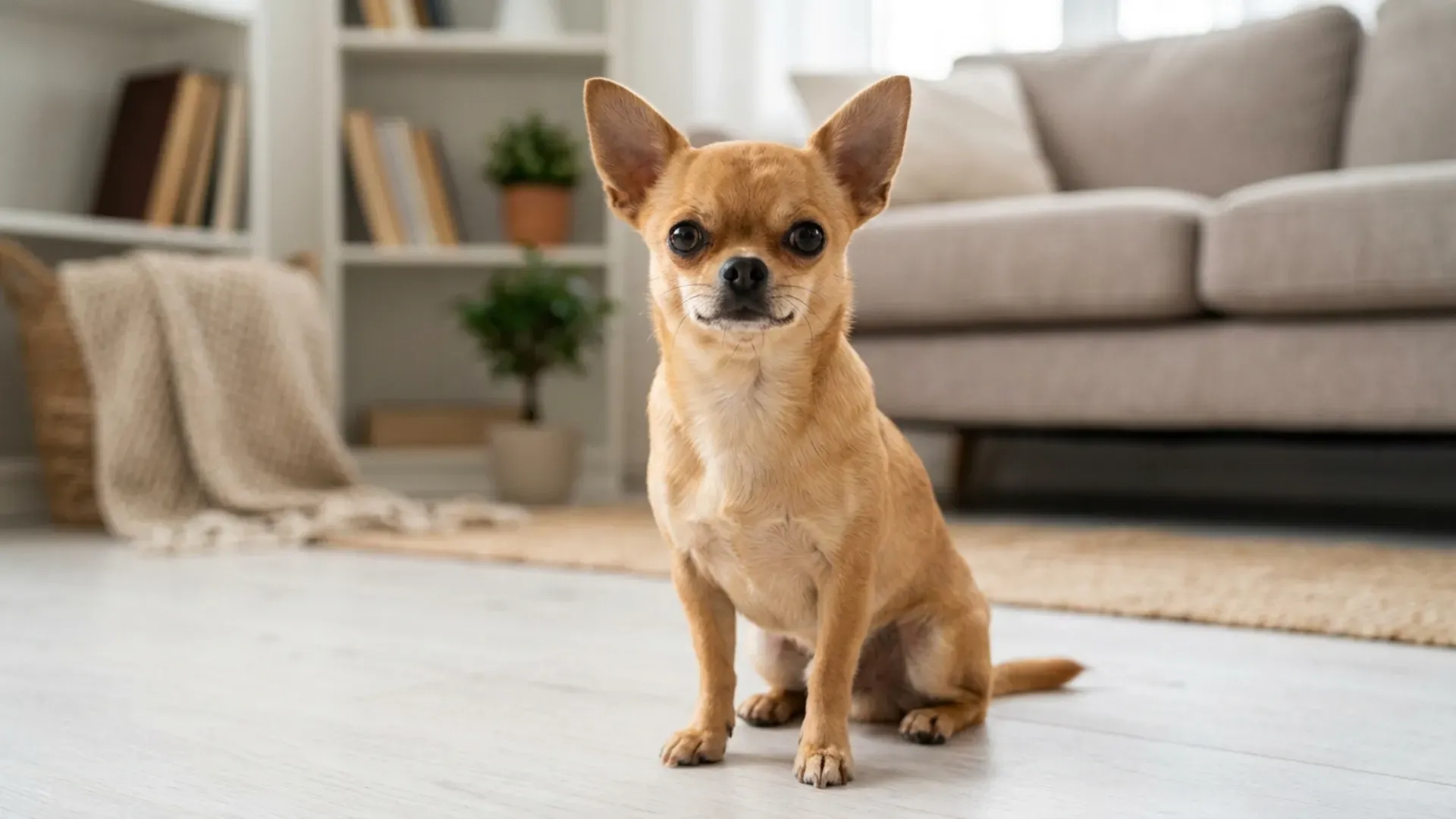
Never underestimate a tiny dog with the confidence of a much larger one. The Chihuahua owns every room it steps into. This petite dog breed comes in smooth and long-coated varieties, as Britannica mentions. With the smooth type, occasional bathing and brushing are required. For the long coat, brush two to three times a week.
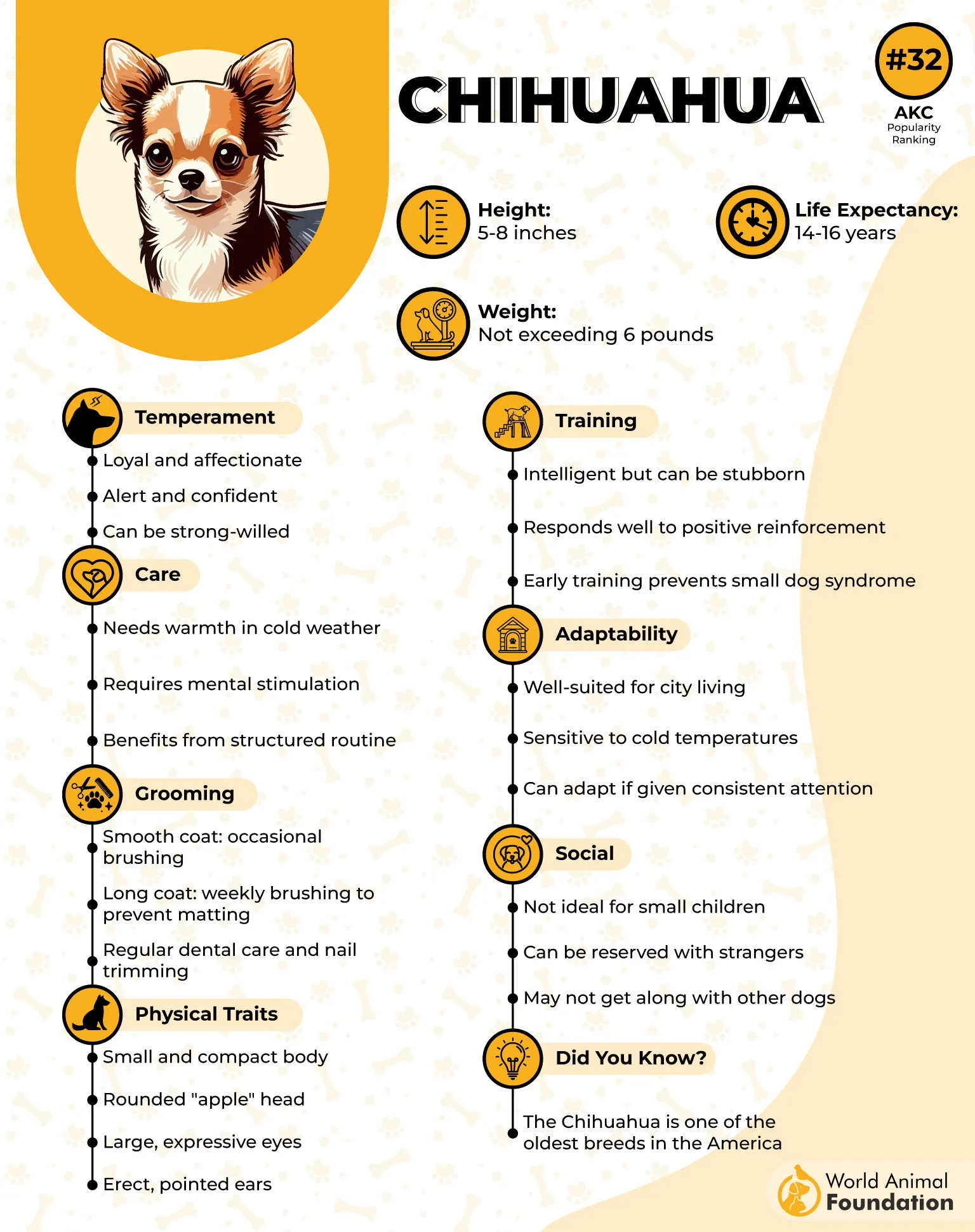
Their small size makes daily handling convenient, and they can fit comfortably into small living spaces when their activity and mental stimulation are properly managed.
Chihuahuas are alert, lively, and deeply attached to their humans. Their expressive personalities make them entertaining low-maintenance pets, especially for first-time dog owners who understand that small does not mean effortless.

Chihuahuas are known for their long lifespan, typically living around 15–17 years, giving their families many years of companionship.
What to Keep in Mind
Their miniature frame needs gentle handling. Children and other pets should be taught to interact respectfully with them, since accidental falls or rough play can cause injuries.
Daily walks, play sessions, socialization, and basic training remain important. Dental care deserves particular attention too, as small breeds can experience significant dental problems.
3. Dachshund
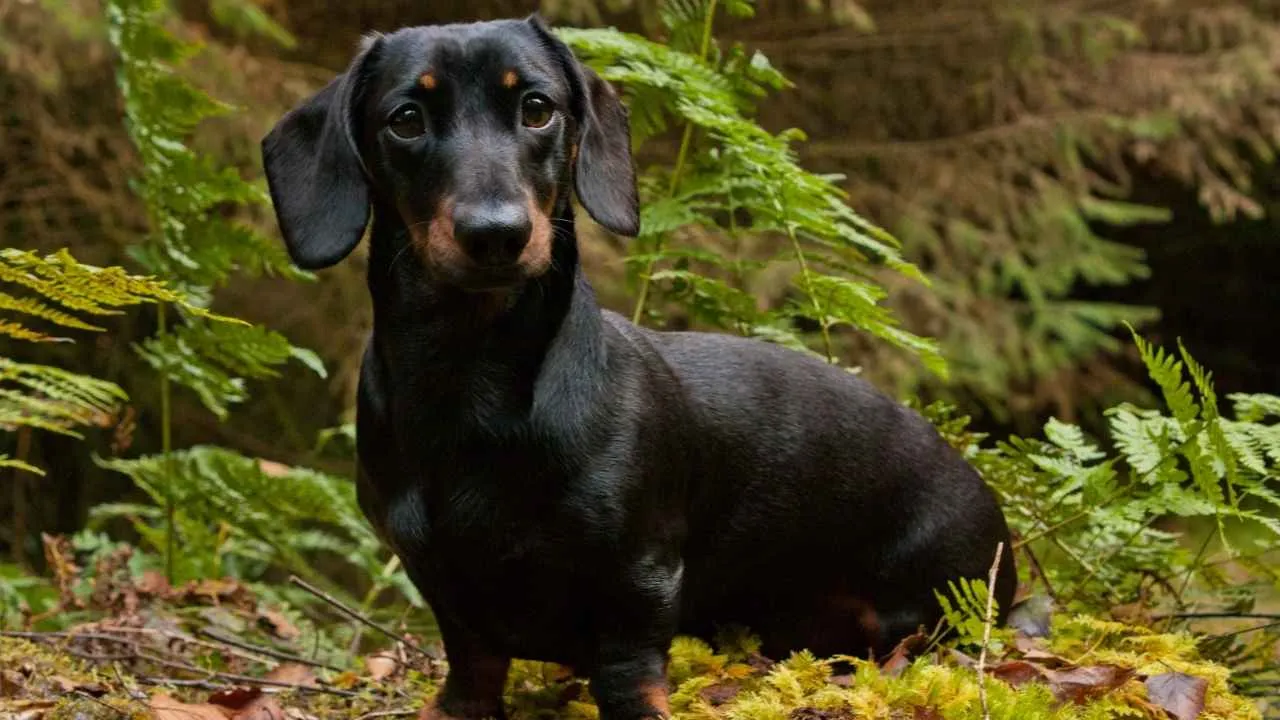
Short legs, long body, enormous courage, Dachshunds somehow managed to squeeze a hunter’s spirit into one wonderfully unusual shape. That history explains their curious, determined nature. The breed was developed in Germany for badger hunting.
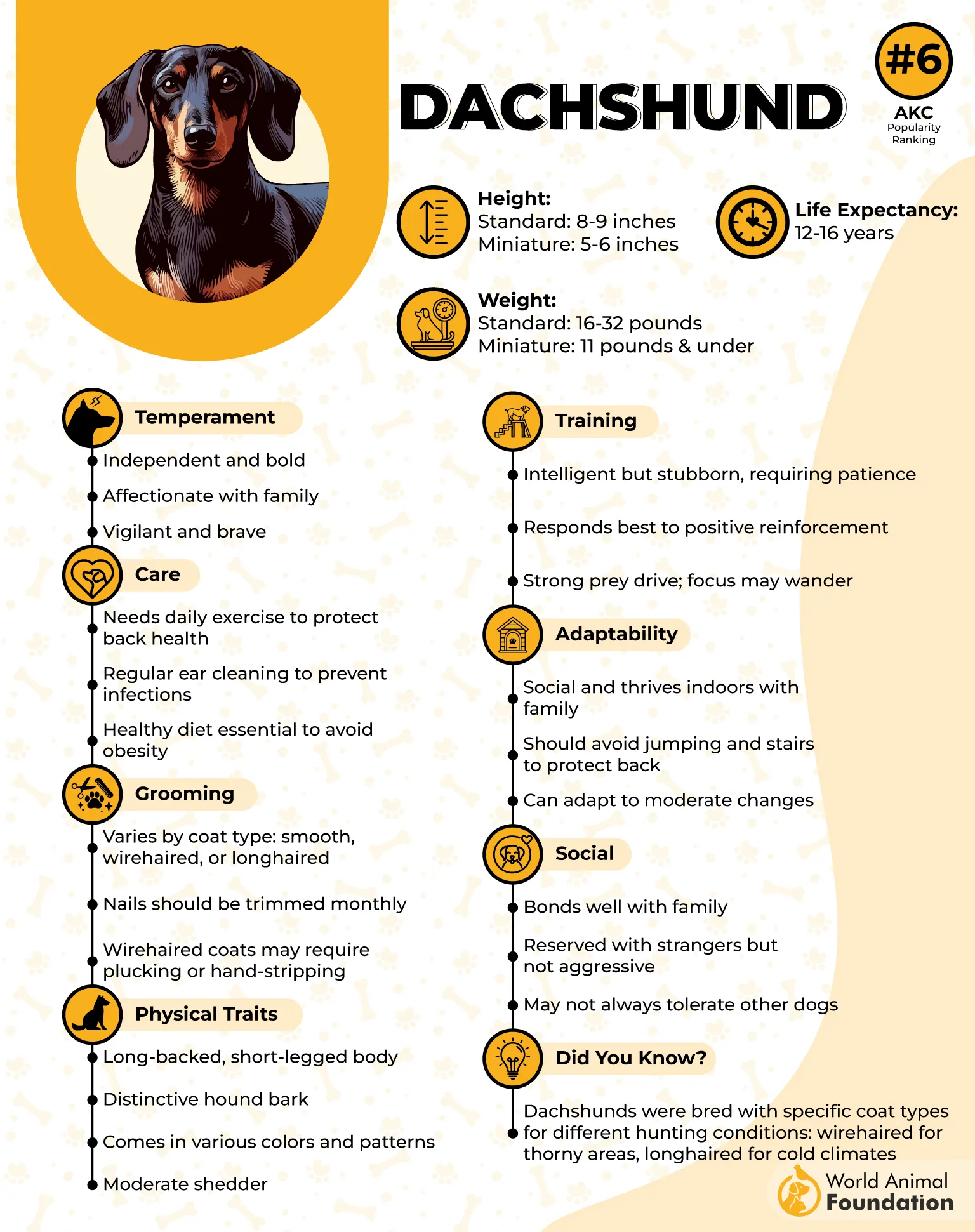
Smooth-coated Dachshunds have straightforward coat care, making them particularly appealing to people who prefer low grooming routines.
Petplan states that their little frame carries a surprisingly adventurous spirit. Give a Dachshund a new scent to investigate or an interesting corner of the garden to explore, and suddenly the smallest member of the household has an important mission.
What to Keep in Mind
Avoid unnecessary jumping and rough physical activity because their long back needs special protection. Keeping them at a healthy weight also matters.
Training can require patience because their independent hunting background gives them a determined streak. Positive reinforcement keeps lessons productive and fun.
4. Boston Terrier
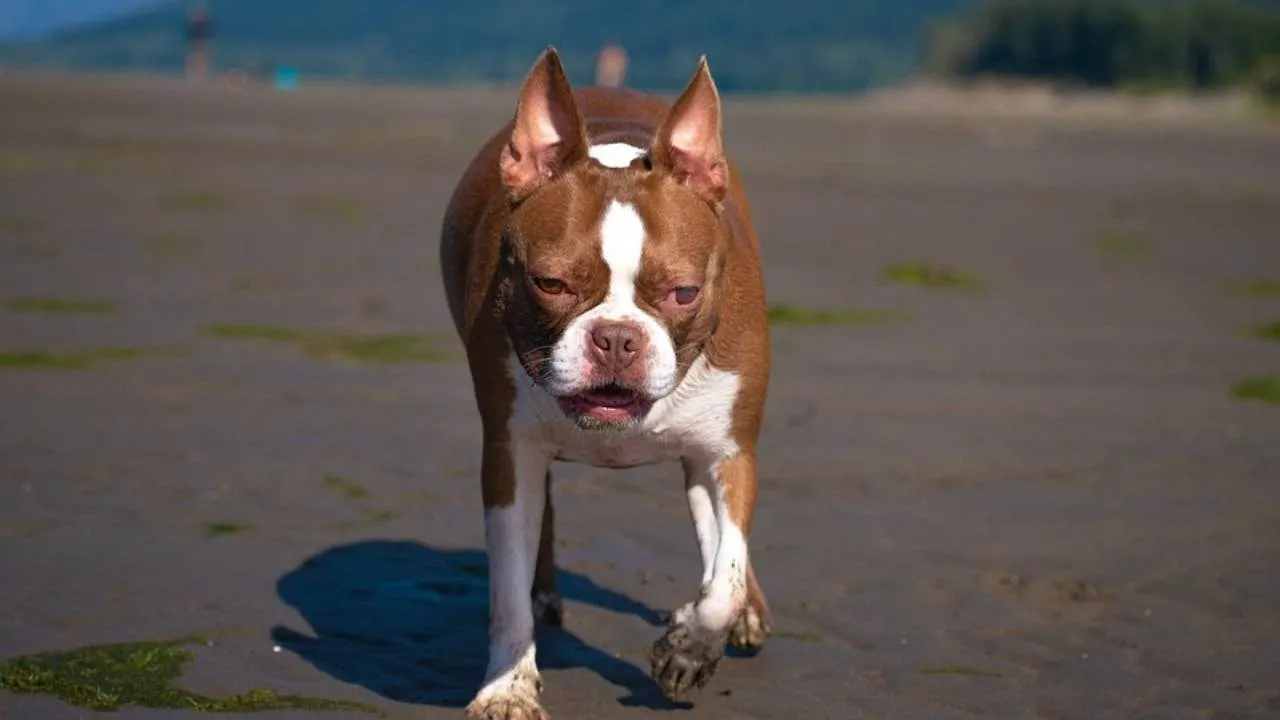
A tuxedo jacket, round eyes, perky ears, and a mischievous sparkle, meet the Boston Terrier, a little canine gentleman with plenty of comic timing. Their nickname, “The American Gentleman,” comes from their distinctive markings and pleasant nature.
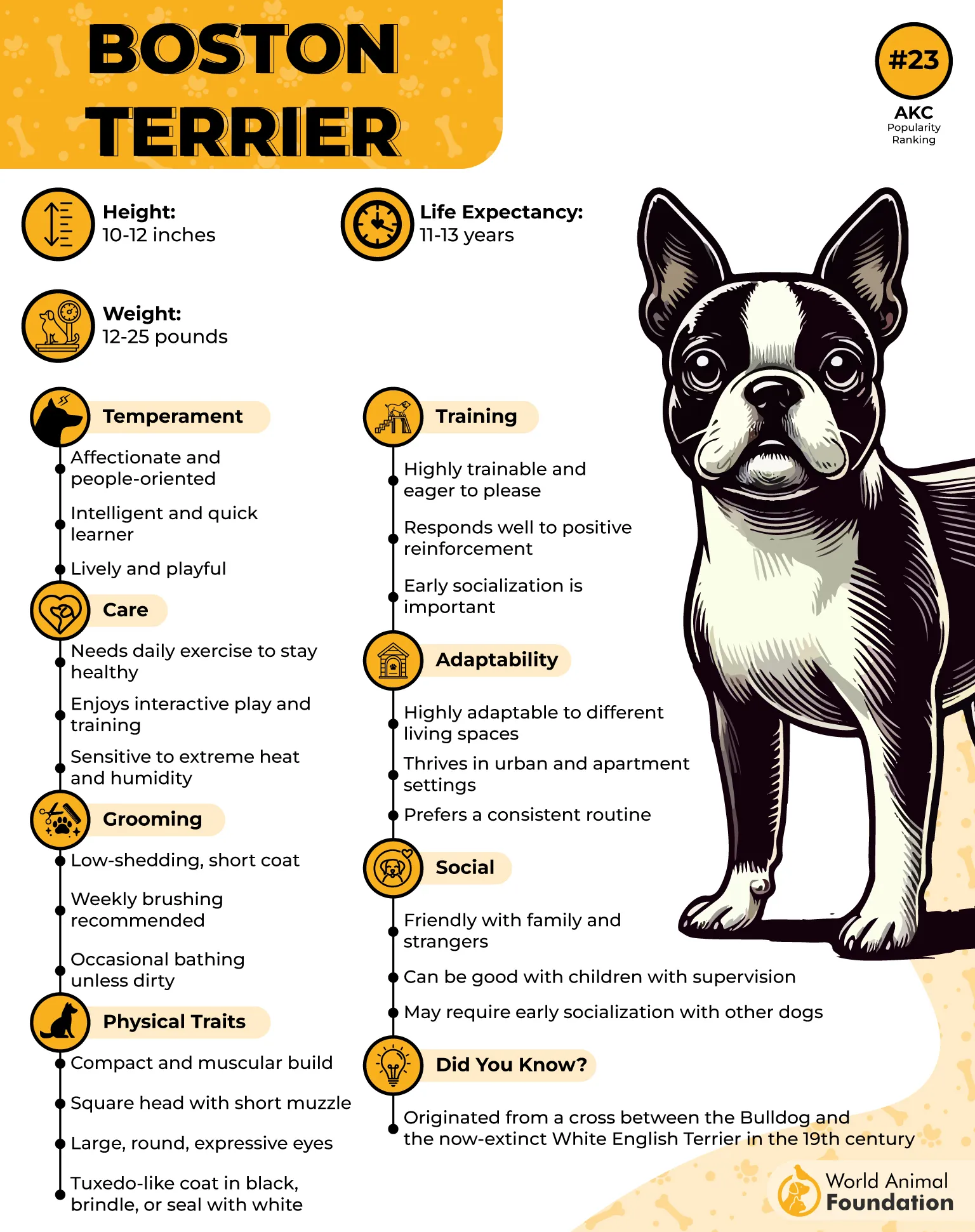
Their compact frame and short coat make daily upkeep pleasantly straightforward. They enjoy human company and can bring a cheerful burst of energy to ordinary routines without requiring enormous amounts of space.
Boston Terriers also have an entertaining social side. They like being involved in family activities, whether that means following you around the house, joining a game, or settling down for a cuddle afterward.
Their combination of sociability and manageable size makes them an appealing choice for apartment living, particularly when their daily activity and companionship needs are met.
What to Keep in Mind
Their short muzzle deserves attention, especially during hot weather or vigorous activity. Like other flat-faced breeds, Boston Terriers can have breathing difficulties and an increased risk of overheating.
They still need regular exercise, mental stimulation, and socialization. Their compact body also comes with breed-specific health concerns, including patellar luxation and certain spinal problems.
Positive training works well because this affectionate breed responds better to encouragement than harsh handling.
5. Whippet
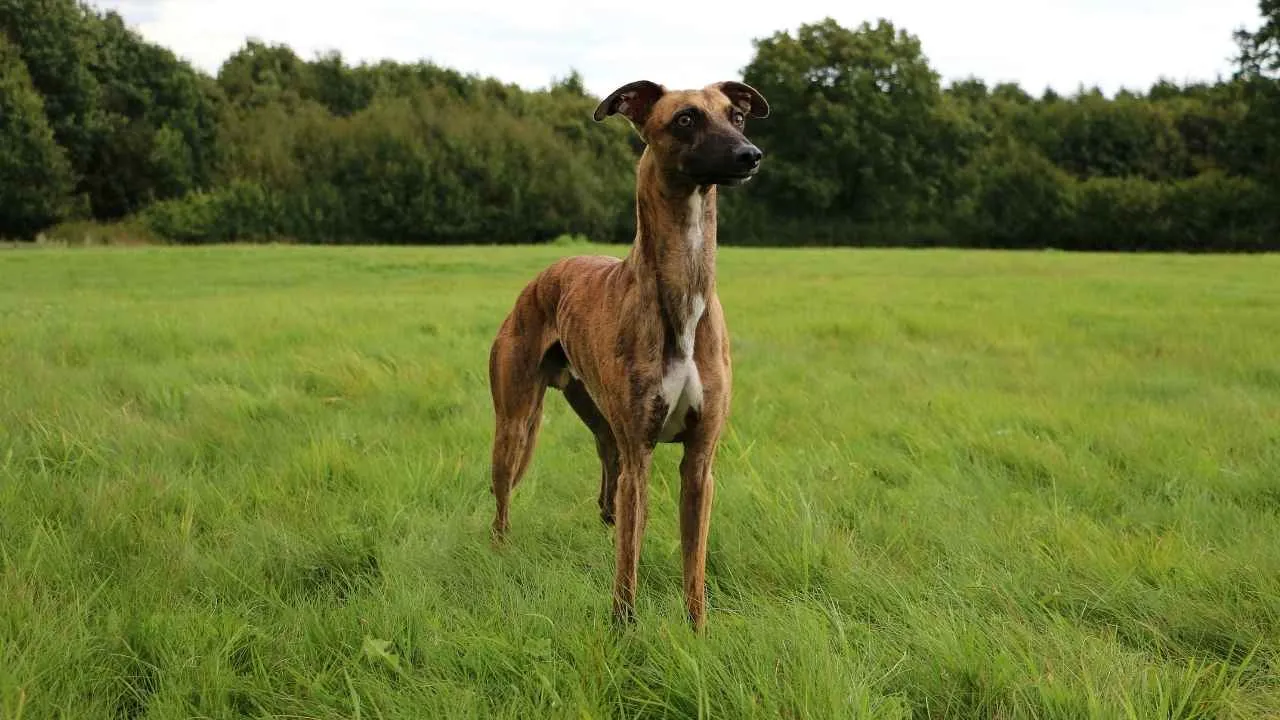
Fast enough to reach up to 35 miles per hour, the Whippet can turn a quiet afternoon into a spectacular blur of legs. Then, after the excitement, this elegant sighthound is happy to curl up at home.
Their fine coat comes with minimal grooming needs, and their generally quiet nature suits households that appreciate a calmer companion. WebMD adds that they enjoy walks, games, and safe opportunities to sprint.
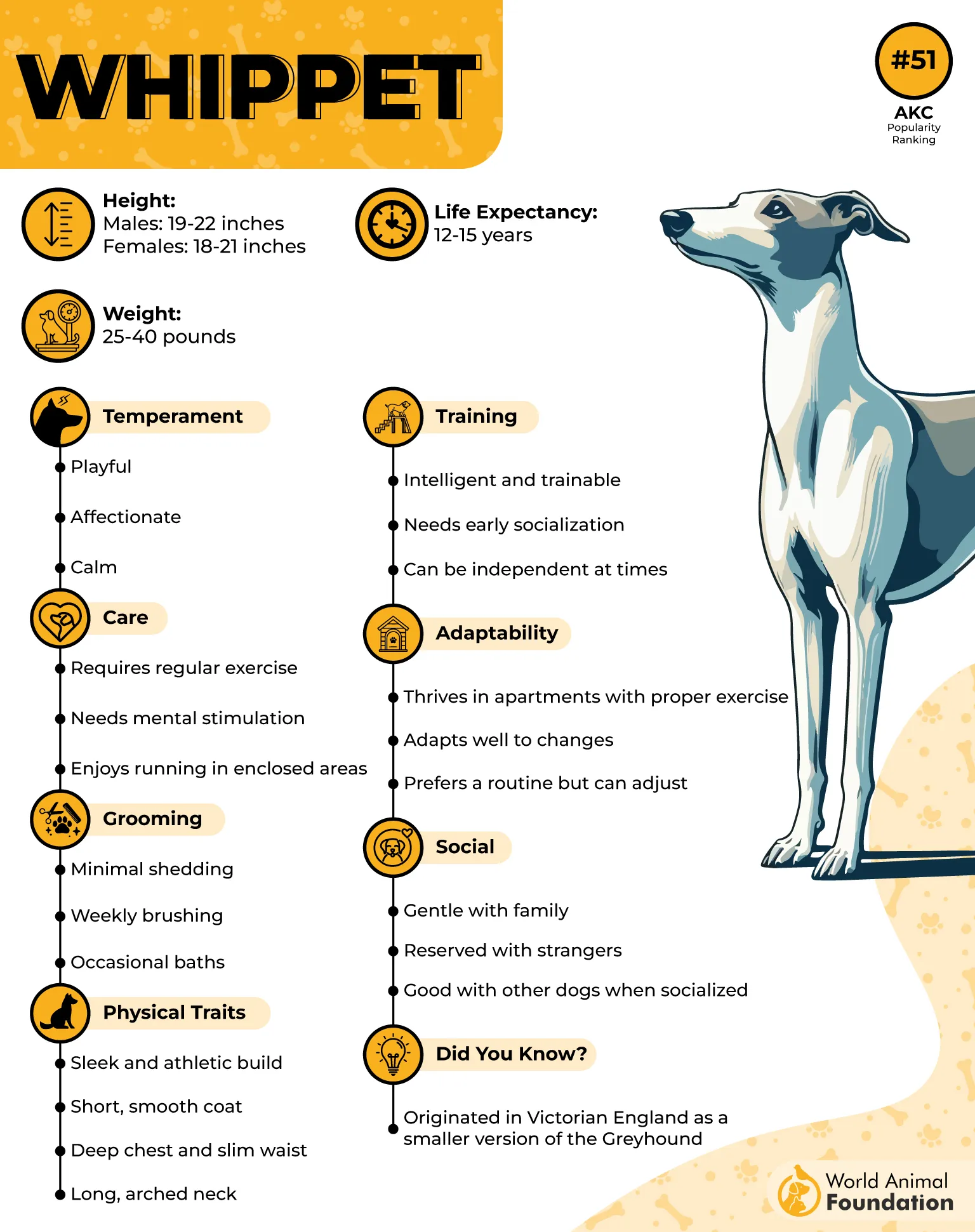
Whippets originated in Northern England and were developed for speed, eventually earning the nickname “the poor man’s racehorse.”
What to Keep in Mind
Their athletic build still requires regular exercise. Secure areas are essential because their chase instinct can take over when something catches their eye.
Their thin coat offers little protection from cold weather, so warm bedding and sensible outdoor care help. Gentle training suits their sensitive nature.
6. Pug
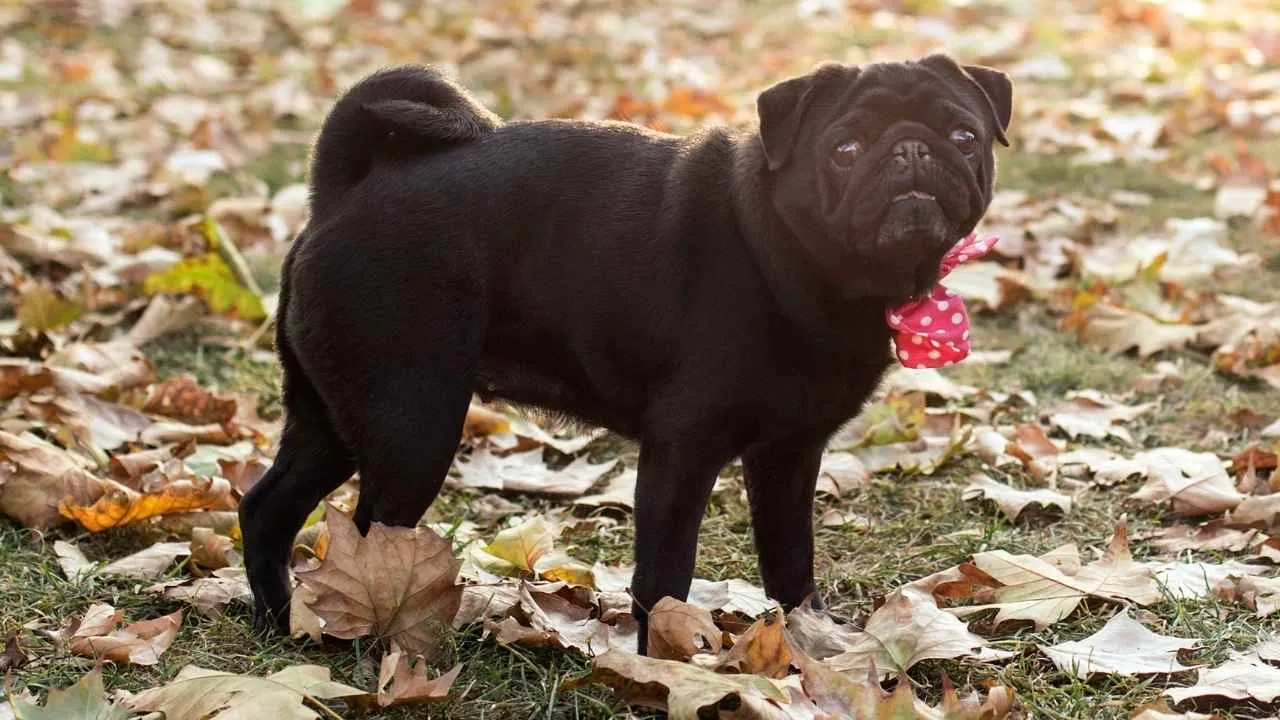
Some dogs enter your life with elegance. Pugs enter with snorts, dramatic expressions, and a strong belief that every household event requires their attendance. Their cheerful personality and unmistakable wrinkled face have made them beloved companion dogs for generations.
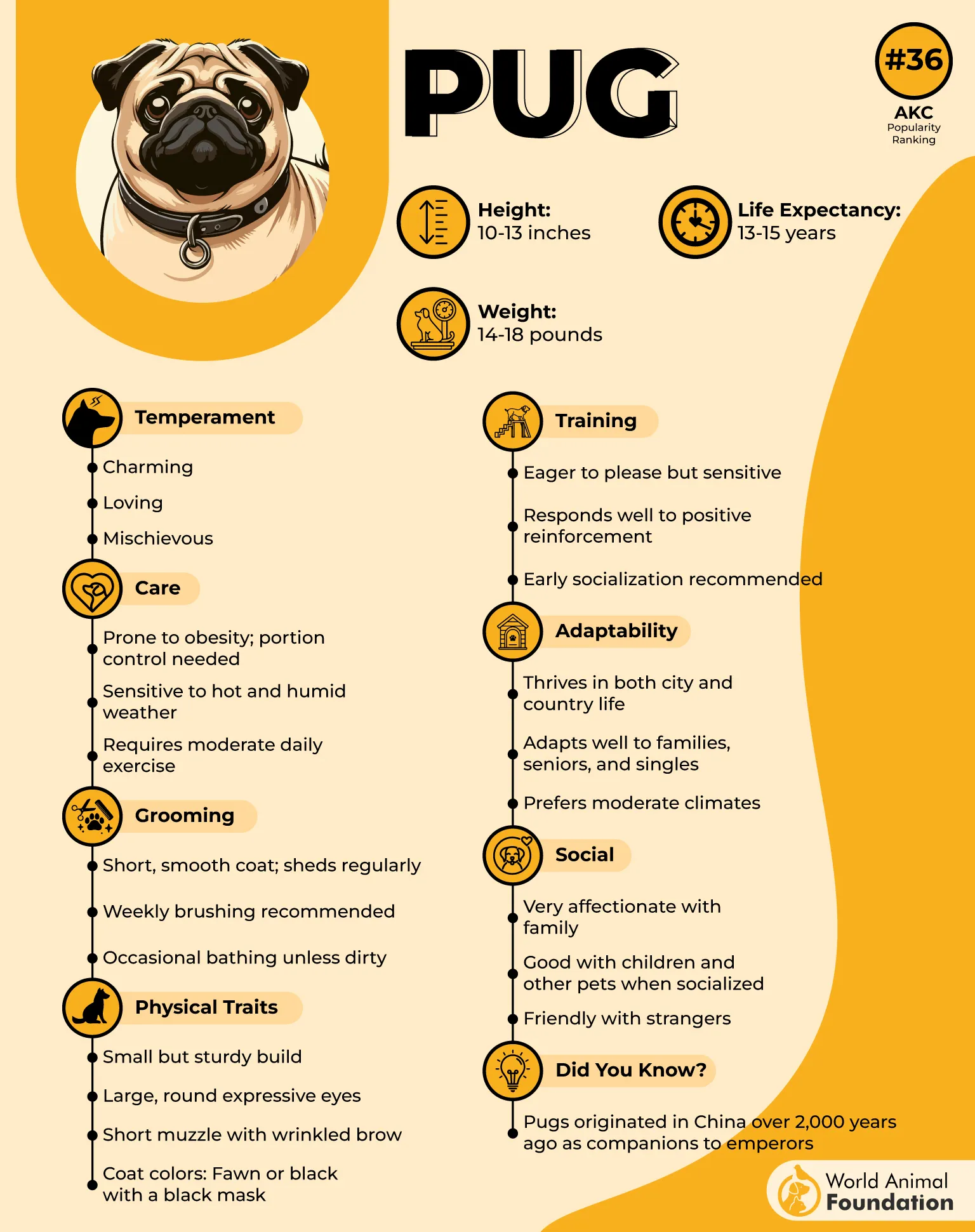
Their compact bodies and short coats keep styling requirements uncomplicated. Regular brushing helps manage shedding, and their affectionate nature means they are usually happiest close to their people.
Pugs also have a talent for turning relaxation into an art form. After gentle activity, they are perfectly content to settle down beside their favorite human. That makes them appealing to households looking for surprisingly low-maintenance companionship without expecting a canine athlete.
Their unique facial structure is also the feature that makes them instantly recognizable.
What to Keep in Mind
That charming short muzzle needs serious consideration. Pugs are brachycephalic, meaning their shortened upper airway can make breathing and cooling themselves more difficult. They are particularly vulnerable to overheating.
Exercise should stay sensible, especially in warm weather. Facial folds need regular cleaning and drying, and weight management is important because extra weight can add stress to breathing.
Routine veterinary care is essential because Pugs can experience several health problems linked to their body structure.
7. Greyhound
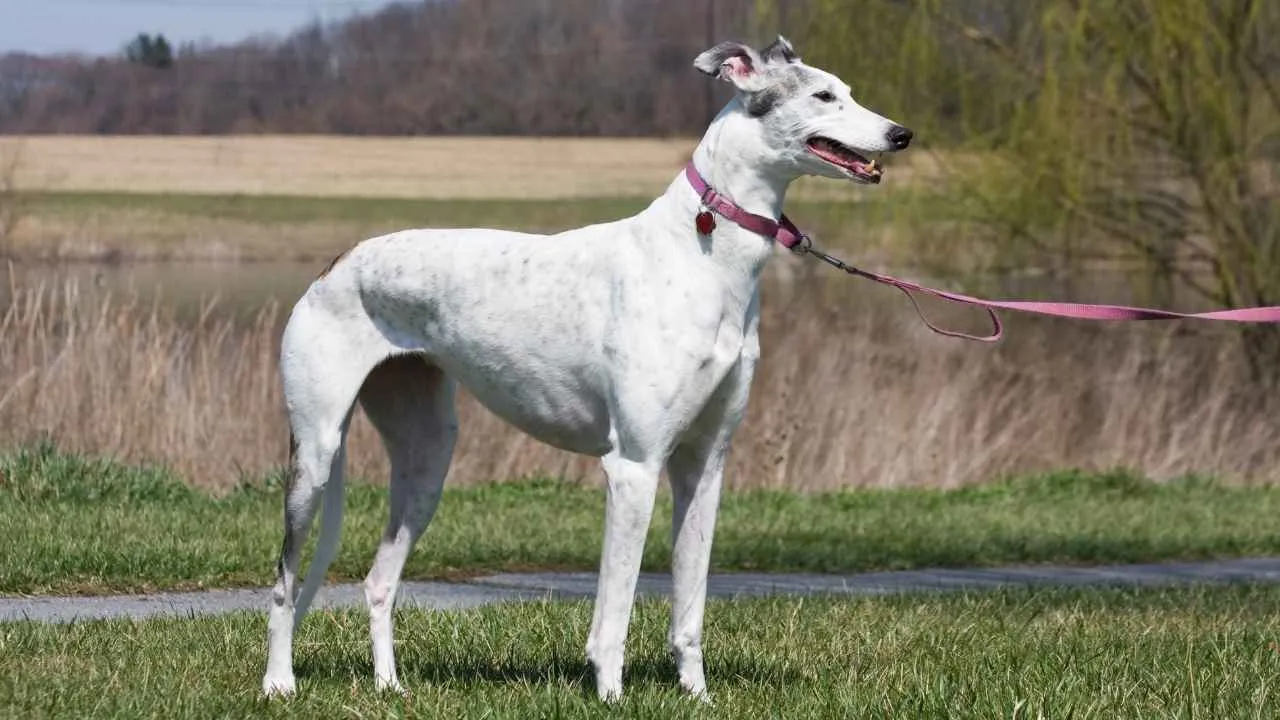
The Greyhound is famous for spectacular speed, but inside the home, this elegant athlete can have a remarkably gentle and peaceful presence.
Their sleek body is built for sprinting, with keen eyesight helping them spot and pursue moving prey. They are true racing dogs by historical reputation, although their home life can be much quieter than their athletic image suggests.
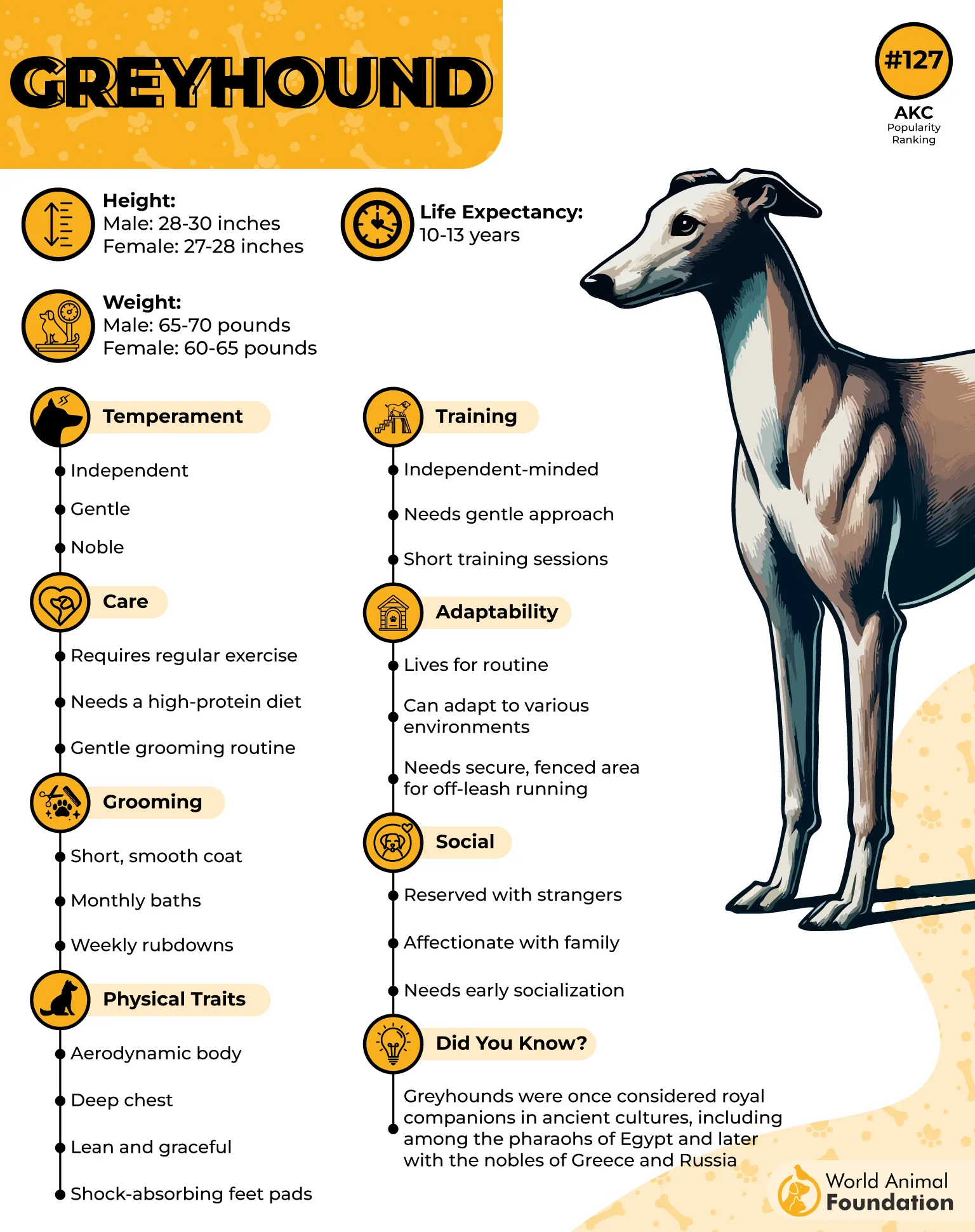
That short coat also keeps grooming requirements pleasantly uncomplicated. Once their moderate exercise needs are met, many Greyhounds enjoy relaxing with their humans.
What to Keep in Mind
According to the American Kennel Club, Greyhounds still need routine physical activity and opportunities to stretch those very long legs. Their powerful prey drive means outdoor areas should be secure, with off-leash running limited to enclosed spaces.
They can also be unsuitable for homes with cats or very small animals because of that hunting instinct. Despite their athletic history, their gentle temperament can make them wonderfully devoted home companions once their needs are met.
Conclusion
The phrase “low-maintenance” should never be confused with “needs nothing.” Every dog needs food, affection, veterinary care, training, exercise, dental care, and a safe environment. The difference comes from how much time and effort their particular coat, temperament, health profile, and activity needs demand.
Look beyond the grooming brush. The right low-maintenance dog is the one whose everyday needs, personality, and care requirements fit comfortably into your real life. That is what turns easier upkeep into a genuinely happy relationship between you and your dog.
