




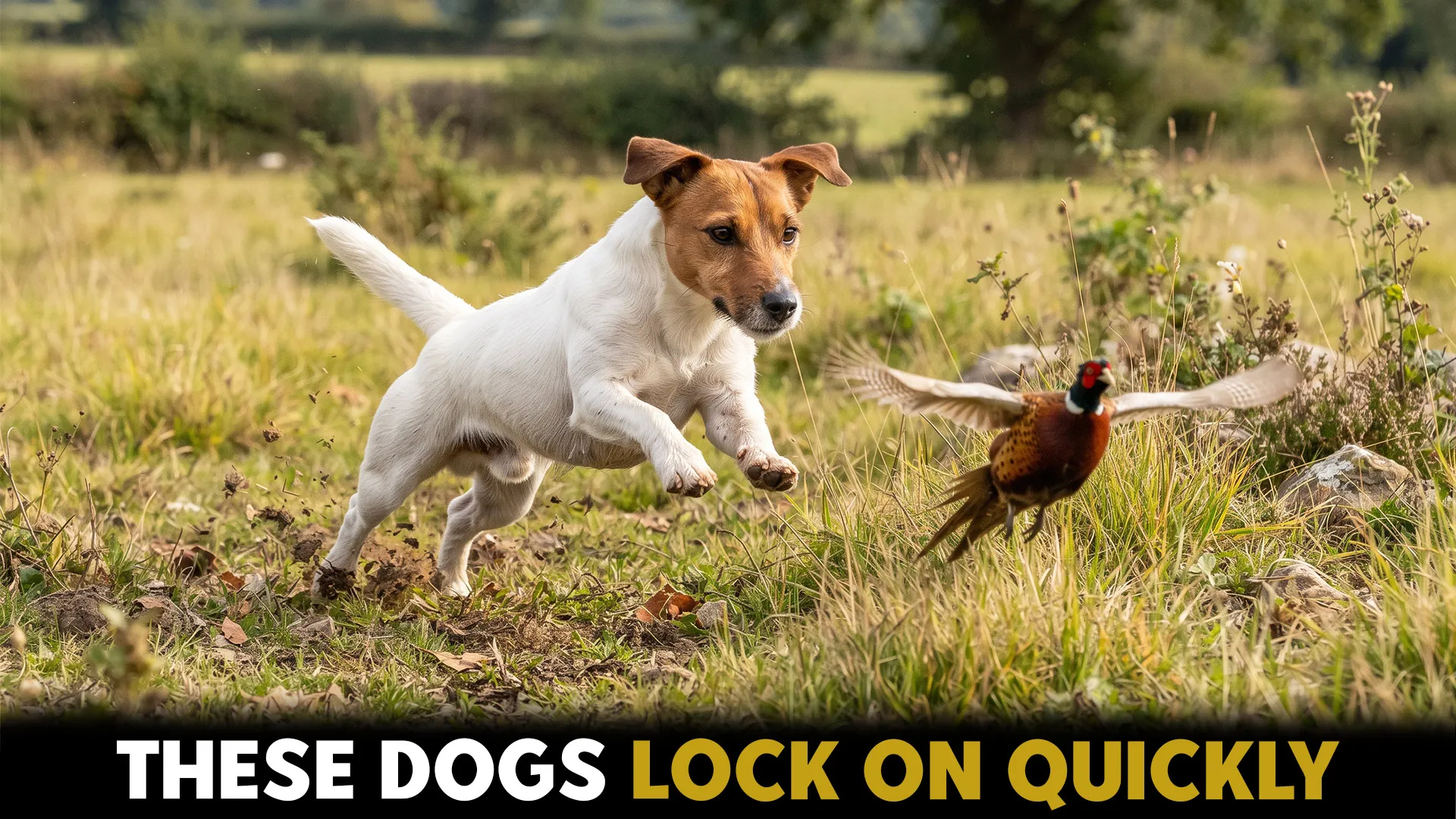
Ever seen a dog spot a squirrel from what feels like three zip codes away and instantly switch into full pursuit mode? That sudden laser focus often connects to prey drive, a natural set of behaviors involving searching, stalking, chasing, grabbing, and sometimes capturing prey.
A dog’s prey drive does not automatically mean a dog is aggressive, unfriendly, or impossible to train. In many breeds, it simply means movement is incredibly exciting, whether the moving target is a rabbit, bird, flirt pole, lure, tennis ball, or, unfortunately, the neighborhood squirrel who keeps choosing chaos.
If you love athletic dogs with serious instincts and equally serious personality, these seven breeds bring plenty of main-character energy.
1. Greyhound
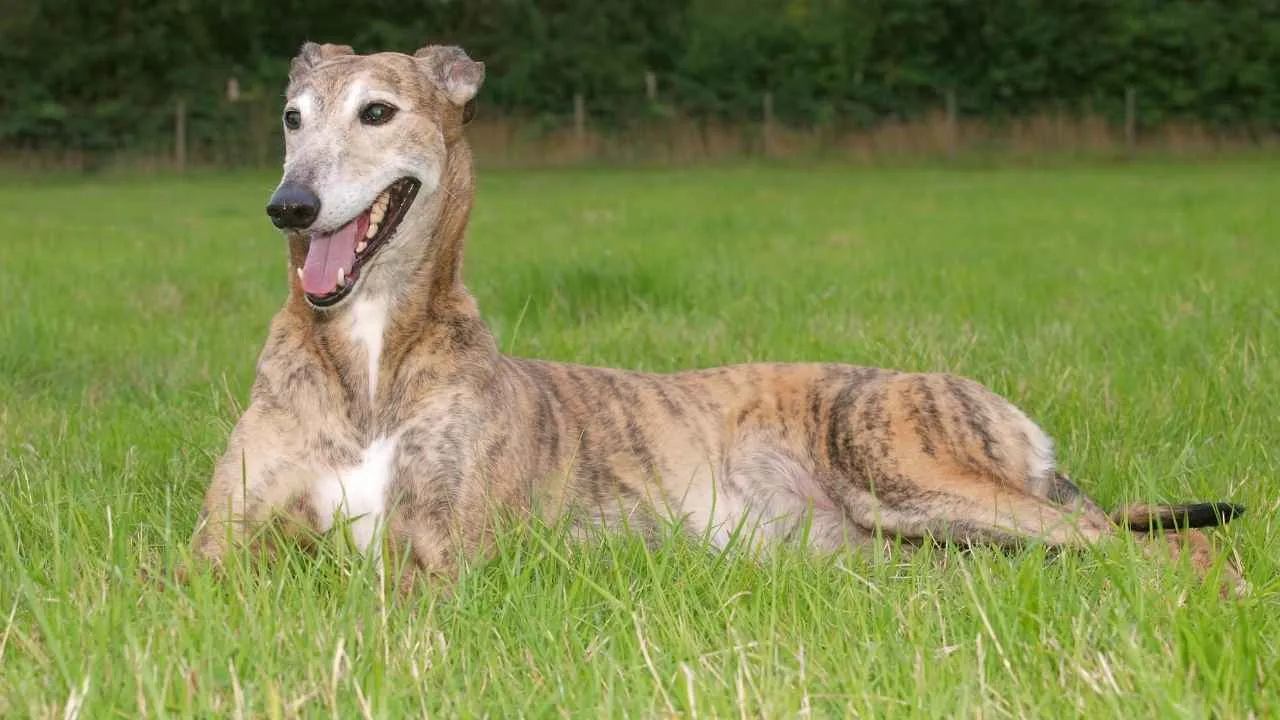
A Greyhound can look like the most peaceful couch decoration imaginable right up until something small starts running. This ancient sighthound was built for high-speed visual pursuit, with an aerodynamic body, deep chest, flexible frame, and long limbs designed to cover ground incredibly fast.
Unlike scent hounds that may follow a trail with their noses glued to the ground, they historically hunted primarily with their eyes. Sighthounds were developed to notice movement at a distance and chase game independently, which helps explain why a Greyhound can suddenly become intensely focused on a rabbit or squirrel.
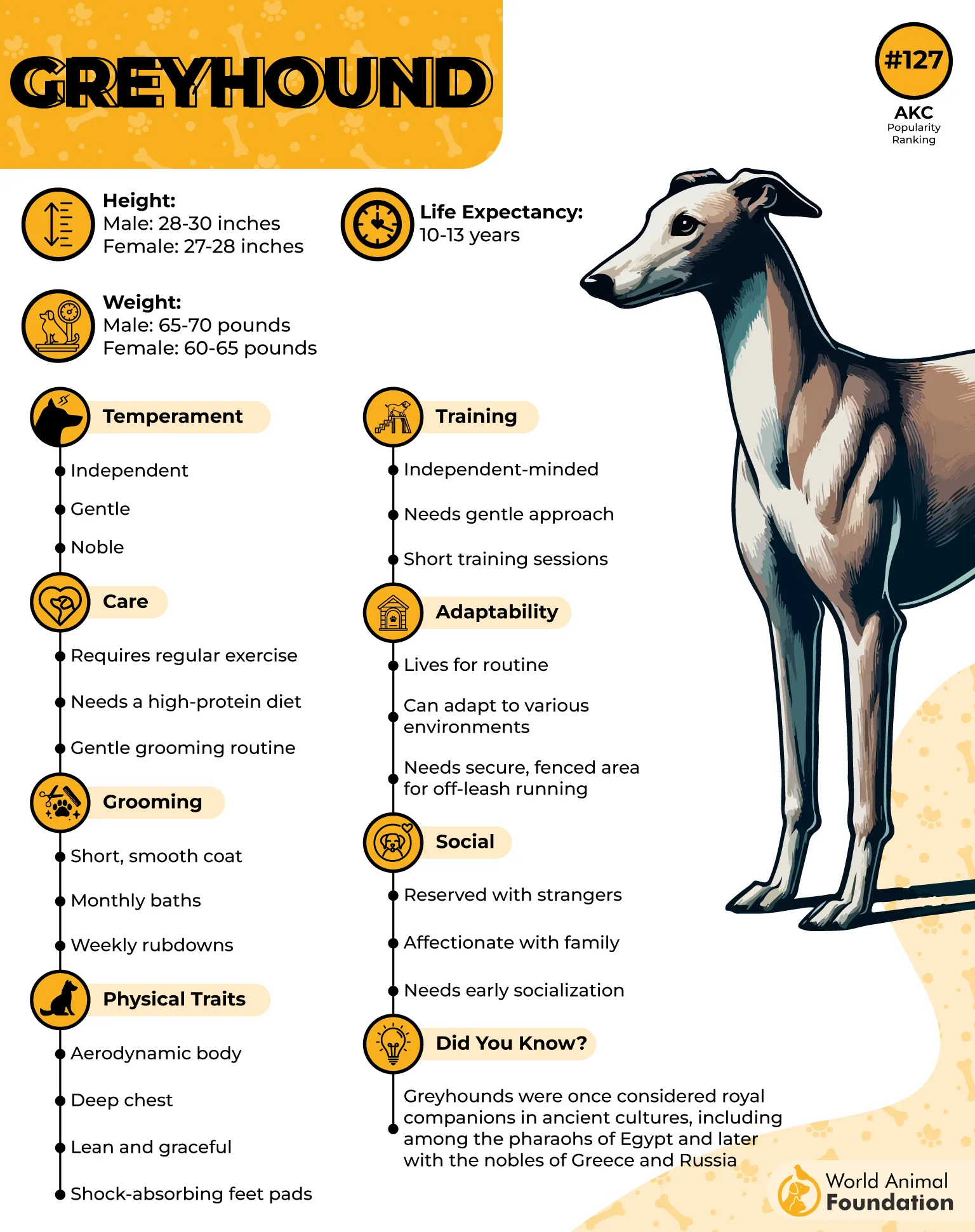
Their speed makes that instinct especially important to manage responsibly. A Greyhound that launches after wildlife can create distance between itself and its owner unbelievably quickly, so secure fencing and sensible leash management are much more than optional accessories.
Training usually works best when sessions are engaging, positive, and relatively short because Greyhounds were historically expected to make decisions while pursuing game rather than constantly waiting for human direction.
2. Afghan Hound
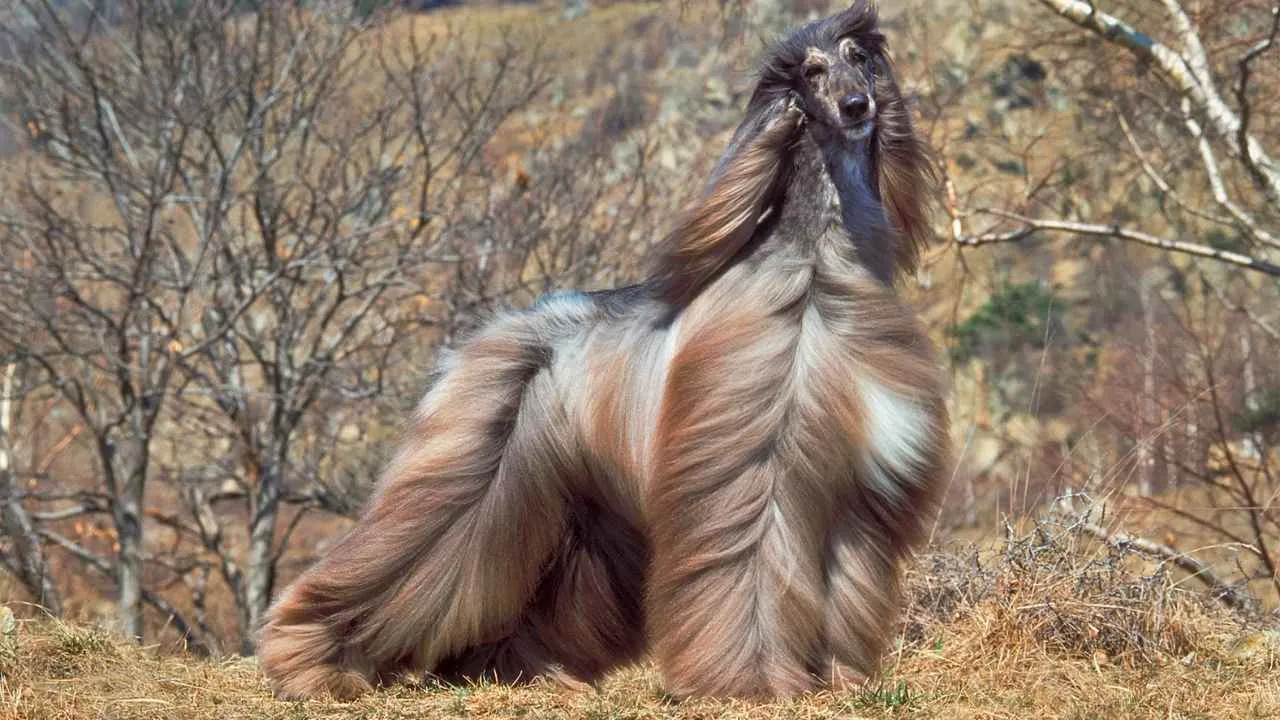
The Afghan Hound looks like it belongs in a luxury hair commercial, but underneath those flowing locks lives a serious hunting athlete. Afghan Hounds originated as fleet-footed hunting companions in the mountainous regions of Asia, where speed, agility, independence, and visual awareness mattered most.
As a hound, the Afghan is wired to detect movement and pursue quarry by sight rather than following every step by scent. Sighthounds developed in open landscapes where spotting an animal from far away and immediately giving chase could mean the difference between a successful hunt and dinner disappearing over the horizon.
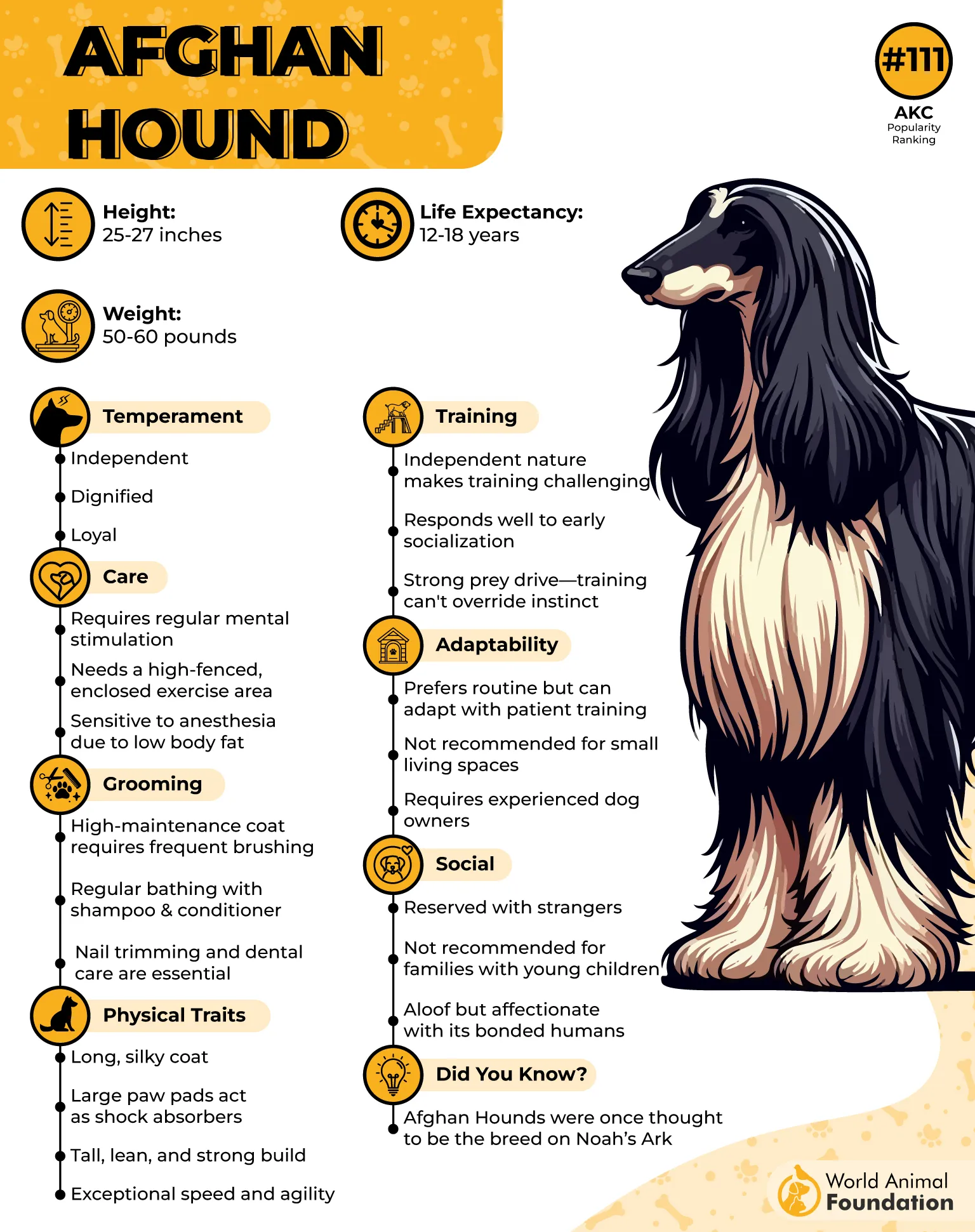
Their independence is another major piece of the puzzle. These dogs historically needed enough confidence to pursue quarry without a handler micromanaging them every second, so modern Afghans aren’t famous for robotic obedience.
A secure yard is especially valuable because beautiful hair does not cancel hunting DNA. Owners also need patience with recall, thoughtful introductions around small animals, and enough enrichment to keep this intelligent breed interested in cooperating.
3. Jack Russell Terrier
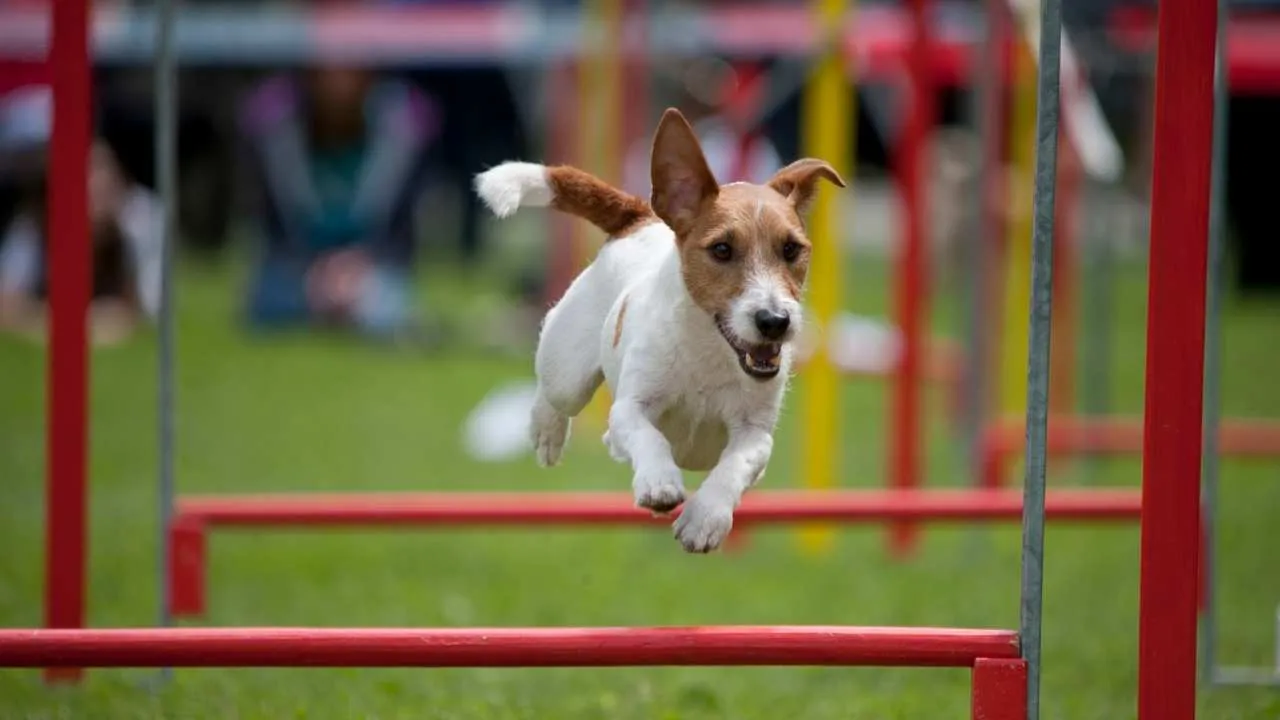
Do not let the compact dimensions fool you because the Jack Russell Terrier comes with approximately twelve feet of personality packed into a small-dog body. Dogs from Jack Russell working lines were developed to assist fox hunts and pursue quarry underground.
Breeders selectively developed prey-drive dogs to confront vermin rather than merely point politely in its general direction. Terrier ancestors commonly hunted and killed vermin, which helps explain why a tiny rodent, squirrel, lizard, or rapidly fleeing object can become the most important thing in a terrier’s universe within milliseconds.
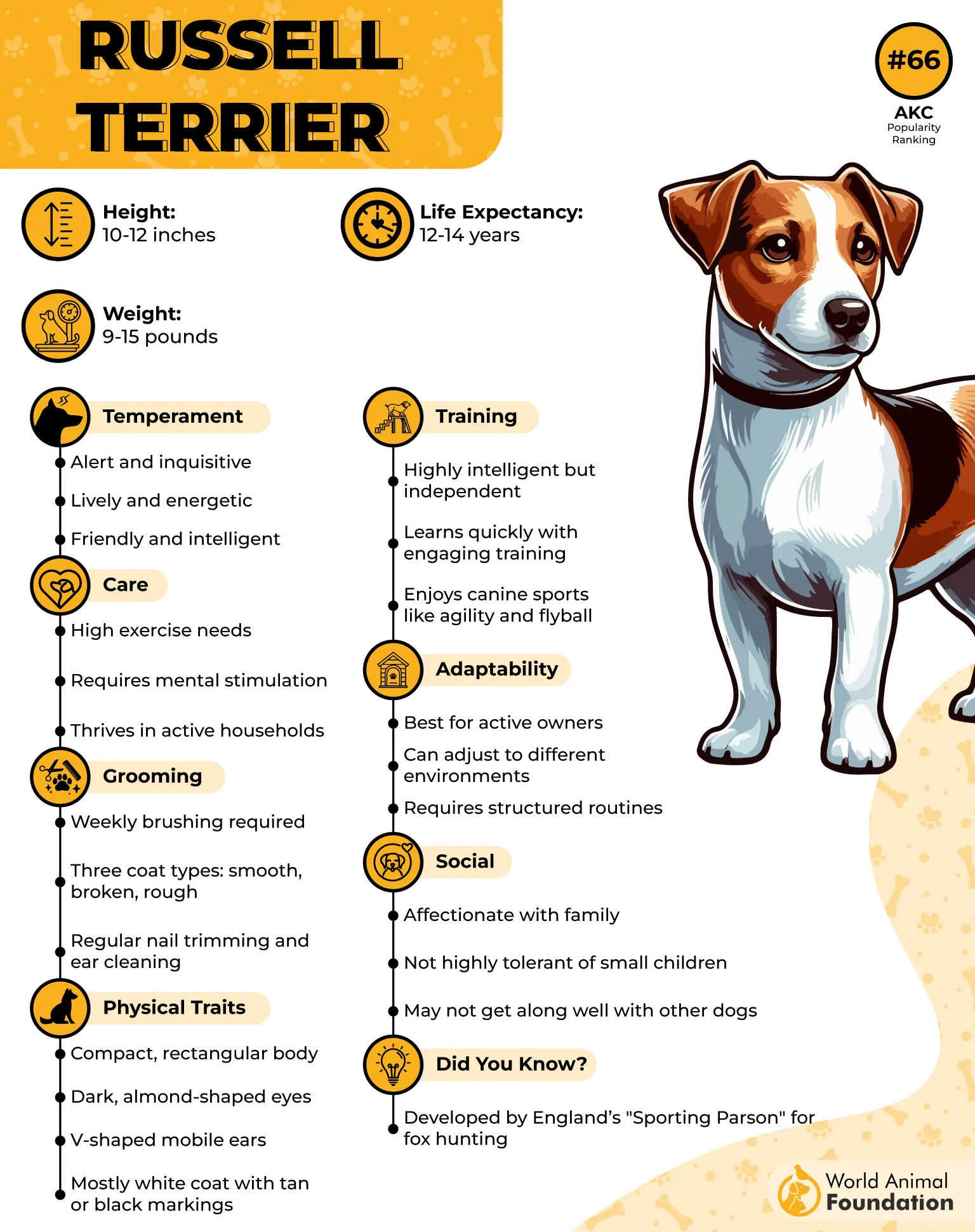
That combination makes these dogs hilarious, impressive, and occasionally exhausting roommates. Britannica says that digging, chasing, searching, grabbing toys, investigating holes, and launching themselves into games can all reflect instincts that humans deliberately encouraged for generations.
Structured outlets can turn all that intensity into something genuinely awesome. Earthdog-style activities, scent games, controlled tug, fetch, flirt-pole sessions, obstacle work, and sports such as Barn Hunt can engage natural searching and hunting behaviors without targeting wildlife.
4. Rhodesian Ridgeback
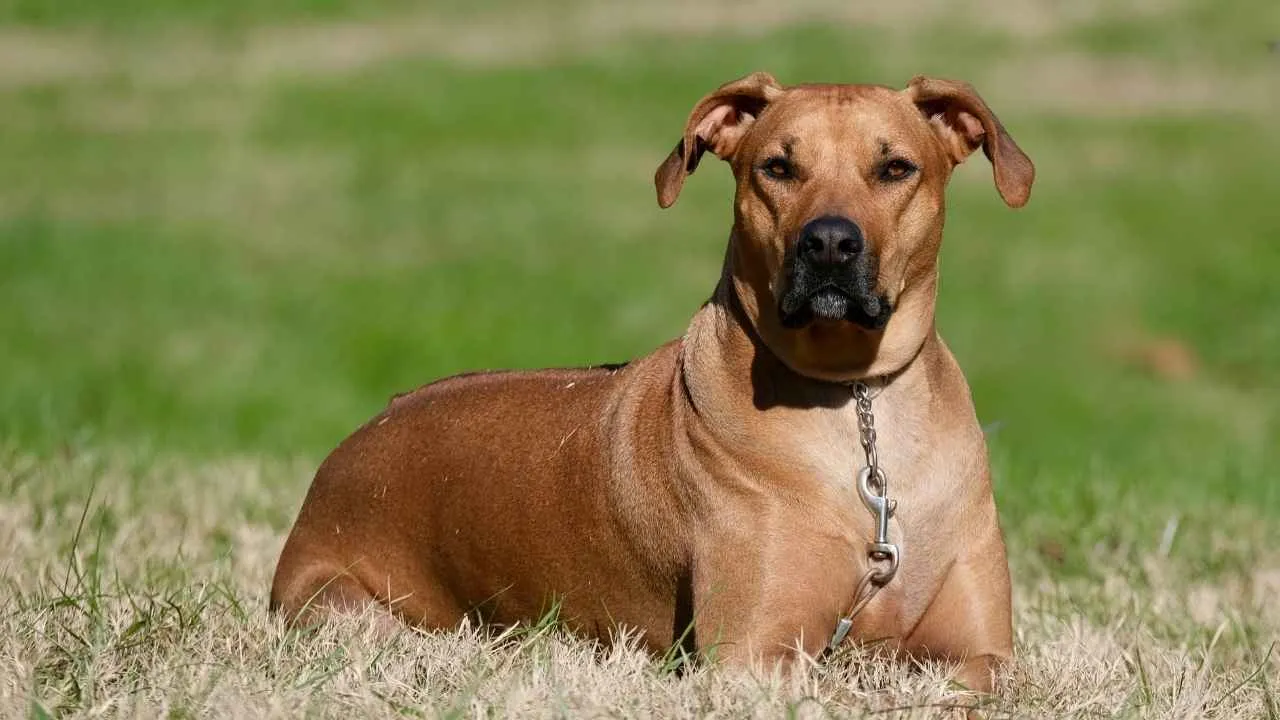
The Rhodesian Ridgeback walks into a room looking calm, dignified, and completely unbothered, but its history is seriously hardcore. Developed in southern Africa, Ridgebacks became famous for tracking and holding large game at bay, including lions, while hunters followed.
That background demanded courage, endurance, intelligence, speed, and the ability to make decisions independently. Modern Ridgebacks still tend to retain a strong prey drive, and owners appreciate their independence and instinct to pursue prey.
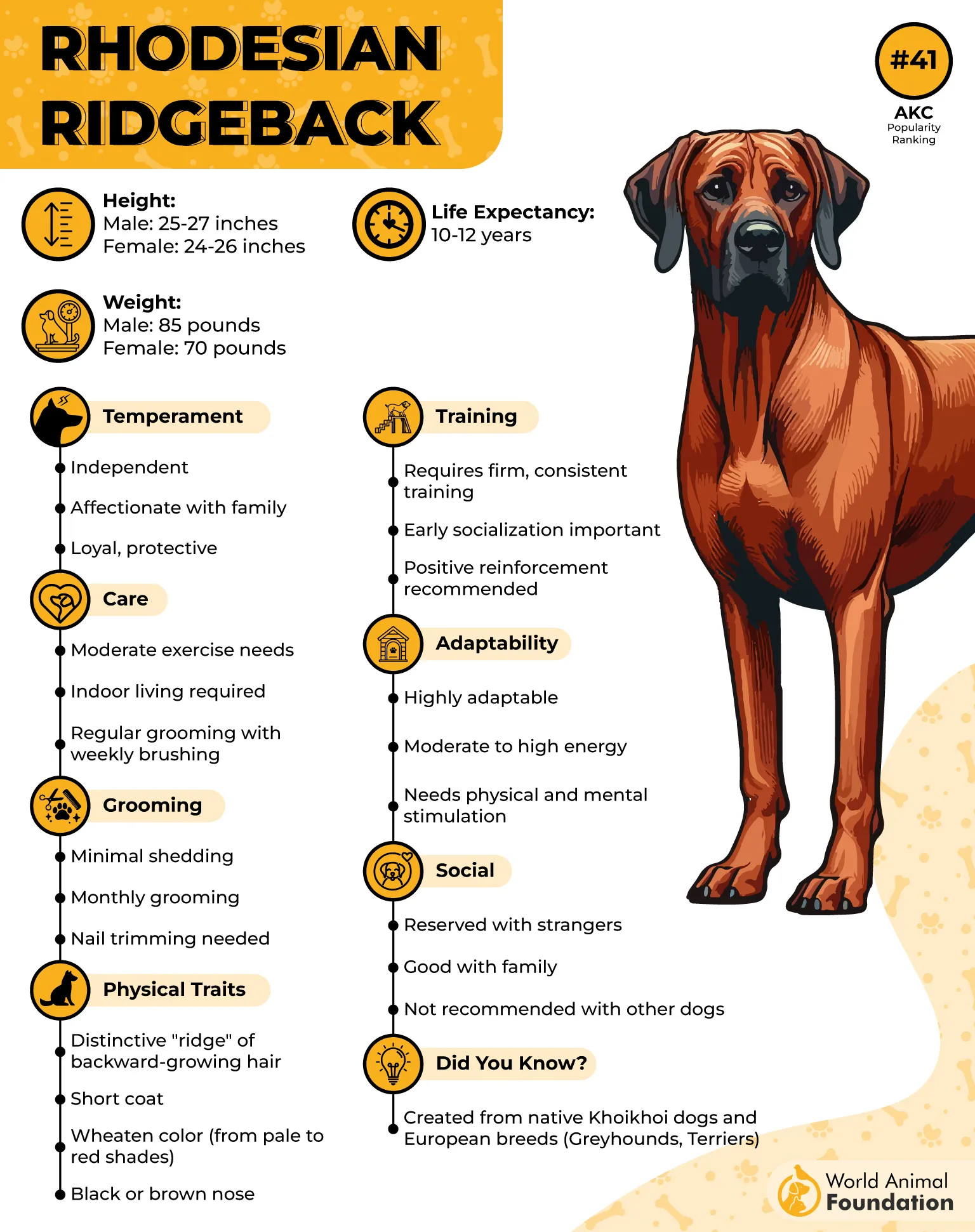
Their prey drive may become obvious when wildlife enters the picture. A relaxed Ridgeback can switch rapidly into pursuit mode when it sees something sprinting, which is why off-leash freedom in unsecured environments deserves serious consideration.
They can, however, channel that athletic heritage brilliantly through structured activities, as per Omlet. Ridgebacks are eligible for lure coursing and sports that bring out their hunting instincts without using live prey, and watching one accelerate after a lure makes it clear that much more is happening beneath that composed exterior.
5. Weimaraner
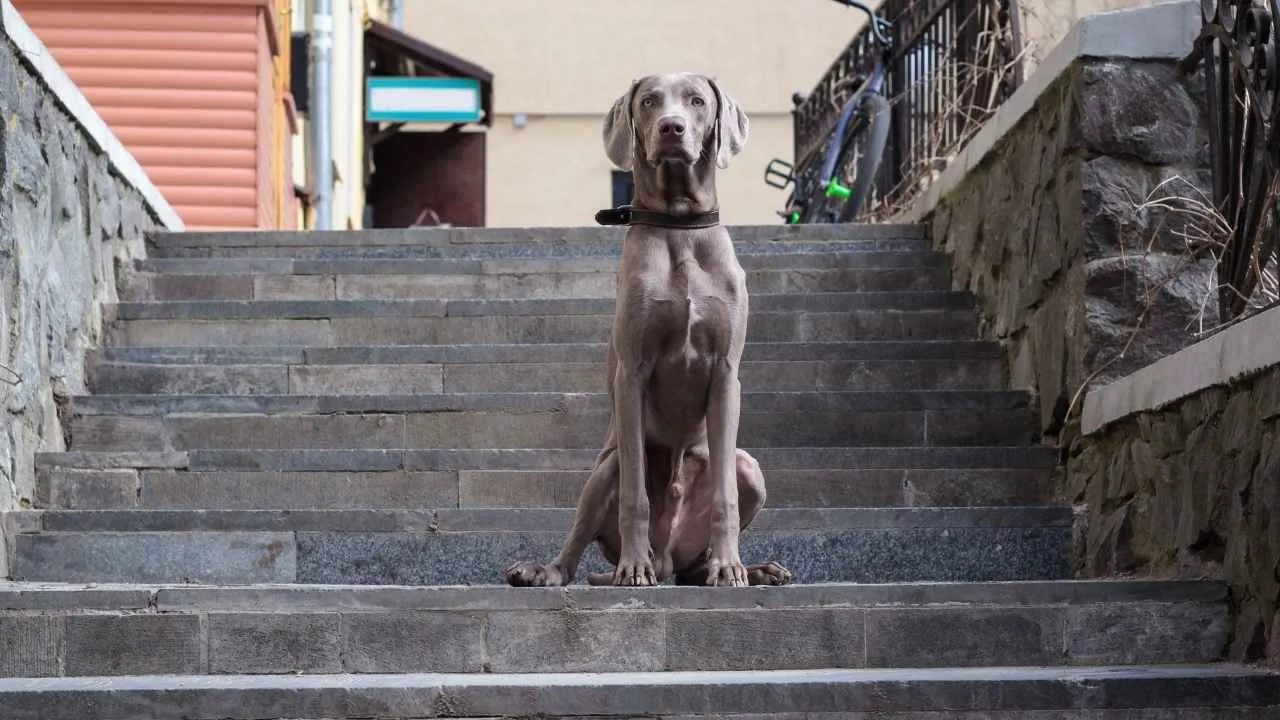
The Weimaraner did not earn the nickname “Gray Ghost” by spending its history sleeping beside a fireplace. German nobles developed these sleek silver dogs in the nineteenth century for hunting, initially using their ancestors to pursue formidable game such as bears and wolves before the breed became increasingly versatile with other quarry.
PDSA suggests that Weimaraners combine scenting ability, visual awareness, stamina, speed, and a strong desire to search. Movement and interesting smells can light up their brains like someone just switched every notification on at once.
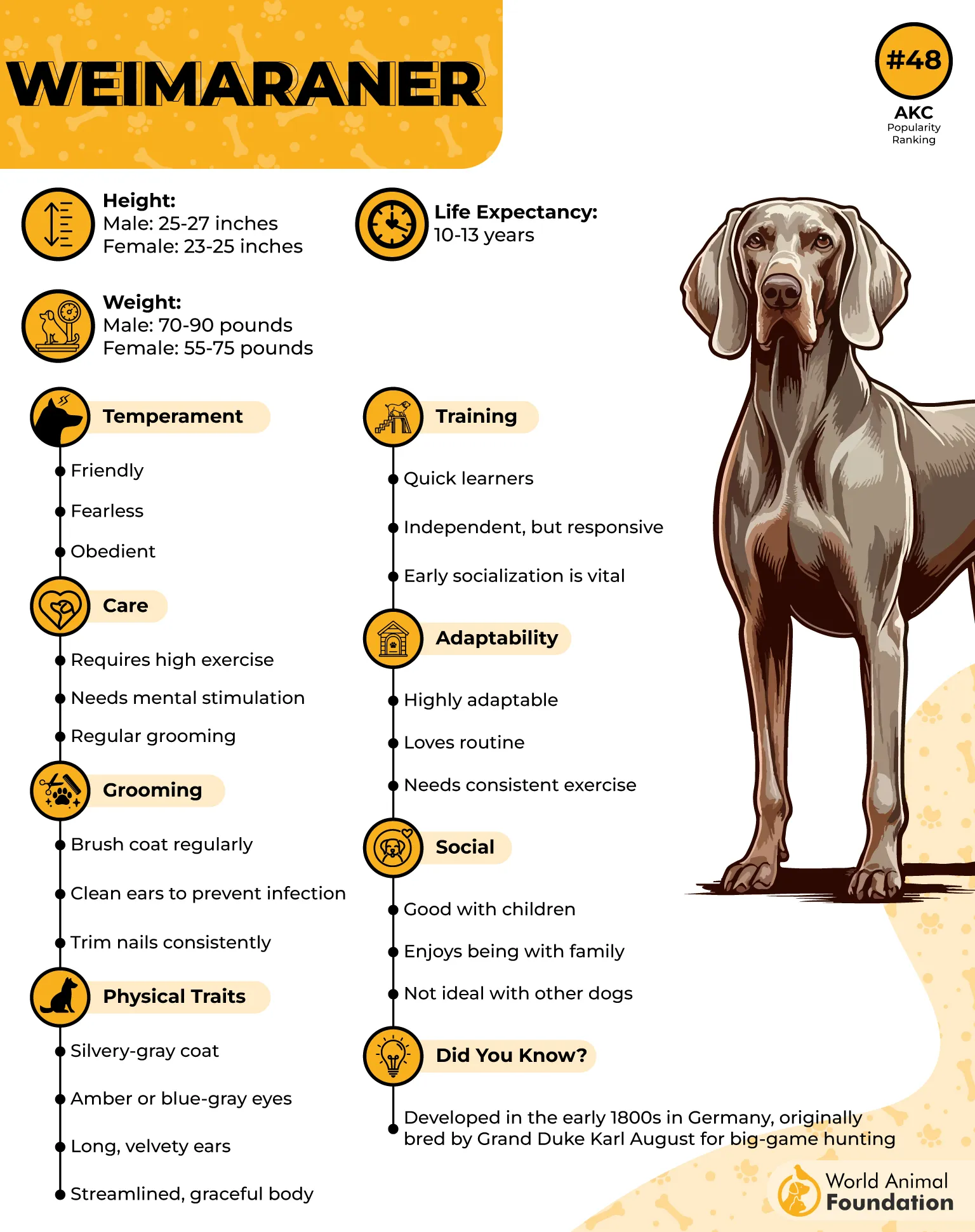
Energy is another major ingredient in the recipe. Weimaraner Club of America describes Weimaraners as extremely energetic dogs whose drive becomes an asset when properly channeled.
Mental work can be just as valuable as simply adding more miles to the daily routine. Tracking games, scent work, retrieving, field activities, obedience exercises, agility, hiking, and carefully managed running can satisfy different pieces of the Weimaraner’s working brain.
6. Australian Cattle Dog
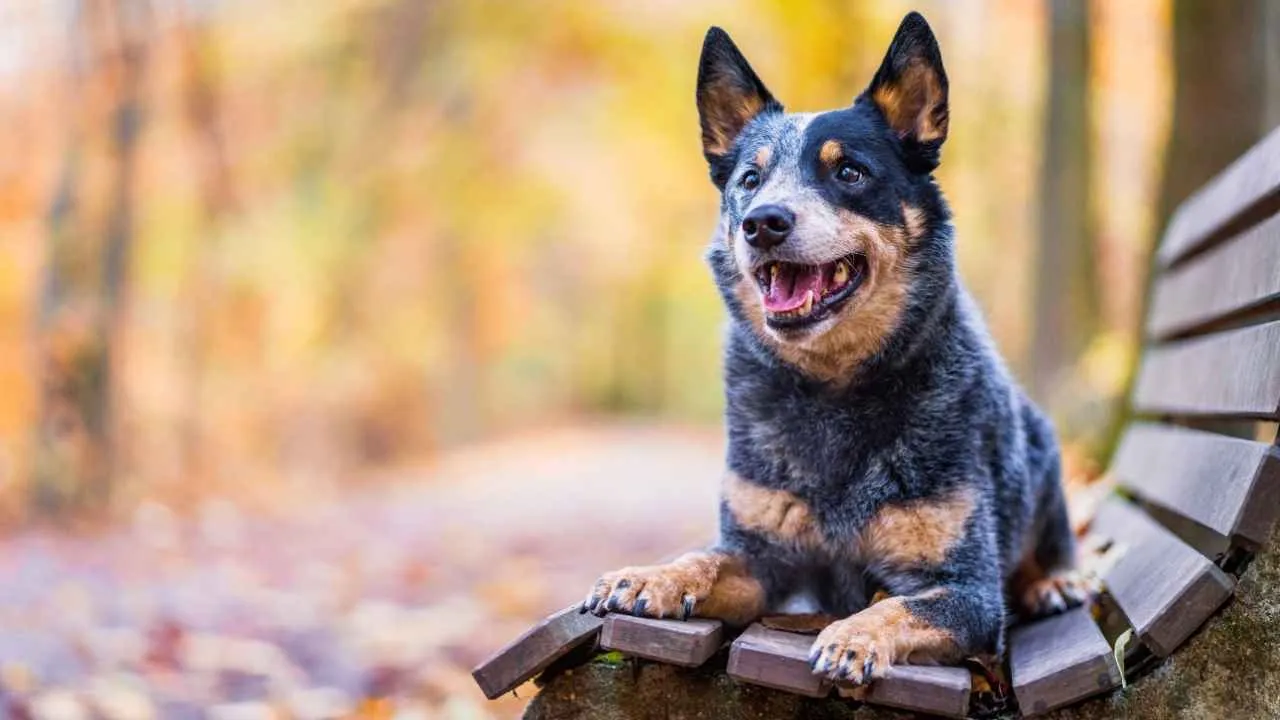
The Australian Cattle Dog brings us into slightly different prey-drive territory because this breed was developed primarily to control livestock rather than hunt it. Herding behavior evolved from selected portions of the canine predatory sequence, particularly behaviors such as searching, stalking, chasing, and controlling movement.
That means their response to movement can be intense even though the original goal was moving cattle rather than catching wildlife for food. A running animal, bicycle, jogger, rapidly moving child, or chaotic group of dogs may trigger the urge to chase and control direction.
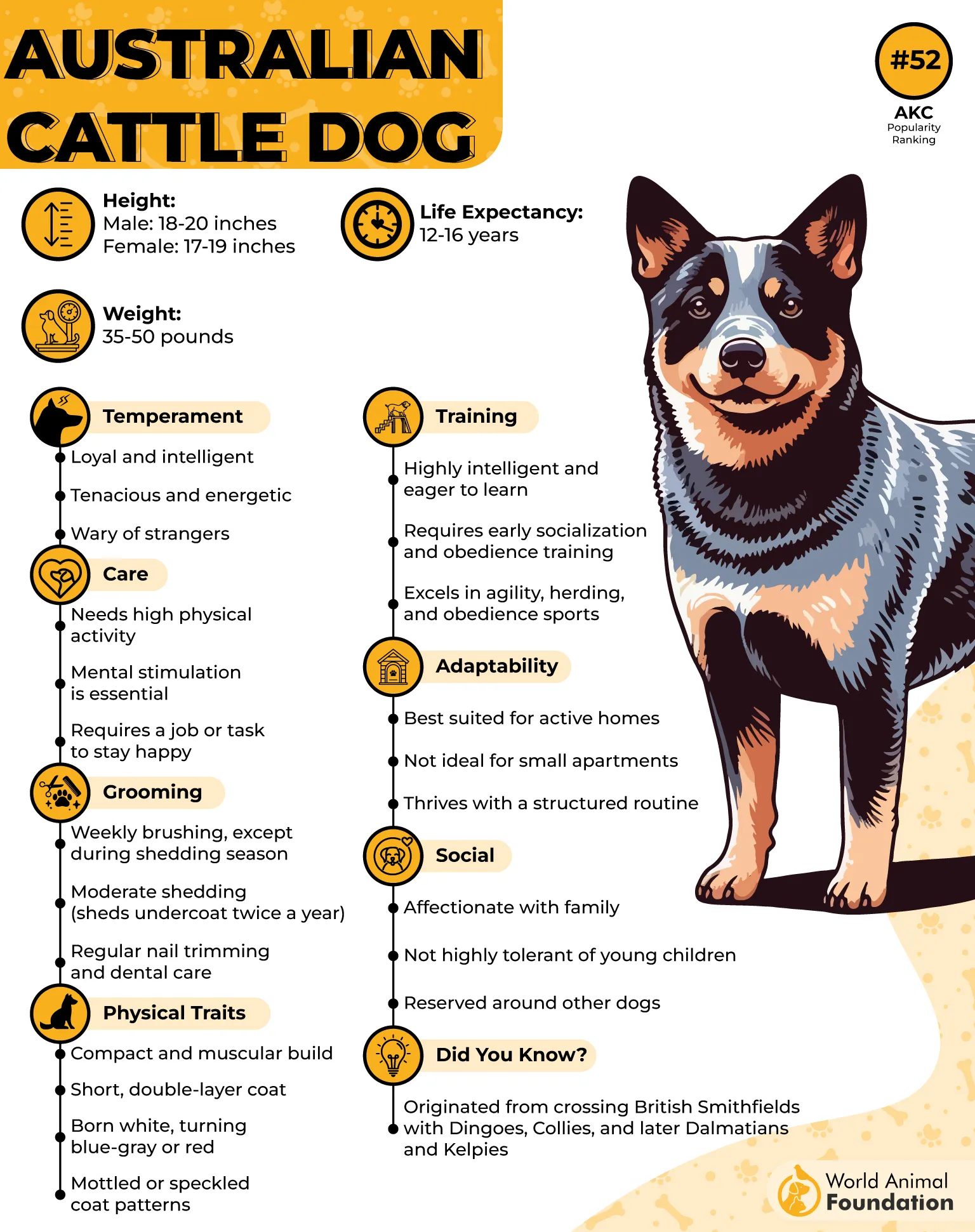
These dogs were built for demanding work across huge Australian properties, where cattle could be stubborn and environmental conditions unforgiving. Toughness, stamina, problem-solving ability, and persistence were therefore not cute bonus features—they were job requirements.
Because their instincts are so action-oriented, Australian Cattle Dogs often thrive when given meaningful tasks. Herding activities, obedience, agility, nose work, structured fetch, hiking, advanced trick training, and problem-solving games can all provide productive outlets.
7. Whippet
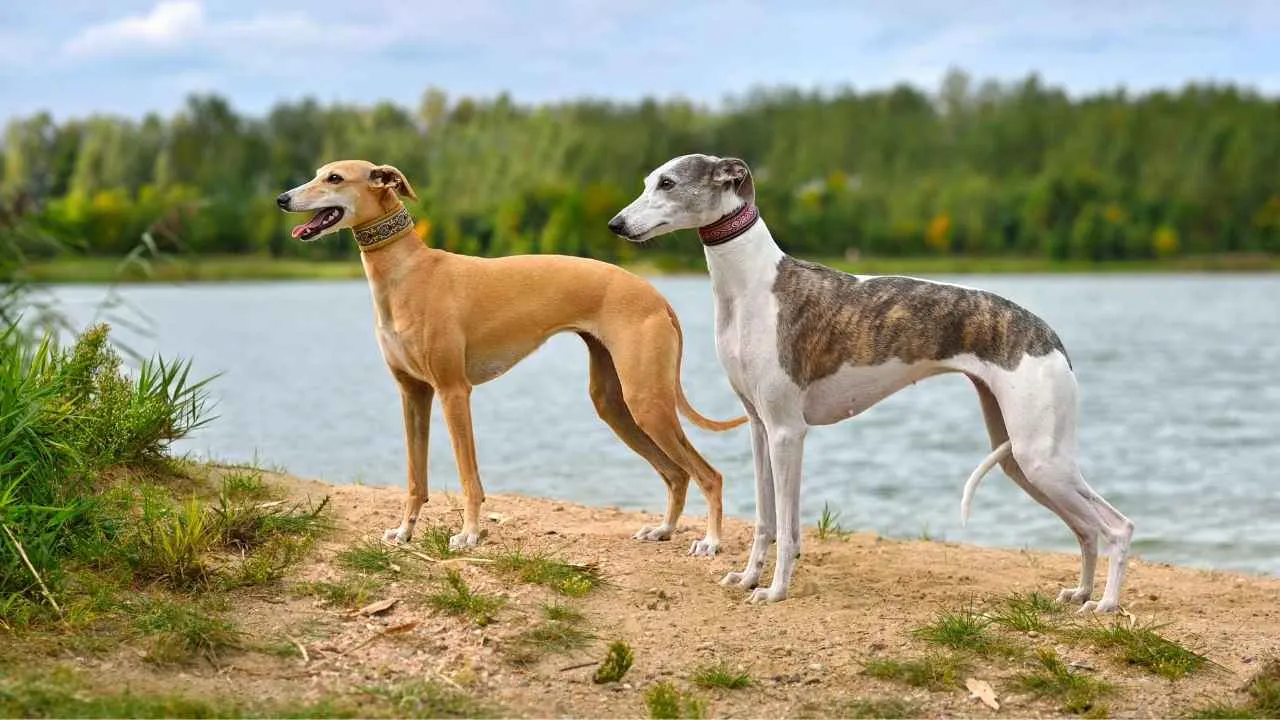
The Whippet may spend half the afternoon folded into a blanket like warm laundry, but do not confuse cozy behavior with a missing prey drive. These streamlined hounds were originally developed to pursue small game, particularly rabbits, and their bodies remain beautifully adapted for explosive acceleration.
Visual movement can trigger these sighthounds’ pursuit incredibly quickly because these fast breeds historically relied on spotting quarry and chasing it rather than carefully following a scent trail. Their narrow aerodynamic shape, flexible movement, powerful rear drive, and athletic cardiovascular system all support that high-speed hunting heritage.
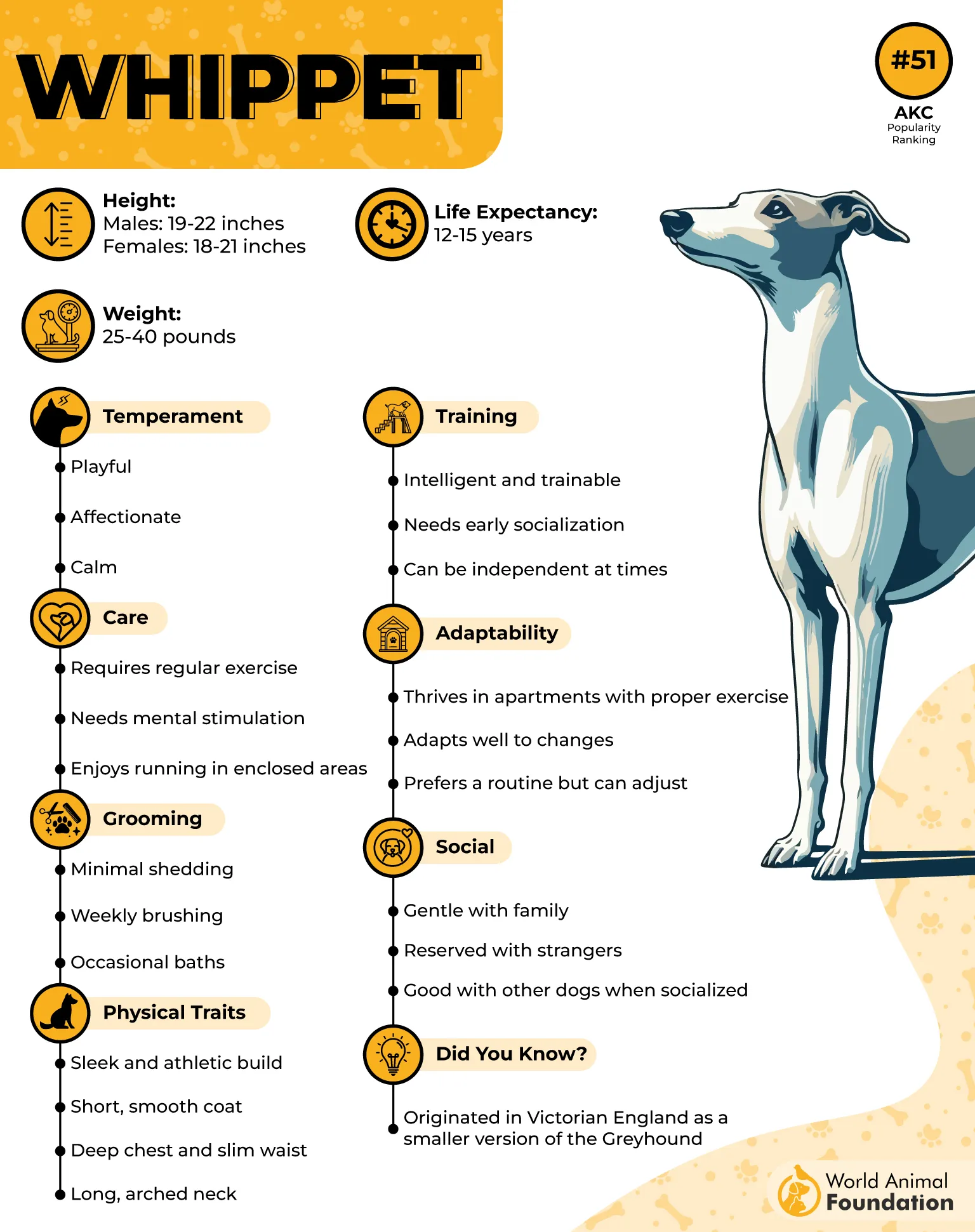
Interestingly, the average Whippet often has a much stronger couch-potato mode than its sprinting credentials would suggest. They are calm, easygoing companions at home despite their athletic capabilities.
Prey drive also varies significantly between individual Whippets. Some can live successfully with cats or smaller dogs after appropriate introductions. In contrast, others may show considerably more interest in chasing small animals, so breed tendencies should never replace evaluation of the individual dog.
That variation is one reason responsible introductions, supervision, and realistic management are so important.
Conclusion
Strong prey drive is not a character flaw; it is a piece of canine history still showing up in modern behavior.
The goal is not necessarily to erase prey drive because you are working against generations of purposeful selective breeding. A better approach involves teaching impulse control, building strong engagement and recall, preventing unsafe access to wildlife, and offering controlled activities.
Most importantly, breed tendencies are guidelines, not destiny. One Whippet may peacefully ignore the household cat. At the same time, another thinks every squirrel has personally challenged it to a race, and individual Greyhounds, terriers, Ridgebacks, or Weimaraners can vary just as dramatically.
