




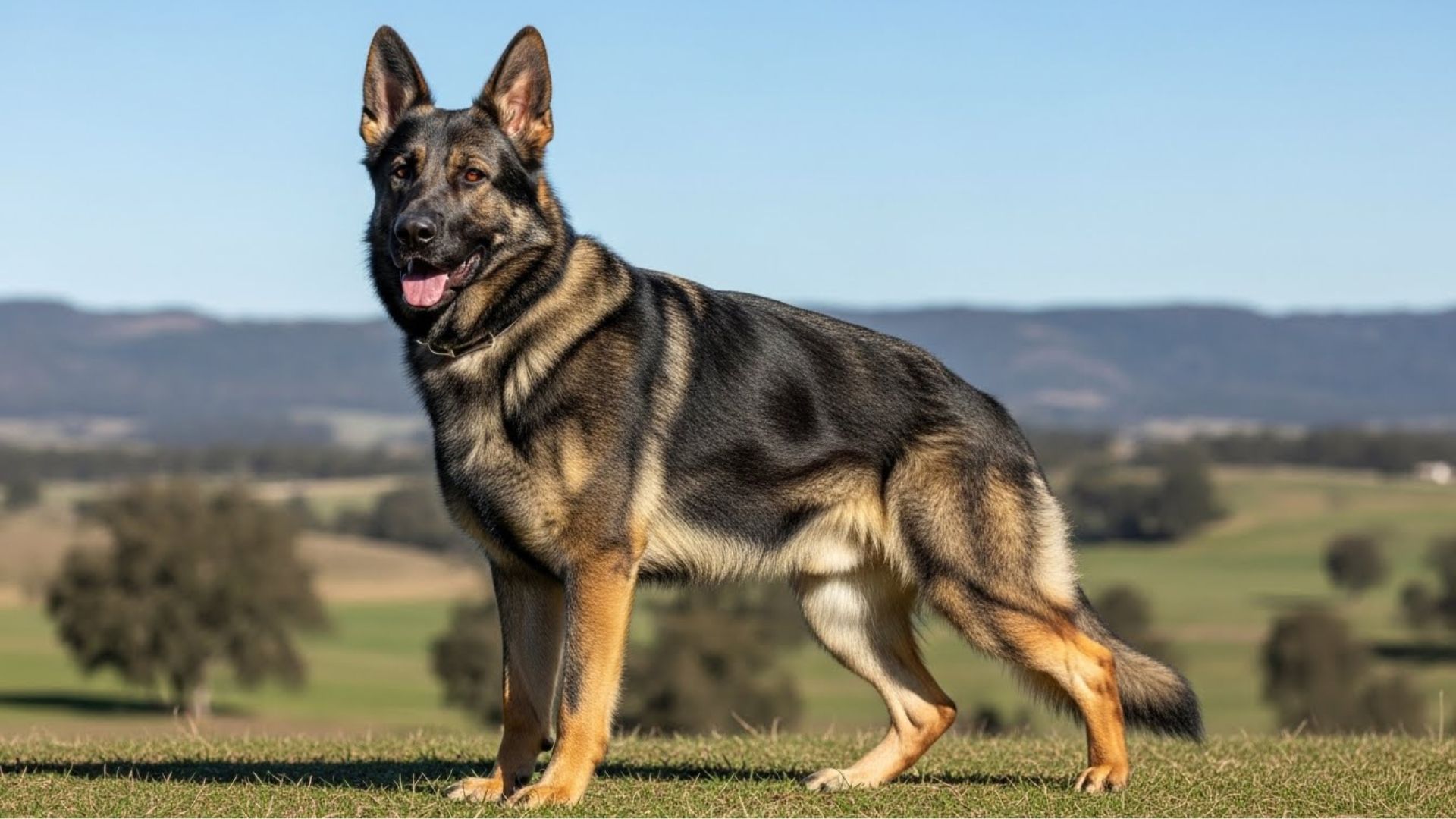
Sable is one of the most striking and unique coat colors found in dogs. It features a beautiful blend of colors like gray, gold, light tan, and silver, all tipped with black, creating a natural gradient effect that makes each dog’s fur look like a work of art.
What makes the sable coat even more interesting is its genetic background. Just one parent needs to carry the gene for sable coloring, yet this beautiful pattern is still relatively rare in the dog world.
Because of this, sable dogs stand out not just for their looks but also for the fascinating way their coat colors develop. No two sable coats are exactly alike, which adds to their charm and individuality.
Sable coats can be found on dogs of all sizes and personalities, from tiny, cuddly companions to large, powerful working dogs. This wide variety means there’s likely a sable-coated dog that fits almost any lifestyle or preference.
In this article, we’ll introduce you to some amazing dog breeds known for their sable coloring—each with its own story and special qualities that make them unforgettable.
Key Takeaways
- Discover the stunning sable coat that makes dogs like the German Shepherd and Belgian Malinois truly stand out.
- Learn why breeds such as the Shetland Sheepdog, Collie, and Pomeranian shine with this unique color pattern.
- Find out how to care for the beautiful sable fur to keep your dog looking amazing every day.
- Whether it’s a playful Pomeranian or a hardworking Malinois, there’s a sable dog perfect for you.
Amazing Dog Breeds Featuring Sable Coat Colors
1. German Shepherd
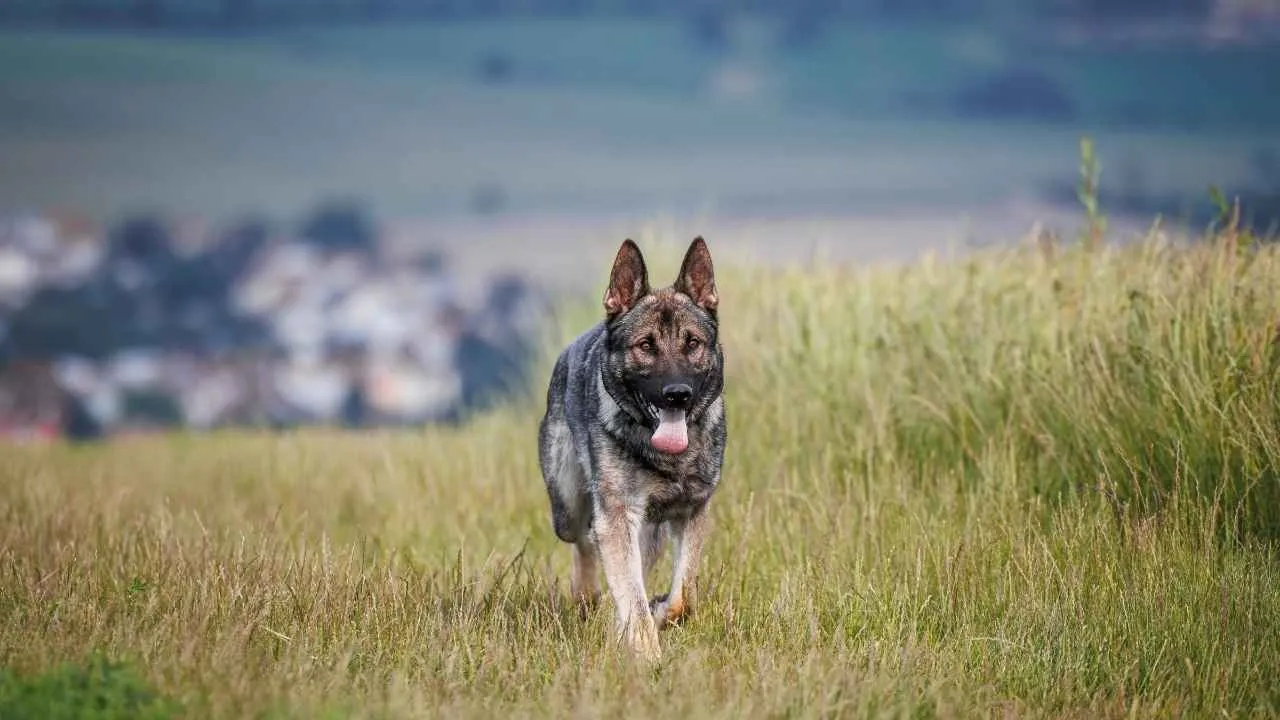
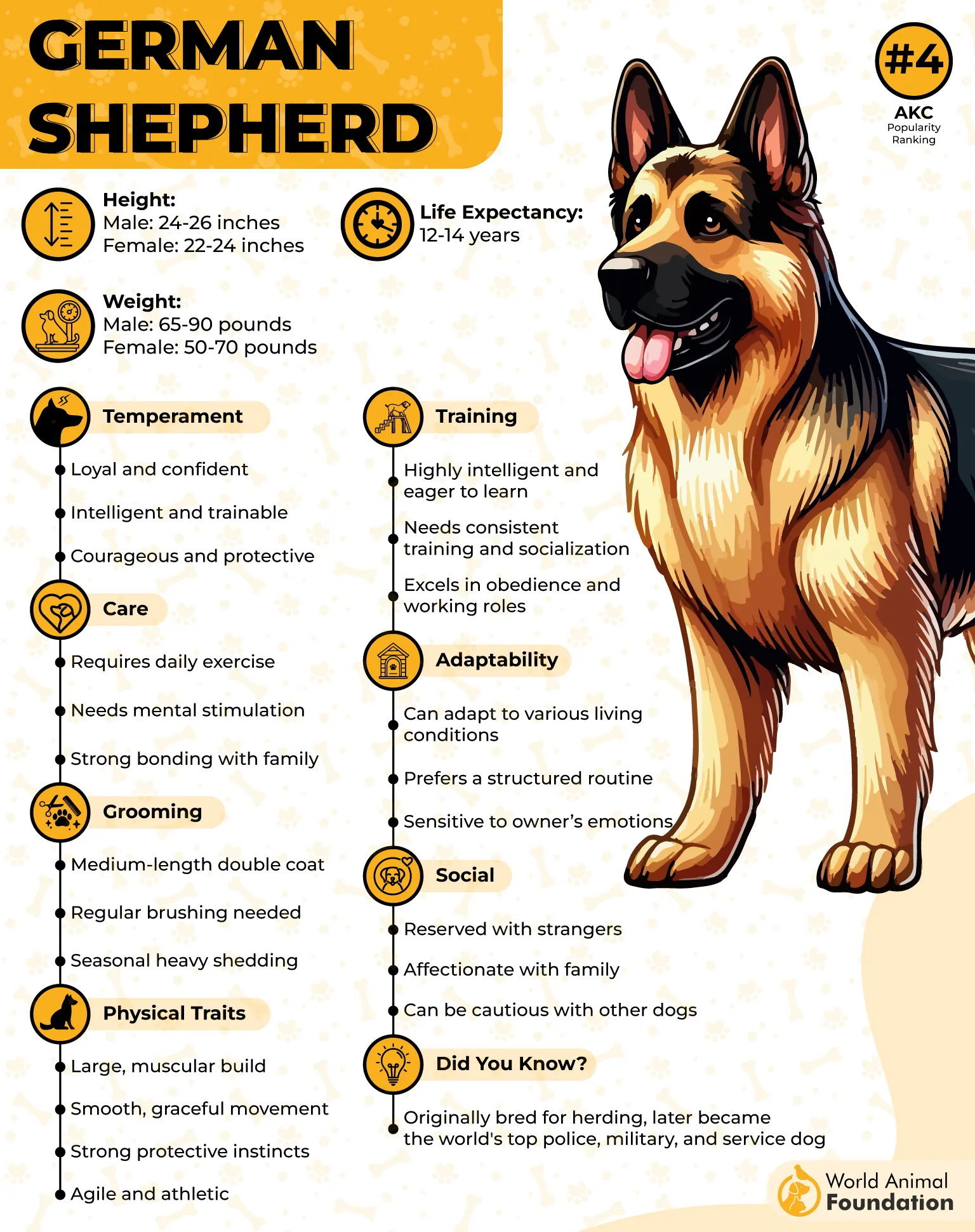
When it comes to sable coats, the German Shepherd is one of the most famous breeds. This dog is well known for its intelligence, loyalty, and strong work ethic. While German Shepherds come in various colors, the sable pattern is the most dominant and closely tied to the breed’s original look.
According to the American Kennel Club, the sable coat is the official breed standard, even though true sable German Shepherds are extremely rare.
The sable coat on a German Shepherd typically blends different shades of black and tan, with black-tipped fur creating a beautiful, natural gradient. This classic look makes the sable German Shepherd instantly recognizable and highly sought after.
If you’re thinking about getting a sable German Shepherd puppy, be prepared for a higher price — they often cost over $2,000 due to their rarity and popularity.
Some quick facts about German Shepherds and their sable coats
- Their dense coat has coarse outer hair and a soft undercoat, which helps protect them.
- German Shepherds shed year-round, with heavier shedding twice a year.
- Regular brushing, several times a week, is needed to keep their coat healthy.
- Known for confidence and bravery, they are often used in police, military, and search-and-rescue roles.
- They thrive when given plenty of exercise and mental challenges, thanks to their herding background.
2. Belgian Tervuren
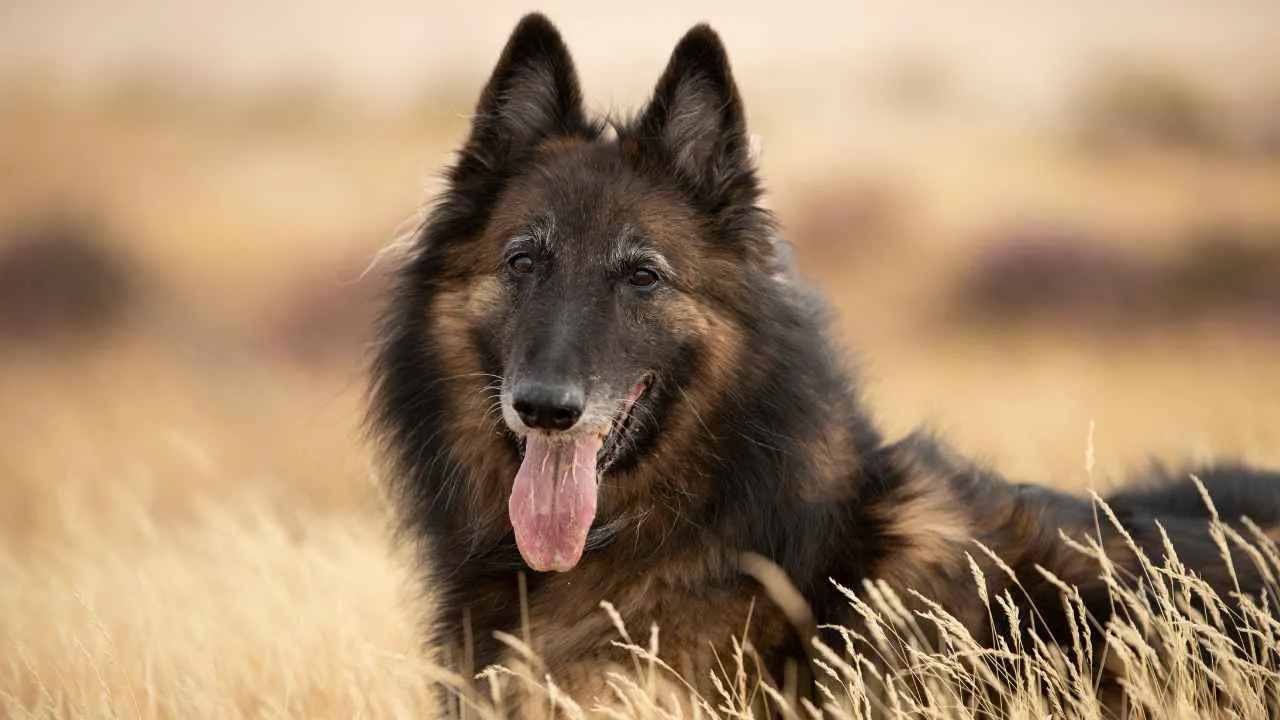
The Belgian Tervuren is a courageous and lively dog, loved by runners and outdoor lovers alike. This sable-coated breed thrives on physical activity and mental challenges.
If you enjoy hiking, running, or spending time outdoors, the Tervuren could be a perfect match. They are eager to work and love having tasks to keep their sharp minds busy.
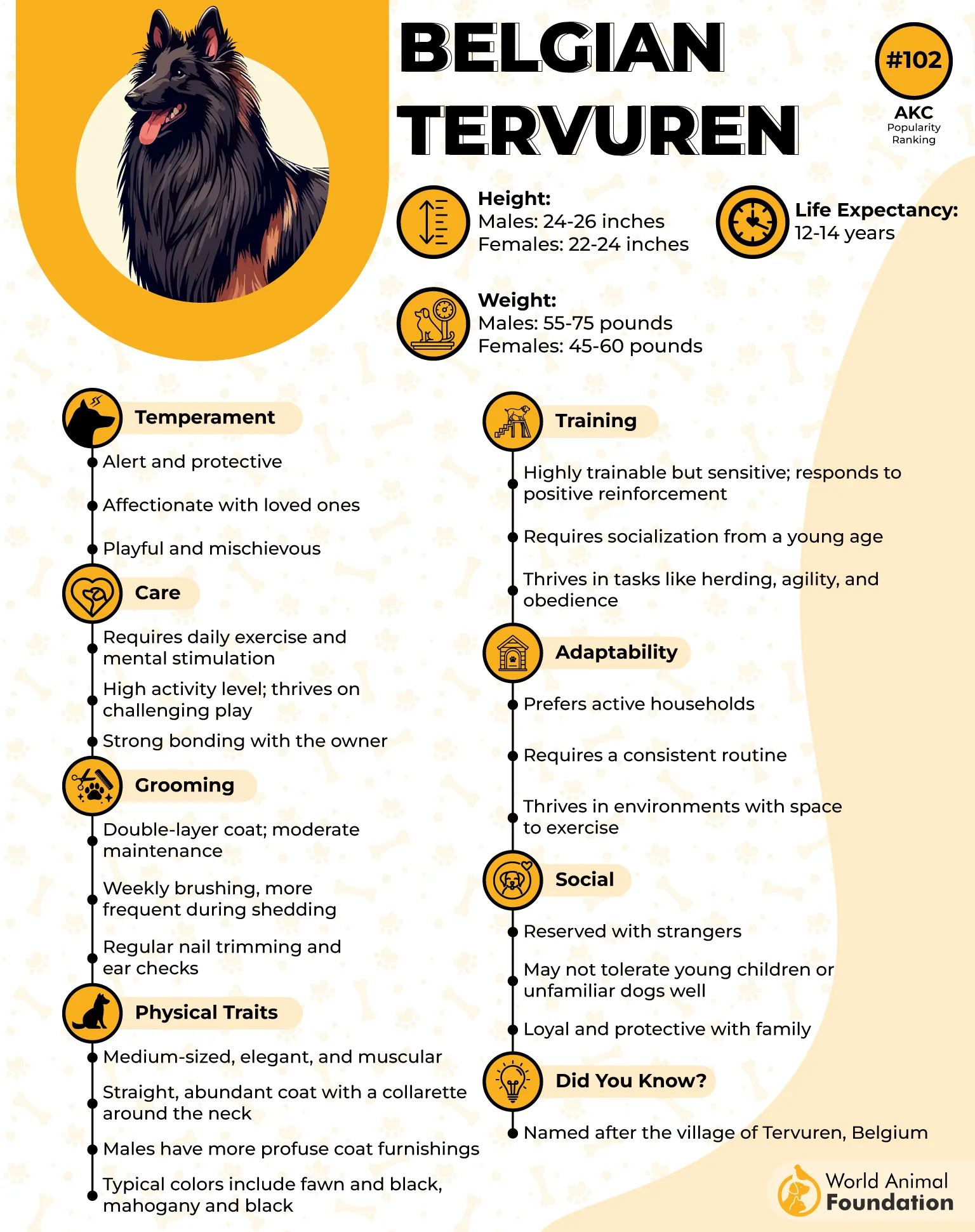
The Tervuren’s coat is a beautiful mix of fawn or mahogany shades, with dark-tipped hairs that create a layered, shaded effect. This double-layered coat gives the dog a stunning, textured look. Despite their long fur, brushing once a week is enough to keep their coat healthy and looking great.
Key facts about the Belgian Tervuren and its sable coat
- Known for an athletic build and an alert, intelligent expression.
- Often mistaken for a long-haired German Shepherd, but has a lighter and more refined appearance.
- Highly intelligent and confident, making them quick learners.
- Requires regular exercise and mental stimulation to stay happy.
- When properly trained and socialized, they are loyal and eager to please their companions.
3. Collie
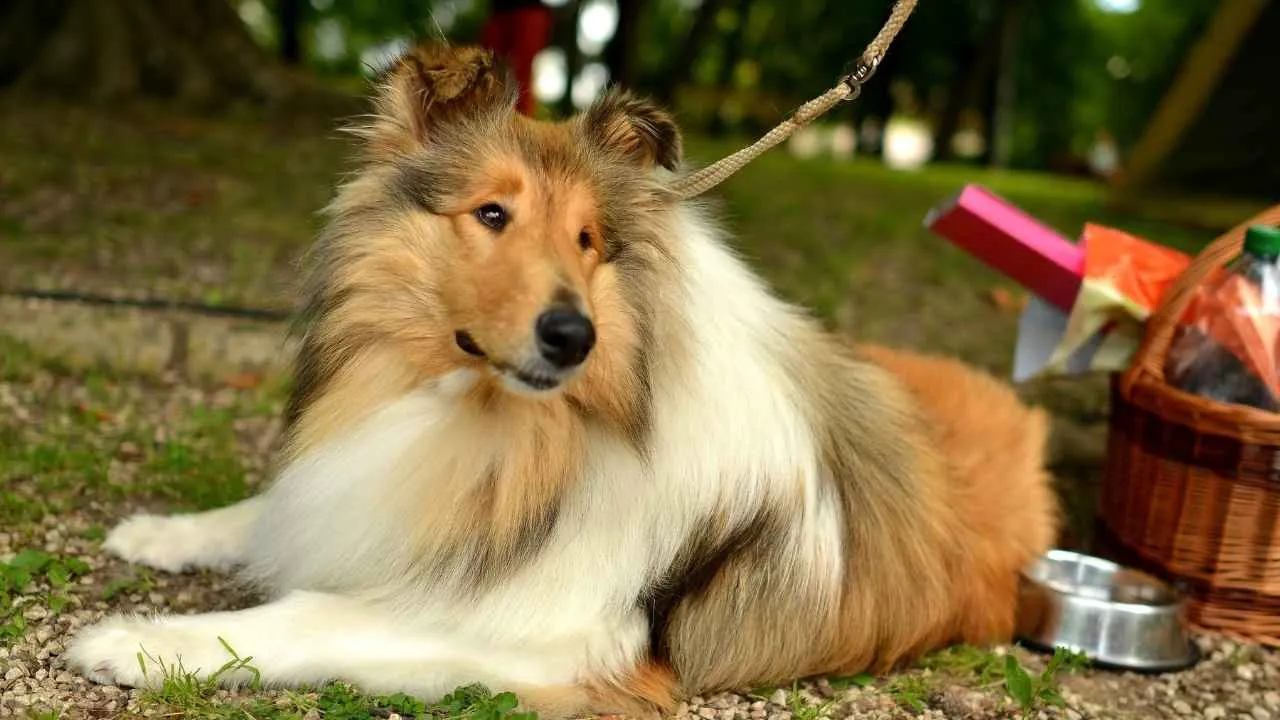
The Collie is a friendly and intelligent dog known for being easy to train and eager to please. Originally bred as herding dogs in Scotland and England, Collies have a long history of working closely with shepherds.
Their loyalty and affectionate nature make them wonderful family pets, especially great with children. PetMD states that due to Queen Victoria’s fondness for the breed in the 1860s and the famous story of Lassie, Collies have become one of the most beloved and recognizable dogs worldwide.
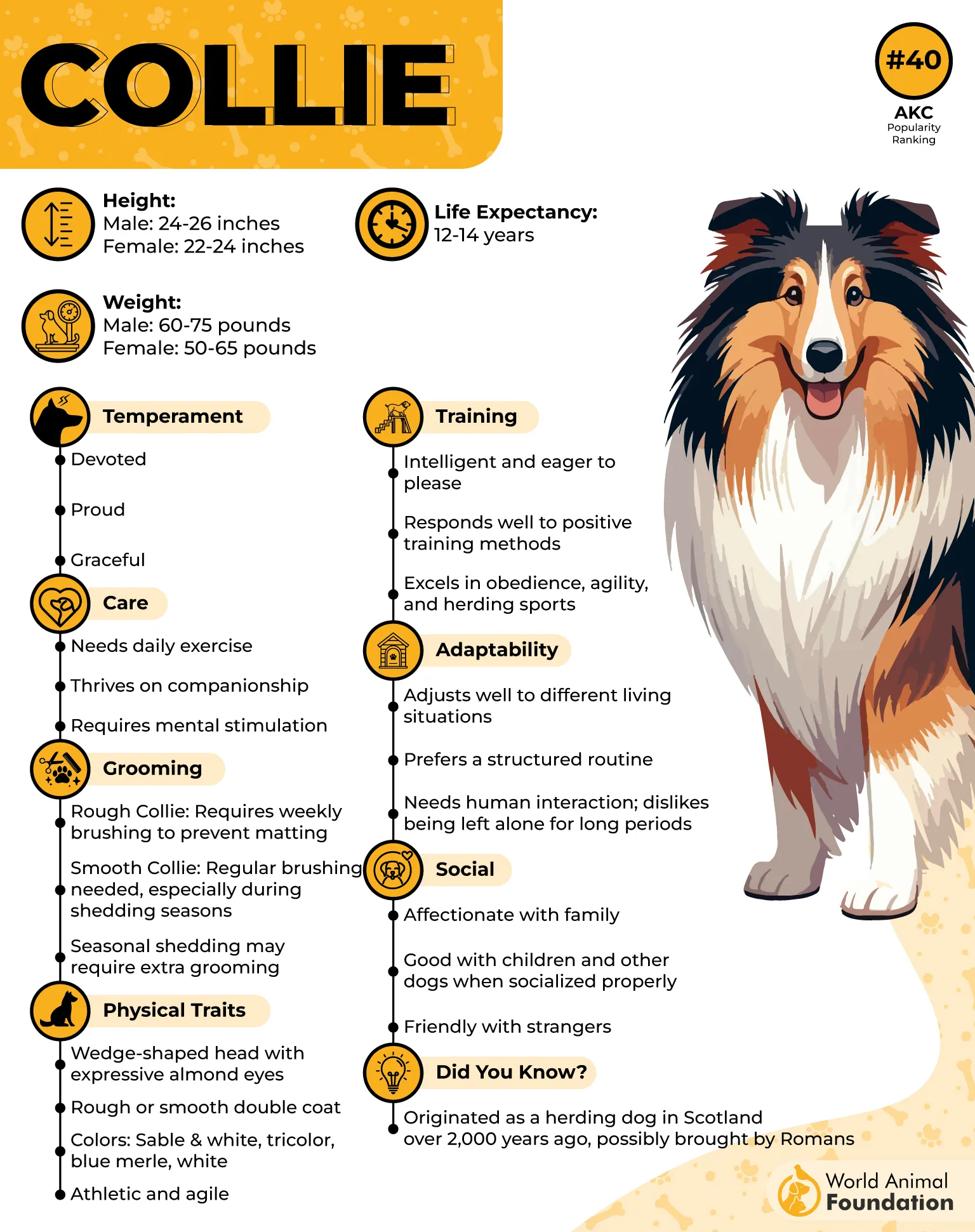
Collies come in two coat types: the Rough-Coated Collie with long, flowing fur, and the Smooth-Coated Collie with a shorter, dense coat. Both varieties often feature sable coloring mixed with white, tricolor, or blue merle patterns.
Their elegant wedge-shaped heads, expressive almond eyes, and pricked ears add to their charming appearance. These dogs are swift and athletic, thriving with daily exercise and companionship.
Key points about Collies and their sable coats
- Originally, herding dogs from Scotland with a rich working history.
- Popularized worldwide through Queen Victoria and Lassie stories.
- Two coat varieties: Rough (long) and Smooth (short), both often sable.
- Known for loyalty, intelligence, and affection—especially with kids.
- Require moderate exercise and gentle, consistent training.
4. Shetland Sheepdog
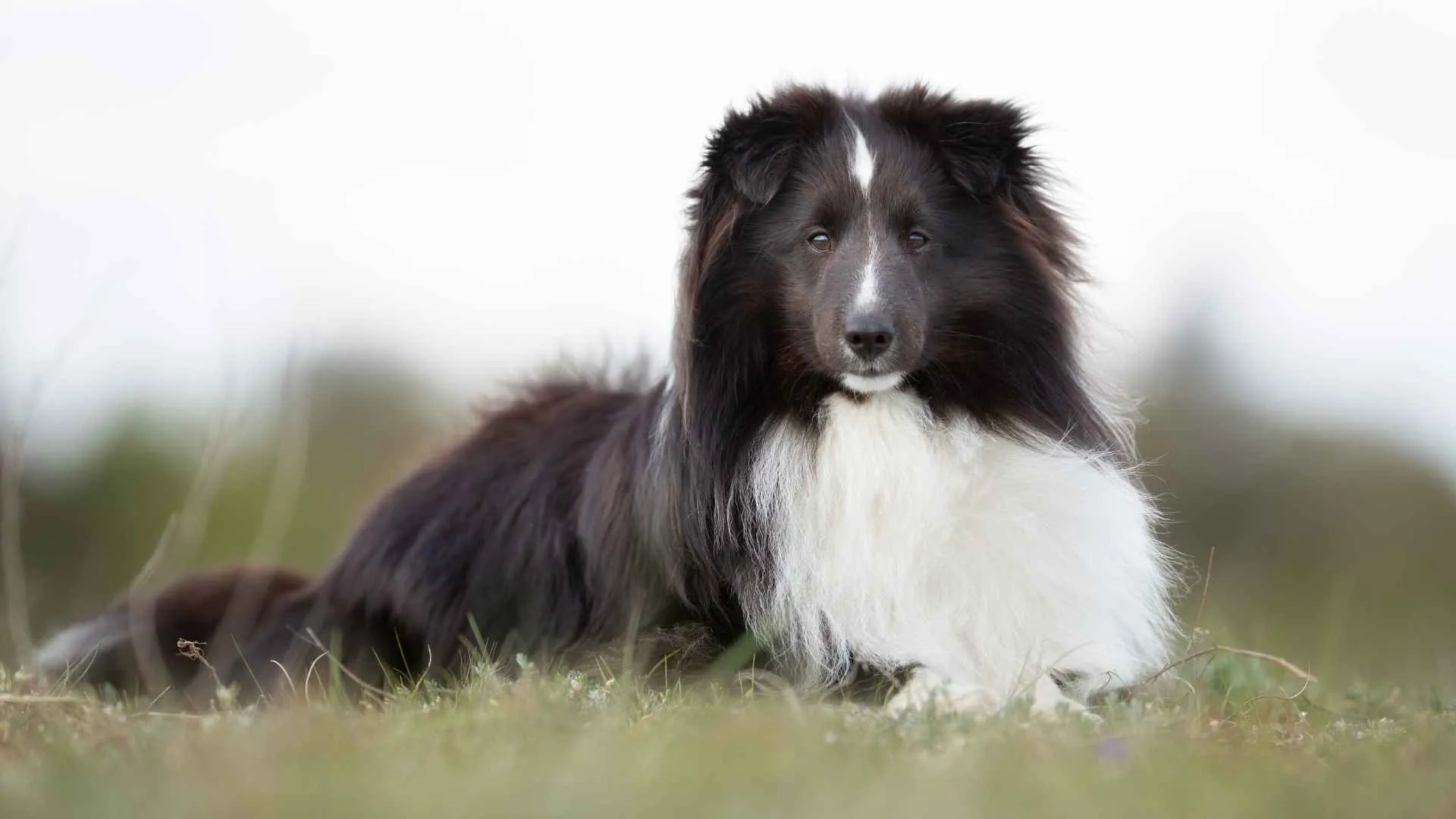
The Shetland Sheepdog, or Sheltie, is one of the most well-known sable-coated breeds. Originating from the Shetland Islands off Scotland, this hardy herding dog was bred to herd and protect livestock.
The sable Sheltie’s coat ranges from golden to deep mahogany, with black tips that give it a beautiful, shaded look. Sometimes, their sable fur is accented with splashes of white on the legs, chest, and toes, making their appearance even more eye-catching.
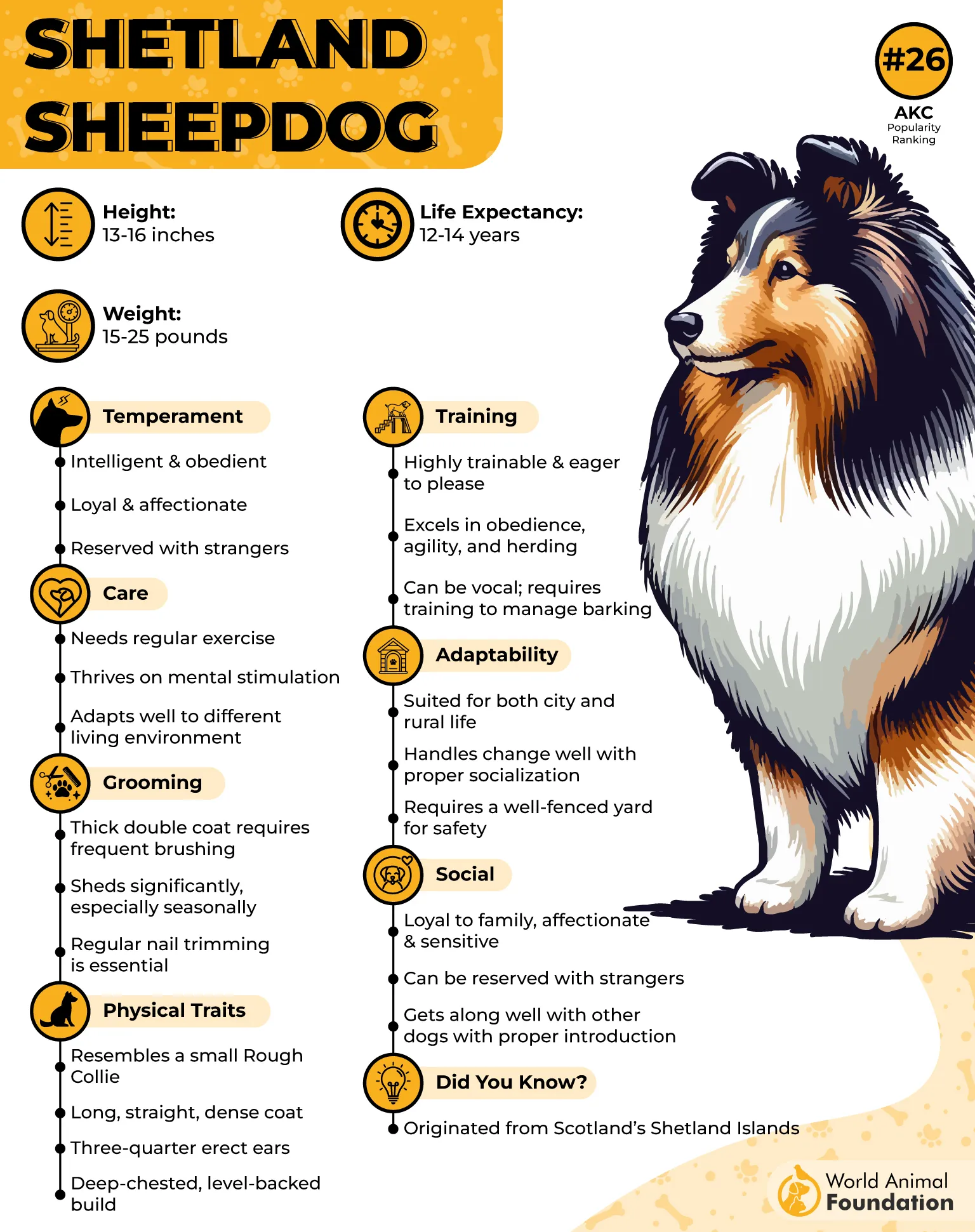
Shelties are lively, intelligent, and highly trainable dogs. Their stunning sable coat glistens in sunlight, adding to their charm. They require regular grooming to keep their fur healthy, prevent mats, and manage shedding.
More than just a pretty coat, the Sheltie’s intelligence and energy make them excellent competitors in agility and other dog sports, where they enjoy using both their minds and bodies.
Quick facts about the sable Shetland Sheepdog
- Known for a gorgeous sable coat from golden to mahogany with black tips.
- Bred as herding and guarding dogs on the Shetland Islands.
- Often have white markings on legs, chest, and toes.
- Require regular grooming to maintain their beautiful coat.
- Thrive in dog sports and activities that challenge them physically and mentally.
5. Belgian Malinois
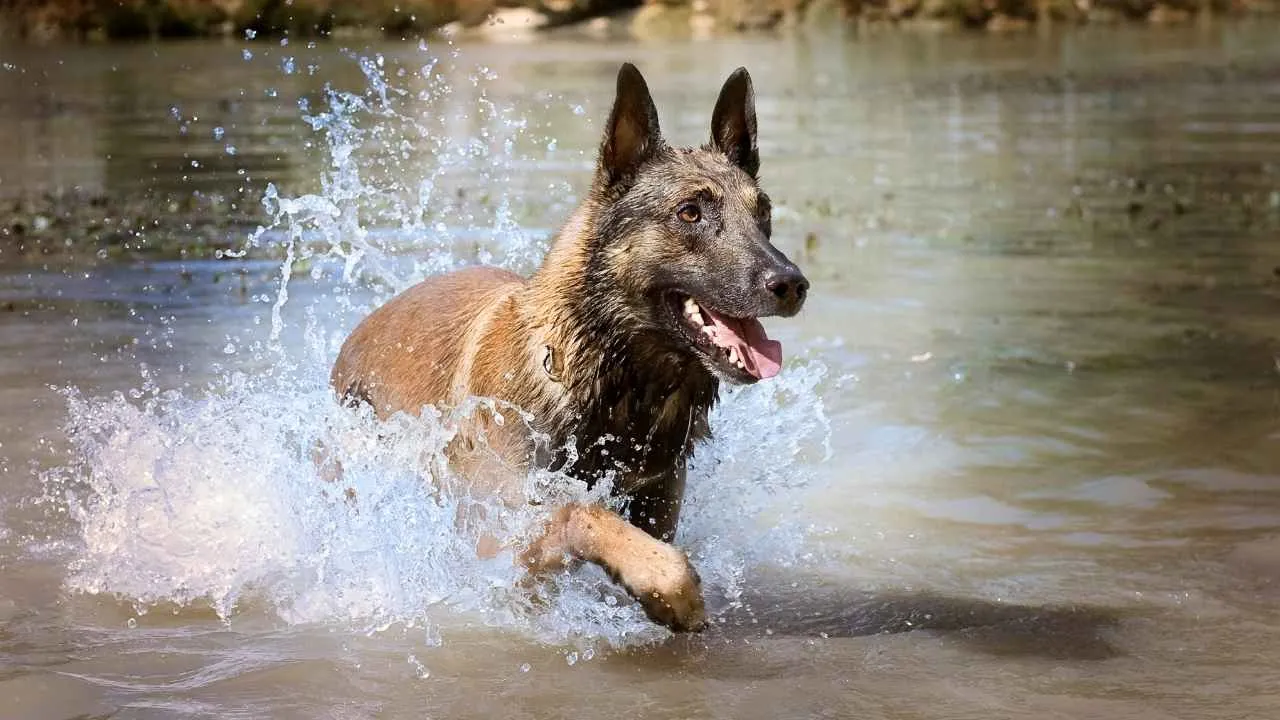
The Belgian Malinois is a top working dog known worldwide for police, military, and search roles. Originally bred as hunting dogs in Belgium, today they are loyal family members, guard dogs, and hard-working partners.
The Belgian Malinois is close to the German Shepherd, so sable coat patterns are common. One popular version is the fawn sable, where the coat lightens near the roots and darkens to black or deep chocolate tips.
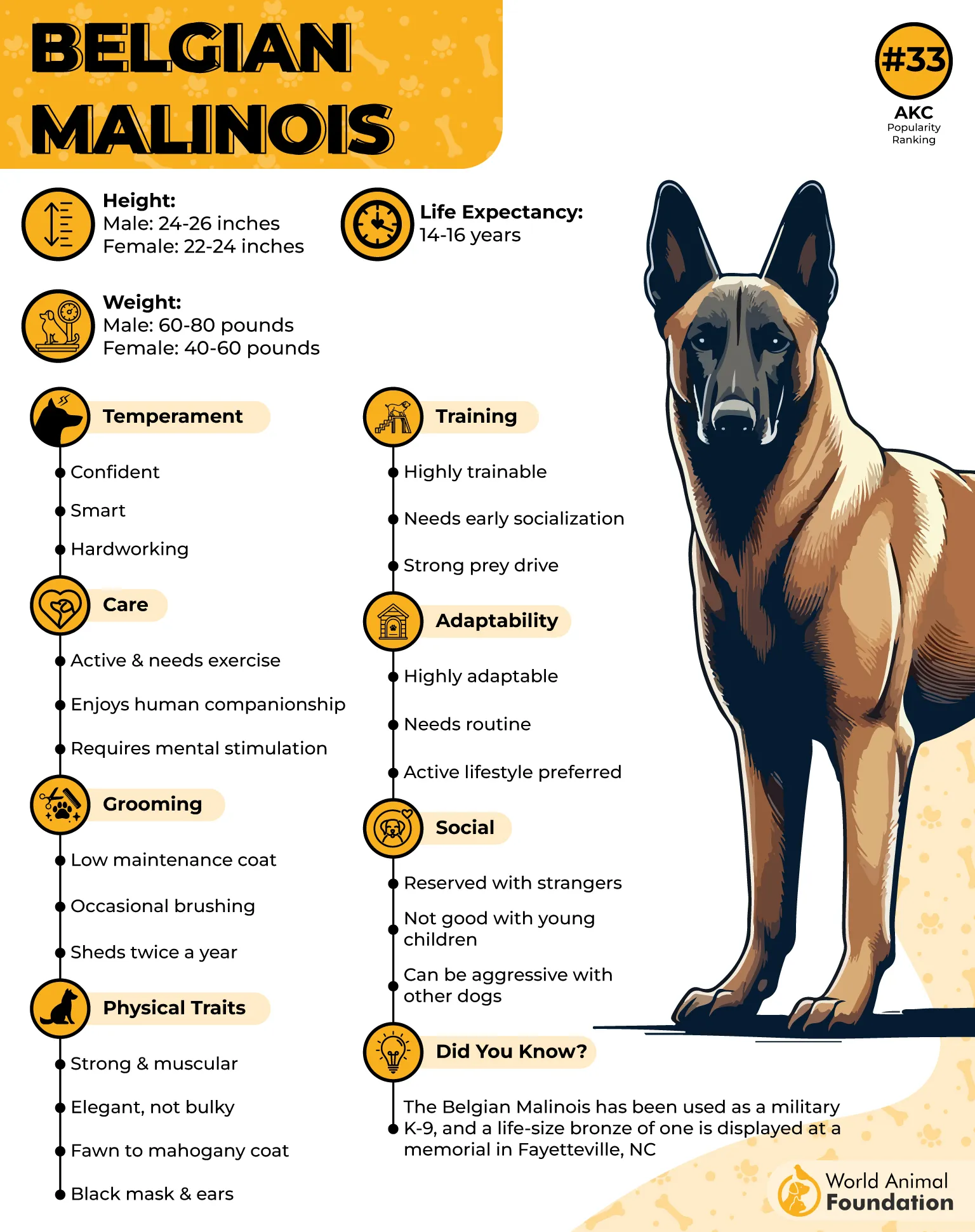
These dogs need an experienced owner who can match their high energy and intelligence. Belgian Malinois love outdoor adventures like long hikes and runs.
Without enough exercise and mental challenges, they can get bored and restless. They are best suited for active homes that can provide plenty of training and stimulation.
Key facts about the Belgian Malinois and its sable coat
- Coat colors range from yellowish-brown to mahogany with black-tipped hairs.
- Usually have a distinctive black mask and ears.
- Known for strength, stamina, loyalty, and eagerness to please.
- Require a dedicated owner to handle their energy and intelligence.
- Featured in the 2022 film Dog, showcasing their protective nature and companionship.
6. Pomeranian
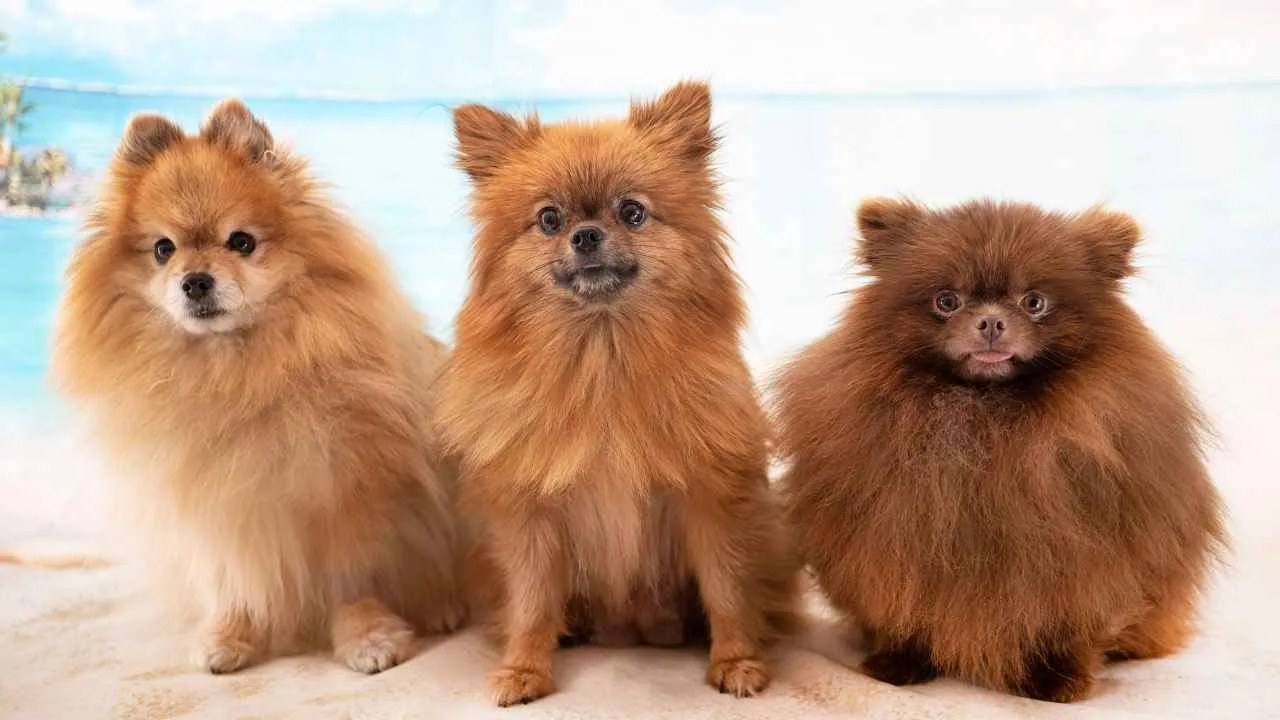
If you love dogs with interesting histories, the Pomeranian is a perfect choice. This tiny, sable-coated breed has roots tracing back to larger Spitz sled dogs like the Akita and Samoyed.
Known as “the tiny dog who believes he can,” the Pomeranian packs endless energy and charm into a small frame. They shine in obedience and agility competitions, proving their intelligence and eagerness to learn.
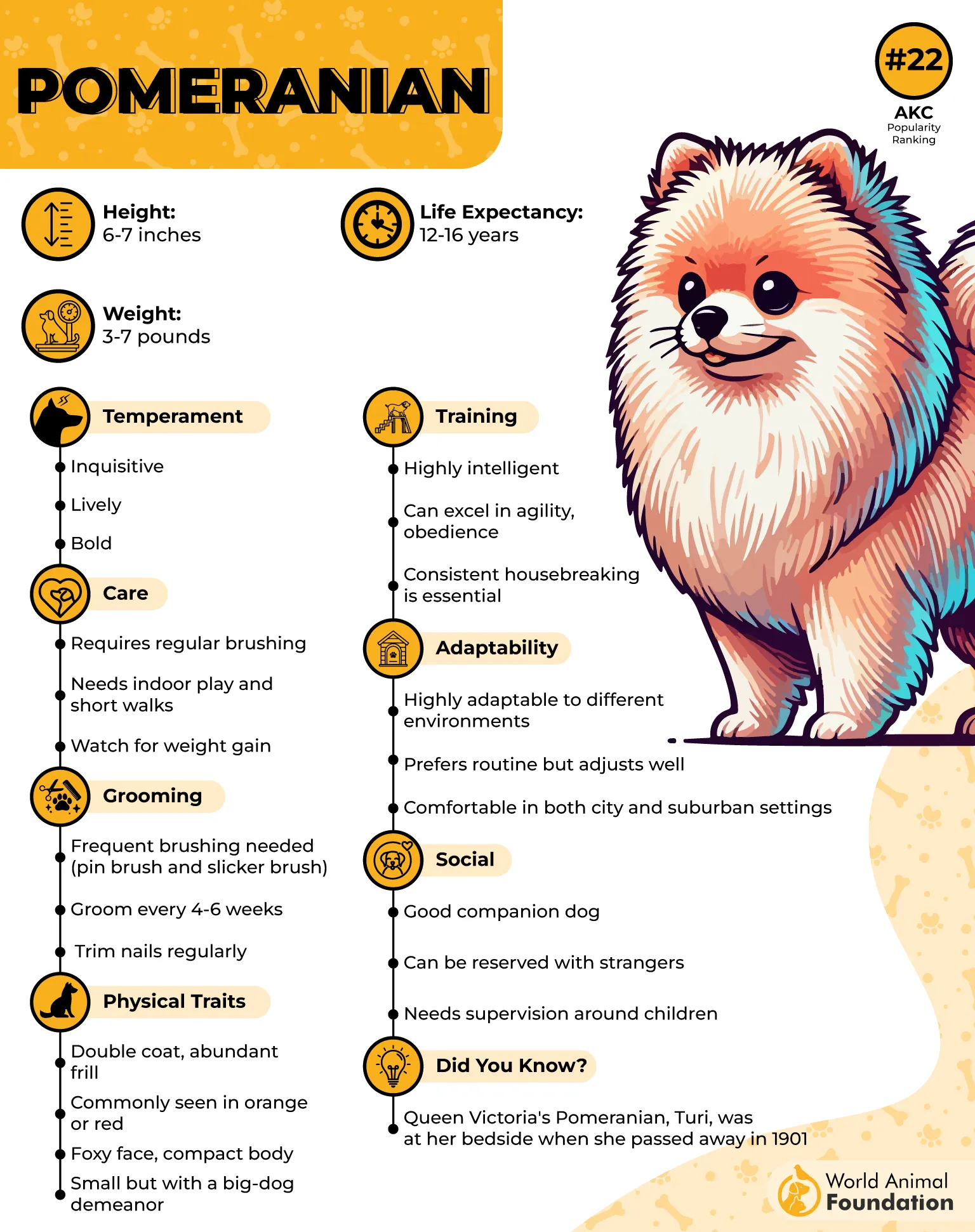
The Pomeranian’s fluffy double coat features a beautiful sable pattern, with a smooth color gradient from light roots to dark-tipped hairs.
These tips can be black, dark chocolate, or even dark orange, giving their fur a rich, multi-toned look. This unique coat creates a stunning visual effect, especially when it moves.
Quick facts about the sable Pomeranian
- Descended from larger Spitz-type dog breeds.
- Famous for their fluffy double-layered sable coats.
- Display a rich gradient of colors with dark-tipped hair.
- Small in size but big in personality and energy.
- Great watchdogs despite their tiny stature.
7. Dachshund
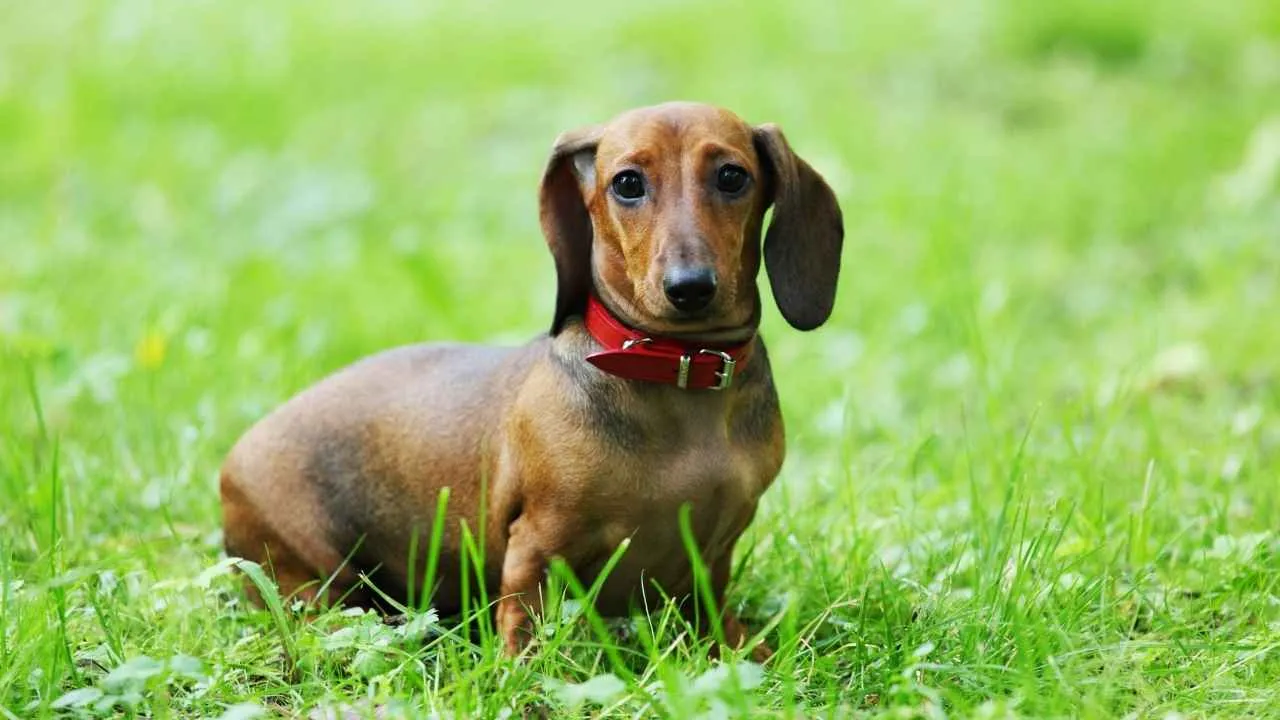
The Dachshund, affectionately known as the “wiener dog,” is a lively and charming breed with a rich history. Developed in Germany over 300 years ago, Dachshunds were originally bred to hunt badgers, as mentioned by Purina. This long-bodied dog is known for its bold personality and unique shape.
Among their many coat colors, the sable Dachshund stands out with a striking blend of red and black-tipped hairs, creating a “red sable” effect that looks almost like black and brown from afar.
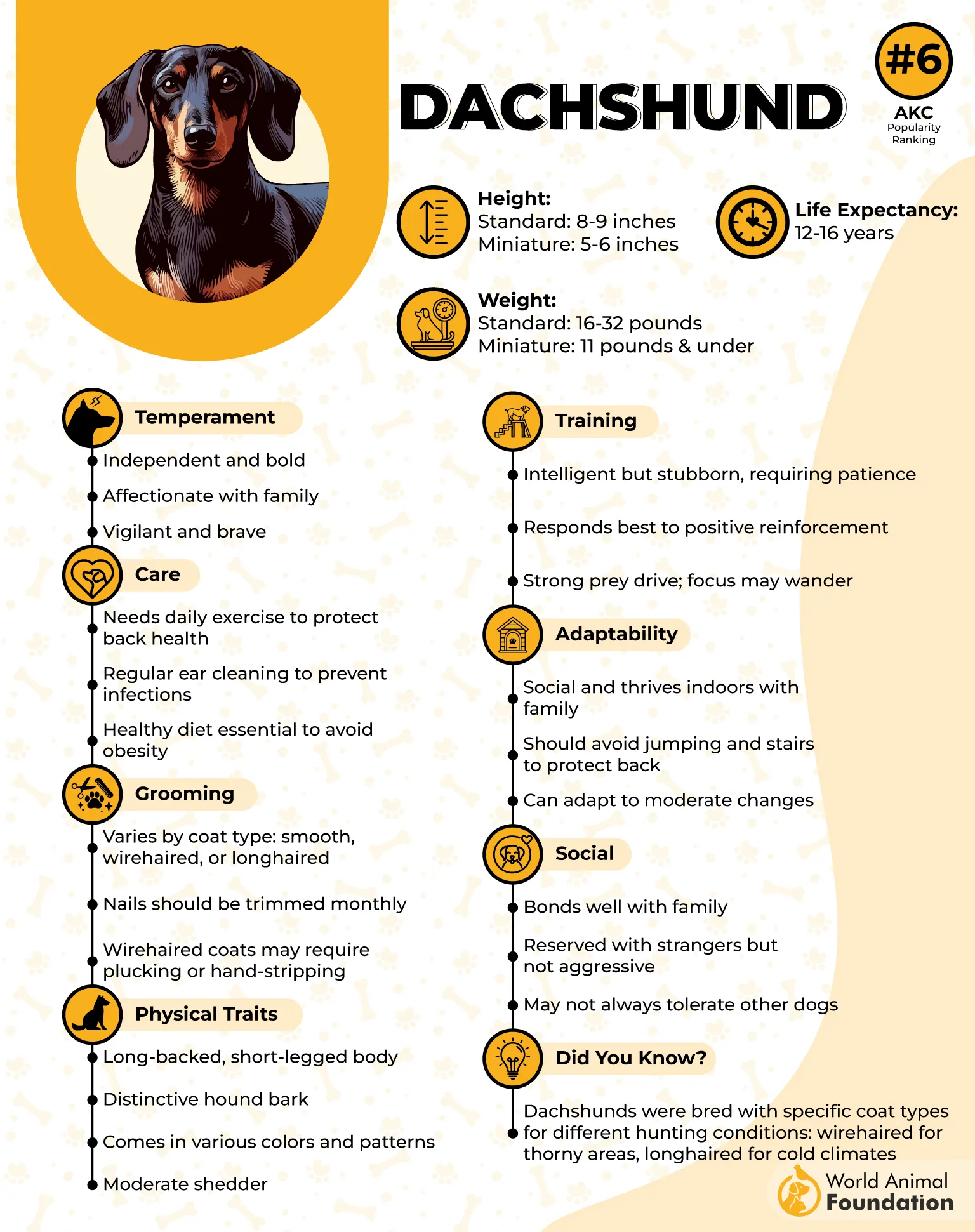
Sable coats are most common in long-haired Dachshunds, where the color creates a beautiful mix of dark and light shades. Dachshunds come in three coat types—smooth, wirehaired, and longhaired—each with its own grooming needs.
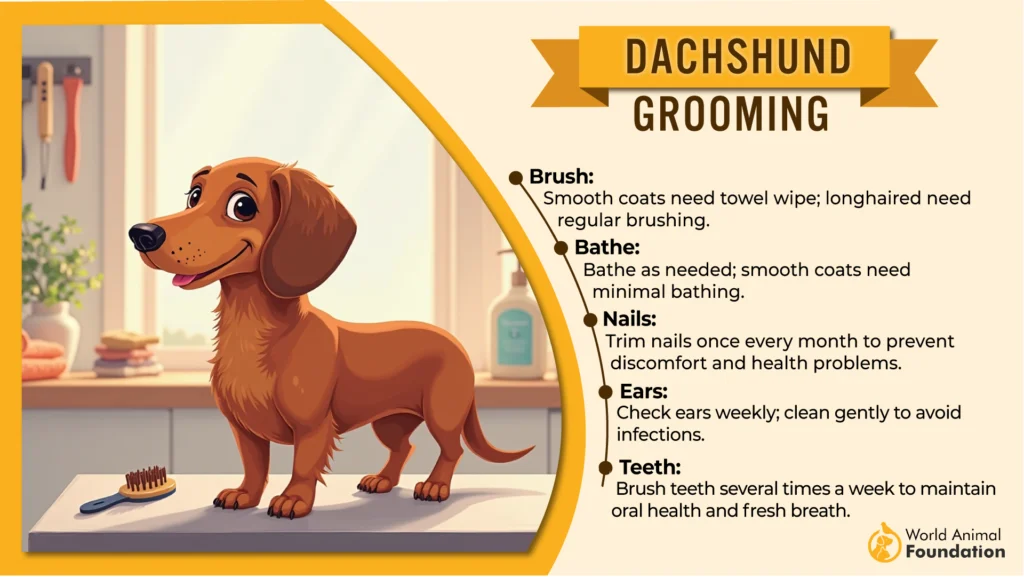
Smooth coats need weekly brushing, wirehaired coats require stripping, and longhaired coats benefit from daily care to keep their sable fur looking its best.
Quick facts about the sable Dachshund
- Known as “badger dogs” for their hunting roots.
- Sable Dachshunds usually have a red base with black-tipped hairs.
- Found mostly in the long-haired variety, but sable can appear in other coats.
- Three coat types: smooth, wirehaired, and longhaired.
- Requires grooming suited to coat type to maintain their unique fur.
Conclusion
Sable-coated dogs stand out because every hair strand tells a story. Their base color, often mixed with shades found in the brindle pattern or even tricolor, creates a naturally distinguished look.
Thanks to the sable gene, these coats can vary from light to dark, sometimes giving the fur a soft, medium-length glow that adds beauty and character to their appearance.
Beyond their looks, sable dogs bring plenty of fun, personality, and a unique temperament into your life. Whether you enjoy active play, quiet companionship, or training sessions fueled by treats, there’s a sable-coated dog that can perfectly fill your home with joy.
Their stunning fur may catch your attention first, but it’s their spirit that truly makes them unforgettable.
Looking for more pups with sable coloration? You can also check out the Border Collie, Bichon Frise, Boxer, and Greyhound.
