




Have you ever noticed how different dog coats can look?
Some feel soft and silky, while others feel thick, curly, or rough. A dog’s coat can give it a look that feels truly special. It can also tell you a lot about how that dog fits into daily life. Some coats are easy to keep neat, while others need more time and attention.
Weather, outdoor play, and everyday routines can also affect coat care. In this guide, we’ll look at seven amazing dog breeds with very different coats.
You’ll see coats that curl, flow, shed, and even form natural cords. Each breed has something unique to offer. So, whether you are choosing a family dog or simply love learning about breeds, this guide will help you see what makes each coat so fascinating.
Amazing Dog Breeds Defined by Their Coat Type
1. Smooth Fox Terrier
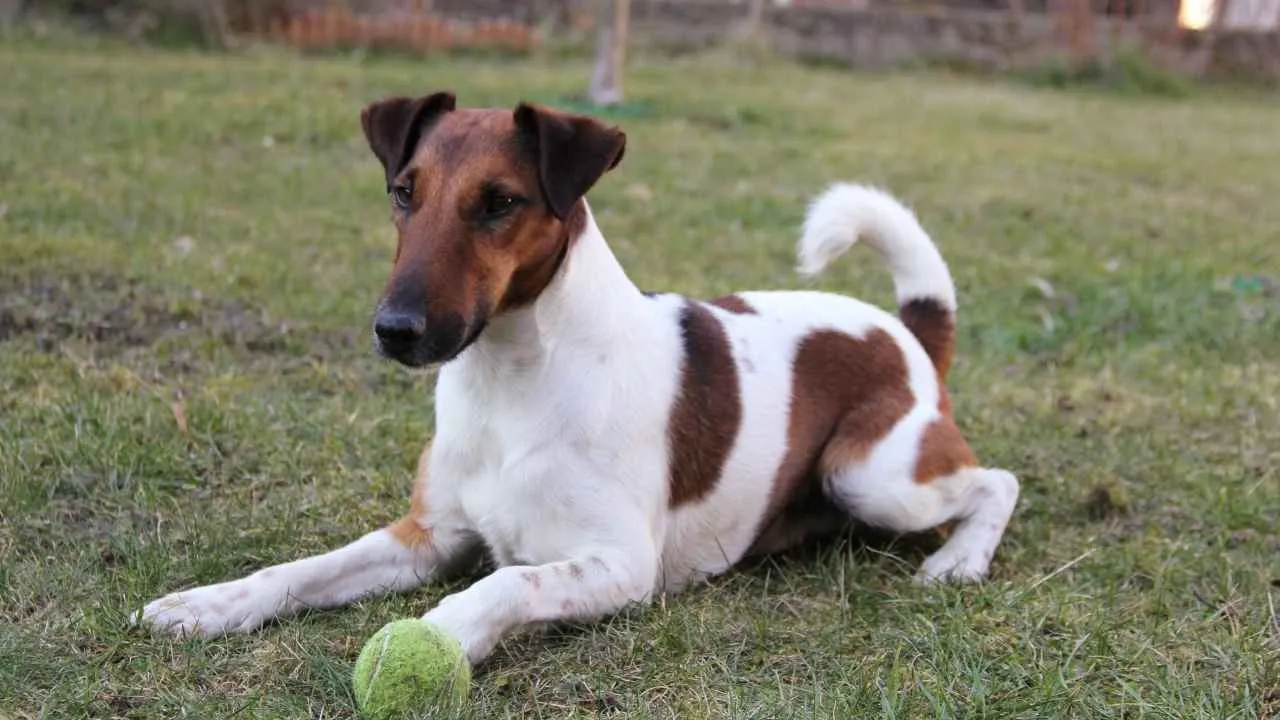
The Smooth Fox Terrier is a lively, smooth-coated dog breed with a short, dense coat. According to WebMD, its grooming routine is fairly simple. A weekly brushing can lift away dirt and loose hair without much fuss.
Unlike the wire-coated dog beside it in the canine world, the Smooth Fox Terrier has a flat coat that feels firm and sleek. Its single coat is made mostly of primary hairs, giving the breed its clean, close-fitting look. The wire fox terrier shares its hunting roots, but the two breeds have clearly different coat textures.
These cool dogs were developed for active work rather than harsh cold climates, so their short covering offers less insulation than a thick double coat. For families who prefer a smooth-coated breed, this neat coat can be much easier to manage.
Simple Care for a Short Coat
Use a rubber brush to catch loose hairs.
Check the ears weekly for wax or debris.
Keep the fast-growing nails trimmed and tidy.
Brush the teeth daily to limit plaque buildup.
Bathe only when dirt makes a wash necessary.
2. Miniature Poodle
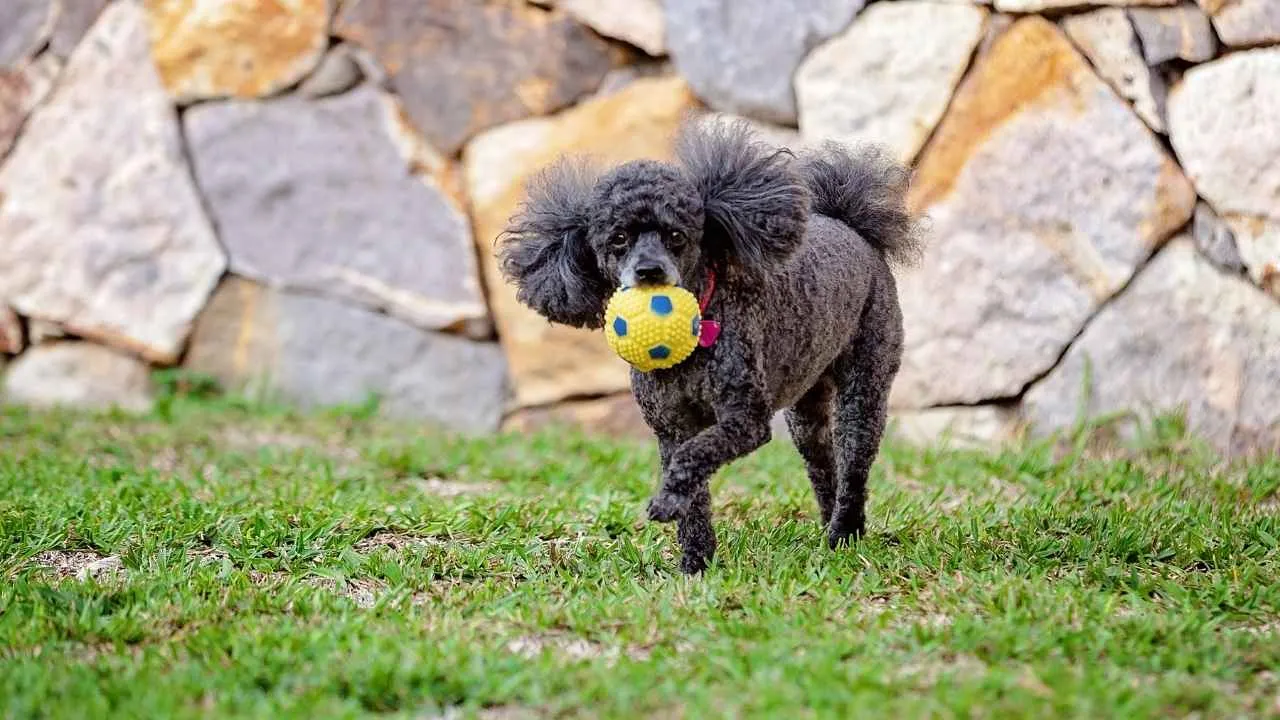
The Miniature Poodle has a curly coat that gives it a neat, lively look. This curly-coated dog breed has hair that keeps growing instead of falling freely. Loose hairs can stay caught within the surrounding curls. As a result, less fur ends up around the home.
According to Omlet, this can help people who worry about loose pet hair. Still, this dog’s coat type needs steady care because trapped hair can form mats. The breed has a dense outer coat with a soft, springy feel.
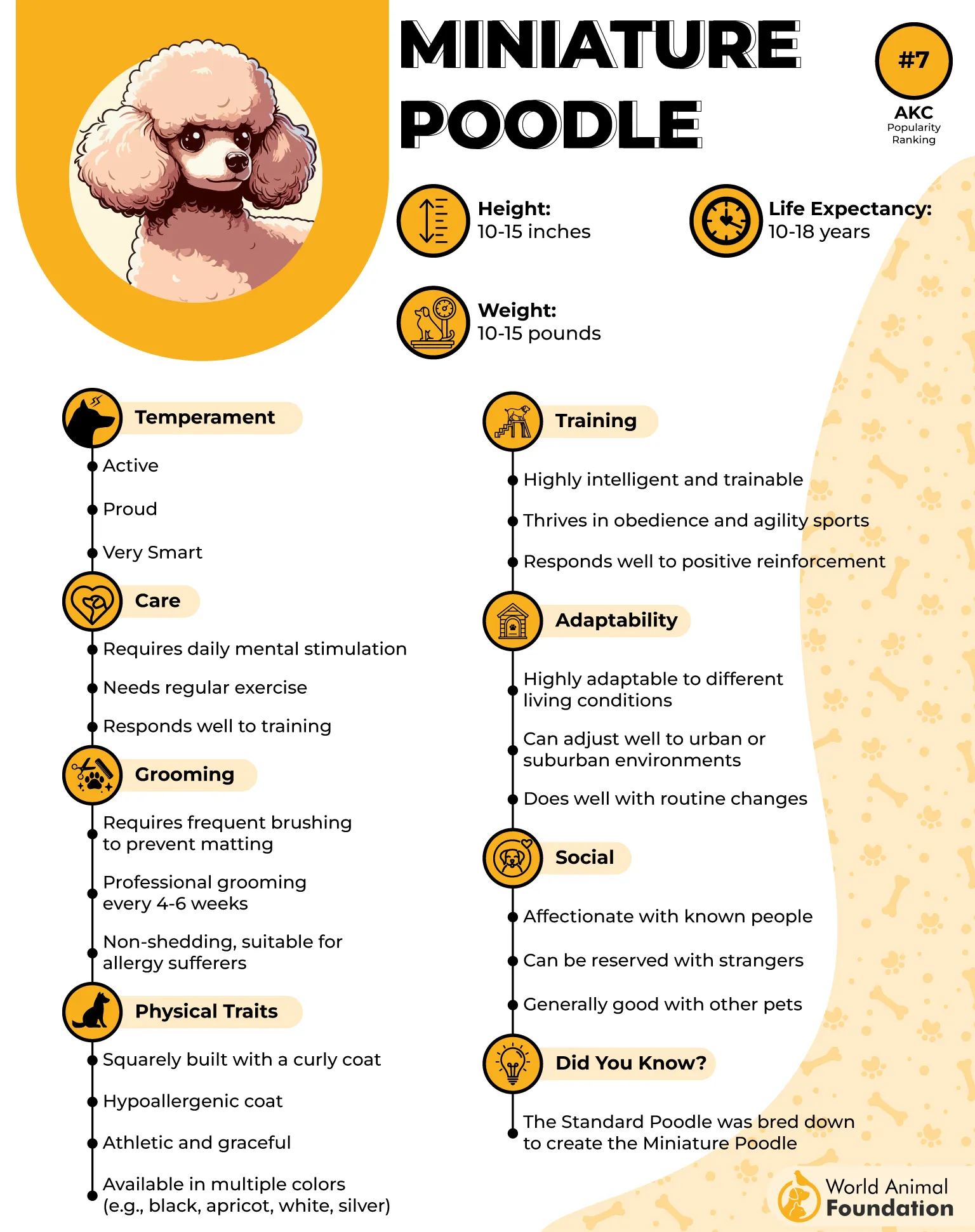
Its curls may look simple, but they can hide knots underneath. That makes the Miniature Poodle a classic curly-coated breed with special grooming needs. Owners who want the famous pompom style can also work with a pet groomer for regular shaping and trimming.
Keeping Those Curls Tangle-Free
Regular brushing helps separate trapped hairs before knots develop.
A slicker brush can reach through the curly coats more effectively.
Check behind the ears, where tangles can develop quickly.
Examine the legs and underside after outdoor adventures.
Scheduled trims help keep the coat at a manageable length.
3. Komondor
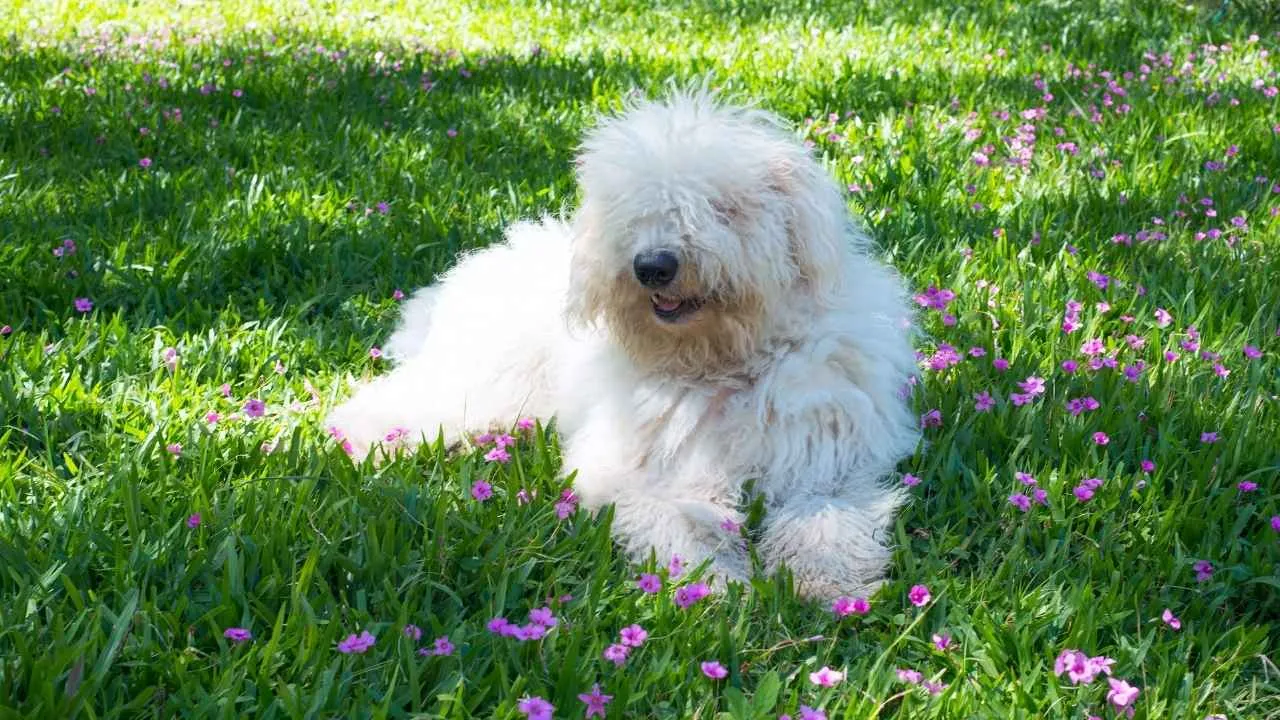
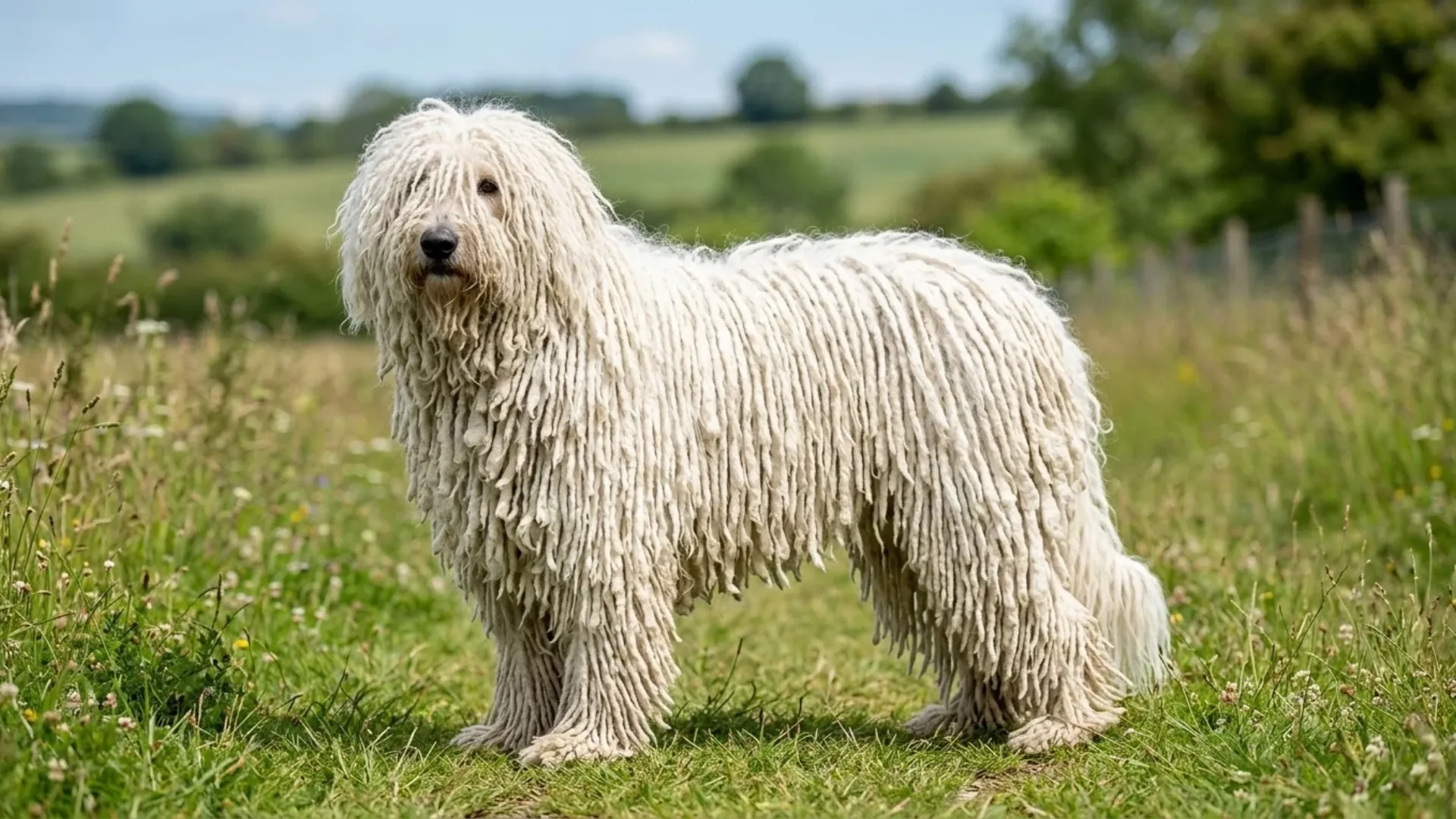
The Komondor is a striking Hungarian breed with a coat like no other. This livestock guardian dog breed developed a long, white coat with natural cords. These cords formed as different types of dog hair grew and intertwined together.
The result looks much like a moving mop, which explains the breed’s famous nickname. According to PDSA, the coat needs careful attention because dirt can collect between the cords. Its outer coat helps protect the Komondor from harsh weather and threats while working outdoors.
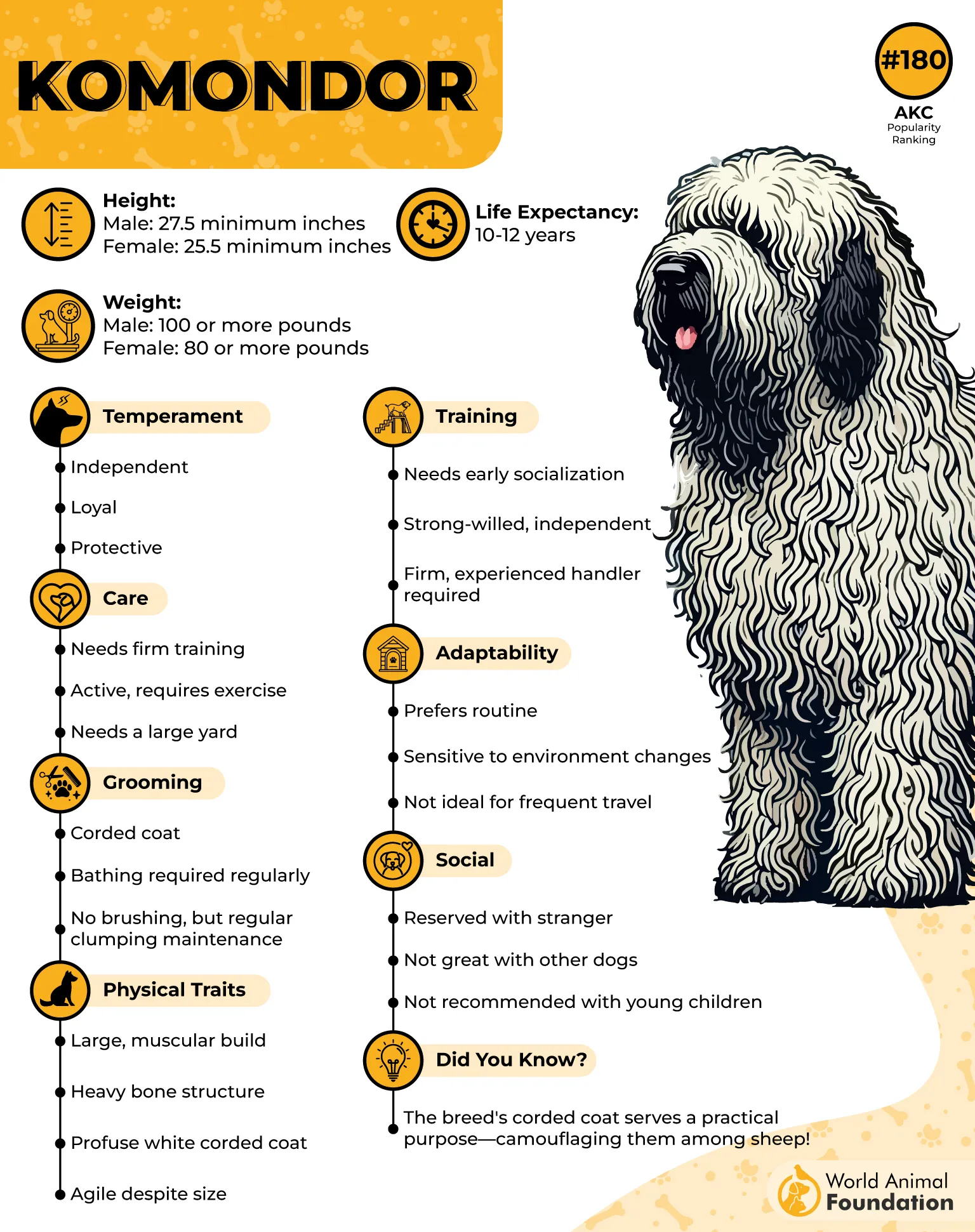
Unlike many breeds, it does not have a typical loose undercoat that simply brushes away. Instead, the coat develops into thick sections that need careful handling. This makes the Komondor a truly unusual corded-coated dog, both in appearance and in how its coat grows.
How the Cords Develop
Young hair gradually begins to twist into separate cords.
Each cord needs hand separation as the coat matures.
Dirt and moisture can become trapped deep inside.
Bathing requires thorough drying to avoid dampness.
The cords should remain distinct rather than joining together.
4. English Springer Spaniel
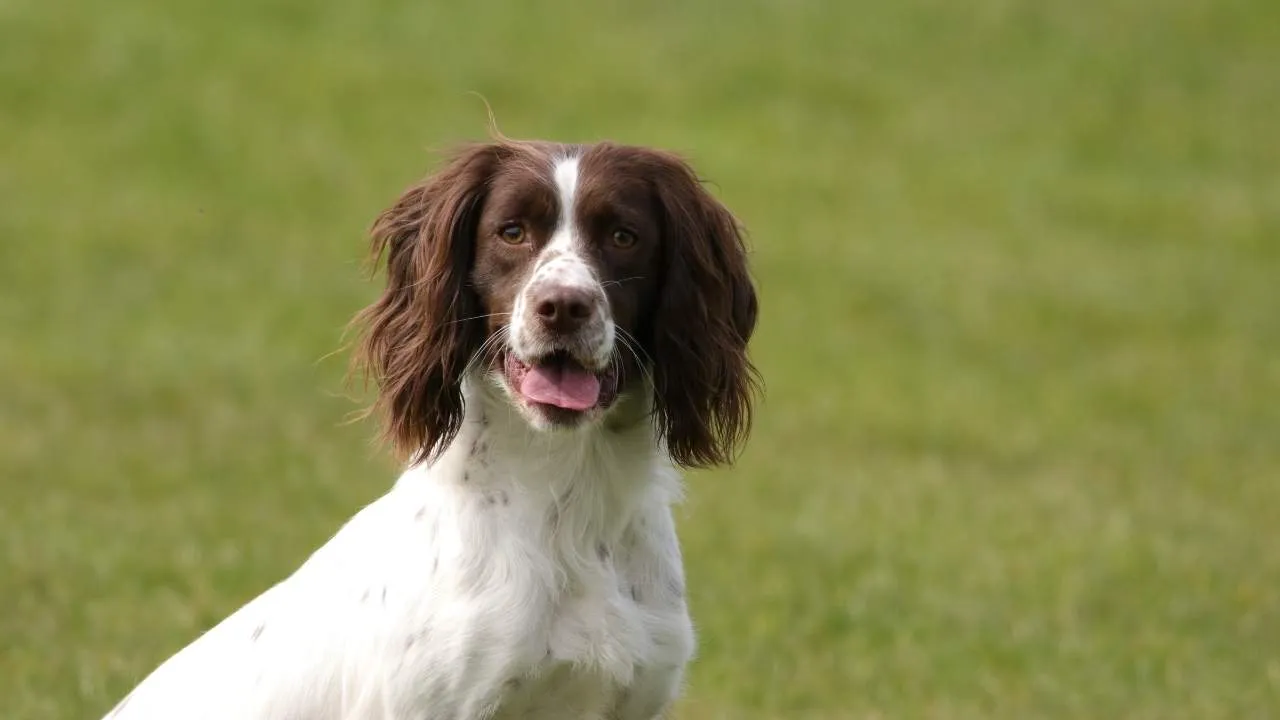
The English Springer Spaniel has a flowing medium-length coat with soft feathering. This silky-coated dog breed has silky hair that gives its coat a smooth, polished look. Its feathering appears around the ears, chest, legs, and belly.
According to Hill’s Pet, Springers were selected as close-working hunting partners with a strong desire to work beside people. That close bond makes them eager hunting partners for active households. Their coat also has a guard coat that helps protect them during outdoor work.
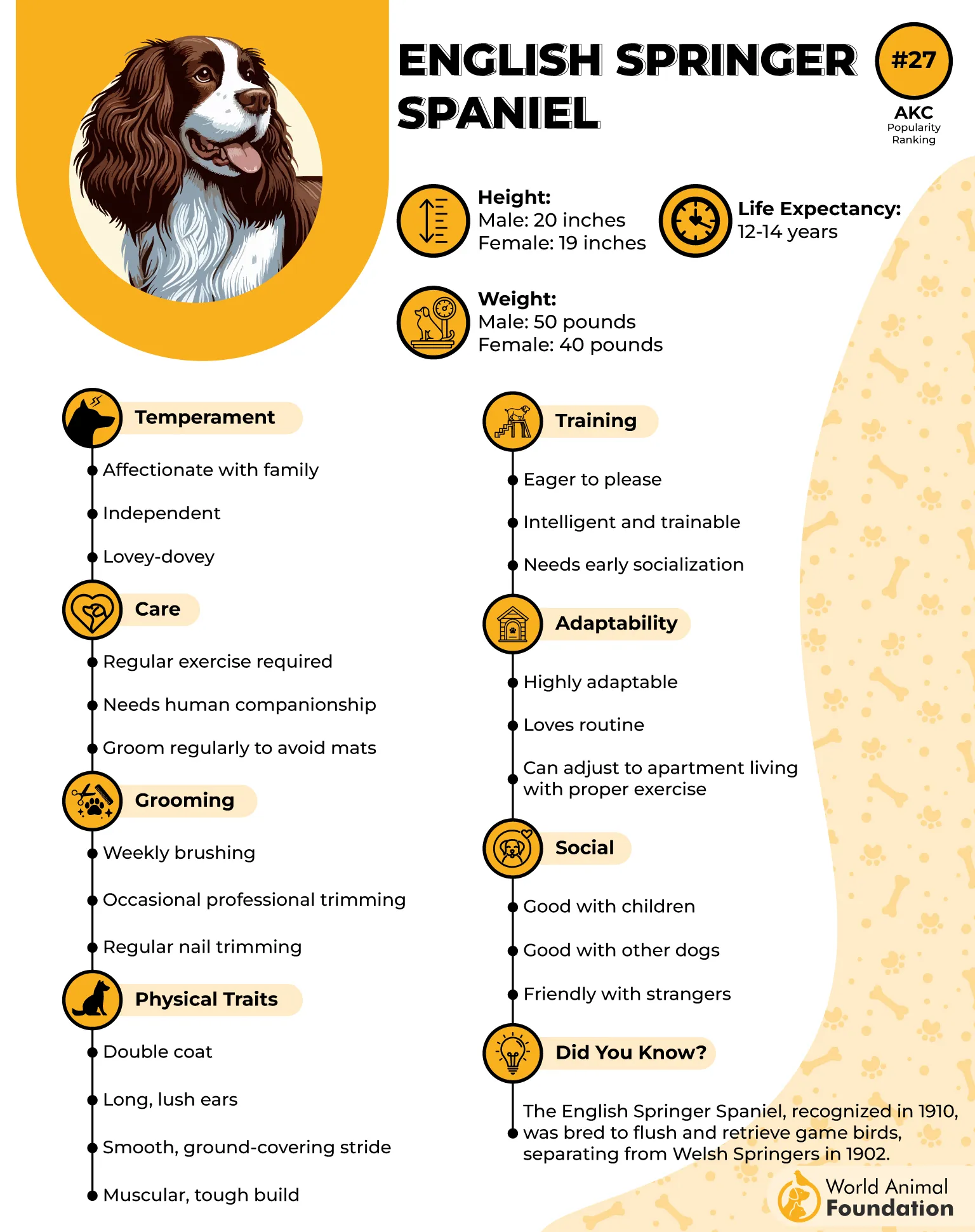
For pet parents, keeping those feathered areas tidy is an important part of proper grooming. A weekly session can lift away dirt and remove dead undercoat before it builds up. Unlike some breeds, hand stripping is not the main focus here; neat trimming and careful brushing suit this coat better.
Where Dirt Likes to Hide
Check the feathering beneath the tail after outdoor activities.
Look closely around the feet for trapped grass.
Inspect the head and neck for small tangles.
Keep the ears checked after wet or muddy outings.
Trim the nails regularly to support comfortable movement.
5. Chow Chow
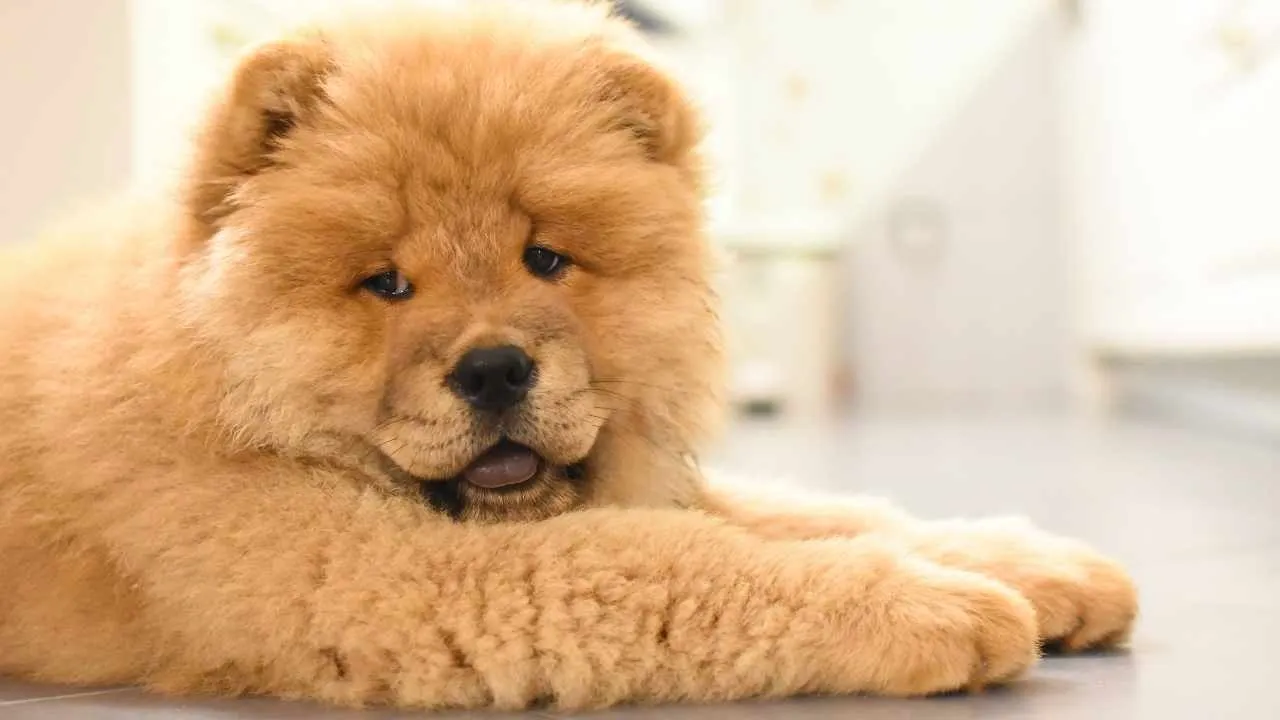
The Chow Chow is an ancient dog breed with a coat as striking as its personality. This Spitz-type dog breed can have either a rough or smooth coat. The rough variety has a thick double coat, with a soft insulating undercoat beneath its coarse outer layer.
Its thick neck hair creates the breed’s famous lion-like ruff. According to Purina, the rough coat needs daily grooming to keep it neat and free from excess hair. The shorter, smooth coat has a simpler care routine and needs brushing two or three times a week.
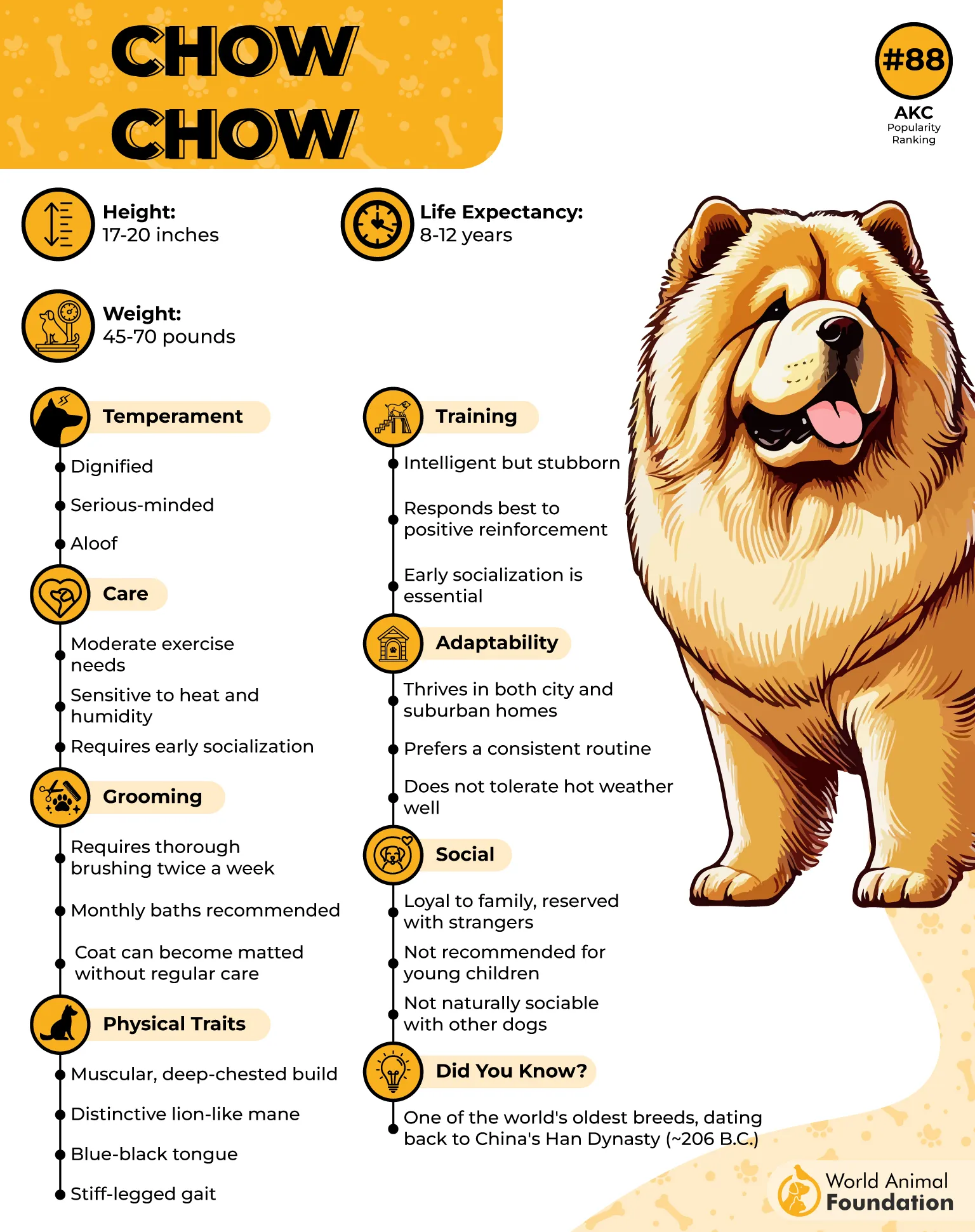
This dog’s coat type gives the Chow Chow plenty of protection from changing weather. Although the breed may look like it has a triple coat, it actually has two layers. Its dense fur can also resemble an Arctic coat, built to offer warmth and protection.
Managing the Dense Coat
Start at the skin and work outward with a suitable brush.
Give extra attention to the thick neck ruff.
Check the back of the legs for hidden tangles.
Keep grooming tools suited to the coat’s dense texture.
During shedding periods, remove loose fur before it builds up.
6. Afghan Hound
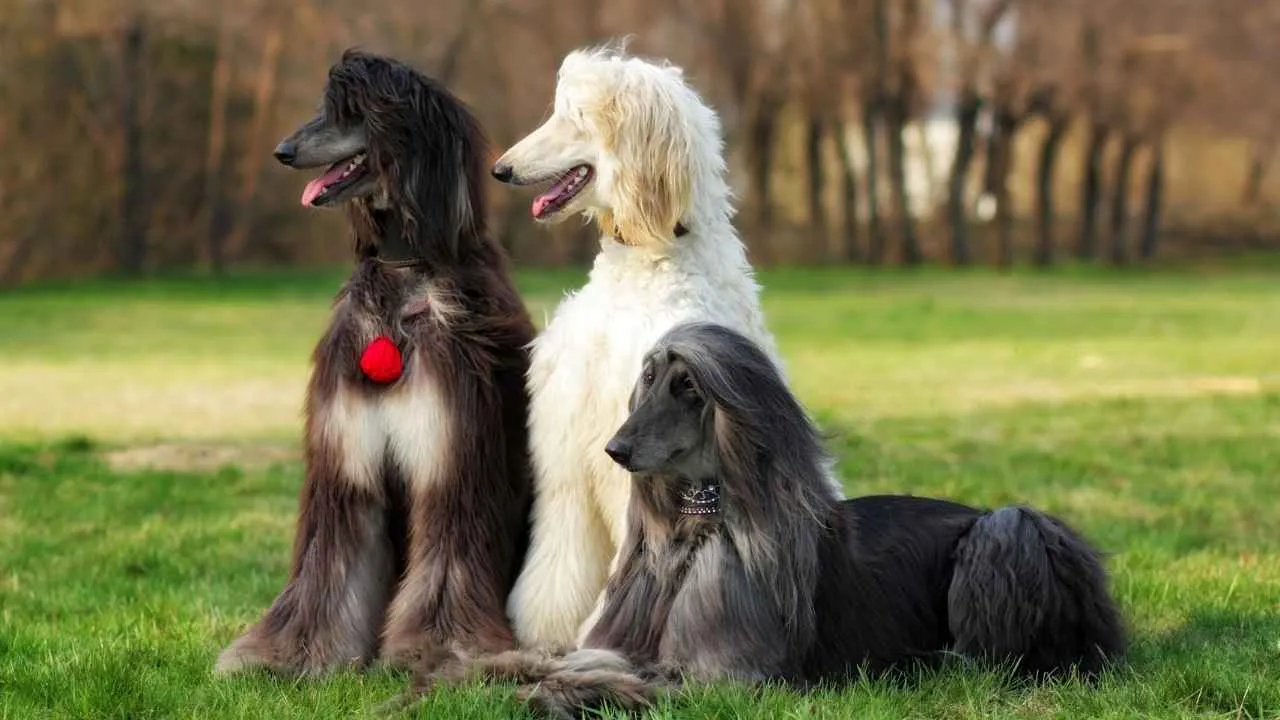
The Afghan Hound is a truly beautiful dog breed with an unmistakable look. This long-haired dog breed has a silky, flowing coat that falls naturally along the body. According to the American Kennel Club, that impressive coat once helped protect the breed from harsh mountain weather.
As a working breed, the Afghan Hound needed both speed and protection while hunting across rough terrain. Its long coat also provides skin protection in difficult surroundings. Unlike a short, close coat, this type of drop coat hangs freely from the body.
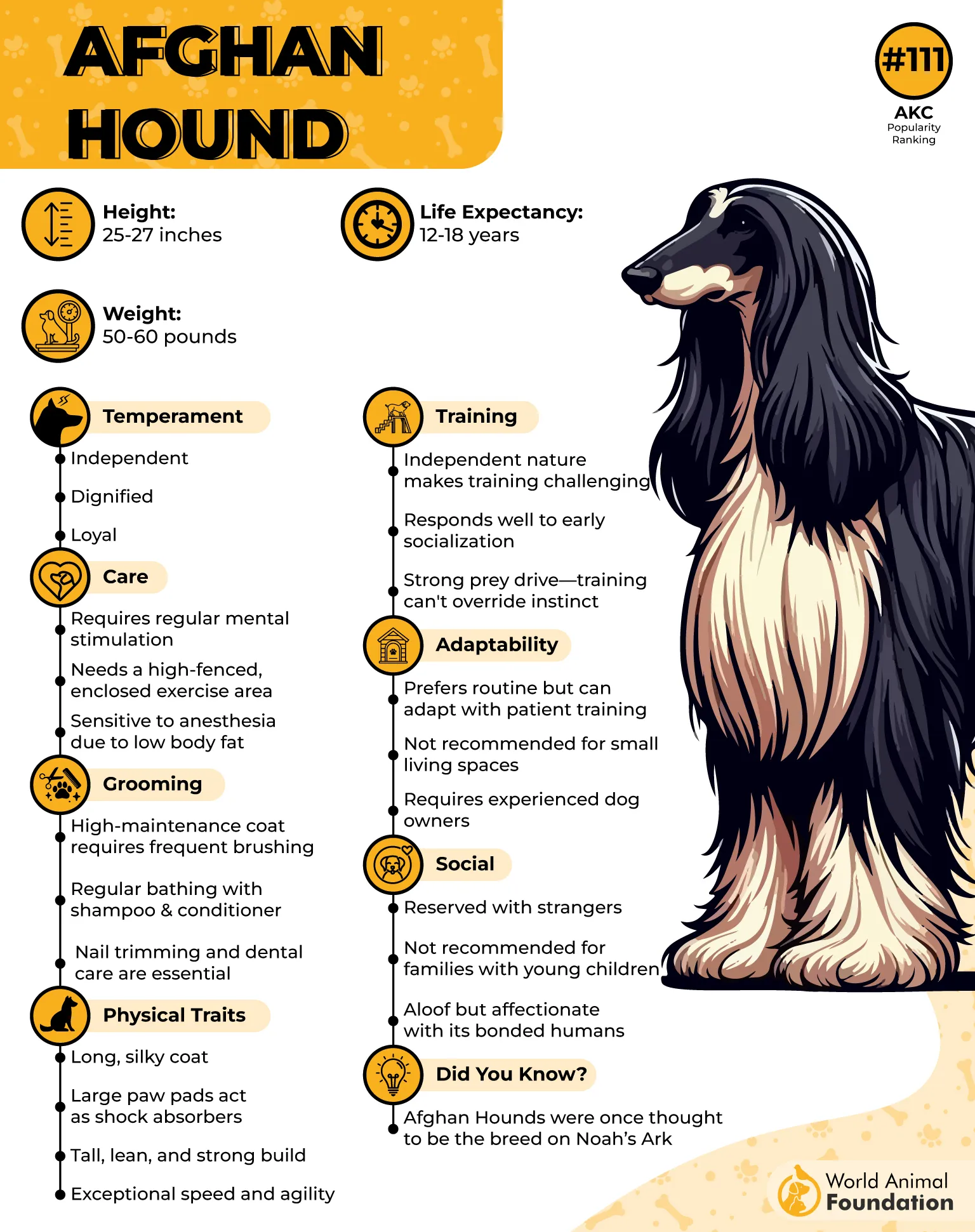
Today, that glamorous hair needs regular grooming to stay smooth and free of tangles. A dog groomer can also help owners manage its length. Gentle care helps preserve the coat’s natural oil and keeps those elegant strands looking healthy.
The Daily Grooming Challenge
Divide the coat into small sections during brushing sessions.
Pay close attention to areas that rub against collars.
Check the legs after walks through grass or brush.
Use gentle strokes around the delicate ear feathering.
Never rush through knots, as pulling can hurt the skin.
7. Shih Tzu
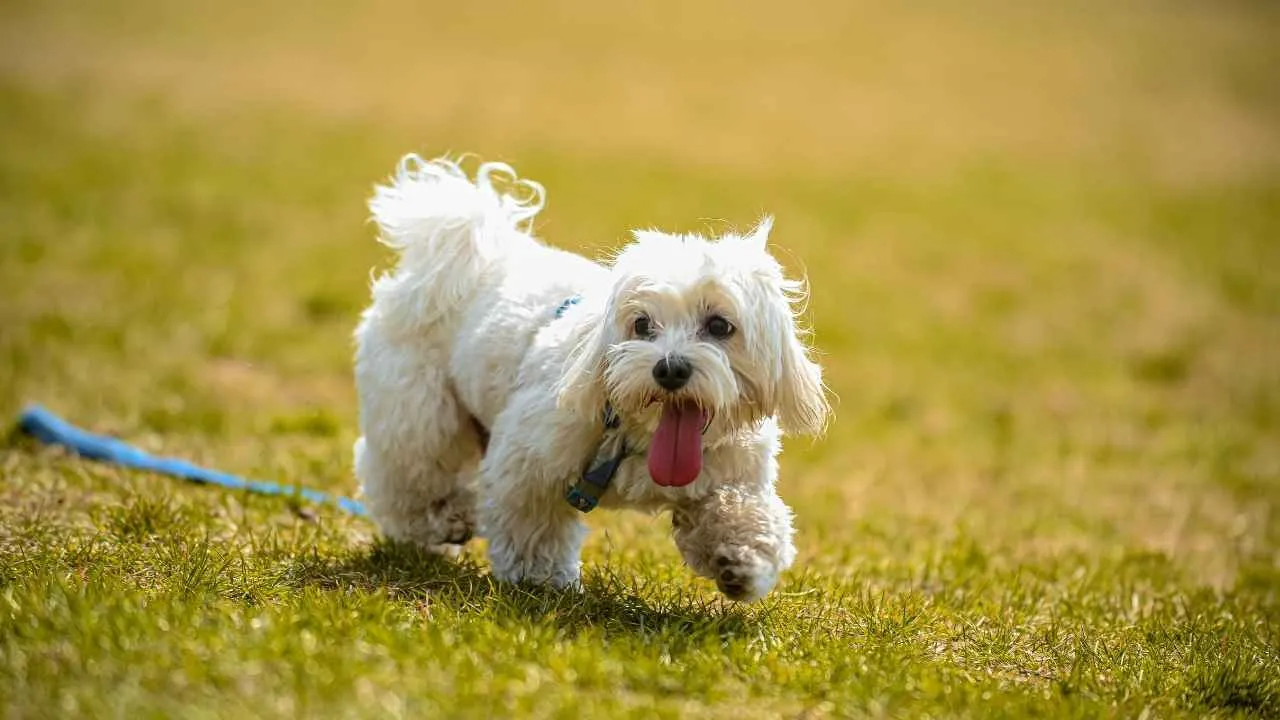
The Shih Tzu is a charming little dog with a coat to match. This lively companion has long coats that can grow continuously when left untrimmed. Its hair feels soft and silky, giving the breed its famous polished look.
According to PetMD, Shih Tzus are pleasant, energetic, and sociable companions who enjoy being around people and animals. Their hair can make them appealing to some allergy-sensitive homes, although no dog is truly hypoallergenic.
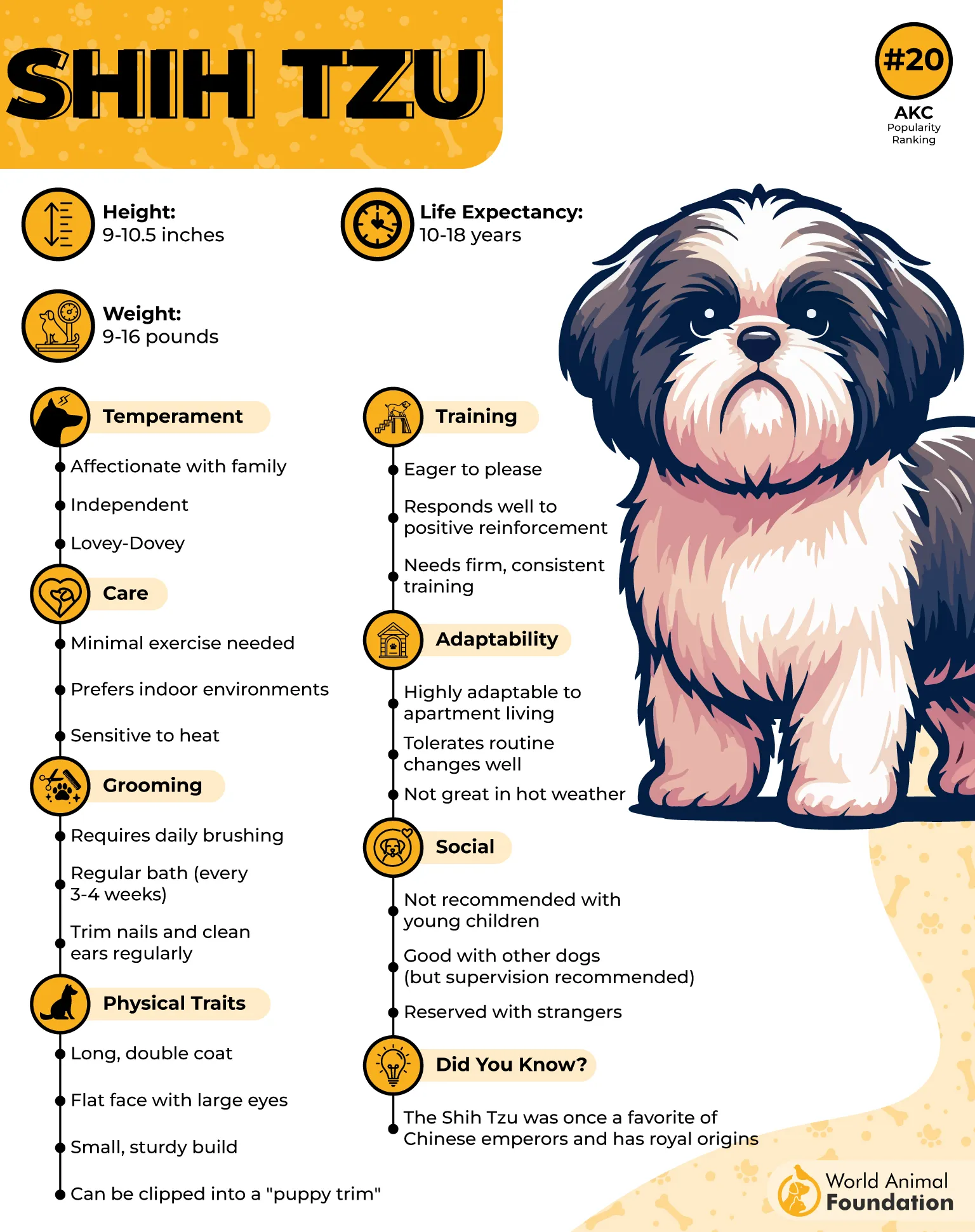
A Shih Tzu does not have low grooming needs, especially when its coat stays long. Many owners choose shorter, scissored coats to make everyday care easier. Keeping the hair shorter can also make it easier to spot dead hair, dirt, or small tangles.
This makes the Shih Tzu a good example of how a dog’s coat type can shape daily care.
Making Coat Care Easier
Daily brushing helps prevent mats from forming in longer hair.
Pay special attention to the hair around the eyes.
Keep the face area clean after meals and drinking.
A shorter trim can suit busy households.
Check the skin regularly for signs of irritation or dry skin.
Conclusion
A dog’s coat is more than just a pretty feature. It can shape daily care, comfort, and even your choice of breed. From curly coats to long flowing hair, every breed and coat type brings something different.
A double-coated dog breed may need extra brushing when seasonal shedding begins. Other dogs have single or double coats that suit different homes and climates. Even wavy coats can need regular attention to stay neat and healthy.
The goal is always a healthy coat that feels comfortable and looks well cared for. If you welcome a dog with a new coat after a trim or seasonal change, its care needs may shift too. Even a hairless dog needs thoughtful skin care.
Before choosing your next companion, consider the coat, your routine, and the time you can give.
