




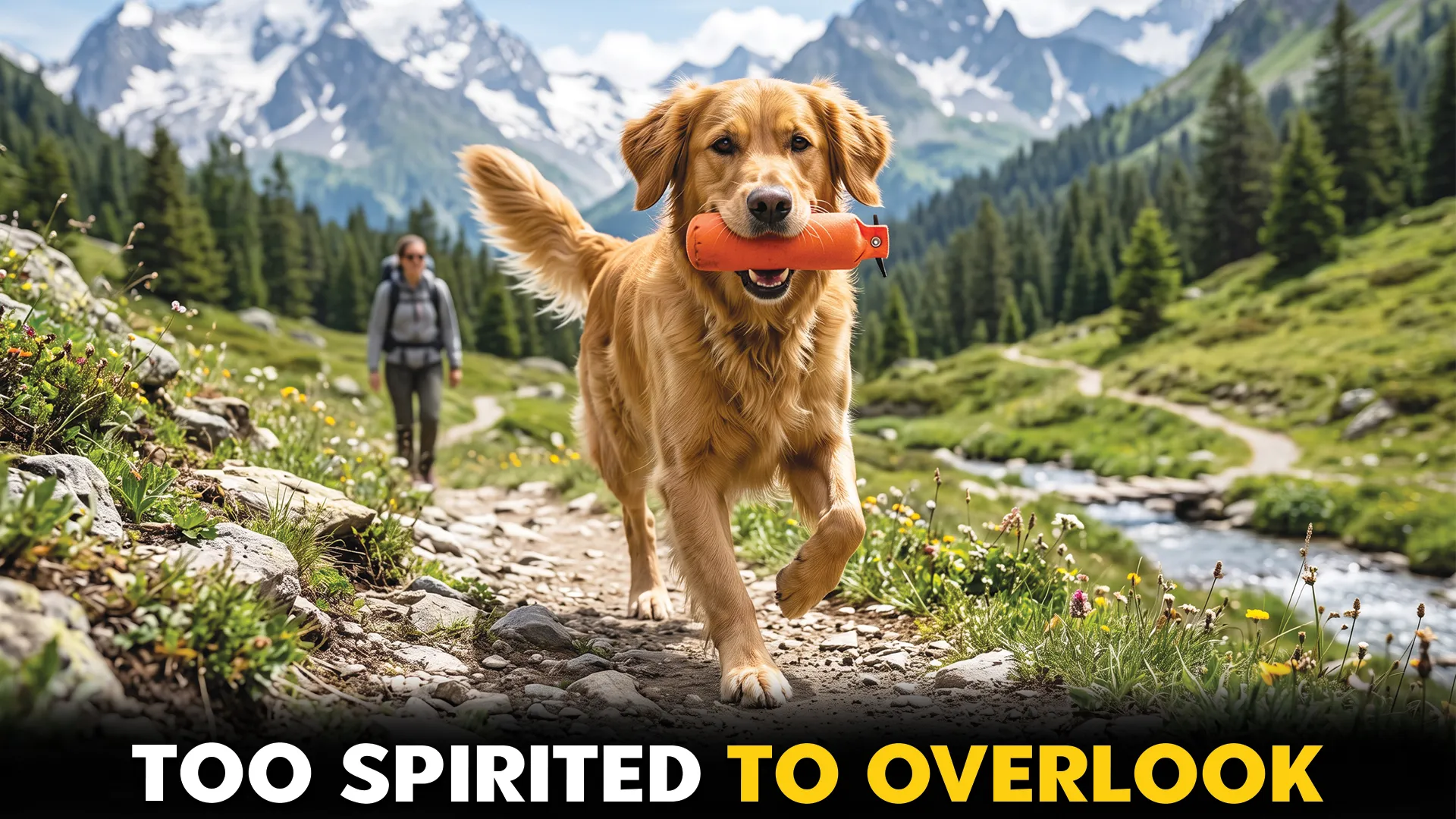
Some dogs are happiest with mud on their paws, wind in their ears, and another trail waiting just around the bend. If you’ve ever dreamed of weekends packed with hiking, camping, kayaking, or long nature walks, having the right dog by your side can make every adventure even better.
Certain breeds seem built to soak up the beauty of the outdoors every single day. They don’t just enjoy nature; they genuinely thrive in it. Some amazing dog breeds are made for outdoor life, each bringing its own talents, endless enthusiasm, and a knack for turning an ordinary weekend into a memory worth keeping.
Now, let’s get to know these active beauties.
Amazing Dog Breeds Built for Outdoor Pursuits
1. Labrador Retriever
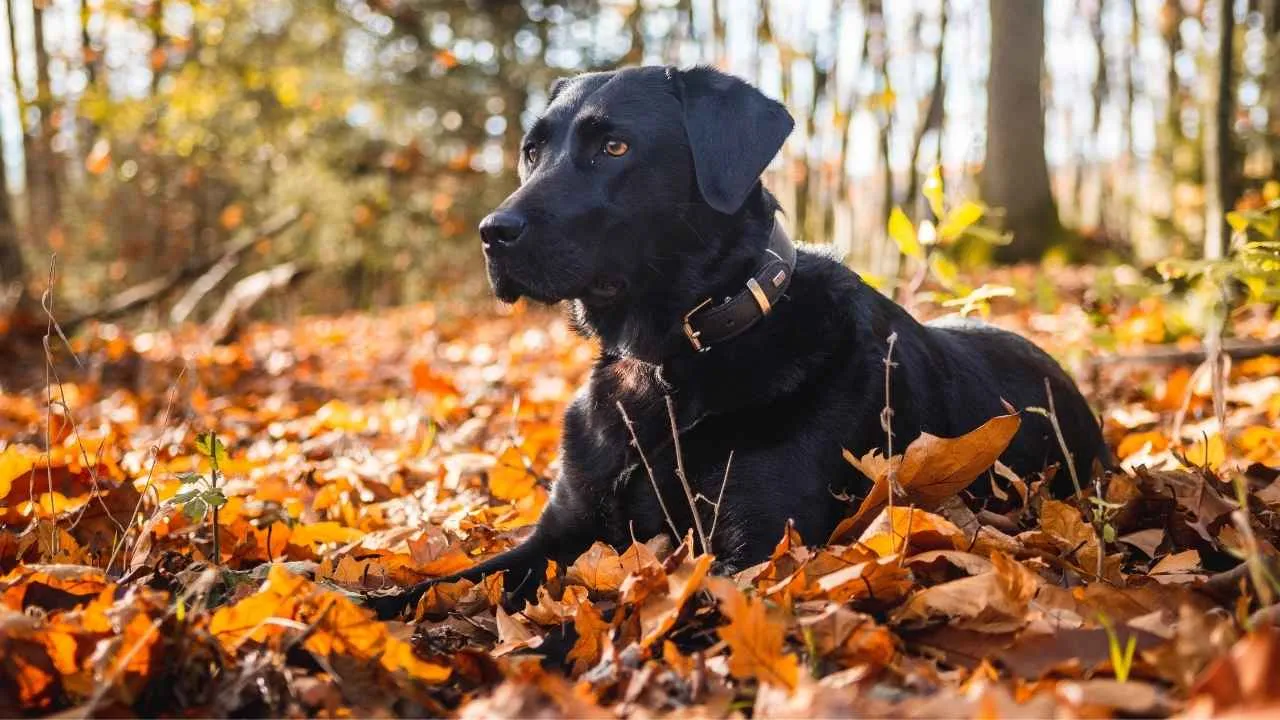
This wonderful breed is descended from a working dog, the St. John’s Water Dog, which was used to retrieve nets from fishing boats. The dog was imported to England by the 2nd Earl of Malmesbury. The breed is divided into 2 categories: the American Lab and the English Lab, according to Orvis.
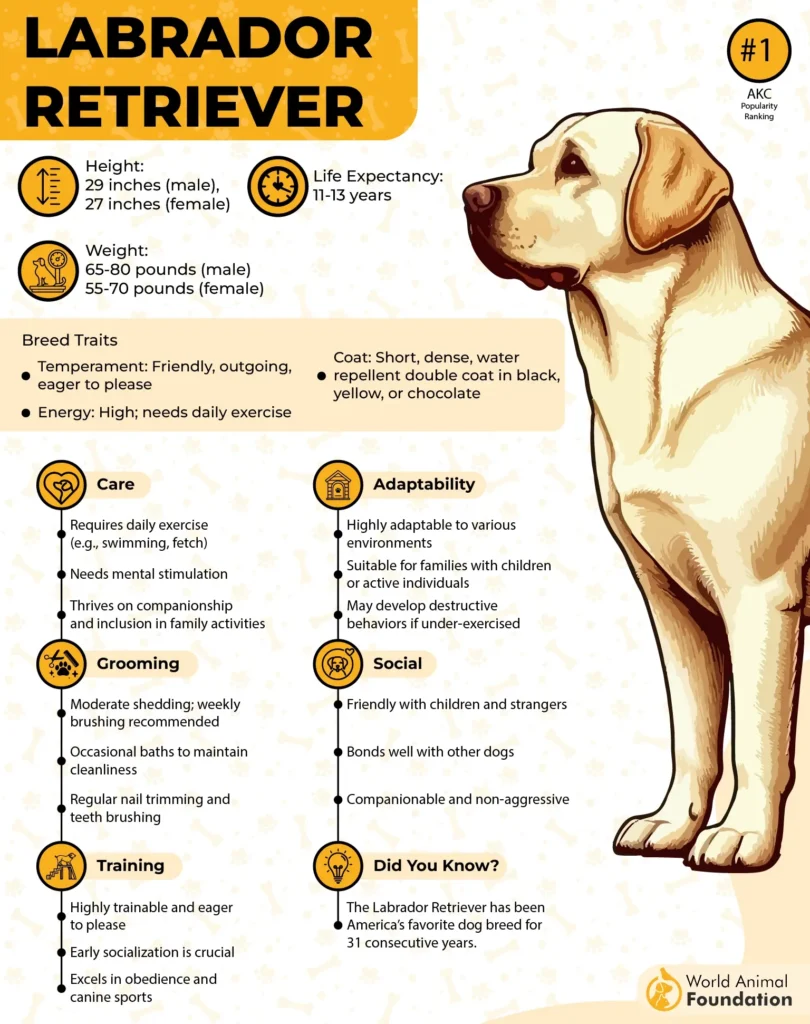
With its athletic build, this dog has a balanced skull, hanging ears, and alert eyes. The ‘otter tail’ is wide at the base and is tapered perfectly. It has a straight and dense coat, ideal for protection against harsh weather. Though it lacks strong guarding skills, the breed tends to make strong bonds with its owner.
It is a high-energy dog and loves to spend its time outdoors. It needs 1-2 hours of daily exercise and mental stimulation: swimming, running (5 miles), hiking (10 miles), and fetching.
2. Border Collie
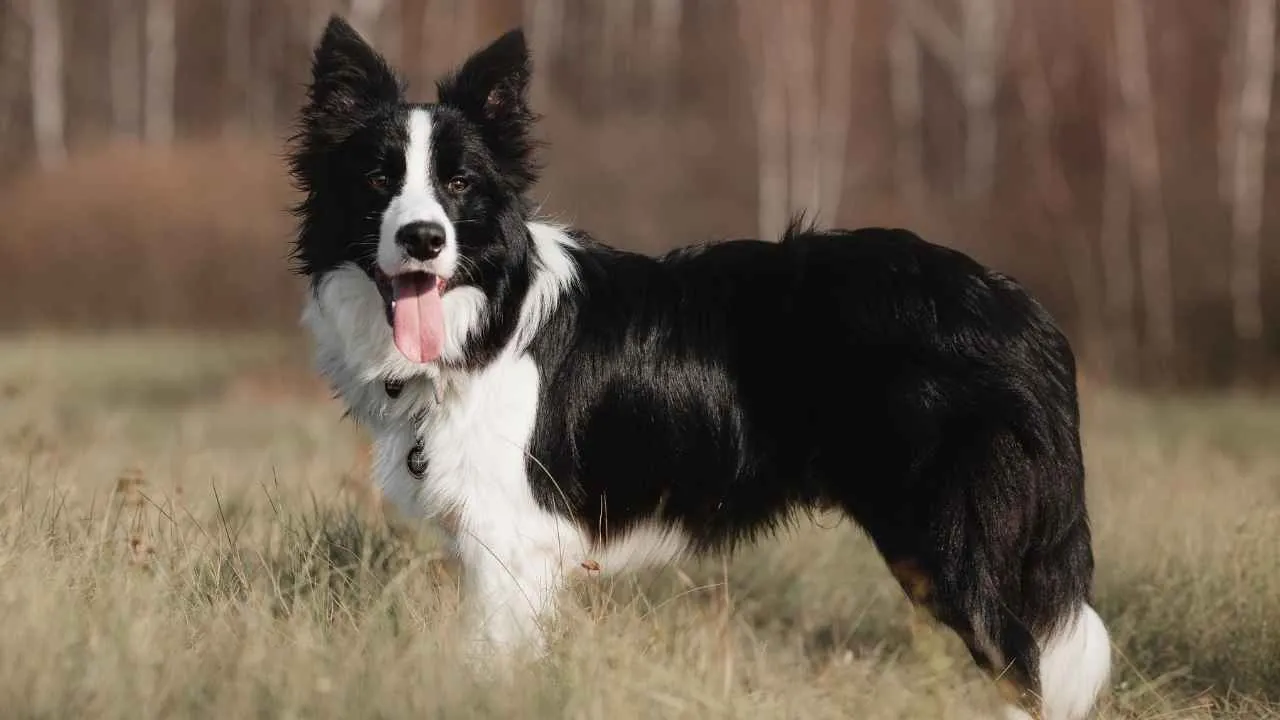
The most intelligent dog breed of the entire canine kingdom was developed along the border of England and Scotland and was used to herd sheep. This sheepdog was prized for its endurance, strong work ethic, intelligence, and natural corralling instinct.
The excellent herding dog is known for its death stare that is used to control cattle movement. It has alert, straight/folded ears through which it hears distant sounds. The thick, double coat is weather-resistant and naturally repels dust and water in outdoor adventures.
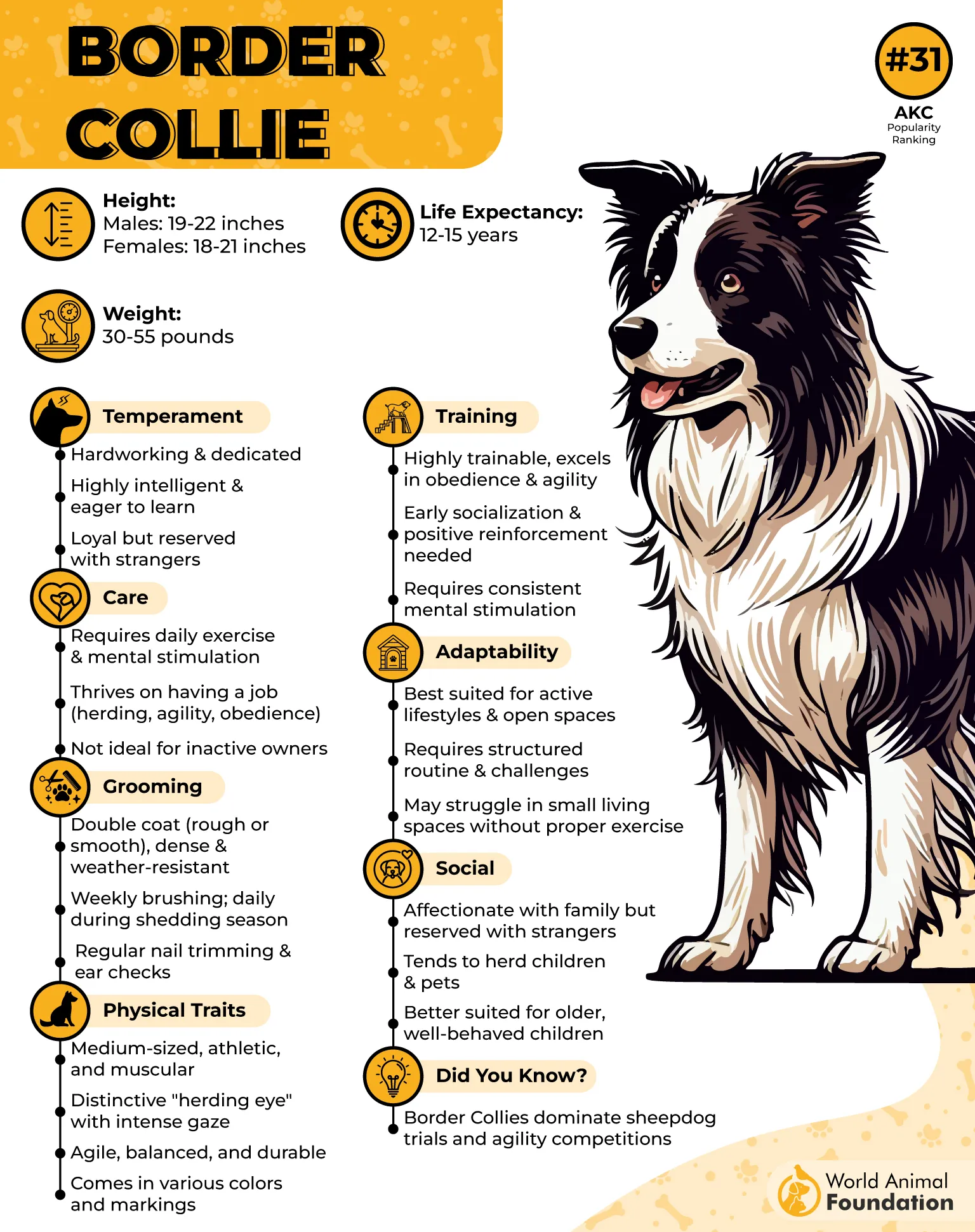
If there is a lack of physical activity, this breed can adopt destructive behavior, such as chewing and excessive barking. It needs ample space and time for physical stimulation: long walks, running, hiking (3-4 miles), and dog sports (agility, flyball, complex puzzle toys).
3. Australian Shepherd
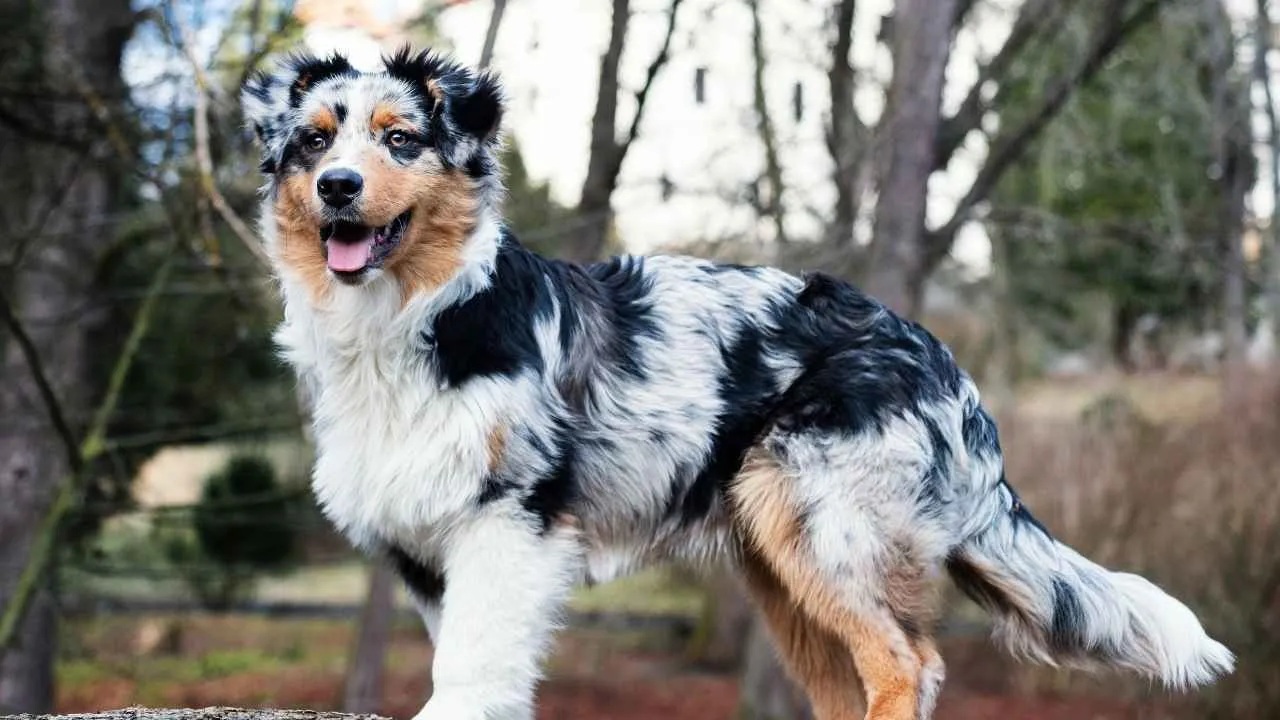
The history begins in North America, the Pyrenees Mountains. It has been widely used as a stockdog throughout the American West. This versatile dog is known for its farm work and was frequently used as a messenger dog during World War II.
It has moderately-sized, high-set ears and a medium-length coat that protects it from external stimuli. It may bark when it perceives a threat and remains reserved around strangers, though it is friendly overall.
Strong herding instincts lead it to nip at the heels, which can be controlled with consistent training and proper obedience training.
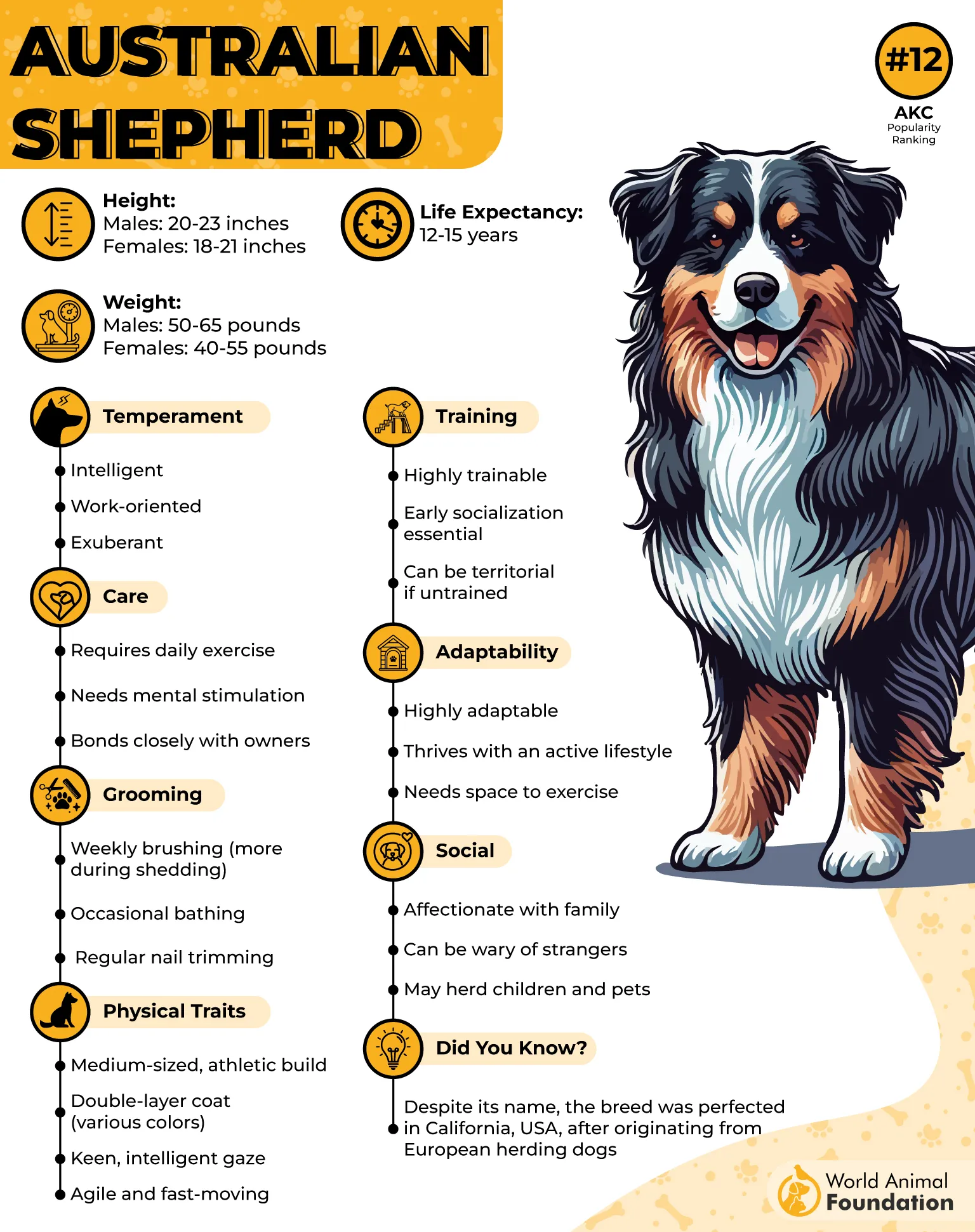
Since it was originally bred to be a tireless breed to work on rough terrain for hours, it needs plenty of exercise: chasing, jumping, agility, hiking (15 miles), running (4-6 miles), fetching, and leash training.
4. Golden Retriever
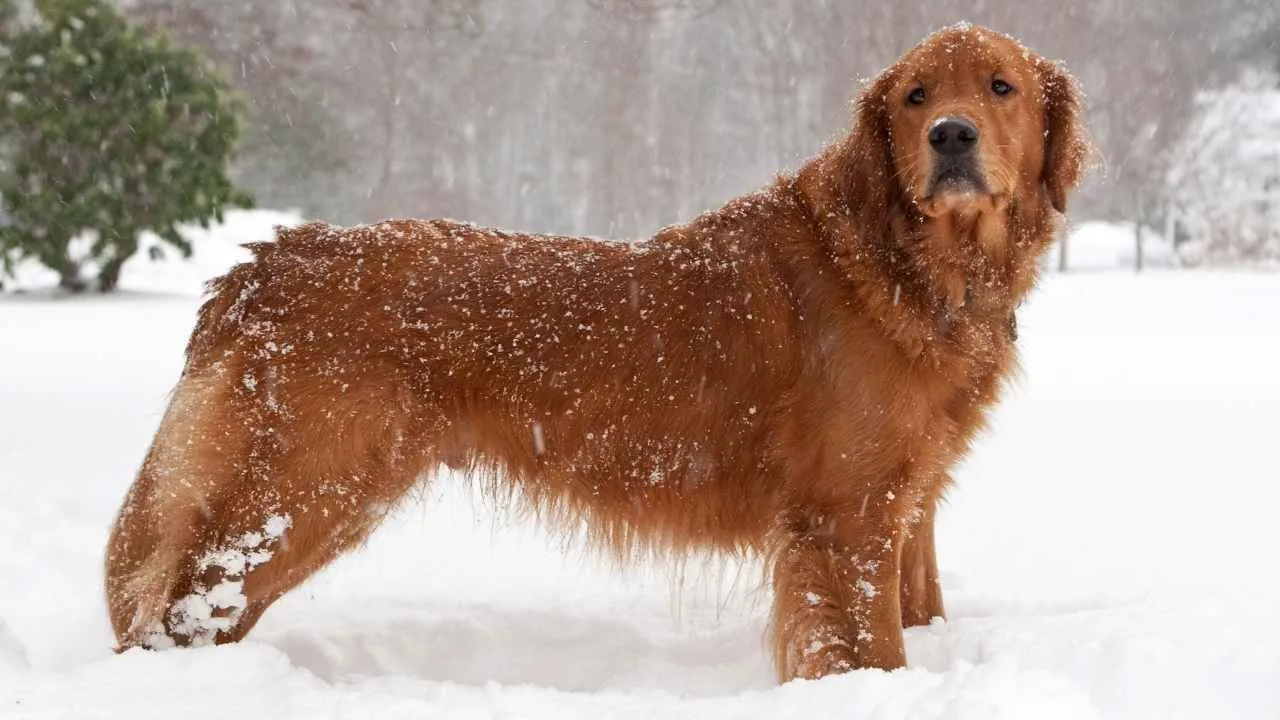
This medium-to-large-sized retriever was bred in a Scottish state in the late 19th century by Sir Dudley Marjoribanks by crossing the Flat-coated Retriever and the Tweed Water Spaniel. Kept as a companion dog today, this dog is widely registered for dog shows and obedience trials in Western countries, says Wikipedia.
This breed has a muscular neck with loose-fitting skin, well-angulated and laid-back shoulders with long blades, and a powerful muzzle. This affectionate dog loves to please its people. The thick double coats shed heavily year-round and require weekly brushing (more during seasonal changes).
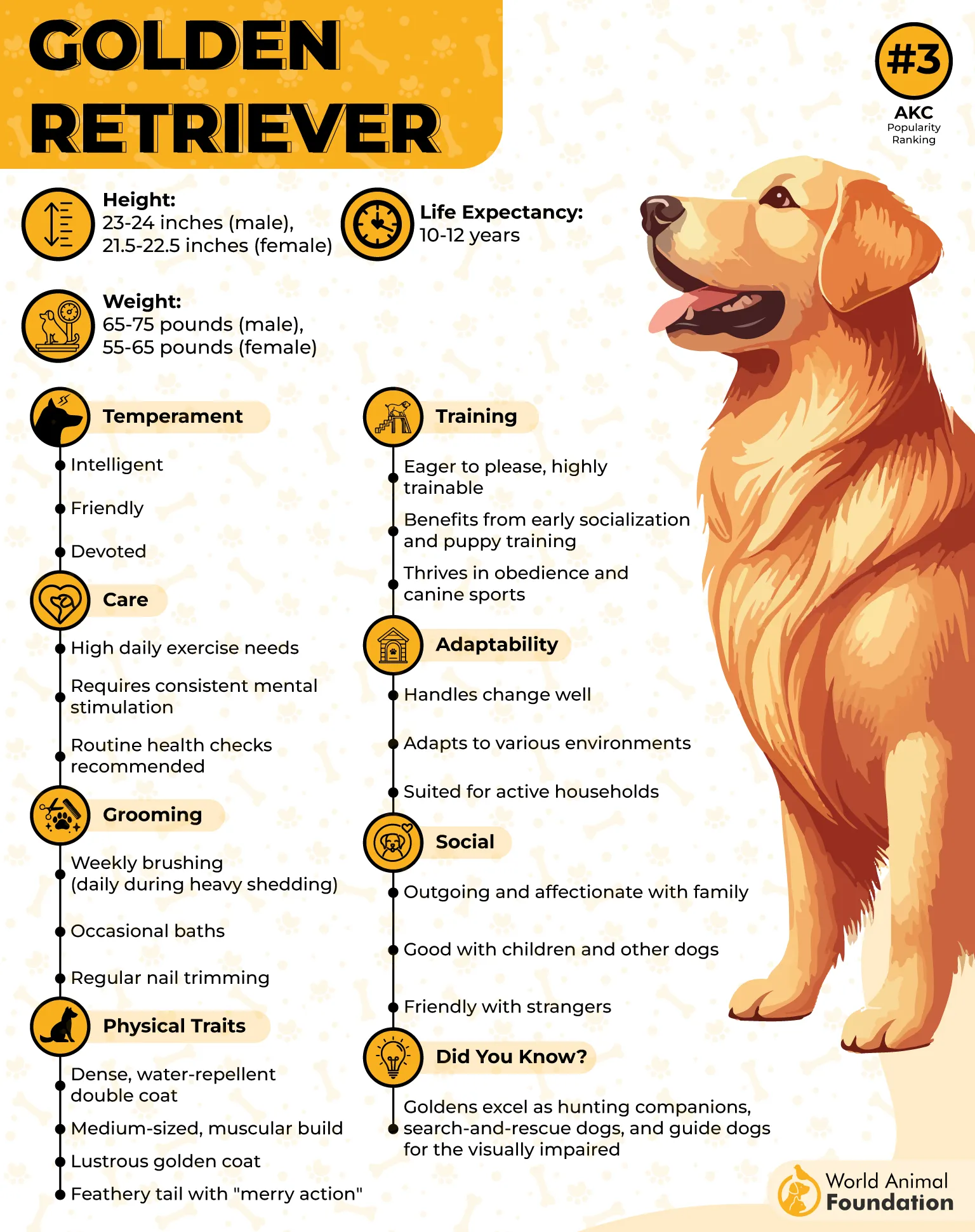
With its gundog traits and an excellent sense of smell, the dog excels in dog sports, field trials, land-based game birds retrieval, and dog shows.
5. Vizsla
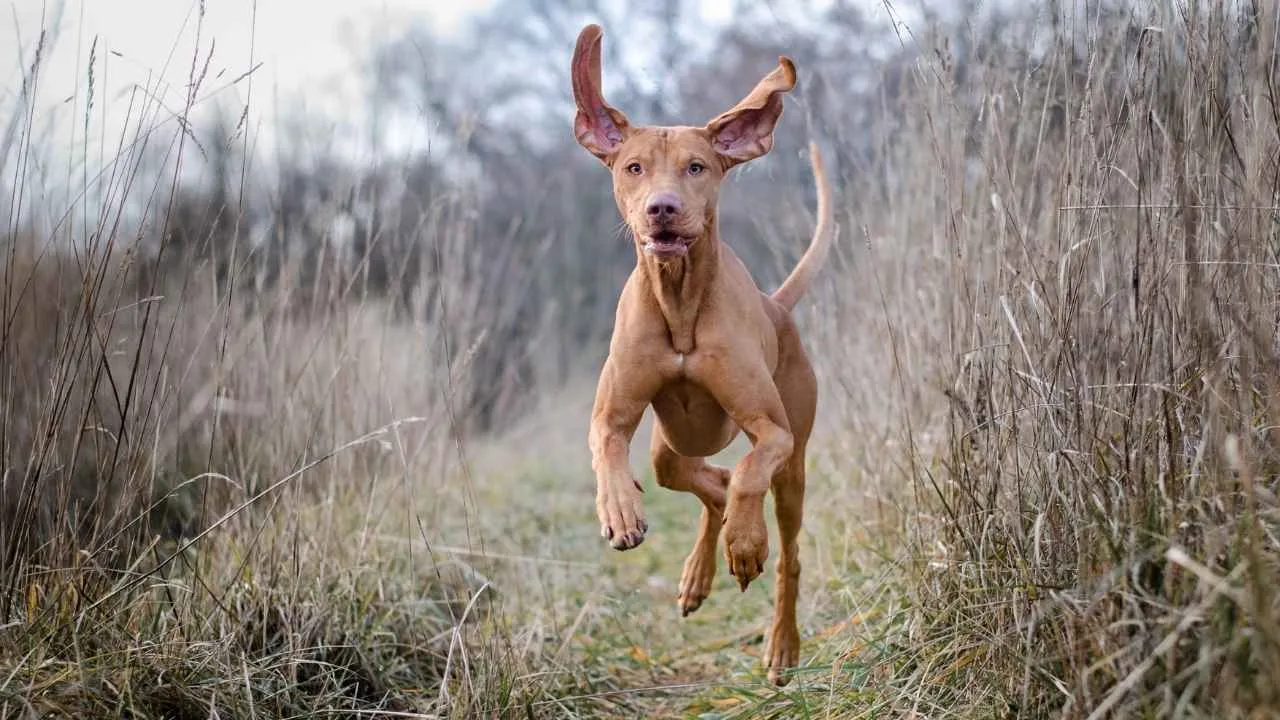
This hunting dog was originally developed in Hungary and is widely kept as a sporting dog and a companion. This medium-sized breed excels in hunting fowl and upland game. In dog sports, it is used to hunt, point, and retrieve in both water and on land.
This breed holds its tail horizontal to the ground and wags it continuously while charging through rough terrain. The breed has a sensitive temperament and can easily be damaged if there is no positive reinforcement. It is a Velcro dog and may develop separation anxiety when left alone for too long.
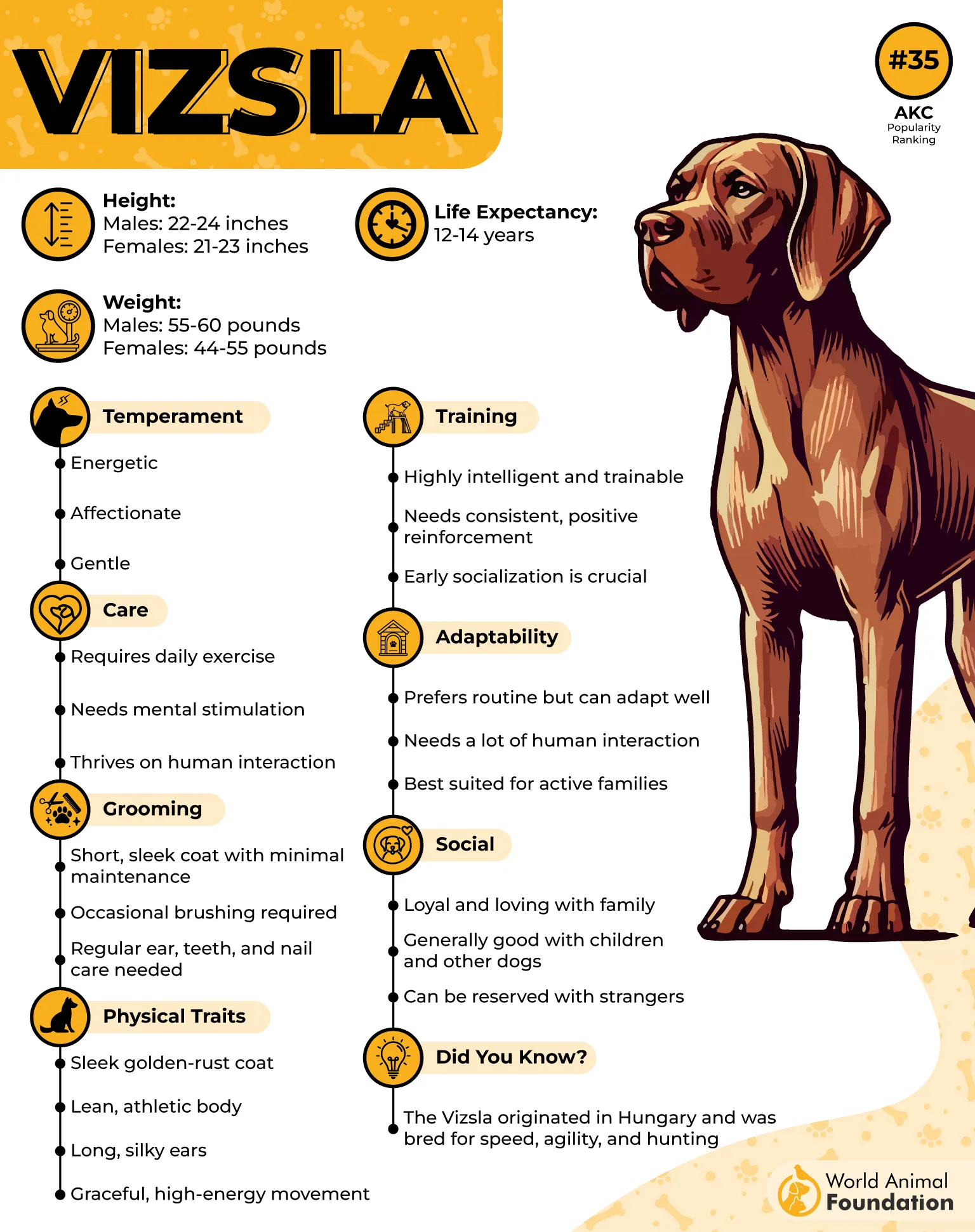
This breed has high energy levels and thrives in outdoor adventures (1-2 hours daily): hiking, boating, long walks, play sessions, running (3-4 miles), and hiking (4-5 miles).
6. German Shorthaired Pointer
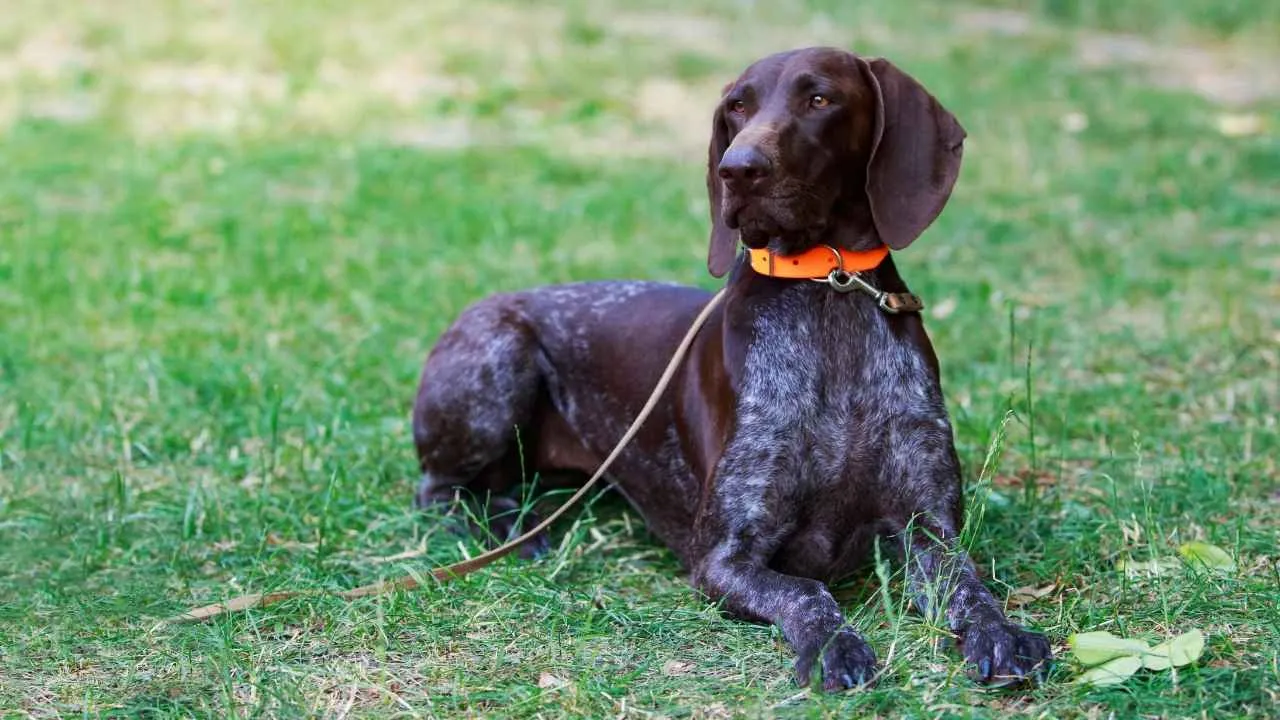
This Braque-type pointing dog was bred in Germany in the 19th century. This breed was widely used for hunting and retrieving on both water and land. This dog is also kept as a family companion and was recognized by the AKC in 1930.
The strong muzzle is designed to carry game; brown eyes and rounded, high-set ears provide exceptional strength for outdoor pursuits. Being an all-round gundog, it excels at working all terrains, finding and pointing all game, and can follow a blood trail to find wounded game.
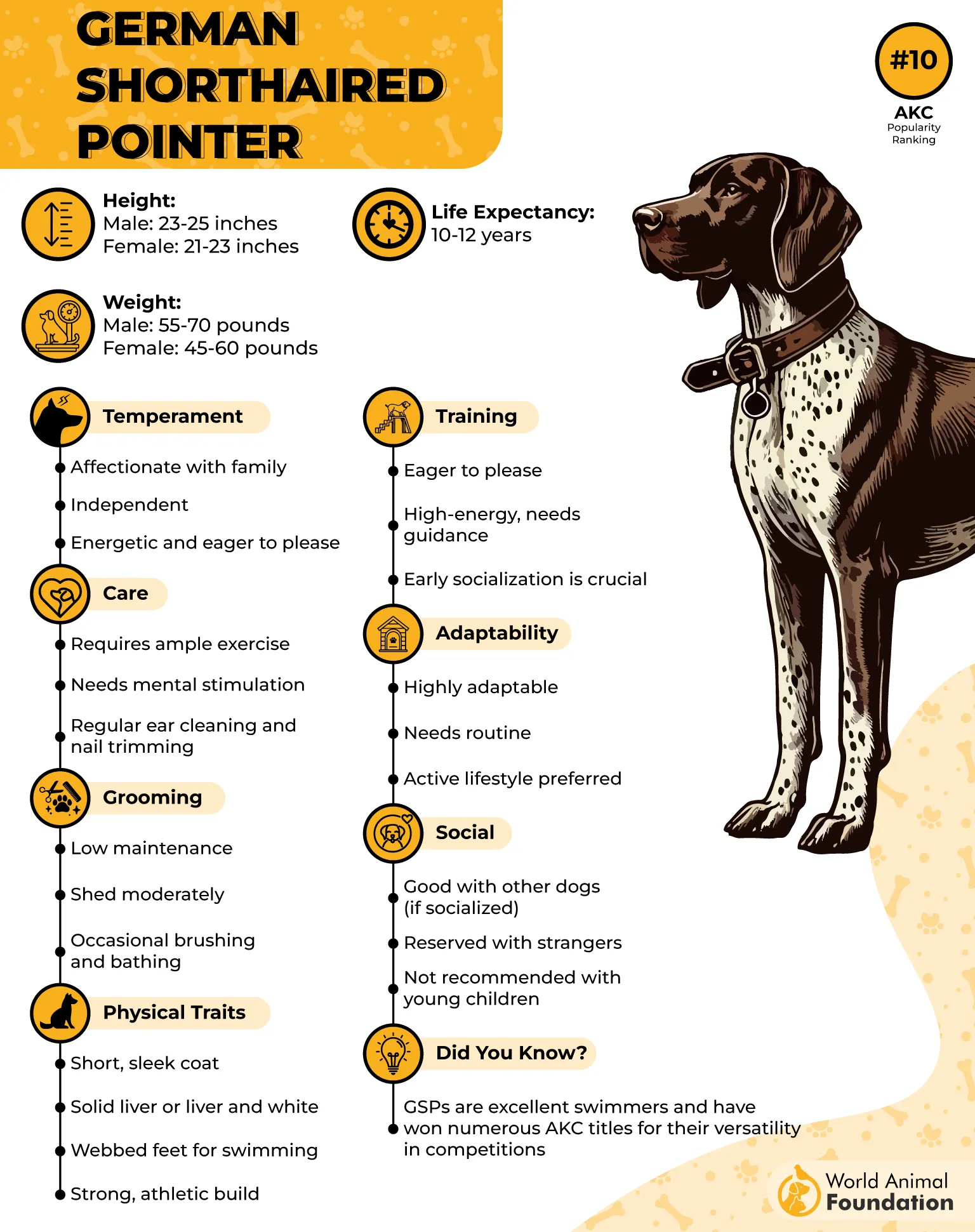
This breed also takes part in dog sports, such as obedience training, dock diving, and agility. Because of its strong nose, it works alongside law enforcement agencies to detect illicit substances.
7. Weimaraner
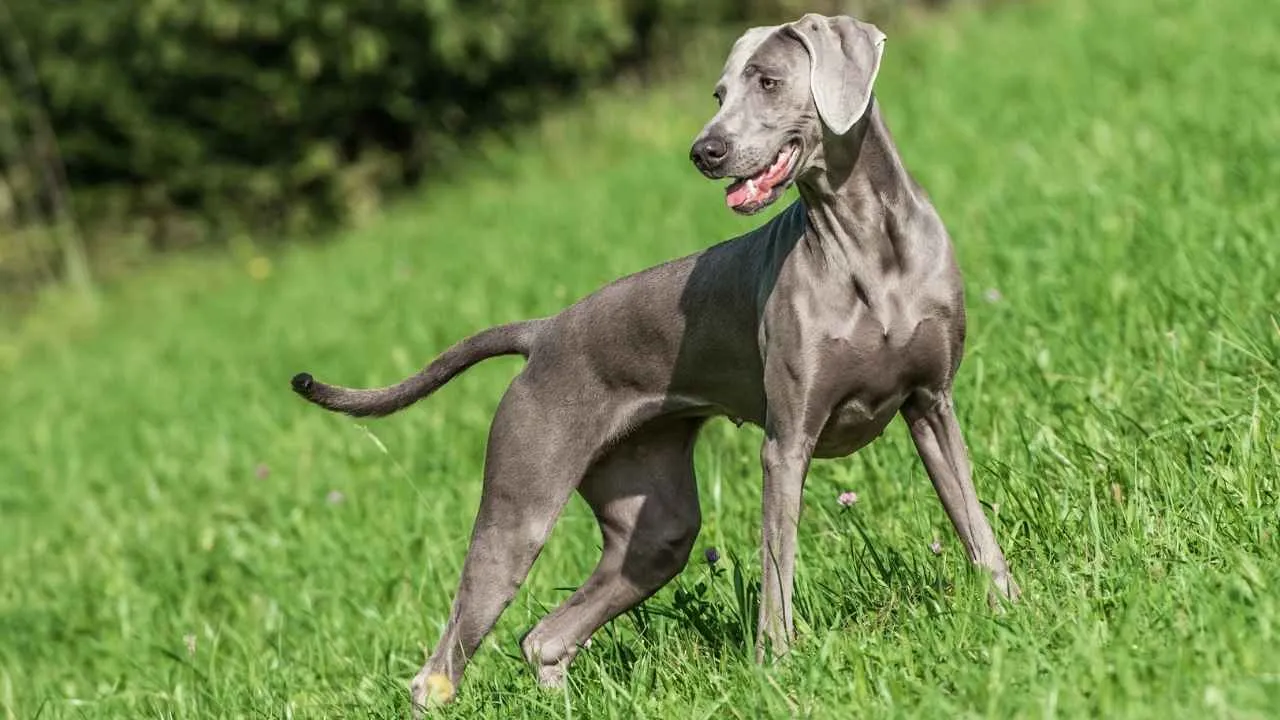
Named after the Grand Duke of Weimar, who was credited with creating the breed, the Weimaraner was developed as a gundog and a companion dog for nobility. It was bred by crossing the Bloodhound and the German Shorthaired Pointer.
This breed has tight skin over the long head and neck, high-set long ears, well-sprung ribs, a deep chest, and intelligent eyes. With its alert and obedient disposition, it thrives in ongoing and early training to prevent destructive behavior and boredom.
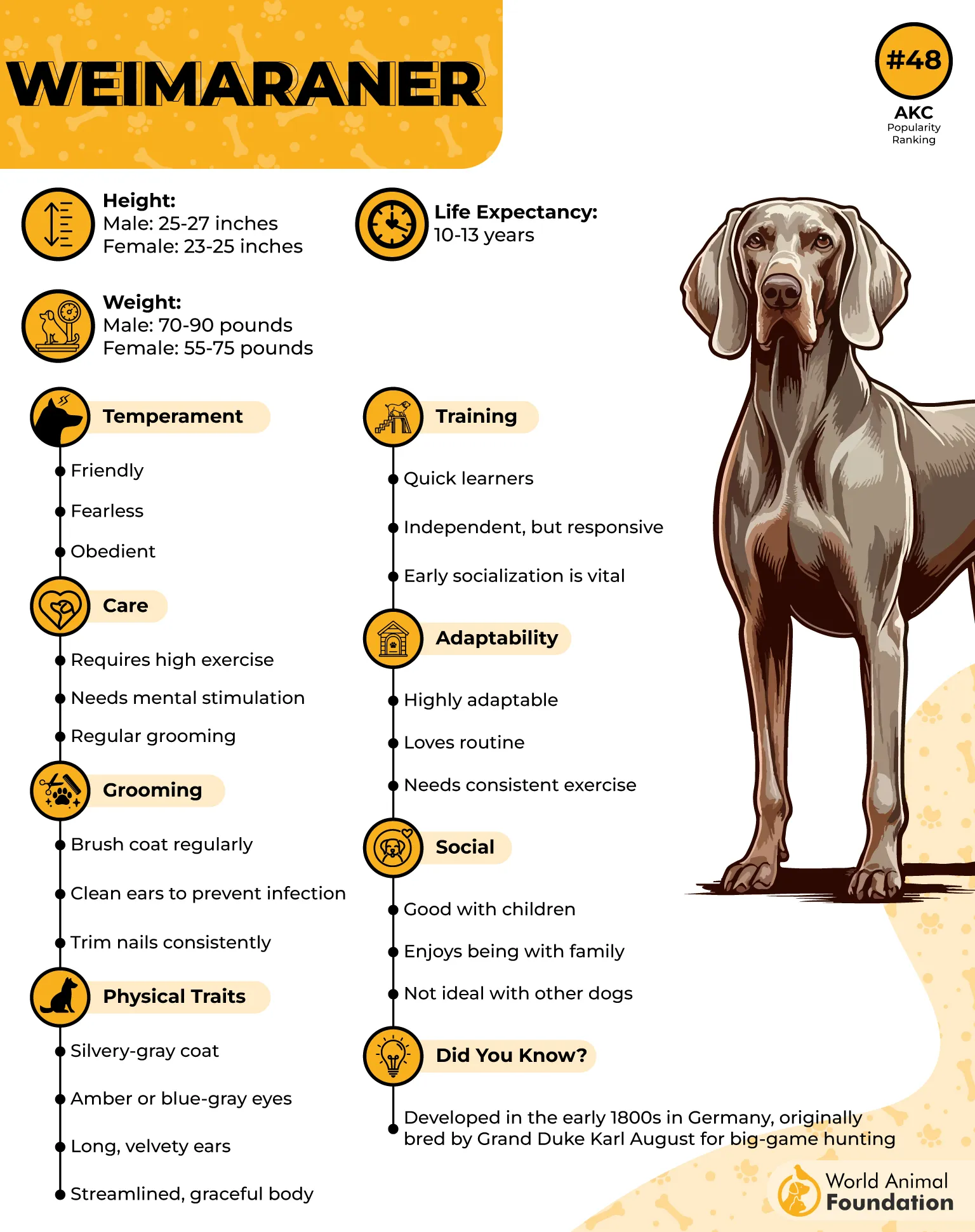
Its high prey drive and hunting characteristics make it an excellent sporting dog. This breed loves to chase small animals and is known for unlatching kennels and gates on its own. It prefers to burn off its energy by jogging and running (2 hours daily).
8. Siberian Husky
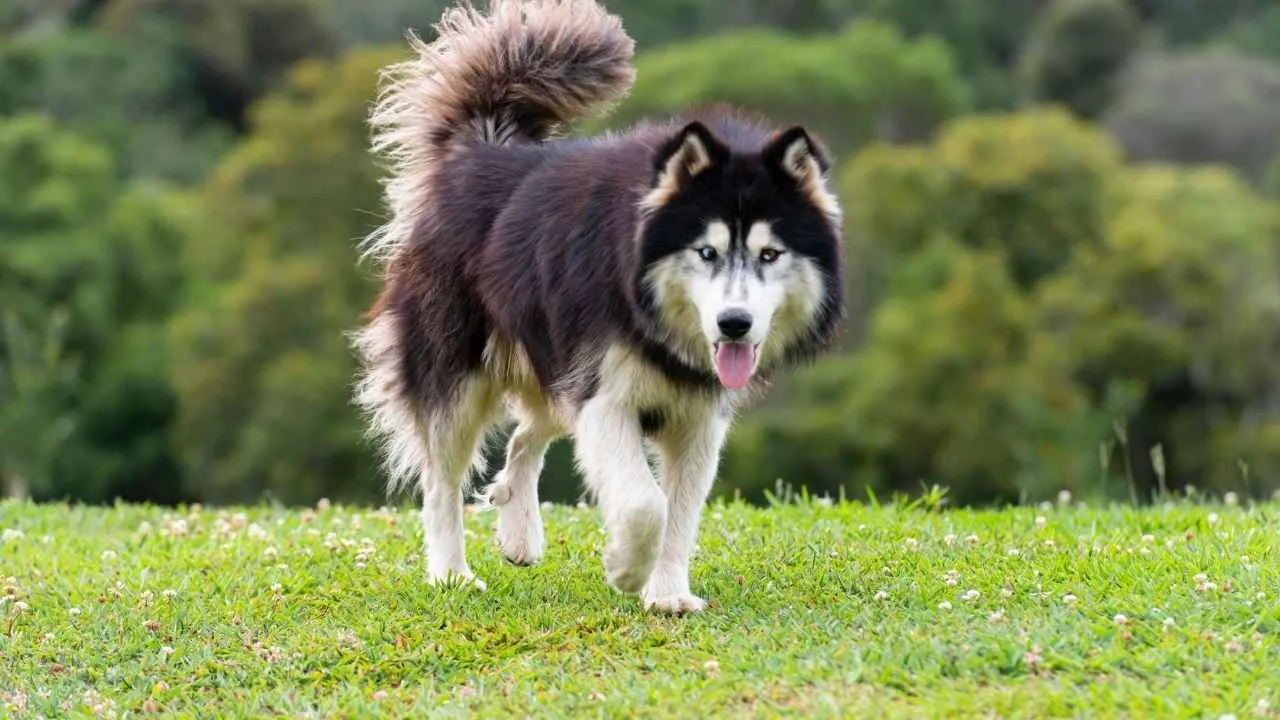
Originating in Northeast Asia, the dog was developed by the Chukchi people for sledding from a Spitz-type breed. It is famously known for transporting antitoxins to Nome during the epidemic of Dyphtheria. A statue of the lead dog is placed in New York City, says The Kennel Club.
It has a strong prey drive and tends to chase pets, such as rodents, rabbits, or even cats. This breed is moderately heat-tolerant and should not be taken outside on a hot day. Since it is a highly energetic breed, it needs daily exercise for at least an hour.
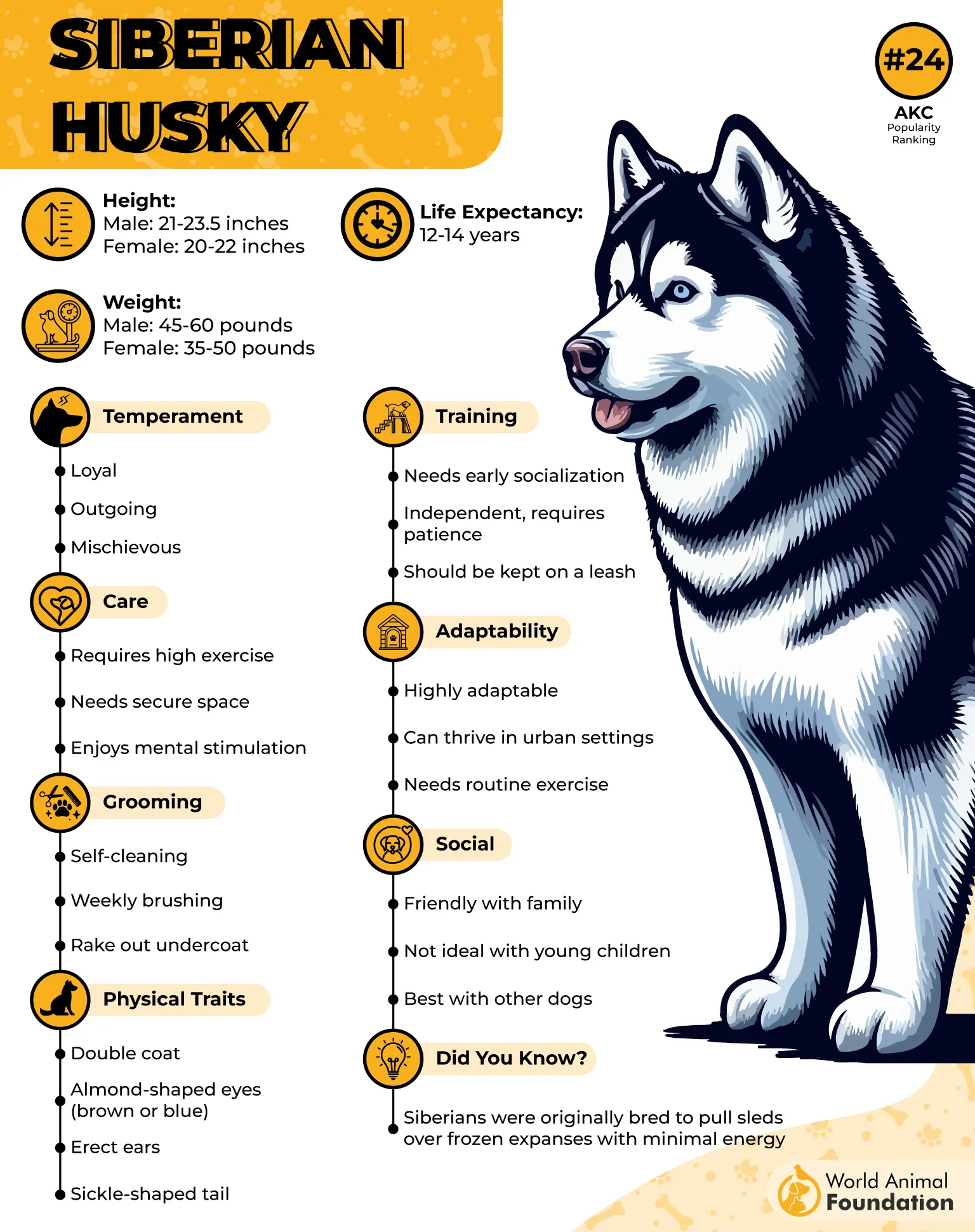
Running, digging, jogging, skijoring, bikejoring, and fetching are some of its favorite outdoor activities. This breed can be vocal sometimes and tends to howl and whine. Thus, proper socialization and early training are needed.
9. Australian Cattle Dog
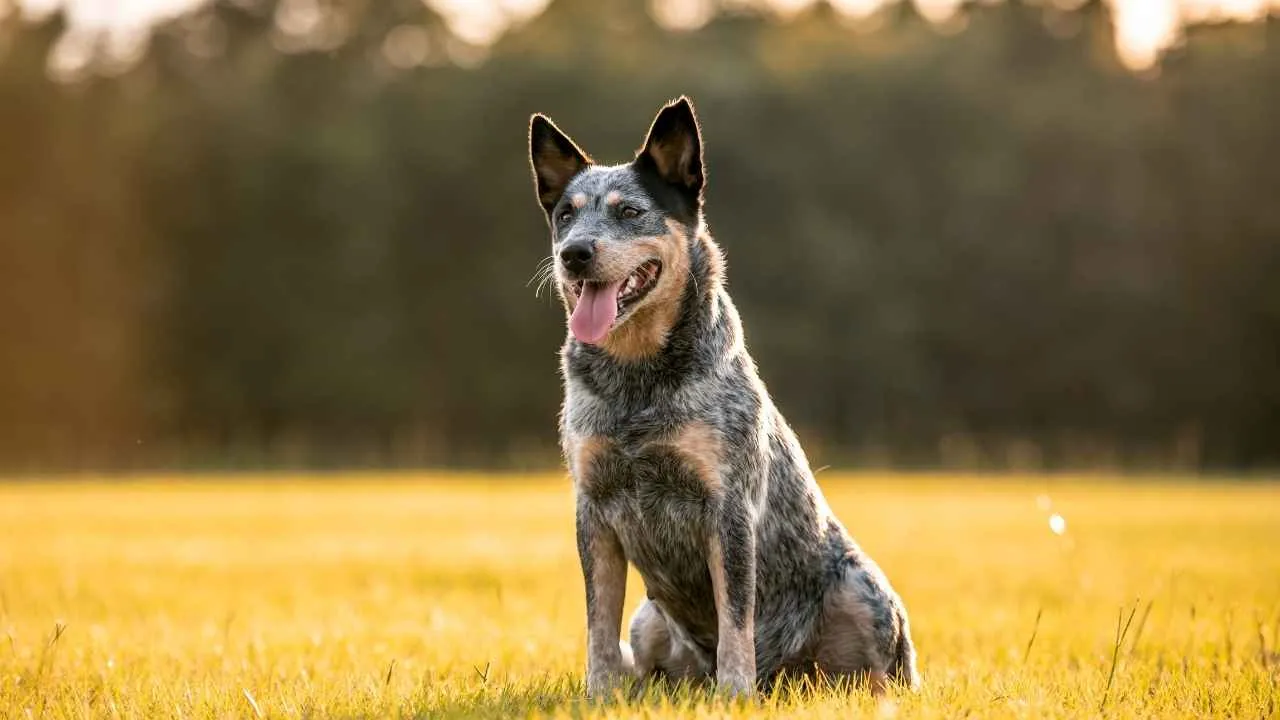
Australian ranchers brought sheep herding dogs from England in the 19th century. This dog went through breeding experimentation, resulting in a rugged herding dog that could manage large herds without an aggressive approach. Initially, the Blue Smooth Highland Collie and the Dingo were crossed to develop the breed.
Known for its high speed and power, the ACD has a balanced stride and alert expression. Because of its high intelligence, it can learn complex skills within a few repetitions. It has the tendency to bite or nip, making obedience training non-negotiable.
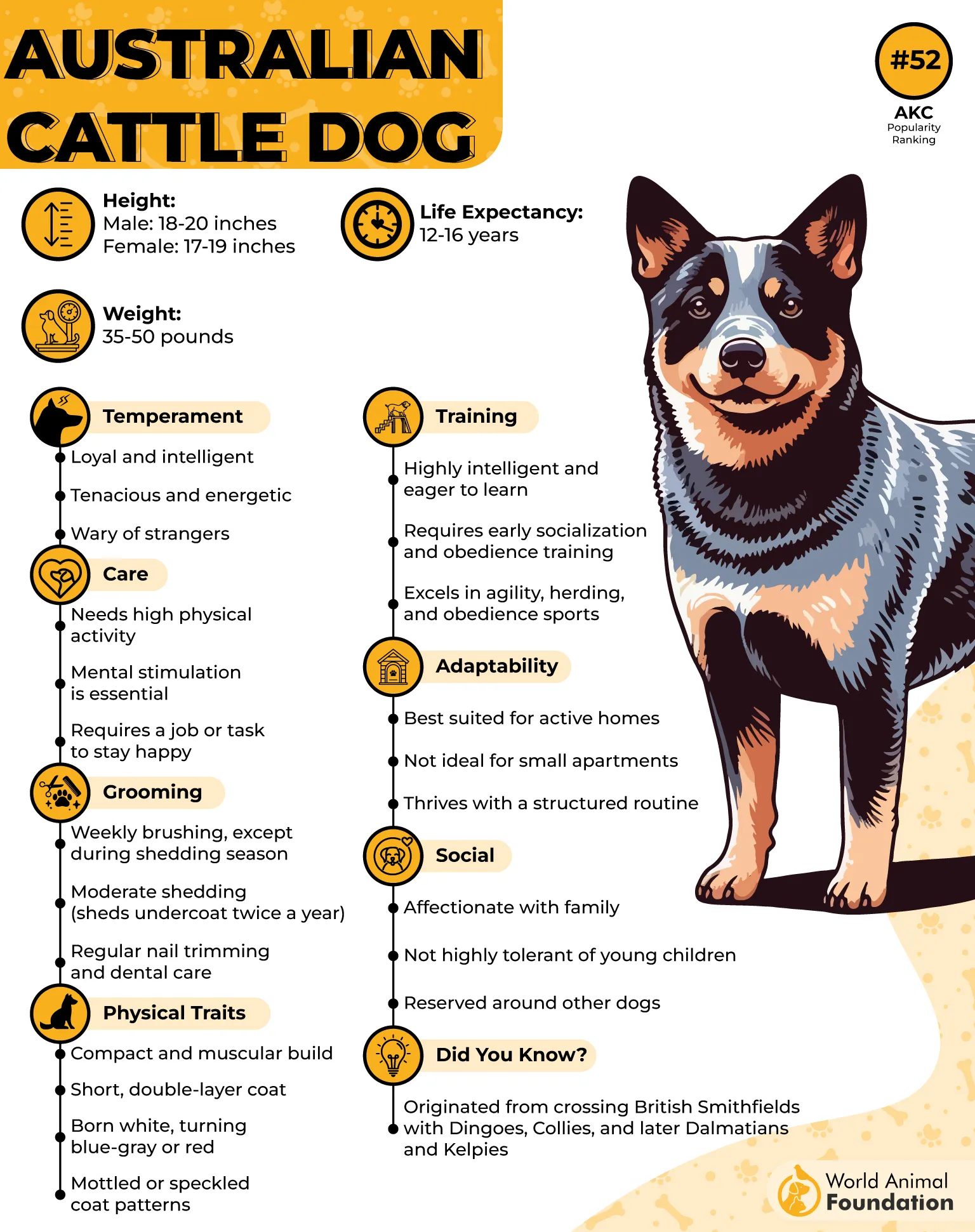
This breed has boundless energy and excels in running (5 miles), hiking (full day), fetching, playing frisbee, agility, farmwork, jogging, and herding.
Conclusion
The best outdoor dog isn’t always the fastest runner or the strongest swimmer. It’s the one whose personality matches your lifestyle and favorite activities. Some dogs shine on mountain trails, while others love open fields, lakes, or snowy adventures.
No matter which breed you choose, remember that regular training, proper nutrition, mental stimulation, and routine veterinary care are just as important as exercise.
A well-prepared dog is a safer and happier adventure partner. Every hike, camping trip, or morning walk strengthens the bond you share. At the end of the day, the greatest reward isn’t reaching the destination. It’s watching your loyal companion enjoy every step beside you, tail wagging and ready for whatever comes next.
