




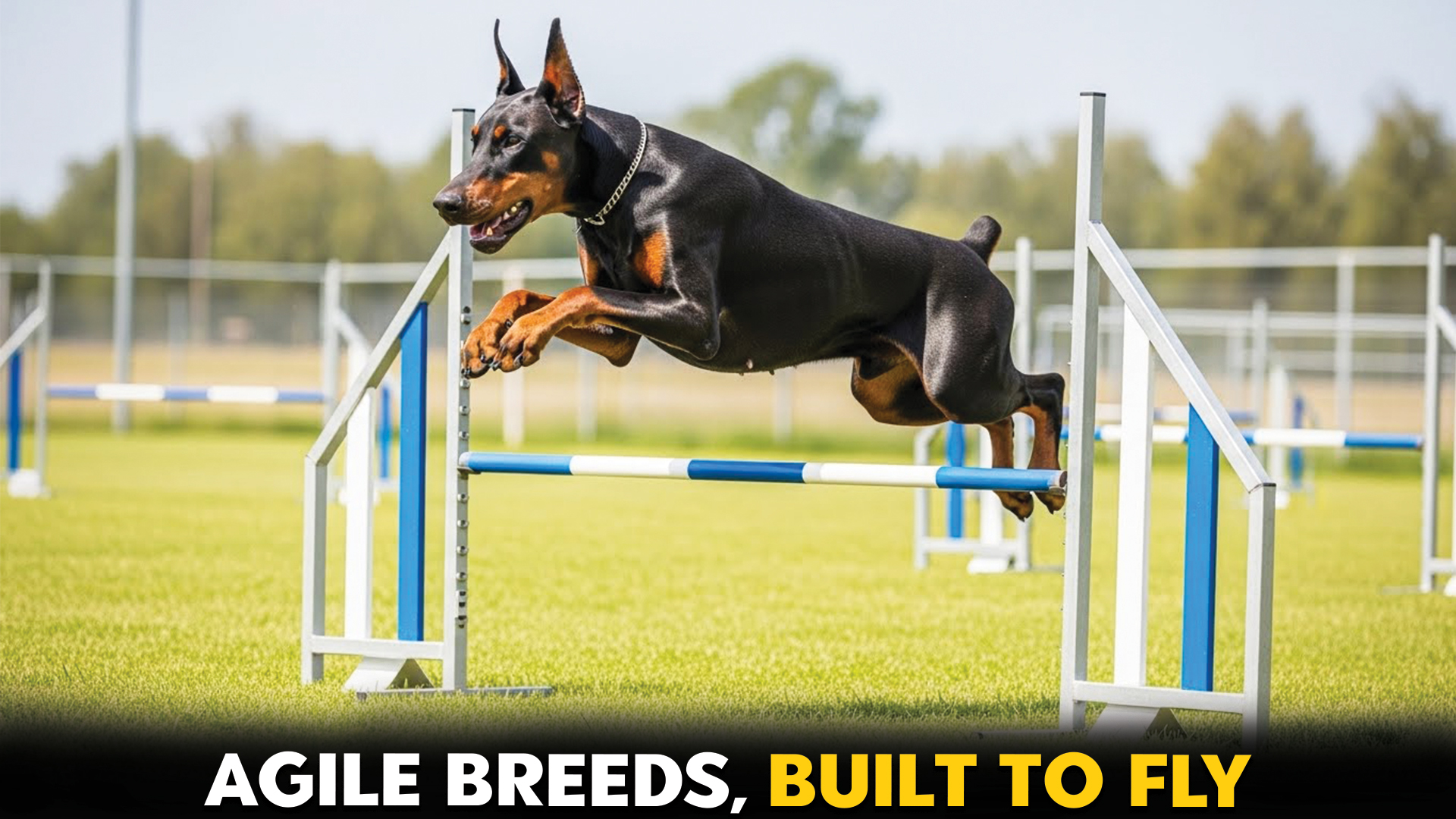
Agility, energy, and intelligence define the canine companions that many pet lovers dream of. For those passionate about active lifestyles or dog sports, choosing the right breed can make all the difference. Certain dogs naturally excel in agility, responding quickly, learning fast, and thriving in dynamic environments.
This guide explores the top nine agile dog breeds, highlighting their unique characteristics, training needs, and suitability for active owners. Whether you’re considering competitive agility courses or lively outdoor play, knowing which breeds shine in these areas ensures a fulfilling bond.
By understanding their strengths, behaviors, and care requirements, enthusiasts can match their lifestyle with a dog capable of keeping pace. These breeds are not only athletic but also loyal, intelligent, and eager to engage in both work and play.
Top Agile Dog Breeds: A Guide For Enthusiasts
1. Doberman Pinscher
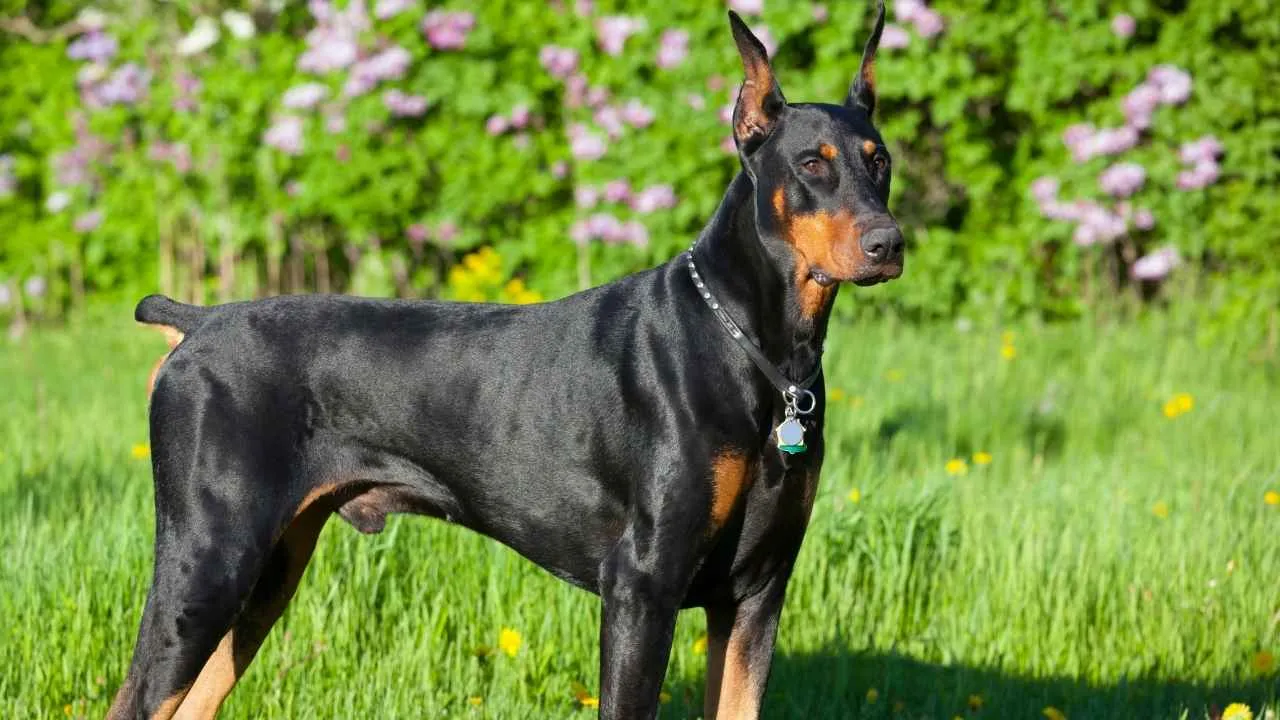
The Doberman Pinscher was crafted in late 19th-century Germany by tax collector Louis Dobermann, who wanted a loyal protector on his rounds. By blending German Pinschers, Black and Tan Terriers, Greyhounds, and herding dogs, he created a fearless, intelligent companion.
Sleek Coats and Care Essentials
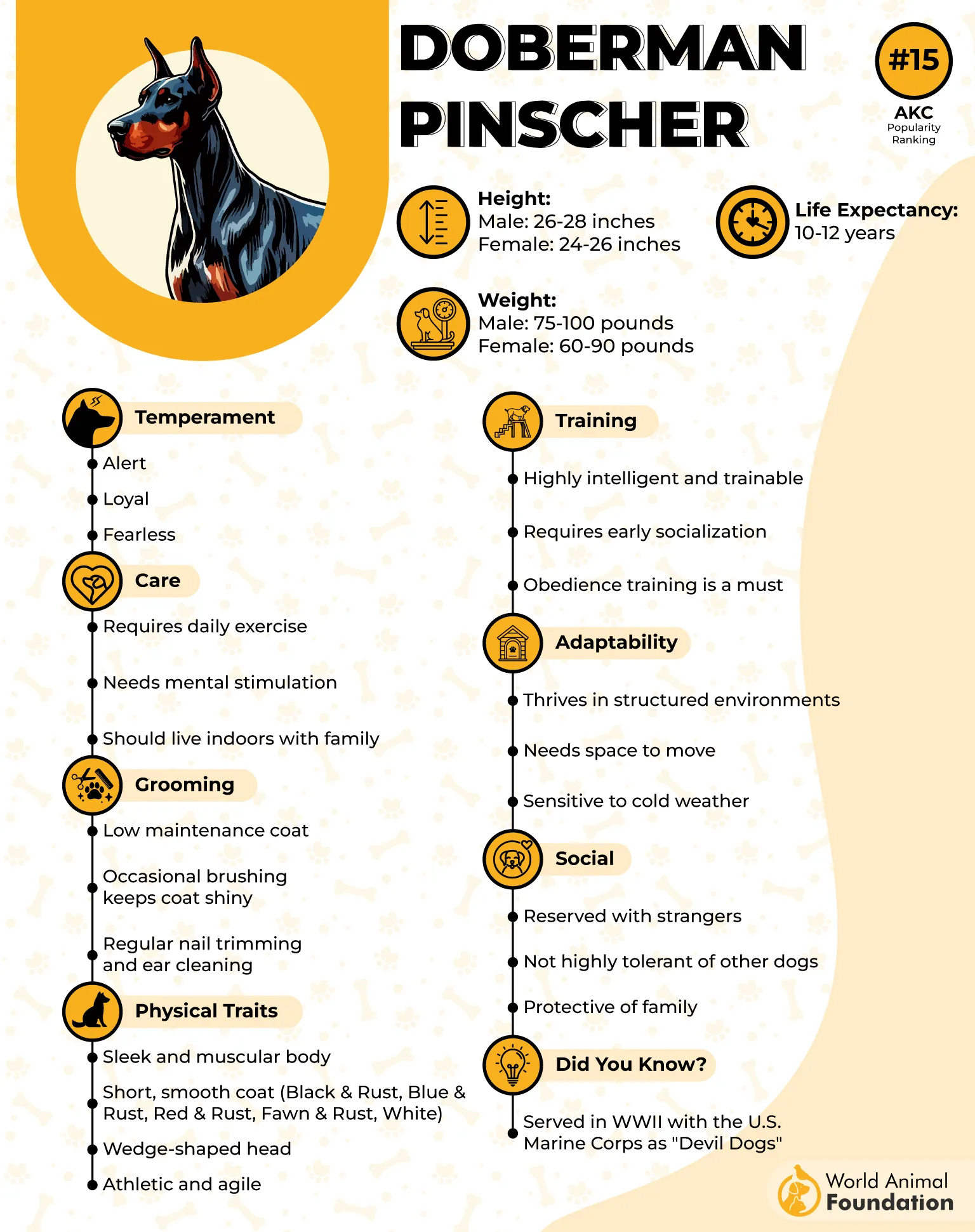
Dobermans sport a short, smooth coat that shines in black, blue, red, or fawn with rust markings, and rare whites occasionally appear. Their grooming needs are moderate, requiring weekly brushing to control shedding and occasional supplements to support joints and heart health.
Athleticism in Every Move
Compact, powerful, and fast, the Doberman’s body was designed for agility and endurance. Their wedge-shaped head, muscular build, and alert stance make them quick learners and natural problem-solvers.
2. German Shepherd
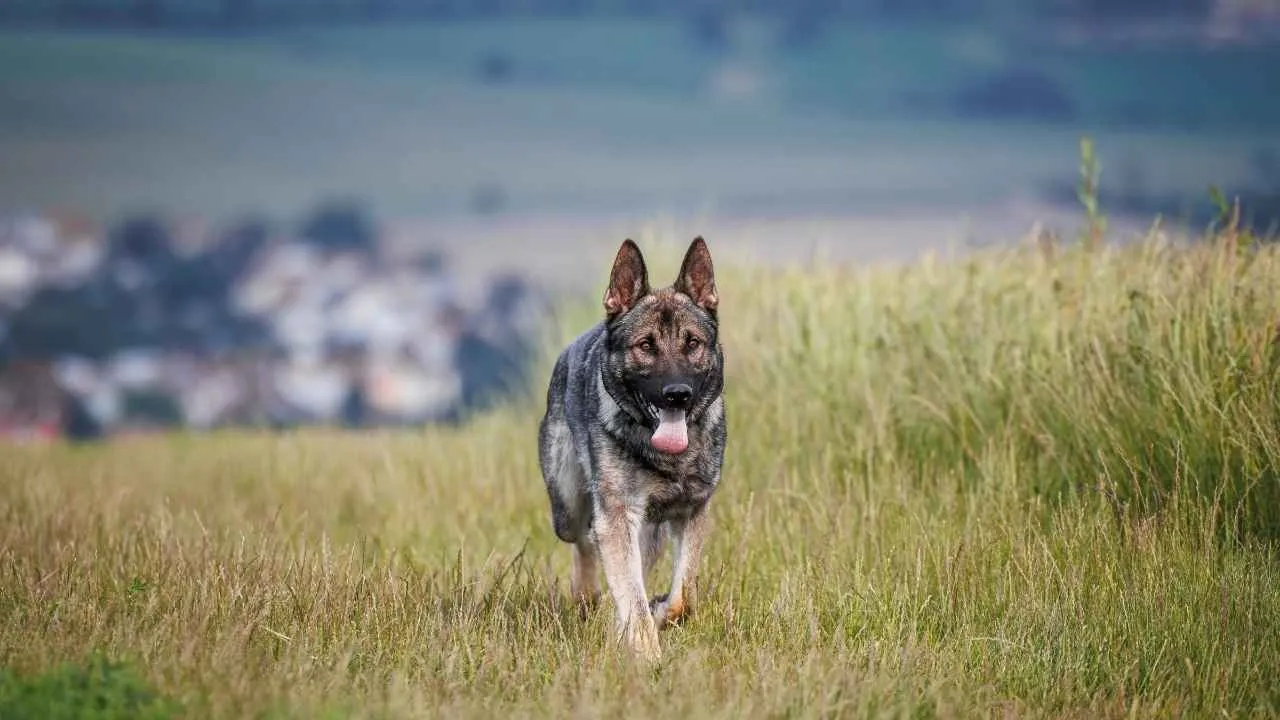
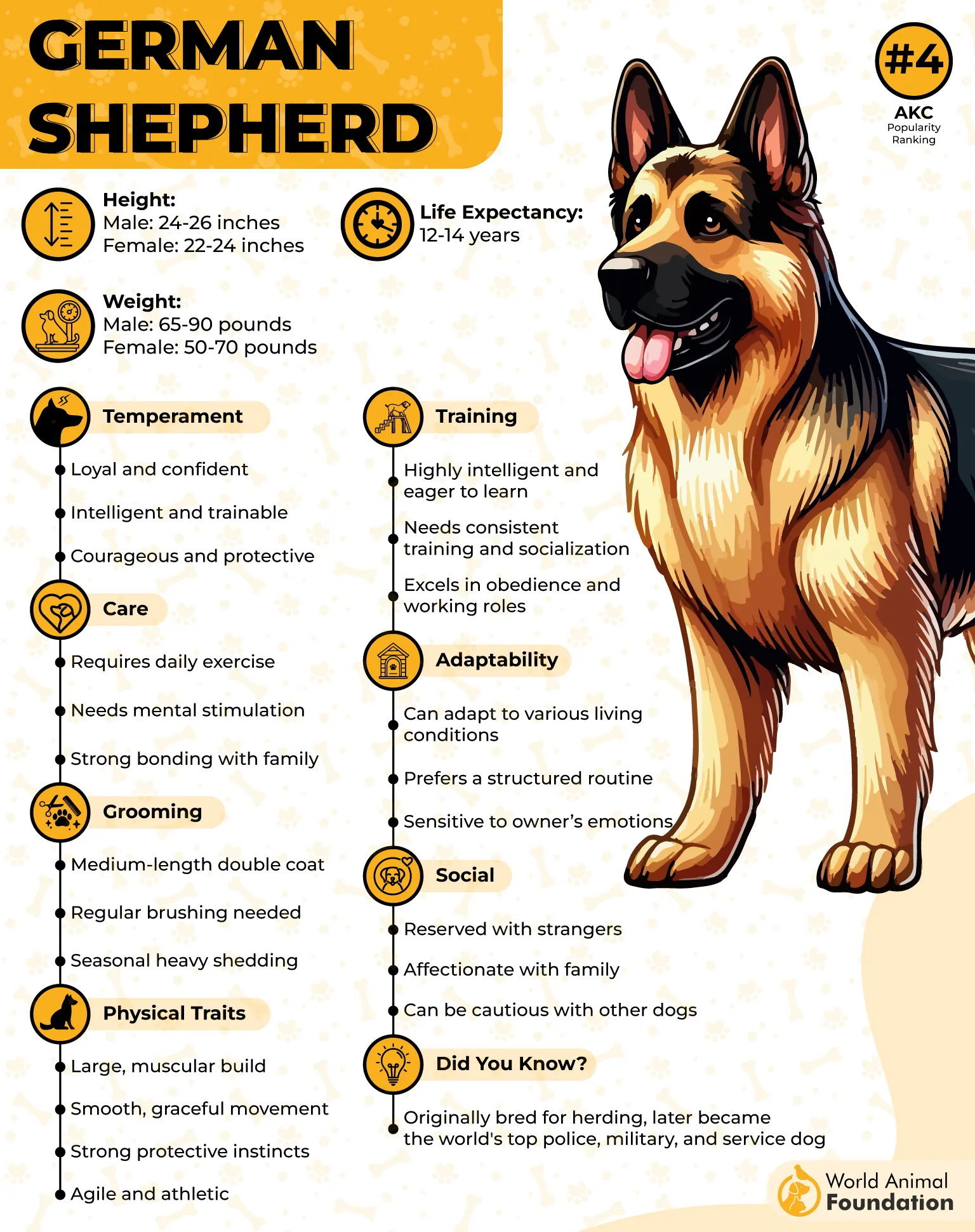
The German Shepherd originated in Germany as a versatile herding dog, developed by Max von Stephanitz in the late 1800s, as per Purina. By carefully selecting herding stock, he created a loyal, intelligent, and highly trainable breed.
Thick Coats and Care Tips
With a dense double coat ranging from black-and-tan to gray or white, German Shepherds shed heavily and need regular brushing. Occasional baths and proper nutrition help maintain healthy skin, fur, and joints. Their robust yet sensitive bodies thrive in cold or moderate climates when properly cared for.
Agile Minds and Bodies in Motion
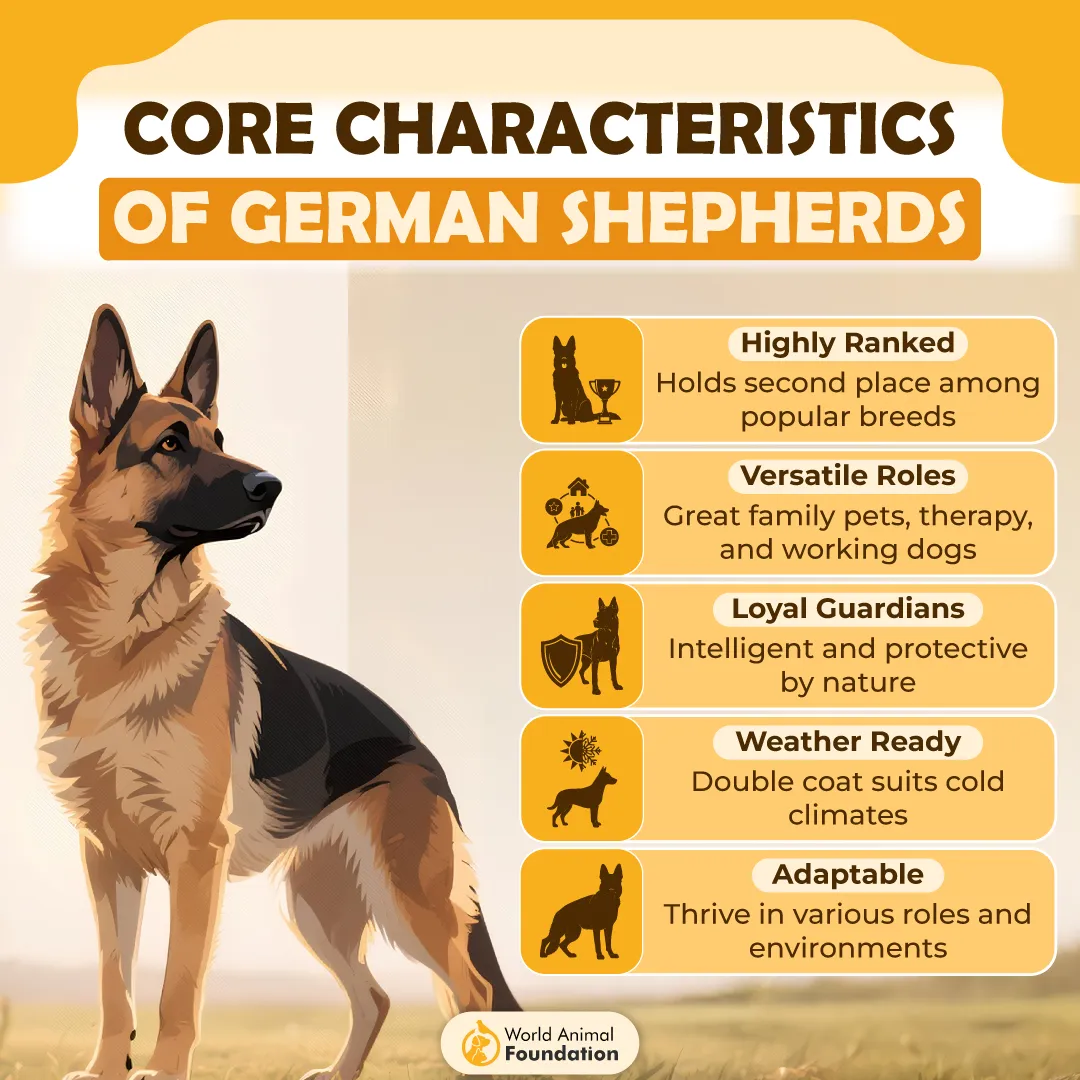
Built for endurance, strength, and speed, German Shepherds are natural athletes. They excel in agility, high jumps, swimming, and mentally stimulating tasks, making them ideal for active households. Their combination of intelligence, energy, and responsiveness allows them to master complex exercises with ease.
3. Belgian Malinois
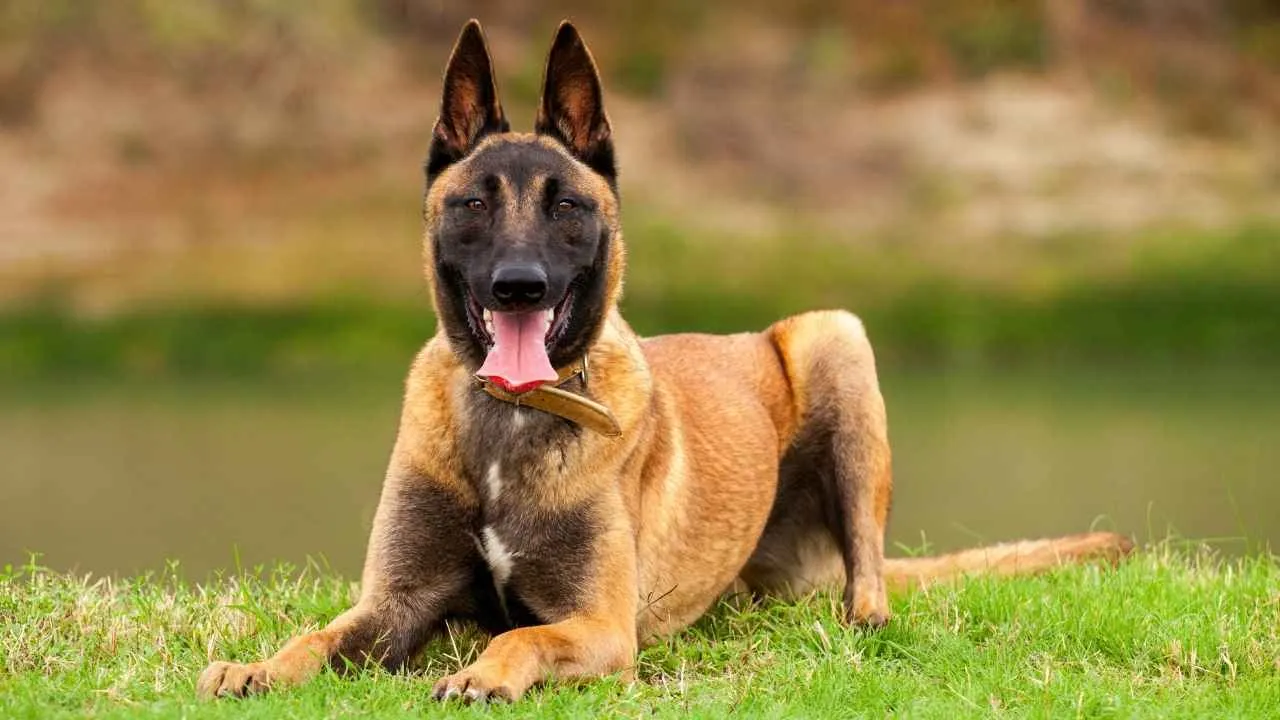
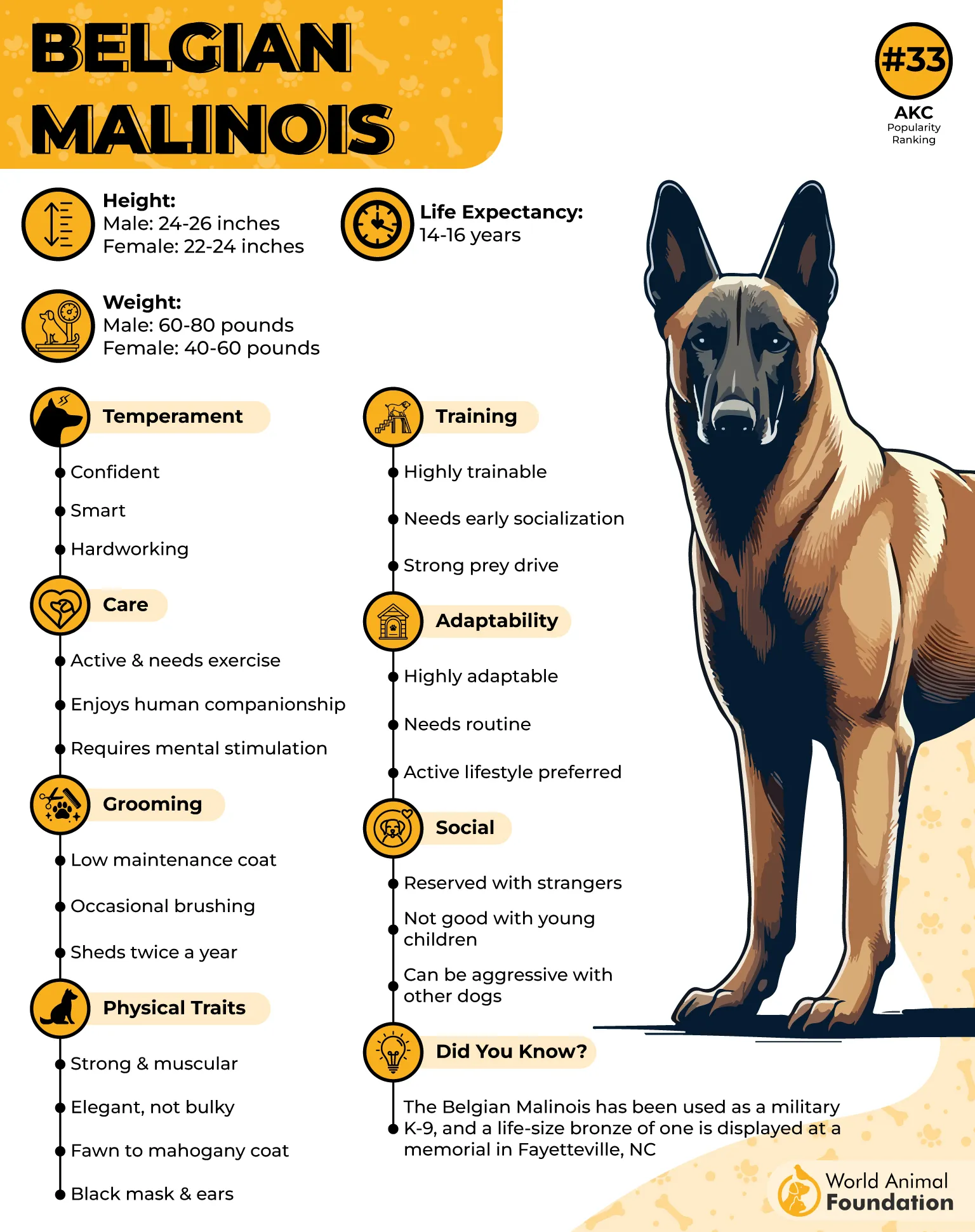
The Belgian Malinois was developed in the 1800s in the city of Mechelen to be a strong herding and protective dog, as per WebMD. Known for intelligence, loyalty, and boundless energy, they excel in police work, military operations, search and rescue, and competitive dog sports.
Low-Maintenance Coats for High-Energy Dogs
With a short, straight, weather-resistant coat and dense undercoat, the Malinois is easy to groom. Weekly brushing is usually enough, with extra attention during seasonal shedding. Regular baths, nail trims, ear checks, and dental care keep them healthy while supporting their active lifestyle.
Agility Born from Instinct and Drive
Herding instincts give them natural coordination and stamina, while their intelligence makes them quick learners. Their energy, focus, and agility make them perfect for dynamic work, obedience training, and high-intensity dog sports.
4. Cane Corso
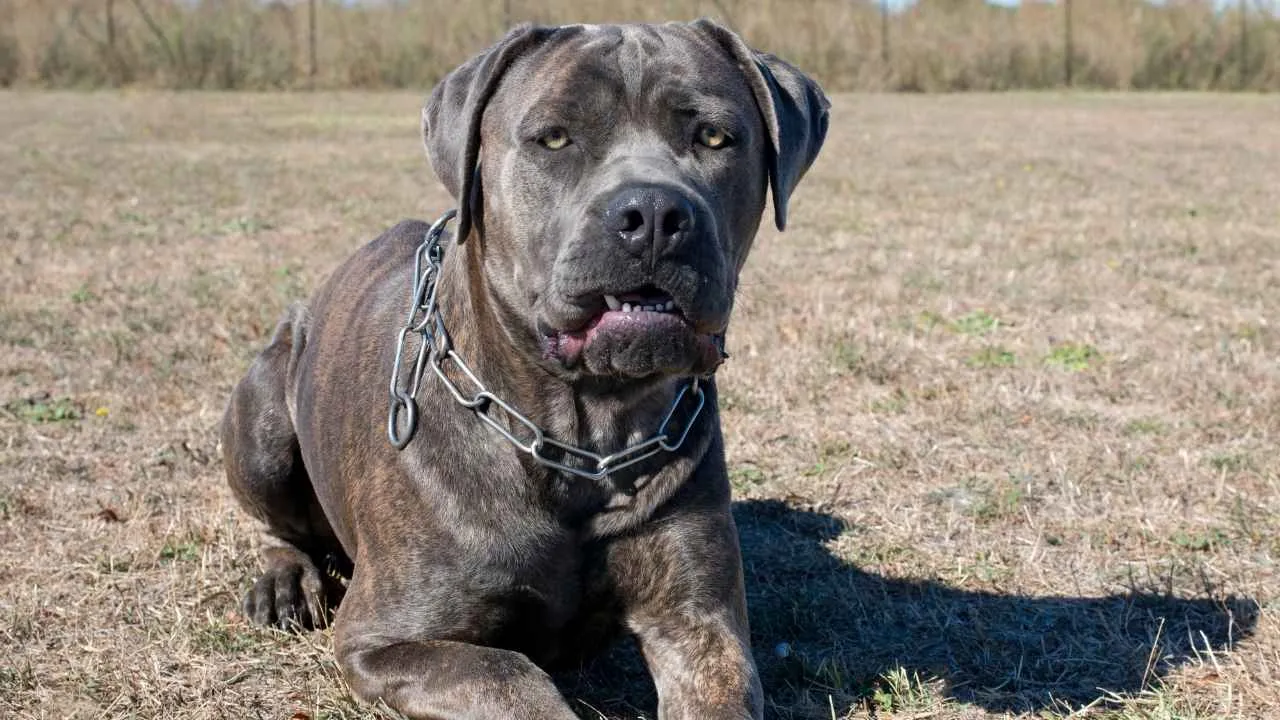
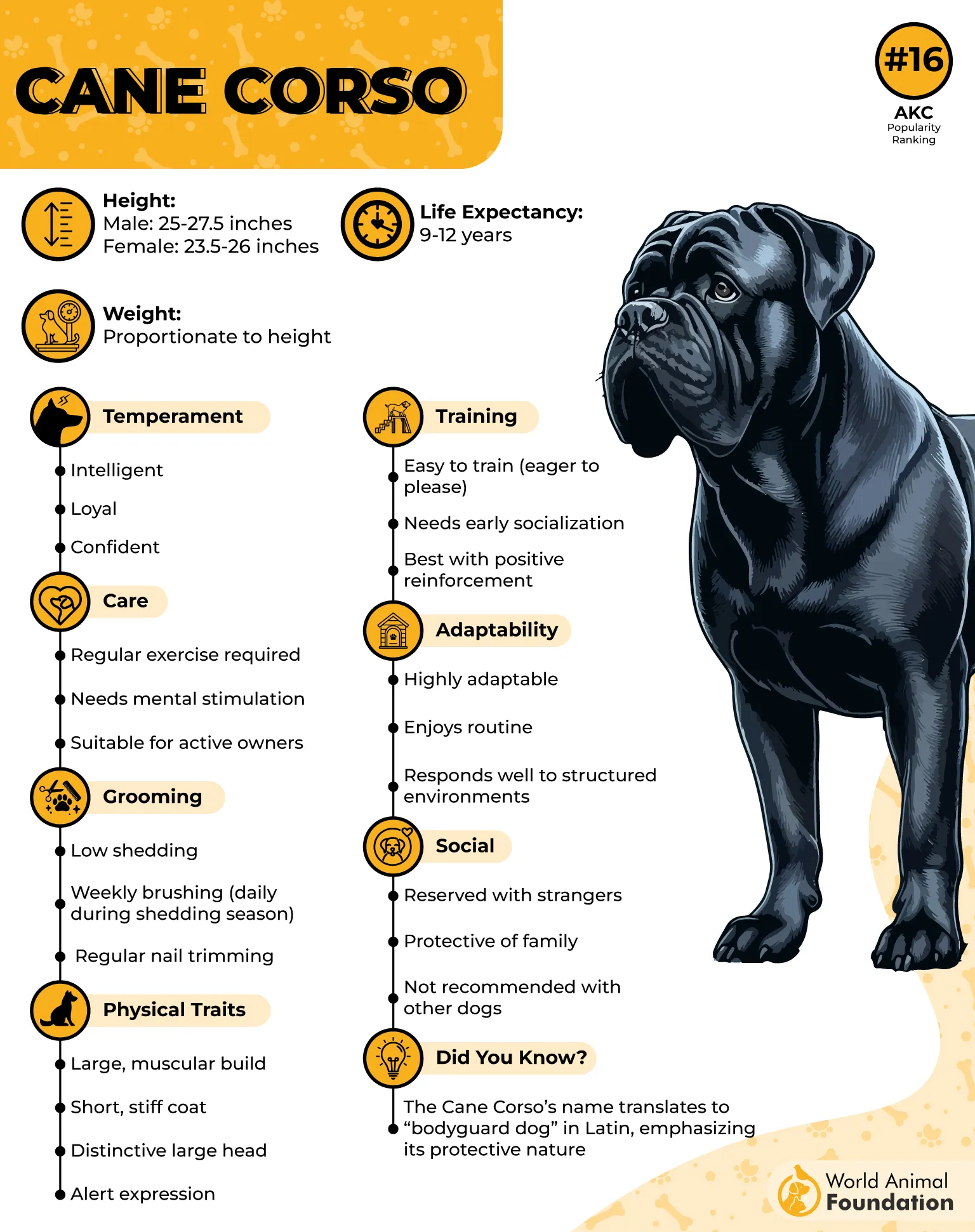
The Cane Corso traces its roots to ancient Italy, descending from Molossian dogs brought by the Romans and bred with local Italian breeds. Historically used as hunters, farm protectors, and even war dogs, these muscular canines were prized for courage and loyalty.
Coat Care for a Majestic Muzzle
With a short, dense coat, the Cane Corso requires mostly weekly brushing, increasing to daily during heavy shedding in spring. Minimal grooming keeps their fur healthy, while occasional baths, nail trims, and dental care support overall well-being.
Power, Precision, and Endurance
Muscular and energetic, the Cane Corso was built for running, hunting, and protection work. They thrive on brisk walks, jogs, hikes, and mentally engaging tasks, combining strength, speed, and focus. Their natural athleticism allows them to perform in agility, tracking, and obedience sports with grace and intensity.
5. Dogo Argentino
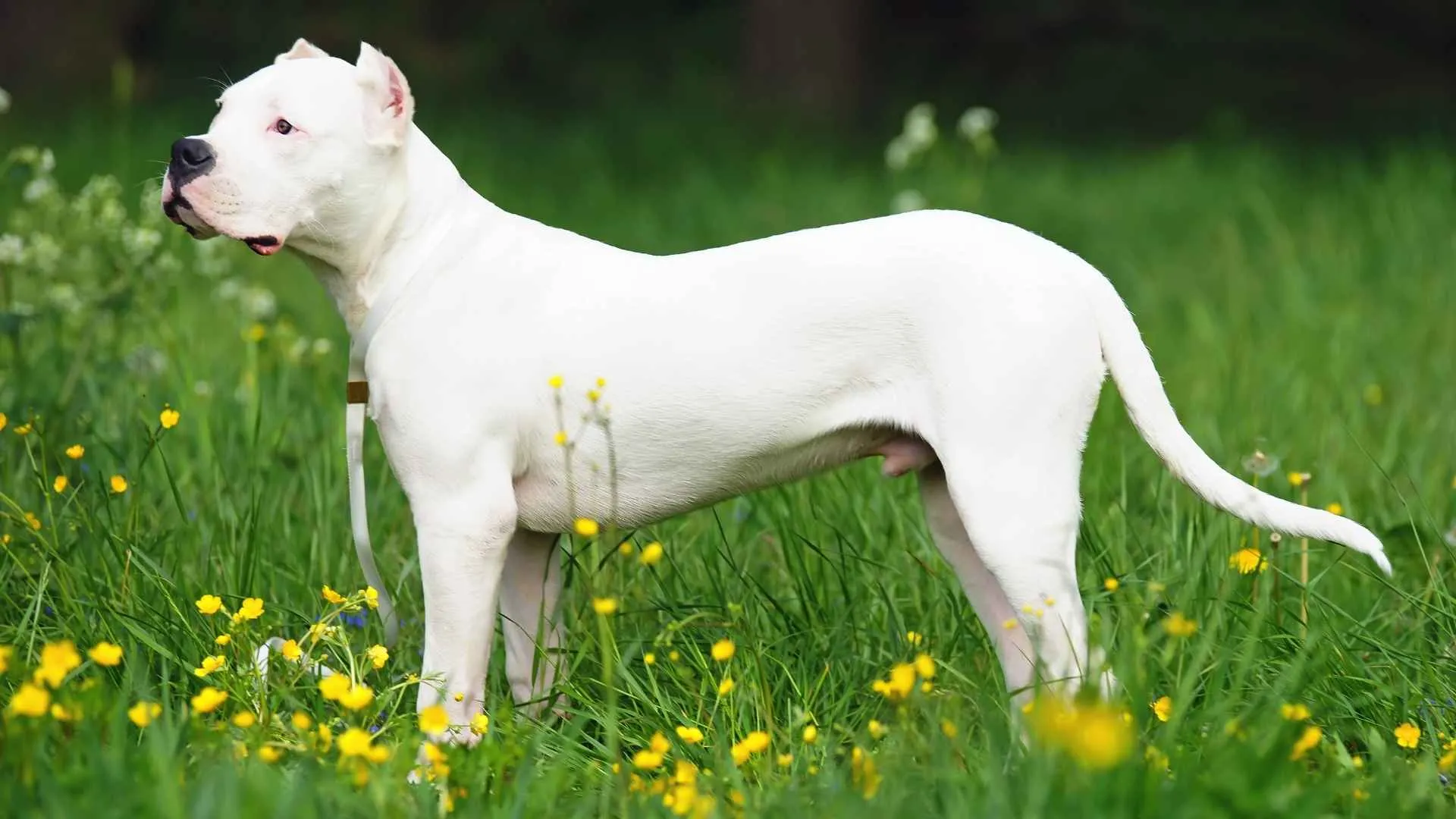
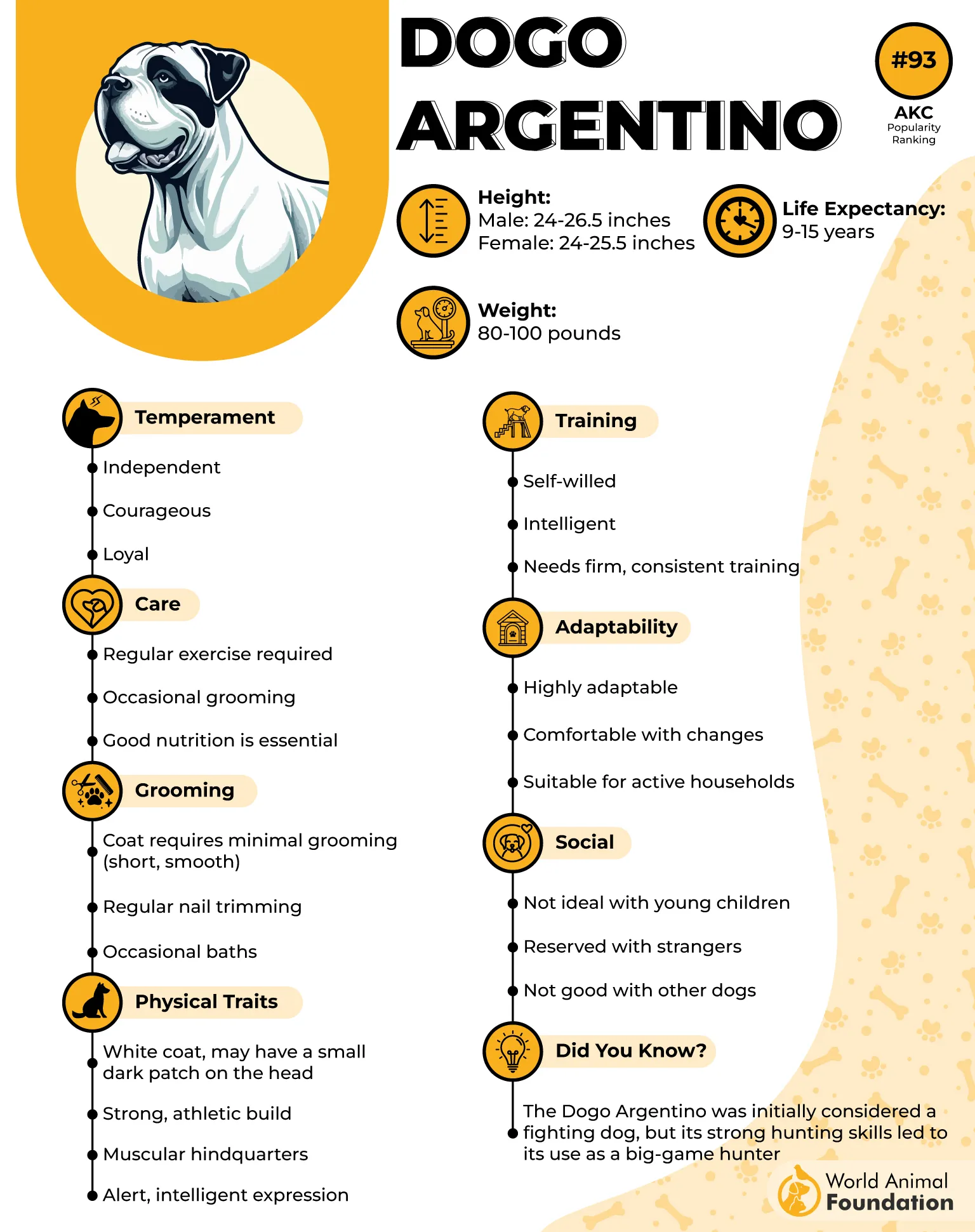
The Dogo Argentino was developed in the 1920s in Argentina by Dr. Antonio Nores Martinez to be the ultimate big-game hunting companion, as per the AKC. By blending the Old Córdoba Fighting Dog with breeds like the Great Dane, Boxer, and Pyrenean Mastiff, he created a muscular, courageous, and highly intelligent breed.
Sleek Coat, Simple Care
With a short, smooth white coat, the Dogo Argentino requires minimal grooming. Occasional brushing and baths keep the coat healthy, while routine nail trims, ear checks, and dental care maintain overall wellness. Moderate shedding makes them relatively easy to care for compared to other large breeds.
Athleticism Fueled by Instinct
Built for strength, speed, and stamina, the Dogo Argentino thrives on vigorous exercise, agility training, and mentally stimulating tasks. Their hunting heritage gives them excellent coordination and a sharp prey drive, while their intelligence allows them to excel in obedience and interactive sports.
6. Siberian Husky
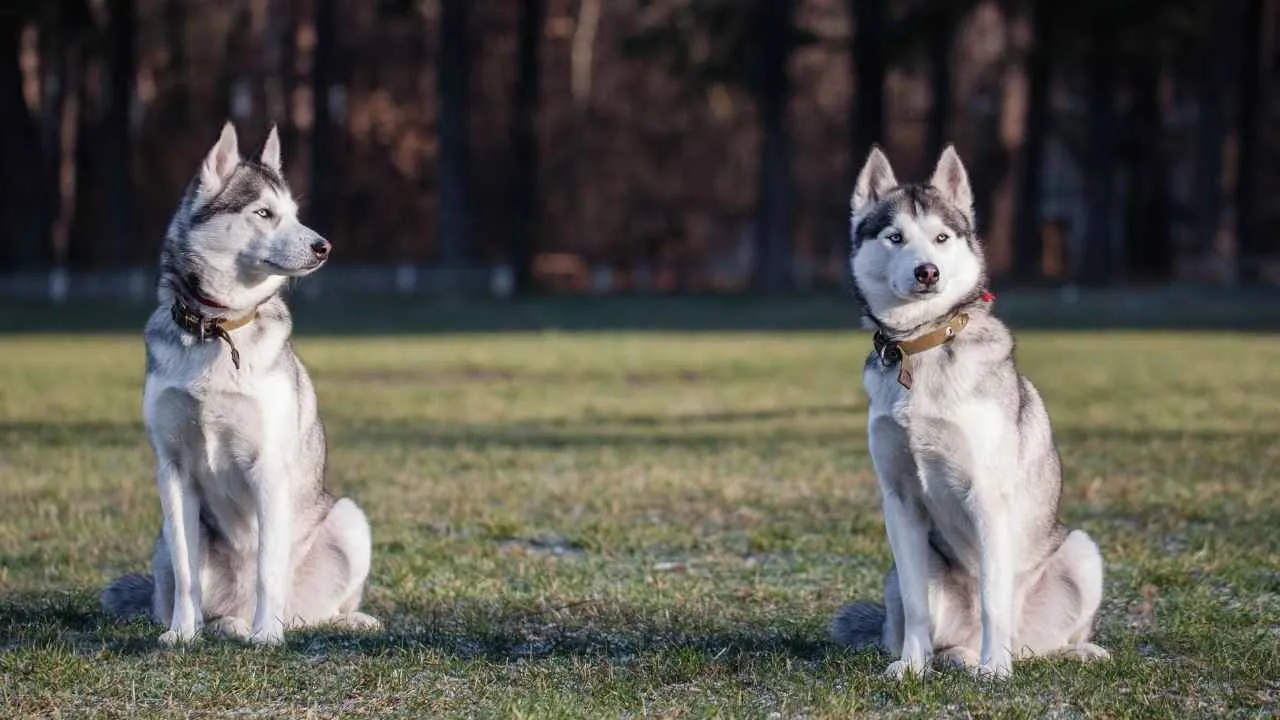
The Siberian Husky is a medium-sized dog developed by the Chukchi people of northeastern Asia over 3,000 years ago. Bred for endurance rather than brute strength, these dogs pulled light loads across vast frozen landscapes while conserving energy.
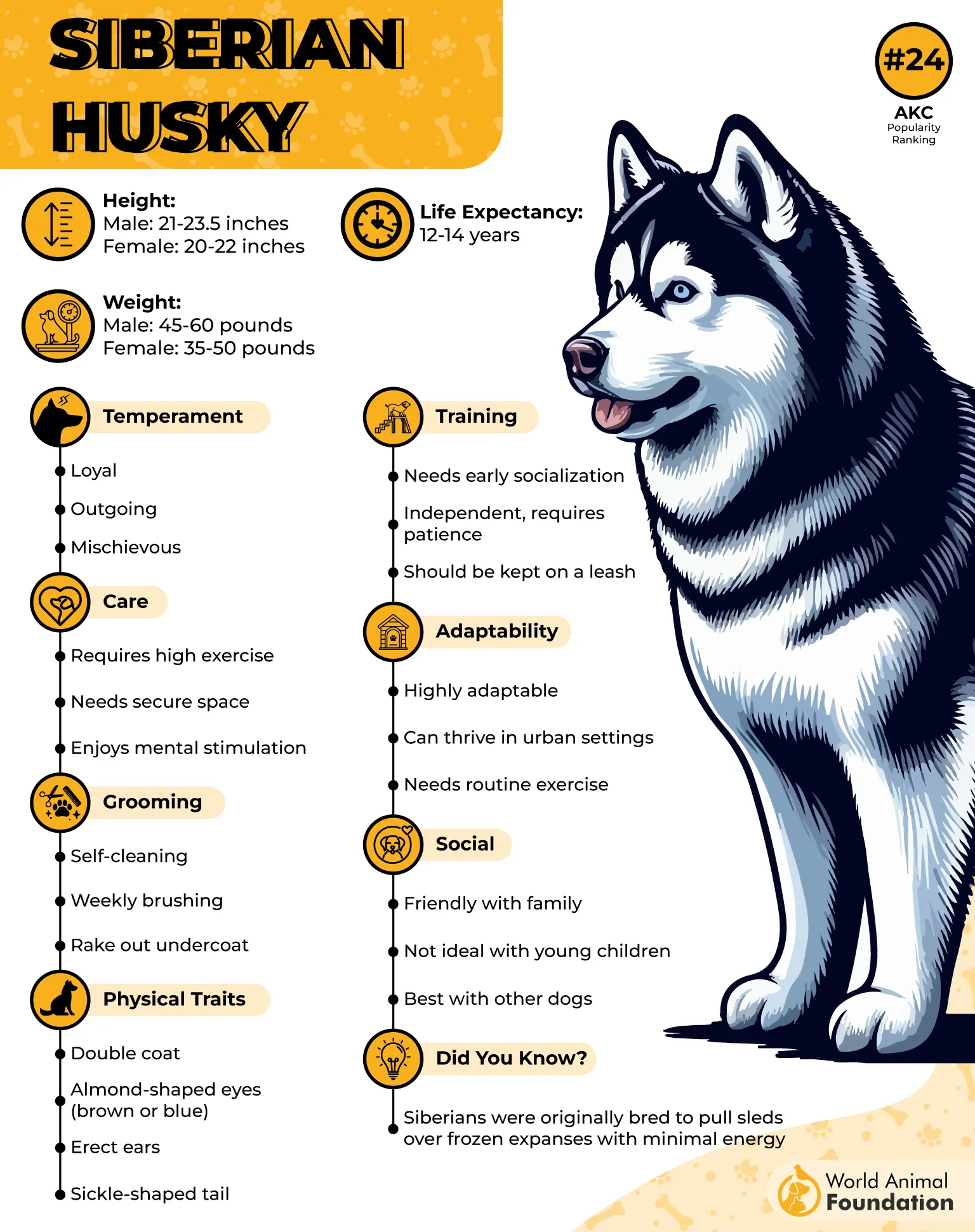
Sleek Coat and Grooming Needs
Siberian Huskies are covered in a dense double coat with a soft undercoat and a plush outer layer that ranges from black to white, often with distinctive markings. Huskies are naturally clean and odor-free, with a small ruff around the neck and little tendency for matting, making coat maintenance straightforward.
Athletic and Independent Spirits
These dogs are energetic athletes with a love for running, sledding, and skijoring. Friendly with people and other dogs, Huskies are not typical watchdogs—they are more likely to howl than bark—but their stamina, intelligence, and sociability make them great companions for active owners.
7. Rat Terrier
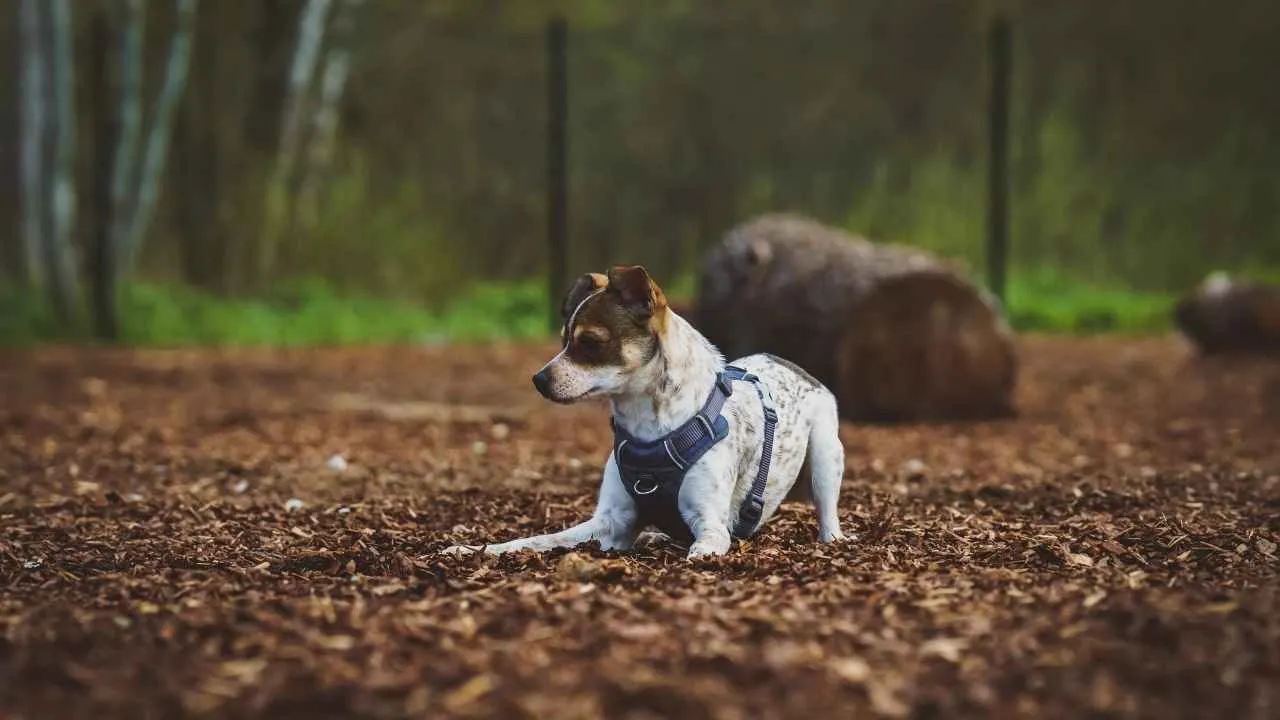
The Rat Terrier is a small, compact dog originally bred by American farmers in the 19th century to hunt rats and control pests on farms. Over time, this multipurpose breed proved its versatility as a hunting dog, watchdog, henhouse guardian, and loyal family companion.
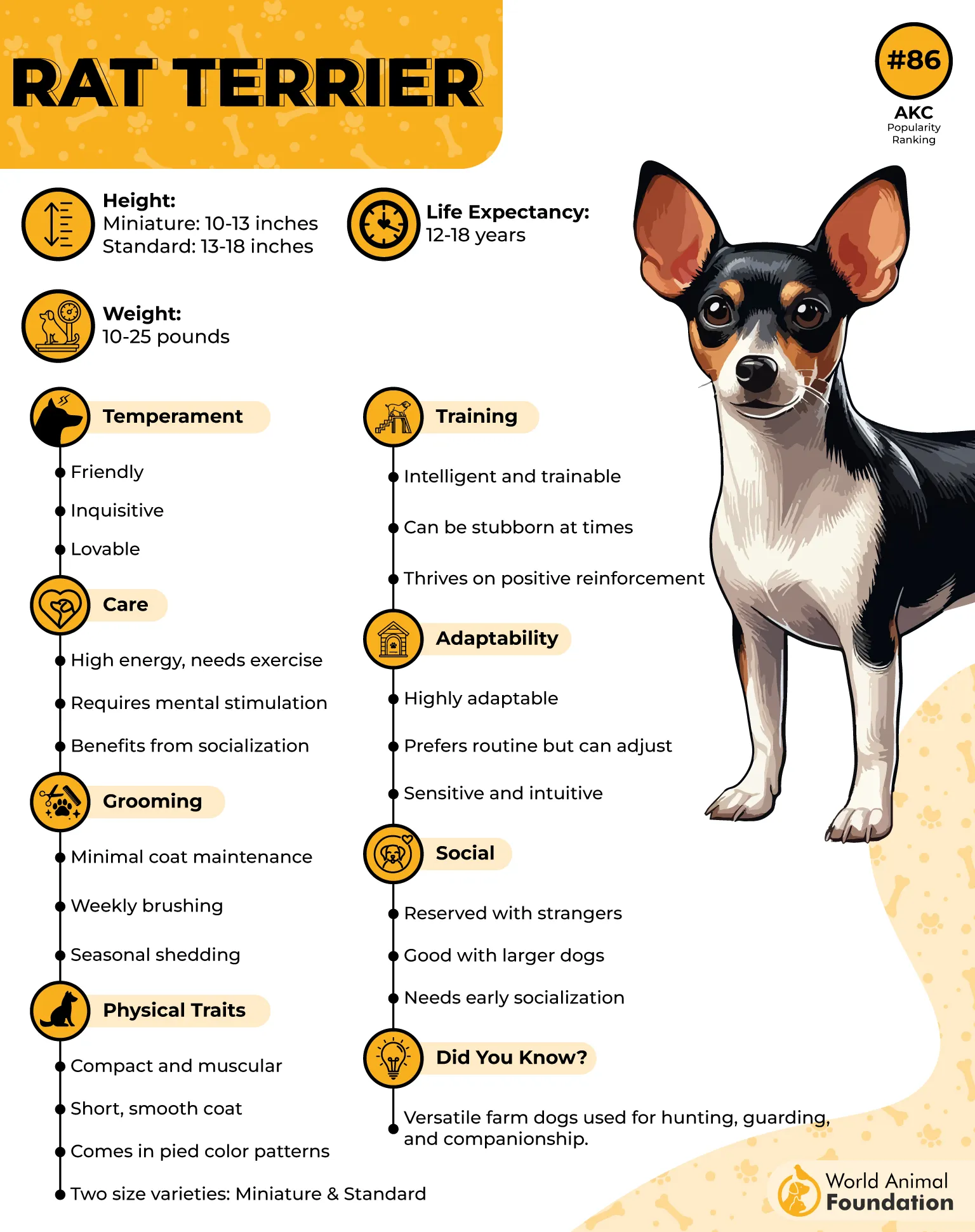
Energetic and Intelligent Companions
Rat Terriers are high-energy dogs that require daily exercise and mental stimulation to stay healthy and happy. They excel at running, jumping, and engaging in interactive games. Without proper outlets for their energy, they may become bored or destructive.

Family-Friendly Personality
Friendly, curious, and affectionate, Rat Terriers form strong bonds with their families and get along well with children and other pets. Their intelligence and eagerness to please respond well to positive reinforcement and engaging training, making them ideal for active households that can meet their physical and mental needs.
8. Labrador Retriever
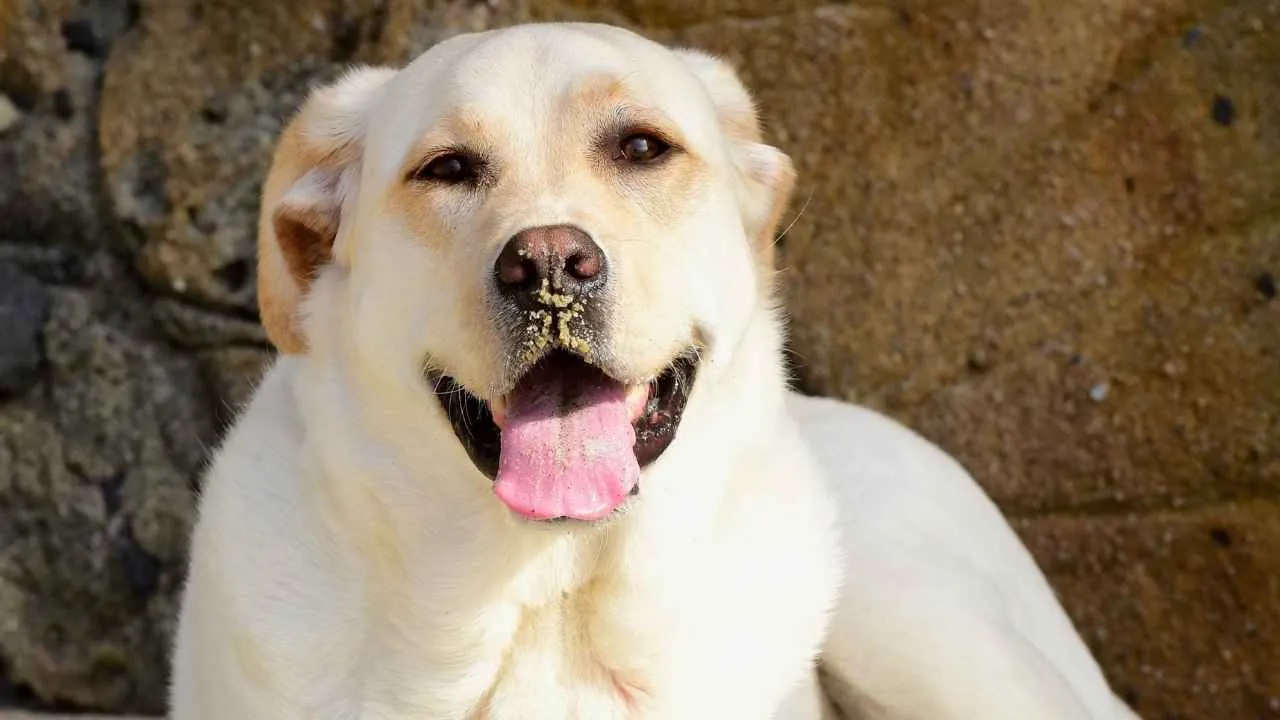
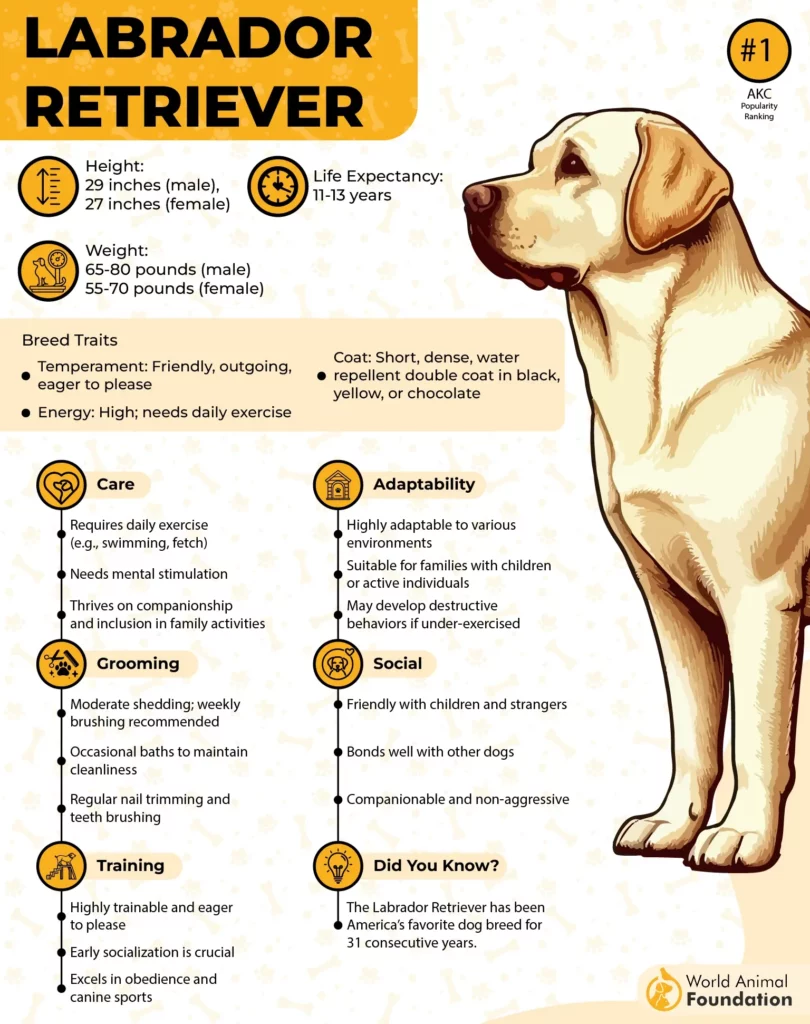
The Labrador Retriever is a sporting dog originally from Newfoundland, brought to England in the early 1800s. Known for its distinctive otter-like tail, short dense coat, and sturdy build, the breed was developed as a gun dog capable of retrieving game from land and water, as per PDSA.
Energetic, Intelligent, and Trainable
Labradors are high-energy dogs that require several hours of exercise each day, including running, swimming, and interactive games like fetch. Intelligent and eager to please, they respond well to positive reinforcement training, though young Labs can be strong-willed.
Family-Friendly Companions
Labrador Retrievers are affectionate, loyal, and sociable dogs that bond closely with their families. Gentle and patient, they are excellent with children and generally get along with other pets. Their coat is easy to maintain, requiring weekly brushing except during heavy-shedding seasons.
9. Vizsla
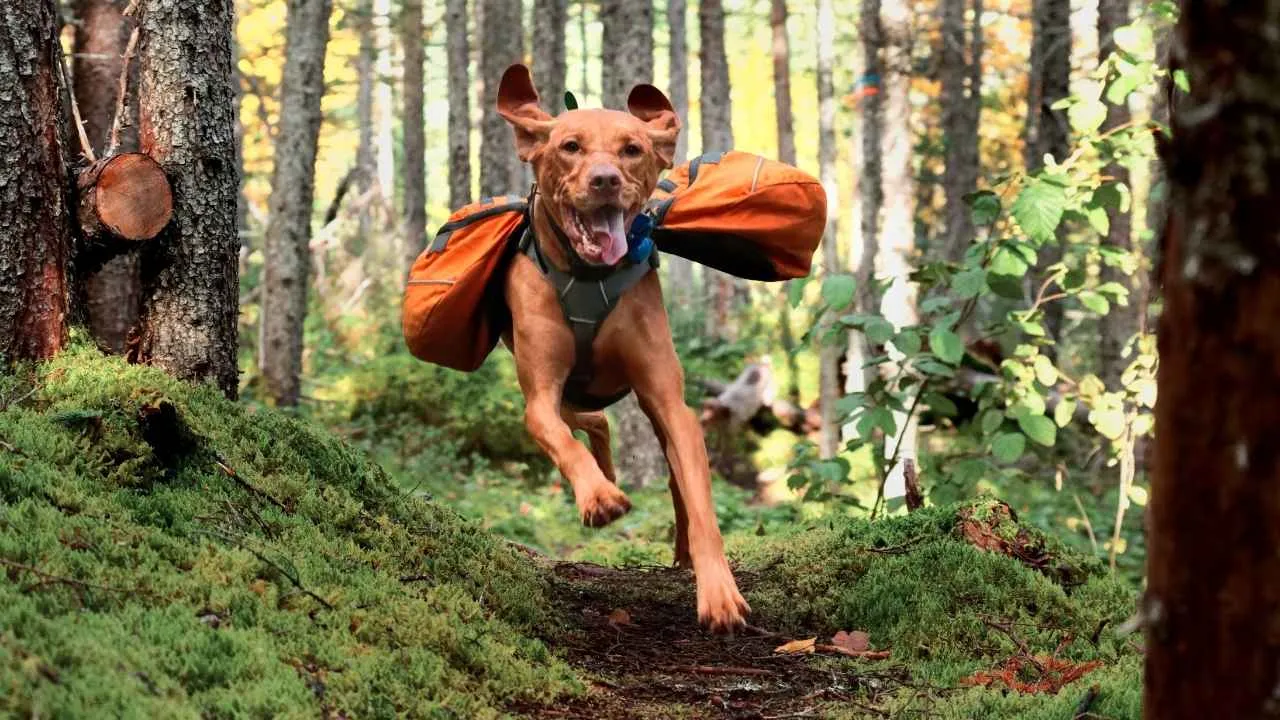
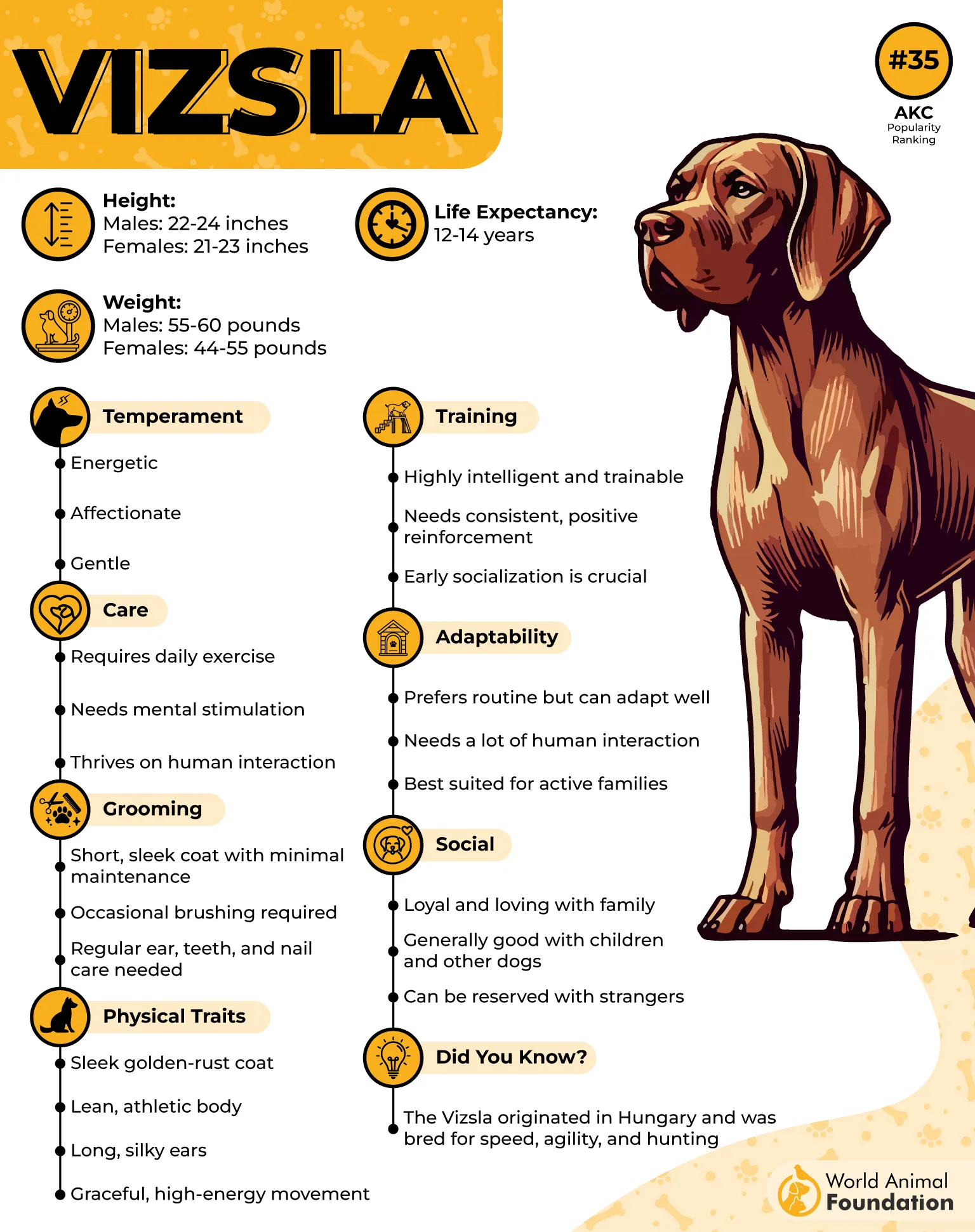
The Vizsla is a versatile sporting dog with a history that stretches back centuries in Hungary, where it was prized as a hunting companion and all-purpose gundog. Sleek, red-golden in color, and built for endurance, the Vizsla was carefully bred for stamina, agility, and close cooperation with humans in the field, as per Hill’s Pet.
Energetic, Intelligent, and Trainable
Vizslas are highly energetic and intelligent dogs that require daily physical and mental stimulation. They thrive when given a “job” to do and respond best to positive reinforcement training, making early socialization and leash training essential.
Loyal Family Companions
Known as the “Velcro dog,” the Vizsla is affectionate, loyal, and closely bonded to its family. They generally do well with children and other pets when properly socialized, though their enthusiasm can be overwhelming for very young children.
Conclusion
Choosing the right canine companion is about matching energy, temperament, and lifestyle. Some dogs thrive on rigorous exercise and mental challenges, while others prefer calm, affectionate interaction with their families. Understanding these needs ensures a happy, balanced life for both you and your dog.
Consistent training, socialization, and daily engagement are essential for building a strong bond and shaping well-behaved, confident pets. Positive reinforcement, consistent routines, and plenty of opportunities for activity will keep your dog stimulated and content. Investing time and patience now prevents behavioral challenges later.
Bringing a dog into your life is a rewarding journey full of loyalty, love, and companionship. Consider your household, schedule, and activity level carefully, then commit to providing care, exercise, and attention. With thoughtful preparation, you’ll enjoy a lifelong partnership filled with joy and adventure.
