




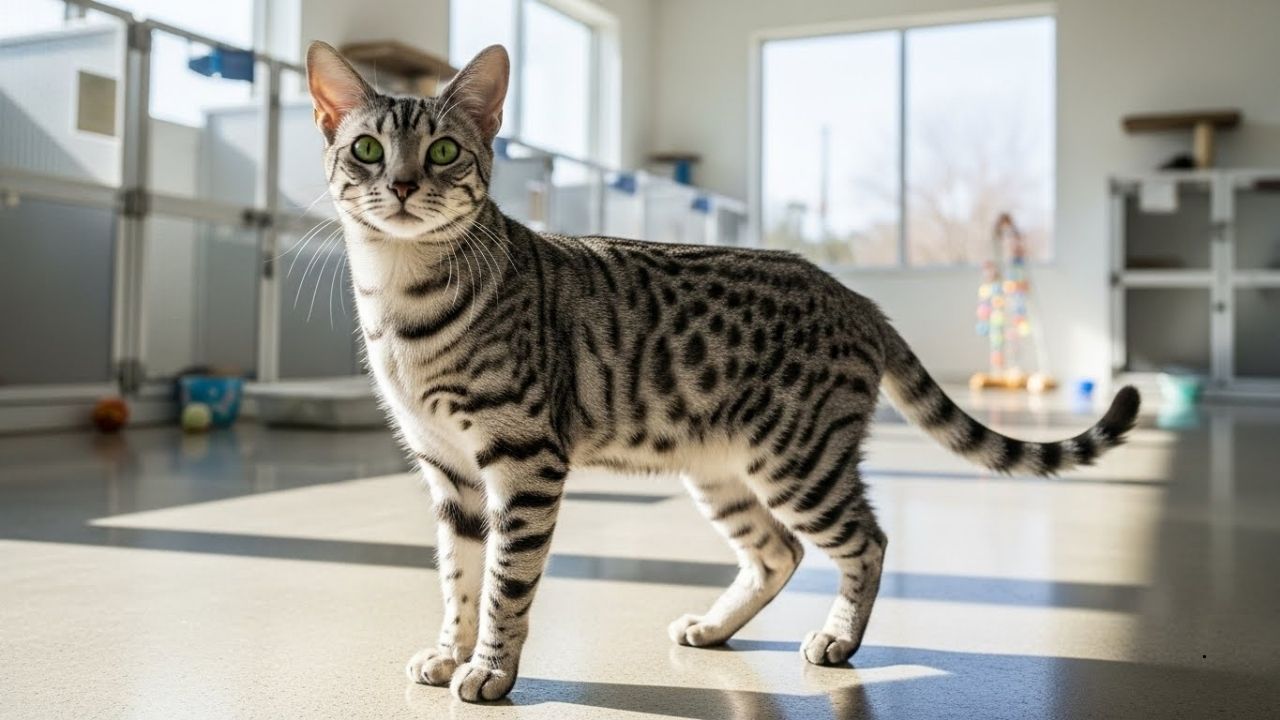
Cats may be one of the most popular pets in the world, but not all feline breeds are easy to come by—especially when it comes to animal shelters. While shelters are often filled with loving domestic shorthairs and mixed-breed cats, certain pedigreed and uncommon breeds are rarely seen.
These cats tend to have unique origins, limited breeding populations, or dedicated breeders who carefully manage placements, making them far less likely to end up in rescue environments.
Many rare cat breeds stand out because of unusual physical traits, distinctive personalities, or relatively recent development. Some feature striking coat patterns or uncommon body structures, while others are prized for temperaments that appeal to a niche group of cat lovers.
Because of their rarity and high demand, these breeds are often placed directly into permanent homes rather than surrendered to shelters.
If you’ve ever wondered why you seldom spot certain cats at adoption centers, this list offers insight. Below, we explore cat breeds that are rarely seen in shelters and uncover what makes them so uncommon—and so fascinating—to the feline world.
Cat Breeds That Are Rarely Seen in Shelters
1. Korat
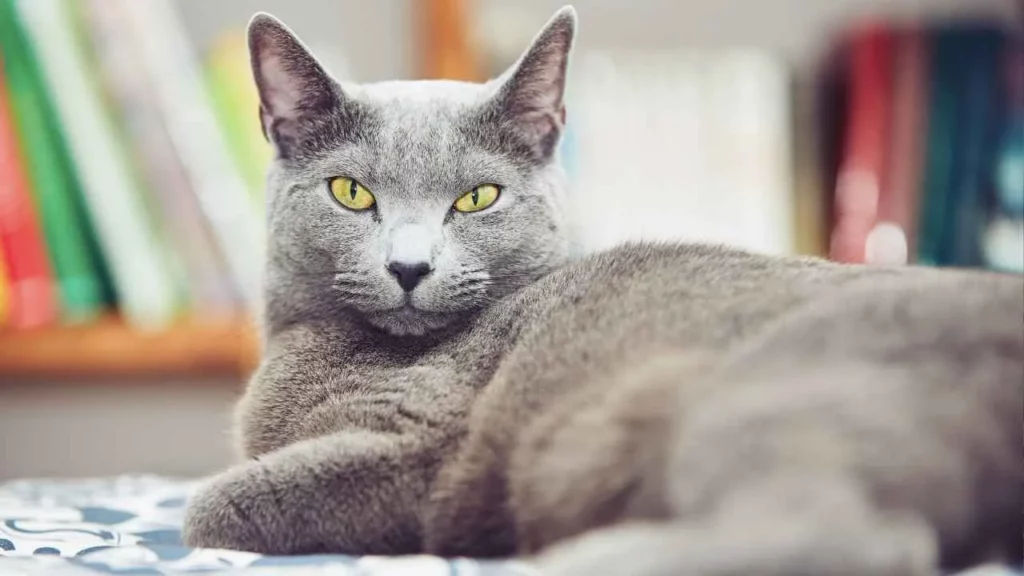
Also known as the Si-Sawat, the Korat is one of the oldest and rarest cat breeds in the world. Originating in Thailand, this blue-gray beauty is instantly recognizable by its silver-tipped coat, heart-shaped face, and luminous green eyes.
According to Britannica, the Korat is a short-haired cat breed recognized as one of the oldest naturally occurring breeds and is traditionally believed to bring good luck to its owner.
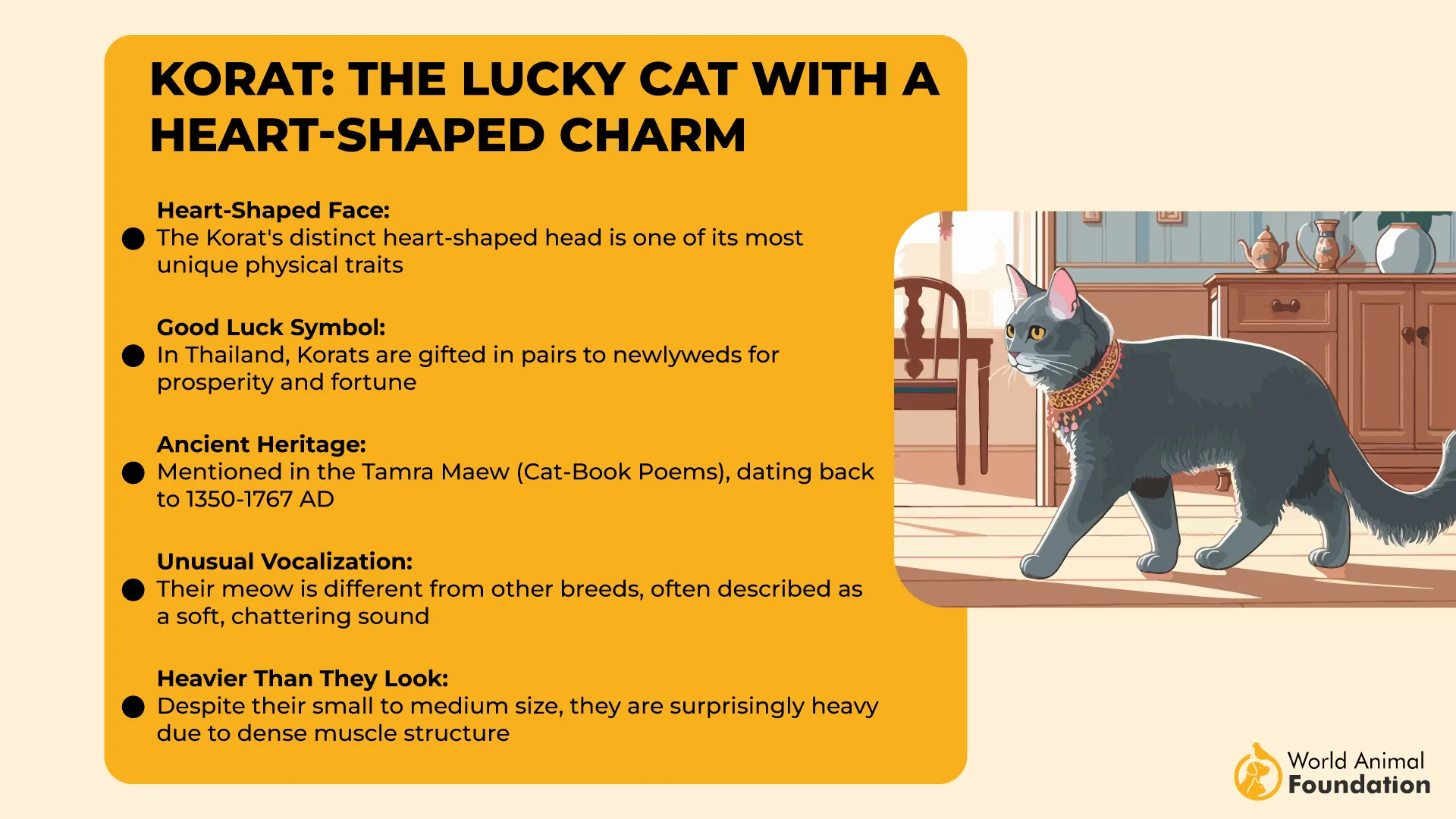
Korats are rarely seen in shelters, largely due to their deep cultural significance and limited breeding. Historically reserved for Thai royalty and monasteries, they were traditionally gifted rather than sold, a practice that still influences their careful placement today.
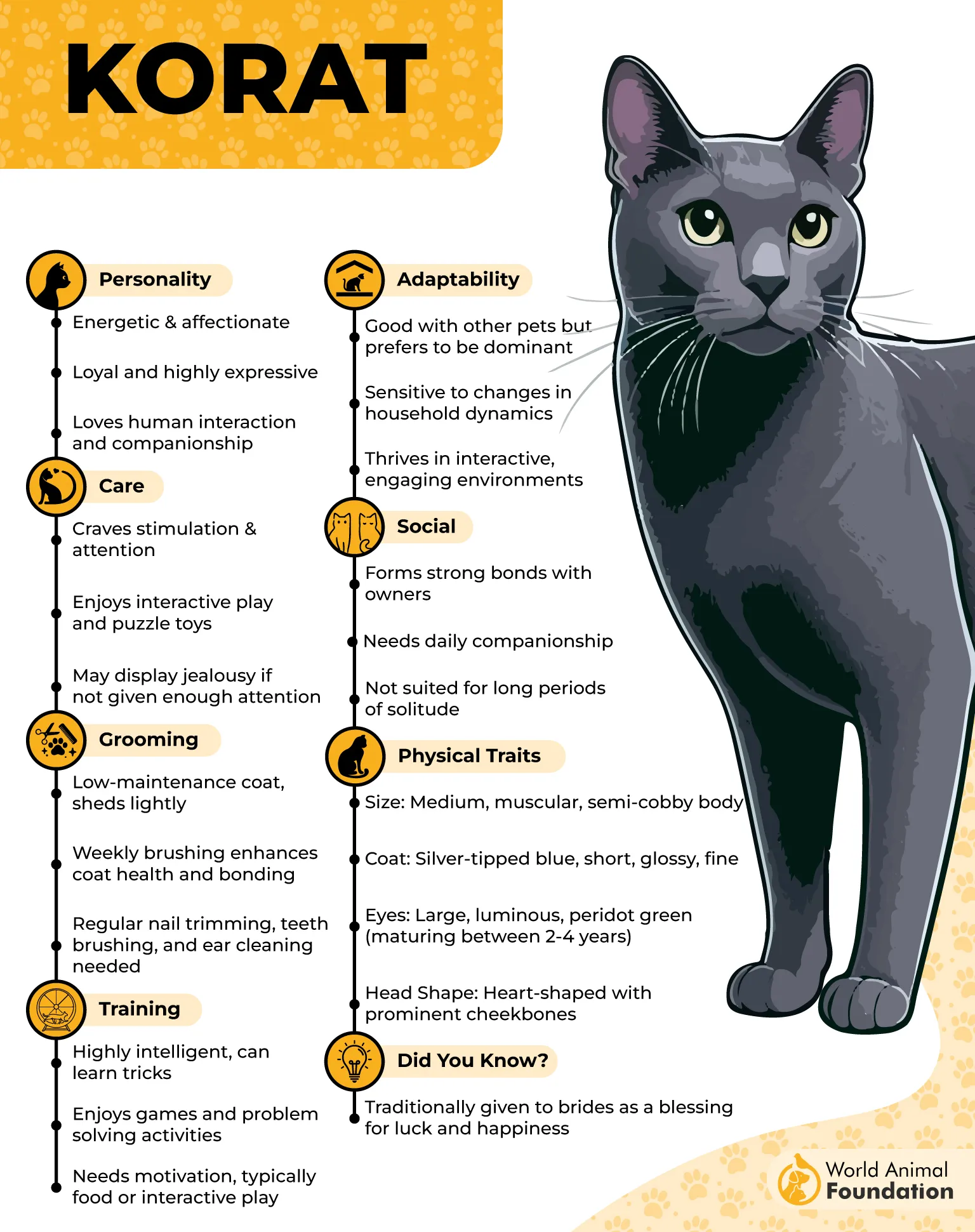
Their late arrival and slow rise in popularity outside Thailand also contribute to their scarcity. Although introduced to the U.S. in the 1950s and recognized by cat associations in the 1960s, Korats remain uncommon due to a small gene pool and responsible breeding practices.
Because they are intelligent, social, and strongly bonded to their families, Korats are typically placed in committed homes through breeders, not surrendered.
Fact: Korats are considered symbols of prosperity and good luck in Thailand and were once traditional wedding gifts meant to ensure fortune and fertility.
2. Egyptian Mau
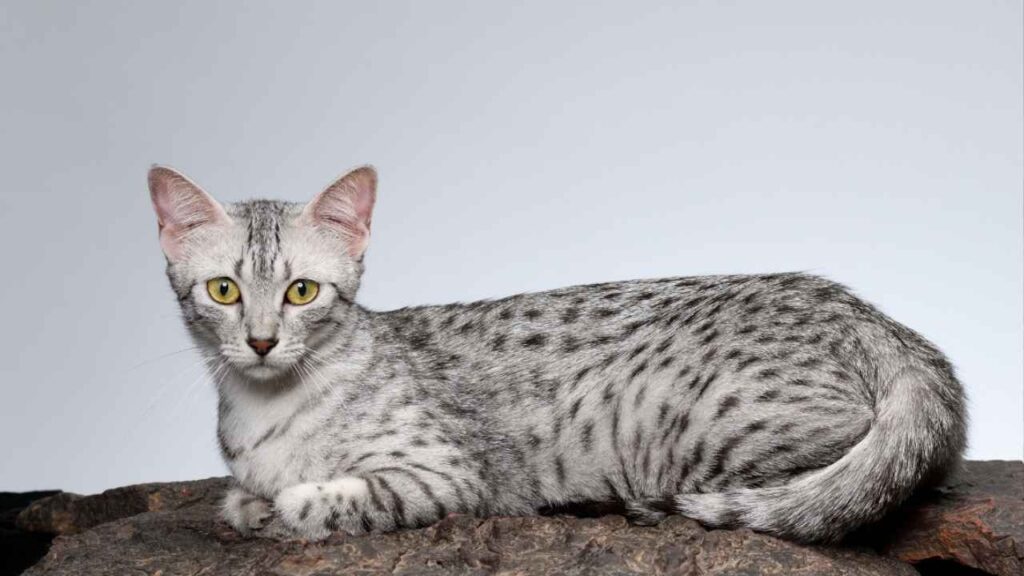
The Egyptian Mau, sometimes simply called the Mau, is instantly recognizable for its naturally spotted coat—the only naturally spotted domesticated cat breed. According to PetMD, Egyptian Maus are medium-sized, short-haired cats that descend from felines that once roamed the streets of Egypt.
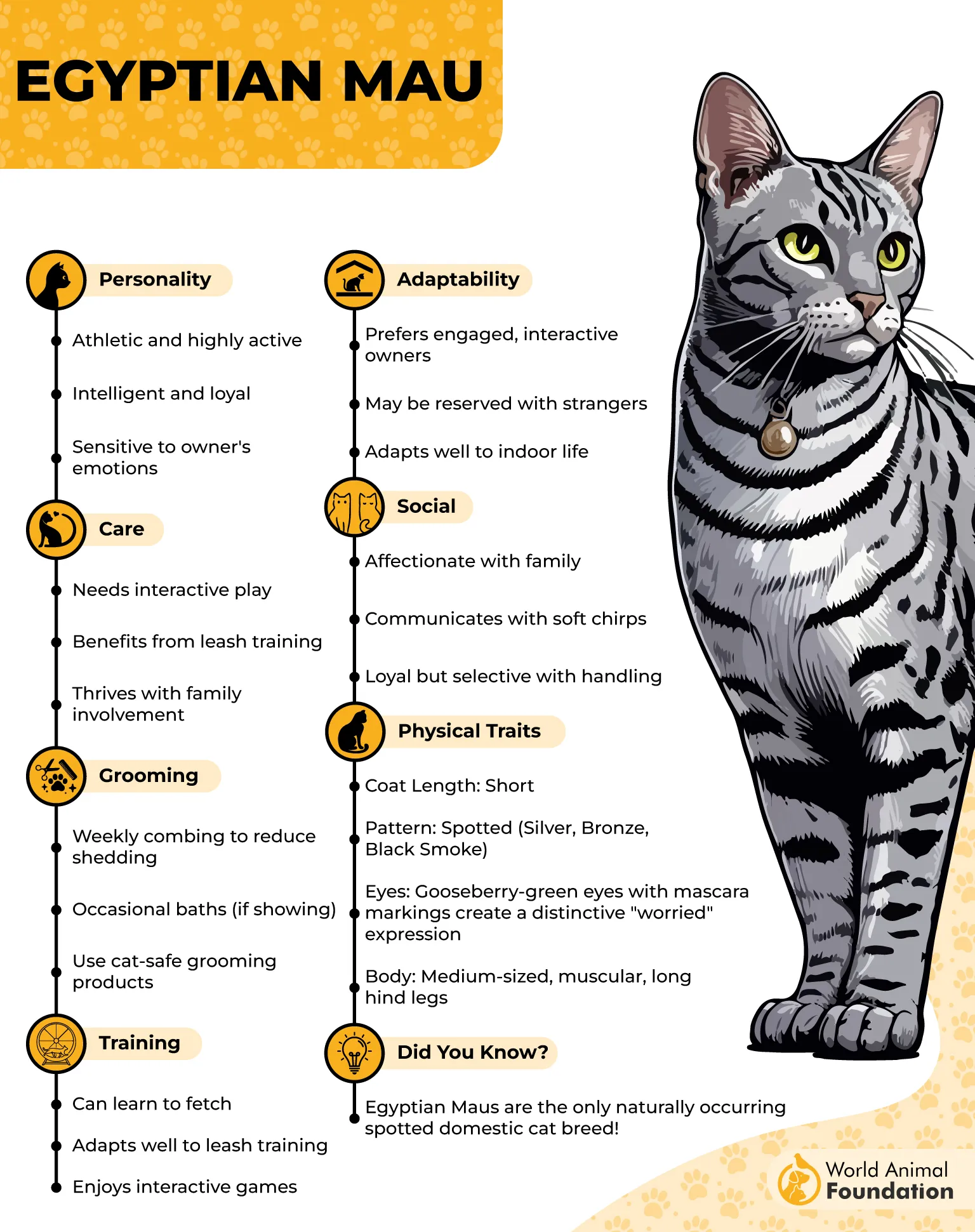
Because of their ancient lineage and limited global population, Egyptian Maus are rarely seen in shelters. They are typically bred by specialized breeders and placed carefully, which keeps ownership relatively exclusive. Their rarity and devoted fan base mean they’re more often found through waiting lists than rescue centers.
Despite their refined look, Egyptian Maus are highly athletic and alert. They form strong bonds with their families but tend to be selective, often choosing one favorite person. This reserved nature, paired with high demand, contributes to why they’re seldom surrendered.
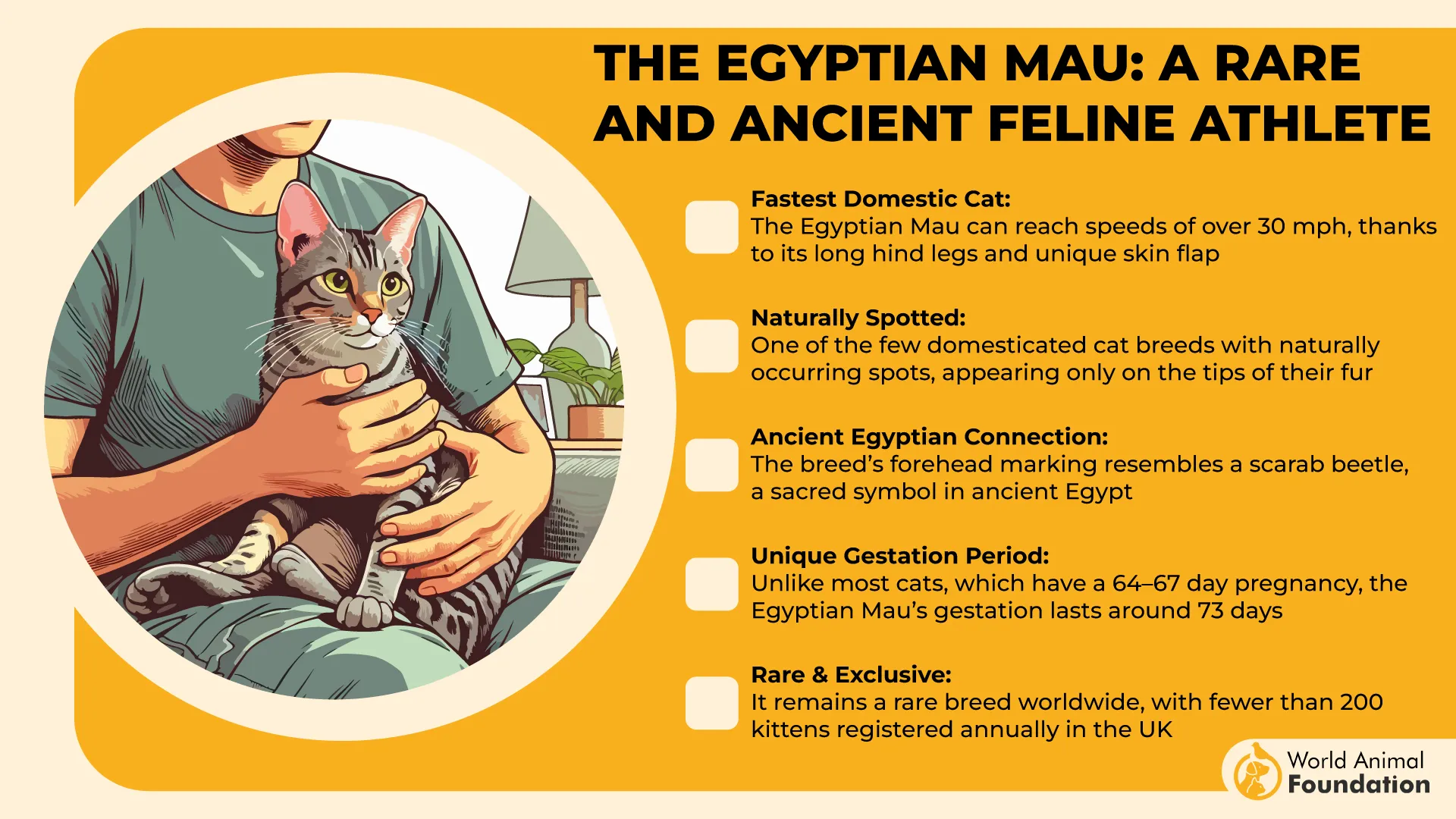
Their exclusivity is also tied to small breeding numbers and careful preservation of bloodlines. With only a few thousand worldwide, Egyptian Maus remain one of the rarest domestic cats, reinforcing their limited presence in shelters.
Fact: Egyptian Mau cats are among the fastest domestic cats, capable of reaching speeds of up to 30 miles per hour.
3. LaPerm
Also known simply as the LaPerm cat, this rare and eye-catching breed is instantly recognizable for its curly, “permed” coat that can be short or long. According to WebMD, LaPerms are sociable cats that enjoy being around people.
Originating in the United States, LaPerms stand out for their unusual fur texture and naturally affectionate demeanor, which contributes to their limited presence in shelters.
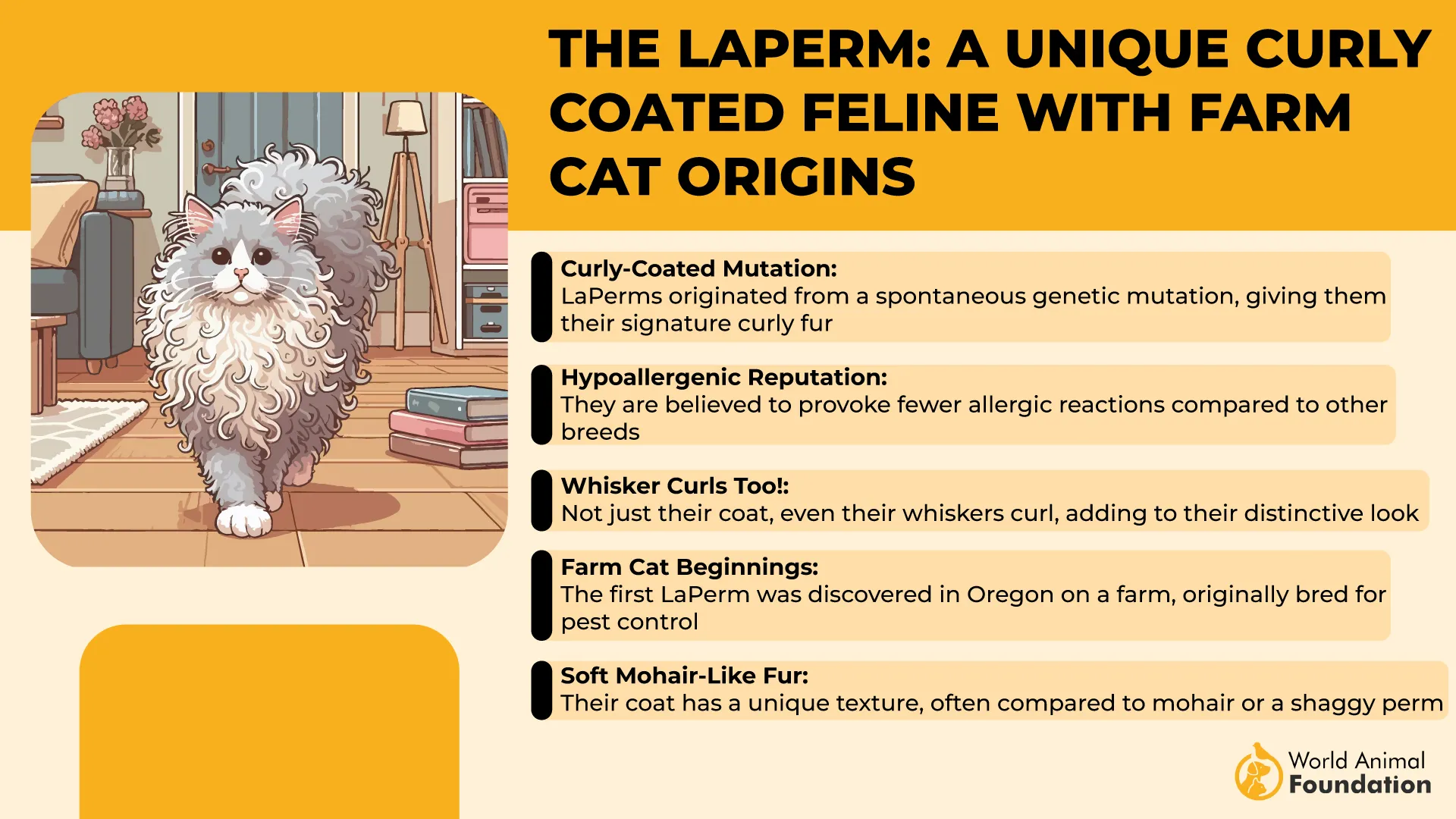
LaPerms are rarely surrendered because they form strong, lasting bonds with their humans. They are people-oriented cats that actively seek companionship, often greeting owners with gentle head rubs and soft purring. Their affectionate but not overly demanding nature makes them easy to place directly into permanent homes.
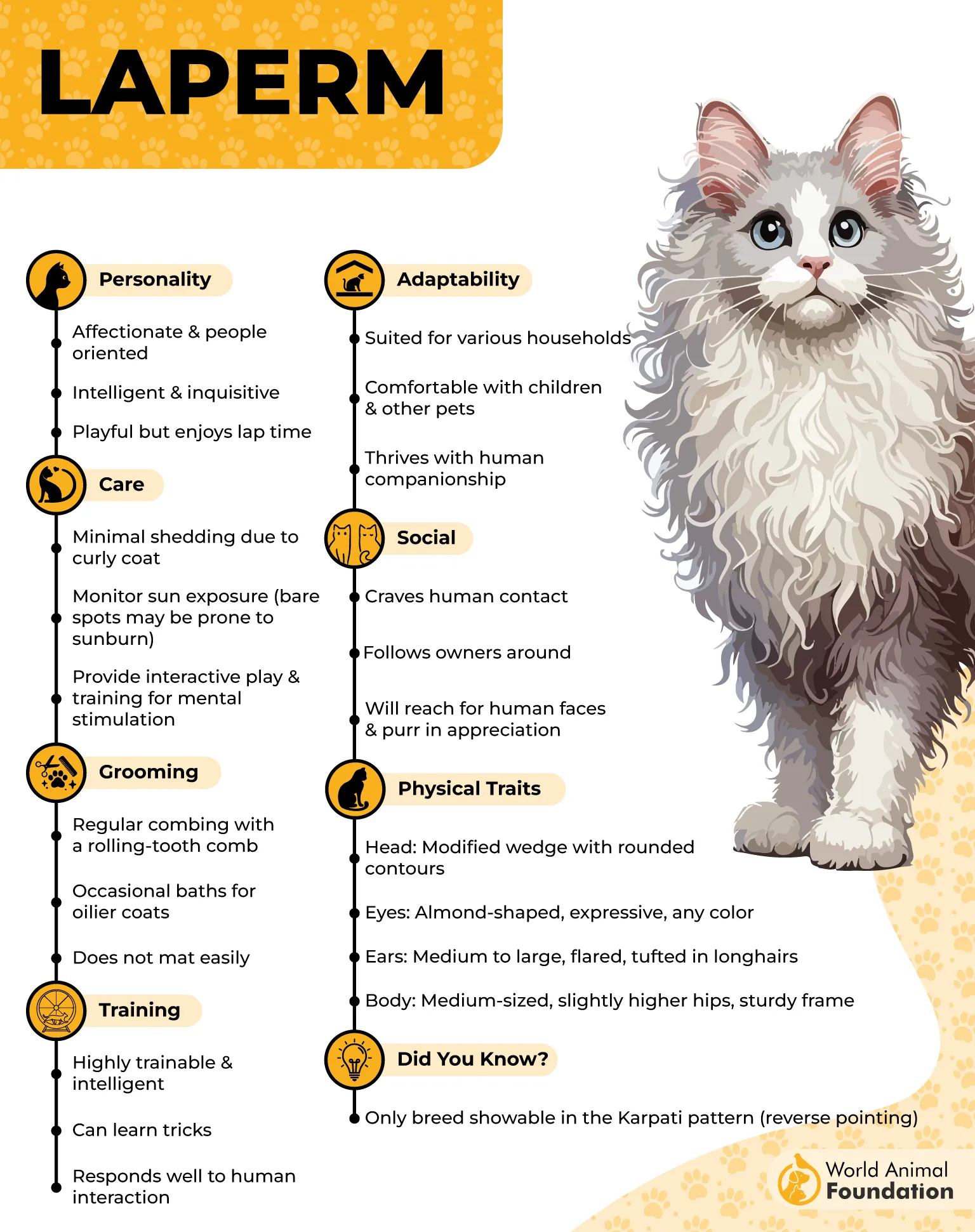
Highly intelligent and inquisitive, LaPerms enjoy learning new tricks and engaging with their families. Despite having a strong hunting instinct rooted in their barn-cat beginnings, they adapt well to indoor life and thrive on close human interaction rather than independence.
Although playful and active, LaPerms are equally content curling up as lap cats, following their owners’ routines closely.
Fact: The very first LaPerm, named Curly, was born in 1982 and passed on her signature curls and gentle temperament to future generations.
4. Chartreux
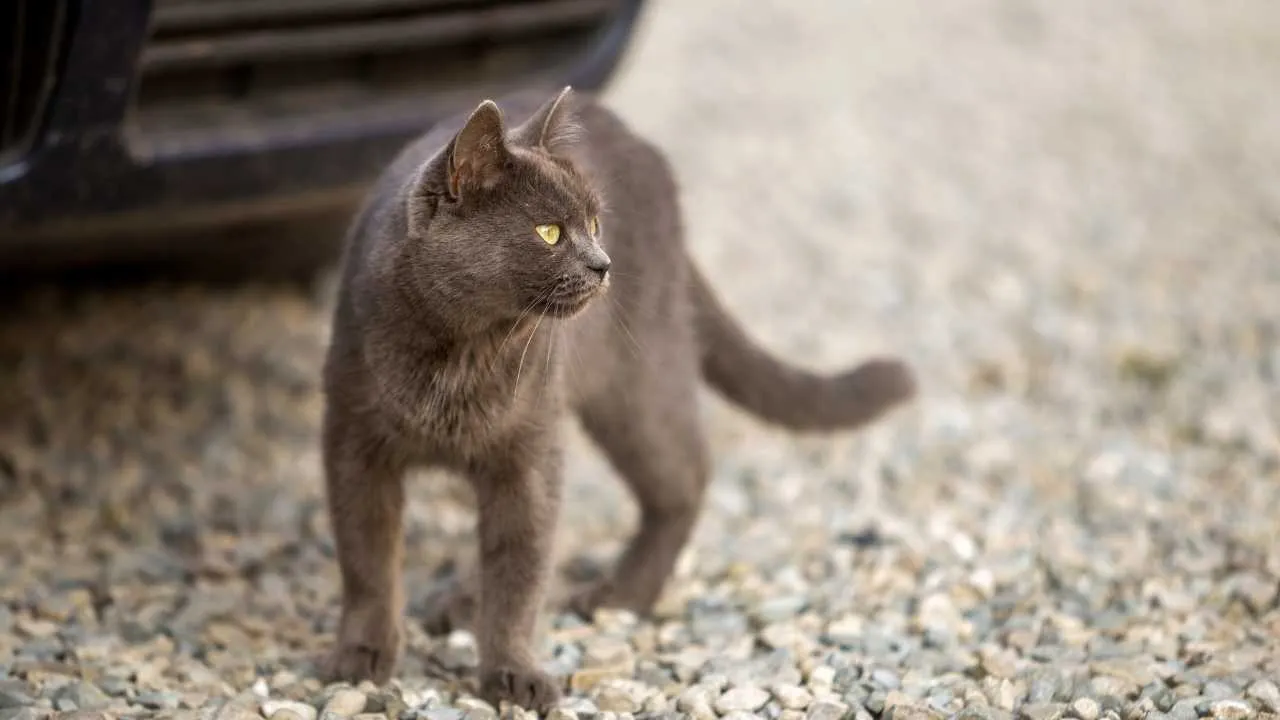
Also known as the Blue Cat of France, the Chartreux is an ancient French breed admired for its solid blue-gray coat, woolly texture, and signature “smiling” expression.
One reason Chartreux cats are rarely seen in shelters is their famously steady temperament. They are docile, friendly, and deeply loyal, forming strong bonds with their owners without being demanding. This balanced personality helps prevent behavior-related surrenders.
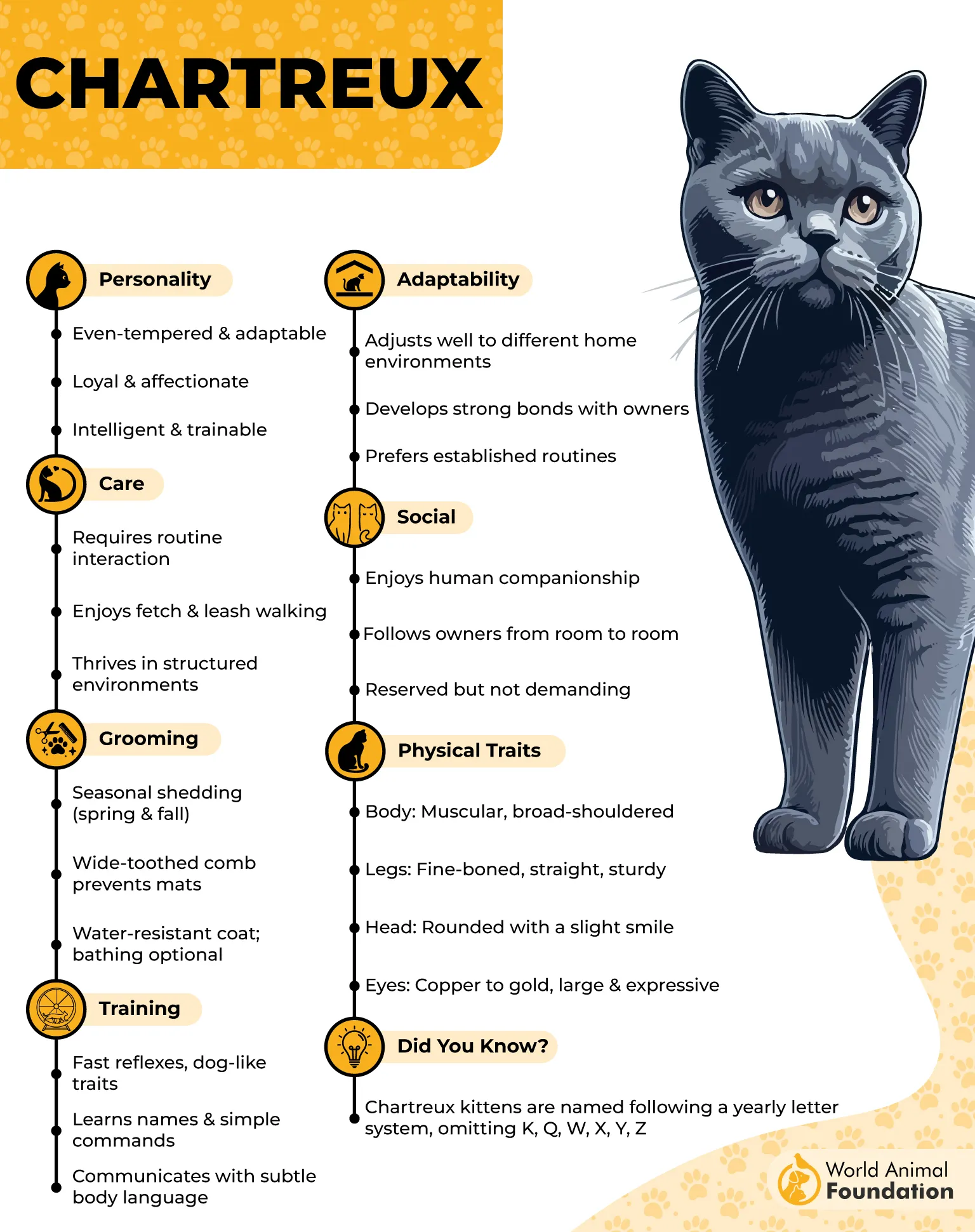
Health and hardiness also play a role in their low shelter presence. Bred carefully after near extinction during World War II, modern Chartreux lines emphasize resilience and longevity, reducing chronic health issues that can lead to rehoming.
Their quiet nature, low aggression, and adaptability to indoor life make them easy to live with long-term. Owners tend to remain committed, which further lowers surrender rates.
Fact: Chartreux cats typically weigh up to 16 pounds and are known for their calm, friendly, and docile personality.
5. American Wirehair
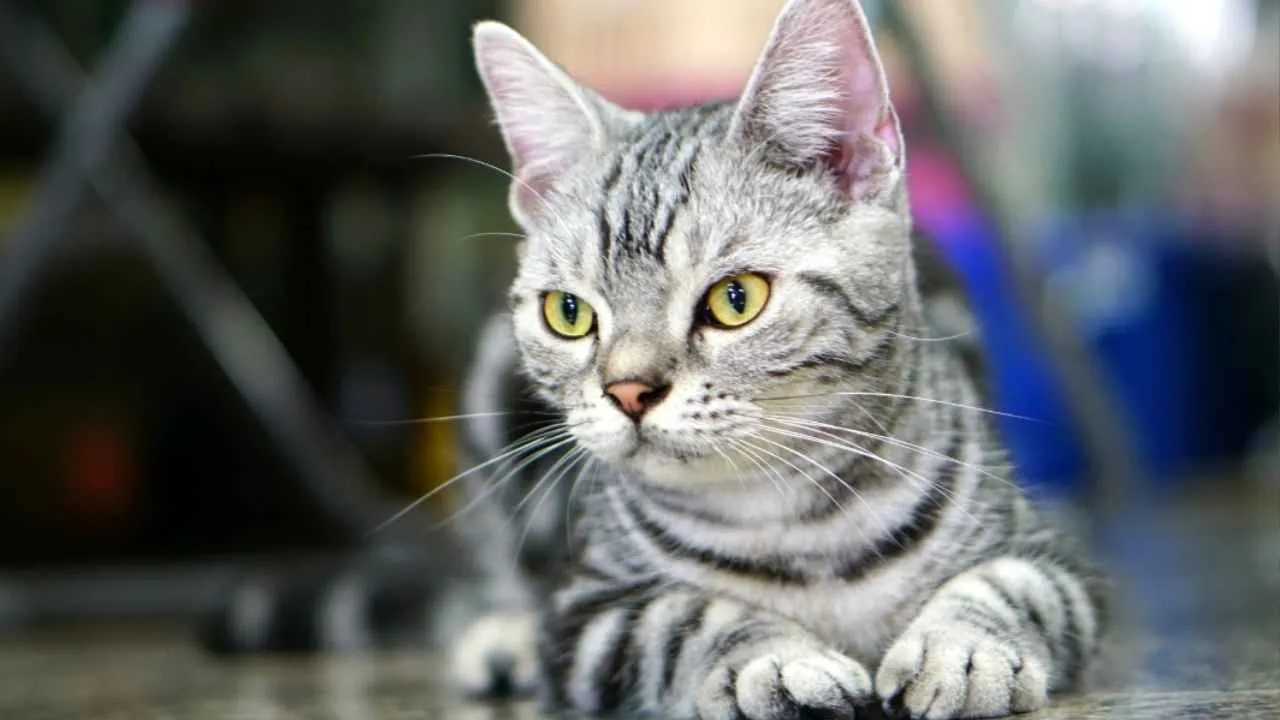
Also known simply as the Wirehair, the American Wirehair closely resembles the American Shorthair in build and temperament, but stands apart thanks to its rare, crimped coat caused by a natural mutation unique to the United States. Even its whiskers share the same wiry texture, giving the breed a truly distinctive look.
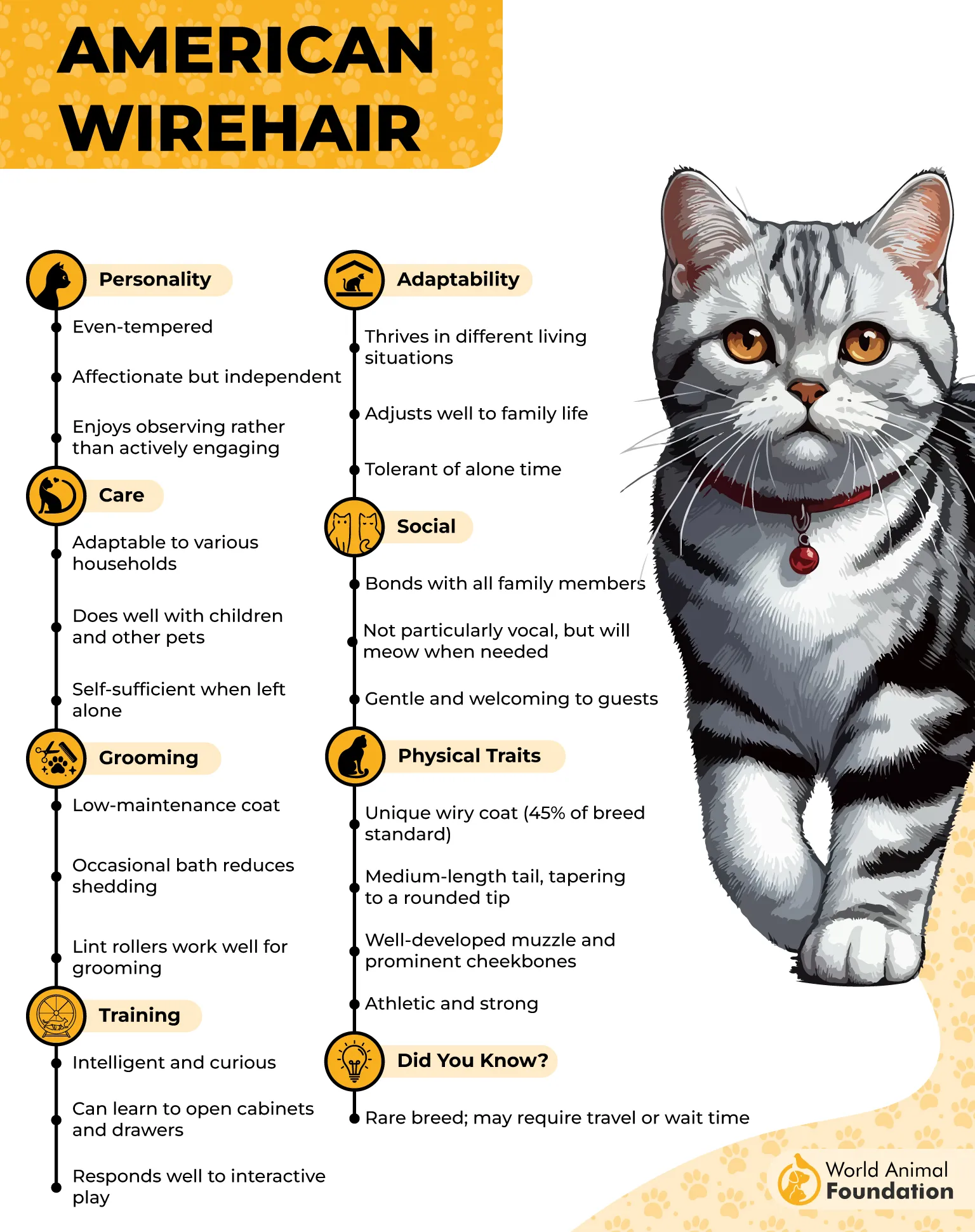
This uncommon coat mutation is one major reason the American Wirehair is rarely seen in shelters. Most kittens are carefully placed by breeders, and not every litter even produces “wired” offspring, making each cat especially valued and less likely to be surrendered.
Well-suited to indoor living, American Wirehairs are affectionate, calm, and adaptable, thriving in stable home environments. Their easygoing nature and strong bonds with owners contribute to long-term placements rather than shelter intake.
Although playful well into adulthood, they’re gentle and content indoors, which further lowers their shelter presence compared to more high-maintenance breeds.
Fact: Only about 90% of kittens from two Wirehair parents inherit the signature wiry coat, and the mutation hasn’t been reported outside the U.S.
6. Kurilian Bobtail
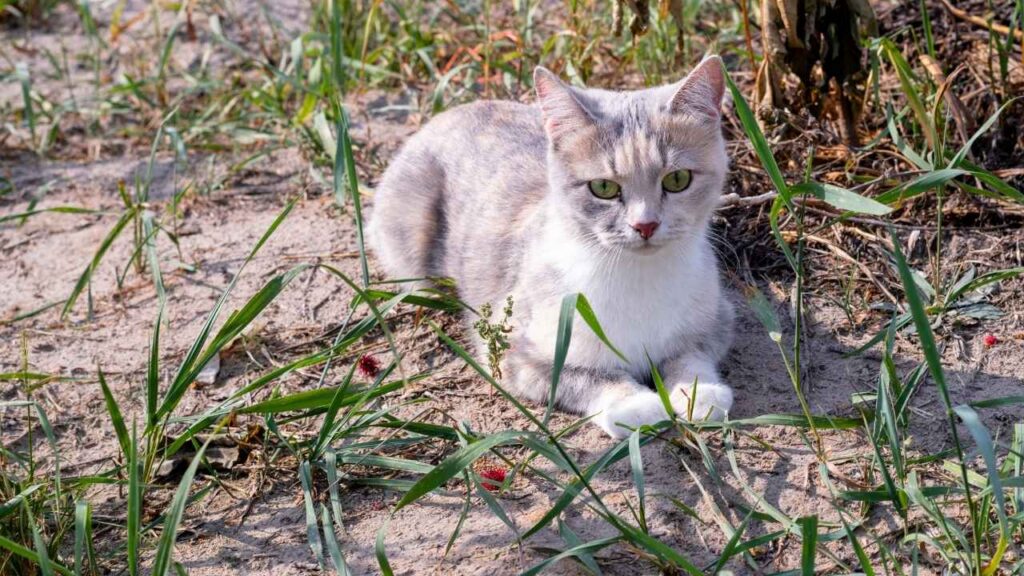
Also known as the Kuril Bobtail, this distinctive breed originated in Russia and is instantly recognizable by its short, pom-pom-like tail. Medium in size and naturally athletic, the Kurilian Bobtail remains extremely uncommon outside its homeland, which explains why it’s rarely encountered in shelters.
One major reason these cats seldom appear in rescues is the role of responsible breeders and careful placement. Breeders focus heavily on early socialization, ensuring kittens grow into confident, well-adjusted companions before joining permanent homes. Their rarity alone means very few ever enter the shelter system.
Highly intelligent and curious, Kurilian Bobtails form strong bonds with their families and generally stay in stable homes long term. Their adaptable, social temperament makes them excellent with children and other pets when introductions are handled gradually and thoughtfully.
Although their long or short coats require more grooming than average, owners are usually well-prepared for the commitment.
Fact: According to The International Cat Association, there are fewer than 100 Kurilian Bobtails registered in the United States.
7. Norwegian Forest Cat
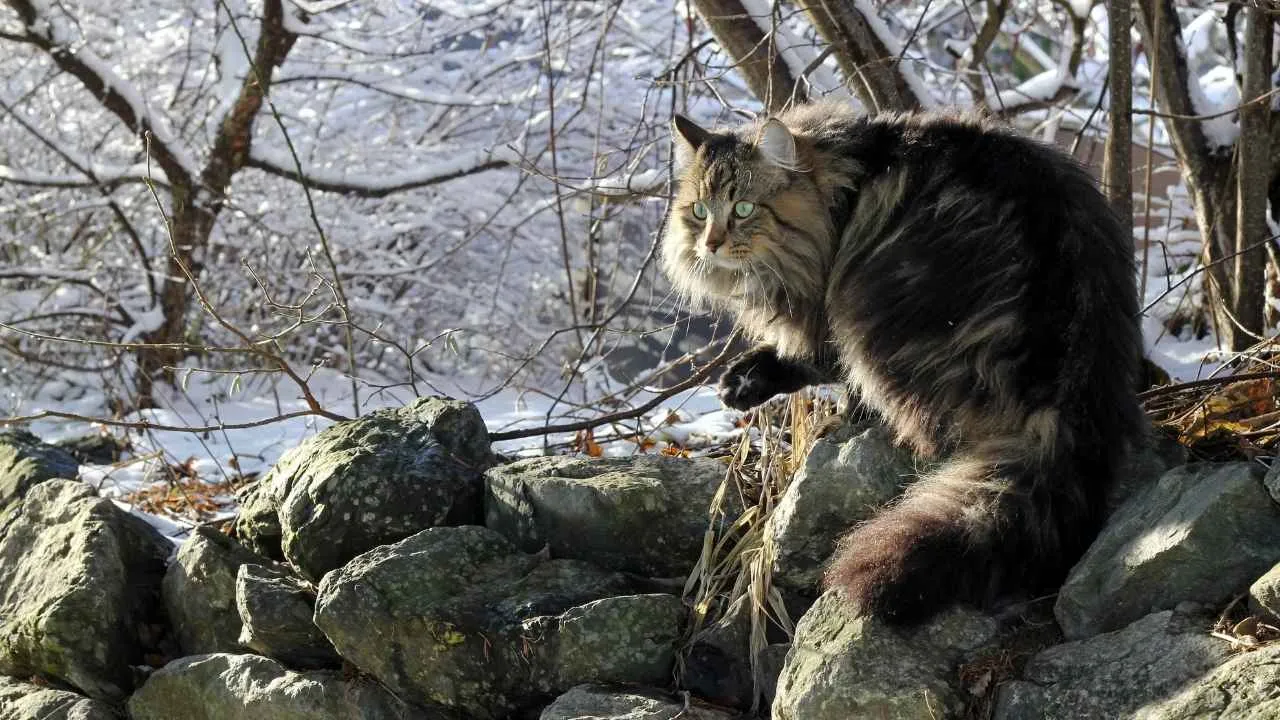
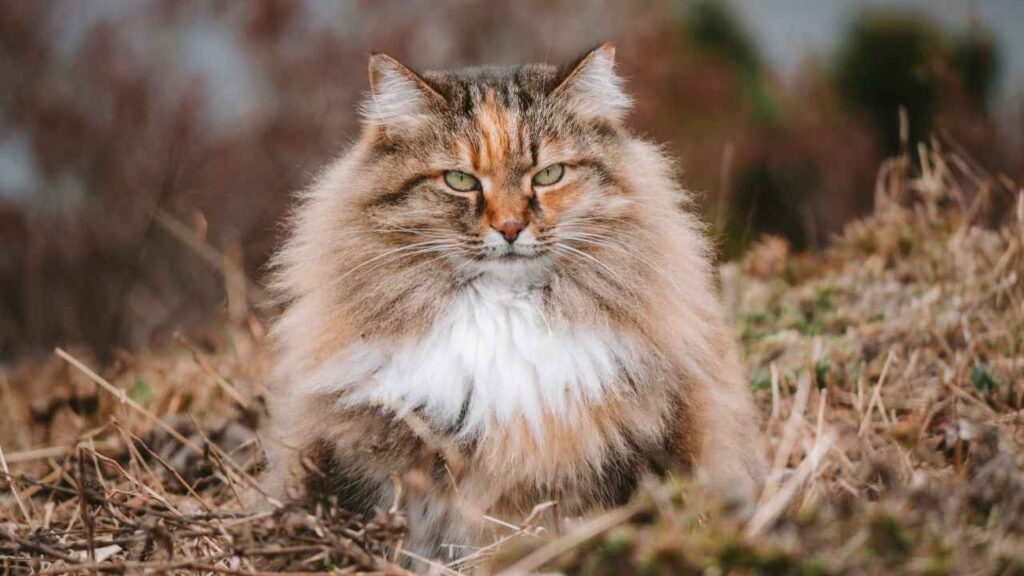
Also known as the Skogkatt, the Norwegian Forest Cat is a large, muscular natural breed that developed over centuries in Scandinavia. Its triangle-shaped head, tufted ears, and long, flowing tail give it a distinctly wild yet regal appearance.
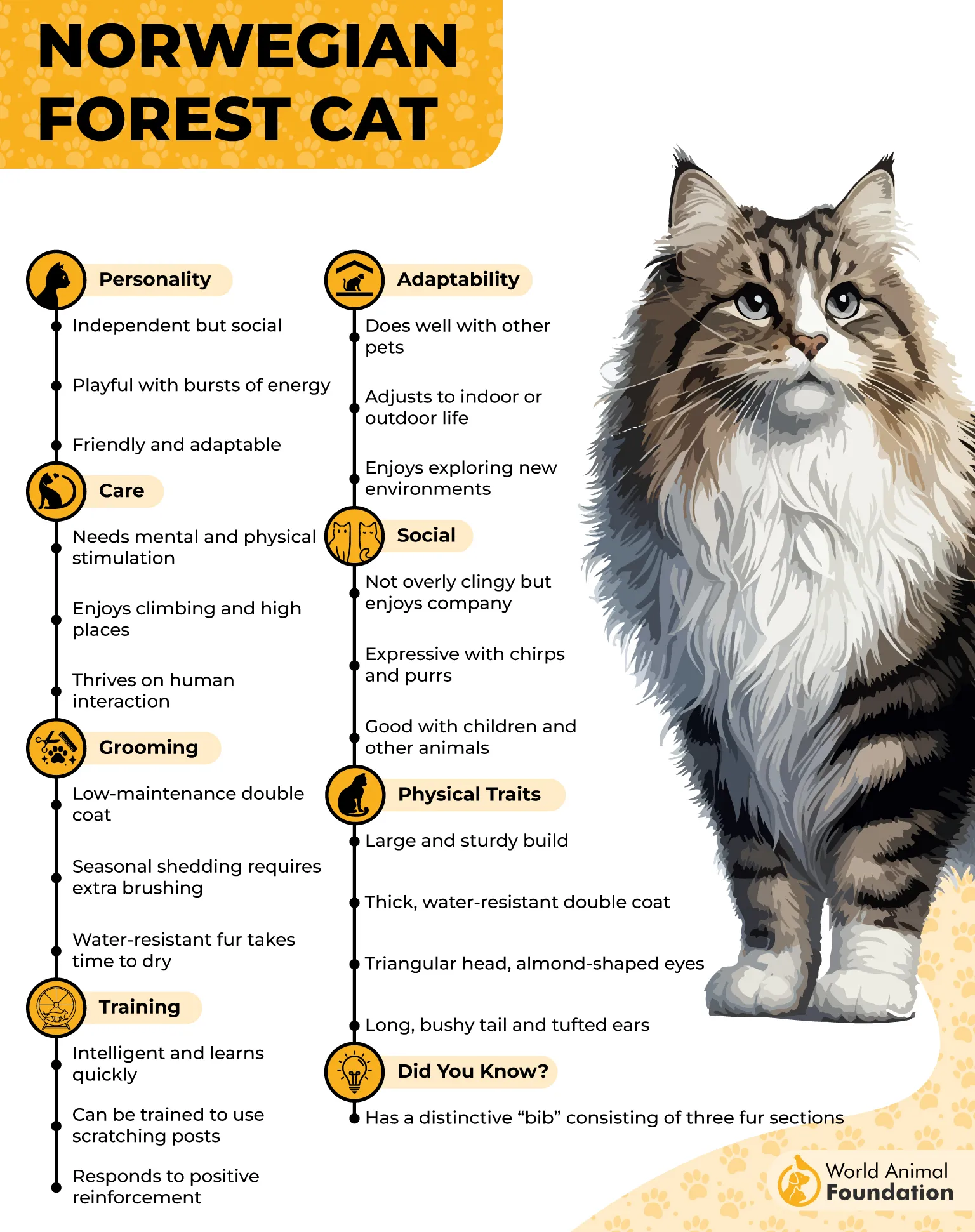
Because this is a carefully preserved purebred with a limited population, Norwegian Forest Cats are rarely seen in shelters. Most come from dedicated breeders, and their strong demand means they are usually placed directly into permanent homes rather than surrendered.
Their friendly, adventurous temperament and medium energy level make them cherished companions, which further reduces the likelihood of rehoming. Owners who seek out this breed are often well-prepared for its grooming needs and long-term care.
In shelter trends, mixed-breed cats are far more common, while natural breeds like the Norwegian Forest Cat remain uncommon due to controlled breeding and committed ownership.
Fact: This breed has a thick, water-resistant double coat that protects it from harsh, cold climates.
8. Ragamuffin
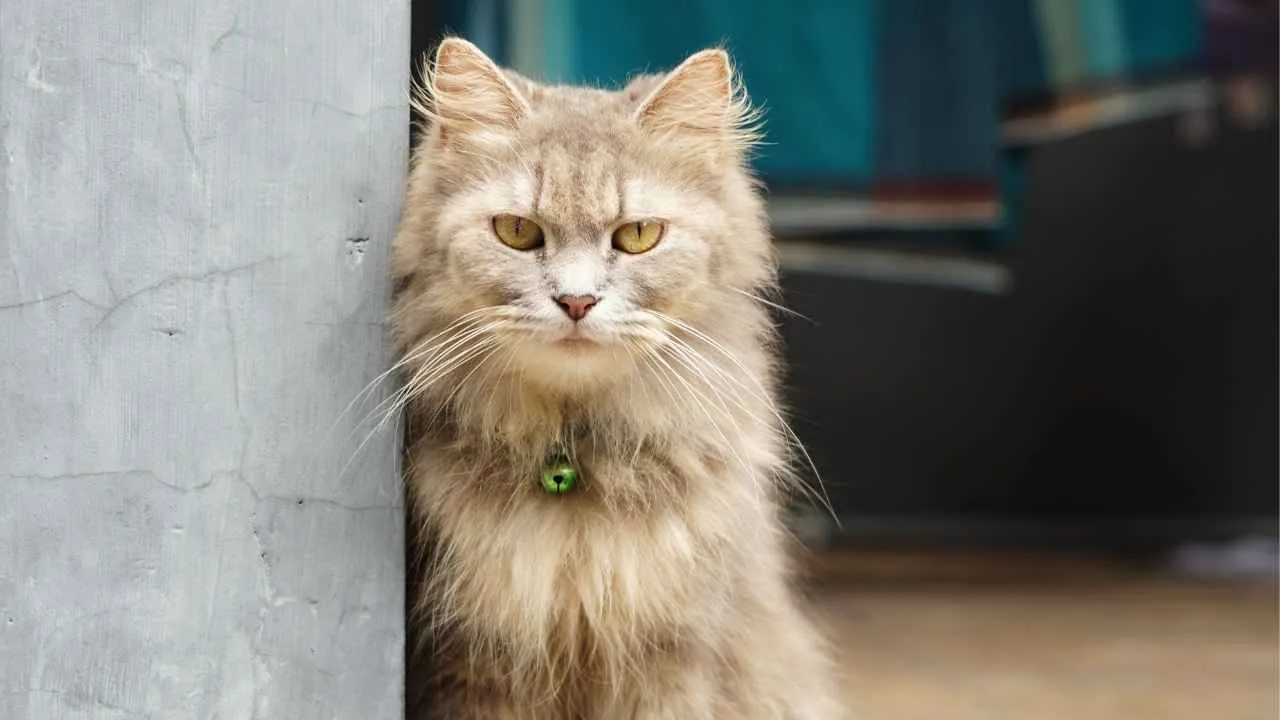
The Ragamuffin, sometimes mistaken as a close cousin of the Ragdoll, is a large, sturdy cat known for its plush, rabbit-soft coat and oversized, expressive eyes. Officially recognized by the CFA in 2003, this relatively new breed comes in every color and pattern, setting it apart from its pointed-only relatives.
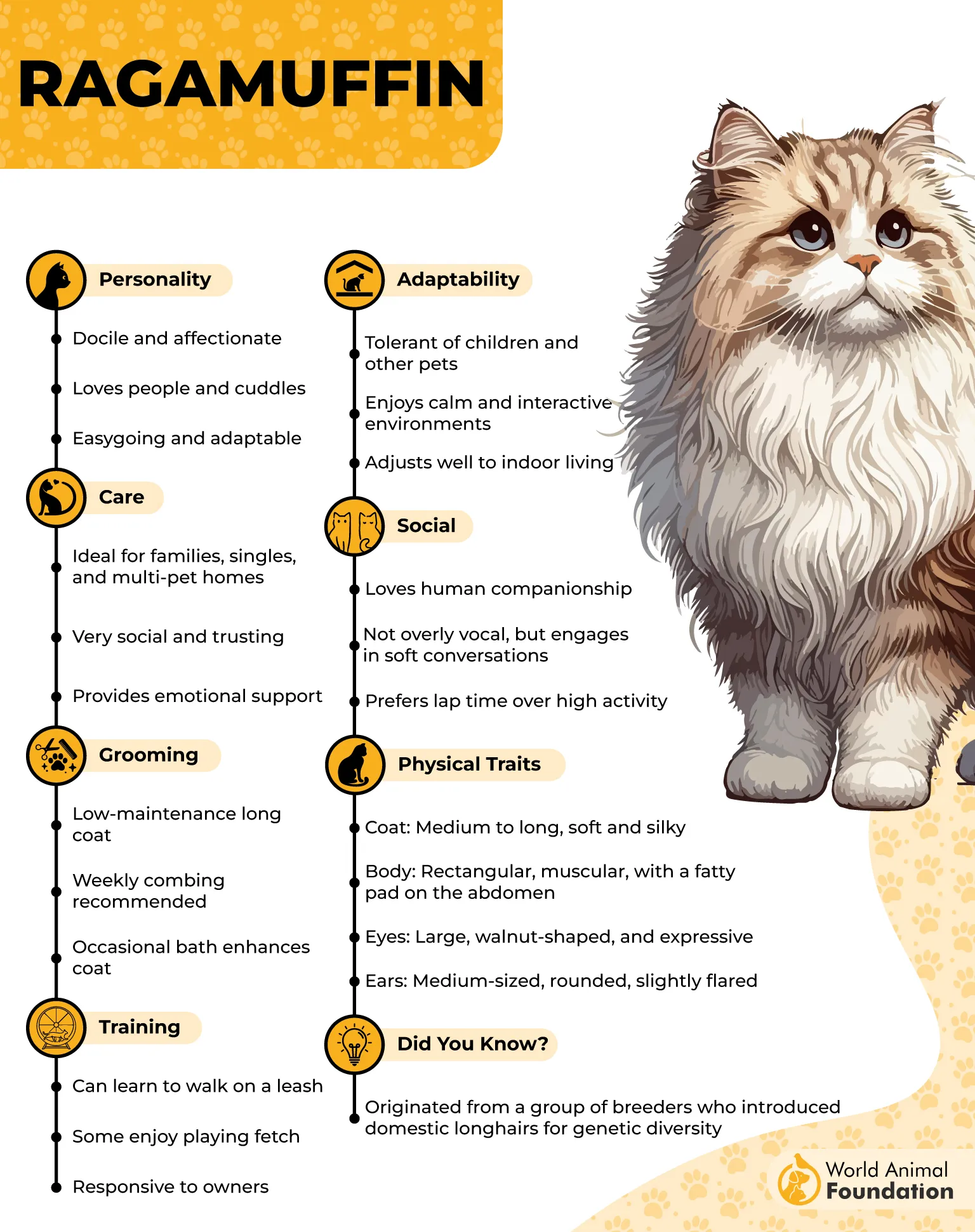
Ragamuffins are rarely seen in shelters, largely because of intentional breeding and high placement rates. Their calm, predictable temperament makes them highly desirable, meaning kittens are typically reserved well in advance through breeders rather than surrendered later in life.
For families and first-time cat owners, Ragamuffins are easy to live with. They’re gentle, tolerant, and unlikely to show problematic behaviors such as sudden aggression or destructive boredom, which contributes to long-term, stable ownership.
Shelter statistics often reflect that cats with adaptable personalities and low-maintenance coats stay in homes permanently. Ragamuffins fit this profile perfectly, combining forgiving behavior with a coat that resists matting despite its length.
Fact: The Ragamuffin was accepted for the CFA Championship, showing just three years after its initial registration.
9. Burmilla
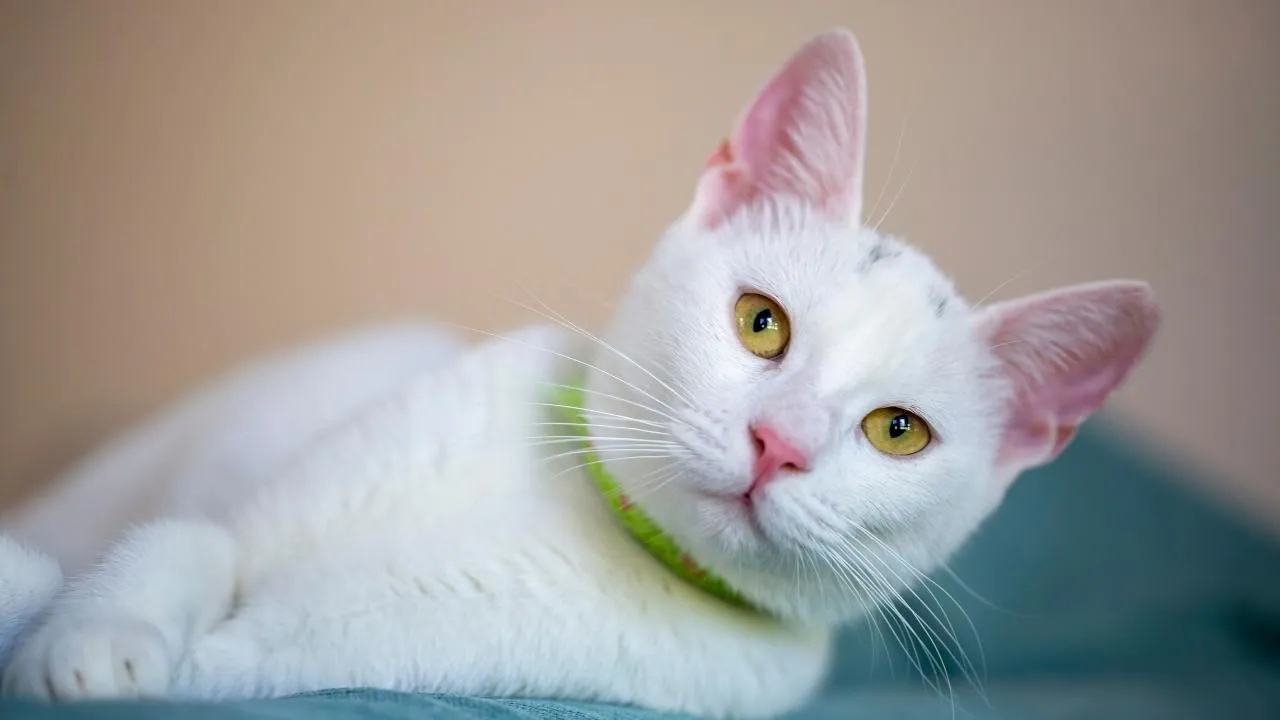
Also known simply as the Burmilla cat, this elegant breed originated in England after an accidental pairing between a Chinchilla Persian and a Burmese in the early 1980s.
Recognized for its shimmering silver coat, soft shading, and distinctive “eyeliner” markings, the Burmilla remains uncommon in shelters, especially outside Great Britain.
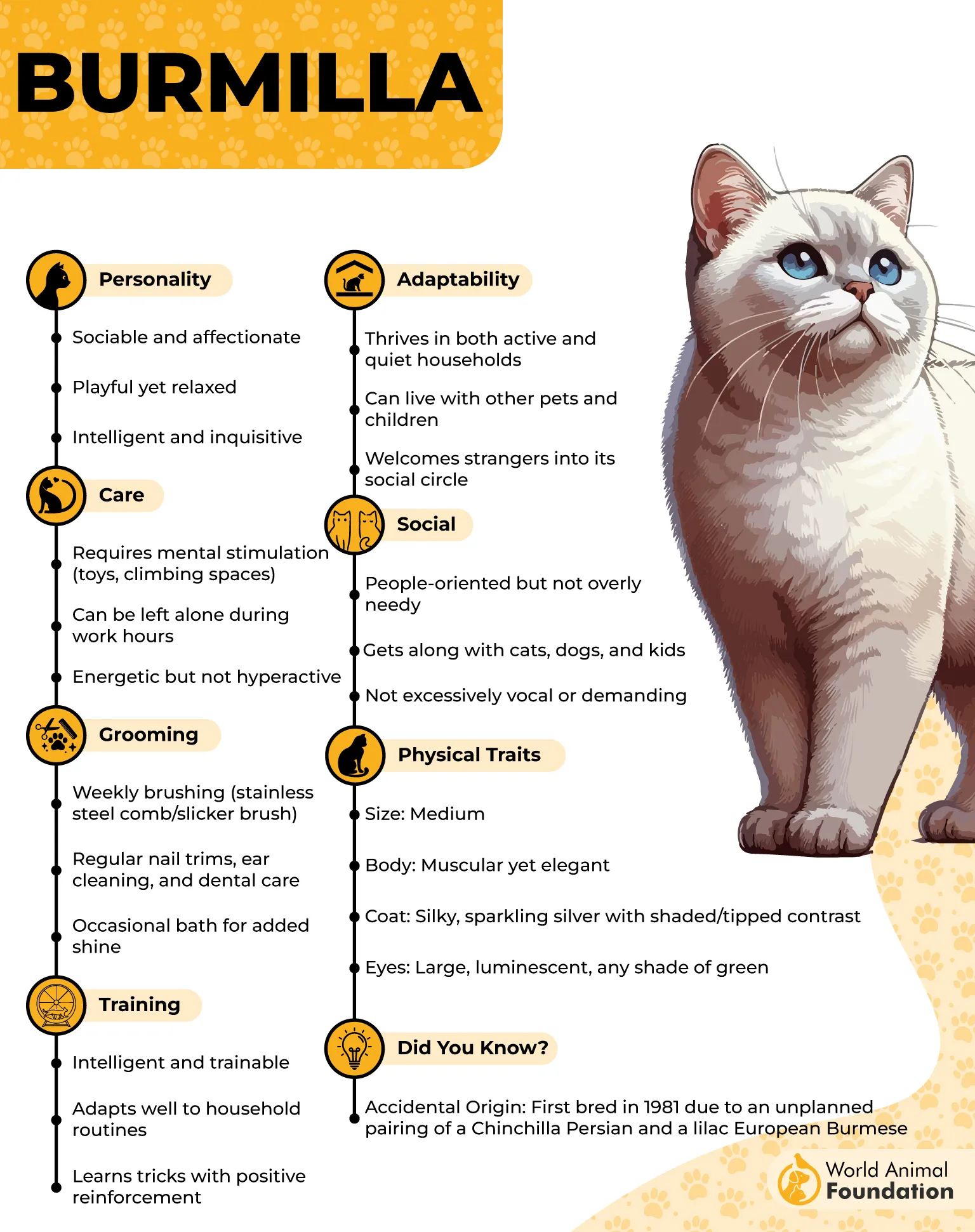
Burmillas are rarely seen in shelters, largely because they are still a developing and relatively rare breed in many countries. Most are carefully placed by breeders, and their gentle, affectionate temperament makes them highly valued companions that are seldom surrendered. Their balanced personality suits a wide range of homes, reducing the likelihood of rehoming.
When considering adoption beyond breed, it’s worth noting that Burmillas are intelligent, people-oriented cats that thrive on companionship. Potential adopters should ensure they can provide long-term stability, routine interaction, and regular grooming to maintain their coat’s appearance.
Fact: Although kitten prices typically convert to roughly $1,400–$1,550, adult Burmillas may be less costly, and they often live 12–15 years, making them a long-term commitment.
Conclusion
Choosing cat breeds that are rarely seen in shelters often means understanding why many cats, from a purebred cat to an outgoing breed, are more likely to be adopted quickly. Traits like playful personalities, folded ears in Scottish Fold cats, or the striking look of a hairless cat make them appealing to pet parents seeking wonderful pets.
While black cats and fearful cats may face outdated myths or bad luck stereotypes, each cat deserves appreciation for the joy they bring. From a Siamese cat with a long history to breeds with wavy fur, many cats form deep bonds with family members.
At the same time, older cats, a senior cat, or special needs cats—including those with feline immunodeficiency virus—can still bring so much joy and constant cuddles.
Shelter staff often emphasize that every cat deserves a forever home, whether they’re likely to be adopted quickly or need extra patience. Your next pet could be one of many cats waiting to share love with other cats and their future families.
