




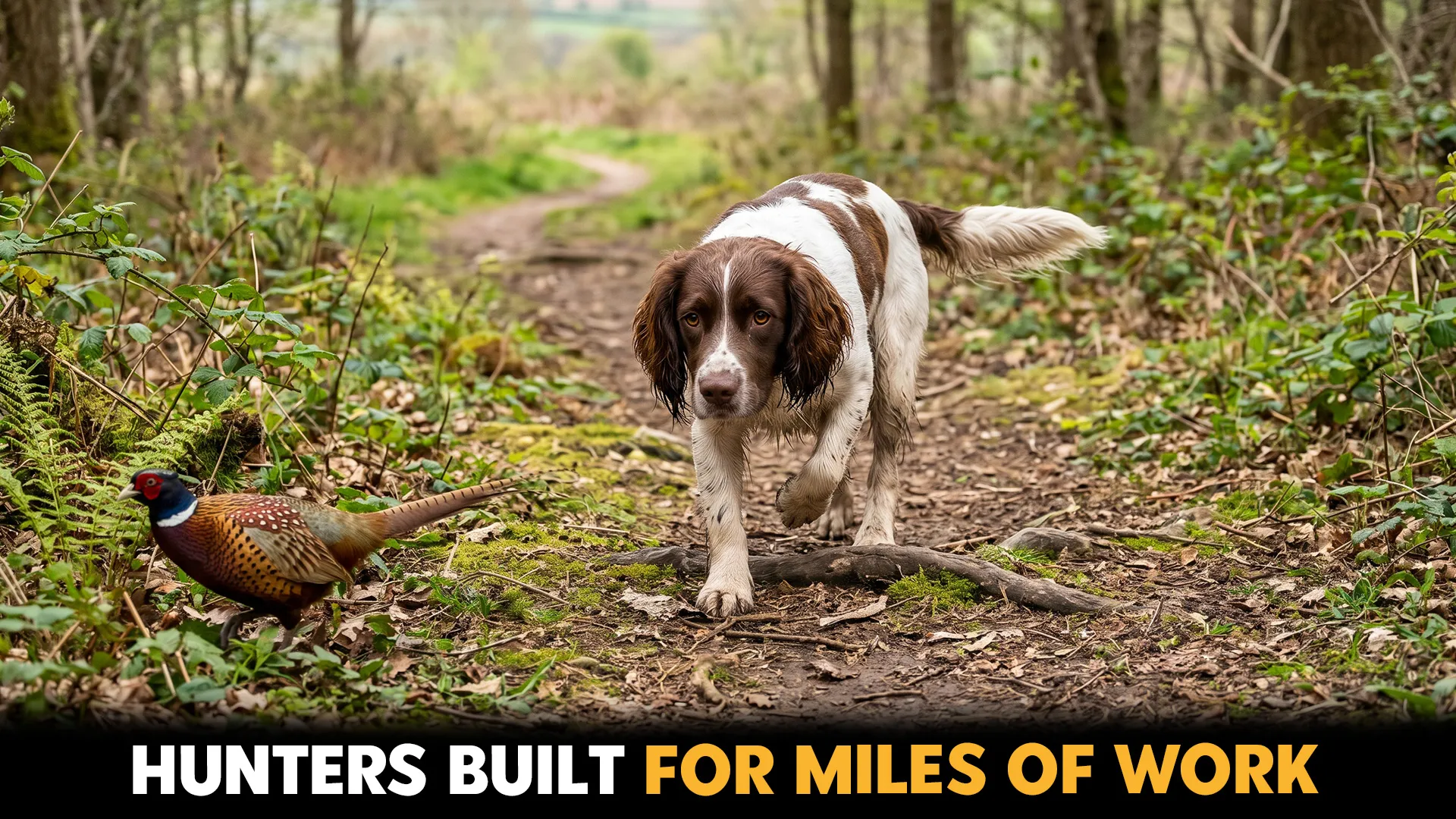
A successful hunting trip can depend on what happens when the trail becomes difficult to follow. When game moves across vast distances, through dense cover or over challenging terrain, an ordinary companion may not have the instincts or stamina needed to keep up.
This is where specialized hunting dogs prove their worth. With keen noses, remarkable endurance, and an instinctive drive to follow scents, certain breeds can stay focused long after a trail becomes difficult to detect.
From dedicated scent hounds that pursue running game to versatile hunting dogs trained to locate wounded animals, each brings different abilities to the field. However, natural talent alone is not enough. Proper training, physical fitness, and a strong partnership with the handler are equally important.
If you are looking for a dependable four-legged tracking companion, these hunting dog breeds deserve a closer look.
Key Takeaways
Long-distance hunting dogs need excellent scenting abilities, stamina, and determination to follow trails over challenging terrain.
Different hunting breeds bring unique strengths, from powerful noses to impressive endurance and speed.
Strong prey drives help tracking dogs remain focused when following the scent of game.
Consistent training is essential for developing reliable tracking skills and managing natural hunting instincts.
Some hunting breeds work particularly well in packs, while others are suited to independent tracking.
Best Hunting Dog Breeds for Long-Distance Tracking
1. Bloodhound
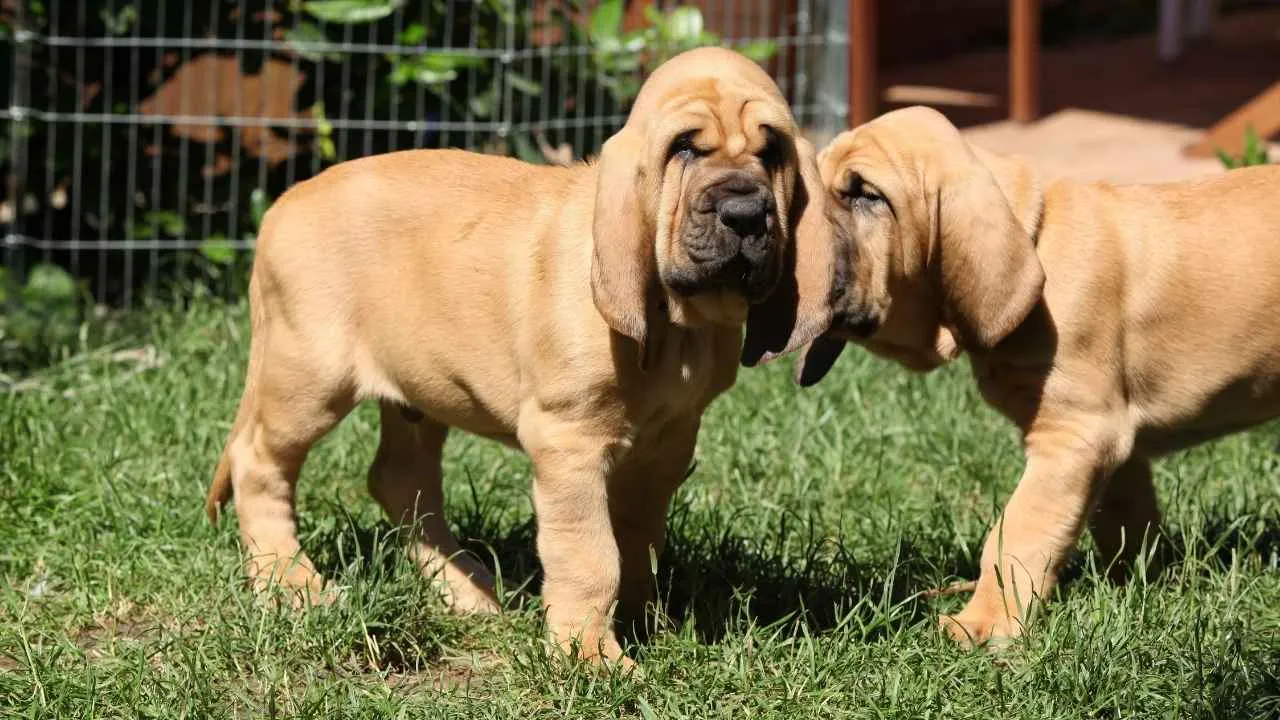
With its deeply wrinkled face, drooping ears, and powerful build, the Bloodhound is instantly recognisable.
Yet its most remarkable feature is not its appearance but its extraordinary nose. It has been bred for centuries to follow the scent of wounded game across vast distances.
This determined hound has an exceptional ability to stay on a trail, even when it has gone cold for several days.
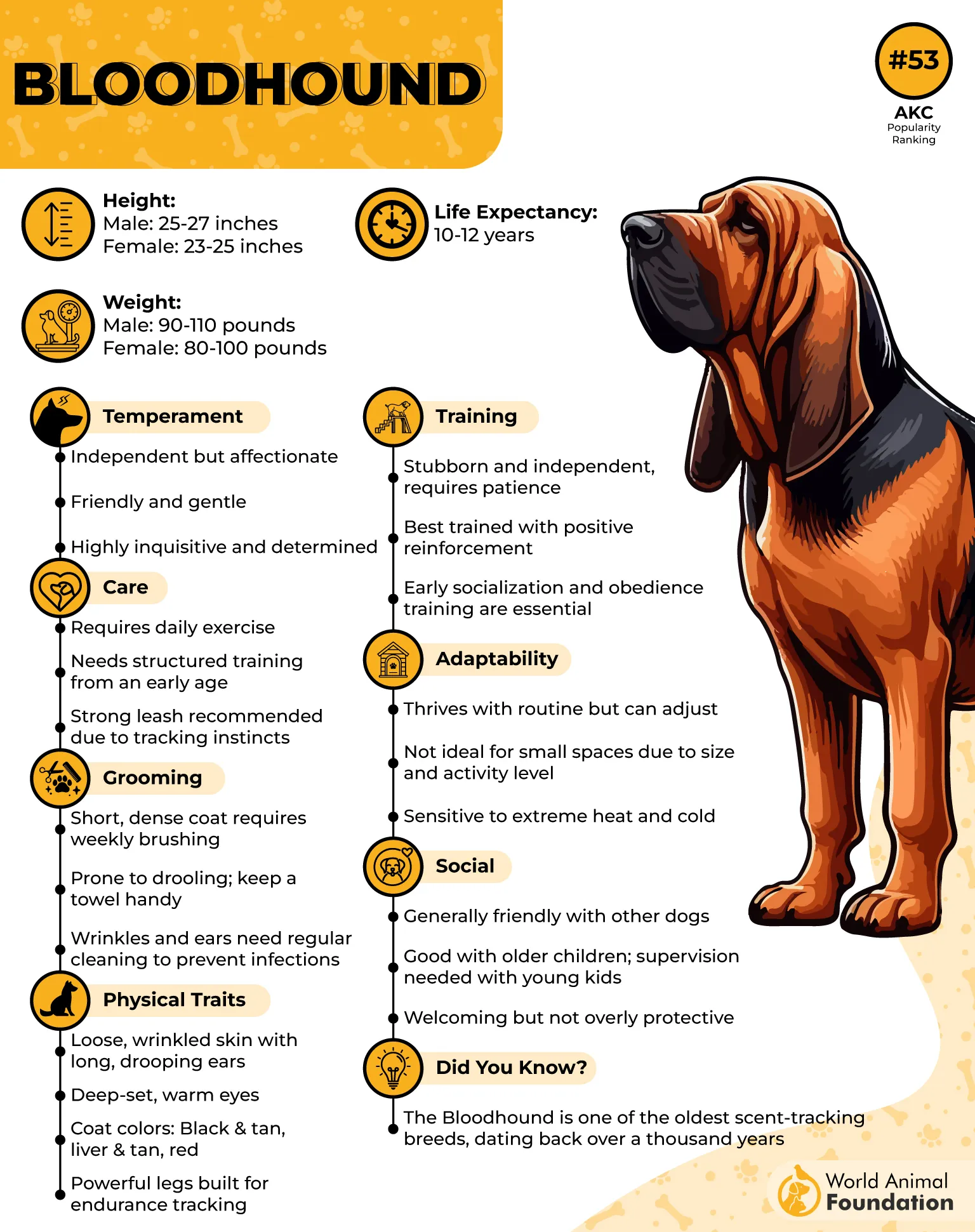
Its ancestry can be traced to the St. Hubert’s Hounds, which were used to track wolves, deer, and other animals, according to Purina.
Later brought to Britain by William the Conqueror, Bloodhounds became valued hunting companions, particularly for tracking wounded deer. Today, their incredible scenting abilities also make them valuable in search-and-rescue operations and law enforcement.
However, living with one requires patience, experience, plenty of exercise, and an understanding of its powerful tracking instincts.
2. German Shepherd
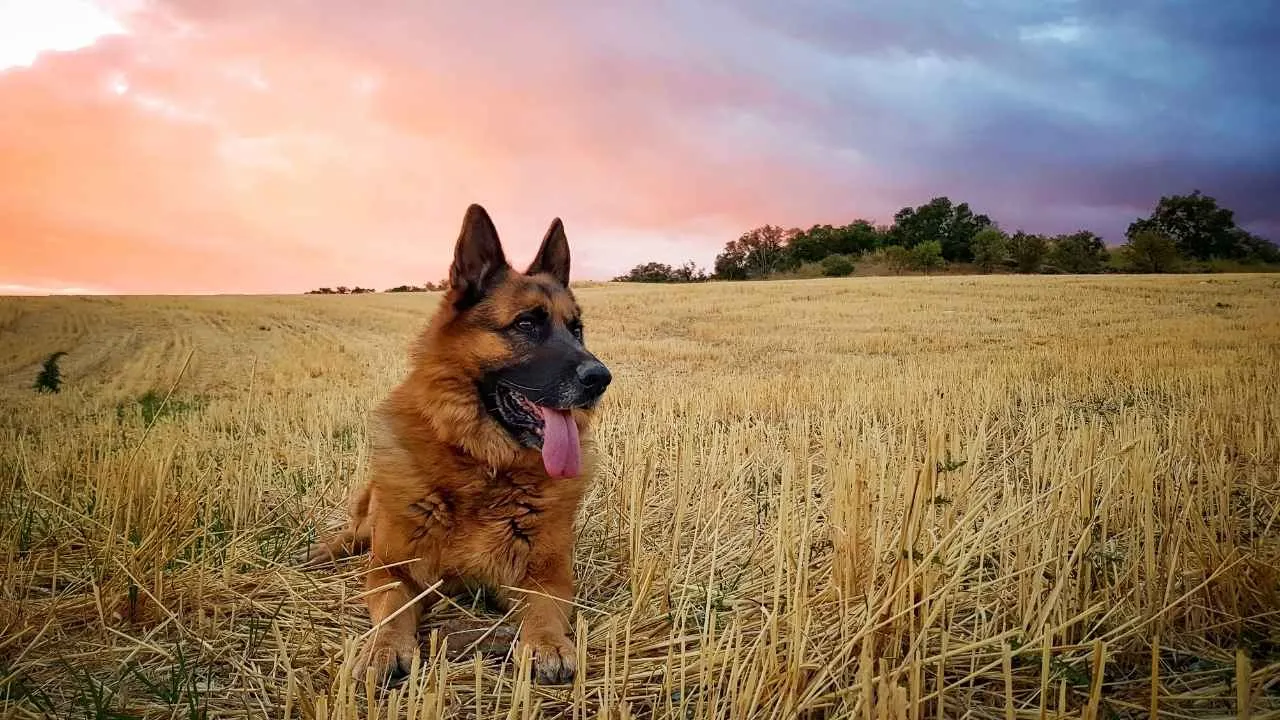
A distant trail demands more than a sharp nose; it takes intelligence, stamina, and the discipline to keep going when the path becomes challenging.
The German Shepherd brings all three qualities to the field. Originally developed as a herding breed, this athletic and highly intelligent dog has become one of the most versatile working breeds, earning recognition in police and military roles, including search-and-rescue operations.
Its ability to learn complex commands, remain focused, and work closely with its handler makes it a valuable partner in tracking tasks.
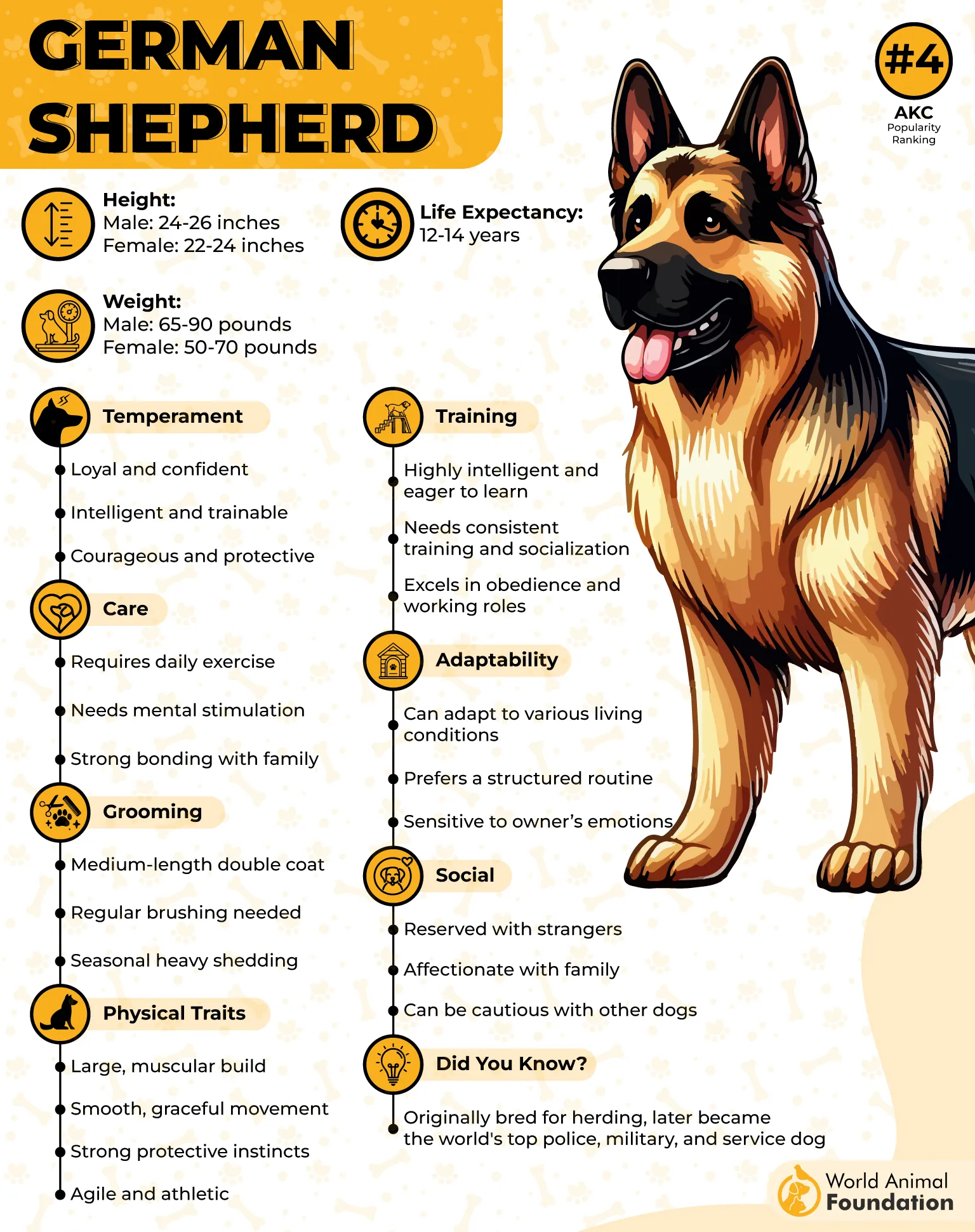
Unlike scent hounds that instinctively follow trails, German Shepherds combine their instincts with discipline and responsiveness, making teamwork central to their success.
However, their energy and intelligence come with responsibilities. They need consistent training, mental stimulation, and plenty of daily exercise to stay physically fit and mentally engaged.
With the right guidance, they can become dependable companions for demanding tracking work.
3. Belgian Malinois
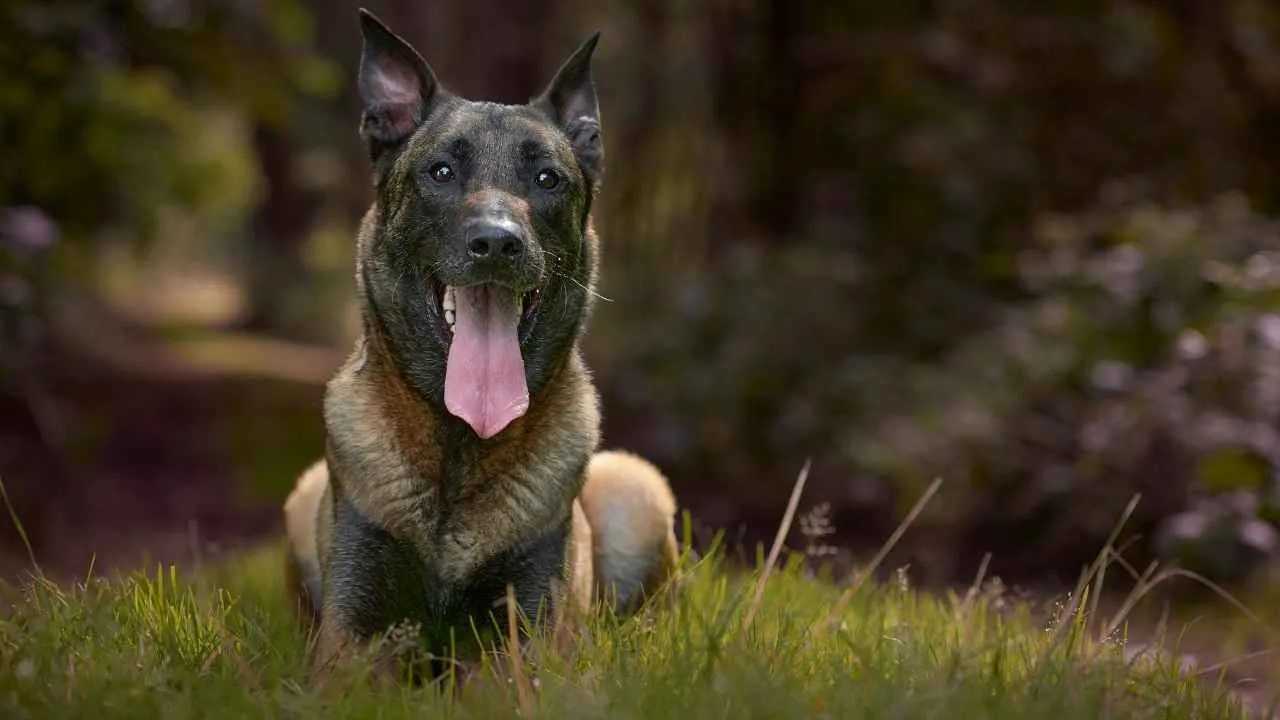
When a trail stretches across difficult terrain, the Belgian Malinois has the energy, agility, and determination to keep moving.
Few breeds combine athletic ability and sharp intelligence quite like this remarkable working dog.
Originally bred as a sheepdog in Belgium, the Malinois gradually became a trusted partner in military and police work, including search-and-rescue operations.
Its sharp instincts, quick learning ability, and strong connection with its handler make it a capable choice for tracking over challenging distances.
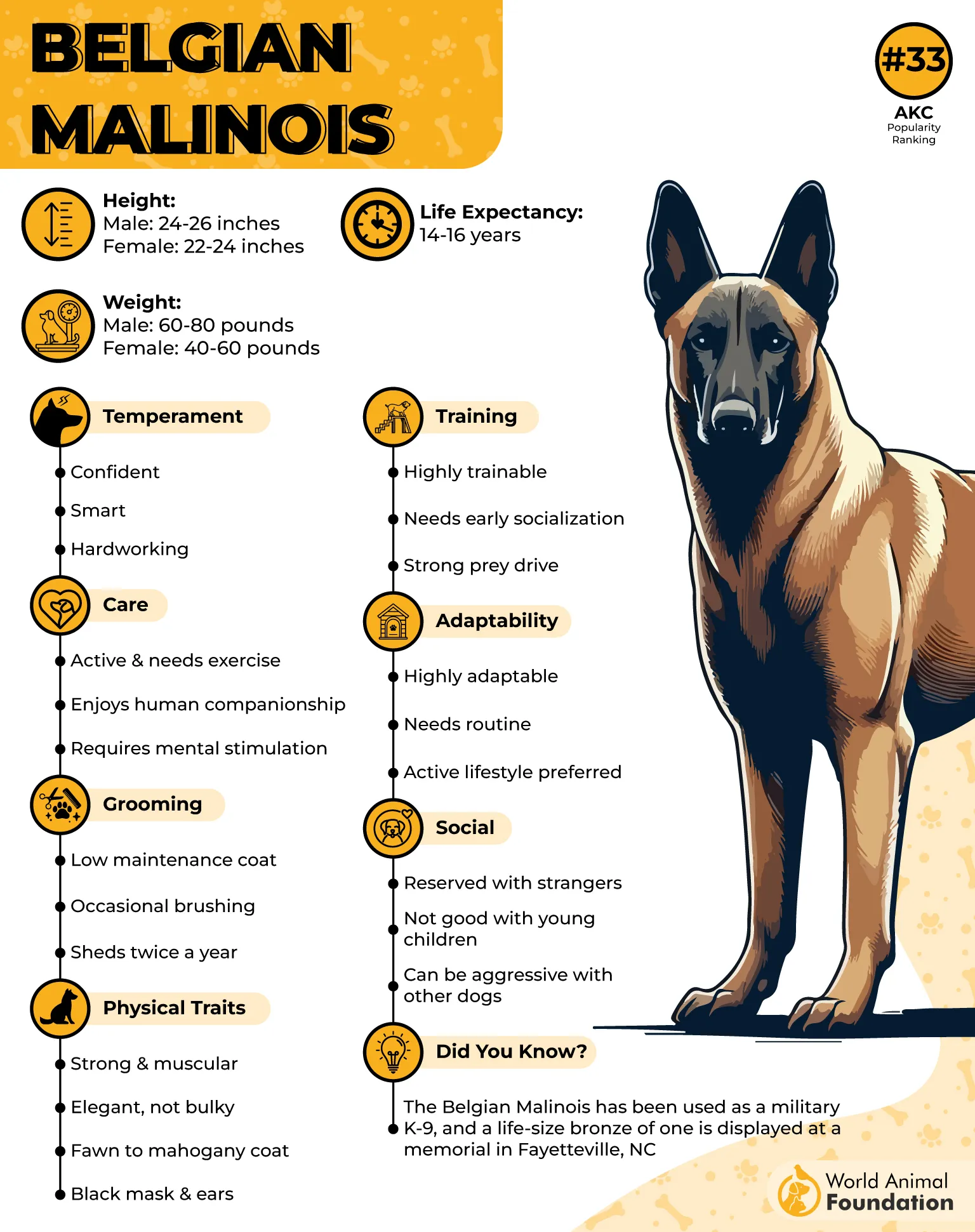
A Malinois has the endurance to handle long training sessions and demanding outdoor activities without easily losing enthusiasm, as stated by Orvis.
However, its working instincts need direction. This is a high-energy breed that thrives when given a meaningful job, whether through tracking exercises, scent work, or structured training.
Without sufficient physical activity and mental stimulation, boredom can lead to unwanted behaviours. Best suited to experienced, active owners, the Belgian Malinois combines determination, athleticism, and intelligence in a formidable tracking companion.
4. Labrador Retriever
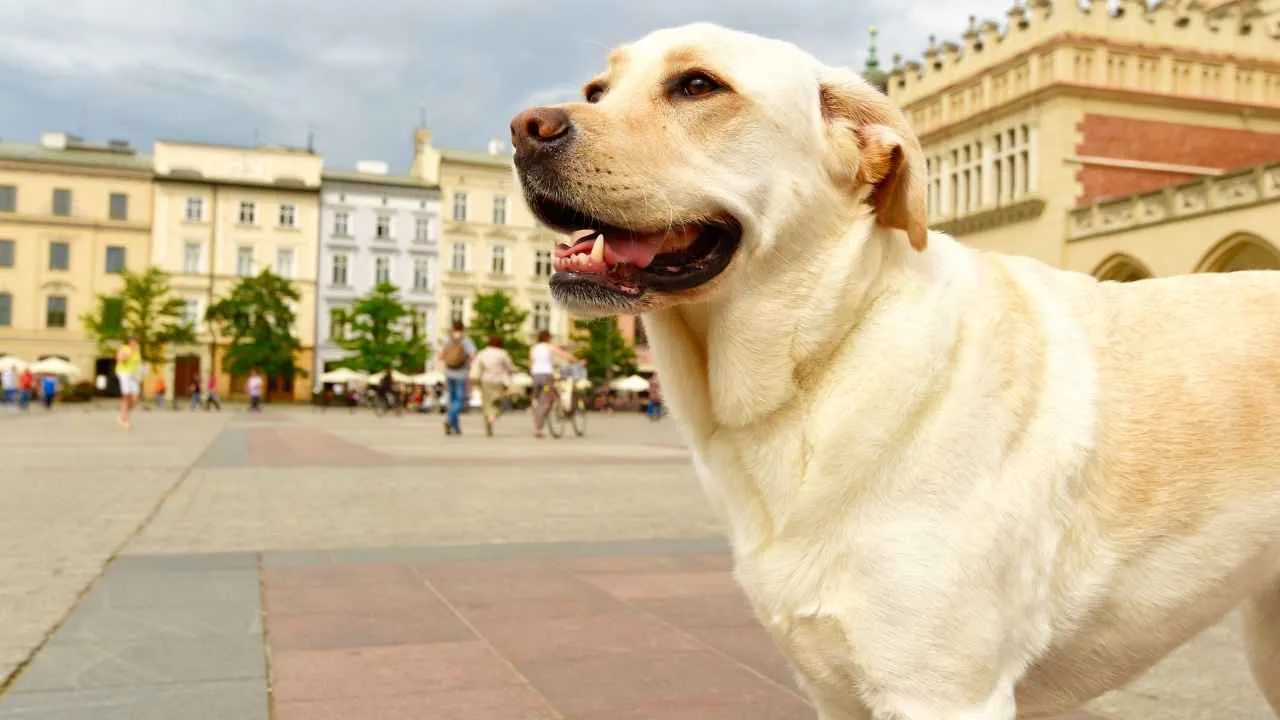
A long trail, a distant scent, and a determined dog willing to follow it- this is where the Labrador Retriever shows its working instincts.
Originally bred to help fishermen retrieve fish and assist hunters in recovering waterfowl, Labradors have a natural retrieving ability and a strong love for outdoor adventures.
Their intelligence, athletic build, and eagerness to please make them trainable companions for scent-based activities, including following ground trails and locating objects or game through scent.
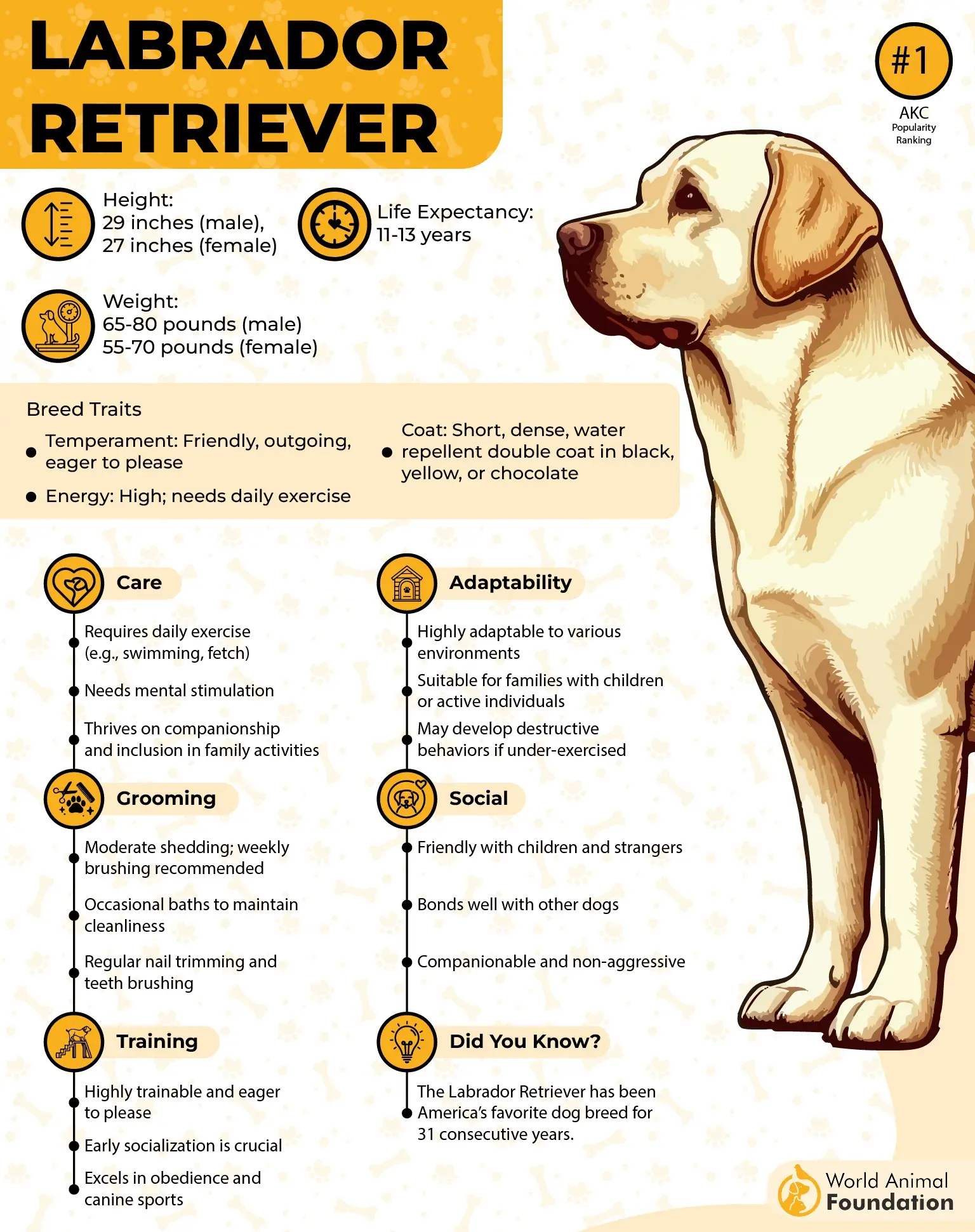
Their stamina also helps them handle long hikes and demanding outdoor exercises. Working-line American Labradors, in particular, are known for their energetic nature and are commonly associated with hunting and field trials.
Their enthusiasm for learning and willingness to work alongside people also make them effective search-and-rescue dogs.
However, their boundless energy needs a proper outlet. Regular exercise, mental stimulation, and consistent training help keep these friendly, hardworking dogs focused, fulfilled, and ready for their next adventure.
5. English Springer Spaniel
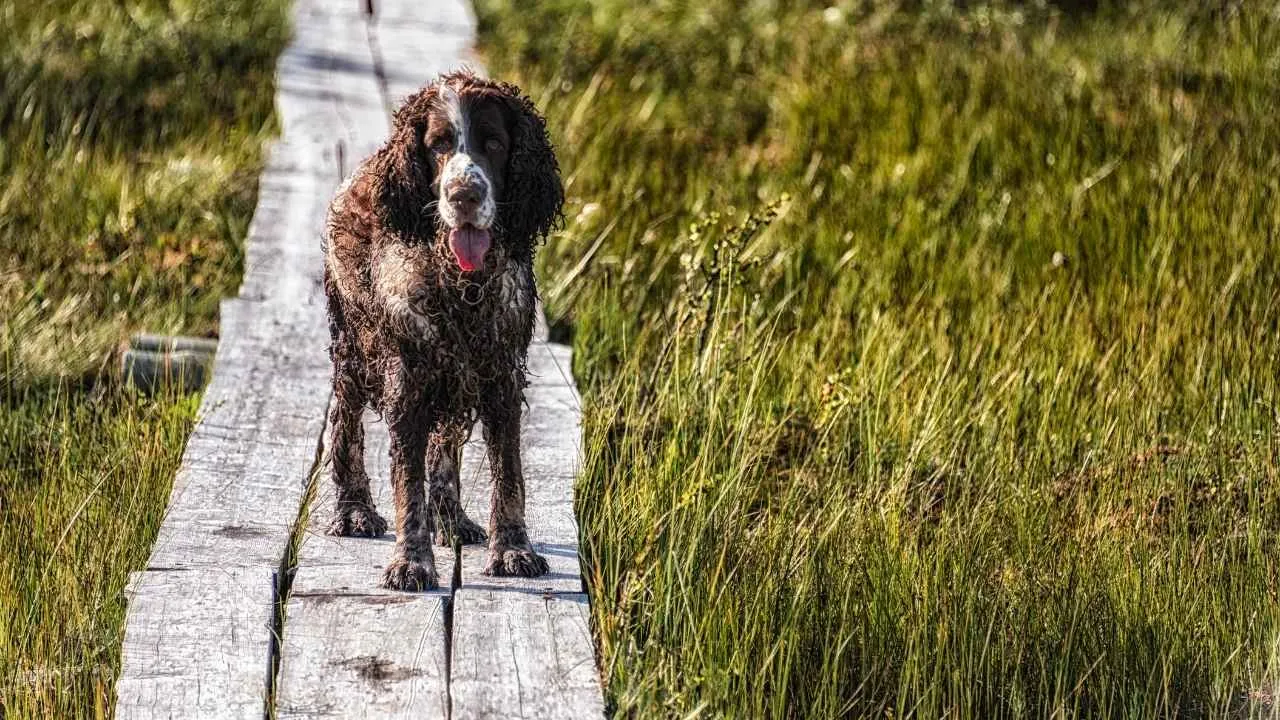
An English Springer Spaniel can turn a difficult day in the field into an exciting hunt, thanks to its energy, sharp instincts, and determination.
Bred to flush game from cover, this lively gundog is particularly skilled at hunting upland birds such as pheasants, quail, woodcock, and grouse.
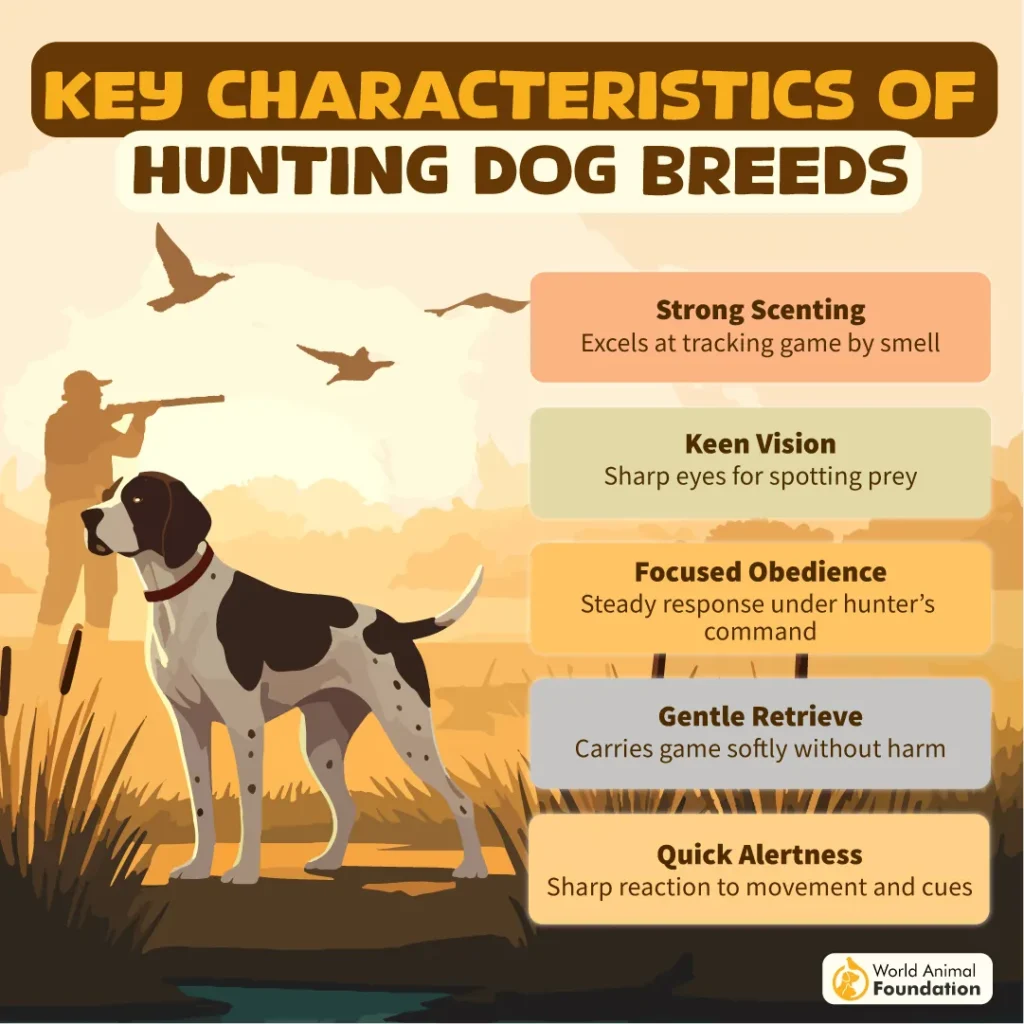
Its ability to pick up a scent and follow moving game through dense vegetation makes it valuable when a bird tries to escape through thick cover.
Springers are also excellent retrievers, willing to cross water and push through challenging conditions to recover downed birds.
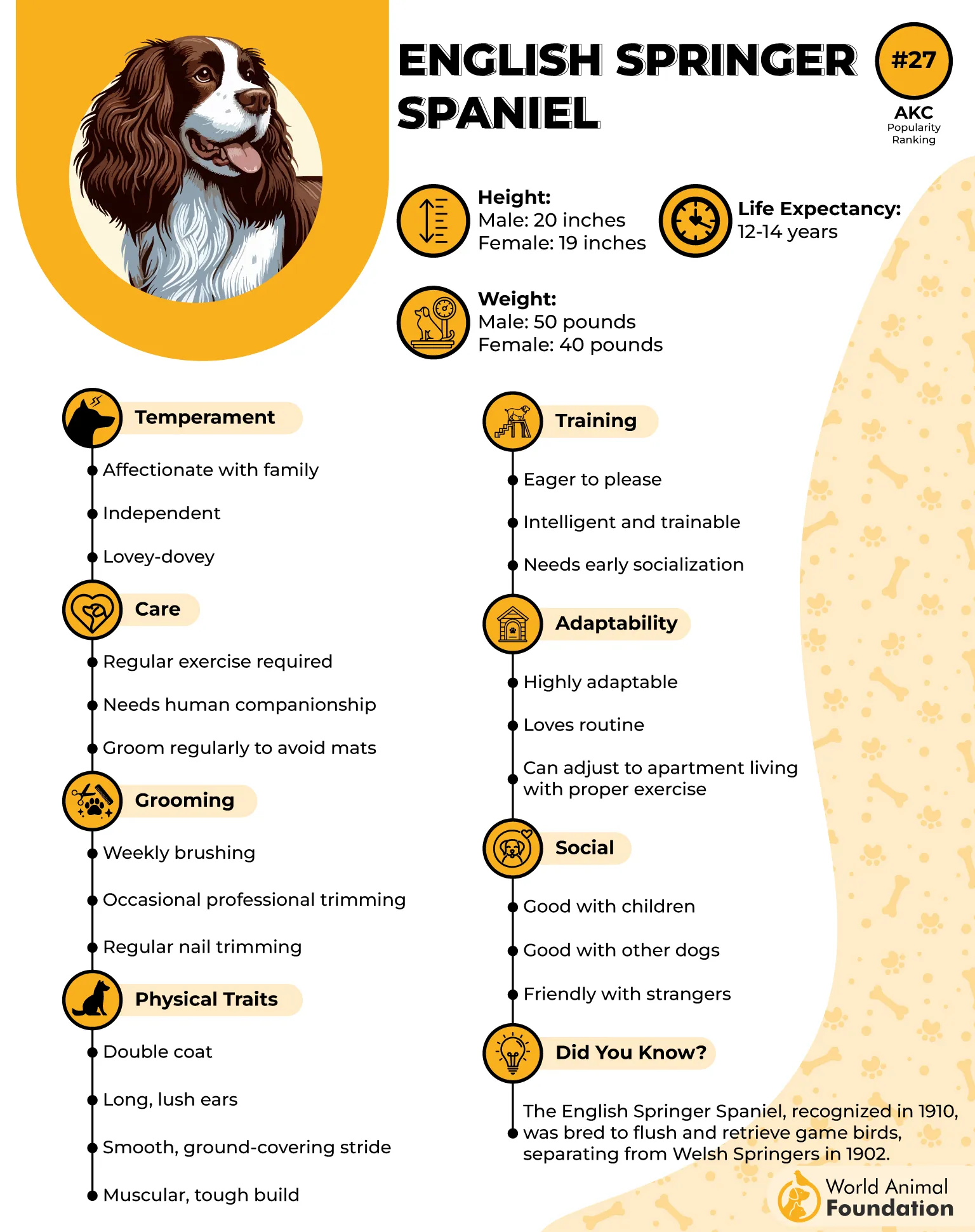
Field-bred Springer Spaniels are often more agile and suited to demanding hunting work than their show-bred counterparts, as explained by Gundogmag.
Their intelligence and eagerness to please make training rewarding, although consistent commands are essential to keep them working within close range. With at least two hours of daily exercise and plenty of mental stimulation, this energetic breed can thrive as a hardworking hunting companion.
6. Beagle
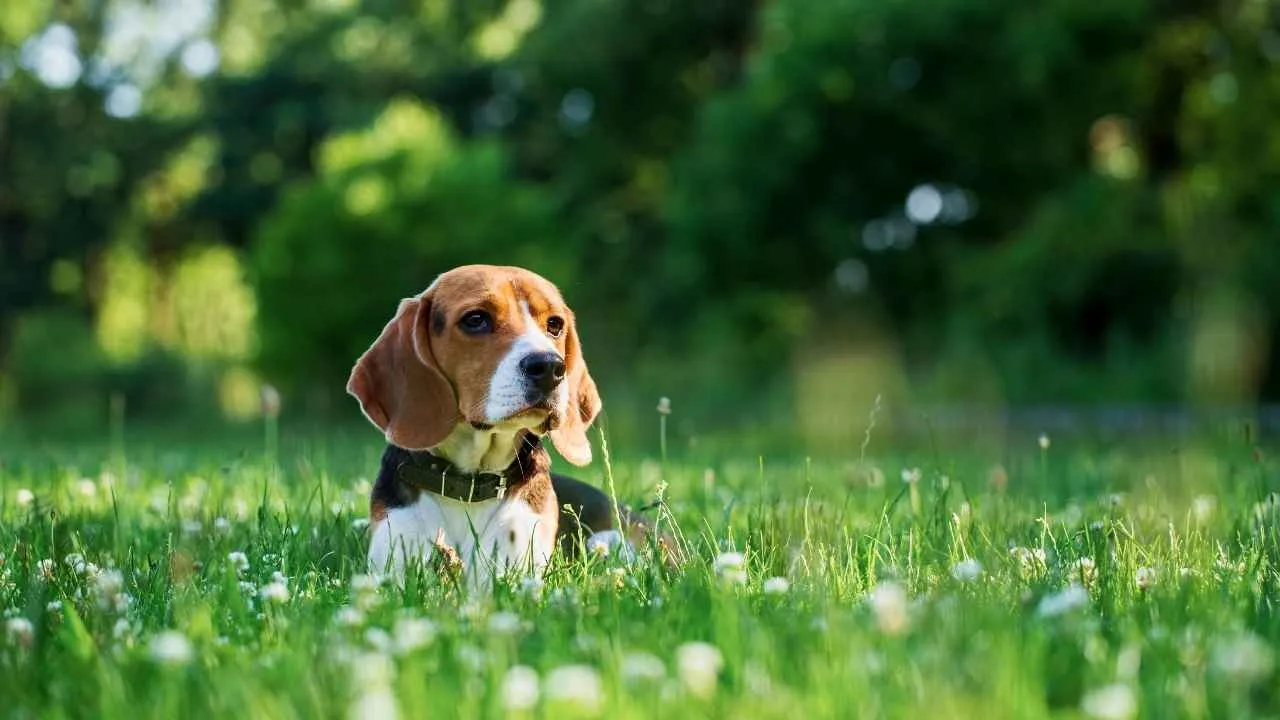
A rabbit may be out of sight, buried deep in the brush, but a Beagle can keep the chase alive with nothing more than its nose and determination.
Originally bred in England to hunt hares in packs, this compact scent hound has a remarkable nose and strong tracking instincts that make it a natural choice for following game over long distances.
Today, Beagles are commonly used to pursue rabbits and snowshoe hares, weaving through thick brush and dense cover that larger dogs may find difficult to navigate.
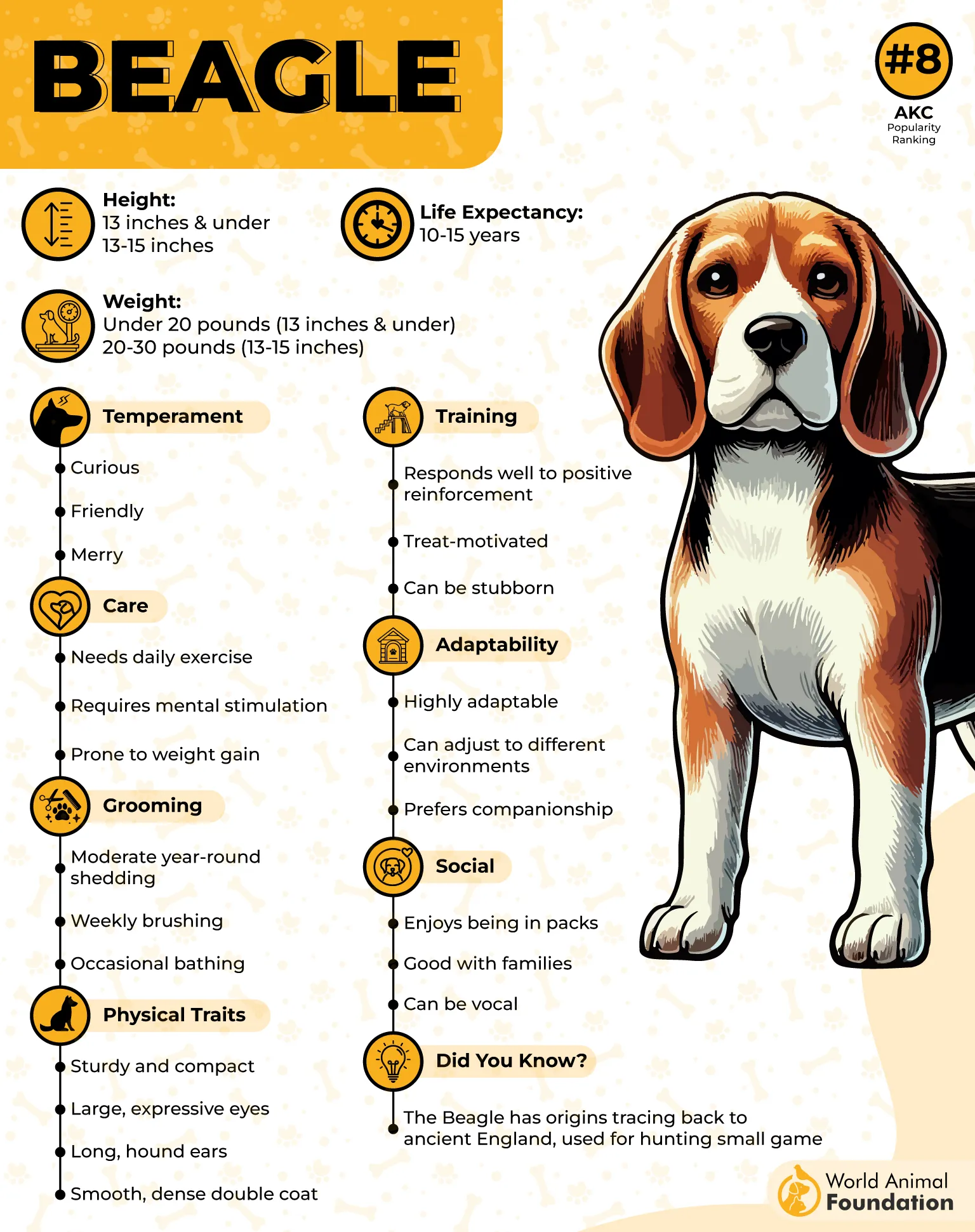
Once a hare or rabbit is located, a Beagle follows its scent trail, baying loudly to alert fellow dogs and hunters as the chase unfolds.
Although they traditionally work in packs, well-trained Beagles can also hunt independently. Their persistence, curiosity, and stamina help them keep following a trail, while their food motivation can make training easier with patience and positive reinforcement.
For hunters seeking a dedicated small-game tracker, the Beagle brings plenty of heart to the field.
7. American English Coonhound

The American English Coonhound is built for hunters who need a dog capable of following a trail over long distances without losing focus.
Developed from English Foxhounds and local American hounds, this breed was adapted to pursue game such as raccoons, foxes and opossums across challenging terrain.
Its impressive speed, stamina, and powerful sense of smell make it a dependable hunting companion, particularly when working in packs.
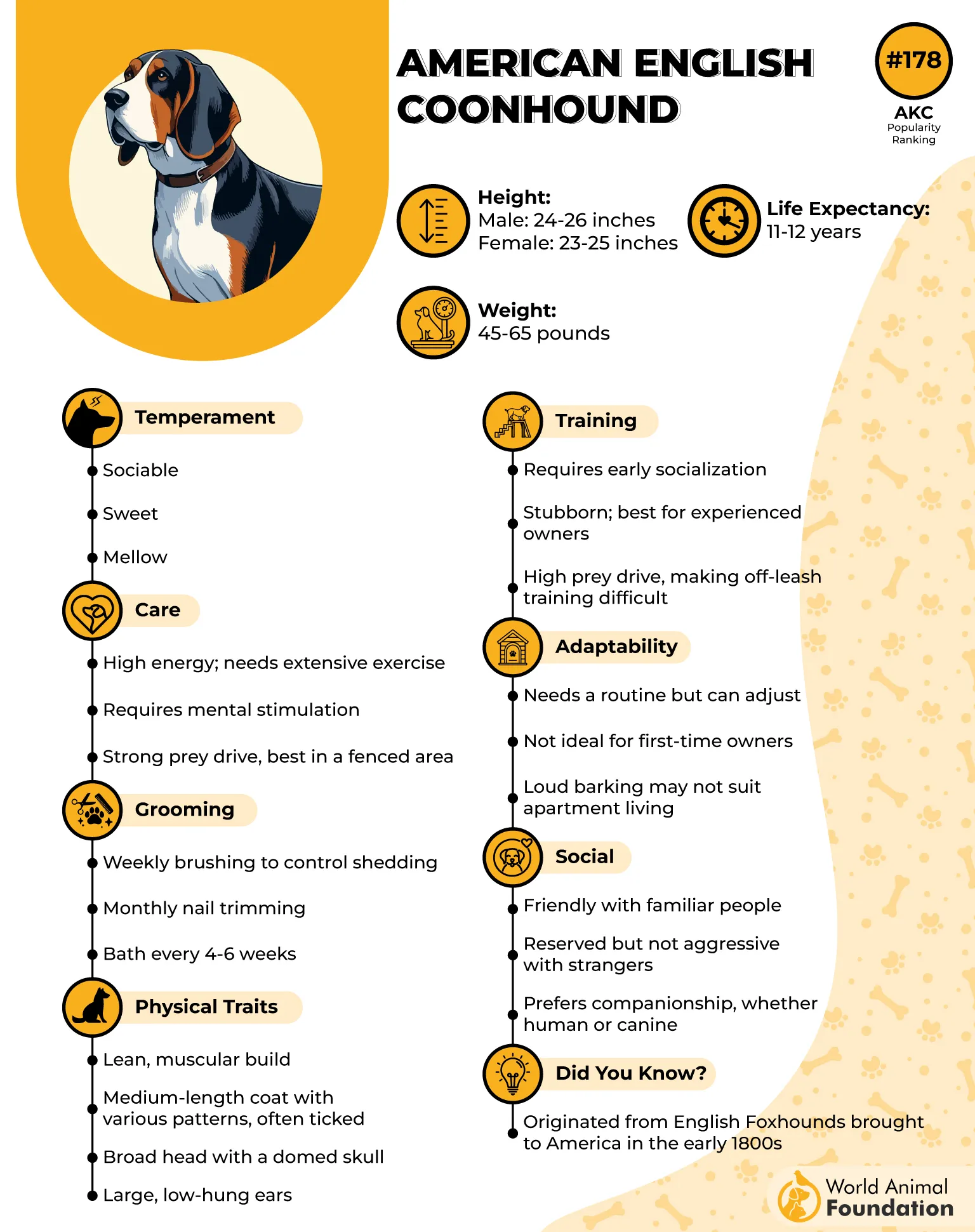
Beneath its sweet expression lies a determined, energetic dog with a strong prey drive and an instinct to follow scents wherever they lead, according to WebMD.
American English Coonhounds are affectionate with their families, but their hunting instincts demand plenty of exercise, mental stimulation, and consistent training.
They can be stubborn and vocal, making them better suited to experienced, active owners. For hunters seeking endurance and unwavering tracking enthusiasm, this breed deserves serious consideration.
Conclusion
Long-distance tracking requires more than a good nose. It takes endurance, determination, focus, and the instinct to follow a scent even when the trail stretches across challenging terrain.
The hunting breeds featured in this article demonstrate how different abilities contribute to successful tracking, whether through remarkable stamina, strong scenting instincts or an unwavering drive to pursue game.
However, choosing the right hunting companion also means looking beyond its working abilities. Energy levels, temperament, trainability, and exercise requirements all play an important role in determining whether a breed suits your hunting style and lifestyle.
Ultimately, the best tracking companion is one whose instincts and capabilities match the demands of your hunting adventures.
