




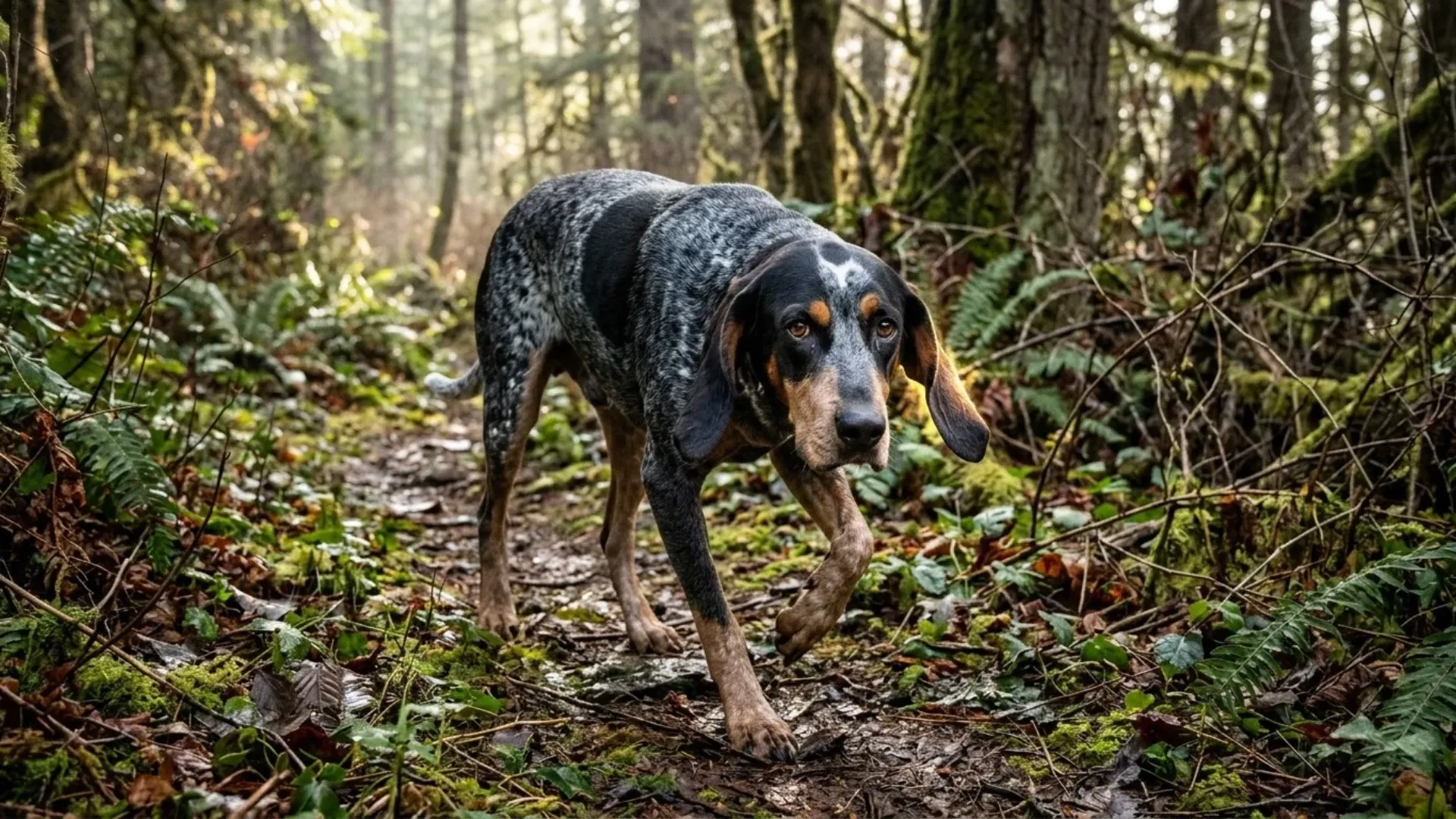
Tracking a wild animal by scent is hard work for a person and easy work for the right dog.
But the amazing dog breeds perfect for tracking wild animals, like the Bloodhound, Plott Hound, Redbone Coonhound, and Catahoula Leopard Dog, can follow a scent trail through dense brush, swamps, and rough ground for miles.
Hunters across the U.S. use these tracking dogs to find bear, wild hogs, raccoons, and wounded deer. Many of them are great as a family pet too.
Not every tracking dog works the same way. Some follow the scent on the ground, some chase the animal and bark the whole time, and some tree it and wait for you to show up.
We will point out which is which as we go, so you can find just what you need.
Did You Know?
A human nose has about 5 million scent receptors. According to Britannica, a Bloodhound has up to 300 million such receptors. That is why this breed’s tracking results have been used by law enforcement in the U.S. for generations, and why a Bloodhound can follow a trail that is several days old.
So the next time your dog stops to sniff the same spot for two full minutes, give it some respect.
Alright, let’s meet the dogs now!
Amazing Dog Breeds Perfect for Tracking Wild Animals
1. Plott Hound
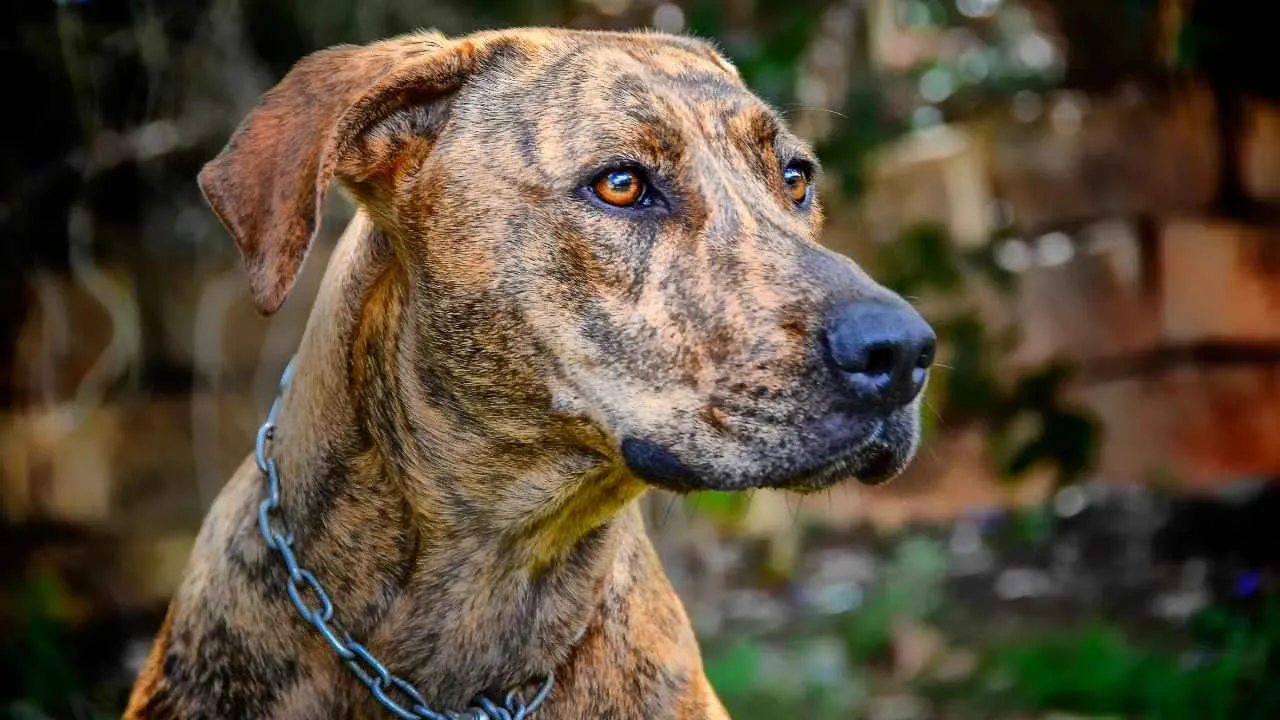
The Plott Hound is the official state dog of North Carolina. It earned that title in the Great Smoky Mountains. German immigrants brought boar hounds to the area in the 1700s, and the Plott family bred them into one of the toughest hunting dogs in the world.
Plotts were bred specifically to track bear and wild boar, according to the American Kennel Club. These brindle dogs dare to match the strength of those big animals.
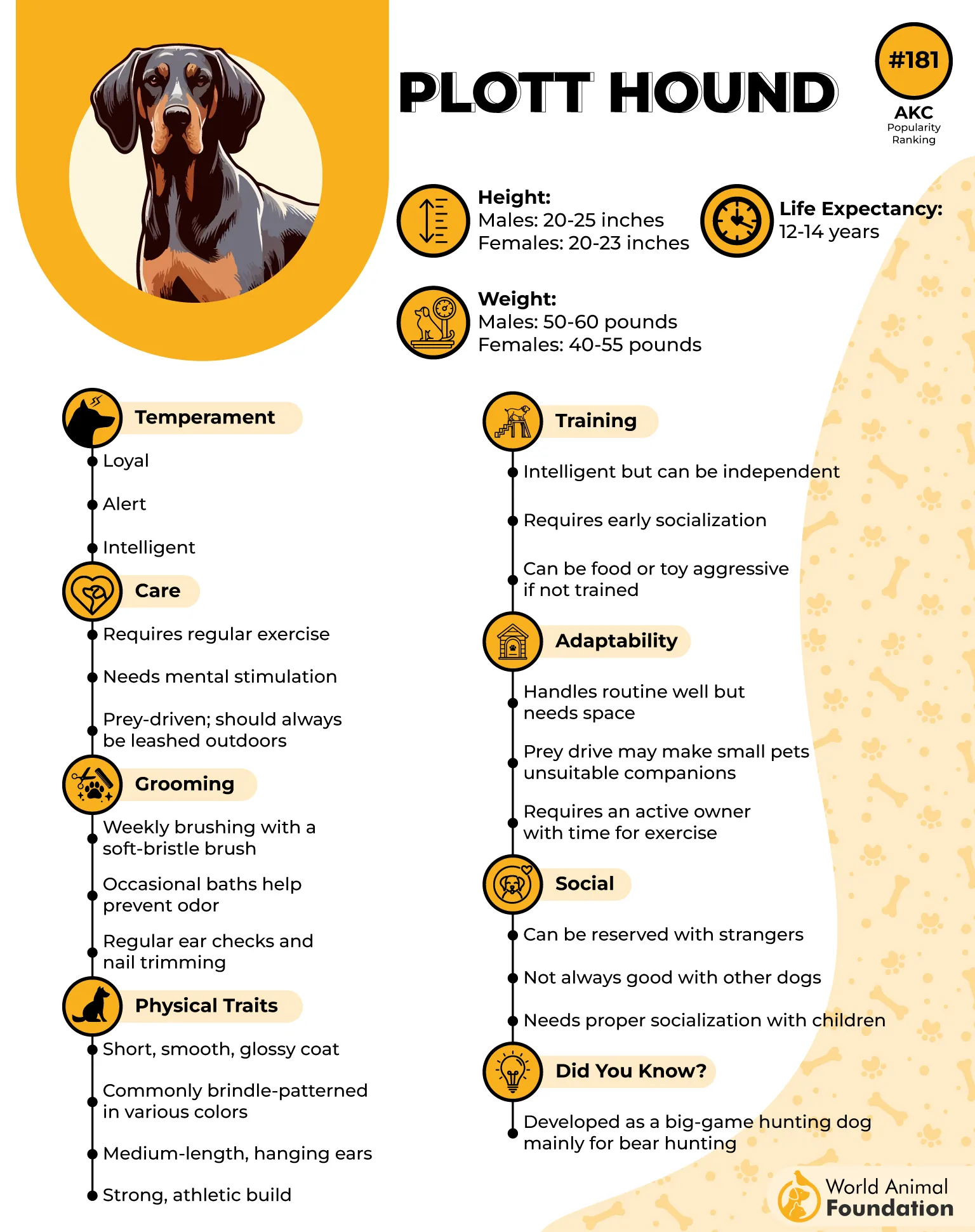
On a long hunt, a Plott keeps going when other dogs are ready to quit. This hunting dog breed has a loud, clear bark, a short brindle coat, and a lot of high energy. At home, it’s a loyal, affectionate dog, but it needs lots of exercise and a firm owner.
2. Catahoula Leopard Dog
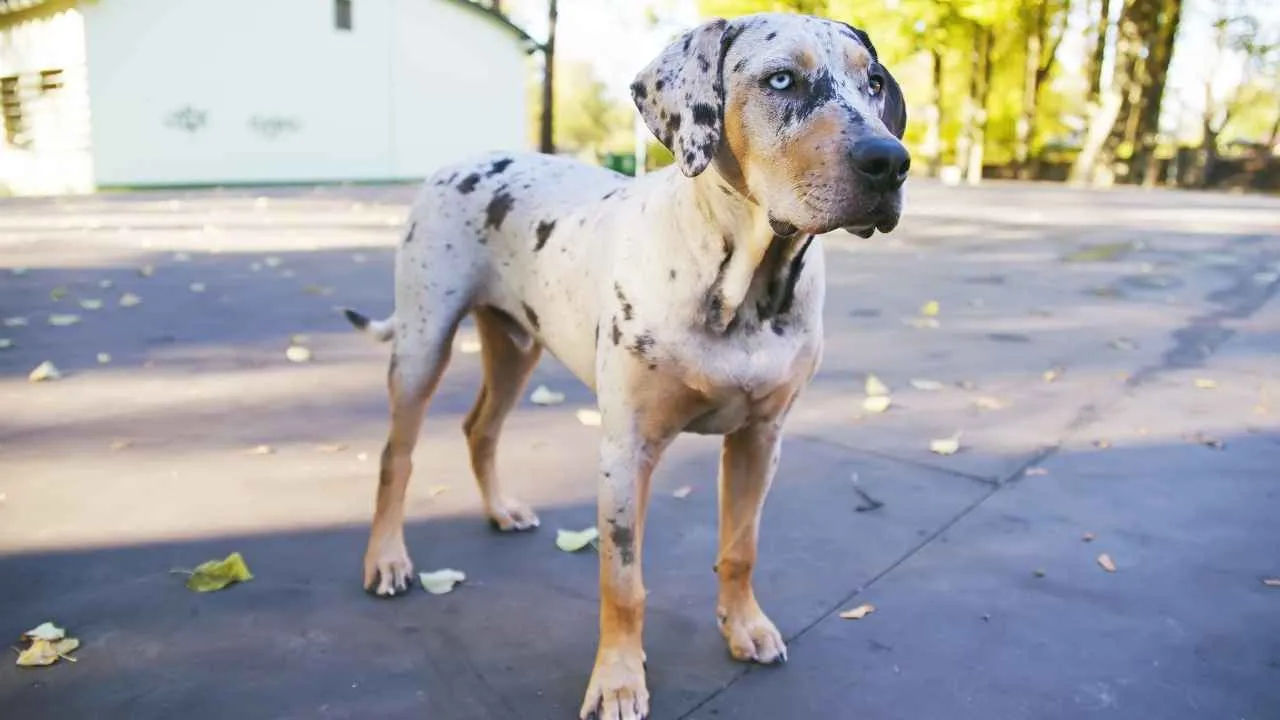
The Catahoula Leopard Dog is the state dog of Louisiana, and it’s one of the most useful dogs in the hunting world. It has a spotted coat, and many have pale blue eyes. According to Pet Place, it also has webbed feet, which help in swampy areas and muddy ground.
This hunting breed was developed to find and hold wild hogs and other large game. People call it a “Catch dog” because it pins the animal in place until the hunter arrives.
Catahoula Leopard Dogs are smart, strong, and very independent. They need proper training from a young age, exercise, and an owner who stays calm and consistent.
These spotted dogs can be protective, so meet lots of people and pets early.
3. Bloodhound
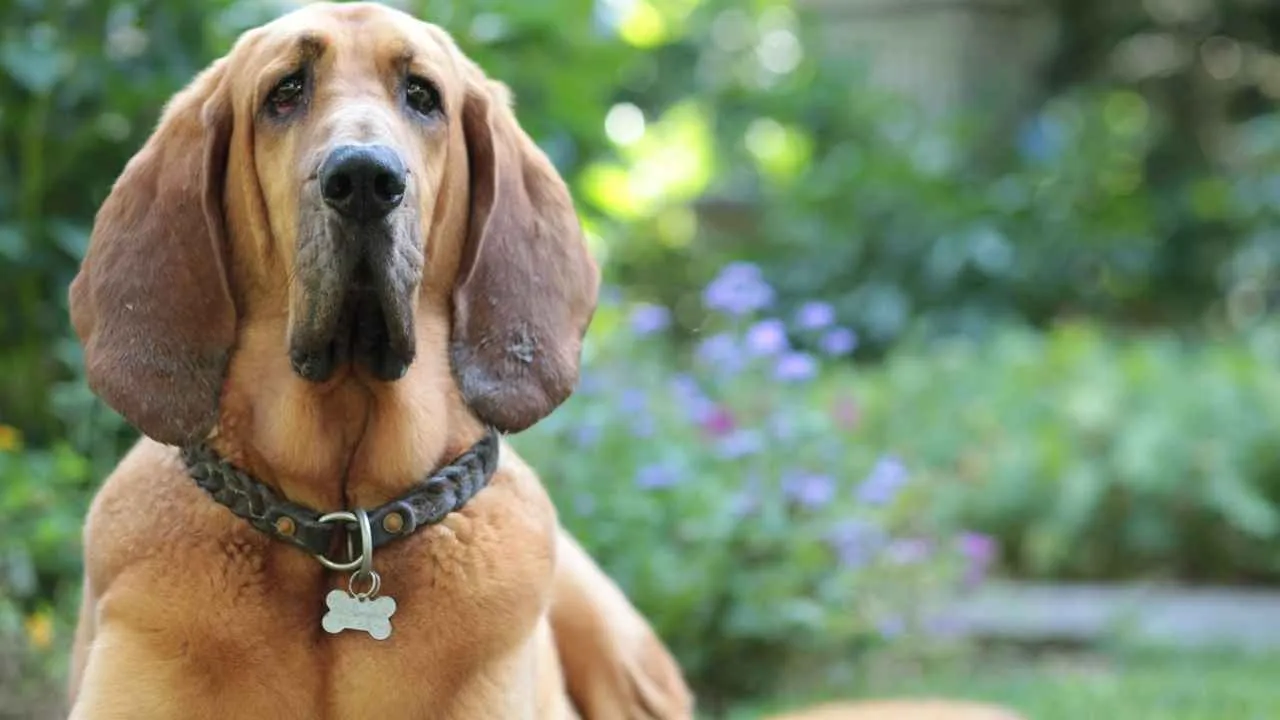
If you ask people to name one tracking dog, most will say the Bloodhound. And honestly, they are right. This is the best-known scent hound in the dog world. Those long ears and loose, wrinkly skin help hold scent close to the nose, and that nose is amazing.
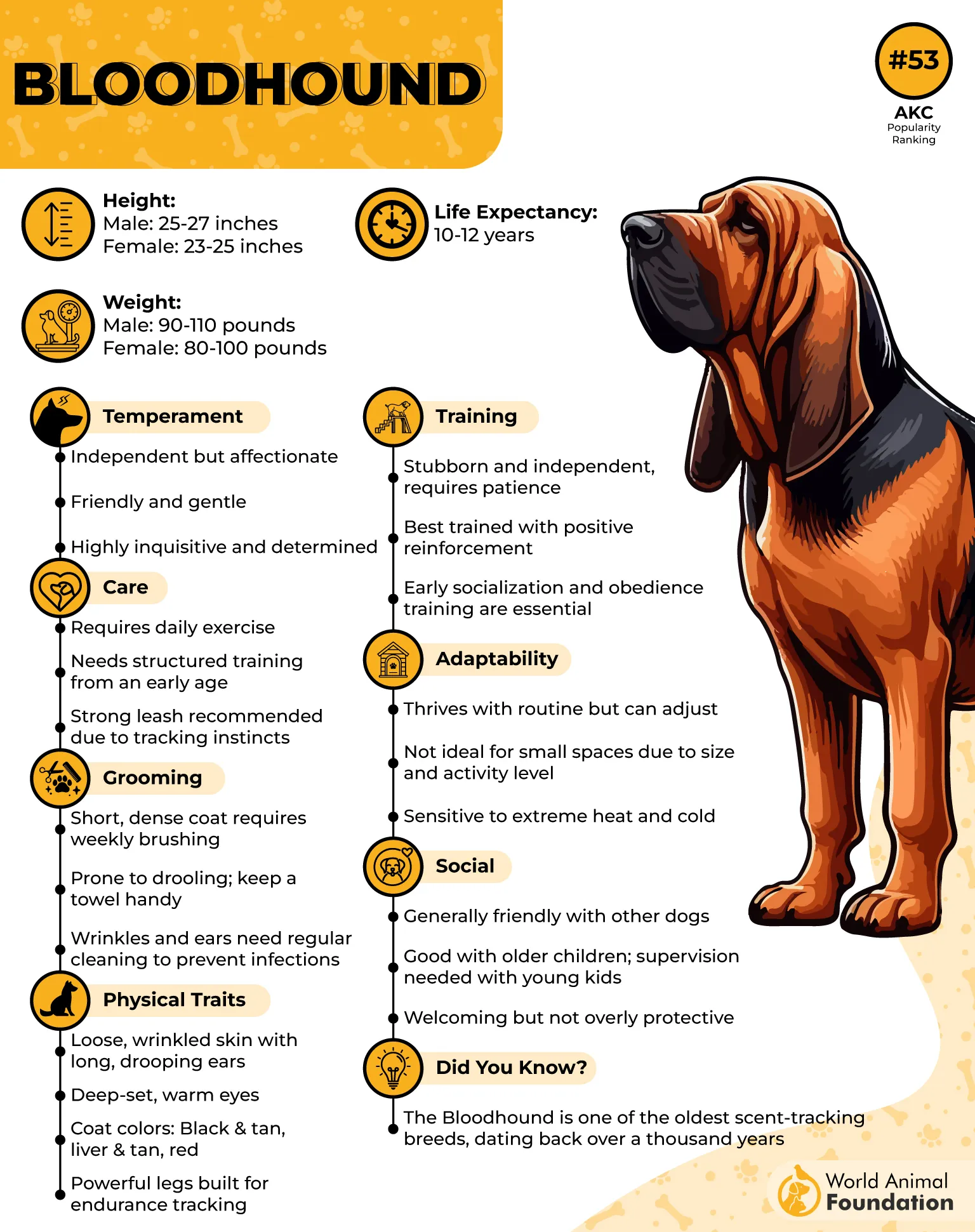
Bloodhounds are great at blood-trailing deer. If a hunter makes a shot and the deer runs off wounded, a Bloodhound, being the best tracking dog breed, can follow the blood trail and find the animal, even when the trail is old or hard to see.
Finding wounded game is second nature for a Bloodhound. According to PBS, they have such an amazing sense of smell that they are skilled at finding wounded deer blood trails even after 300 hours.
CAN YOU IMAGINE?
They are also gentle, friendly, and good with kids. But they are stubborn and easily distracted by smells, so training takes patience. Expect some drool from these hound dogs. Okay, a LOT of drool.
4. Redbone Coonhound
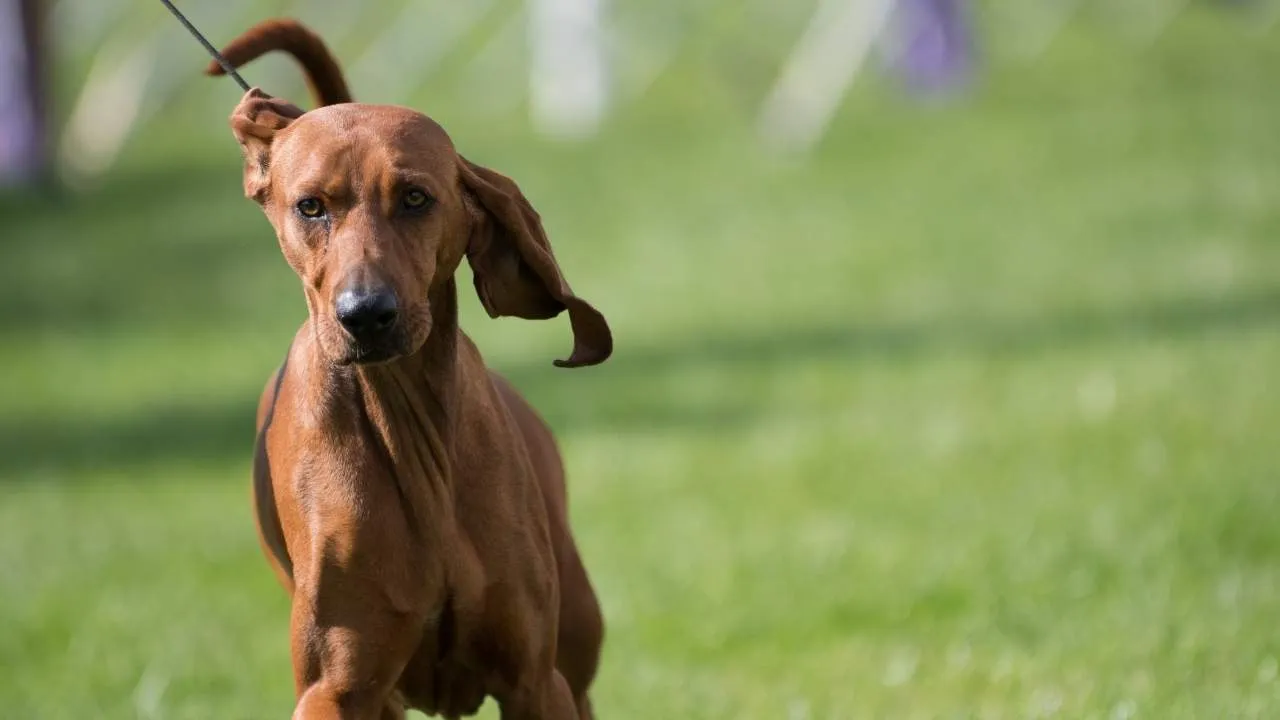
The Redbone Coonhound has a deep red coat and a friendly face, and it’s a favorite across the South. It was bred to hunt raccoons, but hunters also use it for bear, deer, and even cougar. This hunting companion has a strong nose and remarkable stamina.
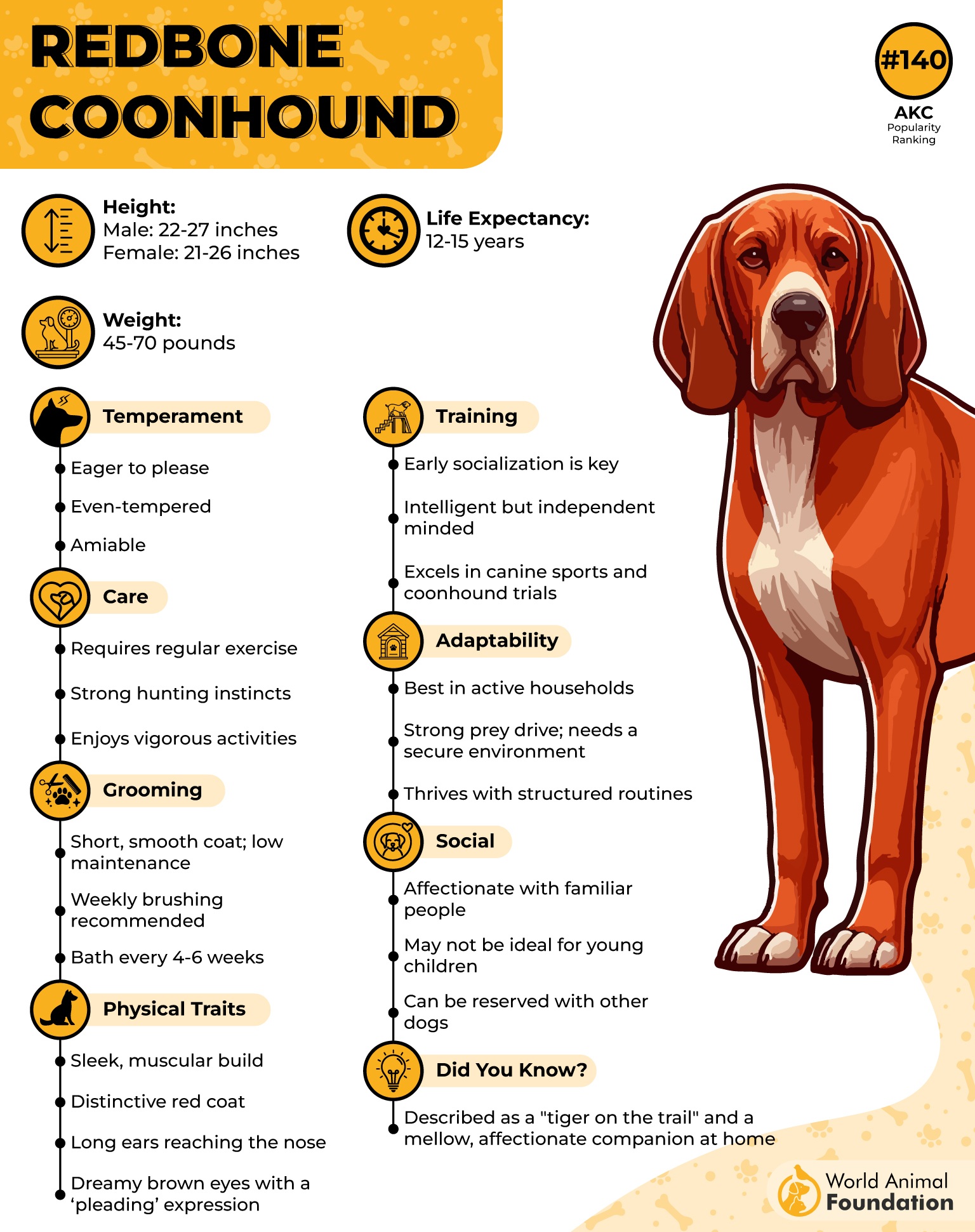
These red dogs are known for being smart and good swimmers, which helps in swampy country. They have a sweet temperament and get along with kids, which makes them a nice family dog if they get enough exercise.
They love to follow a scent trail and will do it for hours. Plus, you can take them to various hunting scenarios, and they will thrive. A secure yard is a must, since a Redbone Coonhound on a scent may not hear you calling.
This dog’s ability is top-notch when it comes to hunting tasks in the open field.
5. Black and Tan Coonhound
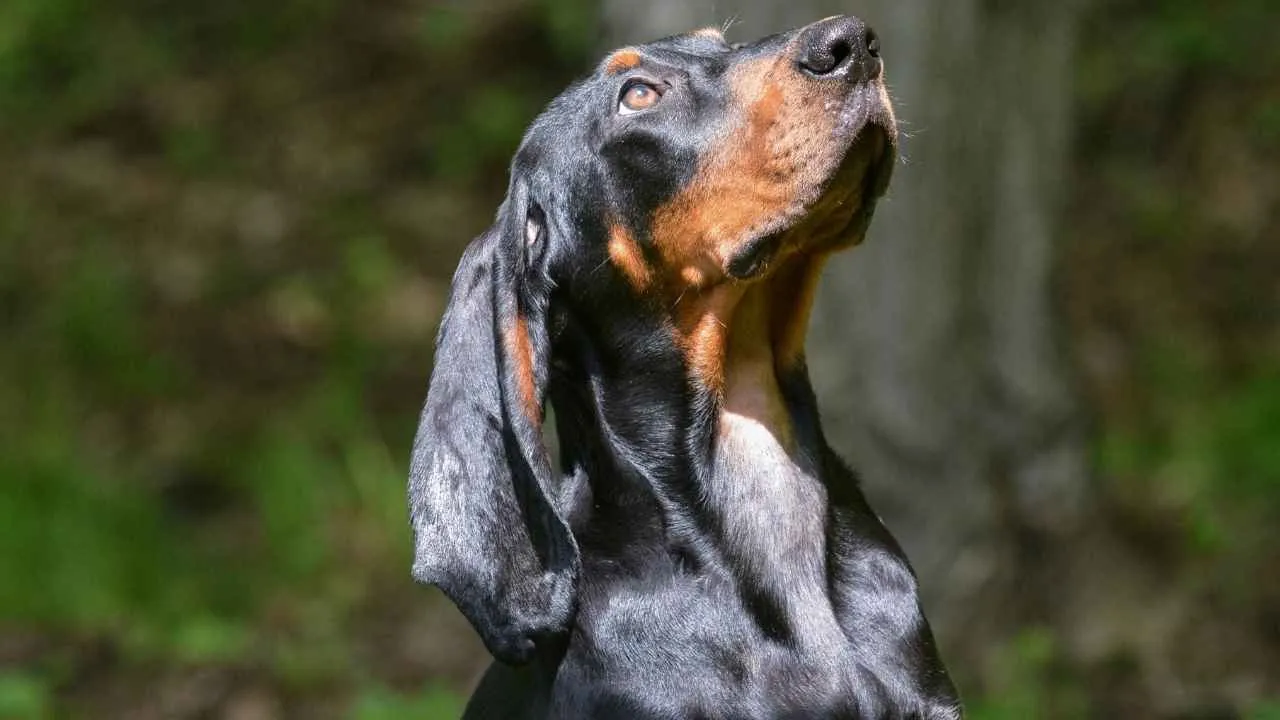
The Black and Tan Coonhound is famous for its ability to follow a cold trail. That means the animal passed through hours ago, the scent is faint, but this dog still finds it. Its big, droopy ears help sweep scent up toward its nose, and its deep bark carries across the woods.
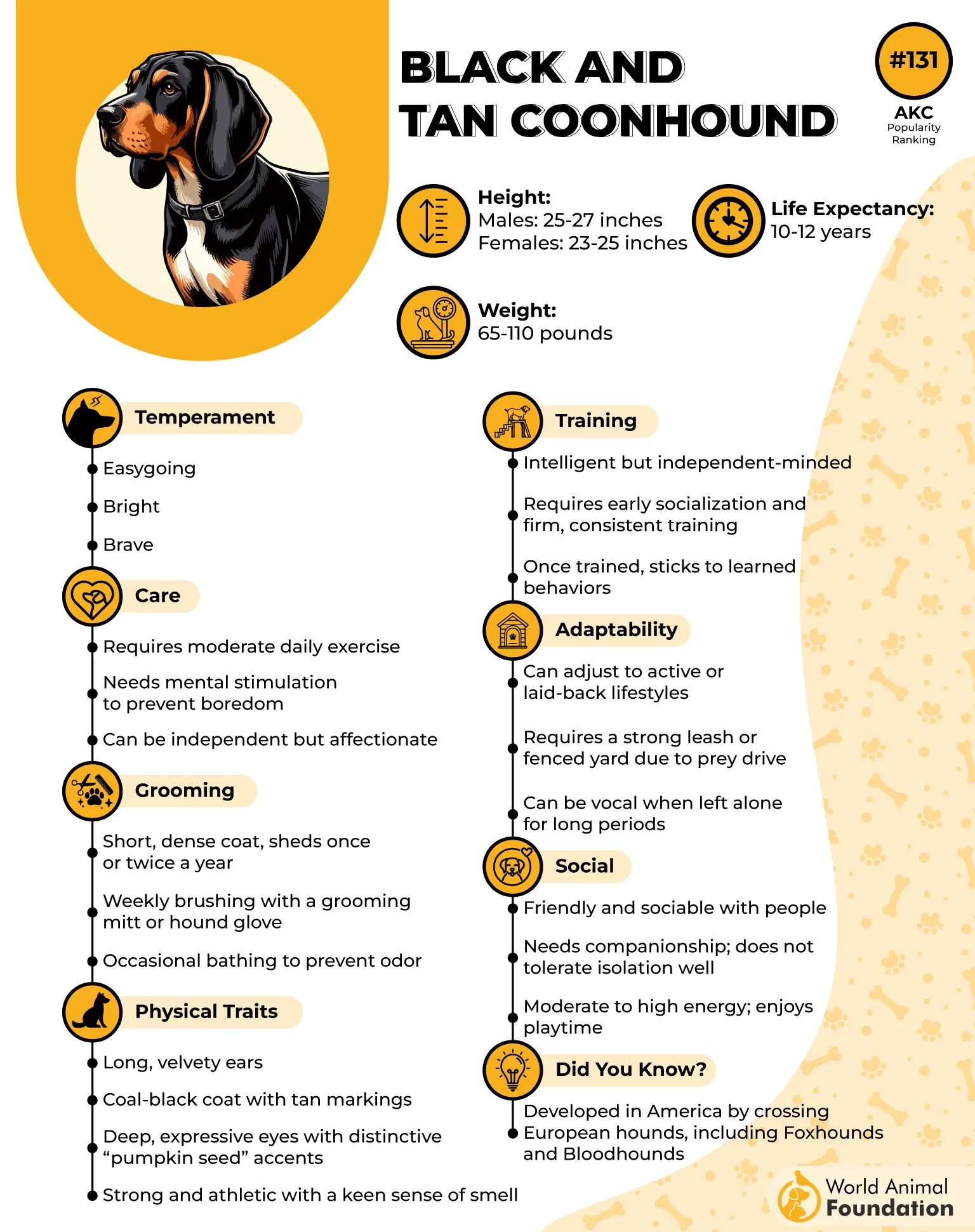
These hunting dogs were bred specifically to hunt raccoons and larger game like bear and deer. They can handle rough, hilly ground and long hunts without slowing down.
At home, they are calm, laid-back, and sweet, and they like being close to their family. Plus, they need a good amount of exercise, a firm hand in training, and regular ear cleaning. Yep, those big ears collect dirt. Take care of that.
All in all, this is a great tracking dog to have on your next hunt.
6. Dogo Argentino
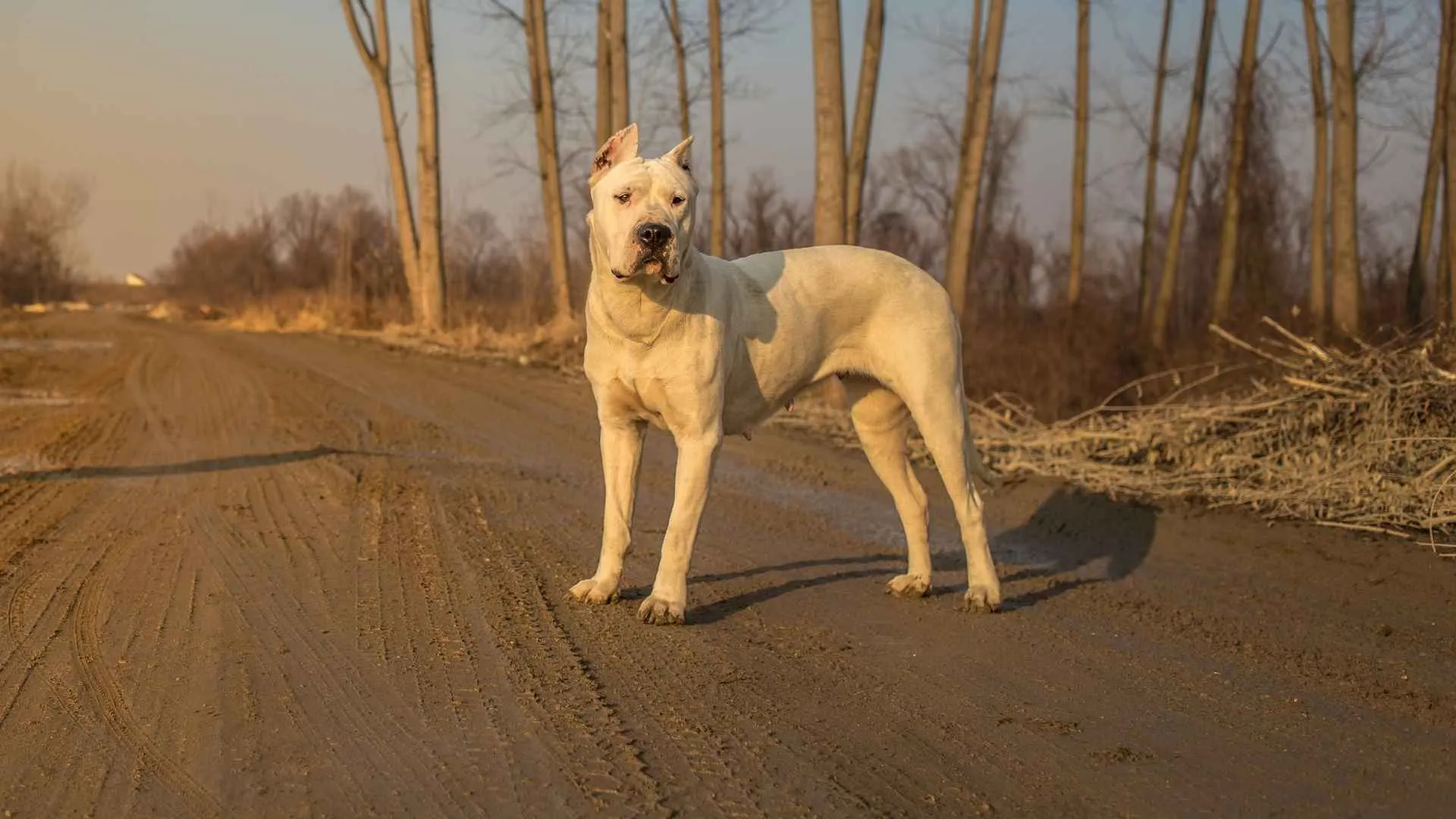
The Dogo Argentino comes from Argentina, where Dr. Antonio Nores Martinez developed the breed in the 1920s. He wanted a dog that could hunt big game like wild boar and puma. He got one.
The Dogo is white, muscular, and powerful, with stamina and a high prey drive.
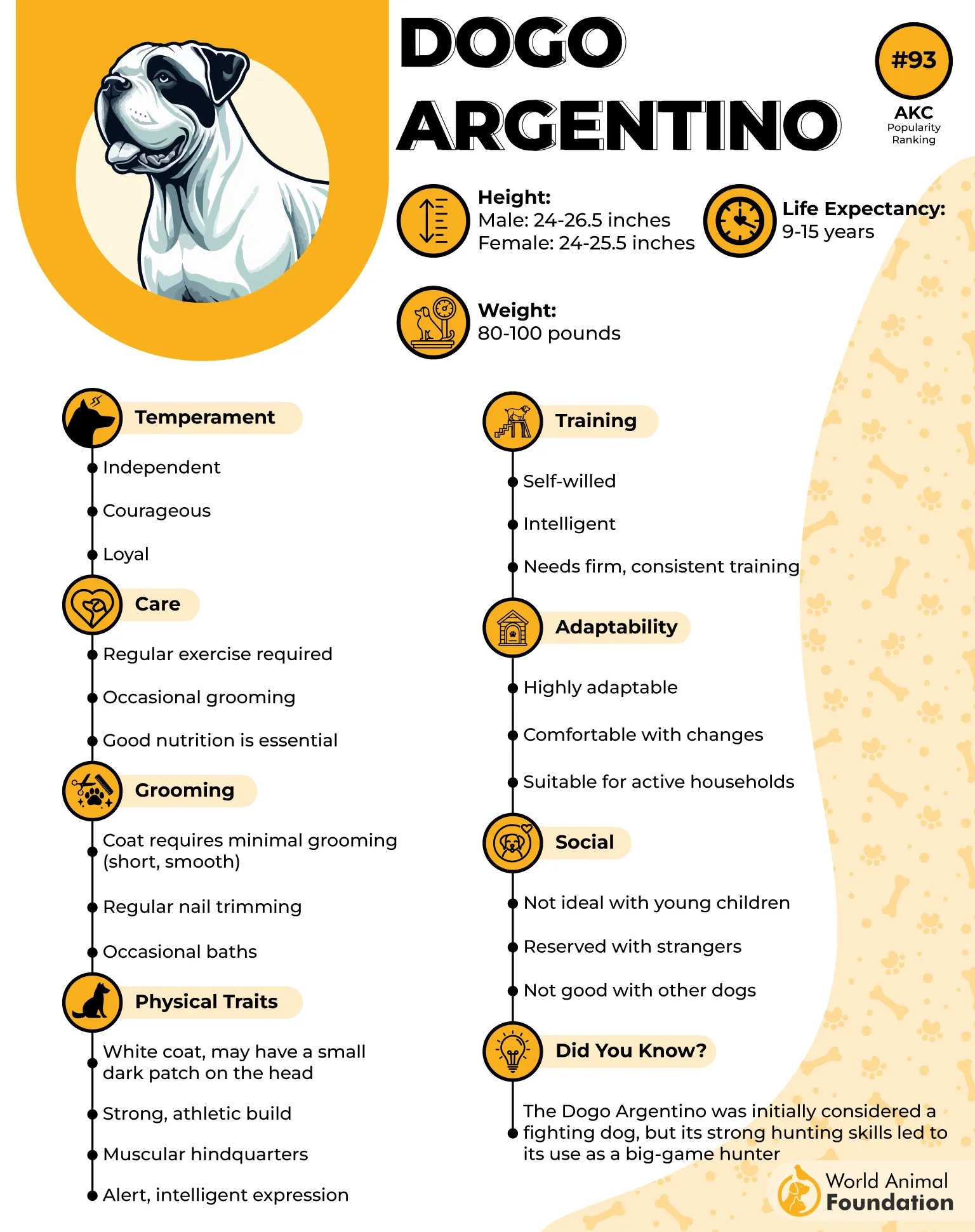
This is NOT a beginner’s dog. Dogos need an experienced handler, proper training, and early socialization with other pets and people. Because of their strength, they do best with positive reinforcement and clear rules. These white dogs are loyal and protective with their family, and they love to work.
Some cities and states have rules about owning this breed, so don’t forget to check your local laws before you bring one home.
7. Airedale Terrier
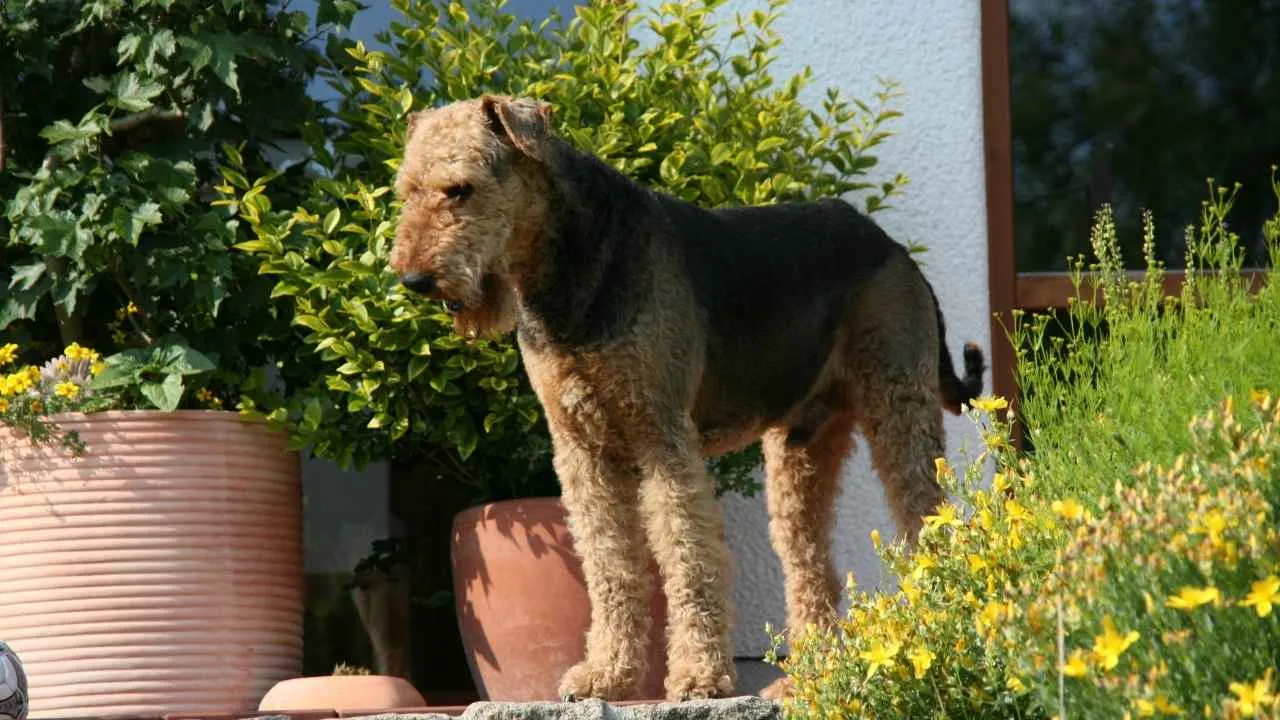
Airedales are the biggest of the terriers, and people call them the “King of Terriers.” They come from the Aire Valley in England, where they were first used to hunt otters and rats.
Later, hunters took them after bigger game because Airedale Terriers are smart, tough, and brave.
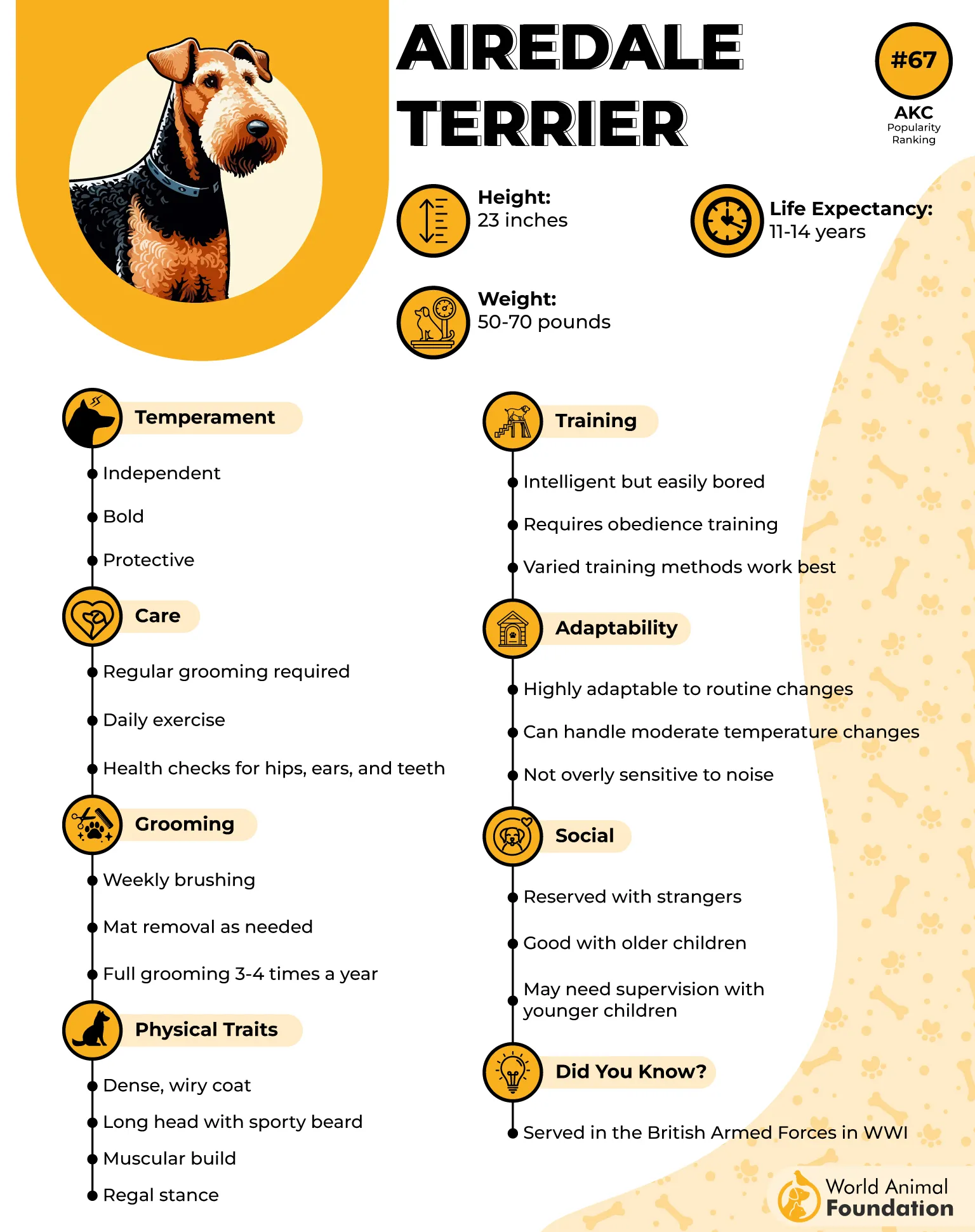
They have a dense, wiry coat that protects them in thick brush and cold water. They also have a good nose and great stamina. Airedale Terriers are fun, curious, and full of personality.
But they can be some stubborn dogs.
They need a lot of exercise, early training, and something to keep their minds busy. Their wiry coat also needs regular brushing and trimming.
8. Irish Setter
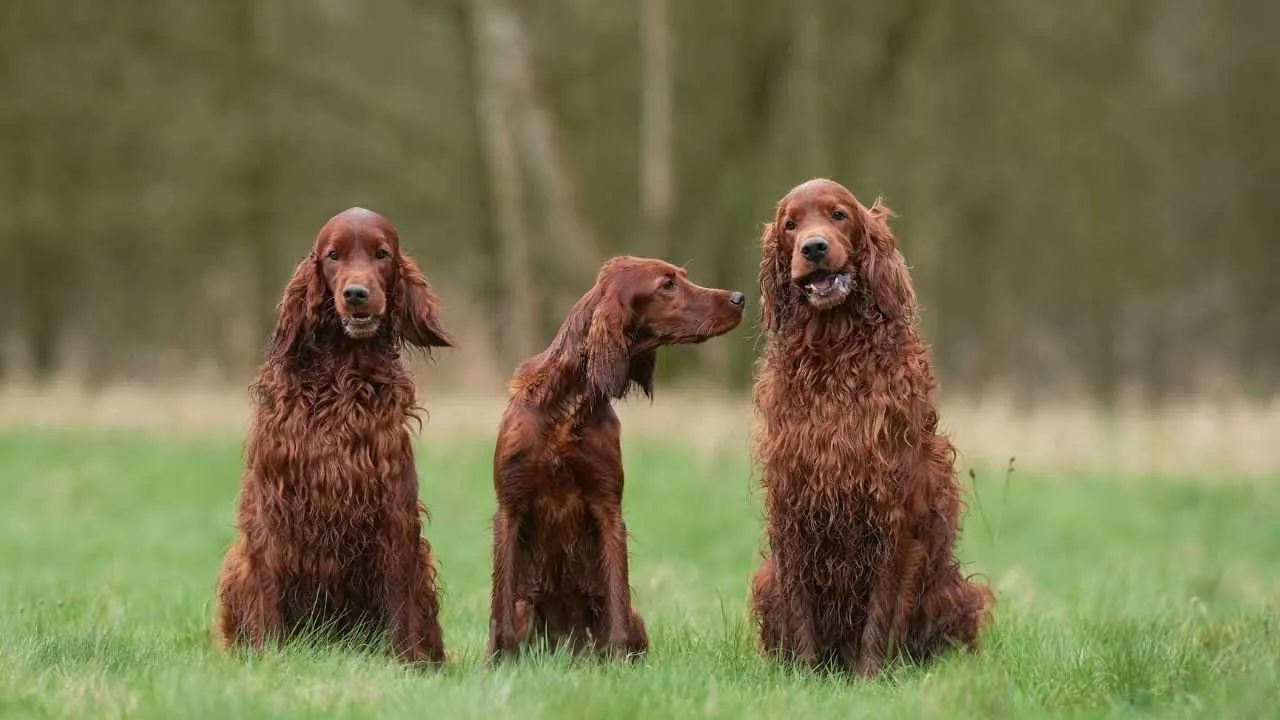
You may not expect to see an Irish Setter on a tracking dogs list, but this dog has a great nose. It was bred in Ireland to find birds, and it can track scents in open fields and wooded areas. It’s also good at finding downed birds that a hunter has shot.
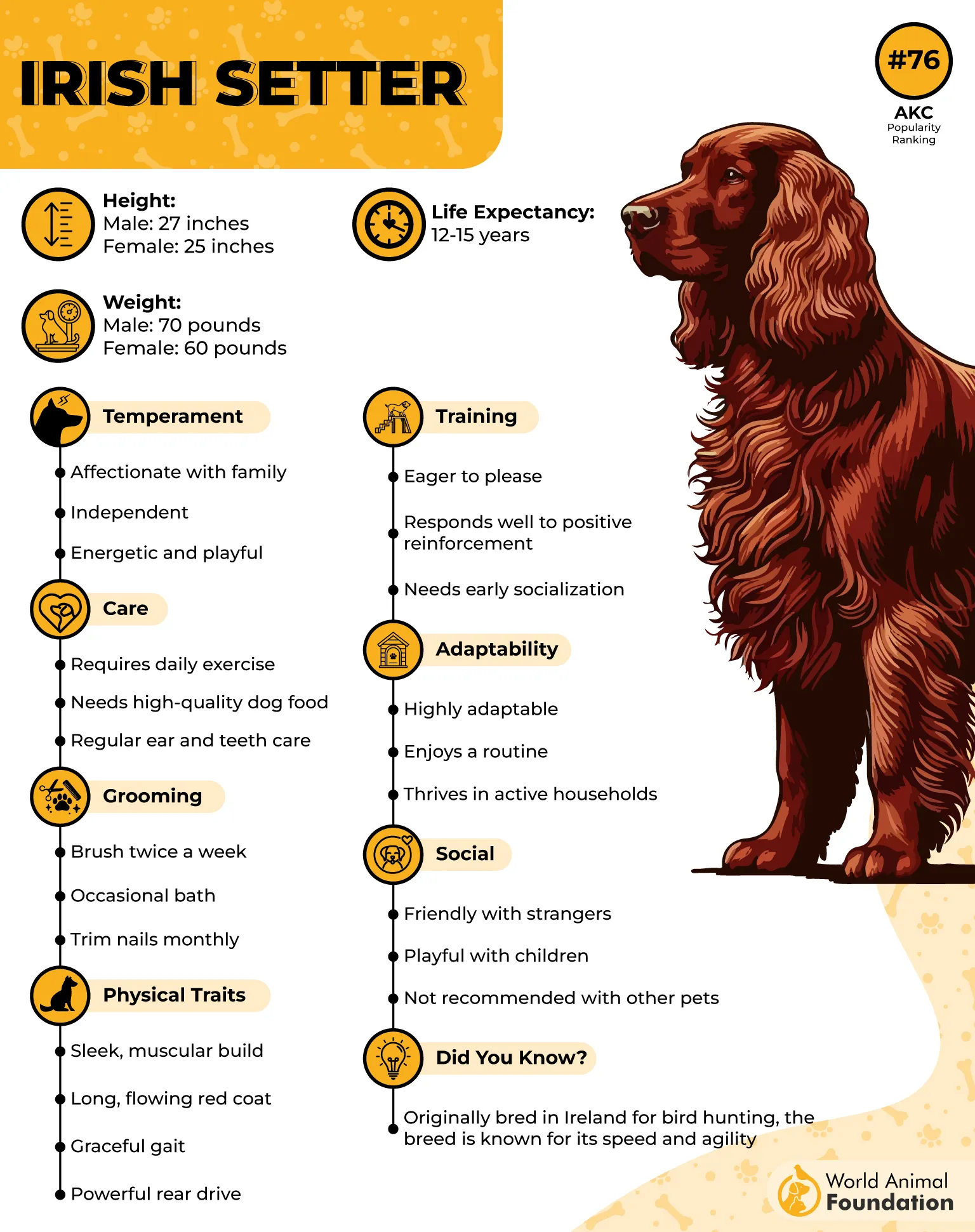
Irish Setters are friendly, bouncy, and full of energy. They love people and often get along with other pets. They need a lot of daily exercise, or they get bored and a little silly.
Their red coats need regular brushing. This tracking dog is a good fit for bird hunters who want a loving family pet too.
9. Mountain Cur
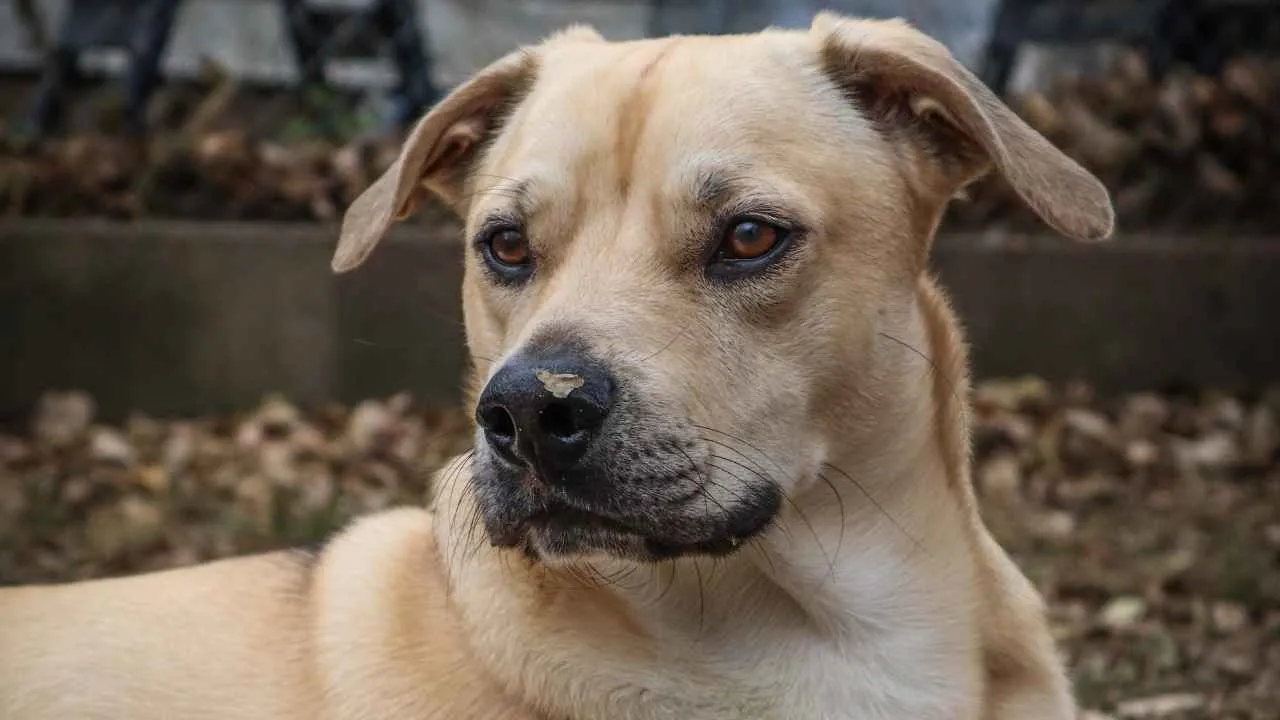
The Mountain Cur is a tough, smart working dog from the Appalachian Mountains. Settlers bred these dogs to hunt small game, tree squirrels, and protect the farm. Today, hunters also use them for raccoons, hogs, and bears.
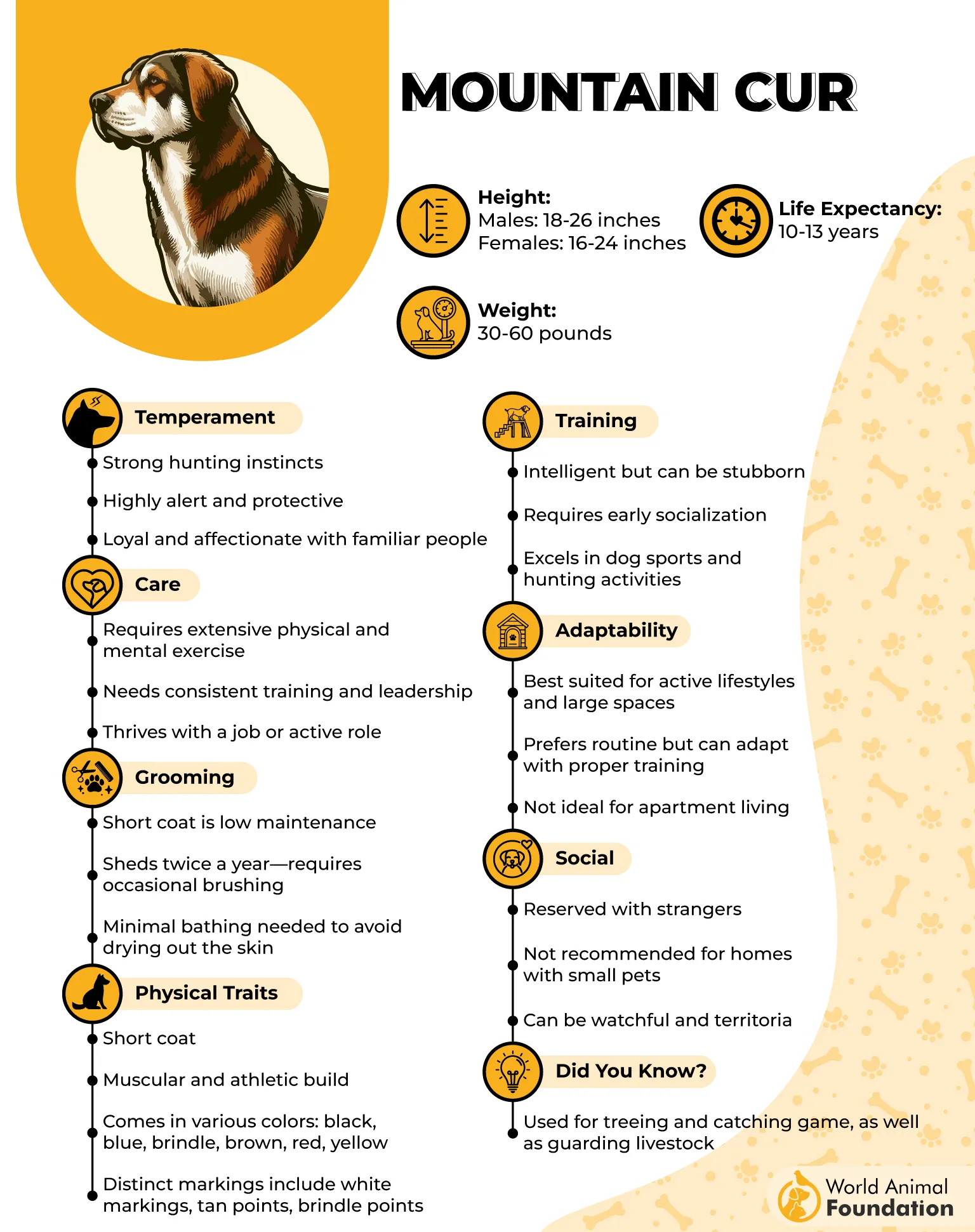
Mountain Curs are famous for how easy they are to work with. They have a good nose, focus, and a strong drive to please their people/hunter.
They are loyal and protective of the family, and they are usually friendly with kids when raised with them. They need a job, a lot of exercise, and proper training. And how can we not mention their high energy levels and prey drive? Keep smaller pets away, as they might not be safe around them.
10. Bluetick Coonhound
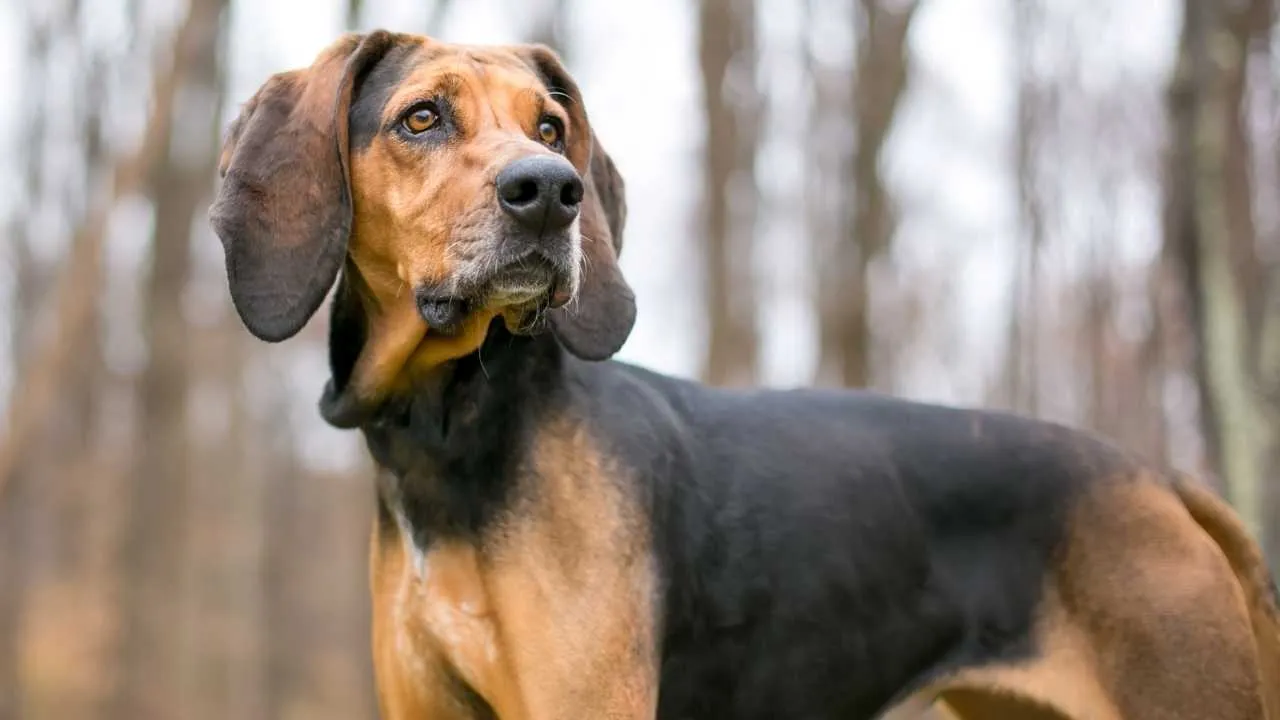
The Bluetick Coonhound is the state dog of Tennessee, and it has a coat covered in dark blue spots. This breed was developed to hunt raccoons and other game, and it can follow a hot trail and a cold one. It has a loud, rich bay that hunters can hear from far away.
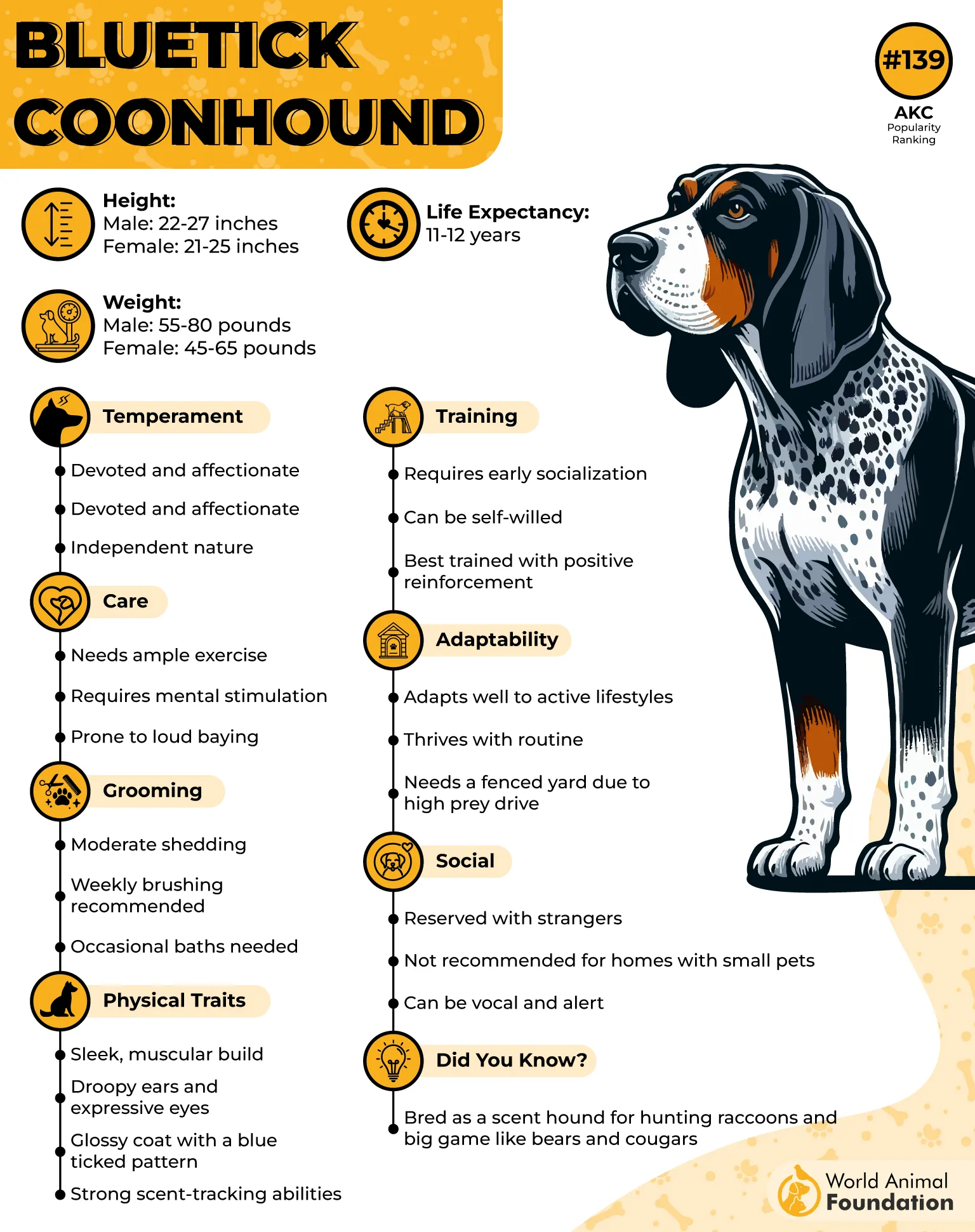
According to WebMD, Blueticks are one of the most intelligent hunting companions. They are fast and have great stamina, so they are good on long hunts through dense brush. They tend to be affectionate and devoted to their people. But they have lots of energy, and they love to follow their noses. They need a securely fenced yard and daily exercise.
Training can take some work, but positive reinforcement and patience help a lot.
Conclusion
The right tracking dog depends on what you hunt and where you hunt.
So, line up your hunting tasks before you hunt for a breed.
Larger breeds like the Bloodhound are a great choice for blood trailing. A Plott Hound or Mountain Cur is better for bears and hogs. And a Redbone, Bluetick, or Black and Tan Coonhound is perfect for treeing raccoons and covering long distances.
Other breeds such as Black Mouth Cur, Labrador Retriever, Golden Retriever, Basset Hound, German Shepherd, or German Shorthaired Pointer are the best dogs for different hunting scenarios and tasks. Small breeds like Beagles excel at going through tight spaces and capturing rabbits and small game.
Whatever breed you choose, start training early, use positive reinforcement, and give your puppy daily exercise. A good tracking dog is a partner, so treat it like one, and give it lots of love and belly rubs.
So, which one is going to be your next dog?
