




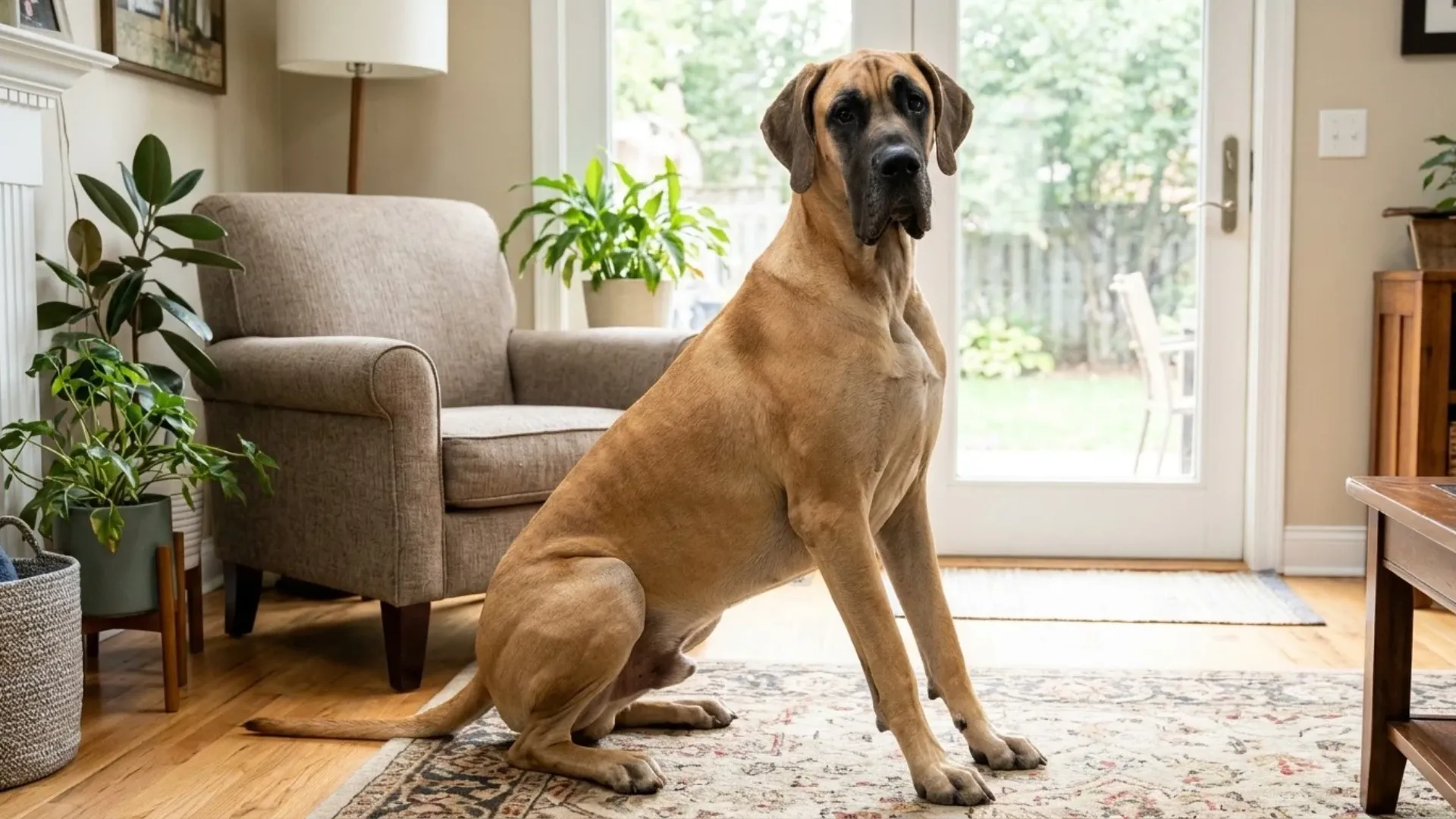
Big dogs can look intimidating due to their size and appearance, but many of these breeds are surprisingly calm and gentle in temperament. If you love the idea of coming home from work to cuddle with a large, loving companion, there are plenty of giant breeds to choose from.
While small breeds are wonderful options for apartment living, larger dogs naturally need more room to stretch out and proper arrangements for travel. Their energy levels and exercise needs can vary, though many of these gentle giants adapt well to an easygoing lifestyle.
Parents often look for affectionate dogs that get along well with little ones. Many giant breeds happily offer children loyal and loving companionship, though adult supervision is always essential around pets of any size.
If you are ready to welcome a big dog into your household, explore this guide to 9 amazing large breeds to find your next furry companion.
Gentle Giant Dog Breeds Known for Their Calm Nature
1. Great Dane
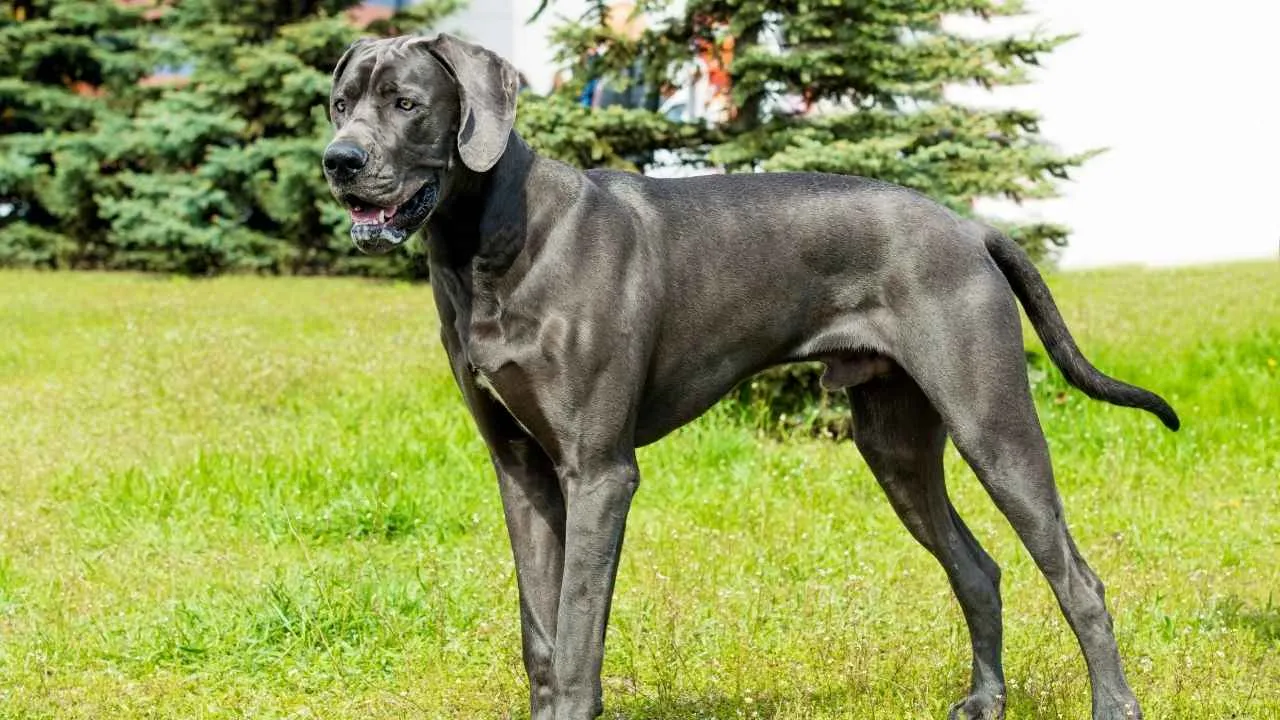
Great Dane is one of the most popular large dog breeds, recognizable for its majestic stature. This powerful canine was originally bred as a hunting dog breed and was also used to protect real estate against predators, according to PetMD. It’s still a wonderful choice if you’re looking for a large guard dog to help you and your family sleep peacefully at night.
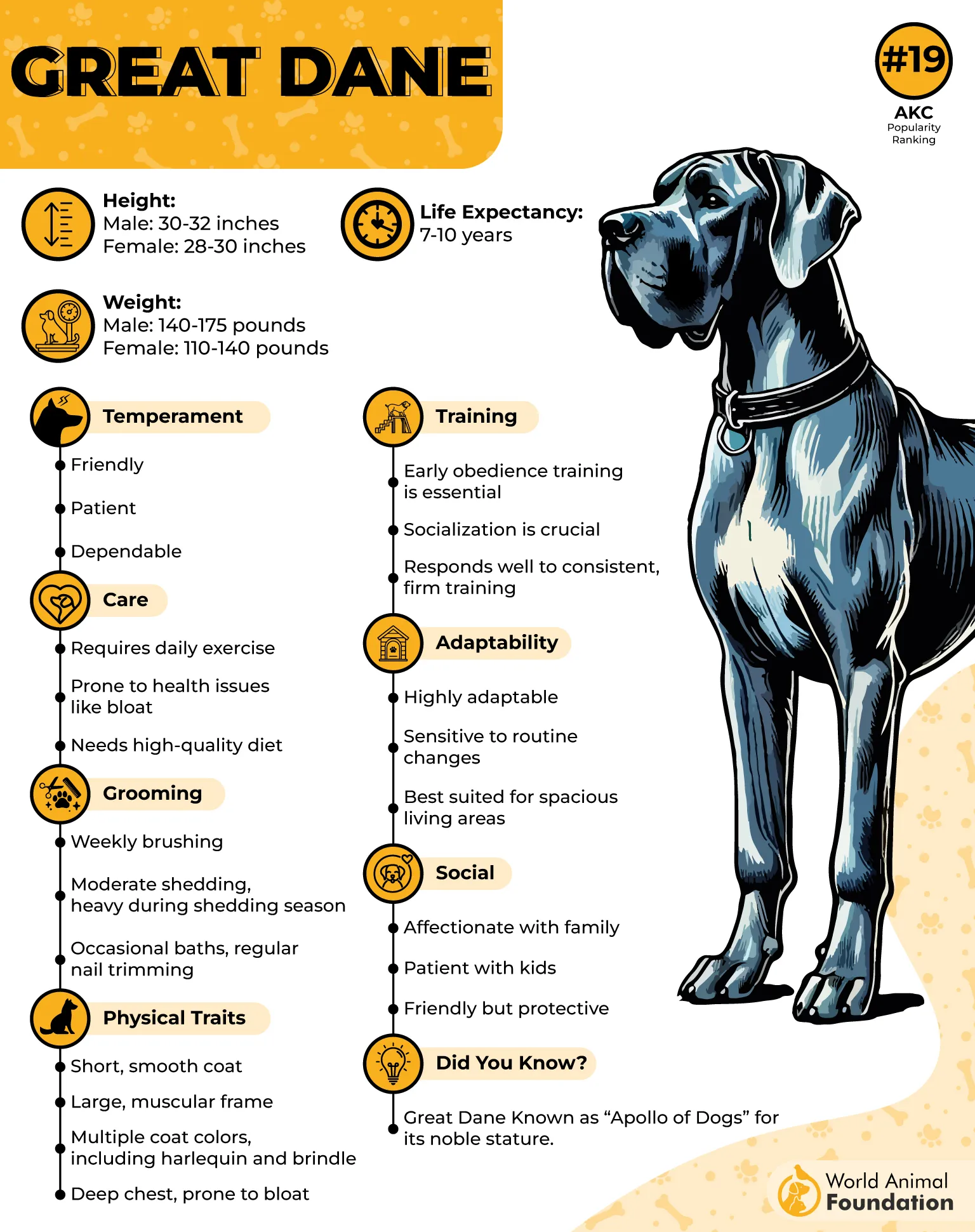
Great Danes are one of the tallest dog breeds and can scare away intruders with their presence. Despite their imposing size and appearance, Danes are surprisingly gentle dogs and make excellent family pets. Like all large breeds, Great Danes also need enough space to roam around and live comfortably, and aren’t suitable for apartment living.
These doggos do need some daily exercise and make great partners for hikes as well. Once they’ve burned off their energy, they can stay pretty calm indoors and won’t mind lounging up next to you. These doggos need a lot of early socialization training to be able to adjust to new people and situations, and are also prone to separation anxiety.
2. Newfoundland
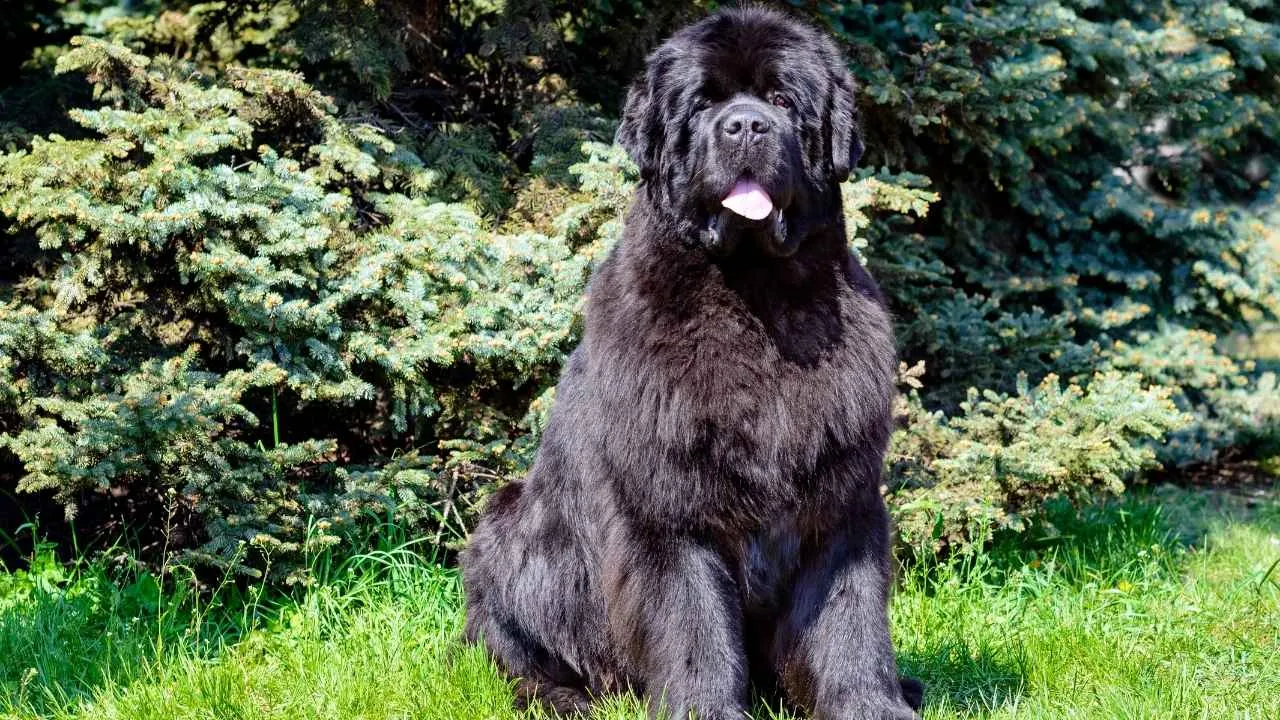
Newfoundlands are huge working dogs that originated on the island of Newfoundland and were used to rescue missing people from the sea, according to Britannica. These dogs are known for their surprisingly gentle temperament and their love for children, which earned them the label of “nanny dogs“. They’re not just friendly and well-behaved pets; they love to watch over children.
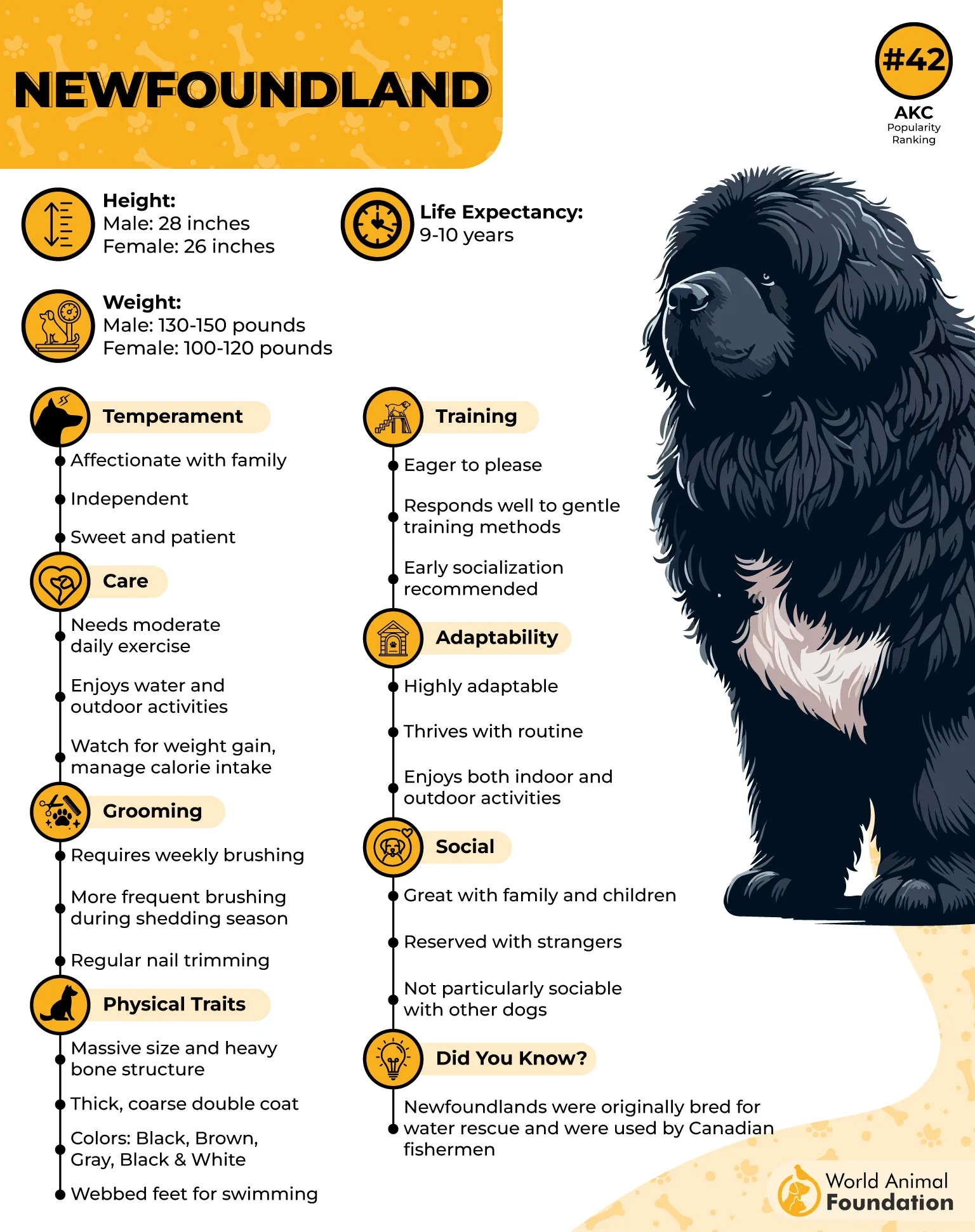
Other than their imposing size, Newfies come with an impressive lung capacity, webbed feet, and thick double coat that protects them against harsh elements. As thick-coated doggos, Newfoundlands need at least weekly grooming sessions and professional grooming every few weeks.
They’re great pets for people living in cold climates and require a large yard and a lot of space in general to live in. Newfies are great doggos for pet parents who do not have time for an extensive workout routine. But they still need at least 30-60 minutes of daily exercise or a walk to stay healthy, and they make good swimming companions.
3. Saint Bernard
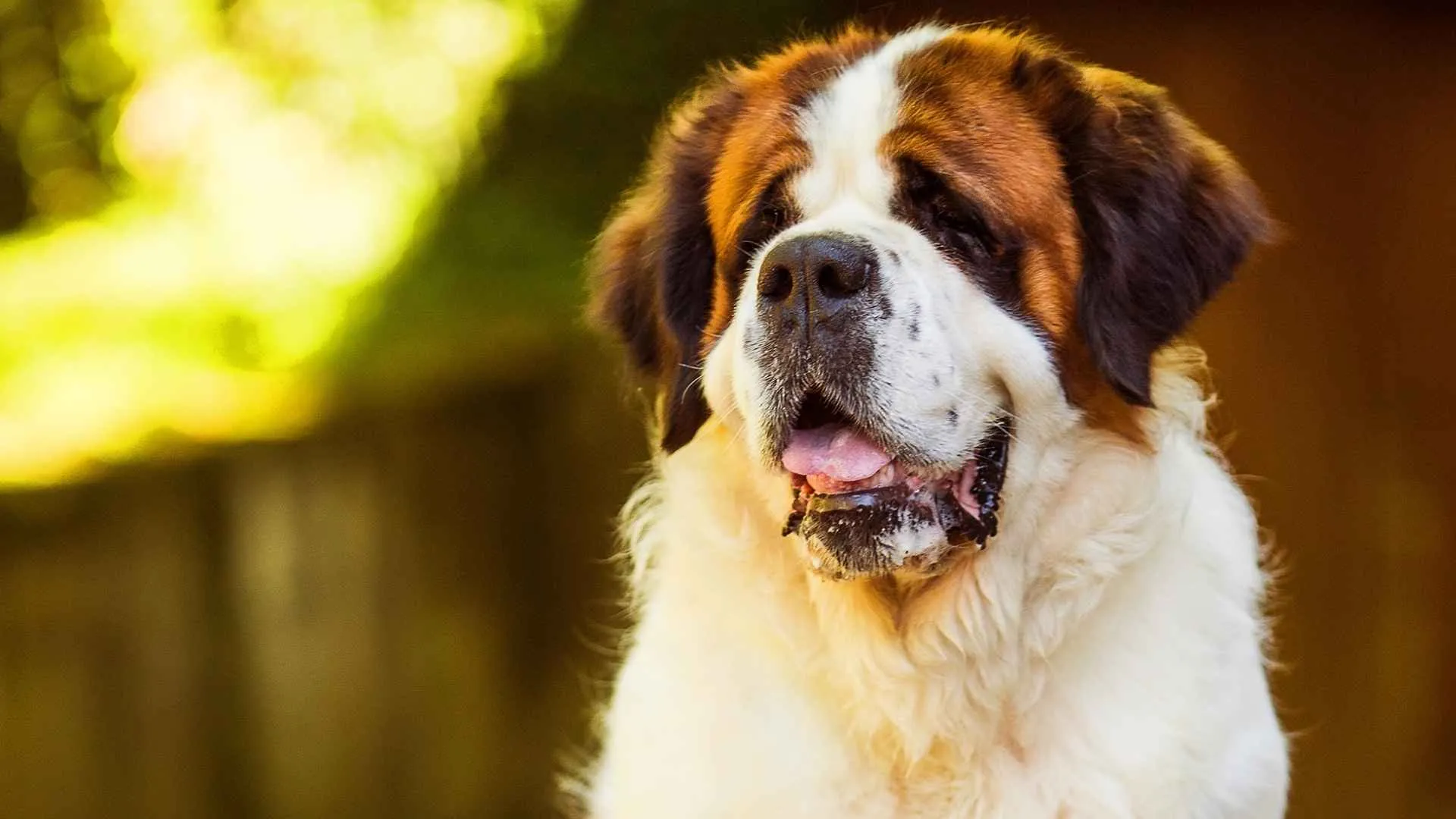
Saint Bernards are adorable gentle giants with a distinct appearance, including their large head, muscled body, and droopy jowls. Originally, they were trained to rescue lost travelers from the Swiss Alps and are still used as search and rescue dogs
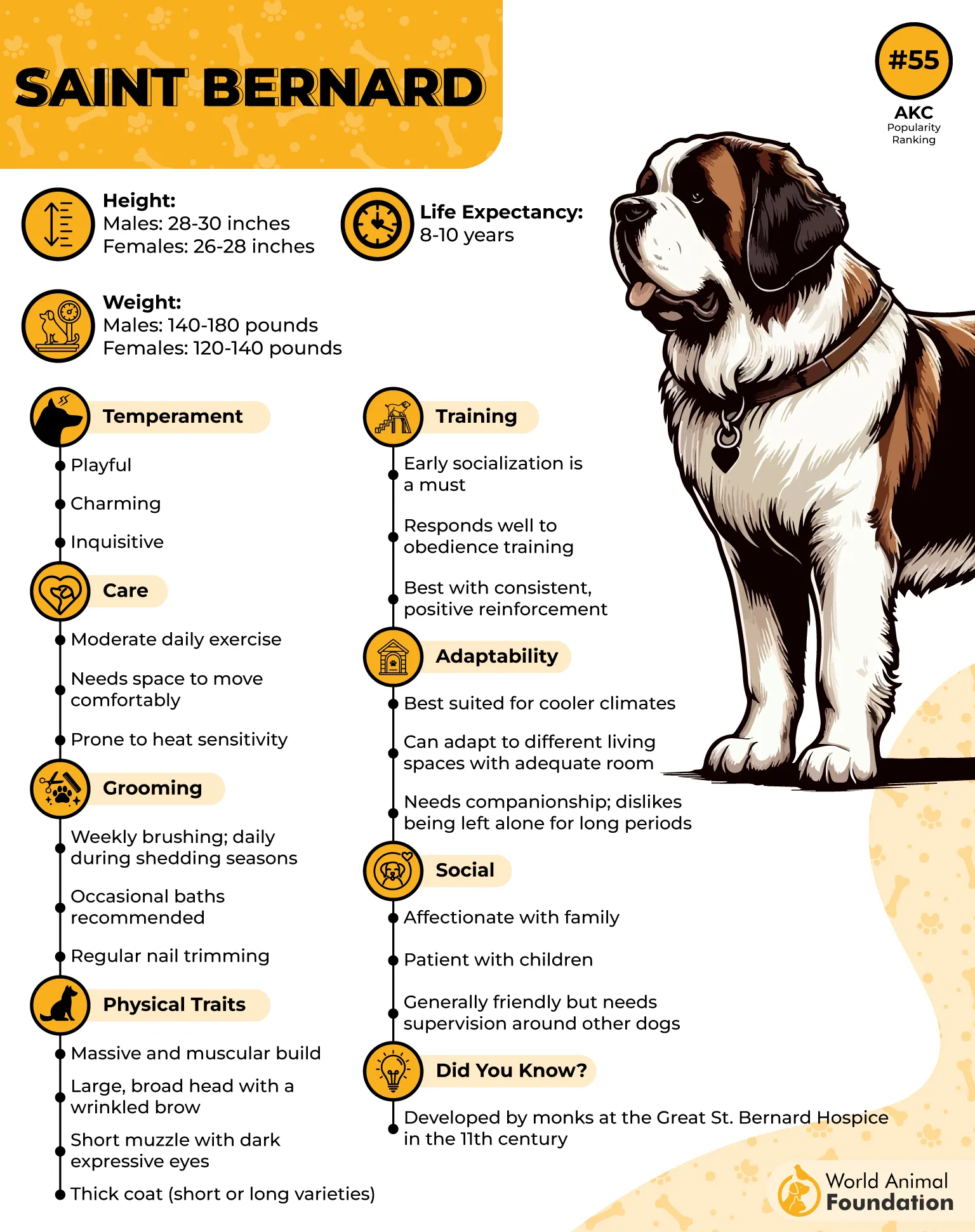
Like many giant breeds, Saint Bernards need plenty of space where they can live comfortably. Still, they’re one of the most patient, calm, and affectionate dogs that are incredibly loyal to their owners and get along well with everyone in the household.
They’re generally gentle pets who tend to be sweet with kids and make friends easily, but Saint Bernards can exhibit a stubborn streak at times. They’re not the best guard dogs, despite their imposing appearance, as they lack aggression and the tendency to bark at strangers, according to Orvis.
Saint Bernards tend to shed a lot, which means you should stay ready to vacuum your furniture often. Daily brushing of its coat can help get rid of loose hair and keep your doggo cleaner. Though Saints don’t need an overly active lifestyle, they’re prone to obesity and should be given at least an hour of daily exercise to stay healthy.
4. Great Pyrenees
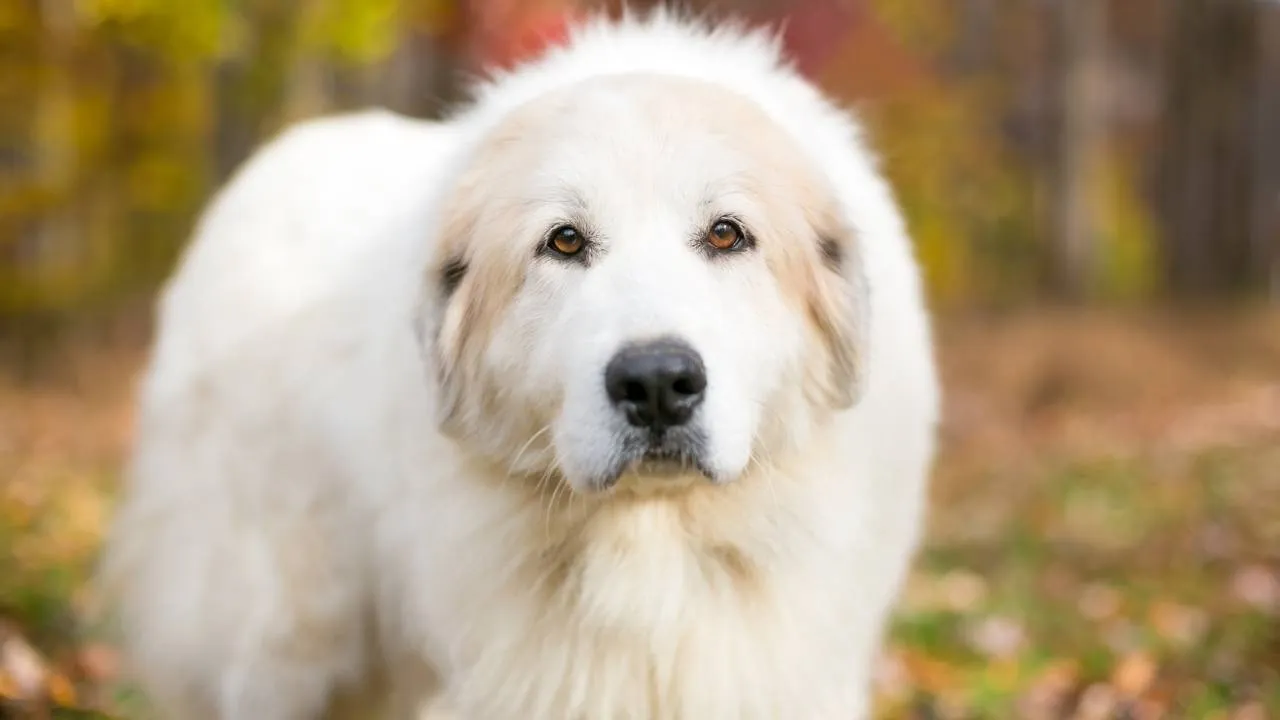
Great Pyrenees is a beautiful white dog breed with a sweet face and a friendly temperament. This intelligent, large breed was developed as a livestock guardian and comes from the Pyrenees Mountains, where its thick coat kept it safe from the cold environment.
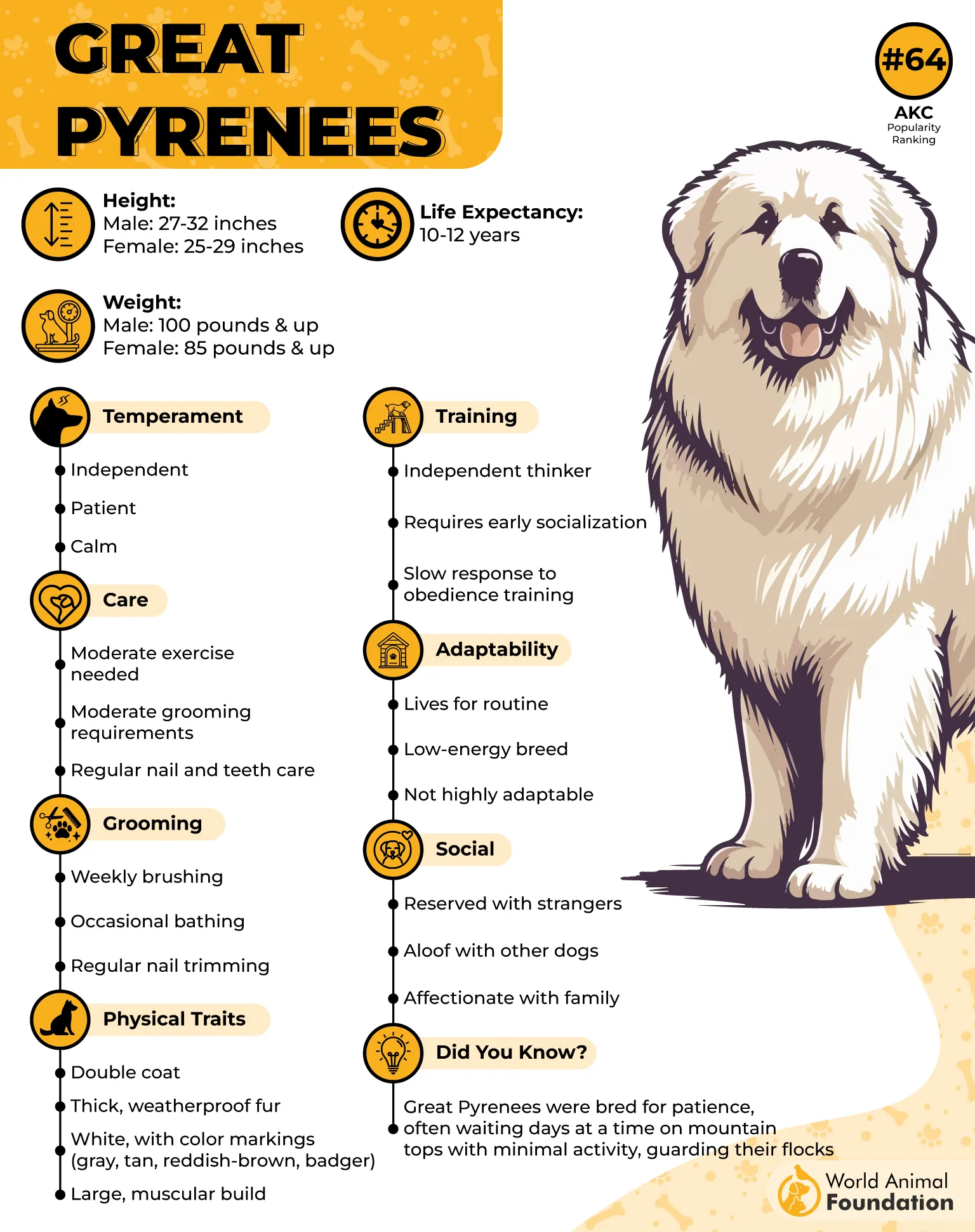
Serene and loyal, Pyr has the elegance of a farm dog while possessing the calm nature suited for a family dog. It’s quick to act when facing a threat against its charge, but isn’t hyperactive in general. These dogs can live amazingly with moderately active pet parents who don’t have a lot of energy for robust workouts.
Despite having a thick coat, Great Pyrenees don’t need extensive grooming as their outer coat is resistant to tangles and dirt. Brushing them once a week is still a good idea to keep their coat looking its best. You can add a Pyr into a home with other dogs and smaller pets, as this breed doesn’t have a high prey drive.
5. Irish Wolfhound
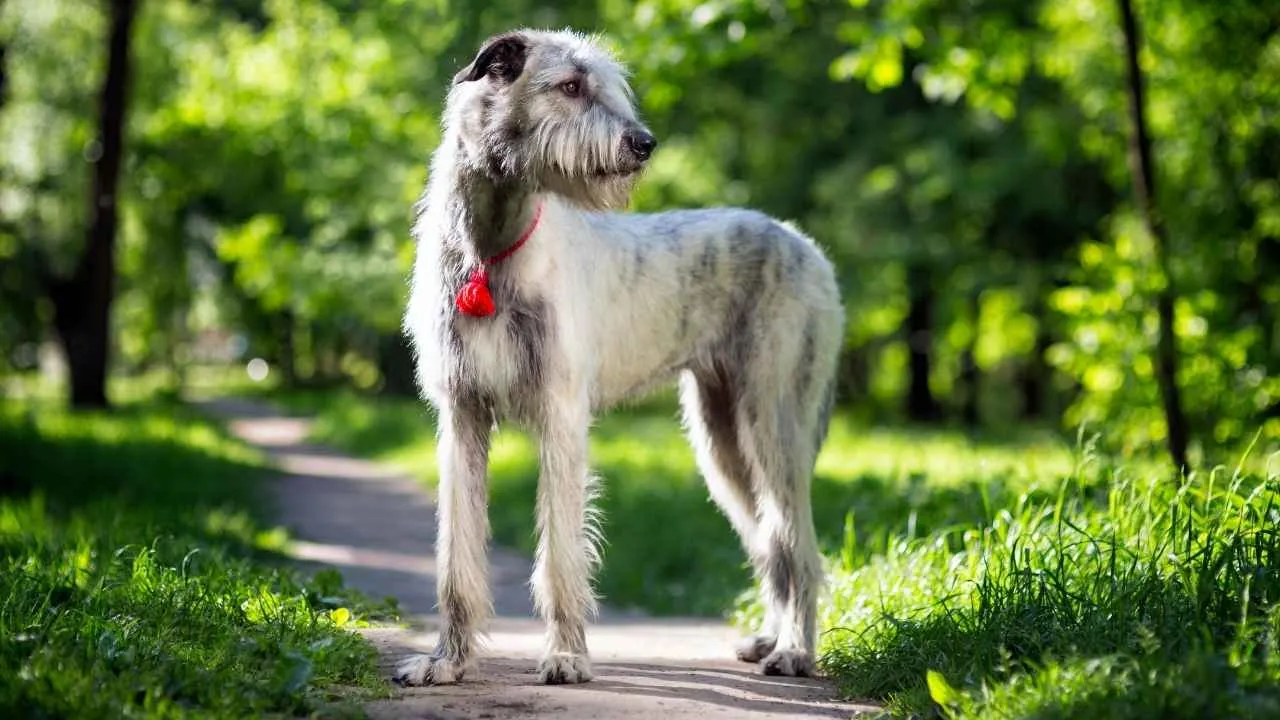
Irish Wolfhound is a unique, raggedy dog breed with a double coat that has a rough, wiry outer coat. This breed was used in wolf hunting campaigns in the 1700s, which gave it its name. Though these doggos tend to have a high prey drive, they have a devoted nature and make very calm and friendly pets.
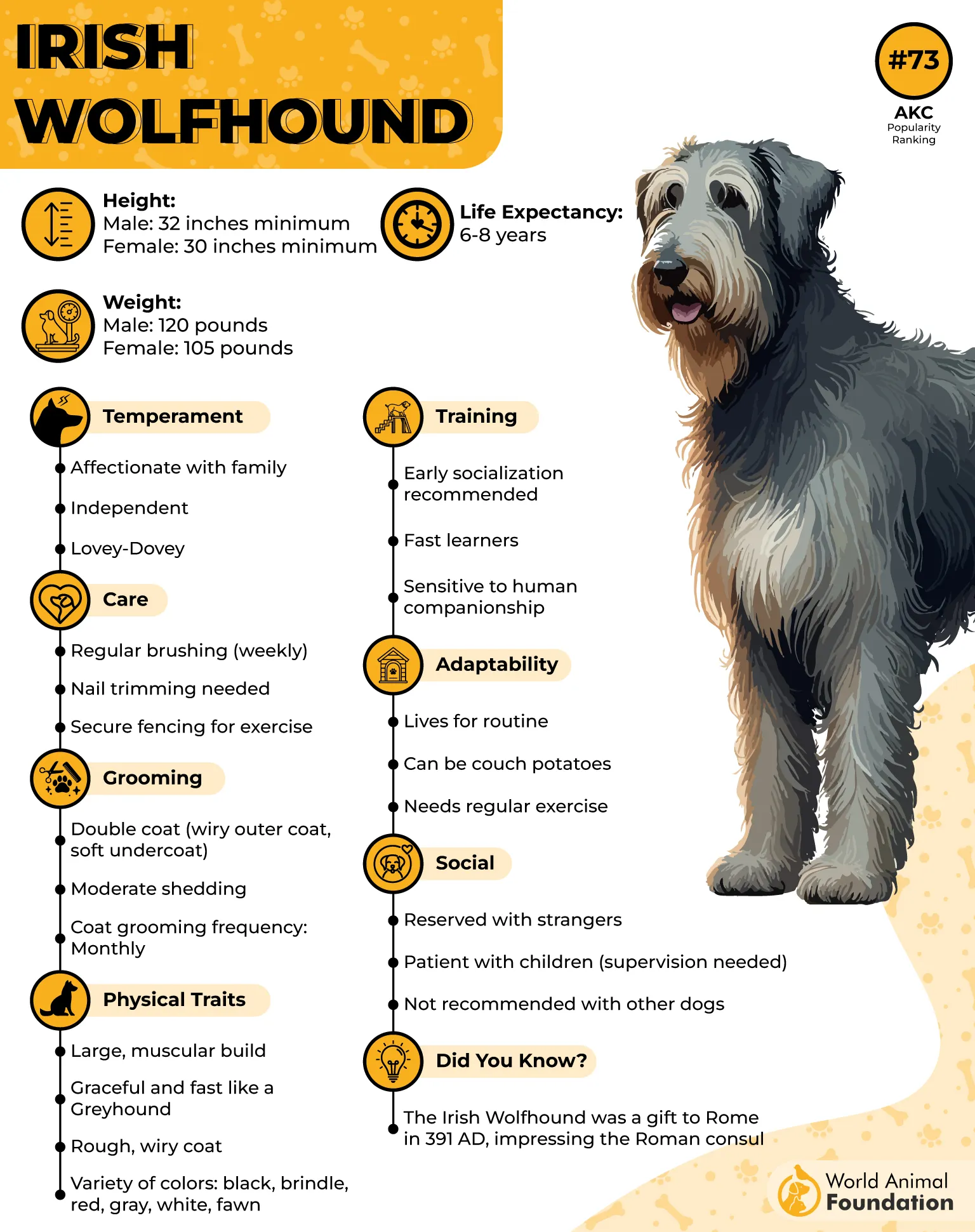
Irish Wolfhounds are great pets for families as they get along with family members of all age groups, especially children. Receiving socialization and obedience training from an early age can help them grow to be even more sociable and even-tempered pups.
Many large breeds tend to have a shorter lifespan, and Irish Wolfhounds are no different; these doggos live for around 6-8 years. To give them a healthy life, other than regular exercise, it’s important to ensure they are receiving enough nutrition for a dog their size.
6. Leonberger
Leonberger is a massive and elegant dog breed with a thick double coat, a black masked face, and a furred-up tail. This aristocratic breed originated in Germany and is a crossbreed between Newfoundlands, Great Pyrenees, and Saint Bernards.
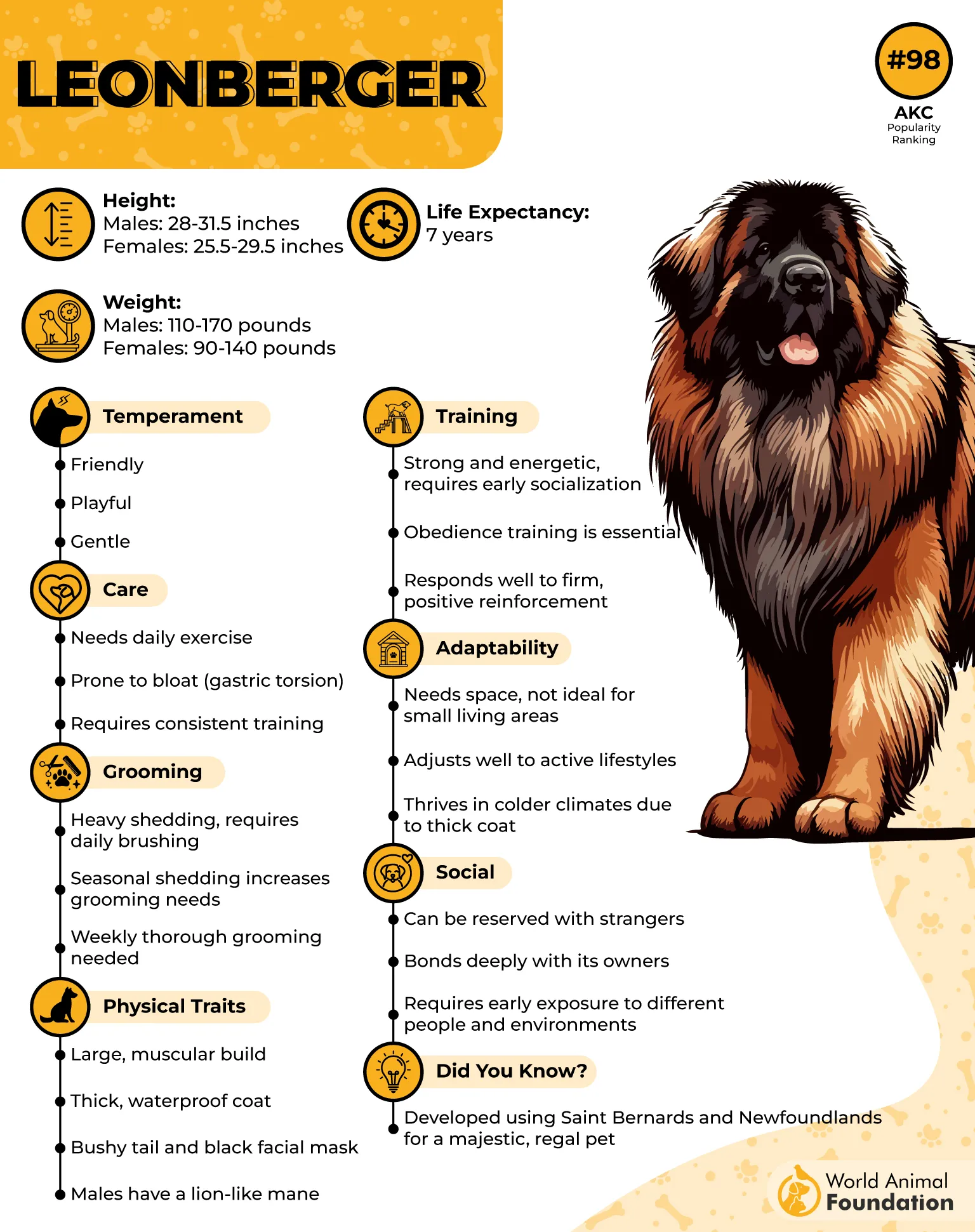
Though the Leonberger has been used as a farm dog in the past, it’s also been employed as a search and rescue dog. This hard-working breed makes a good watchdog due to its alertness and intelligence. As a pet and a family dog, the Leonberger is a very easygoing, docile, and gentle dog that cherishes close physical contact with its humans.
Adopting a Leonberger means you’ll have to take out daily time to brush its thick coat to avoid tangling and matting. This goes without saying that this breed isn’t for people living in apartments, as it needs a significant space to be comfortable in.
Luckily, they’re easy to train doggos, especially when they have an experienced trainer or pet parents. They enjoy receiving attention from their human family members and love to be a part of all family activities.
7. Bernese Mountain Dog

Bernese Mountain Dog is one of the prettiest dog breeds with coats of different color combinations and markings. Its expressive face and sweet nature make it an instant favorite in any household. Around 2,000 years ago, these dogs were taken to Switzerland by the Romans, where they were used as sled-pulling canines and guardians of farms.
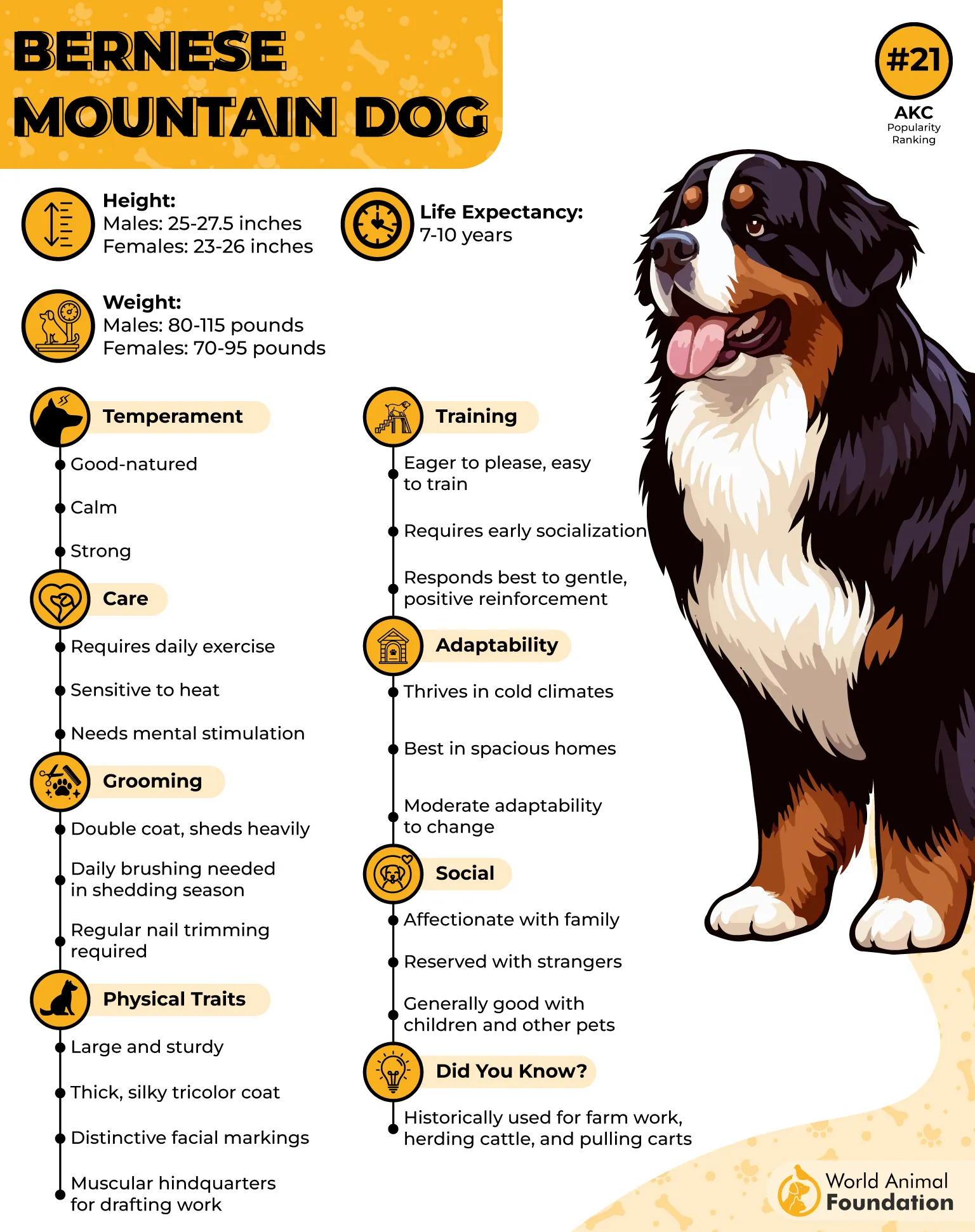
As large dogs with dense coats, Bernese prefer wide spaces and cold climates; warm climates aren’t suitable for them as they’re prone to suffering from heatstroke. They’ll be more than happy if given the opportunity to play in snow and make great walking partners during winter.
These doggos need daily brushing due to their thick, moderately shedding coat, but their exercise needs are moderate. Like many large breeds, they’re prone to suffering from joint issues and bursitis; give them soft bedding and try to avoid injuries while taking them on walks.
8. Dogue De Bordeaux
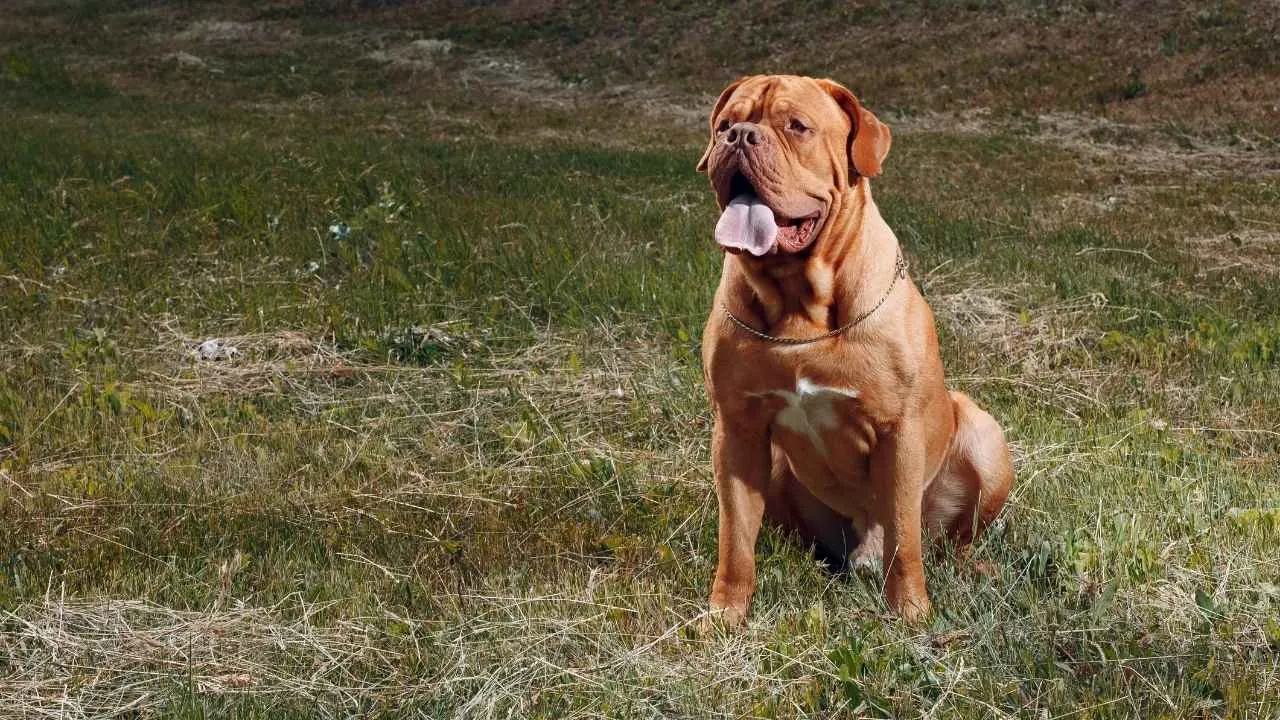
The Dogue De Bordeaux, or the “Mastiff of Bordeaux,” is an ancient French breed that has been used for guarding. This dog has a sturdy body, a droopy, wrinkled face, and a smooth coat that comes in colors like red and fawn.
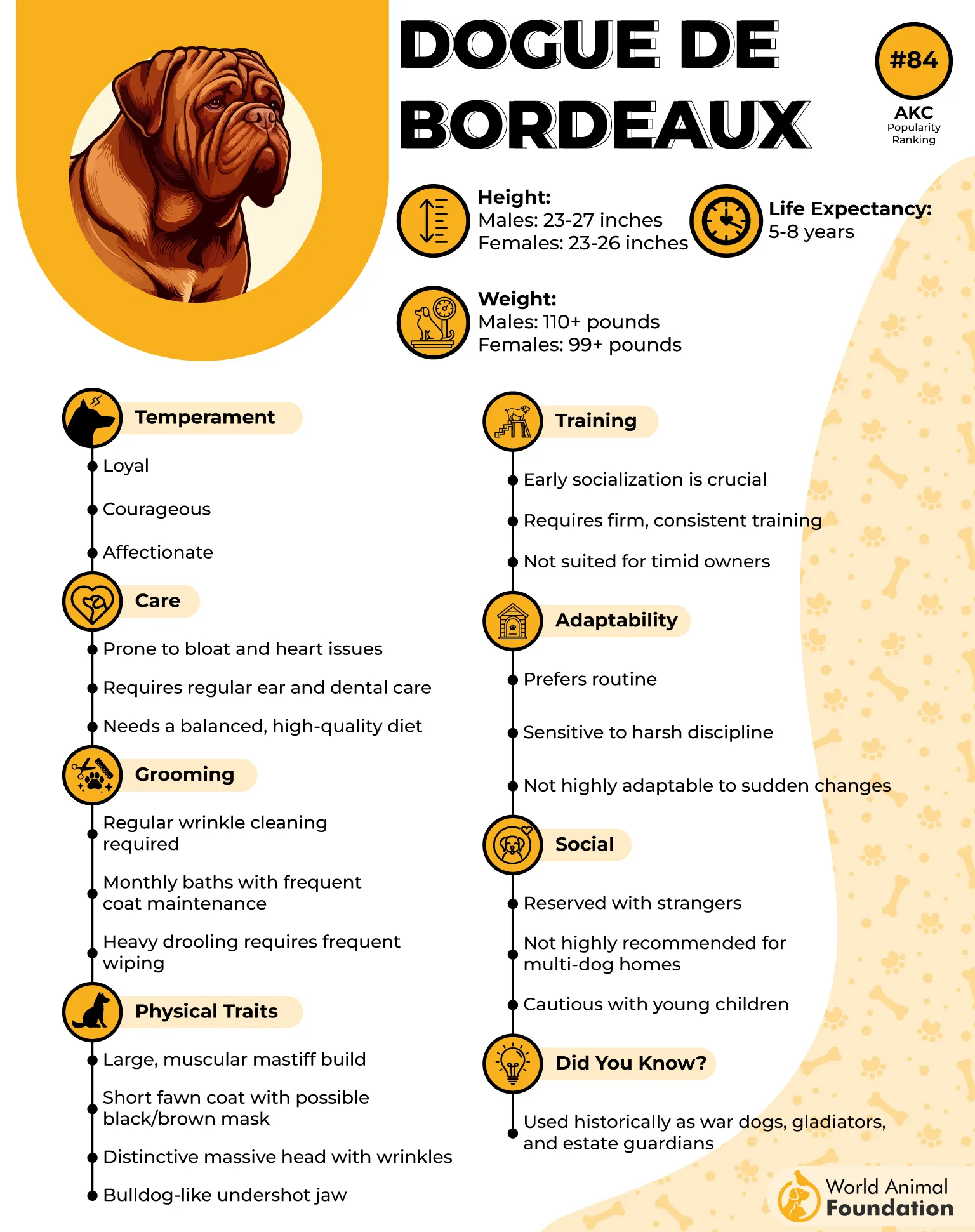
This pup tends to be a deeply loyal companion with a protective nature, owing to its background as a guard dog breed. Don’t let its imposing appearance fool you; Dogue De Bordeaux tends to be a really sweet and calm pet that loves its owners.
As sensitive dogs, these pups can be headstrong and need early and consistent training to grow to be more obedient. Other than regular combing to get rid of this dog’s loose hair, make sure to clean its facial wrinkles to avoid accumulation of dirt. Another thing to keep in mind is that these doggos are excessive droolers, so stay ready to keep cleaning their faces.
9. Bullmastiff
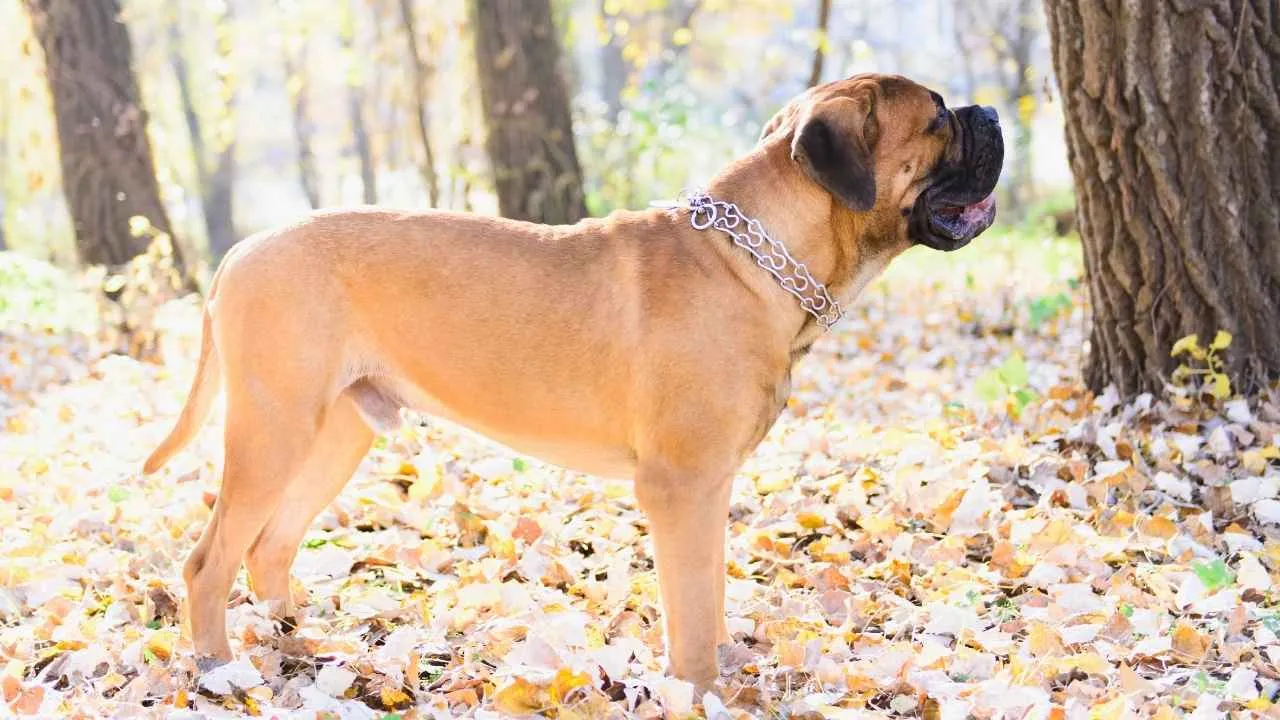
Bullmastiff is a huge and muscular dog breed that was developed by crossing Bulldogs with Mastiffs. These hard-working and determined dogs were originally bred as guard dogs to keep off poachers from properties.
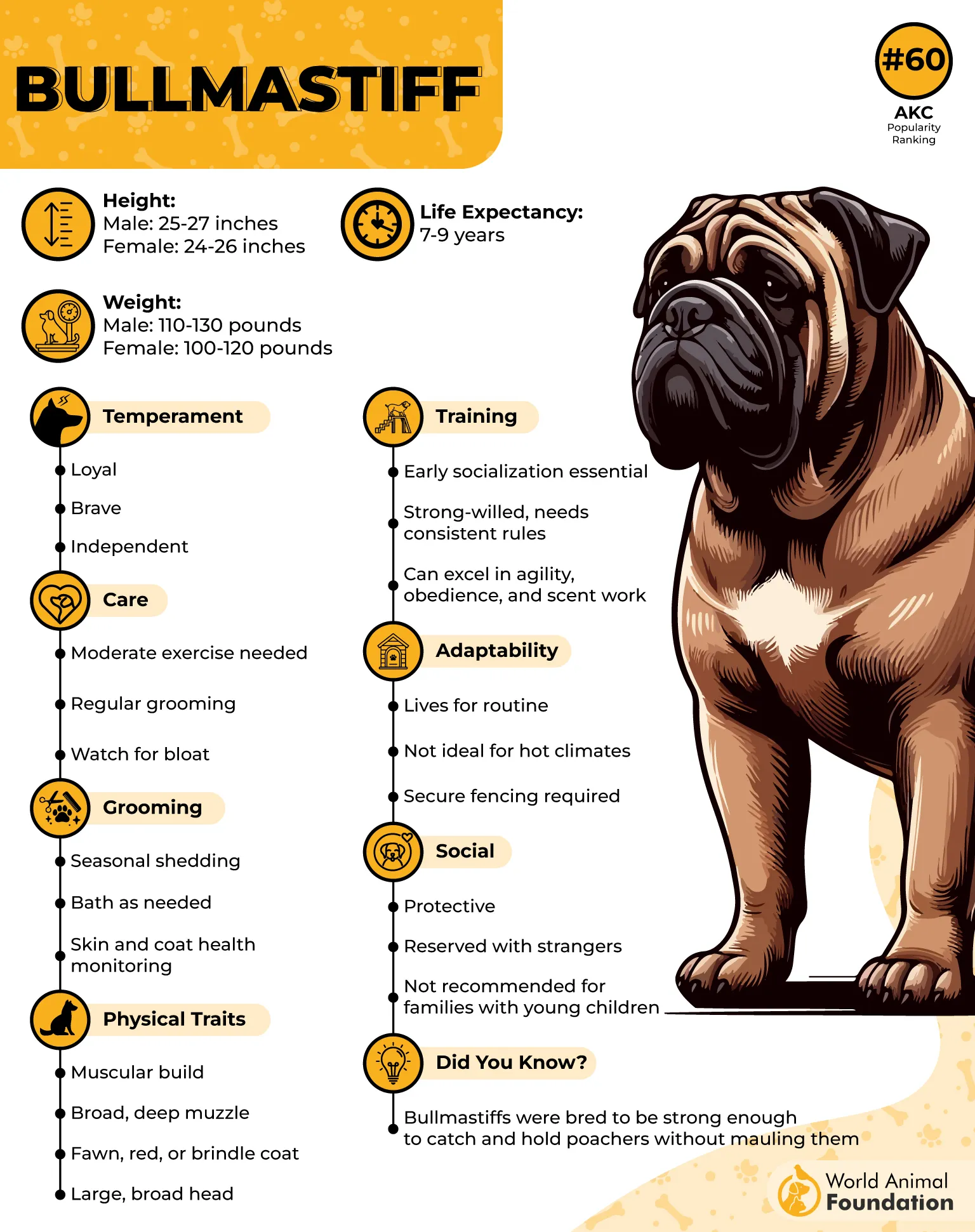
Bullmastiffs make deeply devoted and courageous guardians when they’re trained for this purpose, due to their alert nature and protective instincts. They’re also one of the most intelligent dog breeds and can be taught cues and commands with ease. They do require regular physical and mental stimulation to stay happy and healthy, but once satisfied, they tend to be very calm and loving companions.
Bullmastiffs can get along well with kids and other pets, but they tend to be reserved around strangers and need proper socialization. They’re not excessive barkers but can bark when they feel the need to alert their humans to something unusual.
Conclusion
These large dog breeds are known for their calm and affectionate nature and their reliability. While their companionship can be quite a blessing, adopting these dogs comes with some responsibilities. Other than scheduling regular vet visits, make sure to learn about their nutritional needs. When adopting your pup, choose a reputable breeder known for ethical practices to ensure a healthy canine.
