




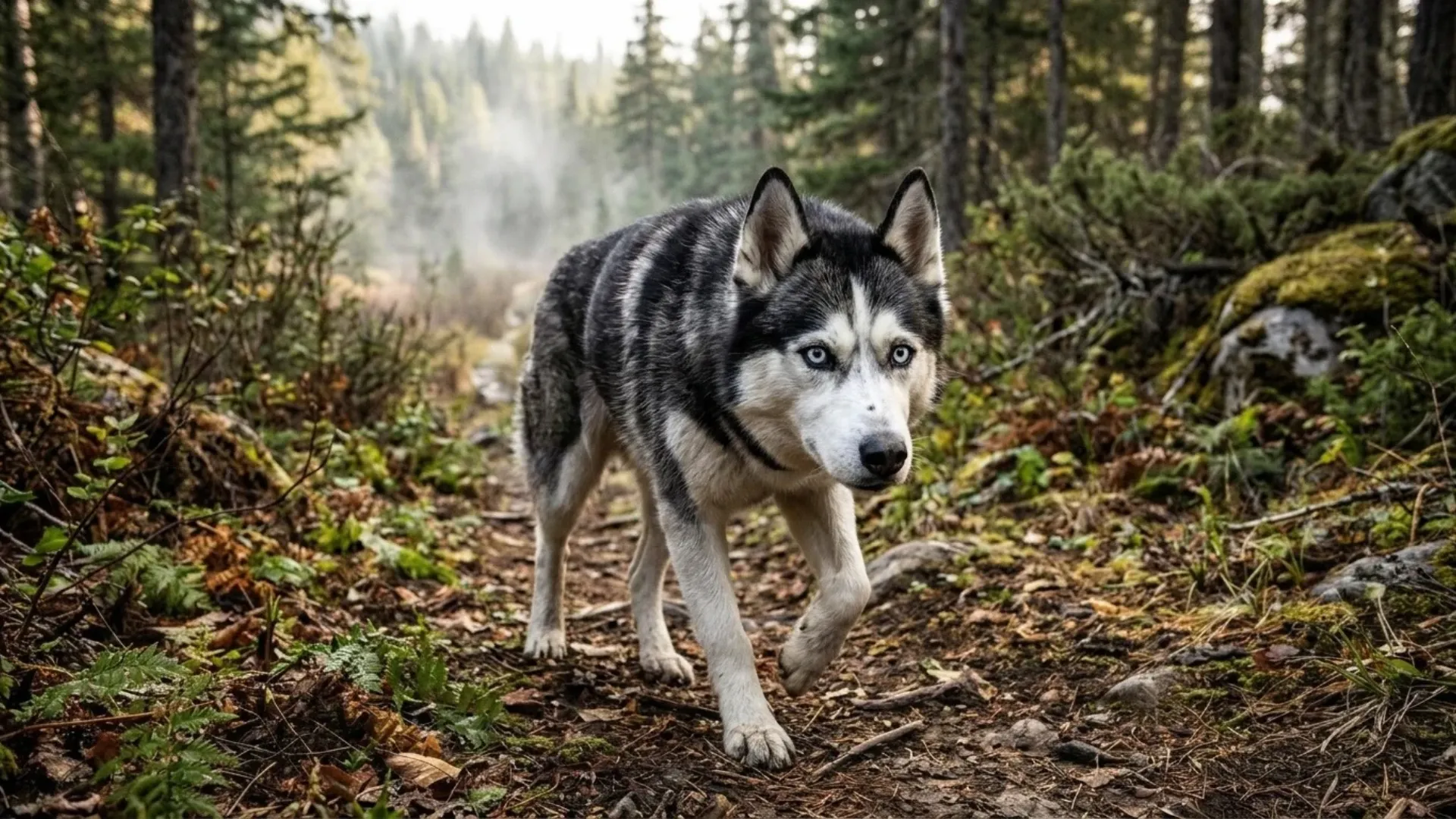
A dog suddenly chasing a squirrel, stalking a bird, or darting after a rabbit can reveal an instinct that has existed long before it became a beloved family companion.
Prey drive is a dog’s natural urge to pursue moving animals, and while it may surprise owners, it is deeply connected to the behaviours that shaped many breeds over generations. Even familiar games like fetch and tug reflect parts of these instinctive patterns.
Although any dog can display prey-driven behaviour, some breeds were specifically developed for hunting, tracking, chasing, or herding, making these tendencies particularly noticeable. One may freeze and watch its target, another may follow a scent, while others can spring into a chase in seconds.
These instincts can be fascinating, but they also require responsible handling, especially around wildlife and smaller pets.
Understanding what motivates these dogs helps owners appreciate their natural abilities while recognising the importance of training, supervision, and safe outlets for their energy. In this article, discover seven breeds whose powerful instincts set them apart.
Key Takeaways
Strong natural instincts: High-prey-drive dogs have an instinctive urge to chase, track, and pursue moving animals.
Hunting heritage: Generations of selective breeding have shaped their hunting abilities and determined personalities.
Speed and agility: Some breeds can accelerate rapidly, making it challenging to stop a chase once it begins.
Small dogs, powerful drives: A compact body does not necessarily mean weaker hunting instincts or less determination.
Dog Breeds With High Prey Drive and Strong Instincts
1. Belgian Malinois
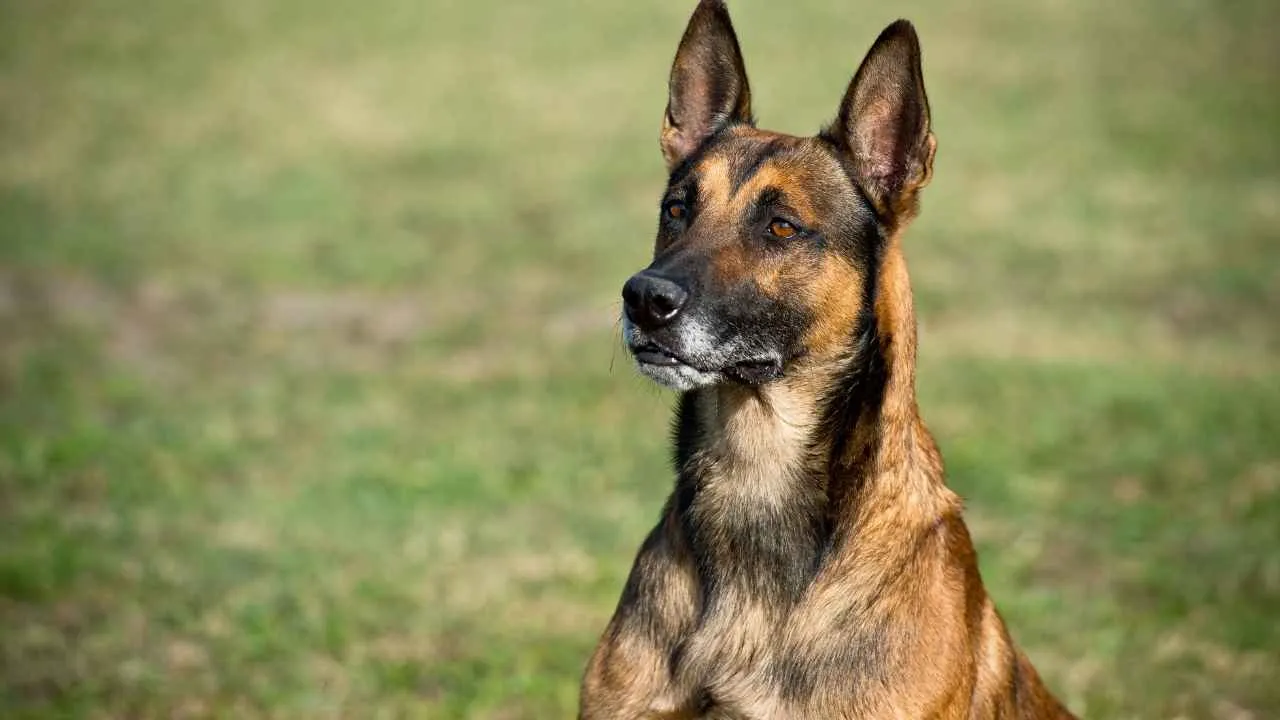
The Belgian Malinois is an intelligent, athletic, and fiercely devoted working dog whose sharp instincts and remarkable energy demand an experienced owner.
Originally bred for herding, this muscular, alert breed has a short, weather-resistant coat ranging from rich fawn to mahogany, complemented by a distinctive black mask and ears.
Like many herding dogs, the Malinois has a strong prey drive, making moving animals, vehicles, and even running children potential targets for chasing.
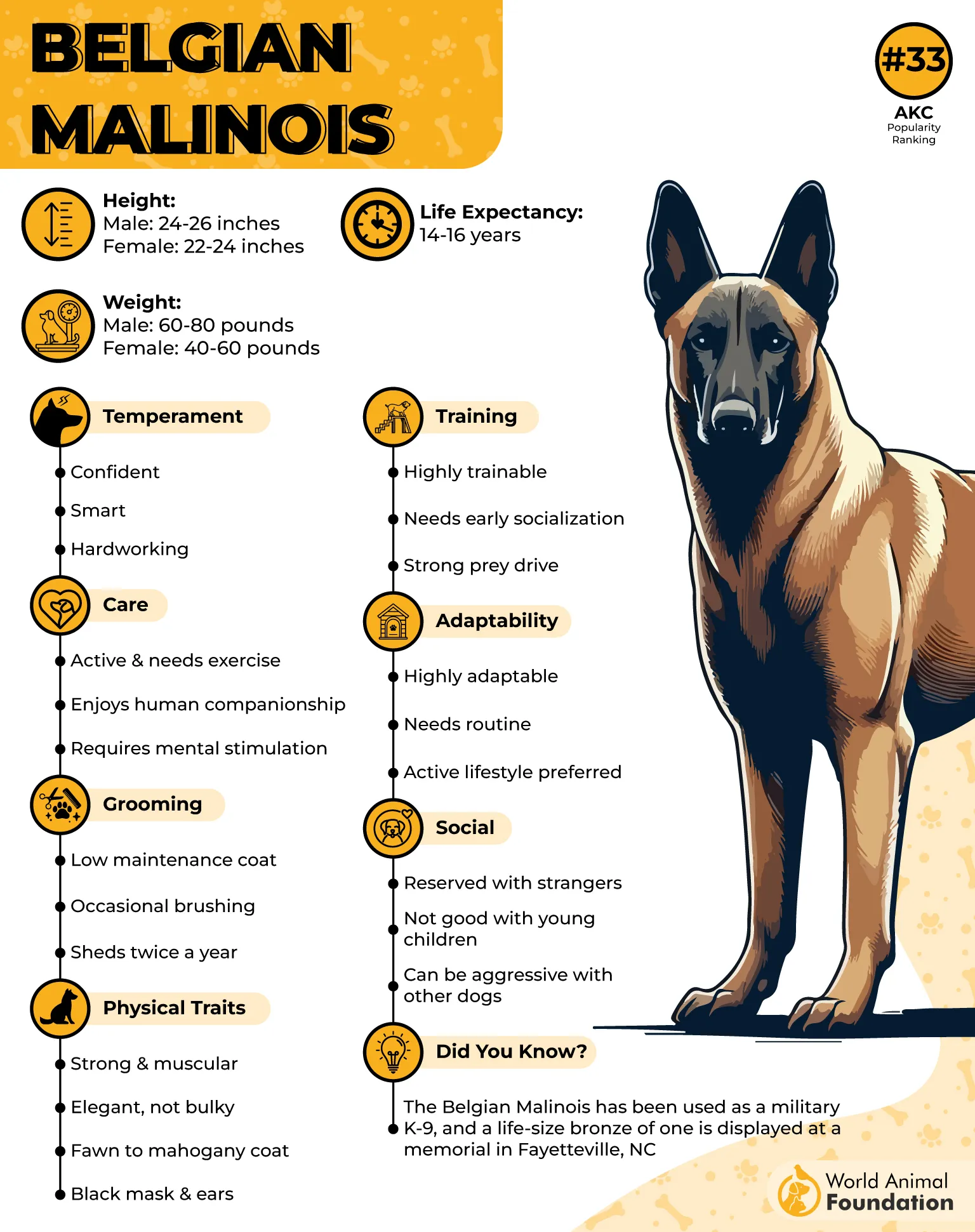
Without proper guidance, these instincts can become challenging to manage, particularly around smaller pets. Early socialization, consistent obedience training, and structured activities help channel this natural drive into appropriate outlets, according to the American Kennel Club.
Highly responsive and eager to work, Belgian Malinois excel in tracking, agility, herding, and other demanding activities. However, daily walks alone rarely satisfy their physical and mental needs.
These devoted companions thrive when actively engaged with their owners, making them best suited to homes prepared for their exceptional energy and intensity.
2. German Shorthaired Pointer
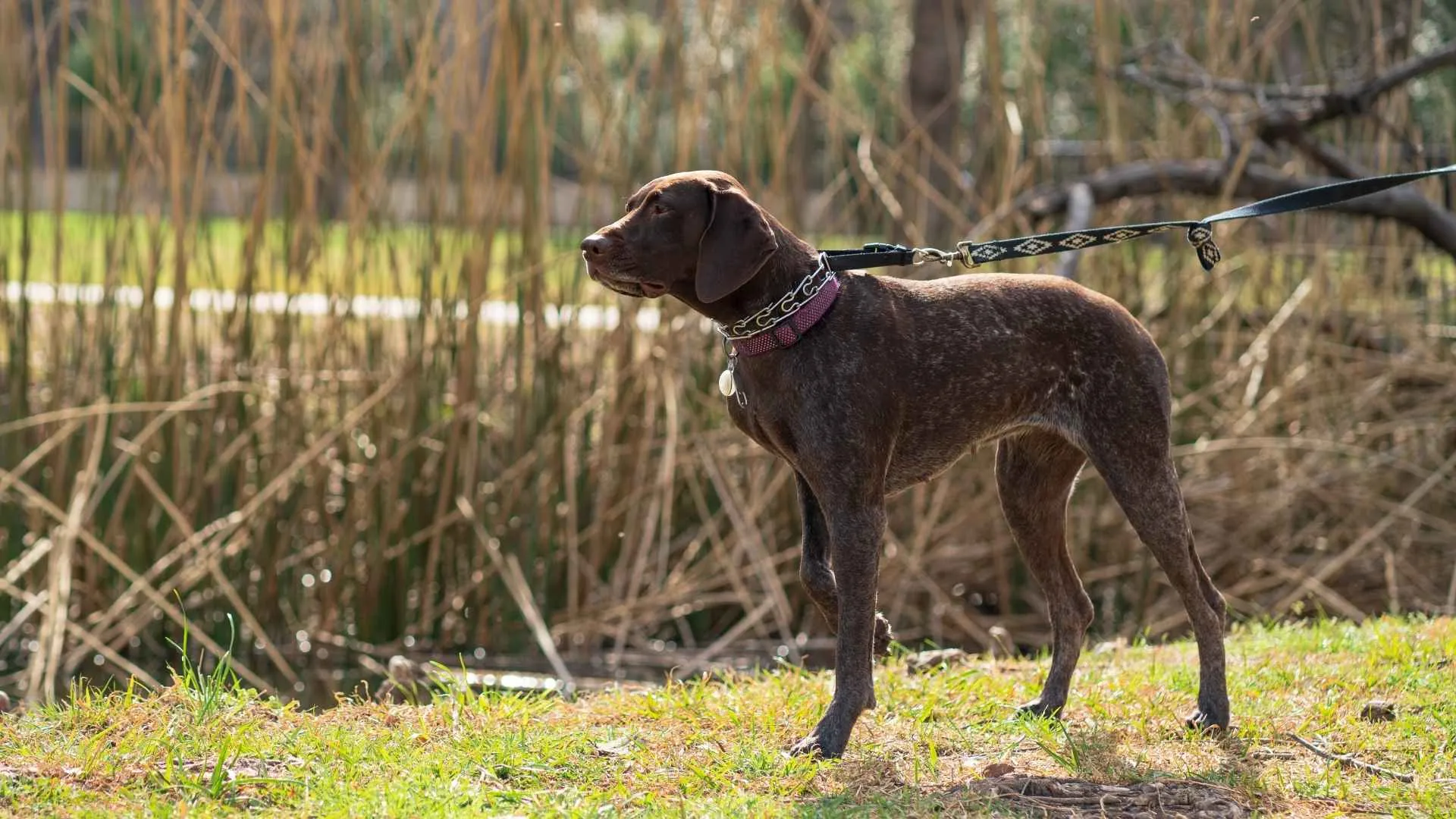
Built for the thrill of the chase, the German Shorthaired Pointer is an energetic hunting dog whose natural instincts make it a remarkable field companion.
Developed in Germany during the 19th century, this versatile breed was bred to locate, point, track, and retrieve game on land and in water.
Its strong prey drive, keen sense of smell, and impressive stamina make it especially skilled at following the scent of birds and other animals.
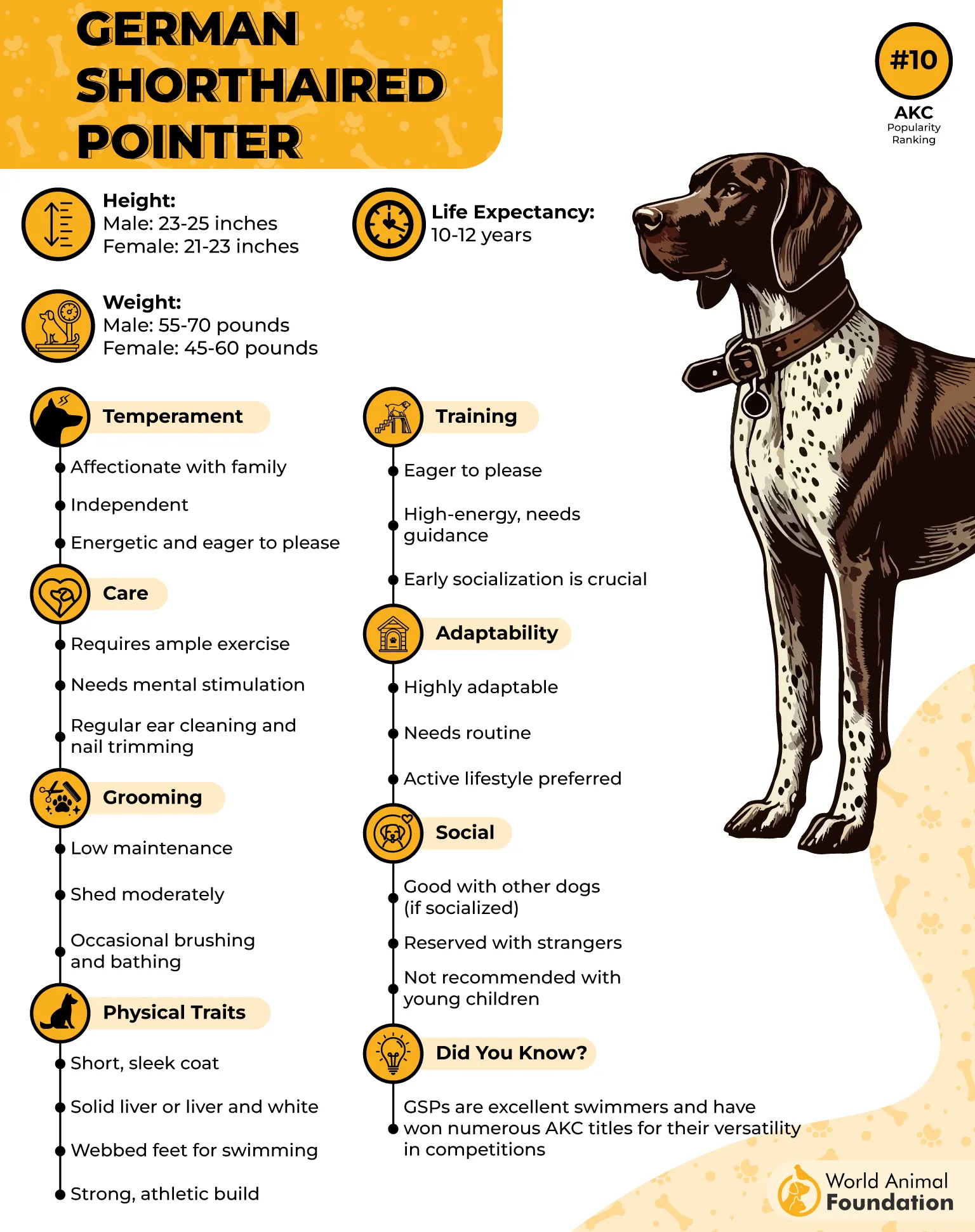
However, these instincts can also lead to unwanted chasing when smaller pets or wildlife catch its attention.
Intelligent and quick to learn, the German Shorthaired Pointer responds well to consistent training that channels its hunting abilities into appropriate activities.
Beneath its focused working nature, this loyal, affectionate dog can also make a devoted family companion. However, its considerable energy and need for vigorous exercise mean it thrives best with owners who can provide regular activity, mental stimulation, and purposeful engagement.
3. Rhodesian Ridgeback
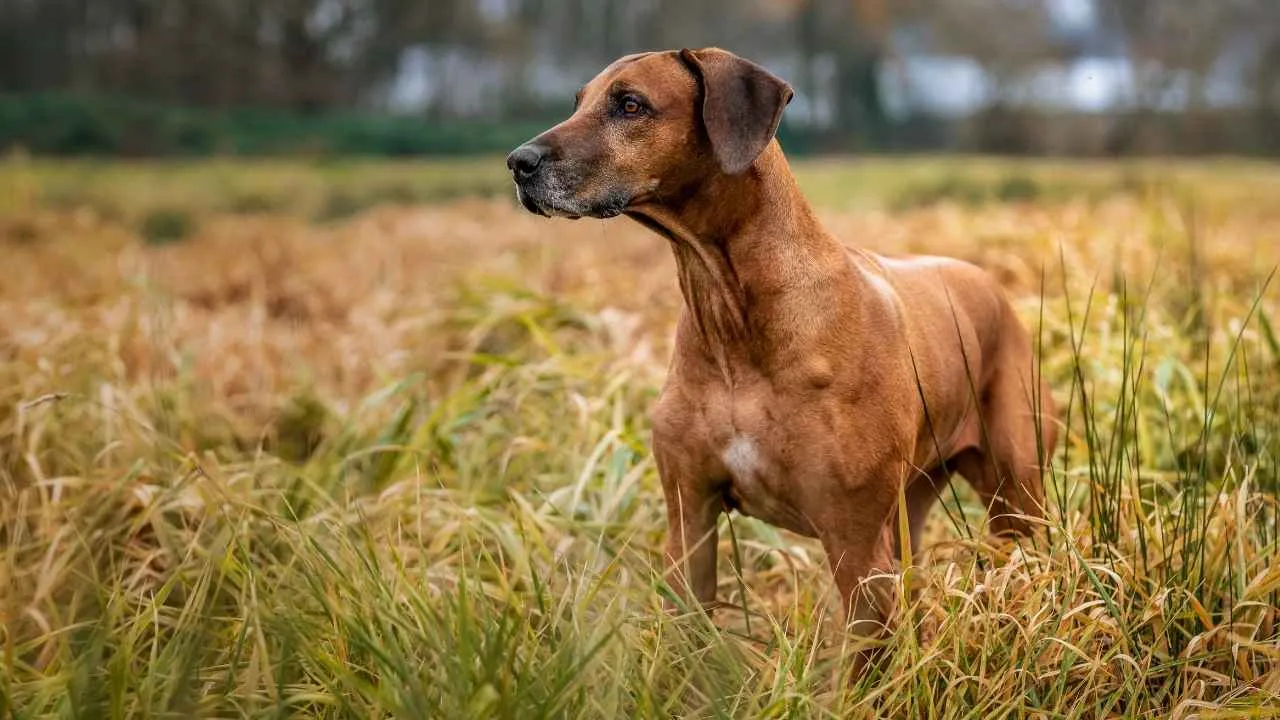
Behind the Rhodesian Ridgeback’s dignified appearance lies a powerful hunter with remarkable stamina, courage, and a strong prey drive.
Originally developed in southern Africa, this athletic hound was bred to track large game, including lions, and hold them at bay until hunters arrived.
Although these dogs did not kill lions themselves, their ability to follow scents, move swiftly, and remain courageous in dangerous situations established their reputation as determined hunting companions.
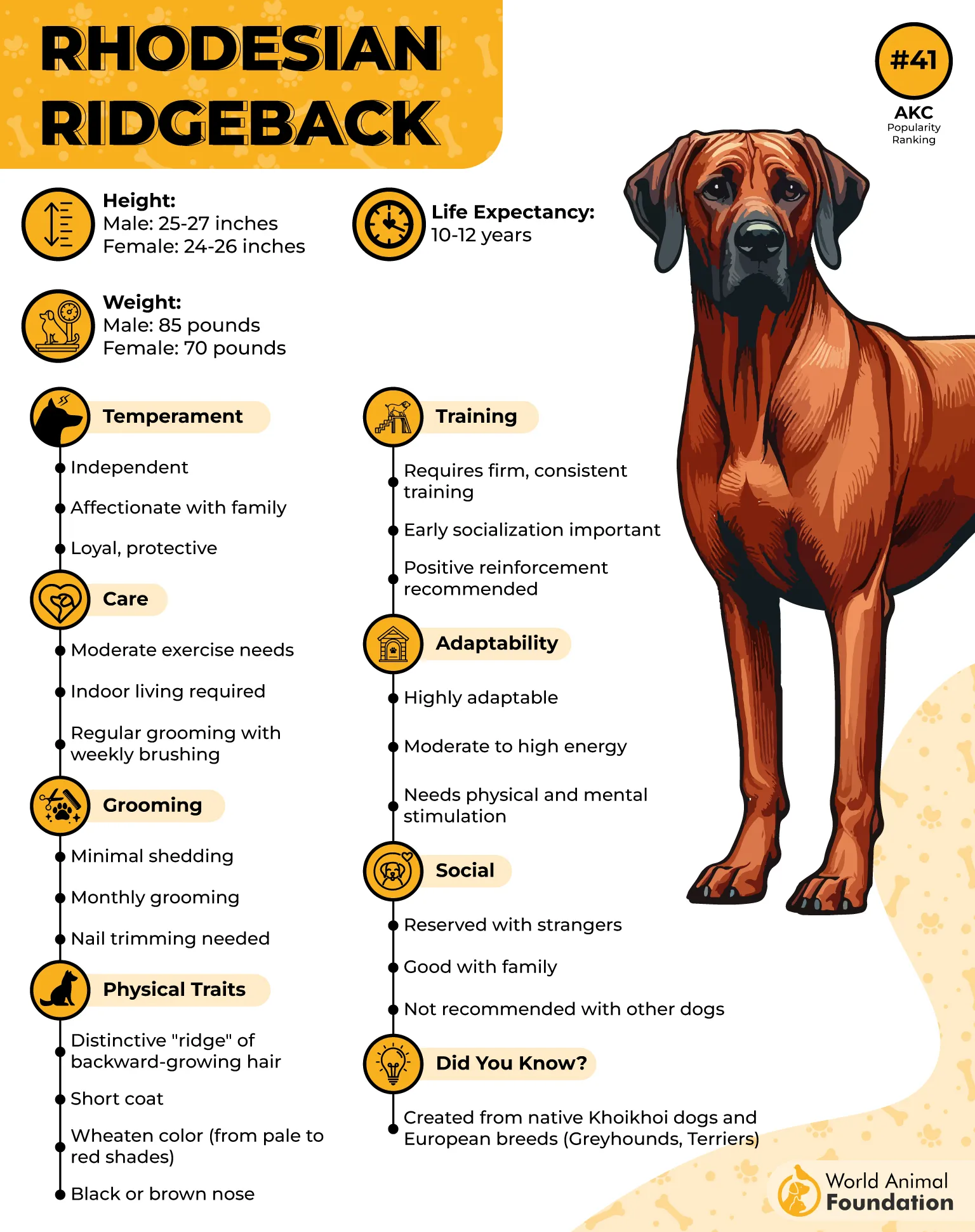
Developed by crossing native Khoikhoi dogs with European breeds, the Ridgeback inherited qualities suited to long hunts in the African heat.
Its muscular build supports both speed and endurance, while its distinctive ridge of backward-growing hair along the spine makes it instantly recognizable.
Today, its hunting instincts remain an important part of its character. Small animals or sudden movement may trigger a chase, making consistent training and secure surroundings essential, as stated by the Royal Kennel Club.
Intelligent, independent, and devoted, the Rhodesian Ridgeback needs an owner who respects its instincts and provides regular, vigorous exercise.
4. Siberian Husky
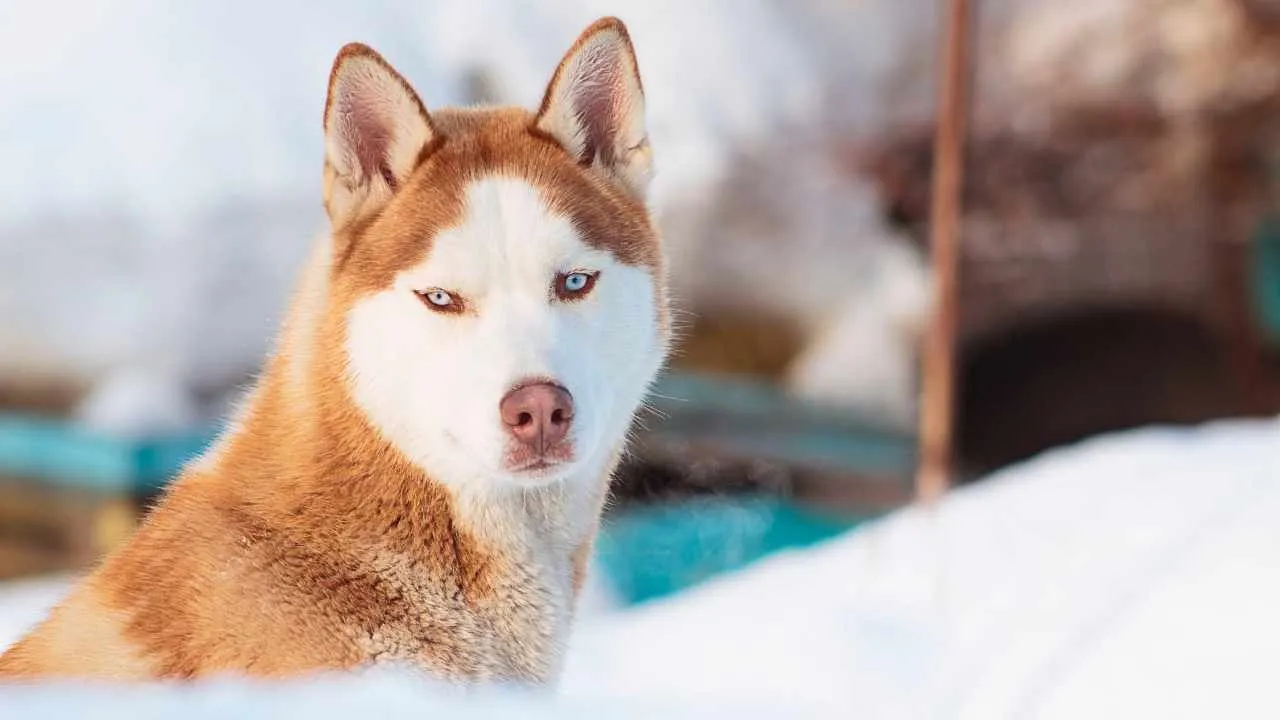
Behind the Siberian Husky’s striking, wolf-like appearance lies a hardworking sled dog with a powerful prey drive and an adventurous spirit.
Originally bred by the Chukchi people of northeastern Siberia to pull sleds across challenging terrain, Huskies developed remarkable stamina, speed, and independence.
Although affectionate and sociable with people, these energetic dogs retain strong hunting instincts that can lead them to chase cats, rabbits, and other small animals.
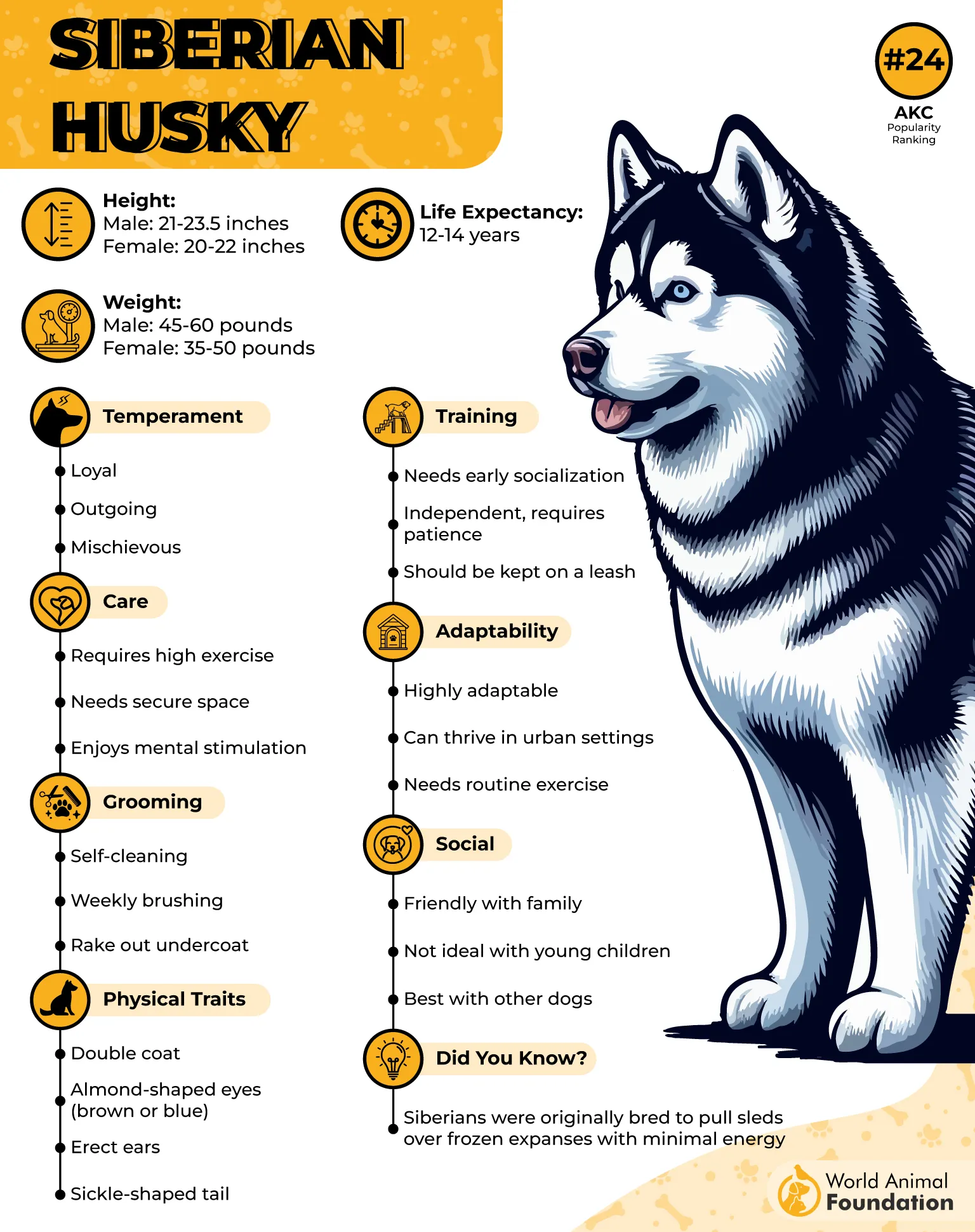
Their natural curiosity and desire to run can make them difficult to recall once something catches their attention. Intelligent but famously independent, Huskies need consistent training, early socialisation, and secure outdoor spaces to help manage these instincts safely.
They also require plenty of vigorous exercise and mental stimulation to remain content. Without sufficient activity, their restless energy may turn into digging, chewing, or attempts to escape.
For active owners who appreciate their spirited personality, the Siberian Husky can be a loving companion, but its strong instincts demand patience, supervision, and responsible handling.
5. Jack Russell Terrier
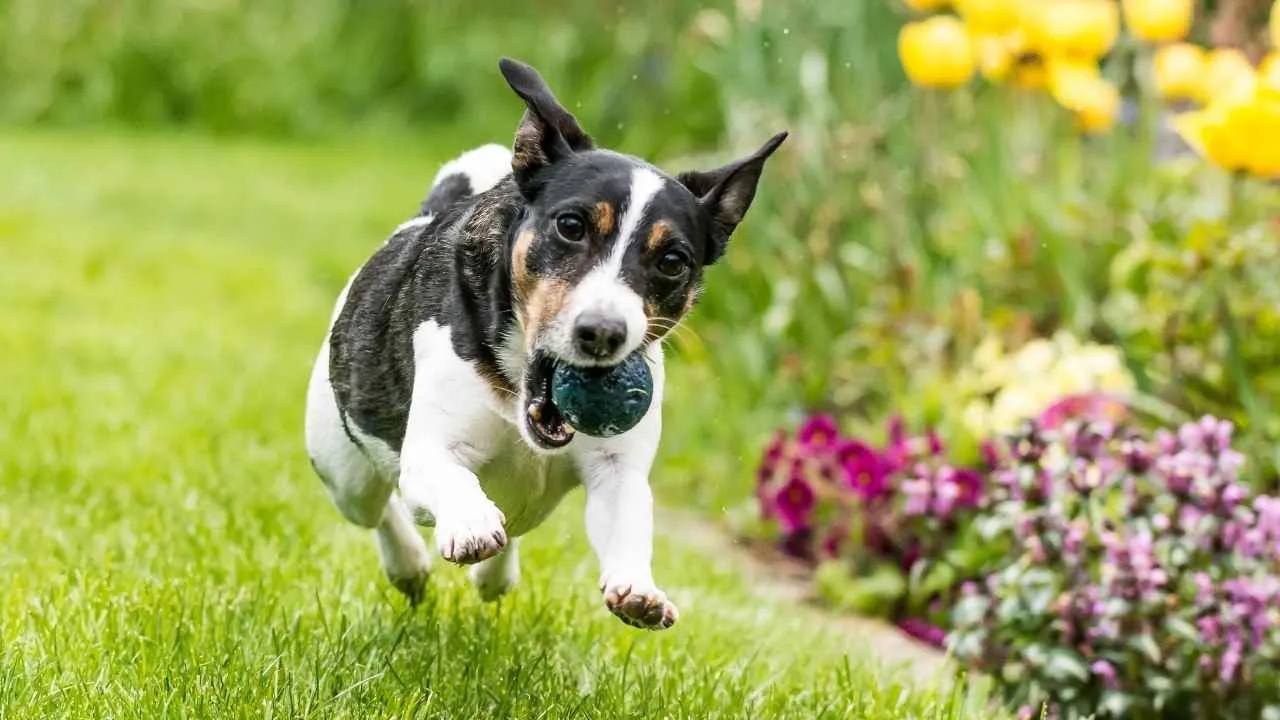
Small in size but enormous in spirit, the Jack Russell Terrier is a lively companion whose hunting instincts remain deeply rooted in its character.
Originally bred as a hunting dog in 19th-century England, this fearless terrier was valued for its stamina, determination, and ability to pursue foxes.
Today, those same qualities make it curious, energetic, and always ready to investigate something new. A Jack Russell can turn an ordinary walk into an exciting chase when wildlife catches its attention.
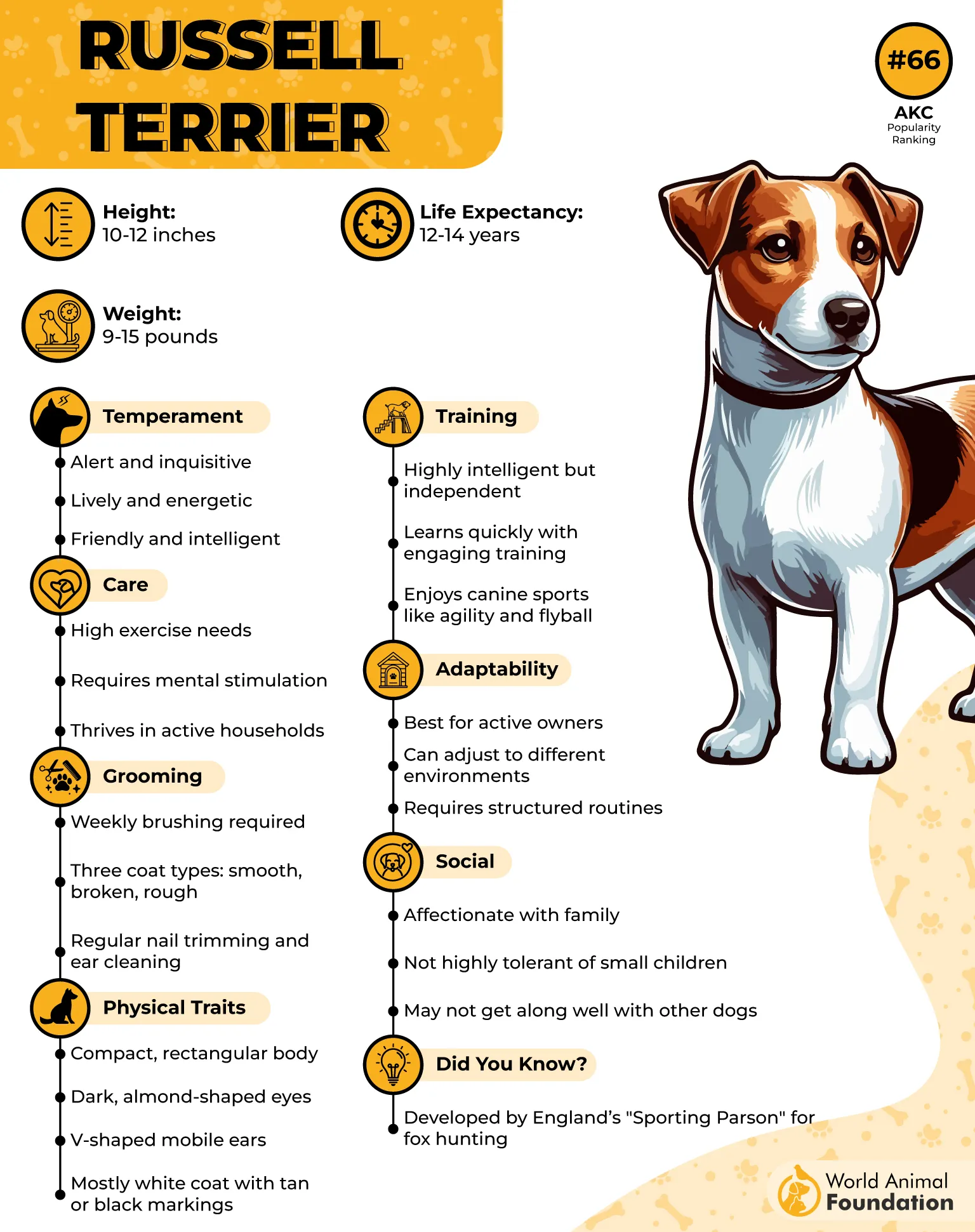
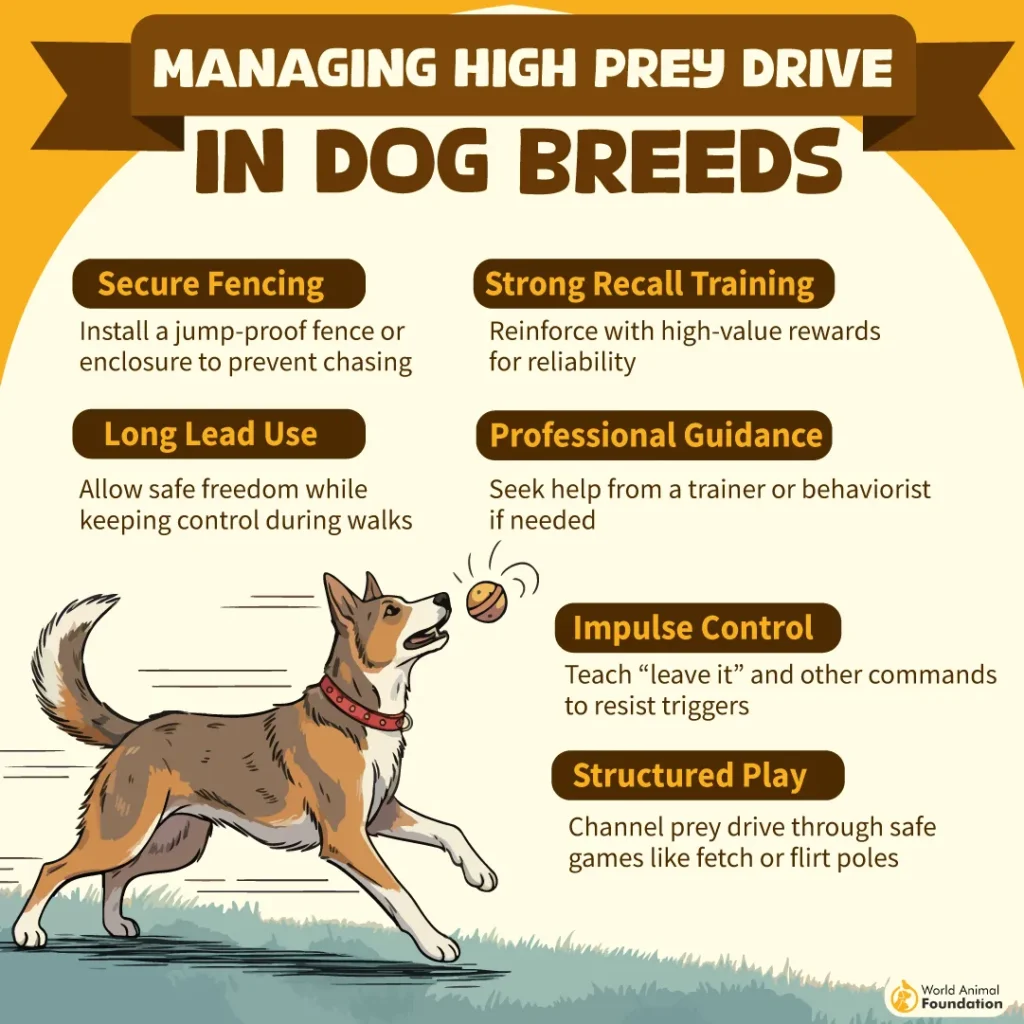
Its strong prey drive may lead it to pursue birds, cats, and other small animals, making reliable recall and leash training essential. These intelligent dogs learn quickly but can be stubborn, so patience and positive reinforcement work best.
Despite their compact build, Jack Russells need at least an hour of daily exercise and plenty of mental stimulation, as explained by PetPlan.
Without enough activity, boredom can lead to barking and mischief. For active owners, their bold personality and endless enthusiasm make every day an adventure.
6. Greyhound
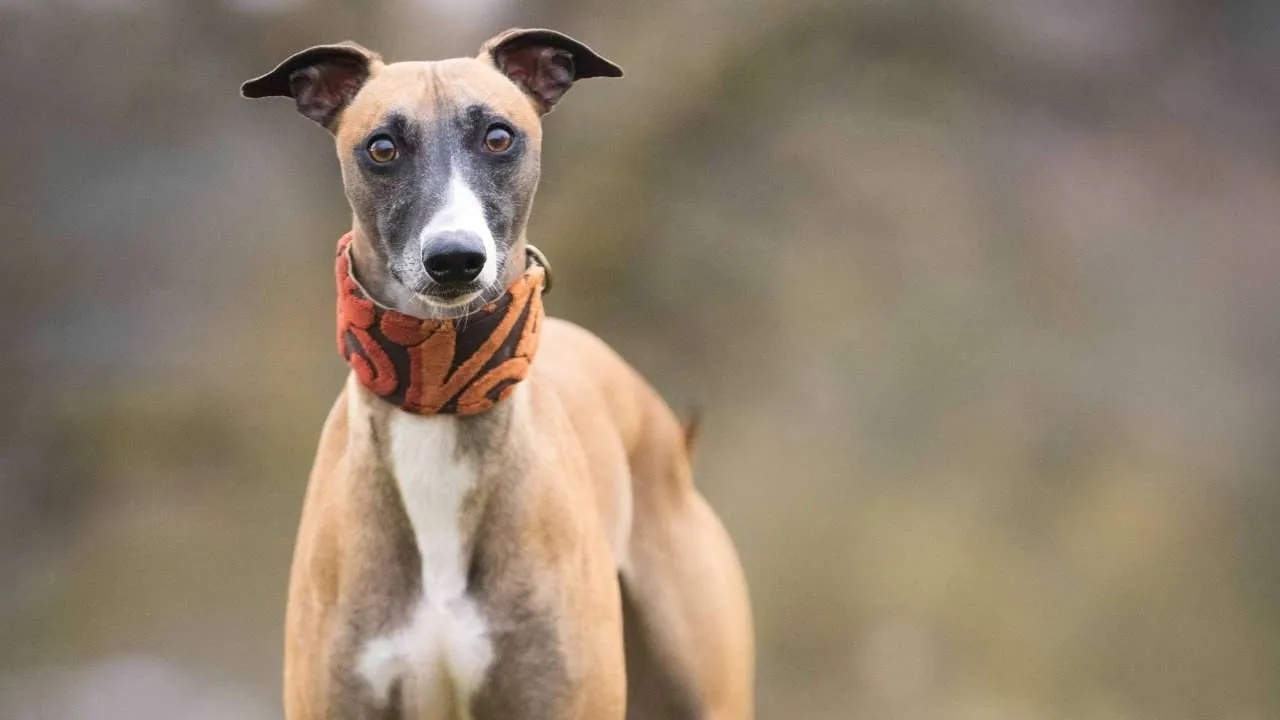
The Greyhound is a striking example of how speed and instinct can shape a dog’s character. Belonging to the ancient sighthound family, this breed has a slender head, deep chest, narrow waist, and remarkable speed.
Bred to chase moving targets by sight, these hound dogs have a strong prey drive that may prompt them to suddenly pursue rabbits, squirrels, cats, or other small animals.
Their instinct to chase can kick in quickly, so they should be kept on a secure lead in open areas unless safely enclosed.
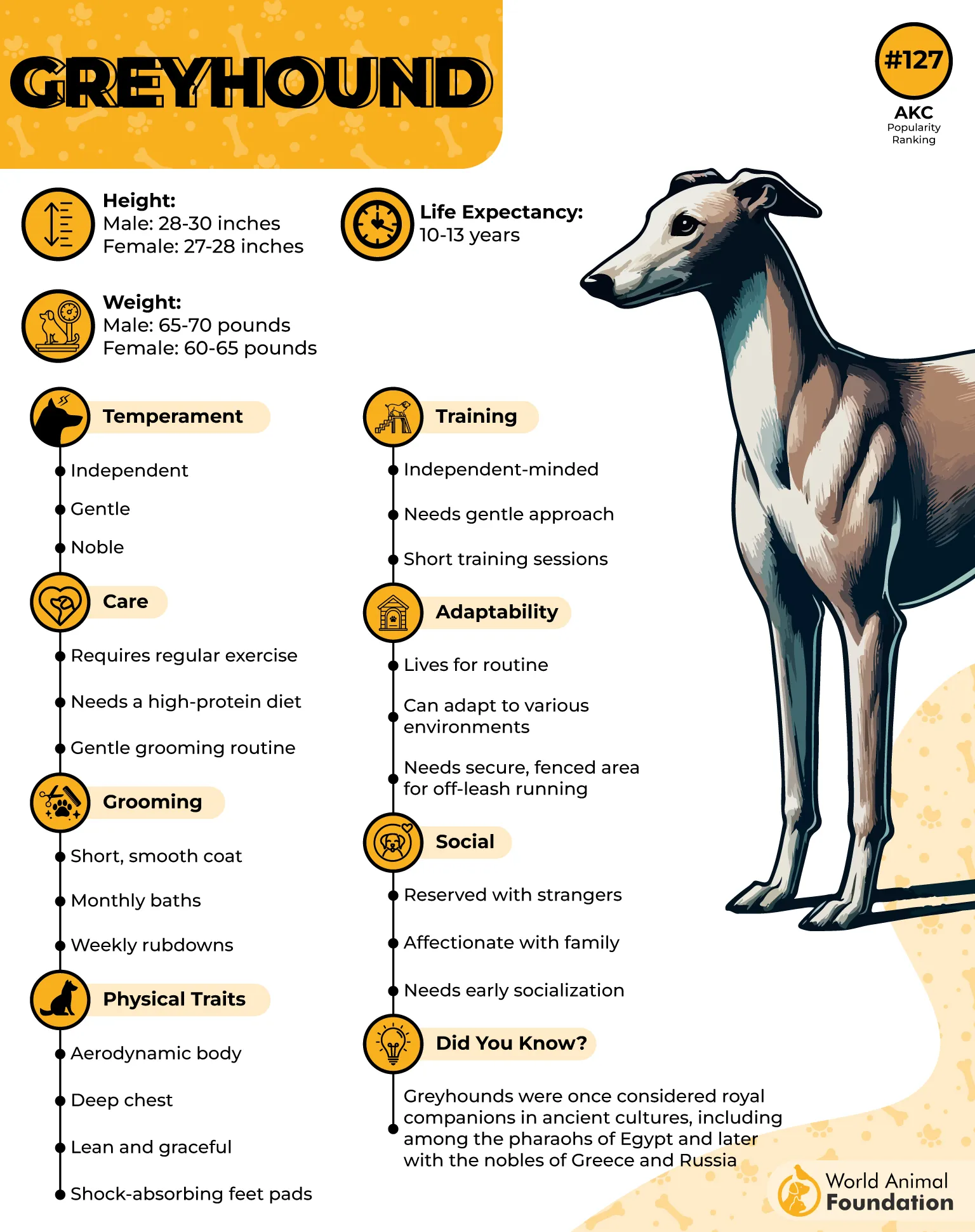
Despite their athletic build, Greyhounds are sprinters rather than endurance runners. They enjoy occasional opportunities to stretch their legs but are equally happy spending much of the day resting. Beneath their impressive speed lies a gentle, affectionate nature, and many form close bonds with their families.
However, introductions to smaller pets require particular care, as a Greyhound may mistake a small animal’s movement for something to chase.
Secure equipment, controlled outdoor exercise, and positive reinforcement training can help keep them safe. For the right owner, a Greyhound offers a fascinating blend of lightning-fast instincts and peaceful companionship.
7. Weimaraner
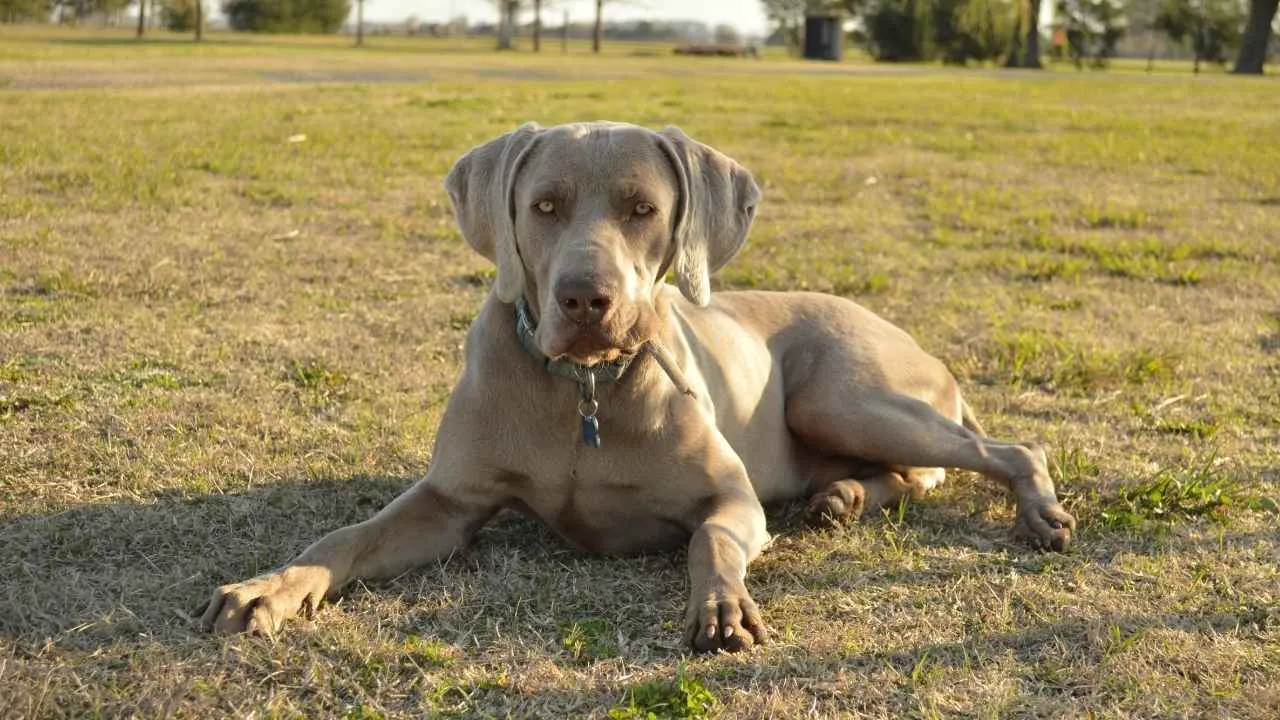
With its striking silver-grey coat, sharp intelligence, and boundless energy, the Weimaraner is a hunting breed whose instincts remain strong today.
Originally developed as a sporting companion, this athletic dog was bred for stamina, determination, and the drive to work alongside people.
Its hunting heritage gives it a strong prey drive, while its keen nose and natural tracking abilities make following scents an engaging pursuit.
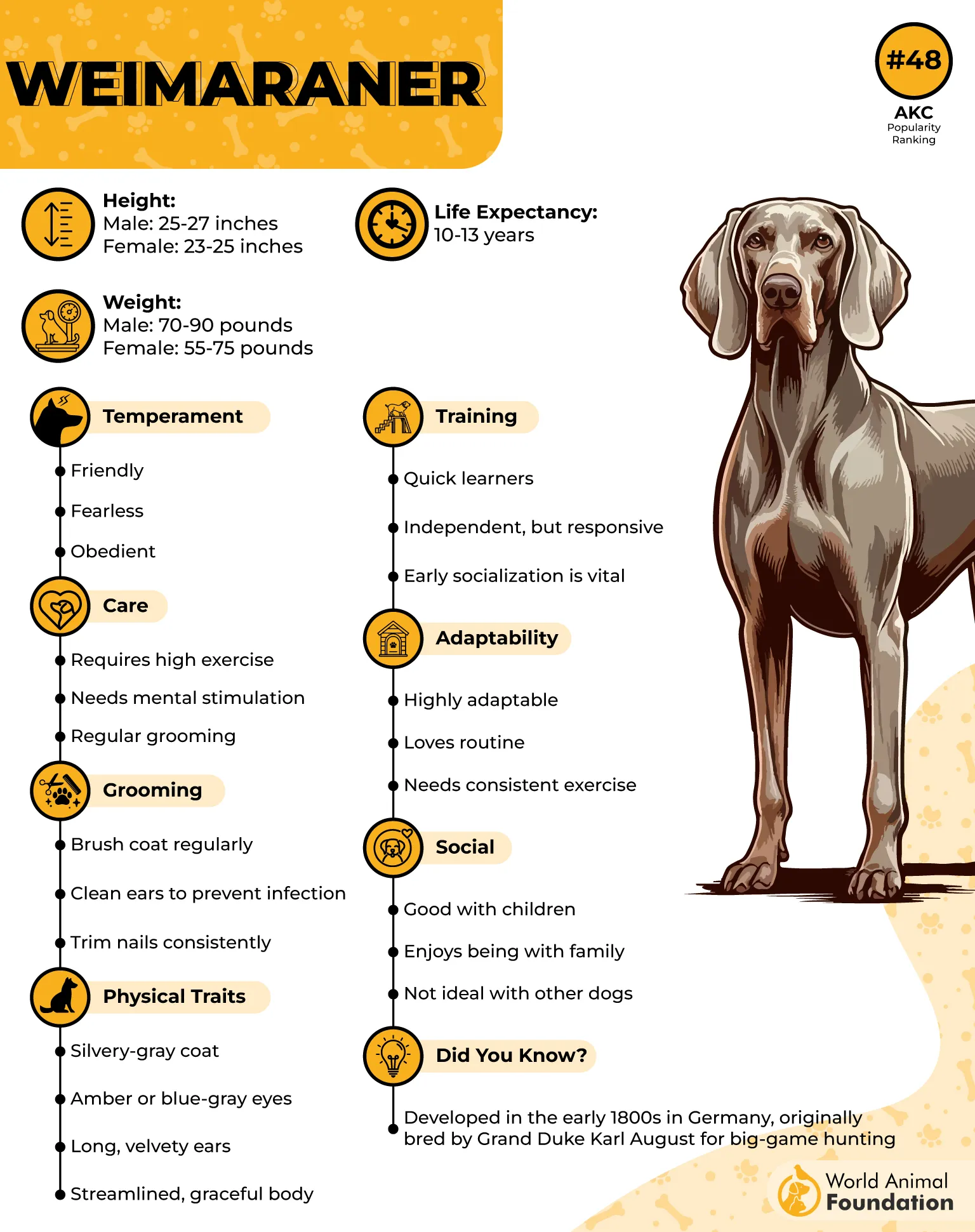
A Weimaraner can be affectionate and devoted at home, often following its favourite people from room to room, according to Orvis.
Yet beneath that loving personality lies an energetic hunter that needs consistent training, physical exercise, and mental challenges. Without enough activity, boredom may lead to destructive behaviour.
Its prey drive also requires careful management around cats, rodents, and other small animals, which it may instinctively chase or injure.
Early socialisation and ongoing, positive training are essential for helping this intelligent, headstrong breed develop good habits. For active owners, the Weimaraner offers a remarkable blend of loyalty, athleticism, and hunting instinct.
Conclusion
Dogs with high prey drive remind us that beneath every loving companion lies a set of instincts shaped by generations of breeding and purpose.
From the Greyhound’s lightning-fast pursuit to the Jack Russell Terrier’s fearless curiosity and the Weimaraner’s determination in the field, these breeds bring remarkable energy, intelligence, and hunting abilities into everyday life.
Their instincts are not flaws but natural traits that deserve understanding and responsible management.
Living with a high-prey-drive dog means recognising what triggers its urge to chase and taking sensible steps to keep wildlife, smaller pets, and the dog itself safe. Consistent training, secure outdoor spaces, regular exercise, and engaging activities can help channel these instincts constructively.
The right match also depends on an owner’s lifestyle, patience, and willingness to meet the breed’s needs. With thoughtful care and clear guidance, these instinct-driven dogs can become devoted companions whose bold personalities and abilities make them truly unforgettable.
