




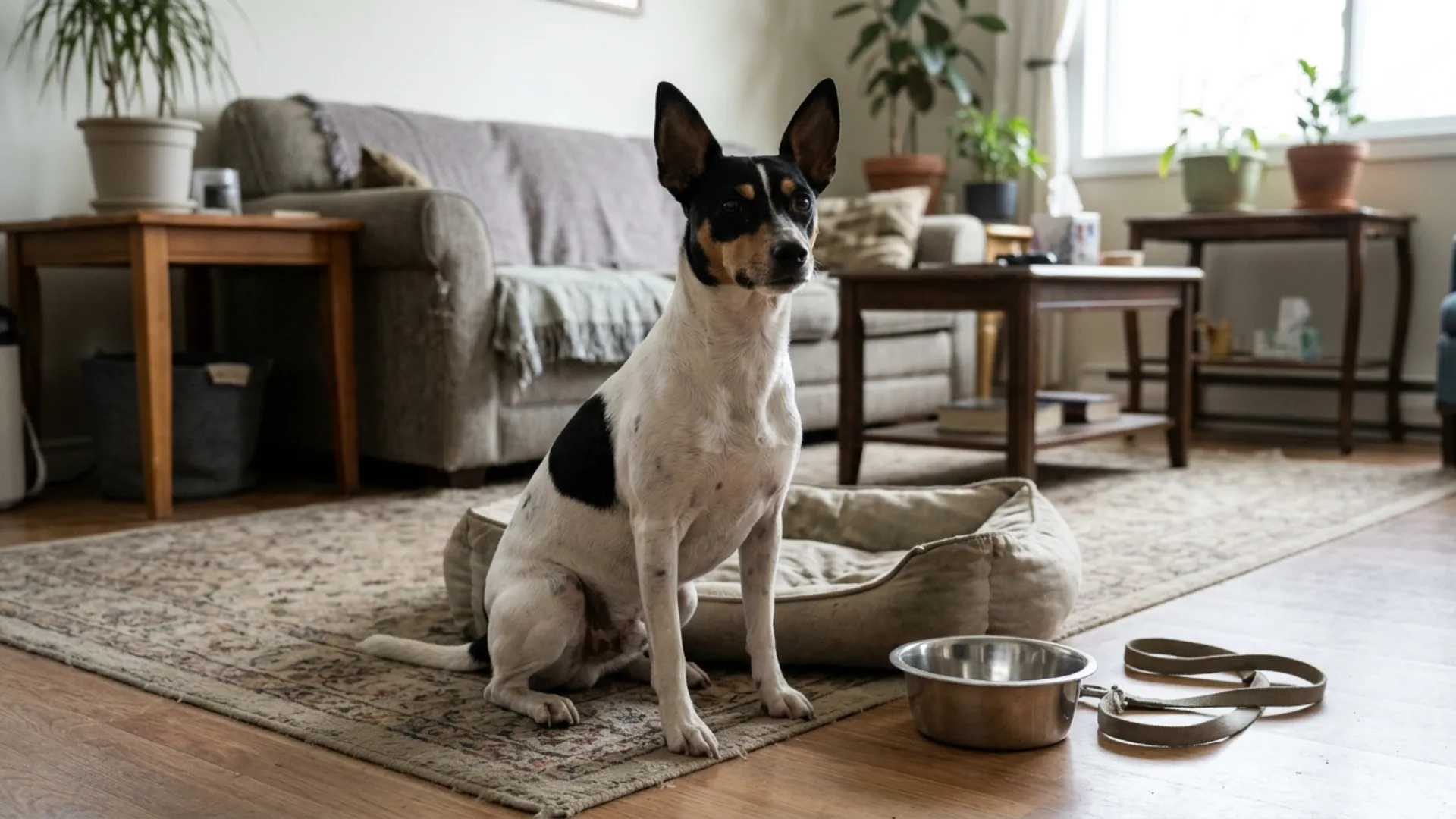
Ever dreamed of having a dog without spending a fortune?
Good news!
Some dogs are easier to care for and cost less to feed. They can also fit well in small homes or apartments. Still, every dog has needs you should know before bringing one home.
In this guide, we’ll explore seven easy-to-care-for dog breeds. You’ll discover what makes each breed special and how much care it may need. Some have simple coats that need little brushing. Others need less food because of their small size.
However, food is only one part of your budget. Vet visits, toys, training, and daily supplies also add up. You may even save on upfront costs by adopting a dog from a shelter. The right choice depends on your budget, lifestyle, and time. Let’s find your perfect furry friend!
Easy-to-Care-For Dog Breeds That Are Also Affordable
1. Chihuahua
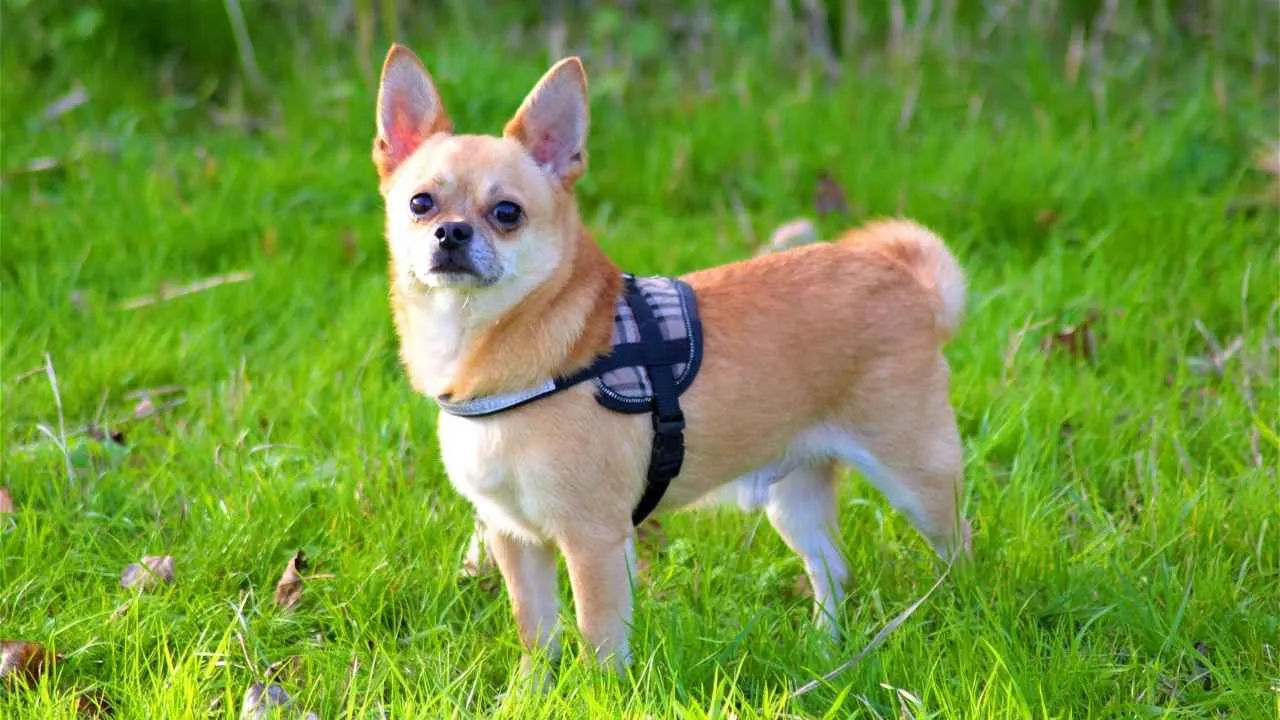
According to the American Kennel Club, the Chihuahua is a tiny dog with a huge personality. This national symbol of Mexico has roots that reach back to ancient times. Chihuahuas weigh no more than six pounds, making them a good fit for small homes.
Their alert nature and bold spirit bring plenty of charm to daily life. As a low-maintenance dog breed, the Chihuahua can suit pet parents with a busy lifestyle. Short-haired Chihuahuas need only occasional brushing, while long-haired ones need more coat care.
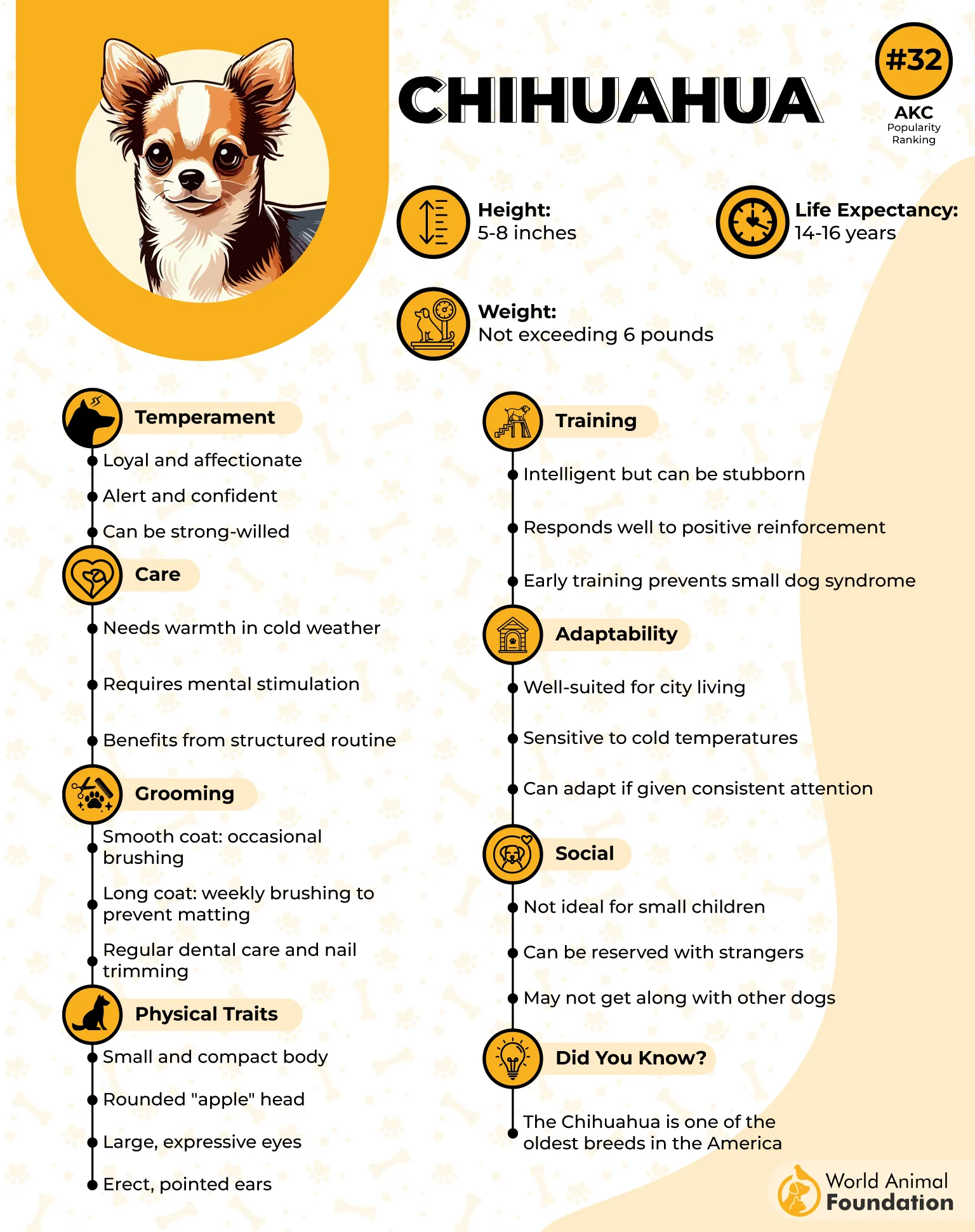
Both types share the same breed traits, so your choice depends on your grooming needs. These Chihuahuas can learn house rules, but they need kind, steady guidance. Their small size also calls for gentle handling and care around young children.
Simple Ways to Care for Your Chihuahua
Brush their teeth often to help prevent dental disease.
Keep them warm in cold weather with a cozy sweater.
Introduce them slowly to other pets and new people.
Use praise and treats to make training easy to train.
Schedule routine vet visits to check their health and weight.
2. Pug

Pugs are sociable, gentle dogs that love being near their people. Wikipedia notes their long history as companion dogs. Their charming nature makes them lovely pets for families and singles alike. Pugs often enjoy quiet evenings and cozy spots beside their owners.
They can seem like little couch potatoes after playtime. Their short coat does not require much care, making them one of the low-maintenance breeds to consider. These small dogs can suit apartment living and busy families. Still, their flat faces can cause breathing trouble, especially in hot weather.
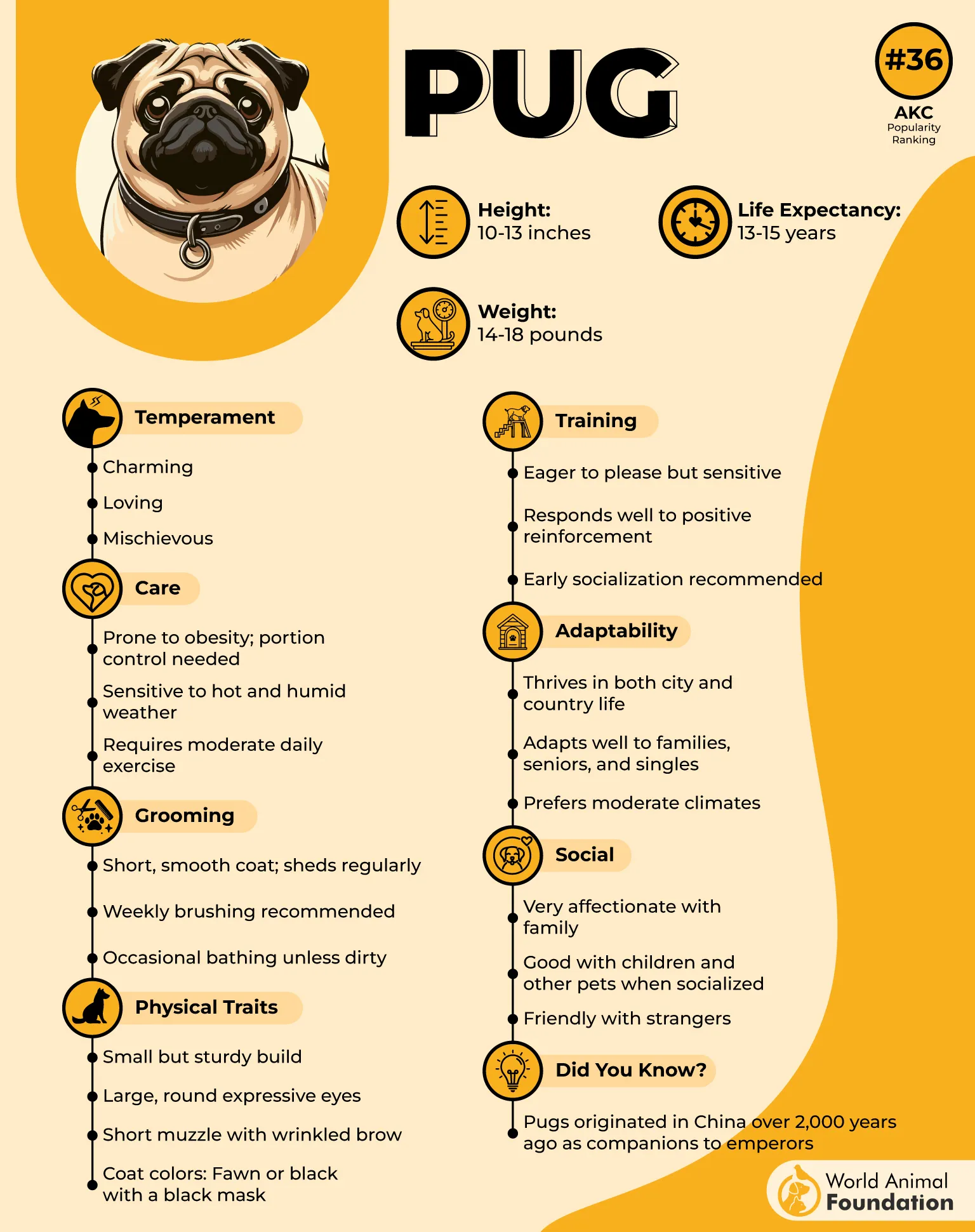
Eye issues may also lead to costly vet visits. So, a Pug may be an easy dog for daily companionship, but health costs need careful thought. Even first-time owners can enjoy life with a Pug by understanding its care needs.
Simple Ways to Keep Your Pug Comfortable
Clean facial folds gently and dry them well.
Walk during cooler hours to help prevent overheating.
Offer fresh water throughout the day.
Keep meals measured to help prevent excess weight.
Budget for regular vet checks, including breathing and eye health.
3. Rat Terrier
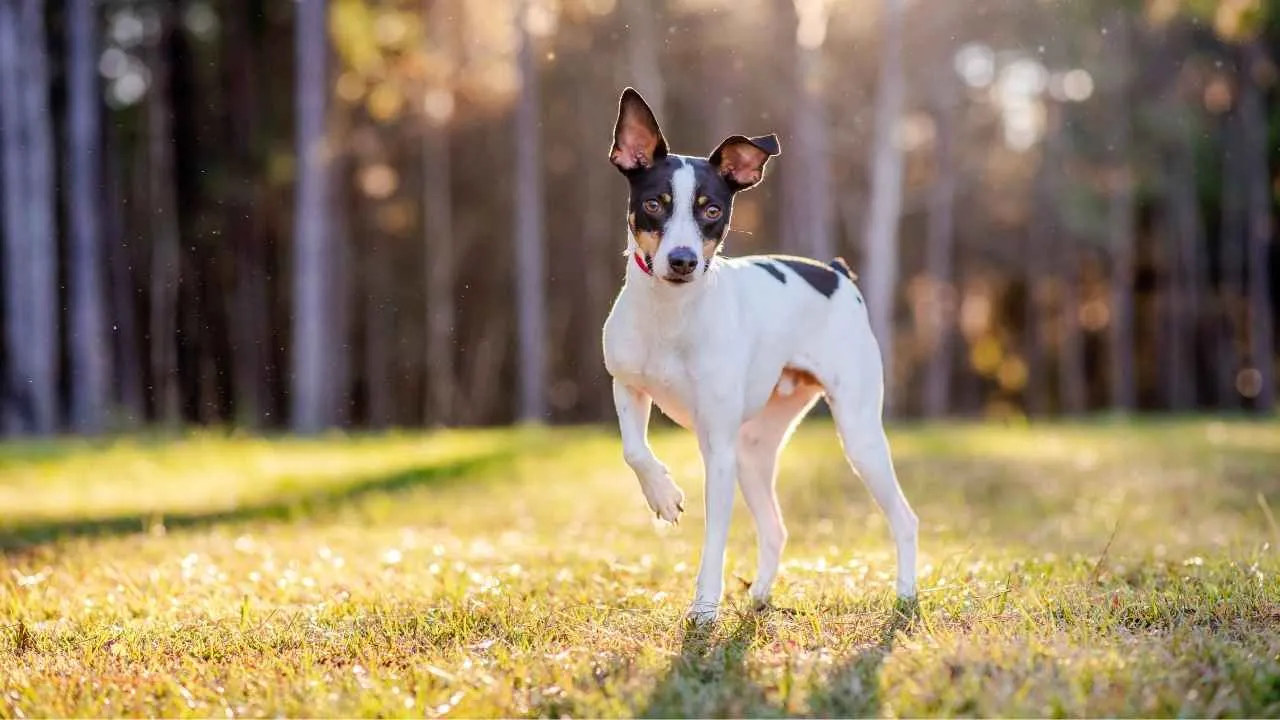
The Rat Terrier began as an American farm dog. Farmers valued this breed for chasing rats and protecting food stores. Today, these clever dogs make playful and loyal companions. Purina notes that Rat Terriers are friendly, curious, and lovable.
They often get along well with children and other pets. Their short coat requires minimal grooming, making them a low-maintenance dog for many homes. However, their working roots still shape their daily needs. Daily walks, games, and moderate exercise help burn excess energy.
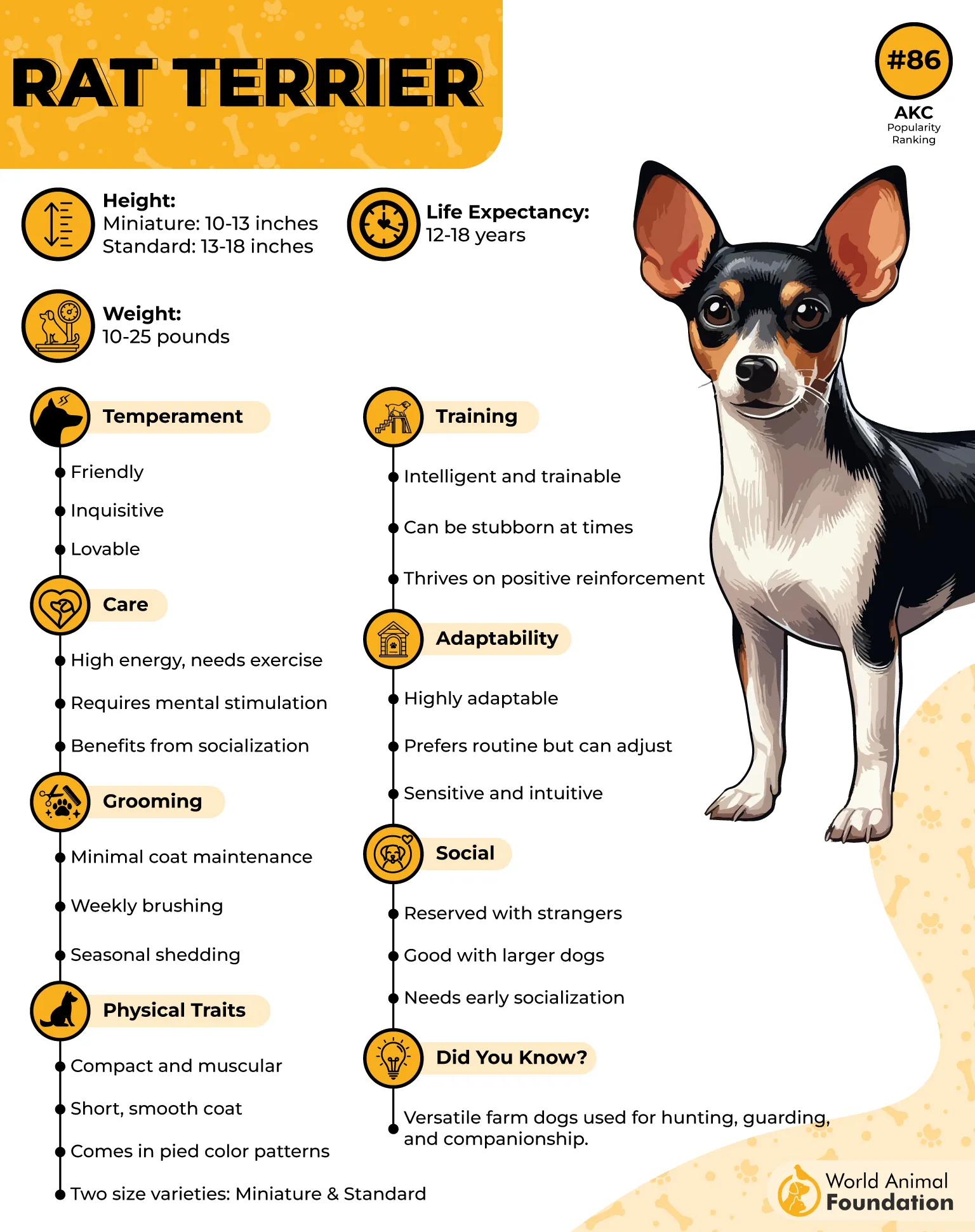
Their sharp minds also need fun tasks to prevent boredom. A busy household may suit this active breed well. Still, a new dog owner should start training early. This helps manage their hunting dog instincts and encourages good habits.
Easy Ways to Keep Your Rat Terrier Happy
Use puzzle toys to challenge their quick minds.
Practice recall in a secure, fenced area.
Rotate toys to keep playtime fresh and fun.
Reward calm behavior around small animals.
Teach simple tricks with short, upbeat sessions.
4. Beagle

According to PDSA, Beagles are loving, sociable dogs who enjoy family life. Originally bred as a scent hound, this breed loves to follow interesting smells. Its curious nose can turn a simple walk into an adventure! Beagles have a sturdy build and a gentle temperament.
They suit active families and can adapt to city or country homes. Their short coat has minimal grooming needs, making them a low-maintenance pet for many households. However, this intelligent dog needs regular exercise and fun activities. Without them, boredom may lead to unwanted behavior.
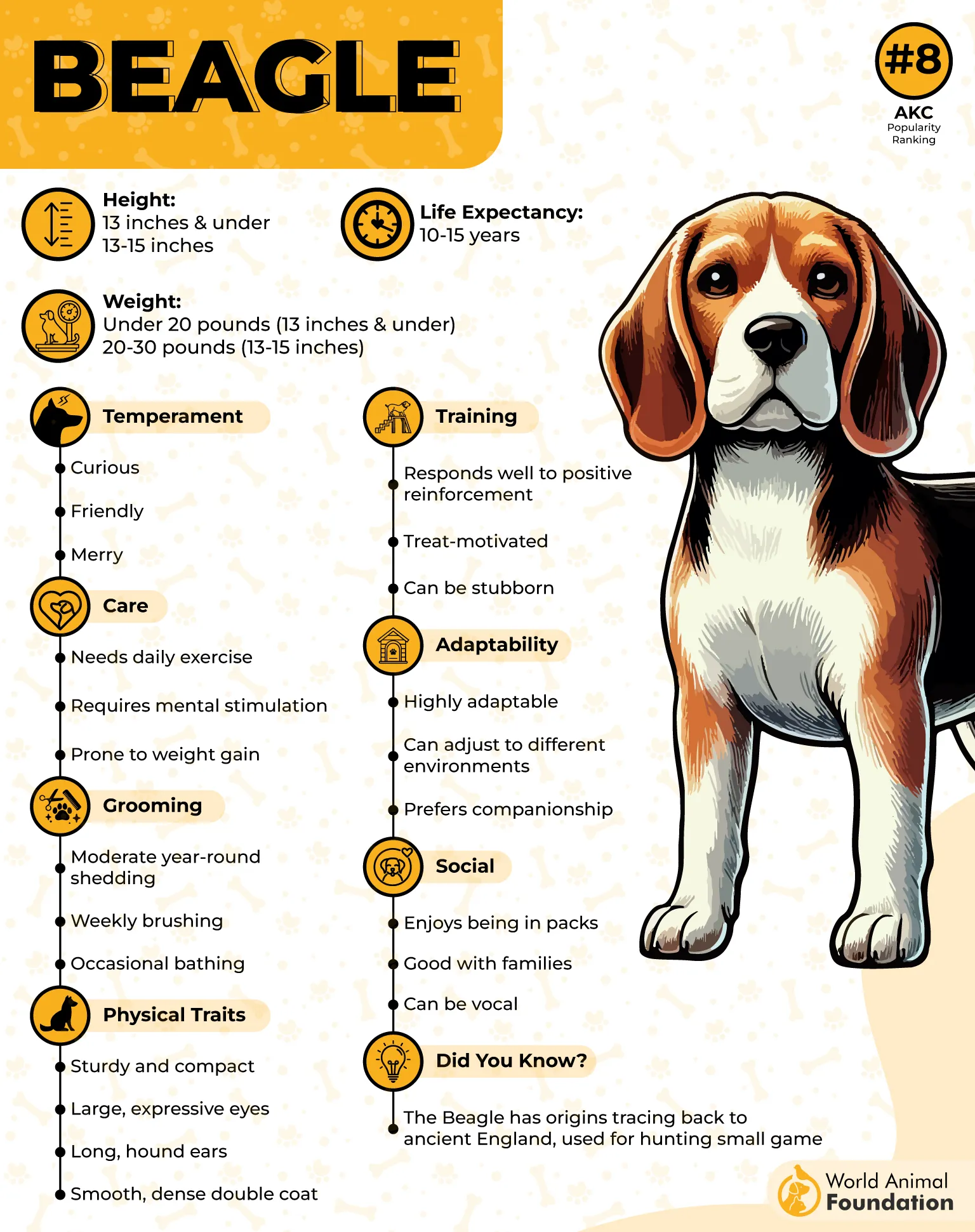
Beagles also love company, so a busy household can suit them well. They are not a large breed, but they may eat more than tiny dogs. Plan your food budget carefully, and measure each meal to help maintain a healthy weight.
Smart Ways to Care for Your Beagle
Use a secure fence to prevent scent-led escapes.
Keep your Beagle on a leash outdoors.
Hide treats around the home for scent games.
Store food safely to stop sneaky snack hunts.
Book routine vet checks to track weight and health.
5. Italian Greyhound
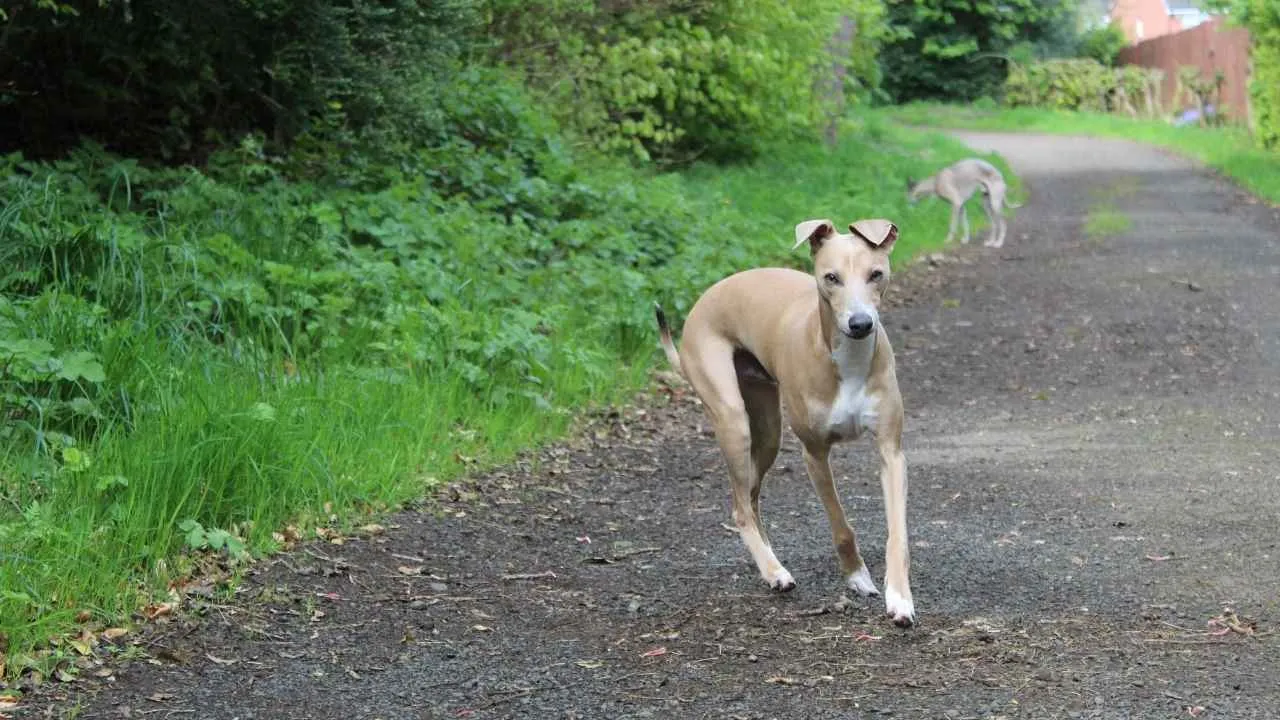
The Italian Greyhound is a slim, elegant dog with a short, fine coat. Its low grooming needs make it a low-maintenance dog for people who prefer simple care. PetMD notes that this breed’s thin coat offers little protection from cold weather. Dog sweaters and warm coats help keep it comfortable outdoors.
Greyhound, surprisingly, describes a much smaller dog than many people expect. Compared with larger dogs, this breed has a delicate frame that needs gentle handling. Its adaptable personality can suit quiet homes and some busy families.
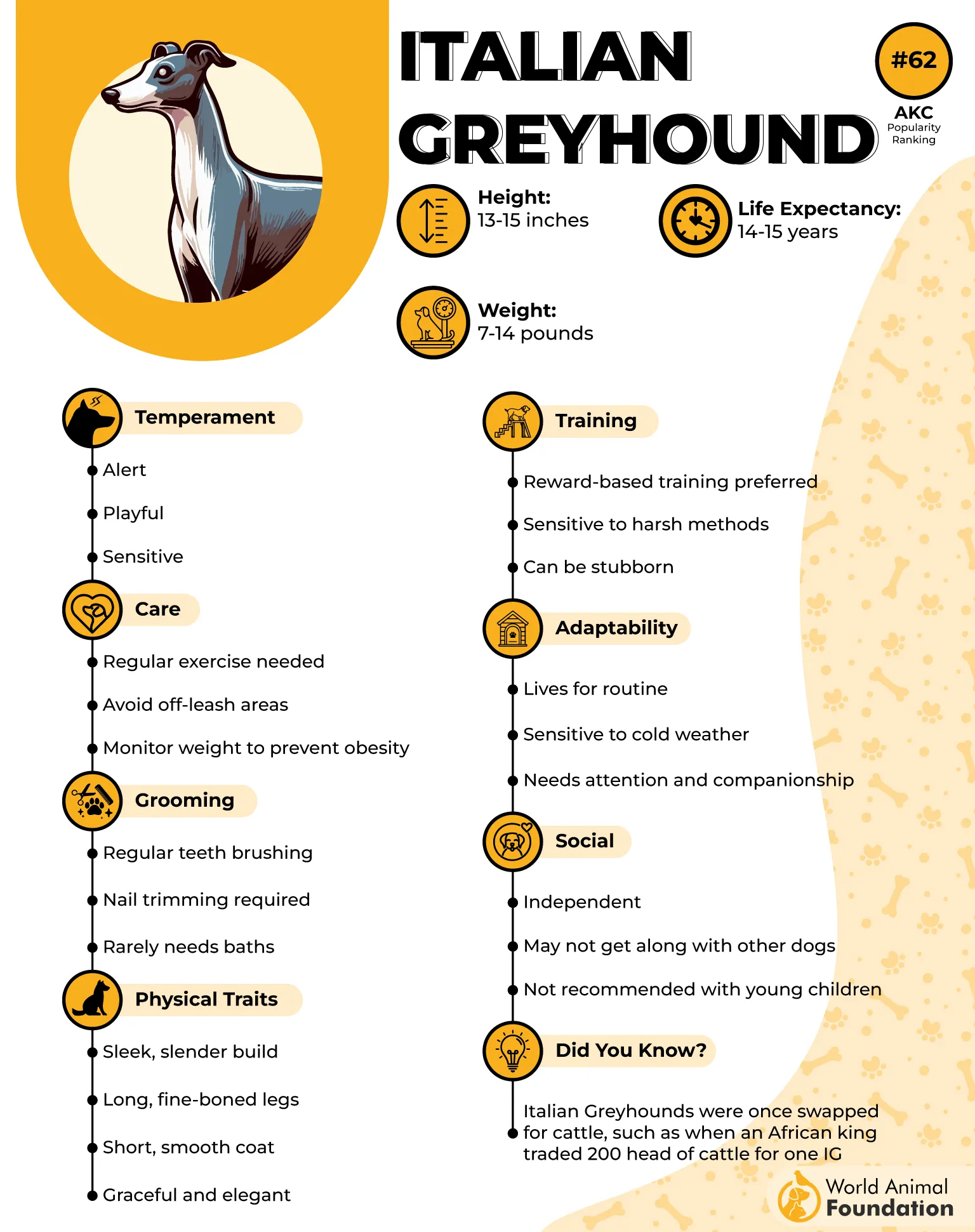
Although often grouped with low-energy dogs, Italian Greyhounds still need daily activity. Their energy levels vary, so short walks and safe play help meet their needs.
They do not need intense workouts, but minimal exercise alone is not enough. First-time dog owners can enjoy this graceful companion by learning its care needs.
Simple Ways to Keep Your Italian Greyhound Safe
Use a well-fitted harness for secure walks.
Trim nails to help prevent slips.
Offer soft bedding for comfortable rest.
Brush teeth often to support good dental health.
Ask your vet about safe play for puppies.
6. Miniature Pinscher
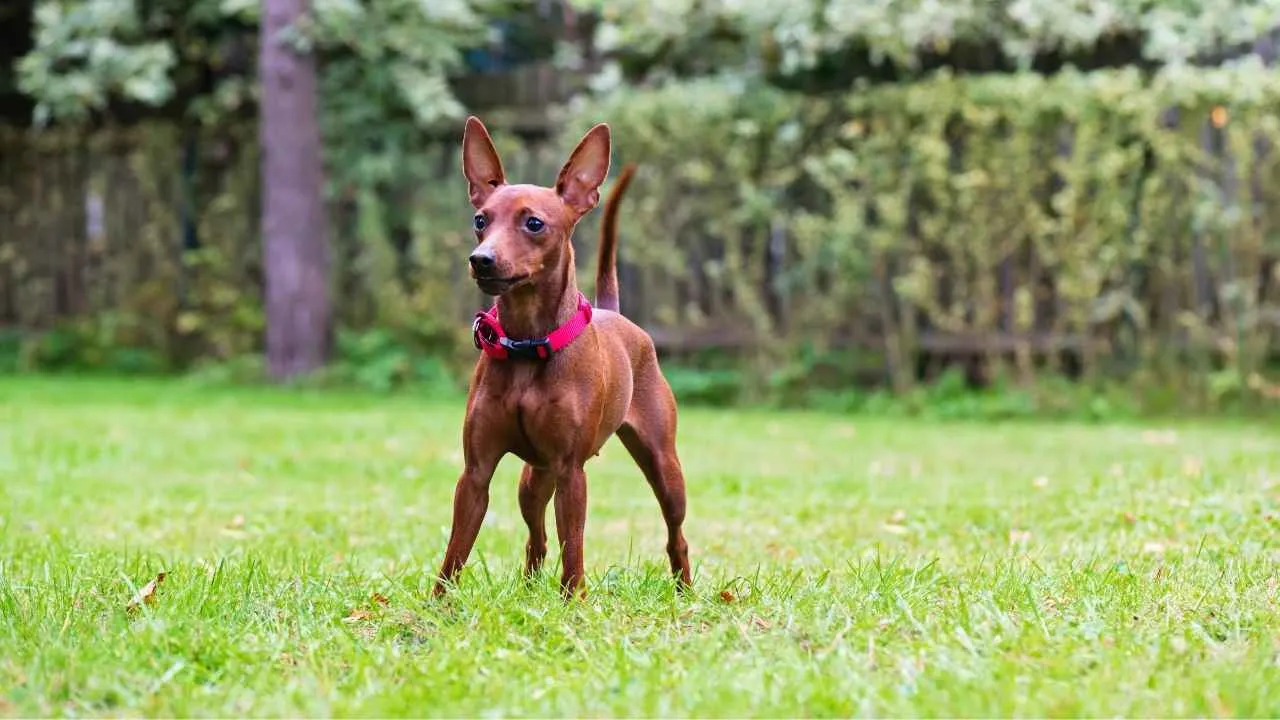
The Miniature Pinscher is a spirited small dog breed with confidence far beyond its size. Hill’s Pet calls this toy-loving companion the “king of toys,” a fitting name for its playful nature. Despite its resemblance to a Doberman, it is a separate breed with its own history.
This low-maintenance breed has a short coat that needs little grooming. However, its bold attitude can make training challenging. It may ignore commands when something more exciting catches its attention, so do not assume it is always easy to train.
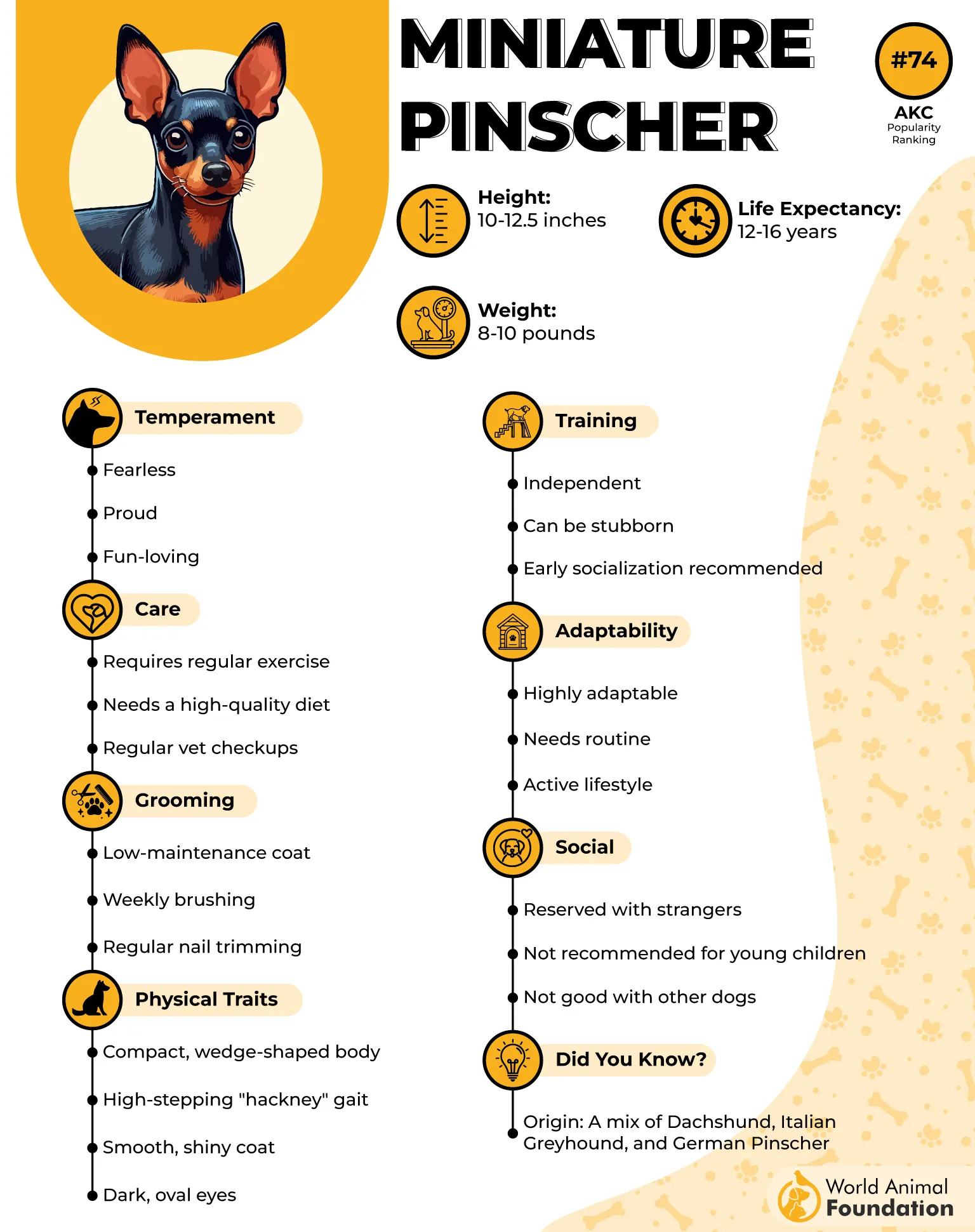
These dogs bond closely with their people and can be an affectionate breed. Still, some may develop separation anxiety if left alone too long. Their adaptable temperament can suit different homes, including those with busy families, as long as owners provide daily walks, moderate exercise, and engaging games.
Simple Ways to Guide Your Miniature Pinscher
Practise short training sessions with treats and praise.
Secure doors and fences to prevent sudden escapes.
Keep your dog on a lead outdoors.
Offer sturdy toys for safe play and enrichment.
Avoid extensive grooming routines; focus on basic coat care.
7. Dachshund

The Dachshund is a lively small dog with a bold hunting history. Developed in Germany to pursue badgers underground, this breed has a long back, short legs, and a curious nature. Britannica describes its distinctive build and three coat types: smooth, long-haired, and wire-haired.
A smooth coat makes this low-maintenance pet easier to groom, while long-haired and wire-haired varieties need more coat care. Dachshunds shed hair, so grooming needs depend on coat type. This adaptable dog can suit different living spaces, but it still needs daily attention.
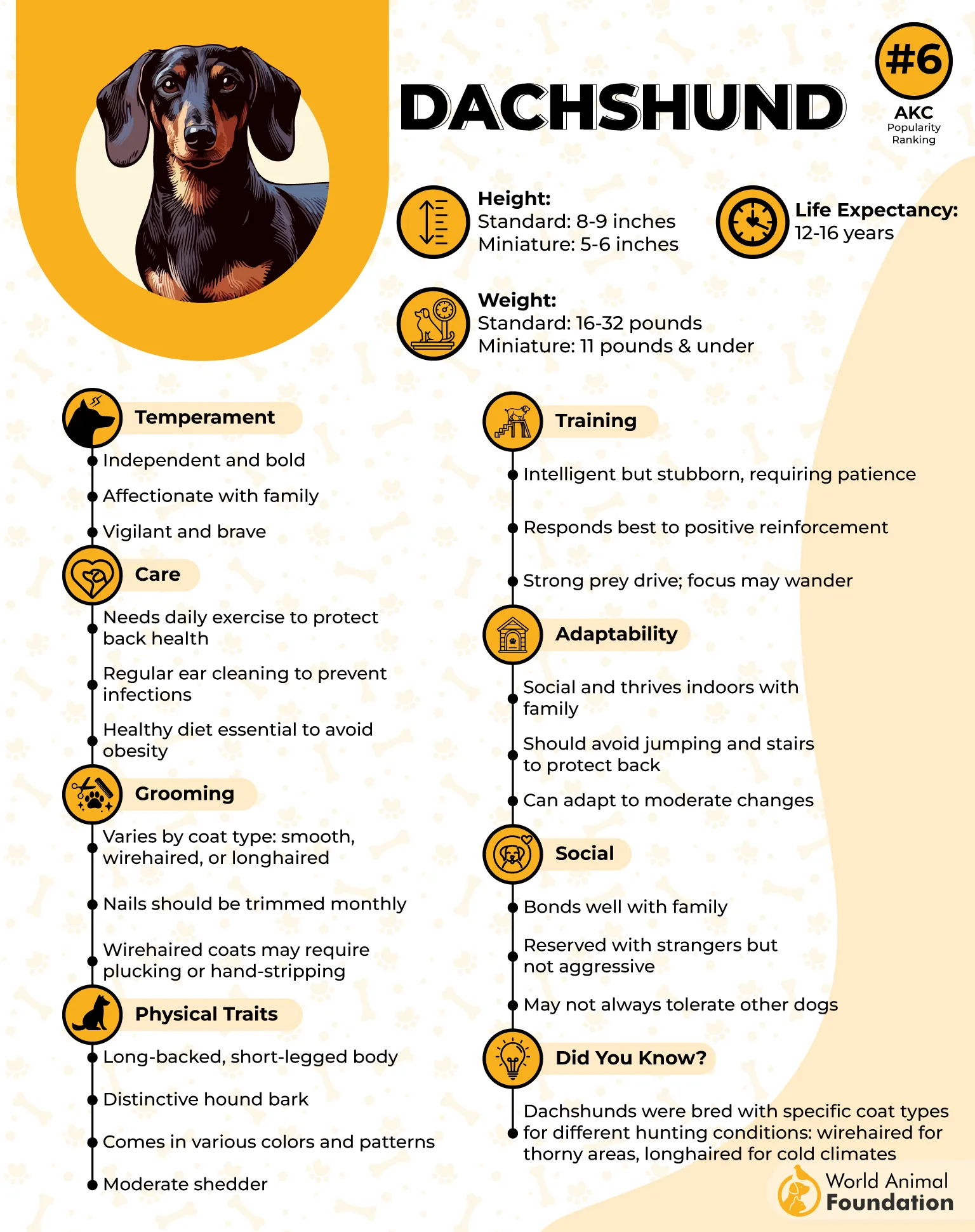
With a moderate energy level, it enjoys moderate exercise and sniffing adventures. It can be a friendly dog when well socialized, and busy families can enjoy its playful company.
Even a first-time owner can build good habits through positive reinforcement and mental stimulation. However, minimal exercise alone is not enough to keep a Dachshund healthy.
Simple Ways to Protect Your Dachshund’s Back
Use ramps to help your dog reach sofas or beds.
Keep your Dachshund at a healthy weight.
Support its back and chest when lifting.
Choose gentle games that avoid repeated high jumps.
Budget for vet care, as spinal problems can become costly.
Conclusion
Choosing the right dog means looking beyond the price tag. The seven breeds in this guide offer different personalities and care needs. Small dogs often eat less than larger dogs, which may help lower food costs. However, grooming requirements vary, and longer coats can need extra time and money.
Compare food, supplies, basic training, and veterinary care before deciding. Shelter adoption may cost less than buying from a breeder. You might even find an adult companion or mixed-breed dog waiting for a home. Mixed-breed dogs can be generally healthy, but they may still develop health problems.
Most dogs need routine care, regular checkups, and exercise daily to stay well. Even an easy dog needs attention, patience, and love. Consider apartment living, your schedule, and the key traits you want.
The right low-maintenance dog is one whose needs match your budget and lifestyle. With moderate grooming and consistent care, you can find the right dog for your home.
