




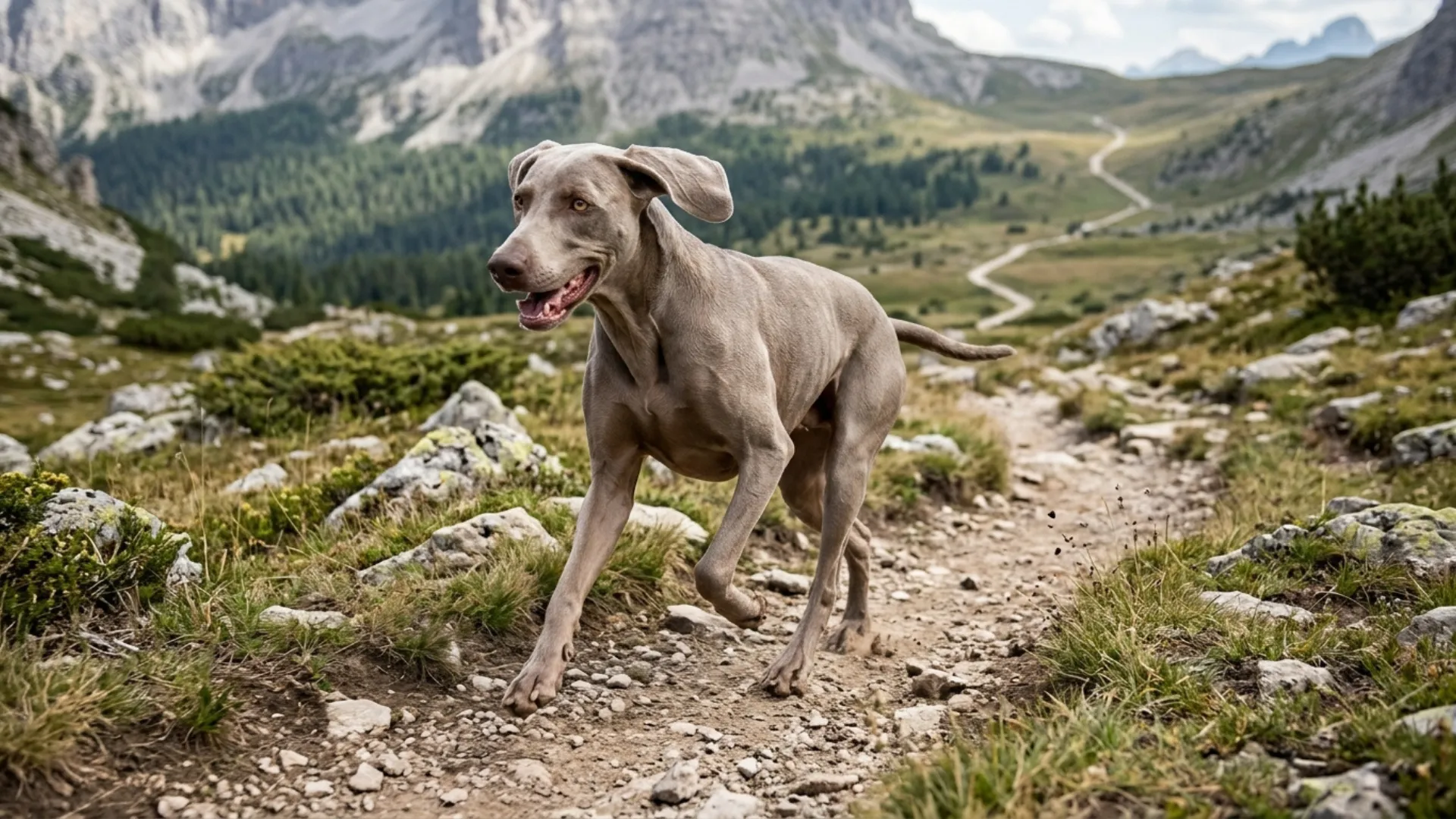
An adventurous lifestyle becomes even more rewarding with a dog that enjoys exploring new places, tackling challenging trails, and staying active outdoors. Whether the plan involves mountain hikes, camping weekends, swimming, or long countryside walks, the right canine companion can turn ordinary outings into memorable experiences.
However, not every energetic dog is suited to every adventure. Stamina, trainability, weather tolerance, and temperament all influence how comfortably a breed adapts to outdoor activities. Dogs also need gradual conditioning, appropriate equipment, regular hydration, and sufficient recovery time to remain healthy during demanding excursions.
From enthusiastic retrievers to tireless herding dogs, these seven breeds offer distinctive qualities for people who love spending time outside. Understanding their personalities, origins, and physical strengths can help you choose a companion that matches your pace of adventure.
Dog Breeds for a Wild and Adventurous Lifestyle
1. Golden Retriever
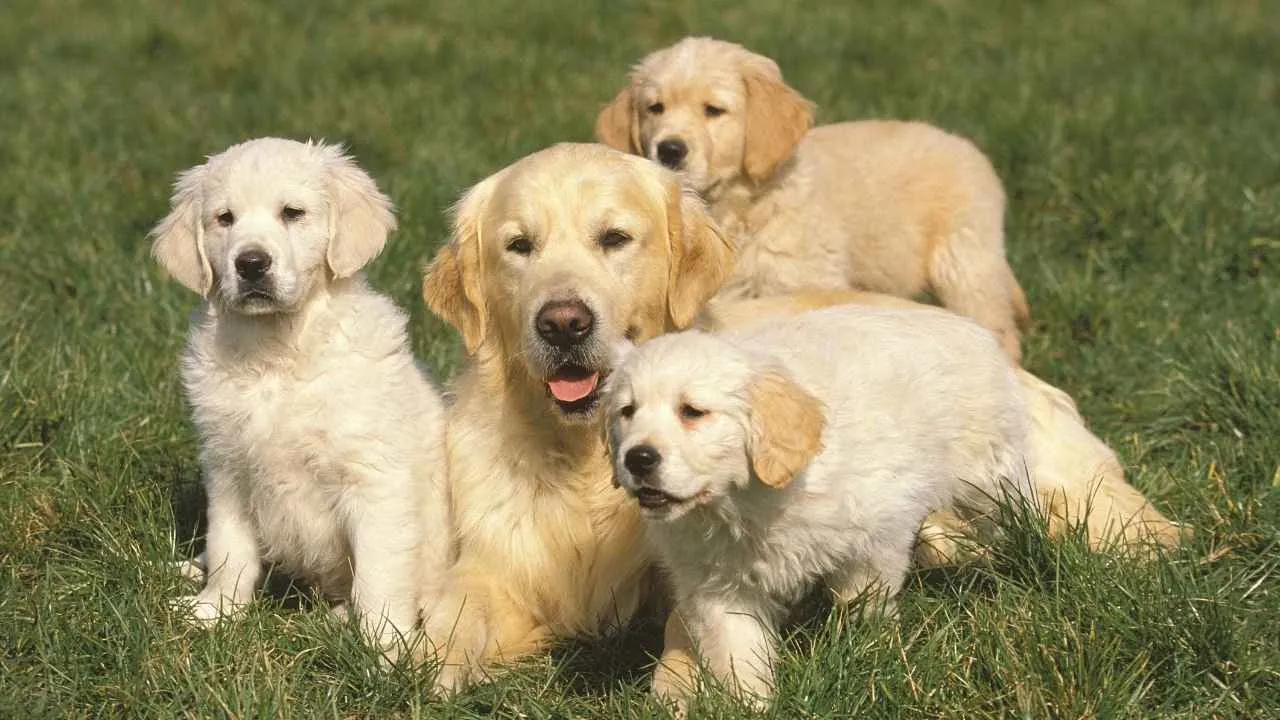
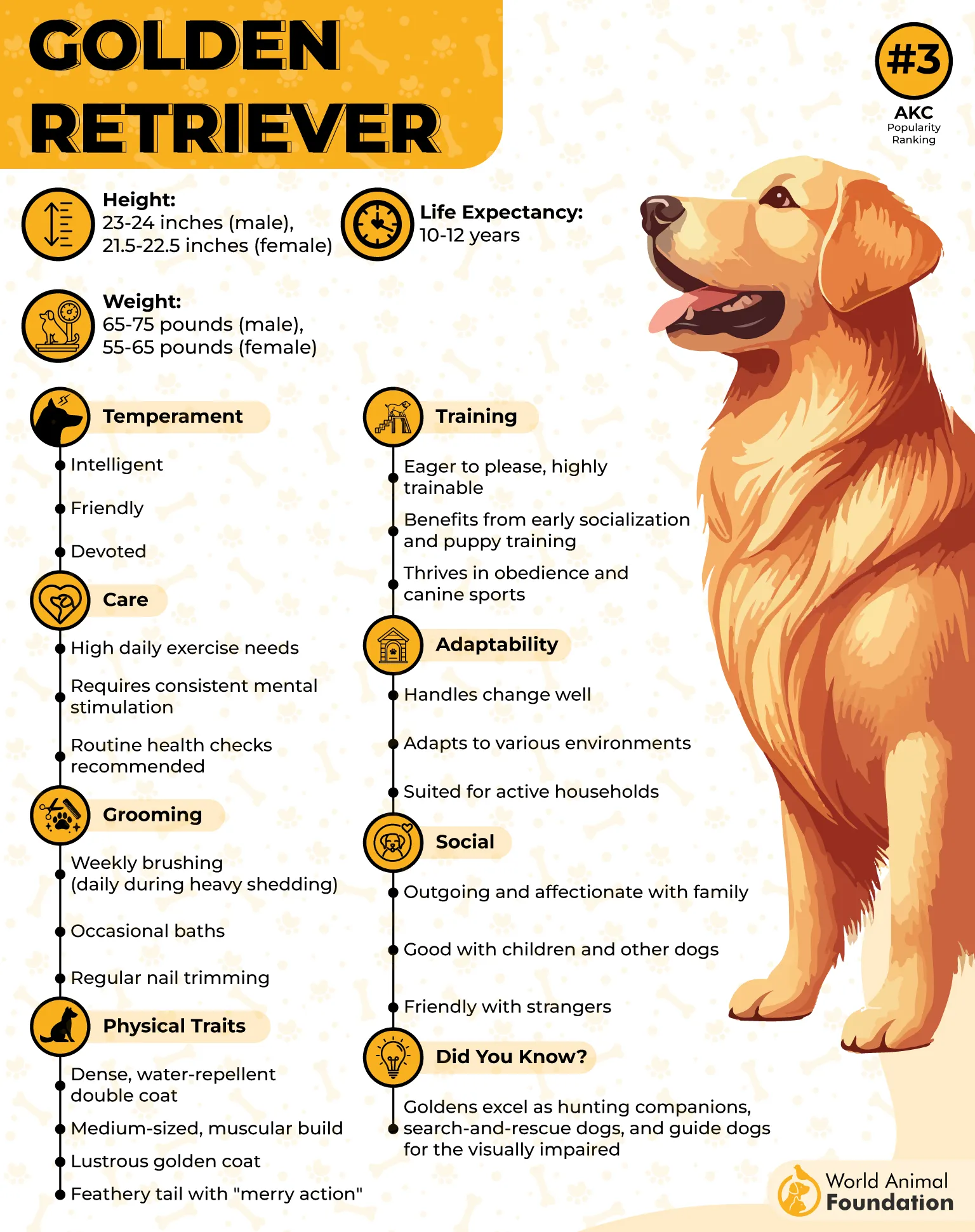
The Golden Retriever is friendly, enthusiastic, and eager to participate in family activities. Its cooperative temperament makes it a popular companion for people who enjoy hiking, swimming, and exploring unfamiliar places. Goldens generally respond well to training, although their playful energy and need for companionship mean they thrive best with owners who can provide regular interaction and exercise.
Scottish Origins in Sporting and Retrieving Work
The Golden Retriever was developed in Scotland during the 19th century through the work of breeders seeking a dependable hunting retriever, as per PetMD. Its ancestry includes the now-extinct Yellow Retriever and other sporting dogs. Selective breeding emphasized a gentle mouth, swimming ability, and the willingness to retrieve game across varied terrain.
A Natural Partner for Water and Trail Adventures
Golden Retrievers combine athletic bodies, strong swimming ability, and considerable enthusiasm for retrieving games and toys. These qualities make them suitable for hikes, beach outings, and water-based activities when conditions are safe. Their dense coats offer some weather protection, but owners should monitor for overheating, provide regular water breaks, and build endurance gradually.
2. Dalmatian
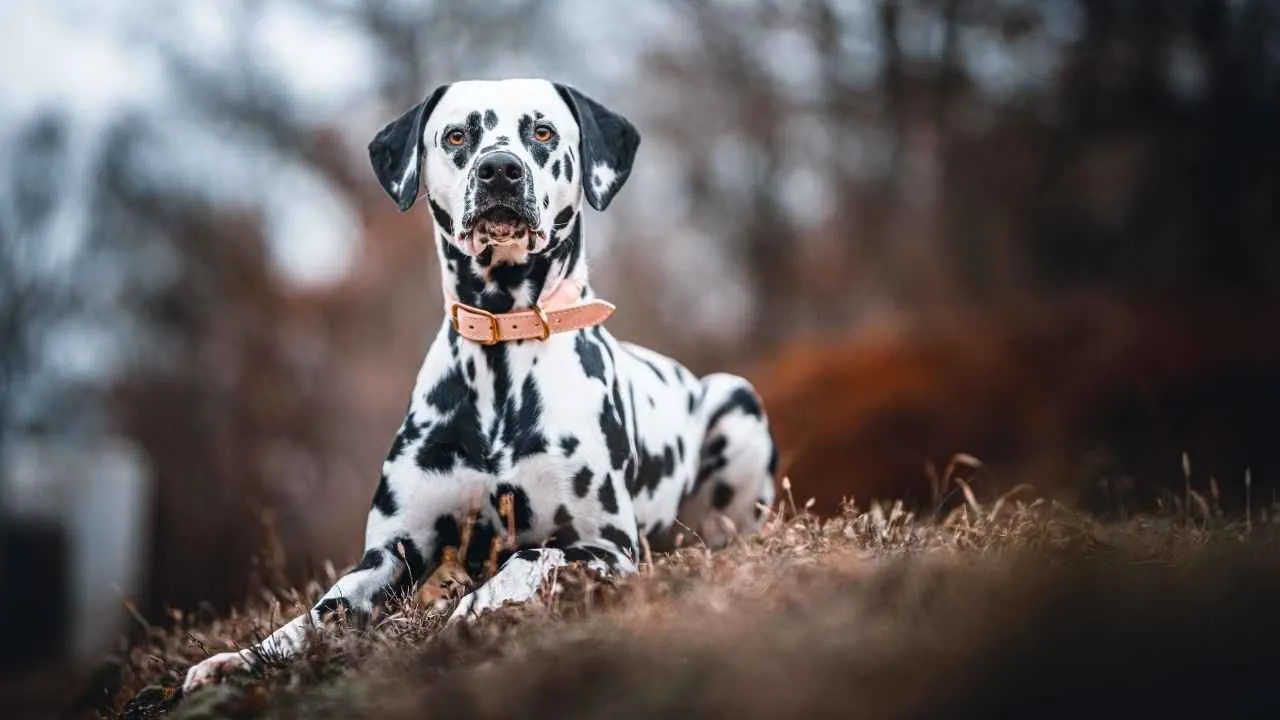
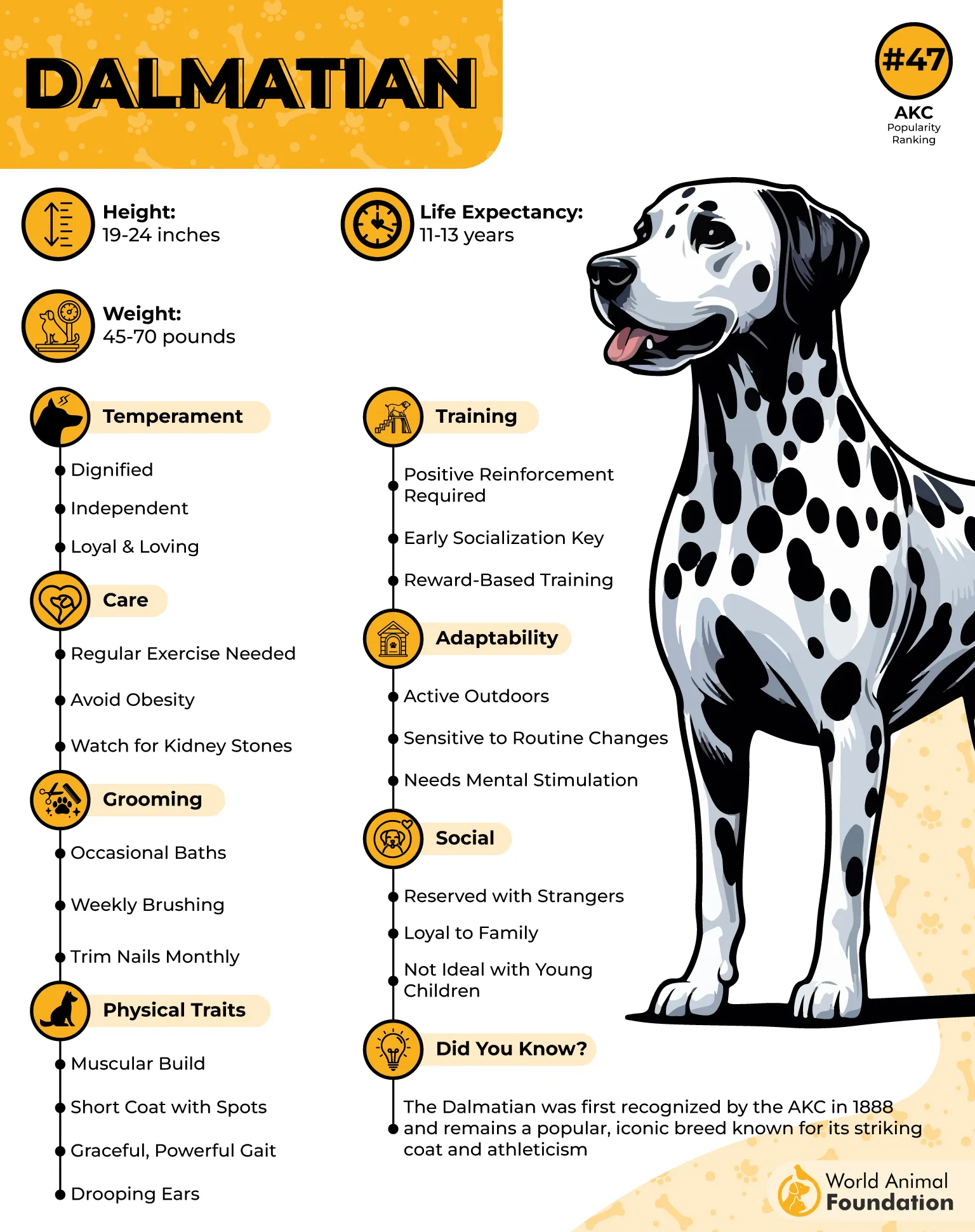
The Dalmatian is energetic, alert, and independent, with an athletic nature that suits active households. It often enjoys running, exploring, and participating in structured activities with its owner. Its stamina can be impressive, but the breed also benefits from mental challenges and consistent training to prevent boredom and manage its enthusiasm around unfamiliar people or animals.
A European Breed With a History of Travel
The Dalmatian’s exact origins remain debated, although the breed became strongly associated with the Dalmatia region of present-day Croatia, as per the AKC. Historically, Dalmatians served in several roles, including carriage dogs, guardians, and companions for horse-drawn fire engines. Their association with horses helped establish their reputation for endurance and activity.
Endurance for Long Walks and Active Outings
Dalmatians have lean, muscular bodies and a natural capacity for sustained movement, making them suitable companions for well-conditioned owners who enjoy long walks and outdoor exploration. Their short coats are easy to maintain but provide limited insulation in cold weather. Responsible exercise should account for age, fitness, temperature, and the breed’s increased risk of urinary stones.
3. Weimaraner
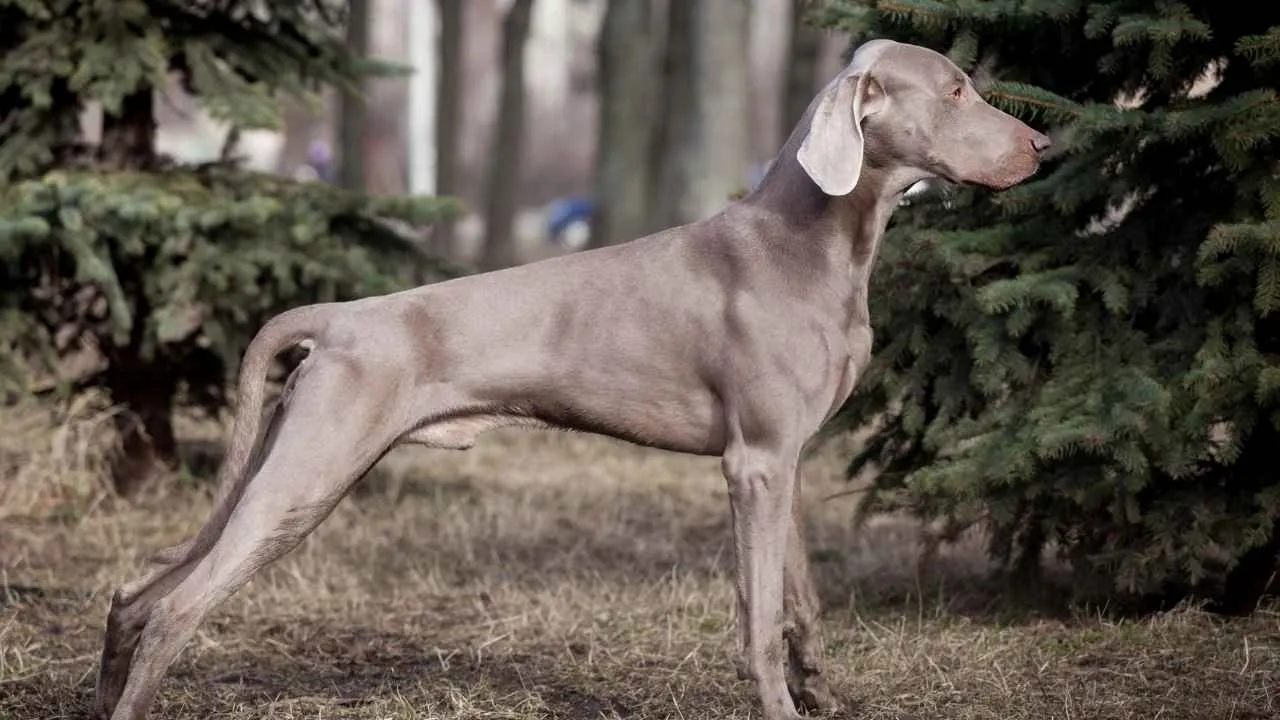
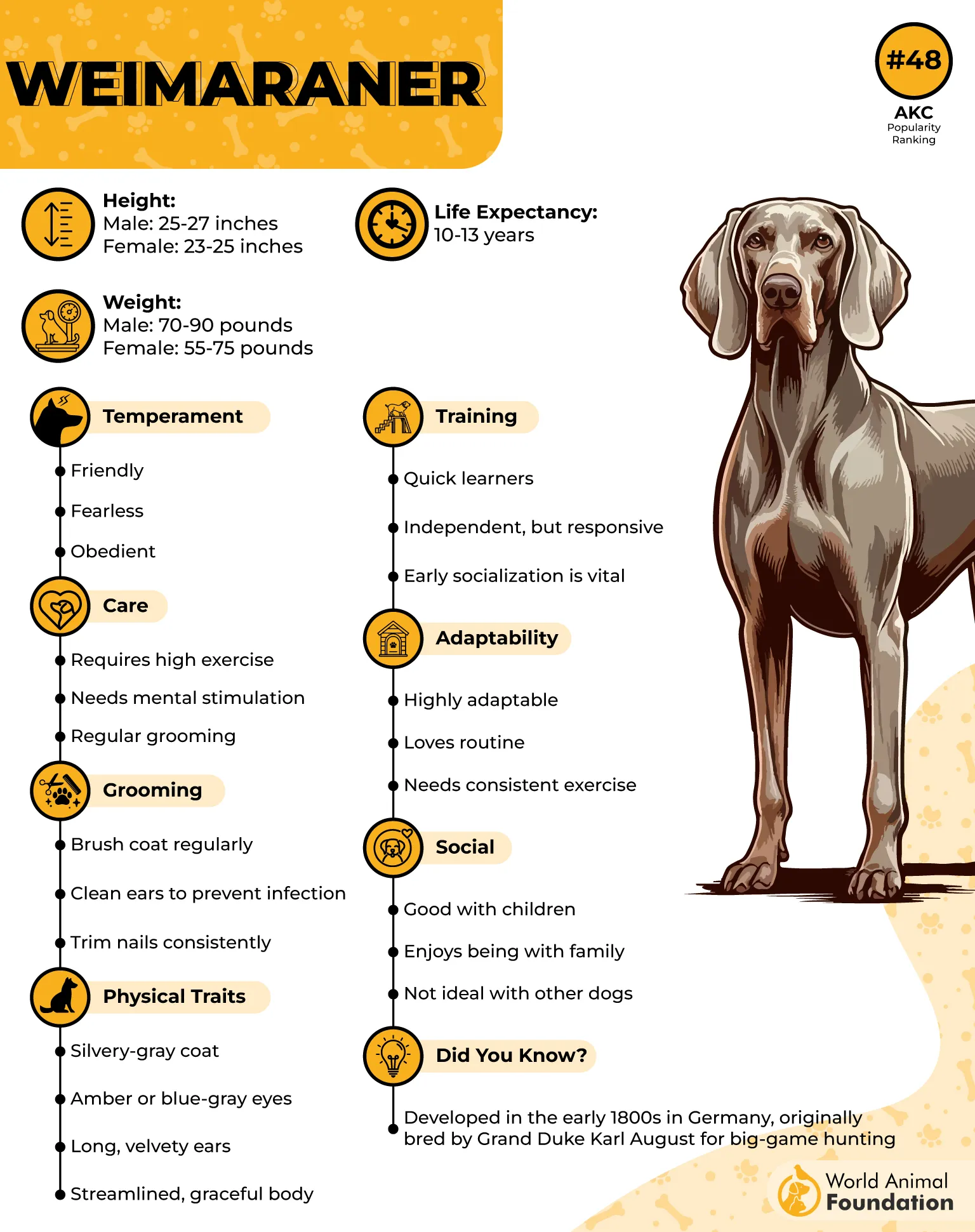
The Weimaraner is confident, intelligent, and intensely energetic, often forming close bonds with its family. It thrives when given purposeful activities rather than being left inactive for long periods. Its hunting instincts and curiosity can make outdoor exploration exciting, although reliable recall, early socialization, and consistent boundaries are important for managing its drive.
A German Hunting Dog With Versatile Skills
The Weimaraner was developed in Germany during the 19th century for hunting large game and later became valued for tracking, pointing, and retrieving, as per Orvis. Breeders emphasized athleticism, intelligence, and close cooperation with hunters. Its distinctive silver-gray coat and streamlined body reflect its history as a versatile sporting dog.
Athletic Power for Demanding Outdoor Pursuits
Weimaraners possess long limbs, muscular bodies, and strong endurance, making them suitable for hiking, running with appropriately conditioned adults, and scent-based outdoor games. Their short coats offer little protection from severe cold, so warm layers may be necessary in chilly conditions. Consistent training and sufficient recovery help keep their energy manageable during extended adventures.
4. Vizsla
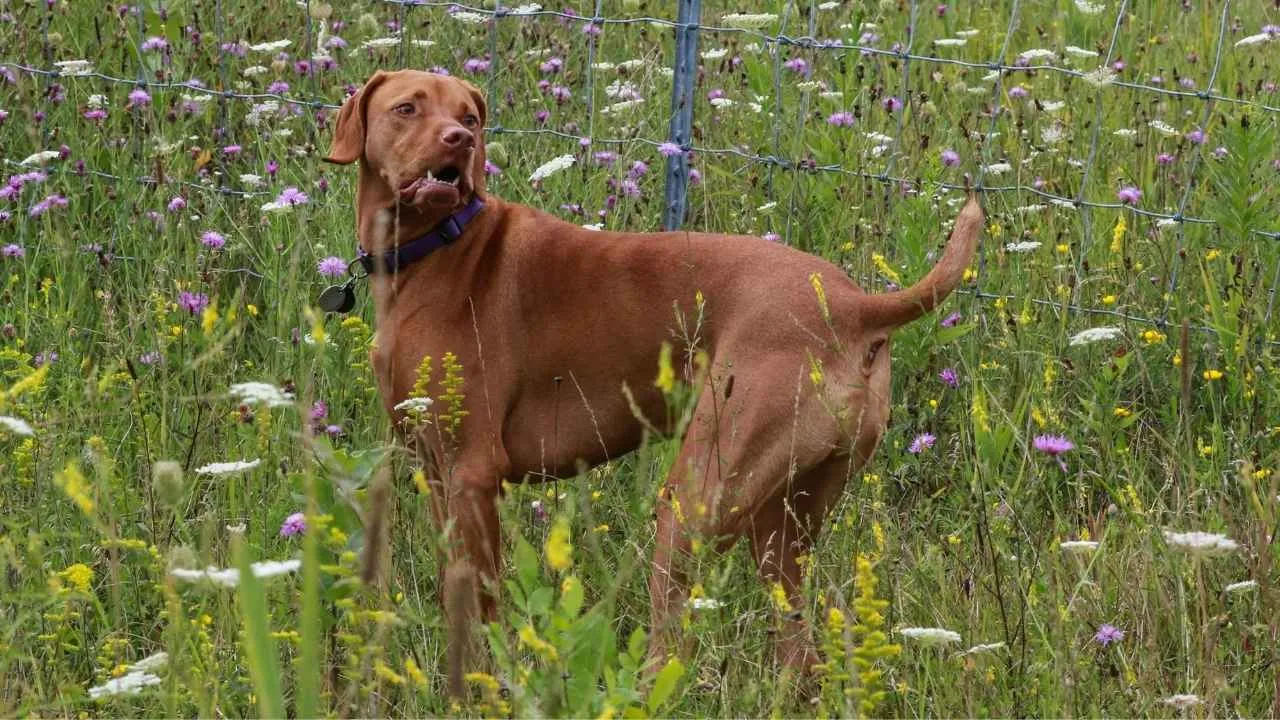
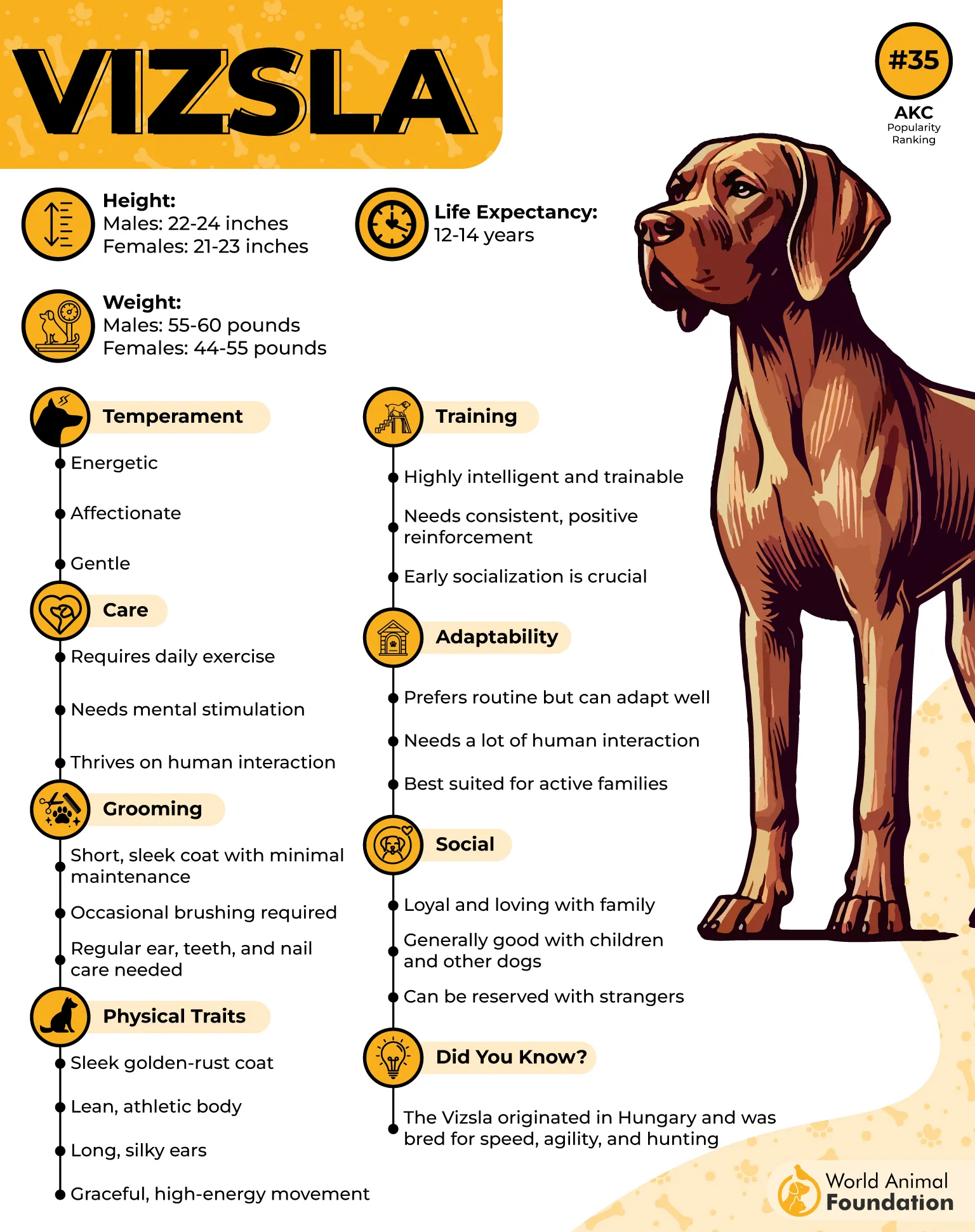
The Vizsla is affectionate, sensitive, and highly active, often preferring to remain close to its favorite people. Its eagerness to cooperate makes it responsive to positive training, while its sporting instincts encourage exploration and movement. Because it can become restless without sufficient engagement, it is best suited to owners who enjoy incorporating their dogs into everyday outdoor activities.
Hungarian Roots in Hunting and Fieldwork
The Vizsla originated in Hungary, where hunting dogs were developed to locate, point, and retrieve game across open countryside. The breed’s history stretches back several centuries, although its modern development involved deliberate breeding to preserve its distinctive sporting qualities. Its versatility and close working relationship with hunters remain central characteristics.
Lean Athleticism for Trails and Open Country
Vizslas have lean, muscular bodies and impressive stamina for sustained outdoor activity. Their agility makes them suitable for hiking, field games, and other adventures that combine movement with mental engagement. Their short coats provide limited insulation, so cold-weather protection is important, while exercise should be adjusted during extreme heat to prevent exhaustion.
5. Alaskan Malamute
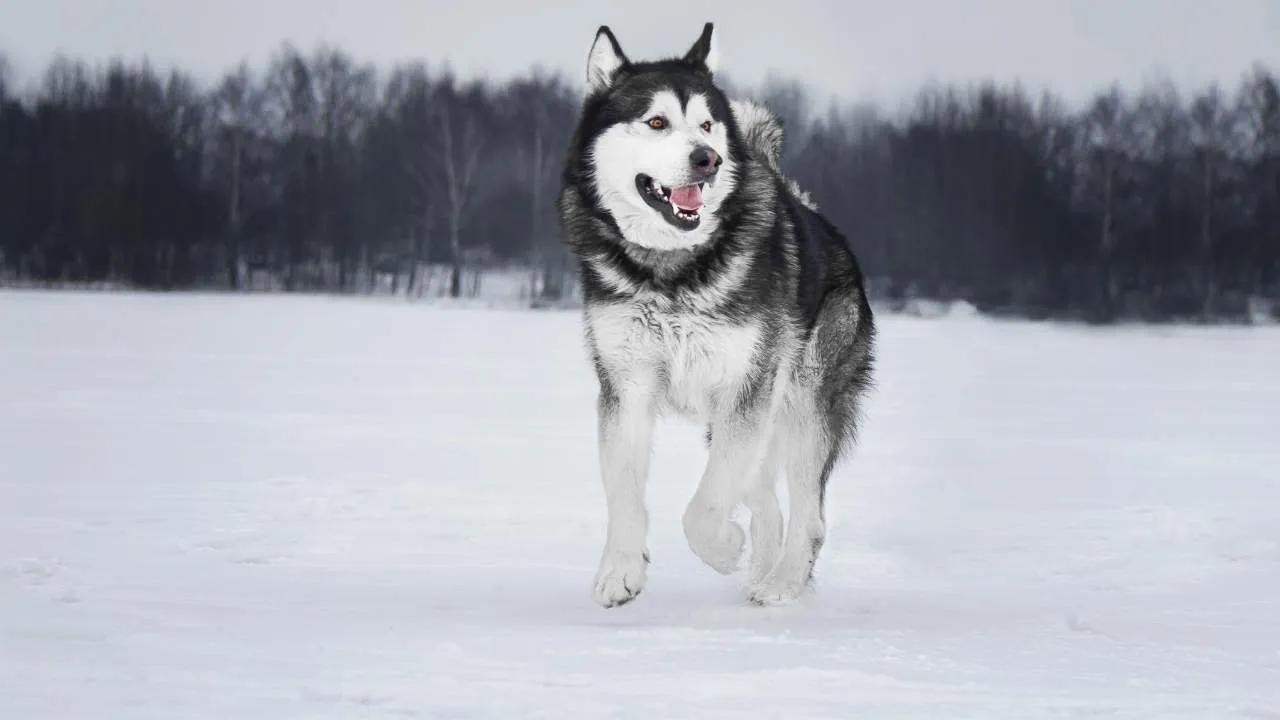
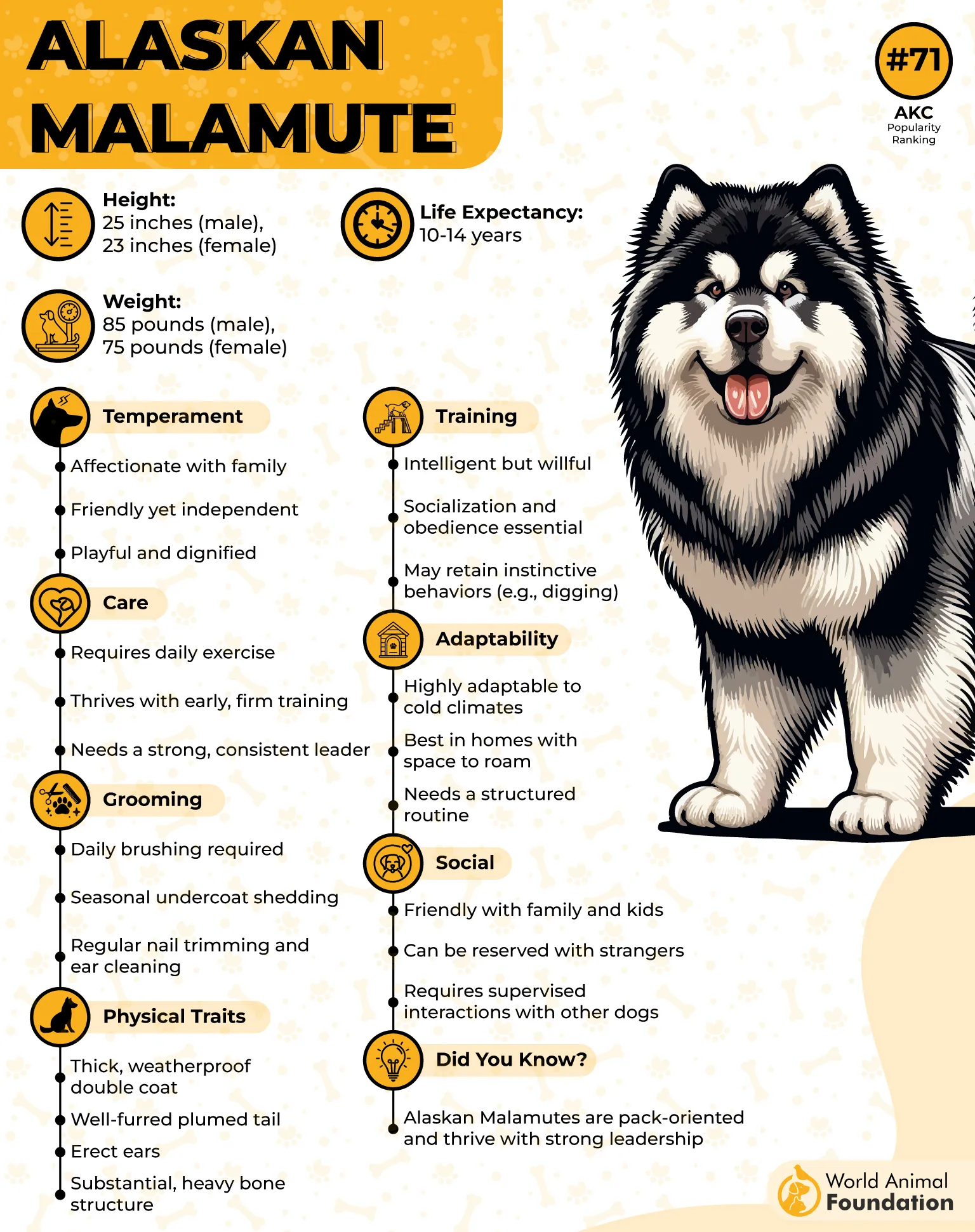
The Alaskan Malamute is strong, independent, and determined, with a working temperament shaped by generations of pulling heavy loads. It often enjoys demanding outdoor tasks and develops close bonds with its family, although its size and stubborn streak require confident handling.
This breed is particularly appealing to adventurers who appreciate winter activities and can accommodate its substantial exercise needs.
An Arctic Working Dog With Indigenous Heritage
The Alaskan Malamute traces its ancestry to dogs associated with the Mahlemut people of northwestern Alaska. These muscular dogs helped transport supplies across snowy landscapes, where strength and endurance were essential. Their traditional responsibilities shaped a powerful breed capable of sustained work in cold and demanding conditions.
Built for Snowy Trails and Cold-Weather Adventures
A dense double coat, broad feet, and muscular frame help the Alaskan Malamute travel over snow and withstand freezing temperatures. It can be an excellent companion for suitable winter walks and snow-based activities, although its heavy build is less suited to sustained running in warm conditions. Owners should provide shade, fresh water, and careful temperature monitoring throughout the year.
6. Border Collie
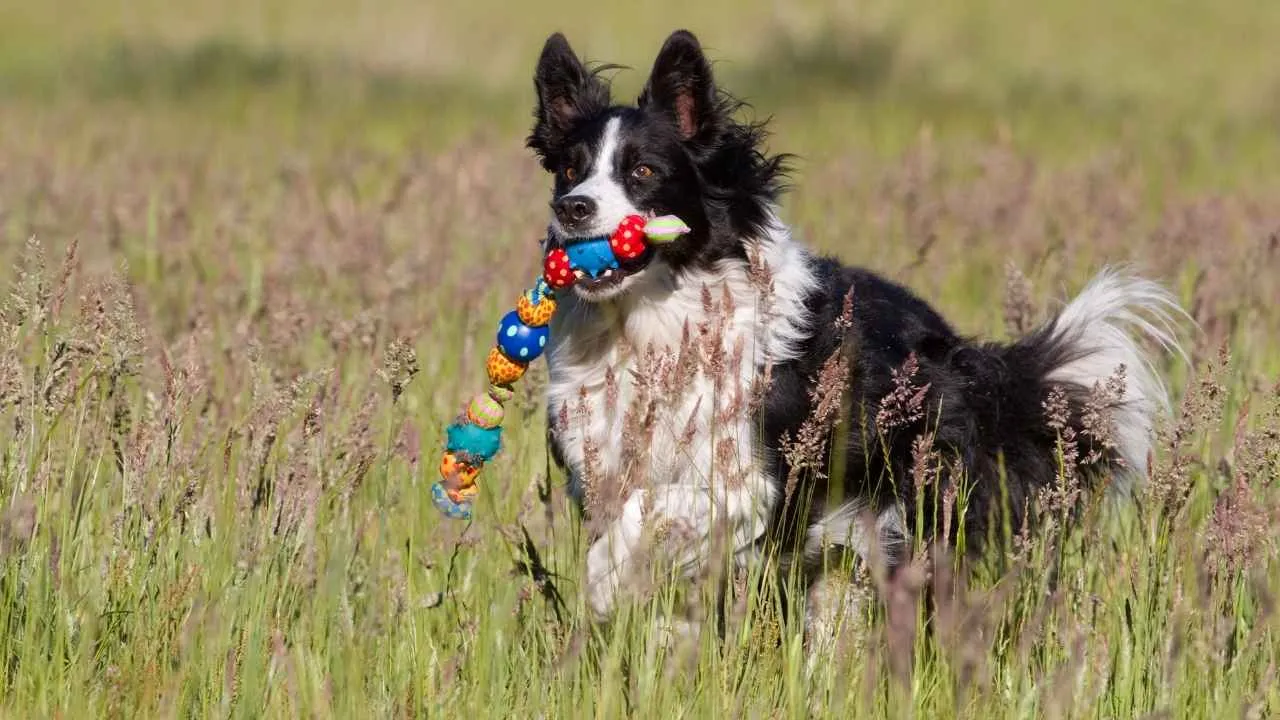
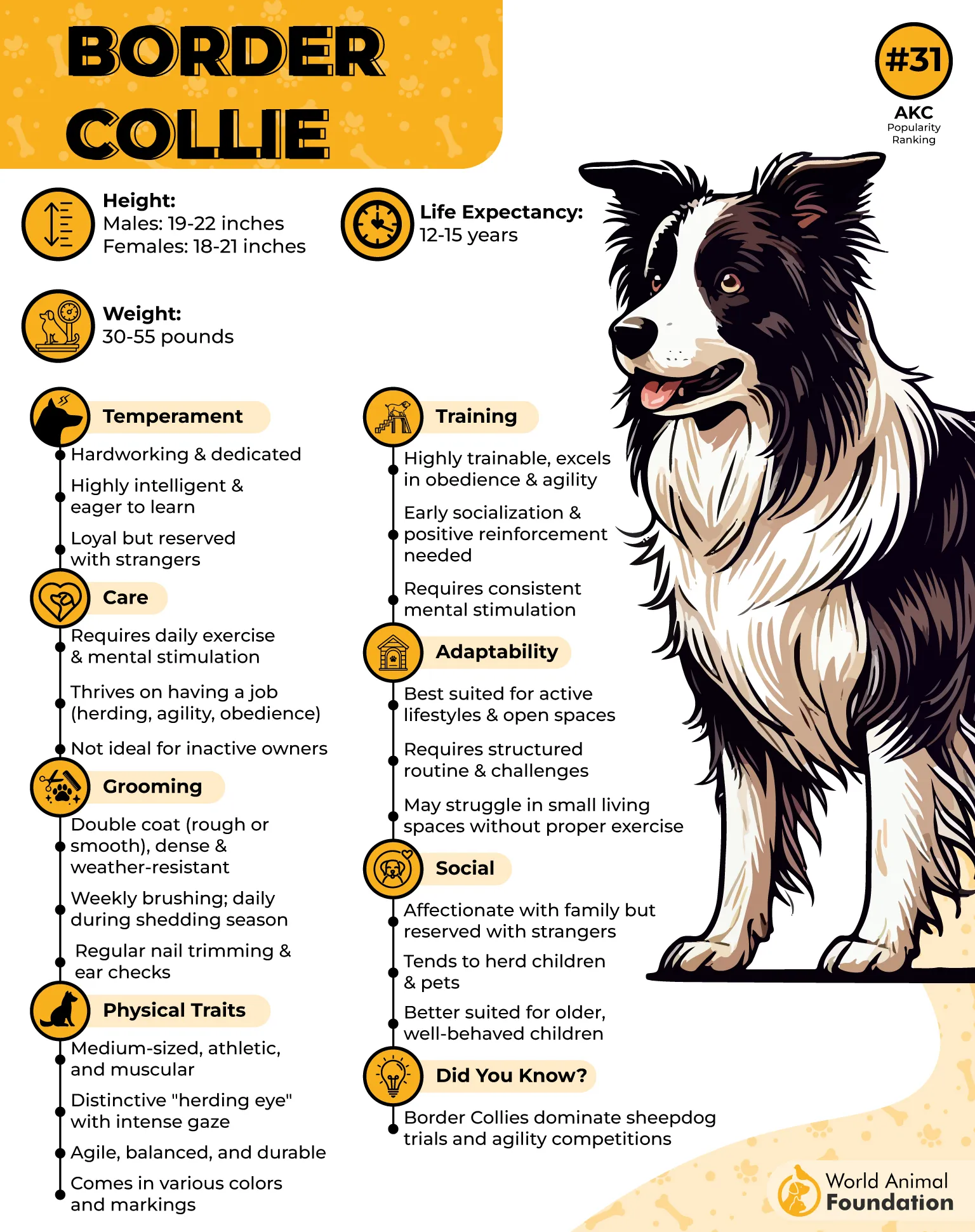
The Border Collie is exceptionally intelligent, focused, and energetic, with a strong desire to work and solve problems. It often excels when outdoor adventures include tasks such as agility, structured games, or learning new commands. Its quick learning ability is a major advantage, but its mental and physical demands can overwhelm owners who prefer a more relaxed routine.
Developed Along the Anglo-Scottish Border
The Border Collie developed in the border regions of England and Scotland, where shepherds needed agile dogs capable of controlling livestock across rugged hills and open pastures. Selective breeding emphasized responsiveness, stamina, and an instinctive ability to manage sheep. These qualities established the breed as one of the world’s most accomplished herding dogs.
Exceptional Agility for Challenging Adventures
Border Collies combine speed, balance, and remarkable problem-solving skills, making them well suited to agility, hiking, and outdoor training games. Their double coats provide some protection against changing weather, although coat density varies among individuals.
They need more than physical exercise alone, so navigation games, scent activities, and obedience challenges help keep them mentally satisfied.
7. Australian Shepherd
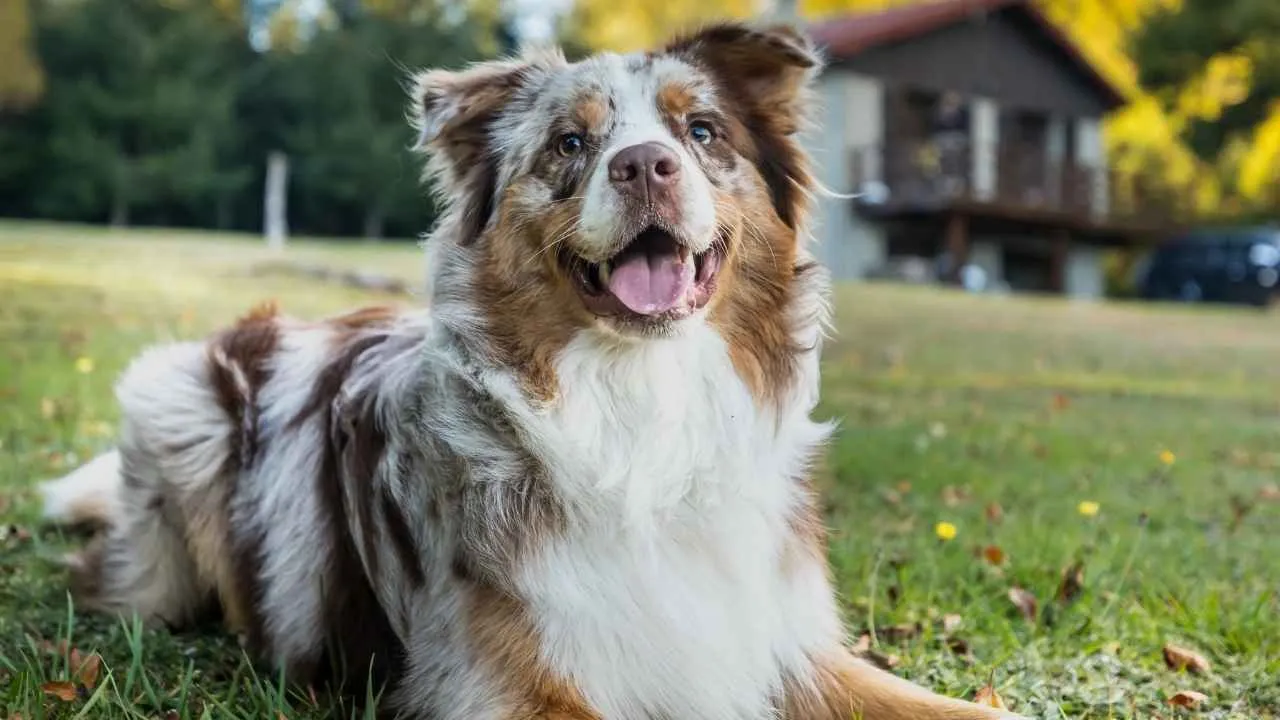
The Australian Shepherd is alert, versatile, and deeply engaged with its surroundings. It often forms strong bonds with its family and enjoys having a clear purpose during outdoor activities. Its herding instincts can lead it to chase moving objects or attempt to control other animals, so consistent training and opportunities for structured exercise are important.
An American Ranch Dog With a Misleading Name
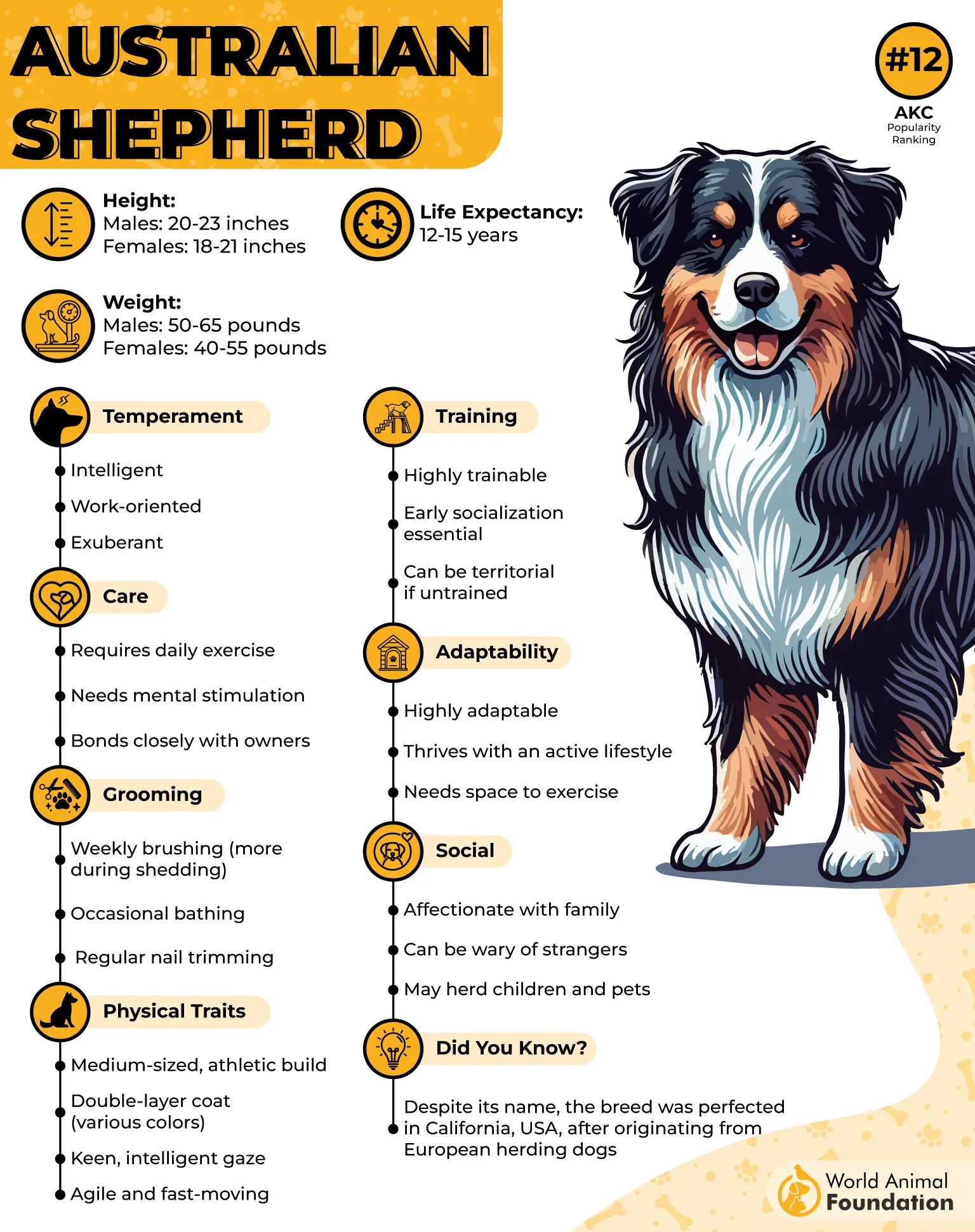
Despite its name, the Australian Shepherd was developed primarily in the United States as a livestock-working dog. Its history is linked to ranching communities in the American West, where versatile herders were needed to manage sheep and cattle. The breed became known for its intelligence, agility, and ability to work closely with ranchers.
Versatility Across Trails, Fields, and Outdoor Sports
Australian Shepherds have athletic bodies, strong coordination, and substantial stamina, allowing them to participate in hiking, agility, and other active pursuits. Their coats offer varying degrees of weather protection, but they still need appropriate care in extreme temperatures. Gradual conditioning, regular hydration, and mental challenges help channel their energy into productive outdoor experiences.
Conclusion
All of the above-mentioned dog breeds offer distinctive strengths for adventurous owners. Some excel at swimming and retrieving, others bring impressive endurance to long outings, while herding breeds stand out for their agility and intelligence. The best match depends on the activities you enjoy and the time you can dedicate to your dog.
Nevertheless, an adventurous breed still needs responsible preparation. Age, fitness, health, and weather conditions determine how much activity an individual dog can safely handle. Cold-adapted breeds may struggle in heat, while short-coated dogs can need extra protection during winter excursions.
Before choosing a companion, consider your preferred terrain, climate, exercise schedule, and training experience. Introduce demanding activities gradually, carry enough water, check paws after rough trails, and provide opportunities for rest.
With thoughtful preparation and consistent care, these breeds can become enthusiastic partners in an active, outdoor lifestyle.
