




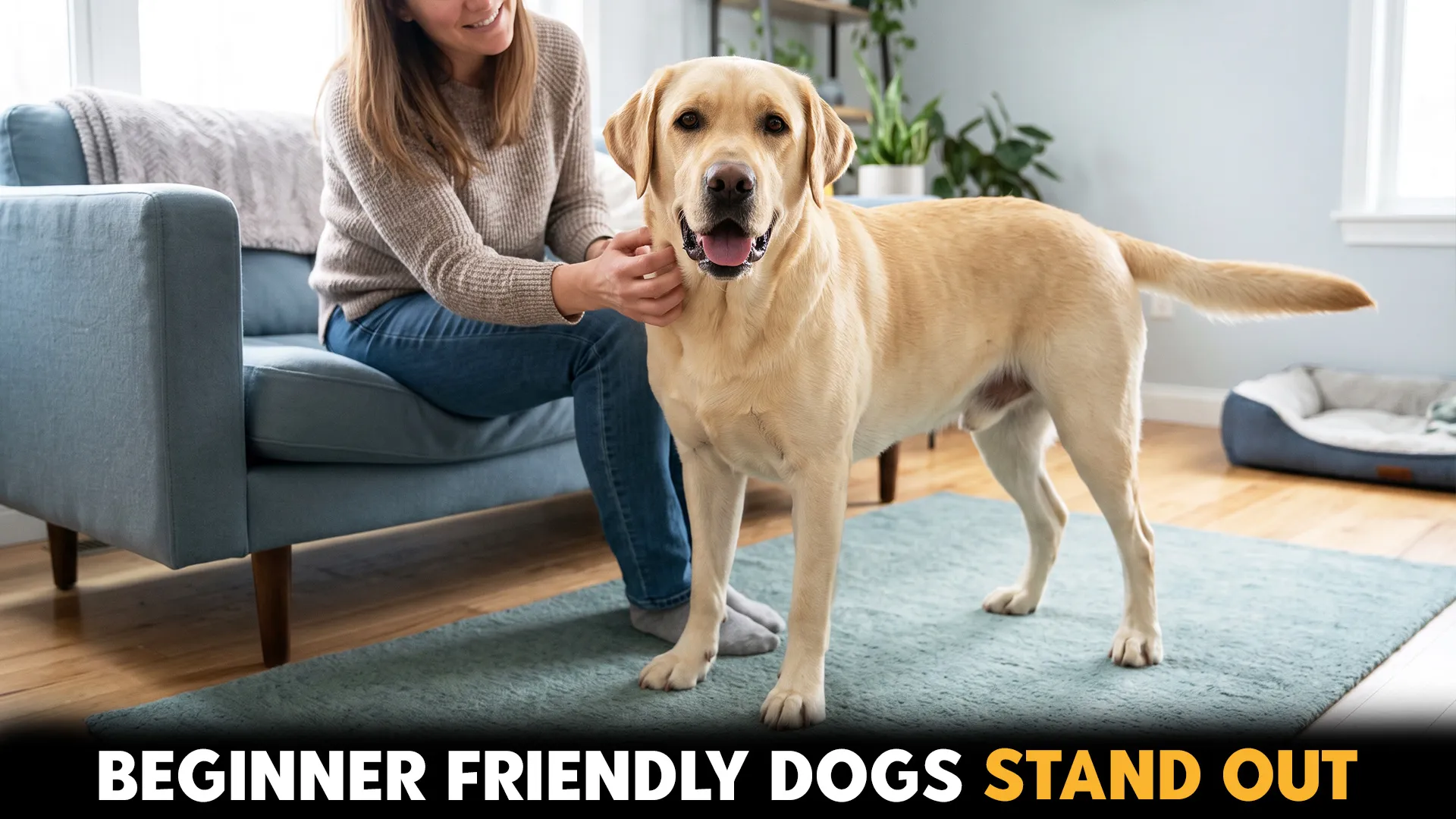
Your first dog makes the dream feel real: paws at the door, a walking buddy, and someone thrilled that you came back from taking out the trash. But who fits your life once the welcome party ends?
The best dog breeds for first-time dog owners offer more than a cute face. Cavaliers often bring gentle affection, while Labrador Retrievers suit homes that enjoy being active. Neither comes with a built-in manners button, sadly.
This guide explores seven breeds, from the cheerful Bichon Frise to the tiny Maltese, with room for real talk about care. Pugs deserve special caution because their flat faces can cause serious breathing problems.
Think of this as finding a compatible roommate, only one who may steal your socks and never split the rent. Choose with care.
Amazing Dog Breeds Suited for First-Time Dog Owners
1. Cavalier King Charles Spaniel
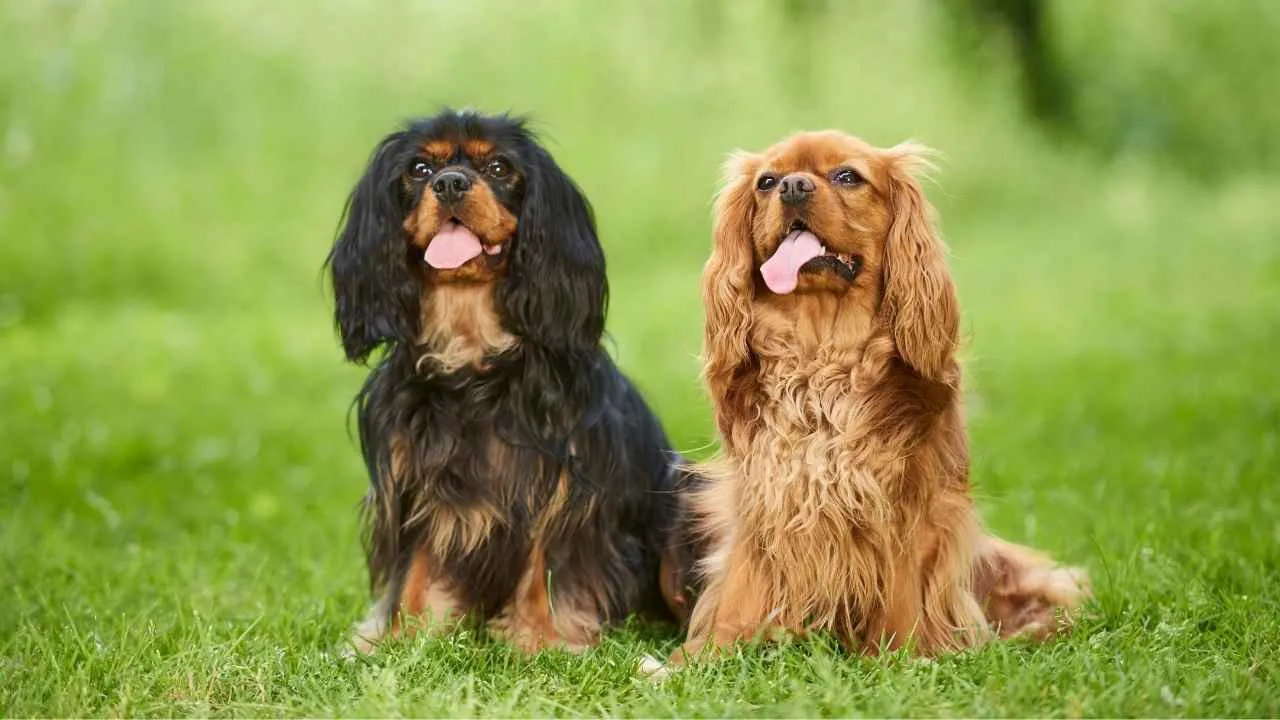
The small dog breed is descended from a Toy Spaniel as a lap dog for castles and to accompany the royalty in carriages. It was favored by the British royalty and was depicted in the ancient artworks from the 16th to 18th centuries, according to Hill’s Pet.
It has a melting, sweet expression because of the dark eyes and cushioning underneath. It has a low emotional reactivity since it was selectively bred to be avoidant of aggression and nervousness. It switches between two modes: the couch potato (indoors) and an active breed (outdoors) because of the spaniel history.
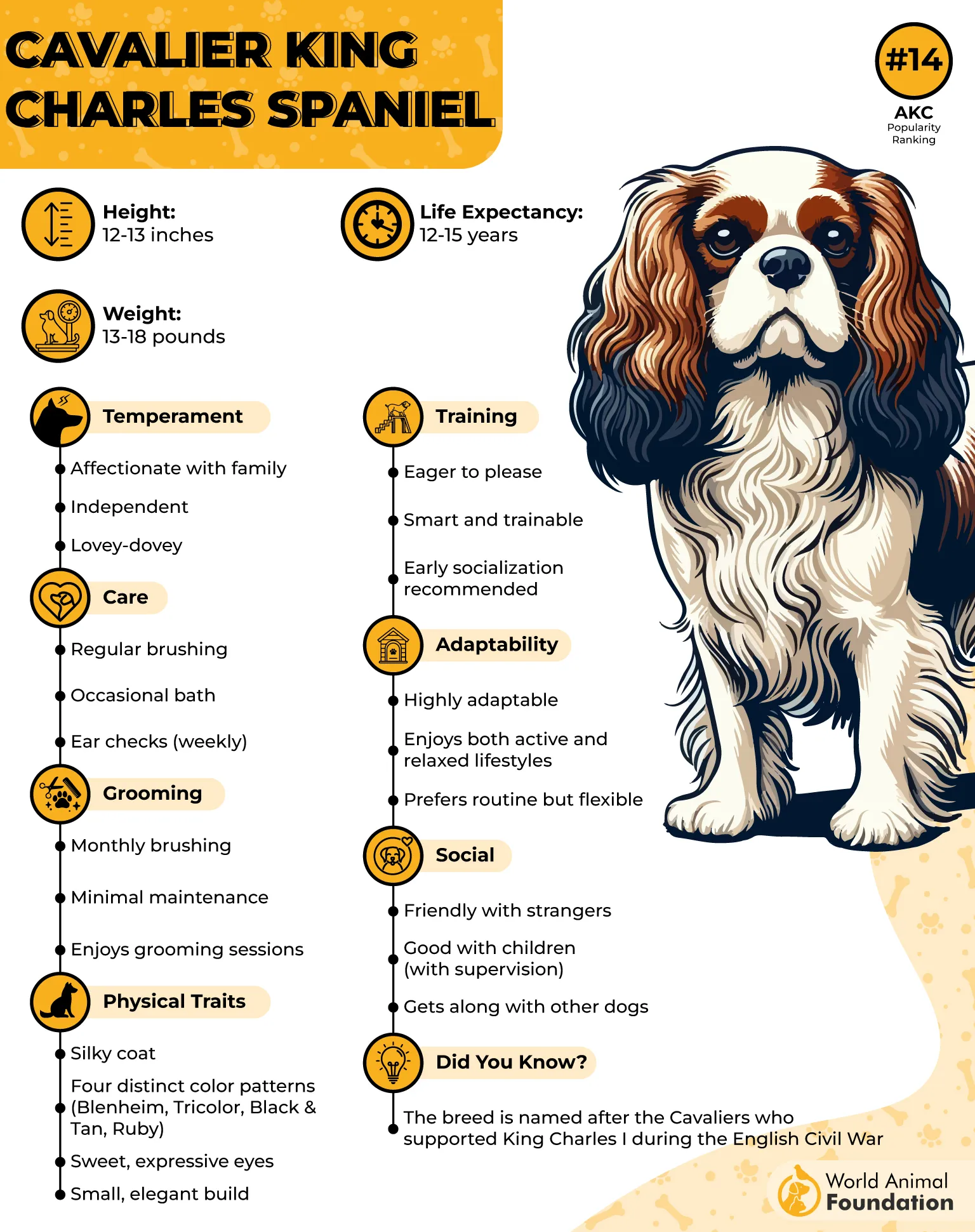
Keep the sessions short and non-repetitive to avoid boredom. Give it basic command training at an early age. Since the breed is prone to separation anxiety, prevent leaving it alone for too long.
2. Labrador Retriever
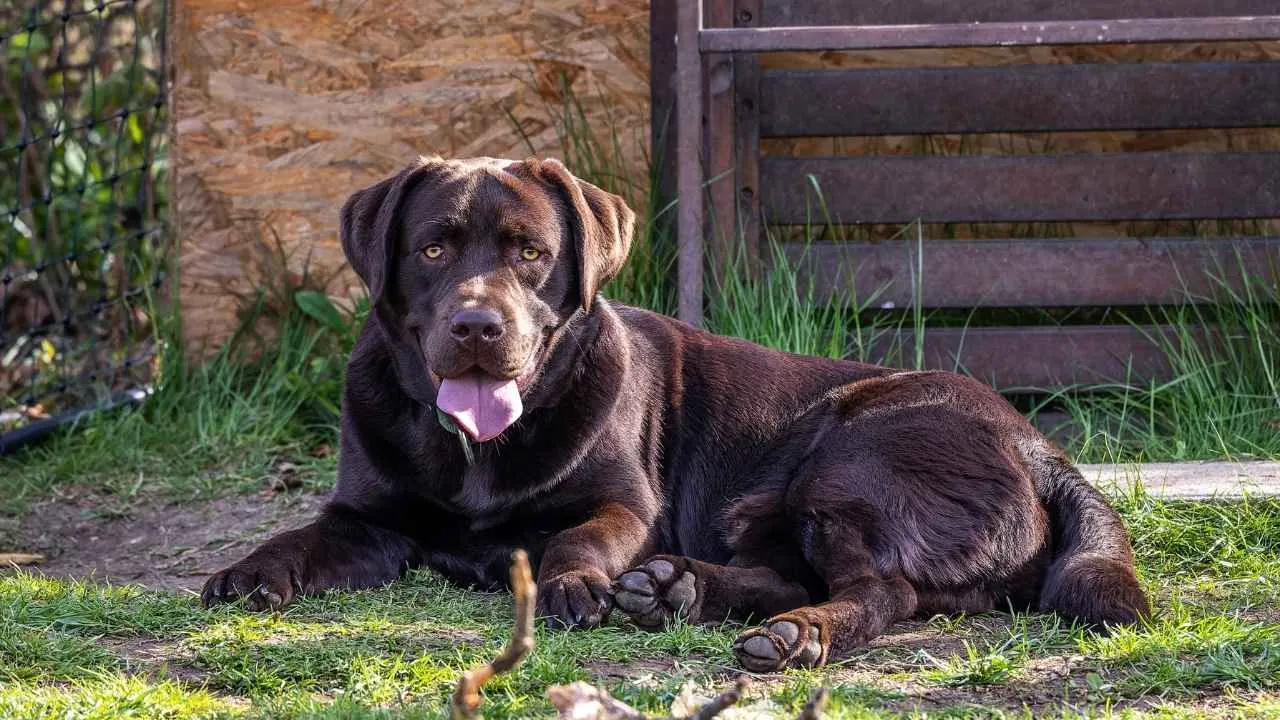
The ancestors of the medium-to-large dog breed originally came from Canada and Britain in the early 19th century. It was refined by the British nobles over the years for waterfowl retrieving and used as a gun dog during hunts. The Labrador was officially recognized by the AKC in 1917.
The adult dog has a water-resistant short, double coat that makes it a low-maintenance breed. Known for its soft mouth, the breed tends to retrieve objects without physically harming them. The dog is highly resilient to weather conditions; thus, it is ideal for active families.
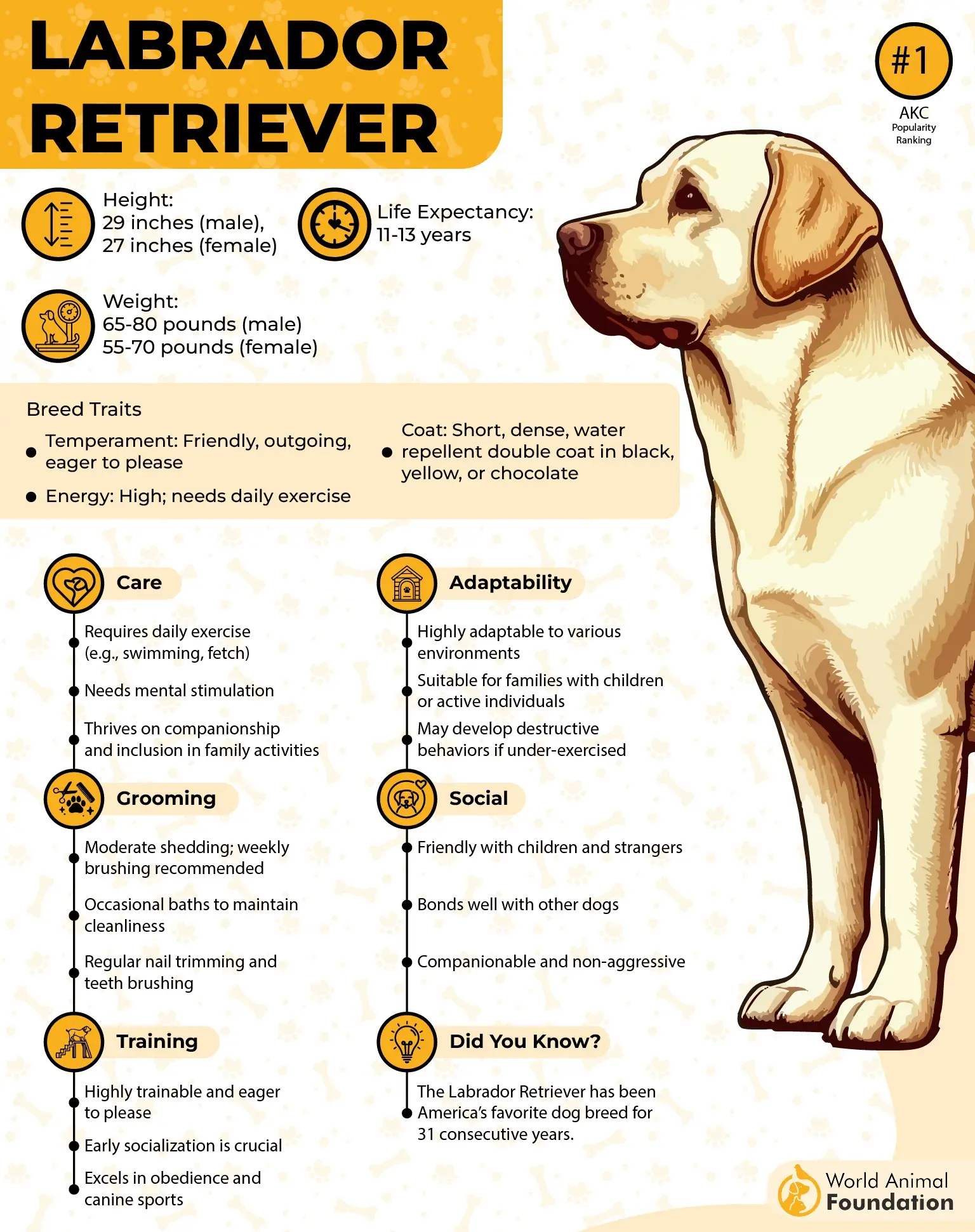
Because of its strong prey drive, this medium-sized dog actively looks at the owner for guidance and forms strong bonds with the family. Go for loose-leash walking, impulse control games, and recall training during the first year.
3. Pug
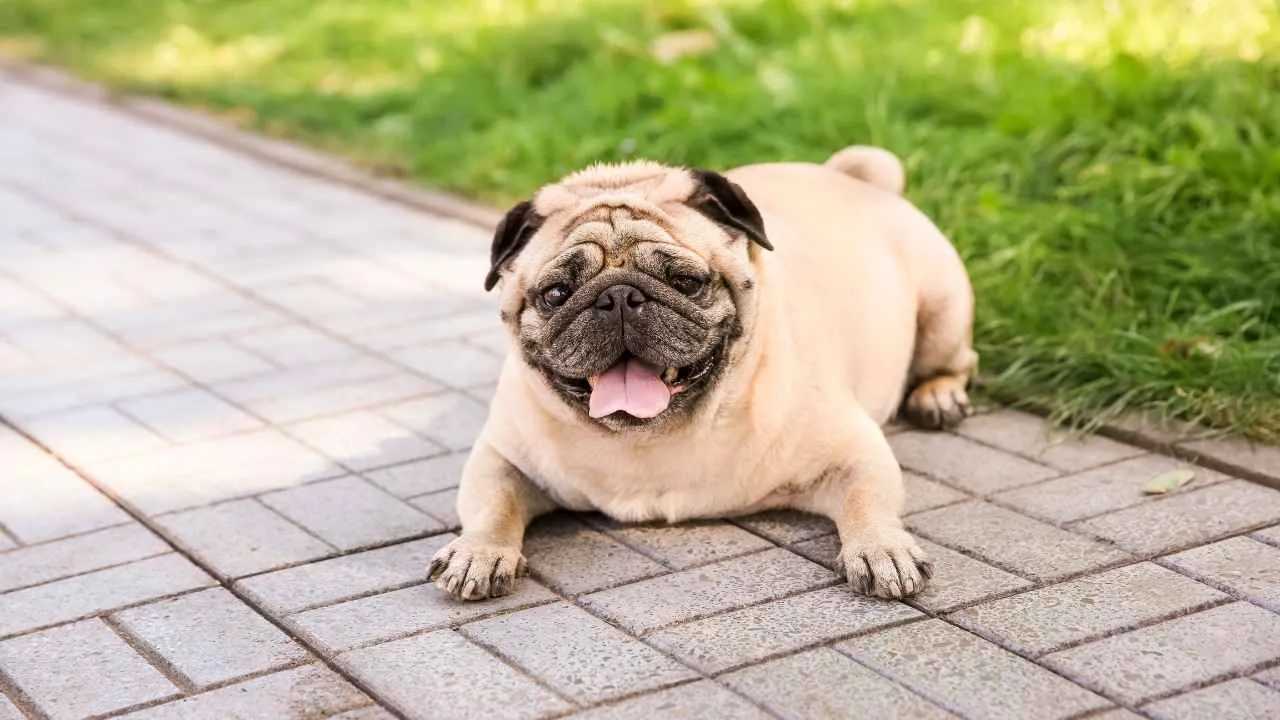
The history of the ancient dog breed dates back to 400 BCE, when it is believed to have come from China. Descended from the Bulldog and the Mastiff, the breed’s characteristics are closely related to the Pekingese. It gained popularity globally in the 16th century, as reported by Orvis.
Despite being highly food-motivated, the dog has an efficient metabolic system. The breed has a high threshold for reactivity and usually has a calm demeanor. The social butterfly befriends everyone: family members, children, other dogs, and even strangers. It has minimal exercise needs (20-30 minutes).
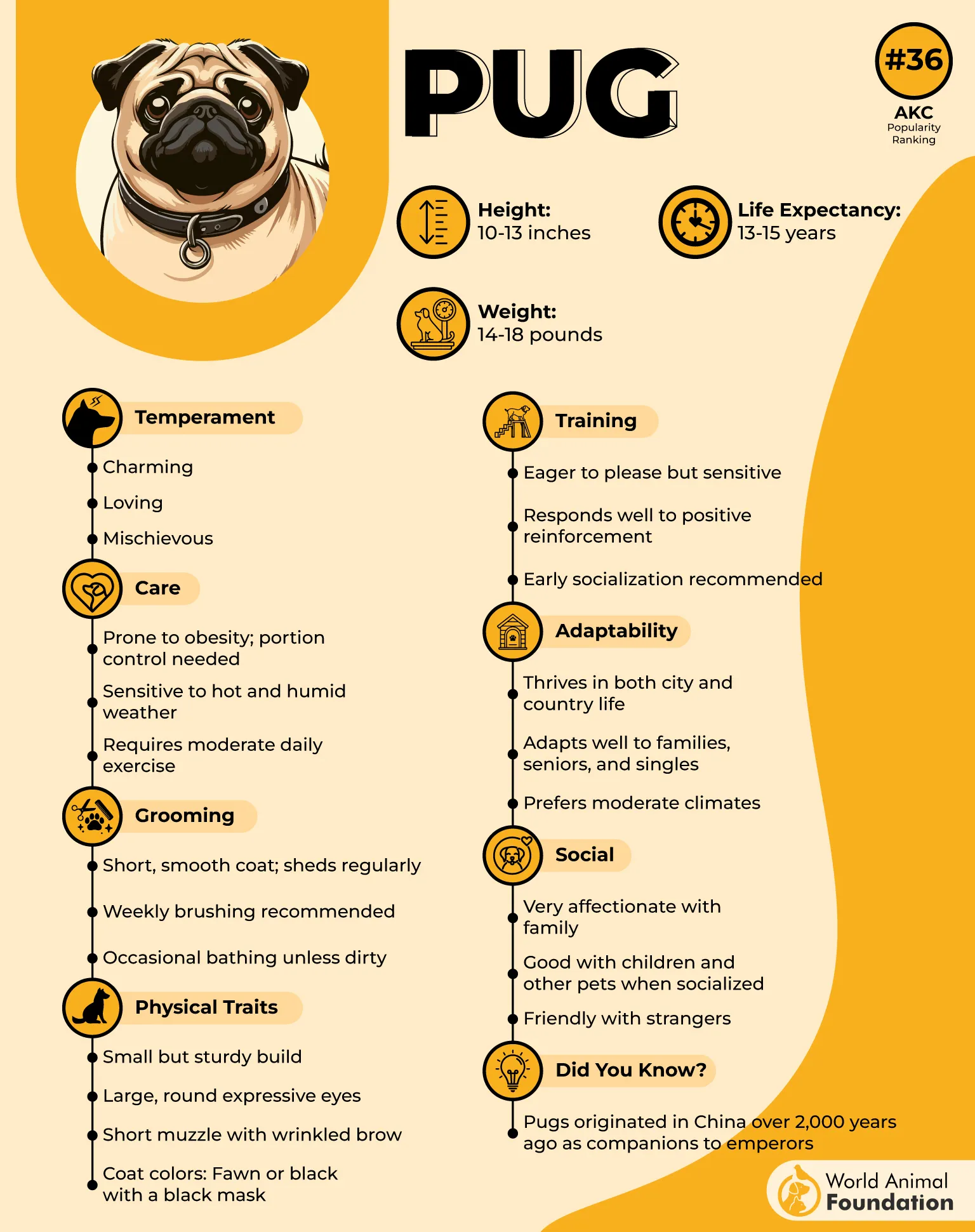
House training is required during 8-16 weeks. Then comes the basic obedience command training in the 10th week and beyond. Early socialization is recommended during the first 16 weeks.
4. Bichon Frise
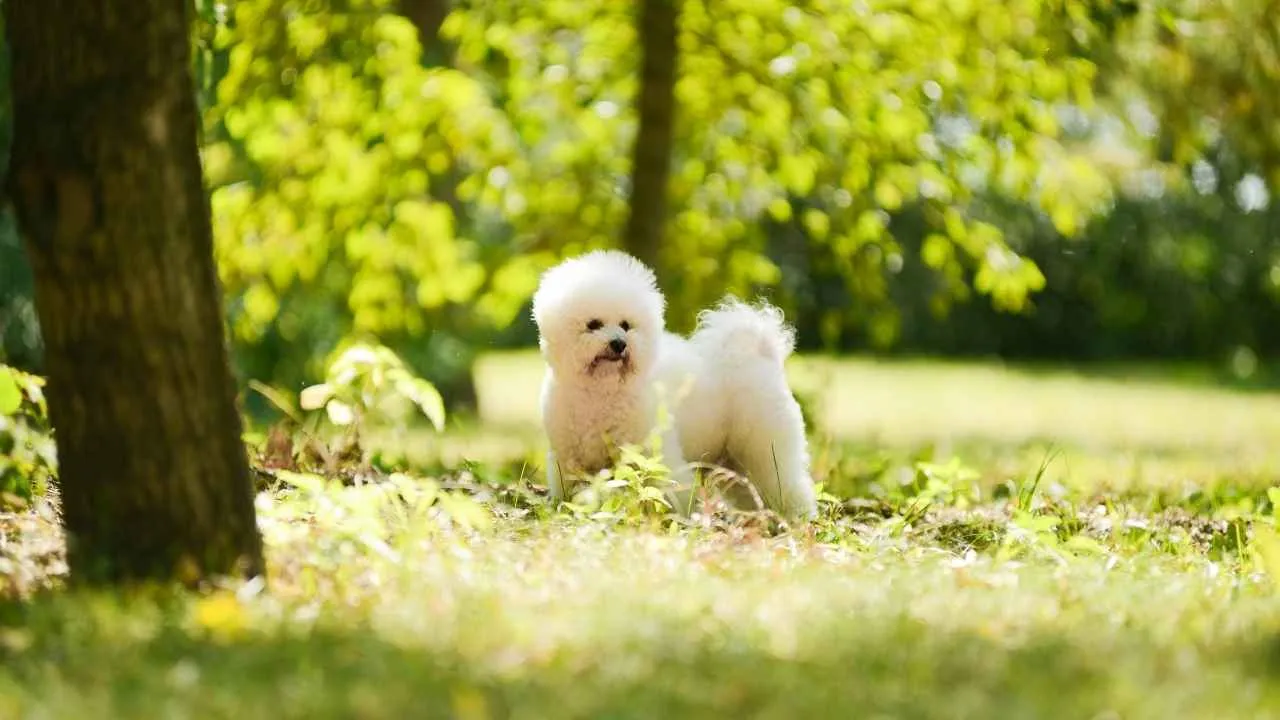
Developed by crossing the small white dogs with the large water dogs, the breed was originally bred in the Mediterranean region. It was used to travel alongside the Spanish sailors and was traded off worldwide. Soon it gained popularity among the French royalty.

The right dog has a well-boned, robust structure that reduces the risks of accidental injuries during play. Being a mesocephalic breed, it possesses a longer snout and does not experience respiratory distress or physical exhaustion. Hardwired for companionship, the dog lacks high prey drive or aggressive traits.
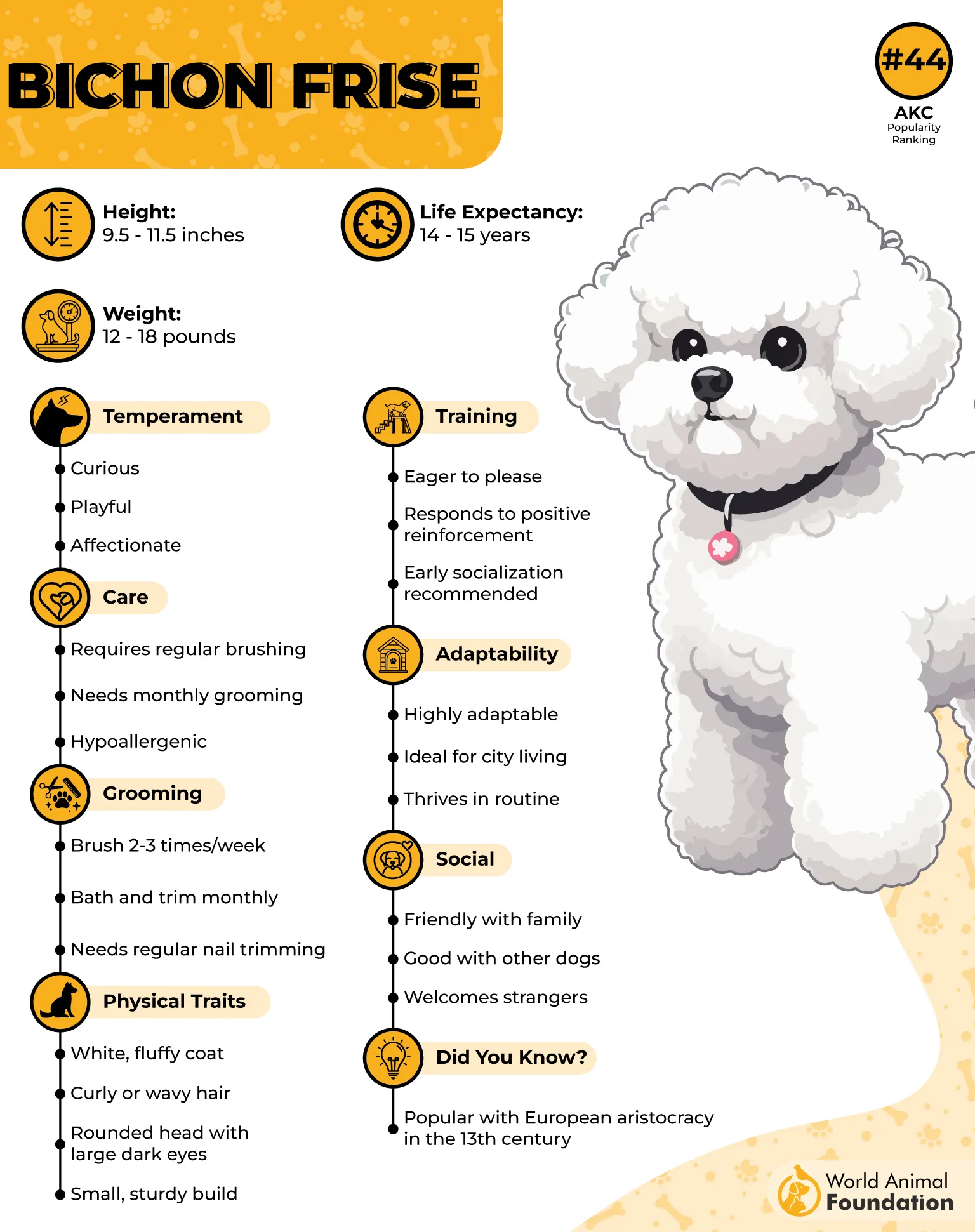
It has a forgiving nature and is highly resilient to minor training mistakes, making it great for first-time owners. Combine food rewards with interactive play sessions. The breed is prone to excessive barking when excited; thus, training a calm switch using mat relaxation exercises is suggested.
5. Shih Tzu
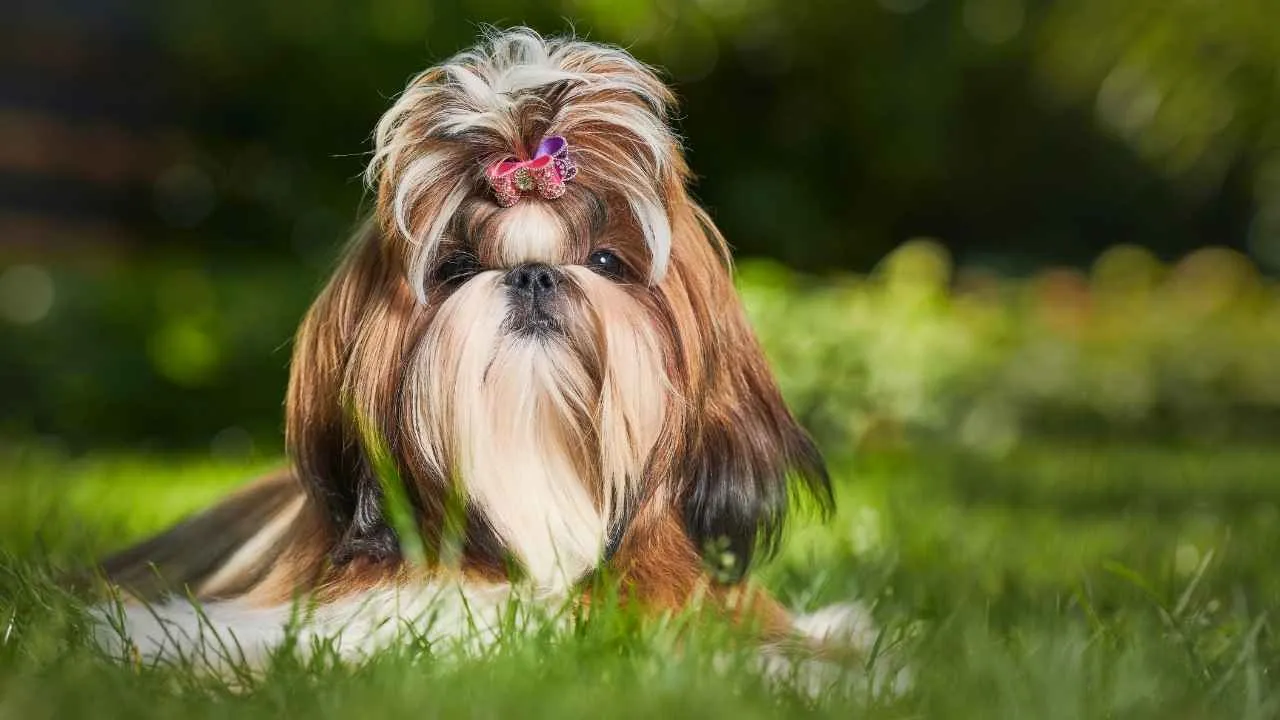
The ancient breed was developed in Tibet somewhere around 1,000 BCE as an interior watchdog for both the Chinese royalty and the Buddhist monks. The modern-day breed is the result of crossing both the primitive version with the Pug and the Pekingese, says Chewy.
The hypoallergenic coat consists of human-like hair that has minimal grooming needs (for a puppy cut). Because of the brachycephalic nature, the adaptable dog has narrowed airways that lead to breathing difficulty during intense physical activity. It does not tend to chase small objects or animals and prefers staying up on the couch.
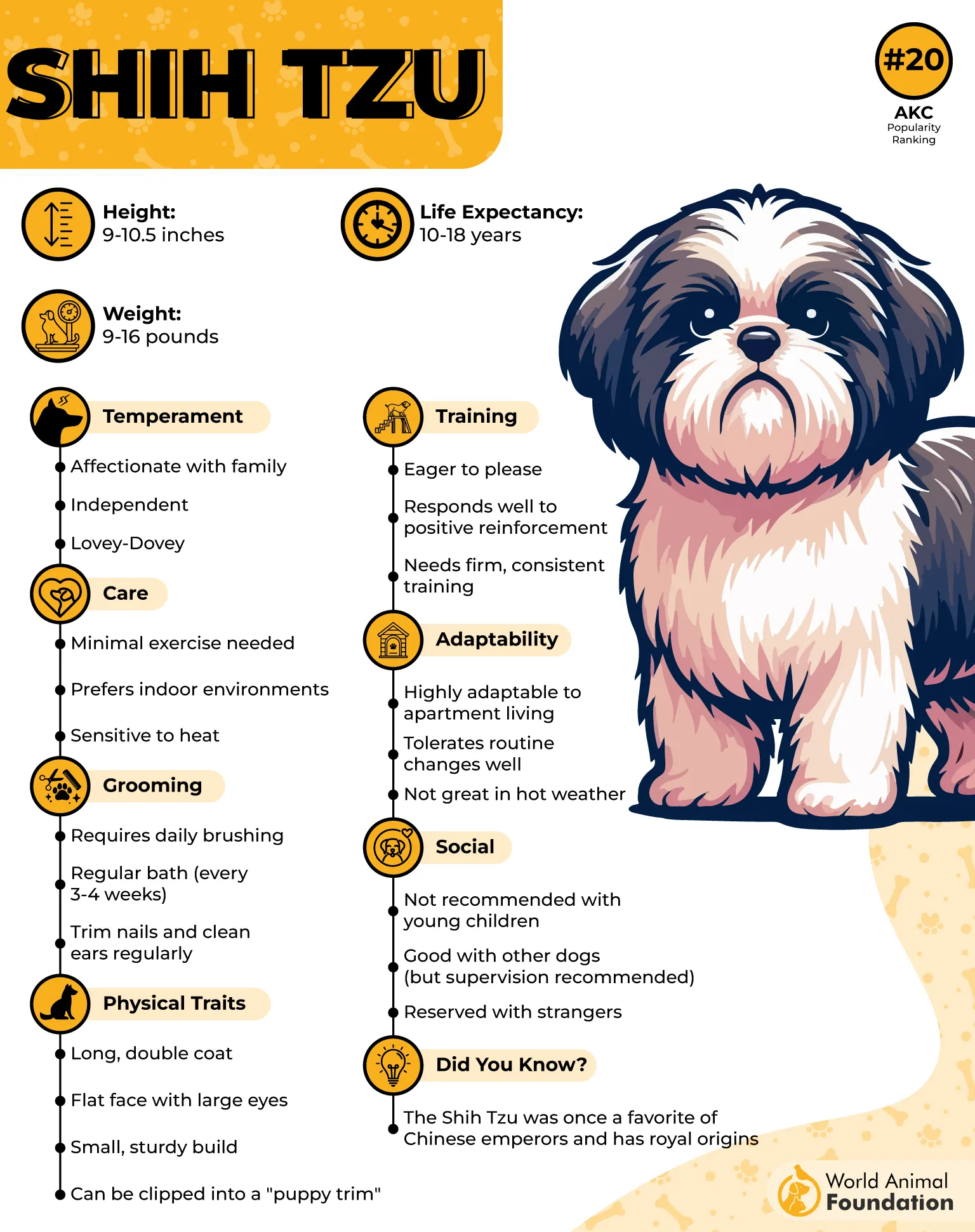
It has a minor independent streak that can be controlled with reward training and positive reinforcement. Since it has a delicate windpipe, use a harness instead of a traditional collar.
6. Havanese
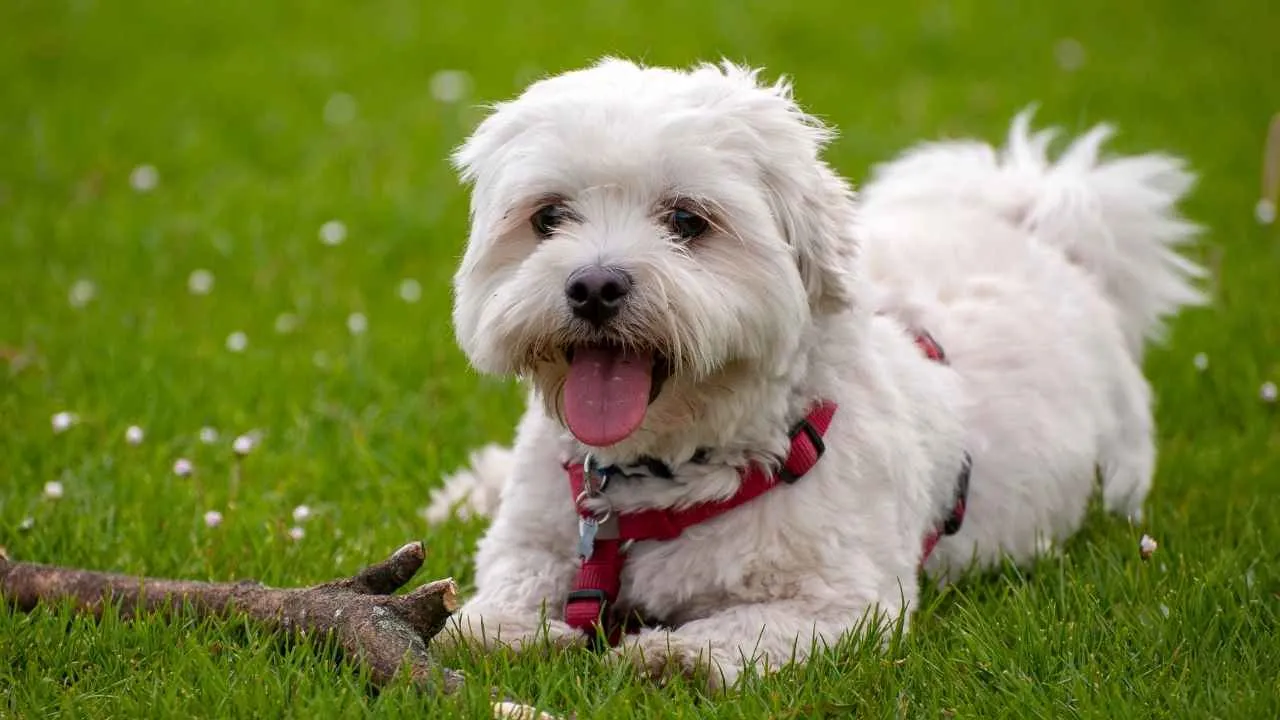
The small breed was originally developed in Malta from the Bichon breeds and the Maltese. It arrived in Cuba in the 17th century and was modified further. The breed was later adopted as a companion, watchdog, and even a herding breed for small farm animals.
It has a silky double coat that sheds less, and the dog possesses a springy gait, matching the owner’s pace easily. The high emotional intelligence, coupled with a high companionship drive, makes it actively read the owner’s emotions and match their energy level.
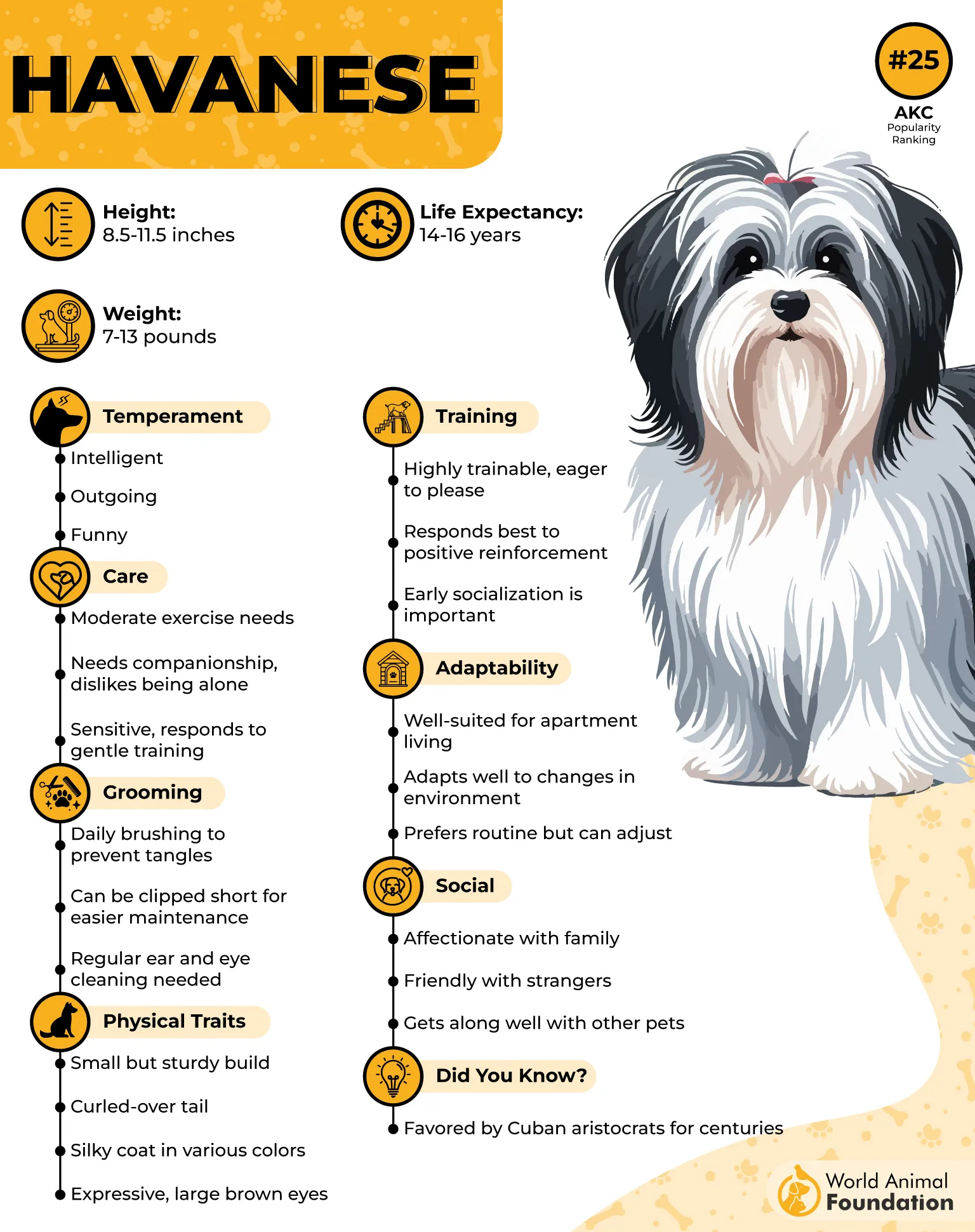
The wonderful dog rarely shows aggression and typically has a welcoming nature. Use a calm tone of voice and clear commands. Crate training and pen management are recommended to prevent indoor accidents.
7. Maltese
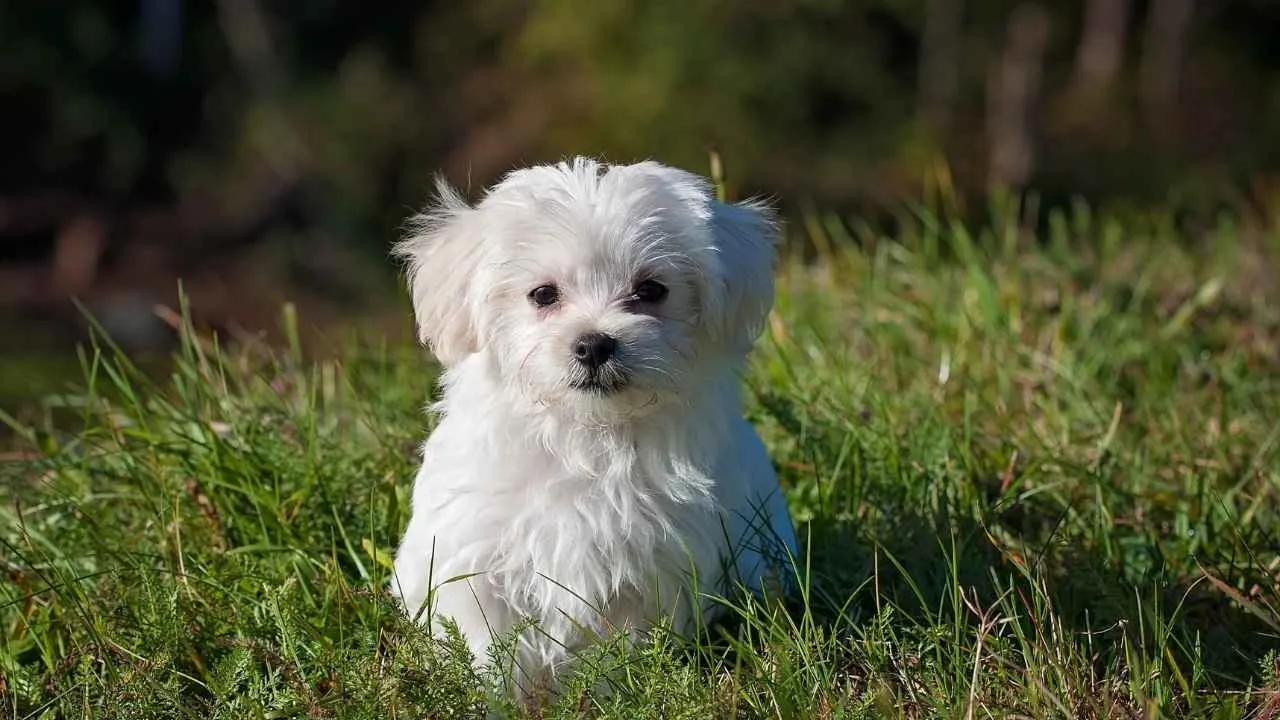
Originally found in Malta, the breed was discovered by the ancient Greeks, Arabs, and Romans some 2,000 years ago. The Greeks were so obsessed with the small dog that they used to engrave its impressions in Golden Age ceramics. Chinese breeders are credited with the revival of the breed after the fall of the Roman Empire.
The affectionate dog typically leads a longer life (12-15+ years) with fewer health issues. It has a cobby build with short legs, helping it to navigate through tight spaces; thus, it is ideal for apartment living. It requires only 1/4 to 1/2 cup of dry food daily on average.
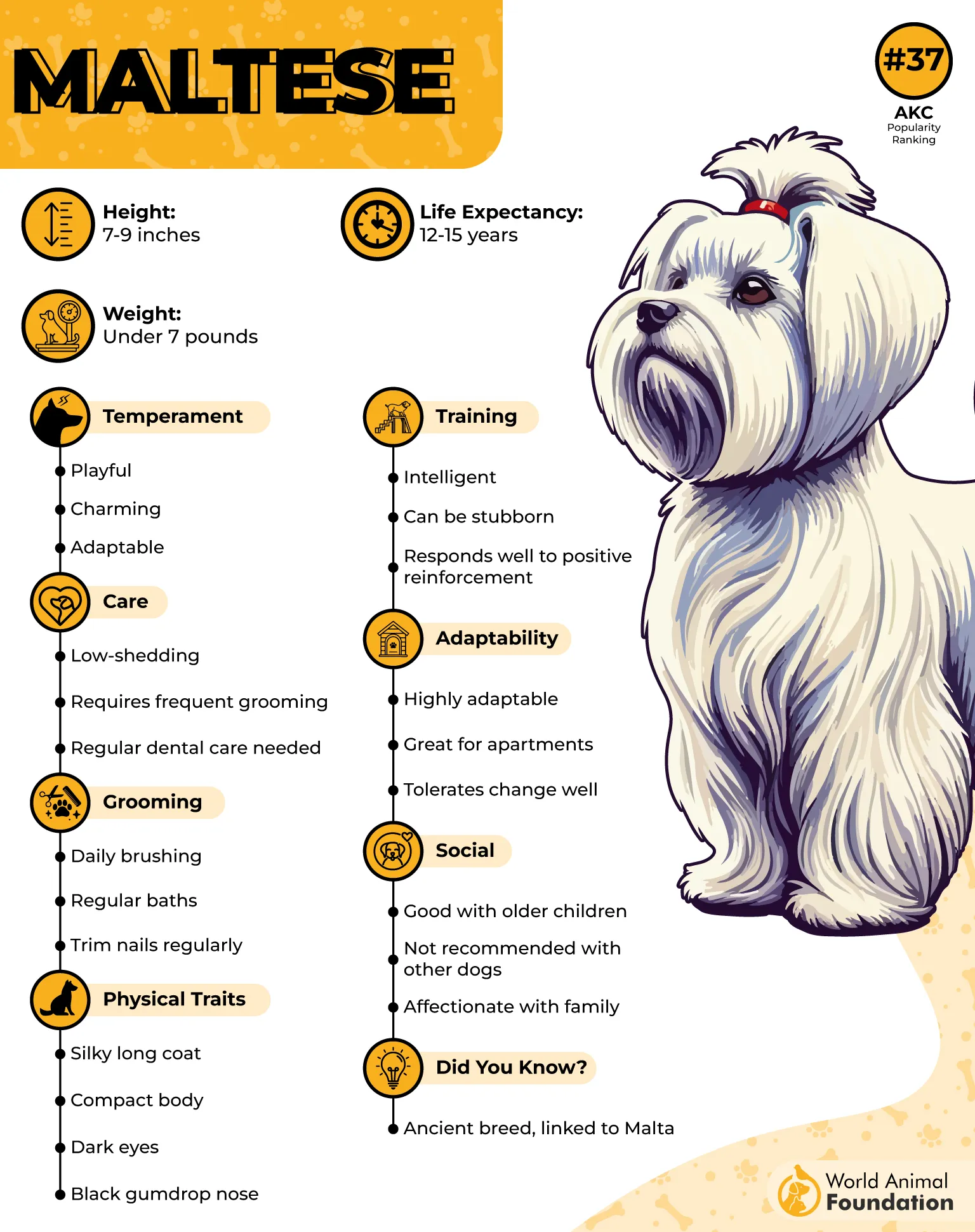
The highly intelligent dog tends to learn complex house commands and tricks within a few repetitions, making it one of the easiest dog breeds to train. The breed needs 45-60 minutes of daily exercise and mental stimulation.
Conclusion
The right first dog is not a prize for having the biggest yard or the fanciest supplies. It is a companion whose needs you can meet on an ordinary Tuesday.
Before you commit, picture the less glamorous moments: muddy paws before work, a grooming bill, or a bathroom break in the rain. Still smiling? That is a useful start. Meet the dog, ask honest questions, and leave room in your budget for surprises.
You do not need to know everything on day one. You need patience, a plan, and the willingness to learn. That first quiet moment when your new friend settles beside you can make the effort feel deeply worthwhile. A little trust can turn a house into home.
