





Chasing, or prey drive, is bred into dogs. Many breeds served as hunting companions, helping hunters take down game that would have been impossible to handle alone. That’s a problem, though, if you’re bringing one into a family home with other pets like cats, rabbits, or birds.
That’s why owners with other animals are often advised to choose a low prey drive dog, since a passing pet won’t tempt them. It doesn’t mean these dogs are lazy, just that their urge to hunt is weaker. It’s also a plus for homes with young kids.
The best way to manage any dog’s prey drive and behavior is early socialization and proper training. Both shape a dog’s character in a big way, and starting with a low prey drive breed makes the whole process easier for you. So if you’d like a home where your dog, cat, and guinea pig all get along, pick a dog from the list below.
Dog Breeds with Low Prey Drive for Family Homes
1. Cavalier King Charles Spaniel
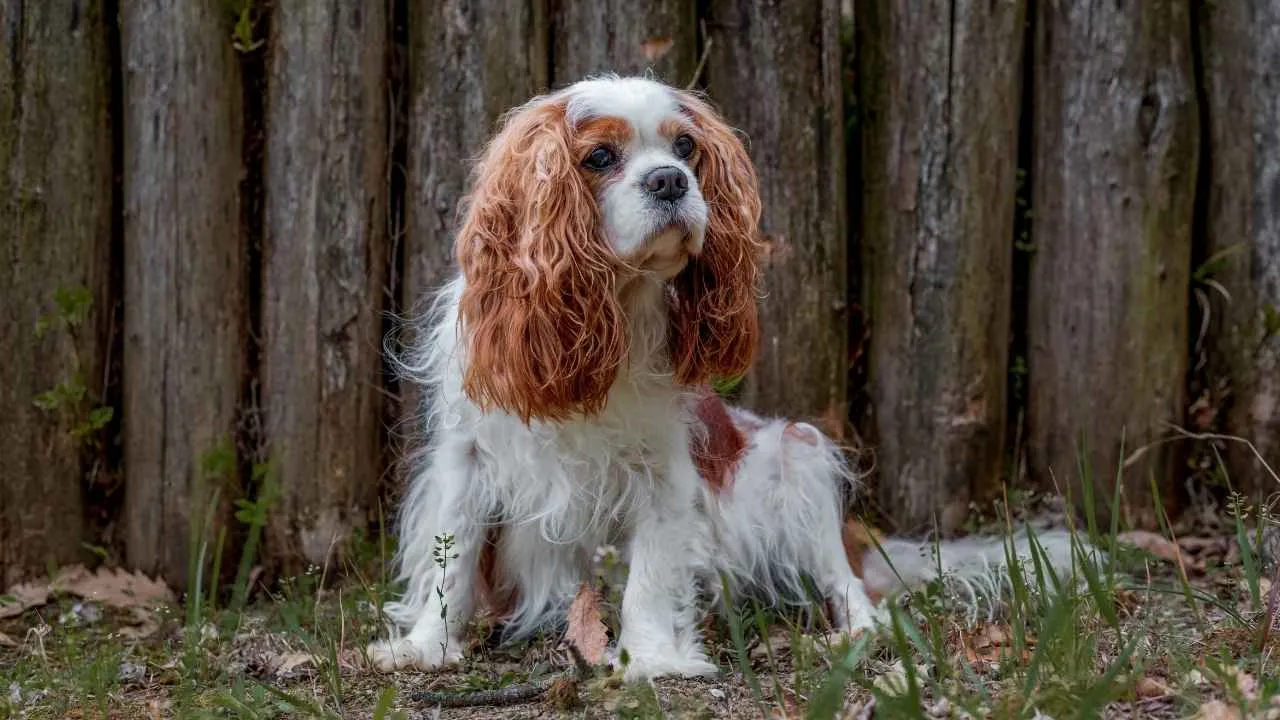
Whenever we talk about easygoing, friendly dogs, the Cavalier King Charles Spaniel is usually the first breed that comes to mind. This affectionate, playful, lively, and patient dog has a low prey drive because it was bred to be a companion and lap dog. It weighs about 13 to 18 pounds and is always eager to please its owner.
Cavaliers are a great match for family homes thanks to their adaptability, their ability to learn and remember commands, and their patience around kids, cats, other dogs, and other animals. They’re also smart and easy to train with positive reinforcement.
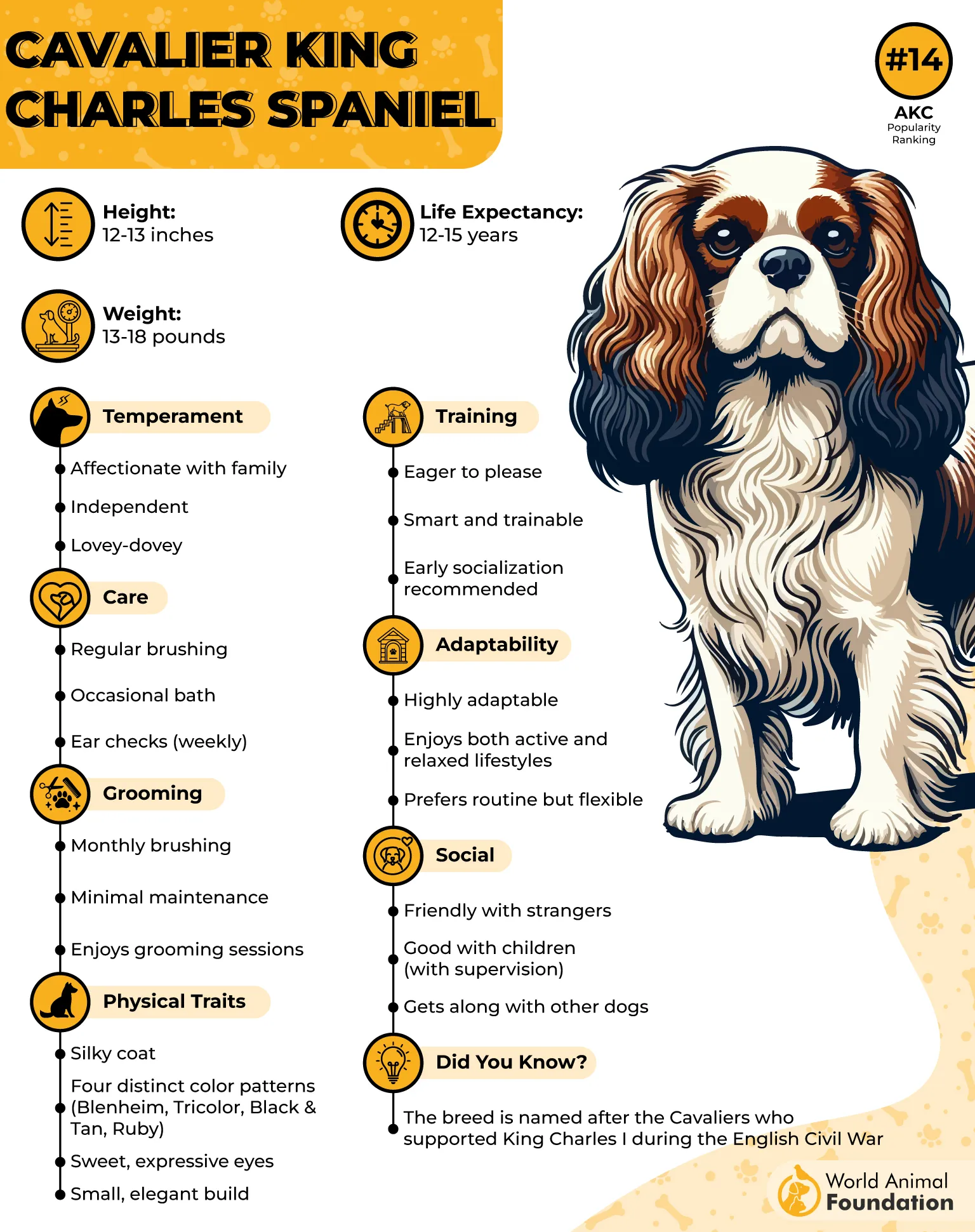
According to Hill’s Pet, this clever dog takes the title of “comfort dog” seriously. It would much rather curl up in a cozy lap than chase a squirrel or a cat.
2. Bichon Frise
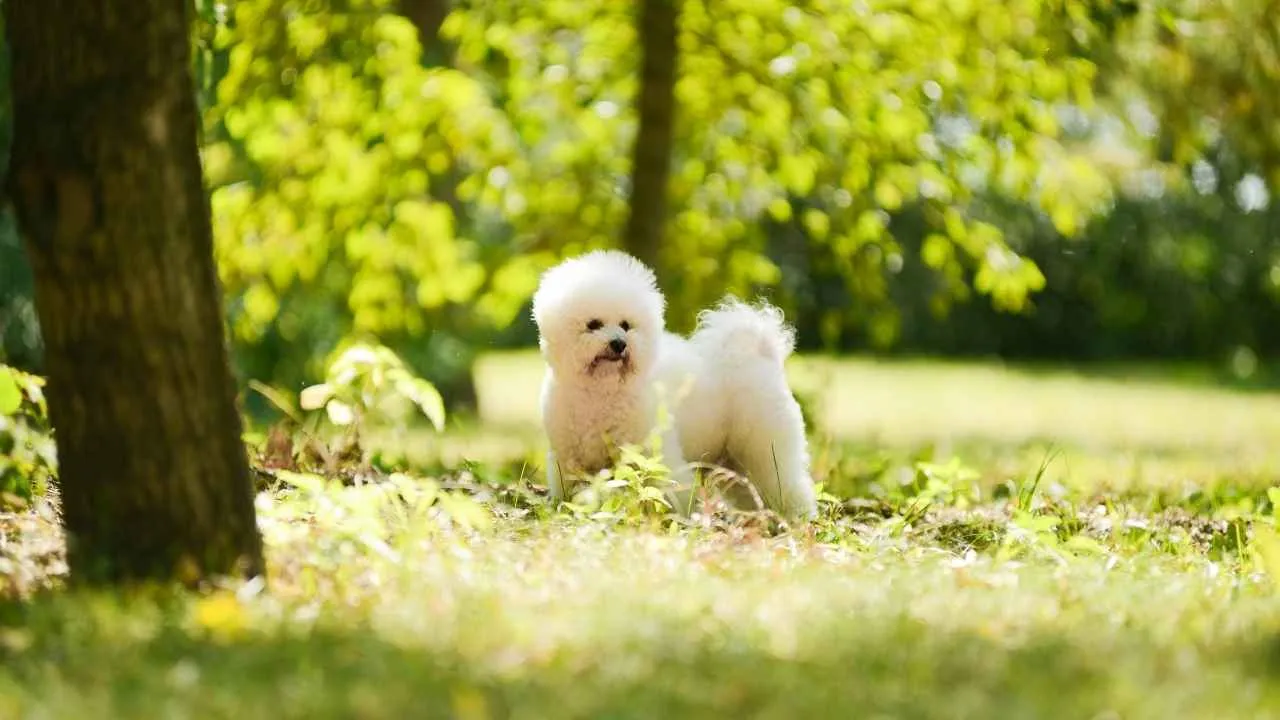
Bichon Frises are small dogs that weigh 12 to 18 pounds and are known for their playful, affectionate, gentle, and cheerful nature. They’re often called “fluff balls” because of their curly white double coat. They aren’t big chasers, though they can be barkers. Bred as lap and companion dogs, they have a loving, friendly side that makes them good with kids, other pets, and new situations.
Because they’re gentle by nature, Bichons only need moderate exercise, about half an hour a day, split between short walks, playtime, and lounging in their favorite human’s lap. What they can’t do without is your attention.
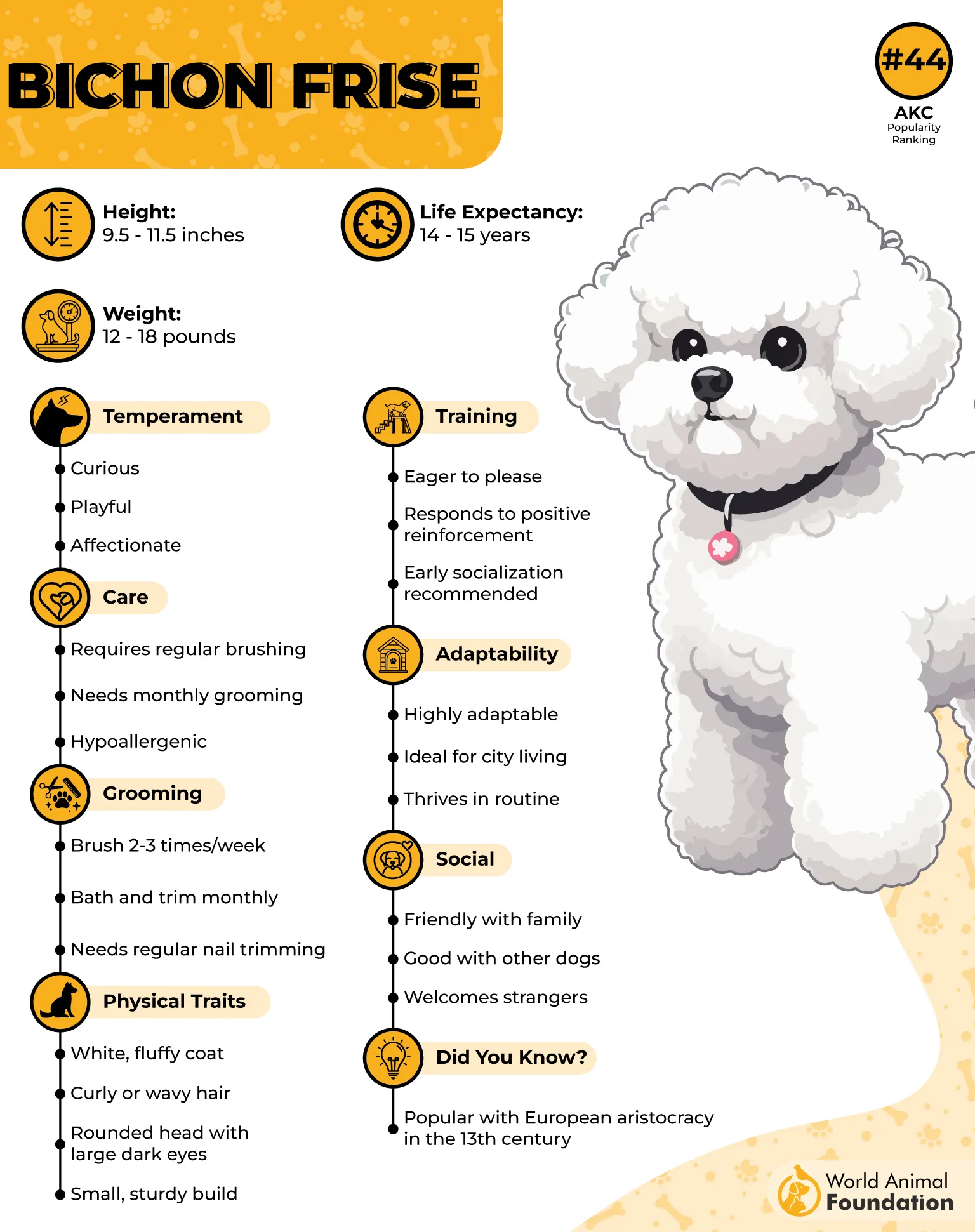
Their low-shedding coat tends to be easier on people with dog allergies, though no breed is completely allergen-free. Just keep in mind that all that fluff needs regular brushing and grooming to stay tangle-free. And as a low prey drive dog, the Bichon fits into almost any family home.
3. Shih Tzu
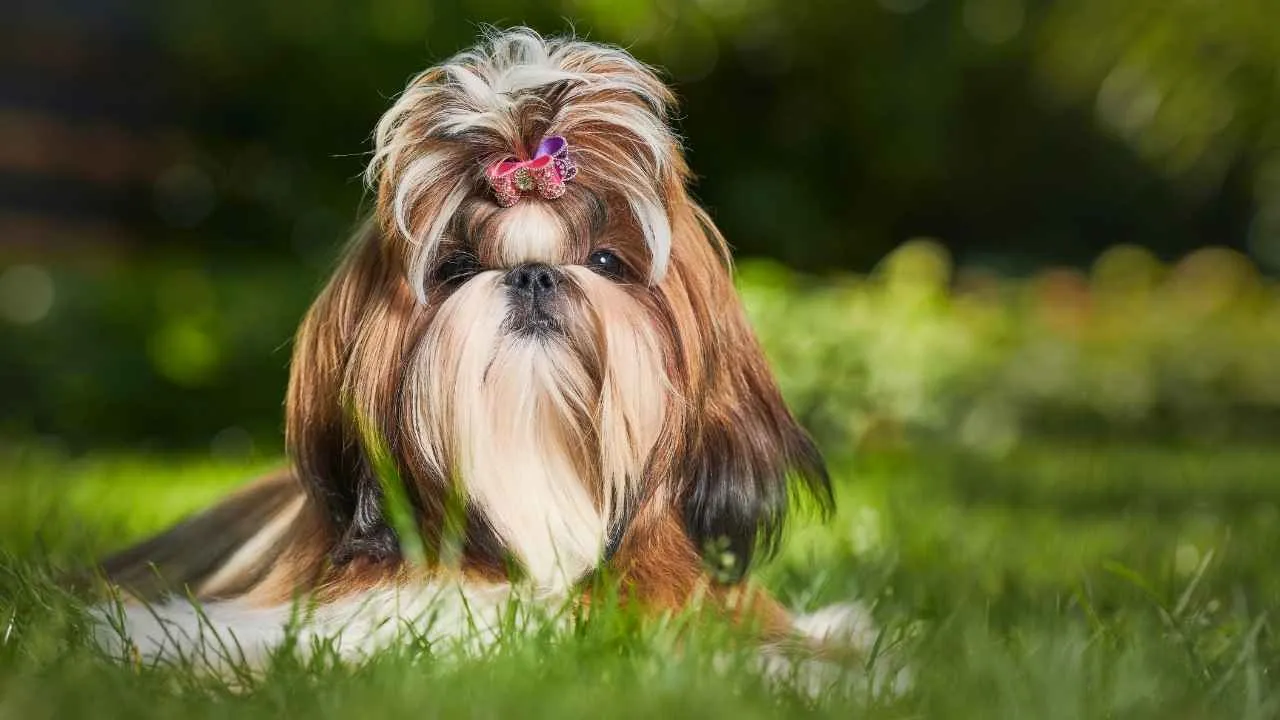
Shih Tzus are outgoing, affectionate, playful toy dogs that weigh 9 to 16 pounds and were bred for companionship. They have a long history of keeping Chinese royalty company, and they’ve stayed true to that role: today, they’d much rather be a loyal, loving companion than hunt small animals.

Thanks to their alert side, Shih Tzus also make good watchdogs. Mostly, though, they’re ideal for people who want an indoor dog. About half an hour of exercise a day, followed by playtime at home, is enough to keep them happy. To help them get along with other dogs and pets, introduce them properly and don’t skimp on socialization.
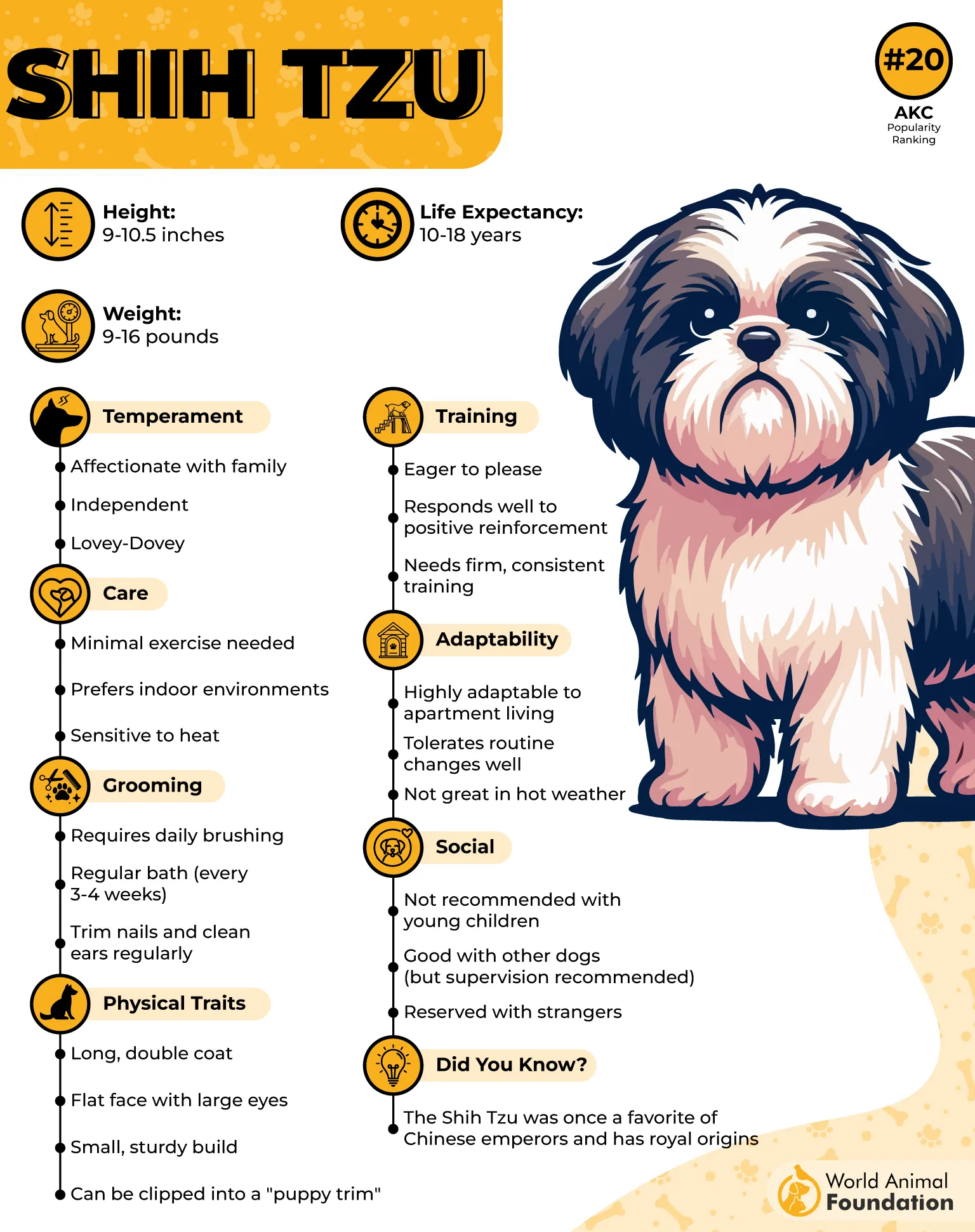
With modest exercise needs, regular training, socialization, and consistent grooming, a Shih Tzu makes a loving companion that rarely bothers cats, rabbits, and other small pets.
4. Pug
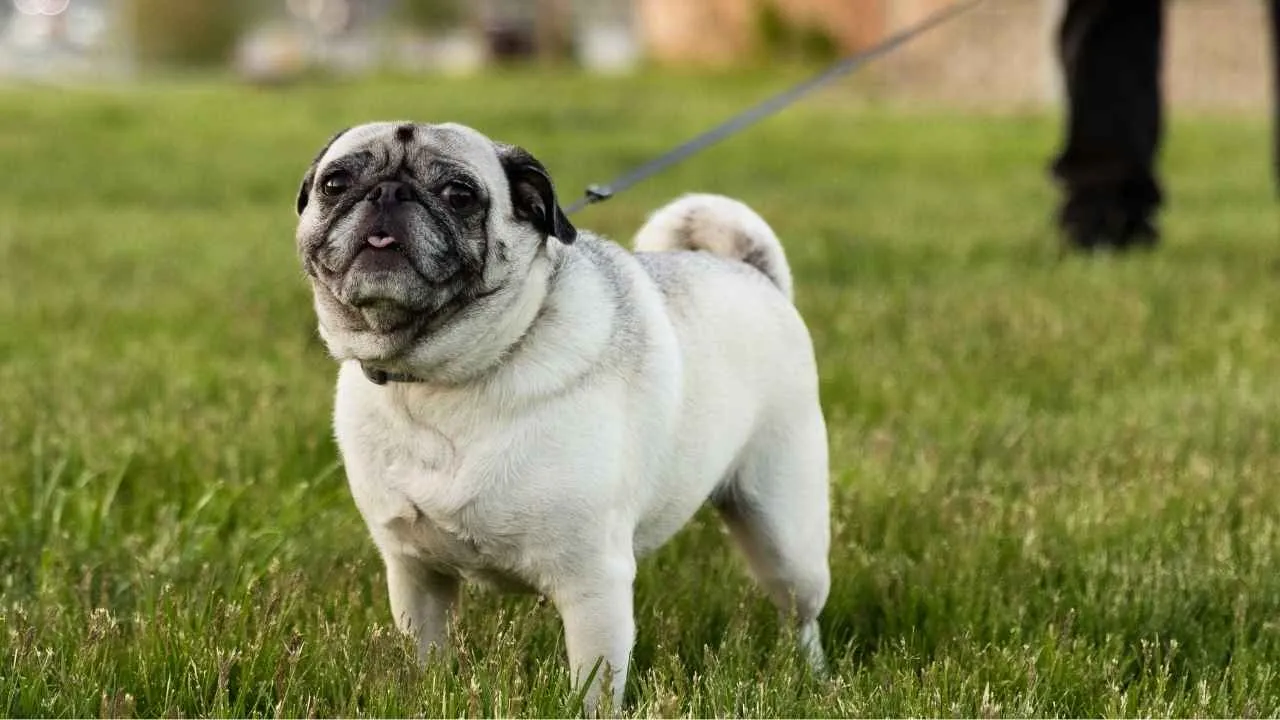
Pugs make wonderful best friends thanks to their charming, playful, sociable, loving, and attentive personalities. They weigh 14 to 18 pounds and enjoy being around kids, family members, food, and other animals. They also aren’t chasers, so other pets can relax around them.
Pugs were once the companions of royalty, which is where much of their popularity began. They’re a low-energy, laid-back breed that only needs a few short walks and about 15 to 20 minutes of exercise a day, as PetMD suggests. Plenty of naps keep them happy, too.
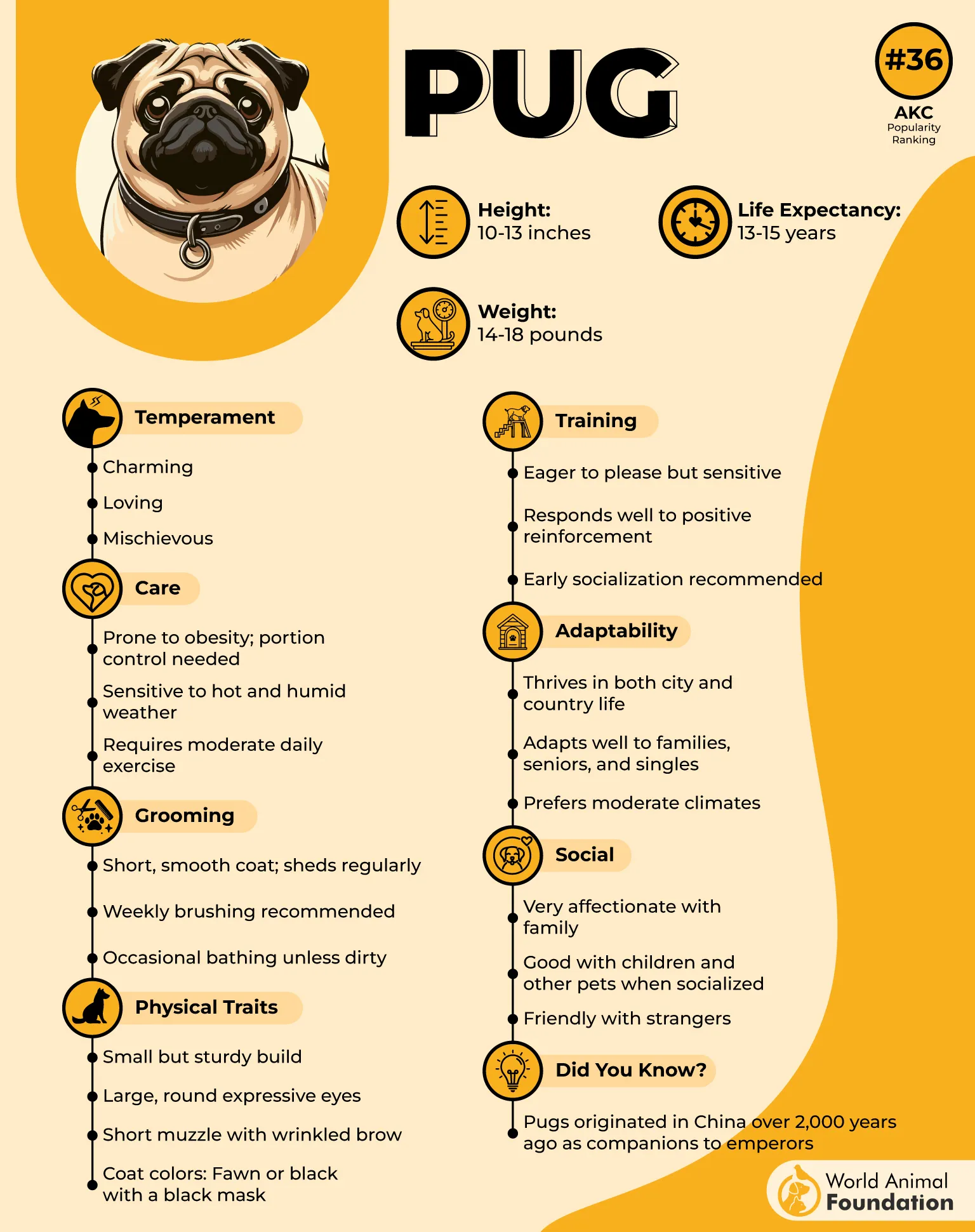
Having this pint-sized companion with a huge personality at home brings a lot of joy to a family, since a Pug can fill a room with laughter.
5. Havanese
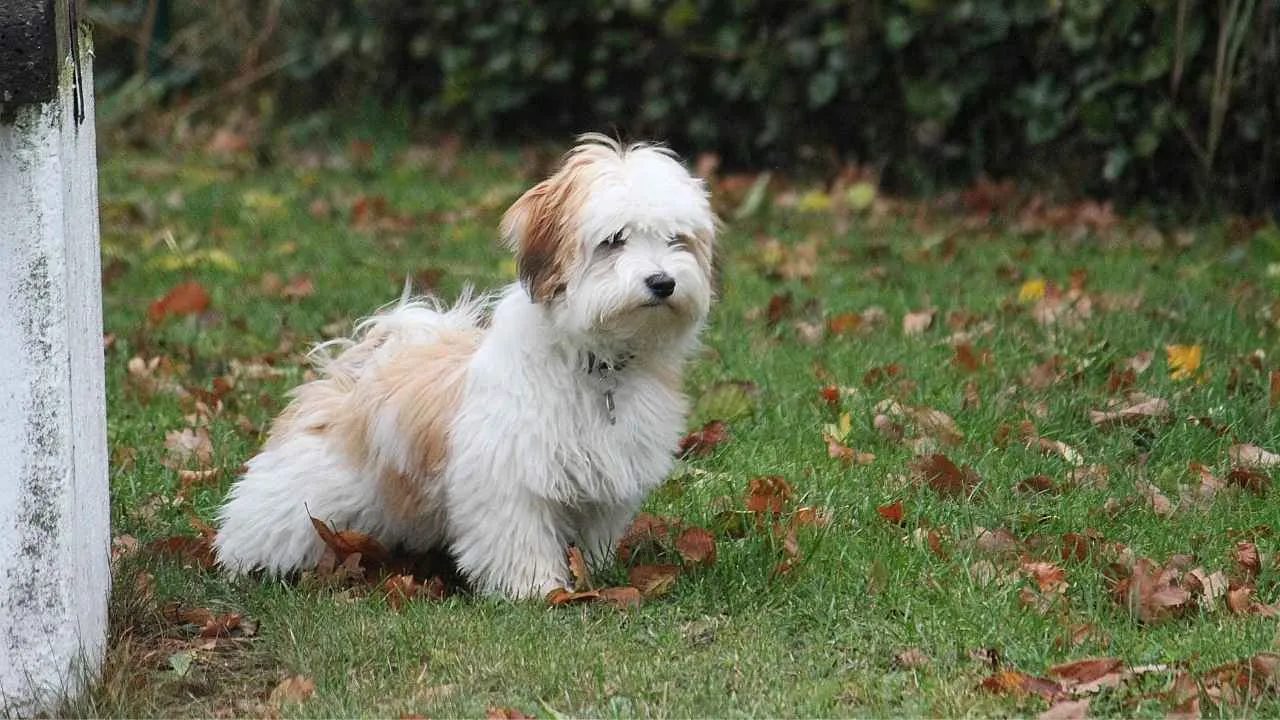
Havanese are playful, affectionate, outgoing, intelligent dogs that weigh 7 to 13 pounds. They love meeting new people and pets and exploring their surroundings, and chasing just isn’t their thing. With such a low prey drive, they focus on bonding with their people and are happiest when they’re part of every household activity.
Long ago, they were known as Havana Silk Dogs because of their long, shiny coats. Keeping that shine takes plenty of grooming, which is why many owners opt for a shorter trim. Training a Havanese is fun, since they love showing off the tricks they learn, and early socialization helps shape their behavior.
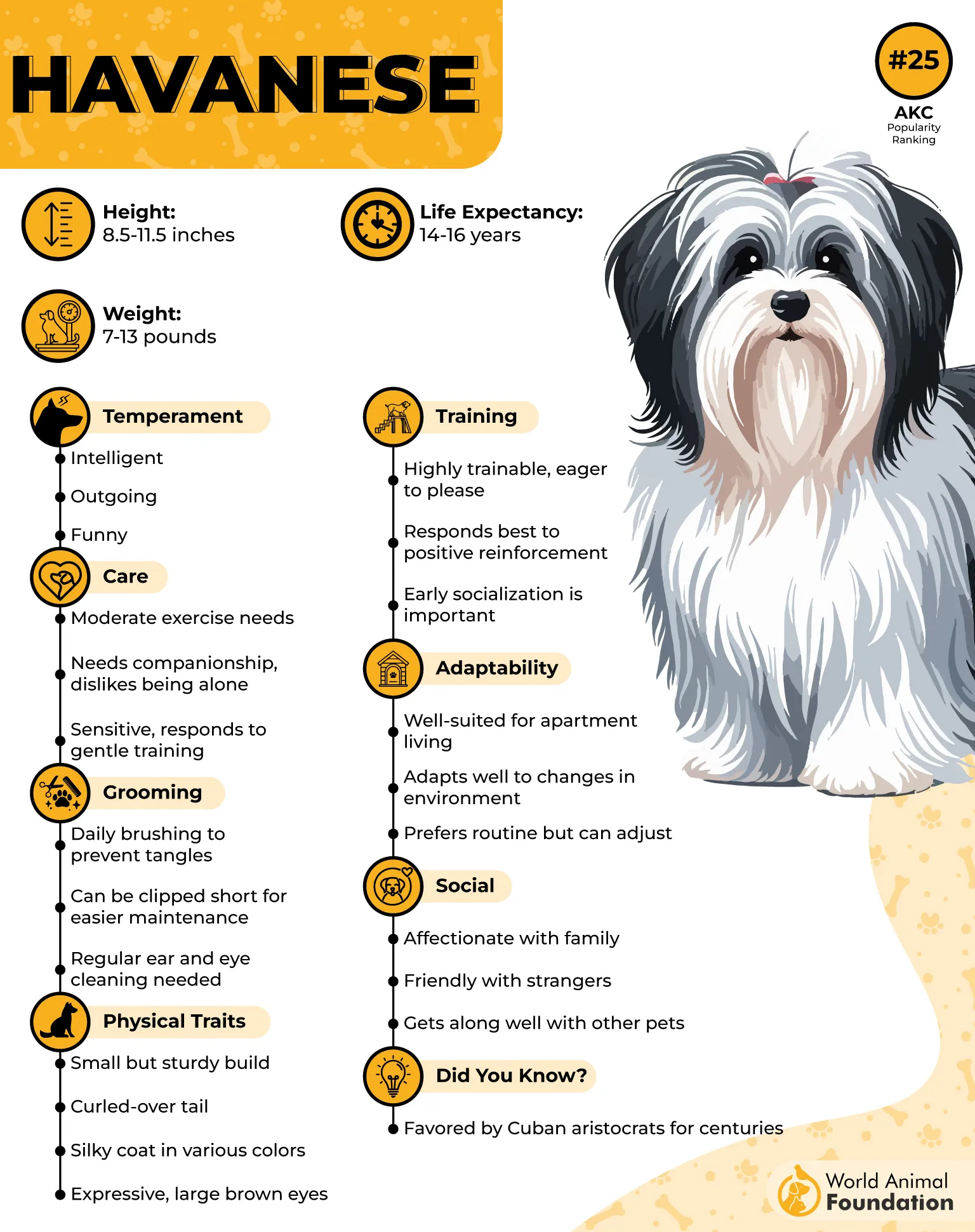
Choosing a Havanese means spending a lot of time with it. These are true Velcro dogs, and they can develop separation anxiety quickly when left without attention.
6. Coton de Tulear
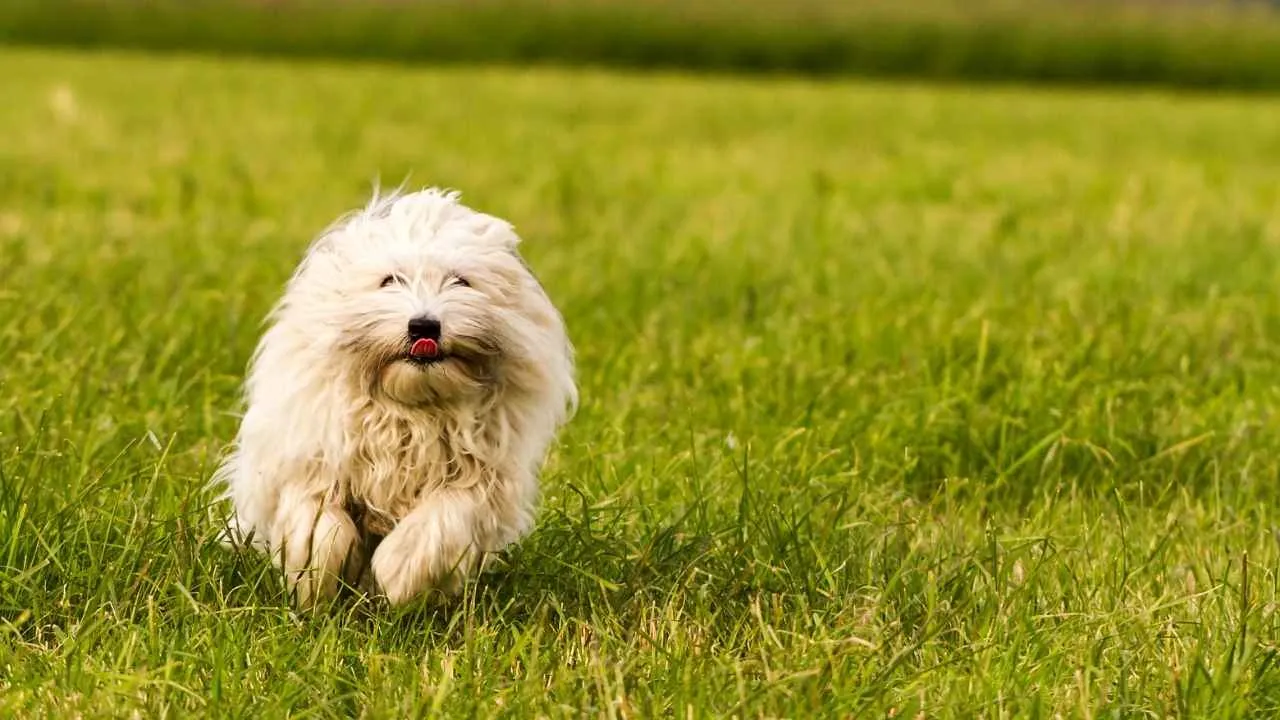
Coton de Tulears are loving, loyal dogs that weigh 8 to 15 pounds and are known for their intelligent, lively, vocal, and playful temperament. This cheerful little breed wants nothing more than to be your best friend and loves being around people. A passing bug or bird barely gets a glance, but being left alone for long stretches does not sit well with them.
For mental stimulation, they need about an hour of daily activity, including walks, consistent training, and fun extras like swimming, agility, and cuddling with their owner. Their fluffy white coat needs regular washing to stay clean and soft.
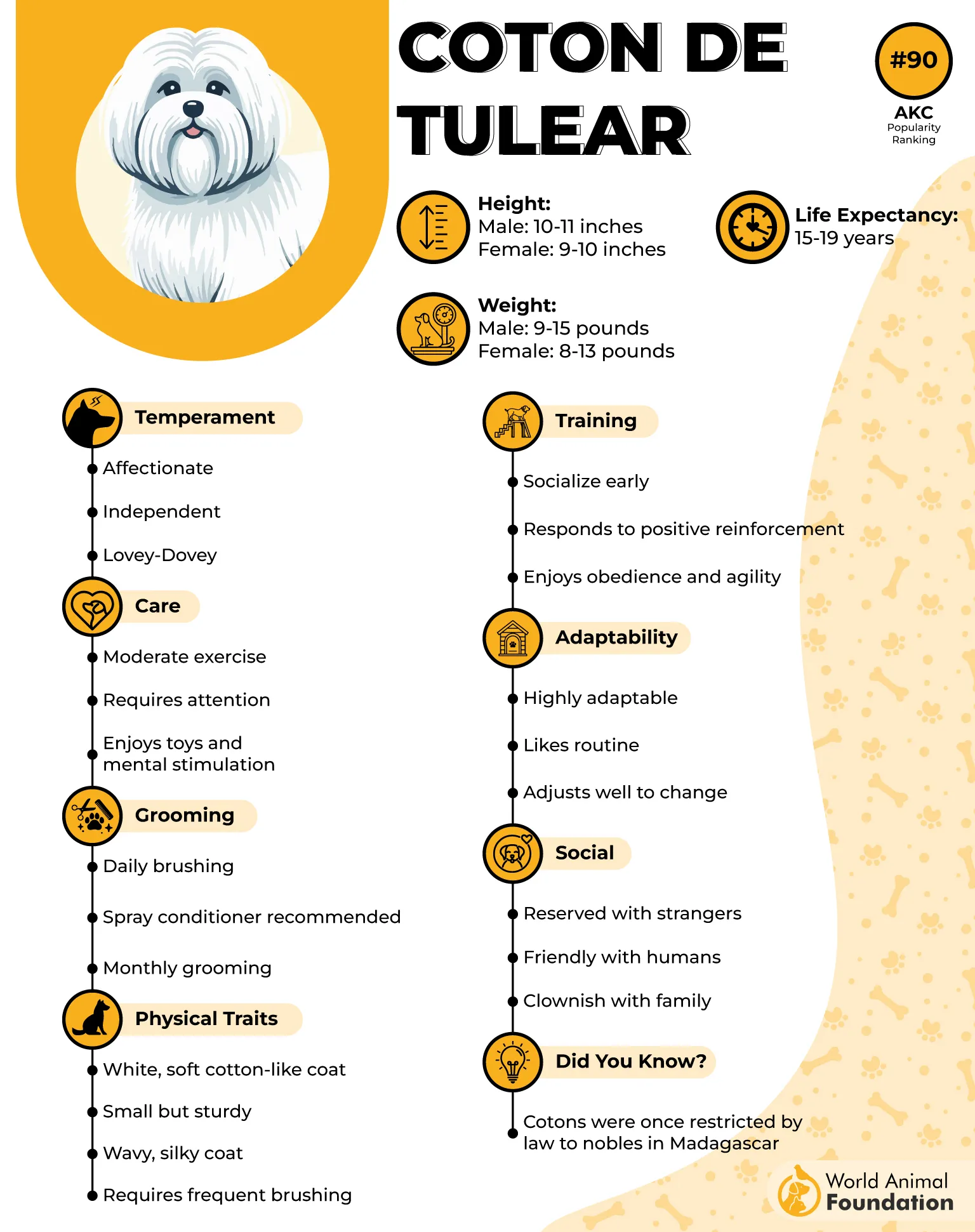
Although Coton de Tulears have a low prey drive and greet people in a friendly way, socialization is still key. Purina also recommends supervising them around kids.
7. Bolognese
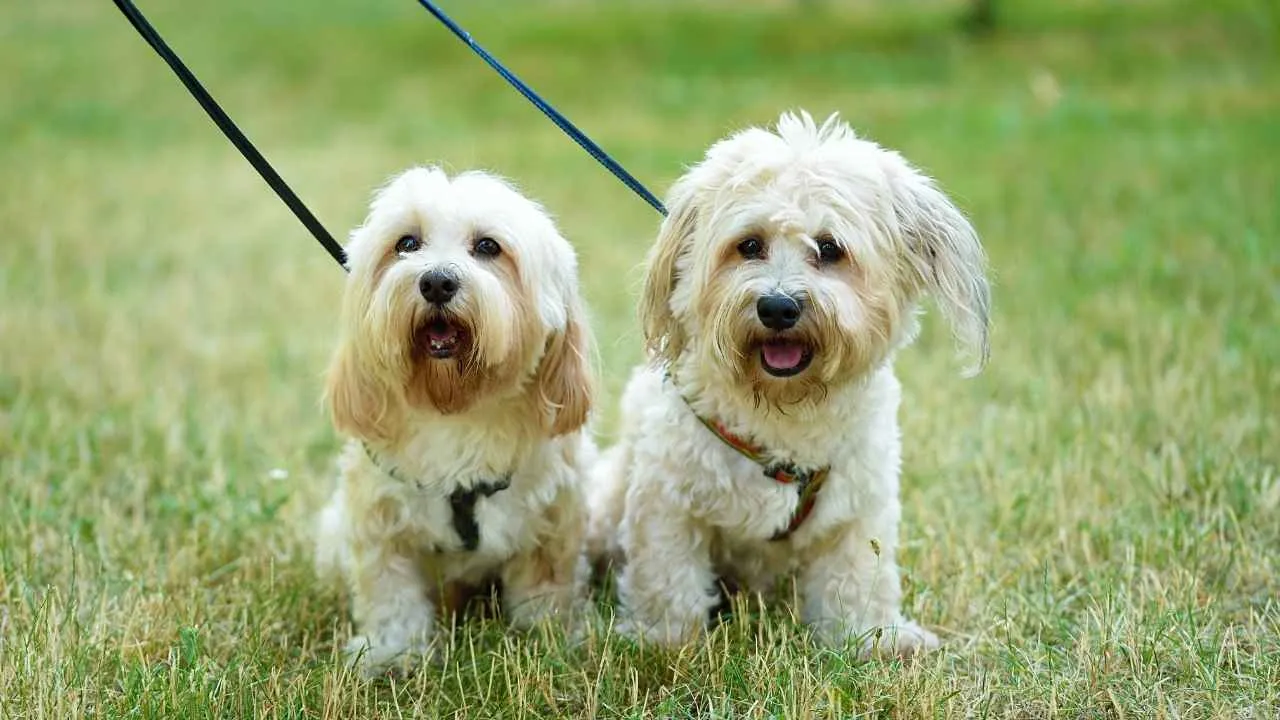
Bolognese are fluffy dogs that have been loyal, treasured companions for as long as the breed has existed. They’re docile, reserved, sweet-tempered little dogs that love forming strong bonds with their people. They weigh 6 to 10 pounds and adapt easily to just about any home, though an owner’s lap is still their favorite spot.
To stay happy and healthy, Bolognese need moderate exercise, including a short walk of about 20 minutes a day. Attention from their owner is all they really ask for. They’re playful by nature, so they usually get along smoothly with cats and other dogs.
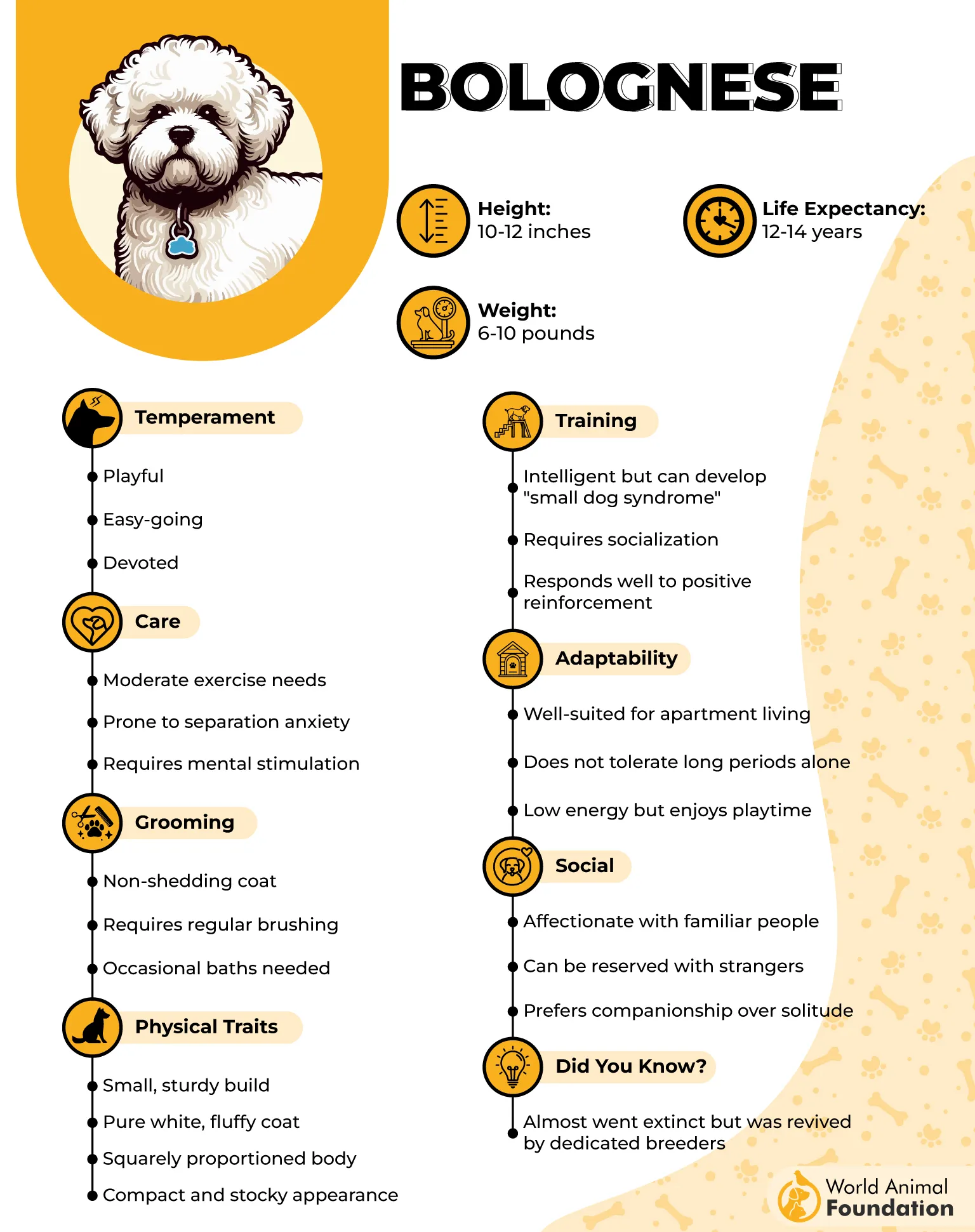
Regular professional grooming and daily brushing keep their coat neat and prevent matting. Add consistent training, and you’ll have plenty of cuddles to enjoy.
Conclusion
Did you notice a pattern? Nearly all of these low prey drive dogs were bred as lap dogs, and they thrive on human companionship. What matters most to them is their owner’s attention. To do well in any setting, though, they still need consistent training and proper socialization. And even though they’re low-energy breeds with a weak hunting drive, introducing them gradually to other pets makes for a happier, healthier home.
When choosing a breed from this group, pay attention to grooming, too. Many of these dogs have coats that need daily brushing and fairly extensive upkeep, so weigh all the factors ahead of time for a smoother experience.
