





Everyone warns new owners about the dog. Nobody warns them about the cat.
A University of Lincoln survey of 748 multi-pet homes found that cats are 3 times more likely to threaten their dog housemate, and 10 times more likely to actually injure them, according to AAHA.Org.
So the real question for pet owners isn’t if your dog will go after the cat; it’s if your friendly dog can handle a feline that occasionally swings first.
This guide rounds up the breed tendencies and positive traits built for exactly that kind of patience: the dogs that stay easygoing even when a cat sets the terms.
Curious which personalities pass that test? Keep reading; a few of these picks might change how you think about peaceful coexistence.
Dog Breeds that Live in Harmony with Cats
1. Boston Terrier
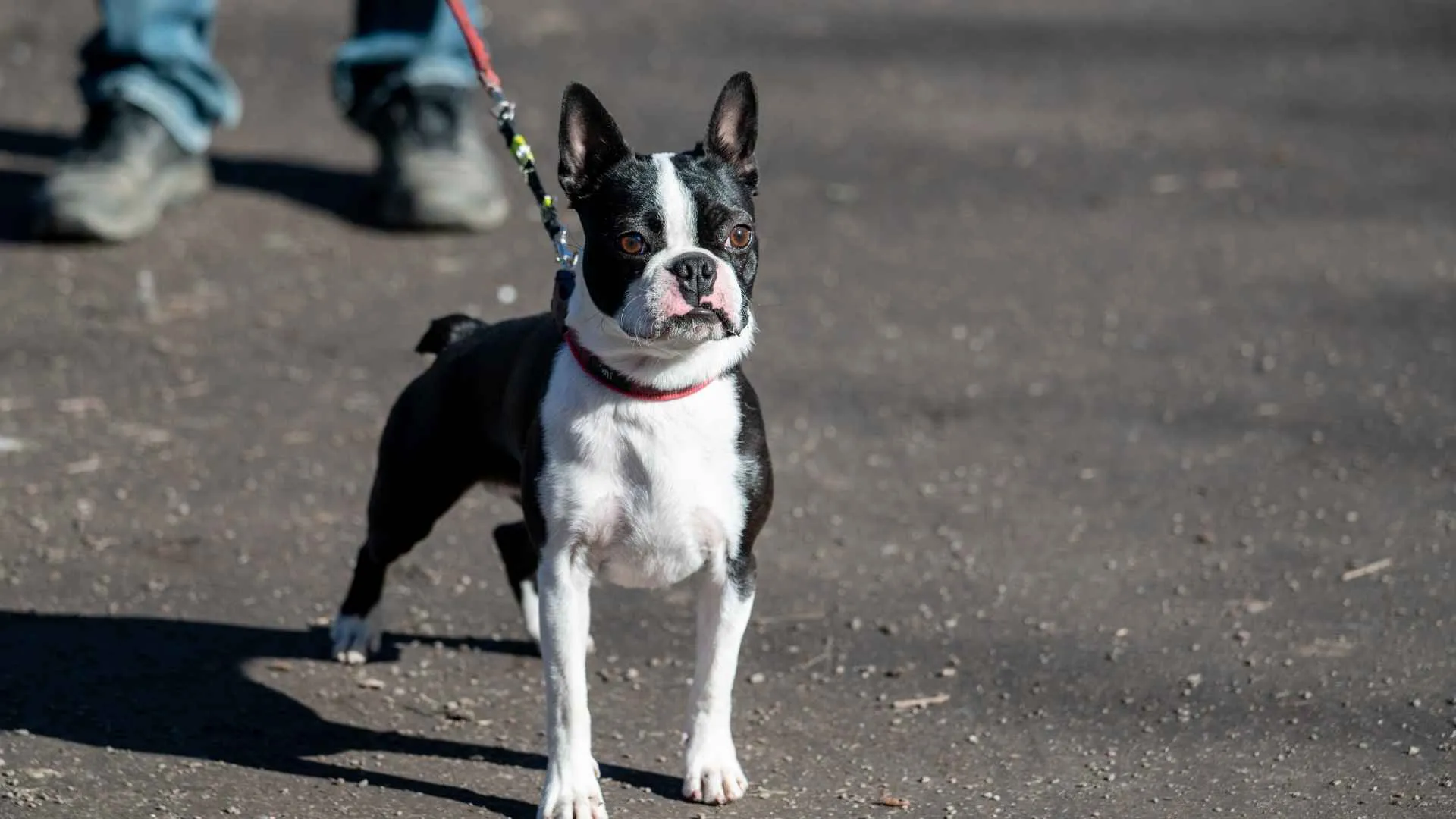
Bred purely for companionship, the Boston Terrier carries almost no chase instinct. Its energy comes in short, playful bursts rather than constant motion. That steadier pace gives a cat less reason to feel chased.
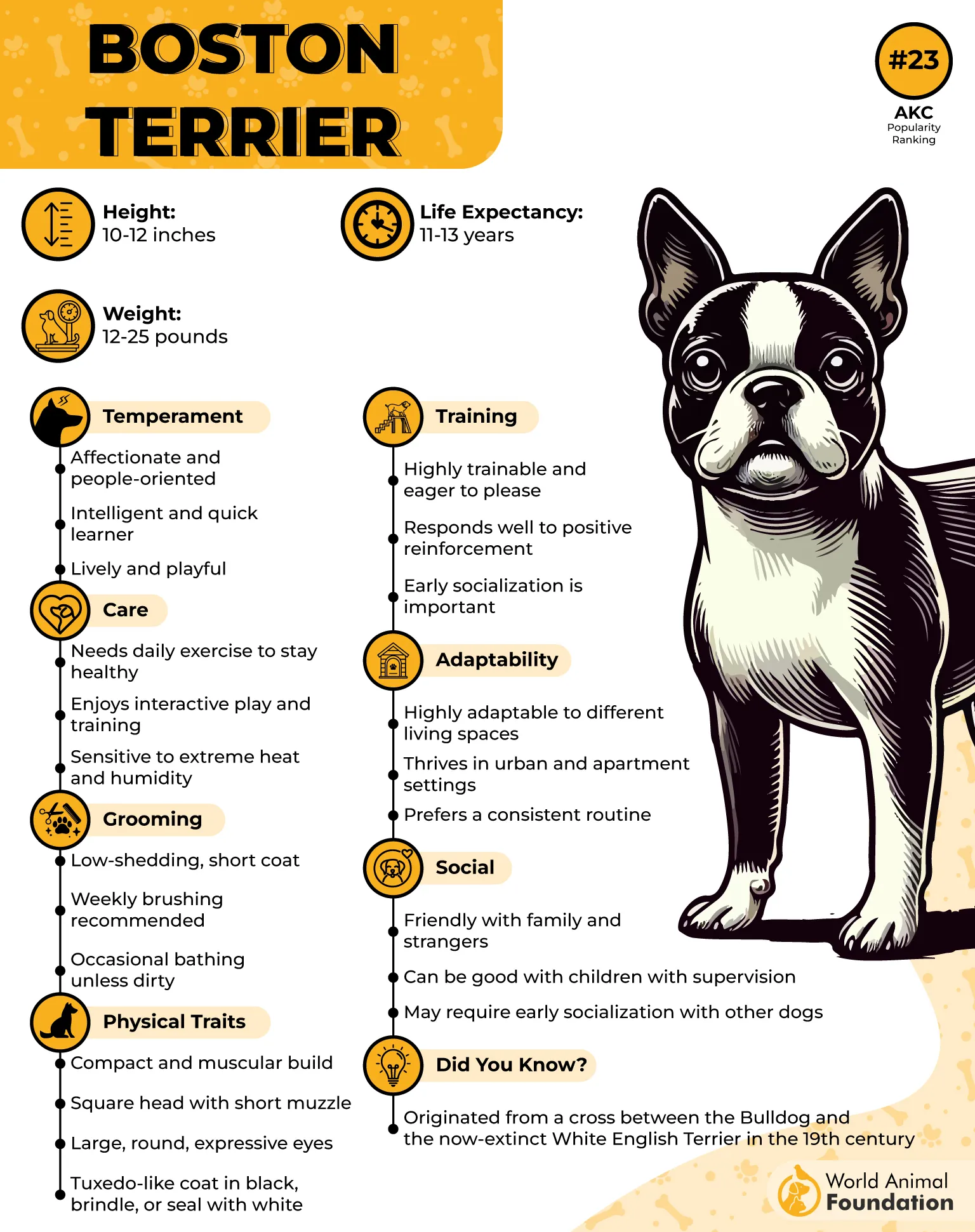
Excitement usually turns into barking and bouncing, not fixating on a moving target. The AKC points to the breed’s clownish, people-first nature, which explains the curiosity over pursuit. A quick settle cue handles any overeager moment.
Socialization: Expose a puppy to cats early, since first interactions shape how calmly it reads feline signals later.
Living together tip: Keep early meetings short and supervised, letting the cat retreat to a high perch.
This breed fits a household that wants a people-focused companion over a hunter. It pairs well with a confident cat that won’t spook easily. A nervous cat may need a slower introduction.
2. Maltese
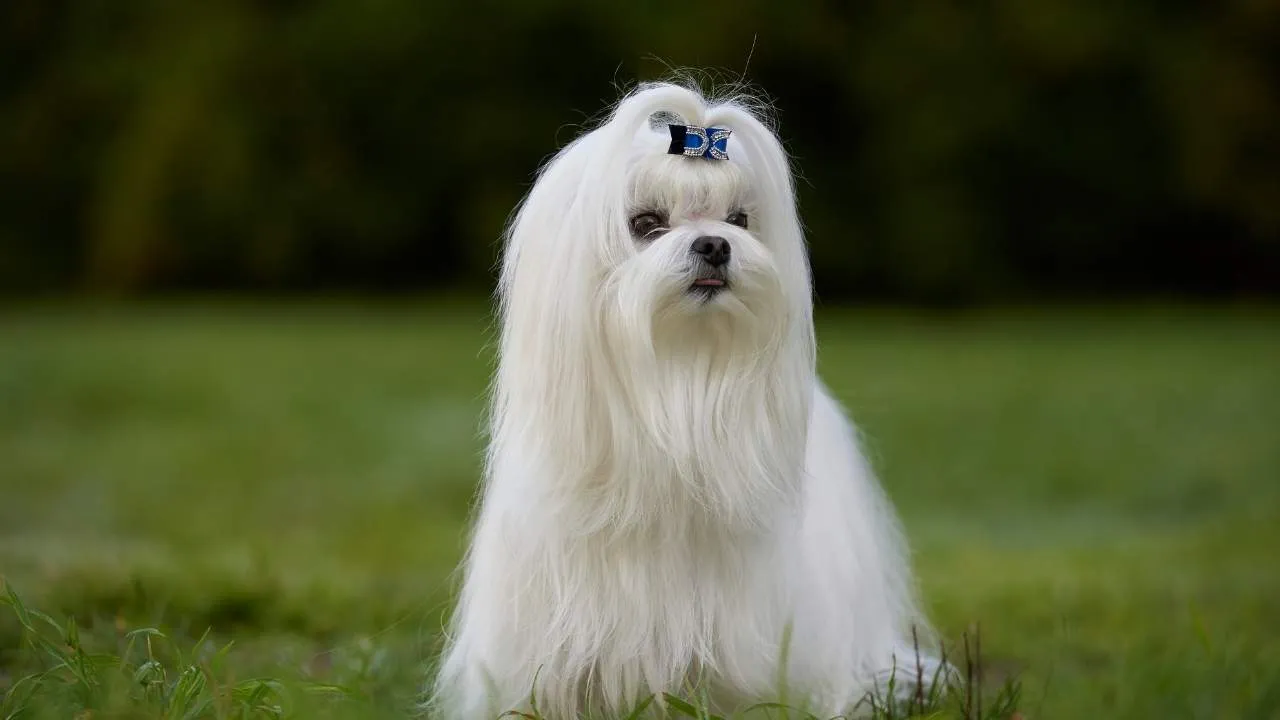
The Maltese was built as a lap companion, so chasing never made the job description. It carries a gentle, low-key energy that rarely unsettles a resting cat. That calm presence makes it a far less intimidating housemate than a more boisterous dog.
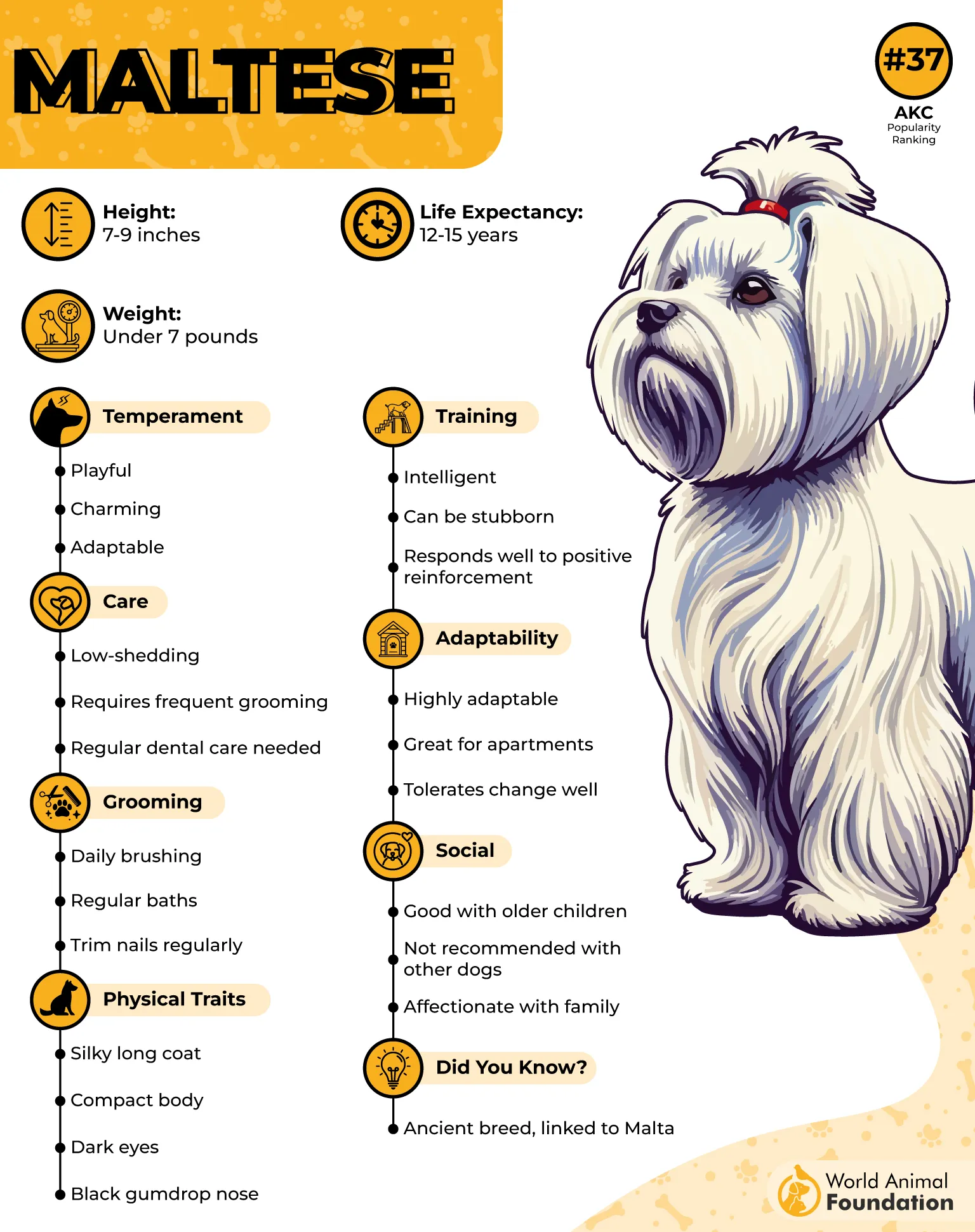
Prey drive here is almost nonexistent, though a toy skittering across the floor might draw a quick dart. That reflex is playful, not predatory, and most cats learn the difference fast. Redirecting that energy toward a toy keeps things calm.
Socialization: Let a puppy sniff and watch a calm cat from a distance before any direct contact.
Living together tip: Feed the pair in separate spots at first, so neither feels the need to guard its bowl.
A Maltese suits a quieter household where lounging beats roughhousing. It is a good match for an older cat that wants calm company, not chaos. A shy, easily startled cat will appreciate how little drama this breed brings.
3. Labrador Retriever

Bred to retrieve birds gently in its mouth, the Labrador Retriever carries that same soft instinct into life with a cat. Its enthusiasm needs managing more than its intent, since excitement can look bigger than it actually is. A bouncing Labrador can startle a cat through sheer energy, not aggression.

PetMD describes the breed as affectionate even toward strangers, and that friendliness usually extends to other pets. A young Labrador may want to play chase, so basic training matters more than instinct control. A solid recall stops overenthusiasm before it reaches the cat.
Socialization: Puppies that meet calm cats early tend to grow into adults that read feline warnings well.
Living together tip: Tire the dog out with a walk before introductions, so excess energy doesn’t turn into chasing.
This breed suits an active household that wants one affectionate friend for everyone. It works best with a cat that holds its ground rather than fleeing. A younger kitten may need supervision until it feels less overwhelmed by the dog’s enthusiasm.
4. Cavalier King Charles Spaniel

Bred purely as a lap and companion dog, the Cavalier King Charles Spaniel has a chase drive close to zero. Its soft, affectionate temperament reads as unthreatening from the first meeting. Its calm energy means a cat rarely feels watched.
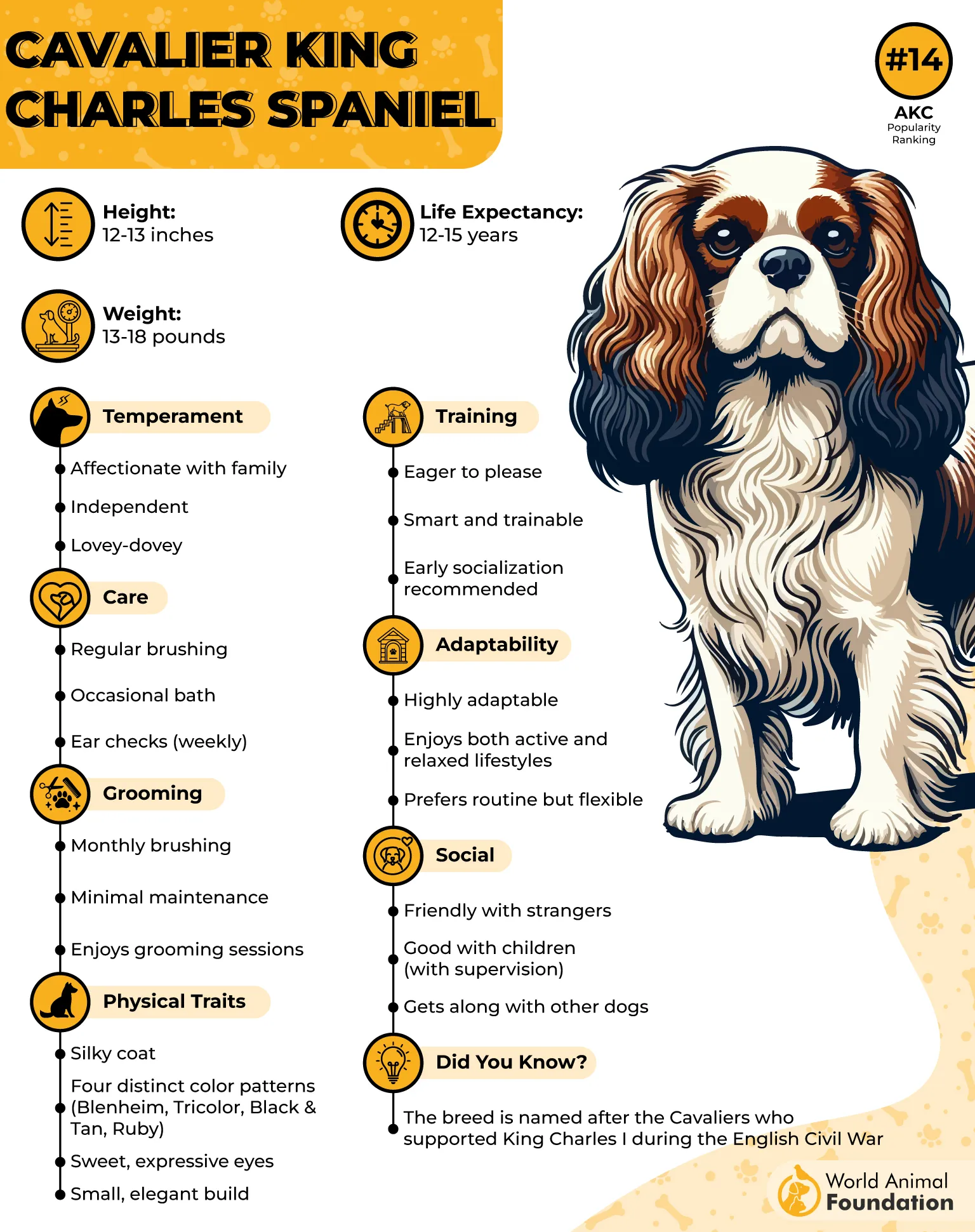
This breed rarely shows interest in fast-moving prey, preferring cuddles over pursuit. A cat darting past usually earns curiosity, not a chase. A quiet, consistent routine keeps that laid-back nature intact.
Socialization: Cavaliers that meet kittens young often grow into some of the most cat-tolerant adults around.
Living together tip: Let the cat initiate the first interactions, since this breed is patient enough to wait for trust.
This is a good fit for an affectionate household where the pair might eventually share a sofa. It suits a social cat that enjoys closeness. A more independent cat will still appreciate how little this breed pushes for attention.
5. Pug

Bred strictly for companionship in royal courts, the Pug shows little interest in chasing anything. Its low energy and short bursts of activity rarely overwhelm a cat’s space. Its flat face also limits how fast it can actually run.
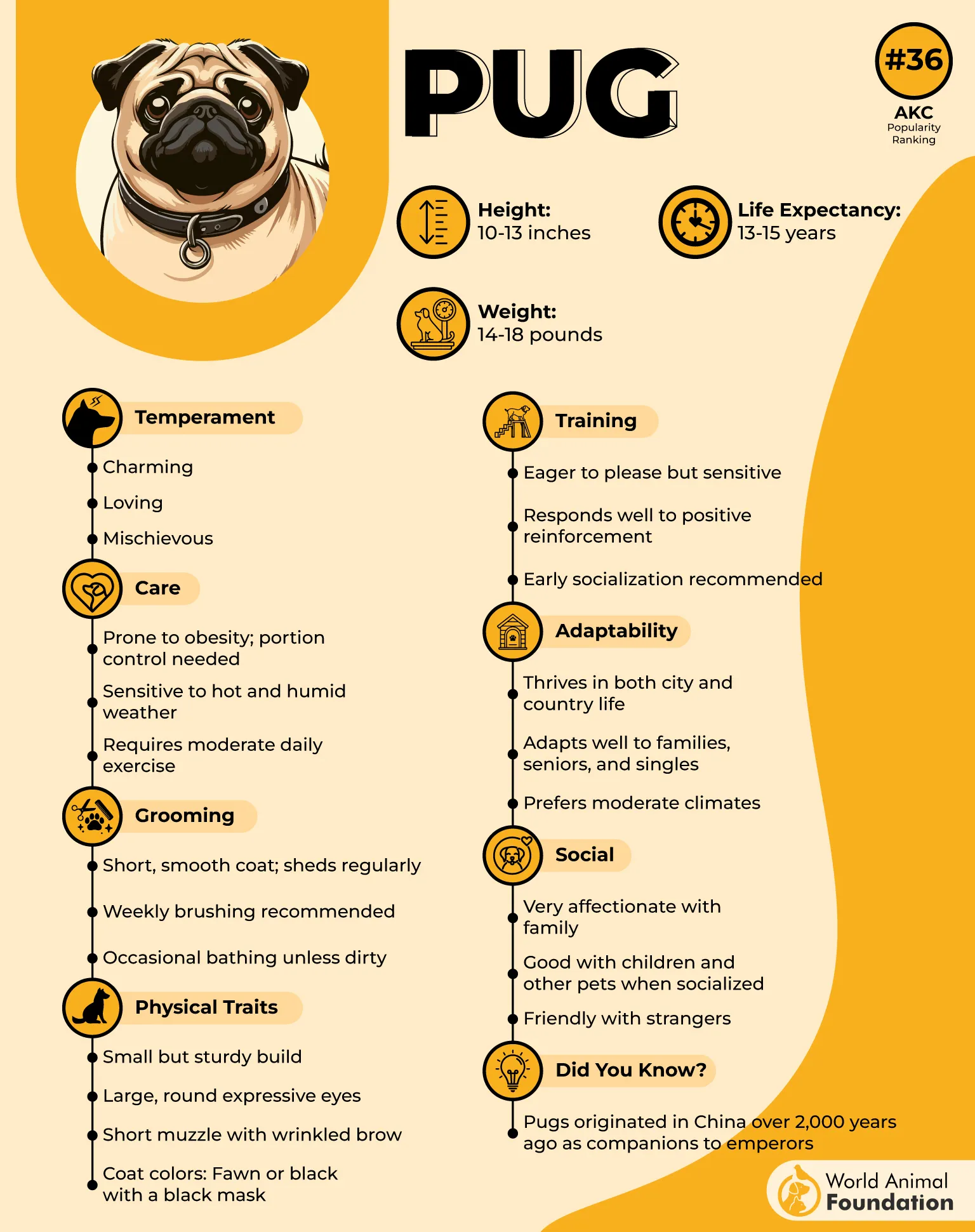
VCA notes Pugs were developed as lap dogs rather than working breeds, which lines up with their mellow reaction to a passing cat. Most would rather nap nearby than chase. Short play sessions also keep excitement and overheating in check.
Socialization: Relaxed early exposure helps a puppy treat a cat as just another family member.
Living together tip: Give the cat a few elevated resting spots it can retreat to on its own terms.
This breed suits a laid-back household that wants companionship without chaos. It pairs well with a confident, easygoing cat that enjoys shared nap time. A high-energy kitten may actually outpace this breed, not the other way round.
6. Bichon Frise
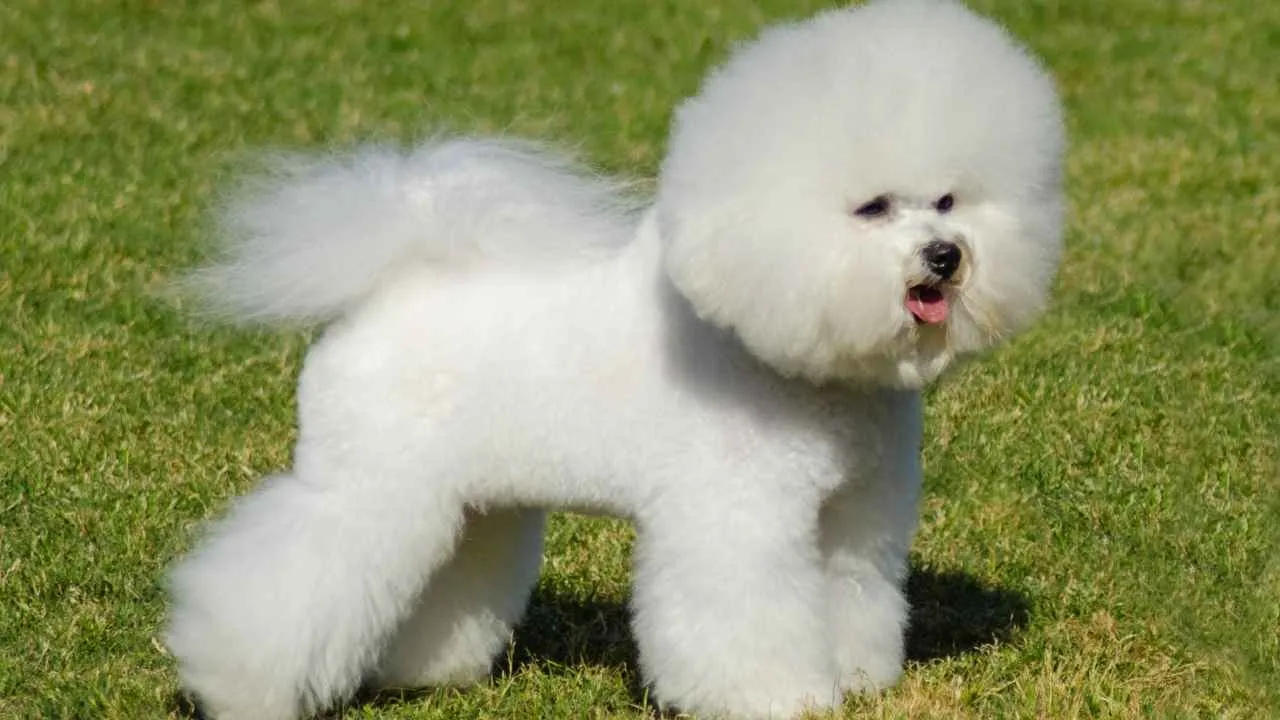
The Bichon Frise comes from a line of circus and companion dogs, bred for charm rather than chasing. It carries a bouncy, friendly energy that rarely reads as threatening. That bounce comes across as an invitation to most cats, not a warning sign.
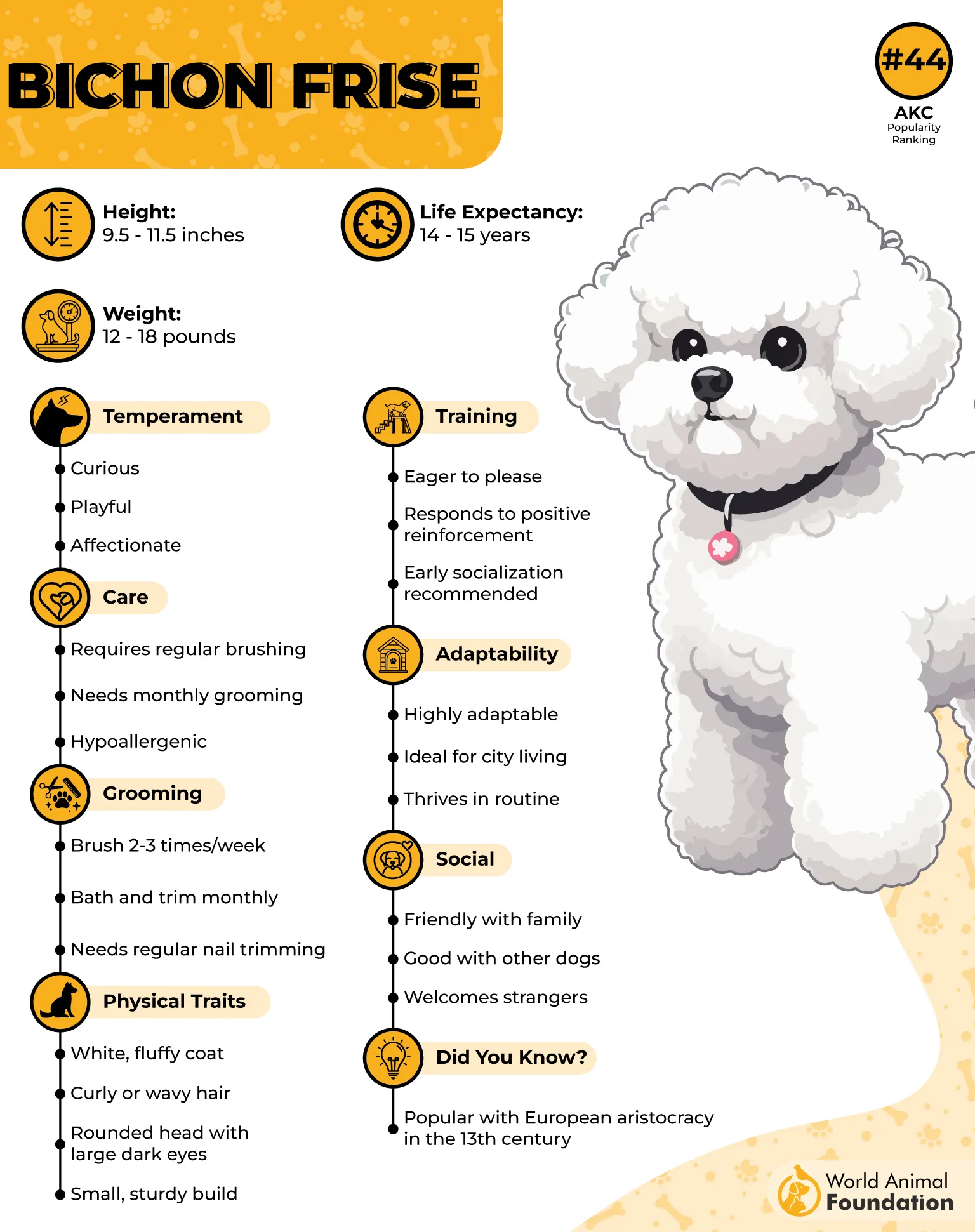
Chase behavior is minimal, though sheer curiosity might send one bounding toward anything quick. That curiosity fades once the cat stands its ground. A toy to chase instead channels the instinct harmlessly.
Socialization: Puppies raised around a patient cat usually pick up on hisses and warning posture within days.
Living together tip: Keep a few vertical escape routes open for the cat during the first weeks together.
This breed fits a cheerful household where the cat tolerates a bit of canine enthusiasm. It is a good match for a playful cat that doesn’t mind mutual games. A cat that prefers solitude may need its own quiet room.
7. Golden Retriever
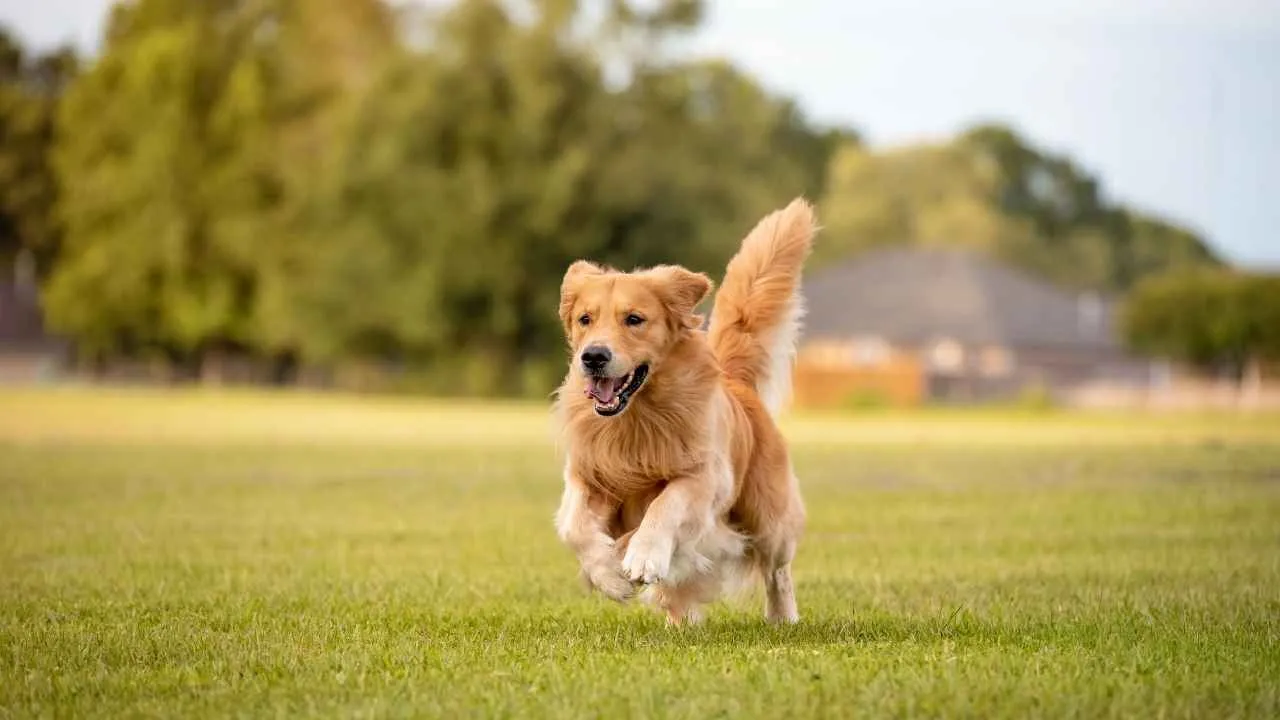
Developed to retrieve game softly, the Golden Retriever carries that same gentle instinct into life with smaller animals. Its enthusiasm calls for training rather than instinct alone to keep a cat comfortable. A well-mannered Golden moves around a cat, not through its space.
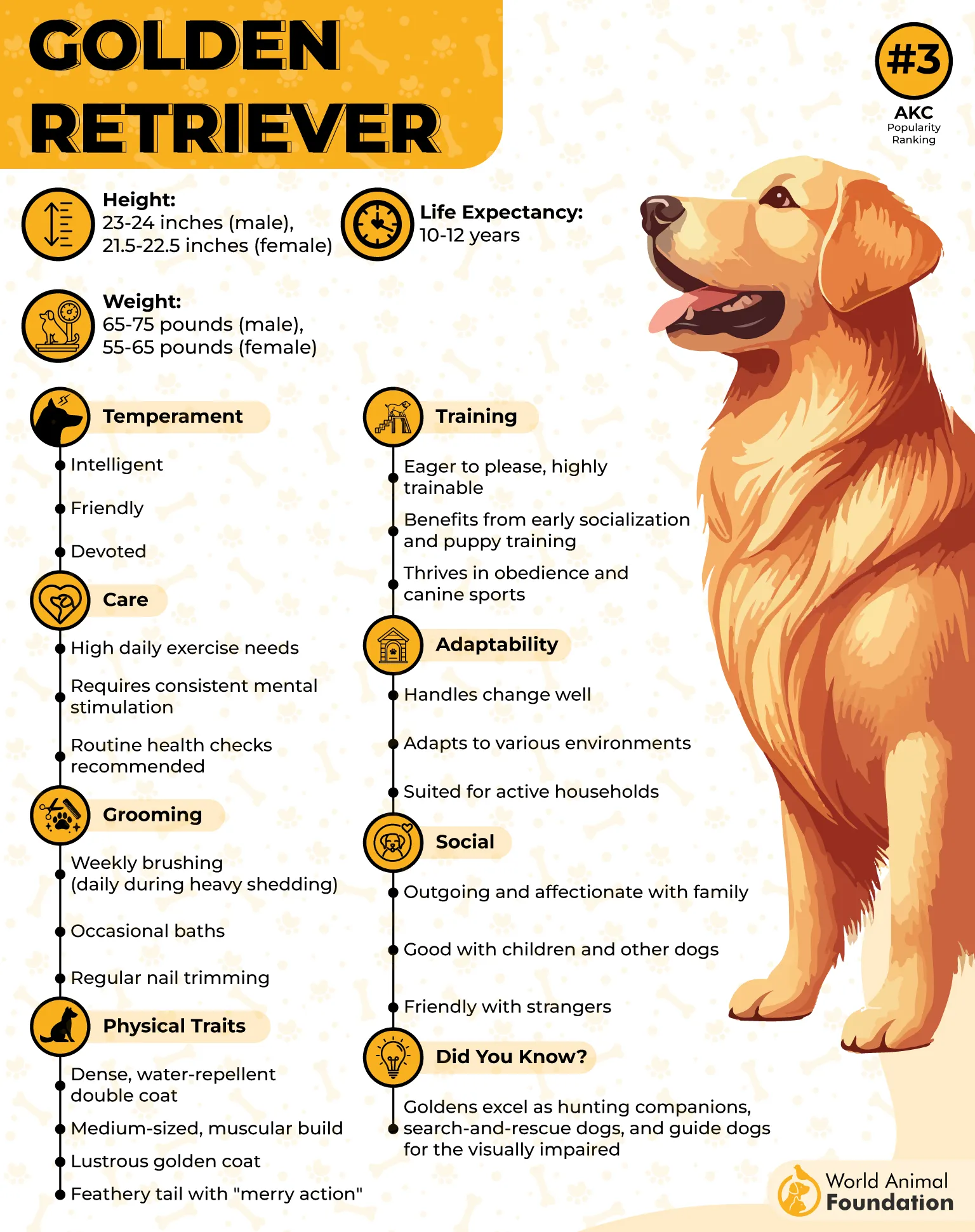
Britannica describes the breed as a hardy, gentle, all-around companion rather than a natural hunter. Any chasing tends to be playful curiosity, not intent, though early supervision still helps. A reliable leave-it command handles the rare overeager moment.
Socialization: Growing up around a calm cat typically produces one of the most trustworthy breeds in a multi-pet home.
Living together tip: Introduce the pair on neutral ground, so neither animal feels it is defending territory.
This breed suits an active household that wants a friendly companion for everyone, cat included. It works well with a confident cat that can hold its ground. A younger kitten may need a slower, gradual introduction.
8. Shih Tzu

The Shih Tzu was bred as a palace companion, with no working or hunting background behind it. It moves at an unhurried, dignified pace rather than darting around a room. That steady energy rarely triggers a cat’s flight response.

Chase instinct here is close to absent, and most Shih Tzus show more interest in attention than pursuit. A sudden cat dash might draw a curious glance, nothing more. Its calm, unhurried nature makes fast chasing unlikely anyway.
Socialization: A puppy introduced to cats early usually grows into an adult that treats a feline housemate as just another companion.
Living together tip: Keep grooming sessions calm and regular during the settling-in period to keep its energy low.
This breed is a strong choice for a quiet household where lounging matters more than active play. It suits a reserved cat that prefers peace over roughhousing. A kitten wanting an energetic playmate may find this breed too mellow.
9. Papillon

The Papillon descends from toy spaniels bred purely for companionship, not for chasing. Its light, quick movements read as playful rather than predatory to a watching cat. That gentle energy poses little real threat even at full speed.
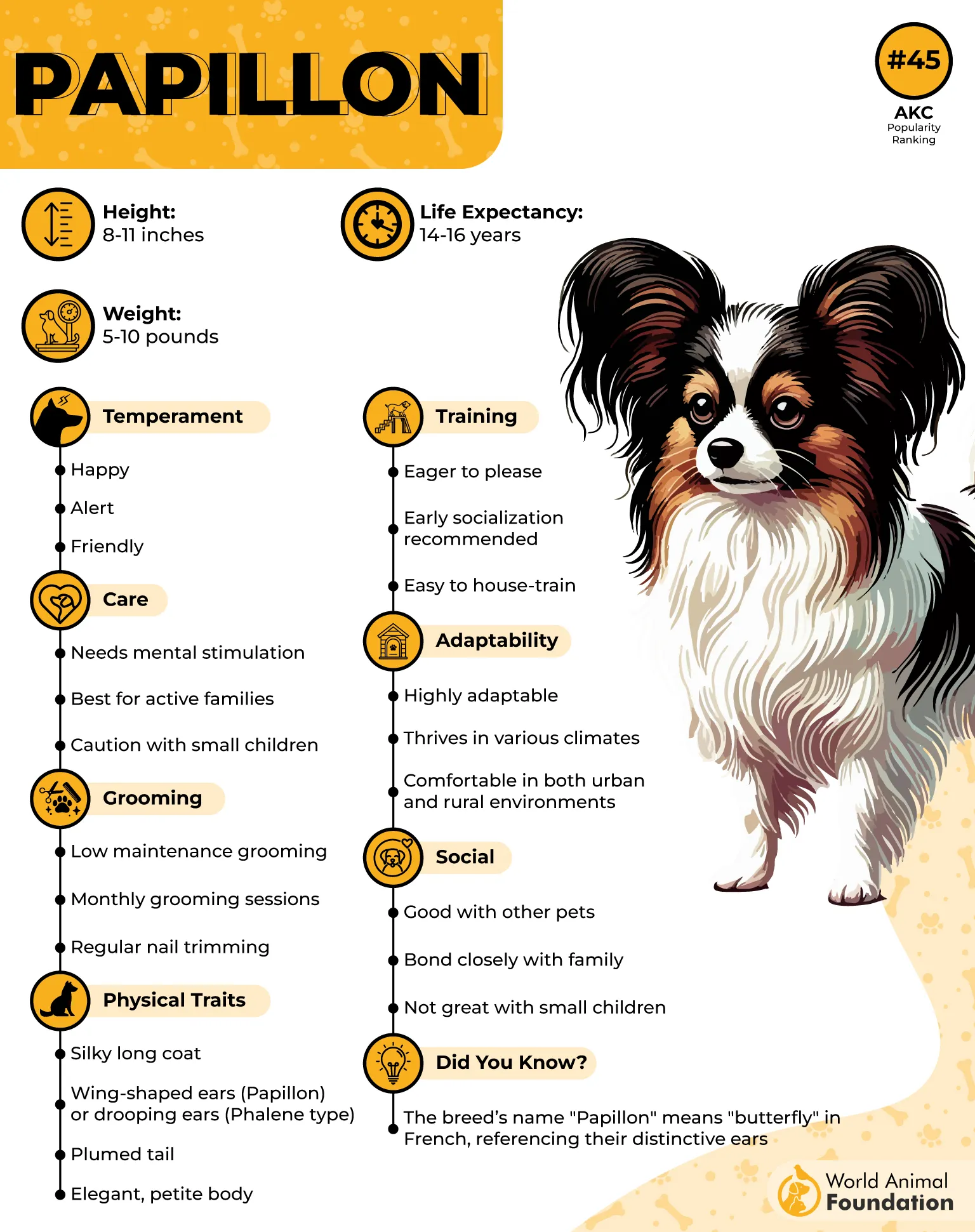
This breed can get excitable and dart after fast-moving objects, cats included, out of a love for motion. That burst is brief, and interest fades once the chase stalls. Structured play with toys gives the instinct a safe outlet.
Socialization: Papillons that meet cats young tend to learn feline boundaries quickly, thanks to their sharp intelligence.
Living together tip: Use a baby gate during unsupervised hours at first, so both pets can retreat if things get lively.
This breed suits a lively household that enjoys watching two agile pets interact. It is a good match for a confident cat that doesn’t mind some chasing in return. A timid cat might prefer a calmer breed.
10. Bulldog
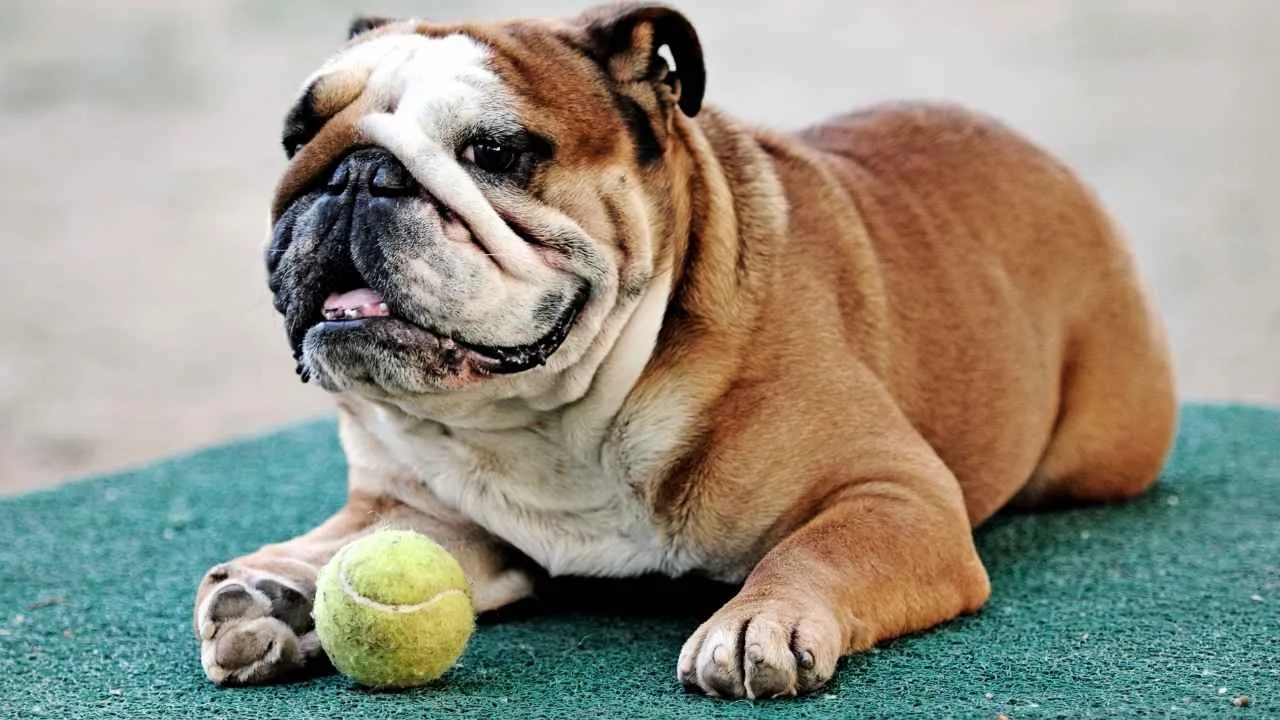
Bred away from its bull-baiting past into a famously gentle companion, the Bulldog carries that shift into a relaxed approach to cats. Its real limit is stamina, not temperament, since it tires fast. That built-in laziness makes it one of the calmer housemates around.

PDSA describes Bulldogs as affectionate and gentle-natured, with little drive to chase anything faster than a stroll. A cat darting past might earn a glance, rarely a pursuit. Watching for overheating during play keeps this breed safe and settled.
Socialization: Early, gentle introductions help a puppy learn to share space calmly with a resident cat.
Living together tip: Keep shared rooms cool and well-ventilated, since this breed overheats fast when excitement rises.
This breed suits a calm, home-based household that values companionship over activity, cat included. It is a good fit for a laid-back cat that enjoys quiet company more than games. A high-energy kitten will likely outpace this breed within the first lap around the room.
Conclusion
Harmony between a dog and a cat is never really about the breed label alone; it’s about instinct, energy, and a bit of patience from both sides. Any of the breeds above can become a well-socialized, deeply bonded companion for a cat-owning family when early interactions go gently.
Before you fall for the cutest puppy in the litter, weigh your cat’s own personality too, since a perfect match runs both ways. So pick your new doggie, start the introductions slowly, and watch a harmonious relationship grow one sniff at a time.
