




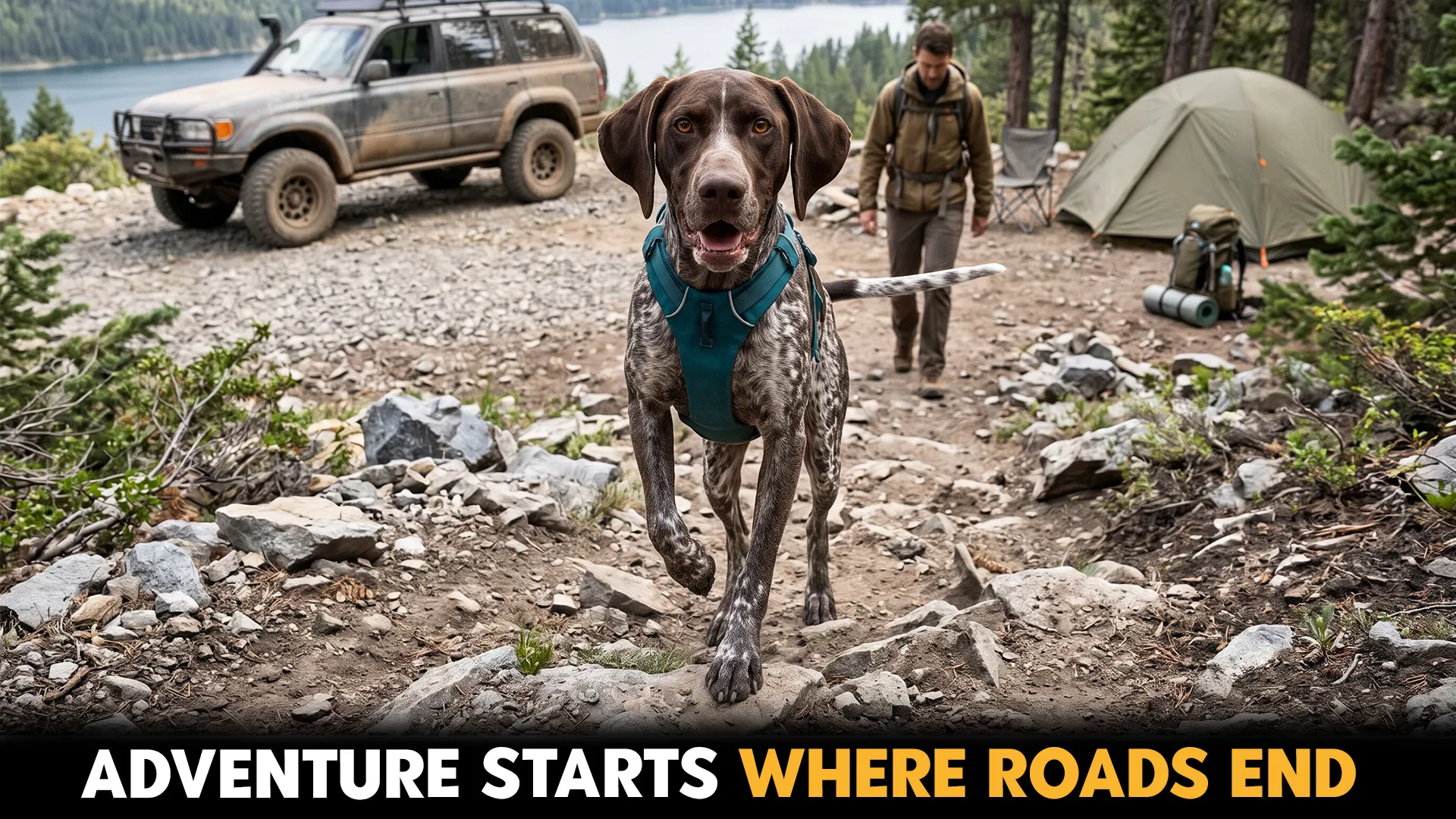
Rocky trails, steep climbs, muddy paths, and nights under the stars — off-road camping is full of surprises! You need more than a dog that loves the outdoors. You need a loyal adventure buddy with the stamina to tackle tough terrain, the confidence to explore new places, and the spirit to keep going when the trail gets rough.
The right four-legged companion makes every mile more exciting, from early morning hikes to cozy nights beside the tent. Some dogs thrive on challenging trails, others love chasing new scents, and a few have the endurance to keep pace for hours.
Meet these adventure-ready dog breeds for off-road camping that bring courage, energy, and plenty of personality to your outdoor trips. Find your perfect trail partner and get ready for camping memories filled with muddy paws, fresh air, and happy tail wags!
Adventure-Ready Dog Breeds for Off-Road Camping
1. Australian Shepherd
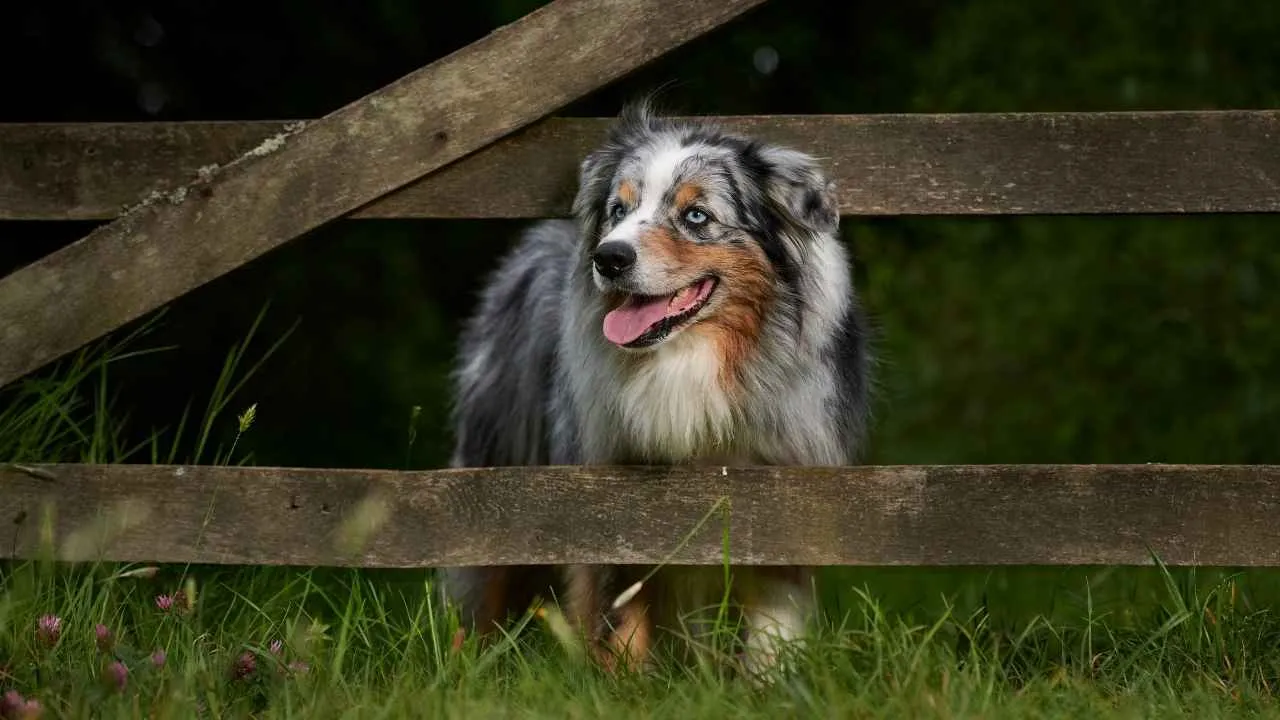
The Australian Shepherd earns its place among adventure-ready dog breeds for off-road camping through impressive agility, sharp intelligence, and enthusiasm for outdoor challenges. Despite its name, this herding breed developed in the United States, where ranch work shaped its versatile skills.
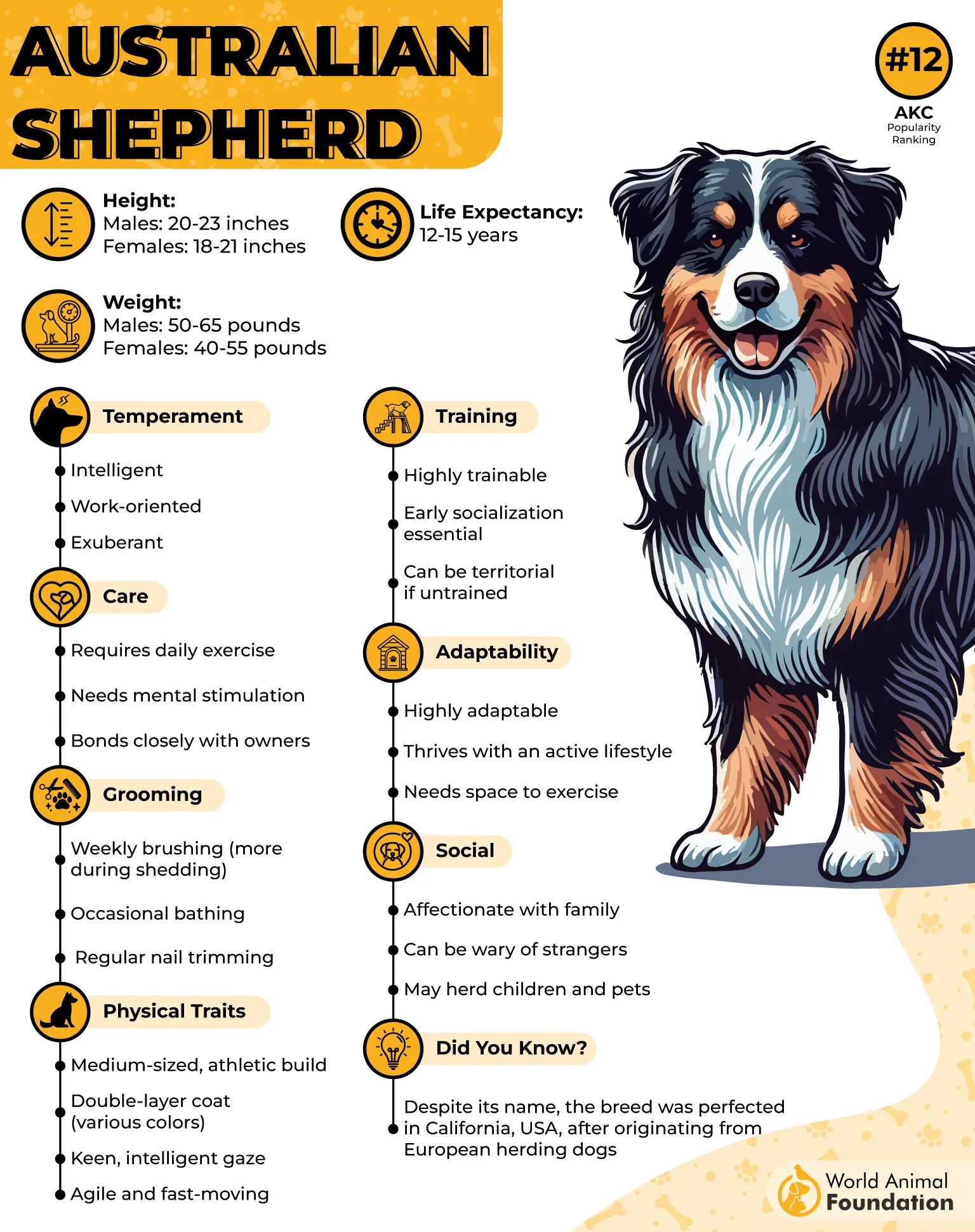
Australian Shepherds move confidently across uneven paths and remain alert to every rustle around camp. Omlet notes that their loyal personalities help them bond closely with their families, and their eagerness to learn makes teaching new commands rewarding.
From exploring winding forest trails to chasing a ball across an open field, these athletic companions appreciate having a purpose.
Their herding instincts deserve attention around cyclists, children, and unfamiliar animals. Consistent guidance helps direct that lively energy into appropriate activities.
Training & Exercise
Daily exercise should include long walks, hiking, interactive games, and obedience training. Herding trials and canine sports provide additional mental stimulation. Practice reliable recall before visiting wildlife-rich areas, and gradually increase trail difficulty.
2. Australian Cattle Dog
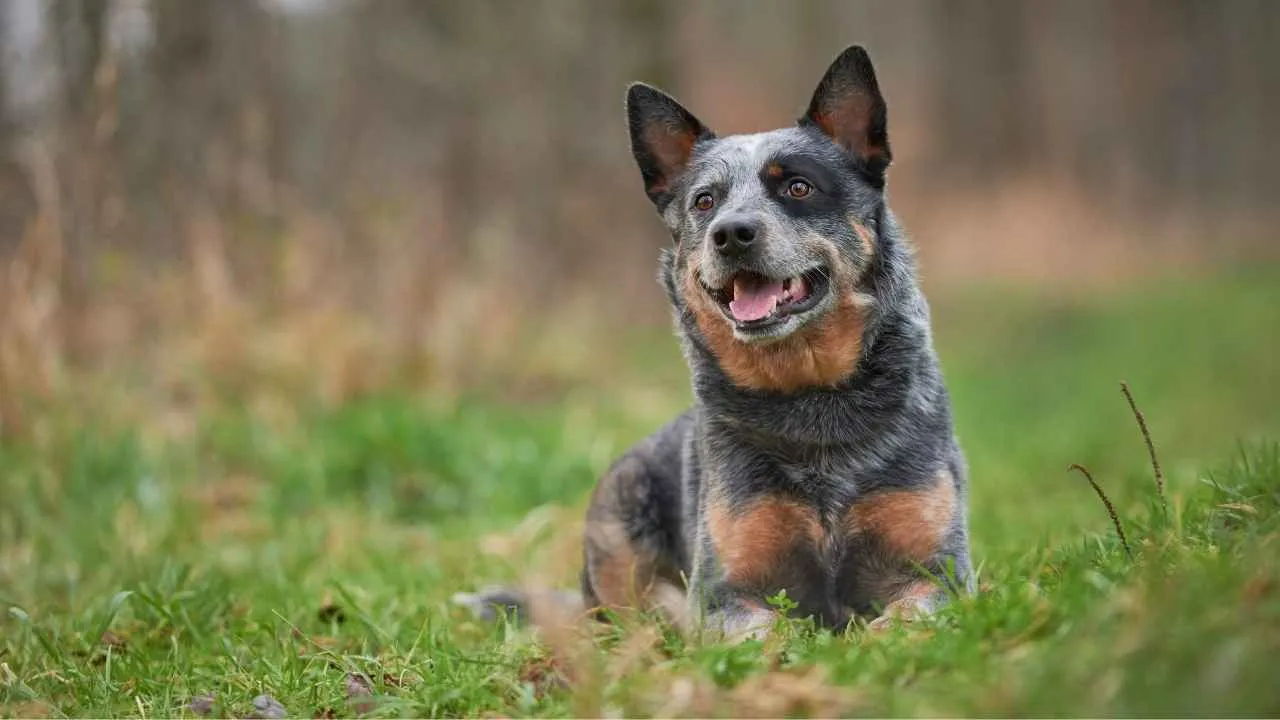
Small package, mighty determination. The Australian Cattle Dog approaches rugged trails with the confidence of a seasoned explorer. Originally bred in Australia to move livestock across demanding terrain, this sturdy worker developed remarkable endurance, quick reactions, and a practical approach to difficult jobs.
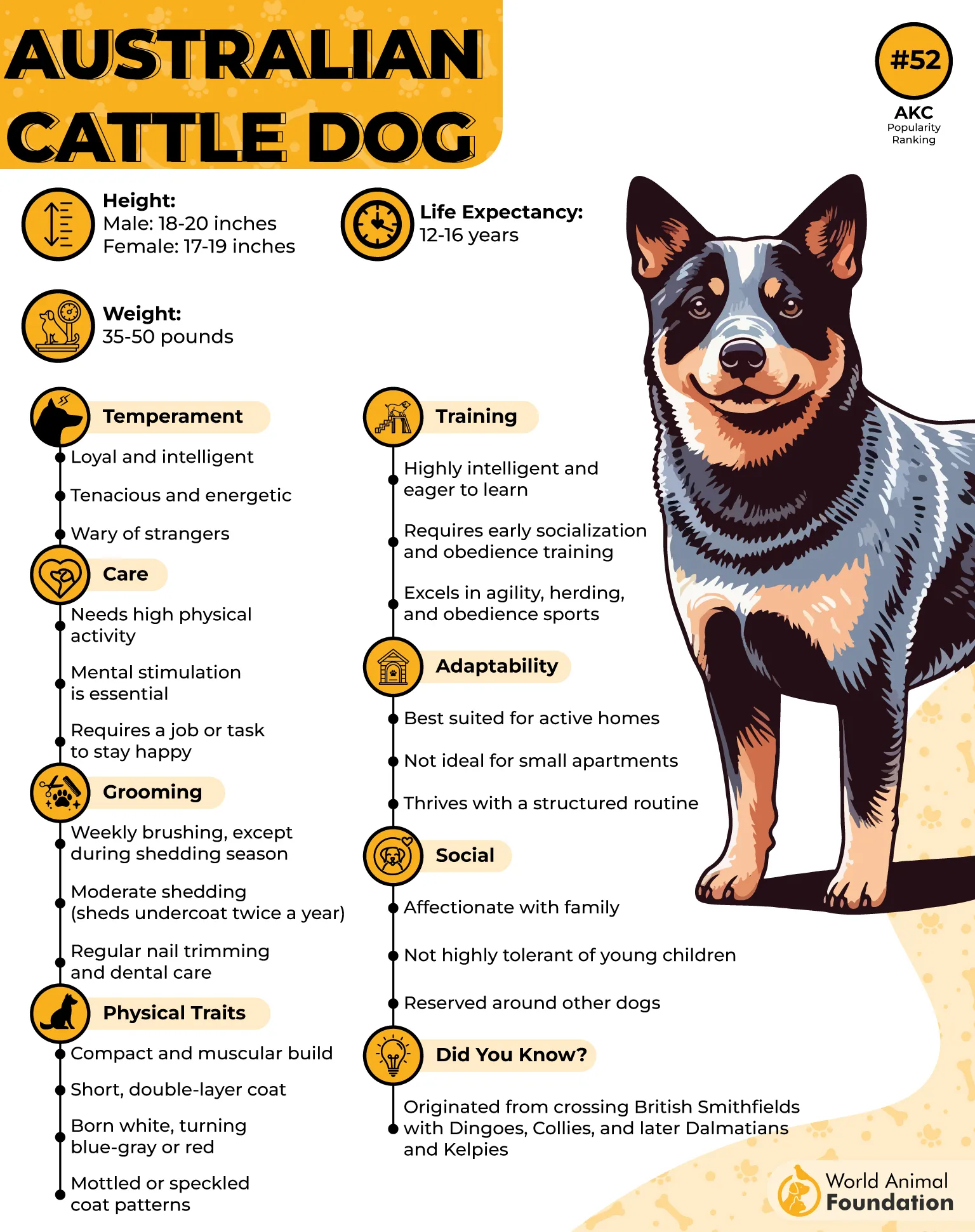
Its blue or red speckled coat adds plenty of character, and its alert expression suggests that every campsite deserves a thorough inspection.
Purina states that Australian Cattle Dogs suit active owners who prefer exploring rocky paths to spending an entire afternoon lounging around camp. They also form strong family bonds and appreciate having useful tasks to complete.
Independence adds to their charm, although their herding instincts need thoughtful management around children, cyclists, and other animals.
Training & Exercise
Mix daily exercise with puzzle toys, structured play, and consistent obedience lessons. Teach loose-leash walking and a dependable recall before heading into unfamiliar territory.
Reward calm behavior around other dogs and people. Gradually build hiking distance, provide regular rest stops, and avoid pushing young puppies through strenuous activity before their bodies are ready.
3. Border Collie
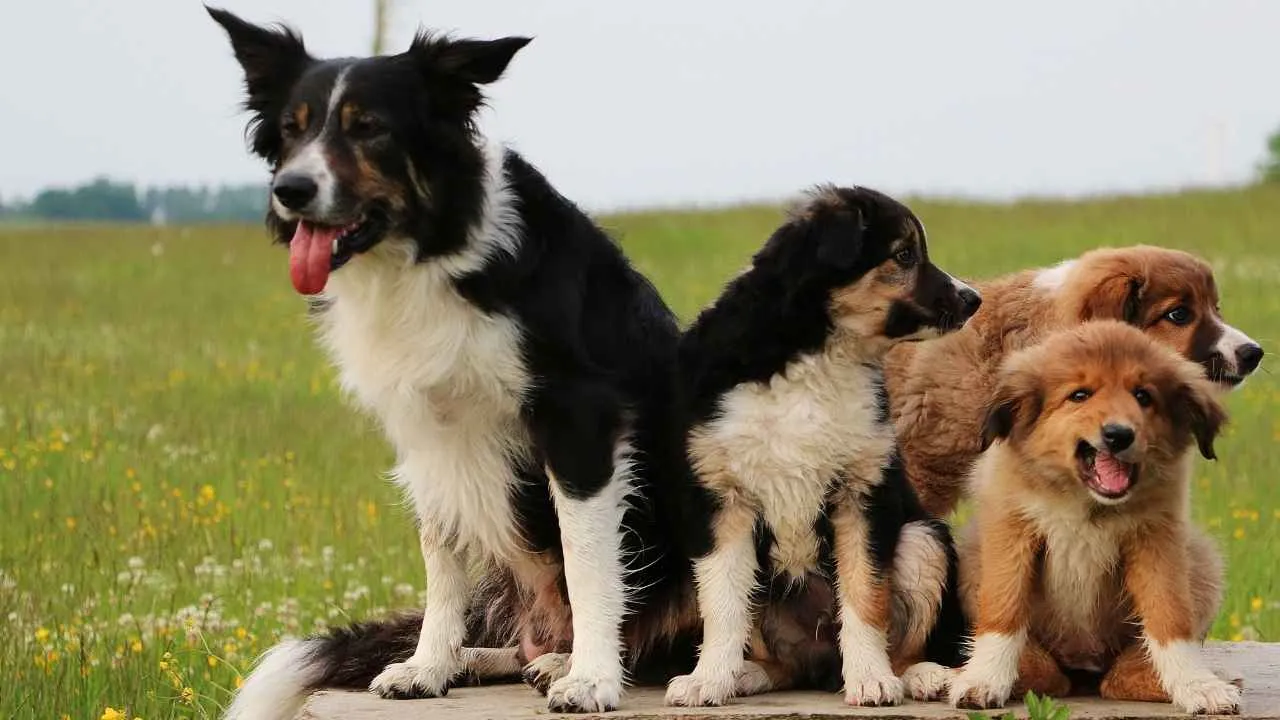
Meet the trail enthusiast with a brain that rarely takes a day off. Border Collies are renowned for their intelligence, agility, and remarkable ability to respond to subtle cues. Developed as herding dogs, they combine quick thinking with athletic movement, making them exciting partners for experienced campers who love keeping busy.
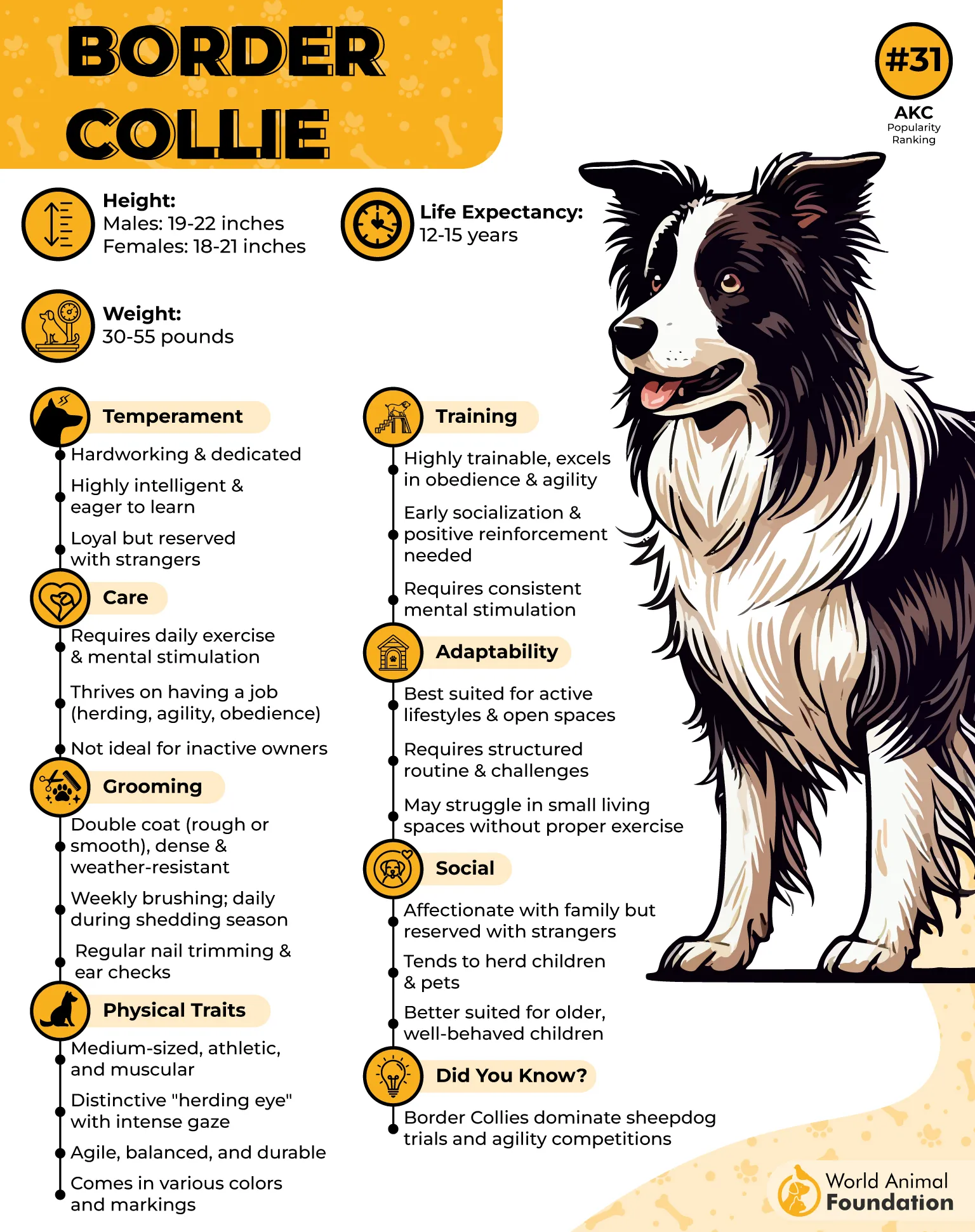
Their attentive nature helps them learn campsite routines, follow familiar commands, and work closely with their people. A winding woodland route offers plenty to investigate, and an open clearing provides room for supervised games. These affectionate companions thrive when outdoor adventures include both physical movement and interesting challenges.
However, a short stroll followed by hours of inactivity rarely satisfies this energetic breed. Without enough stimulation, a bored Border Collie might invent its own entertainment, including chasing movement or rearranging camping equipment with enthusiastic little paws.
Training & Exercise
Plan regular hiking, obedience training, scent games, and agility exercises. Build stamina gradually before attempting lengthy hikes or steep climbs. Interactive toys and short training sessions also help keep a busy mind occupied during quiet evenings at camp.
4. German Shorthaired Pointer
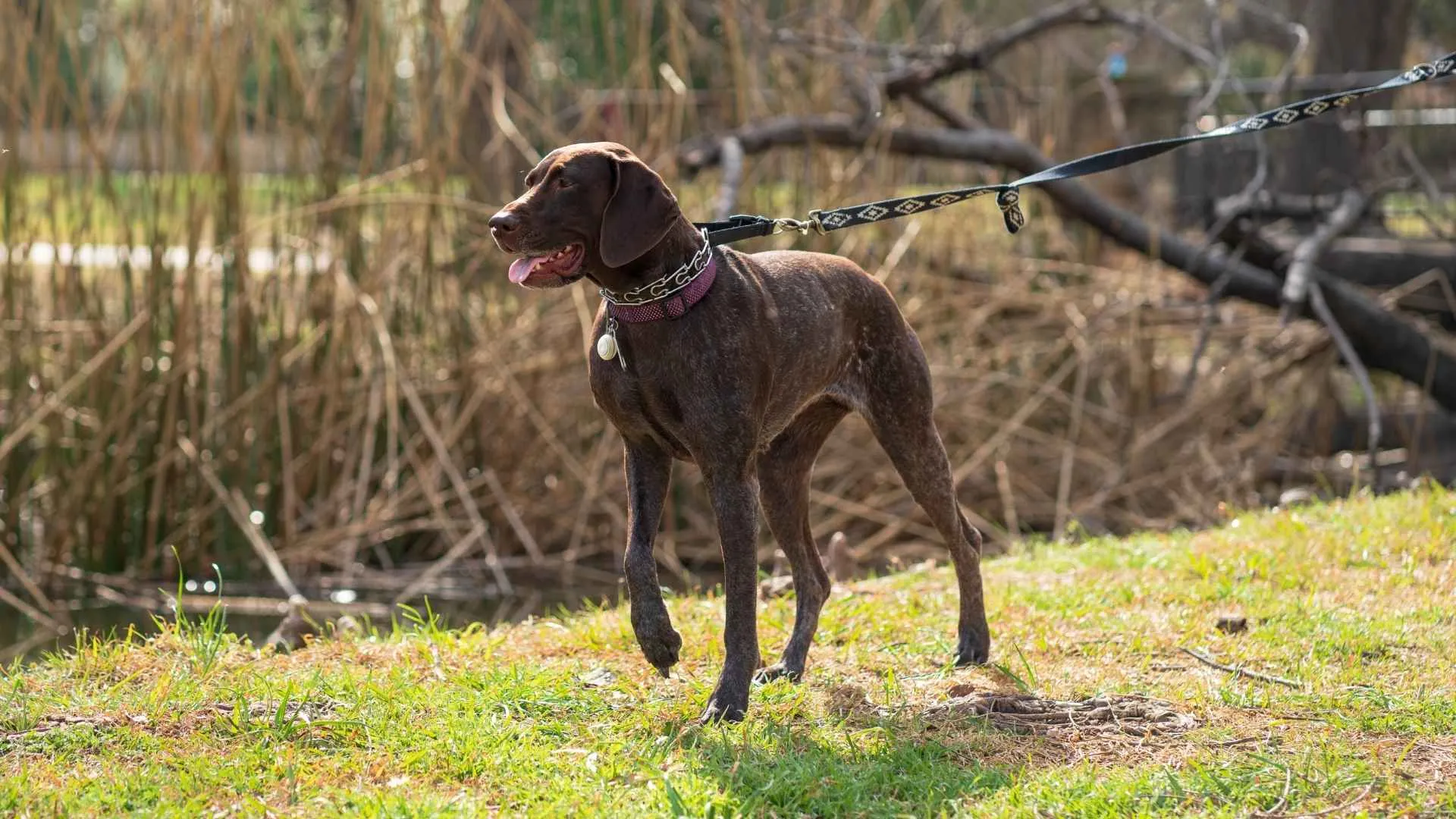
If your idea of a perfect camping morning involves miles of trail and plenty of fascinating smells, the German Shorthaired Pointer deserves a closer look. This athletic hunting breed was developed for versatile fieldwork, combining speed, endurance, and a keen sense of smell in one energetic package.
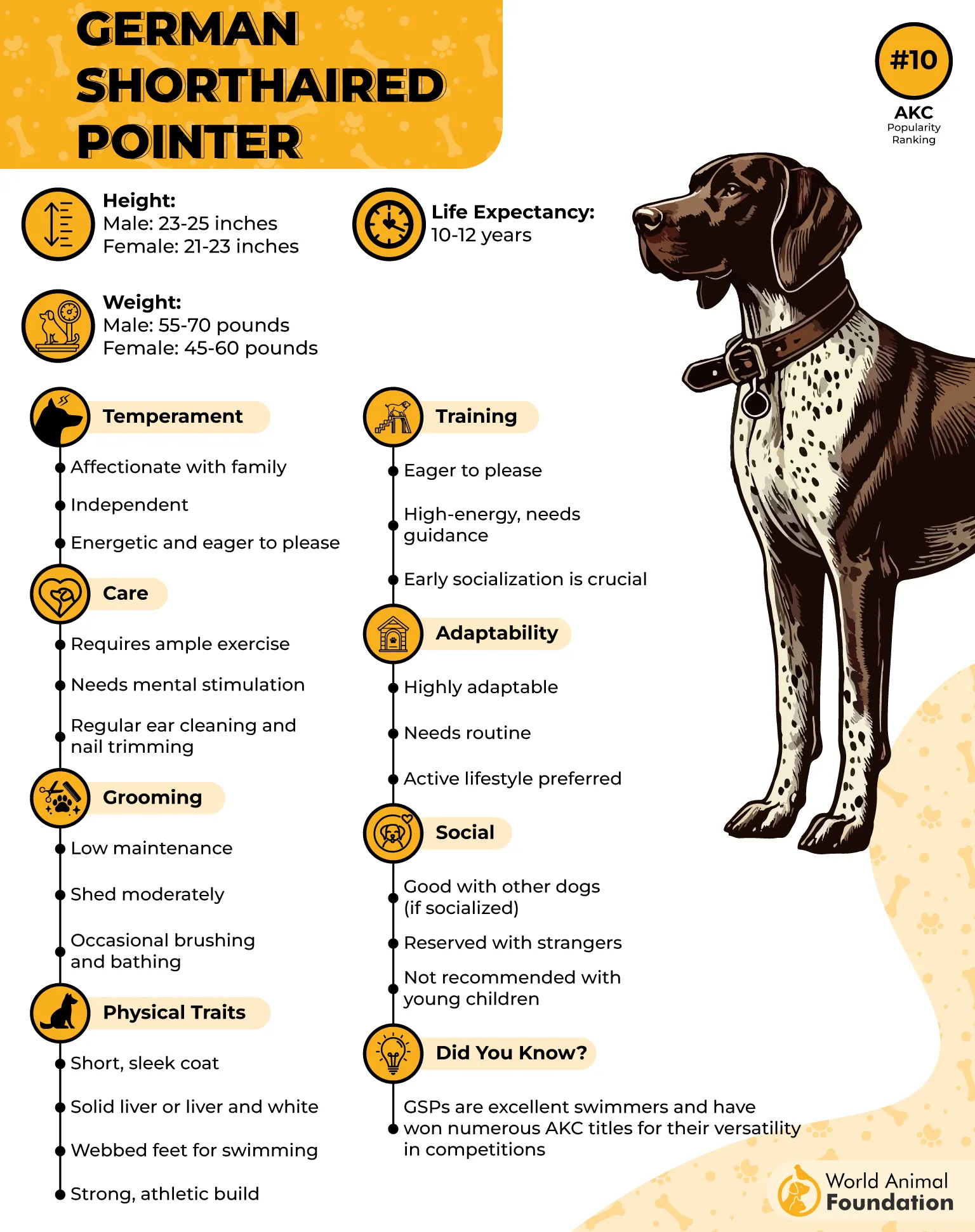
Its sleek, spotted coat and muscular frame suit active households that prefer full days outside. Expect frequent sniffing stops as your companion investigates woodland scents, grassy clearings, and rocky tracks. German Short-haired Pointers generally enjoy working alongside their people, making shared outdoor activities a rewarding way to strengthen your bond.
PetMD highlights that their hunting background also brings a strong prey drive. A rabbit darting through the undergrowth or a bird taking flight might trigger an instinctive chase. That natural enthusiasm makes training and supervision especially important in wildlife-rich camping areas.
Training & Exercise
Offer daily exercise through running, retrieving games, scent work, and hiking suited to your dog’s fitness. Reinforce leash manners and recall before exploring unfamiliar trails.
5. Vizsla
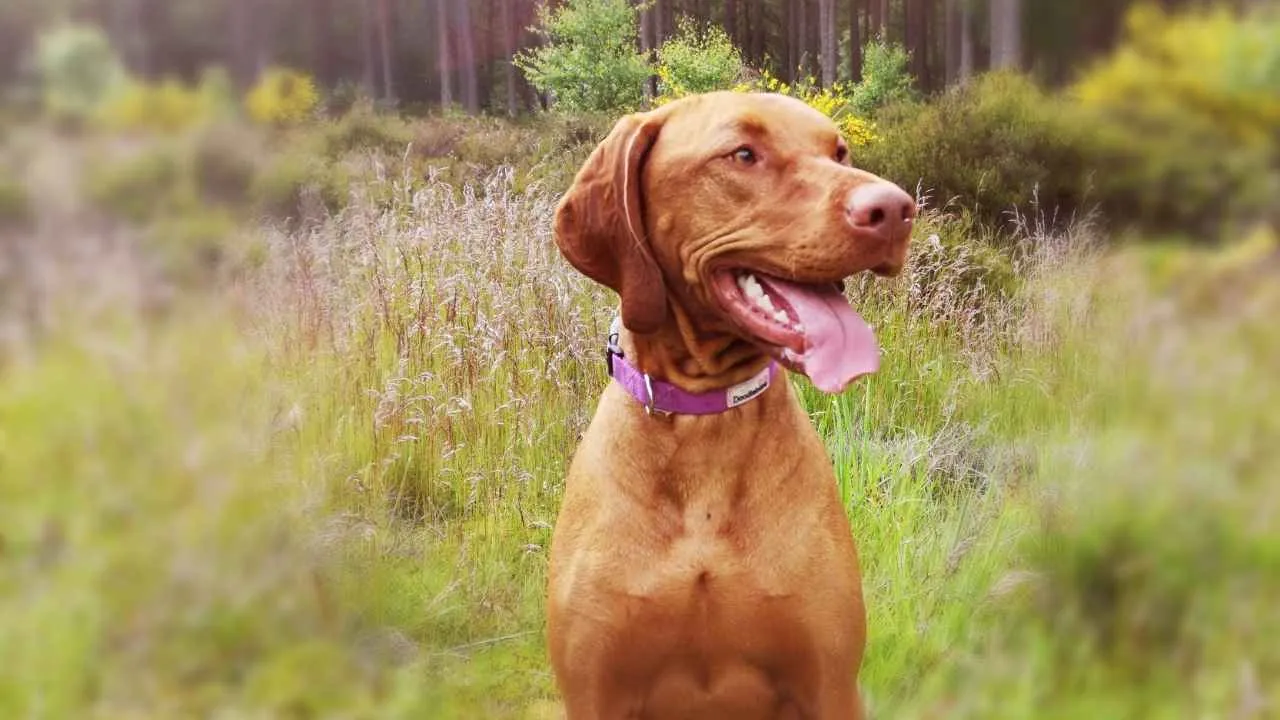
A warm rust-colored coat, soulful eyes, and a sweet personality give the Vizsla a special place in the hearts of outdoor enthusiasts. Originating in Hungary, this versatile hunting breed developed as a close-working companion with impressive athleticism and a strong desire to stay connected to its people.
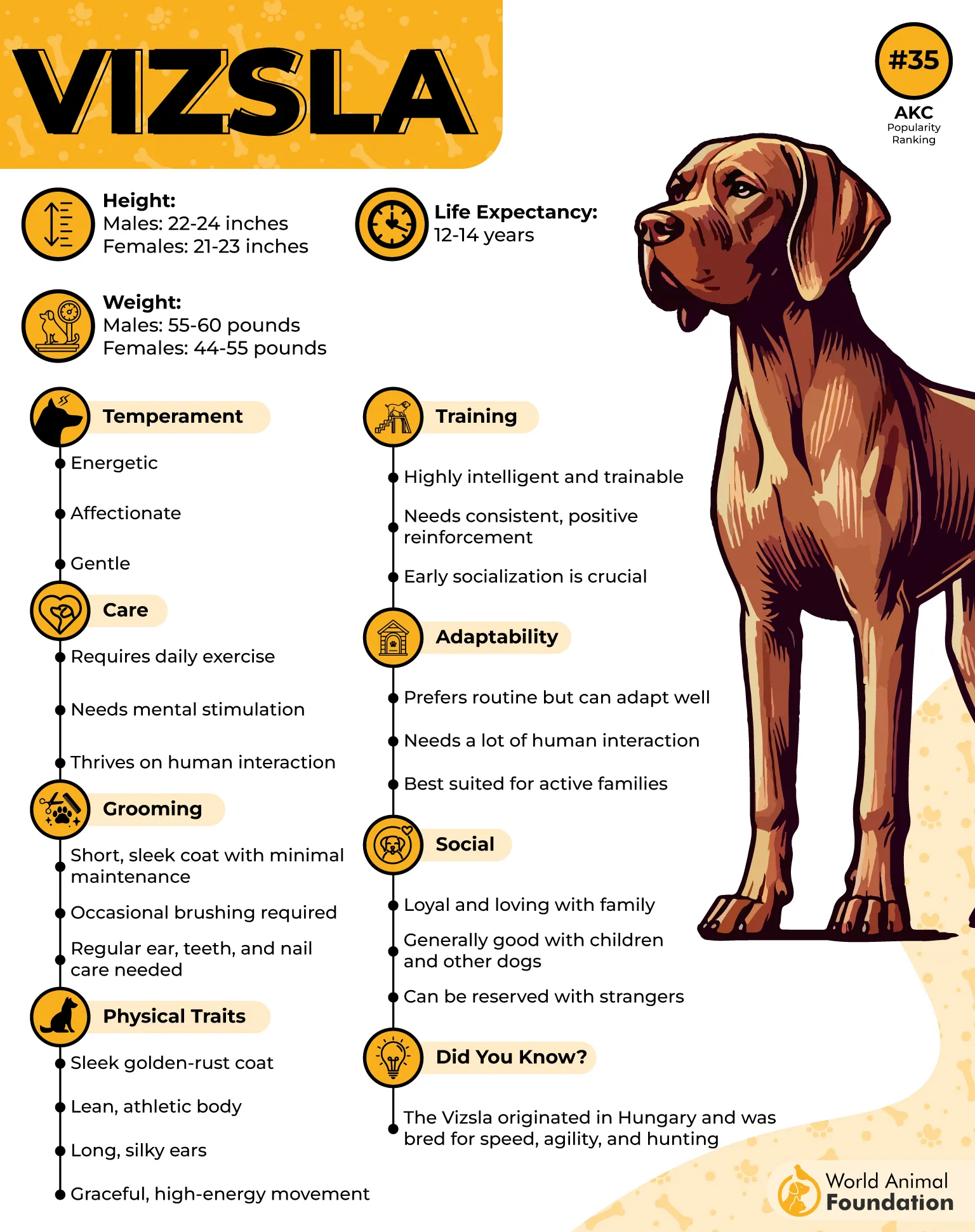
Vizslas enjoy shared experiences, whether that means exploring forest trails, joining a morning run, or curling up near the tent after a busy day. Their lean build supports active pursuits, and their short coats make routine grooming relatively simple after dusty excursions. These affectionate dogs generally prefer family company to long periods of isolation.
Their enthusiasm needs sensible management in warm conditions. A short coat doesn’t eliminate the risk of overheating, and lengthy hikes demand gradual conditioning. Cooler mornings offer more comfortable opportunities to explore when daytime temperatures climb.
Training & Exercise
Provide regular hiking, running, retrieving games, and positive-reinforcement training. Build endurance gradually before tackling long distances.
6. Siberian Husky
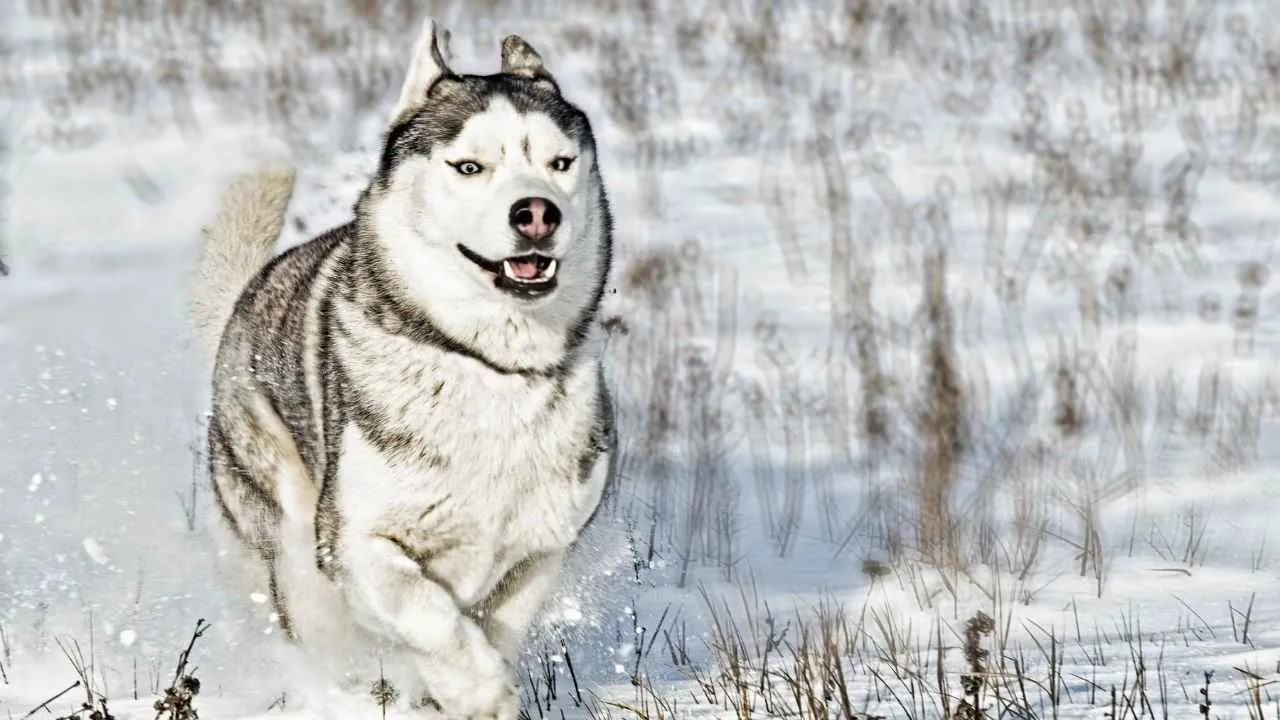
Snowflakes, crisp air, and mountain trails bring out the adventurous spirit of the Siberian Husky. Originally developed for sled pulling across long distances, this northern breed possesses impressive endurance and a thick double coat suited to chilly conditions.
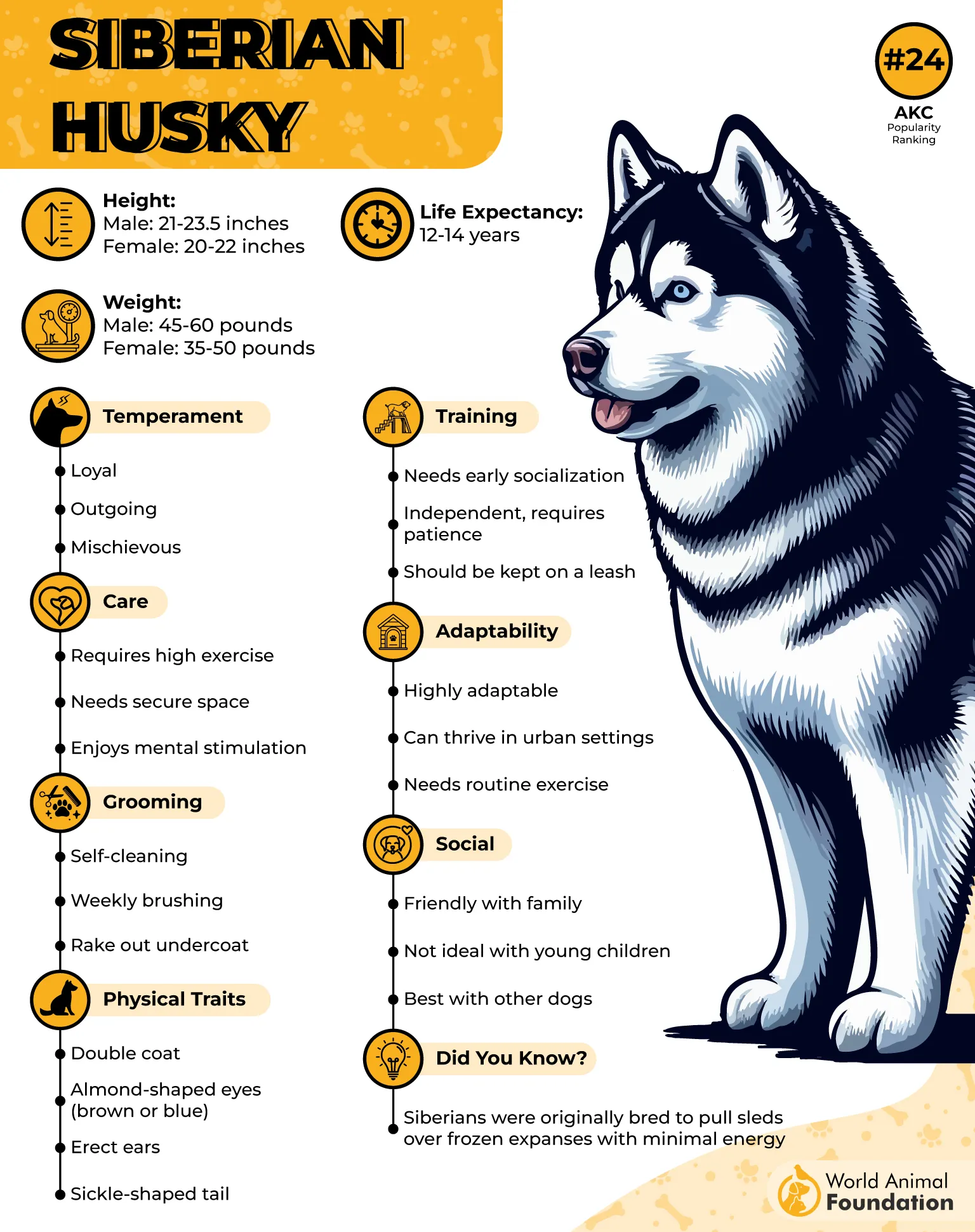
Huskies generally enjoy social interaction and vigorous outdoor activity. Their independent streak, however, deserves respect. An interesting scent or distant movement might tempt a curious Husky to wander beyond the campsite. This is why secure boundaries and close supervision are essential. Even an obedient dog needs sensible precautions in open wilderness.
Warmer climates call for extra care because the dense coat increases the risk of overheating during demanding exercise. Summer adventures need shorter outings, cooler schedules, and comfortable resting areas.
Training & Exercise
Provide regular exercise in suitable weather and practice leash manners from an early age. Secure enclosures help prevent unexpected escapes at camp. Recall training remains valuable, but keep your dog on a lead near roads and wildlife.
7. Weimaraner
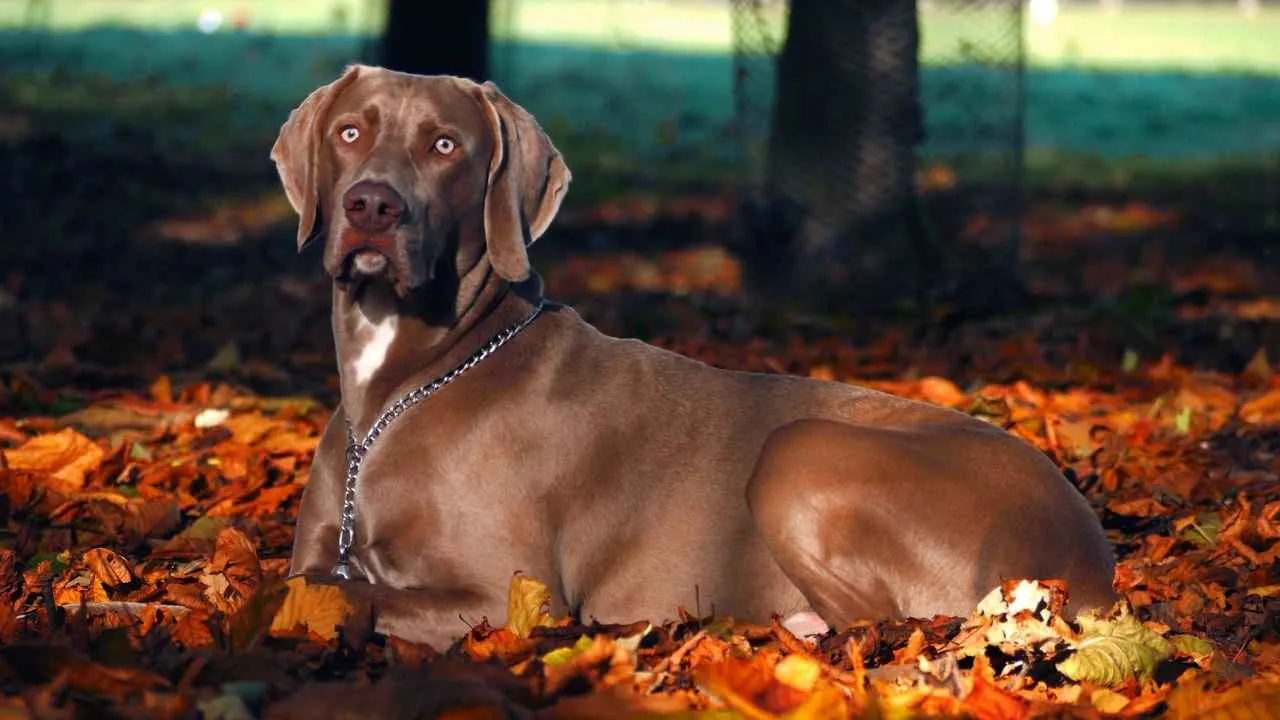
With a shimmering silver-gray coat and striking eyes, the Weimaraner adds a touch of elegance to rugged outdoor adventures. Developed in Germany as a hunting companion, this athletic breed combines strength, speed, and a people-focused personality.
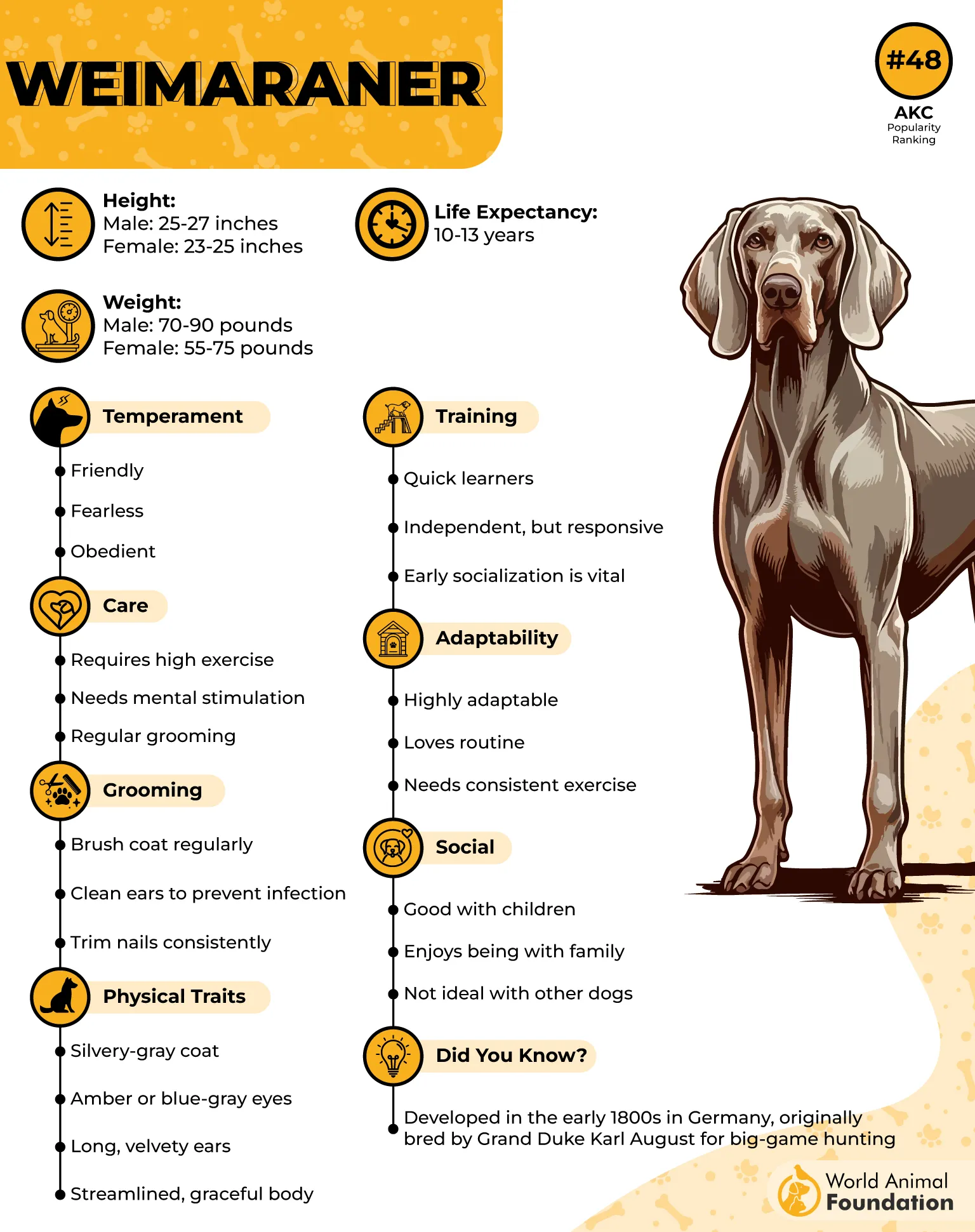
Weimaraners form close connections with their families and enjoy being included in everyday activities. AKC recognizes that exploring open countryside, walking through forests, and playing supervised games near camp give these energetic companions plenty to investigate. Their short coats also simplify cleanup after muddy excursions.
These dogs appreciate companionship and meaningful interaction. Long periods of isolation or inactivity rarely suit their needs, and boredom might lead to chewing, digging, or overexcited behavior around campsite visitors.
Training & Exercise
Plan regular running, hiking, interactive games, and obedience training. Build endurance gradually before tackling steep climbs or demanding backpacking routes.
Offer water breaks, a comfortable sleeping spot, and quiet recovery time after a busy day of outdoor exploration.
8. Rhodesian Ridgeback
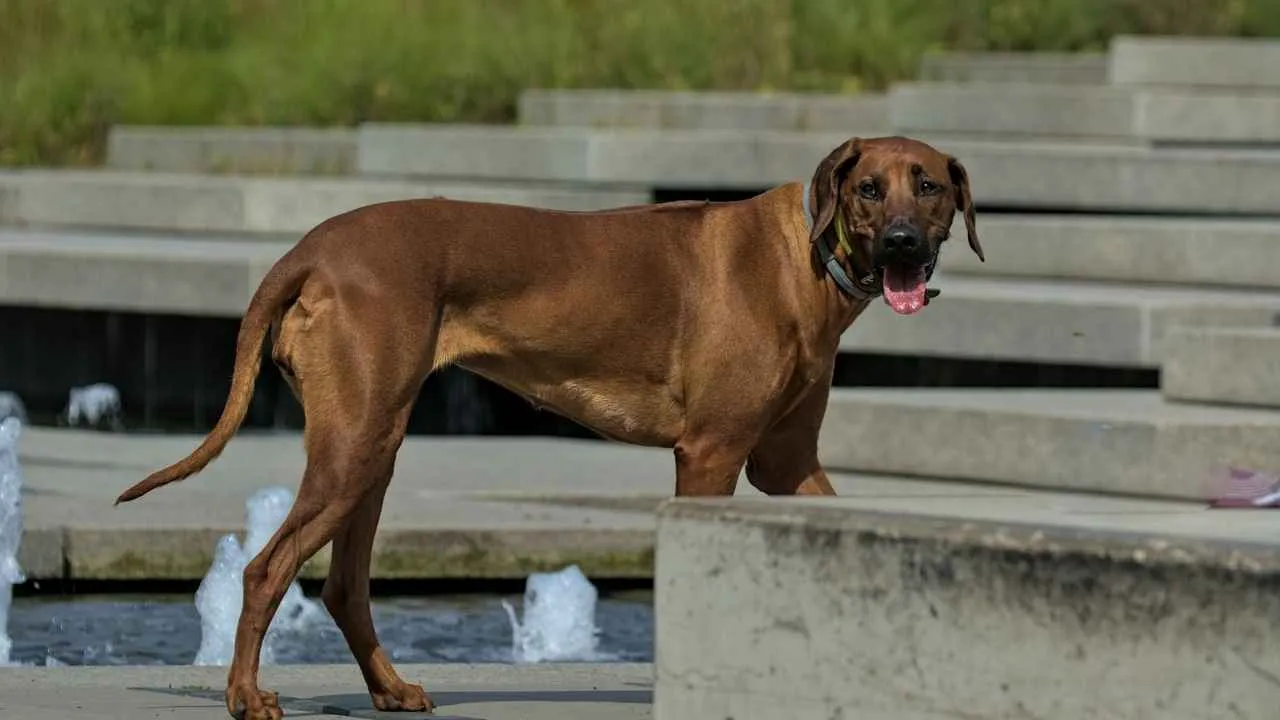
Confident, muscular, and quietly watchful, the Rhodesian Ridgeback brings a distinctive presence to wilderness trips. Its signature feature is the strip of backward-growing hair along its spine. Originating in southern Africa, this breed developed as a versatile hunting dog associated with tracking and pursuing large game.
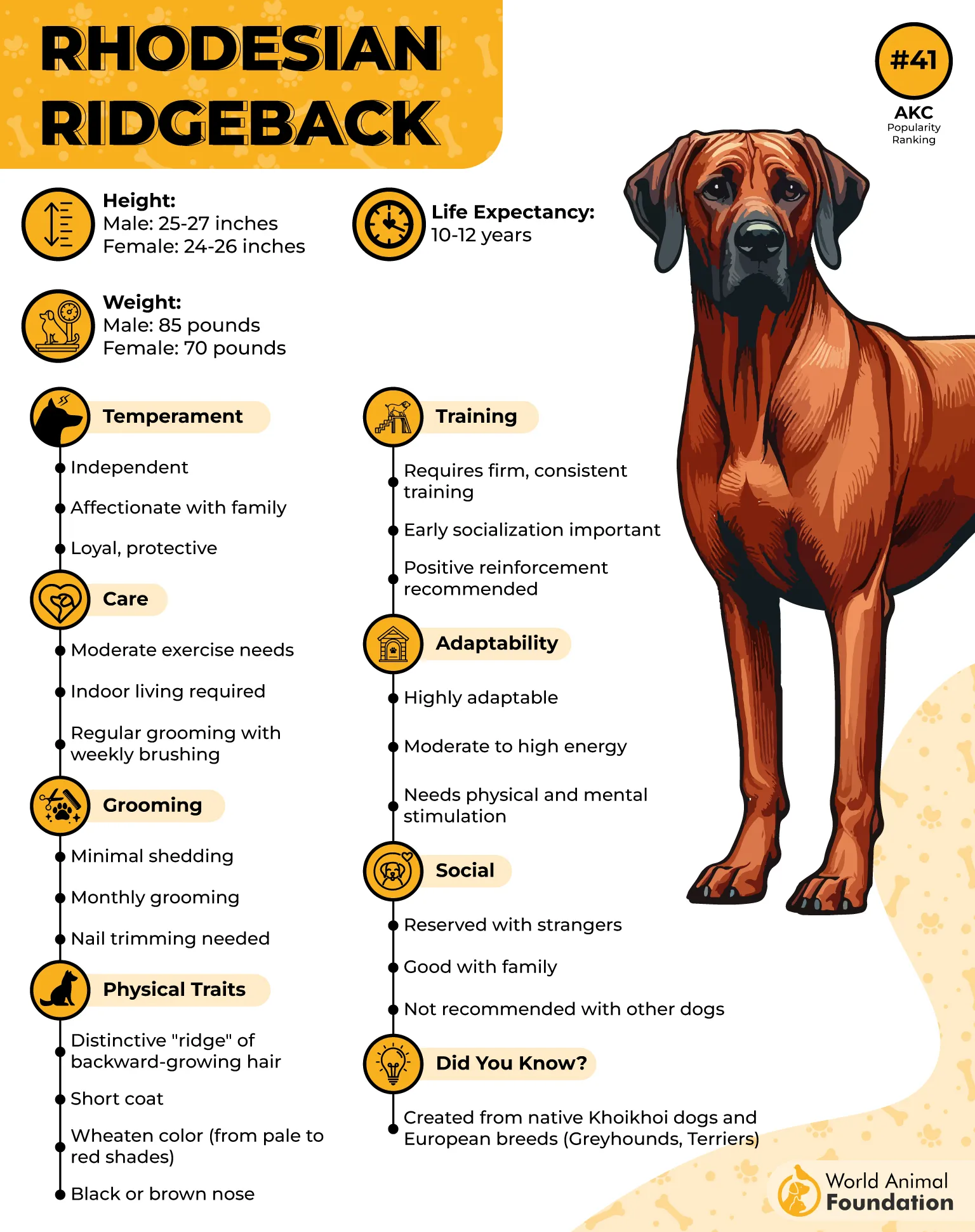
Its short, wheaten-colored coat requires relatively straightforward grooming after dusty excursions. Ridgebacks tend to form loyal family bonds and approach unfamiliar situations with thoughtful reserve. Their athletic build supports active pursuits, although their independent nature calls for patient guidance and consistent boundaries.
Heat, wildlife, and uneven ground deserve consideration before choosing a route. A Ridgeback’s physical strength doesn’t automatically make every steep or lengthy hike suitable.
Training & Exercise
Start with early socialization, consistent leash training, and a dependable recall. Increase distance gradually and provide water and shaded rest stops. Keep your companion securely leashed around wildlife because a strong prey drive might override familiar commands.
9. Labrador Retriever
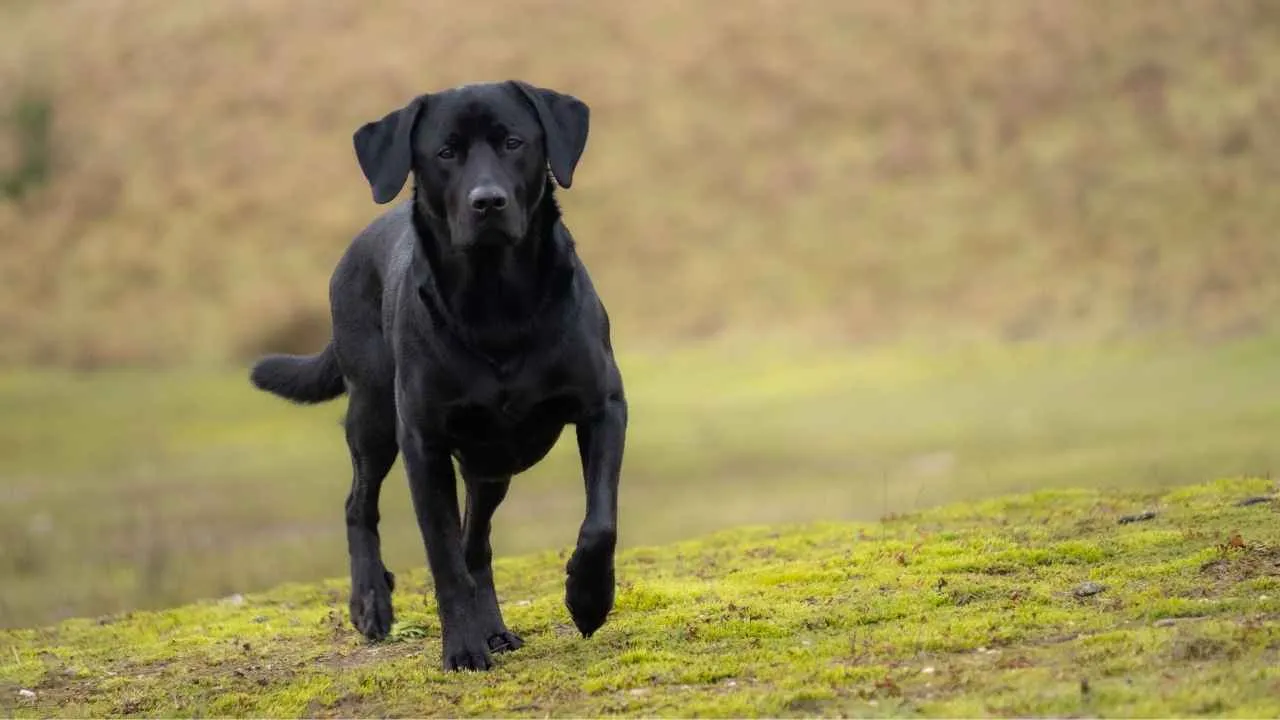
A wagging tail, a friendly face, and an enthusiastic response to the word adventure make the Labrador Retriever a beloved outdoor companion. Originally developed as a working retriever, this sturdy breed has a history of helping people around water and retrieving game. Its sociable personality also suits families who want to include their dog in weekend escapes.
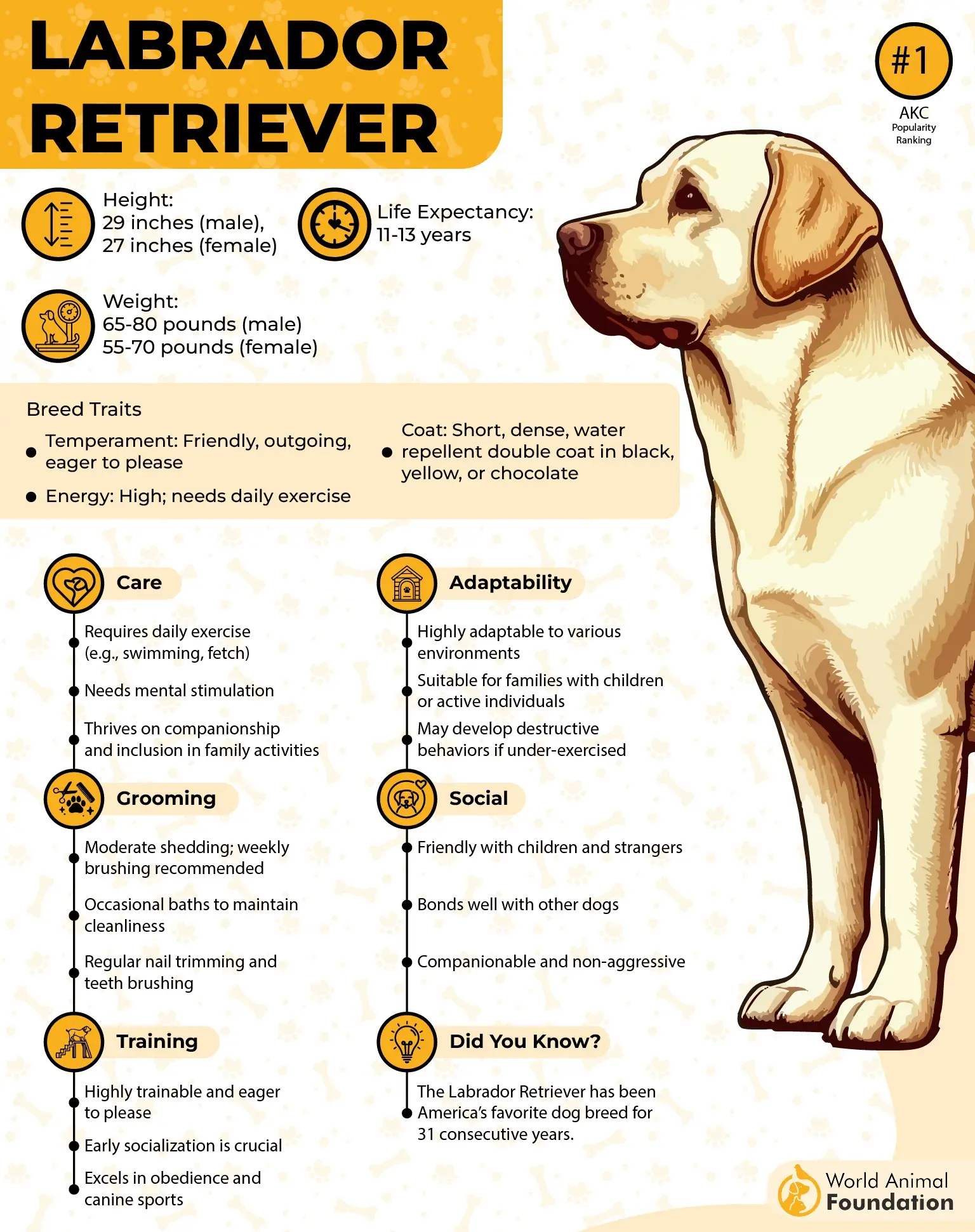
Labradors generally enjoy meeting people, exploring new surroundings, and playing fetch whenever someone produces a ball. A lake beside camp offers another exciting attraction, although swimming requires supervision and safe entry points. Their adaptable temperament also appeals to first-time campers seeking a cheerful partner for everyday adventures.
Food deserves special attention around these curious explorers. A delicious scent from an unattended bag might inspire a little campsite investigation, so secure rubbish, store provisions properly, and keep snacks out of reach.
Training & Exercise
Combine daily exercise with retrieving games, safe swimming, and positive-reinforcement lessons. Increase hiking distance according to age, health, and fitness. Teach a reliable recall before exploring open trails, and reward calm campsite behavior.
Conclsion
The right camping partner depends on your route, climate, experience, and everyday routine. Research your preferred breed carefully and meet the individual dog before making a decision. The best hiking partners aren’t simply energetic or strong; they also respond to training, recover comfortably, and suit your lifestyle.
Prepare thoughtfully, respect your dog’s limits, and your next outdoor adventure could become a treasured tradition filled with muddy paws, fresh air, and happy memories.
